
ศาสตร์เกษตรดินปุ๋ย : ขอบคุณแหล่งข้อมูล : หนังสือพิมพ์ The Nation
http://www.nationmultimedia.com/news/travel/30303839
By Phoowadon duangmee
The Nation
Help the UN achieve its goal of sustainable tourism by turning your holiday into a volunteer experience
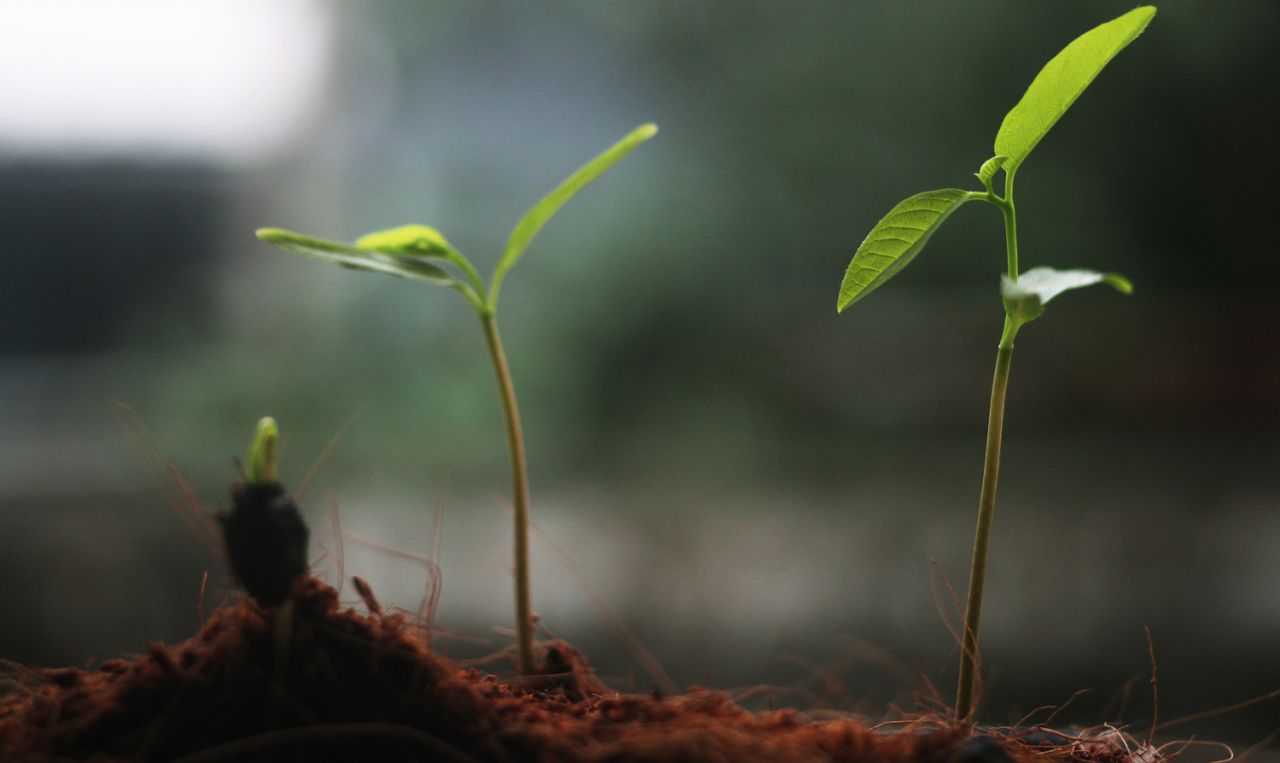
The United Nations has declared 2017 as the International Year of Sustainable Tourism for Development. It’s a noble goal and one to which most people will pay lip service, but can tourism really be sustainable? This week we take a look at five destinations where visitors can make a difference. From selecting seeds at an organic farm in Chiang Mai to planting trees for wild elephants and bathing domesticated pachyderms in their sanctuary, these experiences could change your life.
Helping wild elephants in Kanchanaburi
The Asian elephant is disappearing from Thailand as humans increasingly exploit its natural habitat – the forest. You can help remove them from the endangered species list by rebuilding their habitat while also enjoying a holiday. Bring the Elephant Home (BTEH), a conservation project founded by Dutch national Antoinette van de Water who lives in Chiang Mai, provides wild elephants and other wildlife with extra living space and food. BTEH, together with Salak Phra Wildlife Sanctuary in Kanchanaburi Province, plants trees, makes salt licks and builds firebreaks, all with the aim of restoring the forest for its wild residents. The activities mainly involve cutting firebreaks, building check dams and monitoring the seed germination process. Kanchanaburi, on Thailand’s western frontier, is a tourist destination in itself. When you’re off duty, you can visit the Death Railway, The Bridge over the River Kwai, Prasat Mueang Sing Historical Park or simply plunge into one of the many outdoor pools fed by a waterfall.
Call (+66 8) 3566 5223 or visit www.Bring-The-Elephant-Home.org.
Save the seeds in Chiang Mai
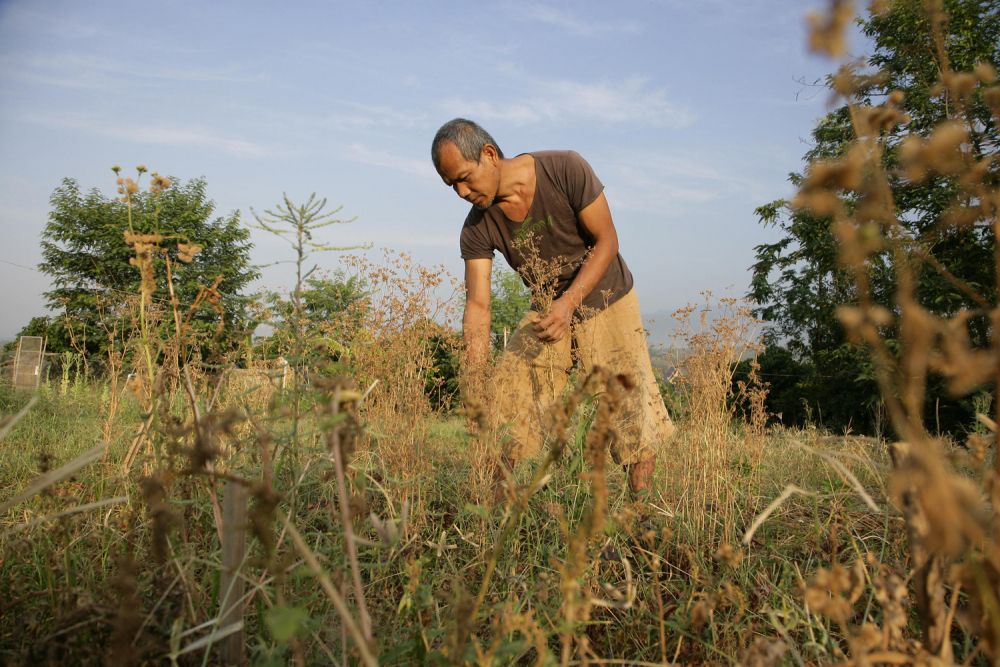
Have you ever wondered why tomatoes from supermarket taste like cardboard while the red fruits from a farmer’s market are sweet and juicy. Today a good seed has become a bad seed, thanks to the greedy agro-industrialists and their GMO magic. If you buy a packet of sweet corn from the seed racks, for example, the seeds might produce beautiful corn. However, gardeners cannot keep the seeds of the first growth for the next season. If they try, the plants will be deformed. In Chiang Mai, Jon Jandai is crusading against hybrid cultivars in order to save melons, garlic, pumpkins, corn and many other varieties of vegetables and fruits grown from heirloom plants. His organic farm can accommodate big and small-time horticulturists interested in seed-saving techniques. Visitors will learn a lot about the sustainable lifestyle while working and staying with Jon at his farm in Mae Taeng district.
Call (+66 8) 1470 1461 or email kritsadasabai@gmail.com. Visitwww.PunPunThailand.org.
Learning the art of permaculture in Chiang Mai
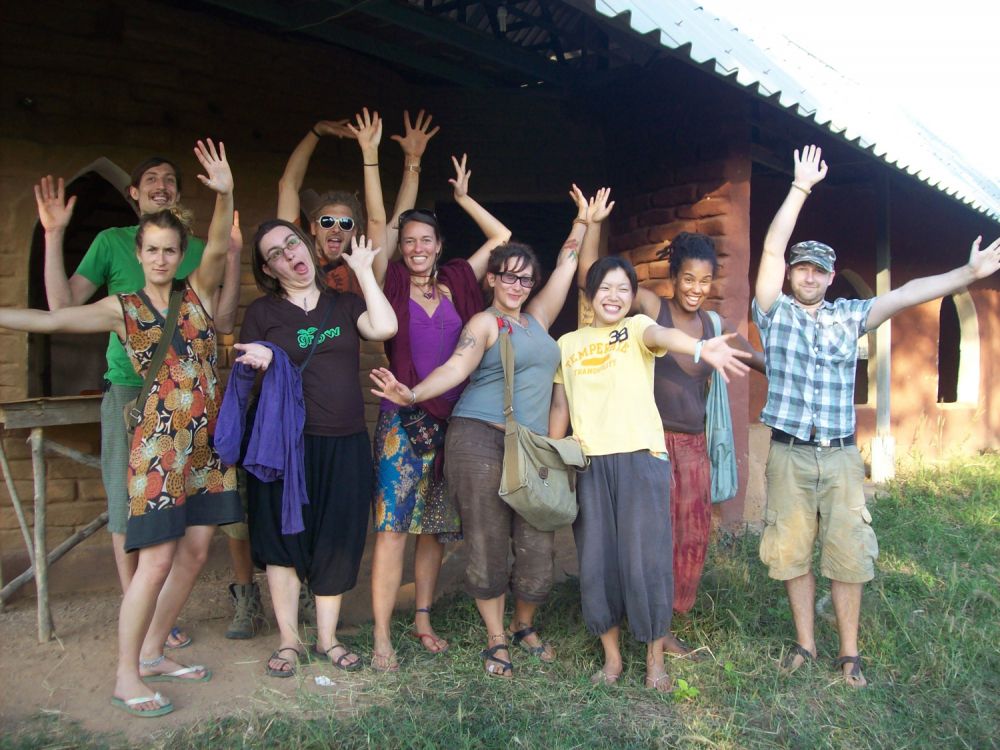
Inspired by permaculture, best defined as the development of agricultural ecosystems that are self-sufficient, the Panya Project in Chiang Mai is an education centre that teaches the sustainable way of life. Nestled in the peaceful surroundings of Ban Mae Cho, the centre invites visitors to experiment with an integrally sustainable way of living in the tropics. Permaculture is an ancient technique that has been practised for centuries but today is often forgotten or overlooked. On the organic farm, for example, visitors will work in the kitchen garden creating new garden beds, planting seeds, mulching, weeding, making weed barriers, and harvesting food for the kitchen. If the visitors stay long enough, they will get to learn the whole process of permaculture living from making adobe bricks to building natural buildings.
Call (+66 9) 3037 6219, (+66 9) 3037 6220 or email panyaproject@gmail.com. Visitwww.PanyaProject.org.
Helping hilltribes in Chiang Rai
The Hill Tribes Development Association in Chiang Rai province provides support to ethnic villagers through responsible tourism and volunteer activities. Visitors can help support the development of the community through teaching English to the children. If teaching is not your cup of tea, then building a classroom might be. Volunteers are always welcome to take part in community development projects such as building a classroom for the school or constructing wells or toilets.
Call (+66 8) 1765 5352 or email somsakbannok@yahoo.com. Visitwww.HilltribeGuide.com.
Wash an elephant in Chiang Mai
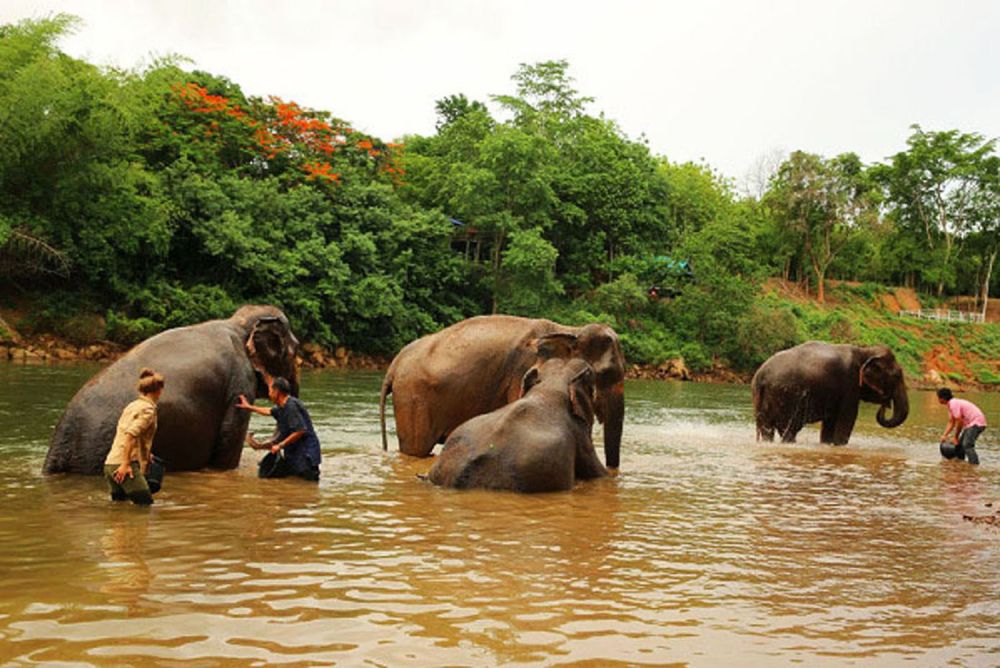
You don’t have to join the circus to work with elephants. At Elephant Nature Park (ENP) in Chiang Mai, volunteers work alongside professional mahouts (keepers) to walk, water, feed and bathe the animals. Many of these elephants have been rescued from the city streets where they were used for begging. You can choose between a full-day Elephant Care programme – where you will bathe the pachyderm in the river – to a 7-day volunteer stay to improve elephant’s plight. Elephants are sweet and intelligent. They love taking a bath as much as they love eating, and visitors can get up close and personal with them by bathing them and splashing them with water.
Call (+66 5) 327 2855, (+66 5) 5320 8246-7 or visit www.ElephantNaturePark.com.
 SootinClaimon.Com