
#SootinClaimon.Com : ขอบคุณแหล่งข้อมูล : หนังสือพิมพ์ The Nation.
Germany’s new virus deaths surpass 1,000 for the first time
InternationalDec 31. 2020
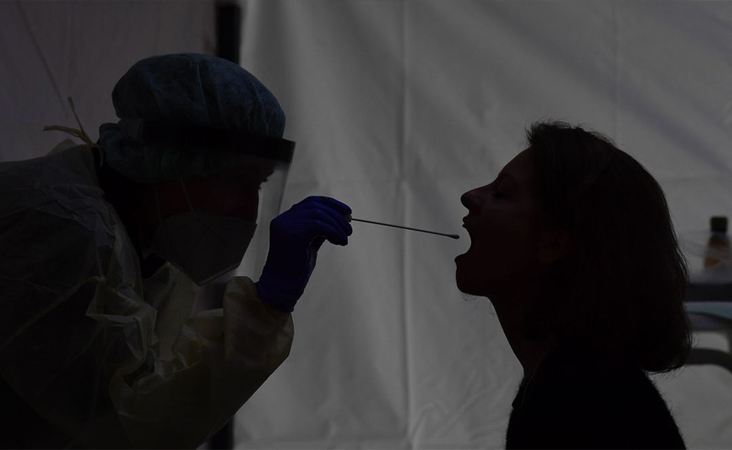
By Syndication Washington Post, Bloomberg · Daniel Schaefer, Raymond Colitt
Germany’s daily coronavirus deaths surpassed 1,000 for the first time since the beginning of the pandemic, underscoring the urgency facing Europe’s leaders to slow the spread and roll out vaccines.
There were 1,122 fatalities in the 24 hours through Wednesday morning, according to data from Johns Hopkins University. Along with the mounting death toll, the number of Covid-19 patients in German intensive care units has risen steadily, prompting warnings that the health-care system could become overburdened.
Germany joined its European Union partners in rolling out vaccinations last weekend, but officials have said it will take months for the program to have a tangible impact on contagion rates. Europe’s largest economy has so far inoculated almost 42,000 people, according to data from the RKI public health institute.
On Tuesday, the EU agreed to trigger an option to buy an extra 100 million doses of the shot developed by Pfizer Inc. and BioNTech SE. Vaccines from other producers will follow once they’ve been approved, European Commission President Ursula von der Leyen said on Twitter.
Europe has become an epicenter of the pandemic, with more than 400,000 coronavirus-related deaths and 16.2 million infections.
The rise in Germany’s fatalities comes as Chancellor Angela Merkel’s government considers extending a hard shutdown that was imposed in December. Schools and non-essential stores remain shuttered until Jan. 10, but senior politicians have urged prolonging at least some of the measures.
Karl Lauterbach, a health expert for the ruling Social Democrats, on Wednesday warned that if the virus numbers aren’t slashed to around 25 per 100,000 people over 7 days, the risks will multiply. The current figure is 141.
If the situation doesn’t improve, “we’ll go from one lockdown to the next and then we have the risk of mutations against which vaccines may not work perfectly,” Lauterbach said on ZDF television.
While some countries in the region are gradually relaxing measures to contain the virus, others are still tightening curbs. Ireland’s government is set to announce new restrictions on Wednesday. Among the measures under consideration are the closure of non-essential retail and the reintroduction of a five-kilometer (three-mile) limit on travel from home. Bars and restaurants have already been shuttered.
Authorities are also grappling with ways to ensure widespread uptake of the Covid-19 vaccine. In Italy, where restrictions were severely tightened for most of the Christmas period, cases and deaths have declined sharply from the highs recorded in November. However, concerns are growing over delays and mishaps in the vaccination campaign.
Around 8,000 people have received the first dose of the Pfizer-BioNTech vaccine so far, and the country is behind schedule in hiring personnel and preparing the logistics for mass inoculation.
France is having even less success in the face of strong anti-vaccination sentiment across the country. Less than 100 people have been given a shot, according to the government. It’s target is to administer 1 million doses by the end of February, Health Minister Olivier Veran said late Tuesday.
On Monday, Spain became the fourth European country to record more than 50,000 coronavirus deaths. An initiative to track people who refuse to get inoculated could help the hard-hit country regain trust in its tourism sector, which was linked to the spread of the coronavirus after rules were relaxed in the summer.
For its part, Germany has recorded just over 32,000 deaths since the start of the pandemic. In the 24 hours through Wednesday morning, the number of infections rose by another 19,466, bringing the total to more than 1.69 million.
 SootinClaimon.Com