
#SootinClaimon.Com : ขอบคุณแหล่งข้อมูล : หนังสือพิมพ์ The Nation.
https://www.nationthailand.com/thailand/general/40024701

TBJA, TJA demand withdrawal of new media ethics bill from parliamentary deliberation
TUESDAY, FEBRUARY 07, 2023
The Thai Broadcast Journalists Association (TBJA) on Monday demanded the withdrawal of the new media ethics bill from deliberations by MPs and senators on Tuesday, fearing it would provide legal tools to control or gag the media if enacted.
The TBJA issued a statement to voice strong opposition to the deliberations on the “bill to promote media ethics and set media professionalism standards” by the House and Senate at a special joint sitting on Tuesday and demanded its withdrawal.
The call for the withdrawal of the bill from the parliamentary deliberation was also made by the Thai Journalists Association (TJA) on Monday.
The TBJA said in the statement that the deliberations were done without hearing opinions from all sectors, especially professionals from different types of media.
The TBJA noted that the 49-section bill seeks to set up a new media profession council to become the legal registrar of media professionals and to rule whether their acts or reports violate media ethics.
The TBJA said the bill failed to take into account that all other professions can join the media profession. The TBJA fears that the bill could provide tools for restricting the rights and freedom to perform as media professionals.
In the statement, the TBJA noted that during the past decades, the military and the politicians who seized power, have been trying to control the media by trying to enact over five bills, including the latest bill.
The TBJA explained that it was against the new media ethics bill because the bill would empower a group of persons, who would come from a selection process, to control and supervise the exercise of media freedom that would in turn affect the people’s free access to information.
“Such an idea runs against the global trend and the changes in the media landscape at present as a result of which the state can no longer restrict people’s channels of communications,” the statement said.
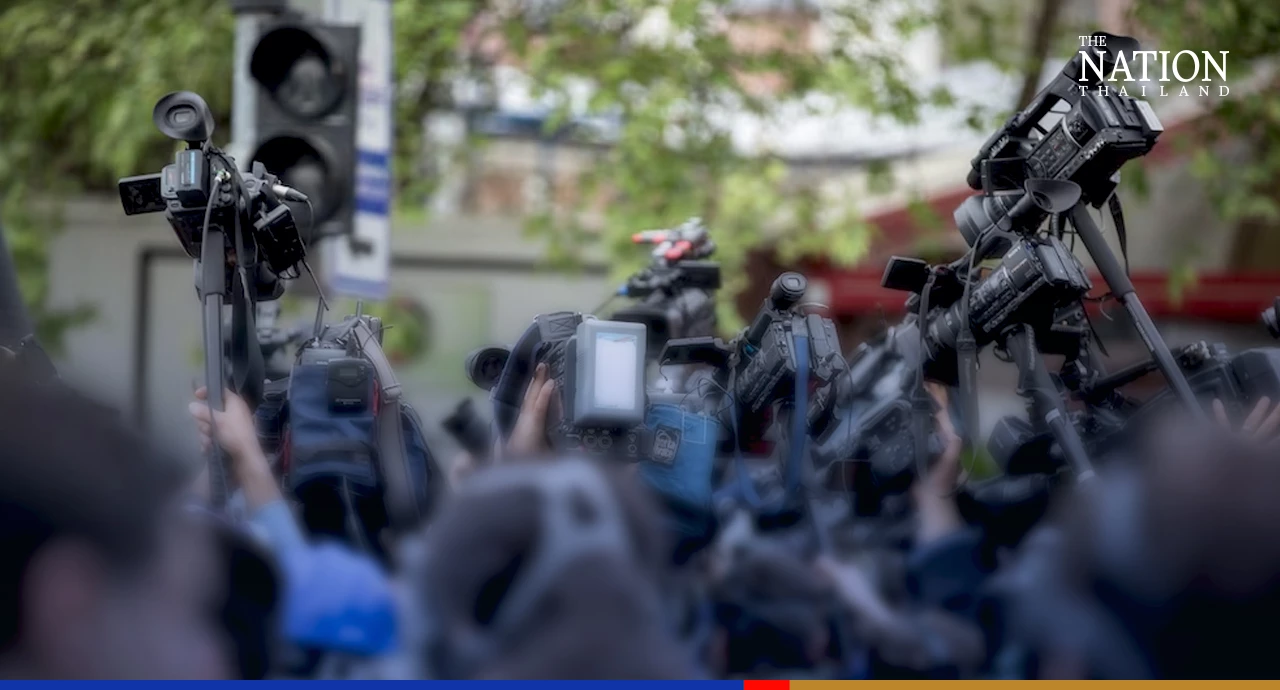 The TBJA said the establishment of a new media council reflects an obsolete attitude of using the law to restrict the freedom of people and the media, also wasting resources from the national budget.
The TBJA alleged that the bill did not intend to protect freedom of the press.
It also feared that the selection process of members of the new media council would be done with nepotism, which would allow people with connections to be selected to the council to protect those in power.
The TBJA noted that the untrustworthy selection process of members of the new media council would increase the risk of persons in power using the new media law to control or interfere in journalistic work in the future.
The TBJA said the claims that the bill would guarantee press freedom were only a smokescreen.
The new law was not necessary at all because media professionals already have to work under the provisions of over 30 pieces of law, including the Criminal Code, the Civil Code and other laws, the TBJA said.
Last year, two other major media professional organisations – the TJA and the Press Council of Thailand (PCT) – said that they were no longer opposed to the bill. The TJA and PCT said the bill modified by the Public Relations Department and the Office of the Council of State over a year had met most of their demands.
The TBJA has put forth four major points why it could not accept the new bill:
● The bill would allow state media to give priority to the goals and missions of their agencies over press freedom and freedom of expression in line with media ethics.
● The new media profession council, which will be the media registrar, will be redundant as several media organisations already exist.
Although the new council will be eligible for 25-million-baht funding from the Thai Media Fund, which is under the Office of the National Broadcasting and Telecommunications Commission, the Office is already required to provide financial support to existing media organisations without the need to create a new one.
● The media profession committee will comprise five media representatives and five specialists, including the manager of the Thai Media Fund.
The committee will be in charge of registering media professionals or disqualifying them. But the committee is not directly linked to media professionals and the people, and its members would be picked by a selection committee.
● The bill states that those violating media ethics would be punished with a warning or shaming in public. Even without the new bill, such punishments are already stated in charters of existing media organisations.
 SootinClaimon.Com