
สอวช. – TFGI เปิดเวทีเสวนา ‘The Evolution of Tech Governance in Southeast Asia’ เปิดตัวรายงานปี 2026
วันศุกร์ ที่ 20 มีนาคม พ.ศ. 2569, 12.08 น.
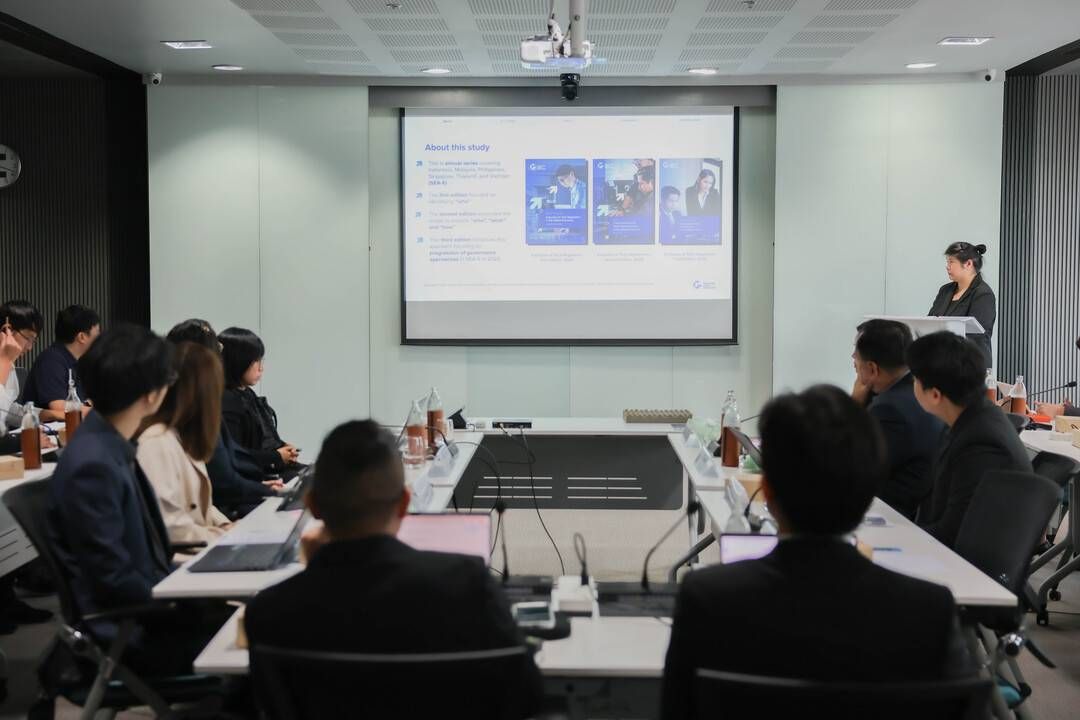
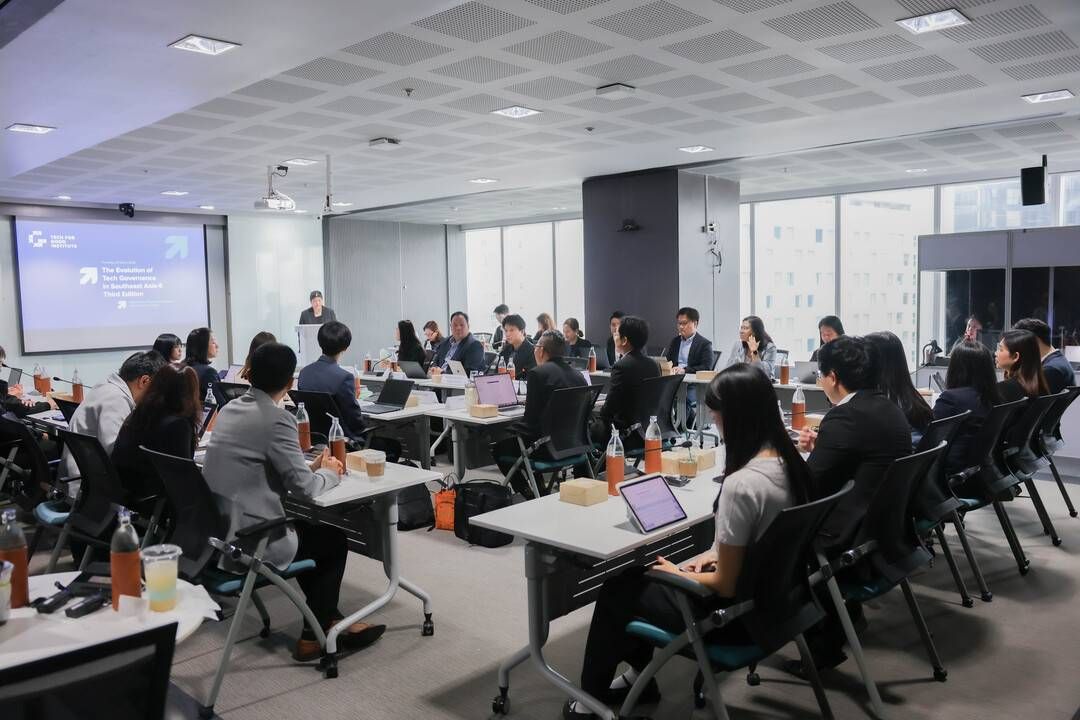
กระทรวงการอุดมศึกษา วิทยาศาสตร์ วิจัยและนวัตกรรม (อว.) โดย สำนักงานสภานโยบายการอุดมศึกษา วิทยาศาสตร์ วิจัยและนวัตกรรมแห่งชาติ (สอวช.) ร่วมกับ Tech for Good Institute (TFGI) ซึ่งเป็นสถาบันวิจัยเชิงนโยบายชั้นนำระดับภูมิภาคที่มีความเชี่ยวชาญด้านเศรษฐกิจและสังคมดิจิทัลในเอเชียตะวันออกเฉียงใต้ จัดเวทีเสวนานโยบาย “The Evolution of Tech Governance in Southeast Asia” ณ ห้องประชุมหว้ากอ 2 สอวช. อาคารจัตุรัสจามจุรี กรุงเทพมหานคร โดยมีผู้แทนจากภาครัฐ ภาคอุตสาหกรรม และภาควิชาการเข้าร่วมแลกเปลี่ยนมุมมองด้านการกำกับดูแลเทคโนโลยีในภูมิภาคเอเชียตะวันออกเฉียงใต้
ภายในงานมีการเปิดตัวรายงานประจำปีฉบับที่ 3 ของ TFGI เรื่อง “The Evolution of Tech Governance in Southeast Asia (2026)” ซึ่งนำเสนอพัฒนาการของกรอบนโยบายและการกำกับดูแลเทคโนโลยีใน 6 ประเทศ ได้แก่ อินโดนีเซีย มาเลเซีย ฟิลิปปินส์ สิงคโปร์ ไทย และเวียดนาม พร้อมทั้งสะท้อนแนวโน้มสำคัญของเศรษฐกิจดิจิทัลในภูมิภาค และต่อยอดสู่การหารือเชิงลึกในบริบทของประเทศไทย
ดร.กรัณฑรัตน์ นาขวา ผู้ช่วยผู้อำนวยการ สอวช. กล่าวว่า สอวช. มุ่งส่งเสริมการพัฒนาระบบนิเวศนวัตกรรมของไทยและการประยุกต์ใช้เทคโนโลยีเกิดใหม่ ควบคู่กับการพัฒนากรอบการกำกับดูแลที่เหมาะสม โดยให้ความสำคัญกับการสร้างสมดุลระหว่างการส่งเสริมนวัตกรรม การสร้างความเชื่อมั่น และการยกระดับขีดความสามารถในการแข่งขันของประเทศ ผ่านความร่วมมือกับหน่วยงานพันธมิตรทั้งในและต่างประเทศอย่าง TFGI
Mr. Keith Detros, Programme Manager จาก Tech for Good Institute กล่าวว่า การกำกับดูแลดิจิทัลในภูมิภาคเอเชียตะวันออกเฉียงใต้กำลังมุ่งไปสู่การส่งเสริมนวัตกรรมและขีดความสามารถในการแข่งขันควบคู่กับการบริหารจัดการอธิปไตยทางดิจิทัล ซึ่งไม่ใช่ประเด็นที่ขัดแย้งกัน แต่เป็นสิ่งที่ต้องดำเนินไปพร้อมกัน โดยเฉพาะการสร้างความยืดหยุ่นของระบบในบริบทที่เผชิญกับความเปลี่ยนแปลงจากปัจจัยภายนอก
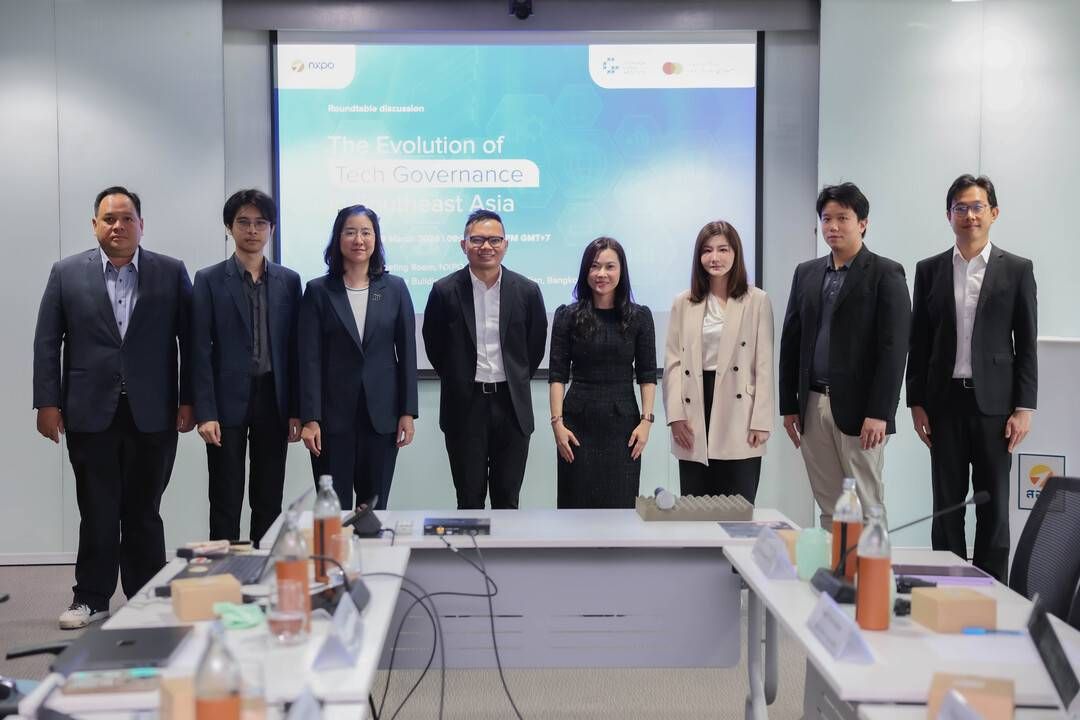
ภายหลังการเปิดตัวรายงาน ได้มีการเสวนาโต๊ะกลมในหัวข้อ “Governing Frontier Technologies in Southeast Asia” โดยมีผู้เชี่ยวชาญจากหลายภาคส่วนร่วมแลกเปลี่ยนมุมมอง ได้แก่ นายทยา นาวานุเคราะห์ จากสำนักงานส่งเสริมเศรษฐกิจดิจิทัล (depa) ดร.อภิวดี ปิยธรรมรงค์ จากสถาบันข้อมูลขนาดใหญ่ (BDI) ดร.สลิลธร ทองมีนสุข จากสถาบันวิจัยเพื่อการพัฒนาประเทศไทย (TRDI) ผศ.ดร.ภูมิศิริ ดำรงวุฒิ จากคณะนิติศาสตร์ จุฬาลงกรณ์มหาวิทยาลัย และนายจิระวัฒน์ ภูมิศรีแก้ว จากสมาคมการค้าแพลตฟอร์มดิจิทัลไทย (TDPA) ผู้เข้าร่วมเสวนาเห็นพ้องว่า แม้ประเทศไทยยังอยู่ระหว่างการพัฒนากฎหมายด้าน AI อย่างครอบคลุม แต่ปัจจุบันมีกฎหมายและกรอบกำกับดูแลที่เกี่ยวข้องรองรับอยู่แล้ว โดยในระยะต่อไปควรมุ่งสู่แนวทางการกำกับดูแลเชิงหลักการที่มีความยืดหยุ่น พร้อมทั้งพัฒนาแนวทางการจัดระดับความเสี่ยงที่เหมาะสม และคำนึงถึงความแตกต่างของแต่ละภาคอุตสาหกรรม
อีกประเด็นสำคัญคือแนวคิดเรื่อง Digital Sovereignty ซึ่งถูกตีความในมิติของความสามารถในการกำกับดูแลเทคโนโลยี มากกว่าการเป็นเจ้าของโครงสร้างพื้นฐานทั้งหมด โดยประเทศไทยควรมุ่งเน้นการกำหนดเงื่อนไขการเข้าถึงเทคโนโลยี การสร้างความยืดหยุ่นของระบบ และการลดการพึ่งพิงผู้ให้บริการรายใดรายหนึ่ง
นอกจากนี้ ยังมีการสะท้อนถึงความท้าทายด้านข้อมูลที่ยังคงกระจัดกระจายอยู่ในหลายหน่วยงาน ซึ่งส่งผลต่อการกำหนดนโยบายและการตัดสินใจเชิงหลักฐาน โดยผู้เข้าร่วมเห็นว่าการพัฒนากลไกการแบ่งปันข้อมูลที่มีมาตรฐานและปลอดภัย รวมถึงการเสริมสร้างความร่วมมือระหว่างหน่วยงาน จะเป็นปัจจัยสำคัญในการยกระดับการกำกับดูแลเทคโนโลยีของประเทศ ขณะเดียวกัน เทคโนโลยีเกิดใหม่จำนวนมากมีลักษณะข้ามหลายภาคส่วนและกรอบกฎหมาย จึงจำเป็นต้องอาศัยการบูรณาการการทำงานระหว่างหน่วยงานและการออกแบบนโยบายที่สอดคล้องกัน
ทั้งนี้ ผู้เข้าร่วมเห็นพ้องว่าการเพิ่มความชัดเจนของกฎระเบียบ การเสริมสร้างการประสานงานระหว่างหน่วยงาน และการยกระดับระบบการแบ่งปันข้อมูล จะเป็นหัวใจสำคัญในการขับเคลื่อนประเทศไทยสู่การกำกับดูแลเทคโนโลยีขั้นแนวหน้าได้อย่างมีประสิทธิภาพและยั่งยืน
Governing Frontier Technologies in Thailand: Managing Sovereignty and Resilience by the Office of National Higher Education Science Research and Innovation Policy Council (NXPO) and the Tech for Good Institute (TFGI)
Government officials, industry leaders, and policy researchers convened today for a high-level roundtable on “Governing Frontier Technologies in Southeast Asia”, jointly organised by the Office of National Higher Education Science Research and Innovation Policy Council (NXPO) and the Tech for Good Institute (TFGI).
The event marked the launch of the third edition of TFGI’s annual report, The Evolution of Tech Governance in Southeast Asia (2026), which examines how governance frameworks are evolving across Indonesia, Malaysia, the Philippines, Singapore, Thailand, and Vietnam. The report outlines key policy priorities and emerging trends shaping the region’s digital economy, followed by a focused conversation on Thailand’s policy landscape.
“Digital governance across Southeast Asia increasingly seeks to enable innovation and competitiveness while managing digital sovereignty. These are not competing interests, but issues that go hand-in-hand. Governing technology by ensuring resilience, especially in times of external shocks, are key considerations for the region”. Keith Detros, Programme Manager, Tech for Good Institute. “TFGI is grateful to NXPO for its partnership in exploring what that means for Thailand and for the region.”
“NXPO is committed to strengthening Thailand’s innovation ecosystem by supporting the development and adoption of emerging technologies, while ensuring appropriate governance frameworks are in place. Through continued collaboration with partners such as the Tech for Good Institute, we aim to advance balanced policy approaches that support innovation, build trust, and enhance the country’s digital competitiveness,” said Dr Karantarat Nakwa, Assistant to the President, NXPO. Following the launch of the report, a roundtable discussion brought together experts from government, academia, and industry to discuss AI governance, data policy, and regional cooperation.
Key experts, including: Thaya Navanugraha, Digital Economy Promotion Agency (depa); Apivadee Piyatumrong, Big Data Institute (BDI); Poomsiri Dumrongvute, Chulalongkorn University; Dr Saliltorn Thongmeensuk, Thailand Development Research Institute (TDRI); Jirawat Poomsrikaew, Thai Digital Platform Trade Association (TDPA), shared their perspectives on what policy directions for 2026.
On AI governance, participants noted that while a comprehensive law is still under development, existing legislation currently governs AI applications. These include frameworks on data protection, cybersecurity, electronic transactions, and sector-specific regulation. Pending the comprehensive law, participants emphasised the need for clearer guidance, alongside a shift towards a principles-based framework. In addition, discussion on risk classification approaches should be co-developed with industry, civil society, and technical experts. It is also important to ensure that sector-specific guidelines are considered, given that different sectors such as health, transport, and finance, for example, would face varying risks.
Digital sovereignty was also a key theme. Participants framed sovereignty as the capacity to govern, rather than necessarily owning, technological infrastructure. Given the limitations and constraints of developing the full technology stack nationally, the focus should be on governing access, setting terms with external providers, and building resilience. This approach would enable Thailand to benefit from innovation while reducing reliance on any single provider or stakeholder.
Discussions also highlighted gaps in foundational capabilities. While regulatory sandboxes are valued, their effectiveness is constrained by limited data sharing across government agencies. Key datasets remain siloed, limiting evidence-based policymaking and investment signalling. Establishing clear and secure data-sharing standards was identified as a priority. Participants further noted that emerging technologies often span multiple regulatory domains. Applications such as autonomous vehicles, AI-enabled drones, and agentic AI systems require coordination across ministries and legal frameworks. Stronger inter-agency and public-private coordination will be essential to support effective policy implementation. Participants agreed that Thailand’s primary governance priorities include improving regulatory clarity, strengthening coordination across agencies, and enhancing data sharing frameworks would go a long way in Thailand’s journey towards governing frontier technologies.


 SootinClaimon.Com