Urgent reforms needed for Thai industries to be part of new global supply chain #SootinClaimon.Com

#SootinClaimon.Com : ขอบคุณแหล่งข้อมูล : หนังสือพิมพ์ The Nation.

https://www.nationthailand.com/perspective/40002678

Urgent reforms needed for Thai industries to be part of new global supply chain


Government and local industries have an urgent agenda to restructure industries in order to make them part of a new global supply chain driven by information and communications technology, environmental concerns and health consciousness, according to experts. 

The Asian financial crisis in 1997 had caused the baht to fall sharply from THB25 per dollar to THB30-40 per dollar.  The weaker baht has contributed to the rise in exports from 30 per cent of gross domestic product (GDP) to 50 per cent of GDP currently. 
“So, now Thailand depends heavily on exports,” said  Supavud Saicheua, adviser of Kiatnakin Financial Group.
The large foreign direct investment (FDI) in automobile and auto parts industries from Japan has contributed to the growth of auto and auto parts manufacturing. 
Meanwhile the liberalisation of the airline industry has encouraged operations by several low-cost airlines, consequently bringing in a large number of tourists from a few million 15 years ago to 40 million in 2019, prior to the Covid-19 outbreak. 
“The influx of tourists had generated income equivalent to 20 per cent of the country’s  GDP,” said Supavud.  
These were what happened in the course of 20 years and then Covid-19 struck in 2020.  
      This year Thailand’s exports has recovered to some extent due to the global recovery from the impact of the virus pandemic. “But looking ahead, the automobile industry is going to face difficulties,”  Supavud warned.  
The automobile industry has been seen to adapt themselves too slowly to embrace electricity vehicle production.
Europe intends to ban sale of fossil fuel-powered cars in the next 15 years. This will certainly severely impact the Thai auto industry which has less than 15 years to adapt itself, warned Supavud.   
“Thailand has many auto and auto parts manufacturers and they will be disrupted as the world starts to produce more electric vehicles [EV] because an EV has only 20 moving parts in an electric engine compared with 2,000 parts in an internal combustion engine,” said Supavud. 
The government needs to support the automobile industry to catch up with the EV trend, for example the government may have to promote the automotive-battery industry. 
More investment in the infrastructure of solar cell energy is also needed. 
The government should have solar cells installed in every home in order to reduce dependency on the import of natural gas from Myanmar as gas supplies in the Gulf of Thailand decrease, he suggested.  
Solar cell installation should go hand in hand with the development of the car-battery industry, he said.
When automotive batteries are cheaper than today’s prices, the adoption rate of EVs will jump, so it will be an alternative promising industry for Thailand and potentially compensate for the loss of income from falling tourism, he predicted.   
The pandemic has caused a collapse in tourism income from 20 per cent of GDP to about 5 per cent, said Supavud. 
While China  has still not allowed its citizens to travel abroad amid outbreaks of new Covid variants coupled with the slower vaccine rollout in Thailand, it may take 10 years  before the number of tourists rise back to 40 million, he said. 
    The Phuket sandbox experiment to bring in tourists on July 1, may lead to a rise in tourists in the short run.      
Income from tourism may rebound gradually towards 10 per cent of GDP in the years to come.  But it may take five to six years to recover the remaining 10 per cent, which is worth about Bt1.6 trillion, he predicted. 
 “I have not seen what the government has done to create jobs and business to fill this large gap,”  Supavud lamented.     

The next challenge is how Thailand could upgrade the semiconductor industry in order to become a part of an advanced global supply chain related to 5G and 6G mobile technology. The government could invite foreign firms, such as Taiwan Semiconductor Manufacturing Company, to invest in Thailand and provide them adequate water supplies, he said. 
The government also needs in the first phase to subsidise the agricultural sector in order to turn Thailand into a source of organic agricultural output in line with the health-consciousness trend and ageing society, Supavud suggested. 
“The government needs to do these things over the course  of the next 10 years in order to help people have higher income and living standards,” Supavud said. 
Promoting the solar cell and advanced semiconductor industries will keep Thailand in the global supply chain and have both economic and geopolitical influence
 “If the government lacks vision on these issues, the structure of the Thai economy in the next decade will remain weak as it is today,” Supavud added.   
Meanwhile, Naris Sathapholdeja, head of analytics at TMBT Thanachart Bank, argued that six dimensions of transforming the Thai economy needed to be undertaken. 
First is to upgrade small and medium-sized enterprises (SMEs). Currently SMEs employ about 17 million workers, or 46 per cent of the total 38 million work force. While large corporations employ 13 per cent, the agriculture sector hires 32 per cent and the government sector employs 9 per cent. 
“Economic value-addition generated by SMEs represents 40 per cent of GDP. If SMEs cannot survive, the country will be in serious trouble,” warns Naris. 
SMEs, however, make little investment, accounting for just 20 per cent of the THB6 trillion investment per year made by the private sector. Large corporations make up the rest 80 per cent. The challenge is how to promote investment among SMEs in order to support their expansion along with large corporations, he said. 
Thailand also needs to restructure the  export sector, which still depends on the old supply chain and has not changed much in the last 10 years.  Thailand’s electronic products and electronic parts  are for example  air-conditioners and clothes washing machines.    
In comparison, the share of Vietnam’s electronic products exports soared from 7 per cent to 30 per cent and electronic parts from 5 per cent to 12 per cent over the past 10 years, said Naris. 
 It is because Vietnam has started to make advanced semiconductors used in smart phones. Vietnam has become a part of the advanced global supply chain.  Thailand needs to enter the new  economy and the new global supply chain just like Vietnam, he suggested.  
Thailand also needs to accelerate investment in digital infrastructure. Thailand’s infrastructure investment was driven by construction of new roads and railways in the past and recently by investments in double-track railways, high-speed railway and ports. Those are physical infrastructure. 
According to the 12th national economic and social development plan( 2017-2021), public investment is set at Bt 2.1 trillion, accounting for 18.7 per cent of total government spending. Of this, 70 per cent was road and rail investment while just 1.3 per cent was allocated to digital infrastructure investment, Naris said.  
   The next challenge is how to decentralise economic development, making it spread throughout the country from a concentrated development in few provinces currently. Four provinces — Rayong, Bangkok, Chonburi, and Ayutthaya — have generated income as high as 50 per cent of GDP, with not much change over the past 10 years. And 75 per cent of the national income is concentrated in just 17 provinces out of 77.
In comparison, China’s giant-sized economic development is spread throughout its regions unlike Thailand’s. 
 The spreading of China’s economic prosperity has resulted in a more even distribution of per capita income, said Naris.   
  The Thai bureaucracy and red tape have hindered economic development, therefore the country needs to seriously reform outdated laws and regulations. The country had taken some actions in regulatory Guillotine efforts  but the Covid-19 pandemic partly disrupted it. The government needs to continue the efforts to encourage FDIs, Naris said.  

Lastly, Thailand needs to expand its tax base to solve rising public debt and to reduce the burden of people and corporations who are already in the tax system. 
Out of the 38 million labour force, 29 per cent are in personal income tax system; 4.5 million have paid annual personal income tax while 6.5 million have filed tax returns but not needed to pay taxes. A large number of people, or about 27 million, are outside the personal income tax system. 
Among corporations, just 10 per cent of them pay corporate income tax. There are about 3.1 million corporations, 340,000 of them pay taxes, including 300,000 SMEs, and large companies make up the rest, which suggests that few large corporations pay taxes, he pointed out.    
 “Restructuring of Thailand’s economy for the next 10 years needs more coordinated efforts from both the government and private sectors. The government may be currently busy with combating the Covid outbreak but after the situation improves, the government needs to continue its efforts to reform the economy,” Naris added

Published : June 30, 2021

By : The Nation

Situation of children and nature-deficit disorder: children and the elderly society in changing conditions. #SootinClaimon.Com

#SootinClaimon.Com : ขอบคุณแหล่งข้อมูล : หนังสือพิมพ์ The Nation.

https://www.nationthailand.com/perspective/40002591

Situation of children and nature-deficit disorder: children and the elderly society in changing conditions.
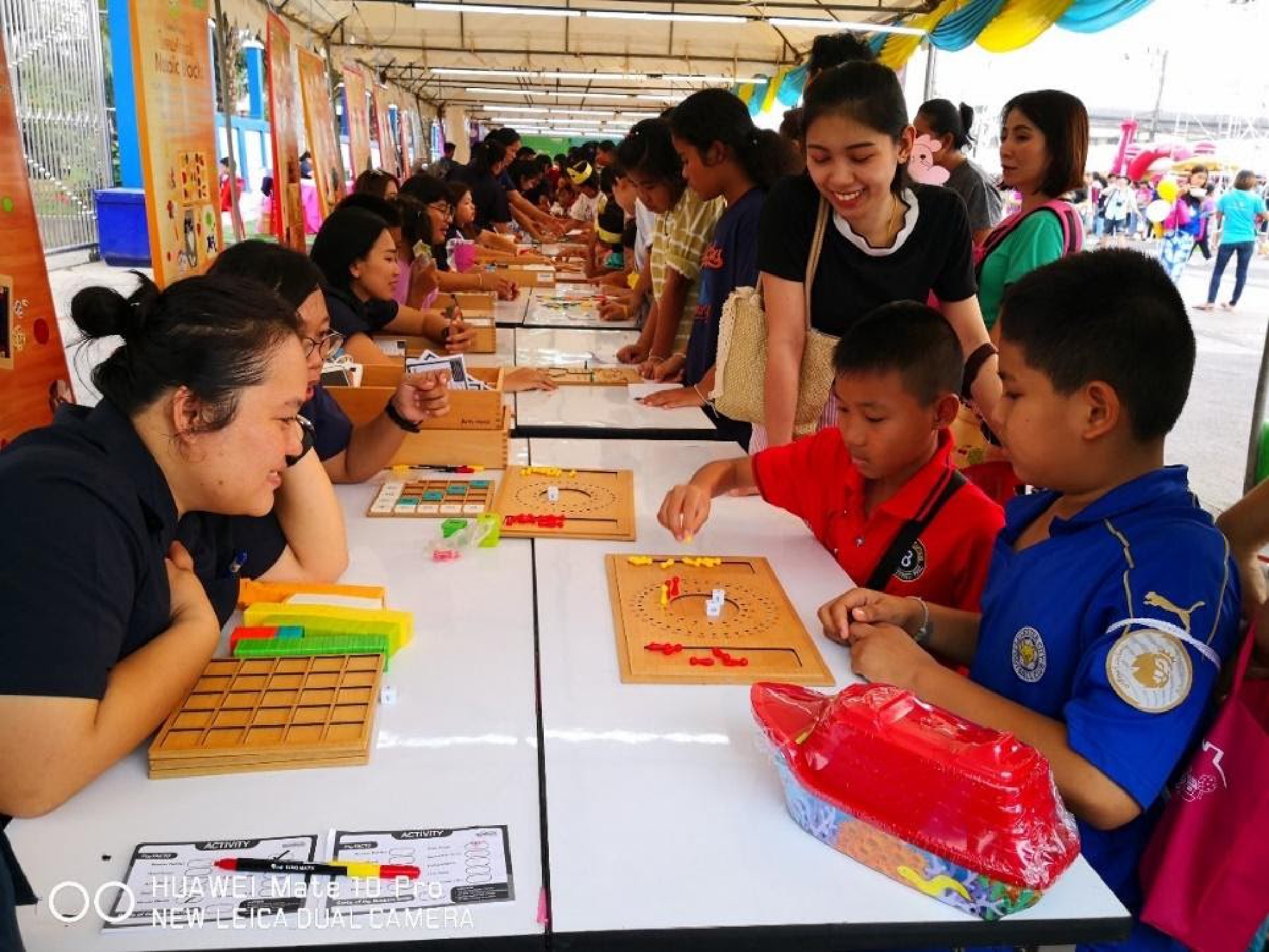

When talking about children and the elderly, the relationship between the two ages is known as “grandparents raising grandchildren”. The latest Thai family statistics of the year 2018 shows rough figures that Thai children live with the elderly approximately 31.8%, of which 27.8% are in a family of three generations, more or less depending on the context of each family. In another group, about 4%, children live with their grandparents alone in a skipped-generation family. How will this group of children grow up? The answer may point to the important role of grandparents in this day and age.

With the awareness about aging society, a lot of development campaigns and promotions of Thai older adults have been set up. As a result, not only aging population has increased in number but their potential has also been recognized. They become dependable people without depending on others. This is a good opportunity to use the potential of the elderly to support children to grow up with good qualities. For the question of how the grandparent role affects nature-deficit disorder in grandchildren, the following two aspects are considered.

The first aspect is the view of general public or the first view that people often have in their mind; that is the parenting role taken by grandparents is not different from that taken by working parents. Both of them may make their children suffer from nature-deficit disorder by using technology in their upbringing. In addition to the issue of spoiling grandchildren, here we need to understand the deterioration of physical health in aging adults which causes slow thinking and movement, or having health problems and losing ability to catch-up on development of active and highly enthusiastic grandkids. Using technology, such as TVs, mobile phones, computer game and digital media, enables the seniors to have some time to rest but causes suffering from nature-deficit disorder in children. Another issue is about the residential area in the city. An urban house has less green spaces or natural areas. Some elderly people may have difficulty taking their grandchildren out to play or learn in nature. A natural public space in urban areas is too not easy to find in our country. Playing is thus often an activity done in houses, buildings or condominiums. The children have then less opportunity to experience nature.
    For the second aspect, an opposing opinion is given. Upbringing by grandparents, instead, offers children more chances to experience nature. They live, play and learn in nature or from nature more frequently than when they stay with parents. This is because the nature of older people tends to approach nature more than working age people like most parents. The elderly enjoy spending time in gardening, planting trees and travelling to beautiful temples in peaceful, shady surroundings or to the seaside and forest. Some studies found elderly Thai people are fond of travelling. They often visit natural attractions and ancient sites. They are also interested in seeing people’s way of life and learning the local culture. More significantly, if they have grandchildren to take care of, they often persuade the kids to join their activities; for example, gardening or planting trees and having a trip together. The studies also reveal that Thai elderly mostly prefer travelling with their children and grandchildren. The grandchildren are thus able to experience the natural life together with their grandparents and may not suffer from nature-deficit disorder. Another issue is about the nature of the family in which the children live. A number of children do not live with their parents because father and mother have to migrate to the city to work and cannot look after their children by themselves. Another possible reason is the high cost of living in the city makes it difficult for parents to raise their children. The solution for this group of parents is to send their children to live with grandparents. So they grow up in a skipped-generation family. This type of family is increasing in number and tends to grow incessantly in the future; especially in rural area, it rises up to 75%. Regarding the issue of nature-deficit disorder, these children are less likely to have the symptoms because they live with their grandparents in the midst of nature. Most rural houses are surrounded with trees, grass and farm plantation. Children are so free to run and play in the fields, climb trees and explore forests or the mountains. Of course, there is no lack of natural experiences for them. This is the reason that supports grandparents’ role as another important assistant to protect children from nature-deficit disorder. Situation of children and nature-deficit disorder: children and the elderly society in changing conditions.Situation of children and nature-deficit disorder: children and the elderly society in changing conditions.
Nevertheless, solely leaving grandparents to raise their grandchildren according to their natural aptitude cannot give sufficient support for child development in all areas. Researchers indicate grandparenting is pretty good for taking care of life and supporting the absorption of religious beliefs, the concept of art and culture, as well as Thai ways of life and nature.  On the contrary, they may give less support in terms of intellectual development which is what parents can do better.  In case of children lacking of parental care or busy parents lacking of time for such support, grandparents will therefore become the most needed caregiver. Consequently, they should be strengthened and supported to be able to make progress on development and abilities of children so that children grow up happily and reach their full physical, mental and intellectual potential.
    All above does not mean to encourage parents to leave their children with grandparents. The fact is that being with parents is still the most important thing for children. But when some parents have a hard time or need, getting help from grandparents is an effective solution and should be done. In family, every member must help and support grandparents’ parenting role, either more or less according to the family context. For the public sector, supporting the strength of parents in raising their children should go on in parallel with fostering the strength of grandparents in caring grandchildren. The latter should actually be more intense because we have to accept that parents are not as important as grandparents for some children. The grandparents have an influence on the development of a sense of humanity in children who are the nation’s valuable resource. In addition to child development, it may be thus necessary to help push for schemes that develop older people and remove the image of ordinary grandparents raising up grandchildren. Not only providing care for physical routines like eating and sleeping, grandparents must play a role of an “oldie but goodie”. They “know how to look after” children and can do it properly and correctly according to child development principles. They also “know about development” of children which is related to their ability to play with children, promote learning and develop skills of children, Essentially, they have to integrate previous knowledge constructed from experience with the new learning, With such skills, the elderly will be able to support the parenting or completely replace the parents’ role. In the future, this senior group will be an important force in improving the quality of life of children and be a person who children can depend on. Situation of children and nature-deficit disorder: children and the elderly society in changing conditions.Situation of children and nature-deficit disorder: children and the elderly society in changing conditions.
ADVERTISEMENT

Published : June 29, 2021

By : Asst. Prof. Dr. Sawitri Thayansin National Institute for Child and Family Development, Mahidol University

Were people the missing link in Covid response? #SootinClaimon.Com

#SootinClaimon.Com : ขอบคุณแหล่งข้อมูล : หนังสือพิมพ์ The Nation.

https://www.nationthailand.com/perspective/40002362

Were people the missing link in Covid response?


Highest level of political leadership in Covid response is indeed unprecedented if we look at other health responses such as those for HIV, non-communicable diseases, TB or other communicable diseases that affect our lives. But were people having any voice in helping shape the response to the corona virus pandemic? To what extent did governments adapt important game-changing learnings over the past decades from several other health and development struggles?

Were people the missing link in Covid response?

Incidentally, a few days after the world celebrated Juneteenth to mark end of slavery, a Webinar hosted by International Antiviral Society (IAS) USA had put spotlight on “Nothing Without Us: Civil Society Solutions to the COVID-19 Pandemic”. Inequities and social injustices that have plagued most of our population, has only allowed tiny number of rich elites to amass enormous wealth and power. When the public health emergency ensued with the spread of the corona virus, these very inequities and social injustices not only got exposed but were dangerously pronounced thereby crippling the response.

COVID Advocates Advisory Board (CAAB)

Jim Pickett, co-founder of International Rectal Microbicides Advocates and Senior Director of Prevention Advocacy at the AIDS Foundation of Chicago, who was moderating the session, said that biomedical strategies to diagnose, prevent, and treat COVID-19 are urgently needed, and efforts to rapidly develop these tools are underway worldwide. Accelerated research enhances the need for civil society input to ensure ethical development and access to these tools worldwide to ensure social justice. In this context, community engagement necessitates innovative structures, mechanisms, and actions, said Jim while explaining the key role for the COVID Advocates Advisory Board (CAAB) which currently connects over 125 people worldwide. CAAB’s efforts are directed towards the achievement of social justice, health equity and the defense of human rights, said Jim.

Like HIV, COVID too has hit communities of colour the hardest

Social and racial injustices and inequities that COVID has brought to the forefront has also resulted in the grim reality that many racial and ethnic communities are at heightened risk of getting sick and dying from COVID, such as, people of colour. These social determinants of health have historically prevented them from having fair opportunities for economic, physical, and emotional health.

Rob Newells, Director of National Programmes for Black AIDS Institute, said that they rose to the challenge early in the pandemic. Interventions like delivering groceries to the people in need, and more importantly, getting the right information to the communities also became a priority. “Each one, teach one! It boils down to empowering others to tell the stories,” Rob said, who is doing his best to ensure that people themselves become the messenger and harbinger of right information that empowers them and their fellow beings.

Rob also commented on vaccine hesitancy or medical mistrust that affects the response to COVID. “Our role is to honestly answer every single question so that people are informed enough to make the right decision” he said. “People will listen to folks they trust”. Guilt or shame had also affected people living with HIV, but sadly we have not learnt much from the HIV response because people with COVID are also dealing with these issues.

Rob Newells said that we should not lose good interventions that came up during COVID such as implementation of telehealth for primary healthcare as well as for mental health. Broadband internet access everywhere and for everyone should also become a priority. 

Power of communities in shaping solutions

Top-down responses by governments fail to leverage the resilience and power of communities to play a role in shaping an effective response to a problem that affects them most. “It is important to recognize the power of communities when they take ownership of their well-being and realize the value of their agency in shaping solutions to problems. One example is from networks of people living with HIV in India who could foresee a possible lockdown 7-10 days before it got clamped at 4 hours’ notice” said Shobha Shukla, a fierce feminist and development justice leader and founder of CNS (Citizen News Service). “HIV community networks played a central role in ensuring uninterrupted access to HIV treatment during India’s COVID-19 lockdown.”

“Days before the lockdown got imposed, the National Coalition of People Living with HIV (NCPI+) as well as Delhi Network of Positive People (DNP+) had written to the government to know their emergency contingency plans, in case of a possible lockdown, with the intention to ensure an uninterrupted supply of lifesaving antiretroviral therapy (ART) medicines. Even if ART centres remained open, how would people reach there if a lockdown gets clamped? they had rightly questioned” shared Shobha.

The result was that when the lockdown got imposed in the country. the government and communities had worked out a plan for multi-month dispensing of ART, allowing any person living with HIV to get their medication from any of the ART centres, among other key measures. Thousands of people in need got their medicines on their doorstep because of the proactive role played by the communities before, and when, lockdown got imposed in India.

LGBTIQ+ communities in Asia Pacific had to rise when lockdown got clamped in several nations in the region impacting their rights and lives. “We pivoted very quickly to ensure we have evidence from the communities on what is happening on the ground. We were collecting data from April 2020 onwards, that led to over 100 community stories from all across the region,” said Midnight Poonkasetwattana, Executive Director of APCOM (Asia Pacific Coalition on Male Sexual Health). The gap in COVID response was more than just in personal protective equipment (PPE) purchasing for instance or enough emergency funding not being there. The gap was also about livelihoods of people on the ground and range of other humanitarian needs. Needy people went to community-based organizations to seek assistance that is why government should support these community-based organizations to support the most vulnerable people, said Midnight.

Uganda is under total lockdown, said Winifred Ikilai from National Forum of People Living with HIV and AIDS Networks, and a Fellow of AVAC. In previous COVID waves, many people were opting out of healthcare as they could not access food – especially mothers who must get food to take their medications as well, said Winifred. She pointed out how catastrophic cost of healthcare services for COVID in private sector is a major barrier and forcing people to stay home without healthcare. “Everything sems to be crumbling… We had the opportunity to build our capacity, but country seems to have no emergency response plan to COVID” she remarked.

HIV stigma (and internalized stigma or shame) had and continues to force people to not disclose their status. Stigma and discrimination have been a big (and completely avoidable) barrier to accessing HIV healthcare services and other social support systems if any. It was sad to see COVID stigma was rampant forcing some people to either hide their status or not seek services fearing discrimination and judgement. “If we do not end stigma for COVID and HIV we will not be able to make much progress. Moreover, we have to demystify the myths surrounding COVID,” said Winifred Ikilai.

Inequity in vaccine rollout is unacceptable

ADVERTISEMENT

More people have died of COVID this year as of now, than in whole of 2020, said Simon Collins, co-founder of HIV i-Base. He rightly pointed out that even though significant proportion of the population in rich income nations have got vaccinated, but that is not enough as everyone worldwide needs to get vaccinated to have the best shot in decimating the pandemic. Simon reminded us that two decades back HIV activists were calling upon to ensure access to lifesaving antiretroviral therapy, not just for those living in rich nations, but for all the people living with HIV at that time worldwide – “otherwise nothing is going to work in any country – we have to do better.”

Bobby Ramakant – CNS (Citizen News Service)

(Bobby Ramakant is part of CNS team. Follow him on Twitter @BobbyRamakant or visit http://www.bit.ly/BobbyRamakant)

Published : June 23, 2021

By : Bobby Ramakant – CNS

Using Evidence for Teacher Development Policy #SootinClaimon.Com

#SootinClaimon.Com : ขอบคุณแหล่งข้อมูล : หนังสือพิมพ์ The Nation.

https://www.nationthailand.com/perspective/40002056

Using Evidence for Teacher Development Policy


At the SEAMEO STEM Education Centre, we strongly advocate that policymakers and education leaders use evidence to determine which approach to take when making decisions about interventions to improve the schools. We believe that our children and our teachers deserve the best that we know how to do.

Using Evidence for Teacher Development Policy

As a first step toward developing an evidence-based culture in Thailand, last week the Centre, with support from Chevron Corporation, hosted a roundtable that brought policymakers and researchers from across the region together to discuss the implications of the evidence about effective approaches to teacher development. Dr. Heather Hill from Harvard University in the USA, an expert on teacher development, kicked off the meeting with a review of what we know about what works in pre-service and in-service education for teachers.

Experts at the roundtable discussed the implications of Dr. Hill’s presentation and the findings from three other major reports on teacher development. Among the findings that were discussed were the following:

a. The most effective professional development programs for teachers have a specific subject focus, incorporate lesson enactment in the training, include initial face-to-face training, and link teacher participation to career incentives; as a consequence, they are positively associated with student test score gains (Popova et al., 2018).

b. Qualitative evidence suggests that follow-up visits to reinforce teachers’ skills are important to effective professional development programs (Popova et al., 2018).

c. The most successful professional development programs offer teachers opportunities to practice new pedagogical skills (Hill, 2021)

d. The most successful programs focus on effective pedagogy rather than just the content knowledge of teachers (Hill, 2021)

e. The most successful programs offer content knowledge but under a broader goal such as helping teachers learning how to provoke student thinking (Kennedy, 2016).

f. The value of coaches depends on how well they facilitate teacher enactment. Coaches in effective PD programs collaborated with teachers on lesson planning providing a model of strategic planning (Kennedy, 2016).

g. Effective professional learning communities provide teachers with opportunities to process new understandings, challenge problematic beliefs, and focus on analyzing the impact of teaching on student learning (Timperley et al., 2007).

h. Effective school leaders promote professional learning opportunities for teachers and focus on their impact on student outcomes. These leaders 1. support the implementation of new classroom practices; 2. focus on developing a learning culture within the school; 3. Provide clear visions and targets for student outcomes and monitor achievement of the targets; and 4. promote distributed leadership and develop the leadership of others (Timperley et al., 2007).

What do these findings imply for Thai policies? Unfortunately, most teacher professional development programs in Thailand are not well aligned with the above findings. They are heavily focused on memorizing content and theories and less on instructional practices. However, it should be noted that the policy on professional learning communities which Thai Ministry of Education adopted 3 years ago can be an effective approach if it focuses on analyzing the impact of teaching on student learning. The findings also reinforce the important role of school leaders in building a learning culture within the schools. In such culture teachers focus on implementing new classroom practices in order to improve student outcomes and continuously monitor student achievement against set targets. In addition, a number of scholars share a common view that close follow up and support to ensure that teachers implement effective teaching skills are critical to a successful professional development program. And importantly, schemes that link teacher participation in professional development programs with career incentives have been found effective.

Dr. Hill also noted that we know much less about what works effectively in pre-service education. This is because linking the experiences in a pre-service program with the actual teaching practice of graduates requires long-term studies of five years or more and intensive fieldwork, and such studies are expensive. However, it would be worthwhile to conduct studies of components of pre-service programs to see what kinds of experiences novice teachers are actually having in class and during their practicum. Studies that examine what difference it makes if mentors are trained, what is the impact of including pedagogical rehearsals in pre-service classes, and what pre-service students do during their practicums? Such descriptive studies could lead to design experiments in which we tried new approaches to preparing teachers. These design experiments would provide a knowledge base for reforms at scale. Rather than just guessing about what might work or adopting someone’s untested theory, we should proceed carefully to redesign the pre-service programs so that our universities produce the teachers that our schools need.

In the past policymakers have largely ignored the evidence about what works best. As a consequence, half of Thai students fail to acquire the basic skills that are essential to economic success. Many leave school after 9 years ill-equipped for anything except manual labor. We owe it to our children to provide them with better learning opportunities. There is a lot of discussion about school reform in Thailand. Commissions and committees meet and make recommendations based on the beliefs of their members and nothing much changes. Both the national and international assessments of Thai students show that little has changed over the past decade. The first step toward improvement might be to pay attention to the evidence about what works. The roundtable might represent a fresh start to policy-making for education in Thailand.

Published : June 15, 2021

By : The Nation

Imperfect competition #SootinClaimon.Com

#SootinClaimon.Com : ขอบคุณแหล่งข้อมูล : หนังสือพิมพ์ The Nation.

https://www.nationthailand.com/perspective/40001971

Imperfect competition


he foreign ministry in Beijing has denounced the legislation as an example of “zero-sum thinking which distorts the facts and smears China’s development path and domestic and foreign policies”.

Imperfect competition

Geopolitics has assumed an economic edge with Tuesday’s passage by the US Senate of the decidedly anti-China bill, the vote-count being a convincing 68 to 32. The economic and military war between the United States of America and the People’s Republic of China has sharpened with the Senate approving what it calls a “sprawling” $250 billion bill to curtail China’s economic and military ambitions.

The legislation, adopted on a bipartisan vote, invests heavily in US science and technology while threatening a bevy of punishments ~ is ‘reprisal’ the right expression? ~ against Beijing. The bill is intended to counter China’s growing economic and military prowess, hoping that major investments in science  ~ and fresh reprisals targeting Beijing ~ might give the United States an enduring edge.

In a chamber whose functioning has often been impeded by partisan division, Democrats and Republicans found rare accord over the sweeping measure, known as the United States Innovation and Competition Act. Nonetheless, lawmakers have warned that Washington risked ceding the country’s technological leadership to one of its foremost geopolitical adversaries. The legislation is quite the most important achievement in US history in recent times.

At another remove, the Communist Party of China has been straining every nerve to ensure global economic dominance. China has spent billions propping up state-owned enterprises and subsidising research and development. According to a section of the Senators, the government in Beijing often uses US ideas to compete ~ “and sometimes cheat” ~ American employees and business enterprises.

Small wonder the National People’s Congress has been remarkably prompt in expressing its robust dissatisfaction. “This bill seeks to exaggerate and spread the so-called China threat to maintain global American hegemony. The United States uses human rights and religion as excuses to interfere in China’s domestic politics, and deprive China of its legitimate development rights”.

The foreign ministry in Beijing has denounced the legislation as an example of “zero-sum thinking which distorts the facts and smears China’s development path and domestic and foreign policies”. As regards the nitty-gritty of the legislation ~ beyond polemics ~ the US Innovation and Competition Act invests more than $100 billion of taxpayers’ funds to reinforce the US leadership in scientific and technological innovations that are critical to national security and economic competitiveness.

Additionally, it will also strengthen the security of essential supply chains, and the US’ ability to address supplychain disruptions during an economic crisis. This bill, in a word, could be the turning point for American leadership in the 21st century, not to ignore the signal development in President Biden’s narrative. The terms of trade are at least theoretically weighted in favour of America ~ an eventuality that is unlikely to be readily digested by China. It is a new chapter in bilateral economic history.

Published : June 13, 2021

By : The Statesman / ANN

Let Olympics win over Covid-19 #SootinClaimon.Com

#SootinClaimon.Com : ขอบคุณแหล่งข้อมูล : หนังสือพิมพ์ The Nation.

https://www.nationthailand.com/perspective/40001718

Let Olympics win over Covid-19


HISTORICALLY, the Japanese love the Olympics, but they haven’t had the best luck with them. In the 1930s, Japan successfully made a bid to host the Summer Olympics in 1940, four years after Nazi Germany’s Berlin Olympics, but they had to give up the great enterprise because of World War II. In 1964, two decades after the war ended, they finally realised the ambition.

Let Olympics win over Covid-19

Since then, Japan twice played host to Winter Olympics in Sapporo and Nagano. And no one had thought of a pandemic when the International Olympic Committee (IOC) meeting in Buenos Aires in 2013 gave Tokyo the right to host the Summer Games for the second time. It was an act of compassion and encouragement for a nation suffering the severe consequences of a tsunami and nuclear disaster two years earlier.

Now, less than 50 days before the grand opening of the Games of the XXXII Olympiad, already delayed by one year, a big question mark looms over the brand new Tokyo Olympic Stadium. If the IOC decides to cancel the 32nd Summer Olympics, as it did in 1916,1940 and 1944, the calendar will move on to the Winter Games in Beijing in 2022, while Paris and Los Angeles are not likely to concede to Tokyo their respective designations for the 2024 and 2028 Summer Olympics.

The administration of Prime Minister Yoshihide Suga is struggling between the people’s growing opposition to the Games and the robust stand of the IOC leadership to go ahead with the Tokyo Olympics. The Olympic Stadium and other facilities for the Games have been completed at the cost of approximately US$26bil (RM107.3bil) but the coronavirus has disinterested the people from the Games.

Some 70% of the Japanese public is telling pollsters that they do not want the Games to be held in Tokyo for fear of infection. The US State Department’s travel warning for Japan over virus risk must be particularly embarrassing because it followed the White House summit between President Joe Biden and Suga in April where they agreed to cooperate closely in fighting the pandemic, among other things.

How in a country that boasts the world’s top level of healthcare and medical service systems do we hear daily reports of new coronavirus infections by the thousands and of the extremely slow pace of vaccination, ranked 130th among nations? One of the primary reasons, as critics argue, was the Japanese authorities’ early complacency with their antiepidemic posture and their excessive caution in approving the use of foreign-made vaccines.

The Asahi Shimbun, one of the official sponsors of the Games, came out last week with a strong appeal to the prime minister, the metropolitan government of Tokyo and the Tokyo Olympic Organising Committee to call off the Summer Games and the Paralympics. In a lengthy editorial, the influential liberal newspaper said that “it is simply beyond reason” to hold the Games this summer amidst the people’s distrust and apprehension.

The foremost concerns must be about citizens’ lives, health and livelihoods which are the basis of the Olympic spirit pursuing equal opportunities, friendship, solidarity, fair play and mutual understanding, the paper stressed. They are obviously right. But I would like to ask this question to the sceptics: Is cancelling the quadrennial event, the great property of humankind, the only and right option?

To South Koreans, Japan’s closest neighbour, the 2020/21 Olympics carry regional significance. Starting from the 2018 Winter Olympics in Korea’s north-eastern town of PyeongChang, north-east Asia will host three consecutive Olympic Games through Tokyo to Beijing in 2022.

An interruption might look to be hampering this kind of international order.

Back in 1964, the Tokyo Olympics helped open South Korea’s windows wider to the world as the global community paid more attention to this part of Asia. The following year, the two countries normalised diplomatic relations 20 years after the end of Japan’s 35-year colonial rule. Nearly half a century later, Seoul and Tokyo have arrived at the lowest point in bilateral ties because domestic politics has kept scratching unhealed legacies from the past.

Between South Korea and Japan, there has been no scarcity of emotional issues. When the Tokyo Olympic Organising Committee drew the map of the Japanese archipelago, it marked a dot in the sea between the two countries to depict Dokdo Islands, which the Japanese call Takeshima and claim to be their territory. A brief diplomatic exchange of protest and rejection ensued unnecessarily. Time is for the peoples of the two countries to forge a forward-looking partnership with the Olympics renewing the mood.

Whatever meaning the outsiders find in the Tokyo Games, it is Japan that badly needs the Olympics this summer. The Tokyo Olympics could mark the revival of the country after decades of economic stagnation and especially from the catastrophe of the 2011 tsunami and Fukushima nuclear powerplant disaster.

Rejuvenation of Japan is not something South Korea or any other regional players should be wary of.

More than 200 South Korean athletes have undergone hard training aiming at Olympic medals.

Over the past five years since the 2016 Rio Olympics, tens of thousands of sports talents on five continents have shed enormous amounts of sweat, tears and even blood in preparation for the Olympics in pursuit of personal glory as well as national pride. Their missing the Olympics till Paris 2024 means giving up their career in their prime.

Some 90,000 people will make up delegations from the 205 National Olympic Committees (excluding North Korea), consisting of athletes, officials and supporting personnel. Volunteers and medical workers who have been fully immunised in Japan and elsewhere should be invited to come to Tokyo and take care of these visitors during the Olympics and the subsequent Paralympics.

The 32nd Summer Olympics should go ahead, even if the arenas would only have the contestants and television cameras. There may be a limited number of spectators to be admitted through rigorous social distancing formulas. Japanese officials must be able to prove their well-known capability in their task of saving the Olympics and ensuring the continuity of this beautiful aspect of human culture.

Let us just imagine the excitement of watching a marathoner from Asia, Africa or any other place entering the Olympic Stadium to present the world with the possible stunning record of 120 minutes or fewer at the final moment of the great festival of sports.

“Olympics to prove mankind’s triumph over Covid-19.” This sounds an apt official slogan of the Tokyo Olympiad. – The Korea Herald/Asia News Network

Published : June 06, 2021

By : The Star / ANN

Tobacco race: where quitters and non-runners are the real winners #SootinClaimon.Com

#SootinClaimon.Com : ขอบคุณแหล่งข้อมูล : หนังสือพิมพ์ The Nation.

https://www.nationthailand.com/perspective/40001697

Tobacco race: where quitters and non-runners are the real winners


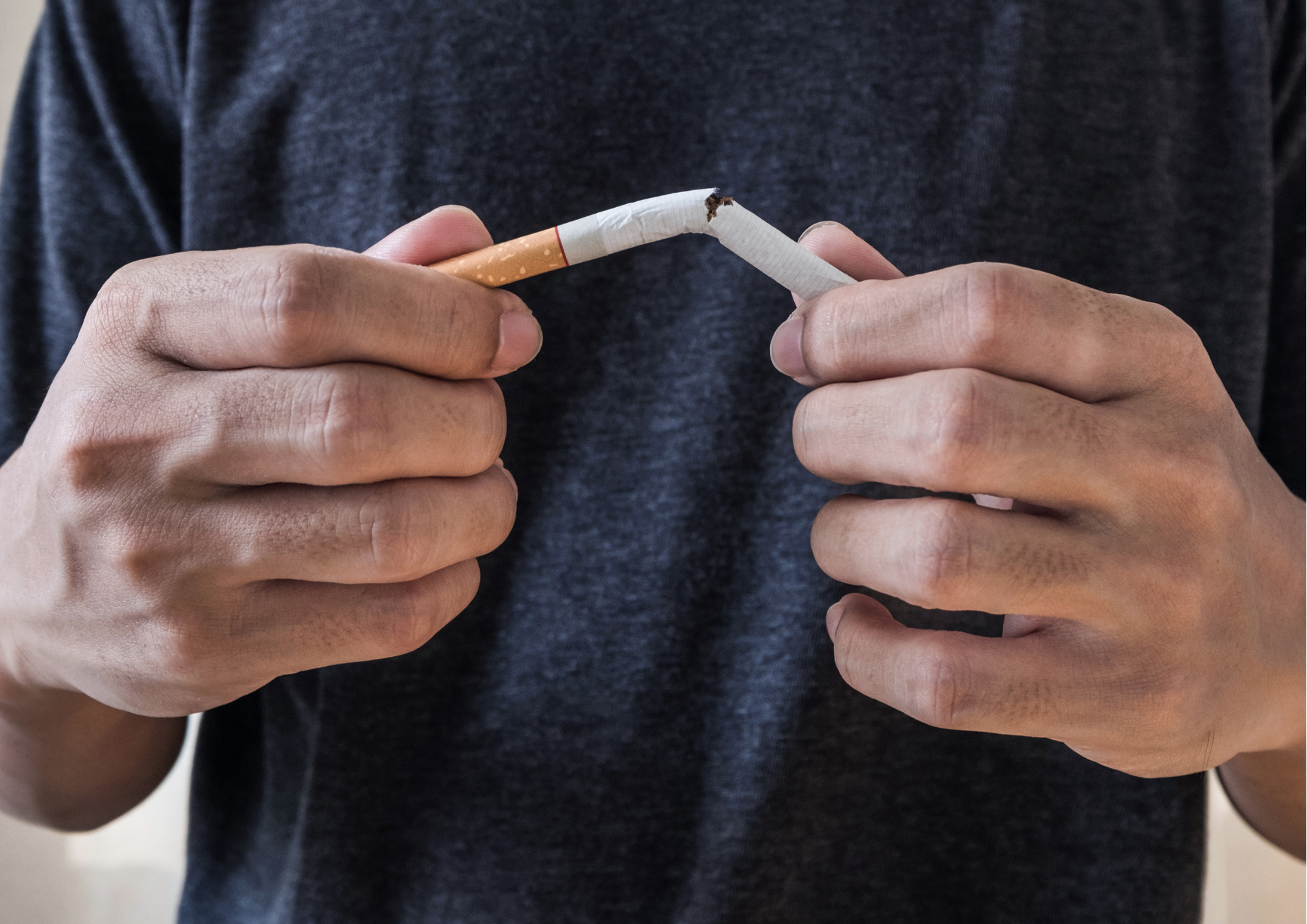
According to a recent study published in the The Lancet smoking killed 7.69 million people globally in 2019, while the number of smokers rose to 1.14 billion as the habit was picked up by young people around the globe. It was also the leading risk factor for death among males (over 20% of male deaths). Another worrisome finding is that 89% of new smokers are addicted by the age of 25, thanks to the continuous nefarious tactics of Big Tobacco, which is working round the clock to addict a new generation of customers.

Tobacco race: where quitters and non-runners are the real winners

While all tobacco users must be encouraged to ‘Commit to Quit’- which is also the theme of 2021 World No Tobacco Day – governments also need to focus on reducing the uptake of tobacco use among young people, said the authors of The Lancet study “call on all countries to urgently adopt and enforce a comprehensive package of evidence-based policies to reduce the prevalence of tobacco use and prevent initiation, particularly among adolescents and young adults”.

The tobacco industry finds ways and means to turn every effort that is designed to reduce the power of its fatal tentacles into an opportunity to sharpen them. It is trying to sabotage life-saving public health cessation measures by misleading the public about what constitutes cessation strategies by promoting their so called ‘reduced-risk nicotine products’, like electronic cigarettes and heated tobacco products as cessation tools.

Over the last decade, it has promoted e-cigarettes as cessation aids under the guise of contributing to global tobacco control, even though switching from conventional tobacco products to e-cigarettes is not quitting. According to a study “one-in-five teenagers have used e-cigarettes and 16% of them had never tried cigarettes before.” E-cigarettes are not a gateway to re-normalise the act of smoking just as it was becoming de-normalised, but are potentially harmful products. Researchers says that people who use e-cigarettes have a high rate of visual impairment. Findings of another study link the use of e-cigarettes with wheezing and shortness of breath in young adults. Yet another study says that people who use e-cigarettes have a high rate of visual impairment.

“We must be guided by science and evidence, not the marketing campaigns of the tobacco industry – the same industry that has engaged in decades of lies and deceit to sell products that have killed hundreds of millions of people. E-cigarettes generate toxic chemicals, which have been linked to harmful health effects such as cardiovascular disease and lung disorders”, says WHO Director General Dr Tedros Adhanom Ghebreyesus.

CORONA-WASHING

The tobacco industry has even exploited the still raging Covid-19 pandemic and unashamedly tapped it as an opportunity to advance its own interests. Strategies used by Big Tobacco to reverse the harm caused to their sales by the pandemic lockdowns include

– marketing of newer products (such as IQOS) that are even more profitable than cigarettes and more amenable to online marketing. In many countries special offers were made for their home delivery, along with masks and hand sanitisers;

– using philanthropy to distract people from the lethal harm their products cause and build public trust back into the tobacco industry. They have given huge donations to governments and hospitals, particularly in low and middle income countries, under the garb of corporate social responsibility (CSR) activities. These apparently altruistic contributions are nothing more than public relations stunts which capitalize on a global tragedy to paint the industry in a positive light and thus threaten tobacco control progress in many countries.

In India too, tobacco companies have extensively engaged with all stakeholders, including the central and state governments, non-governmental organisations and trade groups, during COVID-19, under the garb of CSR collaboration. According to one study, the Indian tobacco industry gave about US$ 36.7 million in donations to various government funds, including the ‘Prime Minister’s Citizen Assistance and Relief in Emergency Situations Fund’ (PM CARES Fund) of the Government of India and the Chief Minister’s Relief Fund of different state governments, between March 2020 and June 2020. These contributions were publicised in leading newspapers and mentioned on high-profile Twitter accounts of cabinet ministers and Chief Ministers. The companies used their corporate trademarks (which are also used on their tobacco products) in all such CSR activities. These instances of CSR activities by Indian tobacco companies, especially the use of companies’ trademarks, not only constitute breaches of Cigarettes and Other Tobacco Products Act 2003 (COTPA 2003) Section 5 (3)(b), but also contravene the guidelines for implementation of Article 13 and Article 5.3 of the legally binding global tobacco treaty (formally called as the World Health Organization Framework Convention on Tobacco Control or WHO FCTC).

“During this crisis of the pandemic, it is becomes more relevant than ever to not only strengthen the implementation of existing tobacco control laws but also bring in new laws, both at the local and national level to make sure that the tobacco industry does not indulge in any direct or indirect advertising or promotion of tobacco products, through its CSR and other activities”, said Dr Thriveni B S, a member of Asia Pacific Cities Alliance for Health and Development (APCAT) and Project Director, Partnership for Healthy Cities Initiative, Bengaluru in India.

It has been suggested that, in the interest of public health, India should ban mandatory CSR activities for tobacco companies, under the Companies Act, and instead collect an equivalent amount as a direct government levy of 2% on the net profits of tobacco companies. This funding could then be allocated for tobacco control and other public health purposes (including COVID-19 relief) as done by Thailand and some other countries. This will eliminate the tobacco industry’s choice over how such money is spent, reduce the CSR-related opportunities for corporate image enhancement and minimise CSR-related policy influence. It would also be consistent with India’s obligations under both Article 5.3 and Article 13 of the WHO FCTC and its commitments made to protect people from harms of tobacco under COTPA. Policymakers should not permit tobacco companies to continue exploiting public health emergencies for corporate gains.

Recently a Nepal charity, Kathmandu Institute of Child Health, rejected a ‘donation’ of US$ 400,000 for a new children’s hospital from Surya Nepal, the country’s largest tobacco company due to mounting pressure from tobacco control advocates and media exposure, thus preventing the company’s greenwashing attempts to improve its public image while simultaneously marketing its deadly products.

Rightly remarks Dr Tara Singh Bam, Asia Pacific Director at the International Union Against Tuberculosis and Lung Disease (The Union): “Even in times of public health emergencies of international concern the tobacco industry continues to spread misinformation. At the same time tobacco companies continue to aggressively market their products, which cause 8 million deaths every year. But the message is loud and clear: tobacco industry tactics to undermine public health will not be tolerated.”

Let us not forget that the tobacco industry- an industry of disease and death- will stop at nothing to increase the sale of its lethal products. It is imperative for policy makers and all stakeholders to ensure that not only do current tobacco users quit, but also that no new users join the race and get hooked to the deadly habit.

Published : June 05, 2021

By : Shobha Shukla – CNS

The One-China Principle allows no challenge #SootinClaimon.Com

#SootinClaimon.Com : ขอบคุณแหล่งข้อมูล : หนังสือพิมพ์ The Nation.

https://www.nationthailand.com/perspective/40001670

The One-China Principle allows no challenge


Recently, Shih-chung Chen, the health Chief of the Democratic Progressive Party (DPP) authorities of the Taiwan region of China, published an article on very few Thai media’s websites, falsely promoting Taiwan as a “country” and wrongly clamoring for “includ(ing) Taiwan in WHO and its meetings, mechanisms, and activities”.

The One-China Principle allows no challenge

Such an erroneous argument is another attempt to confuse the public, “seek secession under the pretext of pandemic response”, and undermine the one-China principle.

As is known to all, there is but one China in the world, the Government of the People’s Republic of China is the sole legal Government representing the whole of China, and the Taiwan region is an inalienable part of the Chinese territory. The Taiwan region’s participation in the activities of international organizations, including the WHO, must be handled in accordance with the one-China principle. This is a fundamental principle affirmed by the Resolution 2758 of the United Nations General Assembly (UNGA) and the Resolution 25.1 of the World Health Assembly (WHA).

The DPP authorities obstinately adhered to the separatist position of “Taiwan independence”, refused to admit the 1992 Consensus embodying the one-China principle, and placed political schemes above the well-being of the people in the Taiwan region. As a result, the political foundation for the Taiwan region to participate in the WHA has ceased to exist. In order to safeguard national sovereignty and territorial integrity and uphold the solemnity and authority of relevant UNGA and WHA resolutions, China cannot agree to the Taiwan region’s participation in this year’s WHA. This decision by China has received broad-based support and understanding from the international community.

At the time when the “Taiwan independence” fallacy was published, the 74th WHA had clearly refused to include particular countries’ so-called proposals to “invite Taiwan to participate as an observer at the WHA” on the agenda of the Assembly. Before the opening of the Assembly, over 150 countries voiced their support for China’s decision through diplomatic channels. More than 80 WHO members sent letters to the WHO to express their commitment to the one-China principle and opposition to Taiwan’s participation in the WHA. This fully shows that there is no way out for “Taiwan independence” and it is against the will of the international community to hype up Taiwan-related issues at the WHA. The one-China principle is the common aspiration of the people, the overriding trend of the world, and the unanimous voice of countries upholding the just and right stand.

The Chinese Central Government always attaches great importance to the health and well-being of our compatriots in the Taiwan region. Under this precondition of abiding by the one-China principle, appropriate arrangements have been made for the Taiwan region’s participation in global health affairs. Since the early stages of COVID-19, the Chinese Central Government has given the Taiwan region 260 updates about the situation, and approved participation by health experts from the Taiwan region in 16 WHO technical activities. There is an International Health Regulations Contact Point in the Taiwan region. Taiwan enjoys the unimpeded channel and sound mechanism for information exchanges with the WHO and countries in the world. The claim of Taiwan being “ruled out of the global health network” is totally groundless.

At present, the pandemic prevention and control situation in Taiwan is deteriorating. The helter-skelter DPP authorities are doing nothing but blindly shirking their responsibilities, which has exacerbated the pandemic and aroused people’s complaints and anger. The international community have been focused on anti-pandemic cooperation, the DPP authorities, however, are bent on the opposite way by insisting on tabling Taiwan-related proposals at the cost of disrupting WHA proceedings and undermining international anti-pandemic cooperation. Incompetent in fighting the pandemic and dishonorable in seeking secession, what qualifications do the DPP authorities have to brag about “Taiwan can help”?

The one-China principle is a universally recognized norm of international relations and a common consensus of the international community, including Thailand. No one should provide a platform for “Taiwan independence” forces to speak out. The sharp-eyed people of the world are discerning. The one-China principle allows no challenge and there is absolutely no way out for the attempt to “seek secession under the pretext of the pandemic”.

Published : June 04, 2021

By : Embassy of China in Thailand

In the time of COVID, strengthening tobacco control makes even more sense for Thailand. #SootinClaimon.Com

#SootinClaimon.Com : ขอบคุณแหล่งข้อมูล : หนังสือพิมพ์ The Nation.

https://www.nationthailand.com/perspective/40001497

In the time of COVID, strengthening tobacco control makes even more sense for Thailand.


While Thailand tackles its third wave of the COVID-19 epidemic, the country has been facing another, even more deadly epidemic for many years: tobacco use.

In the time of COVID, strengthening tobacco control makes even more sense for Thailand.

Since the beginning of the pandemic, the COVID-19 virus has claimed around 700 lives in Thailand as of mid-May 2021. During the same period, tobacco has killed nearly 80,000, or over 100 times more people.

Every year, May 31st marks World No Tobacco Day. This year’s theme is ‘Commit to Quit,’ aimed at empowering tobacco users to succeed in stopping tobacco use through policy and society-wide support.

Over 10 million people smoke tobacco in Thailand. And now is the best time to quit and support quitting. Quitting can save your life and that of loved ones: smoking and exposure to second-hand smoke can cause chronic health conditions such as heart disease, stroke, cancer, diabetes, and lung disease, which increase the risk of severe COVID-19 outcomes.

It is never too late to quit. Lungs begin to work better within just two weeks of quitting tobacco.

However, given the highly addictive nature of tobacco and its enormous socioeconomic aspects and impacts, quitting is very often beyond individual action. It requires an integrated approach where the ‘whole-of-government’ and ‘whole-of-society’ create an enabling policy and social environment to support tobacco users to quit.

Quitting can keep households from facing or deepening poverty, by preventing financial hardships in low-income households through extra expenditures and lost income opportunities associated with disease, disability or premature death of breadwinners. In Thailand, people in the bottom 25 percent spend 17 percent of their income on tobacco: it diverts significant household resources from productive investments that can help lift and keep people out of poverty, such as food, education, and agricultural inputs. The impacts are even severer today when many are losing income due to the economic impact of the pandemic.

Tobacco also inflicts a massive economic cost: a 2020 study by the Chulalongkorn University estimated that Thailand lost THB 93 billion (USD 3 billion) from tobacco use in 2017, equivalent to 0.65 percent of its GDP or 17 percent of its current health expenditure. Thailand’s contracting economy coupled with swelling COVID-related expenditures cannot afford unnecessary losses, particularly when the loss is due to preventable causes such as tobacco use.

In short, quitting tobacco makes health, economic and development sense.

Over the recent decades, Thailand has made remarkable achievements on tobacco control, notably since the country joined the WHO Framework Convention on Tobacco Control, the first international public health treaty adopted in 2003.

Thailand, for example, is the first country in Asia to roll out plain cigarette packaging, which puts the logo-free brand name in standardized format alongside graphic warning to make smoking less attractive. Thailand also bans electronic cigarettes as well as smoking and cigarette-butt littering on its most popular beaches, which protects not only the health of tourists and locals, but also the country’s vital economic resources: beautiful beaches, pristine oceans, and diverse marine life.

Gaps exist, however, particularly in tobacco taxation. Thailand received a score of merely 1.75 out of 5 in the most recent Tobacco Tax Scorecard, which assesses the performance of tobacco tax policies across 174 countries. As the extent and frequency of tobacco tax increase fall behind inflation and income growth, tobacco products in Thailand are more affordable today than in 2008. Different tax rates for different tobacco products (e.g. manufactured cigarettes vs shredded tobacco for roll-your-own cigarettes) allow switching to lower-taxed products instead of helping people quit when taxes are increased.

Tobacco tax increase presents the single most effective, proven, pro-poor measure to help stop youth from starting smoking and motivate tobacco users to quit, particularly the poor and youth, who are highly price-sensitive. It also brings many other benefits: boost labour productivity and economic growth; decrease avoidable public expenditures and increase government revenue; reduce poverty and inequality; and mitigate environmental damage. These development gains can accelerate Thailand’s progress toward achieving the Sustainable Development Goals (SDGs).

The Royal Government of Thailand recognizes these gaps and intends to act. Unfortunately, the implementation has been delayed. Strengthening tobacco taxation is win-win: it can empower Thailand to better cope with the COVID-19 crisis, by helping smokers to quit, thereby decreasing the risk of worse COVID-19 outcomes; and by generating additional revenue for COVID-19 response, part of which could be allocated to supporting tobacco quitting and helping tobacco farmers shift to alternative crops or livelihoods as in the Philippines.

To examine the cost of non-communicable diseases (NCDs), for which tobacco is the leading risk factor, the UN Interagency Task Force on the Prevention and Control of NCDs, WHO and UNDP in partnership with national stakeholders are developing an investment case at the request of the Royal Government of Thailand. NCDs account for 74 percent of all deaths in Thailand and are strongly associated with COVID-19 related deaths. Tobacco control must be an integral part of the COVID-19 response.

World No Tobacco Day reminds us that the whole-of-government and whole society must work together to stop the tragic loss of lives due to tobacco. Now is the time to act.

Published : May 31, 2021

By : Mr. Renaud Meyer, Resident Representative, UNDP in Thailand Dr. Daniel Kertesz, WHO Representative to Thailand

Fed is suffering from tantrum paranoia #SootinClaimon.Com

#SootinClaimon.Com : ขอบคุณแหล่งข้อมูล : หนังสือพิมพ์ The Nation.

https://www.nationthailand.com/perspective/40001336

Fed is suffering from tantrum paranoia


The U.S. Federal Reserve risks waiting too long before trimming back its stimulus out of fear of a repeat of the 2013 taper tantrum, but this time really is different as it needs to prove its inflation-fighting chops.

Fed is suffering from tantrum paranoia

The dangers of leaving it too late and losing the market’s confidence are worse than those from cutting back the flow of quantitative easing. With a balance sheet of more than $7 trillion the risks of overdoing the tapering are relatively small.

A difference of opinion between the Fed’s view of what it sees as transitory price gains and the market’s assessment of the pricing of forward inflation expectations led to a sharp bond selloff in February. The Fed risks a repeat if it doesn’t appear credible on inflation. If its more benign view is proved right – and inflation returns to close to the 2% Fed target next year – it can always modify its course.

The Fed isn’t alone in this dilemma but it’s the only one suffering institutional paranoia because of the 2013 taper tantrum. It needs to get over this: The levels of stimulus and the upswing in inflation were much lower then. The Bank of Canada has started tapering without any discernable impact on yields and the Bank of England will almost certainly end its QE program at the end of 2021. The grumblings from hawks on the European Central Bank’s governing council are getting louder but it’s in no shape to front run the Fed. Inflation is a collective global problem but where the U.S. goes the rest largely follow.

That’s why it’s important to recognize any subtle shifts in the Fed’s view of whether the economic rebound will lead to an embedded shift in the inflationary environment. Vice Chair Richard Clarida noted last week that, “If we were to see upward pressure on prices or inflation that threatened to put inflation expectations higher, I’ve no doubt that we’d use our tools to address that situation.”

Even Lael Brainard, a dovish member of the Federal Open Mark Committee, qualified her belief that long-term inflation expectations are well-anchored with the proviso that “we have the tools and the experience to gently guide inflation back to target” and that “no one should doubt our commitment to do so.”

The Fed is still sticking by its central belief that most of the sharp inflation gains will fade next year. As a result, market fears of runaway inflation are subsiding even though central bank stimulus shows little sign of wavering.

But the prospect of inflation hasn’t suddenly vanished. For the Fed to still be pumping in monthly stimulus of $120 billion creates big inflationary pressures, especially when set alongside U.S. growth this year that’s forecast to exceed 6%. Consumer prices rose at an annual pace of 4.2% in April, with the more forward-looking producer price measure rising 6.2%. The release of the May CPI data on June 10 will be a major test of market confidence in the Fed’s reassurances.

James Gorman, Morgan Stanley’s boss, believes the Fed will start tapering at the end of this year and begin raising rates in early 2022. That might be too fast for the FOMC’s current thinking but if inflation remains significantly above the 2% official target it may be hard to resist, especially if Joe Biden’s administration continues with its multi-trillion dollar fiscal splurge.

Bond yields are probably heading higher over time, which is logical with the global economy recapturing lost ground from last year. The question is whether this will be an orderly process, with the Fed more in lockstep with the evident inflationary risks. Financial markets need to believe central bank modelling isn’t divorced from the reality of supply bottlenecks, commodity price surges and a boom in retail sales. Time for central banks to start planning the orderly wind down of record stimulus. It’ll be safer in the long run.

– – –

This column does not necessarily reflect the opinion of the editorial board or Bloomberg LP and its owners. Marcus Ashworth is a Bloomberg Opinion columnist covering European markets. He spent three decades in the banking industry, most recently as chief markets strategist at Haitong Securities in London.

Published : May 27, 2021

By : Syndication Washington Post, Bloomberg Opinion · Marcus Ashworth