Olympic athletics review: Five major talking points
As the Tokyo Olympics comes to an end, five key takeaways from the athletics events.
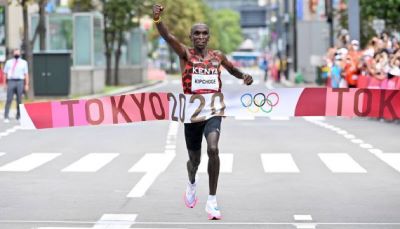
Eliud Kipchoge’s second consecutive gold medal for Kenya in the men’s marathon marked the end of an enthralling track and field competition at the Tokyo Olympics. Xinhua looks at some of the major talking points:
ADVERTISEMENTx
U.S. LEAD MEDAL TALLY
The United States headed the athletics medals table with seven gold, 12 silver and seven bronze medals. Five of Team USA’s gold medals were won by women.
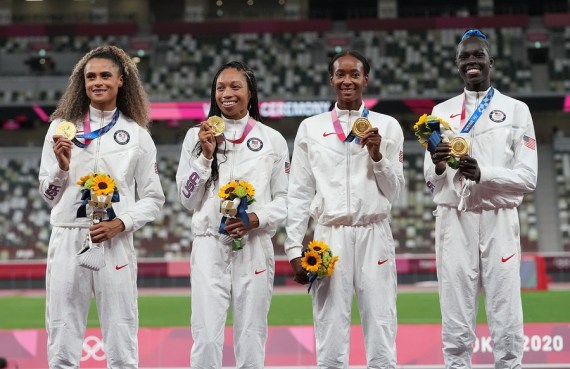
The team’s triumphs included victories in the men’s and women’s 4x400m relay events. The men’s team consisted of Michael Cherry, Michael Norman, Bryce Deadmon and Rai Benjamin, while the women’s team comprised Sydney McLaughlin, Allyson Felix, Dalilah Muhammad and Athing Mu.
There were also golds in the men’s shot put (Ryan Crouser), women’s 400m hurdles (Sydney McLaughlin), women’s 800m (Athing Mu), women’s discuss throw (Valarie Allman) and women’s pole vault (Katie Nageotte).
ADVERTISEMENT
ITALIAN GOLD RUSH
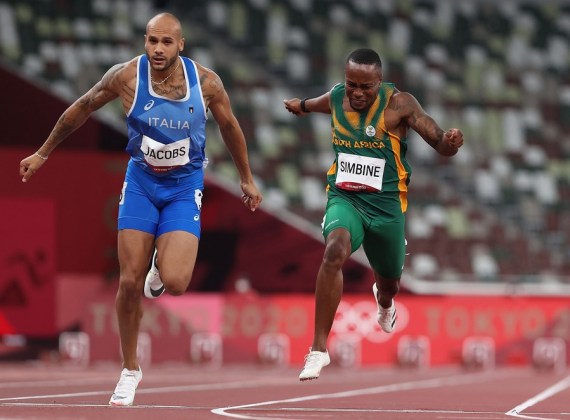
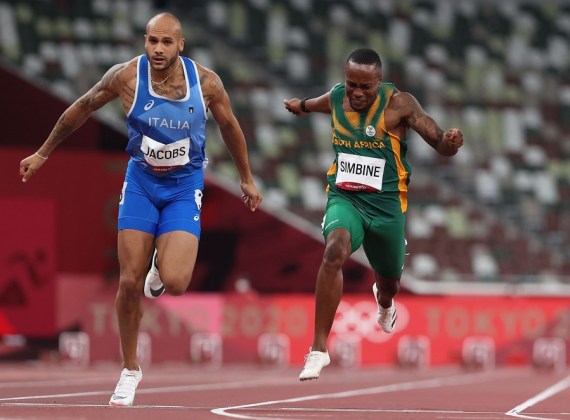
Italy was the surprise package of the track and field events with five medals, all of which were gold. The haul included Lamont Marcell Jacob’s victory in the men’s 100m, Italy’s first Olympic gold medal in the event.
Jacobs, who was born in Texas to an African American father and Italian mother, also guided Italy to the 4x100m relay title alongside Lorenzo Patta, Eseosa Desalu and Filippo Tortu.
When asked about the secret to Italy’s track success, Jacobs told reporters: “Work hard, dream big. We believed for real that we could [win].”
ADVERTISEMENT
JAMAICA’S HERO
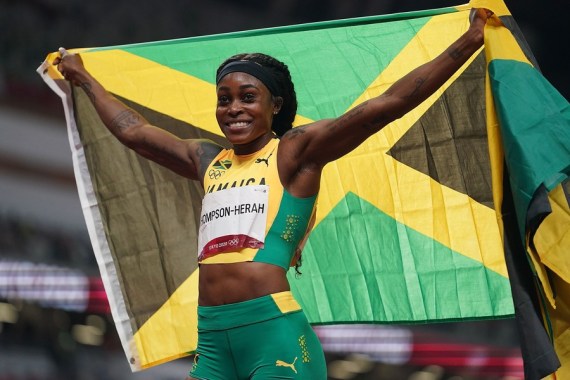
Elaine Thompson-Herah cemented her place in the pantheon of Olympic greats by successfully defending her 100m and 200m titles. The 29-year-old is the first woman in history to win the 100 and 200m in back-to-back Olympics.
“I’m happy. I’m overwhelmed. I’m lost for words. I never imagined this day, even though the work was put in already. But the ups and downs … to win a double at the Olympics, it’s amazing,” she said after taking the 200m title in a personal best time of 21.53 seconds.
Thompson-Herah suggested she might compete again at the Paris 2024 Games in a bid equal the record of compatriot Usain Bolt of 100 and 200m gold medals at three successive Olympics. “There’s more that I’m looking forward to accomplishing,” she said.
FELIX’S RECORD
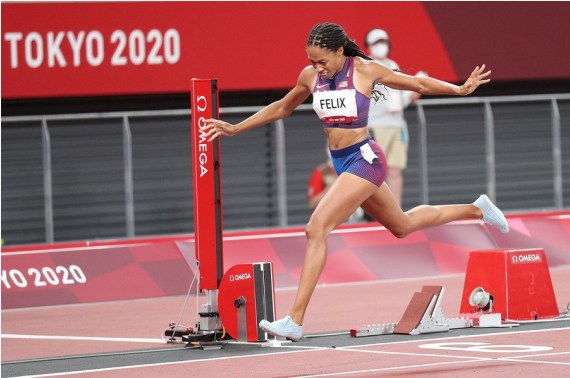
Thompson-Herah’s great rival Allyson Felix became the most decorated U.S. athlete in Olympic history when she was a part of the team that won the 4x400m women’s relay.
It was her 11th medal, surpassing the mark previously held by sprint and long-jump legend Carl Lewis. Just 24 hours earlier, the 35-year-old took bronze in the individual 400m race in 49.46 seconds, the second-fastest time of her career.
“This one is very different, and it’s very special. And it just took a lot to get here,” Felix said after clinching her seventh Olympic gold medal.
DOWN BUT NOT OUT
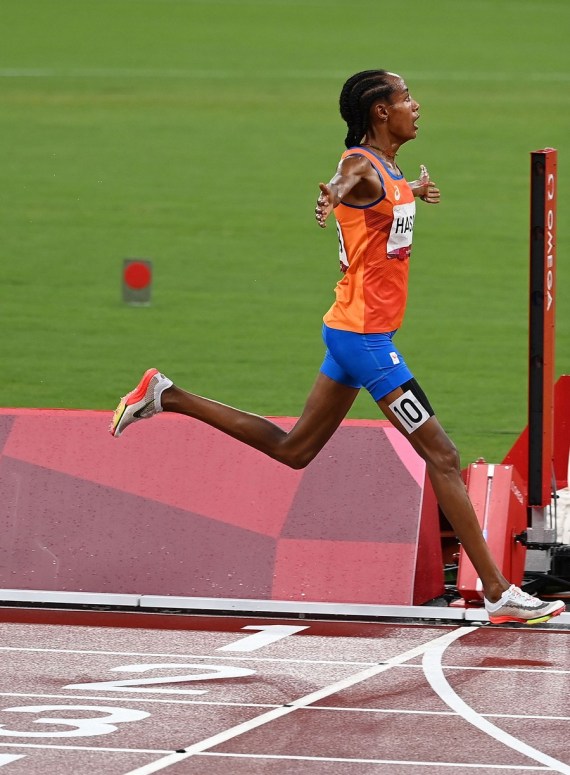
Sifan Hassan’s hopes of securing a medal in the women’s 1,500m event looked over when she fell to the ground after tripping in the final lap of her heat. But the 28-year-old quickly rose to her feet and overtook 11 rivals to win the heat.
“Believe me, it was horrible, but sometimes I think bad things happen for good,” she said afterwards. “When I fell down I said to myself, OK life doesn’t always go the way that you want. After the [race] I felt like somebody who drank 20 cups of coffee. I couldn’t calm myself down.”
Hassan went on to claim bronze in the event but won gold in the 5,000m and 10,000m.
Rodtang Jitmuangnon Serious About MMA, Wants Jonathan Haggerty
Reigning ONE Flyweight Muay Thai World Champion “The Iron Man” Rodtang Jitmuangnon is arguably the top pound-for-pound striker in ONE Super Series today.
The 24-year-old phenom has overwhelmed the majority of his foes inside the ONE Championship ring with his all-action style since joining the promotion in 2018.
After conquering the striking world, however, the Thai superstar may be shifting his sights to a new arena.
ADVERTISEMENTx
Rodtang has made it no secret that he plans to break into the sport of mixed martial arts at some point. “The Iron Man” has been working on his grappling skills for some time now, and it appears he’s looking to make his MMA debut very soon.
“Who do I want to face in my first mixed martial arts fight? It’s up to ONE Championship or Chatri [Sityodtong] to decide who’s best for me. I’m still new in mixed martial arts, so I need to find someone suitable,” Rodtang said.
“If I perform well, or handle the ground game well enough, I would be ready to fight at a higher level.”
While there is no shortage of fighters Rodtang could face in the Circle, there is one man he’s looking at doing battle with at one point or another — former foe Jonathan Haggerty.
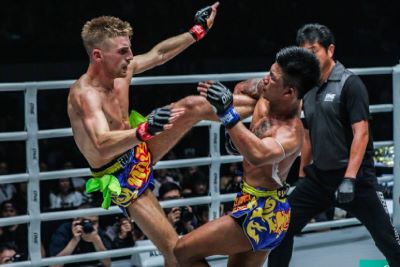
Rodtang and Haggerty battled for the Muay Thai belt in two separate wars, with the Thai athlete winning both in impressive fashion. Like Rodtang, Haggerty is also contemplating a transition to MMA.
Rodtang vs Jonathan
It is possible Rodtang and Haggerty could settle their rivalry in a completely different setting in the very near future.
“People have been talking a lot about me and [Jonathan] Haggerty in a trilogy. He’s also currently training in mixed martial arts. I’m actually open to anything. I’ve already won twice (against him) in Muay Thai. We might switch it to mixed martial arts. It will be fun,” Rodtang said.
“We’ve already entertained [fans] in Muay Thai. Let’s see how exciting a mixed martial arts fight would be. I really want to try it. It would be great if I could face him for my first fight.”
Rodtang bringing his high octane striking style and ironclad chin would be a sight to behold, and against Haggerty, it’s certainly a salivating proposition, one that fans would no doubt love to see.
Thailand make Olympic history in taekwondo and boxing but end Games with only 2 medals
After two weeks on a medal-hunting mission, Thailand had to settle for only moderate success with one gold medal and one bronze as the curtain came down on the Olympic Games TOKYO 2020 on Sunday.
Atotal of 41 Thai athletes from 15 sports disciplines strutted their stuff in a unique Olympiad, held behind closed doors due to COVID-19 protocols.
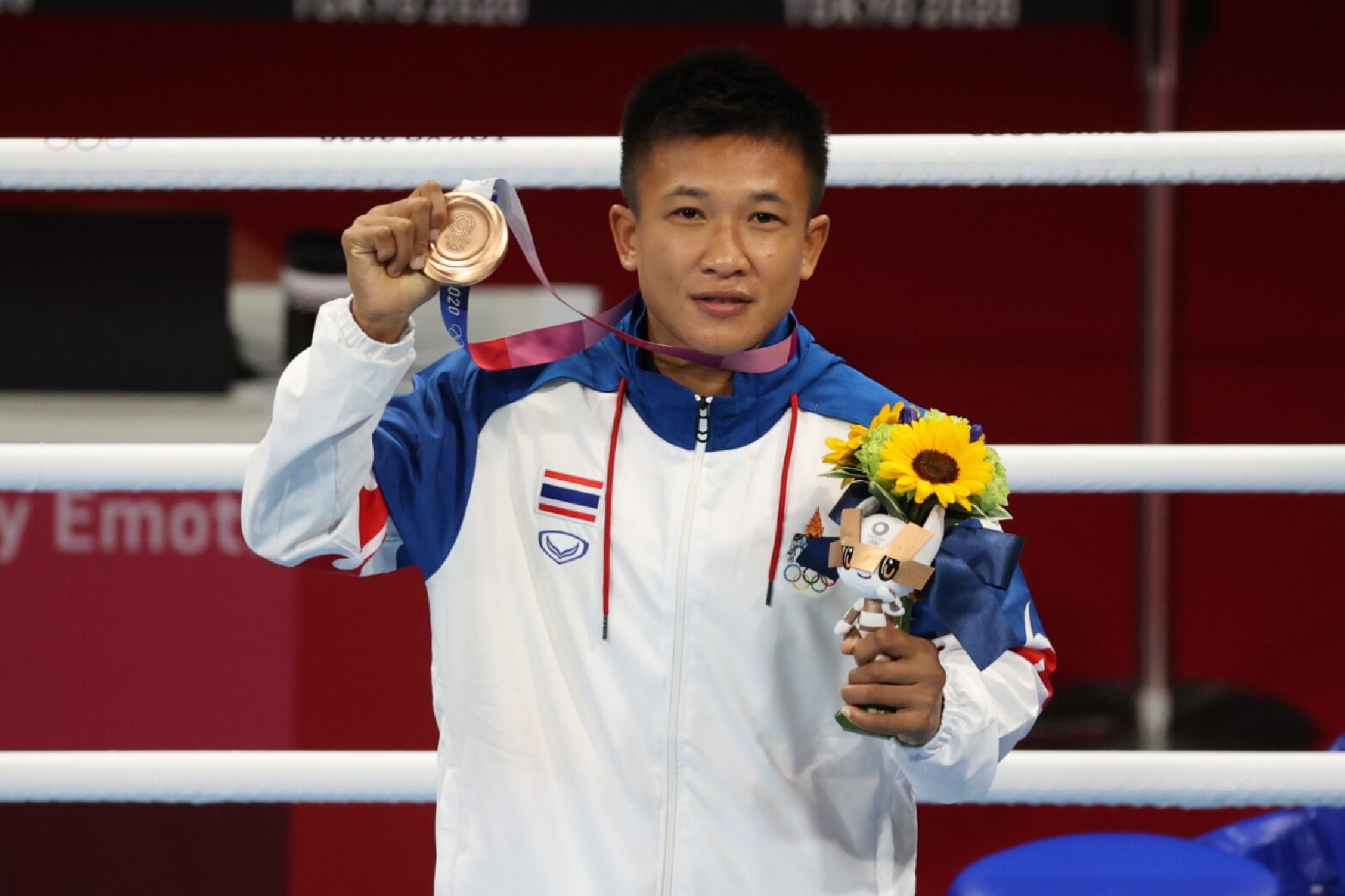
Only Panipak Wongpatanakit in the 49kg women’s taekwondo and Sudaporn Seesondee in 60kg women’s boxing yielded medals – gold and bronze, respectively. Both women also pinned new chapters in Thai history with Panipak being the nation’s first taekwondo exponent to win an Olympic gold medal and Sudaporn the first female Thai boxer to win any medal.
ADVERTISEMENTx
Two medals are in fact the lowest Olympic total the country has produced for 25 years, since the 1996 Atlanta Games when Thailand ended their campaign with the same result – one gold and one bronze.
However, the outcome of the Thai campaign in Tokyo came as no surprise after the weightlifting team, which had been tipped for glory following its two golds in the 2016 Games, was barred from international events after Thai lifters tested positive for banned substances at the 2019 World Championships.
According to the Sports Authority of Thailand, taekwondo, badminton, golf and boxing were the potential sources of gold for Thai athletes in Tokyo. But only the Korean martial art offered Thailand a path to the top of the podium.
However, several other Thai athletes deserved high acclaim despite not contributing a medal, after they exceeded all expectations with dazzling performances.
Shooter Isarapa Imprasertsuk, then ranked just 32nd in the world, came out of nowhere to threaten the medal places before eventually settling for fourth place in the women’s skeet event. An overwhelming underdog among her high-profile competitors in the final four, the 26-year-old Thai missed just one target that would have won her the bronze. Still, her fourth-place finish marked Thailand’s best-ever attempt in the Olympic shooting competition by far.
Thailand’s boxing team boast a record of four golds, four silvers and seven bronzes in Olympic competition but they showed signs of decline in the Tokyo Games. The team also finished the 2016 Rio Games empty-handed and have yet to produce a gold since Somjit Jongjohor won the Olympic title in Beijing 13 years ago.
Sudapon Srisondee
However, in Tokyo they won the hearts of Thai fans nationwide with courageous performances despite losing against high-class rivals, especially Chatchai-Decha Butdee against three-time world champion Lazaro Alvarez of Cuba in the men’s featherweight quarter-finals, and Juthamas Jitpong against European Games gold medalist Buse Naz Cakiroglu of Turkey in the women’s flyweight quarter-finals.
Other athletes who deserved applause include Suthasini Sawettabut, the first Thai woman to reach the fourth round in the table tennis singles, and Ratchanok Inthanon who lost a heart-breaking quarter-final to world No 1 Tai Tzu Ying of Taiwan in one of the best badminton showdowns at this Olympics.
Nevertheless, badminton and golf failed to live up to expectations for Thailand, which boasts a world-class mixed doubles pair and star players on the LPGA Tour.
This Games also marked the first time in 45 years that Thailand’s male athletes finished without a single medal. Before this year’s Games, Thai men had won at least one medal in every Olympics since Montreal 1976, when Payao Poontarat won the boxing light-flyweight bronze.
Thailand finished at 59th place in the medal table in Tokyo, and third in Asean behind Indonesia (one gold, one silver, three bronzes) and the Philippines (one gold, two silvers and one bronze). Several factors played a significant role in the outcome. Hopefully, the country’s athletes will bounce back with the return of the weightlifting squad in Paris 2024.
Athletes unite to go “Faster, Higher, Stronger – Together” at Tokyo Games
After 16 days filled with breathtaking moments and touching behind-the-scenes stories, the Tokyo 2020 Olympic Games closed on Sunday despite all the challenges brought about by the COVID-19 pandemic.
— The Tokyo 2020 Olympic Games closed on Sunday after 16 days of thrilling and touching sport moments.
— China made a string of breakthroughs, while the U.S.’s traditional dominance in athletics and swimming waned slightly.
— Athletes give Tokyo 2020 a great Olympic soul, standing together against challenges brought about by the pandemic.
Prior to the opening of the Tokyo Games, the Olympic motto was revised for the first time in over 120 years, with the inclusion of the word “together” to highlight the importance of solidarity.
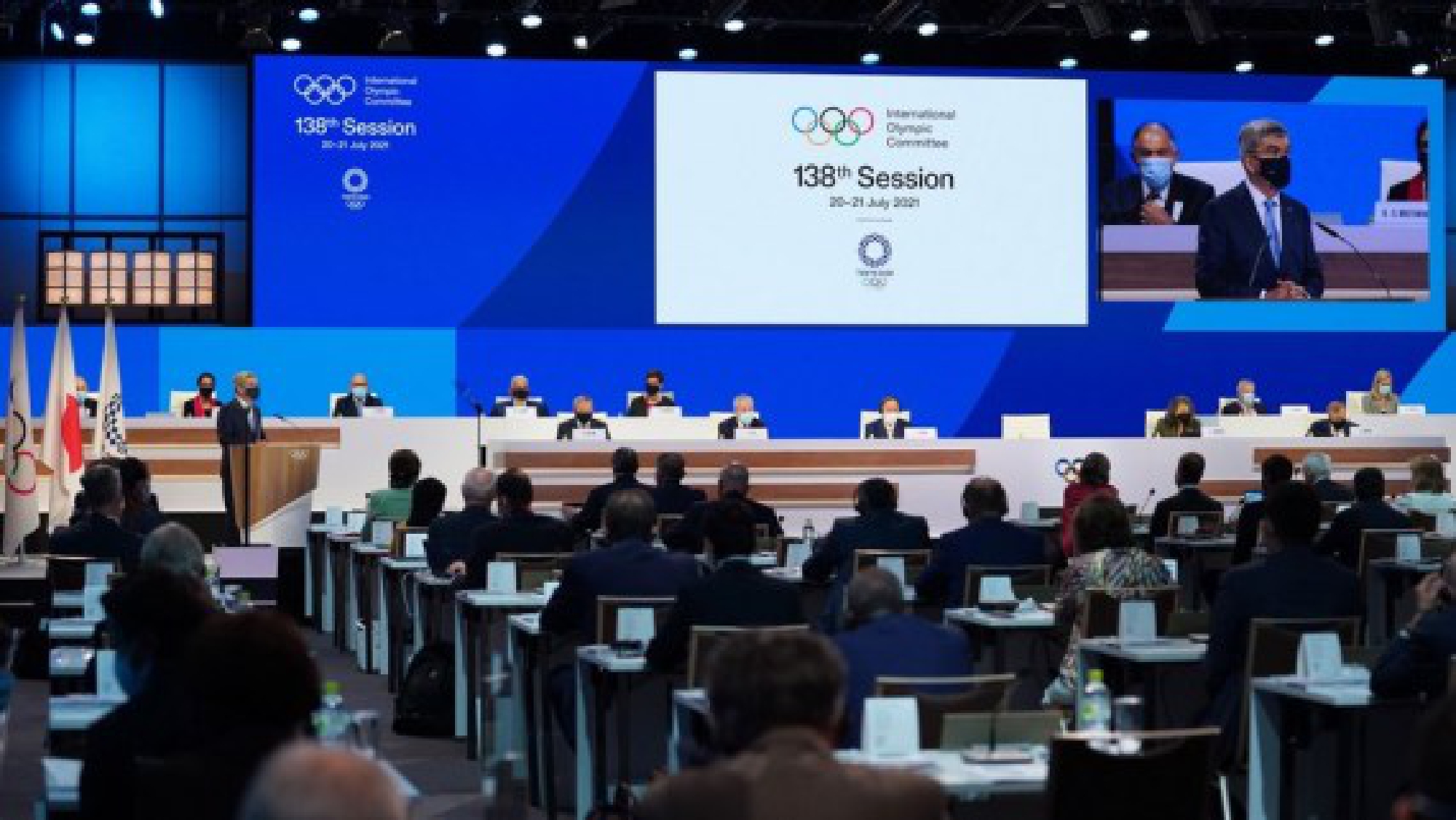
The new motto, which now reads “Faster, Higher, Stronger – Together,” was unanimously approved at the 138th session of the International Olympic Committee (IOC) on July 20.
“Solidarity fuels our mission to make the world a better place through sport. We can only go faster, we can only aim higher, we can only become stronger by standing together – in solidarity,” said IOC President Thomas Bach.
Jerseys were exchanged, emotional embraces were shared, and congratulations were expressed; memories of those touching Olympic moments will remain fresh in many people’s minds for a long time.
In gathering in Tokyo against all odds, athletes around the world showed their mutual respect and willingness to strive for the goal of becoming “faster, higher, stronger”, and this has been achieved by staying “together.”
ADVERTISEMENTx
NEAR MISS ON TOP SPOT — BREAKTHROUGHS FOR CHINA
China claimed 38 gold, 32 silver and 18 bronze medals at the Tokyo Games, equaling its previous best haul of gold medals at any overseas Olympics, by finishing second, just one short of the United States’ winning gold tally.
As usual, Chinese Olympians dominated in weightlifting, diving and table tennis, missing out on only one gold in each sport. The country’s shooting squad won a record 11 medals in Tokyo, including four golds. China’s badminton players reached finals in all five categories before snatching the women’s singles and mixed doubles gold medals. There were also three gold medals in gymnastics, in which China had previously excelled but hadn’t won any golds at Rio 2016.
China’s haul of gold medals in those six sports, considered the country’s traditionally strong events, has reached 28, more than its gold total five years ago in Rio.
There were also remarkable breakthroughs in athletics and rowing.
ADVERTISEMENT
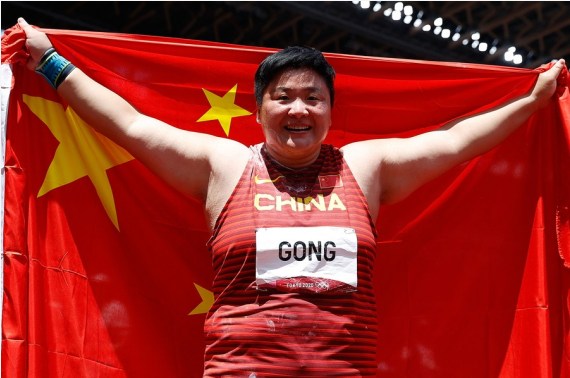
Four-time Olympian Gong Lijiao claimed the women’s shot put title after renewing her personal best twice. The 32-year-old veteran gave China its first Olympic gold in field events, and was soon followed by Liu Shiying who won the women’s javelin gold.
Despite missing out on a medal, star sprinter Su Bingtian wowed many with his new Asian record 9.83-second performance in the men’s 100m semifinals, becoming the first Chinese sprinter to appear on the starting blocks of the Olympic 100m final. He came in sixth in 9.98, the best ever result for an Asian sprinter.
In rowing, the team of Chen Yunxia, Zhang Ling, Lyu Yang and Cui Xiaotong won gold in the women’s quadruple sculls in world-record time, with bronze medals coming in the women’s eight and men’s double sculls.
At 32 years old, Ma Long became the most decorated table tennis player in Olympic history with five gold medals.
ADVERTISEMENT
Men’s 81kg weightlifting gold medalist Lyu Xiaojun, who turned 37 on July 27, broke the record for the oldest Olympic champion in the sport set by Rudolf Plukfelder of the Soviet Union, who was 36 years old when he won gold at Tokyo 1964.
Veterans defended their glory, while “Generation Z” athletes also heralded an era to come.
Yang Qian, Jiang Ranxin and Zhang Changhong, all born in the 2000s, were present in Chinese shooters’ four golds in Tokyo.
14-year-old sensation Quan Hongchan, the youngest member in the Chinese delegation in Tokyo, collected full marks in three out of five dives en route to her triumph in the women’s 10m platform event.
CHANGES IN GLOBAL SPORTING LANDSCAPE
Athletics and swimming are the main draw of any Olympics with their large medal hauls. Both sports witnessed significant changes at Tokyo 2020, which partly explains why the previous gold medal dominance from the United States did not occur at these Games.
With Michael Phelps and other outstanding swimmers, the U.S. has long been the dominant force in Olympic swimming. Despite securing the top spot on the swimming medal tally in consecutive Olympics, finishing with 30 medals including 11 gold at Tokyo, American swimmers faced sterner challenges from other countries and regions in Tokyo.
The 11 American gold medals were the country’s fewest in swimming since the 1992 Olympics, while Australia won a record-high of nine gold medals to finish in second place, capping off its best-ever Olympic Games in the pool. Britain in third won four gold medals, while Chinese swimmers won three events – two more than five years ago in Rio.
Caeleb Dressel was the leading American swimmer under the spotlight, setting two world records on his way to five gold medals at Tokyo 2020.
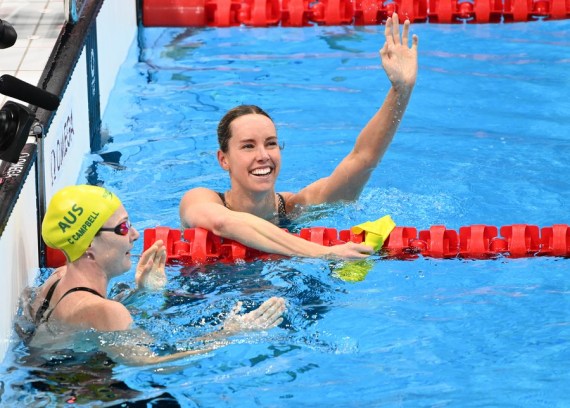
Like Dressel in the men’s draw, Emma McKeon from Australia was the best female swimmer in Tokyo. The 27-year-old became the first female swimmer to win seven medals at one Olympics, including four golds.
In athletics, another traditional gold-bagging sport of the U.S., they were feeling greater pressure too, not just from Jamaica in sprint events, but Italy in the sprint and race walk.
Italy captured five golds in athletics. Following his surprising victory in the men’s 100m, Lamont Marcell Jacobs led Italy to a 4×100 relay gold medal. Italian race walkers Massimo Stano and Antonella Palmisano claimed the men’s and women’s titles over the 20-kilometer distance.
Once setting a target of 30 gold medals for its home Olympics, Japan managed a third-place finish with 27 golds, with a big part coming from its traditional sport of judo, with nine golds. Wrestling and the newly-added skateboarding contributed five and three respectively for the host nation.
Compared to the Rio Olympics, the Netherlands was the only newcomer in the top 10 of the medals table, thanks in part to its glittering performance in cycling.
TOGETHER AT PANDEMIC-HAUNTED OLYMPICS
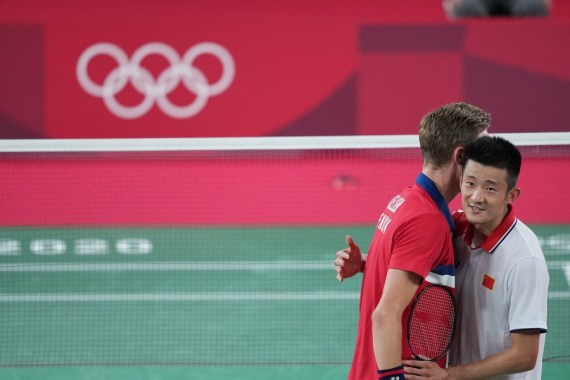
After losing to Danish shuttler Viktor Axelsen from Denmark in the men’s badminton singles final, defending champion Chen Long from China walked straight to Axelsen on the court and congratulated him on his victory. The two also exchanged their jerseys.
“Obviously I respect Chen Long a lot. He’s been a big inspiration to me,” said Axelsen.
The friendly interaction between Chen and Axelsen also drew wide appreciation online. “Awesome moment and classy act by the two Olympic champions,” one web user wrote.
Members of the International Olympic Committee (IOC) attend the 138th IOC Session in Tokyo, Japan, on July 20, 2021.
After Gong clinched her maiden Olympic gold, 36-year-old bronze medalist Valerie Adams from New Zealand gave the Chinese shot putter a big hug.
“I often watched her winning the championship, and now it’s finally my turn,” Gong told a press conference, triggering friendly laughter from two-time Olympic winner Adams.
“We competed together for many, many years. I have won a lot of medals, and it’s your turn. Big respect to you. You are a great competitor, and I’m really happy for you,” Adams told Gong.
Those moving moments were not limited to winners and medalists. The standing ovation received by the legendary Oksana Chusovitina when she completed her Olympic finale in the vault competition, and the tears shed by Chinese shuttler He Bingjiao for her injured opponent Zhang Beiwen were also snapshots of fair play and mutual respect at Olympic venues, and they became more valuable for the Olympic movement against the backdrop of a pandemic.
As the Olympic Games drew to a close, Bach confessed at a press conference that he personally had concerns over a soulless Olympic Games as spectators were barred from entering the vast majority of venues.
“But fortunately, what we have seen here is totally different, because the athletes give these Olympic Games a great Olympic soul,” said the IOC chief.
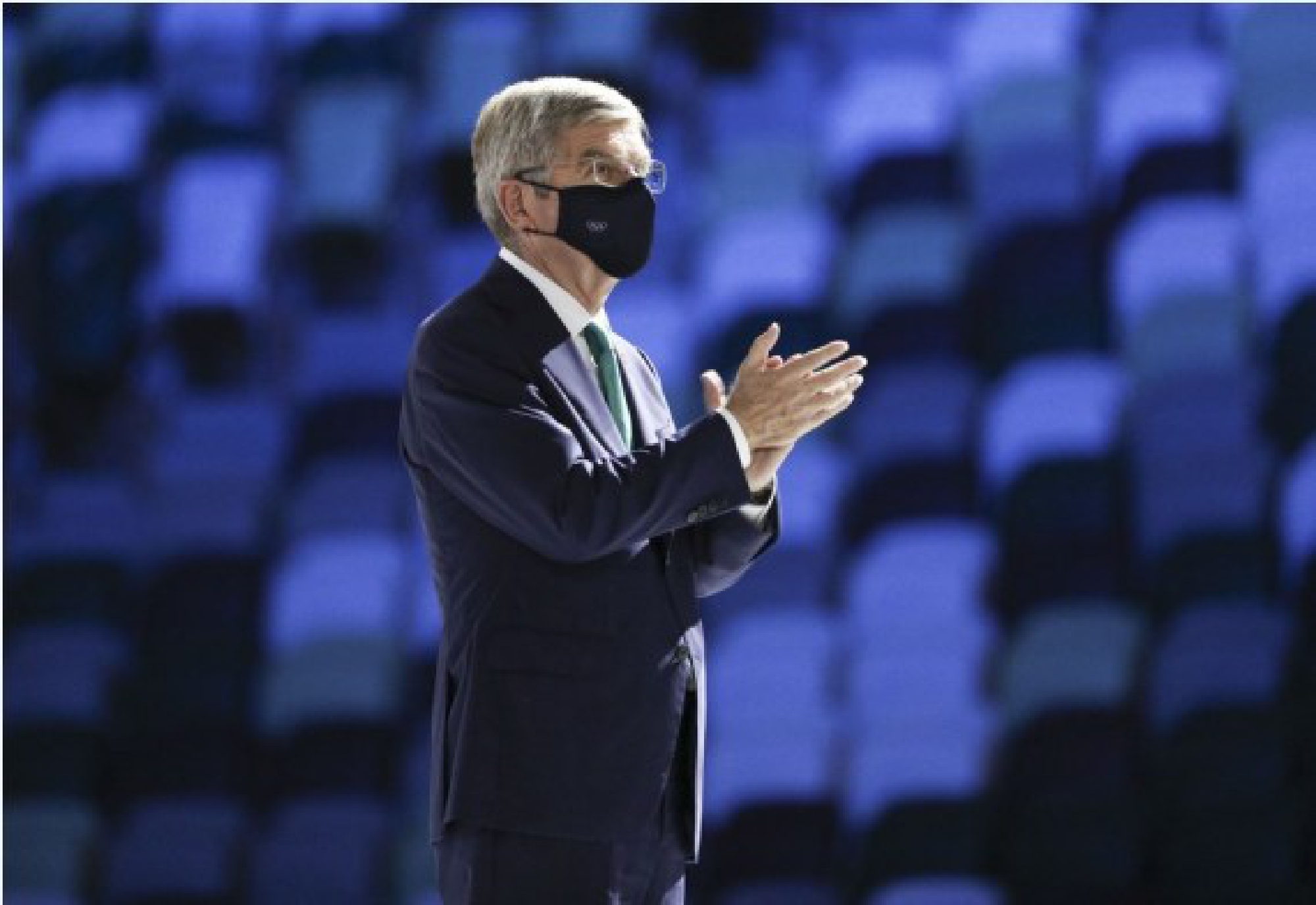
International Olympic Committee (IOC) President Thomas Bach attends the closing ceremony of the Tokyo 2020 Olympic Games on Aug. 8, 2021.
Echoing Bach’s view, Yiannis Exarchos, CEO of Olympic Broadcasting Services, said, “Once the athletes walk onto the field of play, they filled all the space, emotionally they made up for everything we may have made from spectators. They created an incredible environment, they became their own fans of their own events, of their own colleagues. For me, it’s something that I have never experienced in my life before.”
Bach acknowledged the progress in staging a “safe and secure games,” citing that as of August 5, there were 42,500 arrival tests at a positivity rate of 0.08 percent, and 571,000 screenings at a positivity rate of 0.02 percent.
“I think it’s fair to say that the Olympic community here in Tokyo has been the best tested community anywhere in the world during the last few weeks,” he said.
The great competition and sportsmanship demonstrated by the Olympians won over many suspicious locals. During the Games, many lined up patiently under the blazing sun in a small garden near the Olympic Stadium in Tokyo, to take photos with the Olympic Rings inside the park and the Olympic Stadium as the backdrop in a way to feel the Olympic atmosphere.
“The fact that the Games could be held despite the pandemic is something we should be happy about. I feel proud,” said 63-year-old Tokyo resident Masami Kato.
When the Olympic flame was extinguished in the Tokyo Olympic cauldron on Sunday, exactly 13 years have passed since the opening of the Beijing Olympic Games.
With about six months to go before the 2022 Winter Olympics opens in Beijing, some dual Olympians are already eager to take to the snow.
“I’m going to switch to snowboarding soon,” said two-time Olympic snowboarding silver medalist Ayumu Hirano after he had a run in his Olympic skateboarding debut on home soil. “I will continue to challenge myself.”
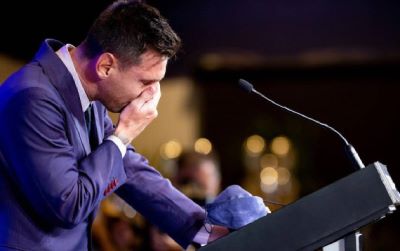
Messi says a tearful farewell to FC Barcelona after 21 years at the club.
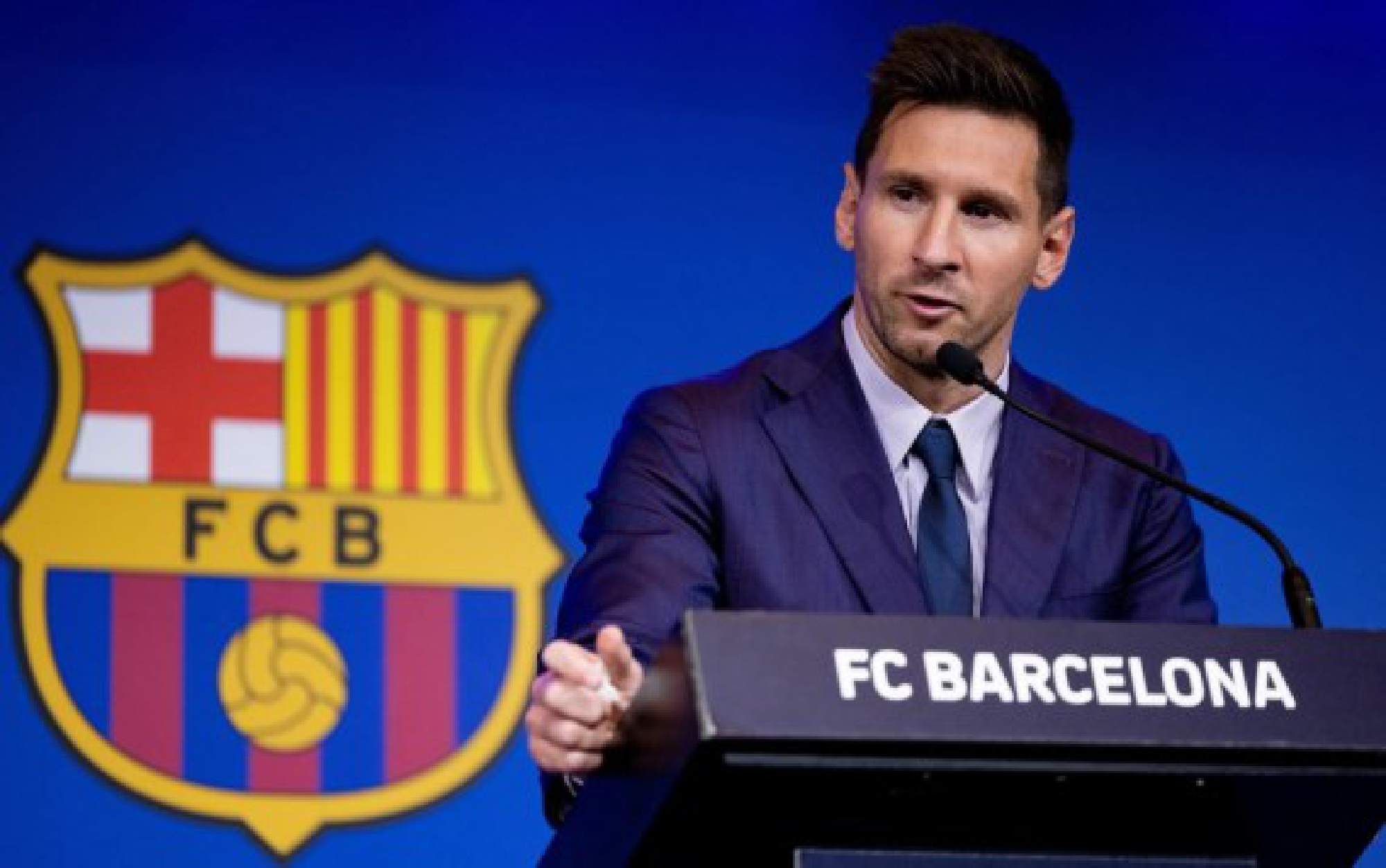
Atearful Lionel Messi said goodbye to FC Barcelona after 21 years at the club at an emotional press conference at the Camp Nou Stadium, attended by his now former teammates on Sunday.
ADVERTISEMENTx
The news Messi would not be signing a new contract with the club that he joined as a 13-year-old and scored a record 672 goals for shocked football when it was confirmed on Thursday. The striker confirmed the reason he was leaving was because the club could not fit his contract into the tight wage ceiling imposed by La Liga due to Barca’s massive debts.
Barcelona president Joan Laporta confirmed on Friday that the club would lose over 480 million euros due to the COVID-19 pandemic, on top of previous debts of around 1,000 million euros, and explained he couldn’t mortgage Barca just to keep Messi.
“I did everything possible and so did the club, but we couldn’t do it because of La Liga. All I know is that the club couldn’t get around the league’s rules because of its debts and because the club did not want to go into debt more,” confirmed Messi.
Lionel Messi speaks during a press conference at the Camp Nou Stadium in Barcelona, Spain, Aug. 8, 2021.
“The club does not want to borrow more, so why make this drag on if it is an impossible case, and the league did not allow it either? I also have to think about my future and what I have to do now,” he added, making reference to his attempts to leave a year ago, due to his poor relationship with former president Josep Maria Bartomeu.
“Last year, I didn’t want to stay and I said it; this year, I wanted to stay and we couldn’t,” he said, explaining he had been willing to take a 50 percent pay cut in order to stay.
Messi insisted that in his 21 years at FC Barcelona, the club had given him everything.
“I am sad because I have to leave this club at a time when I did not expect it. Last year I wanted to leave, but not this year. That’s why I’m so sad,” he continued.
The striker has been linked with a move to Paris Saint-Germain and said there was a possibility that could be his destination, but insisted there was nothing signed.
“I have nothing arranged with anyone: when the statement [about me leaving] came out I got a lot of calls from several clubs that were interested, I still have nothing finalized,” commented the striker, who said that he would return to the city.
“We are going to return, because it is our home. and I have promised that to my children,” he concluded.
A tearful Lionel Messi leaves Barcelona, calls Paris Saint-Germain move a possibility
Where he will play next is not yet official, but Lionel Messi put the only team he has played for behind him Sunday, saying goodbye to Barcelona in a tearful news conference in Camp Nou stadium.
“My family and I were convinced we were going to stay here, at home,” the five-time winner of the Ballon d’Or said (via the BBC). “This is the end with this club and now a new story will begin. …Yes, it’s one of the most difficult moments for me. I don’t want to leave this club – it’s a club I love and this is a moment I didn’t expect.
“Last year I wanted to leave, this year I wanted to stay. That’s why I’m so sad. It was like my blood ran cold. I was really sad. It was really difficult right up to now. I’m still trying to process it all. When I get home I will still feel bad; it will be even worse. I’m not ready for this.”
The moment had been looming since June 30, when Messi became a free agent, and fans lined the streets outside Camp Nou, with first-team members joining him for the news conference. ESPN reported Sunday, citing unnamed sources, that he has a two-year agreement to join Paris Saint-Germain. A recent photo of Messi with PSG’s Neymar, a former teammate with Barcelona, and others in Ibiza fueled that speculation. On Sunday, he called a PSG move “a possibility, but added, “I have not agreed anything with anyone. I have got different clubs interested. Nothing is definitive but clearly we are talking to them.”
Messi noted that he arrived in Barcelona 21 years ago, coming to Spain from his native Argentina when he was 13 and making his first-team debut as a 17-year-old in October 2004. He scored 672 goals in 778 games as Barcelona won 34 trophies.
“I arrived when I was very young, 13 years old, and after 21 years I am leaving with my wife and three Catalan-Argentine children,” he said. “I cannot be more proud of everything I did and lived in this city. I have no doubt that, after a few years away, we will return because it is our home.”
He insisted that he had done all he could to stay, agreeing to a five-year deal that was half of his $170 million annual contract and was contingent on the departure of other players so that the team could comply with La Liga’s limit. But it all fell apart and Barcelona President Joan Laporta said Friday that trying to keep Messi was a “risky” investment that would have hurt the club for 50 years.
“I offered to reduce my salary by 50 percent and they didn’t ask me for anything else,” Messi said. “It is not true that they asked me for anything more. I only know that it was not possible because of La Liga, because the club did not want to go into more debt.”
ESPN reported that Messi would arrive in Paris for a physical later Sunday.
Olympic magic cut through the pandemic gloom, but the Tokyo Games legacy is complex
TOKYO – The flame that burned throughout one of historys most controversial Games was extinguished Sunday as Japan brought the curtain down on the Tokyo Olympics with closing ceremonies that were as unusual as the event itself.
Most of the athletes weren’t even present; they were sent home within 48 hours of competing as part of the strict rules meant to contain the pandemic. For those who attended, organizers offered a show of music, juggling and dance that was supposed to replicate the experience of visiting a grassy Tokyo park – an experience that had been off-limits to athletes during the Games.
“In these difficult times, you gave the world the most precious of gifts: hope,” International Olympic Committee President Thomas Bach told the athletes. “For the first time since the pandemic began, the entire world came together, sport returned to center stage, billions of people around the globe were united by emotion, sharing moments of joy and inspiration.”
It was a fitting, bittersweet end to a complicated Games. While the ban on spectators meant the Games looked and felt nothing like the electric showcase of Japan for which organizers had hoped, the Olympics nonetheless provided a much-needed respite, a burst of joy and human wonder, for viewers around the world exhausted by the pandemic.
Day after day over two weeks, the magic of Olympic sporting competition cut through the gloom and isolation of the long coronavirus pandemic. Hour after hour, athletes emerged from long years of sacrifice, self-discipline and often adversity into the global spotlight and lit up the world’s hearts with their modesty, grace and joy.
“Life seems very divisive just now. Everybody’s in polarized positions and there’s so much just controversy and frustration in life,” British Olympic cyclist Chris Hoy told the BBC. “It’s just wonderful to see the power of sport and the way it’s brought us all together and reminded us about the Olympic Games and the wonderful role that it plays in all our lives.”
Former U.S. Olympic sprint champion Michael Johnson agreed.
“This Games, even though it was a struggle getting it to start and getting it going, I think ultimately it was the relief that a lot of people needed,” he said.
New sports brought new audiences and new subcultures to the Games. The obvious camaraderie of the BMX riders, skateboarders and sports climbers shone brightly – and never more so than when 15-year-old Misugu Okamoto from Japan was carried off the skateboarding park on the shoulders of her fellow competitors after falling on her final run.
For Team USA, there were uncountable moments of enchantment, from 17-year-old Lydia Jacobs’ shock victory in the 100-meter breaststroke to Allyson Felix’s bronze in the 400 meters at her fifth Olympics, and her first as a mother, to become the most decorated female track and field athlete in Olympic history.
There was Sunisa Lee’s emergence from the shadow of Simone Biles to win the women’s all-around gymnastics, and the joy and relief for Biles herself when she won bronze on the balance beam after returning from her well-documented withdrawal.
ADVERTISEMENT
There were Japan’s judo brother and sister Hifumi and Uta Abe who won gold medals within an hour of each other, and Jason Kenny’s seventh gold in track cycling on the final day to become Britain’s most successful Olympian ever, beautifully capped by his fellow medalists lifting him on their shoulders on the podium.
For host country Japan, which suffered 18 months of anguish and anger over the pandemic-delayed event, there was a welcome burst of national pride as it recorded easily its greatest haul of 58 medals including 27 golds.
Japan proved to the world that, despite all the criticism, it could hold an Olympic Games in the midst of a global pandemic. Some of the rules, forcing athletes to wear masks on the podium and put medals around their own necks, might have seemed suffocating, but the thick web of restrictions ultimately proved effective in allowing the competition to go ahead.
Public opinion, so long skeptical or, in some cases, downright hostile, appeared to turn around, at least in part, with crowds turning out on the streets of Sapporo to cheer on the marathon runners in the Games’ final days.
Yet there was still an emptiness, a sense of loneliness and even a bitterness that the joy and achievement couldn’t wash entirely away.
The feeling that the International Olympic Committee (IOC) forced these Games on an unwilling public left an impression of arrogance and materialism, some critics said, and the sexist and discriminatory attitudes of Japan’s conservative and elderly male elite in the run-up to the event was exposed to global scrutiny and caused national embarrassment.
There were signs of incremental progress: These were the most gender-balanced Games and the most diverse in terms of openly LGBTQ participation. The choice of Naomi Osaka to light the Olympic torch at the Opening Ceremonies was a well-received nod to Japan’s marginalized mixed-race populations.
Japan boasted that it had used the Games to boost its citizens’ participation in sport and exercise, sailing into a global head wind of rising inactivity, and significantly improved disabled access to everything from venues and Metro stations. On television, commentators talked more respectfully about mixed-race or transgender participants, even if intolerance and cruelty still raised its head on social media.
Yet the were also wounds, the biggest of which was partly self-inflicted.
Japan inexplicably dragged its feet over its coronavirus vaccination campaign, forcing it first to ban overseas fans and then even domestic spectators.
Olympians clustered in the empty stands to cheer their teammates along, but this made-for-television Games was deprived of the communal passion, the fervor and the fun that come with a hyped-up crowd.
Athletes clutching medals gamely waved at their far-off families on specially set-up video screens, but the absence of their families and friends was palpable.
Bach boasted that 1 out of 10 Japanese people had seen some part of the Games, but outside the fenced-off and policed competition venues, it sometimes felt as if the city of Tokyo had turned its back on the Olympics.
It’s true there were some moments of enthusiasm: More than an hour before the closing ceremony began, Tokyo residents lined up outside the stadium to get the best views of the fireworks. But there was no trace of the festival atmosphere that the Games usually brings to its host cities.
Instead of welcoming foreigners with open arms and showing Japan’s famous hospitality, the mood toward outsiders seemed at times to crystallize into silent mistrust of the tens of thousands of strangers who might be bringing in new strains of the coronavirus. Outward-facing Japan seemed to turn its face inward.
And all the while, in Tokyo and across Japan, the pandemic worsened, setting records with metronomic regularity. Daily cases rose by nearly four times during the two weeks of the Olympics alone.
The IOC and Tokyo 2020 organizers boasted every day of their extensive testing regime and how few people involved in the Games had tested positive – 430 since the beginning of July.
On Sunday, Tokyo 2020 President Seiko Hashimoto said there was no “medical or scientific” proof that cases had spread from the Olympics bubble to the general public.
But many public health experts were unpersuaded. They argued the Games undermined the government’s already unconvincing calls for self-restraint and suggested the Olympic “bubble” was far more porous than organizers had claimed.
“I thought of the legacy of this Olympics,” said Kenji Shibuya, the former founding director of the Institute for Population Health at King’s College London who recently moved back to Japan to help with mass vaccination efforts here. “First, it clearly showed that unless the pandemic is tackled, a safe and secure Olympics is a fantasy.”
Shibuya said the Games have “left a scar on Japanese society,” causing division and distrust as well as a “health and economic debt.”
The IOC will walk away from these Games with its broadcast revenue intact and its finances in good shape. The Japanese taxpayer, though, will be left footing a multibillion dollar bill, a huge hangover without having been invited to the party.
“The athletes should be the focus of the Games, and they have gone a long way in rescuing the extravaganza from the venal and feckless global sports aristocracy and Japan’s political elite,” said Jeff Kingston, a professor of political science at Temple University Japan.
But “the stories of resilience and indomitable spirits overcoming adversity” couldn’t mask the unpalatable truths the Games exposed, he said.
“The Pandemic Olympics featured some glorious performances, but the empty venues made them an eerie rather than epic experience, a brief diversion from the surging delta curse.”
Published : August 09, 2021
By : The Washington Post · Simon Denyer, Michelle Ye Hee Lee
Remembering all of the firsts at the Tokyo Olympics
The Tokyo Olympics delivered historic moments from start to finish. Some athletes set records for long-standing dominance in their sports. Others became the first in their nations histories to win a medal of any kind. And sports such as surfing and karate made their Olympic debuts.
With the Closing Ceremonies complete, here’s a look back at the most impactful firsts of the Tokyo Olympics:
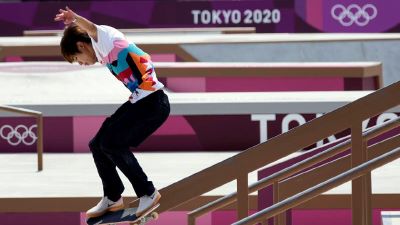
– First skateboarding medal: The street and park competitions made their debuts in Tokyo, and the host country dominated, with three of four gold medals won by Momiji Nishiya (women’s street), Sakura Yosozumi (women’s park) and Yuto Horigome (men’s street).
– First Hmong American Olympic gymnast: Sunisa Lee was the first Hmong American to make the Olympic team in gymnastics, and she ended up winning the all-around gold medal for the U.S. She also won a silver medal in team all-around and a bronze in individual uneven bars.
– First women’s 1,500-meter freestyle: Katie Ledecky won the race finally added to the Olympic program, inserted in part because of her dominance in the event. She won gold in 15:37.34, ahead of American teammate Erica Sullivan at 15:41.41 and one of her four medals in Tokyo.
– First track and field gold medal for India: The world’s second-most populous nation has competed in the Summer Olympics since 1900 and sent 192 athletes in track and field, but had never won a gold medal until Neeraj Chopra did so in the javelin.
– First mixed-medley relay in swimming: Great Britain won the mixed-medley relay in world record time, while the Americans finished in a disappointing fifth place.
– First basketball players to win five golds: Sue Bird and Diana Taurasi continued to lead a dominant U.S. women’s team, which has now won 55 straight games after the gold-medal triumph against Japan.
– First gold medal for Philippines: In women’s weightlifting, Hidilyn Diaz gave her country of 108 million people its first Olympic gold medal, after 97 years of trying. She set two Olympic records in the 55-kilogram division.
– First medals of any kind for San Marino: San Marino (population 34,000) became the smallest country ever to medal. In shooting, Alessandra Perilli won bronze in the women’s trap competition, while the mixed team won silver in team trap. Myles Nazem Amine won bronze in men’s freestyle wrestling at 86 kilograms.
ADVERTISEMENTx
– First out trans athlete to medal: Quinn earned a gold medal as part of the Canadian women’s soccer team, which outlasted Sweden in penalty kicks for its first gold medal in soccer.
– First surfing medal: Honolulu native Carissa Moore, a member of surfing’s hall of fame, won gold on the women’s side. Brazil’s Italo Ferreira won the men’s competition.
– First gold medals for Qatar: Qatar’s first gold medals came in a pair, with Mutaz Essa Barshim winning the men’s high jump (and sharing the honor with his friend, Gianmarco Tamberi of Italy) and Fares Elbakh taking the men’s weightlifting competition at 96 kilograms.
– First medal of any kind for Turkmenistan: Polina Guryeva gave Turkmenistan its first medal with silver in women’s weightlifting at 59 kilograms.
– First gold medal for Bermuda: Flora Duffy won the women’s triathlon for the small Atlantic island’s first gold medal. Bermuda entered this year with only one Olympic medal, a bronze from 1976.
– First karate medal: Karate joined the Olympics in the country where it was born, and Okinawa native Ryo Kiyuna, a three-time world champion, won gold in men’s kata.
– First Black woman to win gold in wrestling: Tamyra Mensah-Stock defeated Nigeria’s Blessing Oborududu in the women’s 68-kilogram freestyle final, also becoming the second American woman ever to win gold in wrestling.
– First sport climbing medal: Spain’s Alberto Ginés López won the men’s combined competition, while Janja Garnbret of Slovenia earned gold on the women’s side.
– First medal of any kind for Burkina Faso: By earning third in the men’s triple jump, Hugues Fabrice Zango put his country on the podium for the first time. Burkina Faso sent a record seven athletes to this year’s Olympics.
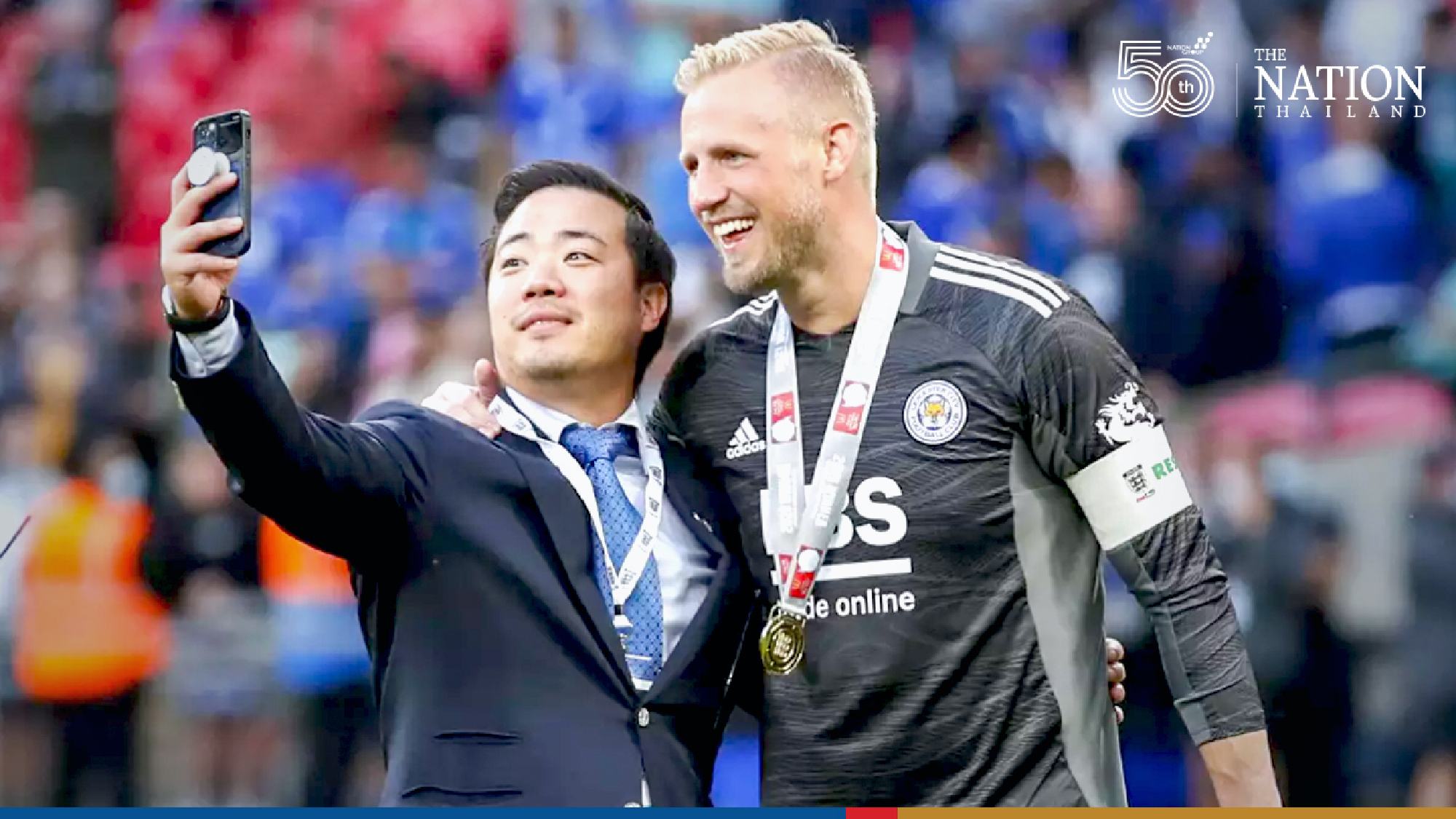
Leicester City won the FA Community Shield for the second time on Saturday.
Apenalty kick in the dying moments of a hard-fought match against Manchester City at Wembley Stadium sealed a 1-0 victory for the “Siamese foxes”.
ADVERTISEMENTx
Leicester pip Man City to win FA Community Shield
The two teams were neck and neck until the 88th minute when a foul by Man City’s Nathan Aké in the box resulted in a penalty kick. Kelechi Ihenacho scored from the spot to give Leicester their second community shield 50 years after their first triumph in 1971.
Bronze medallist Sudaporn to carry Thai flag at Olympics closing ceremony
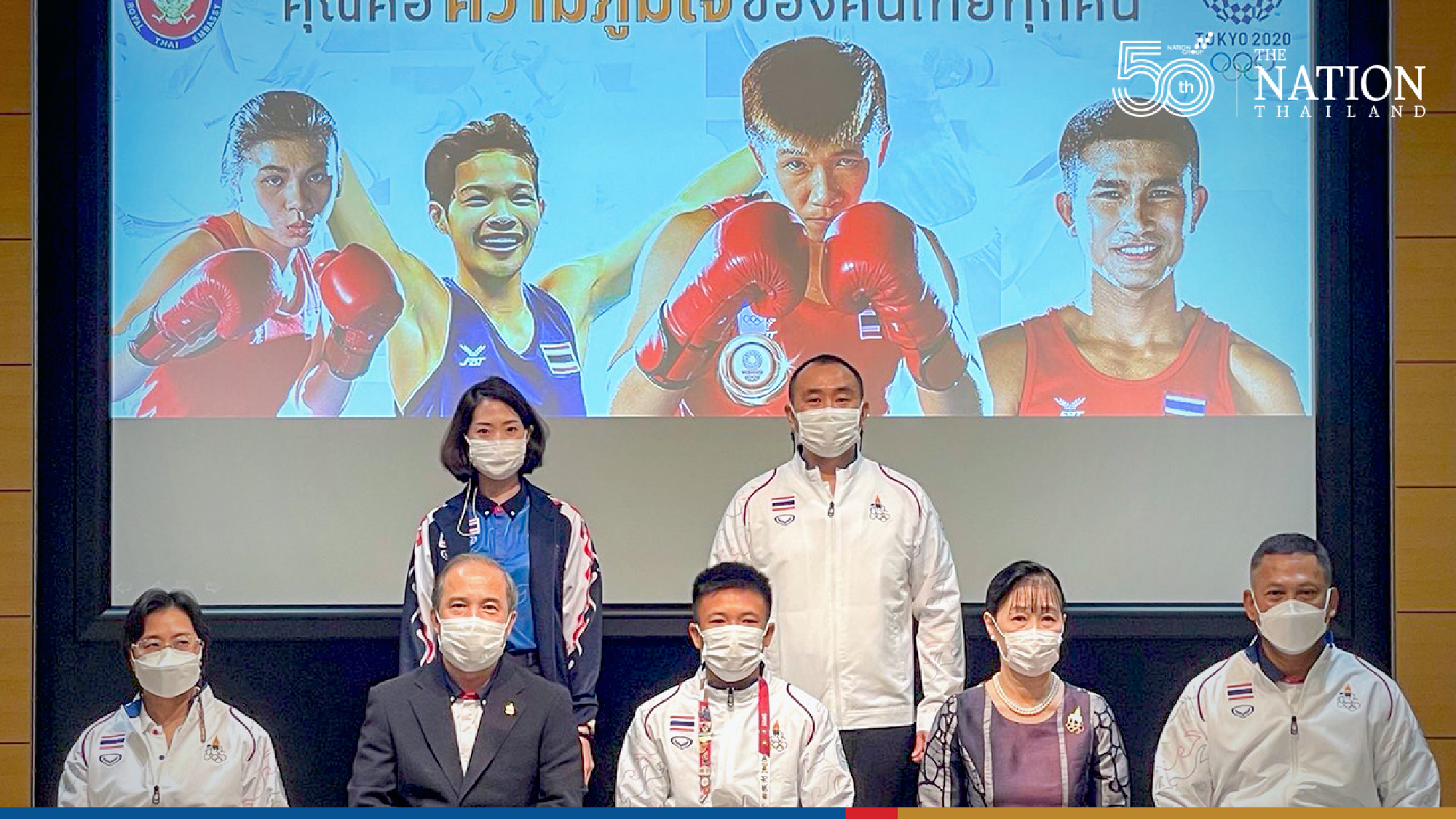
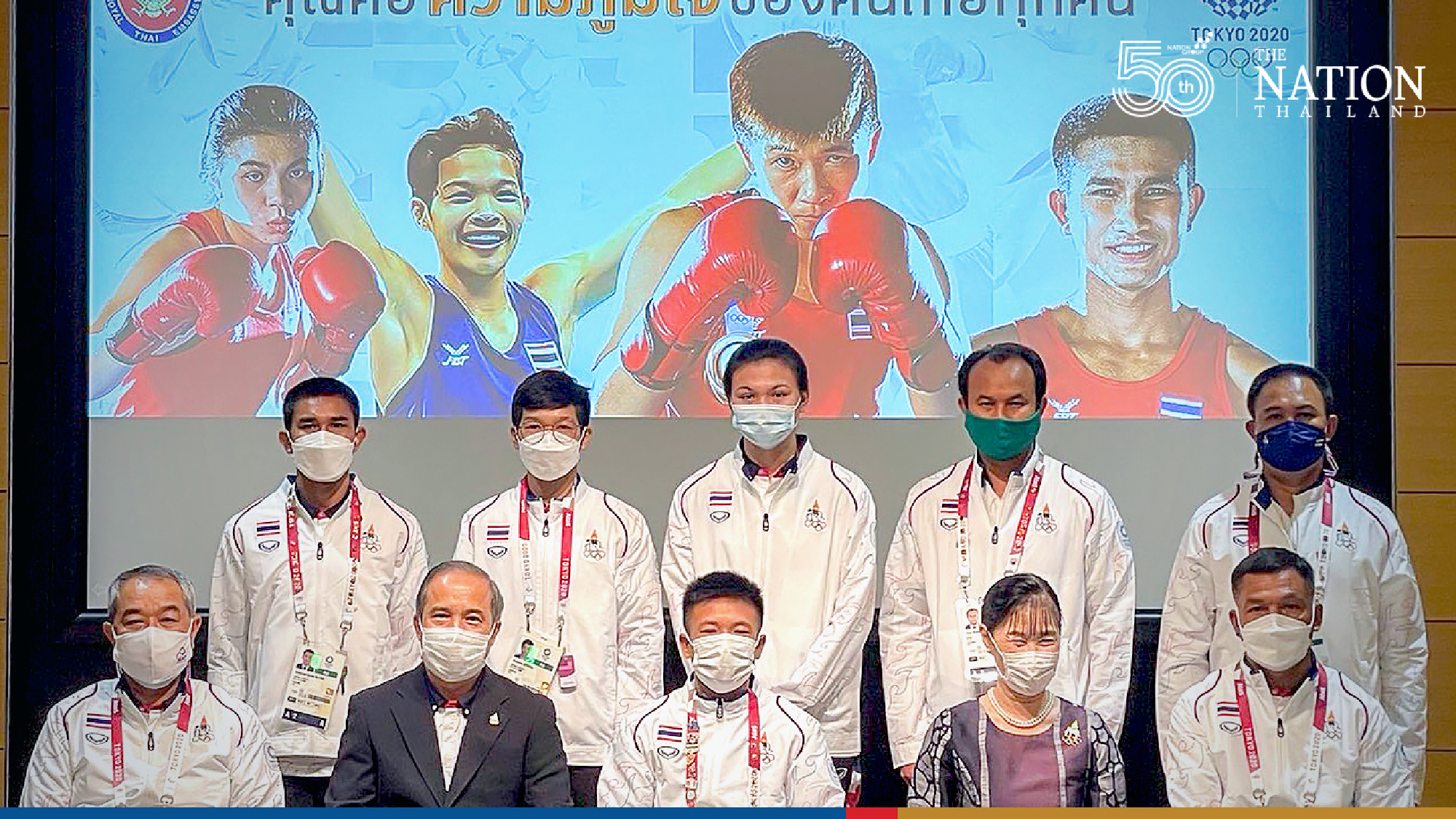
‘Taew’ Sudaporn Seesondee and Thailand’s boxing team will take part in the 2020 Tokyo Olympic Games closing ceremony parade on Sunday. Thailands ambassador to Japan on Saturday had hosted a congratulatory party for Sudaporn for her Olympics bronze medal achievement.
The closing ceremony will be held on Sunday, 6pm Thailand time, at Tokyo’s Olympic Stadium.
Sudaporn, Thailand’s first Olympics female boxing bronze medalist, will lead the Thai boxing contingent as all other Thai athletes have flown back after their competitions. Sudaporn will receive her medal in the women’s lightweight (60kg) boxing on Sunday afternoon and carry the Thai flag at the closing ceremony later in the evening.
The governor of the Sports Authority of Thailand (SAT), Kongsak Yodmanee, will be a representative of Thailand to attend the ceremony, while Prince Akishino is representing the Emperor of Japan.
The Olympic flag will be handed over from Japan to France for the 2024 Paris Olympics. Koike Yuriko, governor of Tokyo, will return the flag to International Olympic Committee (IOC) President Thomas Bach, who will hand it over to Paris mayor Anne Hidalgo.
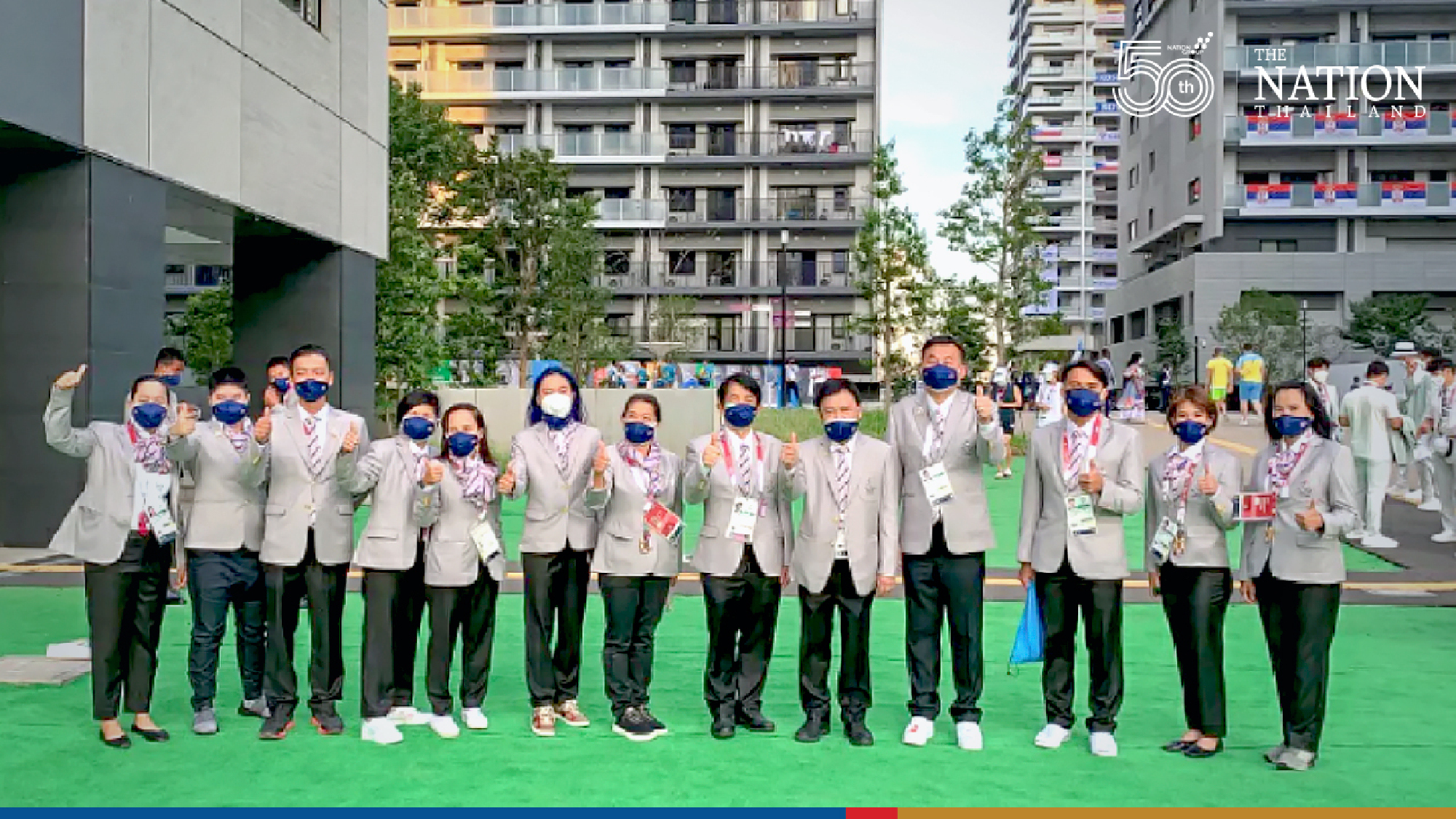
Bronze medallist Sudaporn to carry Thai flag at Olympics closing ceremonyBronze medallist Sudaporn to carry Thai flag at Olympics closing ceremony The congratulatory party for Sudaporn’s bronze medal, hosted by Thailand’s Ambassador to Japan Singtong Lapisatepun, was held on Saturday in Tokyo. The ambassador gave her a flower bouquet and Japanese sweets on behalf of Thai Deputy Prime Minister and Minister of Foreign Affairs, Don Pramudwinai.
The party strictly implemented Covid-19 safety measures. Members from the National Olympic Committee of Thailand, the Thai boxers and coaches attended the party. The boxing team will return to Thailand on Monday morning after taking part in the Olympics closing ceremony on Sunday.
ADVERTISEMENTx
Bronze medallist Sudaporn to carry Thai flag at Olympics closing ceremonyBronze medallist Sudaporn to carry Thai flag at Olympics closing ceremony

 Rodtang vs Jonathan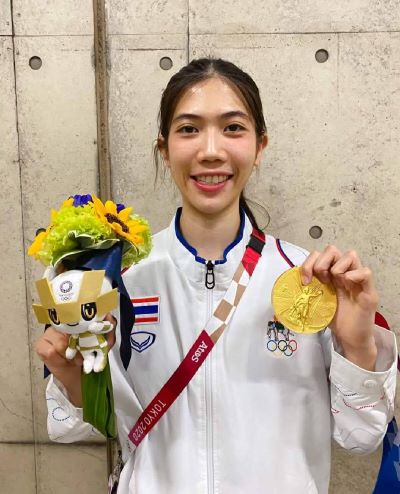
 Sudapon Srisondee
 Members of the International Olympic Committee (IOC) attend the 138th IOC Session in Tokyo, Japan, on July 20, 2021.
 International Olympic Committee (IOC) President Thomas Bach attends the closing ceremony of the Tokyo 2020 Olympic Games on Aug. 8, 2021.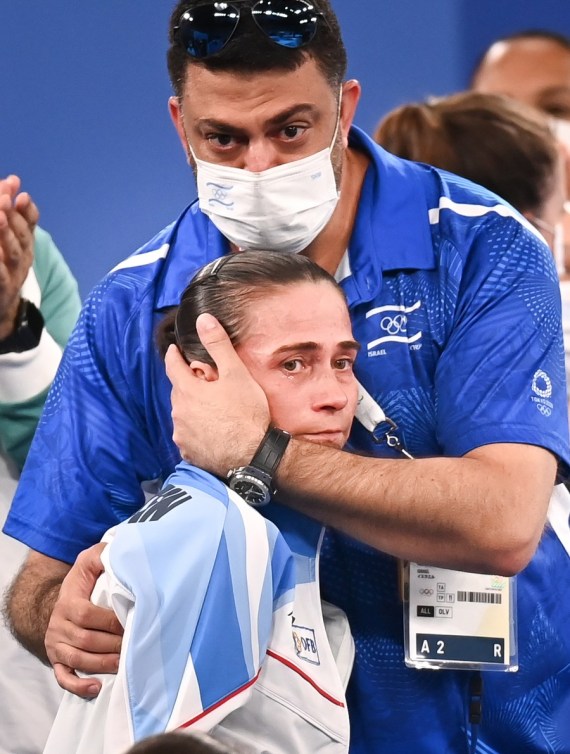
 Lionel Messi speaks during a press conference at the Camp Nou Stadium in Barcelona, Spain, Aug. 8, 2021.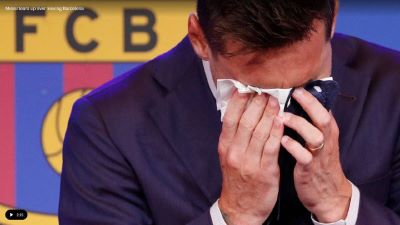



 Leicester pip Man City to win FA Community Shield
 Leicester pip Man City to win FA Community Shield
 Bronze medallist Sudaporn to carry Thai flag at Olympics closing ceremony
 Bronze medallist Sudaporn to carry Thai flag at Olympics closing ceremony
 Bronze medallist Sudaporn to carry Thai flag at Olympics closing ceremony
 Bronze medallist Sudaporn to carry Thai flag at Olympics closing ceremony
 SootinClaimon.Com