
#ศาสตร์เกษตรดินปุ๋ย : ขอบคุณแหล่งข้อมูล : หนังสือพิมพ์ The Nation.
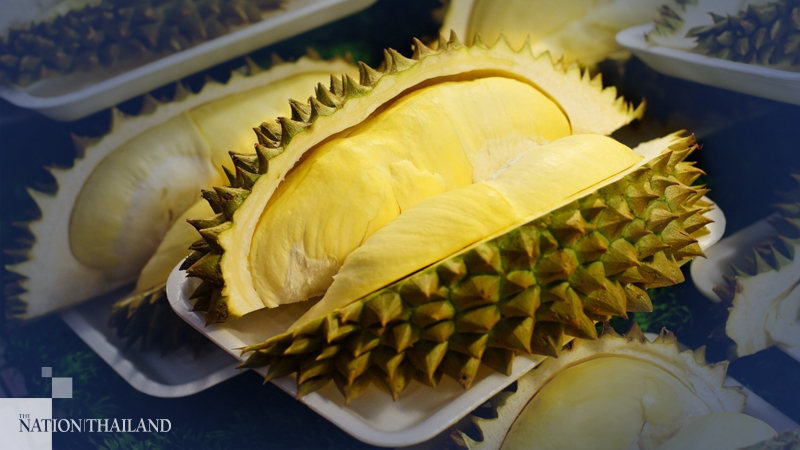
Si Sa Ket offers up delicious lava durian to woo tourists
Jun 23. 2020
By The Nation
The Tourism Authority of Thailand (TAT) is encouraging people to visit Si Sa Ket province to indulge in the bounty of nature and tuck into delicacies like the famous lava durian.

Si Sa Ket governor Wattana Phutthachat said the lava durian has a unique taste, because it is grown in volcanic soil that is not found anywhere else.
“The lava durian comes in three varieties, namely Monthong, Chanee and Kanyao,” he said. “The volcanic soil in Si Sa Ket is full of minerals, which make it perfect for growing fruit such as lava durian, langsat, rambutan, longan, plums and beans.”

Sawang Kalaphat, a local farmer, said six districts specialise in lava durian, though the ones grown in Kantharalak, Khun Han and Si Rattana districts are the best.
“Approximately 8,552 rai has been devoted to lava durian, and 3,095 rai has yielded a harvest this year,” he said. “The farms should produce about 4,203 tonnes of durian, which can be sold for Bt150 to Bt180 per kilogram.”

Sarid Nakwarin, chairperson of the Si Sa Ket Chamber of Commerce, said provincial authorities are cooperating with related agencies to sell lava durian in both retail and wholesale quantities.
“We have teamed up with Kerry Express Thailand to deliver the fruit, which can be ordered via www.lavadurian.com until the end of August,” he said.

Meanwhile, Thamonwan Charoenwongphisit, director of TAT Surin Office, suggested that people wanting to taste the best lava durian can visit Ban Sam Tarom and Ban Maharat in Khantharalak district and Ban Sam Khilek in Khun Han district.
“TAT also wants to introduce Si Sa Ket’s other attractions like the Khao Phra Wihan National Park, the Phrai Phattana temple, the Phaya Kopri viewpoint, the Samrong Kiat waterfall as well as Pa Si Mongkhon Rattanaram, Maha Phuttharam and Sra Kamphaeng Yai temples.”
Call (044) 514 447-8 or visit the TAT Surin Facebook page for more information.
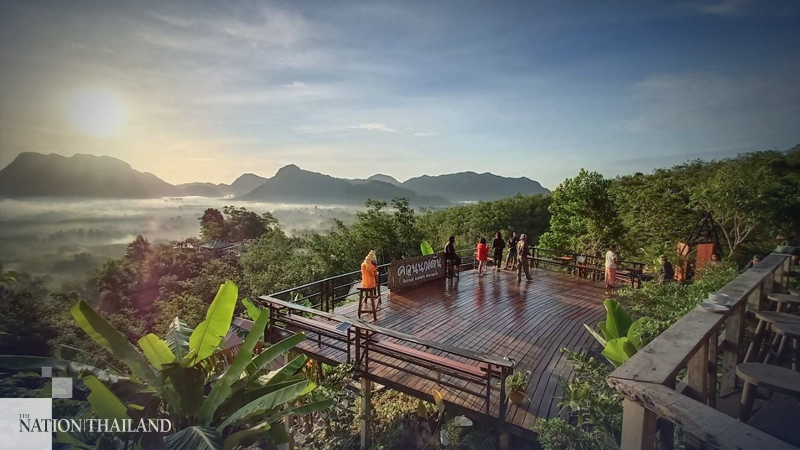



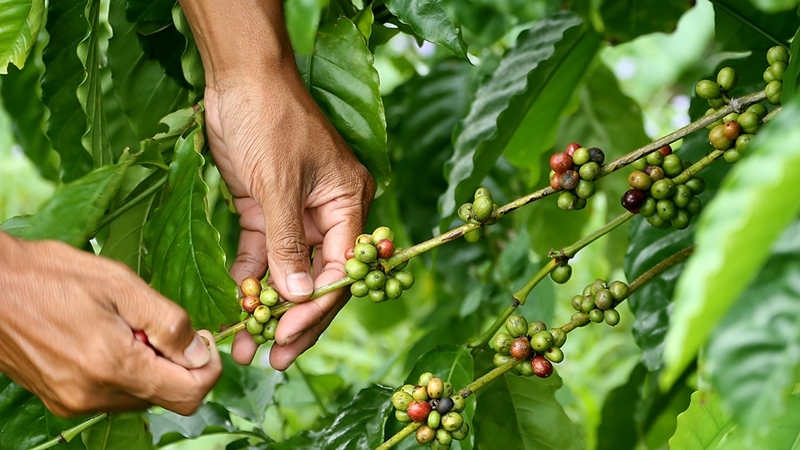
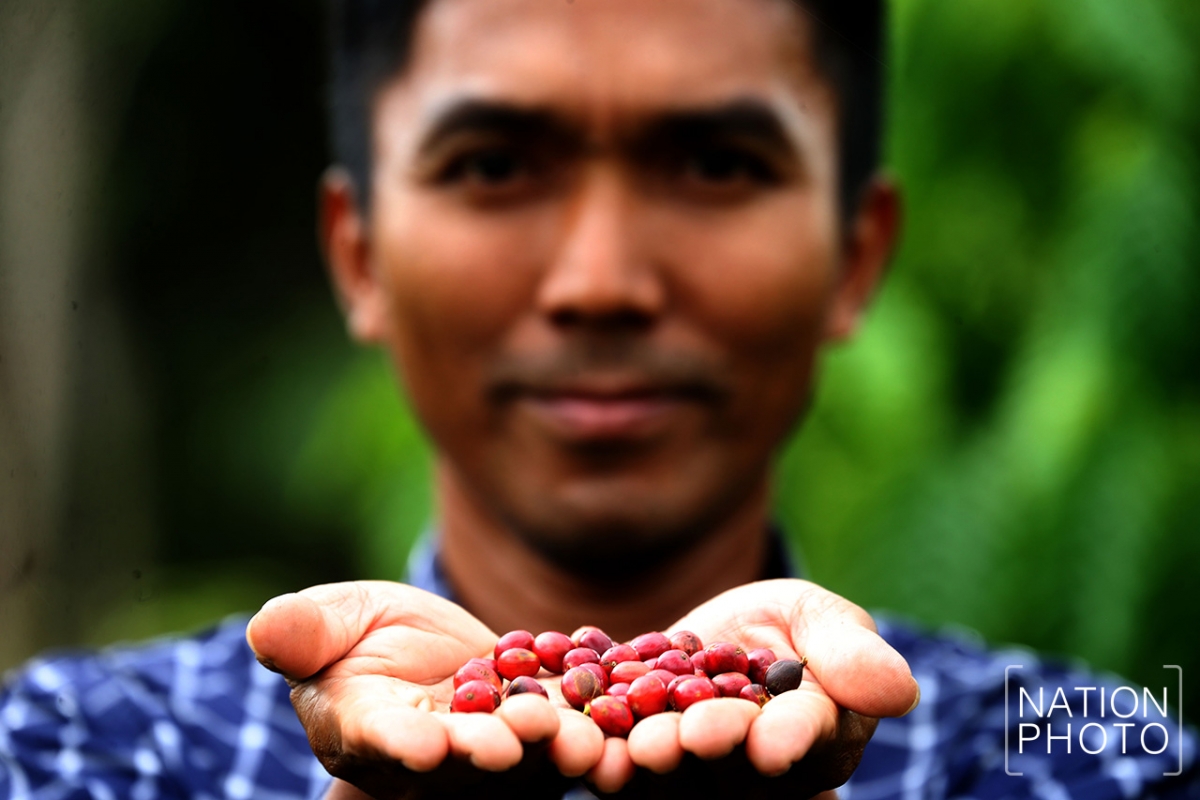 Local resident Jeerawat Noonsri has turned from a civil servant to coffee farmer, growing Robusta beans near the Tam Khok cave.
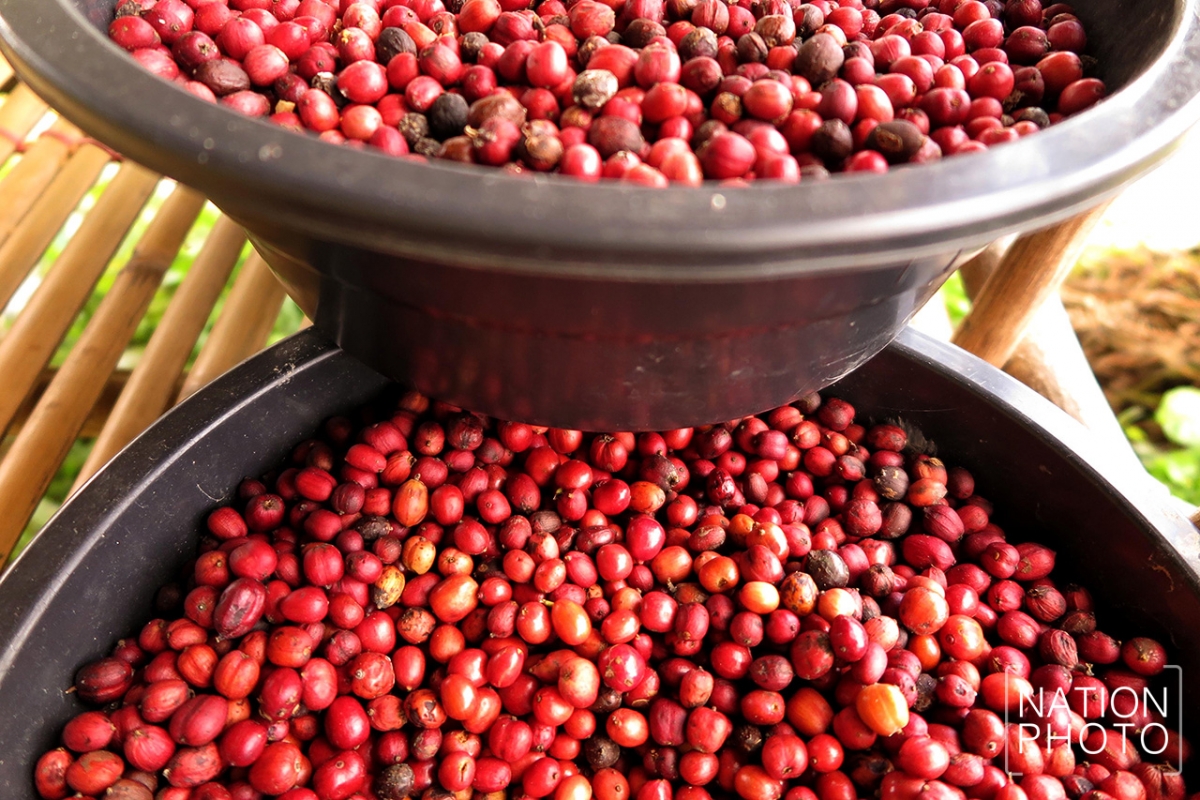 His farm has now turned into a community enterprise, with locals shifting from growing rubber to coffee.
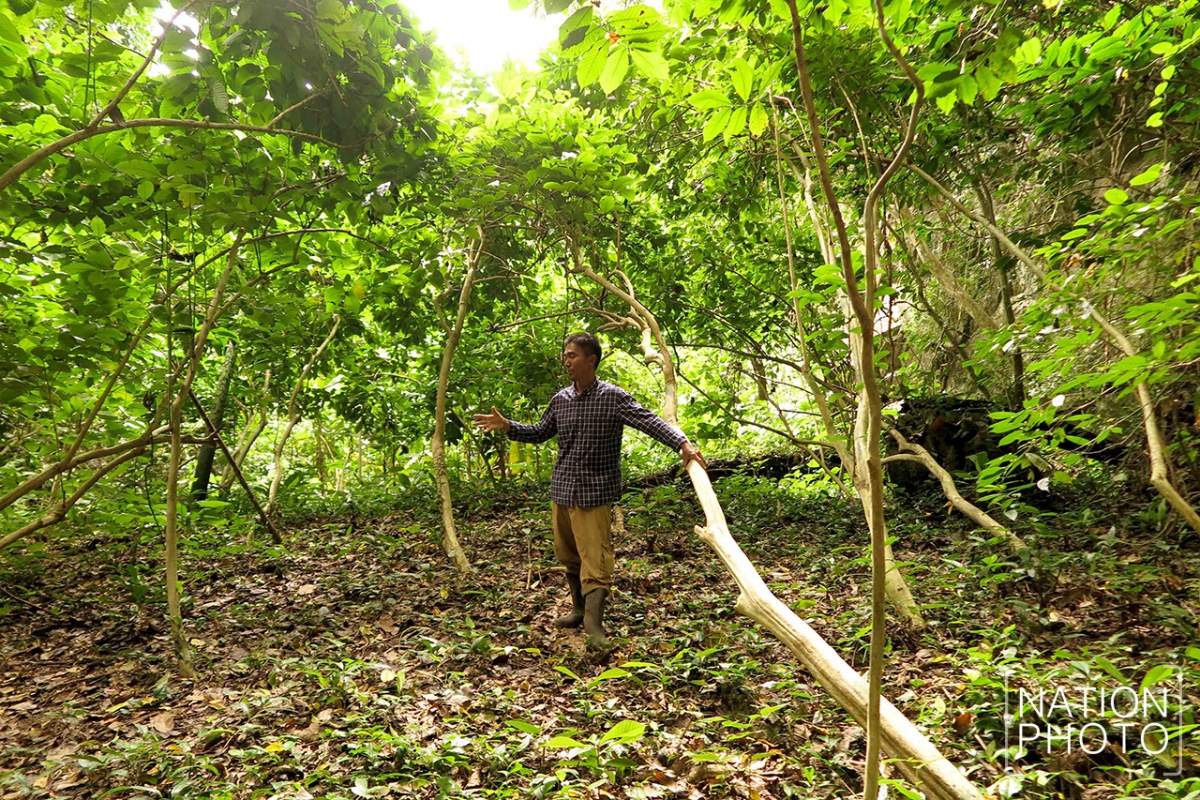 Though Tam Khok coffee is cheaper than other types of coffee in the market, the locals appear to have found their source of happiness.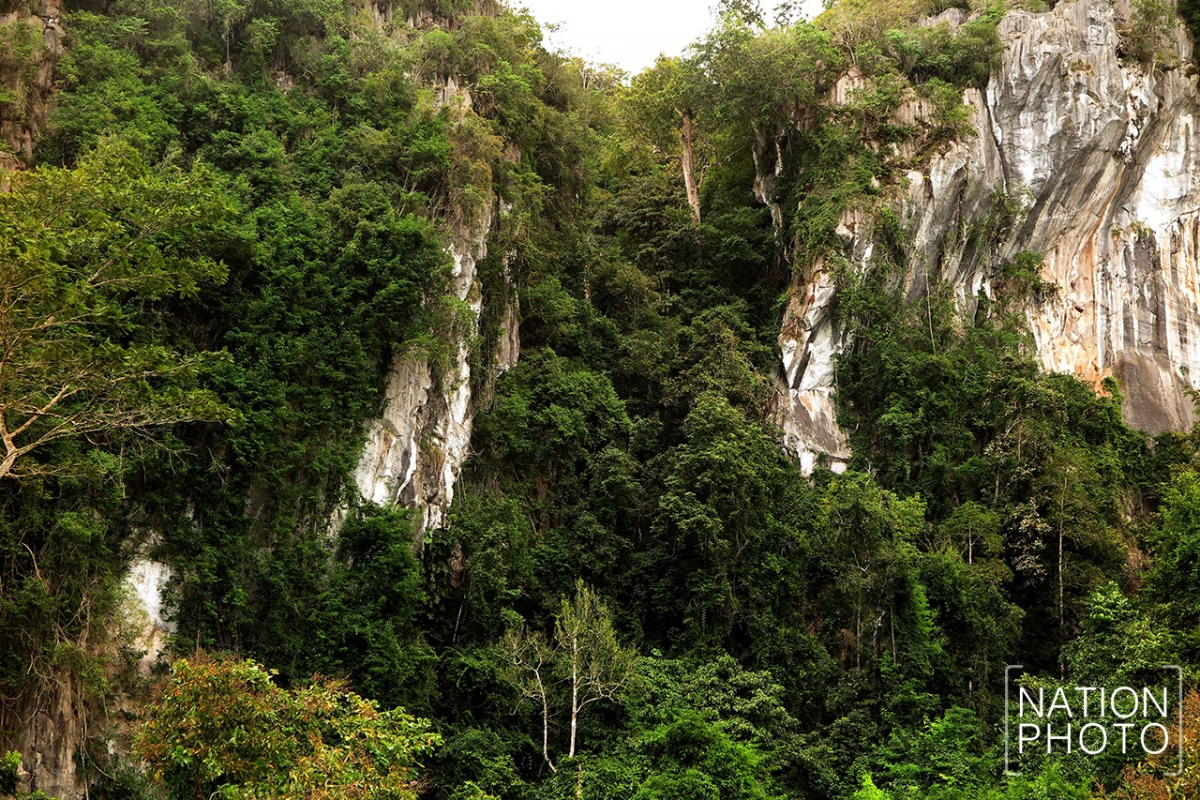
 Green Bee-eater
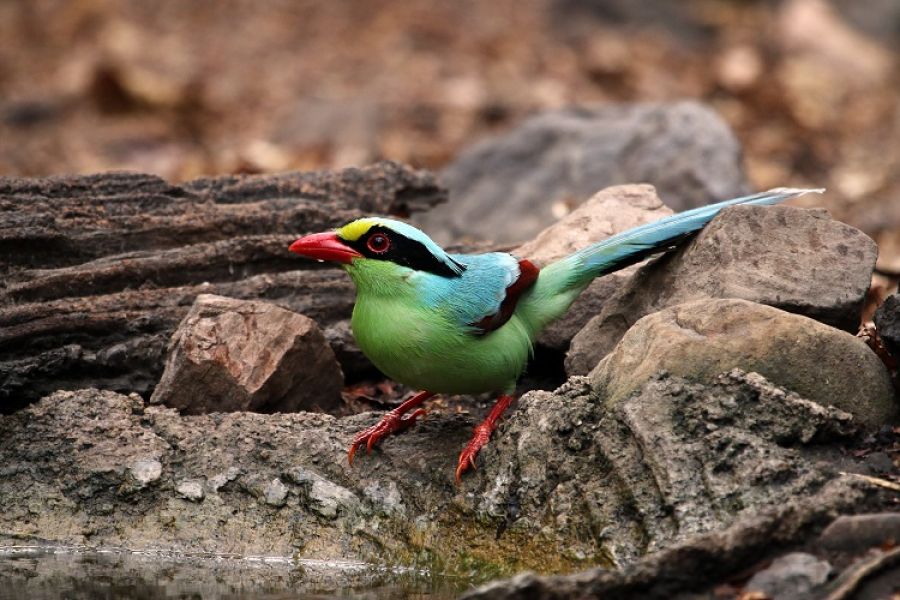

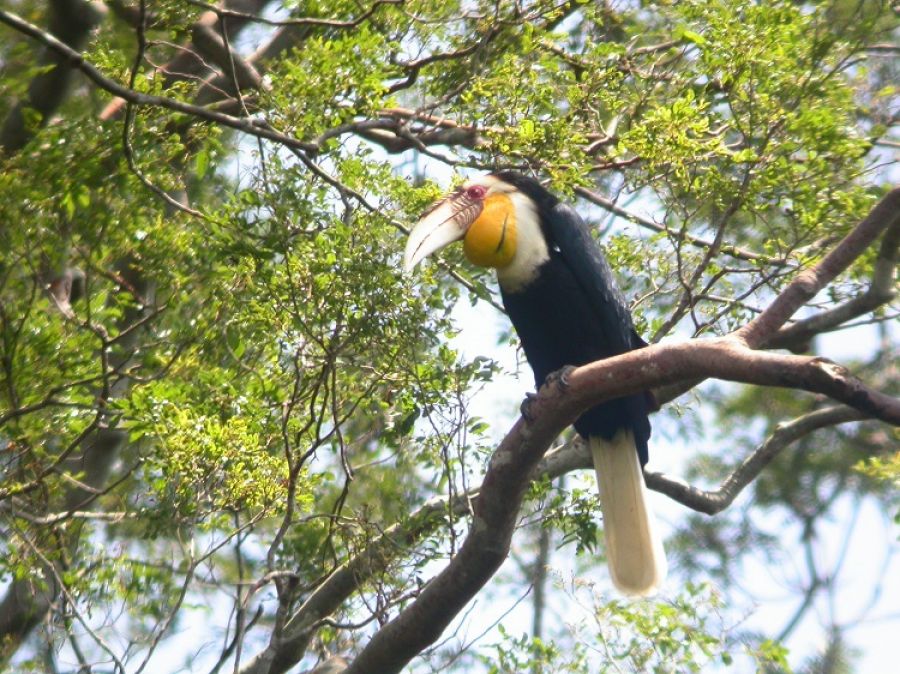


 Photo by Tanachai Pramarnpanich
 The period marked the start of western influence on Thailand and the integration of cultures.
 Mallika RE 124 Village was built to pass on ancient Thai knowledge to the younger generation.
 Visitors can pick Siamese style garments during the tour and they can appreciate not only the tradition but also the memories of Thai ancestors that have been lost in time.
 The village has reopened after being closed during the Covid-19 lockdown.
 Visitors must fully adhere to precautionary practices during the new normal.

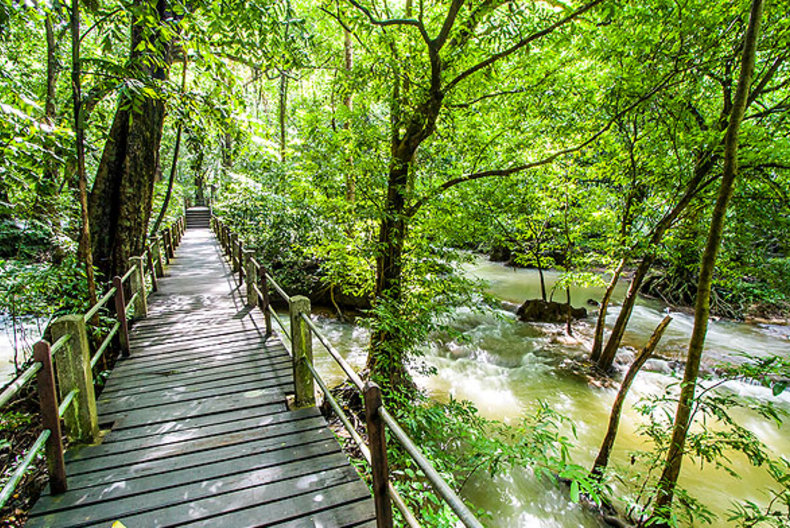
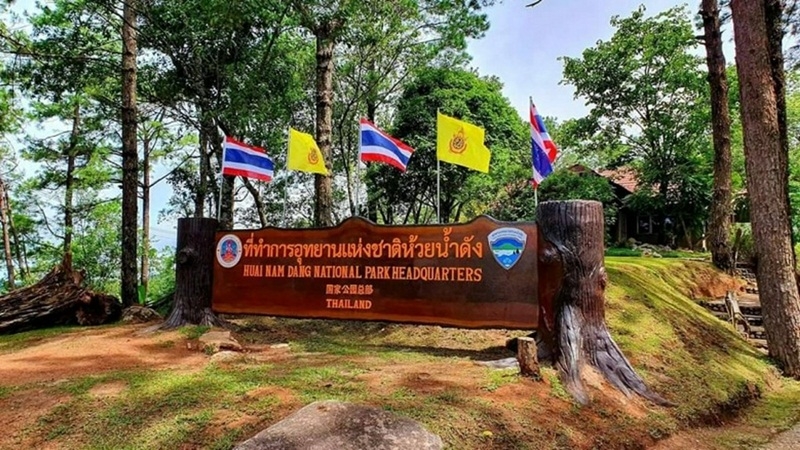
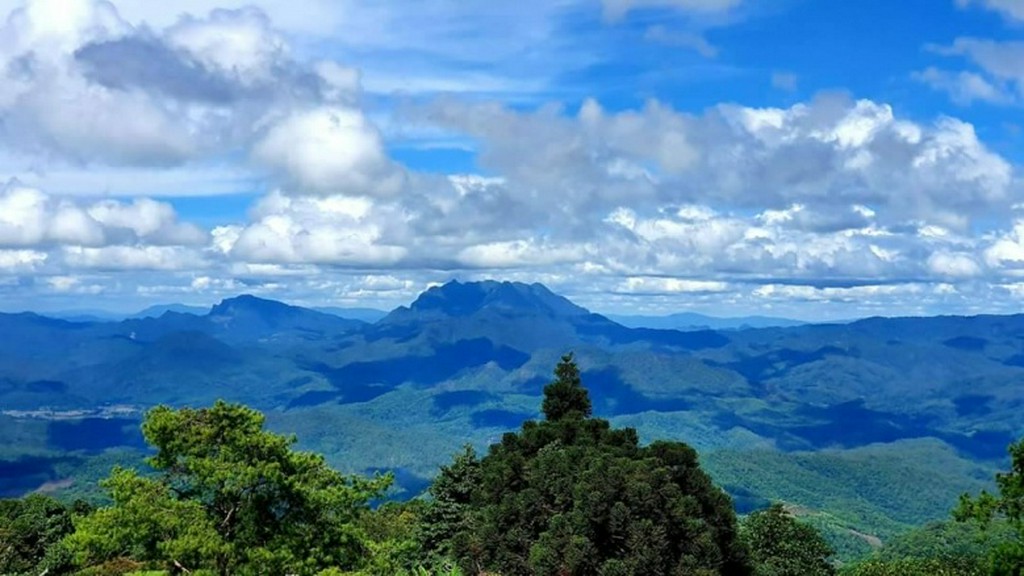 The park’s chief Bancha Ramsiri said on Thursday (June 18) nature has had an opportunity to recover now that the humans are away.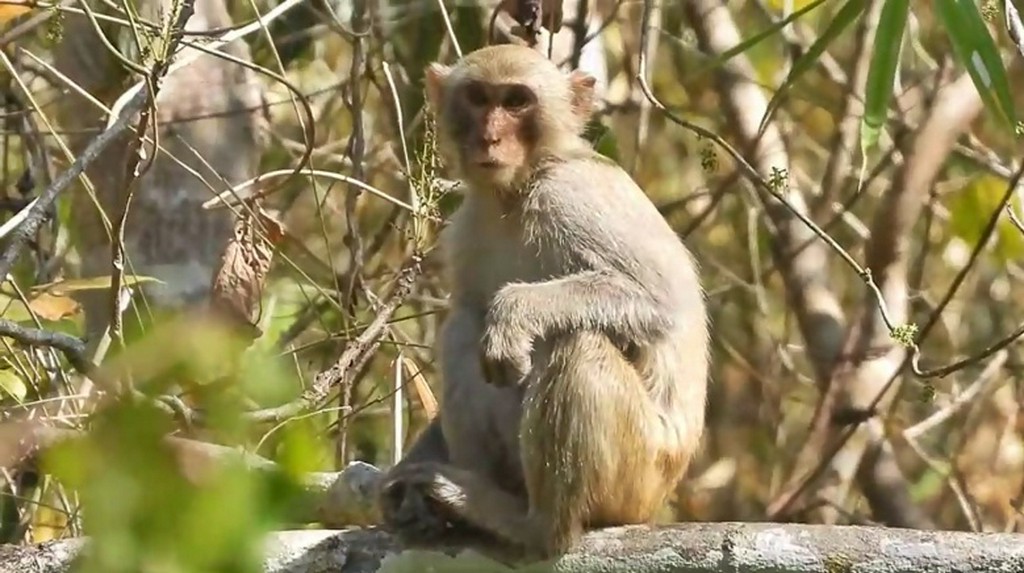
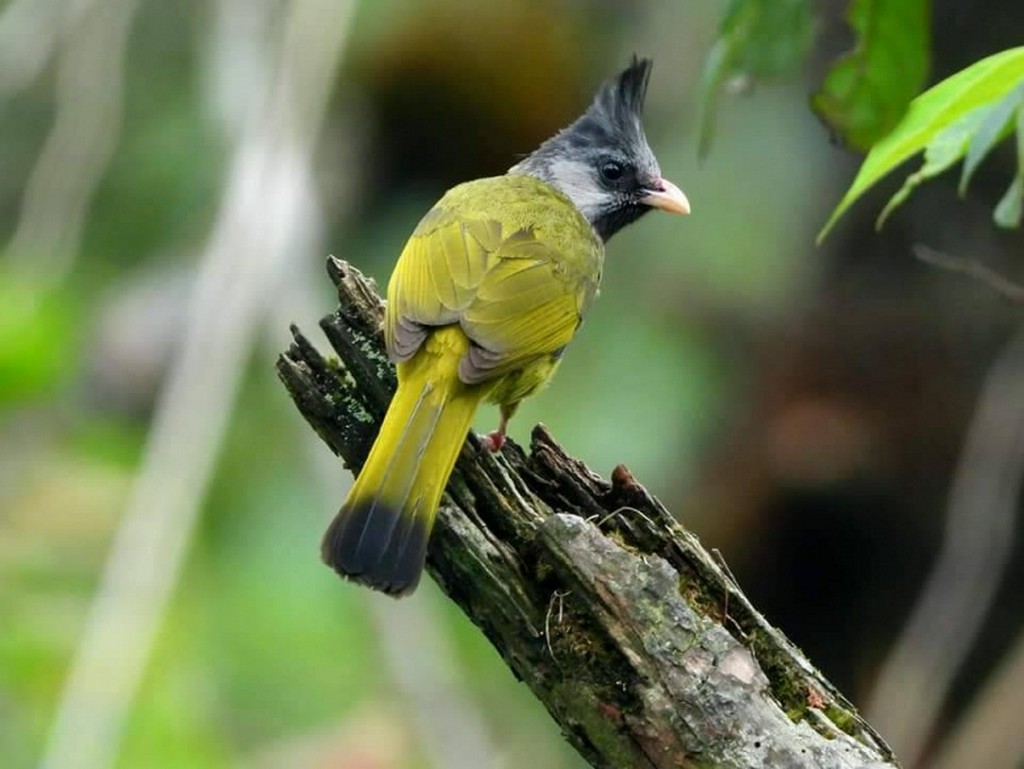 Even the crested finchbill, which was rarely spotted, is now visible from time to time.
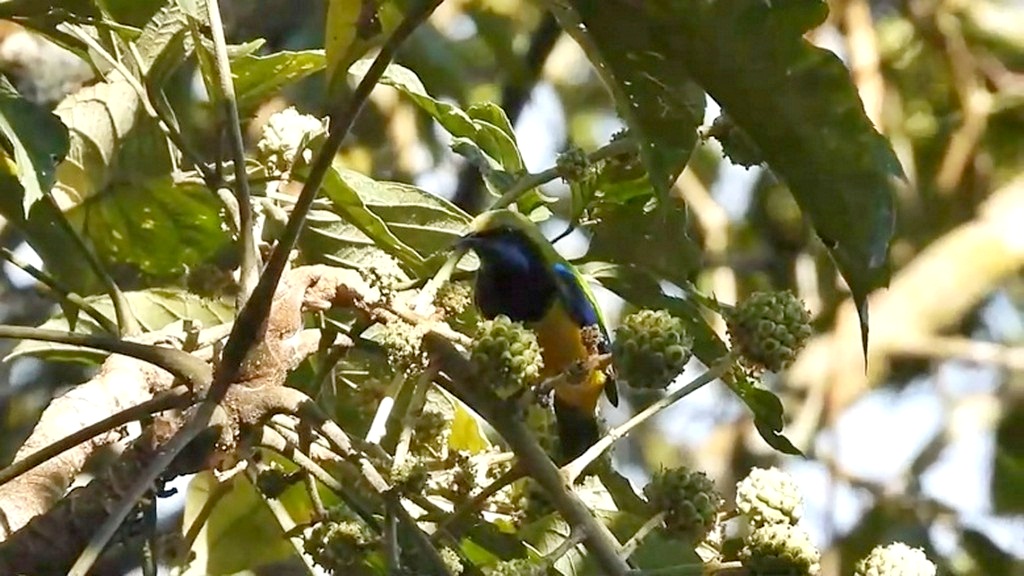 However, this peace will not last for long because the park plans to reopen on July 1, though it promises to follow Covid-19 prevention measures imposed by the Public Health Ministry.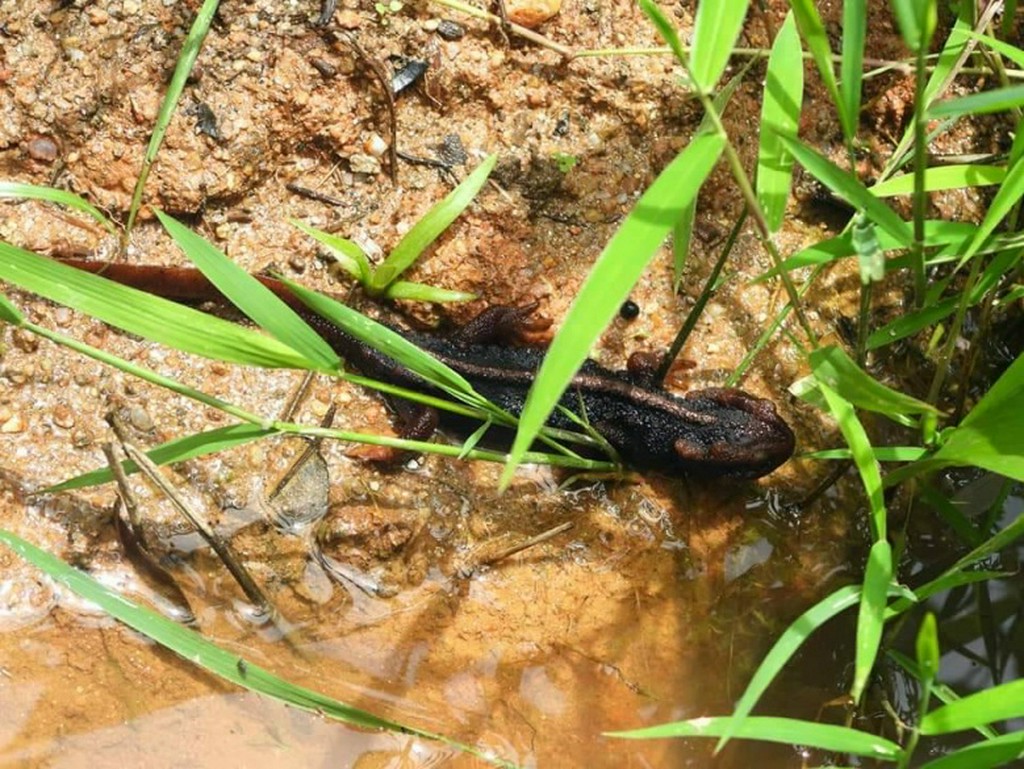
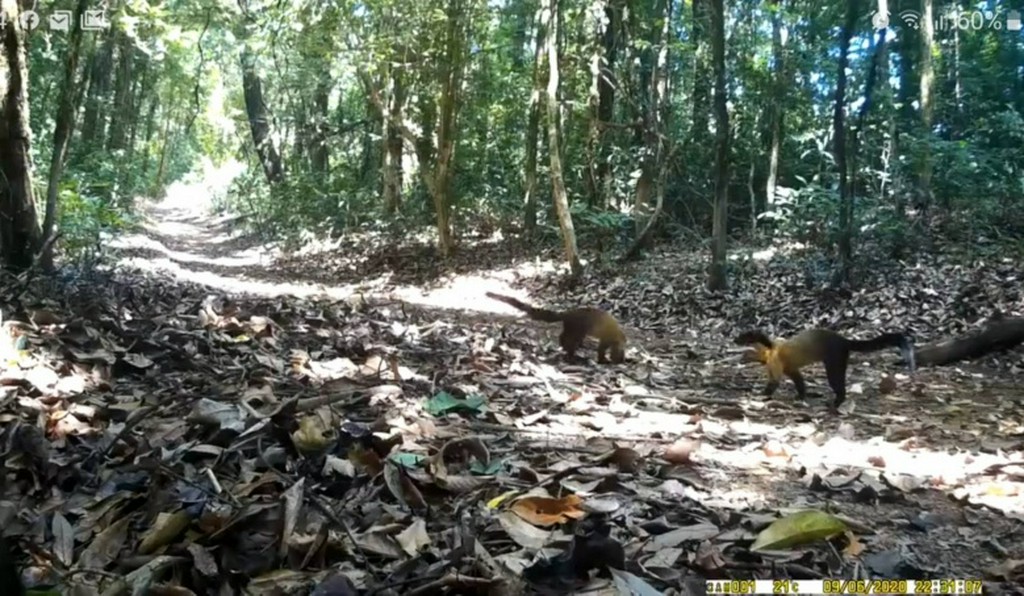
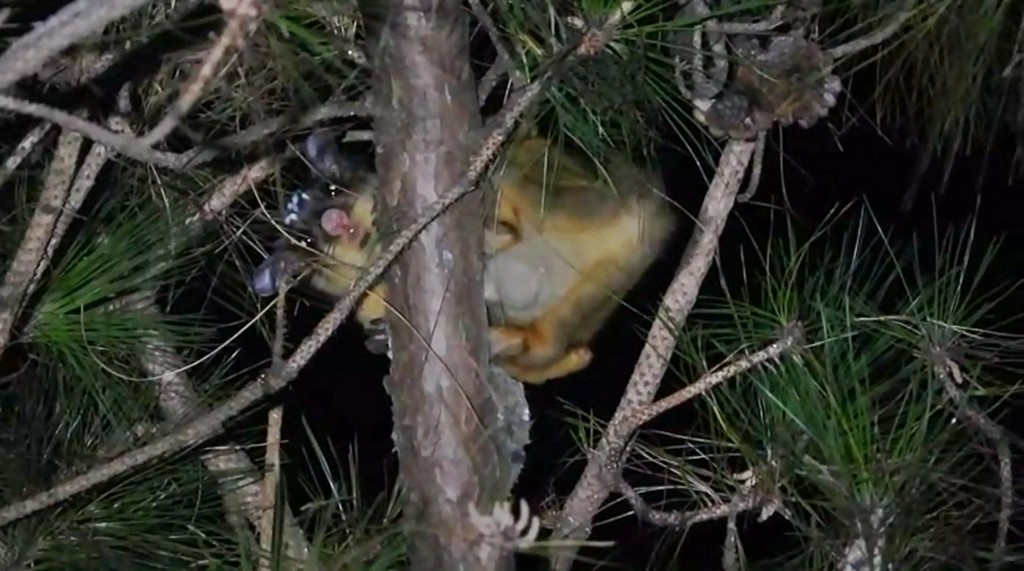
 Photo Credit to Khao Kheow Open Zoo


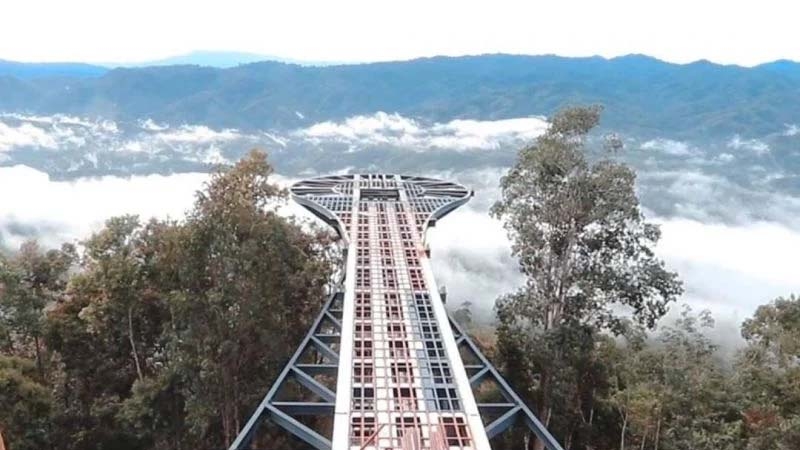
 This skywalk, believed to be the longest in the Asean region, is scheduled to be officially opened by the end of this year, though tourists can still enjoy Ai Yerweng’s famous sea of mist at sunrise and sunset from the Ai Yerweng Tower.

 SootinClaimon.Com