“This now clearly shows the beginning of the fourth wave, which is gaining momentum, particularly due to infections within the young adult population,” the RKI said.
Daily COVID-19 infections in Germany continued to rise sharply as 9,280 new cases were registered within one day, 3,702 more than one week ago, the Robert Koch Institute (RKI) announced on Friday.
ADVERTISEMENTx
“This now clearly shows the beginning of the fourth wave, which is gaining momentum, particularly due to infections within the young adult population,” the RKI said on Thursday evening in its weekly report on the current infection situation.
The COVID-19 incidence in Germany in the past seven days also kept rising and reached 48.8 cases per 100,000 citizens on Friday, up from 44.2 the previous day and 30.1 a week ago, according to the federal government agency for disease control and prevention.
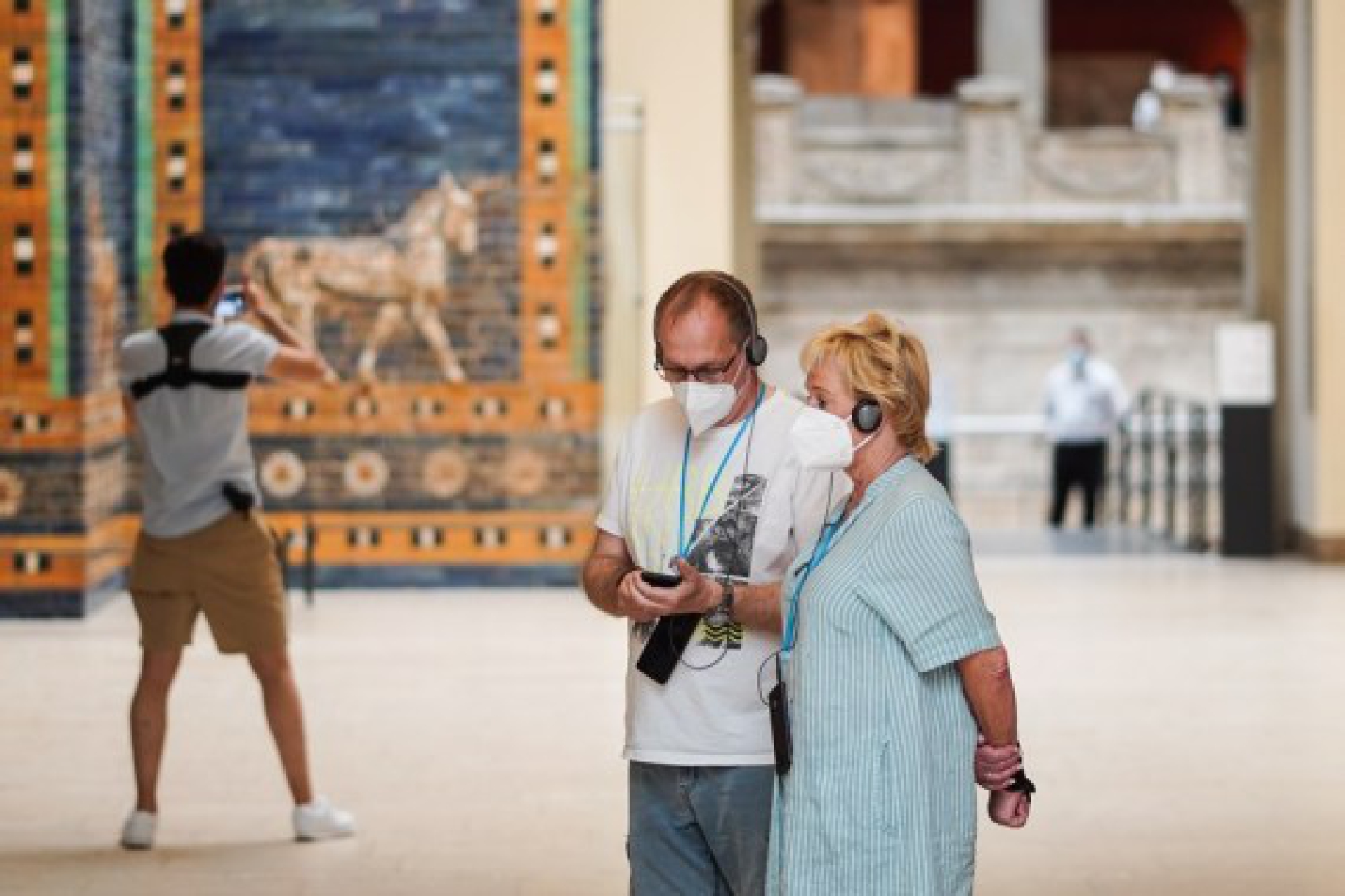
People visit the Pergamon Museum in Berlin, capital of Germany, June 4, 2021.
Minister of Health Jens Spahn on Friday proposed offering booster shots for all Germans. “My goal is both to ensure booster vaccinations and donate vaccines to the poorer states,” he told Redaktionsnetzwerk Deutschland (RND).
Almost 48.7 million people in Germany have been fully vaccinated as of Friday, bringing the country’s vaccination rate to 58.5 percent, and more than 53 million Germans have received at least one vaccine dose.
Ismail Sabri appointed as Malaysias new PM amid worsening COVID-19 pandemic
Ismail Sabri, 61, was appointed by the king as Malaysias new prime minister. He is the vice president of the United Malays National Organization (UMNO) and had served in Muhyiddins cabinet as defense minister before being appointed as deputy prime minister in July.
Malaysia’s King Sultan Abdullah Sultan Ahmad Shah has appointed former deputy prime minister Ismail Sabri Yaakob as new prime minister of the country, the national palace said on Friday.
In a statement, the national palace said Ismail Sabri had received the backing of 114 out of the 220 members of the parliament (MP) in the lower house of parliament, a simple majority to form the government, hence Sultan Abdullah had agreed to appoint him as the prime minister in accordance with the constitution.
ADVERTISEMENTx
Ismail Sabri is scheduled to be sworn in on Saturday, the statement added.
Ismail Sabri’s appointment came as Malaysia was mired in political fighting despite a dire situation caused by the COVID-19 pandemic. Malaysia saw a new record high of daily COVID-19 infections for the third consecutive day with 23,564 reported on Friday, bringing the national total to 1,513,024.
“His Majesty expressed his view with the appointment of the Prime Minister, the government must continue its efforts to combat the COVID-19 pandemic immediately for the benefit and security of the people and the well-being of the country, which is greatly affected by the crisis and the threat caused by the pandemic,” the national palace said in a statement.
“His Majesty expressed the hope that with the appointment of the new Prime Minister, the political crisis can be ended immediately and all members of parliament can set aside their political agenda to unite and unanimously work to address the COVID-19 pandemic in the interest of the people and the country,” it said.
Ismail Sabri is succeeding Muhyiddin Yassin, who resigned on Monday after losing majority support in the lower house of parliament.
Ismail Sabri, 61, is the vice president of the United Malays National Organization (UMNO) and had served in Muhyiddin’s cabinet as defense minister before being appointed as deputy prime minister in July.
He has received backing from his own party UMNO and other parties in Muhyiddin’s government, which gave him the simple majority in the lower house of parliament.
However, Ismail Sabri might not have much “honeymoon” on his new post as he would face an immediate task to consolidate his power and form a cabinet which is capable of handling the pandemic and the economic hardship.
With an identical political coalition of Muhyiddin’s, Ismail Sabri came to power with a slim majority and this poses challenges for him to enjoy a stable government, political analysts said. Muhyiddin was forced to resign after about a dozen of UMNO MPs withdrew their support.
Political observer Azmi Hassan said the new prime minister will face pressure from his coalition partners as well as from his own party, with each competing to secure their interest.
He said the new prime minister needs to ensure that his cabinet appointments are made based on merit, and that he forms a capable cabinet.
“Ismail Sabri needs to demonstrate that he will design his cabinet not according to the party hierarchy but according to capabilities,” he said.
Oh Ei Sun, principal advisor for Malaysia’s Pacific Research Center, said Ismail Sabri will need to rapidly consolidate his political position to face the COVID-19 situation.
On politics, he is likely to face the same problems as Muhyiddin because he would have a very slim majority and if any of the coalition’s components who are not happy with whatever policy or positions, they could throw tantrums just like UMNO did to Muhyiddin, and then his administration would be unstable just like Muhyiddin’s, Oh Ei Sun said.
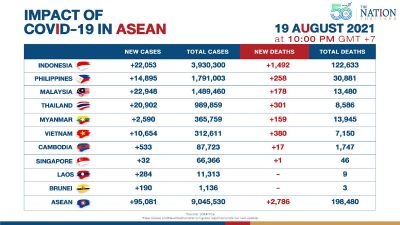
Southeast Asia reported a jump in new Covid-19 cases and related deaths on Thursday, collated data showed.
Asean countries confirmed 95,081 new cases, higher than Wednesday’s 82,265, while deaths rose to 2,786 from the previous day’s 2,300.
The number of Covid-19 cases crossed 9.04 million across the region with 198,480 deaths
Philippines reported 14,895 new cases and 258 deaths on Thursday, bringing cumulative cases in the country to 1,791,003 and deaths to 30,881.
The Philippine government has allocated 45.3 billion pesos (Bt28 billion) to procure Covid-19 vaccines to be provided as a booster shot or a third jab for those who had earlier received two jabs. Eight brands of vaccine have been approved for this project, including mRNA types such as Pfizer and Moderna.
Meanwhile, Myanmar reported 2,590 new cases and 159 deaths, bringing cumulative cases in the country to 365,759 and the death toll to 13,945. The military government announced that the domestic manufacture of Covid-19 vaccines will start within this year under cooperation with China and Russia. It is estimated that Myanmar will first produce Russia’s Sputnik V vaccine while it is unclear which of China’s vaccines will be chosen for domestic production.
Shenzhen sets up temporary protection area for whale
The southern Chinese city of Shenzhen has set up a temporary protection area for a Brydes whale that has been lingering in waters there for more than a month, local authorities said Wednesday.
The area currently covers 64 square kilometers in Dapeng Bay off Shenzhen and is subject to change based on the whale’s activities, according to Shenzhen municipal fishery department.
ADVERTISEMENTx
Yachts, recreational and tourism vessels, motorboats, and sailboards are banned in the area, while fishing boats are prohibited from fishing in it. Ships passing the area are asked to sail at a low speed and take precautions to avoid the whale.
The restrictive measures for the temporary protection area will be effective until the whale leaves the waters off Shenzhen.
The Bryde’s whale was first spotted in Dapeng Bay on June 29. Experts said it is a subadult with a length of around 8 meters.
Bryde’s whales, mainly found in tropical and subtropical waters, are marked by three ridges in front of their blowhole, a dark grey back, and a white or pink abdomen.
U.S. hasty withdrawal from Afghanistan met with condemnation: British media
“It is unconscionable that the Biden administration accelerated this withdrawal without having plans in place to get all American citizens and allied Afghan partners who assisted American forces out of the country first,” said an article quoting Jim Carafano of the Heritage Foundation as saying.
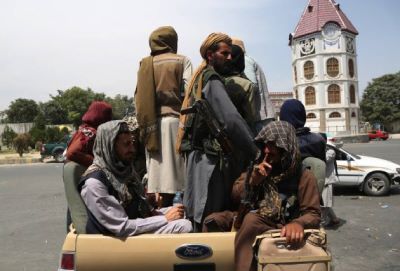
U.S. “hasty and ill-planned” withdrawal of troops from Afghanistan leading to chaos and deaths was met with wide condemnation, according to an article published Monday by British media the Daily Mail.
“The president never addressed the real questions: why would he not leave a few thousand troops to provide air power?” Elliott Abrams, Vandenberg Coalition chairman and former senior State Department official, asked in the article.
ADVERTISEMENTx
“Why did he not understand that his decisions would create chaos?” he said, viewing the withdrawal as a “disgraceful performance.”
Following the Taliban takeover of Afghanistan, scenes of chaotic evacuation at the Kabul airport and desperate Afghans who fell from the sky after clinging to planes taking off shocked the world.
“It’s not that we left Afghanistan. It’s the grossly incompetent way we left!” Former U.S. President Donald Trump said, refuting President Joe Biden, who, in a speech at the White House on Monday, defended his decision to bring home U.S. troops before blaming Afghan leaders for their failure to prevent the country collapsing.
“It is unconscionable that the Biden administration accelerated this withdrawal without having plans in place to get all American citizens and allied Afghan partners who assisted American forces out of the country first,” the article quoted Jim Carafano of the Heritage Foundation as saying.
“It is shocking that there was no contingency planning in place to respond to the worst-case scenario,” he said.
At least eight people were killed during chaos at the Kabul airport on Monday, and two of them were shot dead by U.S. troops, the Daily Mail reported.
Study finds evidence of novel coronavirus circulating in Italy in late summer 2019
“We estimate SARS-CoV-2 progenitor of known human infections to have emerged in late June-late August 2019,” said a new study.
Anew study has revealed evidence that the novel coronavirus may have been circulating undetected in northern Italy as early as late August or early September 2019, months before the first infections were officially reported.
ADVERTISEMENTx
The study report entitled “Molecular evidence for SARS-CoV-2 in samples collected from patients with morbilliform eruptions since late summer 2019 in Lombardy, Northern Italy,” was produced by a team of 16 researchers, including four senior authors — three from the University of Milan and one from the High Institute of Health in Rome.
The 27-page report yet to be peer-reviewed, which was published on the repository of pre-prints SSRN in early August, is based on the investigation into the 435 skin samples collected from Lombardy Region to test for measles and rubella from 2018 to earlier this year.
A sanitation worker wearing a protective suit and a face mask cleans the ground at Piazza del Duomo in Milan, Italy, on March 31, 2020.
Of the skin samples, researchers found molecular evidence of infections with SARS-CoV-2 in 13 subjects, of which the earliest positive case was dated on Sept. 12, 2019.
Meanwhile, no clear proof of infection was found in the 281 samples collected between August 2018 and July 2019, according to the report.
“We estimate SARS-CoV-2 progenitor of known human infections to have emerged in late June-late August 2019,” it said.
CDCs data sharing problem misguides assessment on Delta variant in U.S.: Washington Post
The CDCs failure in real-time data sharing “led top administration officials, including the president himself, to offer overly rosy assessments of the vaccines effectiveness against the Delta variant that may have lulled Americans into a false sense of security,” said a report of the Washington Post.
Problems in the data sharing approach of the U.S. Centers for Disease Control and Prevention (CDC) has prevented senior U.S. officials from getting real-time situation about the COVID-19 pandemic and the lethal Delta variant, the Washington Post reported Thursday.
ADVERTISEMENTx
The officials said that the information gap “stymied” the country’s response to curb the disease, according to the report, adding that “the CDC’s fumbles on the Delta variant tell a more complicated story: the once-storied agency faces other challenges that have hampered an agile response to the pandemic.”
The report added that the CDC’s failure in real-time data sharing “led top administration officials, including the president himself, to offer overly rosy assessments of the vaccines’ effectiveness against the Delta variant that may have lulled Americans into a false sense of security.”
Guests dine outside in Coral Gables near Miami, Florida, the United States, Aug. 11, 2021.
CDC Director Rochelle Walensky announced Wednesday plans to improve the crippled approach by developing a new forecasting and outbreak analytics center to analyze data in real time to better assess disease threats, said the report.
Walensky said it would be the country’s first government-wide forecasting center and its leadership team would include well-respected epidemiologists.
The country also reported another 113 coronavirus-related deaths. The total number of coronavirus-related deaths in Britain now stands at 131,373.
Another 36,572 people in Britain have tested positive for COVID-19, bringing the total number of coronavirus cases in the country to 6,392,160, according to official figures released Thursday.
The country also reported another 113 coronavirus-related deaths. The total number of coronavirus-related deaths in Britain now stands at 131,373. These figures only include the deaths of people who died within 28 days of their first positive test.
ADVERTISEMENTx
Britain’s Health Secretary Sajid Javid said Thursday that he is “confident” that COVID-19 booster vaccine will begin to be given to the most vulnerable from next month, according to Sky News.
The government is still waiting for the final advice from the Joint Committee on Vaccination and Immunisation (JCVI) on the booster jabs. The JCVI is meeting on Thursday to discuss the potential booster campaign, according to the Sky News report.
“So, we’re waiting for their final opinion and, looking at everything and the timing of that, I’m confident that we can start in September when we will start with the most vulnerable cohorts and start offering that third jab,” Sajid said.
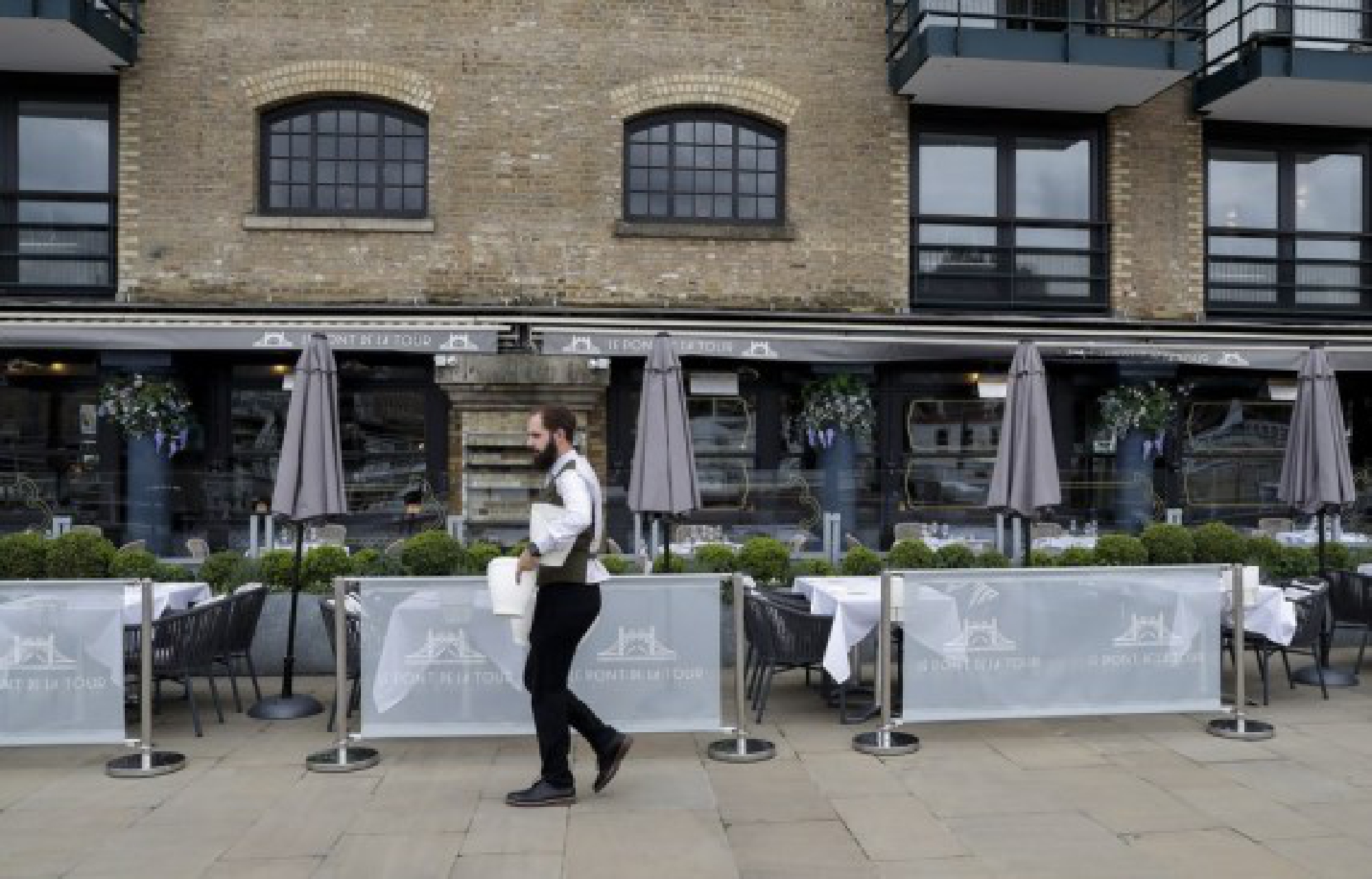
A waiter is seen at a restaurant in London, Britain, on Aug. 13, 2021.
More than 87 percent of people aged 16 and over in Britain have had their first dose of vaccine and more than 75 percent have received both doses, the latest figures showed.
To bring life back to normal, countries such as Britain, China, Germany, Russia and the United States have been racing against time to roll out coronavirus vaccines.
Tibets progress a powerful message for Western naysayers
The Tibet Autonomous Region celebrates the 70th anniversary of its peaceful liberation this year, a triumphant moment for its socialist system and governance that delivers a powerful message to Western politicians who fail to acknowledge its enormous progress.
In 1951, the Agreement of the Central People’s Government and the Local Government of Tibet on Measures for the Peaceful Liberation of Tibet, known as the 17-Article Agreement officially proclaimed the peaceful liberation of Tibet.
That liberation, together with the epochal democratic reform in 1959, has helped Tibet cast away its regressive, autocratic, and isolated past to embrace prosperity and an open future.
ADVERTISEMENTx
Nearly 3.65 million people live in the region, up 21.52 percent from 2010. Over 86 percent of the population is Tibetan.
Tibet’s average life expectancy increased from 35.5 years in 1951 to 71.1 years in 2019.
The region has more than 1,700 sites for Tibetan Buddhist activities with 46,000 monks and nuns. In an effort to preserve traditional Tibetan culture, the state and the region have invested over 5 billion yuan (770 million U.S. dollars) in the renovation of cultural relics. Tibetan opera, Gesar, Lum medicinal bathing of Sowa Rigpa have been included in the UNESCO Intangible Cultural Heritage List.
Having eradicated absolute poverty, Tibet is in an accelerated drive of economic development with modernized infrastructure.
Tibet’s achievements should be sufficient to prompt certain individuals in the West to drop their fixation on the Shangri-La myth, which idealizes eternal theocratic rule and a spiritual world, and sees any modern development as worthy of condemnation.
Over the past 70 years, leaving the dark ages behind, Tibet has replaced the cruel, feudal serfdom system with a socialist system, exercised regional ethnic autonomy, and carried out reform and opening-up along with the rest of the nation.
As a region that occupies an important place in the nation’s security paradigm, Tibet receives significant attention from the central authorities, and massive assistance from other provinces to boost its development. The central budget has funded key infrastructure projects in the region, including railways and airports.
In order to maintain lasting stability and sustain development, Tibet steadfastly opposes secessionist plotting. The 14th Dalai Lama and his followers, supported by Western anti-China forces, have over the years continued attempting to promote “Tibetan independence” by provoking incidents that jeopardize peace and stability in Tibet.
These political exiles, as well as certain Western politicians and organizations, have launched a misinformation campaign targeting Tibet. They call liberation “repression” and demonize China’s policy in the region. Their cries of “cultural destruction” and “genocide” do not carry a shred of truth. Their frequent accusations regarding ethnic, religious, democratic and human rights issues are in fact driven by the idea of “Tibetan independence” to meddle in China’s domestic affairs.
These narratives concerning Tibet reflect either sheer ignorance or hegemonistic thinking tied to imperialist aggressions in the region in the 19th and early 20th centuries.
Since the 1980s, Western forces have played an active role in the outbreaks of unrest that have taken place in Tibet.
China, with its ironclad resolve to safeguard national sovereignty and ethnic unity, will never allow the meddling hands attempting to play the “Tibet card” to turn the tables. And any secessionist attempts, which go against history and the common will of various ethnic groups in the region and the whole country, are doomed to failure.
Under the leadership of the Communist Party of China, people in Tibet now live moderately prosperous lives, which would have been unimaginable before the region’s peaceful liberation. They are sure to create an even brighter future through unity, modernization drive and continued support from the central authorities.
Canadian Armed Forces assets and personnel have arrived on the ground in Afghanistan to coordinate at the tactical level with the United States and other allied partners, helping “get Canadians, Afghans and their families to safety,” Prime Minister Justin Trudeau said.
Canadian Armed Forces have resumed flights to Afghanistan, according to Prime Minister Justin Trudeau on Thursday.
Trudeau said that Canadian Armed Forces assets and personnel have arrived on the ground in Afghanistan to coordinate at the tactical level with the United States and other allied partners, helping “get Canadians, Afghans and their families to safety.”
ADVERTISEMENTx
Trudeau said two CAF CC-177 planes will make regular flights into Kabul to support evacuation efforts.
“Canadian Armed Forces flights to and from Hamid Karzai International Airport will resume shortly under Op AEGIS,” tweeted Defence Minister Harjit Sajjan on Wednesday night.
Operation Aegis is designed for the military to help with evacuation efforts in Afghanistan.


 People visit the Pergamon Museum in Berlin, capital of Germany, June 4, 2021.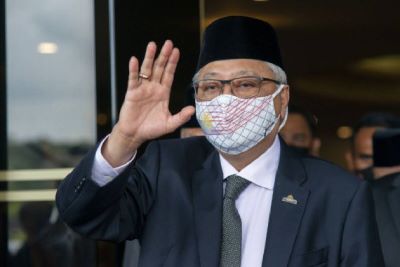


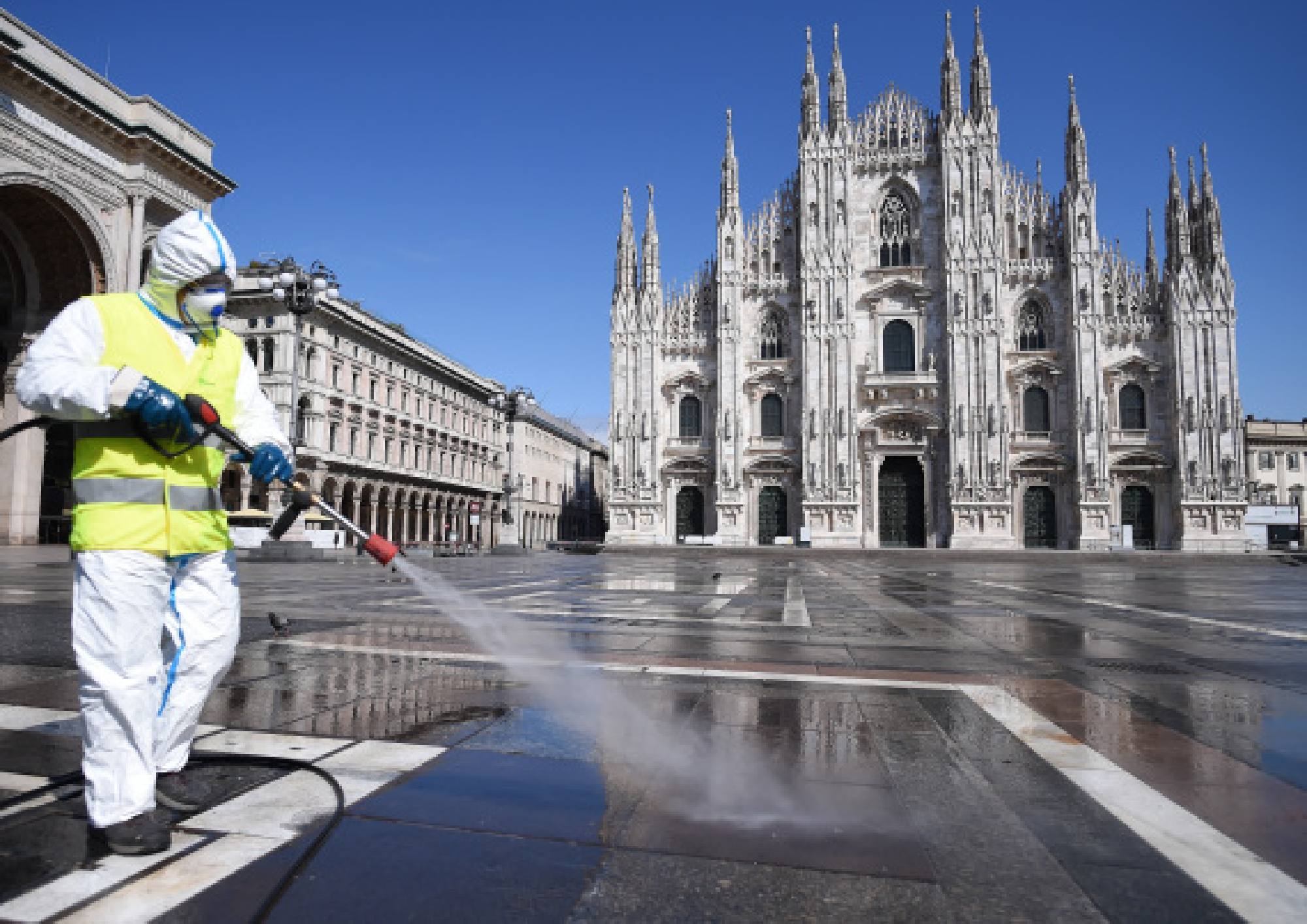 A sanitation worker wearing a protective suit and a face mask cleans the ground at Piazza del Duomo in Milan, Italy, on March 31, 2020.
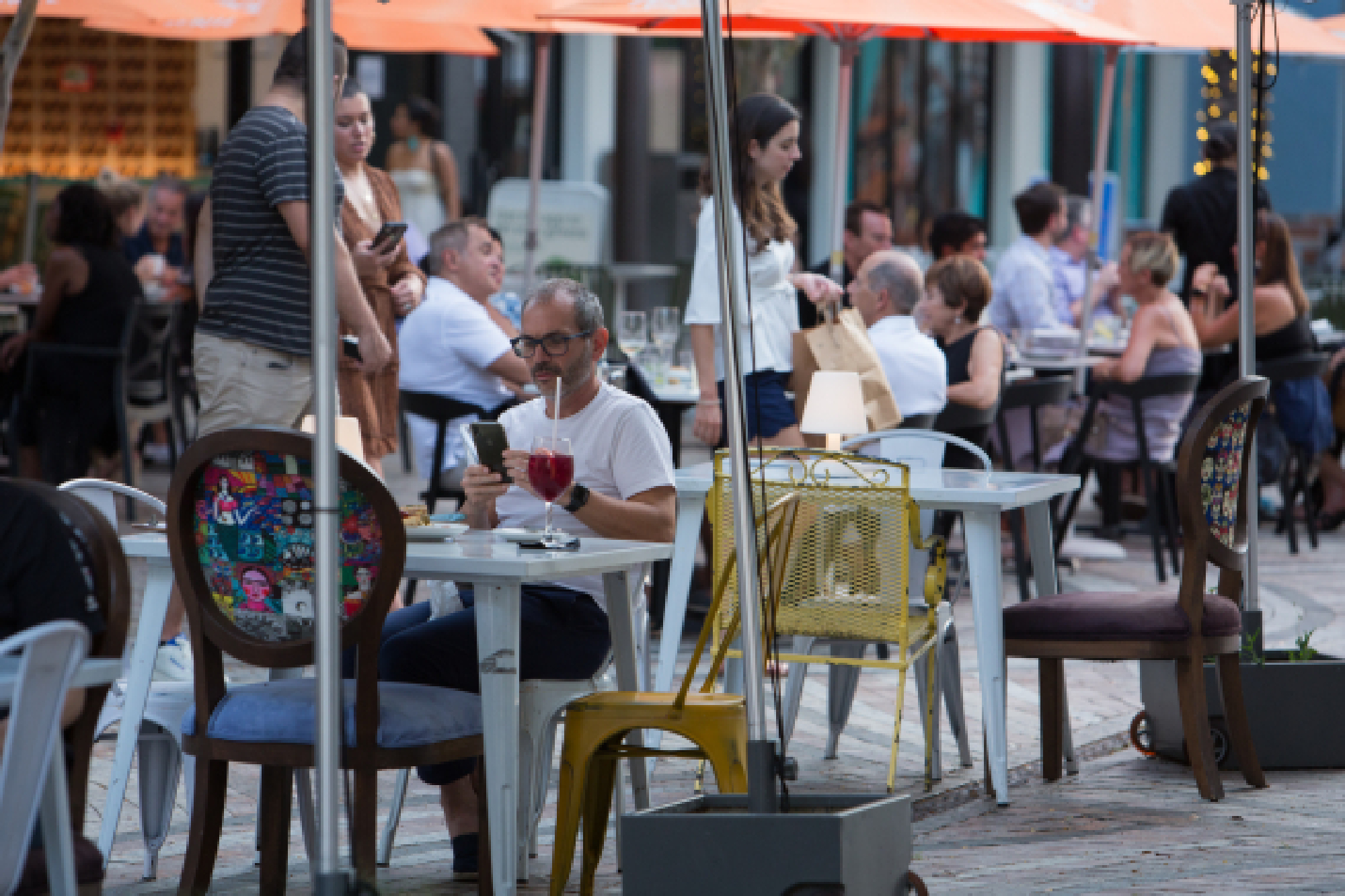 Guests dine outside in Coral Gables near Miami, Florida, the United States, Aug. 11, 2021.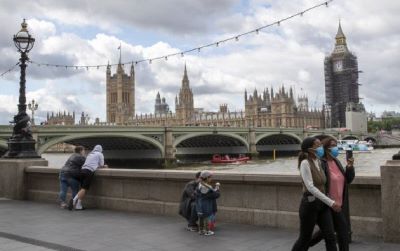
 A waiter is seen at a restaurant in London, Britain, on Aug. 13, 2021.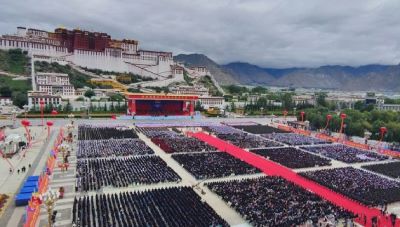

 SootinClaimon.Com