“We have registered 1,941 deaths: 1,597 in the South, 205 in GrandAnse, 137 in Nippes and 2 in the Northwest,” said the agency.
The death toll from a powerful earthquake that struck southwest Haiti on Saturday climbed to 1,941, the Caribbean island’s Civil Protection Agency reported on Tuesday.
The 7.2-magnitude quake also left more than 9,900 people injured, the agency said via Twitter, adding that rescue operations continue in the hardest-hit areas.
ADVERTISEMENTx
“We have registered 1,941 deaths: 1,597 in the South, 205 in Grand’Anse, 137 in Nippes and 2 in the Northwest,” said the agency.
Most of the injuries took place in the South where more than 80 percent of fatalities were concentrated.
The earthquake was one of the strongest to ever hit the country, leaving numerous deaths and injuries in its wake, as well as destroyed houses and buildings, leading to the collapse of the island’s hospital network.
According to the Civil Protection Agency, more than 84,000 homes were damaged or destroyed and some 60,000 people were displaced.
United Nations Secretary-General Antonio Guterres on Tuesday pledged the world body’s support for Haiti in the aftermath of the massive earthquake.
“I have a message to the people of Haiti: you are not alone. We will stand by your side and support you every step of the way out of this crisis,” Guterres said in a statement.
Taliban says it will be more tolerant toward women. Some fear otherwise.
In some parts of Afghanistan, including Kabul, a generation of girls grew up in a world completely different from the one their parents knew.
The Taliban’s return to the city and consolidation of power this week appeared to bring those nearly two decades of change, including hard-won rights for women, crashing down.
Friba, who fled from Kunduz, a northern provincial capital, to Kabul this month in the face of the Taliban’s rapid advance, only to find herself living under the Taliban anyway, described the whiplash that many women who built lives in a new Afghanistan now face. “You are outside working with the community, with girls, with women – but suddenly, you go in a prison and you can’t do anything for anyone,” she told The Washington Post. “Now every Afghan woman [is] in prison in their room. They cannot go outside. They cannot be like before.”
ADVERTISEMENTx
The Taliban, wary of once again governing as an international pariah, has tried to strike a more conciliatory tone this time around. “We assure the international community that there will be no discrimination against women, but, of course, within the frameworks we have,” spokesman Zabihullah Mujahid said at a news conference in Kabul on Tuesday.
Earlier Tuesday, clips of female journalists for Afghanistan’s ToloNews broadcasting live from a Kabul street and interviewing a Taliban representative circulated around the world – offering an early sign of a Taliban transformed.
Still, accounts of discriminatory practices, and of the militant group resorting to its old, brutal ways, have emerged in recent weeks. Many Afghan women and their foreign allies are waiting nervously.
“They are worried that they will be pushed back at least a century,” said Roya Rahmani, who became Afghanistan’s first female envoy to Washington in 2018.
The last time the Taliban controlled the country, from 1996 to 2001, the group used severe methods to enforce an extreme interpretation of sharia law. Women were forced to wear burqas that covered the entire face and body, and those who went unaccompanied in public places faced beatings. Schools for girls were shuttered.
ADVERTISEMENT
Hosna Jalil was 9 when U.S.-led forces invaded and the Taliban fell in 2001.
Images of terror from her early childhood remain etched in her mind: Men accused of crimes, naked, their face painted black, being driven around her village in the back of a pickup truck. Hands being cut off. Women being stoned – for going shopping without a man, for example, or committing adultery, she said. A “sense of ownership” by Taliban members, who could pick out any young girl from any house.
After the U.S.-led invasion in 2001, schools opened to girls. Jalil remembers dancing. “We had the chance to go to school – and to go to school without the fear,” she said.
In the years since, foreign funding poured into Afghanistan for projects to empower women and girls. U.S. politicians often cited the need to protect women’s rights as a justification for continuing to fight, even as the war came under criticism as a costly quagmire.
Though women continued to face discrimination and violence in the war-torn country, freedoms multiplied after 2001. By 2020, about a quarter of Afghan members of parliament were women. Roughly 40 percent of students in Afghanistan were female in 2020, according to USAID figures.
ADVERTISEMENT
Jalil attended the American University of Afghanistan, and went on to become a deputy minister of interior affairs and a deputy minister of women’s affairs. She was the first woman elevated to a senior Interior Ministry post.
Especially for urban women such as Jalil, who were the main recipients of newfound freedoms, the future is uncertain.
“We worked, not for ourselves because we believe that our next generations, our little girls – they would have a better childhood,” she said. “But that’s gone.”
While the Taliban has struck a new tone, it has shown little appetite for political freedoms. And a gulf between the pledges of its spokesmen and the actions of fighters on the ground has been on stark display.
In areas under Taliban rule late last year, public beatings and executions remained routine – and women were largely absent from public life. Some provinces in Taliban territory lacked even a single school for girls.
Early Tuesday, Friba, who asked to be identified by her first name out of fear for her safety, stopped sending messages to The Post, saying she had been advised to scrub her phone of English communications in case fighters seized it.
One Afghan women’s rights activist, who spoke on the condition of anonymity over safety concerns, said she and others who had been encouraged by the United States to speak their minds were now in danger. “We were the ones who raised our voices for years,” she said.
Some in the capital are uncertain of what the Taliban’s return will mean. On some Kabul streets on Monday, little appeared to have changed, and women walked through the streets in colorful, fashionable clothing. Videos circulated online of a handful of women reportedly protesting, holding up signs on copy paper, for a share in the government.
But Sanam Naraghi Anderlini, founder and chief executive of the International Civil Society Action Network, which has partner organizations in Afghanistan, said she had received reports in recent days that women who tried to go to work at public-facing jobs in the western city of Herat were told to return home.
Reports have emerged in recent days of families being forced to hand over their daughters to marry Taliban fighters in areas controlled by the militant group. A Taliban spokesman, Zabiullah Mujahid, called the allegations false, the Wall Street Journal reported.
Taliban spokesperson Suhail Shaheen told the BBC’s Yalda Hakim on Sunday that the group had been allowing women and girls to pursue education in areas they had taken over. Pressed about reports from Herat that Taliban fighters turned away women who tried to enter the university there over the weekend, Shaheen insisted that such behavior violated Taliban policy and individual allegations would be investigated.
In a tweet on Monday, Mohammad Naeem, spokesman for the Taliban’s political office, posted a video he said depicted a Taliban-aligned scholar telling a hospital’s medical staff, including women, to continue working as usual.
Jalil warned observers around the world not to trust the group’s “reassuring messages.”
Aware of the vulnerability of women under Taliban rule, international rights organizations have been pressing the U.S. government to help evacuate Afghan activists and allies.
“Thousands of women put their lives at risk over the last two decades to advance the rights of women and girls across Afghanistan, many of whom helped the U.S. mission,” said Gayatri Patel, vice president for external relations at the Women’s Refugee Commission, in a Sunday statement. “The Biden administration has a moral obligation to ensure they are evacuated and safely resettled.”
Evacuation efforts so far have been a chaotic muddle.
A bipartisan group of 40 senators has asked Secretary of State Antony Blinken and Homeland Security Secretary Alejandro Mayorkas to form a humanitarian parole category for women activists, journalists and leaders, among others.
On Monday, Biden defended his decision to withdraw from the country and said that the United States would continue to speak out for the “basic rights of the Afghan people, of women and girls, just as we speak out all over the world.”
Jalil said international pressure is the main force holding the Taliban to its word.
“Once Afghanistan becomes irrelevant and it’s dropped from the headlines,” she said, “like it was before 2001,” the Taliban, she predicted, “will start targeting every single individual who has been a vocal voice in the past or whoever has the intention to raise a voice on behalf of herself.”
Published : August 18, 2021
By : The Washington Post · Sammy Westfall, Claire Parker
One virus case puts New Zealand into nationwide lockdown
New Zealand Prime Minister Jacinda Ardern put the nation into a three-day lockdown after the discovery of the first community case of Covid-19 since February.
The snap lockdown will begin at midnight tonight as authorities rush to identify the source of a single infection in largest city Auckland, Ardern said at a news conference Tuesday in Wellington. While genome sequencing has yet to be completed, the case is assumed to be the highly infectious delta variant, she said.
“Delta has been a game-changer, we’re responding to that,” Ardern said. “The best thing we can do to get out of this as quickly as we can is to go hard.”
It is New Zealand’s first nationwide lockdown since the initial pandemic response over a year ago. Under so-called Alert Level 4, all schools, public venues and most businesses must close and people are urged to wear a face covering if they need to venture out. Only shops providing essential services such as groceries, gasoline and health products can stay open.
The case is an unvaccinated man in his 50s from Auckland who is deemed to have been infectious since Aug. 12, Director General of Health Ashley Bloomfield told the news conference. He and his fully vaccinated wife were in the nearby Coromandel region over the weekend, where they visited a crowded pub on Saturday night to watch an All Blacks rugby game, he said.
Because of those movements and the probability of it being delta, officials advised an immediate nationwide response. Auckland and the Coromandel have been placed into lockdown for seven days.
“Going hard and early has worked for us before,” Ardern said. “We want to be short and hard, rather than light and long.”
ADVERTISEMENTx
New Zealand has so far largely kept the virus out of the community, allowing its economy to recover quickly during the pandemic. But a slow vaccine rollout has left it vulnerable to another outbreak, particularly of the delta strain that is challenging virus containment efforts around the world.
Along with Australia, which has strict border curbs like New Zealand, China is battling a delta-fueled outbreak after the variant got in via cleaners at an airport. It has taken a similarly zero-tolerance approach, testing millions of people and locking down city districts to rein in cases.
It’s a strategy that’s running into resistance in some so-called Covid Zero countries as people tire of restrictions while other parts of the world open up.
Ardern cited Australia’s experience with delta as a reason for swift nationwide action, saying “we don’t want that experience here.”
Australia’s outbreak continues to spread despite more than half the nation’s 26 million people being placed into lockdown. New South Wales state recorded 452 new cases on Tuesday after a record of 478 set the previous day, with the vast bulk of those infections detected in Sydney.
Australia’s most-populous city has been in lockdown for more than seven weeks and some health experts have criticized the New South Wales government for acting too late, after the virus was already seeded in the community.
New Zealand’s case comes on the eve of the Reserve Bank’s review of the official cash rate. Prior to news of the lockdown, a majority of economists were forecasting a quarter percentage point hike in response to an overheating economy.
Those at Westpac and ASB changed their calls after Ardern’s press conference late Tuesday, saying they now expect the RBNZ to keep the OCR on hold at 0.25% on Wednesday.
“It is logical that the RBNZ will pause until more certainty over the extent of the community Covid outbreak and lockdown is established,” said Nick Tuffley, chief economist at ASB in Auckland. Still, “provided the lockdown is short and doesn’t change the underlying economic picture, we would still anticipate the OCR reaching 1.5% by the end of the year,” he said.
Published : August 18, 2021
By : Syndication Washington Post, Bloomberg · Tracy Withers
Tropical storm complicates Haiti recovery efforts as heavy rains deluge devastated nation
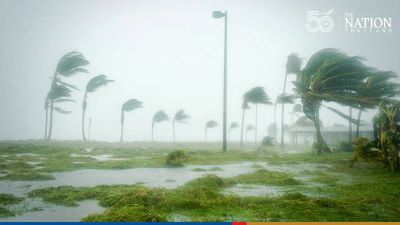
LES CAYES, Haiti – Tropical Storm Grace battered Haiti on Tuesday, triggering mudslides and hampering relief efforts as the country struggled to recover from an earthquake that killed more than 1,900 people and pulverized tens of thousands of homes.
Rescue workers in some areas were forced to suspend their efforts as the rains swept in. Grace strengthened from a tropical depression to a tropical storm early Tuesday, drenching Haiti with up to 10 inches of rain, according to the U.S. National Hurricane Center. Isolated areas received 15 inches.
In Les Cayes, a major city on Haiti’s southwestern peninsula, the rain and wind exacerbated a burgeoning homelessness crisis caused by the earthquake. Many desperate residents spent Monday night huddling outdoors under tarps or other makeshift shelter, while others fled back to quake-damaged homes as the downpour intensified.
ADVERTISEMENTx
Casimir Chery, 24, said no emergency shelter was available, so he slept on the street under a plastic sheet. “We hear that we can’t sleep in our homes, but what can we do?” he said. “We don’t have tents.”
Marie Michel Nicolas, 60, said she and 17 family members tried to ride out the storm in a tent, but it was pummeled by the rain, driving them back into their unstable two-bedroom home. “This storm and the rain are just one disaster on top of another,” she said.
The 7.2-magnitude earthquake Saturday and the subsequent tropical storm have intensified the pain of a country already reeling from the coronavirus pandemic, rising gang violence and a political crisis that deepened last month with the assassination of President Jovenel Moïse.
By Tuesday afternoon, the rain had tapered off in much of southwestern Haiti. But “the negative consequences will continue in the hours and days to come,” warned Martin Coria, the regional director for the Church World Service charity. The rain sent mud cascading over roads in the mountainous region, making remote communities even harder to reach, he said in a telephone interview.
Many residents complained that aid was painfully slow to arrive.
ADVERTISEMENT
Marie Bedar Samedi, 60, one of hundreds of people who spent the night in a giant tent in the Brefet neighborhood of Les Cayes, said someone brought food Monday night for the first time since Saturday’s quake. “But it was inedible, it was spoiled,” she said. “We had to throw it away.” She managed to salvage food from her damaged home. “I don’t see how we will eat tomorrow,” she said.
U.S. officials said emergency operations had been suspended Monday night because of the storm but were ramping up again Tuesday. Military helicopters were being dispatched to Haiti’s hard-hit southwestern peninsula to bypass damaged bridges and roads, and seven U.S. Coast Guard cutters were steaming toward the impoverished nation. Meanwhile, a 65-member search and rescue team from the Fairfax County Fire and Rescue Department in Virginia started work in the disaster area.
Asked whether Haiti was receiving enough foreign aid, Sarah Charles, assistant administrator of the USAID Bureau of Humanitarian Affairs, told reporters that “we are working with international partners to scale up assistance. Much more will be needed in the coming days and weeks.”
Officials on Tuesday raised the death toll to 1,941 people. The quake was stronger than the devastating 2010 temblor that led to the deaths of more than 220,000 people, but it was centered farther from the densely populated capital. Thus far, U.S. officials said, assessments suggest Saturday’s quake damage did not compare to that earlier disaster.
Still, the death toll was expected to climb, as authorities arrived at villages cut off by rubble and washed-out roads.
ADVERTISEMENT
Roosevelt Louis, head of the Fondation Sainte Rose d’Haïti, a charity in Les Cayes, said he had heard that a community north of the city, Maniche, was in critical condition. “But we can’t go there because of the rain,” which had made the roads impassable, he said.
The weather was not the only barrier to relief operations. Violent gangs were hindering aid groups from reaching quake-shattered areas, the Haiti mission of the U.N. Office for the Coordination of Humanitarian Affairs said Tuesday. “W/out sustained, & unhindered #humanitarianaccess, thousands of people in need of urgent assistance could die,” the office tweeted.
Haitian officials and U.N. representatives have negotiated permission for two relief convoys to travel from the capital, Port-au-Prince, to the southwestern peninsula, on a major road that gangs had blocked for months, according to the U.N. office. But the situation was volatile. “There is not a reliable, permanent humanitarian corridor,” said Coria. “It’s one truck at a time, one day at a time.”
Further complicating matters, he said, some residents of towns along the route were stopping the convoys to demand aid. And there were few places for truck drivers or crews to sleep or eat. “All the guesthouses and small hotels in the field that we used in the last five years, after Hurricane Matthew, they are all destroyed,” he said.
As the tropical storm swept past on Tuesday, residents of Les Cayes tried to recover. Traffic was snarled by flooding and cracks that snaked through the streets. Still, pharmacies and money-transfer businesses – a lifeline for the millions of Haitians who rely on transfers from relatives abroad – reopened. Residents using shovels and their bare hands resumed their painstaking efforts to extract victims from collapsed buildings.
Chery said he had pulled four bodies from the wreckage of a three-story apartment building in the Brefet neighborhood a day earlier but had not given up hope of finding survivors.
“We still have at least one person alive in the rubble,” he said.
More than 84,000 homes have been destroyed or damaged by the quake, in a region that was already whipsawed by Hurricane Matthew in 2016.
“The remote areas are as badly damaged as the city,” said Silvera Guillaume, civil protection chief in southern Haiti, one of the three regions hit hardest by the quake. “We’re still collecting information, since there are places we have yet to get to.” He appealed for more international assistance. “We don’t have the means to respond.”
The center of Tropical Storm Grace was moving near the northwest coast of Jamaica on Tuesday evening. The U.S. National Hurricane Center warned that the system was likely to strengthen into a hurricane Wednesday as it approached the Yucatan coast of Mexico.
Published : August 18, 2021
By : The Washington Post · Widlore Merancourt, Mary Beth Sheridan, Anthony Faiola
U.S. exit forces a reconsideration of its global role
President Bidens decision to withdraw from Afghanistan has triggered a globe-spanning rethink of Americas role in the world, as European allies discuss their need to play a bigger part in security matters and Russia and China consider how to promote their interests in a Taliban-led Afghanistan.
Biden’s defiant address to the nation on Monday, when he stood “squarely” behind his decision to pull out U.S. troops, also renewed one of the most hotly contested debates of the post-9/11 era: Would a withdrawal from Afghanistan convey weakness, provoke aggression and shatter America’s ability to lead on the international stage, or would it reflect a sound realignment of the national interest, put the country on better footing to deal with the new challenges of the 21st century, and clarify to allies and adversaries what the United States is and is not willing to expend resources on?
In the European Union, which held an emergency session of foreign ministers on Afghanistan on Tuesday, officials offered rare criticism of Washington for risking a flood of refugees to their borders and the return of a platform for terrorism in Central Asia.
“This kind of troop withdrawal caused chaos,” Latvia’s defense minister, Artis Pabriks, said in a radio interview Tuesday, noting the demise of long-term nation-building projects and how the decision to withdraw was essentially foisted on Europeans. “This era is over. Unfortunately, the West, and Europe in particular, are showing they are weaker globally.”
ADVERTISEMENTx
Germany’s conservative candidate to succeed Chancellor Angela Merkel, Armin Laschet, on Tuesday called the withdrawal of forces “the greatest debacle that NATO has experienced since its foundation.”
In China, where the U.S. withdrawal is seen as creating both risks and opportunity, Foreign Minister Wang Yi told U.S. Secretary of State Antony Blinken in a phone call that the rapid departure of U.S. troops caused a “severely adverse impact.”
He also drew broader implications from the pullout, saying it showed America’s inability to transpose a foreign model of governance to a country with different cultural and historical attributes.
Longtime critics of the war in Afghanistan say claims about lost U.S. resolve and credibility ring hollow.
“Deciding not to keep fighting an unwinnable war for a less-than-vital interest hardly means the United States will not fight when the stakes are higher,” said Stephen Walt, a scholar of international relations at Harvard University. “On the contrary, ending the long and futile war in Afghanistan will allow Washington to focus more attention on bigger priorities.”
ADVERTISEMENT
In his remarks to the nation, Biden latched on to the need to dislodge the United States from costly quagmires in an era of big-power competition.
“Our true strategic competitors, China and Russia, would love nothing more than the United States to continue to funnel billions of dollars in resources and attention into stabilizing Afghanistan indefinitely,” he said.
Biden said the United States could continue to disrupt terrorist organizations with air power.
Although history could vindicate Biden’s order, his administration faces difficult questions about squaring the decision with its near-constant refrain that human rights and support for allies will be “at the center of U.S. foreign policy.”
Those statements were often designed to create a contrast with the Trump administration, which denigrated European allies and cozied up to authoritarian-leaning governments in Egypt, Saudi Arabia, Hungary and Brazil.
ADVERTISEMENT
Critics of Biden’s policy seized on that rhetoric as the Taliban swept into Kabul and many women and girls sheltered at home in fear of a return to the militants’ harsh rule that had banned women from education and work when the Taliban was last in power.
“Whatever happened to ‘America is back’?” said Tobias Ellwood, who chairs the Defense Committee in the British Parliament, noting Biden’s promise to rebuild alliances and restore America’s place in the world.
Part of the confusion stems from the mix of ideologies inside the Biden administration, in particular, longtime advocates of humanitarian interventions such as Blinken and USAID Administrator Samantha Power, who routinely speak about the importance of human rights.
The outlook stands in contrast with Biden’s skepticism of the military, which was apparent during his time as vice president, when he argued against the ambitious troop surge that Pentagon leaders were proposing in 2009 to check a Taliban resurgence. Biden, warning President Barack Obama against letting the top brass “jam” him, unsuccessfully argued for a much leaner mission narrowly focused on blocking threats against the U.S. homeland.
But on issues involving other elements of American power, like diplomacy or trade, Biden has articulated a more ambitious view, seeking to take greater risks to advance human rights. His administration has repeatedly called out China for what it views as a campaign of genocide against Uyghur Muslims in Xinjiang, for instance.
“Those things generally coexist without too much tension,” said a former defense official familiar with his thinking who spoke on the condition of anonymity to talk candidly. “In Afghanistan, there was a trade-off.”
Biden’s views, and those of some of his aides, were also heavily informed by the wrenching debates over intervention in Libya and Syria during the Obama administration.
“One of the realities that has been realized in the past two decades is that advancing human rights policy through military intervention is extremely difficult,” said Stephen Pomper, who served as a senior White House official for human rights during the Obama administration and is now acting policy director at the International Crisis Group.
He pointed to the 2011 intervention in Libya, which was intended as a shield for those rising up against dictator Moammar Gaddafi but which has been followed by a decade of chaos and insecurity. That lesson is also apparent in Afghanistan, where despite important gains in health and women’s rights, the long U.S.-backed effort was unable to secure lasting peace.
“That’s the lived experience of a lot of people who are now at the top of the foreign policy hierarchy in this administration,” Pomper said.
Brian Katulis, a scholar at the left-leaning Center for American Progress, said the administration has at times reacted to events at home and abroad rather than articulating an overarching ideology.
“That raises the question, ‘What do you stand for when the chips are down?’ ” he said.
On Tuesday, world powers began adjusting to the new reality of Taliban rule as the group’s de facto leader, Abdul Ghani Baradar, arrived in the country for the first time in more than a decade.
At a news conference in Kabul on Tuesday, Taliban leaders offered conciliatory messages – met with skepticism by some officials and analysts – promising not to discriminate against women or to seek control of the media, and suggesting that those who worked with the previous government and allied forces would be “pardoned.”
With the Biden administration still “taking stock” of whether it will officially recognize the Taliban as the government of Afghanistan, other countries began staking out their own approach.
Russia, which has long-established ties to the Taliban but does not officially recognize it, praised the group on Monday. “The situation is peaceful and good and everything has calmed down in the city. The situation in Kabul now under the Taliban is better than it was under [President] Ashraf Ghani,” said Dmitry Zhirnov, the Russian ambassador to Afghanistan.
Canadian Prime Minister Justin Trudeau, meanwhile, said his government had “no plans” to recognize the Taliban government.
State Department spokesman Ned Price said Monday that the United States would decide whether to recognize its rule only after it demonstrates a willingness to govern inclusively and prohibit terrorists from operating on its soil.
“We are still taking stock of what has transpired over the past 72 hours and the diplomatic and political implications of that,” Price said.
Published : August 18, 2021
By : The Washington Post · John Hudson, Missy Ryan
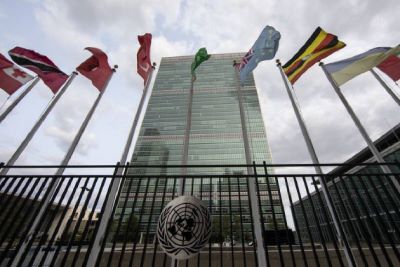
UN Security Council calls for cessation of hostilities, inclusive govt in Afghanistan
The Security Council called for an immediate end to the violence in Afghanistan, the restoration of security, civil and constitutional order, and urgent talks to resolve the current crisis of authority in the country and to arrive at a peaceful settlement through an Afghan-led, Afghan-owned process of national reconciliation.
The Security Council on Monday called for an immediate cessation of all hostilities in Afghanistan and the establishment of a new government that is united, inclusive and representative, including with the full, equal and meaningful participation of women.
Institutional continuity and adherence to Afghanistan’s international obligations, as well as the safety and security of all Afghan and international citizens, must be ensured, said the members of the Security Council in a press statement.
ADVERTISEMENTx
The council members called for an immediate end to the violence in Afghanistan, the restoration of security, civil and constitutional order, and urgent talks to resolve the current crisis of authority in the country and to arrive at a peaceful settlement through an Afghan-led, Afghan-owned process of national reconciliation.
They underscored that a sustainable end to the conflict in Afghanistan can only be achieved through an inclusive, just, durable and realistic political settlement that upholds human rights, including for women, children and minorities.
They called on parties to adhere to international norms and standards on human rights and put an end to all abuses and violations in this regard.
They underlined that all parties must respect their obligations under international humanitarian law in all circumstances, including those related to the protection of civilians. They underscored the particular situation of vulnerability of humanitarian and medical personnel, interpreters and other international service providers.
The council members called on strengthened efforts to provide humanitarian assistance to Afghanistan, and on all parties to allow immediate, safe and unhindered humanitarian access for UN humanitarian agencies and other humanitarian actors providing assistance, including across conflict lines, to ensure that humanitarian assistance reaches all those in need.
They reaffirmed the importance of combating terrorism in Afghanistan to ensure the territory of Afghanistan should not be used to threaten or attack any country, and that neither the Taliban nor any other Afghan group or individual should support terrorists operating on the territory of any other country.
They reiterated their support for the work of the UN Assistance Mission in Afghanistan. They emphasized the importance of the safety and security of UN personnel as well as of diplomatic and consular personnel of UN member states.
Israel mulls calling for intl help to curb massive wildfire
Israeli Prime Minister Naftali Bennett has ordered security officials to consider appealing for international assistance to combat a raging massive wildfire near Jerusalem.
Israel is considering calling for international assistance in battling a massive wildfire that has been raging over the past two days near Jerusalem, officials said on Monday.
ADVERTISEMENTx
Israeli Prime Minister Naftali Bennett’s office said in a statement that he instructed Public Security Minister Omer Bar-Lev and the National Security Council “to consider appealing for international assistance in extinguishing the fires.”
Bennett also ordered the army to give “all necessary assistance to the firefighting and rescue efforts,” including sending more military aircraft to help contain the fire.
Some 45 firefighting teams and 10 aircraft were already battling the blazes, according to a statement issued by the Fire and Rescue Services.
Israel’s state-owned Kan Radio reported that more than 17 square kilometers of forest had already been consumed. At least 10,000 people have been evacuated from their homes in the Jerusalem area, a spokesperson with the Jerusalem police said in a statement.
The cause of the fire has yet to be determined. It broke out on Sunday amid a combination of hot, dry and windy weather.
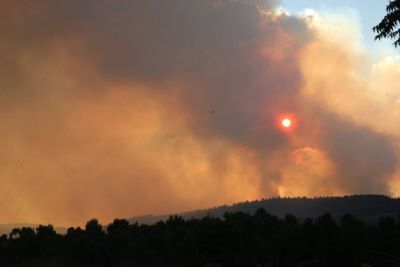
Black smoke and ash from a massive wildfire almost blocks the sight of the sun near Jerusalem, on Aug. 15, 2021.
Roundup: More European countries evacuate diplomats, citizens from Afghanistan
Finnish President Sauli Niinisto said in a statement that the fact that Afghanistan ended up fast into the hands of the Taliban indicates that western countries did not succeed in their aims to build democratic administration and society in Afghanistan.
“Perhaps, unavoidably, the lesson from this remains that it is fairly difficult to export a totally different societal structure and thinking,” he noted.
More European countries said on Monday that they were evacuating embassy staff and nationals from Afghanistan following the latest developments in the Asian country.
ADVERTISEMENTx
Denmark and Norway, which have announced the temporary closure of their respective embassies in Afghanistan, described “working under extreme conditions” as they tried to evacuate their citizens and local employees there.
Danish Foreign Minister Jeppe Kofod said Denmark “is far from finished” with the evacuation of Danish and Afghan employees from its embassy in Kabul. He said Pakistan is assisting with the Danish evacuations from the Afghan capital.
Norwegian Prime Minister Erna Solberg said Monday that her country “is doing everything possible” to get Norwegians and local employees evacuated.
“It’s chaotic and catastrophic. We had all hoped that we could do this under more orderly conditions than what is happening right now,” Solberg told Norwegian news agency NTB.
Afghan Taliban fighters stand guard in Kabul, capital of Afghanistan, Aug. 16, 2021.
ADVERTISEMENT
Later on the day, the Norwegian Chief of Defence Eirik Kristoffersen confirmed to the Norwegian newspaper VG that Norway has completed the evacuation of all Norwegian employees at its embassy in Kabul.
Finland on Monday announced the closure of its embassy in Kabul. The government said 18 Finnish people, including diplomats and embassy staff, have left the Afghan capital by the afternoon.
The Belgian government also approved a defense evacuation operation. Foreign Minister Sophie Wilmes said some 100 people claiming their Belgian nationality have reported to the Belgian embassy in Pakistan — also responsible for Afghanistan — wishing to return to Belgium.
In Italy, the first flight evacuating Italian diplomatic staff along with some Afghan citizens arrived in Rome on Monday. A military KC 767 airplane landed at the Fiumicino airport with some 70 people on board, the Defence Ministry said.
The Croatian Ministry of Foreign and European Affairs said Monday that eight Croatian nationals have been evacuated from Afghanistan and others will be repatriated in the coming days. Germany also evacuated on the day dozens of embassy staff to Qatar’s capital city of Doha.
ADVERTISEMENT
Meanwhile, the European Commission foreign policy chief Josep Borrell said he decided to convene on Tuesday an extraordinary video teleconference of European Union foreign ministers.
French President Emmanuel Macron on Monday called for “a responsible and united response” within the United Nations Security Council on Afghanistan, and warned against the risk of irregular migration flows to Europe caused by the destabilization of Afghanistan.
Afghan army vehicles are seen on a road in Kabul, capital of Afghanistan, on Aug. 15, 2021.
For the present, he said, the absolute urgency for France is to bring back its nationals and Afghans who worked for France. Two military planes and French special forces will be sent to Afghanistan for evacuation operations in the next few hours, Macron added.
The Taliban said on Sunday that the war in Afghanistan has ended, and they will soon declare the establishment of the “Islamic Emirate of Afghanistan” and take responsible actions to ensure the safety of Afghan citizens.
On Monday, British Foreign Secretary Dominic Raab admitted that the speed of the Taliban’s takeover of Afghanistan came as a surprise to the UK government.
“Everyone, I think, has been surprised by the scale and the pace at which the Taliban have taken over in Afghanistan,” Raab said after attending an emergency meeting on the situation in Afghanistan.
Afghan Taliban fighters are seen in Kabul, capital of Afghanistan, Aug. 16, 2021.
British Prime Minister Boris Johnson said on Sunday that the U.S. decision to pull out of Afghanistan has “accelerated things.”
German Chancellor Angela Merkel on Monday said the international deployment in Afghanistan during the last 20 years was disappointing.
The campaign against terrorism is “not successful and has not completed as we have anticipated,” Merkel said at a press conference. She admitted that the efforts to bring democracy and peace in Afghanistan have failed, therefore lessons should be drawn.
Finnish President Sauli Niinisto also said in a statement that the fact that Afghanistan ended up fast into the hands of the Taliban indicates that western countries did not succeed in their aims to build democratic administration and society in Afghanistan.
“Perhaps, unavoidably, the lesson from this remains that it is fairly difficult to export a totally different societal structure and thinking,” he said.
Photo taken on Aug. 15, 2021 shows closed shops in Kabul, capital of Afghanistan.
U.S. Fed officials consider ending asset purchases by mid-2022: media
A recent run of strong U.S. hiring reports have strengthened the case for the Fed to announce at its next meeting in September its intentions to start tapering, potentially as soon as its following meeting in November, according to The Wall Street Journal.
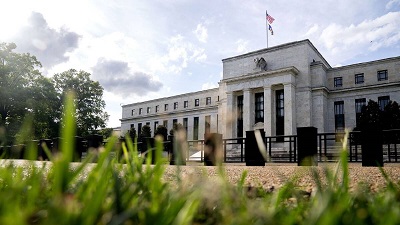
U.S. Federal Reserve officials are nearing agreement to begin tapering its asset purchase program in about three months and end the program by the middle of next year, local media reported on Monday.
A recent run of strong U.S. hiring reports have strengthened the case for the Fed to announce at its next meeting in September its intentions to start tapering, potentially as soon as its following meeting in November, according to The Wall Street Journal.
ADVERTISEMENTx
Boston Federal Reserve Bank President Eric Rosengren told the newspaper in an interview last week that he expected to see enough job growth to meet the criteria for reducing asset purchases by the Fed’s Sept. 21-22 meeting.
“That would set up some time this fall a possible tapering that is dependent on the Delta variant and other variants not slowing down the labor market substantially,” Rosengren was quoted as saying, adding he hoped the Fed would end asset purchases by the middle of next year if strong economic growth continues.
Dallas Federal Reserve Bank President Robert Kaplan also told CNBC last week that the Fed should announce a plan for tapering its asset purchases in September and start tapering in October. The process of tapering should take about eight months, he added.
However, some other Fed officials have argued for more patience. Fed governor Lael Brainard indicated last month she wanted to see September hiring data, which won’t be available until early October, before deciding. That would hold off any tapering until no sooner than the Fed’s Nov. 2-3 meeting, according to the paper.
The Fed has pledged to keep its benchmark interest rate unchanged at the record-low level of near zero, while continuing its asset purchase program at least at the current pace of 120 billion U.S. dollars per month until “substantial further progress” has been made on employment and inflation.
The Fed is set to release on Wednesday minutes of its July policy meeting that could provide further clues about Fed officials’ discussions over tapering asset purchases.
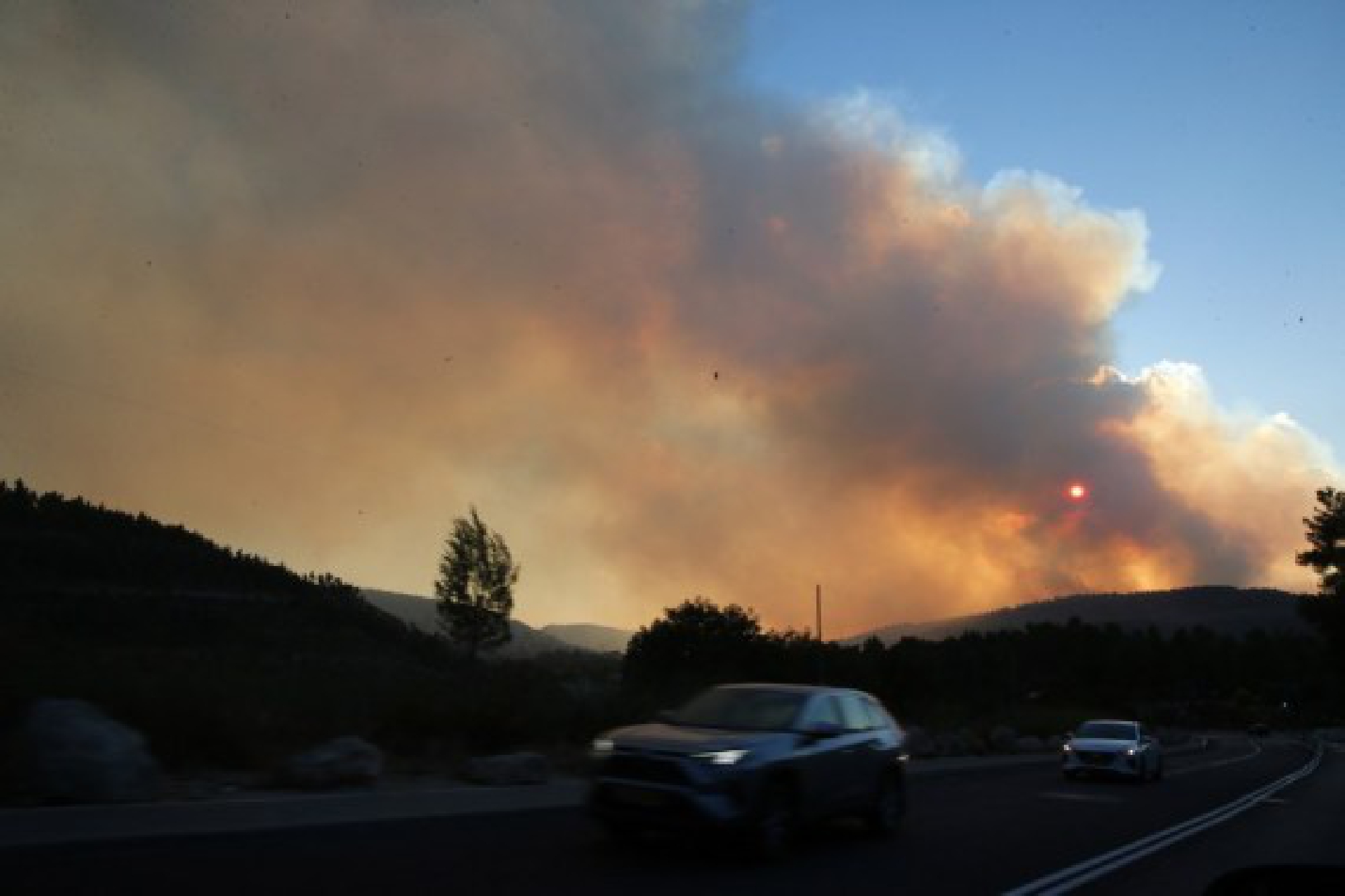 Black smoke and ash from a massive wildfire almost blocks the sight of the sun near Jerusalem, on Aug. 15, 2021.
 Afghan Taliban fighters stand guard in Kabul, capital of Afghanistan, Aug. 16, 2021.
 Afghan army vehicles are seen on a road in Kabul, capital of Afghanistan, on Aug. 15, 2021.
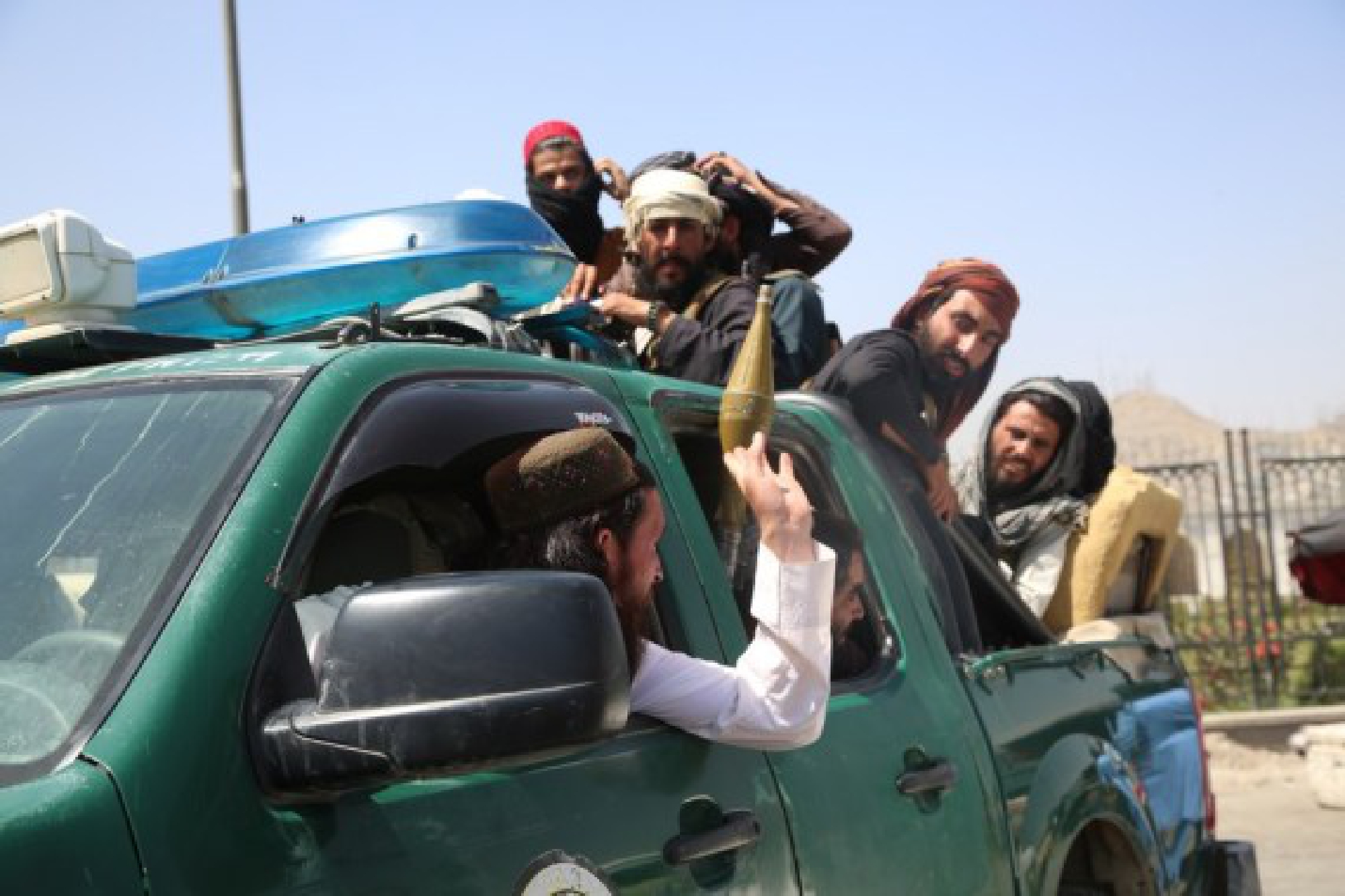 Afghan Taliban fighters are seen in Kabul, capital of Afghanistan, Aug. 16, 2021.
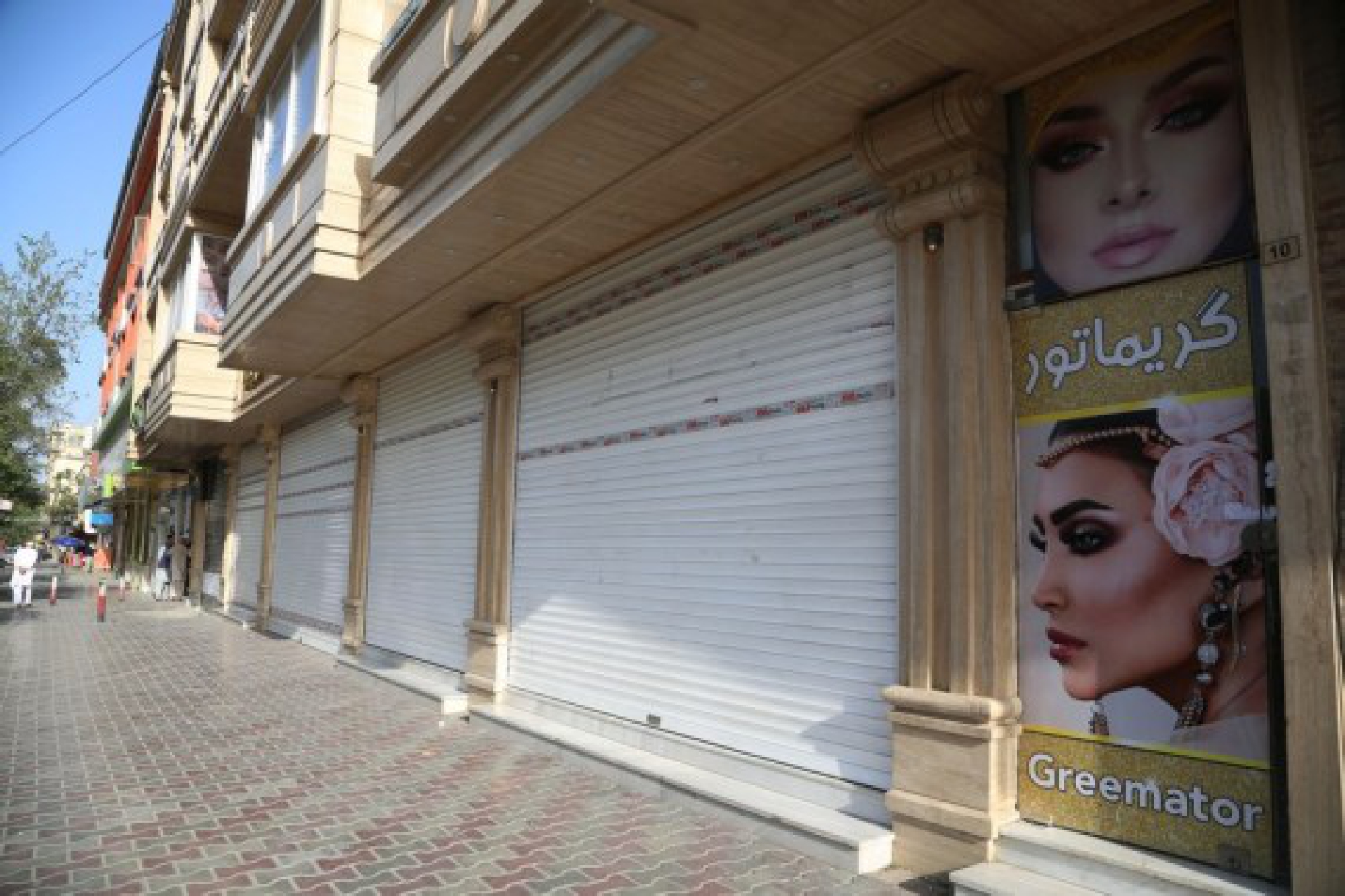 Photo taken on Aug. 15, 2021 shows closed shops in Kabul, capital of Afghanistan.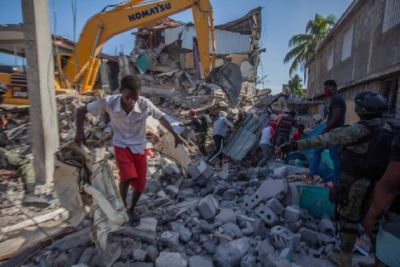
 SootinClaimon.Com