Samsung Electronics has invested in Ready Player Me, a 3D avatar platform for the metaverse that allows users to explore virtual worlds with one consistent identity, according to a press release Wednesday.
Samsung Next, Samsung Electronics’ subsidiary investing in startups with promising technologies, participated in a $13 million series A funding round led by a venture capital Taavet+Sten.
According to Ready Player Me, the funding will be used to grow its global presence as the default avatar system for metaverse. Ready Player Me, which currently supports more than 900 virtual worlds, is investing in a monetization model that helps developers to make money by selling NFTs and in-game avatar customization assets.
The investment will allow Samsung to accelerate its foray into the metaverse market. Samsung Next previously invested in a spatial computing startup Teleportal and creator tools developer Overwolf.
HÀ NỘI — People who are infected with COVID-19 but are asymptomatic or have mild symptoms can have their isolation and precautions discontinued 10 days after being treated, the Ministry of Health said.
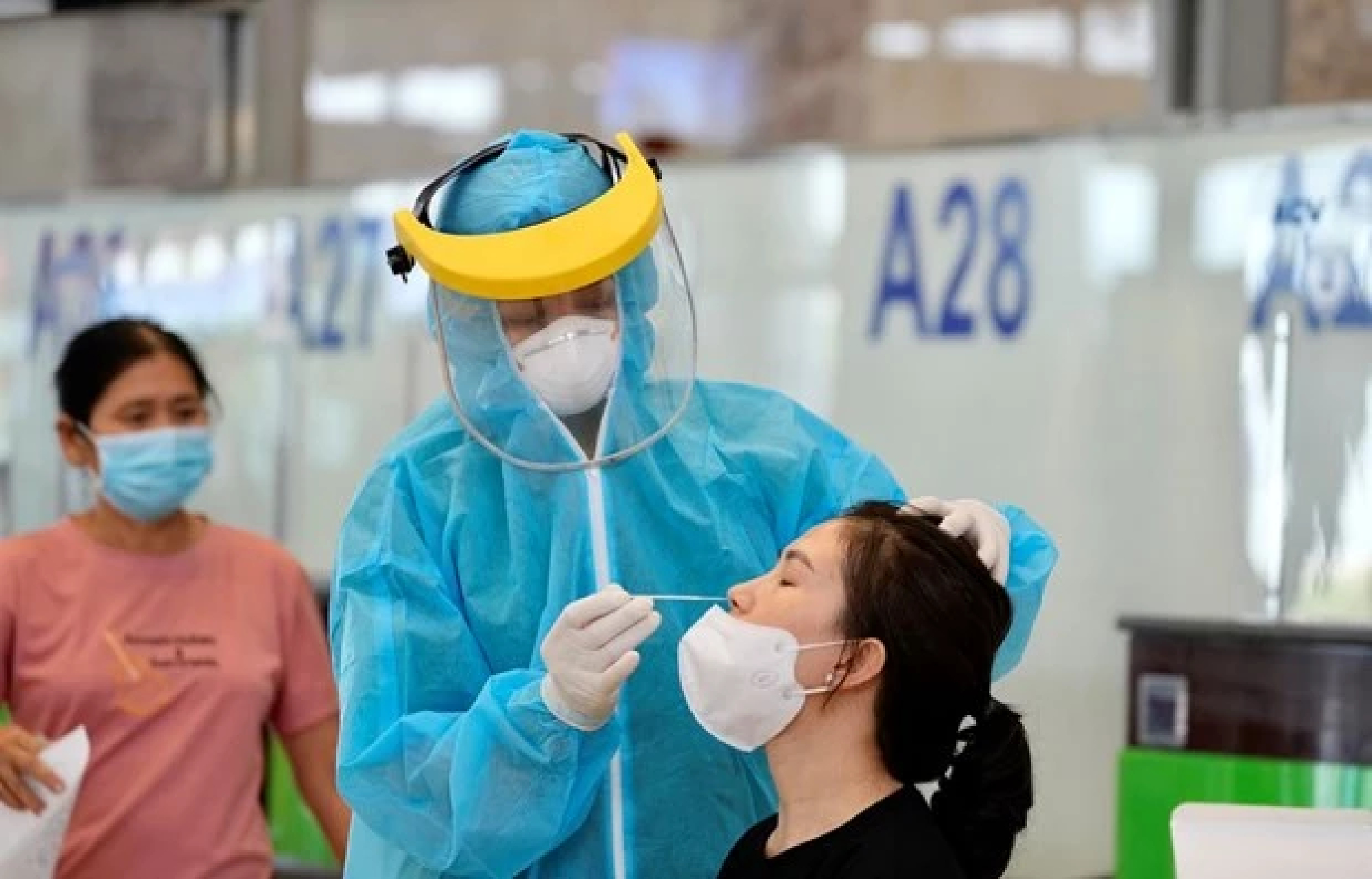
Also, they must have negative rapid antigen tests performed by staff or by the patients themselves under the supervision of medical staff directly or indirectly via remote methods. The rapid test must be licensed by the Ministry of Health.
On December 28, the Ministry of Health sent a document to the hospitals under the Ministry; departments of health of provinces and cities; and medical facilities under ministries and branches, on testing to detect suspected COVID-19 cases and conditions to discharge patients.
Regarding the proposal to use antigen test results to determine the state of recovery and discharge of patients, the ministry has the following guidelines:
COVID-19 patients being treated at healthcare facilities can be discharged if they are COVID-19 patients with clinical symptoms disappearing three days or more before the hospital discharge date, and have a negative RT-PCR test for SARS-CoV-2 or a low viral load (Ct 30) or a negative antigen test for SARS-CoV-2 on the day before discharge (rapid test) licensed by the Ministry of Health.
After being discharged from the hospital, patients need to stay at home and self-monitor for seven days. They have to measure their body temperature twice a day – if the body temperature is higher than 38 degrees Celsius in two consecutive measurements or there are any abnormal clinical signs, it is necessary to notify the local medical centre for timely examination and treatment.
Also, compliance with the 5K message is required.
For COVID-19 patients who have underlying diseases or health problems accompanied by clinical symptoms of COVID-19 that disappear three days or more before discharge from the hospital; have negative RT-PCR test results for SARS-CoV-2 or low virus concentration (Ct 30) or have negative antigen test for SARS-CoV-2 virus before the hospital discharge date (test approved by the Ministry of Health), they can also be discharged.
COVID-19 patients can also be transferred to faculties for treatment of comorbidities or faculties for treatment of underlying diseases (if necessary) in separate rooms; they are to be screened and monitored according to regulations for inpatients; and have their body temperature measured twice a day.
Identify a patient suspected of having COVID-19
According to the Ministry of Health, the current situation of the COVID-19 pandemic across the country is complicated, and the number of cases is tending to increase; in order to adapt to the new situation and ensure safety and flexibility in accordance with the current situation, localities and health facilities should base decisions on the real pandemic level at their areas and the health ministry’s temporary guidelines on the management of people infected with COVID-19 to identify cases.
A suspected case of COVID-19 is a person who has tested positive for SARS-CoV-2 by RT-PCR or as prescribed in Decision No. 4689/QD-BYT which means having a positive antigen test result for SARS-CoV-2 (by biological rapid test products licensed by the Ministry of Health and approved by it) performed by medical staff or by himself/herself under the supervision of medical personnel directly or indirectly.
A suspected case of COVID-19 is also a person who is asymptomatic but has been in close contact with a suspected case or confirmed case of COVID-19 within the past 14 days and has had two positive antigen test results for SARS-CoV-2 (second test within eight hours of the 1st test result, by biological rapid test products licensed by the Ministry of Health).
If the suspected case has only one positive antigen test result for SARS-CoV-2, a RT-PCR test is required for confirmation. VNS
SINGAPORE – Local and foreign travellers entering Singapore are each allowed to bring with them a maximum of 20 Covid-19 self-test kits that have not been authorised for use here as long as they are approved for use in the country the traveller is arriving from.
This has been the case since Dec 23, the Health Sciences Authority (HSA) told The Straits Times.
HSA said it had observed an increase in personal imports of Covid-19 self-test kits into Singapore since October.
It had barred the import of some of these test kits, which have not been evaluated for quality or efficacy, as they may be resold locally.
But with the reopening of borders, HSA said it recognised the need for travellers to bring their own self-test kits to fulfil the necessary testing requirements here.
The maximum quota of 20 self-test kits that can be brought in is based on the expectation that incoming travellers may need to test themselves daily for 14 days, with some allowance for retesting, HSA said.
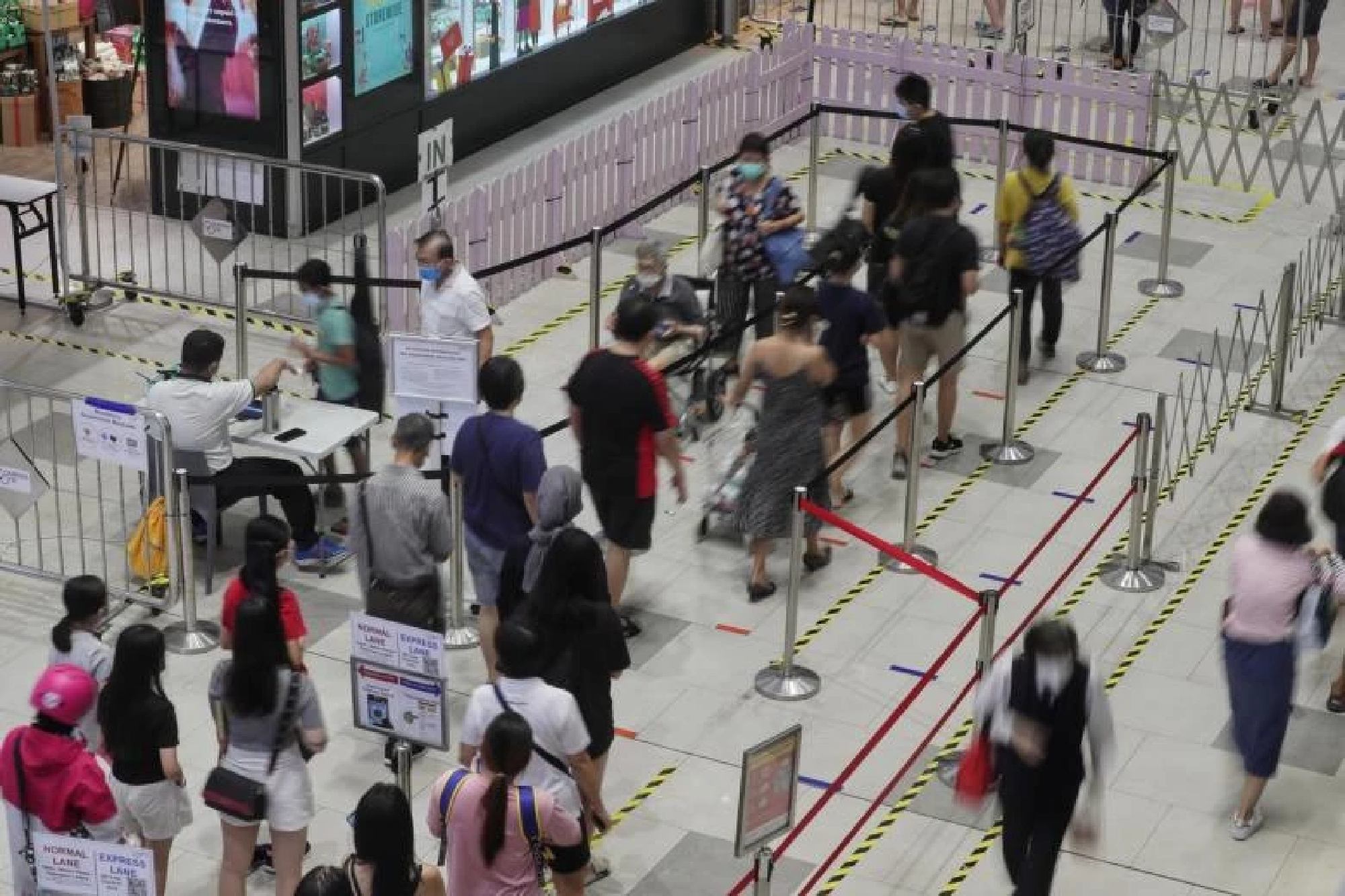
Currently, those entering Singapore via vaccinated travel lanes need to undergo antigen rapid tests (ARTs) daily for seven days after their arrival. This is on top of a mandatory on-arrival polymerase chain reaction (PCR) test.
On days three and seven of their arrival, the ARTs are done under supervision at a combined test centre or a quick test centre. Travellers must use test kits that are provided at these centres.
On days two, four, five and six of their arrival, travellers must take self-administered ARTs. These are done using test kits that they purchase themselves.
“As the test kits authorised for use in Singapore may not be readily available in other countries, travellers can bring in test kits which are approved for use from their country of embarkment,” HSA said.
“Members of the public are reminded that the import of self-test kits through parcel post is still not allowed.
“Any onward supply by wholesale of self-test kits is also not permitted and will require licences and authorisation from HSA. Those infringing this can be imprisoned for up to two years and/or fined up to $50,000, if convicted.”
According to HSA’s website, 11 Covid-19 self-test kits have been authorised for use in Singapore as at Nov 23.
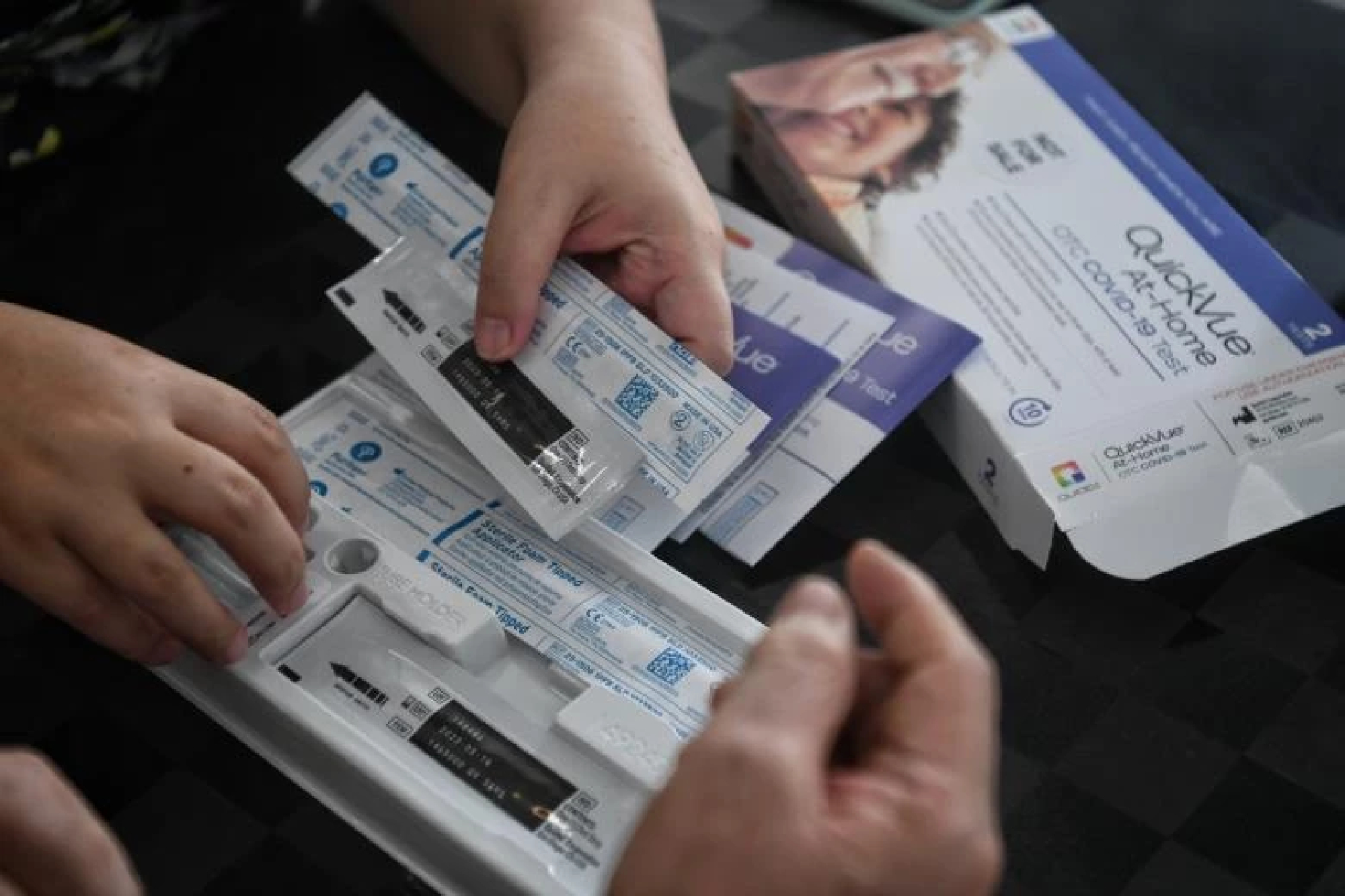
They are: Abbott’s PanBio Covid-19 Antigen Self-Test and Panbio Covid-19 Ag Rapid Test Device (Nasal) kits, BD’s Kit for Rapid Detection of Sars-CoV-2 and Veritor At-Home Covid-19 Test kit, SD Biosensor’s Sars-CoV-2 Antigen Self-Test Nasal, Standard Q Covid-19 Ag Home Test and Standard Q Covid-19 Ag Test kits, as well as the Quidel QuickVue At-Home OTC Covid-19 Test kit, Cue Covid-19 Test kit, Lucira Check It Covid-19 test kit and the Acon Biotech Flowflex Sars-CoV-2 Antigen Rapid Test (Self-Testing) kit.
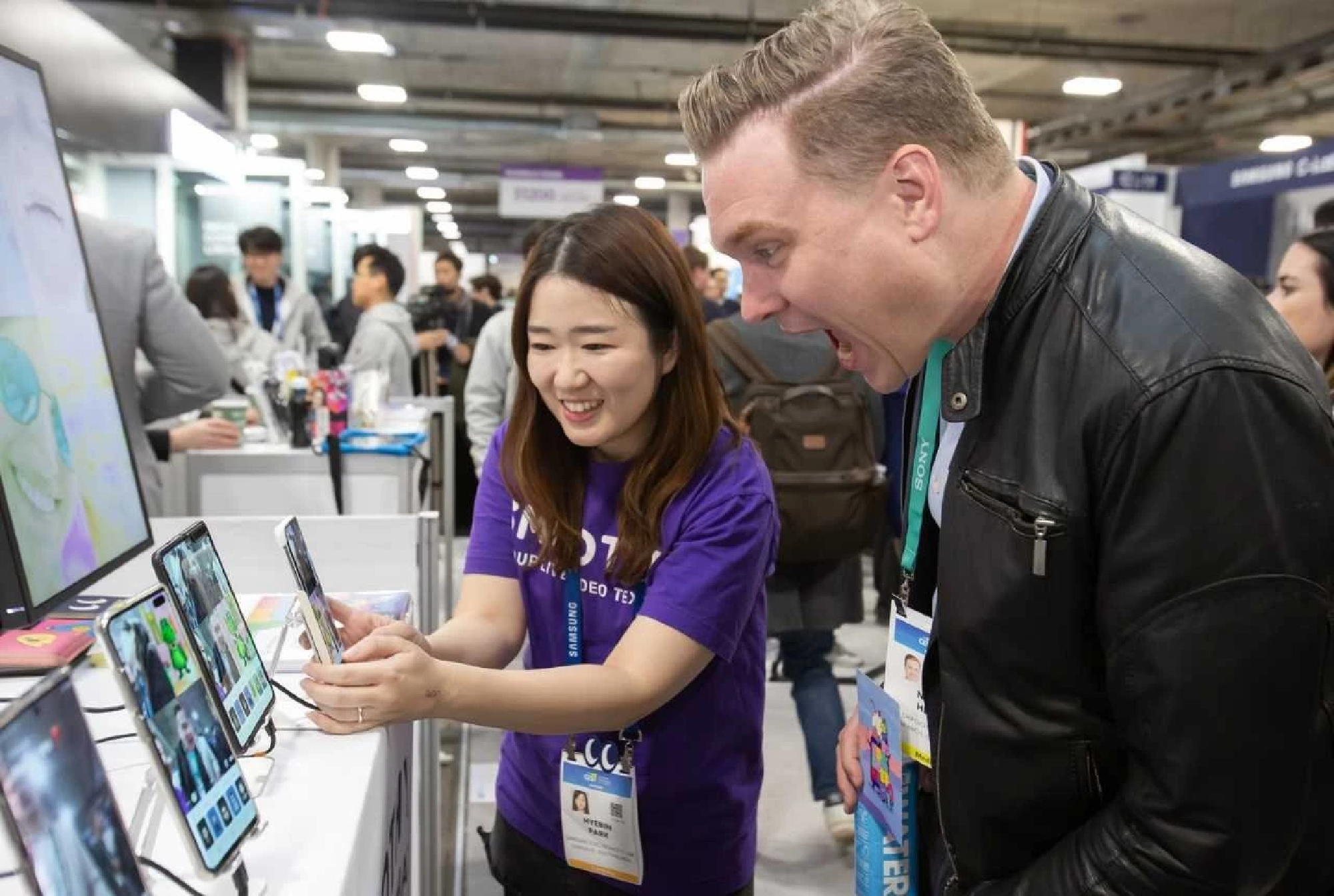
Samsung Electronics said Tuesday it will showcase 13 startup projects at the CES trade show next month to introduce their innovations to a global audience and gauge marketability.
The Korean tech giant has nurtured in-house ventures under the C Lab Inside program since 2012. In 2018, the firm launched the C Lab Outside program to support outside startups as well. A total of 406 startups have been accelerated under the programs.
For the upcoming CES, four in-house ventures are making their debut. They include: Piloto, an AI solution that helps children better control their smartphone use; Innovision that detects and corrects cross-eyes in babies; Jam Star that develops electric guitars equipped with LED lights; and Proba, an AI-based online test-proctoring service.
Nine outside projects Samsung has supported on funding, marketing and financing over the past year will also be unveiled at the CES. One of them is Pet Now, a dog identification app based on dog nose print recognition technology and the winner of the Best of Innovation award in the software and mobile apps category.
Samsung said C Lab startups have won a total of 22 Innovation awards, including the top honor, at the 2022 CES Innovation Awards, the largest number since their joining the awards in 2017.
“C Lab startups have proved their technological competitiveness by winning the largest number of CES Innovation awards,” said Park Hak-kyu, president of Samsung’s management support office. “We hope 2022 CES paves the way for their global expansion.”
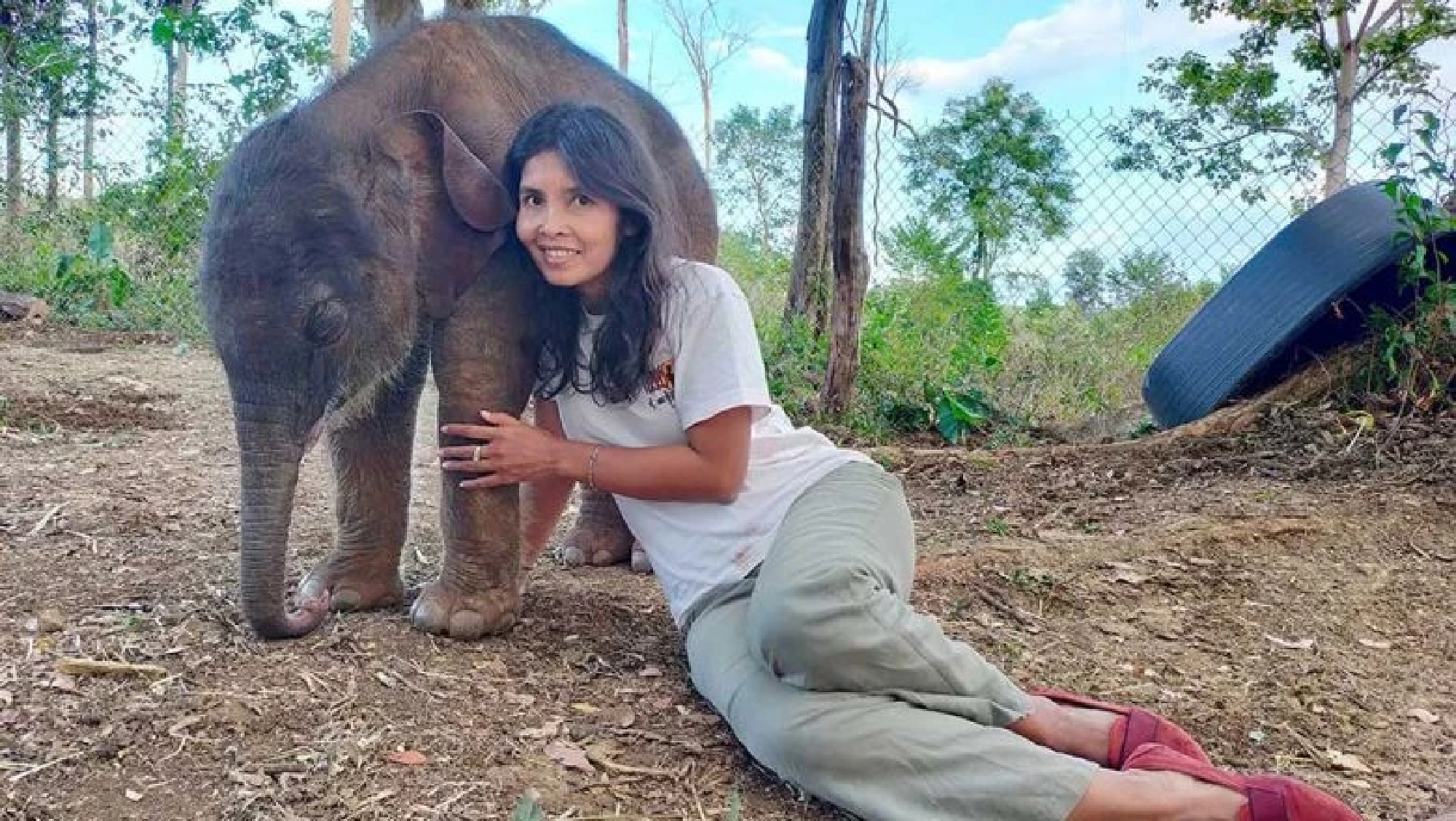
A female domesticated elephant under the care of the Airavata Khmer Elephant Foundation gave birth to a calf on December 26 – known as “Boxing Day” in some parts of the world – in Ratanakkiri province, bringing Christmas joy to the wildlife conservation community and Ministry of Environment officials.
Chenda Clais, president of the foundation, told The Post on December 27 that one of the four domesticated elephants in the organisation’s care gave birth to the calf at 5am.
“We named this female baby elephant Noel because it was born one day after Christmas. Noel’s mother was 21 months pregnant and just gave birth to her.”
According to Chenda, the four elephants were originally from the province’s Lumphat and Bakeo districts.
Chenda said the foundation has a number of partners that help them with their elephant programme, including donors from the private sector, professional associations, civil society organisations and the environment ministry along with the ministries of Information; Tourism; Culture and Fine Arts; and Agriculture, Forestry and Fisheries.
“Our foundation has additional needs in order to bring about the successful conservation of elephants in Cambodia. We need young females to breed so that the number of domestic elephants can increase, for instance. We also urgently need more funds to carry out elephant conservation activities in our country, because elephant conservation requires a lot of money,” she said.
Environment ministry spokesman Neth Pheaktra said there were between 400-600 wild elephants living in the forests in the protected areas and around 100 more domesticated elephants living in captivity in the Kingdom, including the new calf.
Most elephants in Cambodia live in protected areas in the Cardamom Mountains and in eastern provinces such as Ratanakkiri and Mondulkiri.
“The baby elephant was born at the Airavata Khmer Elephant Foundation, which the environment ministry supports financially through the sale of carbon credits. All of the proceeds from carbon credits are used to pay for conservation of natural resources, including this foundation’s elephants,” he said.
Pheaktra said the conservation of elephants is an important part of the ministry’s work because it is precisely this type of “charismatic” species of wildlife that can attract eco-tourism, which can then fund the conservation of Cambodia’s other rare species and environment generally.
“The sale of carbon credits also funds the provision of equipment to the forest rangers and additional support for them as well as the strengthening and development of rural communities and natural protected area communities,” he added.
Separately, at least 1,000 people have now donated more than $3,000 in cash to the “one dollar for elephants” campaign that seeks to raise funds for needy villagers and elephants in the Kulen Mountain area, which lost most of their income due to the lapse in tourism from the Covid-19 pandemic.
Earlier this month, a group of students launched the one-month fund raising campaign under the slogan “Donate a dollar to make elephants smile” for the conservation of elephants in the foothills of Kulen Mountain and to help solve villagers’ livelihood problems in the area after they were affected by the lack of tourists.
The elephant conservation area in the Kulen Mountains in Bos Thom village of Sotr Nikum district’s Khnar Por commune was established in late 2019 after 13 elephants were ordered into the care of a conservation programme.
The elephants were previously being cared for by community members who ran businesses and used them to carry tourists on sightseeing trips, an activity that is no longer permitted in Cambodia.
Samrong Hoksrun, the leader of the group of seven students who initiated the campaign, told The Post on December 27 that it would finish in early January and all funds raised would be provided directly to the organisation caring for the elephants on January 19.
He said that since the campaign began, more than a thousand people have donated over $3,000 and he expects it to rise as the campaign heads toward its conclusion.
David Jaya-Piot, co-founder of the elephant conservation park at Kulen Mountain, told The Post that the goal of collecting the elephants was to give them a better life where they are free to live naturally and are not forced to work or carry tourists.
He said that after the project was launched, the pandemic also began and that has affected the stability and livelihoods of the community as well as the lives of the elephants because both the community and the programme caring for the animals rely on tourism primarily for their funding.
He said there are 13 elephants in the protected area which need to eat at least 200 to 300kg of food per day each. He expressed his deep gratitude to the students for their campaign to raise donations for the elephants and community, saying their actions were setting a great example to follow for all Cambodians who wish to help with nature conservation.
HÀ NỘI —The Ministry of Transport no longer requires all air passengers from HCM City and the Mekong Delta city of Cần Thơ to provide proof of negative COVID-19 test results, according to its new rules issued on Monday.
The testing obligation now only applies to those living or travelling from locked down areas or zones classified as having the highest level of COVID-19 risk (Level 4) in the two southern cities.
Passengers from these areas must show proof of negative COVID-19 RT-PCR or rapid antigen test results done within 72 hours of the flight’s scheduled departure time.
Passengers will not be allowed to board flights if they have COVID-19 symptoms, for example, cough, fever, shortness of breath, muscle aches, sore throat and loss of taste.
Under the newly-released regulations, the Ministry of Transport also enables carriers to serve in-flight meals and increase the frequency of flights on domestic routes from December 29, 2021 to February 16, 2022.
The number of flights between Hà Nội and HCM City will increase to 25 round-trips per day from December 29, 2021 to January 18, 2022, and to 52 from January 19 to February 16, 2022.
The frequency of flights on the HCM City – Đà Nẵng route will be up to 20 per day in the first phase and 27 in the second phase. The Hà Nội – Đà Nẵng route will be up to 20 in both phases.
The number of flights per route could be further increased before Tết (Việt Nam’s traditional Lunar New Year holiday) to serve the surge in domestic travel demands, which starts on January 29, with the COVID-19 situation taken into account. — VNS
SINGAPORE – It makes sense to treat the Omicron variant as no different from other existing and past Covid-19 variants, said experts, since evidence has shown that the new strain is likely to be more transmissible but less severe than the Delta variant.
Since Monday (Dec 27), those infected with the Omicron variant were allowed to recover from home or in community care facilities, after about a month of strict measures to reduce and slow down the spread of Omicron in Singapore.
Over the past month, those infected with Omicron were either isolated at the National Centre for Infectious Diseases or at dedicated facilities.
Close contacts were quarantined for 10 days at designated facilities, and full contact tracing was carried out.
“If Singapore still continued to treat the Omicron variant differently, (such as) hospitalise infected patients, then we will be at risk of scoring an ‘own goal’ in terms of filling up our healthcare facilities with relatively well patients,” said Associate Professor Hsu Li Yang, an infectious diseases expert at the National University of Singapore’s (NUS) Saw Swee Hock School of Public Health.
The school’s vice-dean of research, Associate Professor Alex Cook, said: “I don’t think we could maintain strict contact tracing and isolation for long for Omicron anyway, and we would want to avoid revisiting the situation a few months ago when we had to repeatedly revise the eligibility criteria for home isolation.”
The Ministry of Health (MOH) said on Sunday that Singapore’s Omicron cases so far had not been severe, with none requiring intensive care (ICU) or oxygen supplementation.
But the ministry noted that this may be partially due to most cases being fully vaccinated and from younger age groups.
Professor Paul Tambyah, president of the Asia Pacific Society of Clinical Microbiology and Infection, said: “Now that we know that the Omicron variant is probably a lot less virulent than the previous dominant strains, we can move closer back to treating Covid-19 like other potentially deadly contagious respiratory infections such as tuberculosis or influenza.”
But it was prudent and crucial to have strictly ring-fenced the Omicron cases over the past month, as it allowed the country to buy time and let the science catch up with the concerns about the new strain, said Professor Dale Fisher, senior consultant at the National University Hospital’s Division of Infectious Diseases.
“Once a variant is identified, it will take some weeks to understand the outcomes. This was about slowing the entry and spread of Omicron until we knew the disease was not escaping the vaccine’s protection and was not more severe,” he added.
Professor Teo Yik Ying, dean of NUS’ Saw Swee Hock School of Public Health, said the past month of containing Omicron allowed the country to roll out the boosters to more people and plan on expanding its ICU capacity.
It was announced on Dec 14 that Singapore is making plans to increase its ICU capacity to 500 beds, up from 280, to brace itself for an Omicron wave.
Prof Fisher observed that Singapore is one of the earliest countries to accept that Omicron is not threatening nationally, because a large proportion of the population is vaccinated.
“Some countries are seeing overwhelmed hospitals again because Omicron is more transmissible and the baseline immunity of the population is still low.
“Singapore is realising the strategy of Covid-19 resilience, such that as new variants arise, they can be dealt with quite easily.”
But having to deal with Omicron after a long and hard battle with Delta is damaging to people’s mental and physical well being, the experts said.
Prof Teo said: “The costs are definitely economic, and the overall mental well-being of our people, since we saw a suspension of our VTLs (vaccinated travel lanes) as well as a constant shadow cast over the economy by Omicron.”
MOH had last Wednesday announced the suspension of all VTL ticket sales for entry into Singapore between Dec 23 and Jan 20.
Finance Minister Lawrence Wong said in a Facebook post on Monday that the Republic must expect a new wave of Covid-19 cases in the coming days and weeks due to Omicron.
As at Saturday, there were 546 confirmed Omicron cases here, of which 443 were imported and 103 were local cases.
With Omicron’s higher transmissibility, it is likely that the Omicron wave would lead to more infections compared with the Delta wave over the past few months, said experts.
But if severe disease, hospitalisations and ICU admissions do not escalate, transmissions of mild disease of any variant does not matter so much, said Prof Fisher.
“We shouldn’t panic just because we see more cases. I do expect this to occur with Omicron and indeed with future variants and even seasonal fluctuations.”
Prof Cook said that the country should take stricter action to arrest the growth of Omicron only if the number of severe cases rises.
Prof Hsu’s main concern is about children below 12 who may be unvaccinated during the wave, given that the vaccination drive for upper primary students just started.
“School is due to start next week and the majority may not complete their vaccination by the time our own Omicron wave peaks. We may see more hospitalisations among this group, even though the variant is not as deadly as Delta,” he added.
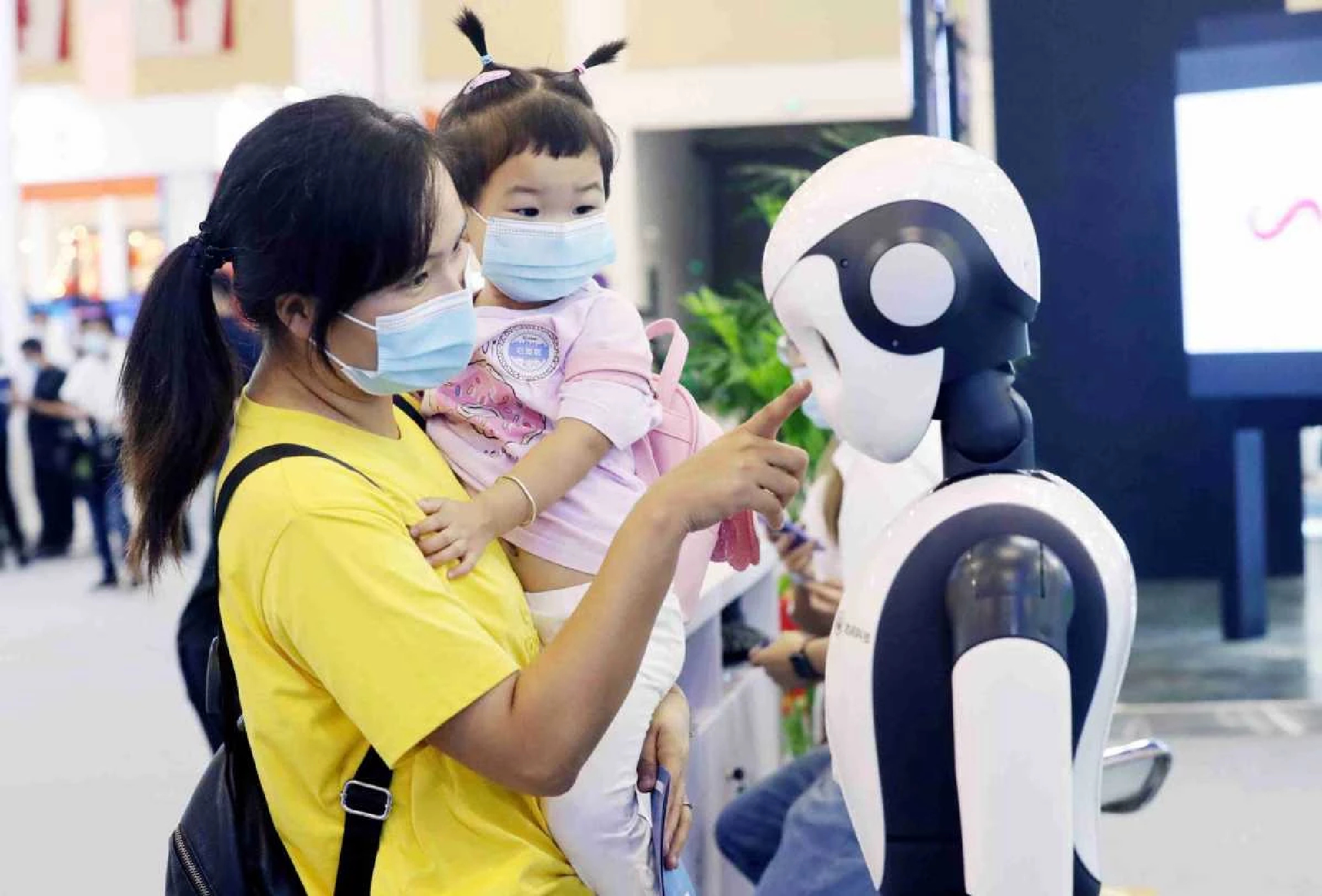
China is aiming to become an innovation hub for the global robotics industry by 2025, as it works to achieve breakthroughs in robotics components and widen the application of smart machines in more sectors.
The move is part of the nation’s broader push to cope with a graying population and leverage cutting-edge technologies to advance industrial upgrades, experts said.
The Ministry of Industry and Information Technology said in a five-year plan released on Tuesday that the operating income of China’s robotics industry is expected to grow at an average annual rate of 20 percent from 2021 to 2025.
China has been the world’s largest market for industrial robots for eight consecutive years. In 2020, the manufacturing robot density, a metric used to measure a country’s level of automation, reached 246 units per 10,000 people in China, nearly twice the global average.
Wang Weiming, an official with the ministry, said China aims to double its manufacturing robot density by 2025. High-end, advanced robots are expected to be used in more sectors such as the automobile, aerospace, railway transportation, logistics and mining industries.
More efforts will also be made to achieve breakthroughs in core robot components, such as speed reducers, servomotors and control panels, which are recognized as the three basic building blocks of sophisticated automated machines, Wang said.
“The goal is that by 2025, the performance and reliability of these homegrown key components can reach the level of advanced foreign products,” Wang said.
From 2016 to 2020, China’s robotics industry grew rapidly, with an average annual growth rate of about 15 percent. In 2020, the operating income of China’s robotics sector exceeded 100 billion yuan ($15.7 billion) for the first time, data from the ministry show.
In the first 11 months of 2021, the cumulative output of industrial robots in China exceeded 330,000 units, marking year-on-year growth of 49 percent, according to the National Bureau of Statistics.
Song Xiaogang, executive director and secretary-general of the China Robot Industry Alliance, said robots are important carriers of emerging technologies. As key equipment for modern industries, robots can lead an industry’s digital development and upgrades of intelligent systems.
Meanwhile, service robots can also serve as assistants to an aging population and improve people’s quality of life.
Thanks to technologies such as 5G and artificial intelligence, service robots can play a bigger role in elderly healthcare, Song said.
The International Federation of Robotics predicted that globally industrial robot installations are expected to rebound strongly and grow by 13 percent year-on-year to 435,000 units in 2021, despite the COVID-19 pandemic, exceeding the record achieved in 2018.
Milton Guerry, president of the federation, said that industrial robot installations in Asia are expected to exceed 300,000 units this year, a 15 percent year-on-year increase.
The trend has been fueled by the positive market developments in China, the federation said.
Deng Xiaobai, co-founder and CEO of Dorabot, a Chinese AI-powered robotic solutions provider for logistics and other industries, said he is excited by the five-year plan.
“The COVID-19 pandemic has driven changes in the logistics industry, which includes the acceleration of innovation, automation and digitalization in the workplace,” Deng said. “We are optimistic about future development.”
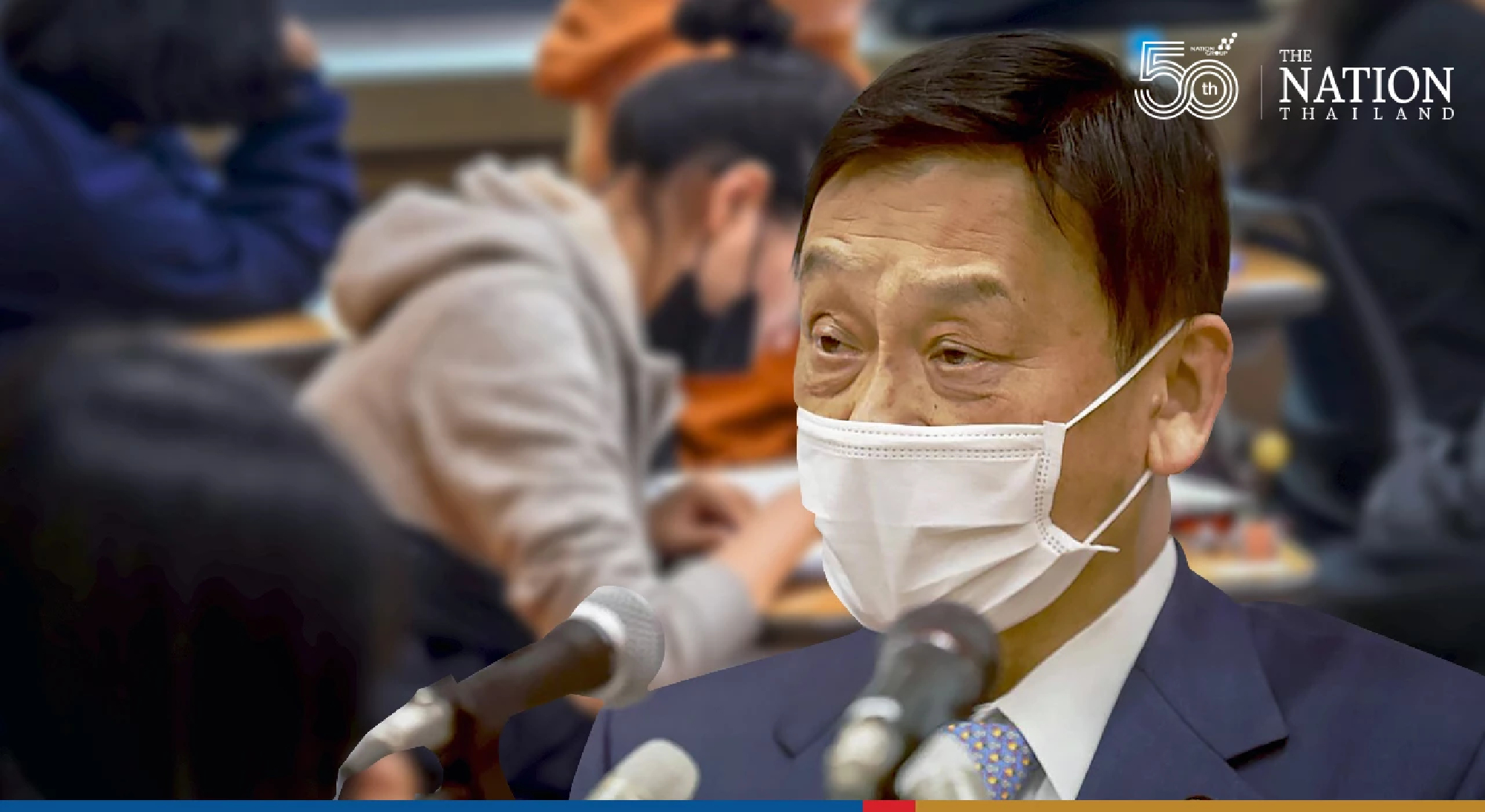
TOKYO (Jiji Press) — The Education, Culture, Sports, Science and Technology Ministry will withdraw its policy of not allowing people who had close contact with carriers of the omicron coronavirus variant to take regular university entrance examinations, sources said Monday.
Shinsuke Suematsu, education, culture, sports, science and technology minister, was set to announce soon the withdrawal of the ministry’s new guidelines calling on universities to have such people take additional exams instead of regular exams.
On Sunday, Prime Minister Fumio Kishida instructed the ministry to secure opportunities to take regular entrance exams for such test-takers.
The previous guidelines said that test-takers confirmed to be close contacts of those infected with the coronavirus would be allowed to take regular exams in isolated rooms if they had tested negative in coronavirus polymerase chain reaction tests and meet requirements such as being asymptomatic on the day of the exam.
On Friday, the ministry revised the guidelines to exclude omicron close contacts from regular exams after the government requested that such people self-isolate for 14 days.
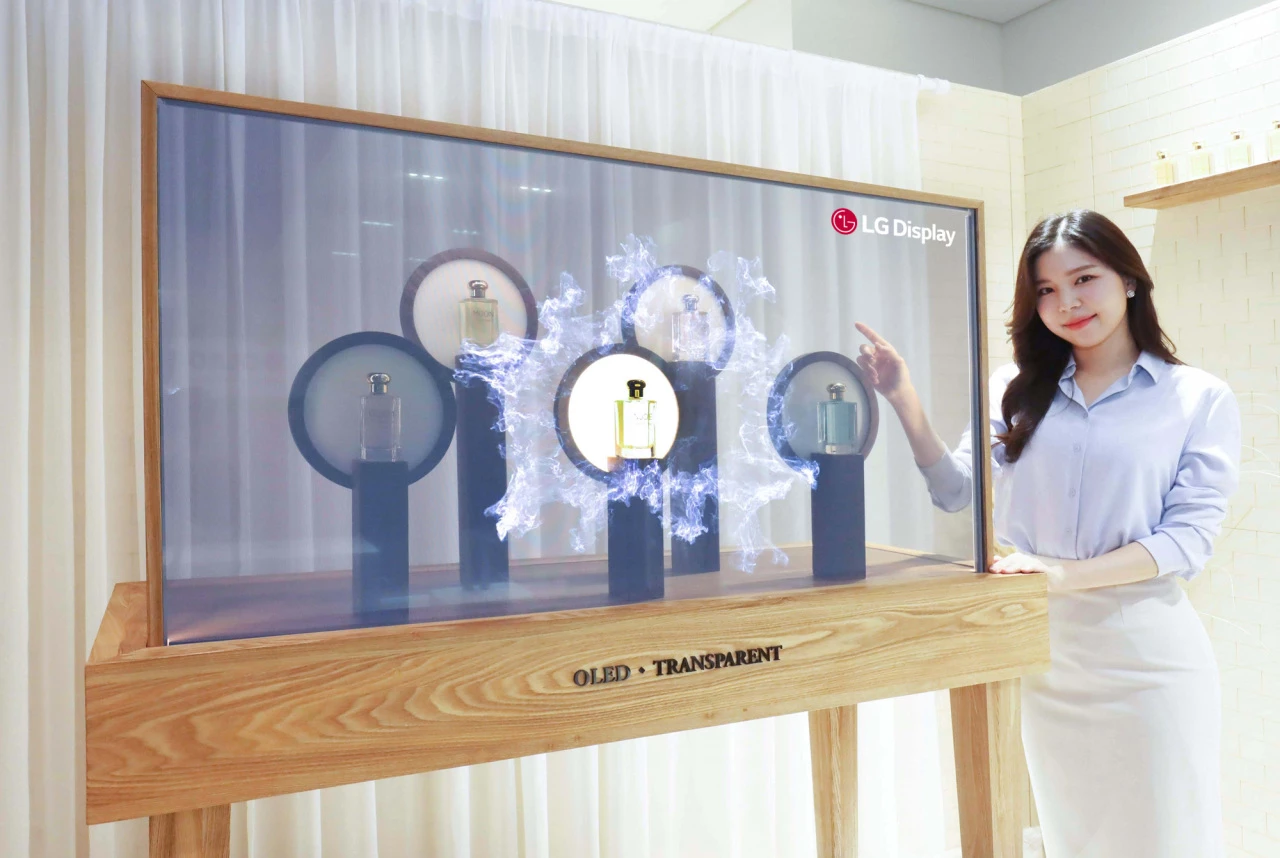
LG Display on Monday unveiled four new concepts using its transparent panel solutions to be premiered at its hybrid CES 2022 exhibitions in January.
The new concepts feature screens that look like normal transparent glass windows, allowing users to see objects on the other side. But the screens can display images or deliver information while remaining transparent at the same time. These concepts aim to achieve spatial innovation at home, the office and commercial facilities including department stores, the company said.
The “Show Window” concept comprises four 55-inch transparent screens with self-emitting nature, so that a layer of various visual content can be added with products like garments lined up behind the display panels. Another concept, “Shopping Managing Showcase,” features a single screen that fits inside a wooden frame before the goods on display.
LG Display said in a statement these solutions maximize the advertising potential of window displays, allowing offline shoppers to look at products and information on the screen at the same time.
Another new solution suggested by LG Display is “OLED Shelf,” with two vertically attached screens that can display TV shows or paintings while running in “always on display” mode to deliver essential information. For an office solution, “Smart Window” constitutes a large panel for videoconferencing and presentations that at the same time provides openness in the workspace.
“With our industry-leading transparent OLED technology, we will continue to introduce innovative high-end solutions that allow our customers to enjoy unprecedented experiences,” said Lee Hyeon-woo, senior vice president and head of Life Display Business Group at LG Display.
LG Display is the only company to have commercialized large OLED screens that are semitransparent. Its 55-inch OLED displays with 40 percent transparency were first introduced in 2019, and have since been applied in shopping malls, museums and subways.
LG has forecast the transparent OLED display market to grow 116 percent on average each year in the next decade, with the market size estimated at 12 trillion won ($10.1 billion) by 2030, from 100 billion won in 2022, citing data from consulting firm the Boston Consulting Group.


![[Vietnam] Asymptomatic COVID-19 cases can discontinue self-isolation after 10 days](https://media.nationthailand.com/uploads/images/md/2021/12/Br6t5TxXAICxn44kHuH5.webp?x-image-process=style/lg)


 SootinClaimon.Com