Business resilience in post-pandemic lies within climate change #SootinClaimon.Com

#SootinClaimon.Com : ขอบคุณแหล่งข้อมูล : หนังสือพิมพ์ The Nation.

https://www.nationthailand.com/business/40001369

Business resilience in post-pandemic lies within climate change


• dtac unveils three megatrends for businesses in the post-pandemic economy and its strategy under responsible business to tackle the new normal • dtac has committed to cutting its greenhouse gas emissions in half by 2030
Business resilience in post-pandemic lies within climate change

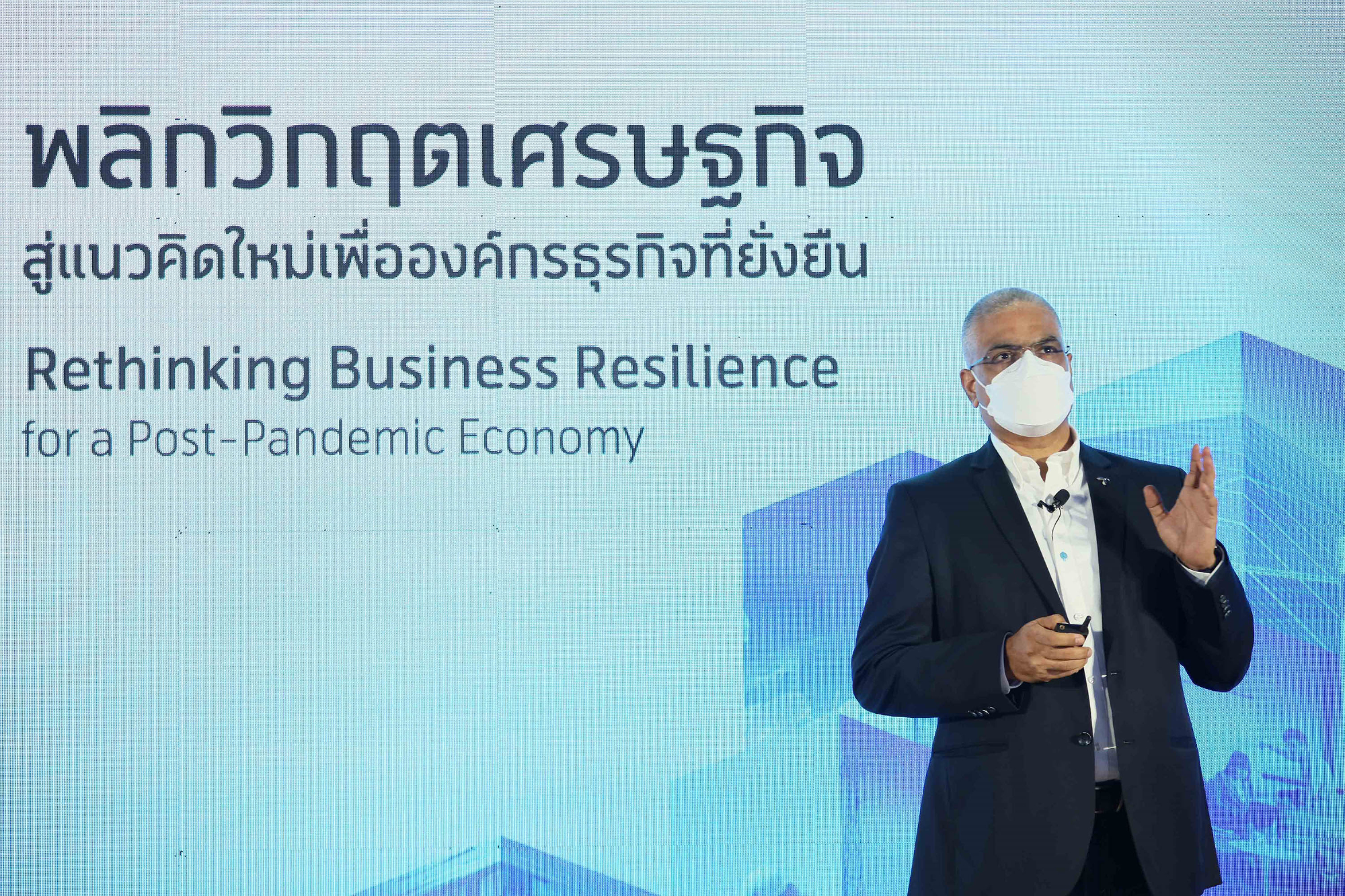
Dtac unveiled three megatrends in the post-pandemic economy – a critical need for scale and efficiency, the threat of a widening digital divide, and the growing impact of climate change on supply chain sustainability. In response, the company announced its strategy to rethink business resilience and commit to responsible business practices.

Sharad Mehrotra, chief executive officer of Total Access Communication Plc or dtac, said in the dtac Responsible Business virtual forum 2021 that, “The COVID-19 outbreak has proven how truly inspiring human resilience is, as we saw in the significant growth in the adoption of digital channels. But Thailand is now faced with the formidable challenge of rethinking business resilience for the post-pandemic economy. Businesses must be faster to change, less easily disrupted, and built on sustainable models that benefit all their stakeholders.”
Business resilience in post-pandemic lies within climate changeBusiness resilience in post-pandemic lies within climate change

MEGATRENDS AFFECTING BUSINESS RESILIENCE

Mr. Mehrotra shared three megatrends that the business sector must adapt to for greater resilience.

1st Megatrend: A critical need for scale and efficiency.

The pandemic has accelerated the need for businesses to seek economies of scale and a depth of expertise that can be difficult to develop without sufficient scale. This will reshape businesses across the region as seen in the potential merger between Malaysia’s Digi and Celcom, the IPO announcement for Singapore’s Grab and, in Thailand, Gulf Energy’s interest in entering the telecoms industry.

2nd Megatrend: The threat of a widening digital divide.

COVID-19 accelerated the adoption of digital channels, both for private and government services. This has been an extraordinary opportunity for businesses to build their resilience by developing always-on, touch-free channels that are unaffected by lockdowns. But it also threatens the livelihoods of brick-and-mortar shop owners and increases the risks of marginalizing people who are not digitally literate.

3rd Megatrend: The growing impact of climate change on supply chain sustainability.

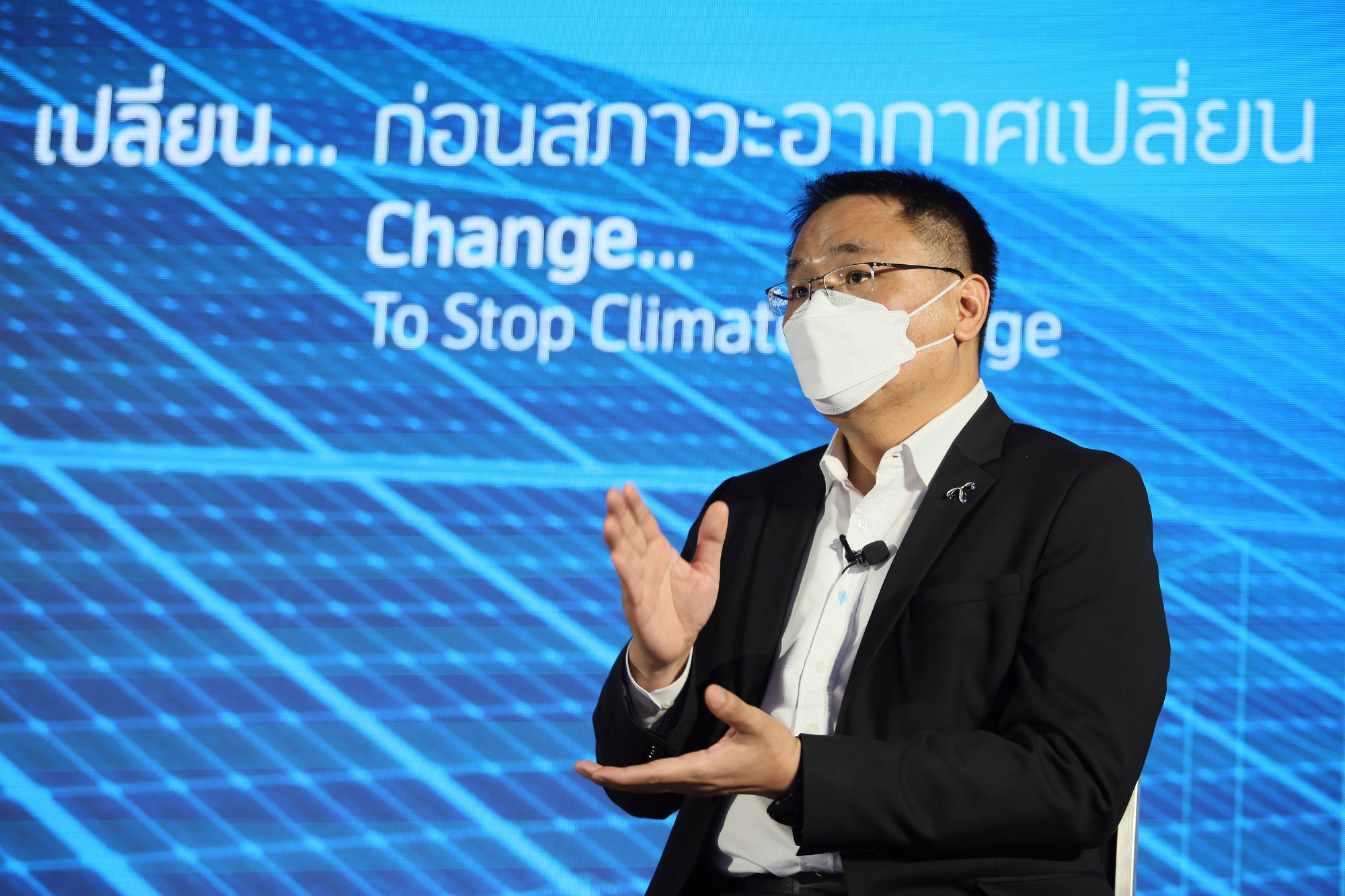
Aside from the COVID-19 crisis, Thailand has also been struggling with global warming. Climate change has already affected our fragile coastal and agricultural ecosystems. If preventive measures are not taken, the global supply chain may face a major disruption due to an extreme climate event, such as when the 2011 floods in Thailand led to a global shortage of hard drives for months.

Business resilience in post-pandemic lies within climate changeBusiness resilience in post-pandemic lies within climate change

A HOLISTIC PLAN FOR BUSINESS RESILIENCE

In response to these challenges, dtac has taken a holistic view of responsible business that brings together compliance, data privacy, supply chain sustainability, digital upskilling, climate change, human rights and the health and safety of our workers into one single platform for change. dtac recognizes the need to act in all these areas, but it has identified three focus areas most likely to impact resilience in the new normal.

1. Climate Change

According to the GSMA, the telecommunications sector accounts for roughly 4 percent of global electricity consumption. And telecommunications infrastructure continues to expand. In Thailand, the average annual expansion rate of the number of network sites is at 7 percent, which is about 3 percentage points higher than the global average. This reflects active attempts by local mobile operators to close the digital divide, increase digital adoption, and develop 5G.

COVID-19 has further increased Thailand’s mobile connectivity needs, with dtac customers’ average data usage reaching 20 GB per person. This will augment energy consumption in the network, which currently accounts for more than 97 percent of the dtac’s business operations’ energy needs.

In response, dtac has committed to cutting its greenhouse gas emissions in half by 2030 through alternative and renewable energy and by boosting energy efficiency in the network infrastructure and data center. dtac also collaborates across industries to develop IoT use cases, including smart water management and smart energy, which will enable other industries to reduce their greenhouse gas emissions. Moreover, dtac is committed to achieving zero landfill disposal of its solid and electronic waste by 2022, 80 percent of which comes from the network.

Prathet Takuranun, Chief Technology Officer at dtac, said, “Accessing alternative and renewable energy sources is challenging for mobile operators, as the patterns of energy usage in network infrastructure are structurally unique. But dtac’s goals to reduce greenhouse gas emissions are tangible and set clear indicators.”

1. Supply Chain Sustainability

Under social distancing, mobile connectivity plays a critical role in sustaining business activities. To provide uninterrupted mobile services under these circumstances, dtac thus improved the flexibility and resilience of its supply chain.

Tipayarat Kaewsringam, Chief Sales Officer at dtac, said, “dtac’s first priority is always uninterrupted mobile services. We’ve completely rethought our way of work, and 95 percent of our office and call center employees now embrace flexible work, rotating between home and office settings. Secondly, we redesigned our whole supply chain based on users’ mobility data to be much more localized, with an increased number of depots in the regions. Our third priority is digital acceleration among our customers and suppliers via digital channels.”

dtac also says the respect of human rights in supply chains promotes resilience by reducing risk. For dtac, there are two focus areas. One is the data protection rights of customers, the other is health and safety for employees and suppliers. The company is committed to zero incident, which aims to eliminate injury and fatal injury in dtac’s supply chain.

1. Data privacy

With accelerating digital transformation due to the pandemic, there are rising public concerns around the issue of privacy and personal data protection. This factor increasingly impacts how consumers choose a product or service. In a Cisco 2020 privacy survey, 48 percent of respondents said they do not feel they can adequately protect their data, the main reason being that they lack clarity on how companies use their data. dtac has responded with strict internal policies that govern how it uses personal data, in line with the European Union’s General Data Protection Regulation (GDPR) and Thailand’s Personal Data Protection Act (PDPA).

Marcus Adaktusson, Chief Corporate Affairs Officer at dtac, said, “Companies are heavily reliant on data to build new products and services. As such, dtac welcomes the implementation of a national framework around personal data usage by businesses. Its success will hinge on the clarity around its key provisions and the consistency of its application across all sectors. If the standards and expectations are well defined, it will also support a better understanding from consumers as to how their data is used.”

Published : May 27, 2021
With its purchase of MGM, Amazon supersizes its Hollywood ambitions #SootinClaimon.Com

#SootinClaimon.Com : ขอบคุณแหล่งข้อมูล : หนังสือพิมพ์ The Nation.

https://www.nationthailand.com/business/40001343

With its purchase of MGM, Amazon supersizes its Hollywood ambitions


Across several decades of Hollywood filmgoing, “RoboCop,” James Bond and “Legally Blonde” have become some of the most beloved titles on the big screen. Could they also be the centerpiece of a new empire?

With its purchase of MGM, Amazon supersizes its Hollywood ambitions

On Wednesday, the wealthy tech giant Amazon announced it will buy the owner of those properties, the embattled studio MGM, for $8.45 billion. It is a move that aims to create a new power player in Hollywood with a raft of big-budget entertainment built around existing fan favorites, marketed to a large customer base and bankrolled by one of the world’s richest companies.

“MGM has a vast, deep catalogue of much beloved intellectual property,” Amazon chief executive Jeff Bezos told shareholders at the company’s annual meeting. “We can reimagine and develop that IP for the 21st century.”

But such an expansion will be neither easy to pull off nor without consequence across the worlds of film and television, as unwinding existing deals is legally and logistically thorny, and building new franchises out of whole cloth traditionally a matter of experience and luck more than desire or money.

And with a primary way of reaching consumers via small screens instead of the more big-budget – and big-profit – venue of movie theaters, it remains unclear how Amazon will retail its new offerings to an inundated consumer audience. (Bezos owns The Washington Post.)

With its signature roaring lion, MGM is the 97-year-old studio behind “Gone With the Wind,” “Gaslight” and “The Wizard of Oz.” But it fell on financial hard times in the 1970s and has seen a series of comebacks and setbacks in the nearly half-century since.

The Amazon deal ends a dozen years of ownership uncertainty for the studio, whose owners are a handful of hedge funds and investment groups, notably the New York-based Anchorage Capital. As far back as 2009 it has been eyed for acquisition by a number of Hollywood players, including Warner Bros. and Rupert Murdoch’s Twentieth Century Fox, before entering into and emerging from bankruptcy – then becoming the frequent subject of acquisition rumors again.

Despite owning high-end properties, MGM has mostly been forced to sit out Hollywood’s golden age of franchising. While other companies have created a galaxy of new TV shows and movies around age-old entertainment, MGM has had to sell off rights to other studios or simply let them sit unused.

Amazon’s purchase seeks to change that.

“Ever since Kirk Kerkorian made MGM his personal piggy bank, the studio has been an underfunded also-ran in the studio business, passed around like yesterday’s spoiled fish from one financial buyer to another,” said Lloyd Greif, a Los Angeles based investment banker at Greif & Co, referring to the late deal kingpin who bought and sold MGM three times. “Imagine what you could do with the lion’s film and TV rights if you actually had a deep pocket to bankroll it – and you’d be hard-pressed to find a deeper deep pocket than Amazon.”

With more than 200 million members of its Prime service to target on a streaming platform and plenty of resources to hire talent, Amazon already has several key elements to succeed in a new Hollywood. Now it has a crucial next ingredient: brand names.

Mike Hopkins, Amazon’s senior vice president of Prime Video and Amazon Studios, noted a “plan to reimagine and develop” many of its held properties. “It’s very exciting and provides so many opportunities for high-quality storytelling.”

The deal offers shades of Disney’s acquisition of Marvel in 2009 for $4 billion – another purchase of a beloved but underutilized collection of properties by a deep-pocketed owner with big ambitions. In that case, the gamble paid off: Under Disney, Marvel has had three of the eight top-grossing films worldwide of all time.

The results of the Amazon-MGM combination could follow along the lines of what other Hollywood companies that already own brand-name properties, such as Paramount and Warner Bros., are currently doing, which is mining their catalogues for new shows on streaming and movie reboots.

Across Hollywood on Wednesday, many agents and managers were volleying ideas, from a “Blofeld” film or show that would do for the Bond villain what Warner Bros. did with “The Joker,” to a remake of “Legally Blonde” with a more diverse cast.

But figuring out which of those properties to tap, how to tap them and maybe most important who will do the tapping will be key questions. Experts note that simply owning the properties is very different from turning them into billion-dollar waterfalls.

“If he [Bezos] hires the equivalent of Kevin Feige or Kathleen Kennedy, he might have success,” said Michael Pachter, managing director of equity research for the analysis firm Wedbush Securities, referring to the creative heads of Marvel and Lucasfilm at Disney.

“The fact that I can name those people tells you how hard it is to manage IP like that,” he said.

The combined company has at once a logjam and a vacuum among its executive ranks.

Under Hopkins is Jennifer Salke, an NBC veteran who currently runs Amazon Studios. The film side of MGM is run by Michael De Luca, a veteran producer and veteran of the studio New Line. It is unlikely both will stay. But many Hollywood veterans say a new, splashy hire could be made alongside or above whoever remains to manage the big properties.

Rights remain another obstacle. Because MGM has spent years more as a licensor and partner than a top producer and distributor, it means it could be tricky to reclaim the big brand names, either with payouts or simply by waiting.

Its “Rocky” franchise, for instance, was extended with several “Creed” films at Warner Bros., while Tim Burton is currently working on an “Addams Family” show at Netflix. Analysts say Amazon won’t be able to reap the benefits from some of the MGM properties for years, if at all.

The biggest of these is James Bond, which MGM is most associated with but does not easily control.

While Amazon will acquire the rights to distribute and finance future Bond titles, the franchise is owned and tightly overseen creatively by an outside company, Eon Productions, run by the Broccoli producing family. That makes any planned spinoffs subject to outside approval.

The $8.45 billion price for the new deal is several billion dollars higher than many analysts thought MGM was worth. It will only be the beginning of the expenditures. Most action-adventure movies cost $200 million to produce, while one season of comparable TV show can climb as high as $100 million, as it did for “The Mandalorian,” Disney’s successful extension of the Star Wars universe into a TV series on its Disney Plus platform.

Amazon has for the past several years been aggressive on the television side, spending notably to create its own content. But it has sometimes struggled to find its place in the television firmament, with scattered hits such as “Transparent” and “Fleabag,” but not a consistent roster of successes. One of the company’s better-known properties became famous for reasons other than creative results – a “Lord of the Rings” TV series that has made headlines for costing a reported $465 million for one season.

Amazon’s film business has for the most part been small- or medium-budget productions and a number of festival acquisitions; the latter has had the occasional hit, such as “Manchester by the Sea,” offset by a number of pricey flops.

Without a large standing studio machine, the company has recently gone on a spending spree to buy one-off titles from other studios that might help the effort – paying $125 million for “Coming 2 America” from Paramount, for instance, a film which relied heavily on popular IP from decades ago.

That film performed extremely well on Amazon Prime this spring, said a person with knowledge of the unreleased numbers who spoke on the condition of anonymity because they were not authorized to talk about them publicly, and may have even further justified Amazon’s interest in beefing up classic IP.

Amazon’s MGM purchase will make such future buys from other studios unnecessary, depriving traditional companies of a kind of streaming bailout Amazon and Netflix have sometimes provided.

The acquisition’s consequences will reverberate through in the industry in other ways: by shutting off a pipeline not just of dollars but of content.

MGM has been a major supplier of unscripted TV shows ranging from “Survivor” to “Shark Tank” to “The Voice.” (Reality super-producer Mark Burnett is an executive at MGM after selling the majority of his company to the studio in 2014.)

“This is going to create existential challenges for all the companies that relied on Burnett because a lot of these shows will go internal,” said Rich Greenfield, a media and tech analyst at research firm LightShed Partners. Other shows, such as “The Handmaid’s Tale” and “Fargo,” both in the Disney corporate universe, will also be off the table.

As a result of these implications, the deal will also have to survive regulatory scrutiny and pushback from consumer groups, who will object to the scale of the new effort.

Maybe most important, however, is whether the new combined company can find a way to attract and placate talent.

Many firms with roots in other worlds have failed in Hollywood, as the incoming firm lacks the finesse to manage the delicate relationships in the business. It was a phenomenon on display last week as AT&T, which arrived in Hollywood with grand ambitions when it purchased many Warner Bros. assets in 2018, meekly exited.

“Entertainment companies are based on the care and nurturing of creative talent,” said a person who represents some of the biggest names in Hollywood, asking for anonymity so as not to jeopardize business relationships. “Buying an entertainment company is like buying a panda. You take them home and wonder why they aren’t mating.”

Published : May 27, 2021

By : The Washington Post · Steven Zeitchik

Tesla phases out radar sensors, shifts to camera-based autopilot #SootinClaimon.Com

#SootinClaimon.Com : ขอบคุณแหล่งข้อมูล : หนังสือพิมพ์ The Nation.

https://www.nationthailand.com/business/40001340

Tesla phases out radar sensors, shifts to camera-based autopilot


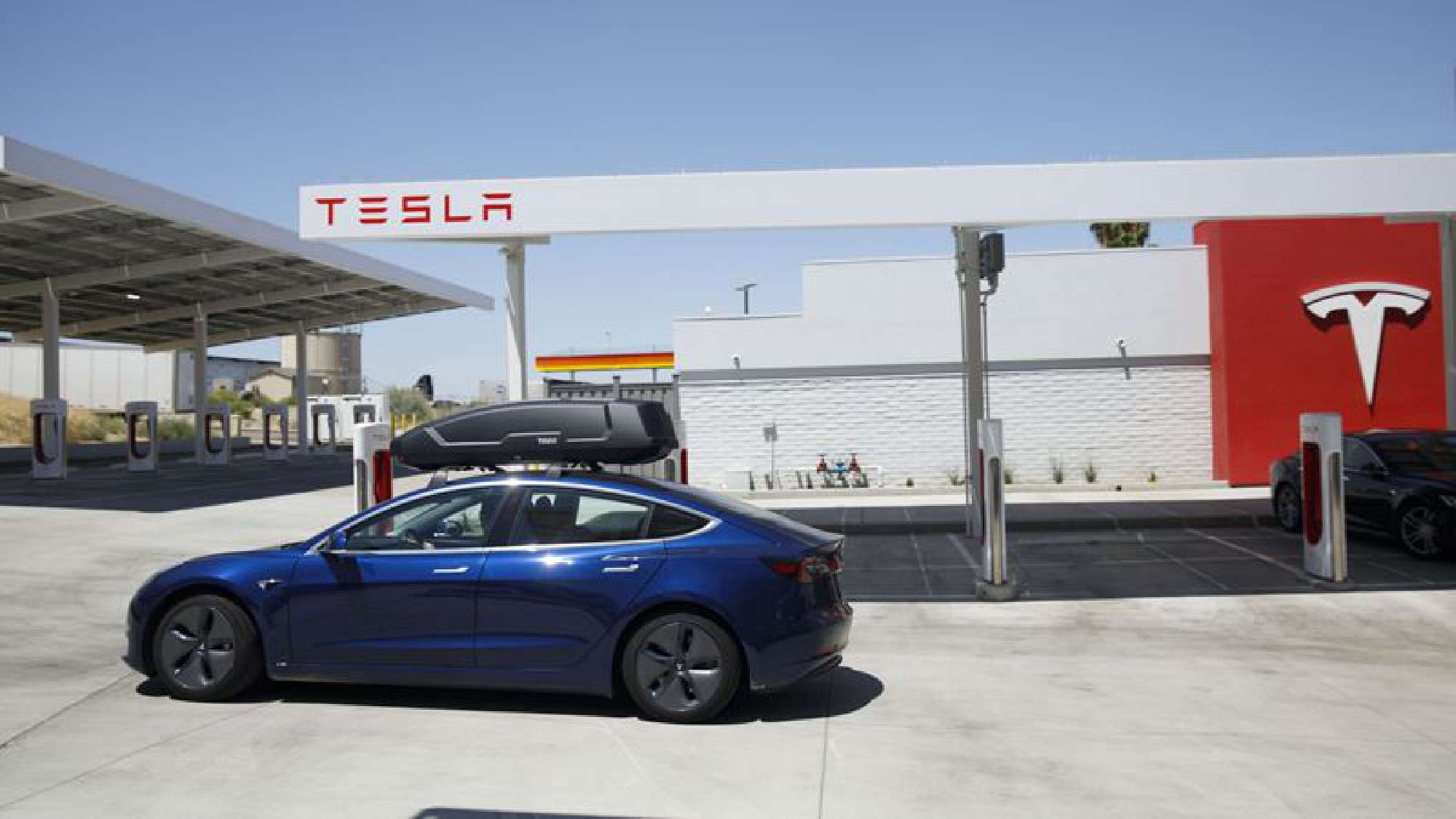
Tesla updated its website Tuesday to announce that Model 3 and Model Y cars built for North America and shipping this month will no longer be equipped with radar.

Tesla phases out radar sensors, shifts to camera-based autopilot

On Tesla’s earnings call last month, Chief Executive Officer Elon Musk called radar one of the last “crutches” the electric vehicle maker wants to do away with in its pursuit of full autonomy, which has proven elusive so far. Musk has been famously opposed to lidar technology, which uses pulses of laser light to detect objects. He’s since soured on radar, which uses radio waves to do the same thing. Tesla’s sensor suite previously relied on radar as well as eight cameras.

“We are continuing the transition to Tesla Vision, our camera-based Autopilot system,” says the company’s website. “Beginning with deliveries in May 2021, Model 3 and Model Y vehicles built for the North American market will no longer be equipped with radar. Instead, these will be the first Tesla vehicles to rely on camera vision and neural net processing to deliver Autopilot, Full-Self Driving and certain active safety features.”

The move comes as Tesla’s driver-assistance feature known as Autopilot appears to be under growing regulatory scrutiny in the U.S. The National Highway Traffic Safety Administration, or NHTSA, as well as the National Transportation Safety Board, launched investigations into a fatal and fiery Texas crash that killed two men in April. A preliminary report by the NTSB said the Tesla owner was initially driving the car.

On May 5, a Tesla Model 3 crashed into an overturned tractor trailer at 2:35 a.m. in Fontana, in southern California, and the driver was killed. NHTSA as well as the California Highway Patrol’s Multidisciplinary Accident Investigation Team are still investigating that crash.

“To clarify, there has not been a final determination made as to what driving mode the Tesla was in or if it was a contributing factor to the crash,” the CHP said in a statement May 14.

While Musk has said for several years he believes Tesla is on the verge of delivering Level 5 autonomy — meaning its cars won’t require human intervention — drivers have needed to keep their hands on the wheel when using Autopilot. Tesla raised more than $2 billion two years ago after Musk made several predictions about robotaxis that didn’t materialize. Many Tesla customers who have Autopilot say that the features get better over time as the company rolls out new software updates.

Late Tuesday, Musk tweeted about the latest changes and updates to come.

Published : May 27, 2021

By : Syndication Washington Post, Bloomberg · Dana Hull

Ford boosts electric-vehicle spending to $30 billion by 2025 #SootinClaimon.Com

#SootinClaimon.Com : ขอบคุณแหล่งข้อมูล : หนังสือพิมพ์ The Nation.

https://www.nationthailand.com/business/40001334

Ford boosts electric-vehicle spending to $30 billion by 2025


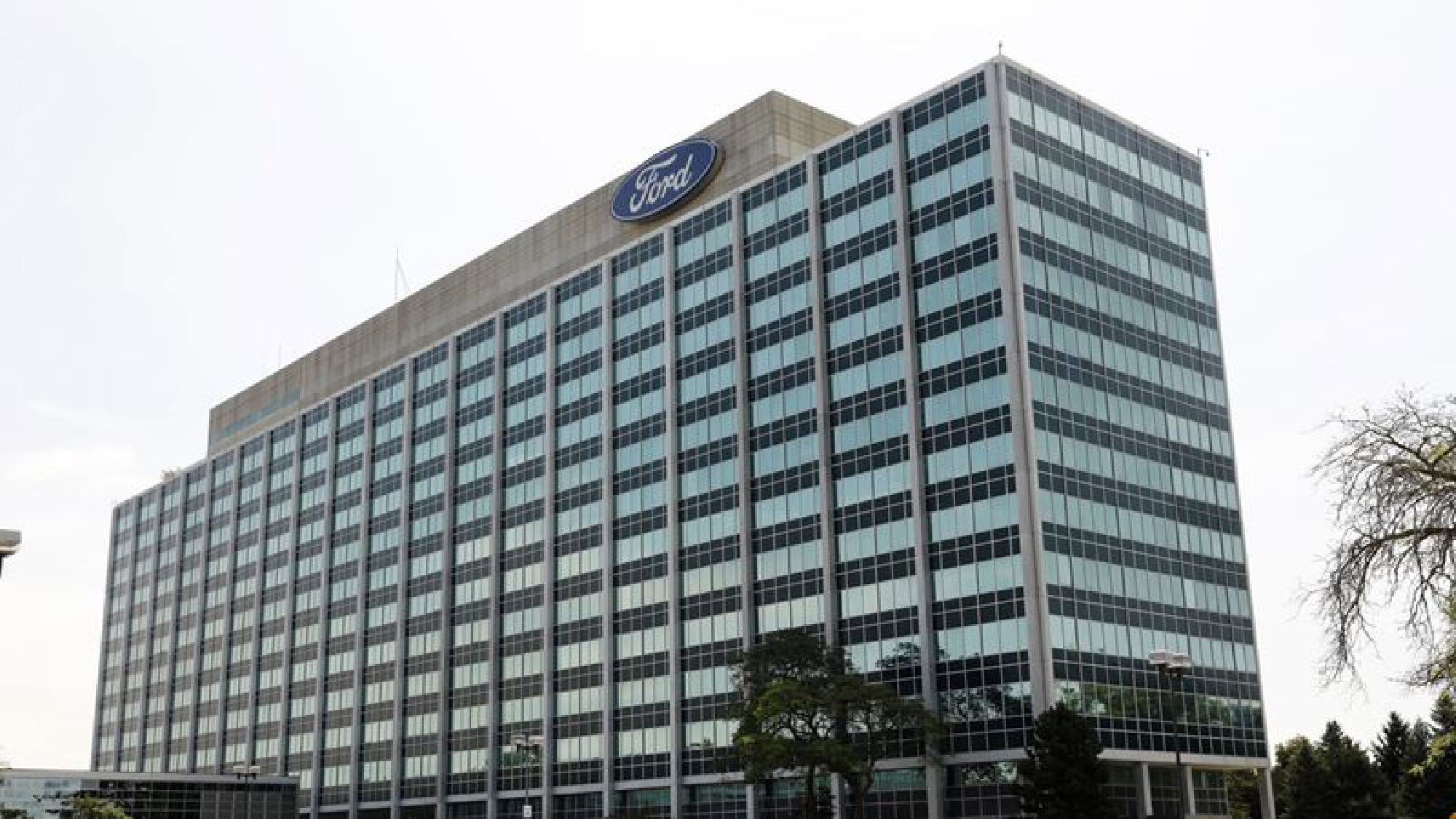
Ford shares reached a five-year high after the automaker said its boosting spending on electric vehicles by at least 36% to $30 billion over the next four years and said that by the decades end, four out of 10 models it sells will be battery-powered.

Ford boosts electric-vehicle spending to $30 billion by 2025

The investment includes creating a range of batteries the carmaker is calling IonBoost and the development of solid-state batteries that are seen as the next breakthrough to lower prices and extend driving range on a single charge, Ford said in a statement Wednesday.

The announcement ahead of the company’s Capital Markets Day meeting with investors helped push up Ford shares as much as 7.7% to $13.79, the highest level since July 2016. The stock had already risen about 46% this year through Tuesday’s close.

“This is our biggest opportunity for growth and value creation since Henry Ford started to scale the Model T, and we’re grabbing it with both hands,” Chief Executive Officer Jim Farley said in the statement.

“In recent years, our financial performance hasn’t been at an acceptable level,” Farley said later at the event. “We’re running a much tighter ship.”

Ford also is creating a commercial-vehicles service and distribution business to be known as Ford Pro to generate a recurring revenue stream. Moving away from a single-transaction business model — where all revenue comes from the sale of a car — will help the automaker realize an 8% operating margin by 2023, it said.

The automaker said its new commercial business will include digital and physical services, as well as creating a charging network of public, depot and home plug-in stations. It named Ted Cannis CEO of the new Ford Pro unit. He had previously been North American general manager of Ford’s commercial business.

Ford’s latest moves come after its splashy introduction last week of its electric F-150 Lightning pickup, which included a visit and drive by President Joe Biden.

The company also announced a deal May 20 to join forces with South Korea’s SK Innovation Co. to build EV batteries at two U.S. plants. Ford predicted it will need 10 factories for those power sources by 2030 and said it plans to form additional alliances with other battery makers.

Farley is under pressure to detail a vision for an all-electric future that rivals the bold goal set by General Motors Co. CEO Mary Barra to ditch internal combustion engines by 2035.

Published : May 27, 2021

By : Syndication Washington Post, Bloomberg · Keith Naughton

SCB receives accolade at the sixth Asia Sustainability Report Award #SootinClaimon.Com

#SootinClaimon.Com : ขอบคุณแหล่งข้อมูล : หนังสือพิมพ์ The Nation.

https://www.nationthailand.com/business/40001276

SCB receives accolade at the sixth Asia Sustainability Report Award


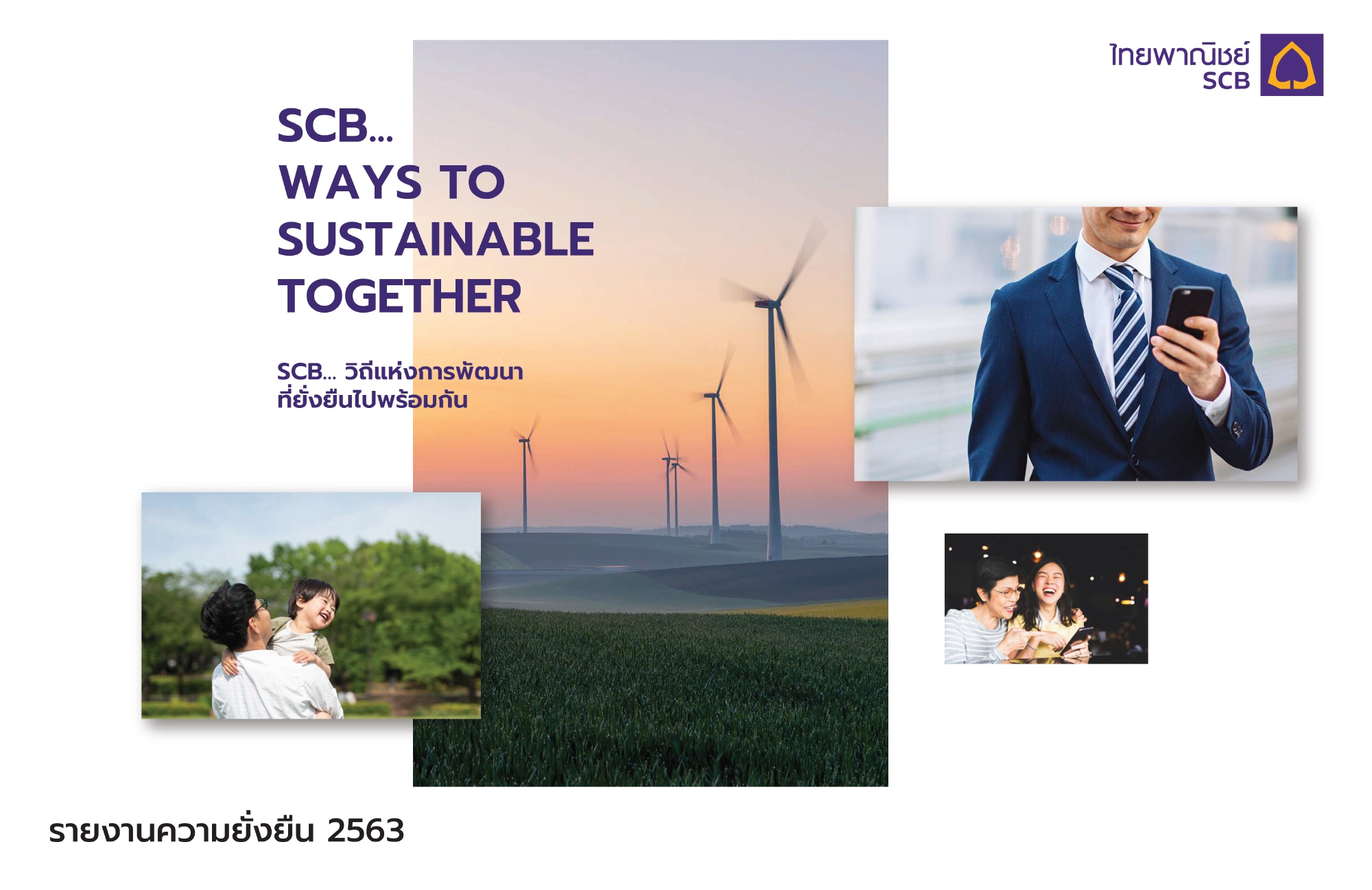
The sixth Asia Sustainability Reporting Awards (ASRA) program, the most prestigious international award for corporate reporting, recently presented Siam Commercial Bank (SCB) with a bronze award for Asias Best Sustainability Report in the Stand-alone category.

SCB receives accolade at the sixth Asia Sustainability Report Award

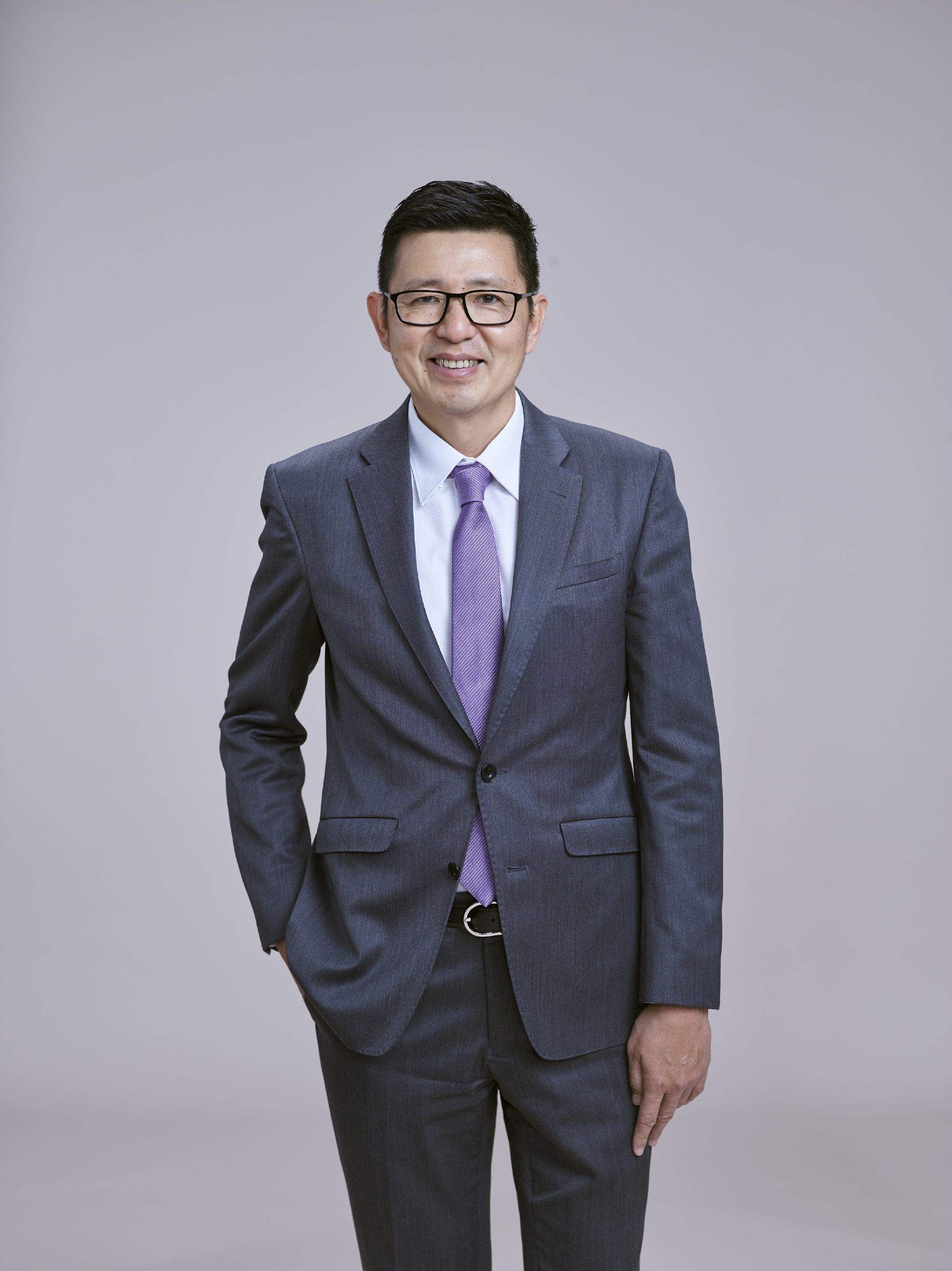
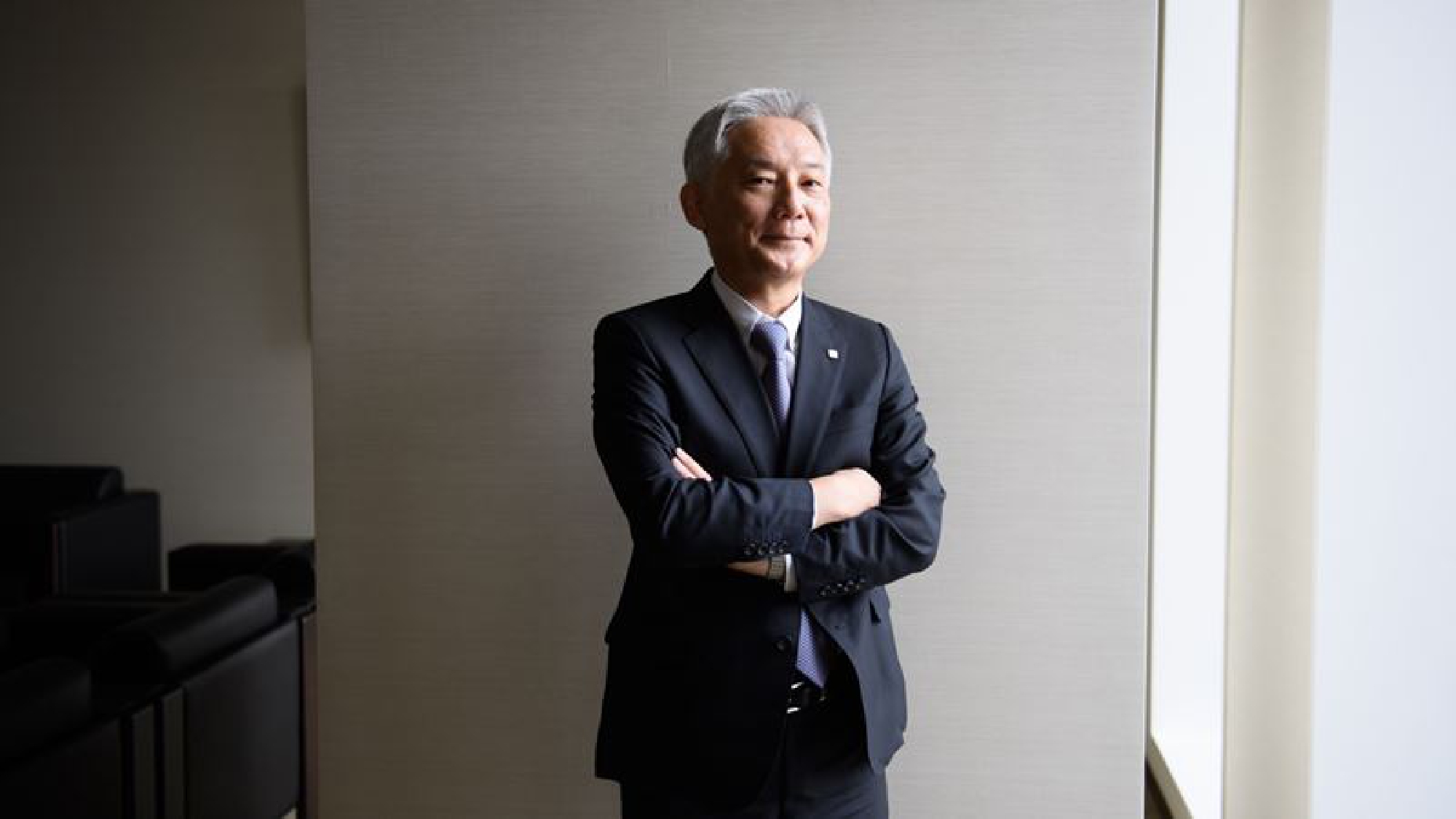
In receiving the award, SCB Senior Executive Vice President and Chief Strategy Officer Mr. Sathian Leowarin noted that, “SCB submitted its Sustainability Report for the ASRA prize for the first time in 2019. The Bank is thrilled to win the Bronze Award for Asia’s Best Sustainability Report – Stand-alone at the sixth Asia Sustainability Reporting Awards (ASRA). SCB’s Sustainability Report was published in accordance with the Global Reporting Initiative (GRI), detailing its sustainability strategy and commitments, engagement with stakeholders, and progress of its management of significant sustainability issues. The report not only communicated the Bank’s performance against its commitment or goals to shareholders and investors, but also served as a medium to build trust between the Bank and its customers, business partners, and stakeholders by making them aware that the Bank is committed to operating a sustainable business.”

Mr. Sathian Leowarin SCB Senior Executive Vice President and Chief Strategy Officer Mr. Sathian Leowarin SCB Senior Executive Vice President and Chief Strategy OfficerMr. Sathian added that SCB constantly implements sustainability management strategies and prepares related reports in order to provide long-term added value for shareholders and share benefits with stakeholders. Specifically, the 2020 Sustainability Report which will similarly be submitted for the 7th ASRA was converted from a printed to digital version, seeking to adjust to the way people are increasingly relying on technology and smart devices for news and information. This also demonstrates the Bank’s efforts to reduce the use of resources in accordance with sustainability guidelines. SCB is Thailand’s first bank, and one of Thailand’s first companies, to publish sustainability report in a digital format.


“SCB recognizes its role as a partner in the development and maintenance of economic, social, and environmental balance in the long run. Therefore, sustainability has been established as part of our corporate strategy. The financial and banking business plays an important role in driving sustainable development, mobilizing funds and allocating resources to economic and social sectors. The Bank aims to promote sustainable financial services based on social and environmental responsibility, and accelerate growth by supporting all sectors in transitioning to a “Low-Carbon Economy” together, including the enhancement of social equality that will lead to inclusive growth,” he concluded.

Mr. Rajesh Chhabara, Managing Director of CSRWorks International and the Founder of ASRA, said, “SCB’s Sustainability Report shows exceptional leadership in transparent reporting of its sustainability performance and reflects its readiness for a resilient future.”

SCB’s Sustainability Report is one among 494 entries received from 17 countries across 19 award categories. The committee selected 102 companies from 14 countries as finalists, with 40 companies winning awards. The sustainability reporting awards are presented for reports that stand out by demonstrating a clear strategy, meaningful leadership commitment, stakeholder engagement, and materiality disclosure. The report also describes practices, performance and outcomes on issues that reflect the business’s most significant impacts on society and the environment and the interests and expectations of stakeholders. 

Published : May 25, 2021

A Japanese paper company wants to make a wooden rival to car batteries #SootinClaimon.Com

#SootinClaimon.Com : ขอบคุณแหล่งข้อมูล : หนังสือพิมพ์ The Nation.

https://www.nationthailand.com/business/40001182

A Japanese paper company wants to make a wooden rival to car batteries


Its a potential leap in technology that most scientists remain skeptical about, but which a Japanese paper producer is determined to pursue: using trees to develop a successor to lithium-ion batteries for electric cars.

A Japanese paper company wants to make a wooden rival to car batteries

Nippon Paper Industries Co. is targeting new breakthroughs in the use of cellulose nanofibers – materials produced by refining wood pulp to the size of hundredths of a micron or smaller, and currently used in products like diapers or food additives – with the aim of creating supercapacitors that could store and release energy with vastly improved performance, and less environmental impact, than existing batteries.

“We must move faster in working with other companies to find practical uses,” Toru Nozawa, Nippon Paper’s chief executive officer, said in an interview. Cellulose nanofiber, or CNF, based-supercapacitors could “be applied for areas where lithium-ion batteries are used, such as cars and smartphones.” The firm aims to have a pilot energy storage system ready for demonstration at the World Expo in Osaka in 2025, and to fully commercialize the technology by a decade later.

Supercapacitors hold massless electrons in an electric field, while batteries store energy in chemical form. The differences mean that the former are ideal for delivering short and intense bursts of power – like the pop of a camera flash – but have only a fraction of the storage capacity of a lithium-ion battery.

For decades that’s meant supercapacitors have taken a role in niche applications, used in memory back-up systems for laptops, pitch control for wind turbine motors, or in regenerative-braking for some hybrid and plug-in vehicles. They’ve also held out the long unrealized promise of an energy storage system with dramatically shorter recharging times, fewer safety risks and zero reliance on pricey metals like cobalt or nickel.

“There are lots of opportunities for supercapacitors to continue to grow as a technology, but they are in a completely different technology segment versus batteries,” said Sam Jaffe, managing director at Boulder, Colorado-based Cairn Energy Research Advisors, an industry consultant. “Supercapacitors are not and never will be a competitor to lithium-ion batteries.”

There’s also a challenge from enhancements to existing lithium-ion batteries, which have routinely provided good energy storage capacity, but have previously found slow recharging a limitation. Now, some battery technologies offers 30 minute charging times, and companies including Volkswagen are aiming to cut that duration to about 12 minutes, said BloombergNEF analyst James Frith.

Proponents of supercapacitors insist there’s value in persevering. Energy density is already improving, and the components can take another major step forward by using CNFs, said Mikio Fukuhara, a research fellow at Tohoku University who has collaborated with Nippon Paper.

In a paper published in March in the journal Nature, a team of scientists including Fukuhara offered evidence that supercapacitors using CNFs could be used to store large amounts of electricity and have potential suitability for handheld electronics, transportation and for the storage of renewable energy.

Early use cases would be devices using low voltages, such as smartphones or smartwatches, Fukuhara said by phone. Deploying the supercapacitors in electric vehicles would be the “ultimate application,” and requires another set of advances, in part because the cars use higher voltages. “I am confident it will replace lithium-ion batteries in future, and become a deciding factor in the effort to save the environment,” he said. “It will be another industrial revolution.”

Competitors working on other projects to develop better supercapacitors are also confident. “Once the development is complete, the technology will be used in enhancing the capacity and lifespan of electric vehicles and energy storage systems,” said Yoo Seung Joon, a professor at South Korea’s Gwangju Institute of Science and Technology’s Organic Electrochemistry and Energy Materials Laboratory.

Nippon Paper is also seeking opportunities to lift supply of materials to existing battery manufacturers, while it continues to develop the rival technology. The company has added at least one leading producer as a customer and is also considering plans to establish supply hubs in growing markets like Europe, Nozawa said in the Monday interview.

“There’s no doubt that the shift to electric vehicles will accelerate,” he said. “We have to tap into the flow.”

Published : May 23, 2021

By : Syndication Washington Post, Bloomberg · Shiho Takezawa, Grace Huang

Thailand and Germany join hands to provide alcohol gel to healthcare workers during the COVID-19 crisis #SootinClaimon.Com

#SootinClaimon.Com : ขอบคุณแหล่งข้อมูล : หนังสือพิมพ์ The Nation.

https://www.nationthailand.com/business/40001106

Thailand and Germany join hands to provide alcohol gel to healthcare workers during the COVID-19 crisis
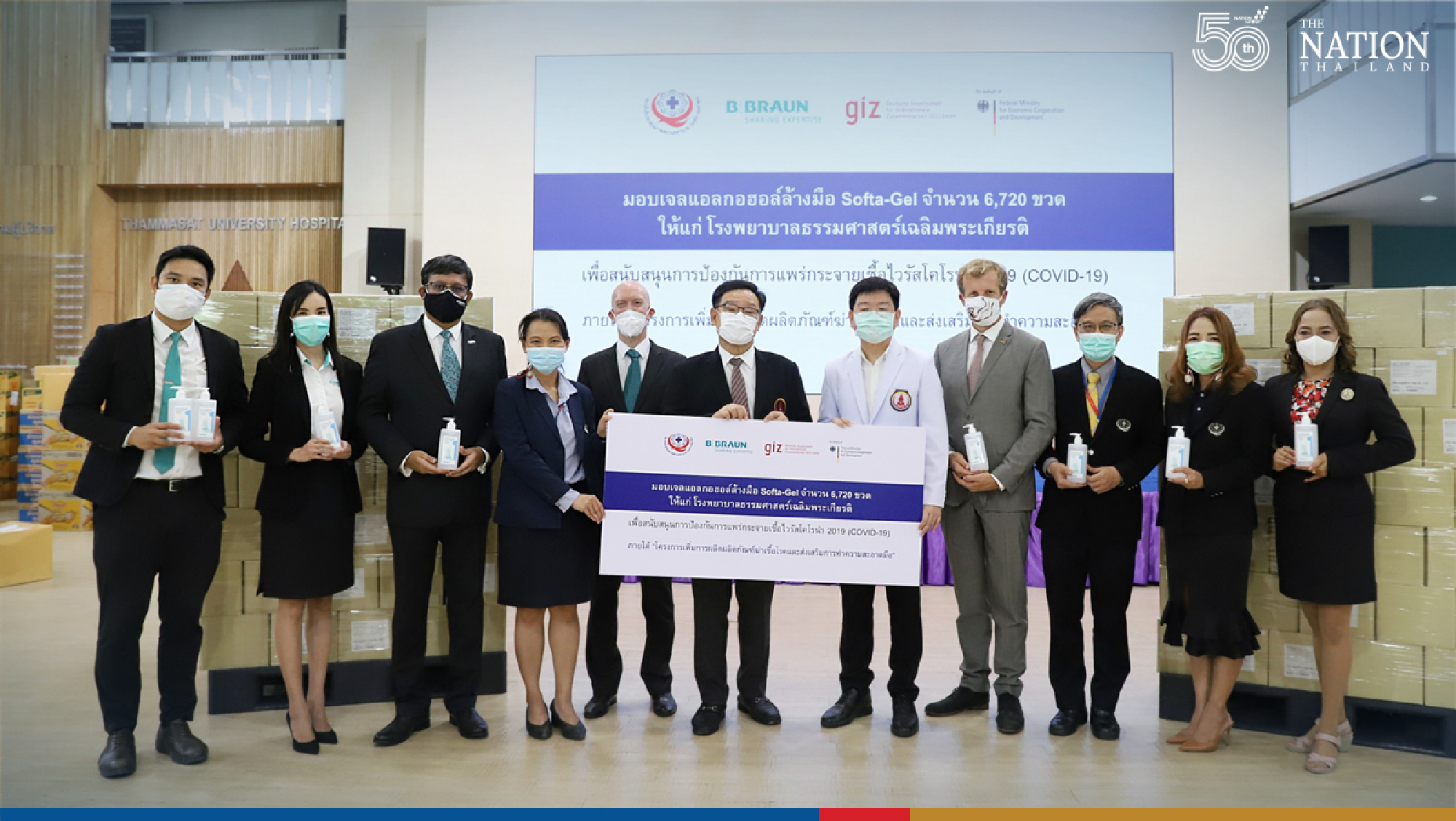

20 May 2021 / Bangkok – Dr. Kittinan Anakamanee MD., CEO of the Healthcare Accreditation Institute of Thailand (Public Organization) – HAI, together with Mr. Sayan Roy, Managing Director of B. Braun (Thailand) Co., Ltd. and Mr. Reinhold Elges, Country Director of GIZ Thailand and Malaysia recently handed over 6,720 bottles of alcohol-based hand sanitizer to healthcare workers at the Thammasat University Hospital.

Thailand and Germany join hands to provide alcohol gel to healthcare workers during the COVID-19 crisis

This activity is implemented as part of the COVID-19 DPP Measure: Upscaling Sanitizing Production in Thailand and Promoting Hand Hygiene project. Thammasat University Hospital director Paruhas Tor-Udom was on hand to receive the hand sanitizers.

The donation of hand sanitizer aims to support the work of the healthcare and public health personnel in dealing with the COVID-19 pandemic and to reduce the risk of spreading the virus in hospitals. It is also meant to show moral support and gratitude to the healthcare and public health personnel as well as all relevant departments for their dedication in working for the people to get Thailand through this crisis as quickly as possible.

“The new wave of COVID-19 is hitting us harder than the first wave. The number of COVID-19 infections has risen significantly. Healthcare workers have been working hard combatting the coronavirus outbreak on the frontline and that puts them at the highest risk. We are therefore delighted to join forces with GIZ and B. Braun (Thailand) Co., Ltd to provide high-quality alcohol-based hand sanitizer to 62 hospitals and healthcare facilities in COVID-19 red zones across Thailand. In addition, HAI has jointly designed e-leaning on proper hand cleaning and the use of personal protective equipment, or PPE, to prevent the spread of COVID-19 and ensure the safety of patients and healthcare workers including village health volunteers,” said Dr. Kittinan Anakamanee MD., CEO of the Healthcare Accreditation Institute of Thailand (Public Organization) – HAI.

Thailand and Germany join hands to provide alcohol gel to healthcare workers during the COVID-19 crisisThailand and Germany join hands to provide alcohol gel to healthcare workers during the COVID-19 crisis

Mr. Sayan Roy, Managing Director of B. Braun (Thailand) Co., Ltd. said: “With the pandemic continuing, we at B Braun (Thailand) Co., Ltd. are supporting the communities and the healthcare workers by providing them with our quality product, SOFTA-GEL alcohol hand rub, which has been tested according to global testing standards, namely EN14476 efficacy against developed viruses, which include Coronavirus, EN1500 recommended by World Health Organization (WHO) and EN1276 in line with the recommendation of the Department of Medical Sciences, Ministry of Public Health. With support from the German Federal Ministry of Economic Cooperation and Development (BMZ), B. Braun (Thailand) Co., Ltd has been able to increase production capacity of alcohol hand sanitizer so as to have enough to meet the needs of the Thai people”.

Dr. Paruhas Tor-Udom, Director of the Thammasat University Hospital said, “Today, I would like to thank HAI, B. Braun and GIZ for donating SOFTA-GEL hand sanitizer to the Thammasat University Hospital.  In the midst of the COVID-19 pandemic, good hygiene is essential. Knowledge about health care and proper use of alcohol gel is also important for healthcare workers, patients and everyone in general. This donation will help increase the amount of alcohol gel for hospital use since we have more than 4,000 healthcare workers and patients per day. This will help reduce the spread of COVID-19 in the hospital.”

The project, which is being implemented through the cooperation between HAI, B Braun (Thailand) Co., Ltd., and GIZ also supports the fight against COVID-19 among Thais by encouraging them to regularly wash their hands properly, avoid crowded places and gathering, and wear a mask every time they leave the house. This is because hygiene care is very important and can help reduce the spread of the virus and infection.

Thailand and Germany join hands to provide alcohol gel to healthcare workers during the COVID-19 crisisThailand and Germany join hands to provide alcohol gel to healthcare workers during the COVID-19 crisis

Thailand and Germany join hands to provide alcohol gel to healthcare workers during the COVID-19 crisisThailand and Germany join hands to provide alcohol gel to healthcare workers during the COVID-19 crisis

To learn more about the project, click:

Published : May 21, 2021

By : The Nation

Huawei Calls for Closer Public-Private Sector Cooperation #SootinClaimon.Com

#SootinClaimon.Com : ขอบคุณแหล่งข้อมูล : หนังสือพิมพ์ The Nation.

https://www.nationthailand.com/business/40001025

Huawei Calls for Closer Public-Private Sector Cooperation


Huawei Calls for Closer Public-Private Sector Cooperation to Restore Trust in Technology to address the common challenges and risks that have emerged in the wake of the COVID-19 pandemic.

Huawei Calls for Closer Public-Private Sector Cooperation

The St. Gallen Symposium, an annual gathering of current and future leaders from across the globe, celebrated its 50th anniversary this year. At the event, 1,000 participants took part in the three-day cross-generational dialogue, joining from the University of St. Gallen campus, an international hub in Singapore, ten Swiss Embassies around the world, and elsewhere online.

Catherine Chen, Corporate Senior Vice President and BOD Member at Huawei, addressed the student-led initiative on the morning of May 7. Other top speakers from the private sector include Christophe Franz, BOD Chairman at Roche, Ola Källenius, Chairman of the Board of Management at Daimler, Satya Nadella, Chief Executive Officer of Microsoft, and Roshni Nadar Malhotra, Chief Executive Officer of HCL Corporation.

The participants, which also included political leaders, such as Austrian Chancellor Sebastian Kurz, and representatives of transnational organizations, like Chairwoman of the Swiss Digital Initiative Doris Leuthard, gathered to exchange their views on the theme of this year’s symposium, “Trust Matters”, something to which Huawei is deeply committed.

Chen believes this will require the joint efforts of policymakers, regulators, and the private sector.

“As more devices feature connectivity, more services go online, and more critical infrastructures rely on real-time data exchanges, so must governments worldwide ensure that everyone is protected by the highest security standards. Only a common set of rules can guarantee a level of security that creates trust in technology,” she said.

This year’s St. Gallen Symposium kicked off on May 5.

The event’s participants agreed that trust is inherently built on openness and transparency, and that it is time to take concrete, actionable steps to address the common challenges and risks that have emerged in the wake of the COVID-19 pandemic.

Public trust in political and economic institutions, emerging technologies, and the media has recently been eroded, especially among the younger generations, and this has been exacerbated by the COVID-19 pandemic.

“We, as members of the younger generation, are connected to a greater number of people through social media, but this does not correspond to a circle of people we can trust,” said Simon Zulliger, a member of the team of 35 students from the University of St. Gallen that organized this year’s symposium.

The team expressed their view that finding ways to preserve and strengthen trust is critical for a sustainable recovery.

Chen hoped that the next generation of leaders would build trust and shape a world of pervasive connectivity.

“I urge them to continue developing the positive relationships between communities, individuals, and their environments. We must build strong trust in technology, enabled by a common set of rules, innovations, and progress. Only then can we commit to the sustainable and trustworthy use of technology,” she said.

Published : May 18, 2021

B.Grimm Takes Stake in EEC-DT Joint Venture to Develop Eco-Friendly Systems #SootinClaimon.Com
#SootinClaimon.Com : ขอบคุณแหล่งข้อมูล : หนังสือพิมพ์ The Nation.

https://www.nationthailand.com/business/40001018

B.Grimm Takes Stake in EEC-DT Joint Venture to Develop Eco-Friendly Systems


(B.Grimm) has Takes Stake in Green Power Company Limited (EEC-DT) Green Power Joint Venture Holding Company Limited to Develop Eco-Friendly Utility Systems Internationally

B.Grimm Takes Stake in EEC-DT Joint Venture to Develop Eco-Friendly Systems

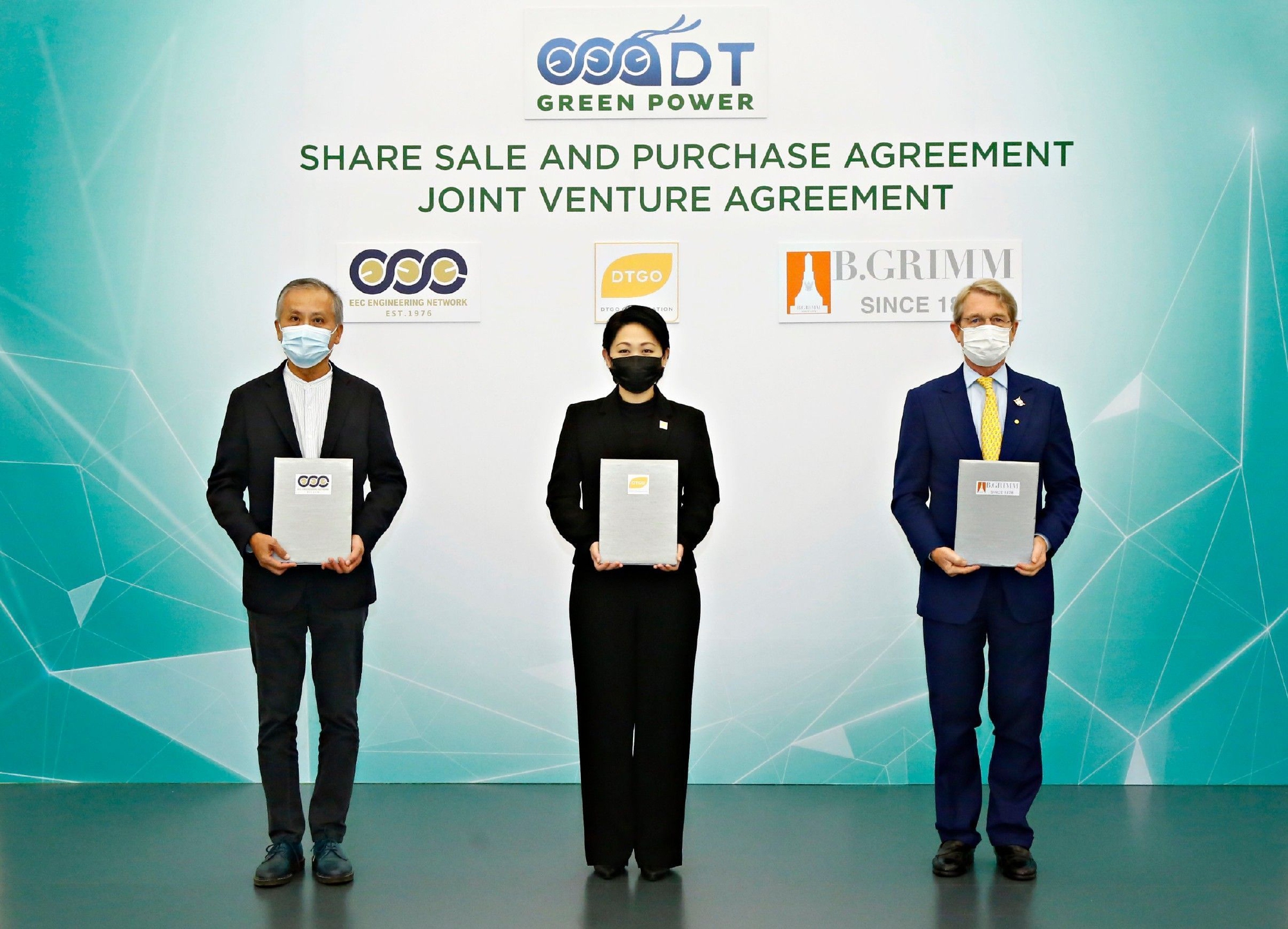
B.Grimm Joint Venture Holding Company Limited (B.Grimm) has taken a stake in the joint venture EEC-DT Green Power Company Limited (EEC-DT) to jointly develop eco-friendly utility systems internationally. B.Grimm has bought shares from the existing shareholders in EEC-DT, namely DTGO Corporation Limited (DTGO), EEC Engineering Network Co., Ltd., and Dr. Naree Phinyawatana. Shareholdings after the acquisition of this 30% stake are DTGO with 37%, B.Grimm Joint Venture Holding Company Limited with 30%, EEC Engineering Network with 25%, Dr. Naree Phinyawatana with 8%.

Dr. Harald Link, Chairman of B.Grimm, highlighted B.Grimm’s upcoming collaboration with EEC-DT as a vital step towards ensuring the sustainable development of Thailand: “B.Grimm is very pleased to partner with EEC-DT, who is the leader in engineering design and project development, to co-develop the Central District Utility System, an innovative concept that has not existed before in Thailand. This collaboration aims to develop future Smart City projects that provide healthy environments, energy efficiency, and convenience to consumers, marking a significant step in elevating the quality of life for the benefit of Thai society.”

B.Grimm Takes Stake in EEC-DT Joint Venture to Develop Eco-Friendly SystemsB.Grimm Takes Stake in EEC-DT Joint Venture to Develop Eco-Friendly Systems

Dr. Link further emphasized this project as a reminder of B.Grimm’s commitment to digital innovation in tandem with its corporate philosophy: “Our collaboration with EEC-DT aligns perfectly with B.Grimm’s growth strategy centered on digital technology and innovation. The project’s potential to encourage sustainable growth mirrors B.Grimm’s corporate philosophy to ‘Do business with compassion for the development of civilisation in harmony with nature’. B.Grimm’s industrial business epitomizes this philosophy by offering healthy and energy-efficient living solution comprising sustainable power generation, power optimization, energy-saving insulated facades, and highly-efficient air-conditioning and lighting systems. This is complemented by B.Grimm’s healthy indoor environment offering, which consists of a built-in pathogen removal system for PM2.5 and virus particles, a biometric access control system, and an IoT-based building management system. Together, these overarching solutions serve both building owners and tenants, allowing them to save on electricity fees while benefiting from a secure, hygienic environment, and ultimately reducing the carbon footprint of urban buildings.”

“Personally, I have a longstanding relationship with EEC and DTGO, which we believe will serve as an excellent foundation for our partnership and driver of future success. We are confident in this new joint venture, and we are committed to doing our utmost in ensuring a highly successful future together.”

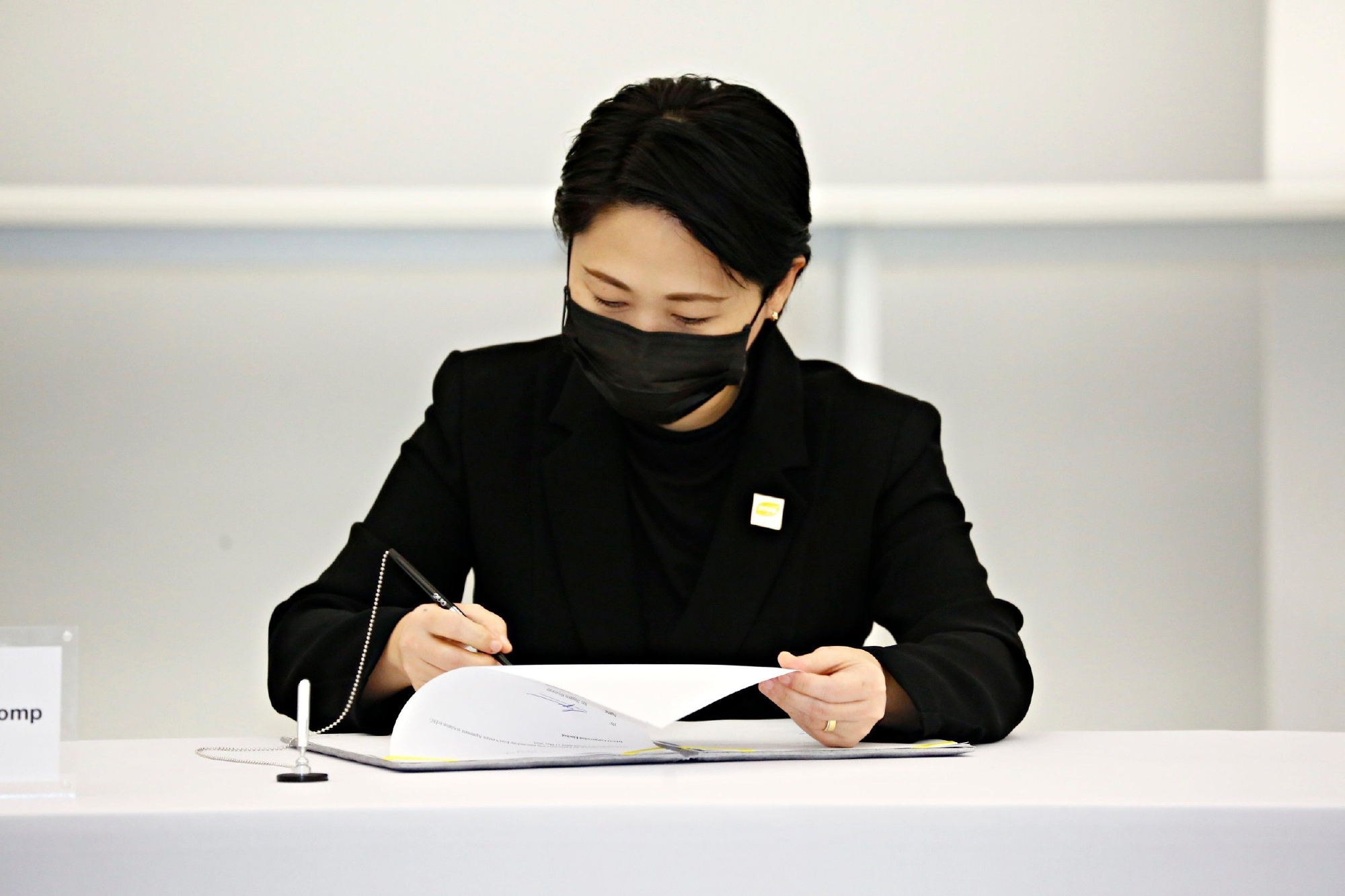
Mrs. Thippaporn Ahriyavraromp, Founder & Chairman – Chairman of the Executive Committee of DTGO, said: “DTGO is honored to partner with B.Grimm, with its expertise in developing public utilities and international energy. B.Grimm aligns with the strategy and corporate philosophy of DTGO and EEC Engineering Network Co., Ltd. Our synergy with EECDT is to work together to make our world livable and sustainable so we can pass it on to future generations. This collaboration between the three partners is an important step in working together to solve growing and intensifying global challenges, especially environmental issues such as climate change and global warming. Creating clean energy to make people quality of life better and more happier benefits the nation and the world, which is the ultimate goal.

“DTGO’s main business is property development, which plays a key role in overcoming ecosystem, environmental, climate change, and global warming challenges and creating clean energy. Collaborating with a strong partner like B.Grimm Group, with its expertise in utility and energy development, will play a critical role in driving solutions for climate change and global warming. The collaboration will achieve larger-scale, more impactful action such as the development of megaprojects and smart cities, setting up wastewater and waste treatment systems, as well as developing clean energy and alternative energy for various property projects and other projects in the future, bringing unprecedented innovations in Thailand. This is an important way to improve quality of life for all and to help resolve issues to make this world more livable, not just for humankind but for nature and all life on earth. This approach is in line with DTGO’s concept of ‘Adding Value in Everything We Do’ to benefit people, communities, and society at large, making Thailand and the world more livable and happier for all life.”

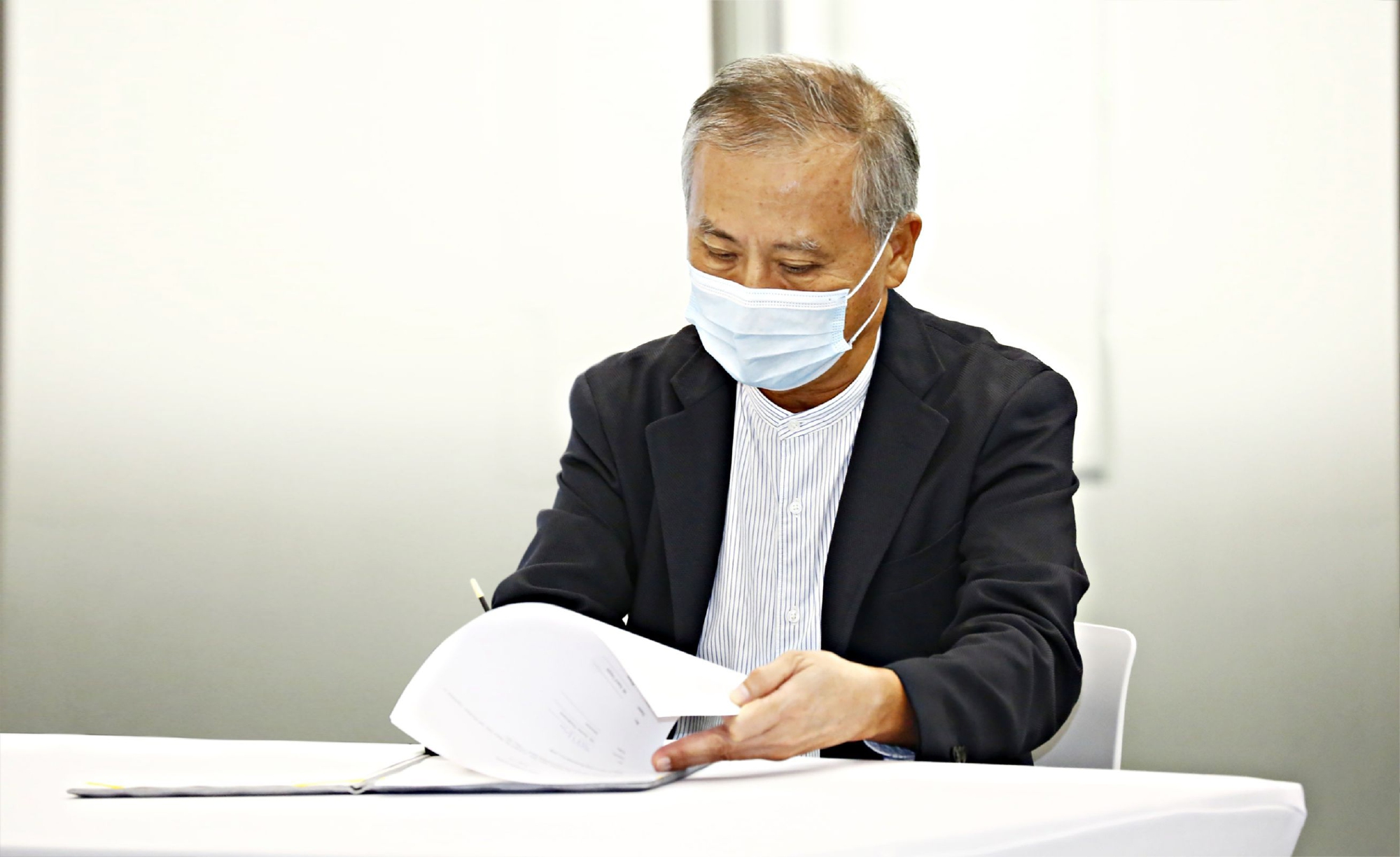
B.Grimm Takes Stake in EEC-DT Joint Venture to Develop Eco-Friendly SystemsB.Grimm Takes Stake in EEC-DT Joint Venture to Develop Eco-Friendly SystemsMr. Kecha Thirakomen, Chairman of EEC Engineering Network, said: “I am delighted and honored that B.Grimm, a leading engineering company nationally and internationally, has jointly invested in EEC-DT. This acquisition will boost the potential and business expansion opportunities for EEC-DT to develop systems for energy management, the environment, climate, and healthy, sustainable living environments.”
Mr. Kamol Tanpipat, CEO of EEC-DT, said: “B. Grimm’s collaboration reflects that using centralized district cooling systems to provide and distribute air-conditioning in residential and mixed-use projects is new in Thailand. No companies focus on providing such services. EEC-DT is one of the first companies in Thailand to develop a system for residential projects, with a focus on sustainable urban development and energy use. Sustainability is one of B.Grimm’s core business missions, to it has joined to enhance the cooling system business’s potential in business and in contribution to society and the environment. The company also extends to district utility systems, such as district drinking water supply, district heating systems, renewable power, centralized waste disposal, both wastewater and solid waste, as well as large-scale ‘smart city’ residential projects for more efficient urban management that meets the needs of society and the new generation in the era of Thailand 4.0.

“The company aims to develop and manage utilities under the concept of ‘sustainnovation’ to be eco-friendly and efficient, enhancing quality of life and reducing environment impact such as carbon footprint. The company specializes in installing and operating district cooling systems and district heating systems that reduce energy use. It has also developed a ‘zero water waste’ system with a central wastewater treatment system to reduce demand for water.

“In addition, the company has continuously developed innovations and technologies to optimize the use of energy, electricity, water, and other resources, aiming for sustainable development as well.”

Published : May 18, 2021

Carabao group supports the fight COVID19 with donation of 75% sanitizing alcohol #SootinClaimon.Com

#SootinClaimon.Com : ขอบคุณแหล่งข้อมูล : หนังสือพิมพ์ The Nation.

https://www.nationthailand.com/business/40001015

Carabao group supports the fight COVID19 with donation of 75% sanitizing alcohol


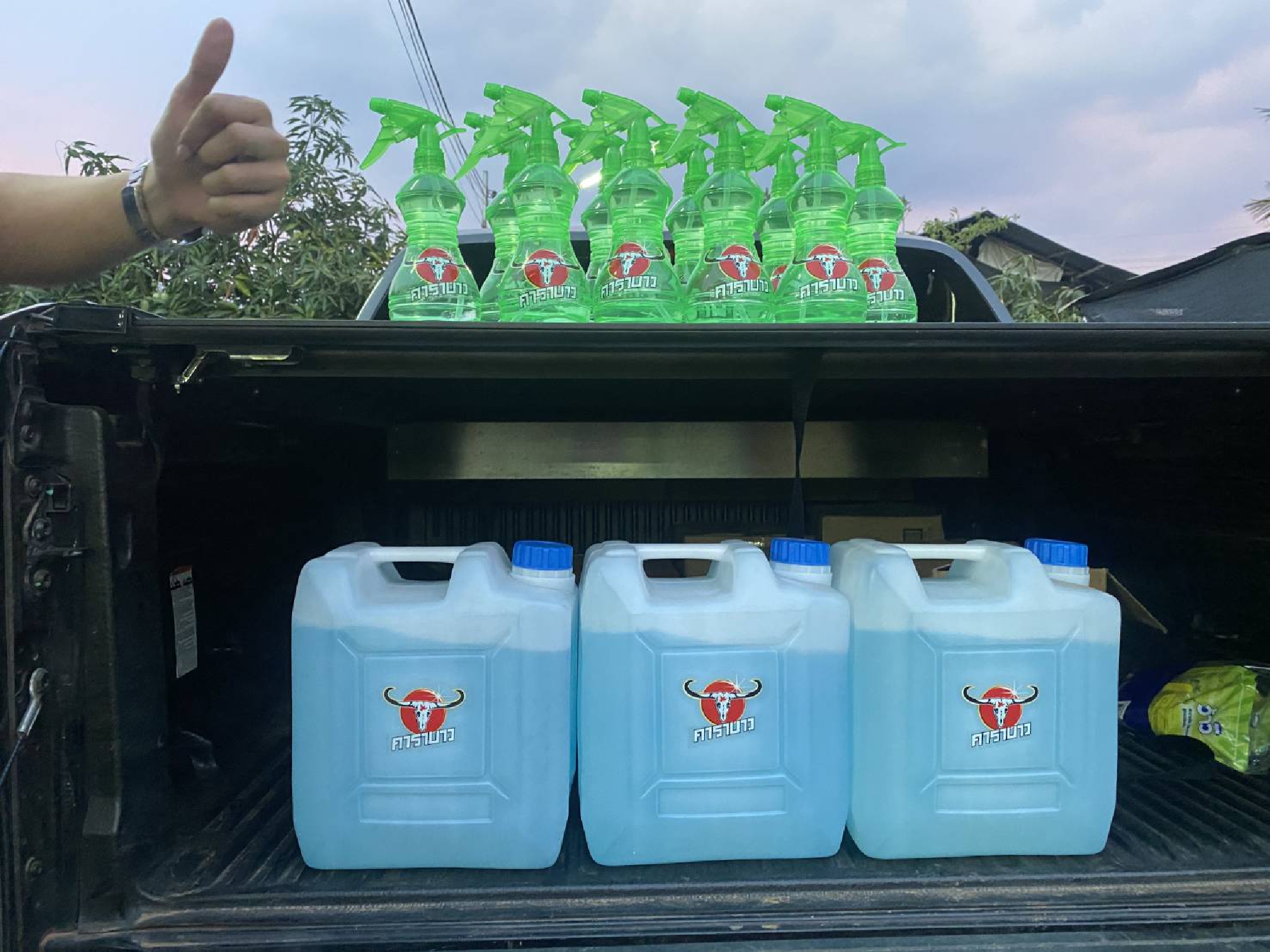
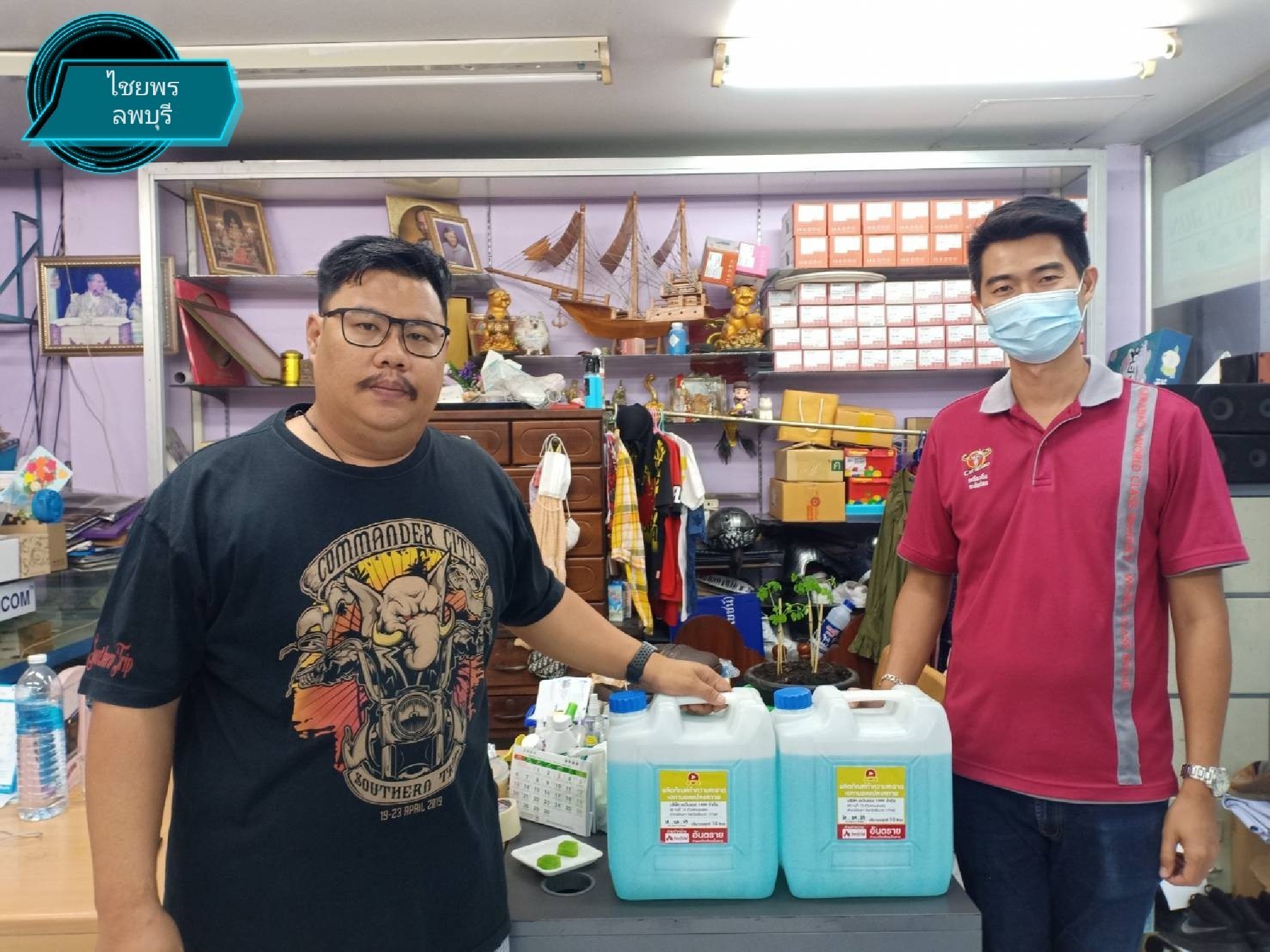
Carabao group supports the fight against COVID-19 with donation of 75% sanitizing alcohol to all business partners and Bao Daeng Friend shops nationwide to help curb the spread of the novel virus.

Carabao group supports the fight COVID19 with donation of 75% sanitizing alcohol

Amid the height of the current COVID-19 situation in Thailand, there are Carabao Group’s business partners and Bao Daeng Friend shops in communities all over Thailand that are exposed to the virus with many of them located in high-risk areas. Carabao Group, with long-standing dedication to help fight the spread of COVID-19 in Thailand, is supporting these communities with a donation of 75% sanitizing alcohol to help curb the spread of the novel virus.

Carabao group supports the fight COVID19 with donation of 75% sanitizing alcoholCarabao group supports the fight COVID19 with donation of 75% sanitizing alcohol

This 75% sanitizing alcohol that has been procured and delivered to target groups is manufactured at factories managed by Carabao Group. The concentrated, high-quality cleaning alcohol with high efficacy in eliminating contaminants and viruses was sent out by the group’s marketing team directly to Carabao Group’s business partners all over Thailand, many of which are convenient stores and local supermarkets. This is to protect the business partners as well as the general public against COVID-19 and support the government’s health and hygiene guidelines during the pandemic.

All the executives and employees of Carabao Group pledge to fully support Thailand in this time of hardship in every way possible in order for us to rise above this crisis together within the near future.

Published : May 18, 2021