Retro ONE TWO TWO bar opens door to 1920s Paris on Sukhumvit
MONDAY, DECEMBER 26, 2022
New French-inspired vintage bar ONE TWO TWO resurrects the Paris of a century ago on the modern boulevard of Sukhumvit. The French design evokes sensual indulgence for a comfortable evening vibe in 1920s Paris, right in the heart of Bangkok’s chic nightlife district of Sukhumvit Soi 11.
The interior of this bar incorporates a classic red comfy sofa and its 1920s style and nostalgia to provide an extraordinary experience of celebration and sophistication.
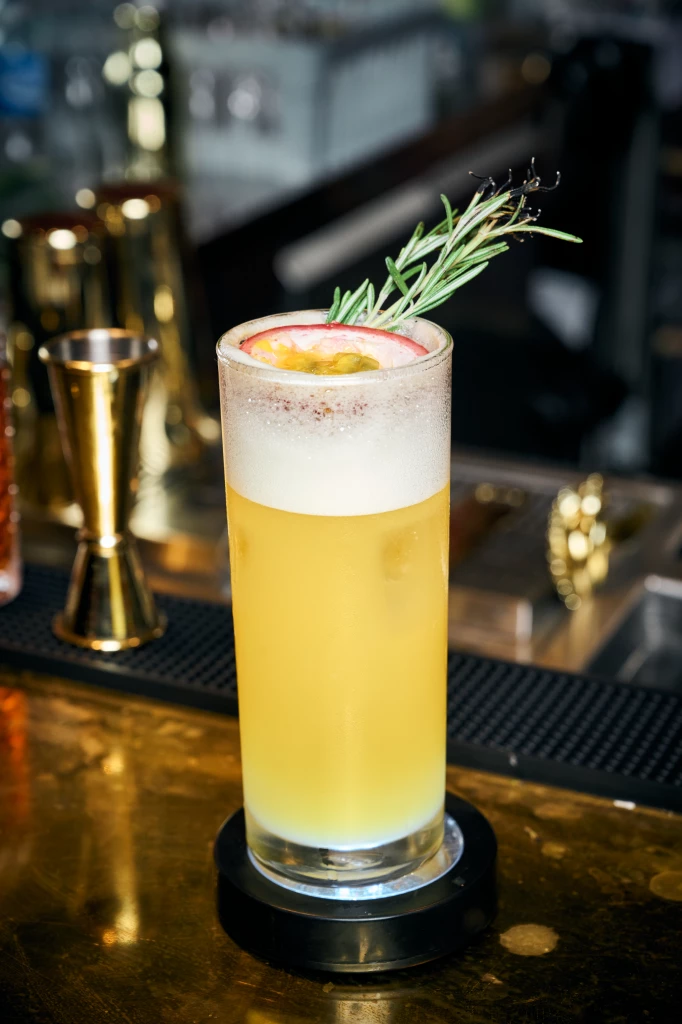
The Beverage menu created by Michel Gonggiat Stein takes its inspiration and concept from the original & Famous ONE TWO TWO from Paris back in the 1920s, every Signature cocktail is inspired by the exciting design and uniqueness of the rooms that made the original ONE TWO TWO so famous back in Paris, ONE TWO TWO as well offers a great selection of French Vermouth and champagnes for guests who adore the bar scene or want to have a stylish business meeting complimented by a luxurious ambience.
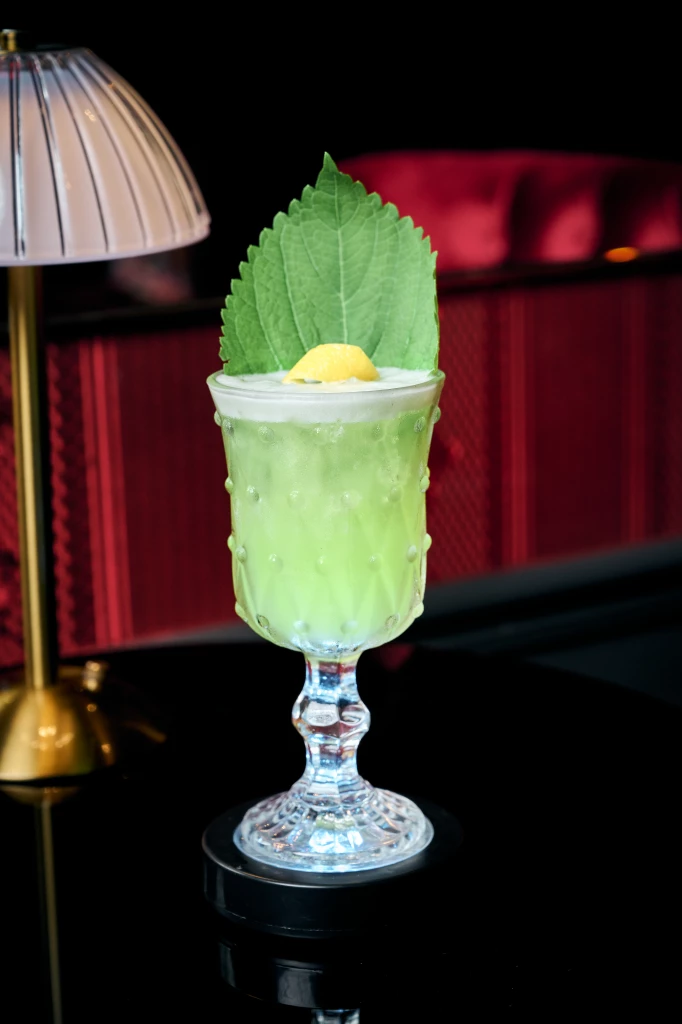
Highlights from the drink menu are Smoke on the Water, Midori Symphony, and Oriental Express.
“Smoke on the Water” – a smokey drink with bitterness from chocolate and black coffee blended with Flor de Cana 12 Years Rum and Maraschino liquor.
“Midori Symphony” – refreshing taste of citrus from yuzu, lime, and lemon, mixed with Roku Gin and Midori.
“Oriental Express” – a fresh mix of tropical and fruity taste of yuzu, lime and pineapple blend with Vodka and Campari.
Once one said, “You only live once, but if you do it right, once is enough”.
But at ONE TWO TWO, the vibe of the place is, “You only live once, but if you could do it twice, once wouldn’t be enough” or “Tu ne vis qu’une fois, mais si tu pouvais le faire deux fois, une fois ne suffirait pas.”
No doubt that ONE TWO TWO will be the next bar destination in the heart of Bangkok for its exquisite interiors, crafted cocktails and incomparable luxury and style.
Soft power demonstrated by Thai and foreign influencers has helped boost orders for various Thai foods this year, on-demand delivery platform provider Line Man said on Friday.
Citing results of surveys conducted among Thai consumers nationwide, it said soft power helped boost sales for restaurant operators, farmers and food ingredient manufacturers.
“Just remarks or pictures on social media by influencers can go viral among netizens overnight,” Line Man said.
For instance, Line Man said orders for mango sticky rice had exceeded 320,000 sets within three months, thanks to Thai rapper Danupha “Milli” Khanatheerakul‘s gesture of consuming the dish at the Coachella Valley Music and Arts Festival in California in April.
Commanding the stage in a skimpy red outfit, Milli took a break from her twerk-heavy dance routine to grab a bowl and take a mouthful in an effective show of soft power.
“Total orders for mango sticky rice during the period accounted for 150 tonnes of mangoes and 60 tonnes of sticky rice,” Line Man said.
Khanom Babin
Line Man also said that orders for Roti Sai Mai (Islamic-style crepes with Thai-style cotton candy) had risen by three times within a week, thanks to BlackPink’s Thai member Lalisa “Lisa” Manoban’s post on Instagram in July.
Meanwhile, orders for durian rose to 41,000 pieces between July 21 and August 21, thanks to a remark by K-pop phenomenon Jackson Wang of South Korea’s boyband GOT7 that he likes this fruit, it added.
During an exclusive interview with EFM94 Thai radio station in July, Wang said he likes durian, adding that he is ready to eat durians every day during his stay in Thailand.
Khao Soi
Separately, Line Man said orders for Khao Soi (Northern Thai curry noodles) had exceeded 316,000 bowls within three months after it was named the best soup in the world by TasteAtlas.com in August.
“Meanwhile, more than 1.85 pieces of Khanom Babin (coconut pancake) were ordered between January 1 to November 15 this year, thanks to food bloggers and netizens’ reviews,” it said.
Som Tam
Line Man said more than 6.8 million dishes of Som Tam (Thai-style papaya salad) were ordered between January 1 to November 28 this year.
It added that other Isaan dishes, such as Laab Moo (minced pork salad) and grilled pork neck, saw increased sales as well.
“It showed Isaan foods’ role in strengthening relationship among families and friends,” Line Man added.
The traditional roast Christmas dinner could have nearly a quarter of a million pieces of microplastic in it, according to researchers at the University of Portsmouth.
Do you know how much plastic is really in your Christmas dinner?
Researchers in England tried to find out
by cooking two different roast chicken dinners.
One with all the ingredients wrapped in plastic packaging
and the other with no plastic packaging at all.
‘’We found seven times more microplastics in the wrapped dinner than the non-wrapped dinner.”
Dr Fay Couceiro is an environmental pollution researcher at the University of Portsmouth.
“So we found about 55,000 particles in the non-wrapped dinner and about 230,000 in the wrapped dinner.’’
She says eating a similar plastic packaged meal every day for a year, would see you consume approximately 10 grammes of plastic.
”That’s equivalent to two plastic bags a year.”
Couceiro also says food is usually analyzed raw for microplastics under laboratory conditions
but this study looked at what was actually on your plate after the food had been cooked in a normal kitchen.
“Unfortunately there’s no such thing as microplastic-free food now I think. That’s because there’s so many microplastics in the air and in the soil. So as we’re speaking now there are likely to be some microplastics that are falling on here, onto the food that we’ll be eating.’’
Global plastic production is projected to double within 20 years,
while the amount of plastic waste flowing into the world’s oceans is forecast to triple in the same period.
Couceiro says there are actually higher concentrations of microplastics in our soils than in our oceans.
“I have heard people say ‘I don’t have to worry about microplastics. I don’t eat fish’ and that always worries me slightly that there’s that misunderstanding, that disconnect. Microplastics are everywhere. If you’re eating anything and drinking anything, you will be ingesting a certain number of microplastics.”
Microplastics have been found in our blood, gut and various organs…
but experts have not yet been able to say what, if any, harm it is doing to us.
“We don’t want to scare people with this. There are microplastics everywhere and we don’t know what the impacts are on human health but it’s a sensible suggestion to try to reduce them as much as possible to avert any possible negative impacts going forward. There are simple ways, as you can see from this study, we can reduce the types of plastic we have in our packaging and we can start to think about it going forward in the farming community about how we reduce the amount of plastic there too.”
Boiled chicken, rice cooked with chicken oil, and dip make up the simple and delicious Hainan chicken rice, which has been lingering nostalgia for overseas Chinese in Southeast Asia.
More than a century ago, more and more Hainan people went across the ocean to Southeast Asia, bringing along their native dish Hainanese chicken rice.
As time went by, Hainanese chicken rice gradually became a popular dish in Southeast Asian countries, including Singapore, Thailand and Malaysia.
Located in Kota Kinabalu, Malaysia, Andrew Wong Hainanese Chicken Rice restaurant is quite famous among the locals.
Andrew Wong Hin Hau, the owner, whose ancestral home is Qionghai, Hainan Province, has been cooking Hainan chicken rice since 2003.
Wong gets up at around 4 a.m. every day to buy the ingredients at the market, starts to prepare the dish at 5:30 a.m. and gets everything ready around 10:30 a.m.
He said the most important thing for cooking Hainanese chicken rice is to choose chicken of good quality, use Thai fragrant rice, and make the dipping sauce thick. “Hainanese chicken rice looks ordinary, but it is not easy to make it well,” said Wong.
Wong has been constantly improving the recipe. “If the guests are not satisfied, I will find a way to make it better,” he said, adding that however, he never replaced the ingredients with cheaper ones. “You can’t cheat your customers by using inferior ingredients just because prices keep rising.”
Over the years, Wong always tries local Hainanese chicken rice when he goes to a new place, such as Shanghai, Hong Kong and Thailand. He wants to make his restaurant better by studying the dish at other restaurants.
In his eyes, Hainanese chicken rice is a delicacy and heritage from his hometown. “As a Hainanese, I’m proud to cook Hainanese chicken rice, so I will continue to do it,” he said, noting that he has been cooking it for 19 years, and it’s his dream career.
Welcomed by the diners, Wong’s restaurant sells about 180 servings of Hainanese chicken rice per day. Scott Chong, from China’s Guangdong Province, is a regular customer. “The taste is good, especially the chicken is tender and the rice is fragrant,” he said.
Wenchang, a city in Hainan, is the birthplace of Hainanese chicken rice. On the island, Wenchang chicken is the basic ingredient for chicken rice.
Song Shenmei, 69, is the owner of a chicken restaurant in Wenchang. As the fourth-generation successor, he has been running the restaurant for more than four decades.
“People in Wenchang eat Wenchang chicken during all the festivals,” Song said, adding that during the Qingming Festival, many overseas Chinese returning home from Southeast Asian countries will eat Wenchang chicken at his restaurant.
Song recalled that in the early 1980s, an overseas Chinese opened a chicken restaurant in Singapore. When he returned home, he came to visit Song’s restaurant to learn how to cook chicken and make the sauce.
“Some overseas Chinese also like to watch me cooking, and when they learn how to cook, they cook it at home,” Song added.
Hainanese chicken rice not only satisfies the diners but also embodies the taste of home for overseas Chinese from Hainan. It is a vivid reflection of the cultural exchanges of people along the Belt and Road countries from history to reality.
Michael Heng Yee Boon, president of the Kota Kinabalu Hainan Association, is a second-generation Malaysian. Heng said chicken rice was always served during the Spring Festival, and his mother would make it into rice balls, which symbolized “reunion” in Chinese.
Having Tasted Hainanese chicken rice in both Hainan and Malaysia, Heng said the dish was different in the two places regarding its sauce and way of cooking.
“Our ancestors came to Malaysia to do business not just with Hainanese. There are different races and different cultures here, so we have combined the cultures to innovate Malaysia’s Hainanese chicken rice,” he said.
“The Hainanese chicken rice in Malaysia is very international, and it is enjoyed by Malays and foreigners alike,” he said, noting that it is the wisdom of their ancestors.
He believed that although culture is constantly evolving, the spirit of the Hainanese, especially the spirit of hard work, is still passed on from generation to generation in Malaysia.
“It’s a touching moment whenever we have Hainan chicken rice, for us it’s not only a delicacy, but indeed a cultural root of us, and we would continue to pass it on,” Heng said.
Cool season gives reprieve to buffalo-skin chefs in the Northeast
SATURDAY, DECEMBER 17, 2022
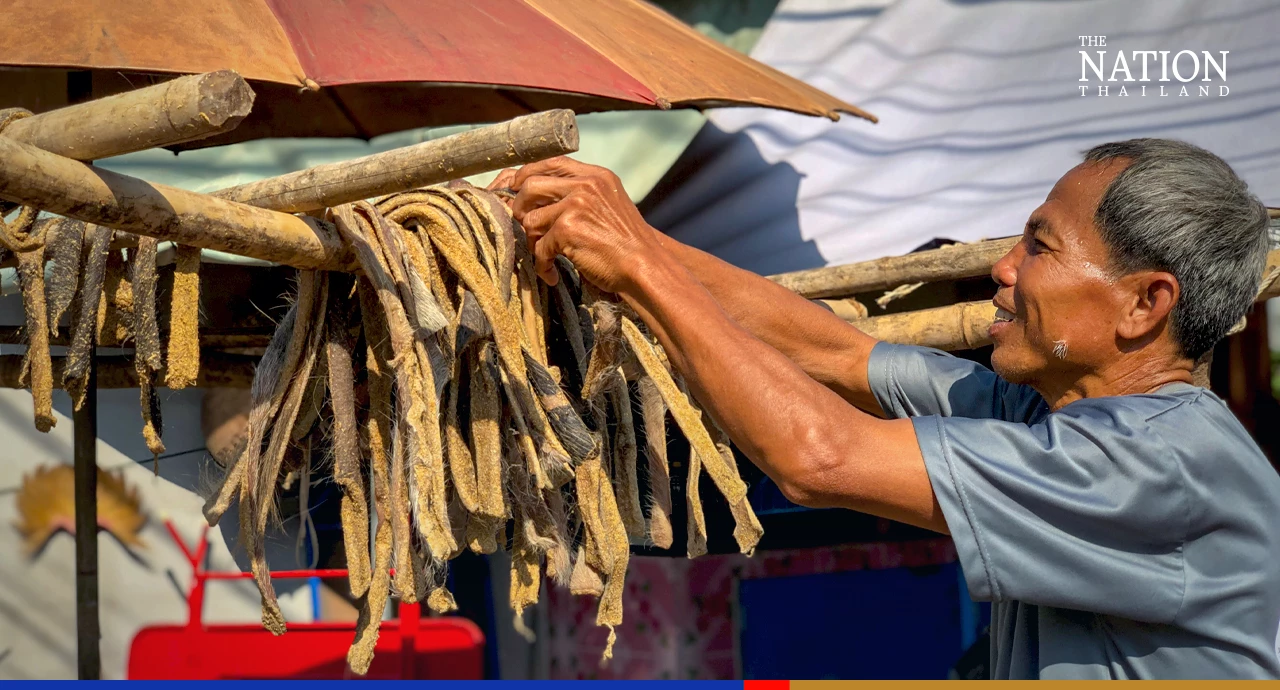
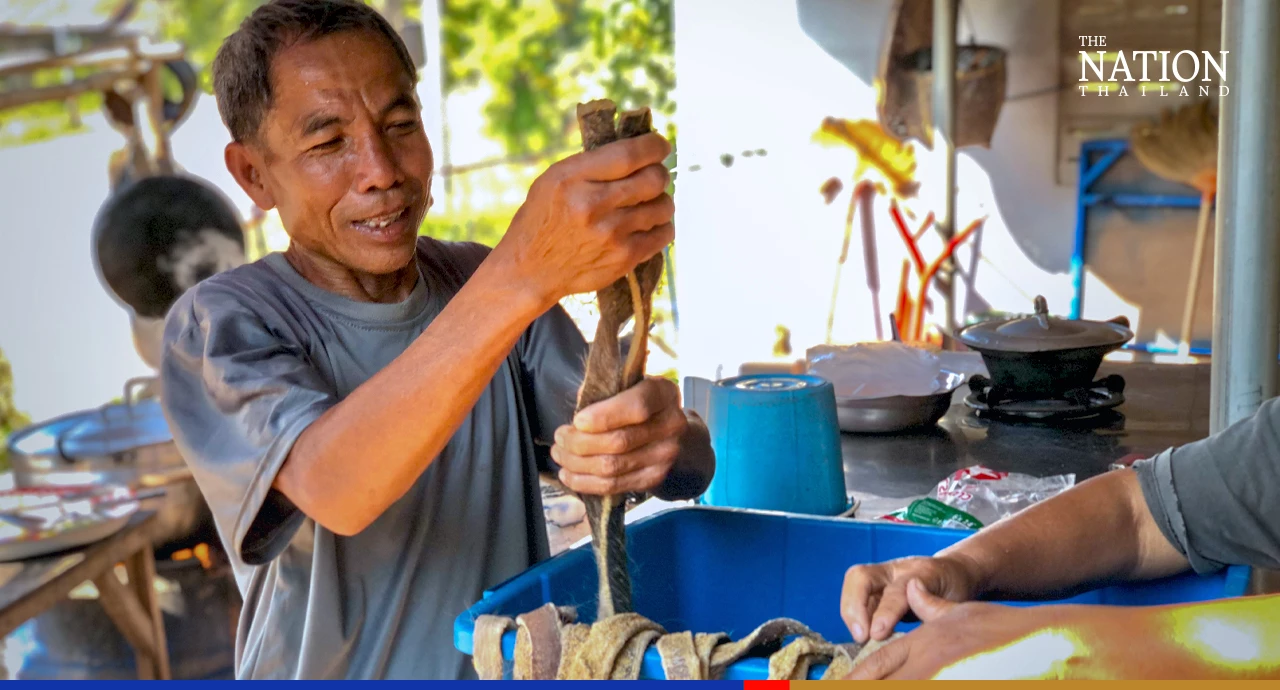
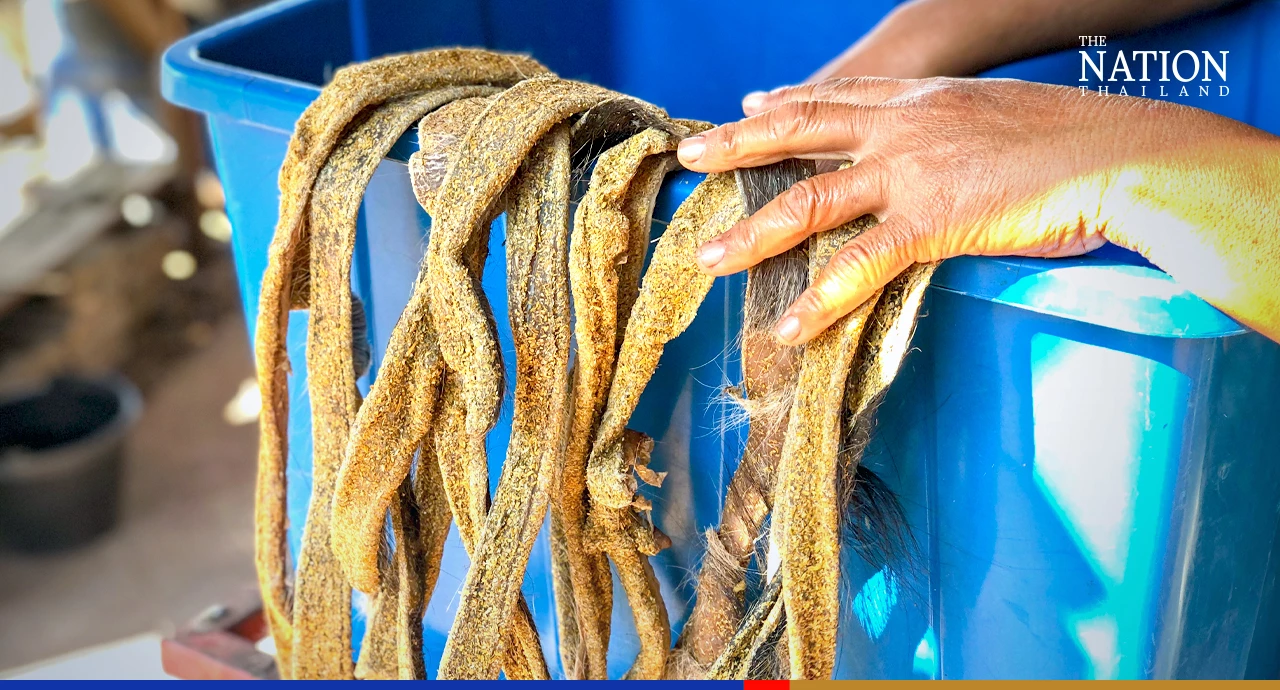
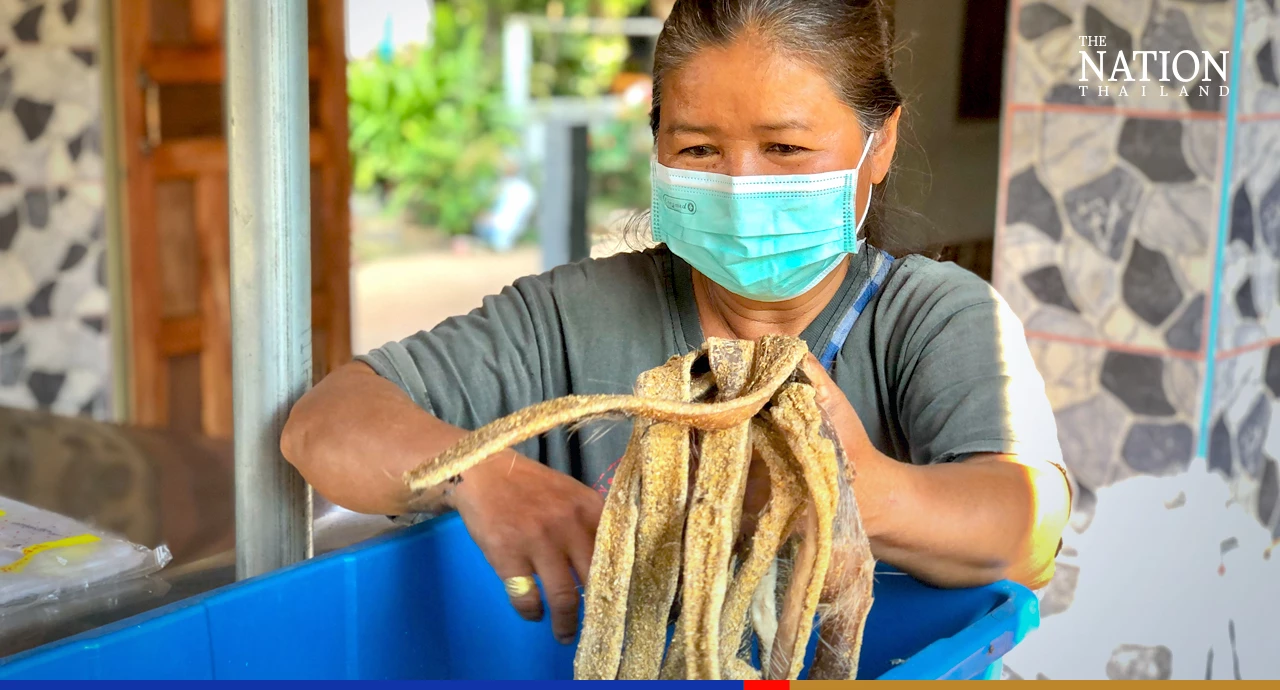
Cooler temperatures are increasing demand for dried buffalo skin, but with fewer people knowing how to prepare the Isaan delicacy customers have to drive further to find it, according to a vendor in Sakon Nakhon.
Pongsak Pia-arsa, 55, said demand for buffalo skin rises in the cool season when customers “addicted” to the delicacy come from far away to purchase a 40 baht serving.
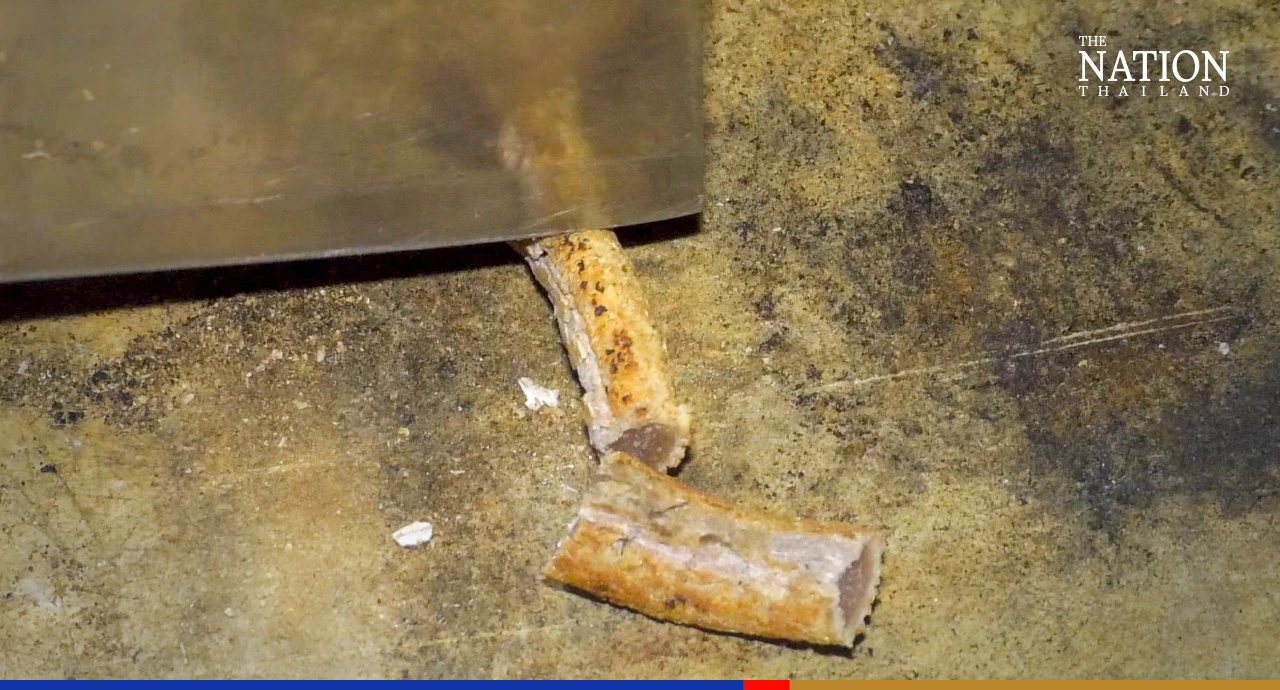
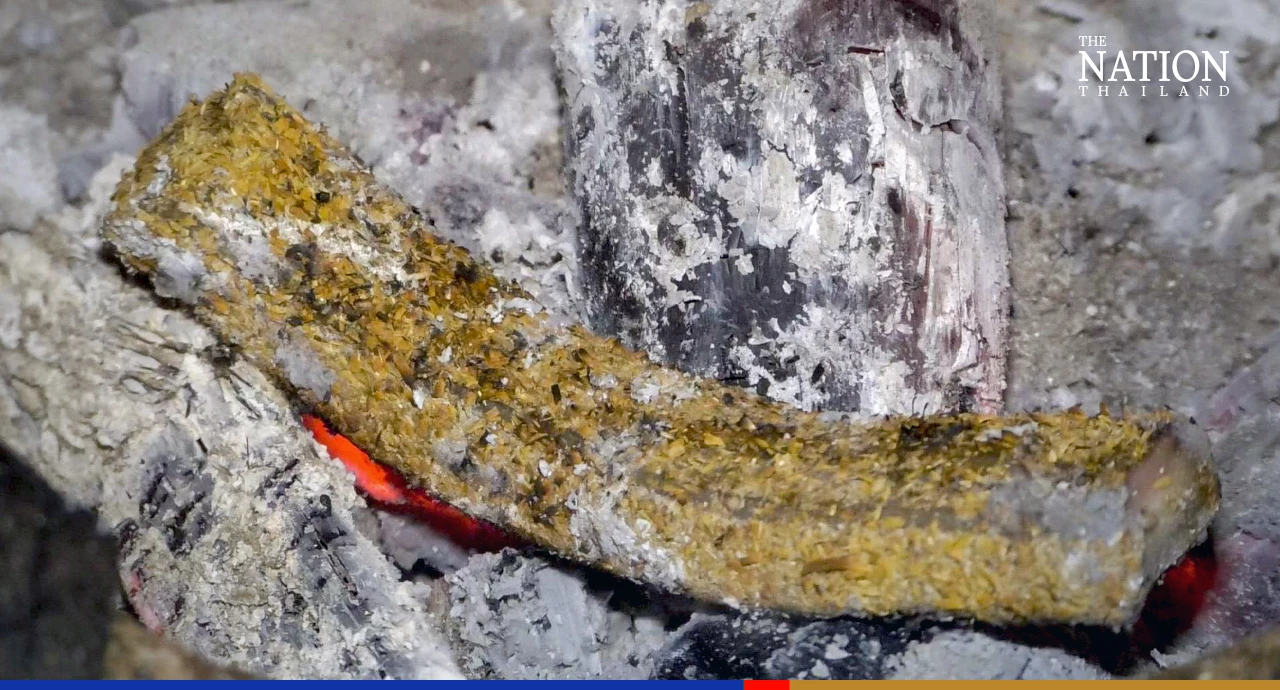
Preparing buffalo skin is a lengthy process. First, the fat has to be removed and the skin cleaned. Then, it has to be salted and fermented in rice bran. Next, it has to be dried for two days.
Buffalo skin is more popular during the cool season because people like to roast it on a campfire, Pongsak said. Once roasted, they pound the skin with a pestle and then eat it with sticky rice.
The process of preparing buffalo skin is, like many Isaan traditions, being forgotten, Pongsak said, adding that because it is not a very popular dish year-round it can be difficult to find the spices required to prepare it.
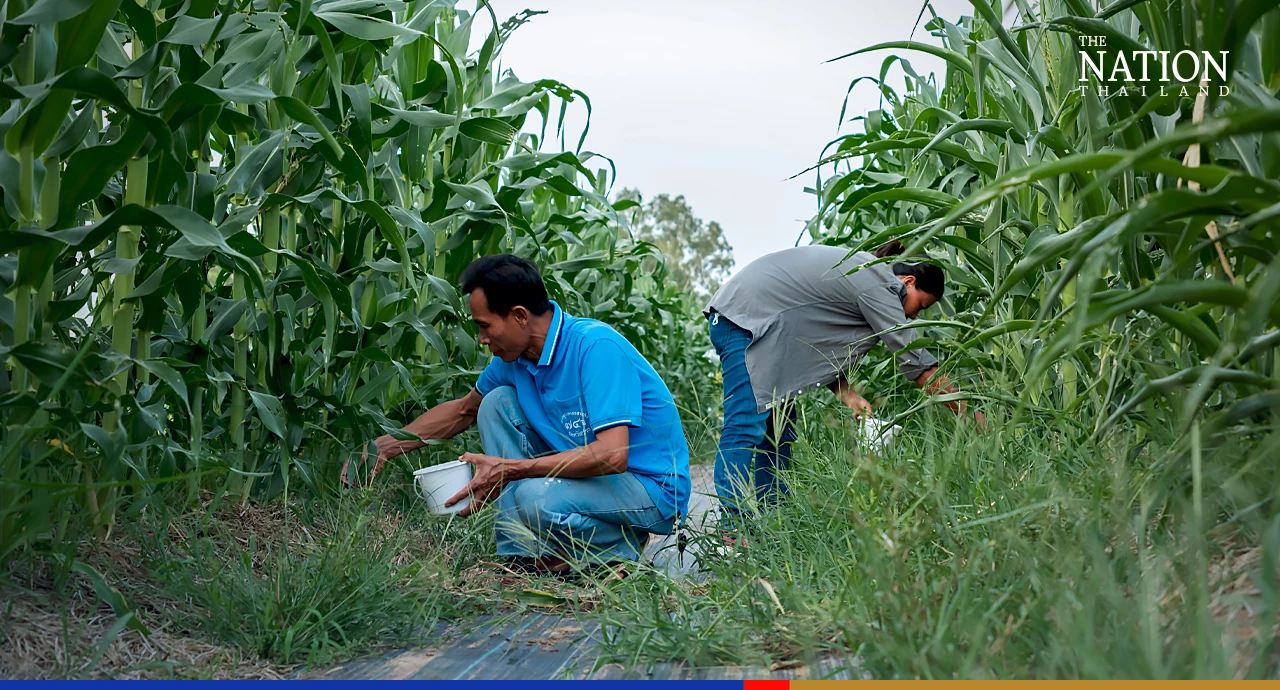
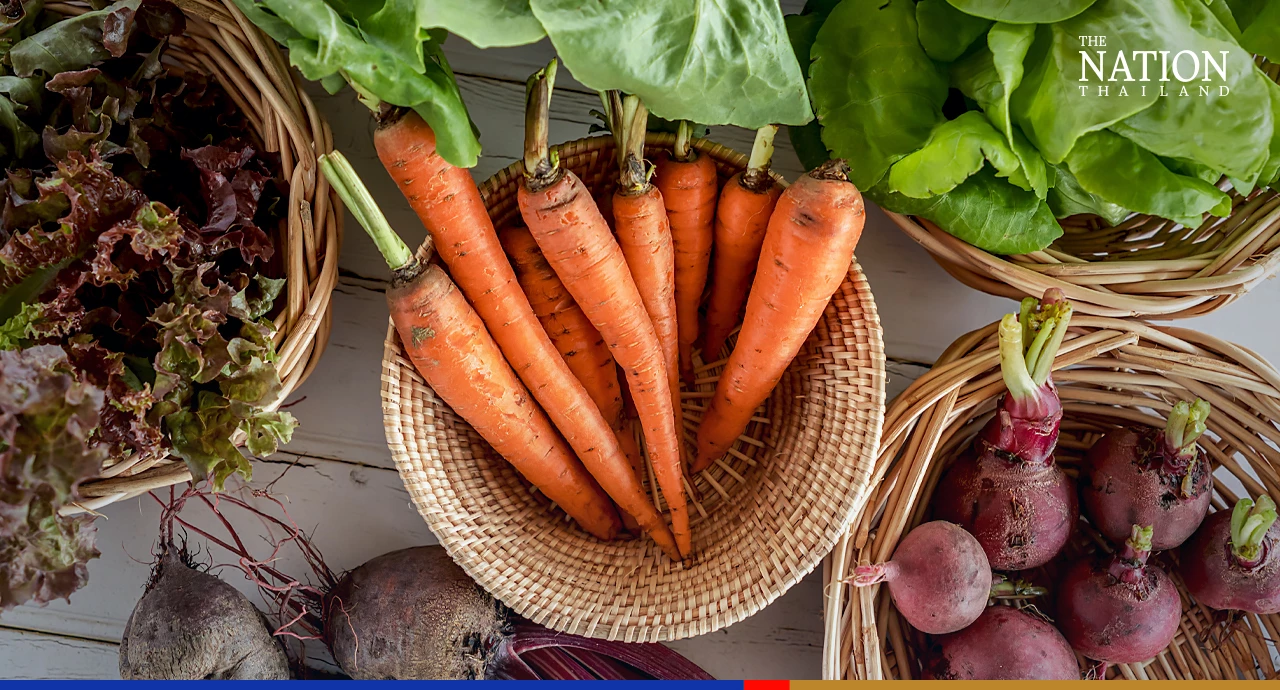
When shopping for vegetables in your supermarket, how often do you reach for a misshapen bunch of carrots or weirdly shaped tomatoes? It would not be the first choice for many, despite knowing that the nutritional value was probably not different from the more attractive veggies on the shelves.
At Isan BSG Expo 2022, the online platform “Ugly Veggies” has set up its booth with a mission to find space for these vegetables for customers who understand the ugly vegetable concept while also wanting affordable organic veggies in their diet.
We spoke to Asst Prof Chavis Ketkaew, Associate Dean for Strategy, Research, and International Affairs International College, Khon Kaen University, on this project.
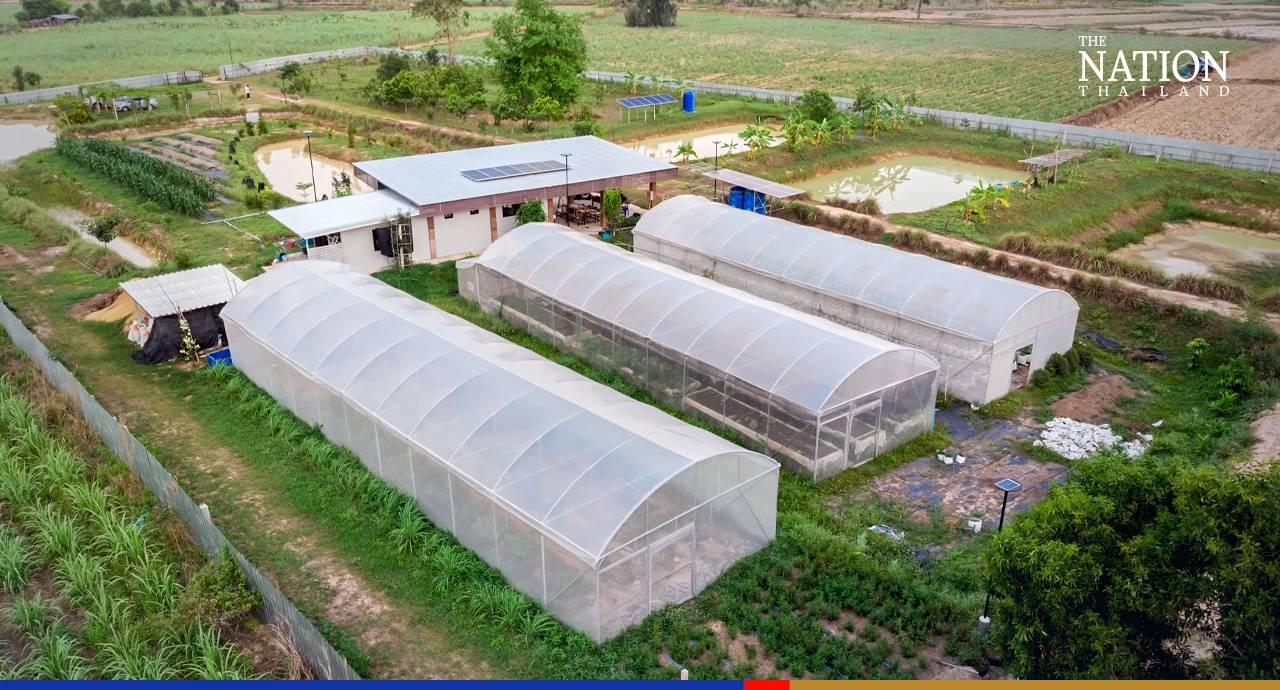
“We work closely with farmers in the Eastern region, especially in Khon Kaen, so we often visited farms in the Kranuan district in Khon Kaen province and this district has some farmers who work closely with the Smart Farming system of Khon Kaen University, so we supported them. But when I went to interview and observe what they were doing, I found that around 30% of organic vegetables are fully utilised and sent to premium supermarkets in Thailand.
“However, there’s about 70% that are considered waste. So we’re trying to think of ways to utilise this 70% of vegetables. And we found that the market price of waste-grade vegetables is really low and there is some room to hike the price and benefit farmers.”
He added that the aim is change consumers’ perception about ugly vegetables and make them realise that they can still receive full nutrition at cheaper prices.
“And with this, we’re trying to create a digital platform to gather farmers and build a network of those who produce organic vegetables. We started with only seven households and we’re trying to expand into more and more households in the future.”
“Ugly Veggie” is a platform that matches consumers with the need to buy organic vegetables at a cheaper price with the farmers who would like to sell it to them.
“So, in our role as a platform, we’re trying to build a brand and trying to make consumers realise that ugly vegetables still have nutritive value. We are trying to expand the network of farmers as well, to join this platform. We plan to start first with areas in Khon Kaen province to try this business model and, right now we are in the testing phase of the platform.”
Ugly Veggie works with food scientists from the Faculty of Technology and International College of Khon Kaen University to ensure the quality of the products in terms of sensory perception, such as the way the vegetables look, taste and smell.
Lower-grade vegetables that are inedible are transformed into products like baked goods or jam and sold back into the platform.
Ugly Veggies will officially launch at the beginning of January 2023 and there are plans to expand to other regions as well.
Neem leaves salad recognised as a top 11 specialties by Asia Book of Records
WEDNESDAY, DECEMBER 14, 2022
Neem leaves salad, or Goi sau dau in Vietnamese is among the most famous dishes of the Mekong Delta province of An Giang. It was recognised as one of the top 11 specialties of Vietnam by the Asia Book of Records in August this year.
“I was interested in the dish’s flavour of the bitterness of neem leaves, the saltiness of dried choke fish, the sourness of mango and the fragrance of herbs. The mix gave me an unforgettable taste,” Chef Pham Tuan Hai, who was one of the juries of the Viet Nam Master Chef programme.
Hai said he enjoyed the dish cooked by his aunt Pham Thi Nguyet, during his recent working trip to An Giang.
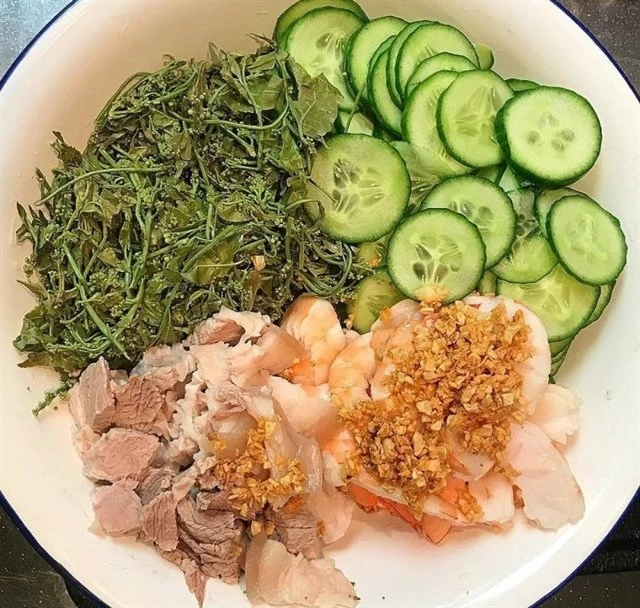
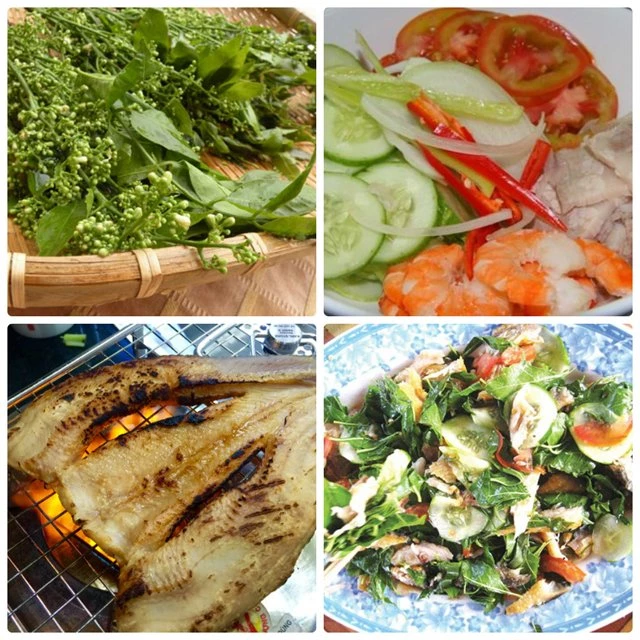
Ingredients of the dish include young neem leaves, pork bacon, shrimp, choke fish, cucumber, fresh mango and fresh aromatic herbs.
He said his aunt cleans the neem leaves and parboils them to reduce their bitterness while boiling bacon and cutting it into threads, peeling shrimp’s cover, grilling dried choke fish and shredding it into pieces, mango and cucumber cut into lines.
All these ingredients mentioned above are mixed well before pouring sauce made of garlic, chilli and sugar and stirring them.
Nguyet said sauce made from tamarind is more enjoyable. First, put tamarind fruit into a pot, pour 200ml water in, light boil it for five minutes, and filter it to get its juice. The tamarind juice mixes with quality fish sauce, two teaspoons of sugar, minced garlic and chilli.
The sauce has its light sour from tamarind, hot from chilli, sweet and salt from fish sauce and sugar, she said.
Gourmet Truong Hong Lam from HCM City said he often asked his friends to drive to An Giang to enjoy the dish.
“First, you could feel a bit bitter on your tongue, but when chewing it well, you will feel it sweet in your throat; the more you eat, the more you are interested in it,” Lam said.
“The buttery fat of the meat, savoury taste of shrimp and dried fish, sour of mango mixed with the bitterness of neem leaves have created a strange feeling that is found hard to describe, particularly its rich aroma that no one can compare.”
Neem tree is grown mainly in the country’s southwestern provinces of An Giang and Kien Giang. The tree often blooms and new leaves from the 11th to the third lunar months said local elderly Ho Ngoc Anh.
During that time, the neem tree’s flowers and leaves are available in all An Giang markets, particularly Tri Ton Market in Chau Doc District, he said, adding that neem leaves are very useful in preventing and treating ailments such as malaria, fever, stomachache, cardiovascular, diabetes and many others.
Anh said researchers in foreign countries such as India had used neem leaves to make medicines to deal with high cholesterol and triglyceride.
Chef Hai told Vietnam News that he has cooked and tried hundreds of specialities and dishes from the country’s three regions, but neem leaves salad is quite different. “It makes me have a feeling of craving it so much,” he said.
“I decided to learn a recipe from my aunt to cook the dish at my chain of restaurants in HCM City,” he added.
Why are collaborative dinners so popular in KL now?
TUESDAY, DECEMBER 13, 2022
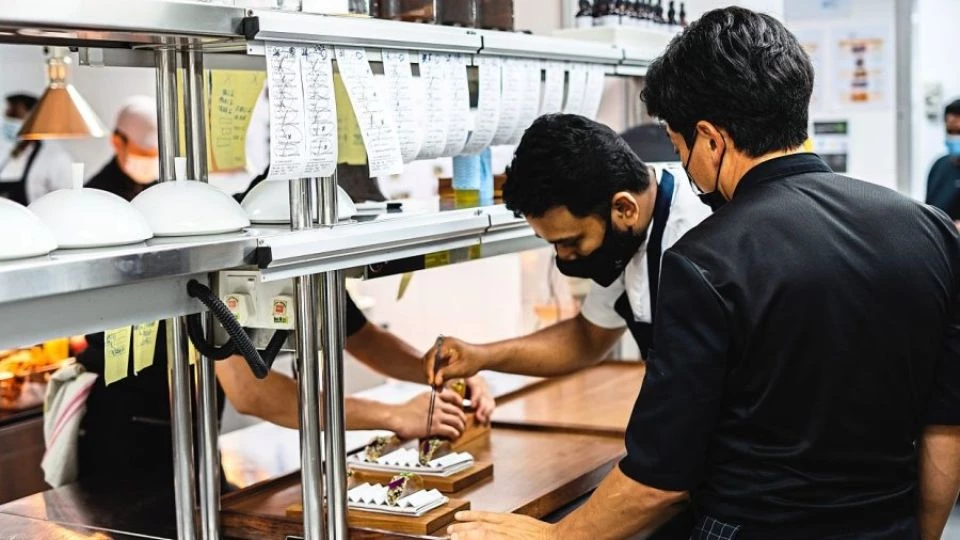
In the past few months, the dining scene in Malaysia has been privy to a large number of collaborative dinners, often termed four-hands or six-hands dinners. These are dinners that showcase the collective talents of at least two different chefs from different restaurants who come together and put up a menu that reflects their combined culinary skills.
Culinary crossovers are not new. In fact, top chefs around the world have been doing this for years, often travelling to different parts of the globe for collaborations. Even in Malaysia, collaborative dinners have been around for a while and before the Covid-19 pandemic, they were a starry feature of the local dining scene.
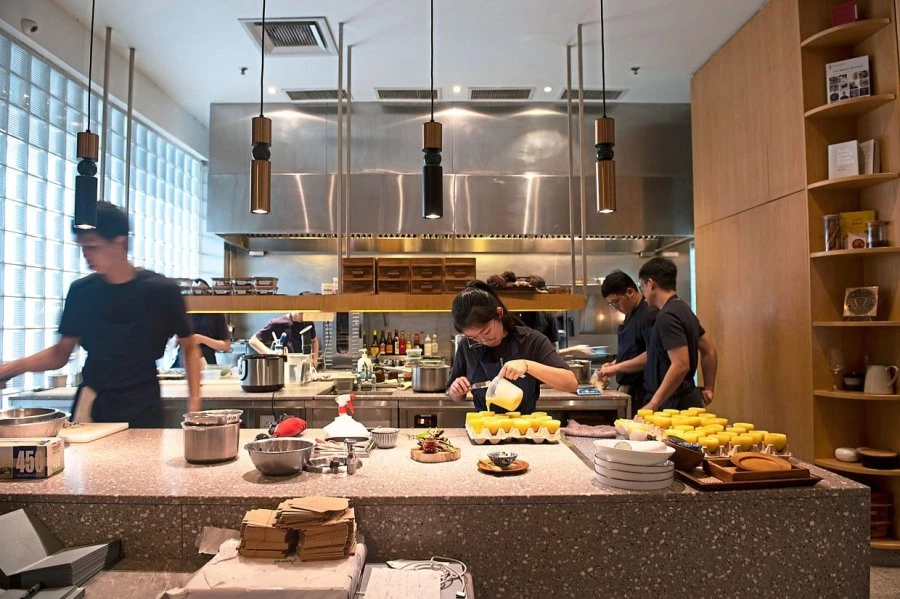
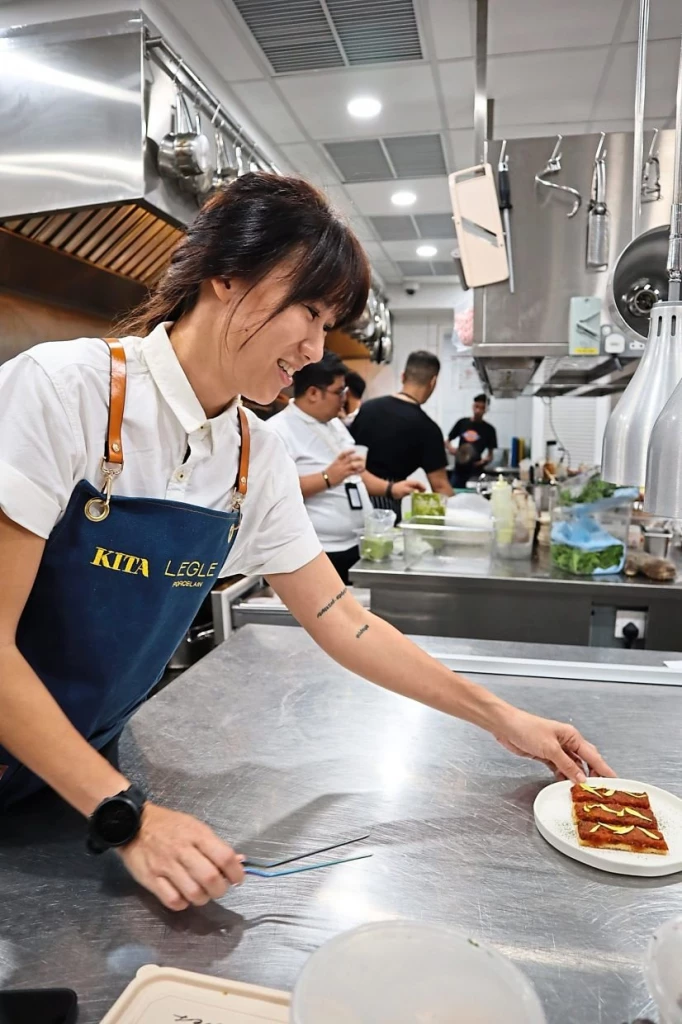
Now that restaurants are fully operational and lockdowns are (hopefully) a thing of the past, this collaborative spirit seems to have been fully re-awakened. Part of this has to do with food events like the homegrown Kita Food Festival (now in its second edition), which has been running for the past few months in Langkawi, Penang and Kuala Lumpur.
One of the main highlights of the festival is collaborative dinners which pair gifted local chefs and chefs based in Malaysia with international chefs from the region.
Another reason for this surge in collaborative dinners? Chefs haven’t been able to fully flex their creative muscles for the past few years and diners have been bored out of their minds eating the same-old fare with no opportunity for anything new and shiny. Collaborative dinners are consequently a way to inject something new into something old.
“I think the rising number of collaborative dinners is because of the pandemic. Everyone was so pent up and diners probably tried the food at most restaurants when everyone couldn’t travel during the lockdowns. So what is the freshest way to inject new inspiration into the food scene? Collaborative dinners!” says Jun Wong, a seasoned chef who will be helming soon-to-be-opened eatery Yellow Fin Horse (an ingredient-driven restaurant) at the trendy Else Hotel.
Jun is a collaborative dinner veteran of sorts who has made at least 10 of these dinners in the past few years. This year, even though she doesn’t yet have a restaurant to lead, she collaborated on a six-hand dinner with local culinary talent Leong Chee Mun of Raw Kitchen Hall and Christian Encina of Bali-based eatery Pica, as part of Kita.
Jun’s views are echoed by Aidan Low, the chef-owner of Akar Dining, a restaurant that thrives on modern interpretations of food.
According to Low, in the past year alone, he has already done seven collaborative dinners – and counting!
So just how do chefs get the ball rolling on collaborative dinners?
Getting started
For many chefs, the first step to putting together a collaborative dinner is to rope in other chefs that they consider industry friends – perhaps people they have an easy relationship with or could work together well with. Alternatively, some chefs also seek out culinary talents that they don’t know personally but whom they feel are inspiring or whose culinary output would mesh well together.
If a collaborative dinner is organised by a third-party event organiser, this entity will often look at pairing individuals that share a bond or have a cooking DNA that would either meld well together or would be interesting when matched up.
Once a pairing is determined, then the hard work begins! Over a period of months – or sometimes weeks – these vastly different chefs will have to liaise with each other to pull together a dinner that they are both proud of and that diners will be interested in coming for.
“It’s a lot of brainstorming and video calls to understand the availability of resources – from equipment, ingredients, restaurant capacity and more. After understanding what we’re respectively looking for, we agree on a menu based on our strengths,” says Masashi Horiuchi, the seasoned Japanese chef behind the acclaimed eatery, Entier French Dining, who has done a handful of collaborative dinners in KL.
According to Jun, most chefs typically speak the same language (read: food speak) so often everything can be done remotely as chefs may not have the time or opportunity to do site visits or in-person discussions with other chefs. This is something that is especially the case if the other chef involved does not reside in the same country and is flying in for the collaboration.
“We run our own establishments and don’t always have the time to visit other people’s kitchens for a collab. So most of the time, it is done pretty remotely so maybe we start a group chat or jump on a call together. We can also share menu ideas on online documents like Google Doc and bounce off ideas,” says Jun.
Working together and sharing space in a restaurant kitchen can also be an entirely alien concept for chefs used to running their own kitchens with their teams. This is especially the situation with guest chefs who are being hosted in kitchens they are entirely unfamiliar with.
“Most of the time, when you are in a foreign kitchen, you don’t know where basic things like spoons or whisks are, so we usually like to limit the amount of finishing that we need to do in these kitchens, so in that sense, we limit our chances of being unprepared,” says Jun.
Why do chefs do these dinners?
Collaborative dinners typically do not make much money, as most chefs can vouch for. The reasons for this are manifold – chefs need to be paid for their time and their team’s time, which can eat into profits. Often, the cost of ingredients for these meals is high as are the associated costs of flying in and accommodating foreign chefs.
If a third-party organiser puts together a collaborative event, they often take a commission. So more often than not, these are not events that are lucrative, by any stretch of the imagination.
So why do chefs continue to put together collaborative dinners? Well, for chefs like Jun who are about to launch a new restaurant, being involved in collaborative dinners can help the eatery gain traction and give the team something to be excited about.
“The benefit is we keep ourselves active in the market and on the radar and our team is geared and ready for service, otherwise they can be out of touch by the time the restaurant opens. Doing outside events or guest shifts keeps the team on their toes and in the zone,” she says.
Jun also adds that for established restaurants, there is the added benefit of chefs being able to deviate from the culinary blueprint that is typically encoded in an eatery. A fine-dining restaurant, for example, might be able to pull off something more casual than they are typically used to doing.
“A restaurant is tied into identity and branding, so the food has to reflect a certain DNA and pathway and you cannot veer too much away from it. But when you do a collaboration, your hands are not tied – you have a blank canvas. So it is something refreshing for the team to do,” she says.
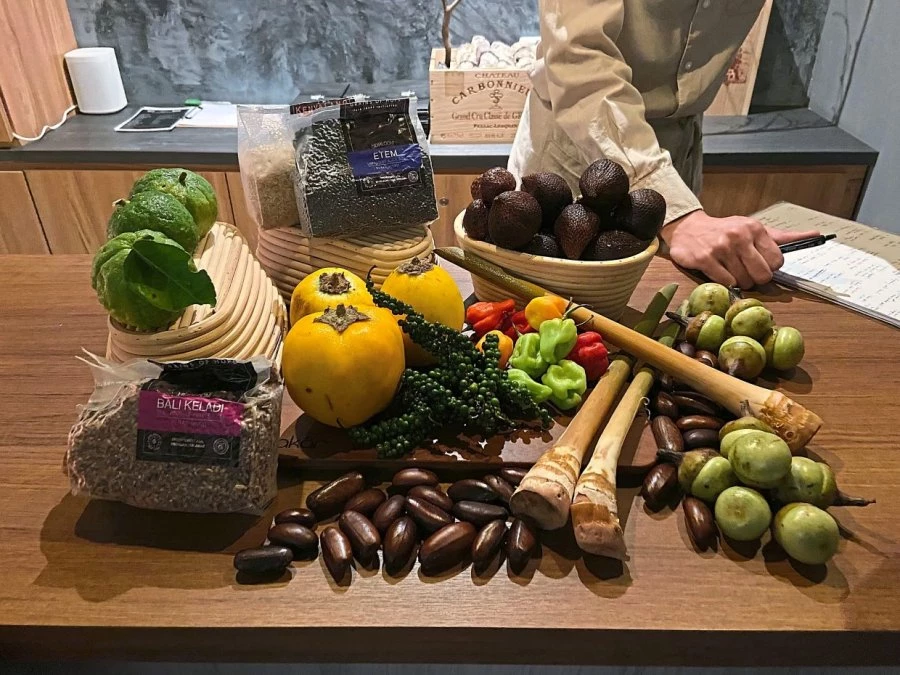
For others, a collaborative dinner can be life-changing in the sense of inspiring a chef to such a degree that they incorporate new ingredients into their menus. For Low, this happened when he collaborated with a restaurant in Sarawak and had the chance to work with indigenous produce of the land. Since then, he has endeavoured to incorporate these ingredients into his menu at Akar.
“The terroir was eye-opening because it was my first time in Sarawak and the flora and fauna there really affected me in terms of what to put on the menu. Even now, I use ingredients like engkabang oil and terung asam in some of my dishes,” he says.
Horiuchi meanwhile says that an exchange of cultures and ideas can also spawn a new understanding of food history and culinary identity.
“When I did a collaborative dinner with progressive south Indian restaurant Nadodi, it was interesting to learn that South Indian cuisine can match with French culinary techniques. In fact, there are deep French roots in Pondicherry, India, where the chef I collaborated with is from.
“That night, French and Indian ingredients and techniques came together in a true amalgamation of East and West. Learning about their complex use of spices was eye-opening for me,” he says.
Creating community spirit
Ultimately though, for many chefs, collaborative dinners are tied into a sense of community. During the Covid-19 pandemic, many chefs were completely disassociated from each other with little opportunity to interact through dinners such as these. Now that these opportunities are back on the table, chefs are enjoying the sense of community these dinners instil.
“It helps to build community between all the chefs and helps with the connection. We usually don’t talk to each other, so we need this kind of thing to boost the momentum in the industry.
“Also I think festivals like Kita are a very good initiative to promote Malaysian chefs and restaurants to Malaysians and even people outside the country,” says Johnson Wong who helms acclaimed Penang eatery Gen.
Wong recently did a four-hands dinner with Andrew Martin of the one-Michelin Thai-starred eatery 80:20, as part of the Kita Food Festival.
So should more chefs be doing this? Most chefs believe these collaborative dinners should definitely continue, in order to bolster the culinary community in Malaysia.
“Oh yes, it’s a great way to learn about other skills, techniques, cultures, and even just the traits and quirks of another fellow chef. It’s always insightful to learn the background and philosophies of other chefs as well,” says Horiuchi.
Jun though says that while collaborative dinners are great, chefs should be mindful that their own restaurants take precedence, so having some sort of balance is crucial.
“I think there is a benefit to it but at the end of the day, our focus is our own establishment so we cannot have too many of these dinners that will distract us or require too much of our attention away from the restaurant. So it’s about striking a balance – so I would say yes to collabs but not too much but don’t do away with it entirely because then it gets too boring,” she says.
Johnson meanwhile says he has gone against the grain and actually reduced the number of collaborative dinners he takes on at Gen. So when he does embark on a collaborative dinner, he says it is because it has been curated with care and thought out in its entirety, because ultimately for him, there has to be a purpose behind the pairing.
“For me, now we do it if it is something we feel would help the restaurant and the team to learn something. So we are quite selective about which restaurants and chefs we work with – we want to work with people who can help us bring a completely new experience to diners. So it’s not just about bringing a chef and having dinner – we want something more meaningful,” he says.
Banh canh cua (crab thick rice noodle soup) is known as a major part of Southern cuisine. It is said to have existed in the twentieth century in Vietnam and was famous for its flavorful red-orange broth.
Crab rice noodle soup (or banh canh cua in Vietnamese) is known as part of Southern cuisine and is famous for its flavourful red-orange broth.
People do not exactly know when the dish was created. Its origin is believed to be in southeast Vietnam last century after it made its debut in Trang Bang District, Tay Ninh Province.
Banh canh (rice noodles) is a traditional dish that is typically served for breakfast. The main ingredient is white, thick and chewy noodles made from rice flour.
Rice noodle is eaten with a flavourful broth made from simmering pork bones with radishes or carrots for hours. Toppings normally include blood puddings, quail eggs, pork belly, and crunchy pork skin. The toppings and flavours are different in different regions.
Banh canh cua is a variant of banh canh that retains the basic elements of the original. It is distinct due to its beautiful red, stock-like soup, which is created by a combination of the essential oil of cashew and maize flour. The taste is of the rich flavour of shrimp, crab, and sometimes abalone, as well as pork bone that has been marinated for hours.
Crab, the soul of the dish, is mostly served in two styles, a whole crab and small pieces.
The whole crab will be cooked with broth. Before being placed in the pot, the chef must remove the crab’s abdomen and wash it until no dirt remains.
Some of the white, thick, and chewy noodles (bánh canh) are made from rice flour. Those are strands of rice dough boiled in water for a few minutes. – Photo danviet.vn
The other way is with small pieces of crab meat. The chef takes out all the crab meat from the shell and then boils it. Then the finished product will continue to be sauteed with spices until it becomes tender and smells perfect.
One of the toppings is fabulous white and organ crab bologna. This is made with a mixture of crab meat, minced pork and fat. Depending on the recipe, some secret spices will be added to increase the savoury taste of crab.
Locally well-known restaurant
Do Thanh Long, the owner of the eatery Banh Canh Cua Ba Ba in District 5, told Vietnam News that the recipe was passed from his grandma.
“I learned to cook banh canh cua from my grandma, who has been selling this for thirty years in her hometown. I still keep the old traditional flavour of the broth by using only dried shrimp, pork bones, and egg whip. Our noodle soup has extra toppings like grilled fish, which makes our guests love it,” Long said.
Long’s restaurant has gone viral on many social media platforms and newspapers since the day he started the business thanks to many popular videos from food vloggers and articles from journalists.
Nguyen Hoai Thuong, a diner from District 7 who is passionate about this dish, said, “The thing that makes me love banh canh cua so much is the gorgeous broth. The umami flavour of it contains all of the fresh seafood flavours inside.”
According to Hoang Thi Minh Hien, co-owner of Banh Canh Cua Co Dieu, a 12-year-old chain restaurant in HCM City, the recipe is passed down from generation to generation, and each ingredient is made by only one family member.
“I remember eating banh canh cua with my mother at a diner in Thai Binh Market in District 1, which was one of the first places in HCM City to sell the dish; the flavour was unlike any other place that sells this dish until even now in HCM City. I raised our family with the passion to make our own version of banh canh cua,” Hien said.
“One of the ways to make good stock flavour is to make the sauce with only seafood, which has made our dish unique. The most succulent crab must come from Vung Tau, where you have some of the best crabs in the country.”
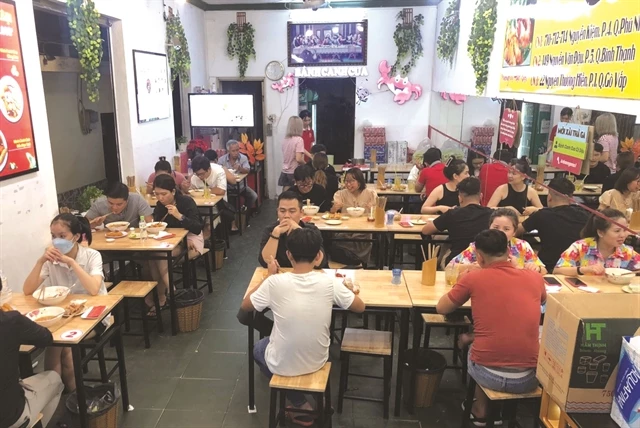
The restaurant is mostly crowded in the afternoon when people are having lunch or dinner.
Dang Huu Thanh Tung, a university student from An Giang Province, said, “I will never forget the first time I tried banh canh cua from a vendor in my hometown when I was 11 years old. Right after the first spoon, I knew exactly how much I loved it.”
The price for this lovely dish is around VND50,000 (US$2) to VND300,000 (US$12).
Japanese master launches fresh-fish business with filleting display
FRIDAY, DECEMBER 09, 2022
Chanapat Komlongharn
Fish Master Naoki Maeda is considered a living legend in Japan, where he has left people all over the country salivating from his spectacular fish-fileting techniques.
Now, the master has arrived in Thailand.
Restaurant companyKouen Group in concert with Foodies Trading 956 has joined hands with Japan-based Sasue Maeda fish restaurant to import the finest and freshest fish filleted by Master Maeda directly from Japan.
Maeda visited Bangkok earlier this month to meet his business partners and demonstrate his filleting techniques to a select group of chefs, food writers and restaurant owners atTerrior Ekamai.
“I feel very privileged that my license holder Big san [Ittichai Benjathanasombat – Foodies trading 956’s managing director] and Bond san [Teerapat Lertsiriprapa – Kouen Group’s CEO] have invited me to visit their business in Thailand and see how meticulous Kouen Group is in storing and managing the fish that they have imported. Also, I had a great time exchanging knowledge and experiences with Thai chefs. Thus, I am ensured my Thai partners will provide our customers with very high-quality fish,” said Maeda, the fifth-generation inheritor of Sasue Maeda restaurant, located in Yaizucity, central Shizuoka prefecture.
The Secret Behind “Umami” Tast
During the demonstration at Terrior Ekamai, Maeda displayed how he preserves freshness and maximises umami(“deliciousness”) of the fish he serves.
He applies three Japanese fish-filleting techniques – Ikejime, Shinkejime, and Dassujime – just after the fish have been caught, to ensure their quality is maintained.
He also uses a Tegaki, a traditional tool that looks like a small sickle, to sever the flesh between a fish gill and pectoral fin, where major arteries are located. This process is called Ikejime.
The second step, Shinkejime, involves inserting a spike quickly and directly into the spinal cord, which is usually located beneath the dorsal fin and near the caudal fin, to prevent further muscle movement and cease all motion before raising the fish up to allow its blood to flow out.
The aim of both Ikejime and Shinkejime is to ensure blood is drained from the fish, as blood is a source of bacteria that can spoil fish.
After filleting the fish, Maeda sprinkles Himalayan salt over a wooden board, puts the fillets on it and sprinkles them with salt again. This step is called Dassujime, which uses salt to remove bacteria and absorb water from the fish to bring out its original taste.
With these majestic techniques, his customers – whether they are in Japan or Thailand – receive the tastiest and highest-quality fish available.
“I am very excited that Thais can now eat first-rate fish without flying to Japan,” said Ittichai.
A Real Fish Master
With two decades’ experience, Maeda is one of the most famous fish masters in Japan.
His restaurant, Sasue Maeda, sells fish to both domestic and overseas restaurants, including some with Michelin stars as well as others listed in The World’s 50 Best Restaurants.
Sasue Maeda uses fish from Suruga bay. It is the deepest bay in Japan and brims with natural nutrition and food that enhances the quality of fish.
The imported fish will be available for all Thais at Kouen Group’s restaurants, including Ono Sushi and Kouen premium buffet, next year.
“I am confident that Kouen Group can bring the best-quality fish from Master Maeda to all famous restaurants across Thailand as we will begin official distribution next year,” added Ittichai.


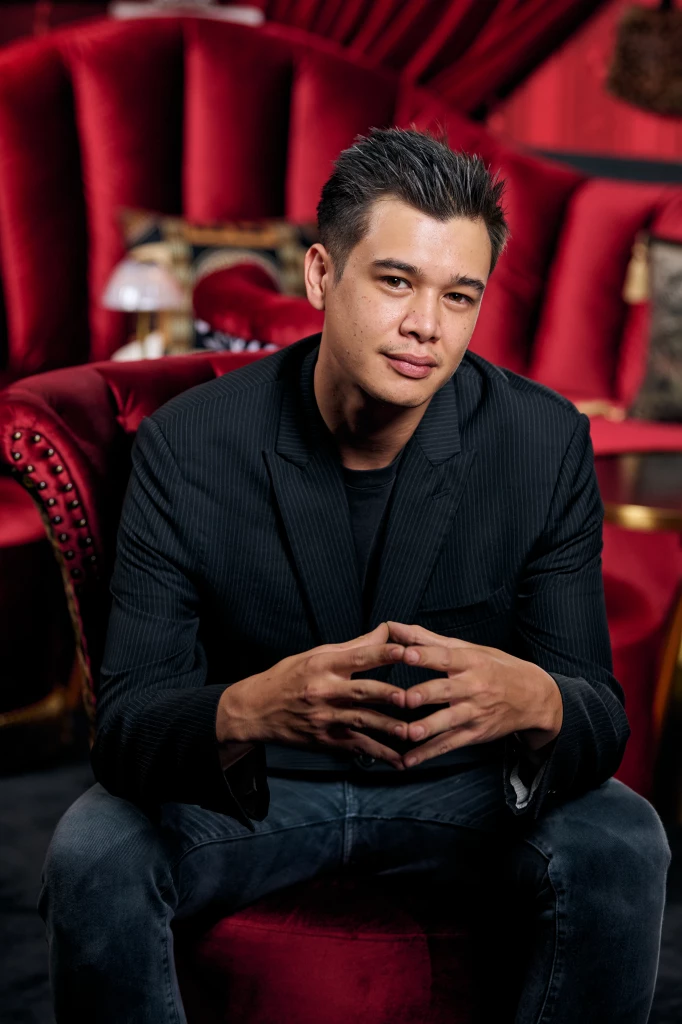 The Beverage menu created by Michel Gonggiat Stein takes its inspiration and concept from the original & Famous ONE TWO TWO from Paris back in the 1920s, every Signature cocktail is inspired by the exciting design and uniqueness of the rooms that made the original ONE TWO TWO so famous back in Paris, ONE TWO TWO as well offers a great selection of French Vermouth and champagnes for guests who adore the bar scene or want to have a stylish business meeting complimented by a luxurious ambience.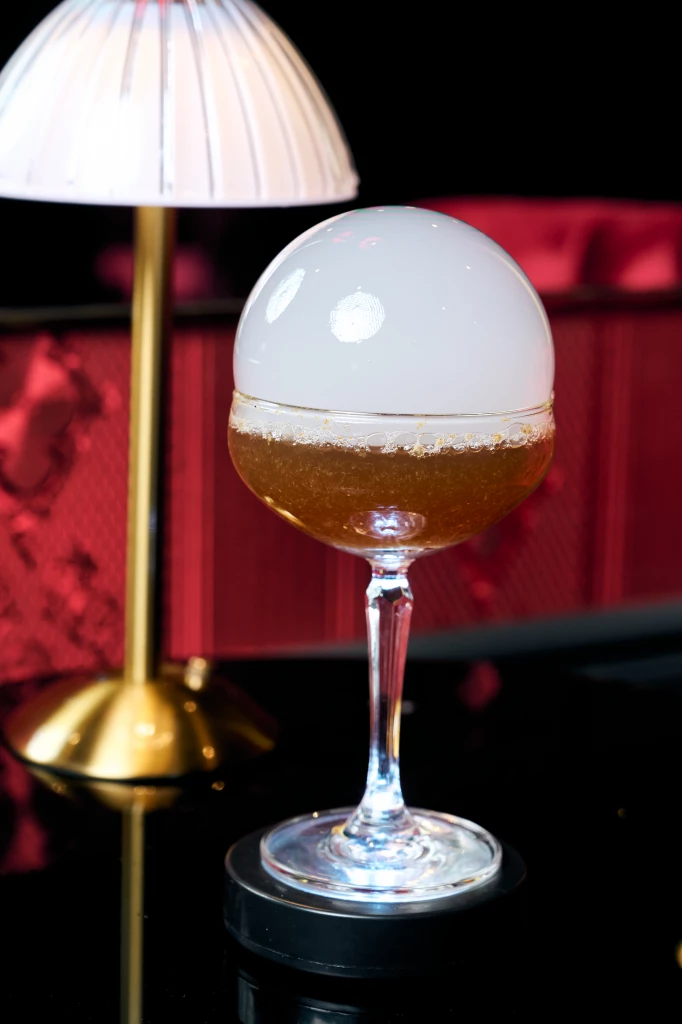

 Khanom Babin
 Khao Soi
 Som Tam






 Some of the white, thick, and chewy noodles (bánh canh) are made from rice flour. Those are strands of rice dough boiled in water for a few minutes. – Photo danviet.vn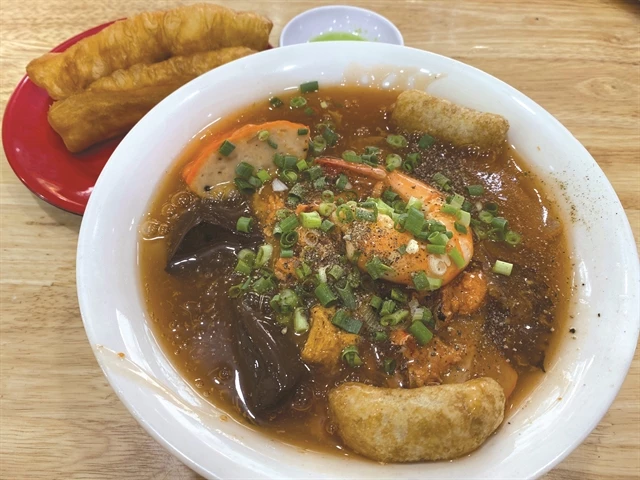


 SootinClaimon.Com