Australia’s products are coming in a food & wine event
WEDNESDAY, OCTOBER 19, 2022
THE NATION
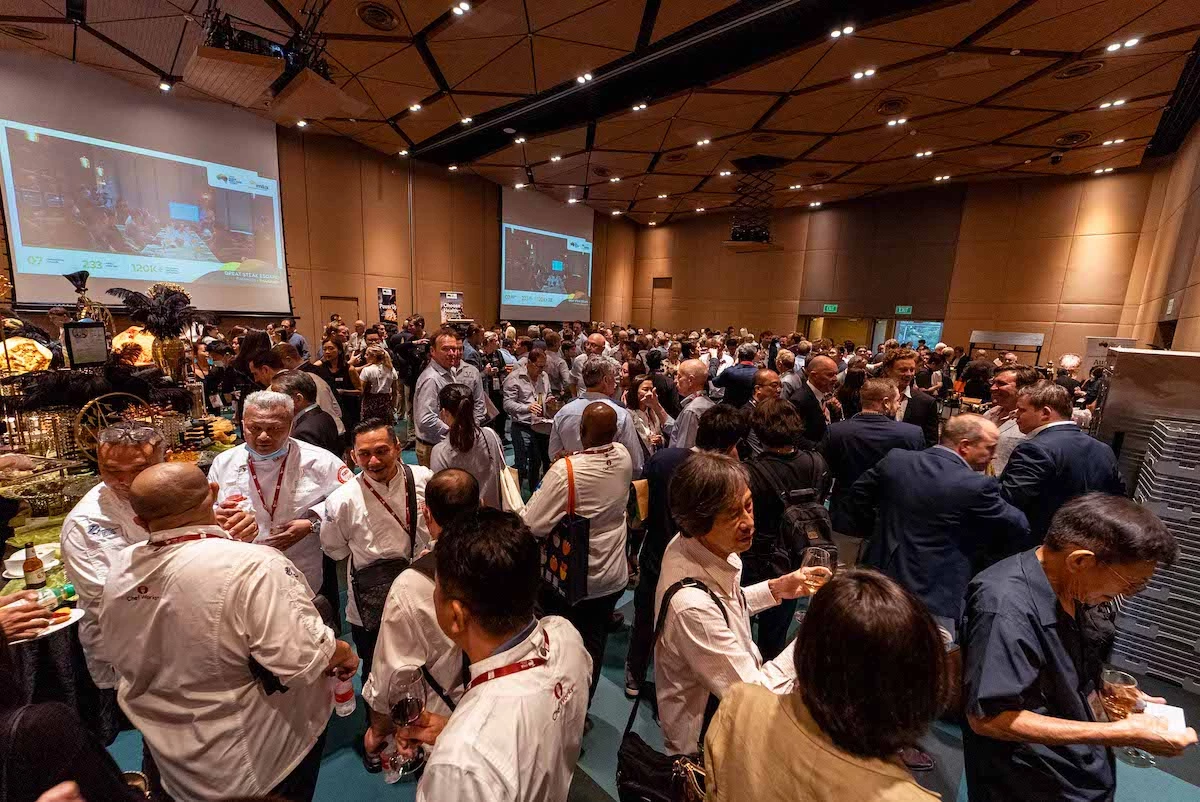
The “Taste the Wonders of Australia” event will be held at Gaysorn Urban Bangkok on November 1.
Australian food and wine industry organisations have collaborated to bring beef, lamb, seafood, dairy products, fruits, nuts, vegetables, and wines to Thailand and will be showcasing them in a series of immersive experiences.
It will bring together leading Thai food and beverage industry professionals, importers, and distributors, who are bringing the best Australian products to food and wine lovers across Thailand.
Meanwhile, Thai government officials and representatives from the Australian Embassy in Bangkok will also be in attendance.
The Thai Chef from Gaysorn Urban Bangkok is creating a Thai fusion menu, blending flavours from two different cultures.
A leading sommelier will match Australian wines to each course, showing the versatility and drinkability of each wine with Thai cuisine.
Another Australian food and wine initiative taking place at the same time as Thailand’s next generation of chefs will prepare a sumptuous showcase menu of Thai fusion dishes using Australian produce.
The students will learn how to feature flavours in their dishes and appreciate how using high-quality and fresh ingredients can elevate the dishes.
Attendees at these invitation-only events can experience premium Australian food and wine.
Previously, trade guests were treated to a preview of “Taste the Wonders of Australia” during the Meat & Livestock Australia networking event.
A spokesperson from the Australian Food & Wine collaboration said, “Australia produces some of the best produce and wine in the world and is highly trusted and sought-after by chefs and consumers. Superb quality, distinctive taste and diversity of offering means unique & memorable experiences every time”.
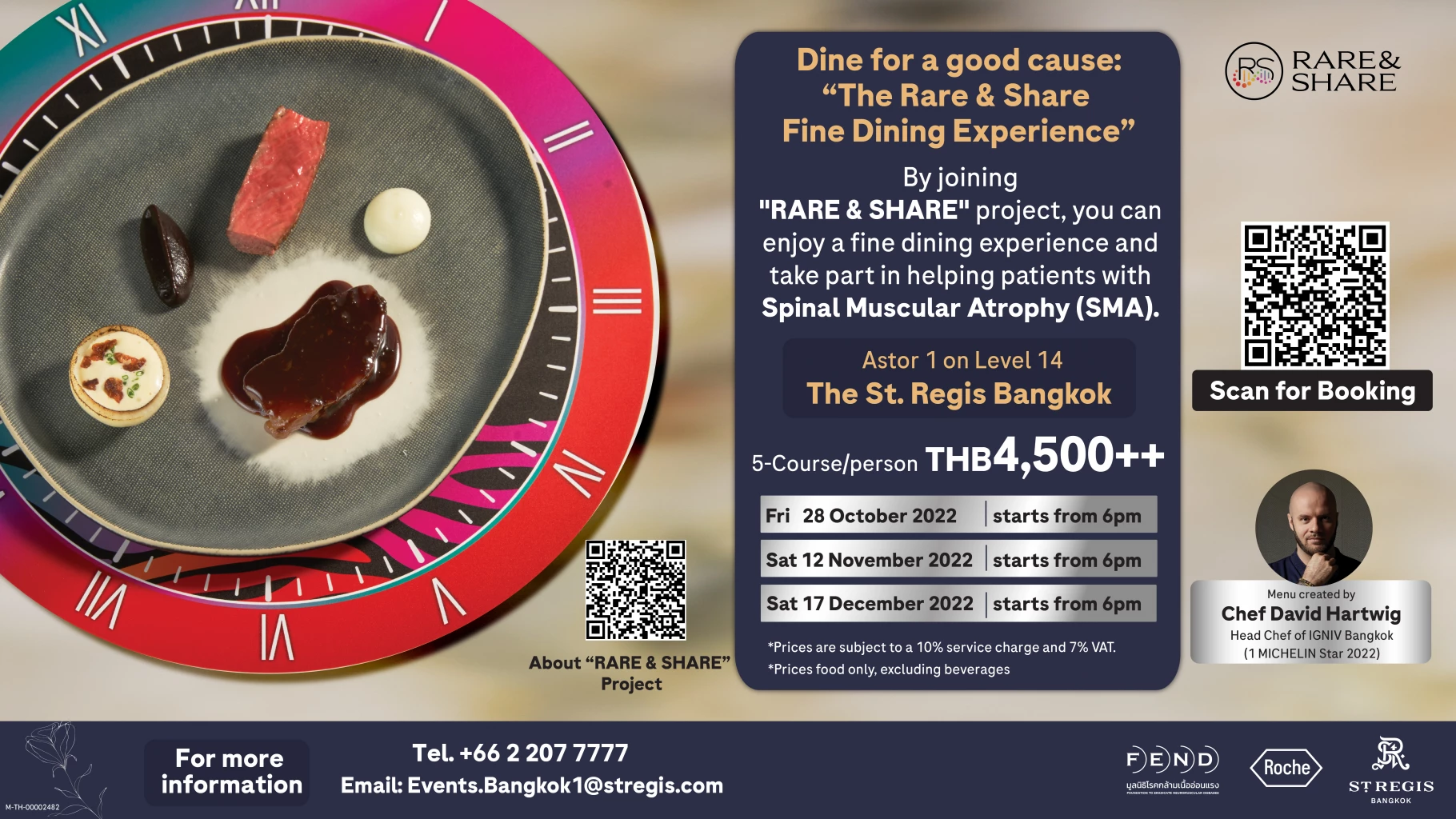
Dine for a good cause: “The Rare & Share Fine Dining Experience”
TUESDAY, OCTOBER 18, 2022
The Foundation to Eradicate Neuromuscular Disease (FEND), the Embassy of Switzerland, Roche Thailand, and The St. Regis Bangkok had the distinguished honor to welcome Her Royal Highness Princess Chulabhorn Krom Phra Srisavangavadhana to the launch of “The Rare & Share Charity Fine Dining Experience” on the 3rd of September 2022.
This unique global launch of a “RARE & SHARE™” fine dining experience to increase awareness amongst society for the cause of rare diseases, can also be experienced by other members of the public during three follow-up events available to book at The St. Regis Bangkok on the following dates:
Friday 28th October 2022 Saturday 12th November 2022 Saturday 17th December 2022
Time: 6:00 pm at Astor 1, Level 14, The St. Regis Bangkok
We invite you to join this dining for a good cause experience where you can learn about the Spinal Muscular Atrophy (SMA) and Neuromyelitis Optica Spectrum Disorder (NMOSD).
The meal will be prepared and presented to enhance awareness of SMA and NMOSD patients including caregivers. The five-course meal features 1. Fried Chicken Taco and Red Beet Injection 2. Starter: Lettuce; Green Apple and Red Cabbage Hamachi 3. Egg Sturgeon smoked 4. Wagyu Striploin, and 5. Dessert
Diners will be treated to exclusive meals Chef David Hartwig, Head Chef of IGNIV Bangkok, which was awarded one star in the Michelin Guide Thailand 2022. Part of the proceeds from ticket sales will be donated to The Foundation to Eradicate Neuromuscular Disease (FEND).
For bookings and further information, please contact: 02-207-7777 or Events.Bangkok1@stregis.com
No salt, please: Alternatives to keep sodium out of your diet
MONDAY, OCTOBER 10, 2022
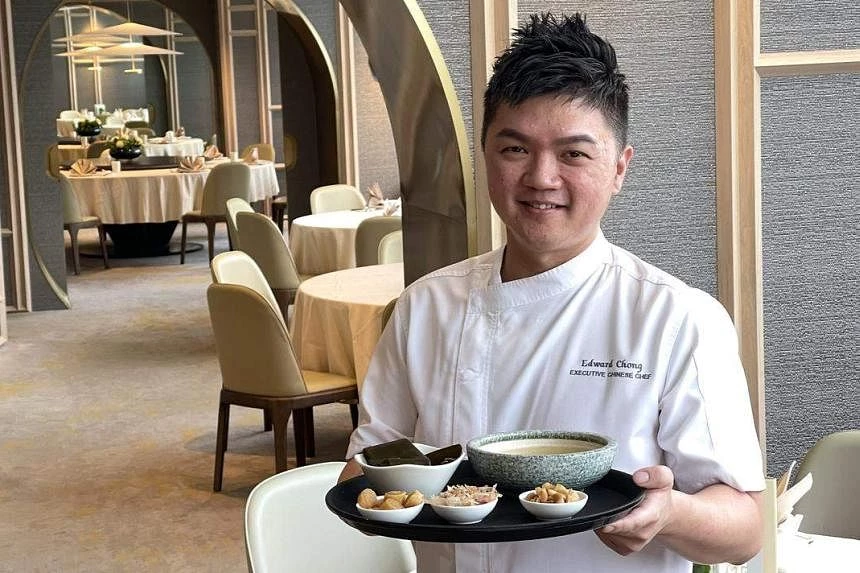
Tasty food with less salt is possible, says chef Edward Chong, who helms the kitchen of Peach Blossoms, a Cantonese restaurant at Singapore’s Parkroyal Collection Marina Bay.
Even before the Health Promotion Board urged Singaporeans to opt for lower-sodium alternatives last month, the 39-year-old executive chef had already been using less salt in his cooking.
He reckons that, over two years, he has managed to reduce his use of table salt by up to 80 per cent.
“Being careful about the use of salt allows me to better express the inherent flavours of other products and ingredients,” he says.
This does not mean serving up bland dishes, he is quick to add. Instead, he draws flavour from high-quality natural ingredients.
Last year, he came up with a kombu stock so flavourful that, when he uses it for dishes such as abalone porridge, he does not need to add salt.
He shared the stock recipe, which calls for dried scallops, dried whelk and kombu from Japan, with his wife. The natural umami means she needs less salt and soya sauce when using the stock for dishes such as mee hoon kueh and steamed fish.
Chef Chong says his wife wants their two sons, aged 16 and 13, to eat more healthily but the flavour still matters.
According to dietitians, the recommended daily sodium limit is 2,000mg, equivalent to one teaspoon (5g) of salt.
Taste buds can be retrained to enjoy low-sodium food, says Ong Li Jiuen, 43, head of dietetics at Changi General Hospital.
She suggests trying the taste re-adaptation challenge for a month: Choose food with lower-sodium content and have more home-cooked meals with less salt or seasoning. Use fresh ingredients such as vegetables for flavour. The taste buds will adjust, she says, and develop less tolerance for salt.
Cooking at home is ideal because you can cut the amount of salt by using alternatives such as lemon juice and garlic, says Dr Kalpana Bhaskaran, president of the Singapore Nutrition and Dietetics Association.
Dr Bhaskaran, who also heads Temasek Polytechnic’s Glycemic Index Research Unit, suggests leaner cuts of meat as another option to amp up the flavour while reducing the fat.
Herbs and spices boost flavour too. Siew Yu Yao, 27, a dietitian at Khoo Teck Puat Hospital, suggests using curry leaves, bay leaves, cumin seeds, ginger, garlic, shallot and coriander.
Stand-ins for salt
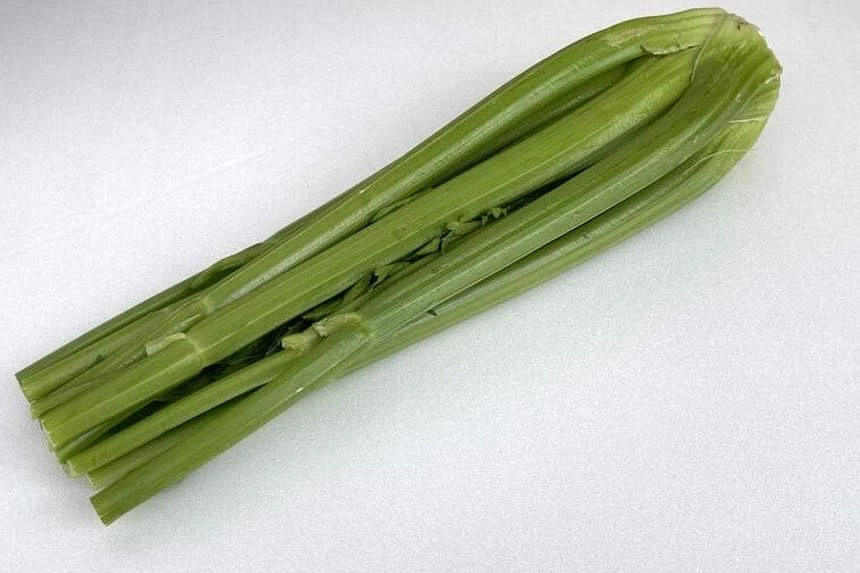
1. Celery
Celery contains vitamins A and C and is a good source of minerals and antioxidants. Its leaves and stems add fragrance and sweetness to dishes.
2. Tomato
Tomatoes have an antioxidant called lycopene and is a rich source of folate and vitamins C and K. Thanks to their full and “meaty” flavour, which comes from a heavy load of glutamates, tomatoes are used in condiments such as ketchup and pasta sauces.
3. Corn
A good source of vitamin B1 and dietary fibre, corn adds sweetness to dishes such as soups with its sucrose and umami flavour.
4. Onion
Packed with vitamins, flavonoids and phytochemicals, onions have a high glutamate content, which makes them tasty.
5. Carrot
Carrots can be eaten raw as well as stir-fried or simmered in soups. This versatile vegetable adds sweetness and colour to dishes.
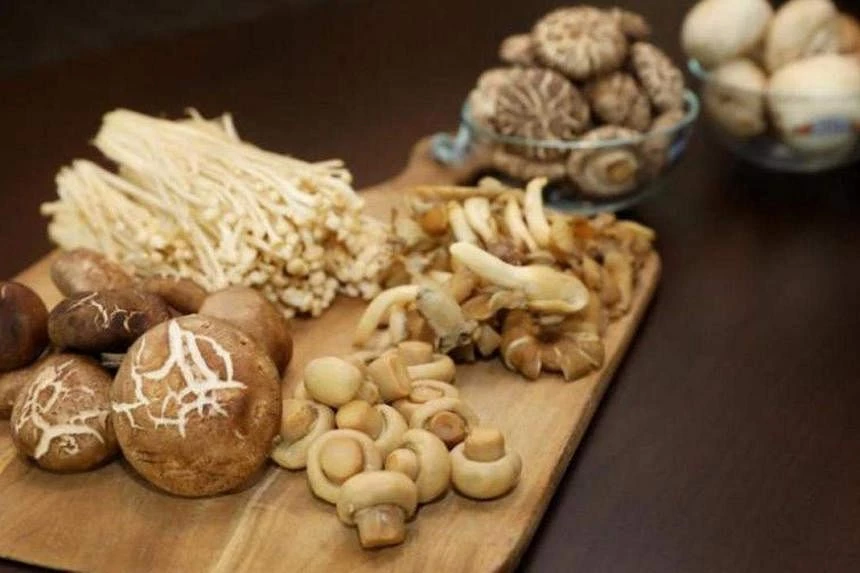
6. Mushrooms
Bursting with B vitamins, folate, minerals and antioxidants essential for a strong immune system, mushrooms contain glutamate and bring a strong earthy aroma to dishes. Both fresh or dried mushrooms impart flavour, but the glutamate is more concentrated in dried mushrooms, giving them more umami.
7. Spices
Ground cumin, coriander, turmeric and garam masala have an unmistakable aroma and flavour. These spices work well in marinades and curries.
But exercise care with garam masala. Dr Bhaskaran notes that the salt content of the spice blend can vary across brands, and some have a considerable amount of sodium, from 146mg to 765mg of sodium a teaspoon. So, check the nutrition information panel and choose a blend with no added salt or zero sodium or salt content.
8. Yoghurt
Some recipes call for salt as a tenderiser, but yoghurt works just as well – and contains less sodium. The tanginess of yoghurt also adds complexity to dishes. A multi-purpose pantry staple, it can also be used to replace coconut milk in curries and mayonnaise in dressings.
9. Lime juice
A natural flavour enhancer, lime juice has minimal sodium. The zesty sourness helps to dial down the fishiness of seafood. Other than a marinade, it can be used for salad dressings and dipping sauces.
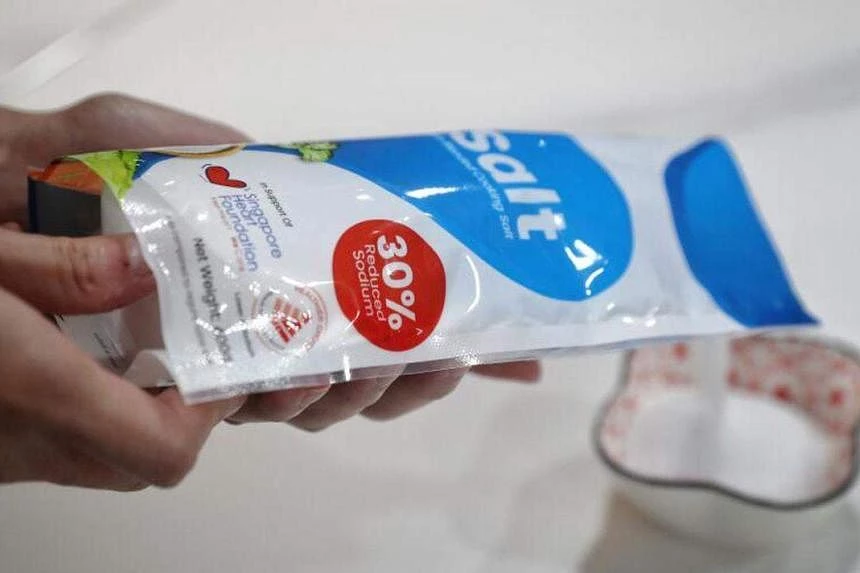
10. Low-sodium salt, sauces and seasoning
For a product to be classified as low sodium, it must have less than 120mg of sodium per 100g.
If a product has a “no added salt” or “unsalted” label, the ingredient list should not have any sodium chloride, sodium compounds, or any ingredient containing added sodium chloride or other sodium compounds.
11. Dried seafood
Kombu (dried sea kelp), dried scallops and dried whelk impart umami flavours. When a dish has well-balanced and complex layers of natural flavours, there is less need for salt to improve the taste or cover the gaminess of meat.
Netizens laud Thailand’s soft power, as Jay Fai cooks up a Thai treat in Italy
MONDAY, OCTOBER 03, 2022
THE NATION
The chef of Michelin-star Thai restaurant Jay Fai flew to Italy to show Thailand’s soft power on the global stage.
The Facebook Page, “Bangkok I Love You”, on Monday posted a picture of Supinya Junsuta, the owner whose nickname is Jay Fai, a street food icon, cooking crab omelette in Italy.
She demonstrated Thai culinary skills at the restaurant, Ristorante Luce – Villa e Collezione Panza, in Varese, Italy with chef Nutthapol Pavapaiboon.
Meanwhile, netizens praised her for presenting Thai food on the global stage while some were proud that she had also brought braziers to cook.
A netizen said that her crab omelette was likely more delicious than the famous souffle omelette in Mont Saint Michel, France.
Jay Fai also posted pictures on her Instagram account @jayfaibangkok on Monday with the caption “Italy, you have our love”.
Previously, Supinya had also showed her culinary skills at the Florence Art Week in Florence, Italy in September after she was invited by the Thai Art Initiative.
“Omakase”, A Type Of Japanese Dining Where The Customer Leaves It Up To The Chef To Select And Serve Seasonal Specialities, Is Becoming Popular Among Bangkokians. New Omakase Restaurants Are Opening Around The City, Offering More Choices For Thai, International And Japanese Expats Living In Thailand.
“Omakase”, a type of Japanese dining where the customer leaves it up to the chef to select and serve seasonal specialities, is becoming popular among Bangkokians. New Omakase restaurants are opening around the city, offering more choices for Thai, international and Japanese expats living in Thailand.
The Nation invites you to explore various Omakase dishes and find out how much they will set you back.
Kintsugi Restaurant Ready With Japanese Delights For Autumn
SATURDAY, SEPTEMBER 17, 2022
THE NATION
Kintsugi, A Japanese Restaurant At The Athenee Hotel In Bangkok, Is Celebrating The Arrival Of Autumn With A Selection Of Special Japanese Ingredients.
The restaurant’s Japanese-American celebrity chef Jeff Okada Ramsey has ushered in a new tasting menu to achieve a harmonious balance of complex flavours and textures.
Ramsey’s assistant, Alvin Chew, is ready to welcome visitors with menus that will be made in line with the chef’s recipe in every respect.
The beautiful Dobin Mushi, a delicate soup made with a medley of mushrooms, was inspired by the chef’s love for the humble and mysterious fungi foraged from woods in Japan and Europe.
This dish is made even more special with the breath mint strip-like film made with heavy herbal aromatics in dash’s with a touch of mint, that guests will put in their mouth to prepare their pallets for the mushroom soup.
Other delightful creations include the creamy silky custard-like texture Ankimo — or monfish liver.
Chef Ramsey layers the technique of first steaming the liver with sake and then braising it in a rich sweet soy broth paired with a collagen-rich salmon jelly and lacto-fermented sour red plums.
This dish is perfected by the chef for a heavenly assortment of textures, savoury, sweet and sour tastes.
Another autumnal treasure is the humble “Truffle Kawabon”, a Japanese take on the French combination of chicken and truffles.
The chicken skin is steamed overnight and then moulded into handmade sheets to make ravioli of the chicken tail, or bonjiri.
The delicate parcels are then fried crisp on the outside, then grilled over charcoal, and served with truffle yuzu chicken essence, with shaved truffles over the top.
Chef Ramsey recently won a thrilling kitchen battle in the prestigious “Iron Chef Thailand”, the exciting television culinary competition show, with his creative takes on Japanese ingredients.
He defeated the reigning Iron Chef, Teerapat Teeyasoontranon, with his natto ice-cream dessert which features in all the kaiseki menus at Kintsugi for a limited time.
Mama Index: Are Instant Noodles A Guide To Economic Health?
SUN, SEPTEMBER 11, 2022
Instant Noodles Are Often Talked About As An Index Of Economic Hardship Because Sales Of This Type Of Food Tend To Rise Whenever People Have Less Money.
The Thai government is currently trying to prevent instant noodle manufacturers from raising prices for fear that it will make life for poor people more difficult. However, some have pointed out that instant noodle sales may not be a good measure of the country’s economic health.
Here is a quick look at the world of instant noodles
Vietnam passed South Korea to lead the consumption per capita of instant noodles in the world in 2021, according to the World Instant Noodles Association (WINA).
The rate per person increased from 55 servings in 2019 to 72 servings in 2020 and 87 servings in 2021 for Vietnam, which was 73 servings in South Korea and 55 servings in Nepal, according to Nongshim, a leading noodle maker in South Korea.
Local media said Korea topped the world from 2013 to 2020. The tally was 75 servings in 2019, rising to 80 in 2020 but falling back down to 73 in 2021, while the figure for Vietnam has steadily increased from 55 in 2019 to 72 in 2020 and 87 in 2021, adding Vietnamese instant noodle market was growing rapidly, from US$5 billion in 2019 to $8.6 billion in 2021, reaching third in market size, following China and Indonesia.
A representative from Nongshim told the media: “Vietnam has a high purchasing power with its increasing economic growth rate. Also, people tend to eat at home rather than dining out due to Covid-19.”
Data said after the Covid-19 pandemic, instant noodle consumption in Vietnam skyrocketed. Overcoming India and Japan, in 2020, Vietnam became the third largest country in instant noodle consumption with 7 billion packages, up 29 per cent. In 2021 the country consumed more than 8.5 billion packages of noodles, up 22 per cent. In terms of growth rate, no market in the top 10 has surpassed Vietnam.
Insiders said that about 50 companies are currently producing instant noodles, including domestic and foreign enterprises, adding the market has been in a battle led by Acecook with the Hao Hao noodle brand, Masan Consumer with Omachi, Kokomi and Asia Food with the brand of Red Bear noodles.
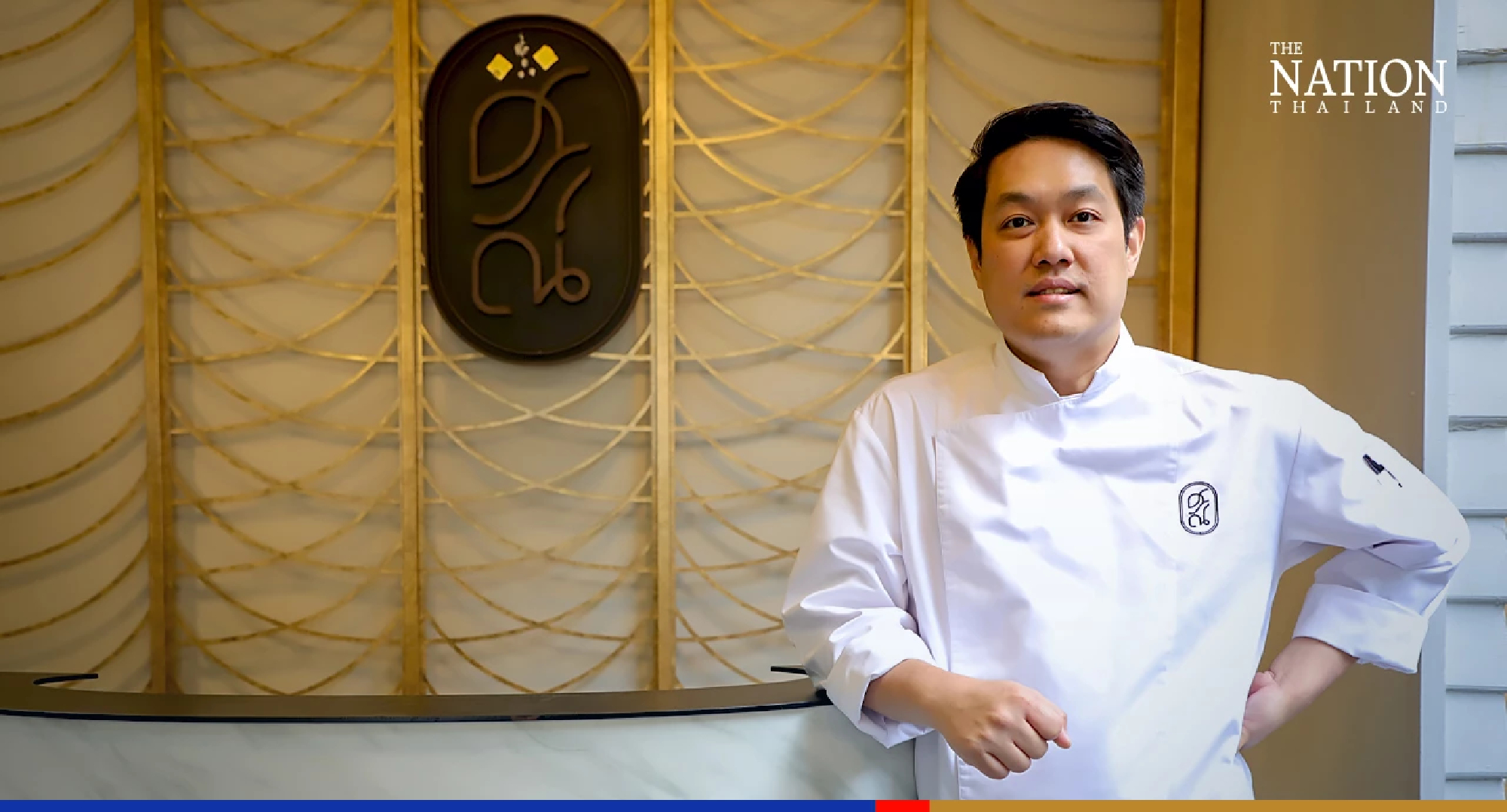
When love takes over, the power is in your hands – this simple philosophy is what guides chef Supaksorn “Ice” Jongsiri as he lovingly recreates the childhood memories of his grandma’s cooking.
“Ican’t remember when I began cooking. I just remember helping my grandmother in the kitchen since I was very young,” says the chef, whose fine-dining Thai restaurant has already won two Michelin stars. One of only two Thai chefs to win Michelin stars in 2019, Supaksorn’s restaurant now ranks second in the list of Asia’s 50 Best restaurants and 39th in the world.
“Sorn is my legacy,” the chef declares proudly as he explains the meaning of the name. Sorn, read as “śaraṇa”, was derived from the Sanskrit word meaning a place to rest or a leader who can be counted upon. He said the restaurant is at the centre of his and his staff members’ heart.
The restaurant based in Bangkok’s Sukhumvit Soi 26 quickly rose to fame after opening in June 2018. As to why he chose southern cuisine, Supaksorn says with a smile, “because that’s what I know best! My grandma cooked this food to feed the family, and that’s the cuisine I grew up with.”
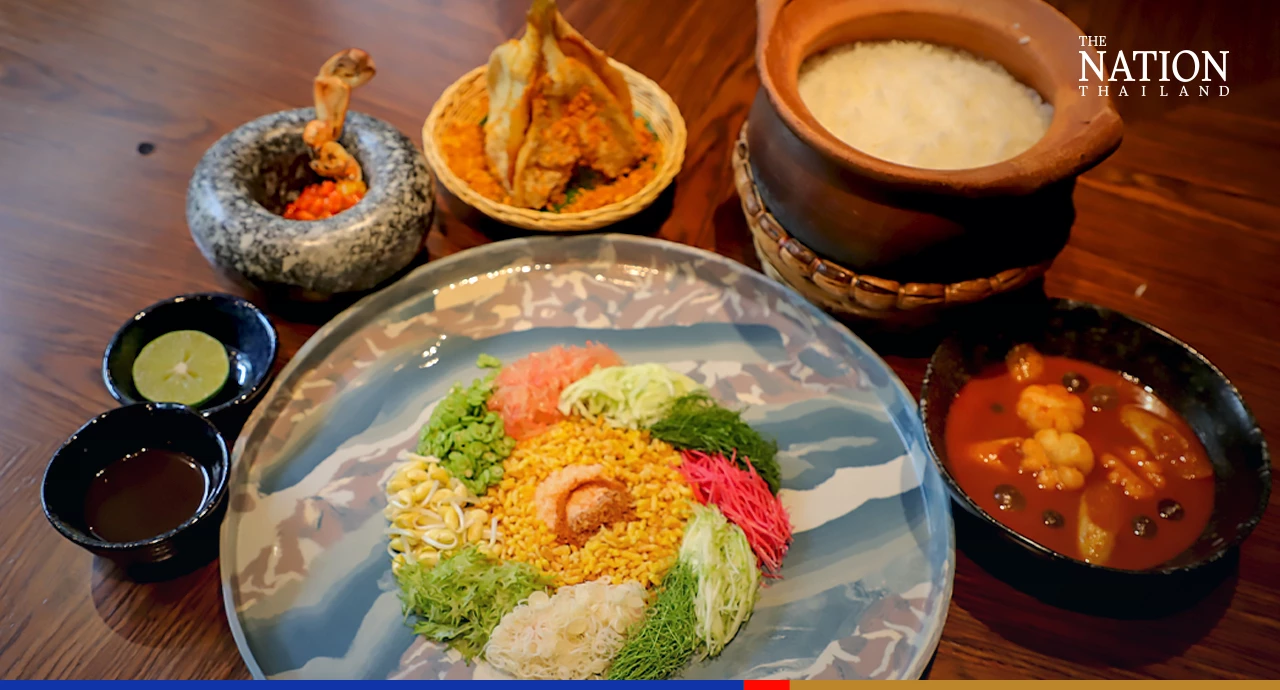
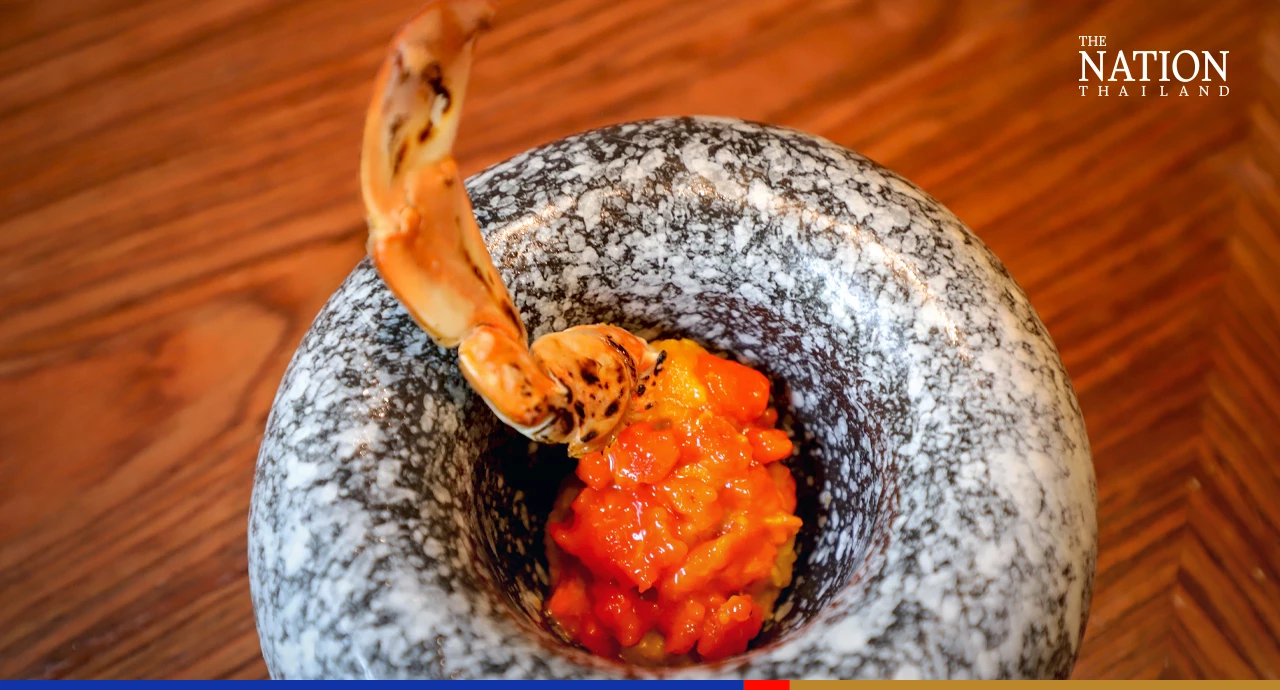
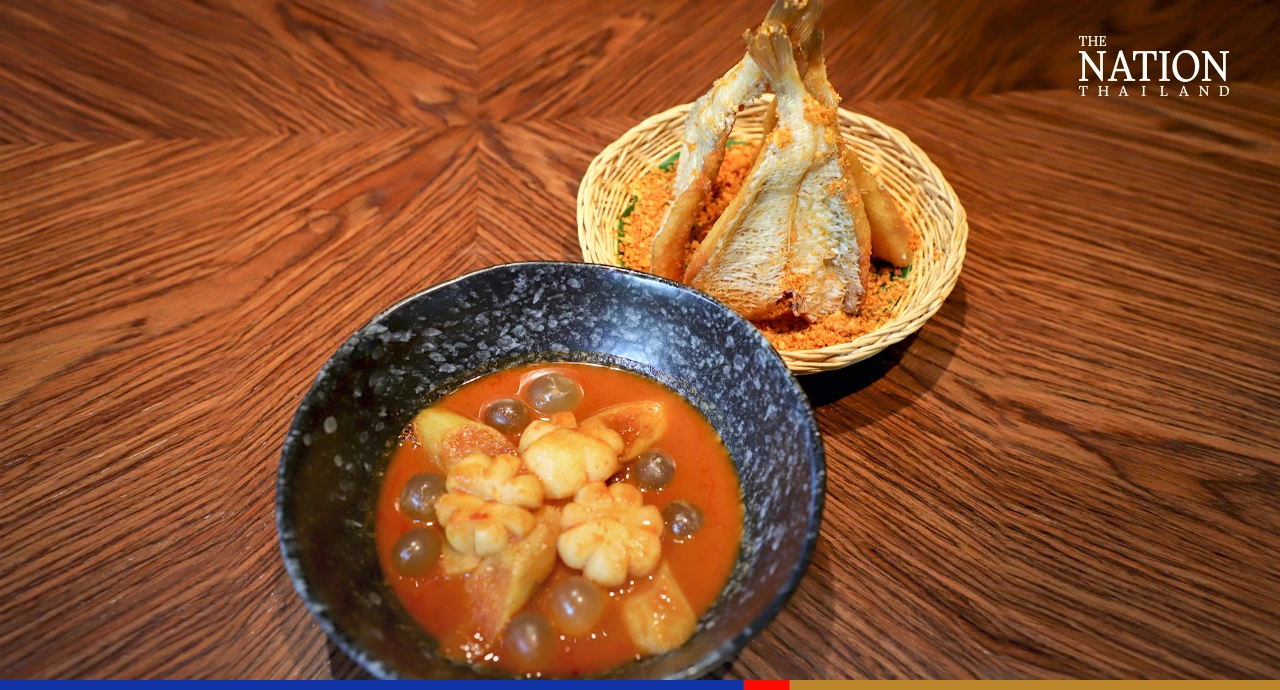
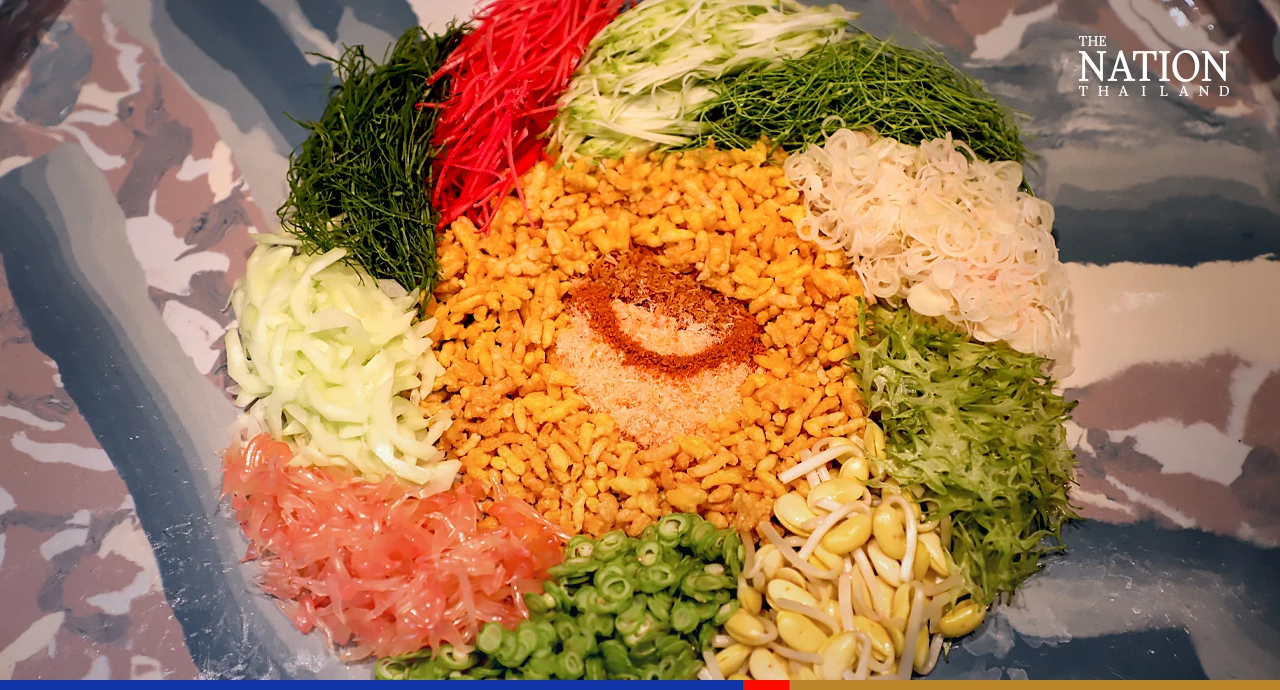
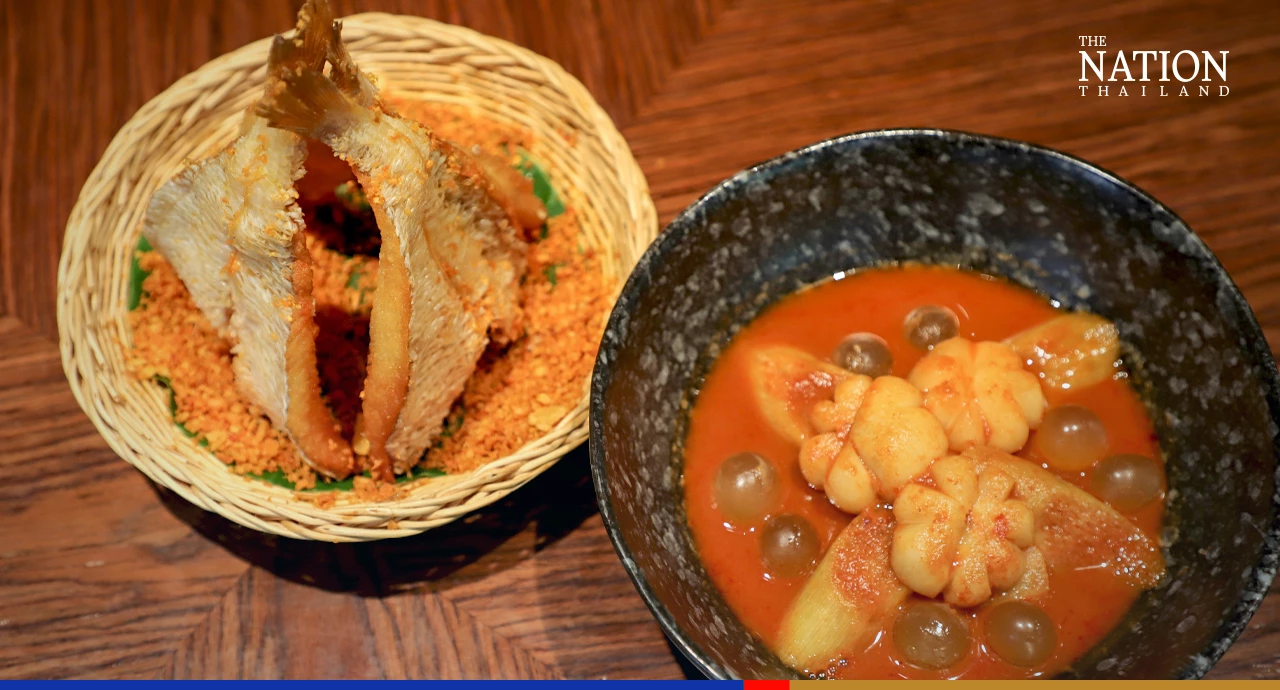
On the menu are regular southern dishes like khao yam (turmeric rice tossed with vegetables, herbs and fish innards), kan chiang pu (blue swimmer crab leg) and yellow giant sea catfish curry. However, at Sorn, these dishes are turned into culinary works of art. The simple khao yam becomes a colourful “forest”, while the crab leg turns into “gems on a crab stick”. Even the simple yellow curry takes on an innovative twist as fried fish drenched in turmeric and garlic is served along with curried young mangosteen and giant catfish roe.
So what makes his creations so special? “Love,” the chef says simply. “Without love, the food will not be delicious. Food at Sorn is a blend of delicacy and dedication.
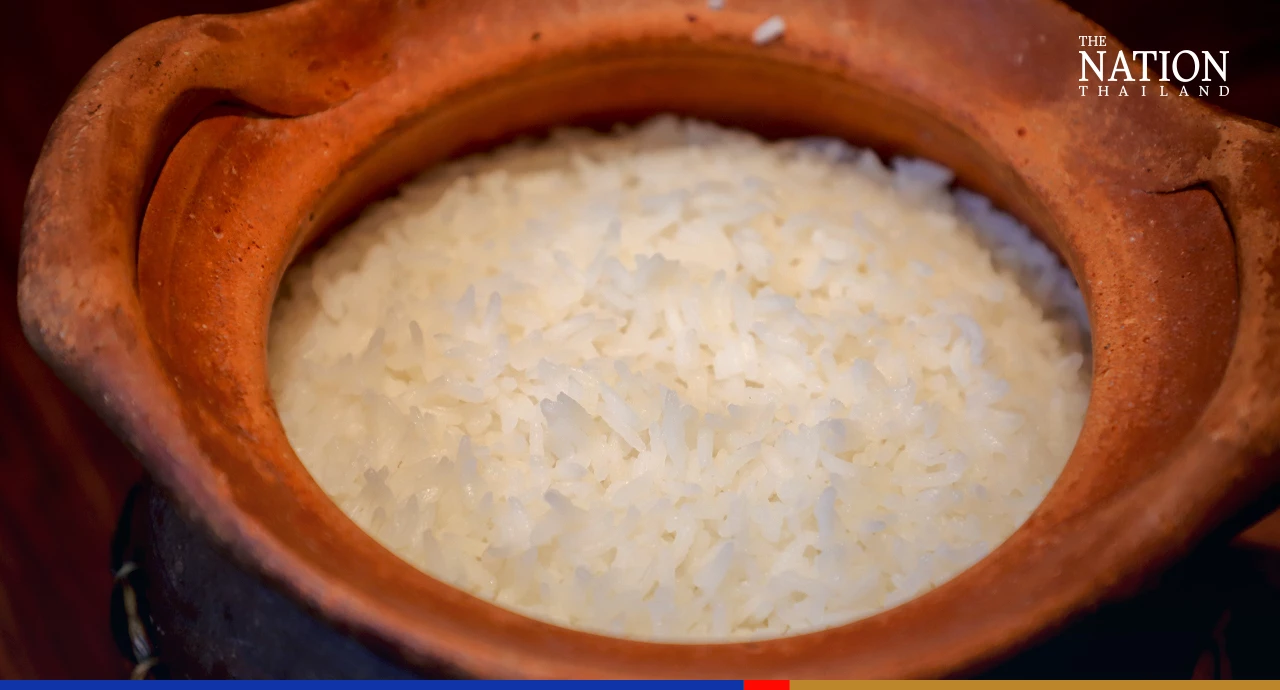
“I preserve original flavours and methods used more than 100 years ago. At Sorn, chilli paste is still pounded by hand and rice is still cooked in a clay pot. This delicate work requires dedication, and that’s something I’m proud of. It’s at the root of where I come from – Nakhon Si Thammarat,” he said.
“I want to recreate what my grandmother used to make for us. Here we serve authentic southern Thai cuisine with ingredients sourced from 14 provinces in the South. For instance, seafood is flown in within an hour of the catch arriving, while chillies come from a specific farm. Even the water for cooking rice and coal comes from the South,” the chef said.
As we bid goodbye, the chef takes a long pause as he looks out at the September rain before saying: “I want to keep striving forward and bring southern Thai food to the international stage. That’s why Sorn was born.”
The Faculty of Veterinary Science, Chulalongkorn University is successful in replicating mangosteen peel extract! Treatment for Intestinal Inflammation in humans and animals.
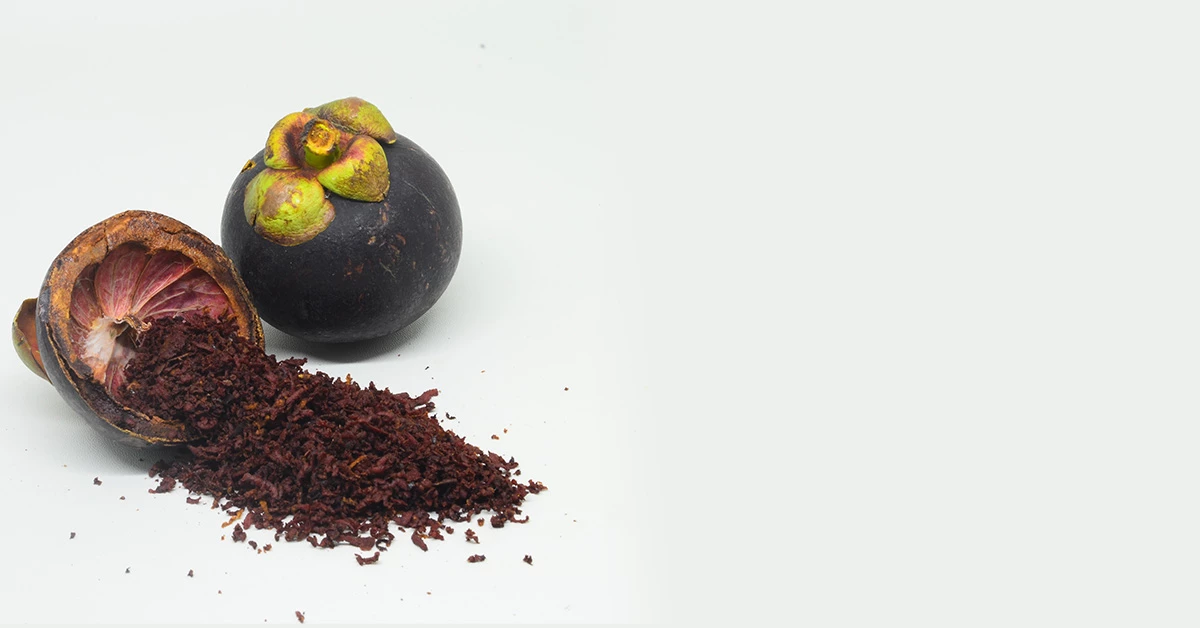
The Faculty of Veterinary Science, Chulalongkorn University has researched and replicated “Hydroxy-xanthones”, the vital extracts rich in antioxidants found in mangosteen peels that kill germs and halt infections in the intestinal mucosa.
It hopes to expand to include health products for humans and animals in the future.
Not only is “Mangosteen,” the queen of Thai fruits, a delicious and healthy fruit, but its peel is also abundant with beneficial extracts.
In the old days, local wisdom deemed mangosteen peel as a good cure for upset stomachs, inflammation on the skin, and cure wounds in animals.
Today, there have been efforts to apply mangosteen peel extracts to various medicines and products such as plasters, gels, and surgical masks.
The benefits of mangosteen peel are even greater. Associate Professor Dr Suthasinee Poonyachoti of the Department of Physiology, Faculty of Veterinary Science, Chulalongkorn University has recently been successful in developing a substance that replicates the chemical structure of mangosteen peel extract that helps stall leakages in the intestine.
Aside from its health benefits, the extract reduces the need for medication for both humans and animals.
Xanthones – a natural substance in the mangosteen peel rich with benefits
Research on mangosteen peel enabled Suthasinee to discover Xanthones, a substance in the Flavanol group that is effective in combatting or halting various types of inflammation with qualities such as anti-cancer, anti-bacterial, anti-allergy, anti-inflammatory, anti-microbial, anti-malarial and anti-oxidant.
With Xanthones’ ability to reduce inflammation and destroy bacteria, a research project in collaboration with the Faculty of Medicine, Srinakharinwirot University was launched to develop and extract Xanthones in the form of Hydroxy Xanthones or HDX with the highest efficacy for the health of humans and animals.
“Extractions of mangosteen peels have brought about a variety of substances both beneficial and harmful. Moreover, they must go through a rather complicated process and we cannot control the quality of the extracts since it is dependent upon factors such as planting methods, use of fertilizer, climate, care, etc.” Dr Suthasinee enumerated how the research project came about.
“We chose the method of analysis and sought to mimic the chemical structure of Xanthones from mangosteen peels, giving us the desired essential extracts which are easier to apply directly as part of adjuvants in medicines, foods, and other products and to control their efficacy in the best manner possible.”
Leaky Gut Syndrome – a cause of disease in both humans and animals The leaky gut syndrome can lead to many diseases especially septicemia that can be hidden in our bodies. This happens when there is an abnormality in the functions of the intestines and the microvilli.
“If you can imagine how the cells in the microvilli work. They line up next to each other and are responsible for screening and controlling toxic substances, and bacteria that enter the bloodstream. When inflammation occurs, the cells cannot line up next to each other and function like a fortress, which makes it possible for toxic or foreign substances to enter the bloodstream. The condition is dangerous and must be treated before it is too late,” she explained.
A leaky gut does not always show any symptoms or if it does it could affect other physical ailments such as overtiredness, fatigue, headaches, or other body aches without any clear indication of the causes.
“The cause is not clear but hypothesized to be the result of stress. If the symptom occurs in human beings, they can consult physicians right away. However, if this occurs in animals, it is harder to tell if they are sick.”
Developing HDX into health products for humans and animals This research is at the experimental stage to determine the quality of HDX’s performance. It has been used in pig farms first before being experimented on human beings and larger and more diverse types of animals.
As Suthasinee concluded, “In the future, HDX will experiment in adjuvants in a variety of products like medicines and food items to improve the quality of life of both humans and animals.”
The Korean Cultural Center in Bangkok host Korean softpower experience event Cooking ‘Attorney Woo’s Gimbap’ and ‘Dong Geu-Rami Gimbap’
The Korean series ‘Extraordinary Attorney Woo’ ranked high for five weeks since it launched on Netflix last July. The K-series’s popularity in Thailand has continued with various hit series including ‘Squid Game’, ‘King’s Affection’, ‘Hometown Cha Cha Cha’ and ‘Extraordinary Attorney Woo’.
With this popularity, interest in Gimbap, Korean rice rolls, also has increased in Thailand. It reminds us that another K-series ‘Itawewon Class’ led the trend of ‘Sundubu Jjigae (Soft tofu stew)’ in Thailand in 2020.
Gimbap, the favourite food of Attorney Woo, attract the attention of many viewers during watching the series.
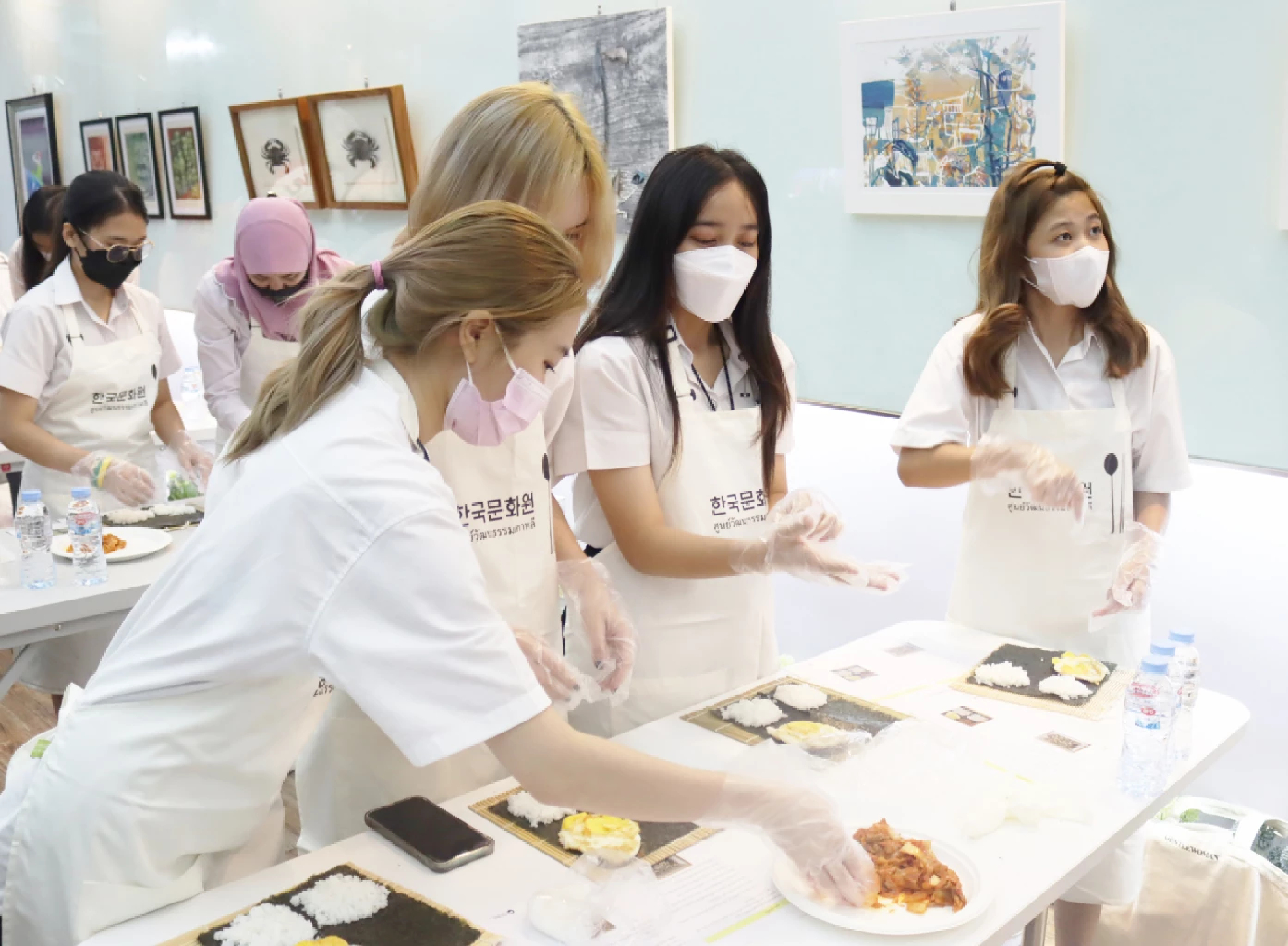
Therefore, the Korean Cultural Center in Thailand hosted a Korean culture experience event, cooking ‘Attorney Woo’s Gimbap’ and ‘Dong Geu-Rami Gimbap(Folded Gimbap)’ in the series on 18th August for around 120 Korean language learners in Thailand.
During the event, the centre provided various activities including wearing Hanbok(Traditional dress) and Korean school uniforms, Handicrafts and K-pop cover dance performances.
At this event, Cho Yong-man, Vice-Minister of Culture, Sports and Tourism in Korea, delivered his speech. He thanked Thai students who like Korean culture and study the Korean language and said “From last April, the Korean government has continued relaxation of entrance regulation for increasing human interchange between Korea and Thailand. We will do our best to promote friendship and cooperation between the two nations by exchange increasing in many fields, such as Tourism, Culture, Sports and Economy.”
Cho Jae Il, director of the Korean Cultural Center in Thailand said, “I hope Thai students enjoy various Korean cultures through today’s Gimbap cooking event. The centre will continue to host Korean culture experience events related to popular Korean content in Thailand.”
The Center has hosted many Korean cultural events related to popular Korean content, such as the interactive event for Korean games in the series ‘Squid Game’ and the exhibition of the Hanbok from the series ‘The King’s Affection’ and ‘The Red Sleeve’.











 SootinClaimon.Com