Thailand’s Consumer Confidence Index rebounds to pre-Covid level

#SootinClaimon.Com : ขอบคุณแหล่งข้อมูล : หนังสือพิมพ์ The Nation.

https://www.nationthailand.com/thailand/economy/40023835

Thailand’s Consumer Confidence Index rebounds to pre-Covid level

Thailand’s Consumer Confidence Index rebounds to pre-Covid level

MONDAY, JANUARY 09, 2023

December saw the Consumer Confidence Index (CCI) rise into the confidence zone for the first time since before the Covid-19 outbreak, the Trade Policy and Strategy Office (TPSO) reported on Sunday.

The CCI rose to 50.4 last month from 49.9 points in November, entering the confidence zone (50-100 points) for the first time in 43 months since May 2019.

Driving the improvement were overall economic recovery, rising domestic consumption, and the influx of foreign tourists at year-end, which prompted businesses to expand and hire more staff.

The CCI survey uses data from 6,600 samples in seven occupations across Thailand.

The TPSO also reported that Thailand’s Construction Materials Price Index (CMPI) jumped 5.7% in 2022 and is expected to remain around the same level this year.

Thailand’s Consumer Confidence Index rebounds to pre-Covid level

The price of construction materials rose on the soaring cost of fuel and steel due to the Russia-Ukraine war, the TPSO said. Other factors driving up the index were manufacturers reducing output, rising minimum wages, increasing electricity costs, the weakening baht, and floods in the second half of the year, said TPSO director Poonpong Naiyanapakorn.

December’s index dropped 0.2% from the previous month, reflecting the falling steel price and promotions for sanitaryware, but it was still 3.6% higher than a year earlier.

The TPSO forecast the CMPI this year will be in the same range as 2022, as Thailand’s recovering economy and public and private investment projects trigger high demand for steel and fuel. Also driving up manufacturing costs will be the higher electricity costs and continual rises in the minimum wage and interest rate.

Factors that could dampen the CMPI in 2023 are the threat of another Covid-19 situation in China and the threat of another lockdown, and the end of government measures to boost the real estate sector that will result in declining property sales, the TPSO said.

Related Stories

Thailand’s headline inflation edges downward for third successive month

May inflation rate soars to highest in 13 years: TPSO

Prayut to be unveiled as Ruam Thai Sang Chart PM candidate on Monday

Tourism, wellness, and green businesses to drive Thai economy this year

#SootinClaimon.Com : ขอบคุณแหล่งข้อมูล : หนังสือพิมพ์ The Nation.

https://www.nationthailand.com/thailand/economy/40023793

Tourism, wellness, and green businesses to drive Thai economy this year

Tourism, wellness, and green businesses to drive Thai economy this year

FRIDAY, JANUARY 06, 2023

Tourism, wellness, and green businesses will be the major growth drivers for the Thai economy this year, Deputy Commerce Minister Sinit Lertkrai said on Friday.

The three sectors have a bright outlook for 2023 due to their performance last year, growth prospects, the current business environment, and economic trends, Sinit said, citing a forecast by the Department of Business Development.

Although the Covid-19 pandemic will continue to create an economic crisis globally, it creates opportunities for new businesses, Sinit said, adding: “Entrepreneurs need to adapt swiftly and carefully study business trends.”

Registration of new wellness and lifestyle businesses increased sharply last year from 2021, Sinit said.

Citing January to November data from the Department of Business Development, he said 1,262 new businesses related to health, beauty, spas and fitness were registered in 2022, up 70% from 2021. Combined, their registered capital totals 2.7 billion baht.

Tourism, wellness, and green businesses to drive Thai economy this year

New tourism-related businesses also surged last year from a year earlier: 4,852 new businesses registered in the sector – an 82% increase from 2021. Their combined registered capital totalled 11 billion baht.

Last year also saw 133 new green businesses launched, up 51% from 2021. Their combined registered capital totalled 405 million baht.

Another 62 new businesses that manufacture electric vehicles, batteries and accessories were registered last year, with combined registered capital of 5.9 billion baht. That was an increase in new businesses in the sector of 55% from 2021.

Using broader definitions of the three categories – including meetings, incentives, conferences and exhibitions in tourism, frozen health foods and herbal remedies in wellness, and environmental management in green businesses, for example – causes the sectors’ economic power to surge. 

According to the Department of Business Development, 94,035 new tourism, wellness and green businesses were registered by the end of last year under the sectors’ broader definition. Their combined registered capital totalled 1.3 trillion baht, according to data from the department.

Curb the craving: Thailand to up tax on sweet drinks, food from April 1

#SootinClaimon.Com : ขอบคุณแหล่งข้อมูล : หนังสือพิมพ์ The Nation.

https://www.nationthailand.com/thailand/economy/40023789

Curb the craving: Thailand to up tax on sweet drinks, food from April 1

Curb the craving: Thailand to up tax on sweet drinks, food from April 1

FRIDAY, JANUARY 06, 2023

Sweet, sugary food and beverages will become more expensive from April 1, as the Excise Department will be pushing up the tax again.

Ekniti Nitithanprapas, the department’s director-general, said on Friday that the hike was initially meant to be put in place on October 1 last year, but was postponed by the Cabinet to March 31 this year.

“The Excise Department will launch the third phase of the tax hike in fiscal 2023 in line with the law,” he said.

The first phase of the tax hike ran from September 16, 2017 to September 30, 2019, and the second phase from October 1, 2019 to October 1, 2022.

Under the third phase, from April 1, 2023 to March 31, 2025, tax will be levied as follows:

• 0.3 baht/litre for 6-8 grams of sugar

• 1 baht/litre for 8-10g of sugar

• 3 baht/litre for 10-14g

• 5 baht/litre for more than 14g

Thailand began levying heavy taxes on sugary food and beverages in a bid to promote good health and to meet the World Health Organisation’s recommendation to prevent and contain non-communicable diseases.

Related stories:

Average headline inflation in 2022 was the highest in 24 years

#SootinClaimon.Com : ขอบคุณแหล่งข้อมูล : หนังสือพิมพ์ The Nation.

https://www.nationthailand.com/thailand/economy/40023749

Average headline inflation in 2022 was the highest in 24 years

Average headline inflation in 2022 was the highest in 24 years

THURSDAY, JANUARY 05, 2023

Thailand’s average headline inflation in 2022 hit 6.08 per cent, the highest in 24 years, the Trade Policy and Strategy Office (TPSO) said on Wednesday.

The inflation rate is still within the 5.5% to 6.5% range forecast by the Commerce Ministry, TPSO director Poonpong Naiyanapakorn said, adding that the last time Thailand’s headline inflation was this high was in 1998 when it rose to 8.1%.

Based on the consumer price index (CPI), headline inflation in December was 5.89% — 0.06% higher than the previous month — due to global energy prices that continued to soar since August, said Poonpong.

Core inflation in December remained the same as in the previous month at 3.23%, while the whole-year average was 2.51%.

The TPSO also reported consumer confidence index (CCI) in December at 50.4%, rising for the first time in 43 months, thanks to the continuing recovery of the domestic economy.

The TPSO forecast headline inflation in 2023 at 2-3% as it expects energy prices to stabilise amid the stagnating global economy. Also contributing to this number is the result of the government’s measures to reduce people’s cost of living.

The National Economic and Social Development Council, however, has predicted inflation in 2023 at 2.5-3.5%, the Bank of Thailand has predicted 3%, the Fiscal Policy Office 2.9%, and Krungsri Research 2.5%.

Related Stories

Thailand’s headline inflation edges downward for third successive month

Bank of Thailand raises policy rate by 25 points to fight inflation

May inflation rate soars to highest in 13 years: TPSO

Four industrial estates offer major incentives for investors

#SootinClaimon.Com : ขอบคุณแหล่งข้อมูล : หนังสือพิมพ์ The Nation.

https://www.nationthailand.com/thailand/economy/40023742

Four industrial estates offer major incentives for investors

Four industrial estates offer major incentives for investors

THURSDAY, JANUARY 05, 2023

The Industrial Estate Authority of Thailand is waiving rental and maintenance fees in four industrial estates for at least one year to attract investors, its governor, Veeris Ammarapala, said on Thursday.

The fees will be waived in two industrial estates in Songkhla province, one in Sa Kaew province, and another in Phichit province, Veeris said.

Fees are being waived and land prices are being lowered to attract investment, primarily from China and Saudi Arabia, in the four industrial estates, Veeris explained, adding that the measures applied to both new and current investors.

The measures are being implemented as supply chains accelerate their shift from China to Southeast Asia and investment from Saudi Arabia in Thailand increases following an improvement in the relationship between the two countries last year.

Four industrial estates offer major incentives for investorsThe four estates are Rubber City in Songkhla, Songkhla Industrial Estate (first stage), Phichit Industrial Estate, and Sa Kaew Industrial Estate.

The measures for each of the four industrial estates are:

– Rubber City, Songkhla: New investors will be exempt from rental and maintenance fees for one year from the day they sign the leasing contract. Current tenants will be exempt from rental fees for two years and maintenance fees for one year. New investors buying land in the estate will receive a 15% reduction from the land price as well as a one-year exemption from maintenance fees. Current investors will receive a 20% discount if they buy more land as well as the one-year exemption from maintenance fees.

Four industrial estates offer major incentives for investors– Songkhla Industrial Estate (first stage): New investors will be exempt from rental fees for three years from the day they sign a contract. They will be exempt from maintenance fees for one year. Current tenants will receive a three-year exemption from rental fees and a 25% discount in the fourth year. They will also be exempt from maintenance fees for one year.

– Sa Kaew Industrial Estate: New investors will be exempt from rental and maintenance fees for one year. Current tenants will be exempt from rental fees for three years and maintenance fees for one year. Investors who rent factories will be exempt from rental fees for two years.

– Phichit Industrial Estate: New and current investors will be exempt from rental fees for two years and from maintenance fees for one year.Four industrial estates offer major incentives for investors

Thailand’s 2024 budget of THB3.35trn gets nod from state agencies

#SootinClaimon.Com : ขอบคุณแหล่งข้อมูล : หนังสือพิมพ์ The Nation.

https://www.nationthailand.com/thailand/economy/40023741

Thailand’s 2024 budget of THB3.35trn gets nod from state agencies

Thailand’s 2024 budget of THB3.35trn gets nod from state agencies

THURSDAY, JANUARY 05, 2023

Four state economic agencies have approved the fiscal 2024 budget of 3.35 trillion baht with a budget deficit of 593 billion baht.

The 2024 budget is an increase of 165 billion baht from last year’s budget, but this year’s deficit is lower by 102 billion baht.

The four agencies – the Budget Bureau, National Economic and Social Development Council (NESDC), Bank of Thailand and Finance Ministry – will propose the budget to the Cabinet for approval next Tuesday.

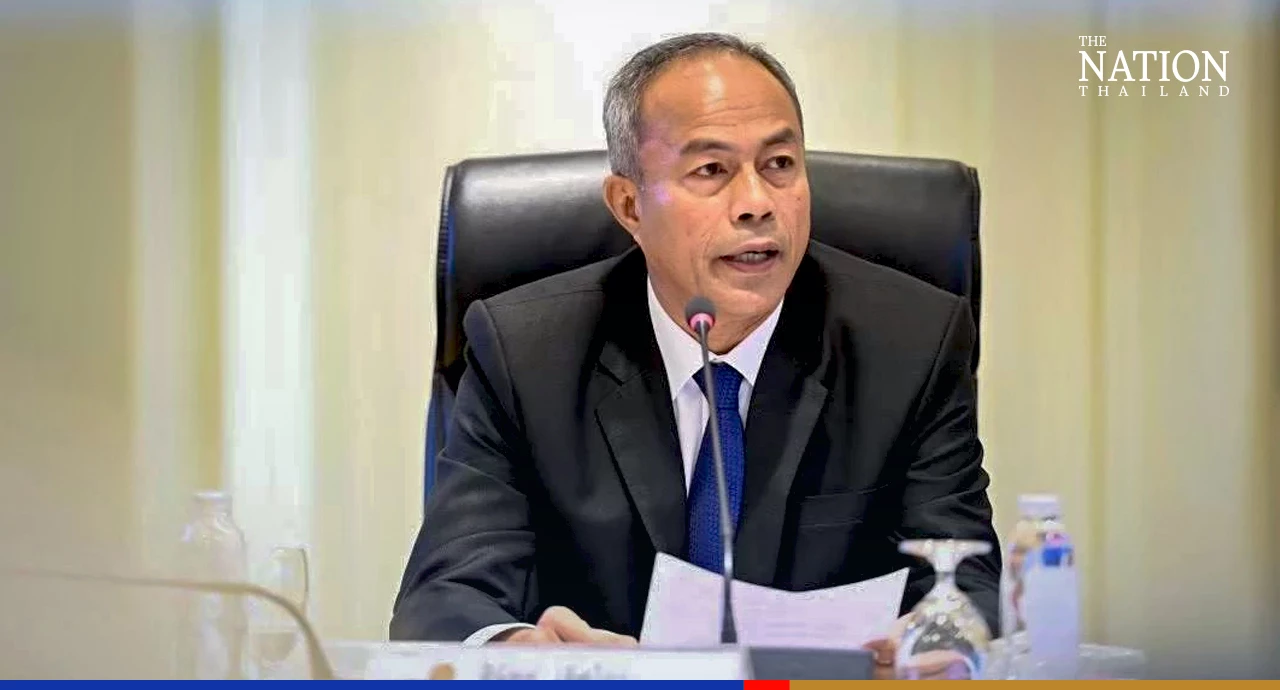
NESDC secretary-general Danucha Pichayanan said that setting next year’s government expenditure at 3.35 trillion baht was appropriate given economic recovery following the Covid-19 crisis.

The 2024 budget is based on expected GDP growth of 3.3% to 4.3% next year from global economic recovery, he said.

“Recovery of the global economy and trade volumes will benefit Thailand’s exports, resulting in GDP expansion,” he said, adding that global trade volume next year is expected to expand by 3.7%.

He said the government’s plan to increase public spending while reducing the deficit in 2024 would boost Thailand’s financial status in the long term.

He also expects the budget deficit to drop as the global situation improves.

Finance Minister Arkhom Termpittayapaisith said preparing the 2024 budget had been challenging as it was necessary to increase expenditure while reducing the budget deficit.

He said the 2024 budget is in line with the government’s medium-term fiscal plan (2024-2027) for a deficit of no more than 3% of GDP.

Oil Fuel Fund to borrow another 30 billion baht to keep price of diesel low

#SootinClaimon.Com : ขอบคุณแหล่งข้อมูล : หนังสือพิมพ์ The Nation.

https://www.nationthailand.com/thailand/economy/40023724

Oil Fuel Fund to borrow another 30 billion baht to keep price of diesel low

Oil Fuel Fund to borrow another 30 billion baht to keep price of diesel low

WEDNESDAY, JANUARY 04, 2023

The Oil Fuel Fund Office will borrow another 30 billion baht more to increase its liquidity after its board meeting next week, the fund’s director, Wisak Watanasap, said on Wednesday.

Wisak said the fund’s board would meet on Monday to discuss its plan to borrow 30 billion more and would then submit the plan for Cabinet approval soon after.

Wisak said the fund had already borrowed 30 billion baht from Krung Thai Bank and the Government Savings Bank following an executive decree from the Finance Ministry guaranteeing the fund’s loans took effect last year.

The first loan reduced the fund’s deficit to 121.491 billion baht as of January 1, Wisak said.

The fund will continue to borrow from state-run banks, he said, adding that the fund had enough cash to

repay debts from oil subsidies until February or March.

Falling global oil prices in November and December helped the fund collect an additional 8 billion baht, Wisak said.

He said the fund will continue subsidizing diesel oil prices so that the retail price could be kept at 35 baht per litre until the government made a decision to raise or lower the price.

Excise Department looking at overseas practices before levying carbon tax

#SootinClaimon.Com : ขอบคุณแหล่งข้อมูล : หนังสือพิมพ์ The Nation.

https://www.nationthailand.com/thailand/economy/40023721

Excise Department looking at overseas practices before levying carbon tax

Excise Department looking at overseas practices before levying carbon tax

WEDNESDAY, JANUARY 04, 2023

The Excise Department is studying guidelines issued by many countries for collection of carbon tax, with the study expected to be completed this year.

The department’s director-general, Ekniti Nitithanprapas, said on Wednesday that Singapore has two types of carbon tax collection — on goods, and on production.

European countries have implemented measures to collect carbon tax on production, both domestic and overseas, he added.

He pointed out that carbon tax collection on goods that emit carbon dioxide is appropriate for Thailand as the country collects tax from retail prices.

“Initially, Thailand would collect carbon tax on goods that are subject to excise tariff, such as diesel, benzene and biodiesel,” he said.

He said collection of carbon tax on production would take some time as the department needs to study the guidelines.

“We have to check how much carbon dioxide is emitted during the production process,” he said, adding that the department has set up a working team and summoned related agencies to discuss this issue.

Ekniti explained that Singapore, for instance, collects 5 Singapore dollars per metric ton of carbon dioxide emitted during production.

He added that European countries’ move to collect carbox tax on production overseas aims to prevent business operators from taking advantage by moving their production base.

“Guidelines to collect carbon tax on goods that are subject to excise tariff will be made by paying attention to environment,” he said.

He added that the department would also launch guidelines to reduce carbon tax on eco-friendly products.

“Apart from driving the economy, the department’s campaign will urge people to use more energy-saving products,” he said.

Ekniti said that the department plans to reduce tax on electric vehicle (EV) batteries for domestic manufacturers from the current 8 per cent in a bid to meet the government’s campaign to promote the use of EVs in the country.

He added that the department is discussing this issue with related agencies, expecting to reach a conclusion by this year.

“However, manufacturers must have a plan to recycle batteries,” he said, adding that this move would also help reduce the price of EVs.

Related stories:

BOT accelerates setting up of new transnational payment system for Thai consumers

#SootinClaimon.Com : ขอบคุณแหล่งข้อมูล : หนังสือพิมพ์ The Nation.

https://www.nationthailand.com/thailand/economy/40023720

BOT accelerates setting up of new transnational payment system for Thai consumers

BOT accelerates setting up of new transnational payment system for Thai consumers

WEDNESDAY, JANUARY 04, 2023

The Bank of Thailand (BOT) is pushing the development of a new payment system to match Thailand’s economic recovery.

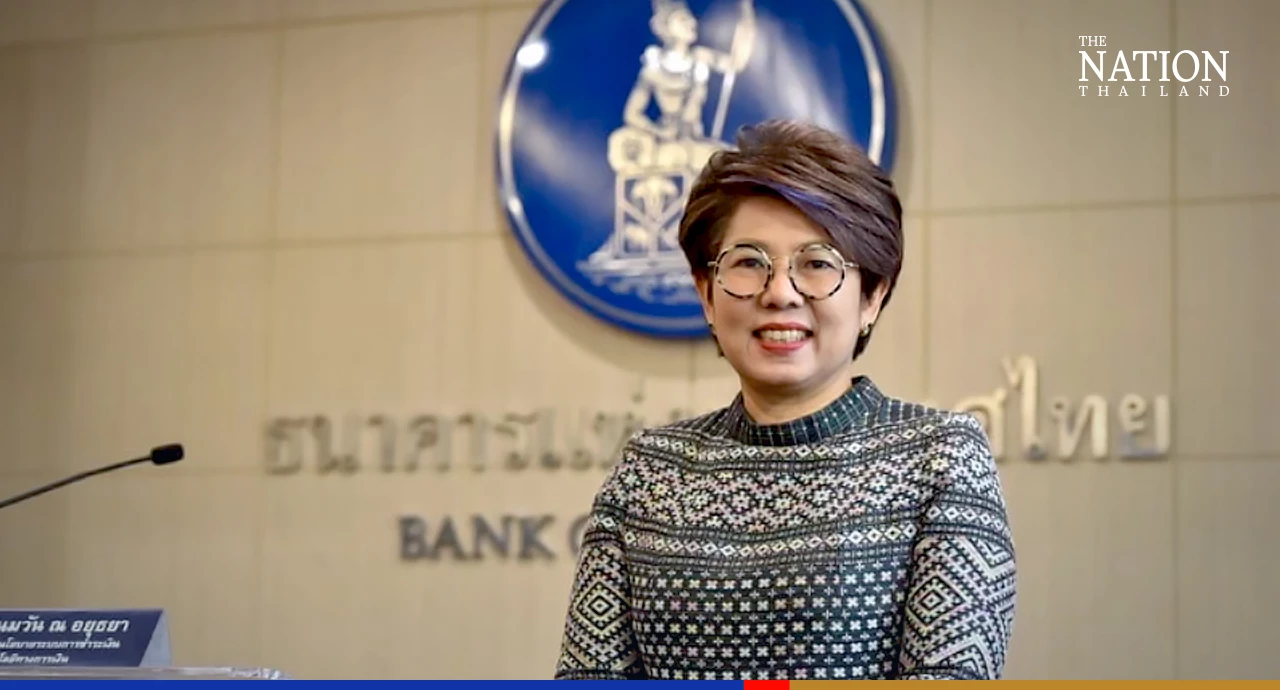
Siritida Panomwon Na Ayudhya, assistant governor of BOT’s Payment Systems Policy and Financial Technology Group, said on Tuesday that the central bank aims to develop a payment system that allows users to perform transactions overseas.

She added that the popular PromptPay application already supports payments in countries like Laos, Cambodia, Vietnam, Indonesia, Malaysia and Japan via the quick response (QR) code.

She said the volume of transactions via PromptPay has surged exponentially since the application was introduced in January 2018.

“Currently, 44 million transactions are made via PromptPay per month,” she said, adding that the transaction volume is expected to grow further.

Siritida went on to say that BOT joined with the Monetary Authority of Singapore to launch the PromptPay-PayNow system in April 2021. The system allows users to transfer cash to and from Singapore via registered phone numbers.

“As of September last year, 505,000 transactions worth 3.8 billion baht were made via the PromptPay-PayNow system,” she said.

She added that BOT is planning to set up a similar system with Malaysia in the third quarter of this year, and with Vietnam after that.

Siritida Panomwon Na AyudhyaSiritida Panomwon Na Ayudhya

Separately, BOT has cooperated with Hong Kong, China and the United Arab Emirates on issuing a wholesale central bank digital currency (CBDC), Siritida said.

BOT will expand the digital currency to other countries later this year, she added.

“BOT will conduct an experiment on issuing retail CBDC via Thai banks this year,” she said.

She added that the central bank is also conducting an experiment on a peer-to-peer (P2P) lending system which allows people to seek loans online.

Related stories:

Soaring global demand for rice pushes Thailand closer to 2nd place

#SootinClaimon.Com : ขอบคุณแหล่งข้อมูล : หนังสือพิมพ์ The Nation.

https://www.nationthailand.com/thailand/economy/40023719

Soaring global demand for rice pushes Thailand closer to 2nd place

Soaring global demand for rice pushes Thailand closer to 2nd place

WEDNESDAY, JANUARY 04, 2023

Thailand is on track to becoming the world’s second-largest rice exporter after its shipments in the first 11 months of last year rose to 6.91 million tonnes.

This surpassed the 6.67 million tonnes exported by Vietnam, which held second place in 2021, the Thai Rice Exporters Association (TREA) said on Wednesday.

Meanwhile, India is still the top rice exporter after having shipped 18.25 million tonnes from January to November last year.

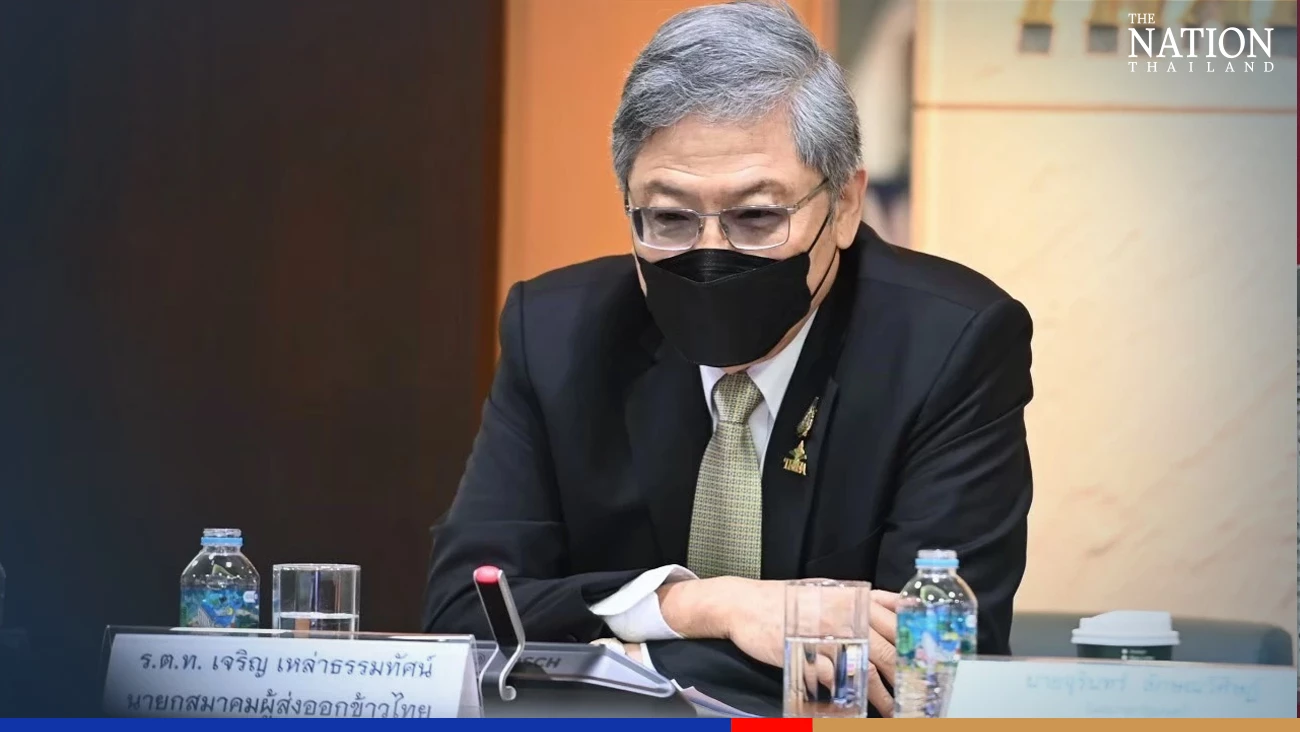
“We are confident that total exports in 2022 will exceed the target of 7.5 million tonnes thanks to surging demand from Iraq, China and the United States during the New Year holidays,” TREA president Charoen Laothamatas said.

Soaring global demand for rice pushes Thailand closer to 2nd place

He added that the 6.91 million tonnes of rice exported in the 11 months of 2022 marked a 26.8% increase year on year, with sales revenue rising 29.2% year on year at 123.51 billion baht.

In November, Thailand exported 706,270 tonnes of rice, down by 11.1% from the previous month, but revenue rose by 2.6% to 14.3 billion baht.

Other importers of Thai rice include Hong Kong, Canada, Singapore, Australia, Japan, Angola, Mozambique, the Philippines, Cameroon, South Africa, Yemen and Benin.

TREA expects rice exports in December to be recorded at around 800,000 tonnes as sellers are looking to replenish their stock that has been depleted over the holidays. This would push Thailand’s total rice exports in 2022 beyond the association’s target to around 7.71 million tonnes.

Related Stories

Thai rice exports rise 33%, closer to 7.5-million-tonne target for 2022

Thailand’s Hom Mali dethroned as World’s Best Rice after losing fragrance, exporters warn

Thailand opens rice DNA testing centre after Hom Mali loses world crown