WHO warns that “diverting supply to countries already having high levels of vaccination coverage” will give the virus “more opportunity to spread and mutate.”
Blanket vaccine booster programs are likely to prolong the COVID-19 pandemic rather than ending it, as a result of unequal distribution of vaccines between rich and poor countries, the head of the World Health Organization (WHO) warned on Wednesday.
WHO Director-General Tedros Adhanom Ghebreyesus told a news briefing that “diverting supply to countries already having high levels of vaccination coverage” will give the virus “more opportunity to spread and mutate.”
WHO has previously called on countries to reach a target of vaccinating 40 percent of their populations by the end of the year, but only half of WHO member states have been able to make it, which has largely been a result of the global inequity of vaccine distribution, according to Tedros.
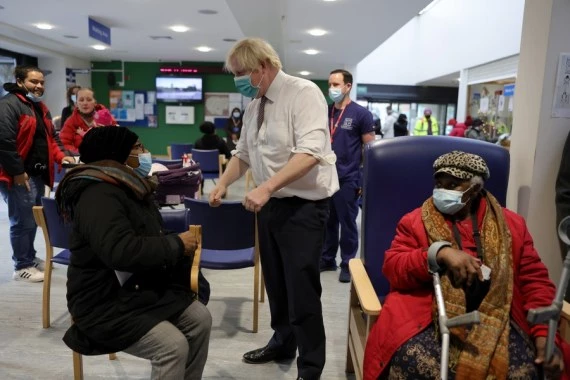
British Prime Minister Boris Johnson meets citizens having their booster shots at a COVID-19 vaccination site at Lordship Lane Primary Care Center in London, Britain, Nov. 30, 2021. (Andrew Parsons/No 10 Downing Street/Handout via Xinhua)
While some countries are now rolling out blanket vaccine booster programs, three in four health workers in Africa still remain unvaccinated by the end of 2021, a year since the first vaccines were administered, he said.
If those vaccines had been distributed equitably, the 40 percent target could have been reached in every country by September, he added.
As vaccine supply continues to improve, WHO projections have shown that it should be sufficient to vaccinate the entire global adult population and to give boosters to high-risk populations by the first quarter of 2022, but only later in 2022 will supply be sufficient for extensive use of boosters in all adults.
Also on Wednesday, the WHO Strategic Advisory Group of Experts on Immunization (SAGE) issued an interim statement on booster doses. Although SAGE confirmed that vaccine effectiveness against severe COVID-19 decreased by about eight percent over a period of six months in all age groups, particularly in adults above 50 years, it still remained cautious on booster programs.
People line up to enter a COVID-19 vaccination clinic in Toronto, Canada, on Dec. 20, 2021. (Photo by Zou Zheng/Xinhua)
SAGE warned that “in the context of ongoing global vaccine supply constraints and inequities, broad-based administration of booster doses risks exacerbating vaccine access by driving up demand in countries with substantial vaccine coverage and diverting supply, while priority populations in some countries, or in subnational settings, have not yet received a primary vaccination series.”
It thus called on booster programs to be evidence-driven and targeted to the population groups at highest risk of serious disease and those necessary to protect the health system.
British Prime Minister Boris Johnson warned that the rapid spread of the Omicron variant meant curbs could be imposed after Christmas.
Britain has recorded 106,122 coronavirus cases in the latest 24-hour period, exceeding 100,000 daily cases for the first time since the start of the pandemic and bringing the total number of cases in the country to 11,647,473, according to official figures released Wednesday.
Experts said there are likely to be hundreds of thousands of infections per day, with many being missed by the system.
The country also reported a further 140 coronavirus-related deaths, taking the national death toll to 147,573.
The latest figures came as British Prime Minister Boris Johnson confirmed Tuesday that he will not introduce any further COVID restrictions in England before Christmas, but warned that the rapid spread of the Omicron variant meant curbs could still be imposed after Christmas.
In a video posted on social media by Downing Street, the prime minister said: “People can go ahead with their Christmas plans.” However, he urged caution and suggested people should take a test before meeting elderly relatives.
British Prime Minister Boris Johnson records a video in London, Britain, Dec. 21, 2021. (Andrew Parsons/No 10 Downing Street/Handout via Xinhua)
Health Secretary Sajid Javid announced Wednesday that people in England will now only have to isolate for seven days if they can produce negative lateral flow tests on both day six and seven. He said those leaving quarantine after day seven should “continue to remain cautious.”
Photo taken on Dec. 19, 2021 shows a general view of NHS (National Health Service) COVID Vaccine Center at Wembley Stadium in London, Britain. (Photo by Ray Tang/Xinhua)
Javid also said he has signed contracts for an extra 4.25 million courses of antivirals for the National Health Service (NHS) to help Britain “build our defenses” against the Omicron variant.
Meanwhile, Welsh First Minister Mark Drakeford urged people to work together to get through the COVID crisis. Drakeford said cases of the new variant have “risen sharply” in Wales and there has also been a “rapid rise” in the overall rates of the virus.
Speaking at a news briefing to announce more restrictions, he said he expects this trend will “continue and accelerate.”
“We are now entering a really serious phase of the pandemic,” Drakeford said.
More than 89 percent of people aged 12 and over in Britain have had their first vaccine dose and around 82 percent have received both doses, according to the latest figures. Some 53 percent have received a booster jab, or the third vaccine dose.
Analysts expected supply to catch up and even exceed demand growth in 2022, highlighted by an increase in exports of liquefied natural gas (LNG), higher output of shale oil, natural gas and natural gas liquid in the United States and the return of investment in non-OPEC production.
Crude oil prices could soften in the coming months as looming oversupply is turning oil producers’ fortunes around, according to industry institutions and analysts. Meanwhile, a possible failure to revive the Iran nuclear deal by the first quarter of 2022 together with expected return of oil demand in the summer of next year could result in a spike of oil prices.
While supply shortage in the second half of 2021 drove up the prices of oil, natural gas and coal in many parts of the world, supply is surpassing demand in the global oil market leading to a buildup of inventories.
Global oil production is poised to outpace demand from December of 2021, led by growth in the United States and the Organization of the Petroleum Exporting Countries (OPEC) and its partnering oil producing countries, said a monthly oil market report recently issued by the International Energy Agency (IEA).
A customer fuels a vehicle at a gas station in Berlin, capital of Germany, on Oct. 1, 2021. (Xinhua/Shan Yuqi) Related Stories
Global crude oil supply could increase by as much as 6.4 million barrels per day in 2022, up from a rise of 1.5 million barrels per day in 2021, while global oil demand is projected to expand 3.3 million barrels per day in 2022, in comparison with 5.4 million barrels per day of growth in 2021, according to the IEA.
Analysts with S&P Global Platts Analytics expected supply to catch up and even exceed demand growth in 2022, highlighted by an increase in exports of liquefied natural gas (LNG), higher output of shale oil, natural gas and natural gas liquid in the United States and the return of investment in non-OPEC production.
Oil prices would start to rebalance and normalize in the first quarter of 2022 as inventories recover, according to S&P Global Platts Analytics.
“For 2022 as a whole, we expect that growth in production from OPEC Plus, of U.S. tight oil, and from other non-OPEC countries will outpace slowing growth in global oil consumption, especially in light of renewed concerns about COVID-19 variants,” said a short-term energy outlook for December recently issued by the U.S. Energy Information Administration (EIA).
In reality, crude oil futures prices have witnessed substantial correction since early November due to the decision to release crude oil stocks in a few major oil consuming countries and warmer-than-expected winter in the Northern Hemisphere so far.
Brent crude oil futures prices will average 70 U.S. dollars per barrel in 2022, according to the forecast by the EIA.
The ceiling of oil prices depends on real demand and oil prices would continue to fluctuate at around 80 U.S. dollars per barrel in 2022, according to Ji Mo, chief China economist with Fidelity International.
Photo taken on Dec. 17, 2021 shows a meeting of the Joint Comprehensive Plan of Action (JCPOA) Joint Commission in Vienna, Austria. (EU Delegation in Vienna/Handout via Xinhua)
Oil prices will remain volatile in the near term as investors assess the latest news on the new COVID-19 variant Omicron, said analysts with UBS Global Wealth Management in a recent report.
UBS reiterated its positive outlook for oil banking on continuous growth of global oil demand in 2022 and the flexibility of OPEC Plus in unwinding its production cut deal.
Moreover, a low level of spare capacity in the global oil industry leaves the outcome of Iran nuclear talks consequential to the international oil market in 2022 as a deal between Iran and the United States on the nuclear issue would lead to Iran’s return to the international oil market.
“Iran will significantly influence oil balances in 2022, and by extension, oil prices,” said S&P Global Platts Analytics.
S&P Global Platts Analytics assumes a framework U.S.-Iran nuclear deal will be reached in the first quarter of 2022, with full sanctions relief by April, facilitating 1.4 million barrels per day of Iranian oil supply growth by the end of 2022.
However, the absence of an Iran nuclear deal could leave the market vulnerable to breaking 100 U.S. dollars per barrel if combined with any other disruptive event, according to S&P Global Platts Analytics. The key test will come in the third quarter of 2022 as summer demand challenges supply resilience.
A no-deal with Iran nuclear issue would mean less oil supply from Iran and a possible military engagement, with both cases supportive for oil prices, according to a recent report by JBC Energy.
“It is more likely to us that an agreement will eventually be found” considering Iran already has sufficient stocks of enriched material, said JBC Energy.
“If Im in the health Im in now, if Im in good health, then in fact, I would run again.”
U.S. President Joe Biden said Wednesday that he will run for reelection in 2024 if he is in good health at the time.
“Yes,” he said when asked by host David Muir if he plans to run for reelection, in an interview aired Wednesday on ABC’s World News Tonight.
“But look, I’m a great respecter of fate. Fate has intervened in my life many, many times. If I’m in the health I’m in now, if I’m in good health, then in fact, I would run again,” he said.
Muir asked Biden whether he still wants to run if his opponent turns out to be former President Donald Trump again.
“You’re trying to tempt me now,” Biden answered with a laughter. “Sure. Why would I not run against Donald Trump for the nominee? That’ll increase the prospect of running.”
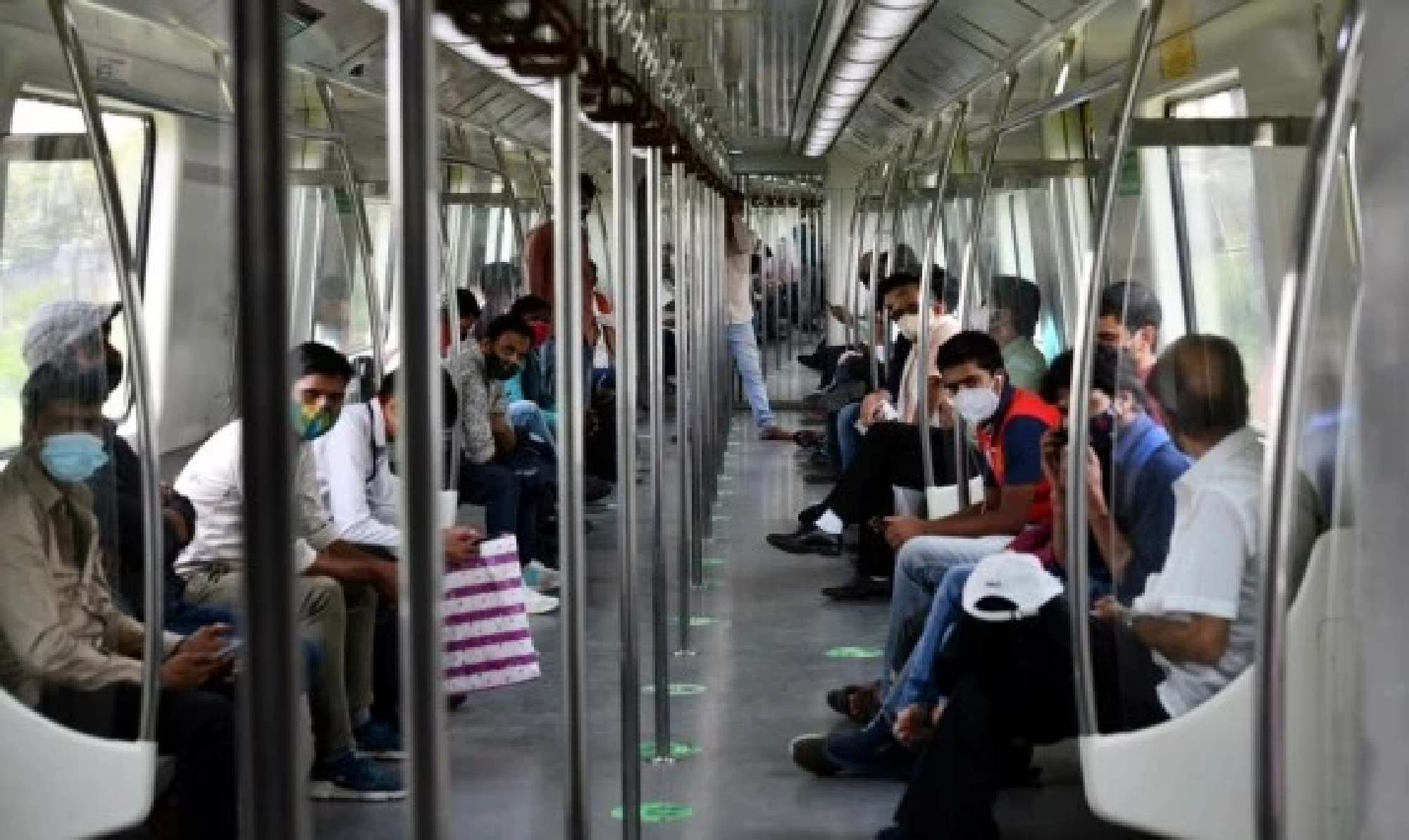
The local government in Indian capital region, Delhi, Wednesday banned all gatherings to celebrate Christmas and New Year in the wake of an increase in Omicron cases.
The order issued by Delhi Disaster Management Authority (DDMA) said all cultural events and other gatherings have been prohibited.
Banquet Halls, except for meetings, conferences, marriages and exhibitions as per conditions prescribed by the authority, will also not be allowed to function, the order said.
While cinemas, theaters and multiplexes are allowed with 100 percent seating capacity, auditoriums and assembly halls can seat only up to 50 percent, the order further said.
District administration officials and police have been directed to tighten the enforcement machinery to ensure that people follow social-distancing norms and wear masks.
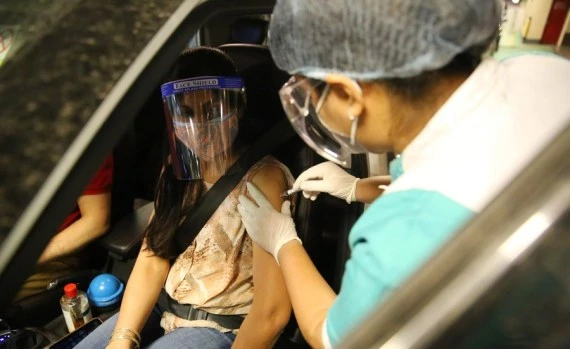
A health worker administers a dose of COVID-19 vaccine to a woman during a drive-through vaccination campaign in New Delhi, India, May 27, 2021. (Str/Xinhua)
Market trade associations have also been directed to deny entry to customers without masks.
So far 214 COVID-19 cases of the Omicron variant have been reported in India. According to India’s federal health ministry, of these cases, 90 patients have recovered or migrated.
Delhi reported the highest number of cases of the new variant, 57.
The Omicron strain of COVID-19, known to be highly transmissible, has triggered alarm bells across the globe.
India’s federal health ministry officials said of the reported cases of Omicron in the country, none of the patients have reported severe symptoms.
Federal regulators Wednesday authorized the first easy-to-take pill to treat covid-19, a drug developed by Pfizer that will help refill the nations medicine cabinet even as the omicron variant, now dominant in much of the country, has thwarted most other options.
Tens of thousands of pill packs of Pfizer’s Paxlovid are sitting in a company warehouse in Memphis, ready to be loaded onto trucks and planes in anticipation of the green light from the Food and Drug Administration. But as omicron cases skyrocket nationwide, doctors are expected to quickly burn through that initial supply of the drug, which has shown to be 89% effective at keeping high-risk patients from developing severe illness when given within three days of symptoms starting.
Antiviral pills have been highly anticipated as a potential turning point in the pandemic – a new class of drugs that will help transform life-threatening covid-19 infections into a nuisance. But instead of reinforcing a growing arsenal of drugs, the pills are now urgently needed to help replace workhorse treatments that for more than a year helped keep sick people out of hospitals but are being knocked out by the omicron variant.
Coronavirus cases are spiking across much of the United States, which has seen a 27% rise in new cases in the past week, according to a Washington Post analysis. The seven-day average of cases is 168,981, surpassing the peak of the delta-variant surge in early September. Some states have seen cases soar as the omicron variant has taken hold, according to the Centers for Disease Control and Prevention.
Florida’s seven-day average of new daily cases has more than tripled during the past week. According to the CDC, the omicron variant accounted for more than 95% of new cases between Dec. 12 and 18 in the region that includes Florida.
Hospitalizations are also beginning to rise in some areas of the country as health-care systems brace for a winter surge. Indiana and Ohio have the most covid-19 inpatients per capita in the nation. D.C. has experienced the sharpest increase in hospitalizations per capita during the past week, followed by Maryland, New Jersey, New York and Connecticut.
Patrizia Cavazzoni, director of the FDA’s Center for Drug Evaluation and Research, said in a statement the new antiviral pill was “a major step forward.”
“This authorization provides a new tool to combat COVID-19 at a crucial time in the pandemic as new variants emerge and promises to make antiviral treatment more accessible to patients who are at high risk for progression to severe COVID-19,” Cavazzoni said.
The fast-spreading variant is resistant to two key drugs from a different class of medicines known as monoclonal antibodies that have been the backbone of treatments, leaving only a third antibody drug, sotrovimab, which is in severe shortage. Paxlovid – and another antiviral pill from Merck also expected to be authorized shortly – will be used to fill the gaps. A newly authorized monoclonal antibody from AstraZeneca, used to prevent infections in people who do not respond to vaccines, may also remain effective against the omicron variant.
“There’s no question that it appears we’re in a canoe that is about to go over a significant waterfall,” said Bruce Farber, chief of infectious diseases at Northwell Health, a New York health-care system that includes 22 hospitals. Farber said that in November and December, requests for monoclonal antibody treatments had reached 200 or more per day. He said Northwell will run out of doses by the end of the week.
The five-day Pfizer pill regimen could help meet some of that demand, but it is estimated there will be enough medication through the end of the year for only 180,000 patients, and it is unclear how many of those doses are destined for the United States. With coronavirus cases in the United States projected to potentially hit 1 million a day, those pills could be used up quickly, even though they are authorized only for people 12 and older who are at high risk of severe covid-19 because of age or underlying medical conditions.
“The very good news is that we have a product now that has about a 90% efficacy in preventing hospitalization,” Anthony Fauci, director of the National Institute of Allergy and Infectious Diseases, said Wednesday at a coronavirus task force briefing. “The sobering news is, unfortunately, it is really a quite complicated and complex synthetic process” to manufacture the drug. He added that “we will be working with the company to figure out how we can help alleviate the stress of the long duration that it takes to make it.”
Pfizer has been working to scale up to produce 120 million pill packs in 2022, but those doses will not be available all at once. Mike McDermott, Pfizer’s president of global supply, said that the current goal is to have about 30 million treatments available by the middle of next year but that the company is looking for ways to speed up and increase production.
The United States has made an advance purchase of 10 million packs of Paxlovid at a cost of about $5.3 billion, along with about 3.1 million treatment courses of the Merck drug, molnupiravir, at a cost of $2.2 billion.
McDermott said that thousands of people are working on Paxlovid but that the complex chemistry involved in creating the pill’s active pharmaceutical ingredient means a production run for a batch takes about six to eight months from start to finish. The company creates the active ingredient in giant 10,000- and 20,000-liter tanks, and the process takes a succession of steps, many of which require five to 10 days, with quality checks in between.
“We have experience at this scale – this is not unusual for us,” McDermott said. “The urgency is unusual, for sure.” He drew a parallel to auto racing, in which pit crews and materials are in place at pit stops to make sure no minutes are lost.
Six months ago, when Pfizer started making Paxlovid before knowing whether it would prove successful, the production goal was to churn out 20 million pill packs in 2022. When the first clinical results showed the drug drastically cut the risk of death or hospitalization, by close to 90%, the company bumped up production to 50 million pill packs. Two weeks later, McDermott said, production was increased to 80 million. When the emergency authorization was announced, Pfizer increased that to 120 million packs.
Each pill pack will contain 30 tablets to be taken over five days, so Pfizer is working to produce 3.6 billion tablets next year. The company is leveraging existing infrastructure in Ireland and Germany to make the key ingredient in the pill and to create the tablets, as well as working with contractors. Pfizer has entered into licensing agreements to allow other companies to produce the pills for lower-income countries.
Much of the excitement about the pills stems from their ease of use. The monoclonal antibodies that have been pillars of treatment require intravenous infusions or injections. Pills taken at home would be far simpler. Side effects included diarrhea, high blood pressure, muscle aches and an impaired sense of taste.
Paxlovid must be given shortly after symptoms develop, so the treatment will depend on people getting tested and receiving results quickly – a potential bottleneck as the omicron surge has created shortages of rapid tests. The clinical trial testing the medicine showed that if given within five days, the drug reduced the risk of hospitalization and death by 88% in people with a risk factor for severe disease, including age or underlying medical conditions.
Paxlovid is a combination of two drugs, one called nirmatrelvir that was designed to interfere with an enzyme the coronavirus uses to make copies of itself. The other drug, ritonavir, is an antiviral that slows down the body’s metabolism of the other medication. Ritonavir can react with other commonly taken medications, so the drug’s use will have to be managed by physicians and pharmacists. Paxlovid is not recommended for people with severe kidney or liver problems.
The drug was not tested in people who are pregnant, and the label advises people who are pregnant to discuss the possible benefits and risks with a health-care provider. The drug may interfere with birth control pills, and alternative forms of contraception are recommended while taking the medicine.
Ralph Madeb, co-chief medical officer at New York Community Hospital, said antiviral pills could be “revolutionary” but noted their limitations. Because they have to be given early in infection, they are just one part of the treatment tool kit. And they are arriving as hospitals are battling for more tools.
Madeb said that this week, he requested 900 doses of sotrovimab, the antibody that remains effective against the omicron variant. That would be enough, he said, for nine days.
“Demand right now is just infinite,” Madeb said. “It’s something I’ve never seen before.”
The number of Covid-19 cases crossed 14.65 million across Southeast Asia, with 24,932 new cases reported on Wednesday (December 22). New deaths are at 441, bringing accumulated Covid-19 deaths in Asean to 301,268.
Malaysia and Singapore have agreed to suspend the sale of flight and bus tickets for the vaccinated travel lane (VTL) after a cluster of possible cases of the Omicron variant of COVID-19 was detected in Singapore. The suspension will run from December 23 to January 20 next year and cover travel via the bridge connecting Malaysia to Singapore as well as an air corridor. The bridge link, or causeway, was one of the busiest crossing points in the world with a daily flow of hundreds of thousands of people in both directions before the pandemic.
Meanwhile, Indonesia is expected to see more people going homewards for year-end holidays than last year due to the loosened regulations on public activity restrictions and the high vaccination rate, despite threats by the Omicron Covid-19 variant. As of Tuesday, the Indonesian government still sticks to its plan to impose a more relaxed restriction policy from December 24 to January 2, 2022.
Fully-vaccinated people can travel as long as they can show negative antigen test results, but those who have only received their first doses are required to show negative reverse transcription-polymerase chain reaction test results.
The antiviral drug remdesivir can help keep unvaccinated people at risk of severe covid-19 out of the hospital, according to a new study that found the treatment reduced hospitalization and death by 87% when given soon after diagnosis.
Early in the coronavirus pandemic, remdesivir, an infusion therapy developed by Gilead Sciences, was the first coronavirus treatment authorized by federal regulators for use in hospitals. Wednesday’s study, published in the New England Journal of Medicine, is the first to show that remdesivir can be useful when given on an outpatient basis in the community.
The findings are based on research that predates the delta variant that proliferated during the summer and omicron, the variant spreading with great speed globally. But the study’s main author and other researchers said remdesivir is likely to remain effective even as omicron proves resistant to most medicines in a group known as monoclonal antibodies that have helped prevent people from needing to be hospitalized. Many hospitals are bulging with patients and short on staff.
The study focused on unvaccinated patients, the group most likely to become seriously ill or die if infected.
“If you are going to be a skydiver and jump out of your own plane, it’s best to pack a primary chute as well as a secondary chute,” said the study’s principal investigator, Robert L. Gottlieb, the therapeutic lead for covid-19 research at Baylor Scott & White Health, a medical system in Dallas.
“Vaccines are a primary chute,” Gottlieb said, while therapies such as remdesivir “are the secondary chute.”
Shyam Kottilil, director of the division of clinical care and research at the University of Maryland School of Medicine’s Institute of Human Virology, said, “Infectious-disease doctors would really like to treat people for covid-19 outside the hospital. Any measure that would accomplish that is really beneficial.”
Kottilil, co-author of an editorial in the New England Journal of Medicine accompanying the study, cautioned that the findings do not establish how well remdesivir would work early on with coronavirus patients who are vaccinated and boosted but experience breakthrough infections.
Another limitation of the findings, he said, is that remdesivir is administered by infusion, and it could be cumbersome for sick patients to go to a location to get such treatment three days in a row. The three-day regimen is shorter than the treatment period in earlier research into the drug. Still, Kottilil said, “We would rather have something by mouth, that would be an easier medication to take.”
The Food and Drug Administration on Wednesday authorized the first antiviral pill to treat covid-19, a drug known as Paxlovid developed by Pfizer that must be taken shortly after symptoms develop.
And Tuesday, scientists from the Johns Hopkins Bloomberg School of Public Health and Johns Hopkins University School of Medicine published data from a clinical trial suggesting that convalescent plasma, taken from blood donated by people who have recovered from the virus, could be effective against omicron when given to outpatients soon after becoming infected.
The remdesivir findings were based on a study, sponsored by Gilead, involving 562 unvaccinated covid-19 patients from September 2020, to April, who were randomly selected to receive the three-day infusion therapy or a placebo. The trial initially was designed to include more than twice as many patients but was halted early once monoclonal treatments were available and vaccines had become more widely accessible. With those options available, giving half the study participants a placebo seemed unwise.
All the participants were at high risk for developing a severe case because they were 60 or older or had at least one other condition that makes covid-19 more dangerous, such as high blood pressure, cardiovascular disease, diabetes or obesity.
Nearly a month after joining the study, two of 279 people treated with remdesivir were hospitalized for reasons related to covid-19, compared with 15 of 283 who received the placebo. No one in either group died within that time frame.
Overall, the risk of hospitalization or death – the main outcomes the study set out to measure – was 87% lower in the group that got the treatment.
Symptoms also eased more quickly with the treatment, with 36% of those getting remdesivir reporting improved symptoms by the end of the study’s second week, compared with 20% among those who did not.
On the other hand, the amount of virus in patients’ bodies – known as the viral load – did not differ depending on whether people were treated.
Gottlieb, the principal investigator, said the FDA has the study’s data. Because the drug has full FDA approval, doctors already may prescribe it for other uses. This week, the European Commission widened its “conditional marketing approval” of remdesivir, marketed as Veklury, to include high-risk patients beyond those who need extra oxygen while in the hospital, Gilead announced.
Gottlieb said that, early in the pandemic, people who had the virus but were not sick enough to be in a hospital were advised to quarantine at home.
“The message for going into 2022,” Gottlieb said, is that people with covid-19 and any risk factors for a serious case should “perform a more active quarantine” by contacting their doctor quickly to find out whether treatment is available that could prevent them from becoming seriously ill or dying.
TEL AVIV, Israel – In what its calling a global first, Israels Health Ministry on Tuesday announced that it will offer a fourth coronavirus vaccine shot to citizens 60 and older and other at-risk groups as concerns about the omicron variant proliferate.
Prime Minister Naftali Bennett said he ordered the government to immediately prepare for distributing fourth doses.
“As we did with the booster in the delta surge, we intend to be active and groundbreaking, and do everything to win,” he tweeted. “The world will follow us.”
The Health Ministry’s advisory committee recommended a fourth dose to people 60 and older, those with compromised immune systems, and health-care workers. It required all eligible recipients to have gone four months since their third dose.
The Health Ministry has reported 341 confirmed, and hundreds more suspected, cases of the omicron variant as of Tuesday, citing a “fifth wave” of coronavirus infections.
News of a fourth dose comes the same day as a hospital in the country announced its first omicron-related death. Soroka Hospital, in the southern city of Beersheba, said a 65-year-old patient died after two weeks of hospitalization.
The man reportedly had a host of medical conditions that contributed to his death.
“His morbidity stemmed mainly from preexisting sicknesses and not from respiratory infection arising from the coronavirus,” the hospital said in a statement.
He had received only two vaccine doses, and more than six months had elapsed since receiving the second dose, according to Israeli media outlets.
On Tuesday, Israel’s coronavirus cabinet also approved new restrictions, including limits on crowd sizes in shopping centers and on in-office employees in the public sector.
Health Ministry officials have estimated that the omicron variant makes up between 10% and 15% of all coronavirus infections in Israel. They expect it to be the dominant variant in Israel within two weeks.
The ministry has said that the majority of omicron cases had come from travelers who returned from abroad. On Monday, Israel added 10 countries, including the United States and Canada, to its “red list,” which also includes several European countries and almost all of Africa.
Travel from Israel to red countries is forbidden without permission from a special committee. Israeli citizens flying from a red country must enter a seven-day quarantine even if they are fully vaccinated. Entry of noncitizens has been banned since last month.
The definition for “fully vaccinated” in Israel requires travelers to be 12 years or older and have received a booster shot at least one week prior or be within six months of having received a second vaccination shot. Last month, Israel opened up vaccinations to children as young as 5.
In January, Israel launched the world’s most rapid and widely reaching immunization campaign through the mobilization of its well-organized, meticulously digitized national health-care system.
Last month, Health Minister Nitzan Horowitz said Israel’s decision to begin offering booster shots in July, as the delta variant was spreading across the globe but before they were authorized by the U.S. Food and Drug Administration, was “justified.”
Clalit, Israel’s largest HMO, has found that a third shot of the Pfizer-BioNTech vaccine is 92% effective in preventing serious illness and 93% effective in preventing hospitalization, compared with waning protection from only two doses, according to a large-scale study published in the Lancet medical journal in October.
Out of a population of 9.3 million, 6.4 million have received their first shot, 5.8 million their second and 4.1 million their third, according to the Health Ministry.
Israel has recorded at least 8,235 coronavirus deaths since the start of the pandemic.
AstraZeneca and Oxford University have started developing a version of their coronavirus shot that targets omicron, as researchers study the efficacy of existing vaccines against the latest variant.
“Together with Oxford University, we have taken preliminary steps in producing an Omicron variant vaccine, in case it is needed and will be informed by emerging data,” the AstraZeneca pharmaceutical company based in England said in an email.
The World Health Organization says omicron is spreading faster than the delta variant, though the extent to which it causes severe illness remains unclear. U.S. biotech firm Moderna and pharmaceutical giant Pfizer, along with its German partner BioNTech, have said they are tailoring their shots and working to understand the level of protection they provide.
The Oxford-AstraZeneca vaccine, widely used in European countries and others such as Canada and India, is not approved in the United States.
“Like with many previous variants of concern . . . we have taken preliminary steps in producing an updated vaccine in case it is needed,” Sandy Douglas, who leads a vaccine manufacturing research group at Oxford, told the Financial Times earlier on Tuesday.
He said adenovirus-based vaccines, such as the Oxford-AstraZeneca shot, “could in principle be used to respond to any new variant more rapidly than some may previously have realized.”
The head of the European medicines regulator, Emer Cooke, has said it would take time to reach a consensus on the need for variant-specific vaccines. She added that AstraZeneca had not applied so far for its shot to be used as a booster in the European Union, which along with Britain has largely used Pfizer and Moderna’s mRNA vaccines as boosters. The United States is also using Pfizer and Moderna along with the vaccine from Johnson & Johnson.
Global health officials, who say vaccines remain the best tool to combat the virus, have urged people to get boosters if they can, while the spread of omicron has highlighted inequality in access to vaccines worldwide.
Moderna said earlier this week that a booster dose of its vaccine significantly raised antibody levels against the omicron variant, according to preliminary data, though it did not have the clinical data to speak to its vaccine’s protection against hospitalization or death.
Douglas and his team have published a preprint paper, which has not yet undergone a peer review, outlining the feasibility of producing a vaccine at large scale after a new virus is identified, which they said could enable making millions of doses within 100 days. The Oxford team said the research shows the potential “speed and volume of production of adenovirus-vectored vaccines against new virus variants or other future pandemics.”


 British Prime Minister Boris Johnson meets citizens having their booster shots at a COVID-19 vaccination site at Lordship Lane Primary Care Center in London, Britain, Nov. 30, 2021. (Andrew Parsons/No 10 Downing Street/Handout via Xinhua)
 People line up to enter a COVID-19 vaccination clinic in Toronto, Canada, on Dec. 20, 2021. (Photo by Zou Zheng/Xinhua)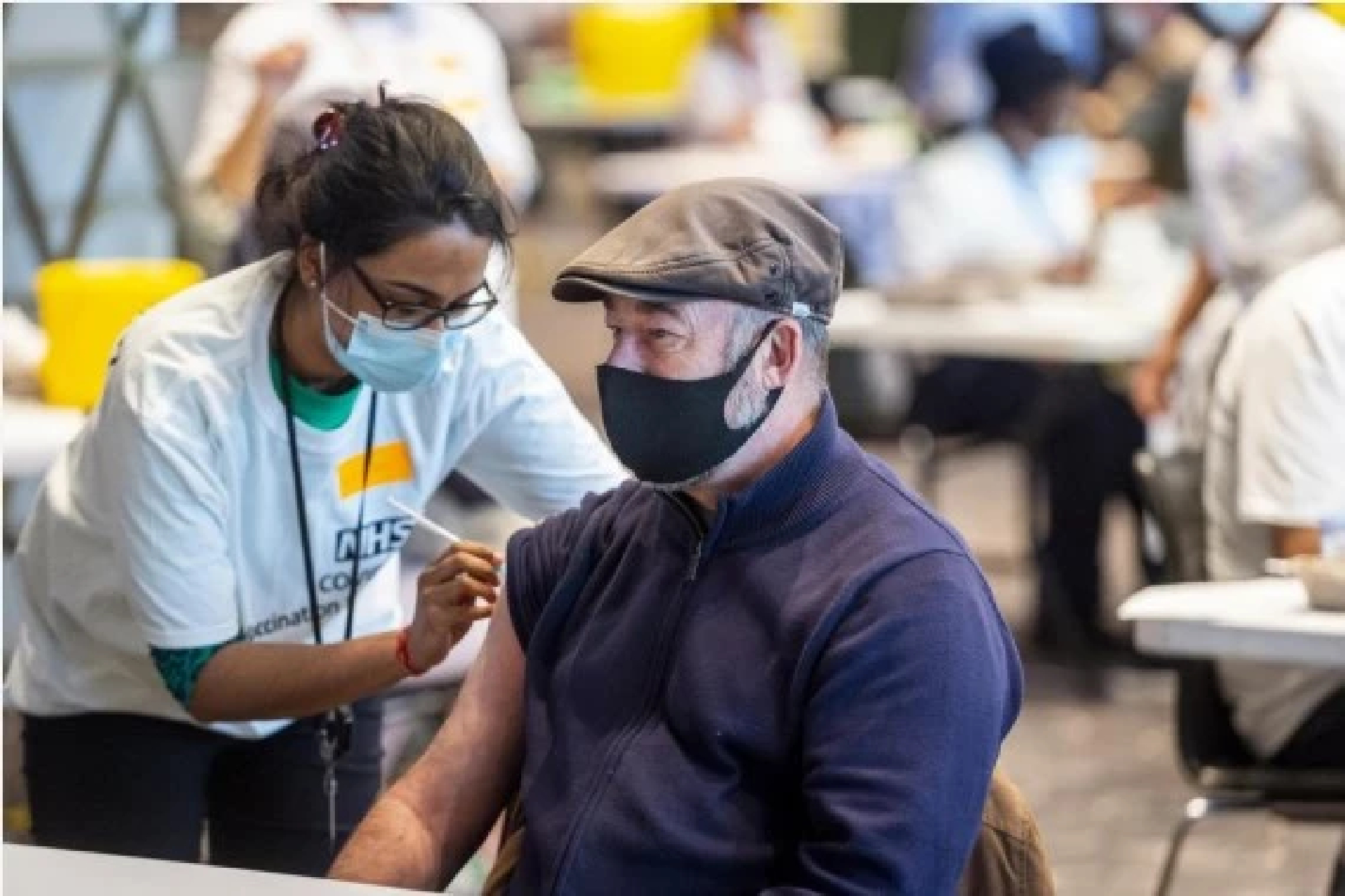
 British Prime Minister Boris Johnson records a video in London, Britain, Dec. 21, 2021. (Andrew Parsons/No 10 Downing Street/Handout via Xinhua)
 Photo taken on Dec. 19, 2021 shows a general view of NHS (National Health Service) COVID Vaccine Center at Wembley Stadium in London, Britain. (Photo by Ray Tang/Xinhua)
 A customer fuels a vehicle at a gas station in Berlin, capital of Germany, on Oct. 1, 2021. (Xinhua/Shan Yuqi)
 Photo taken on Dec. 17, 2021 shows a meeting of the Joint Comprehensive Plan of Action (JCPOA) Joint Commission in Vienna, Austria. (EU Delegation in Vienna/Handout via Xinhua)
 A health worker administers a dose of COVID-19 vaccine to a woman during a drive-through vaccination campaign in New Delhi, India, May 27, 2021. (Str/Xinhua)


