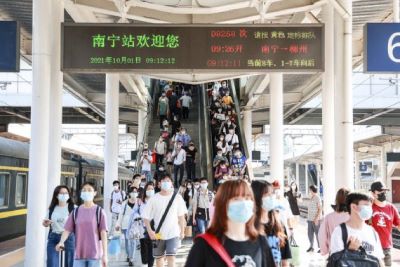
Chinas railway operator has said about 15.8 million passenger trips are expected to be made by rail on Friday, Chinas National Day.
China State Railway Group Co., Ltd. said 1,346 additional passenger trains have been arranged to meet the travel demand on the day, the first day of a weeklong holiday.
Railway authorities have coordinated COVID-19 control measures and transport services to cope with the travel peak, according to the operator.
ADVERTISEMENT
Some 127 million passenger trips are expected to be made by rail during the holiday rush that will last from Sept. 28 to Oct. 8, with Oct. 1 to see the highest passenger volume, the operator said previously.
In 2016, Australia signed the 90-billion-Australian-dollar (65.4 billion U.S. dollars) deal with the French majority state-owned Naval Group on the purchase of 12 conventional diesel-electric submarines. But Australia canceled the deal last month as part of an alliance with the U.S. and the UK that will give Australia at least eight nuclear-powered submarines.
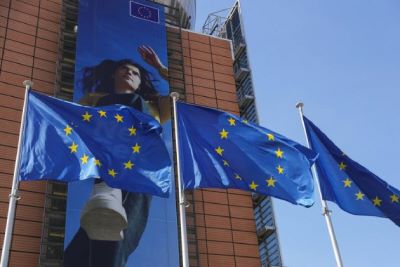
The European Commission has postponed its free trade negotiations with Australia for a month, a spokesperson of the European Union (EU) executive said here on Friday.
The decision came on the heels of a dispute between the two sides over the Australian government’s decision to cancel a multibillion-euro submarine deal with France and sign an agreement instead with the United States (U.S.) and the United Kingdom (UK).
ADVERTISEMENT
“The next round of negotiations has been postponed for a month. Substance prevails over speed when it comes to negotiations and this extra month will allow us to prepare better for the next round,” the European Commission’s spokesperson in charge of trade, Miriam Garcia Ferrer, said at a news conference, adding that the decision was taken “a few days ago”
British Prime Minister Boris Johnson (L) greets Australian Prime Minister Scott Morrison in front of 10 Downing Street, in London, Britain, on June 15, 2021.(Tim Hammond/No. 10 Downing Street/Handout via Xinhua)
Asked whether it was the EU’s retaliation against Australia, the Commission’s chief spokesperson Eric Mamer replied: “The EU is not in the business of punishing anybody. Australia is a partner of the European Union. We have ongoing trade negotiations, which are very specific beasts. The substance of the negotiation is one that involves a lot more effort, so it is not unusual that such decisions are taken.”
Garcia Ferrer insisted that the postponement did not mean the end of negotiations, adding that there were several pending issues, such as market access, rules of origin, intellectual property, public procurement and sustainable development.
“There is quite a lot of work that needs to be done in those areas so that’s why we need some more time to reflect on the next stage,” she said.
In 2016, Australia signed the 90-billion-Australian-dollar (65.4 billion U.S. dollars) deal with the French majority state-owned Naval Group on the purchase of 12 conventional diesel-electric submarines. But Australia canceled the deal last month as part of an alliance with the U.S. and the UK that will give Australia at least eight nuclear-powered submarines.
Photo taken on Sept. 3, 2021 shows the White House in Washington, D.C., the United States. (Xinhua/Liu Jie)
Governor Gavin Newsoms latest order, the first of its kind nationwide, will roll out in two phases, with the first taking effect for students aged 12 and over following full approval by the FDA for that entire age group.
California became the first state in the United States to announce plans to require student vaccination for COVID-19 by adding the vaccine to the list of vaccinations required for school, such as the vaccines for measles, mumps, and rubella.
According to an order approved by Governor Gavin Newsom on Friday, students in the Golden State would be required to be vaccinated for in-person learning after those vaccines against COVID-19 get full approval from the Food and Drug Administration (FDA) for students.
ADVERTISEMENT
Newsom’s latest order, the first of its kind nationwide, will roll out in two phases, with the first taking effect for students aged 12 and over following full approval by the FDA for that entire age group.
The FDA approved the vaccine for children aged 16 and over in August.
Newsom said California would apply the mandate for students aged 12 and up as early as Jan. 1 next year but possibly as late as July 1 depending on when the FDA authorization takes place, and then would apply the mandate for students under 12 years of age in a second phase after the FDA gives the green light.
“The state already requires that students are vaccinated against viruses that cause measles, mumps, and rubella – there’s no reason why we wouldn’t do the same for COVID-19. Today’s measure, just like our first-in-the-nation school masking and staff vaccination requirements, is about protecting our children and school staff, and keeping them in the classroom,” a statement released by Newsom’s office read.
“Vaccines work. It’s why California leads the country in preventing school closures and has the lowest case rates. We encourage other states to follow our lead to keep our kids safe and prevent the spread of COVID-19,” he said.
California continues to maintain the lowest case rate in the country and is one of only two states to have advanced out of the “high” COVID-19 transmission category of the U.S. Centers for Disease Control and Prevention.
California, the most populous state in the country, reported more than 6 million public school students in April, according to the state’s Department of Education.
Students are seen at a COVID-19 self-testing station on campus of the University of California, Los Angeles (UCLA), in Los Angeles, the United States, Sept. 23, 2021.(Xinhua)
The team of researchers led by Marc Eloit, a virologist at the Pasteur Institute in Paris, studied saliva, faeces and urine samples collected from 645 bats in caves in northern Laos and found three viruses that are close relatives of COVID-19.
Anewly-conducted research has found three viruses from bats in Laos, which are more similar than any known viruses to COVID-19, India Today reported recently.
The research, published in preprint server Research Square, could forward the theory of origins of the COVID-19 from an animal and then transmitting into humans via zoonosis. However, the new discovery also raises concerns among the scientific community about the presence of more such viruses in nature with the capability to jump to humans.
ADVERTISEMENT
The team of researchers led by Marc Eloit, a virologist at the Pasteur Institute in Paris, studied saliva, faeces and urine samples collected from 645 bats in caves in northern Laos and found three viruses that are close relatives of COVID-19.
The paper also stressed upon the need of deciphering the origins of COVID-19.
“To decipher the origins of SARS-CoV-2, it is essential to ascertain the diversity of animal coronaviruses and more specifically of bat coronaviruses,” the paper said.
The number of Covid-19 cases crossed 12.16 million across Southeast Asia, with 53,421 new cases reported on Friday (October 1), lower than Thursday’s tally at 57,812. New deaths are at 818, decreasing from Thursday’s number of 836. Total Covid-19 deaths in Asean are now at 263,421.
Malaysia’s Ministry of Public Health on Friday approved the Coronavac or Sinovac Covid-19 vaccine to be used in children aged 12-17 years, under the condition that recipients must have no chronic diseases or underlying health problems. The country reported 11,889 new cases and 192 deaths on Friday, bringing cumulative cases in the country to 2,257,584 patients and total 26,335 deaths.
Meanwhile, the Lao government has announced an extension of Covid-19 restrictive measures for a further two weeks, or until October 15, as cases continued to increase. The government said it is making every effort to lower the rate of infection and death in the country, and hopes to guide the people in transitioning their lives to the new normal during the Covid-19 pandemic.
Dubbed the “Golden Week” for tourism and consumption boom, the seven-day National Day holiday is expected to see more travels in China.
According to China’s railway operator, some 127 million rail passenger trips are expected to be made over China’s National Day holiday, and Oct. 1, the first day of the holiday, is expected to see the highest passenger volume.
Meanwhile, anti-epidemic measures are highly-suggested to guard against both imported and locally transmitted cases in order to prevent a COVID-19 resurgence during the holiday.
Aerial photo taken on Oct. 1, 2021 shows vehicles running on a bridge on the outskirts of Nanning, south China
ADVERTISEMENT
Passengers are seen at the Yinchuan Railway Station in Yinchuan, northwest China
Aerial photo taken on Oct. 1, 2021 shows a high-speech train running on the Yinchuan-Xi
Aerial photo taken on Oct. 1, 2021 shows a view of the Taiyuan East Coach Station in Taiyuan, north China
Passengers scan QR codes before entering the Taiyuan East Coach Station in Taiyuan, north China
Passengers go through ticket-checking machines at the Nanjing Railway Station in Nanjing, east China
A staff member checks passengers
Passengers are seen at the Nanning Railway Station in Nanning, south China
Passengers board a high-speed train bound for Xi
Aerial photo taken on Oct. 1, 2021 shows vehicles at Nanning east toll station on the outskirts of Nanning, south China
Xi Jinping and other leaders of the Communist Party of China (CPC) and the state attended a ceremony on Thursday morning in Tiananmen Square in central Beijing, offering floral tribute to fallen national heroes.
The event was held to mark China’s Martyrs’ Day, a day ahead of the National Day.
The other leaders included Li Keqiang, Li Zhanshu, Wang Yang, Wang Huning, Zhao Leji, Han Zheng and Wang Qishan. They were joined by representatives from all walks of life at the ceremony.
ADVERTISEMENT
At 10 a.m., all participants sang the national anthem, and thereafter paid a silent tribute to those who devoted their lives to the liberation of the Chinese people and the building of the People’s Republic of China, which was founded in 1949.
Xi Jinping and other leaders of the Communist Party of China and the state including Li Keqiang, Li Zhanshu, Wang Yang, Wang Huning, Zhao Leji, Han Zheng and Wang Qishan attend a ceremony offering floral tribute to fallen national heroes on Tian
Nine huge flower baskets were placed in front of the Monument to the People’s Heroes. Xi and other leaders walked up to the foot of the monument, where he straightened the red ribbons on the baskets before leading other senior officials in a walk around the monument to pay their tributes.
The baskets, with ribbons reading “the heroes of the people shall live forever in our memory,” were presented in the name of the CPC Central Committee; the National People’s Congress Standing Committee; the State Council; the National Committee of the Chinese People’s Political Consultative Conference; the Central Military Commission; non-Communist parties, the All-China Federation of Industry and Commerce, and patriots without party affiliations; people’s organizations and people from all walks of life; veterans, retired senior cadres and the relatives of martyrs; and Chinese Young Pioneers.
The year 2021 marks the centenary of the CPC. Since the 18th CPC National Congress in 2012, under the strong leadership of the CPC Central Committee with Xi Jinping at the core, the country has realized its first centenary goal of building a moderately prosperous society in all respects, and has brought absolute poverty to an end.
Today, the Chinese people of all ethnic groups, determined and courageous as ever, are forging ahead with the second centenary goal of fully building a modern socialist China.
Xi Jinping and other leaders of the Communist Party of China and the state including Li Keqiang, Li Zhanshu, Wang Yang, Wang Huning, Zhao Leji, Han Zheng and Wang Qishan attend a ceremony offering floral tribute to fallen national heroes on Tian
The world in the past 24hrs. A selection of the best daily press photos from Xinhua.
Aflag-raising ceremony was held at Tian’anmen Square in Beijing on Friday morning to celebrate the 72nd anniversary of the founding of the People’s Republic of China.
Xi Jinping and other leaders of the Communist Party of China and the state including Li Keqiang, Li Zhanshu, Wang Yang, Wang Huning, Zhao Leji, Han Zheng and Wang Qishan attend a ceremony offering floral tribute to fallen national heroes on Tian
ADVERTISEMENT
The Communist Party of China and state leaders Xi Jinping, Li Keqiang, Li Zhanshu, Wang Yang, Wang Huning, Zhao Leji, Han Zheng and Wang Qishan, attend a reception to celebrate the 72nd anniversary of the founding of the People
A flag-raising ceremony to celebrate the 72nd anniversary of the founding of the People
Aerial photo taken on Sept. 29, 2021 shows roads completed in Xiongan New Area, north China
Photo taken on Sept. 30, 2021 shows a view of a traditional scenic area called Shibati in Yuzhong District, southwest China
Photo taken on Sept. 29, 2021 shows the dynamic presentations of ground equipment during the 13th China International Aviation and Aerospace Exhibition, or Airshow China 2021, in Zhuhai, south China
Photo taken on Sept. 29, 2021 shows the China Pavilion of Expo 2020 Dubai in Dubai, the United Arab Emirates. The China Pavilion, one of the largest pavilions at Expo 2020 Dubai, opens on Oct. 1, 2021. (Xinhua/Yan Jing)
Airport employees unload emergency supplies donated by China during a handover ceremony in Kabul, capital of Afghanistan, Sept. 29, 2021. A batch of emergency supplies donated by China arrived at Afghanistan
Aerial photo taken on Sept. 29, 2021 shows a migrant kid playing at a shelter in Ciudad Acuna, Coahuila, Mexico. Hundreds of migrants still stranded in the Mexican border city of Ciudad Acuna. (Xinhua/Xin Yuewei)
At the Go Green Virtual Conference on 30 September, the British Embassy Bangkok, on behalf of the UK Presidency of COP26, urged Thai companies to join the Race to Zero.
With one month to go before the pivotal COP26 UN climate negotiations in Glasgow, UK, business is increasingly playing a global leadership role in the climate discussions. Over half the sectors that make up the global economy are now committing to halve their emissions within the next decade under the near-term emissions reductions targets known as the 2030 Breakthroughs.
In each of these sectors, at least 20% of the major companies globally by revenue have committed to sector-specific 2030 goals in line with delivering net zero emissions by 2050. These include targets such as 60% renewable generation in the energy sector and using 5% zero-emissions fuel in the shipping sector. Other sectors include medium- and heavy-duty vehicles, food supply, fashion, cement and concrete, consumer goods and cooling.
Stakeholders across these 15 critical sectors are poised for systemic transformation. Thai companies are encouraged to join the global movement, for the sake of their business as well as the greater good.
ADVERTISEMENT
“Climate change threatens to disrupt virtually every part of the global economy, and it’s critical that business leaders in every industry take action and join the fight,” said Michael R. Bloomberg, UN Secretary-General’s Special Envoy for Climate Ambition and Solutions, Founder of Bloomberg LP and Bloomberg Philanthropies, and Global Ambassador for the Race to Zero and Race to Resilience Campaigns. “The 2030 Breakthroughs are an important signal that more and more companies recognise the need to reach net-zero emissions”.
As a first step towards meeting these ‘2030 Breakthroughs’, all actors are required to join the UN Race to Zero campaign. With over 6,200 members from across 110 countries, including 4,470 companies, 220 financial institutions, 799 cities and 35 regions, Race to Zero has almost doubled in size in the last year. The campaign now represents about 20% of the global economy.
At the Go Green Virtual Conference on 30 September, the British Embassy Bangkok, on behalf of the UK Presidency of COP26, urged Thai companies to join the Race to Zero. Andrew Beirne, Economic and Prosperity Counsellor, said, “Embedding low carbon transition in your business planning is about visualizing with clarity the greatest economic transition of this century. It’s about planning to ensure your business can seize its opportunities – through energy and resource efficiency, through offering new services and by adopting new technologies”.
As Presidency, the UK is asking countries to come forward with specific plans to cut their carbon emissions by 2030, setting them on course for net zero. The private sector plays an important role in this. “COP26 must be the moment when every part of society embraces their responsibility to protect our planet. Setting ambitious but credible net zero commitments sends a strong signal to markets, supply chains, governments and consumers that businesses are committed to the low carbon transition.”, said Mr Beirne.
The Chinese mainland reported 24 imported COVID-19 cases and ten locally-transmitted infections on Thursday, the National Health Commission said in its daily report on Friday.
All of the newly-added local cases were reported in Harbin, northeast China’s Heilongjiang Province, the commission said.
Shanghai reported two new suspected case who arrived from outside the mainland, it said.
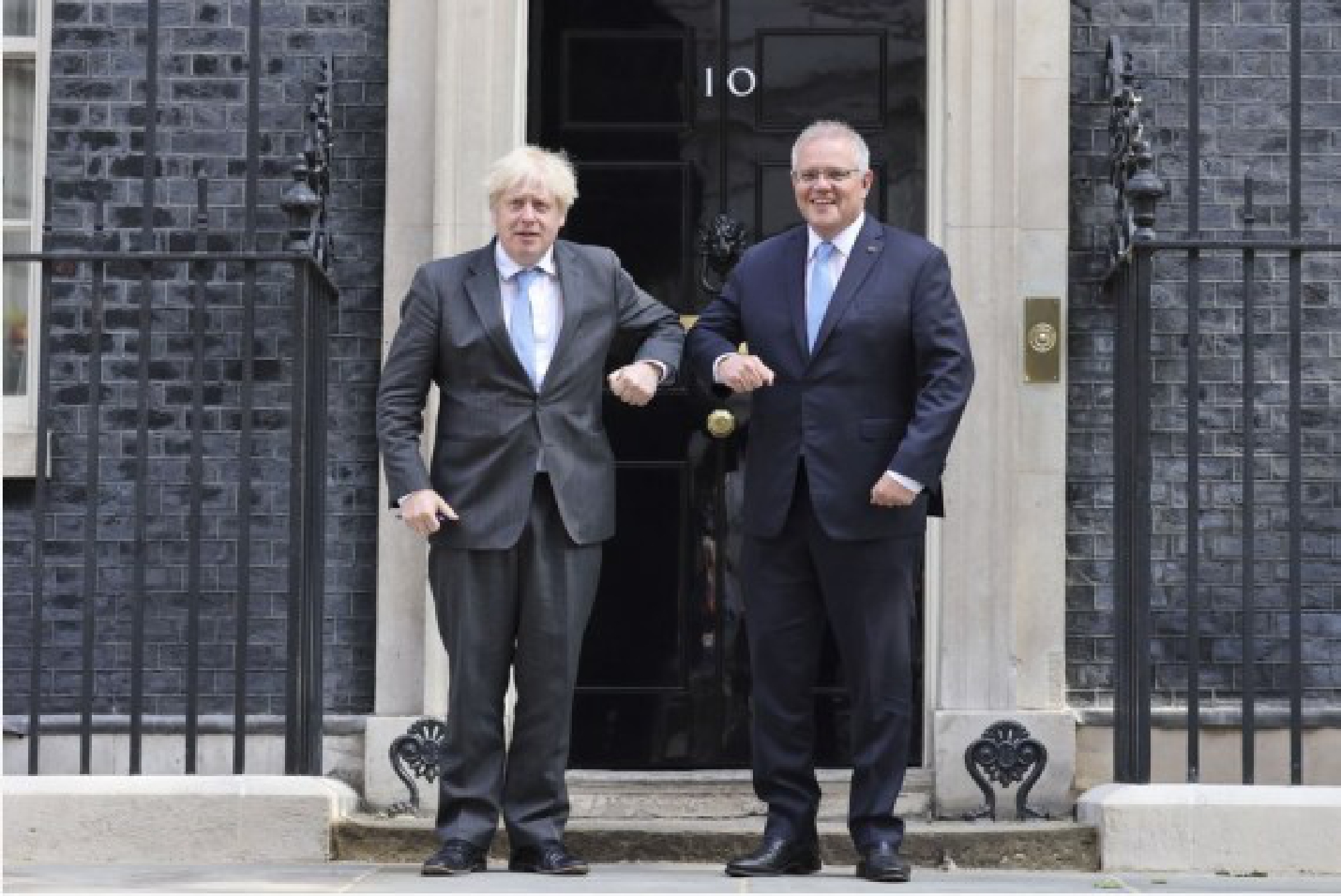 British Prime Minister Boris Johnson (L) greets Australian Prime Minister Scott Morrison in front of 10 Downing Street, in London, Britain, on June 15, 2021.(Tim Hammond/No. 10 Downing Street/Handout via Xinhua)
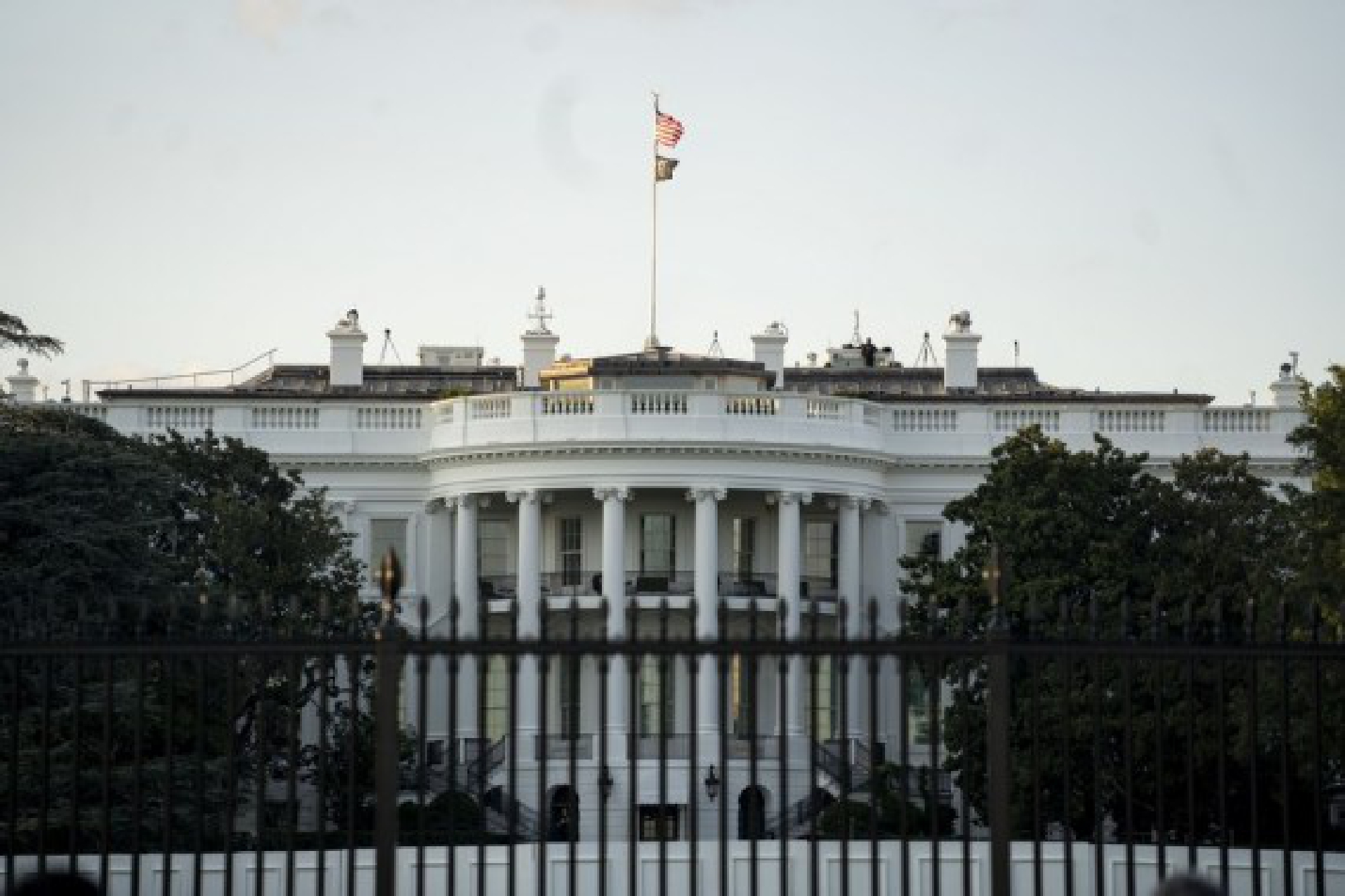 Photo taken on Sept. 3, 2021 shows the White House in Washington, D.C., the United States. (Xinhua/Liu Jie)
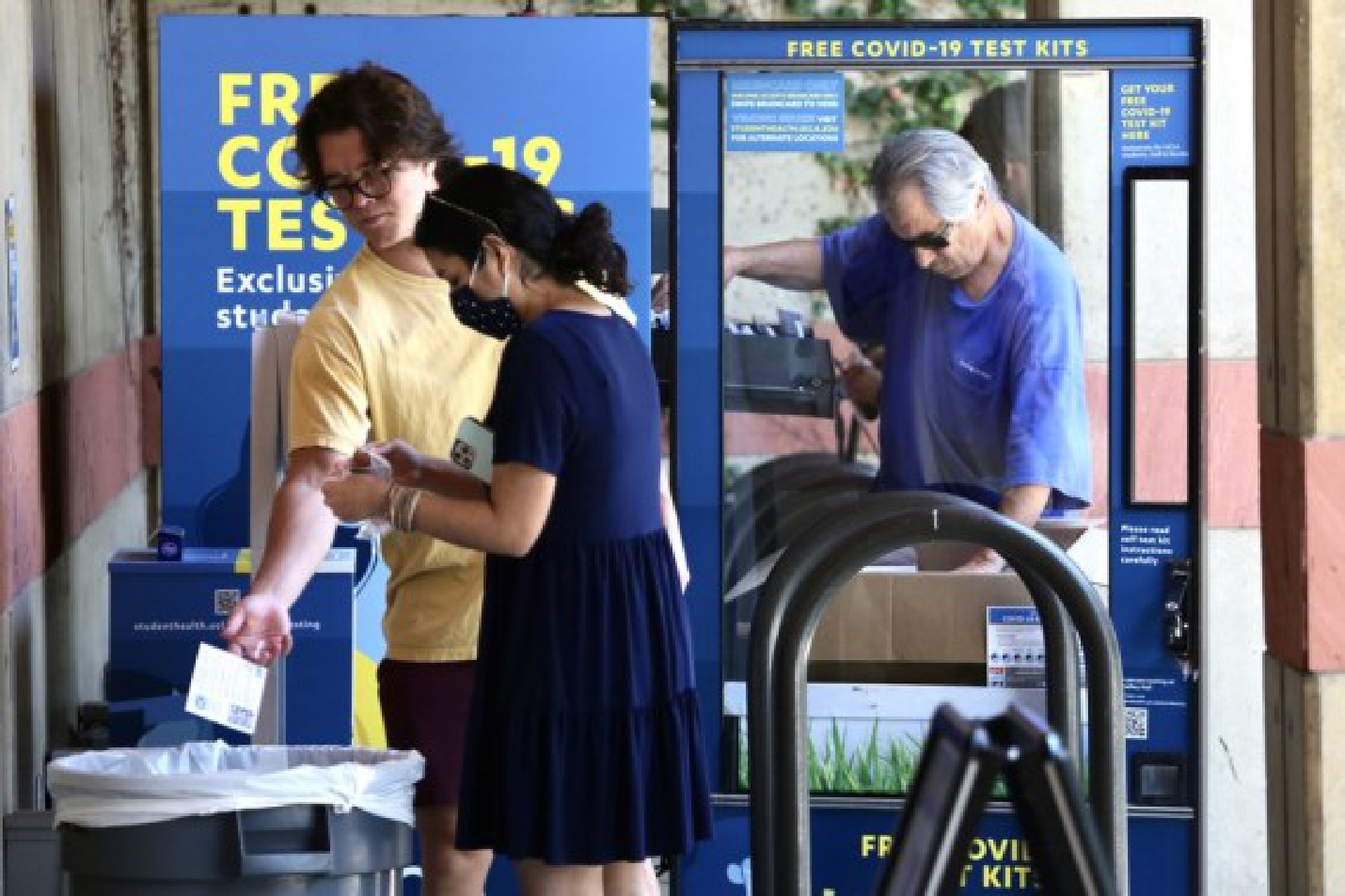 Students are seen at a COVID-19 self-testing station on campus of the University of California, Los Angeles (UCLA), in Los Angeles, the United States, Sept. 23, 2021.(Xinhua)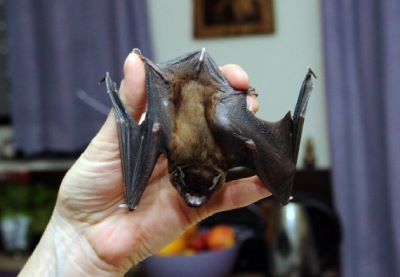
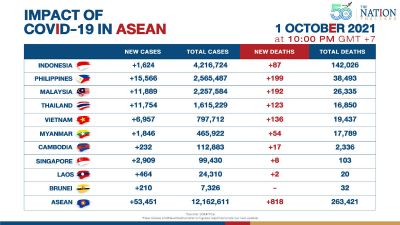
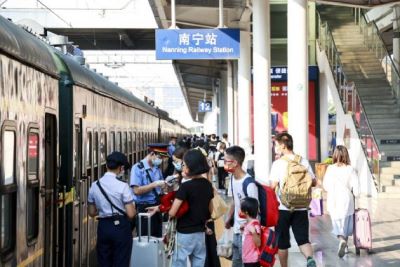
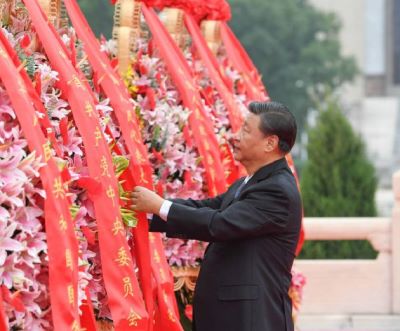
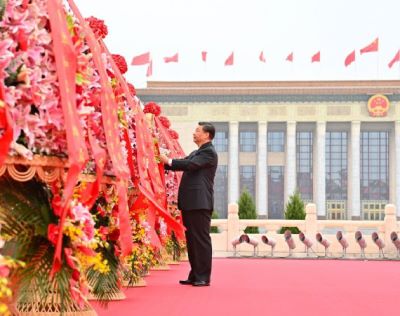
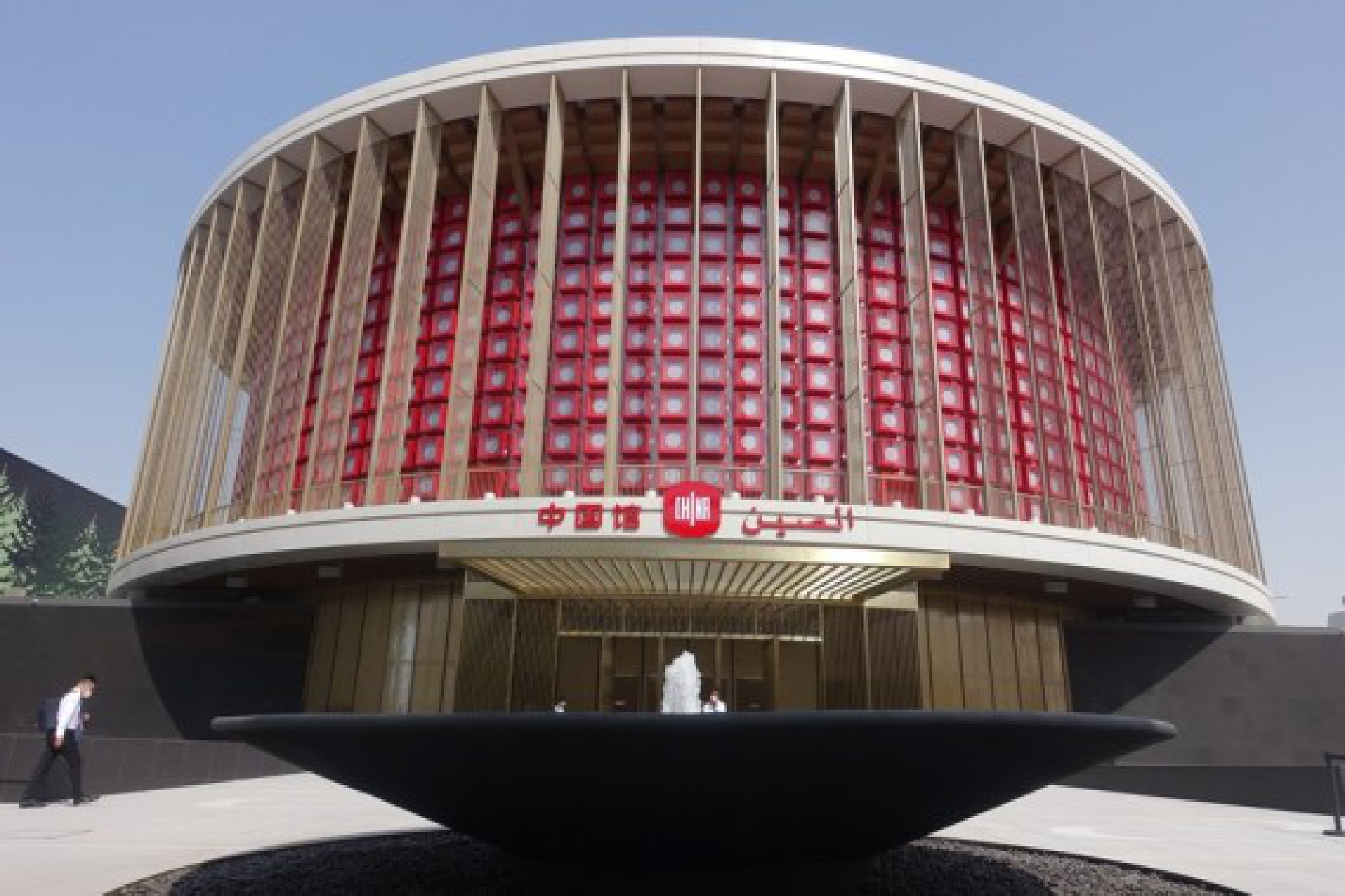 Photo taken on Sept. 29, 2021 shows the China Pavilion of Expo 2020 Dubai in Dubai, the United Arab Emirates. The China Pavilion, one of the largest pavilions at Expo 2020 Dubai, opens on Oct. 1, 2021. (Xinhua/Yan Jing)
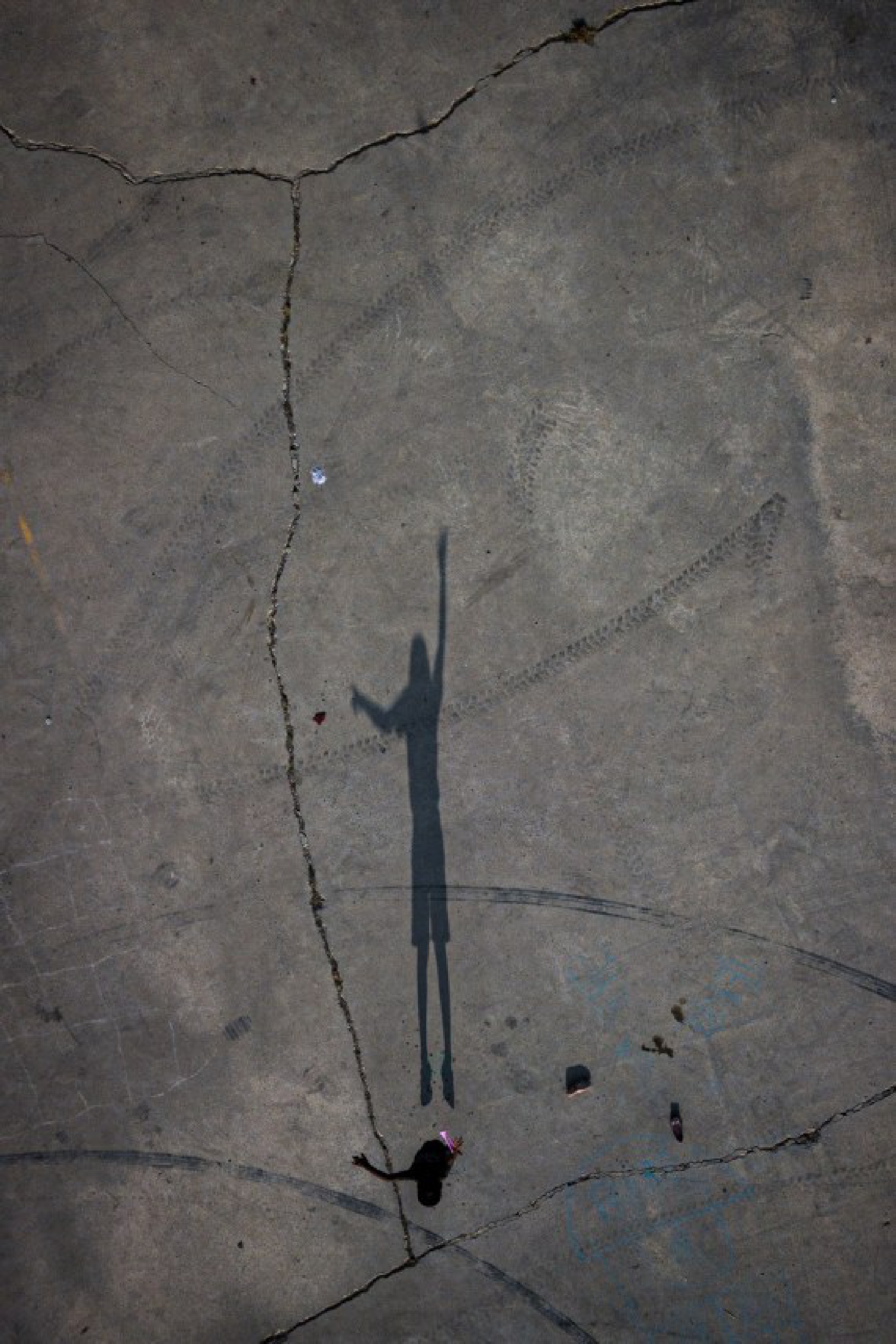 Aerial photo taken on Sept. 29, 2021 shows a migrant kid playing at a shelter in Ciudad Acuna, Coahuila, Mexico. Hundreds of migrants still stranded in the Mexican border city of Ciudad Acuna. (Xinhua/Xin Yuewei)