China finds possible first human case of H10N3 bird flu strain
The Chinese government announced Tuesday that a man in Jiangsu province, northwest of Shanghai, had become the first person known to have been infected with the H10N3 strain of bird flu.
In a statement, China’s National Health Commission emphasized that there was no evidence that the strain had the ability to spread among humans, adding that the risk of a significant outbreak was “very low.”
The patient, a 41-year-old man who lived in the city of Zhenjiang, was hospitalized on April 28 after having fever symptoms, the National Health Commission said. He was diagnosed with H10N3 a month later.
Though the man remains under medical supervision, his condition was described as stable and meeting the standards for discharge. It was not clear from the statement how he caught the virus.
The news of the H10N3 infection comes amid the devastation of the covid-19 pandemic, which also was first identified in China and is widely thought to have come to humans from bats through some form of zoonotic spread.
A different strain of bird flu, known as H7N9, led to the deaths of around 300 people during an outbreak between 2016 and 2017.
But varieties of avian influenza are common in China and, due to increased surveillance of them, relatively easy to find in humans. Unlike H7N9, there is no evidence that H10N3 can spread easily from human to human.
“The more we look for novel viruses as a cause of illness among patients the more we are likely to find them,” Gregory Gray, an infectious-disease epidemiologist at Duke University, told the South China Morning Post.
Alexandra Phelan, a global health lawyer at Georgetown University’s Center for Global Health Science and Security, wrote on Twitter that people should be “alert but not alarmed” about the news, adding that spillover between species did not itself mean there was epidemic risk.
China’s National Health Commission also said that the H10N3 was low pathogenic among poultry, meaning it caused less severe illness among birds.
Chinese authorities had placed all the man’s close contacts under investigation but did not display symptoms.
Local residents were told to remain vigilant, wearing a mask and visiting a doctor if they suffered any influenza symptoms. They were also advised to try to close contact with birds, dead or alive.
U.K. Covid deaths fall to zero, fueling demands to end lockdown
The U.K. recorded no new Covid-19 deaths for the first time since the global pandemic began, bolstering calls from industry groups for Prime Minister Boris Johnson to lift restrictions as planned this month.
Zero deaths have been reported in the past day, according to the latest statistics published on the government’s coronavirus dashboard. That’s the first time since March 7 last year that nobody has died in the U.K. from the disease.
The milestone will reinforce business calls for the government to push ahead with plans for its fourth and final stage of unlocking the economy on June 21 — including an end to all social distancing guidelines — even as rising cases of the virus raise concerns that the country may be facing another wave.
Johnson and his team have warned they will need to wait for more data on the spread of the variant first identified in India before announcing by June 14 whether the easing of restrictions can go ahead as proposed.
U.K. Hospitality, which represents about 85,000 venues, said jobs will be lost if there’s a delay to the end of lockdown measures, while survey data from the Night Time Industries Association suggests the future of nine in 10 nightlife businesses is threatened after more than a year of enforced closures.
“It’s devastating for the industry,” NTIA Chief Executive Michael Kill said in an interview. “They feel like they’ve been forgotten. They’re at the very sharp end of a long-running roadmap which they’ve watched unfold, to almost feel like they’ve been duped out of their opportunity at the last minute.”
Johnson is facing the dilemma of whether to prioritize the economy and ease the rules to remove all social distancing restrictions and allow large events to be held, or to stay cautious and delay the final step out of lockdown amid a surge in cases.
Adding pressure on Johnson was the decision by Scotland’s First Minister Nicola Sturgeon to postpone a planned June 7 relaxation of the rules across a swathe of the region including Edinburgh because of an increase in the number of cases of the variant first detected in India.
Prevalence of this Delta strain is what could prevent England’s plans for unlocking. It has spread across the U.K. and the number of daily Covid cases has ticked upwards in the past two weeks. That’s raised concern of whether a second summer will be lost to the pandemic. The U.K. is also hosting the Group of Seven and climate summits this year.
Johnson’s spokesman refused to be drawn on the government’s thinking, saying only that it needed more time to assess the data. Asked if the government would copy Scotland’s approach of having different restrictions in different places, Jamie Davies said the unlocking was a “national endeavor.” That signals the government won’t try to revive a system of regional tiers that failed to contain the pandemic last fall.
On May 17, indoor hospitality and entertainment sites, such as cinemas, theaters and museums re-opened — yet with legal restrictions on capacity. Those limits mean it’s been unprofitable for some businesses to return.
“A delay would push many businesses closer to the cliff-edge of failure, meaning more job losses,” said Kate Nicholls, chief executive of U.K. Hospitality.
Businesses such as nightclubs are in an even more precarious position, because they’ve been shuttered throughout the crisis, unlike hospitality, which was able to reopen last summer. That makes the final stage of the government’s plan for reopening even more crucial for them.
“It would be devastating to snuff this glimmer of hope out,” said Craig Beaumont, head of external affairs at the Federation of Small Businesses. “The June cohort of businesses are those that have been closed throughout the crisis. They have no cash reserves and are excited to finally join other businesses.”
Britain’s biggest business lobby group, the Confederation of British Industry, said in a statement that all companies are looking to the government for “clear guidance on Covid-status certification and social distancing once the economy fully unlocks.”
While the government has pledged to give an update on the roadmap a week before the planned reopening, Kill at the NTIA said that doesn’t give businesses enough time to test their operations. He said 95% of businesses had already committed funds to the reopening, including stocking up, preparing venues and getting workers back.
Kill described the damage unleashed on the night-time economy as a “triple whammy.”
“You’ve got the workforce that are concerned about whether they’ve got a stable job to return to; you’ve got landlords who are not convinced that our sector is something they want to rent or lease their properties to; and we’ve had challenges around investment,” he said. “That tide needs to change.”
Published : June 02, 2021
By : Syndication Washington Post, Bloomberg · Joe Mayes, Alex Morales
WHO clears second Chinese covid vaccine for wider global use
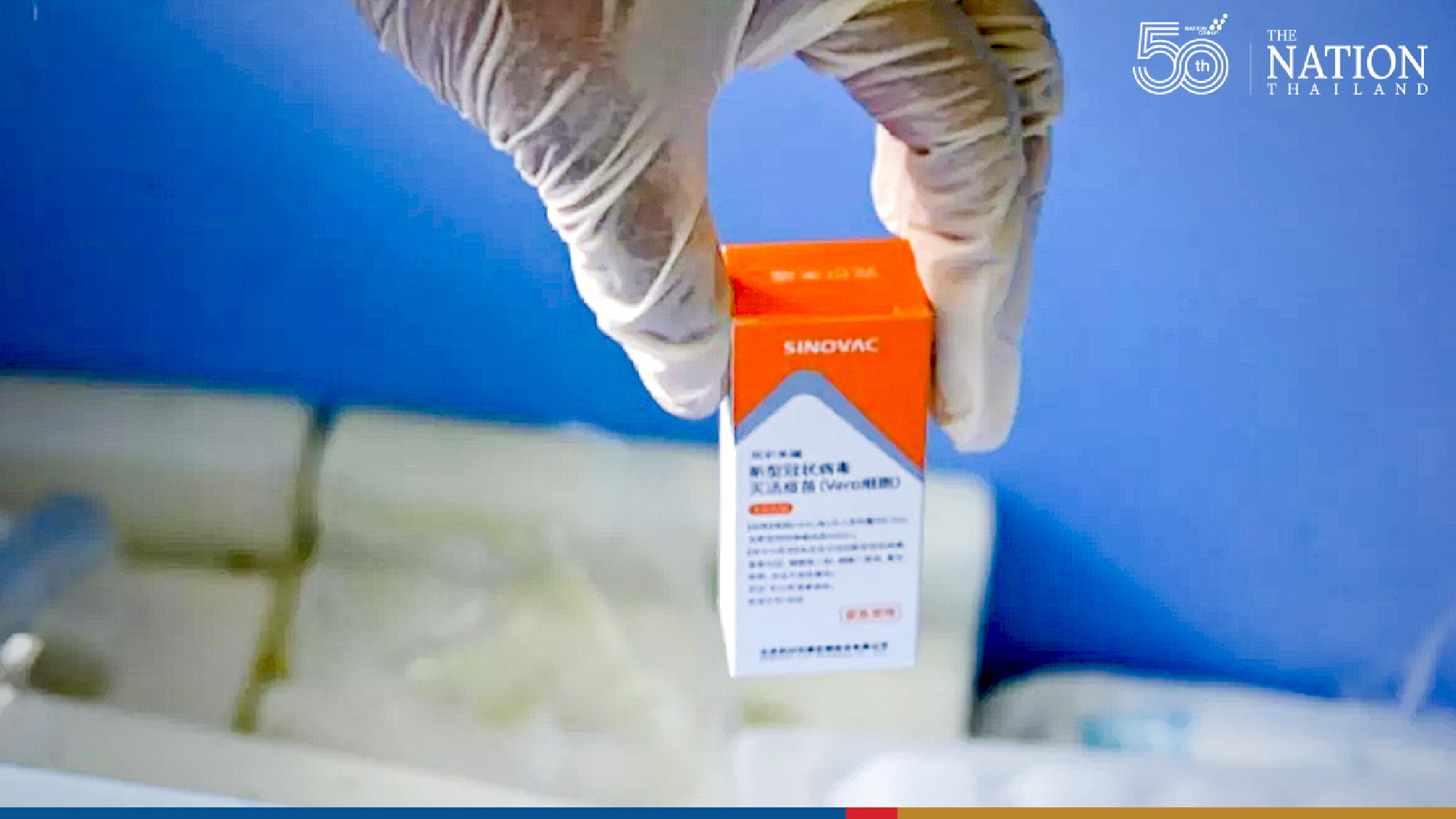
Chinas Sinovac Biotech received long-awaited World Health Organization authorization of its Covid-19 vaccine, paving the way for a wider rollout of the controversial shot in countries scrambling for a supply of immunizations.
The WHO recommended its use for people aged 18 and older in a two-dose schedule with a spacing of two to four weeks between shots, according to a statement Tuesday.
The emergency use listing granted to Sinovac’s shot is the second given to a Chinese Covid vaccine, after state-owned Sinopharm Group Co. secured WHO’s nod for emergency use in early May. They will be additional inoculation options for Covax, a program backed by WHO and other global health groups dedicated to ensuring every country has access to vaccines — notably poorer nations that have been shut out as wealthier ones snap up most of the world’s existing supply.
Already cleared for emergency use by the WHO are vaccines from Pfizer Inc. and partner BioNTech, AstraZeneca, Johnson & Johnson and Moderna.
The WHO’s green light bestows global legitimacy on a Chinese shot that has battled concerns about its efficacy after divergent data was reported from trial sites. It could provide assurance for developing countries that lack their own regulatory bodies and rely on the organization’s advice on which shots are safe to use. Sinovac has shipped 380 million doses to countries and region ranging from Hong Kong to Zimbabwe since late last year.
The shot, dubbed CoronaVac, has the lowest efficacy rate reported from clinical trials among the frontrunner wave of vaccines: it was found to be just 50.7% effective in preventing symptomatic Covid in a trial in Brazil, barely crossing the minimum threshold required by drug regulators around the world. But real world evidence is emerging that it’s far more effective on the ground: In a recent study of around 130,000 Indonesia health workers, it protected 94% against symptomatic infection, 96% against hospitalization, and 98% against death.
Infections are also on the rebound in some countries that have rolled out Sinovac locally like Chile, fueling doubt on its effectiveness, though hasty reopenings and the spread of virus variants also play a part in the renewed outbreaks.
The WHO nod also paves the way for countries to allow travelers who have received Sinovac shots, even if the vaccine isn’t approved for use locally. Ahead of a planned reopening to vaccinated tourists this summer, the European Union said that member countries can consider opening up to people who have shots approved by the WHO. The company has also started submitting data on a rolling basis to drug regulator the European Medicines Agency.
The Sinovac vaccine contains the inactive forms of the SARS-CoV-2 viruses, which are injected to stimulate an immune response against the pathogen. Two other similar shots have been developed by China’s Sinopharm, including the one already cleared by WHO. They have all been widely used in the mainland since mid-2020.
Hackers hit JBS, the worlds largest meat processor, in ransomware attack
JBS, the worlds biggest meat supplier, was forced to suspend operations at some of its processing plants after it was hit by a ransomware attack.
Company officials disclosed the attack to the White House and have called the breach an extortion attempt by a criminal group likely based in Russia.
It’s the latest in a rash of recent high-profile cyberattacks highlighting the vulnerability of corporations, government agencies and civil society groups, as suspected foreign hackers become more brazen in their demands. Three weeks ago, a ransomware attack on Colonial Pipeline disrupted the East Coast’s fuel infrastructure, setting off panic buying and temporary gasoline shortages across several states.
Experts say it’s too soon to determine how the JBS cyberattack will affect meat supply chains – a significant concern for an industry that has been battered by a wave of disruptions that predate the coronavirus pandemic.
President Joe Biden was briefed on the ransomware attack Monday and directed the administration to monitor the issue closely and to assess any impact on supply or prices, said a White House official, who spoke on the condition of anonymity because the person was not authorized to speak publicly.
JBS said in a news release that it detected the intrusion on its computer networks in North America and Australia on Sunday but that its backup servers were not affected. The company, which is working with an outside cybersecurity firm to restore its systems, said it is unaware of any evidence that the attackers compromised or misused data tied to its customers, suppliers or employees. JBS said work on a resolution “may delay certain transactions with customers or suppliers.”
JBS did not respond to requests for further comment.
Ransomware attacks have become big business for hackers, who find relatively unsophisticated ways into companies’ networks through phishing or other methods. Once inside, criminal hackers will commonly take control of key parts of an organization’s systems and demand a ransom to unlock them.
Last month, in the wake of the Colonial Pipeline ransomware attack, Biden warned Moscow that it needed to take “decisive action” against ransomware networks operating out of Russia. “They have some responsibility to deal with this,” he said.
JBS said it notified the White House of the ransomware attack on Sunday and followed up with the administration the next day to say that the ransom demand came from a criminal group, likely tied to Russia, according to White House principal deputy press secretary Karine Jean-Pierre, who spoke to reporters aboard Air Force One on Tuesday.
“The White House is engaging directly with the Russian government on this matter and delivering the message that responsible states do not harbor ransomware criminals,” Jean-Pierre said.
Biden is scheduled to meet with Russian President Vladimir Putin in Geneva later this month.
“We do not regard . . . this meeting with the Russian president as a reward,” Jean-Pierre said in response to a question about if the JBS hack would affect the meeting. “We regard it as a vital part of defending America’s interests. President Biden is meeting with Vladimir Putin because of our country’s differences, not in spite of them.”
The FBI is investigating the attack and the U.S. Department of Agriculture has reached out to several major meat processors to alert them of the situation. Officials are assessing the cyberattack’s effect on the nation’s meat supply, she said, as the administration works to mitigate its impact.
Biden had already launched a “rapid strategic review” to address the increased threat of ransomware, to include building a global coalition to hold countries who harbor ransomware criminals accountable. It builds on an executive order Biden signed last month to reduce the risk of cyberattacks against the federal government, including ransomware – an effort the administration would like to see extend to the private sector.
Food production is one of the nation’s 16 critical infrastructure sectors as defined by the Department of Homeland Security.
“Food processing has been a target for ransomware actors,” said Allan Liska, senior intelligence analyst at the cyber firm Recorded Future. “We know of at least 40 that have been publicly reported over the last year, and the number is probably significantly higher than that.”
The cyberattack is the latest to target a crucial supply chain or large institution in the United States.
Hackers walked away from the ransomware attack on Colonial Pipeline with $4.4 million, according to chief executive Joseph Blount. Federal officials have linked the attack to a Russia-based black hat group called DarkSide that researchers say has extracted $46 million in ransom payments this year alone. Despite the controversial decision to pay off bad actors, which may incentivize them to pursue even more attacks, Blount described the payment as “the right thing to do for the country,” given the critical importance of his company’s infrastructure.
The need to better secure the nation’s supply chains prompted the Department of Homeland Security last month to issue security directives to regulate the pipeline industry for the first time.
The average payment handed over to end a ransomware attack – like the kind that brought down Colonial – more than doubled in 2020 to $312,000, compared with the year prior, according to the cybersecurity company Palo Alto Networks.
Many of the known attackers that security experts have tied to cyberattacks operate from overseas, limiting the ability of law enforcement agencies to apprehend them. Hackers also regularly demand cryptocurrency as a means of payment for their extortion schemes, making them harder to trace.
“I would argue that the continued digitization of modern society creates boundless opportunities for cyber criminals,” said Doug Madory, director of Internet analysis for Kentik, a network monitoring company. “For the corporate world, the efficiencies gained through putting services and workloads online are simply too attractive to eschew. But with this increased digitization comes dependency, and securing complex systems can be very difficult. It is likely going to get worse before it gets better.”
A breakdown in the food supply chain emerged as an early flash point during the initial spread of the coronavirus last year. As the outbreak tore through meatpacking factories, hundreds of workers fell ill, forcing slaughterhouses owned by Tyson, Smithfield Foods and JBS USA to shutter.
JBS sent a text alert to workers at their Greeley, Colo., plant – the company’s largest facility – Monday night informing them to not show up for their shifts on Tuesday morning, according to a union representative. Nearly 3,000 workers at the plant were affected by the closing.
Five of JBS’ largest beef plants in the United States have ceased processing, Bloomberg News reported, knocking out almost one-fifth of the country’s beef production capacity.
“It’s piling up bad news on top of bad news,” said Don Close, senior animal protein analyst for Rabobank.
Months of shutdowns and plant slowdowns due to the public health crisis created a backlog for suppliers. Amplifying the logjam, producers weren’t able to ship enough cattle. Combined with labor shortages in the meatpacking industry and surging export and domestic demand, prices for beef and pork are surging.
As of April, the U.N.’s Food and Agriculture Organization has recorded seven consecutive months of rising meat prices globally. Prices in April were 5.1% higher than a year ago. In the United States, prices continue to climb even after consumers saw the sharpest increases in meat, poultry, fish and egg prices in nearly 50 years at the onset of the pandemic.
The Olympics face a shortage of doctors in Japan due to pandemic
Japans medical establishment is becoming increasingly anxious about bringing together 78,000 people from 200 countries for the Tokyo Olympics and Paralympics, even as the country struggles to keep coronavirus infections under control and speed up vaccinations.
Organizers had initially planned to have about 10,000 doctors, nurses and medical staff on standby for the games, scheduled to start in less than two months, but have had to cut that number down to about 7,000 because they’ll be needed to handle ongoing outbreaks.
Although Japan has seen one of the lowest infection rates among rich industrialized nations, it has been trying to bring under control a rise in infections since late last year. A third state of emergency was expanded and extended in Tokyo and other big cities, with limited results. Speculation over the possible cancellation of the games intensified last week after the U.S. warned Americans not to travel to Japan.
“We have strong reservations about hosting the Olympics at the expense of the lives and health of patients and nurses,” said Susumu Morita, secretary-general of the Japan Federation of Medical Worker’s Unions, which represents about 170,000 nurses and medical staff across the country.
Although foreign spectators were barred from the games in an effort to mitigate the risk of spreading infections, there hasn’t been a final decision yet on whether domestic fans will be banned or see their numbers cut. That lack of clarity is also making it difficult to gauge whether there will be enough medical staff to cope with any emergencies from July 23 to Aug. 8, when the games are scheduled to take place.
“It will be difficult to decide on the maximum spectator limit without monitoring the situation,” Seiko Hashimoto, president of the organizing committee, said at a briefing Friday.
All of this, in turn, has fueled mounting public opposition to the Olympics, which were delayed last year during the peak of the pandemic. Opinion polls consistently show a majority against holding the games. Japan’s business leaders, including SoftBank Group Corp.’s billionaire founder Masayoshi Son, have called for the event to be canceled. Japan’s influential Asahi newspaper, an official sponsor of the Tokyo Olympics, urged Prime Minister Yoshihide Suga in an editorial on May 26 to call off the world’s biggest sporting competition.
Asked almost daily on the safety of holding the tournament, Suga often repeats this mantra: “We are working to make sure that the games will be safe and secure by taking all possible measures to prevent infections among athletes and related parties.”
The final decision on whether to hold the games is up to the International Olympic Committee, which has pushed back on reports that they are considering a cancellation.
Read more: Paralympics Chief ‘Confident With Level of Protection’ in Tokyo
“There are countries which are still struggling to contain the pandemic and it’s extremely risky that people from such countries are entering Japan,” said Satoru Arai, director of the Tokyo Medical Association. “Hospital capacity will be compromised if we send staff to the Olympics.”
Even so, Arai said his association is sending about 40 doctors and nurses to the games. That’s about all the group can spare, he said, in order to deal with coronavirus patients and also assist in vaccination efforts. Daily new infections in Tokyo should be less than 100 at least a month before the games start in order to safely hold the Olympics, he said; the average daily count in May was about 740.
On average, the Tokyo Olympics will need as many as 230 doctors and 310 nurses on standby every day, Hashimoto said earlier this month. Only about 80% of that number has been secured so far, she added.
Japan will offer vaccines to its athletes from June 1, well ahead of the general population. Thomas Bach, president of the IOC, has estimated that about 80% of the people coming to Japan will have already been inoculated. The main remaining variables will be the state of infections in Japan in July and a final decision on spectators, which is due in June.
“You can’t stand idly by while tens of thousands of people will come to Tokyo from 200 countries,” Naoto Ueyama, chairman of 130-member Japan Doctors Union, said at a news briefing. “The two most important things are to accelerate vaccinations and not hold an event with large numbers of people.”
Adding to Covid-19 and the usual bevy of respiratory diseases that appear during large sporting events is Japan’s hot summer, according to Hiroshi Okudera, a doctor who was in charge of medical operations at the 1998 Nagano Winter Olympics. Mask-wearing when temperatures are close to 40 degrees Celsius (104 degrees Fahrenheit) with humidity levels above 90% could cause many to suffer from heat exhaustion or heatstroke.
“What we can do now is try our best to contain infections,” Okudera said, adding that there’s a chance that infection numbers will fall in the coming weeks. “The Olympics is a very powerful and influential event – we shouldn’t rule out the possibility of holding the games outright.”
Published : June 02, 2021
By : Syndication Washington Post, Bloomberg · Ayai Tomisawa, Yuki Hagiwara
Thai national indicted in South Korea for import of 134,000 doses of meth
A Thai national has been arrested and indicted for allegedly smuggling 134,000 doses of methamphetamine into South Korea, Yonhap news agency reported.
According to the Suwon District Prosecutors Office in Suwon, south of Seoul, the Thai national, identified only as a 32-year-old, was handed over to a court for trial after being arrested for allegedly attempting to import the banned substance from Thailand via air freight earlier this month, Yonhap said.
The meth seized from the Thai national weighed 4 kilograms, which is reportedly enough for 134,000 doses and worth 13.4 billion won (THB380.6 million), prosecutors said.
The suspect has been charged with receiving the 4kg of meth hidden in bags of protein supplements through air freight on May 6 after being offered a reward of THB200,000, Yonhap reported.
The average amount of smuggled meth seized in South Korea over the past 16 years (2004-2019) was 33kg per year, and the meth seized from the Thai national amounted to about 12 per cent of the annual average seized, prosecutors said.
Law enforcement agencies arrested and indicted five other Thai nationals and two South Koreans on charges of smuggling various banned substances, including 170 grams of meth, 1,576 tablets of yaba, 97 grams of ketamine, 55 tablets of ecstasy (also known as MDMA) and 190 pieces of LSC, into South Korea via air mail from November last year to this month, Yonhap reported.
Experts closely monitoring changes in virus, WHO assures
International networks of experts are monitoring changes to the Sars-CoV-2 virus so that if significant mutations are identified, they can inform countries and the public about how to deal with the variant, the World Health Organization (WHO) said.
Globally, systems have been established and are being strengthened to detect “signals” of potential Variants of Interest (VOIs) and Variants of Concern (VOCs) and assess these based on the risk posed to global public health, the WHO said.
The world body said all viruses, including Sars-CoV-2 — the virus that causes Covid-19 — change over time. Most changes have little to no impact on the virus’ properties. However, some changes may affect the virus’s properties, such as how easily it spreads, the associated disease severity, or the performance of vaccines, therapeutic medicines, diagnostic tools, or other public health and social measures.
The WHO said that it had been monitoring and assessing the evolution of Sars-CoV-2 since January 2020, in collaboration with partners, expert networks, national authorities, institutions and researchers.
During late 2020, the emergence of variants that posed an increased risk to global public health prompted the characterisation of specific VOIs and VOCs, in order to prioritise global monitoring and research, and ultimately to inform the ongoing response to the Covid-19 pandemic, the WHO said.
National authorities may choose to designate other variants of local interest/concern.
Current strategies and measures recommended by the WHO continue to work against virus variants identified since the start of the pandemic, the world body said.
Naming Sars-CoV-2 variants
The established systems for naming and tracking Sars-CoV-2 genetic lineages by GISAID, Nextstrain and Pango are currently and will remain in use by scientists and in scientific research, the WHO said.
To assist with public discussions on the variants, the WHO said that an expert group it had convened had recommended using letters of the Greek alphabet, ie, Alpha, Beta, Gamma, which would be easier and more practical for discussion by non-scientific audiences.
WHO seeks more info from China to approve Sinovac vaccine
The World Health Organization (WHO) has postponed its decision on approving the Sinovac Covid-19 vaccine to June, The Wall Street Journal reported on Monday.
Earlier, the WHO had planned to approve the vaccine by May.
The report said that the WHO had requested additional information from China related to safety and production.
After detecting new hybrid coronavirus variant, Vietnam races to increase testing and restrictions
Vietnam plans to test all 9 million residents of its largest city and is imposing a fresh round of restrictions following the discovery of a new, highly transmissible coronavirus variant that has led to a surge in cases in the country, which had kept comparatively ahead of the virus.
Vietnam’s government on Monday imposed a two-week-long lockdown of Ho Chi Minh City, the country’s economic hub, during which residents will only be permitted to leave their homes for essential activities, and public gatherings will be limited to 10 people.
The government also plans to test the city’s entire population, though it has a daily testing capacity of 100,000 samples, state media reported, according to the Associated Press.
Officials initially ordered all nonessential businesses in Ho Chi Minh City to close on May 27, amid a sudden surge in new coronavirus cases. Since the pandemic began, Vietnamese authorities have acted fast to contain infections and by early May had recorded just 3,100 cases and 35 deaths.
But by then a troubling trend was emerging as new cases were detected in 31 municipalities and provinces. In recent weeks, health officials have confirmed over 3,5000 new infections and 12 deaths related to covid-19, the AP reported.
On Saturday, Vietnam’s Health Ministry said that the outbreaks were fueled by a new, highly contagious variant of the virus causing covid-19, which appeared to be a mix of two other variants first identified in Britain and India.
Vietnam has vaccinated only about 1 million of its 96 million citizens, leading to concerns that this latest hybrid variant could be difficult to contain.
Most of the new cases were centered in industrial zones in the provinces of Bac Ninh and Bac Giang, where hundreds of thousands of people work at factories assembling products for companies that include Samsung, Canon and Apple, according to the AP.
At least 145 of recent cases were tied to a Protestant sect called the Revival Ekklesia Mission, based in the Go Vap district of Ho Chi Minh City. State media reported Sunday that police had filed a case against the couple who headed the church, charging them with violating health protocols meant to prevent the spread of infectious diseases by permitting people to sit and sing together in close quarters.
Vietnamese authorities have in response additionally ordered a countrywide ban on religious and large gatherings.
In the initial months of the pandemic, Vietnam’s communist-run government imposed frequent temperature screenings, coronavirus testing, targeted lockdowns and other virus detection and prevention measures that drew on its extensive community-health networks already in place.
This time last year the country was focused on preventing its first recorded death related to covid-19 after a 42-year-old British pilot became gravely sick with the disease. He remained hospitalized for four months in Ho Chi Minh City, including 10 weeks on a ventilator. He ultimately survived and returned to Britain in July 2020. But by the end of that month, the country reported its first covid-19 fatality: a 70-year-old Vietnamese man with a kidney illness.
Now as the pandemic has persisted, Vietnam has joined the ranks of many low- and middle-income countries with limited access to coronavirus vaccines while several highly transmissible variants of the virus circle the globe. Scientists say that a variant in India is responsible for the country’s surge in cases and fatalities, which have broken previous global records.
Though it shares a border with China, Vietnam has rejected Chinese offers of its homegrown vaccines. Instead, Vietnam vaccinated its first million people with AstraZeneca doses and recently signed a deal with Pfizer for 30 million more shots, though vials are not planned to arrive until the third and fourth quarters of this year, the AP reported. Vietnam is additionally in talks with Moderna to secure a large supply of its version of the vaccine.
Sinovac shot controls covid in Brazil town after 75% covered
The vaccine developed by Sinovac Biotech was effective in controlling Covid-19 in a mass-inoculation study in a small Brazilian town after 75% of adults were covered with a second shot, preliminary numbers show.
The study carried out by the Sao Paulo state government in the small town of Serrana — population 45,000 — may offer clues for other developing nations on how much of the public needs to be vaccinated in order to begin moving past the pandemic that continues to wreak havoc in Latin America and beyond.
While infection rates improved after first doses were administered, Covid-19 wasn’t properly controlled in the town until after a second shot was given. A complete study will be published soon.
The study was led by the Butantan Institute, which produces Sinovac’s so-called CoronaVac in Brazil. Almost two-thirds of Serrana’s inhabitants got the vaccine between February and April with another third ineligible to receive the shot if they were under 18 years old or pregnant. About 95% of the targeted adult population received the required two doses in the study.
“This is the first study of its kind in the world,” Dimas Covas, Butantan’s director, said at a press conference Monday. “This is primary data on the effects of vaccination in a population that will help authorities develop public policies.”
While neighboring cities were being hit hard by the pandemic, Serrana saw deaths fall by 95% in the five weeks right after the mass-vaccination was completed. Symptomatic cases dropped by 80% and hospitalizations decreased by 86%.
“Now we can say that it’s possible to control the pandemic with vaccines,” Ricardo Palacios, research director at Butantan said, adding that Covid-19 numbers also fell for children. “This shows that it isn’t necessary to vaccinate children to open schools.”
No severe side effects from the vaccine were reported and there were no Covid-related deaths among participants 14 days after the second dose was applied. The area around Serrana, some 315 kilometers (195 miles) from Sao Paulo, was overrun by the P1 variant during the study, reaffirming the jab’s effectiveness against the strain first found in Brazil, Palacios said.
Sinovac’s vaccine is being used widely in the developing world including Chile, Turkey, Indonesia and the Philippines.
The findings also underline the importance of people returning for a second shot. In Brazil, some 66 million vaccines have been administered, covering 21.4% of the population with a single dose. About 10.5% of the country is now considered to be fully inoculated, according to the Bloomberg vaccine tracker.
Published : June 01, 2021
By : Syndication Washington Post, Bloomberg · Andre Romani

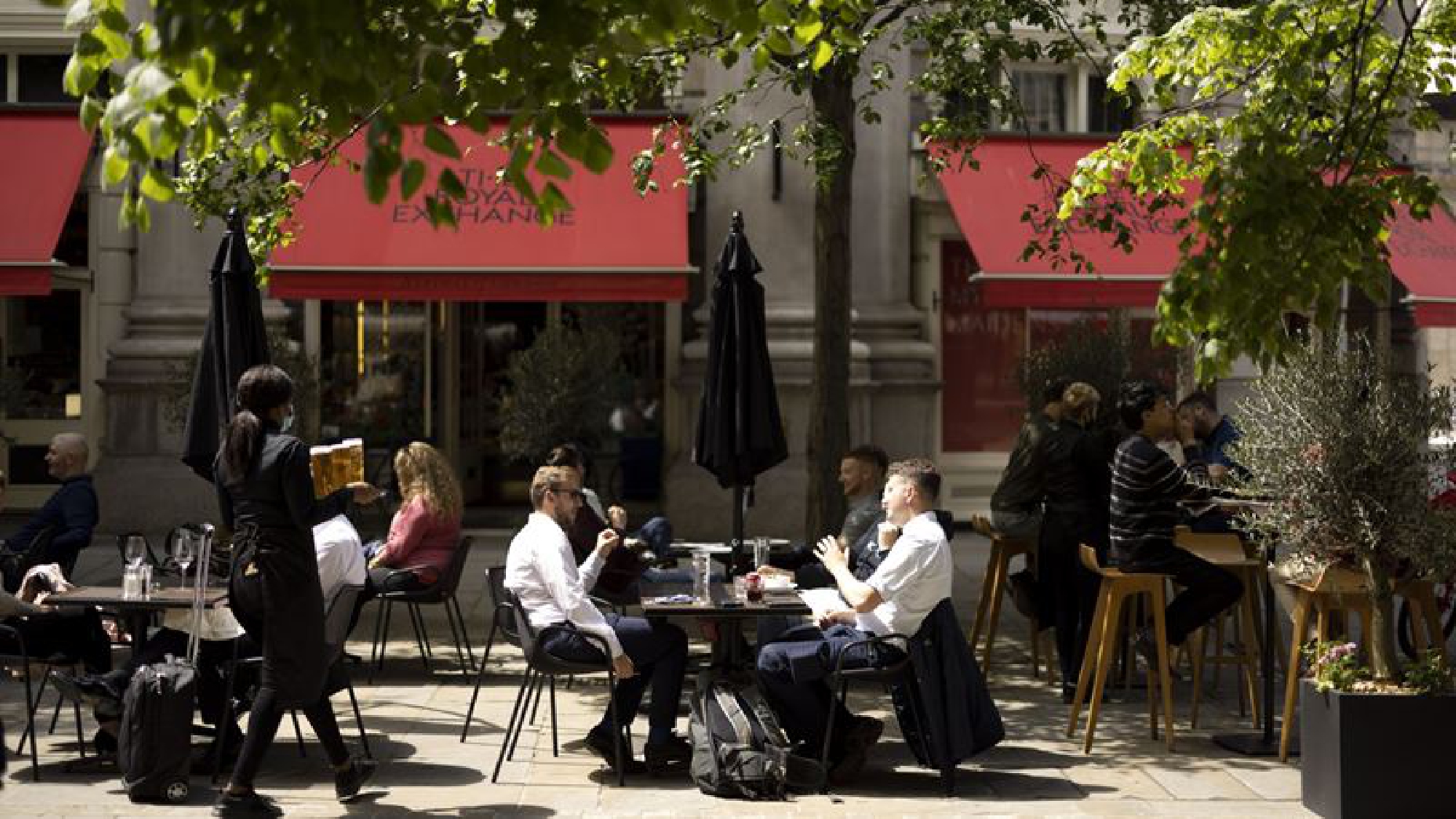


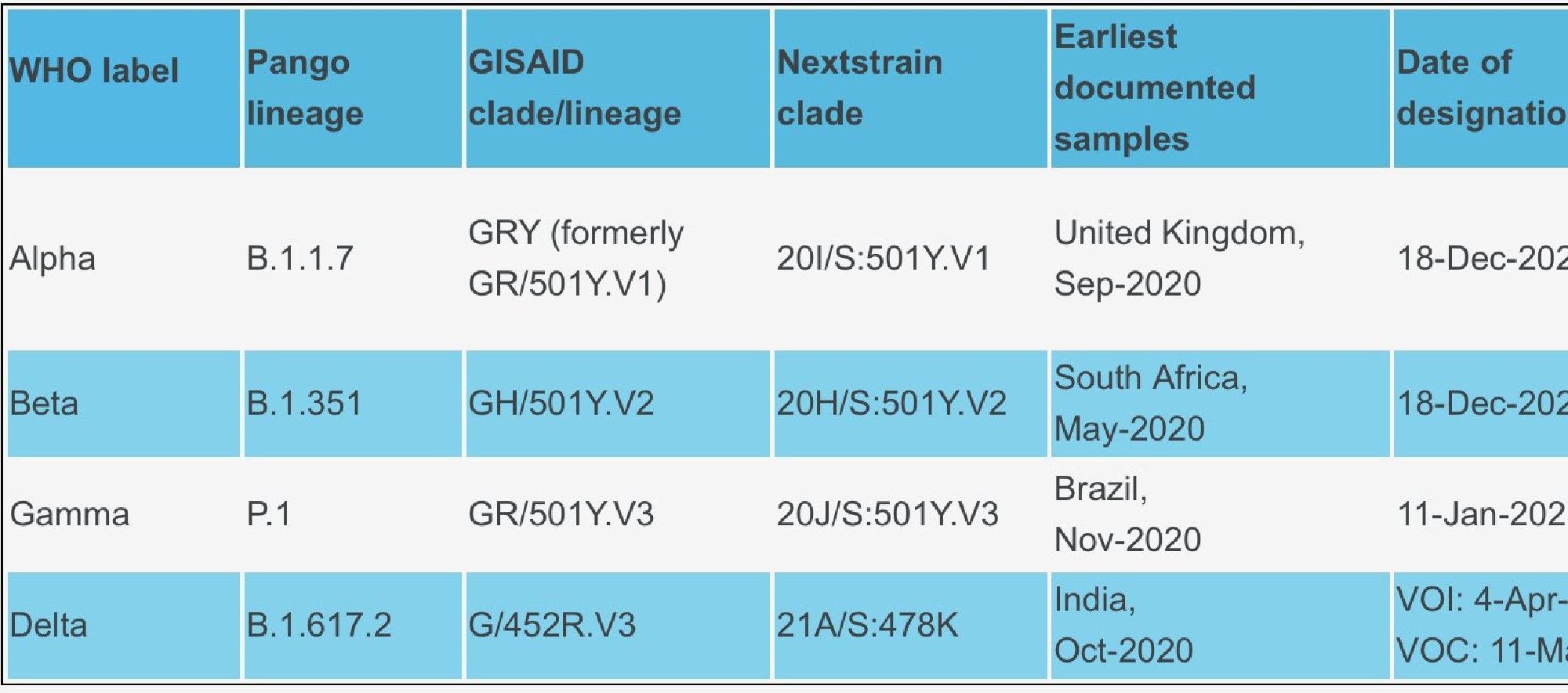 Photo Credit: World Health Organisation