UK and SEC Thailand sign MoU to promote inclusive economic growth
TUESDAY, JANUARY 10, 2023
The MoU aims to promote inclusive economic growth and support Thailand in the transition towards low carbon and sustainable economy. It builds on the previous MoU under which the two parties have been collaborating for the past few years.
Under the previous MoU, the UK and the SEC Thailand worked together with the UK providing technical assistance in areas including accounting standards, the development of financial technology (FinTech) ecosystem, sustainable finance such as green bonds and climate risk disclosure for listed companies, e-Know Your Customer (e-KYC) and cybersecurity.
The new MOU will focus on supporting Thailand to further develop the regulatory environment for the FinTech sector, promote sustainable finance, and increase awareness of sustainable investment in Thailand and other Asean countries.
The cooperation will be funded by the UK’s ASEAN Economic Reform Programme and the UK’s Partnering for Accelerated Climate Transitions Programme, which supports knowledge and expertise sharing and regular practices on financial technology and sustainable finance.
Ruenvadee Suwanmongkol, Secretary-General of SEC Thailand, said: “FinTech and sustainable finance are key areas emphasized by SEC Thailand. We strongly believe that the new MoU with the UK Government will support the enhancement of the financial ecosystem as well as promote the development for inclusive and sustainable economic growth.”
Recognising the partnership, Mark Gooding, His Majesty’s Ambassador to Thailand, said: “Financial services are a key driver of the modern economy. We are proud to take another step in our long-time partnership with SEC Thailand with a particular focus on the cutting edge of finance: FinTech and sustainability.”
Instalment plans for cars, motorbikes to become easier in Thailand
MONDAY, JANUARY 09, 2023
The government has come up with new regulations on car and motorbike instalment plans in a bid to make repayments easy, tackle debt issues and improve people’s quality of life.
The new rules will go into effect on Tuesday, government spokesman Anucha Burapachaisri said on Monday. The regulations had been published in the Royal Gazette on October 14 last year.
The new regulations are as follows:
Annual interest rate
• 10% or less for new cars
• 15% or less for used cars
• 23% or less for motorcycles
Discounted interest for people who complete their payment before the contract ends:
• 60% or more for those who pay over a third of the debt
• 70% or more for those paying two-thirds of their debt
• 100% for those who have paid more than two-thirds of the money owed
If vehicles are auctioned off due to termination of the contract, buyers will only be responsible for repaying the remaining principal, instead of both principal and interest.
Sellers, meanwhile, can fine defaulters no more than 5% per annum on the outstanding amount.
Anucha Burapachaisri
Anucha added that the new regulations will only apply to cars and motorcycles bought on hire-purchase contracts after January 10.
“The government is doing its best to ensure nobody is discriminated against in a bid to maintain a fair society,” he said.
People who receive threats from debt collectors can call the 1166 Office of the Consumer Protection Board (OCPB) hotline, contact the authorities via the OCPB Connect smartphone app or visit ocpb.go.th.
Thailand ranked first in Asean for meeting UN sustainable goals
MONDAY, JANUARY 09, 2023
Thailand has been ranked No 1 in Asean for achieving sustainable development goals for four years running since 2019 in rankings based on the United Nations’ Sustainable Development Goals (SDGs).
“The UN SDGs are in line with Thailand’s 20-year national strategy, which aims to make it a developed country with security, prosperity and sustainability without leaving anyone behind,” deputy government spokesperson Tipanan Sirichana said.
She said that according to the UN, “not leaving anyone behind” is at the heart of SDGs and that Thailand has placed a greater focus on five SDGs:
• No poverty
• Quality education
• Clean water and sanitation
• Industry, innovation and infrastructure
• Responsible consumption and production
She said the government has achieved success in the development of infrastructure, both physically and digitally, as well as its goals on Bio-Circular-Green Economy Model at the Apec Summit in November last year.
“These achievements prove that the government is moving in the right direction, with criteria and indicators that meet international standards,” she said.
Thailand reviewing 2-jab entry rule after warning from Phuket
MONDAY, JANUARY 09, 2023
The government is reviewing its abruptly issued rule that foreign arrivals must show proof of two Covid-19 jabs, after Phuket tourism operators complained it had caused many tourists to cancel bookings.
Tourism and Sports Minister Phiphat Ratchakitprakarn said on Monday that he had asked Public Health Minister Anutin Charnvirakul to adjust the new two-jab for foreign arrivals.
Phiphat intervened after the Phuket Tourist Association submitted a letter to the government complaining the new rule threatened tourism recovery amid the return of Chinese visitors from today. The rule, which was abruptly restored amid concern over soaring Covid infections in China, came into effect at 1am on Monday.
Phiphat also advised tourists from countries that require a negative RT-PCR test result on return to purchase health insurance so they can claim treatment expenses if they test positive for Covid in Thailand. Entry to China still requires a negative test.
The Tourism Authority of Thailand (TAT) is asking hotels to provide RT-PCR tests for foreign tourists, he said.
Current entry requirements for visitors to Thailand are as follows:
Proof of at least two Covid-19 vaccine jabs
Visitors should postpone their trip if they develop respiratory symptoms
Visitors from countries that require a negative RT-PCR test result on return should purchase health insurance to cover Covid-19 treatment
Foreign tourists are also advised to wear face masks in public, wash hands regularly, take a test if they develop respiratory symptoms, visit a hospital if they suffer severe respiratory symptoms, and stay at an SHA-standard hotel that offers tests if their home country requires a negative test on return.
Thailand needs greater emphasis on digital skills to become high-income country: TDRI
FRIDAY, JANUARY 06, 2023
Nongluck Ajanapanya
The Thailand Development Research Institute (TDRI) has urged the government and the private sector to place more focus on equipping people with digital knowledge and human soft skills to accelerate the country’s transition to a high-income country.
The suggestion is part of TDRI’s latest study, “A Portrait of High-Income Thailand: Future Labor Market Outlook”, which was released on Friday. The goal of this research is to find the best solution for labour policies and measures in the aftermath of the Covid-19 pandemic.
The report paints the picture of a changed labour landscape as a result of digital technology and innovation. This disruption has speeded up global activity than ever before. Meanwhile, people are realising that one set of skills is never enough and that knowledge could get outdated.
One of the researchers, Nattanan Wichitaksorn, stated that not only does the country require new business models to sustainably expand its economy, but Thailand also requires a new formula to incubate its citizens to meet the market’s needs.
He noted that in order to become a high-income country with people earning at least $15,000 per year by 2042, the country must focus on the development of five green S-curve industries: green energy, green agriculture and food, green technology, medical and tourism, and digital industry.
The labour market requires people to fill positions in all those industries, particularly the digital industry, in which Thailand is most lacking, he explained.
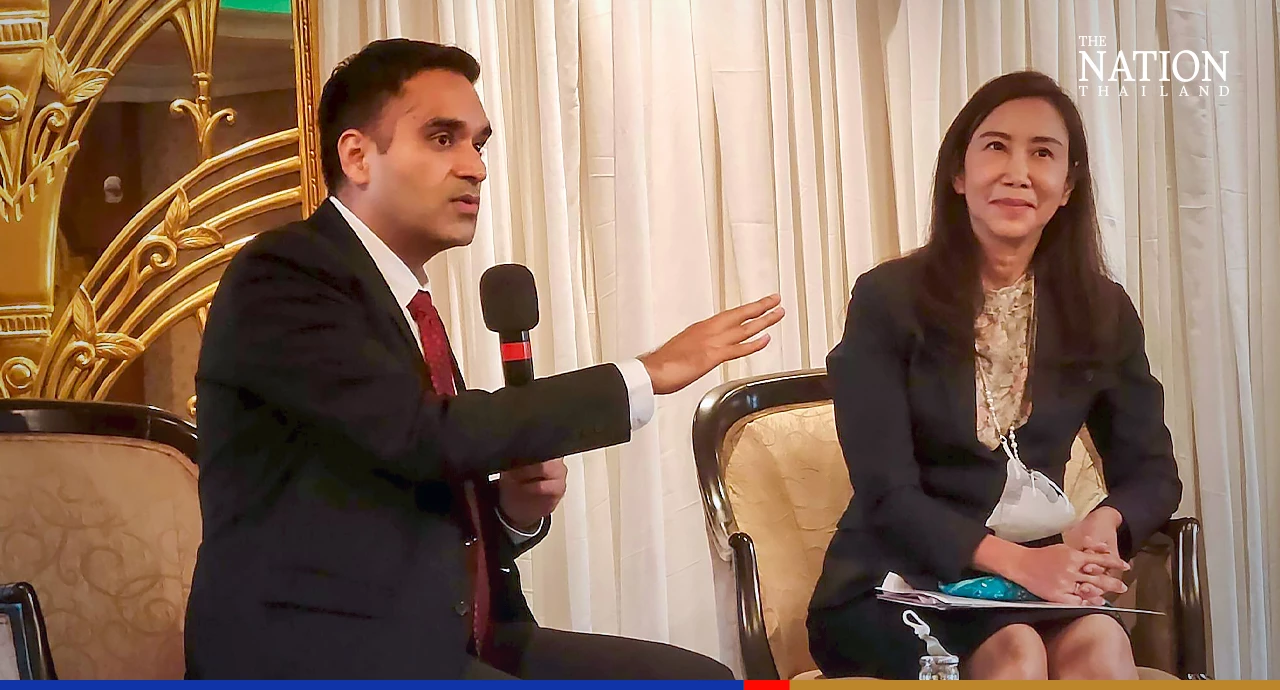
Amornthep Chawla
Amornthep Chawla, chief economist at CIMB Thai Bank, stated that the country’s old economy is heavily reliant on tourism and exports. Although these two industries can still propel the country forward, the pace is slow, as a result Thailand would lag behind its neighbours.
“Slow growth always means going backwards in the long run,” he said.
While digital technology may eliminate some jobs, he believes that human workforce will never disappear. So, people must unlearn and relearn new skills that machines are incapable of performing. For example, while AI can analyse data and make more accurate predictions than analysts, it cannot explain those facts in a funny or interesting way as analysts.
Meanwhile, Bowornnan Thongkalaya, vice chairman of the Thai Chamber of Commerce’s labour and skill development committee, indicated that taking action is the best way to build a skilled workforce.
He explained that the private sector must collaborate with schools and universities to develop a formula for educating people to have skills and knowledge that meet market requirements to become a high-income country.
Besides, Thailand must prioritise encouraging a growth mindset and eagerness for lifelong learning.
“We must abandon old myths about perfect living, in which all one has to do is study, work, and retire. Our way of life should be to learn, work, live, and make positive contributions to society,” Bowornnan stated.
Poonsak Koseeyaporn from the National Science, Technology, and Innovation Policy Office, added that merely increasing people’s income was not sufficient. Thailand must modify and update its regulations in order to keep people happy and ensure their well-being.
“The law must be strong enough to require employers to treat employees fairly while remaining flexible enough to allow employees to select benefits that meet their needs,” he said.
Amornthep said that for Thailand to become a high-income country, it needed flexible labour regulations that would reward workers who kept learning and kept improving their human soft skills.
Thailand-France Relations Moving Into Higher Gear With Visits, Innovation Diplomacy
WEDNESDAY, JANUARY 04, 2023
The Year 2022 will remain a turning point for the relations between Thailand and France, marked by the signing of an important roadmap for future cooperation, a string of agreements and visits that culminated with French President Emmanuel Macron’s participation in the Asia-Pacific Economic Cooperation (Apec) Summit in Bangkok as a special guest of Thai Prime Minister Prayuth Chan-o-cha, host and chair of the forum.
A shared focus on innovation and advanced technologies to boost trade and investment is giving centuries-old bilateral cooperation a new impulse.
“Relations between Thailand and France date back more than 300 years since the reign of King Narai the Great and King Louis XIV when the two sides first exchanged ambassadors, and over that period they have developed into the comprehensive cooperation we see now,” said H.E. Mr Tana Weskosith, Ambassador of the Kingdom of Thailand to the French Republic. “Today’s complex geopolitical and economic challenges have led Thailand and France to deepen their cooperation.”
The realization of that new direction came with the signing in Paris in February 2022 by the two Foreign Ministers of the first Roadmap for Thai-French Relations. The successful conclusion of the said document, hence, sets a clear framework to elevate the bilateral relations to a strategic partnership by 2024 by focusing on national development in the new global context and emphasizing cooperation in the areas of science, technology, and innovation. The agreement also affirms the two governments’ support for private-sector cooperation through existing bilateral trade and investment forums.
Soon thereafter, in June 2022, a French business delegation led by François Corbin, Vice President of MEDEF International (MEDEFi), a business group representing large French companies established abroad, visited Bangkok where it held a fruitful meeting with Prime Minister Prayuth and participated to the 3rd annual meeting of the France-Thailand Business Forum (FTBF).
The visit also led to exchanges with the Thailand Board of Investment and the management of the Eastern Economic Corridor Office (EEC) regarding investment opportunities located in the EEC in advanced technology sectors of interest to French investors. French companies that took part in the exchanges are active in industries such as the aerospace, automotive, rail, and renewable energy sectors.
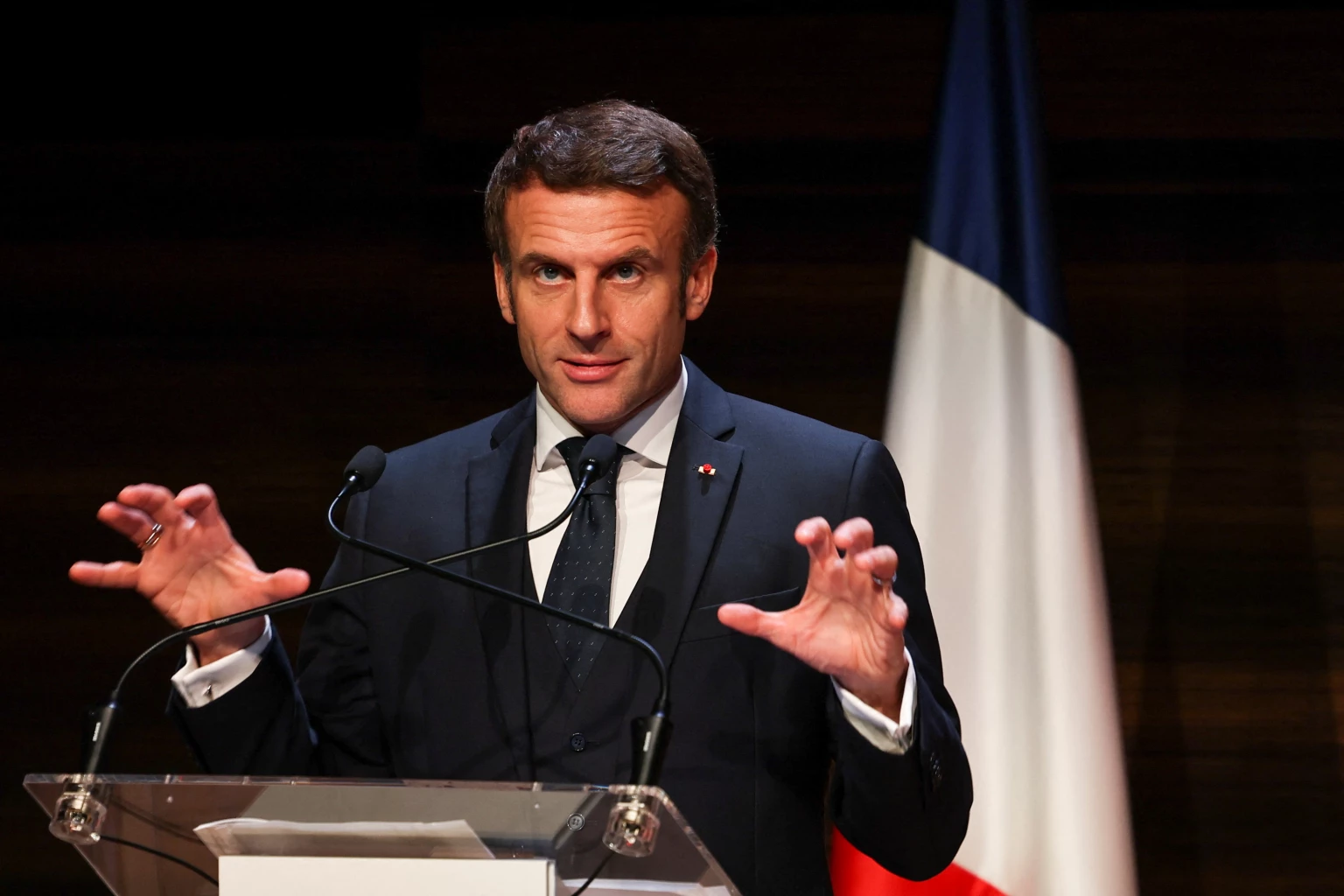
President Emmanuel Macron
“The visits to Thailand during 2022 first by the MEDEFi, and then by President Emmanuel Macron are of great importance in driving the Thailand-France roadmap,” Ambassador Tana said. “This is showing that French businessmen are ready to consider doing business with Thailand in the target areas specified in the roadmap and that the French government supports increased cooperation in research and development and the Thai-French Innovation Year 2023.”
Innovation diplomacy
In May, the National Innovation Agency (NIA), which is tasked with driving Thailand’s plan to turn into a regional hub for innovation-friendly investment, and Bpifrance, a French government agency dedicated to promoting the financing and development of companies in France, notably startups, signed in Paris a letter of intent to cooperate in the promotion of joint investment projects, and advanced technology, including deep tech, over the next five years.
The “Innovation Diplomacy” initiative, developed in close coordination with the Royal Thai Embassy in Paris, the French Embassy in Bangkok, and “La French Tech”, a movement that brings together investors, startups, community builders, and policymakers, is laying the foundations for the activities to be held next year under the “Thai-French Innovation Year 2023”.
The planned activities include a roadshow by Thai startups and exchanges with French counterparts during a startup and innovation week in Paris in April 2023, and French participation in the Startup x Innovation Thailand Expo (SITE) in Bangkok in June, with a focus on startups active in areas of importance for both countries, such as food innovation, aerospace, and the creative economy, according to the NIA.
“This year will mark a new chapter,” said Pun-Arj Chairatana, Executive Director of the NIA. “The innovation diplomacy between the two countries will result in the establishment of a French-Thai Innovation Platform that will enhance the relationship, in terms of investment, development of tech professionals, and allow businessmen from both countries to come together.”
In regards to aerospace, another important achievement of bilateral cooperation was the delivery in June 2022 to the Geo-Informatics and Space Technology Development Agency of Thailand (GISTDA) by Airbus Defence & Space of the Thailand Earth Observation System 2 or THEOS-2.
The development program of the very high-resolution satellite, acquired under a contract signed in Paris in 2018, saw over twenty Thai engineers involved in its assembly and testing ahead of the launch scheduled for 2023. This significant transfer of technology represents a critical step in paving the way for Thailand to develop its space capability in the EEC area and to build its own small observation satellites in the near future.
People-to-people diplomacy
During their meeting in Bangkok in November, Prime Minister Prayuth and President Macron agreed to enhance closer people-to-people ties by promoting smart sustainable tourism, safe travel, and sports, among other things, and by intensifying cooperation on professional training and education, including through the teaching of the French language in Thailand and the Thai language in France.
In regard to tourism and travel, Thailand has long been a popular destination for French tourists and as soon as the country reopened in early 2022, they started coming back to enjoy the country’s culture, arts, gastronomy and nature. From January to October 2022, 182,197 French tourists visited Thailand.
During his trip to Bangkok, and despite the heavy meeting schedule, President Macron also had the occasion to experience first-hand and express his appreciation for Thailand’s “soft power”.
He visited a temple where he exchanged with Buddhist monks, walked in Yaowarat Road, Bangkok’s Chinatown, and visited the Ratchadamnoen Boxing Stadium where he watched a demonstration of Muay Thai, the country’s martial art which is enjoying rising popularity around the World. President Macron also posted on his personal Instagram about his visit to the Jim Thompson House Museum, saying “The Jim Thompson Foundation Arts Center is a symbol of the link between France and Thailand as well as the diversity of cooperation that France undertakes in the Indo-Pacific region”.
As part of this continued development of bilateral relations in education, the Royal Thai Embassy in Paris is supporting Thai language studies at the Institut National des Langues et Civilisations Orientales (INALCO), where the language, then still known to foreigners as “Siamese”, started to be taught in 1876.
“The embassy is giving scholarships to students of the INALCO’s Thai language program to allow them to increase their knowledge and experience of Thailand through internships and research in the country,” Ambassador Thana said.
New data protection portal launched by digital economy ministry
WEDNESDAY, JANUARY 04, 2023
Nongluck Ajanapanya
The Ministry of Digital Economy and Society has launched a digital platform to help government agencies comply with the Personal Data Protection Act (PDPA), which became law in June of last year.
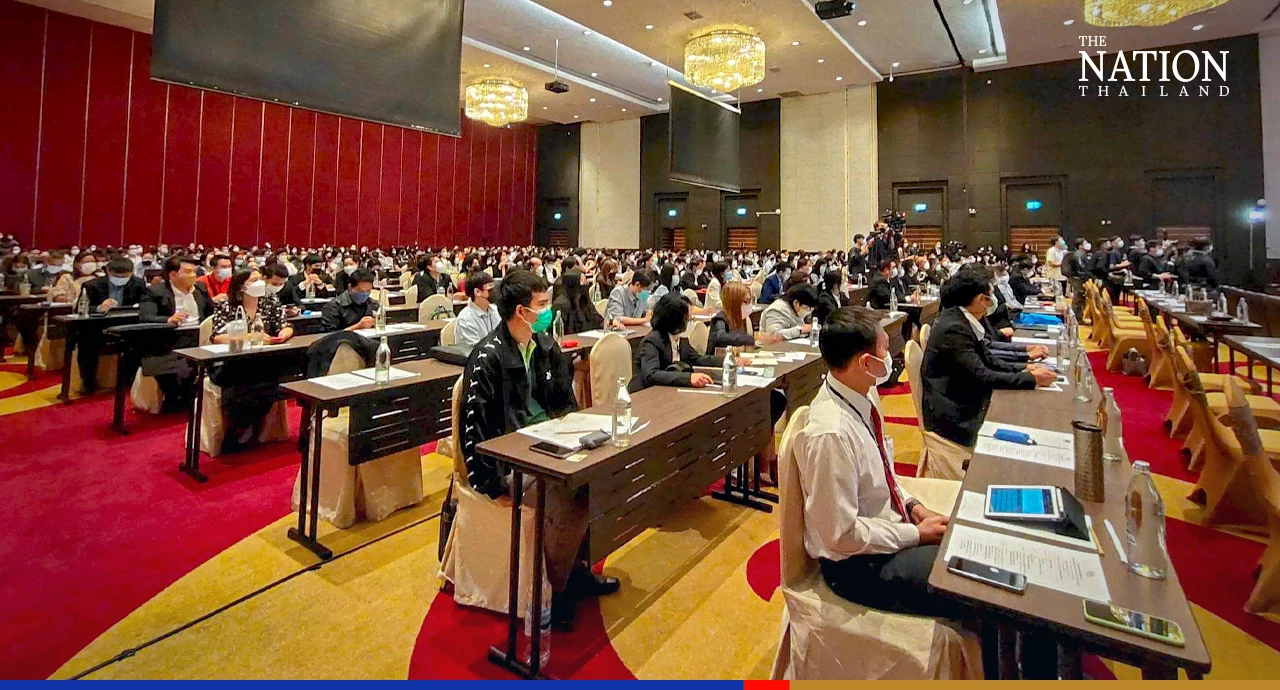
The Government Platform for PDPA Compliance, or GDPC, was launched on Wednesday. The platform makes it faster and more efficient for government agencies to handle personal data in compliance with the new law, ministry officials told the about 200 government officials who attended the launch.
It also links the agencies directly with the Personal Data Protection Commission, allowing its officials to monitor whether agencies are complying with the law.
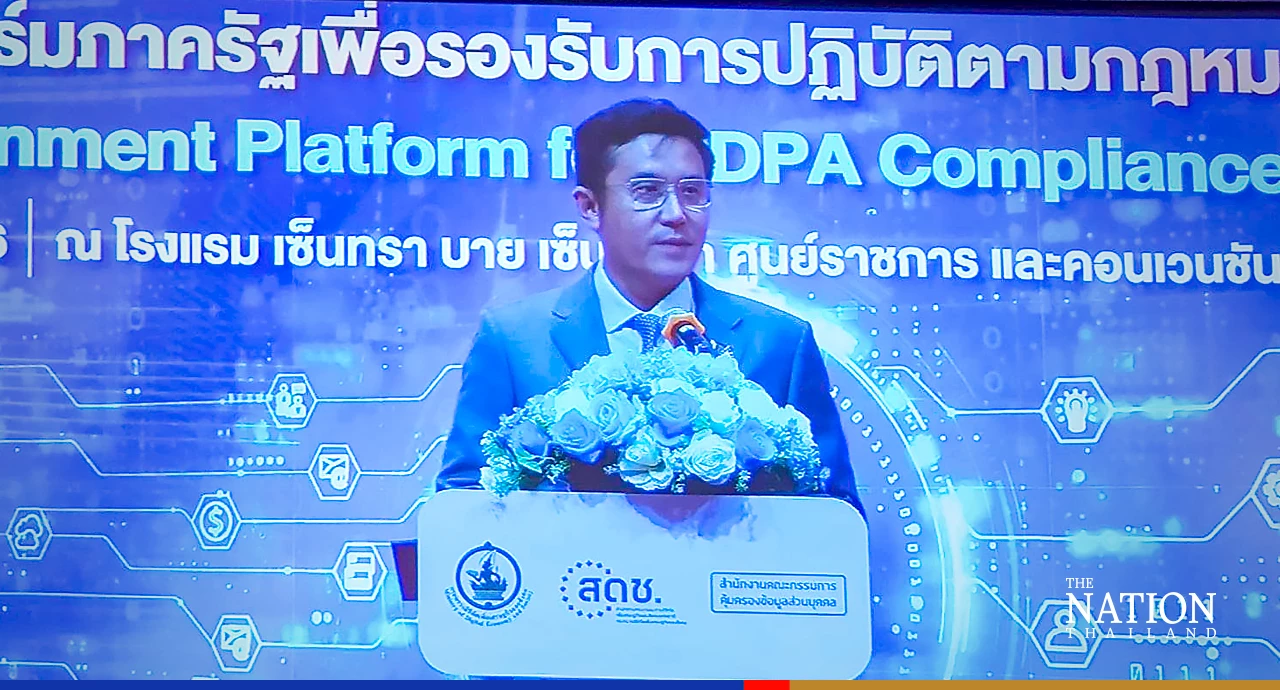
Minister of Digital Economy and Society Chaiwut Thanakamanusorn said the portal was built to ensure compliance with the new law, which requires data controllers, including government agencies, to protect people’s data and notify them of any breaches. It also includes penalties for failures to comply with it.
The law specifies how data controllers and processors, including both public and private entities, must obtain consent from data subjects prior to processing, collecting, or disclosing personal data.
Personal Data Protection Commission secretary-general, Siwaruk Siwamogsatham said government agencies are identified as data controllers under the law.
Chaiwut Thanakamanusorn
Chaiwut said the new centralised portal would reduce government spending because every government agency can use it. He said that it would cost about 5 billion baht if every government agency had to set up its own system to comply with the data protection law. The portal unveiled today cost about 200 million baht, he said.
This includes the cost of installation, offline and online training and the creation of a help desk to resolve issues, the minister said.
Wisit Wisitsora-at, permanent secretary at the ministry, said the ministry aimed to link more than 200 government agencies to the portal, and train more than 2,000 officials how to use it, by September.
Wisit explained that the Personal Data Protection Commission came up with the idea for the portal but lacked the capacity to implement the project. As a result, the ministry will assist the commission for nine months. The commission will then take over the project.
Prayut to study 2024 budget with 4 economic agencies
WEDNESDAY, JANUARY 04, 2023
Prime Minister Prayut Chan-o-cha is scheduled to meet four economic agencies to discuss the budget for the 2024 fiscal year at Government House on Wednesday.
Chalermpol Phensoot, the Budget Bureau’s director, said he expects the Wednesday meeting to iron out details before the draft is proposed to the Cabinet next Tuesday.
Once the draft is approved, the bureau will finalise the budget before presenting it to the Cabinet again by May 16.
This is assuming the Parliament is not dissolved before the general election is held on May 7 as scheduled, he said.
The first draft of the 2024 budget had been approved by the Cabinet on December 27 at the amount of 3.35 trillion baht, which is 165 billion baht higher than the previous budget which stood at 3.19 trillion baht but will render a budget deficit of 593 billion baht.
The draft expects 2.76 trillion baht in government revenue (up 10.7% year on year), 3.36 trillion baht in government spending (up 5.2% year on year), and 1.18 trillion baht in outstanding public debt or 61.35% of the GDP.
The bureau believes that in 2024, Thailand’s GDP will expand by 3.3-4.3% with inflation in the range of 1-2% in line with global economic recovery, rising public consumption and full recovery of the tourism industry.
Motorists who register for M-Flow payment system get 20% toll fee reduction
MONDAY, JANUARY 02, 2023
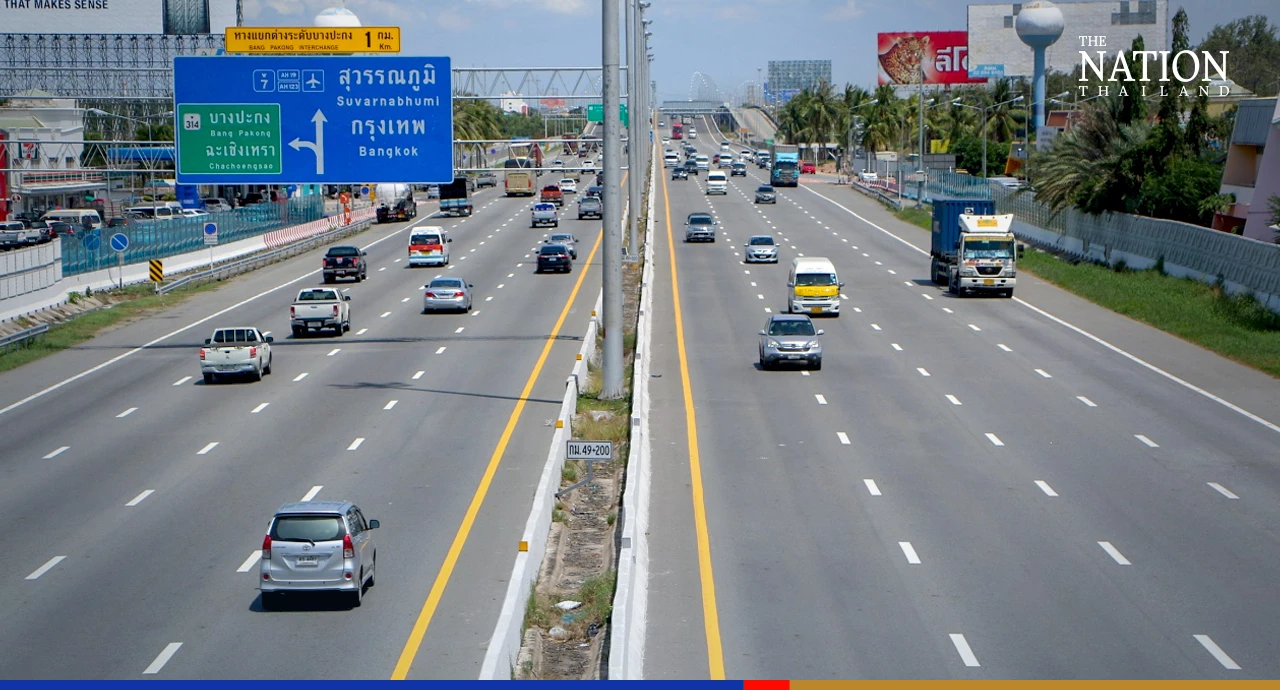
The Highways Departments is offering a 20% discount on toll fees from January 5 to February 4 for motorists who register for the M-Flow payment system. The privilege is capped at 1.5 million motorists.
The move stems from a Cabinet resolution on December 20, asking government agencies to offer so-called “New Year gifts” to the tax-paying public.
High Department director-general Sarawut Songsivilai said on Monday that M-Flow registrations were still rising after the new payment system was introduced at the start of last year.
He added that the system was convenient to use and also helped reduce congestion at toll booths.
To register for the discount, visit www.mflowthai.com, the MFlowThai smartphone app or @mflowthai Line official account, or contact the department’s call centre at 1586 ext 1.
Health investment is a revenue booster, minister says
WEDNESDAY, DECEMBER 28, 2022
Increasing investment in the public health system will help establish Thailand as a global leader in medical tourism, PM’s Office Minister Thanakorn Wangboonkongchana said on Wednesday.
Prime Minister Prayut Chan-o-cha is paying very close attention to his government’s efforts to ensure Thailand becomes a premiere destination for people seeking medical treatment, Thanakorn said.
The premier’s plan calls for promoting Thailand as a hub for medical services and products, wellness, and education. The last comprises two goals: developing the capacity of medical education and hosting international medical conferences.
Thanakorn said that Thailand was the fifth most popular health-tourism destination in the world last year, adding that wellness treatments and products – such as Thai massage, and spa and healthcare products – were abundant.
The Tourism and Sports Ministry expects revenue from medical tourism to rise by an average of 8% annually over the next five years.
Citing Public Health Ministry data, Thanakorn said revenue from medical tourism was 11.90 billion baht last year.
“The value of Thailand’s medical tourism will reach 25 billion baht next year,” Thanakorn said.
Increasing medical tourism will also reduce imports of medicine and medical supplies, he said, adding that public health “is considered national security and an engine to drive the country’s economy”.



 Anucha Burapachaisri


 Amornthep Chawla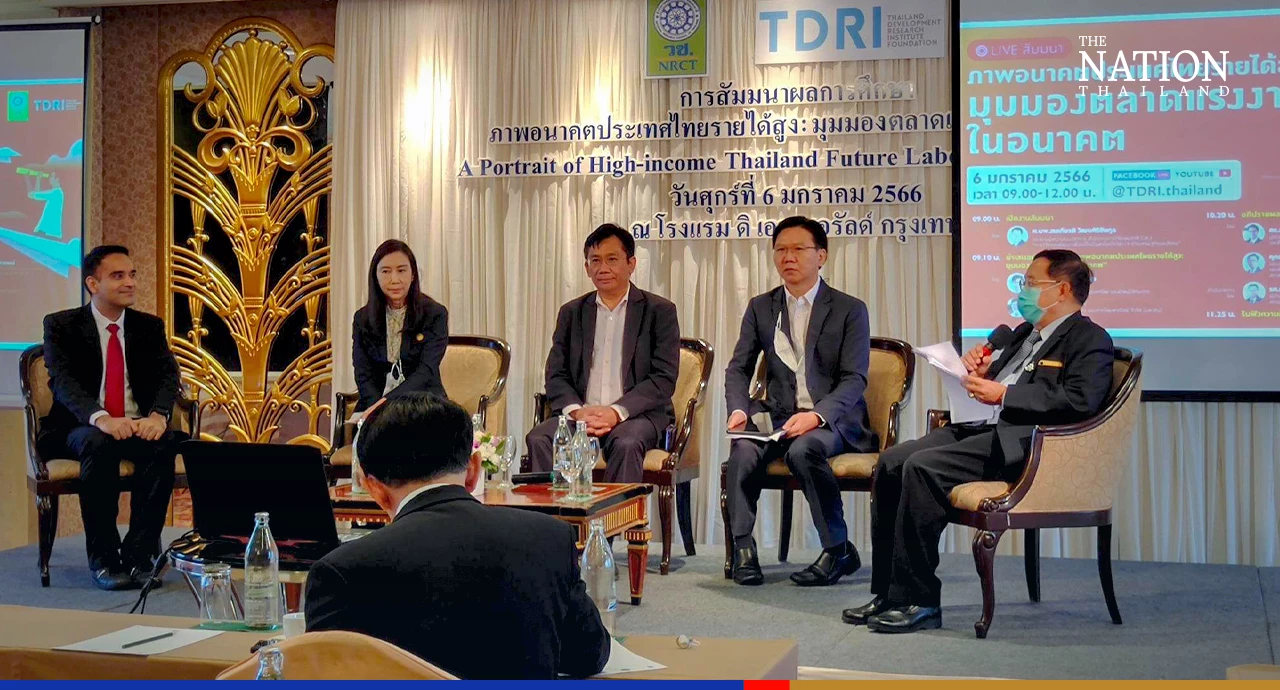

 President Emmanuel Macron
 Chaiwut Thanakamanusorn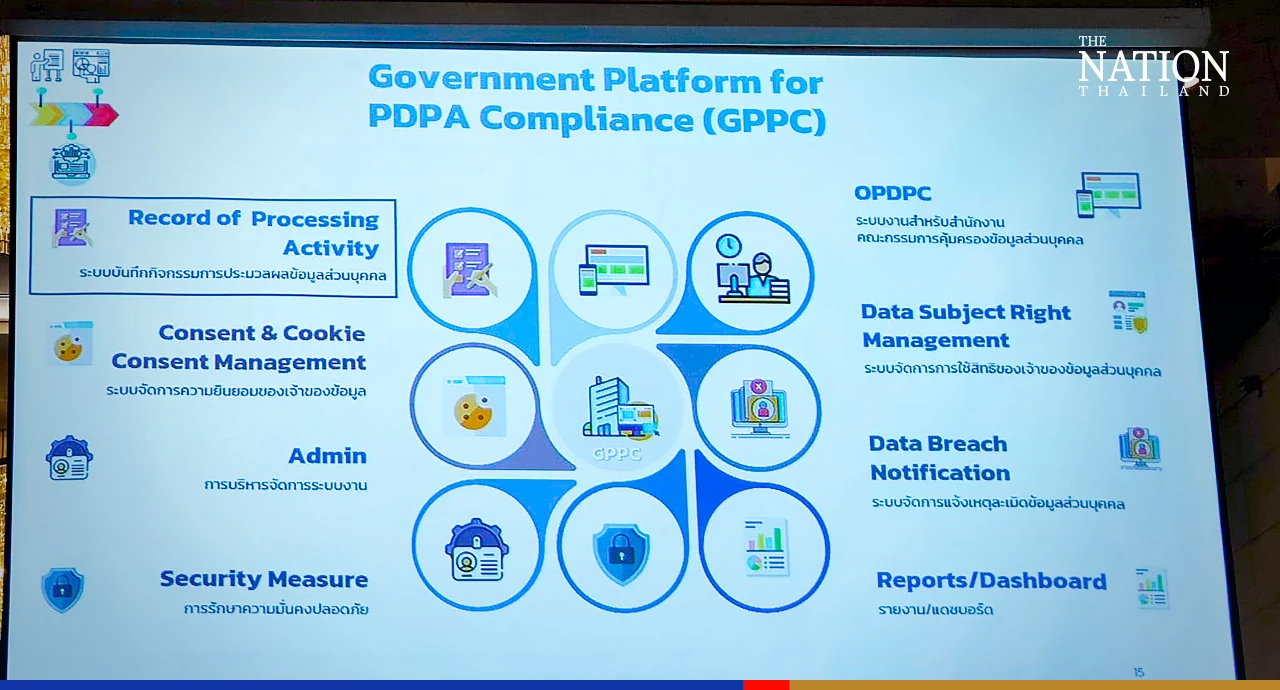



 SootinClaimon.Com