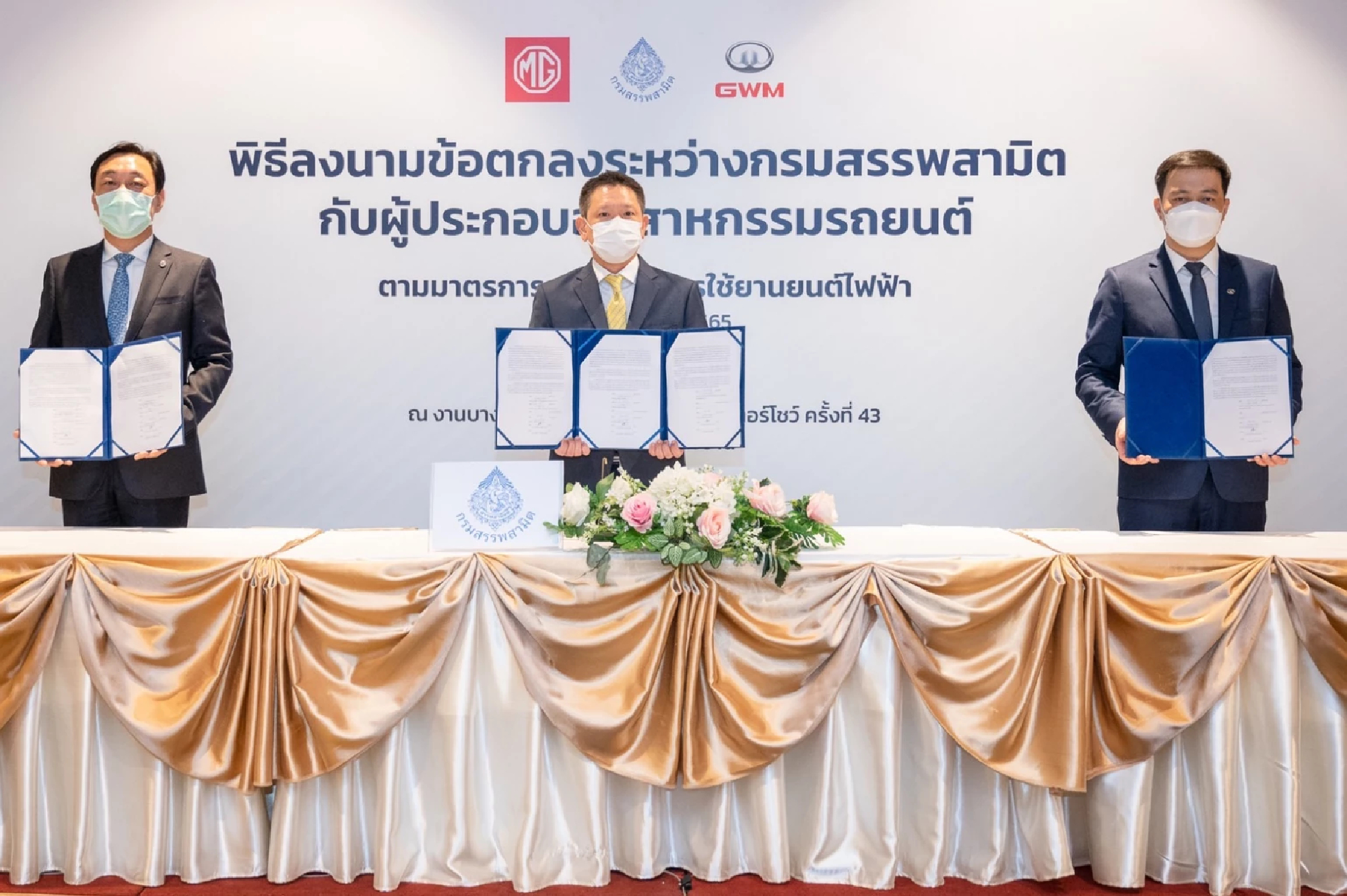
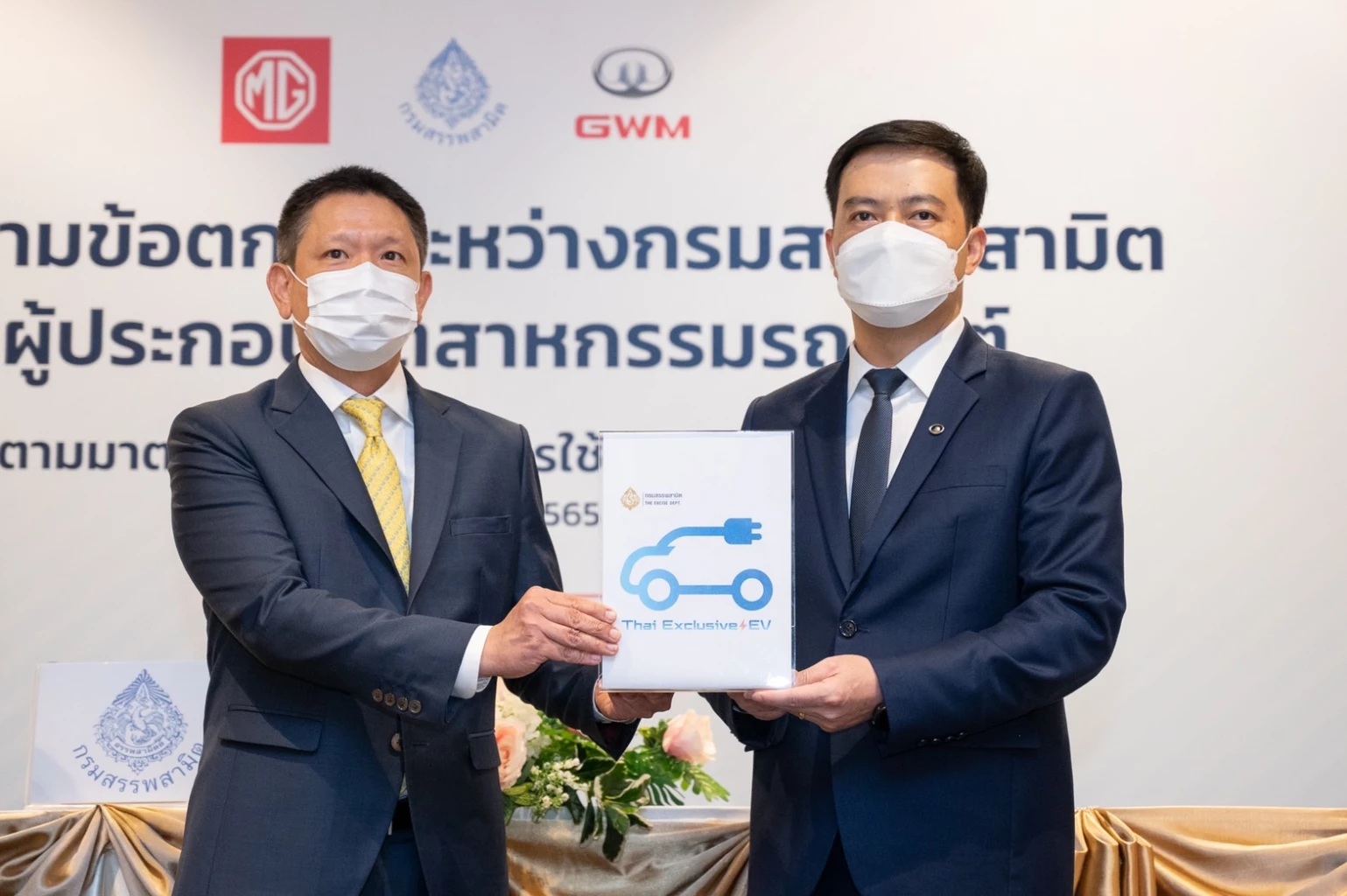
Great Wall Motor (GWM) on Monday signed a memorandum of understanding (MoU) with the Excise Department to promote the production and use of electric vehicles (EV)s in Thailand.
In the first phase of the MoU, the Thai government will provide a subsidy of 70,000 to 150,000 baht per EV purchased depending on battery size, together with additional value-added tax (VAT) reduction privileges. GWM has said it is ready to pledge full cooperation in the adoption of pure EV cars across the nation.
GWM has also announced new subsidised retail prices of its ORA Good Cat models currently on sale in Thailand. The new prices are:
• ORA Good Cat 400 TECH: 828,500 baht to 989,000 baht
• ORA Good Cat 400 PRO: 898,500 baht to 1,059,000 baht
• ORA Good Cat 500 ULTRA: 1,038,500 baht to 1,199,000 baht
As a company committed to user-centric business policies, GWM is offering extra privileges worth more than 25,000 baht to buyers of ORA Good Cat who received their vehicles before March 21, when the MoU was signed. The privileges are:
• 100,000 GWM points equivalent to 10,000 baht that can be used to redeem goods and services via the GWM app
• 15,000 baht worth of charging credit at any GWM charging facility nationwide
Narong Sritalayon, managing director of GWM (Thailand), said: “The Thai government plans to encourage greater usage of electric vehicles and establish the country as the Asean hub for electric vehicle manufacturing, with a target of having zero-emission vehicles [ZEV] accounting for 30 per cent of all car production in Thailand by 2030.
“This goal is not only in line with GWM’s strategies for investment and operations in the Thai market but is also a guideline for us to create and develop new products and services that better cater to Thai consumers’ EV needs and driving experiences.
“GWM is ready to support the Thai government’s scheme along with other stakeholders’ efforts to promote the growth of Thailand’s EV industry, resulting in the practical adoption of clean, safe and eco-friendly electric vehicles nationwide, while advancing Thailand’s position as the central hub of EVs in ASEAN. The new prices of all ORA Good Cat models, as well as extra benefits given to customers, prove our commitment to listening to our customers’ voices and delivering better experiences to them.”
Entering its second year of operations in Thailand, GWM is continuing to build trust among Thai consumers by providing quality vehicles. This year, GWM plans to bring five new EV models from three brands to the Thai market, including the pure electric vehicle under the ORA brand.
Between November last year to February this year, GWM has delivered 1,108 ORA Good Cat vehicles, making it a leader in Thailand’s 100 per cent electric vehicle segment.
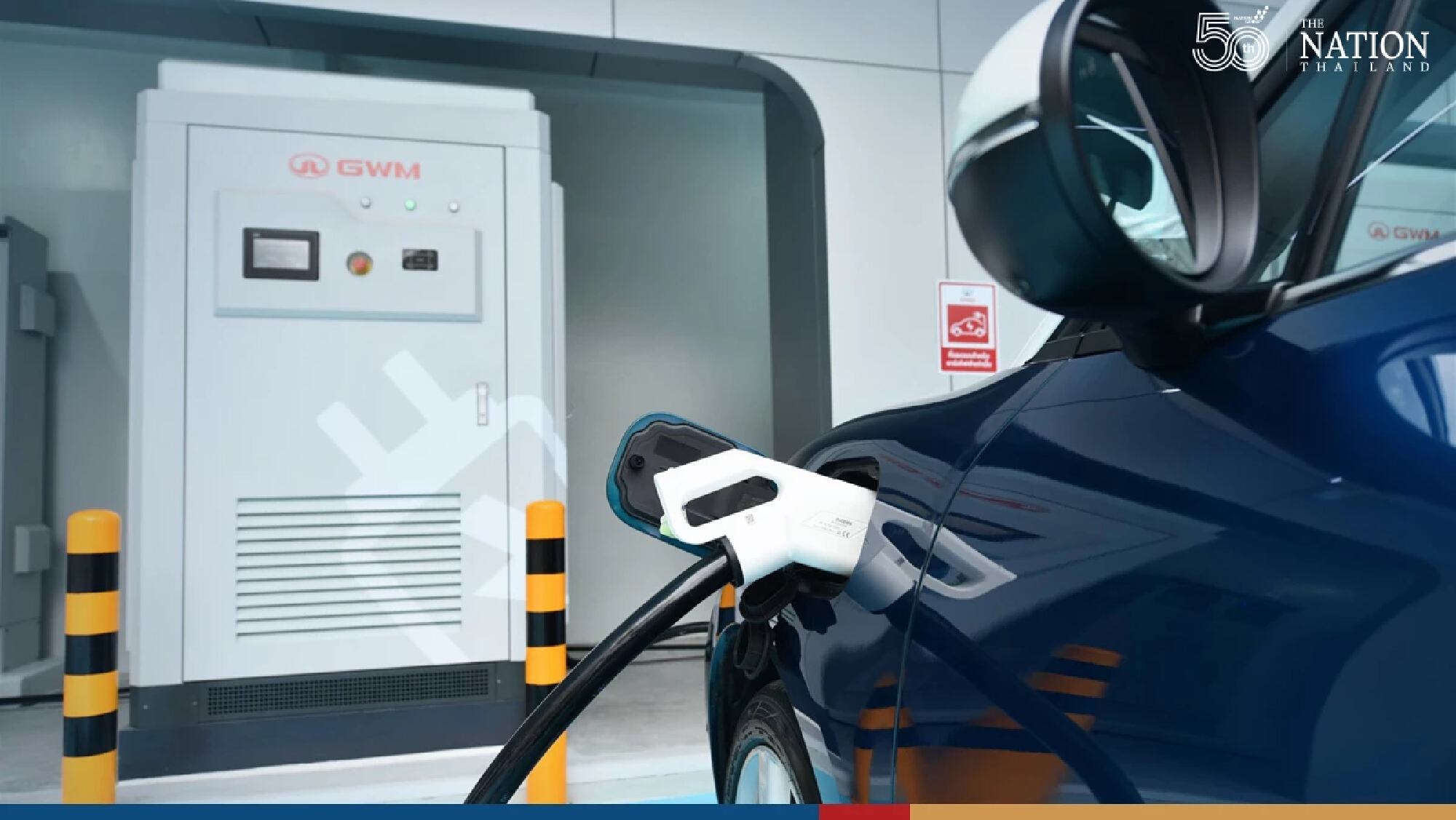
GWM is also proactively developing and expanding its EV charging infrastructure nationwide. Last year, GWM opened its first G-Charge Supercharging Station in Thailand at Siam Square in Bangkok. This fast-charging facility is equipped with three DC charging units, each with two CCS type 2 connectors. The station has a total of six connectors with a maximum charging load of 160kW. The facility is open 24/7 and designed to accommodate electric vehicles of all brands and battery types. GWM aims to expand its charging facilities to 55 locations across the nation.
Electric vehicle (EV) enthusiasts can now pre-book the latest MG ZS EV 2022 for a mere 10,000 baht though the actual price of the car will only be revealed on March 22.
MG Sales (Thailand) said on Friday the price for MG ZS EV 2022 has not been set because Thailand’s measures for electric vehicles has not yet been finalised.
However, the company said it has decided to put the electric cars up for pre-booking until March 21 and will receive the shipment from China by June 30.
The 10,000 baht booking fee will translate into a 20,000 baht discount once the car is ready to be transferred to the buyer.
The discounts include an eight-year or 160,000km battery warranty and four years or 120,000km car warranty.
Freebies also include a home charger with free installation, one year of first-class insurance and a V2L charger.
The MG ZS EV 2022 is attractive because several changes have been made, such as:
Battery capacity has increased to 50.3kWh from 44.5kWh
One full charge can last for 403km from 337km
Though the car’s horsepower has risen to 175 from 150, its torque has dropped from 350Nm to 280Nm
The 0-100kph acceleration has been increased from 8.2 seconds to 8.6 seconds
The car’s top speed has risen to 175kph from 140kph
The MG ZS EV 2022 also includes:
Wireless mobile phone charger
7-inch digital dash screen
10-inch touch screen
Panoramic sunroof
Car seats that can be adjusted in six directions
Auto air-conditioning system and vent for passengers in the back
Auto-dimming rearview mirror
PM2.5 air-filter system
Speakers in six spots
Connecting with Apple CarPlay or Android smartphones
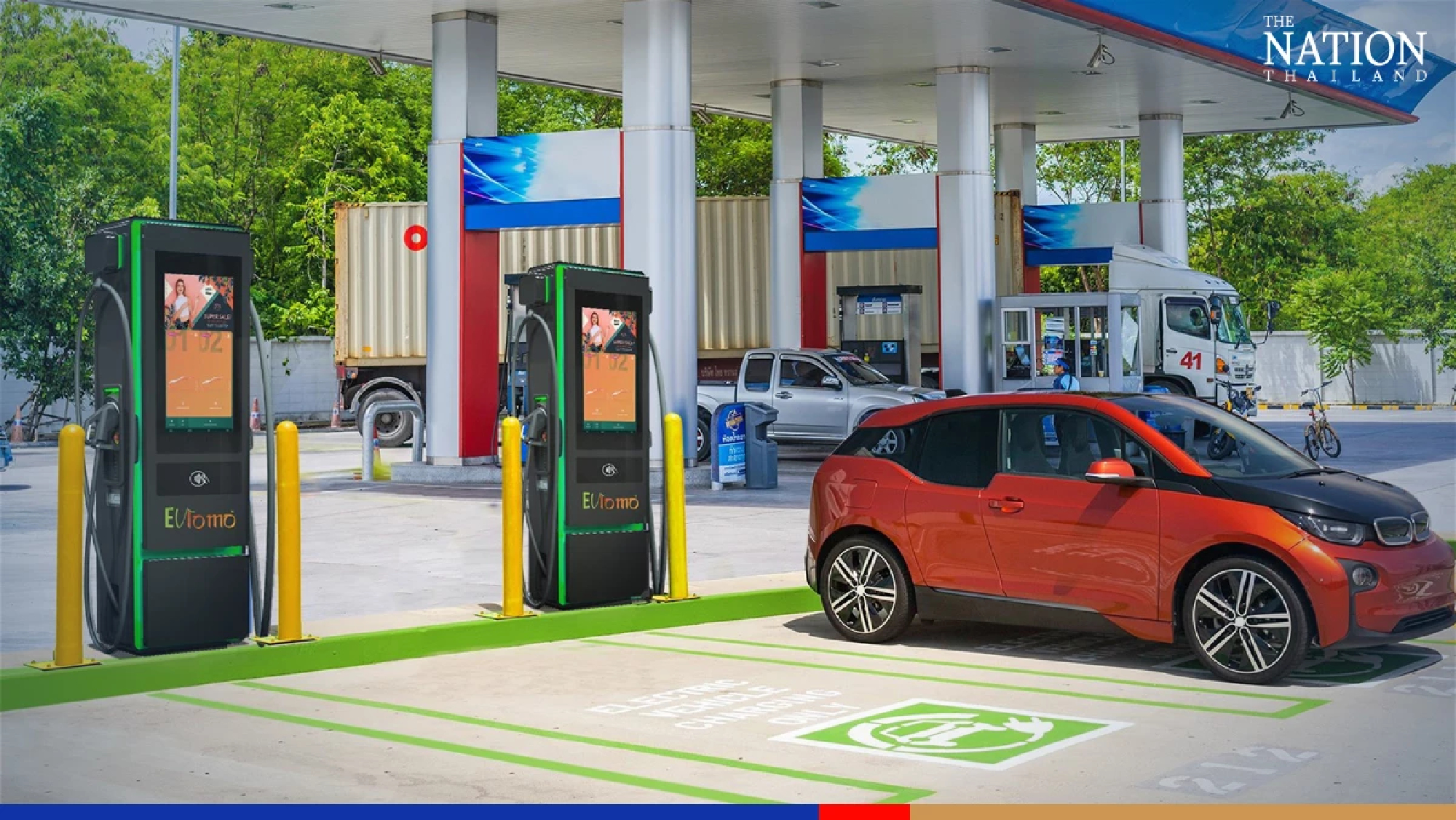
Evlomo Technologies has secured a valuation of US$210 million (THB6.85 billion) in its latest round of funding and will roll out a super-fast DC charging network across Thailand from this year, the firm said in press release.
The move aims to alleviate range anxiety among EV drivers and help make the experience of driving and charging an electric vehicle convenient.
The latest investment from Deer Isle Group in the company comes as the transition to electric mobility accelerates in Thailand.
Deer Isle is a fintech investment banking and advisory firm based in New York, which has raised more than $5 billion in capital since its founding, the press release said.
Evlomo is also creating an 8 GWH battery plant in Thailand’s Eastern Economic Corridor with an investment of $1.2 billion under a separate unit, to cover all aspects of e-mobility.
“The rapid growth of EVs in the coming years will necessitate greater charging infrastructure,” said the CEO/president and founder of Deer Isle Group, Dianna Raedle, who will join the Evlomo board. “Evlomo Technologies has the early advantage in building an EV charging network in Thailand, one of the largest auto markets in the world, providing easy access to EV drivers, and Deer Isle is proud to be a part of its growth journey,” she added.
Thailand has a goal of seeing 1 million EVs on its roads by 2025, with 15 million expected 10 years from now.
Evlomo is focused on addressing the EV charging infrastructure needs of the rapidly growing electric vehicle segment in Thailand and is working in line with the government’s vision of making Thailand the EV hub of the region, the press release added.
“We are working hard to make it easy for electric vehicle drivers to access EV charging stations,” Evlomo CEO Nicole Wu said.
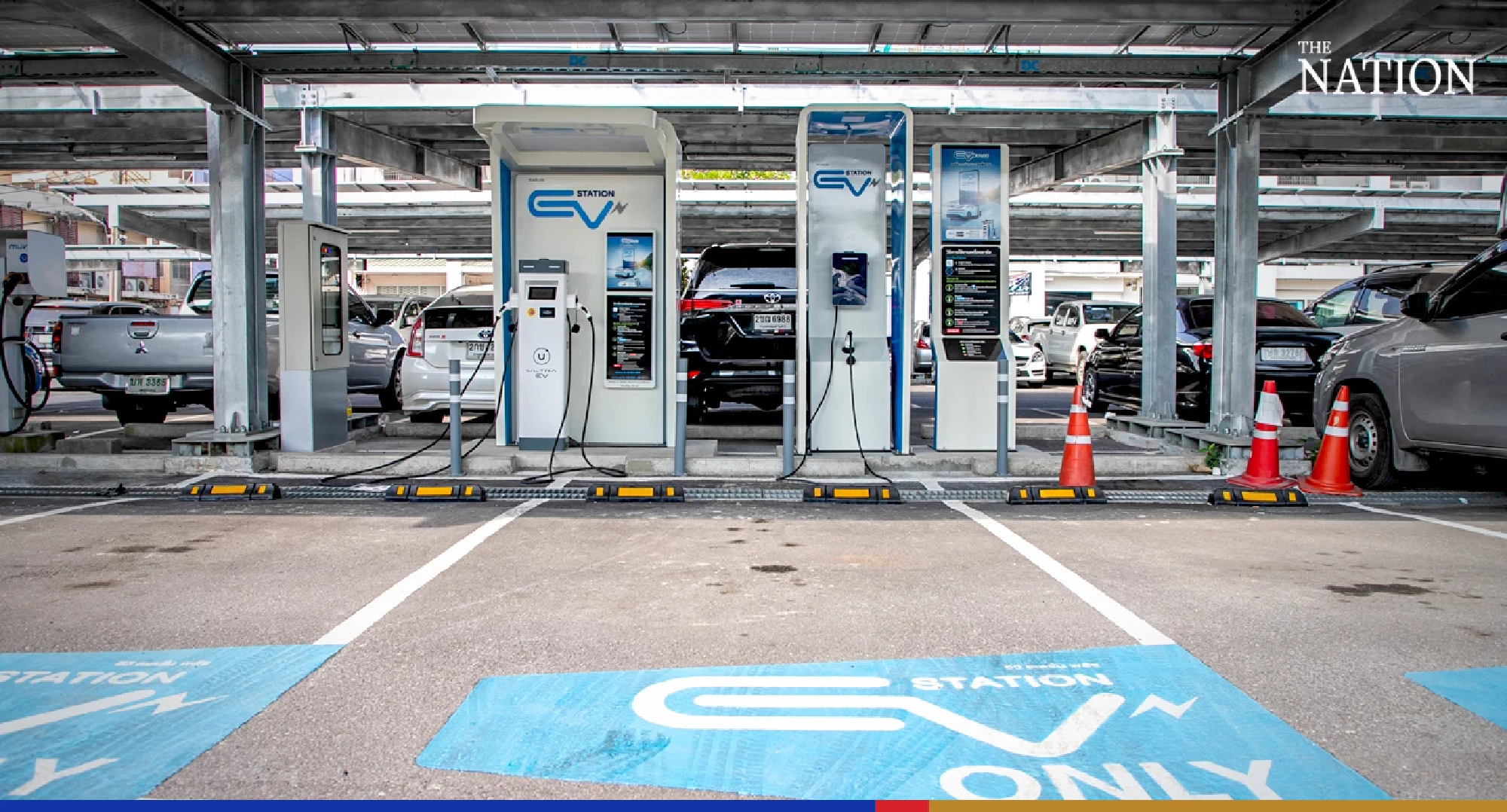
To support energy sustainability and the use of clean energy vehicles, the Property Management of Chulalongkorn University (PMCU) has installed electric vehicle (EV) charging stations in and around campus for personal and public vehicles. Up to 27 EV charging stations are now open for service across Samyan and Siam Square areas, enough to simultaneously charge 87 vehicles at a time.
Associate Professor Wisanu Subsompon, Vice President for Property and Physical Resources Management, Chulalongkorn University, said that car users today are more conscious about the environment and are opting for the more environmentally-friendly electric vehicles.
“Electric cars can help reduce air pollution, lessen the greenhouse effect from carbon emissions, and cut down the airborne PM 2.5 released from exhausts of petrol or diesel cars,” he said. “The project to install EV charging stations on campus is a part of the more extensive SAMYAN SmartCity project, which aims to develop the areas in and around Chulalongkorn University into a comfortable and livable city. The vision is to create value for the community and society, blend people’s quality of life with businesses, and work for a sustainable highest and best use for the livelihood of all.”
Set on providing convenience for EV users and people in the community, PMCU has fully supported the EV charging station installations in the Samyan and Siam Square areas. To date, 27 EV charging stations housing 87 chargers are in place, with 70 chargers using alternating current (AC) and 17 using direct current (DC).
The charging stations are distributed strategically across the university and neighboring areas, including the recently opened SIAMSCAPE, Chula Bookstore, the parking lot behind Siam Square One, Novotel Hotel, MBK Center, Chamchuri Square, Block 28, CU Terrace, CU Centenary Park, CU Sport Zone, Dragon Town, Samyan Mitrtown, and the PTT Station on Rama 4 Road.
Energy Minister Supattanapong Punmeechaow said that the National Electronic Vehicles Policy Committee will soon propose EV incentive packages to the Cabinet for approval.
The committee had earlier sent it at the end of December but the scheduled meeting on January 14 did not happen.
The secretary to the Energy Minister, Kawin Tangsupanich, said to “Bangkokbiz” that the ministry is pushing EV incentives as fast as possible for Cabinet approval.
According to a Government House source, it is expected to be placed before the Cabinet before mid-February.
Among the proposed incentives are:
Pay direct subsidy from 2022 to 2025
1.Cars
Cars with a retail price less than 2 million baht (manufactured and assembled in the country) will receive:
lower import duty by 40 per cent from 2022 to 2023
decrease in excise tax from 8 to 2 per cent from 2022 to 2025
70,000 baht direct subsidy for cars with 30 kilowatt per hour (kWh) batteries
150,000 baht direct subsidy for cars with more than 30kWh batteries
Cars with retail price from 2 million to 7 million baht will receive:
Decrease in import duty by 20 per cent from 2022 to 2023
Decrease in excise tax from 8 to 2 per cent from 2022 to 2025
Manufacturers must make cars to replace the ones that were previously imported. Manufacturers must make one of the models that they import from 2022 to 2023.
Applicants for the incentives must be car manufacturers in the country who, in 2024, replace the number of imported completely built units (CBU) from 2022 to 2023 in the ratio of one imported vehicle per 1.5 manufactured vehicle.
2. Motorcycles with a retail price of lesser than 150,000 baht will receive direct support of 18,000 baht for completely knocked down (CKD) and CBU motorcycles from 2022 to 2025.
Applicants must be motorcycle manufacturers in the country who manufacture motorcycles in 2024 to replace the number of imported Completely Built Units (CBU) from 2022 to 2023 and might extend to 2025 if it is necessary in the ratio of 1 imported vehicle per 1.5 manufactured vehicle.
Manufacturers must make vehicles from one of the models that they import from 2022 to 2023.
3. Pickup trucks
Pick up trucks with a retail price lesser than 2 million baht will receive the following incentives:
Zero excise tax from 2022 to 2025
150,000 baht direct support from 2022 to 2025 for trucks with more than 30kWh batteries that are manufactured in the country
Application procedure
Manufacturers must send the retail price structure to the Excise Department and they must produce or use batteries that were manufactured or assembled in the country.
They will have to sign a contract with the department for which they will have to present a bank guarantee. The subsidies and tax deduction will be charged with interest, along with the bank guarantee, if they do not follow the conditions. They will also be fined according to the Excise, Customs, and Tariff laws.
MG Sales (Thailand)’s vice president Pongsak Lertrudeewattanavong said that the EV support measures by the government are good because consumers will receive the benefit directly, making EVs more interesting, and push the market to grow.
However, the government should implement it as soon as possible because consumers are waiting for these measures and some might slow down their plans to get cars which will affect the market.
He said the conditions are good because they will create motivation for consumers as there are many EVs under 2 million baht which will receive the support.
He said MG or Ora will be benefitted from the excise tax reduction which will also decrease the car price and push the EV market to grow.
He said Chinese EVs have advantages from the bilateral FTA agreement as import duty is zero per cent. The import duty on Japanese EVs is 20 per cent, 40 per cent on Korean while other countries have to pay 80 per cent. The guidelines will make cars from Japan and Korea enjoy zero import duty.
Pongsak said it is good because consumers will have more choices and Chinese EVs will lose their price advantage. The overall market will grow in the future if there are more products, awareness, and reception.
However, he did not agree with measures for cars with a retail price from 2 million to 7 million baht. To get the incentive, manufacturers must manufacture cars to replace the ones that were imported before. Manufacturers must make one of the models that they have imported.
He said technology is changing quickly so the car might be outdated when they have to manufacture in 2024 or 2025.
Meanwhile, a source from the automotive industry business said the future for EV pickup trucks is not clear because they were not good for heavy, long-range, and long period use.
However, some companies such as Great Wall Motor are interested to make EV pickup trucks.
Finance Minister Arkhom Termpittayapaisith revealed on Monday that Thailand faces a delicate balancing act in its transition to electric vehicles.
Arkhom said the National Electric Vehicle Policy Committee is discussing all points carefully as EVs have a higher purchase price than conventional cars. Drivers would not switch to EVs if the price was too high, meaning the government will have to intervene to lower the price difference, he said.
However, the government must also weigh the benefits of changing to EVs against the competitiveness of Thailand’s automotive industry.
The government will also have to consider how the EV business will affect free-trade agreement (FTA) measures, Arkhom said.
He said the Finance Ministry has prepared tax measures for EVs including new import duties and an excise tax. Current import duties on EVs vary from country to country, ranging from zero per cent for Chinese vehicles to 20-80 per cent for Japanese EVs.
Arkhom added that the new tax measures will be issued early this year after thorough study by the National Electric Vehicle Policy Committee but said no date had been set yet.
Measures to promote the EV sector will include direct support and tax support, he said.
According to Thailand’s National Electric Vehicle Policy, EVs will comprise at least 30 per cent of total domestic vehicle production by 2030 as the country transitions to a low-carbon economy.
Thais are showing more interest in electric vehicles (EV) in line with growing global attention towards the environment, as Chinese automaker Great Wall Motor (GWM) learned in a recent workshop.
This trend is in line with GWM’s entry into the Thai automotive industry last year and its aspiration to become a leader in EV, Suparang Anuchapreeda, director of communications at Great Wall Motor Thailand, said.
“As a ‘global intelligent technology company’ ready to become an EV leader in Thailand, GWM aims to listen to customers’ voices and follow their movements to offer products, technologies and services that serve their needs in the best possible way,” she said.
“The workshop we conducted in collaboration with Wisesight Thailand has given us an insight into Thai consumers’ interests over digital platforms over the past year as well as a clearer picture of the trends and demands amid changing technology in 2022. One of the most distinct elements is that Thai consumers have been focusing more on sustainability since last year, resulting in higher popularity of electric vehicles.”
Suparang also said that GWM was committed to fulfilling an environment-friendly driving experience by offering “state-of-the-art technologies at reasonable prices to Thai people”.
Electric vehicle (EV) is a generic term that covers electromotive vehicles ranging from fully electric (xEV), hybrid electric (HEV), plug-in hybrid electric (PHEV) and battery electric (BEV).
The GWM Tech-in-Trend Workshop was held recently at the GWM Experience Centre in Bangkok’s Iconsiam shopping complex.
The session unveiled a summary of Thai consumers’ online activities in 2021 and digital and technology trends for 2022, with indicators on how online content can be crafted to best serve Thai consumers’ interests.
“Changes in consumer behaviour are significant to GWM’s business direction and are aligned with the five elements which we aim to transform: products, distribution channels, experiences, aftersales services, and customer relations,” Suparang said.
“We are ready to bring innovations in all aspects, listen to consumer feedback, and embrace consumers’ ever-changing needs – all of which are GWM’s key business values,” she added.
Last year, GWM launched three new alternative EV models – Haval H6 Hybrid SUV, ORA Good Cat and Haval Jolion Hybrid SUV – which it said won a “warm welcome” from Thai consumers.
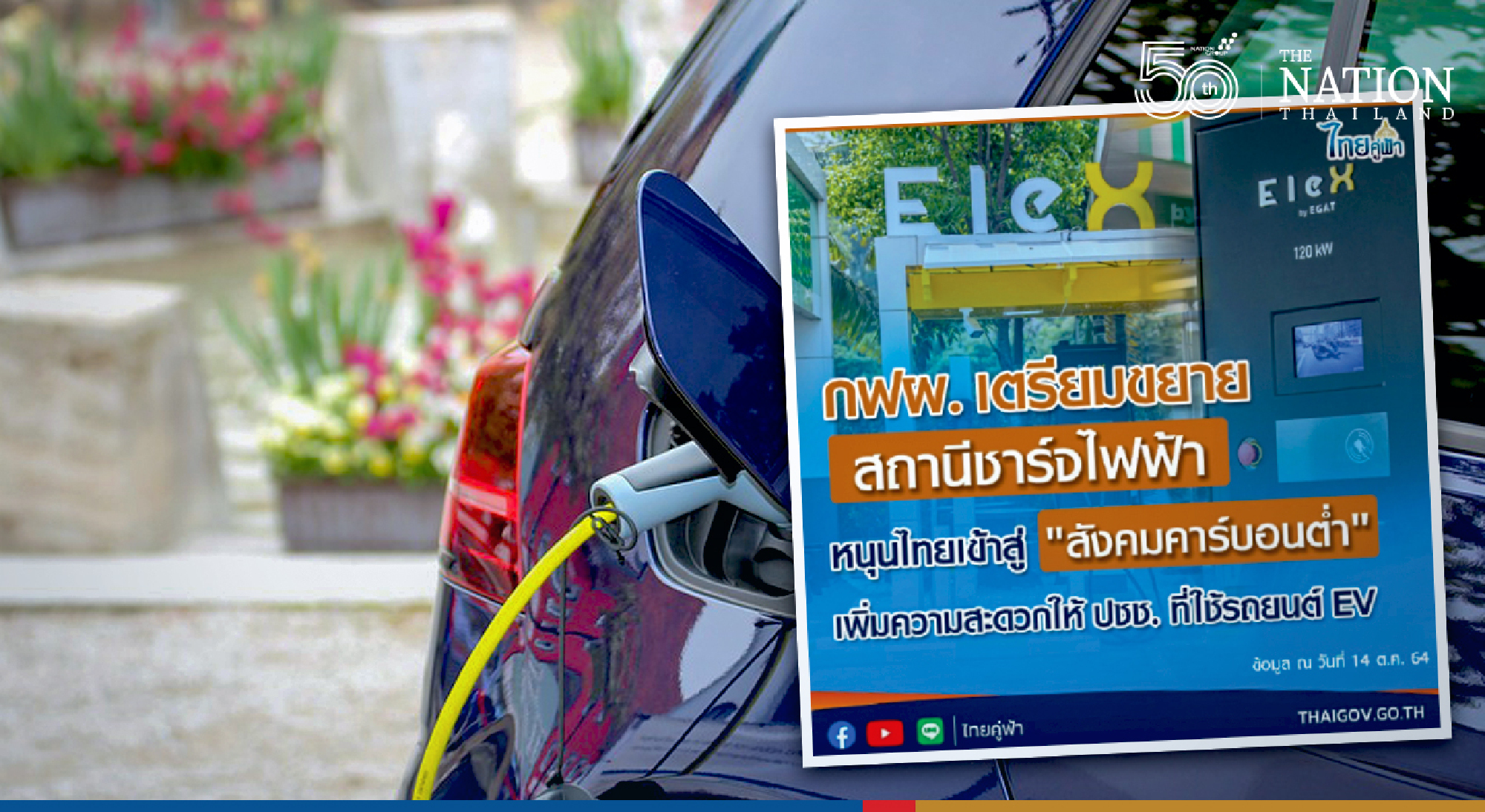
To help Thailand become a “low carbon society”, the Electricity Generating Authority of Thailand (Egat) will set up 120 new EV charging stations next year.
The government has been promoting the use of electric vehicles (EV), while Egat and related agencies have been working on building an EV ecosystem since early this year.
Thailand managed to reduce its carbon dioxide emissions by nearly 10 tonnes this year alone thanks to the use of electric vehicles.
Meanwhile, Egat plans to build another 23 charging stations this year, and up the number by 120 next year.
Egat has also launched the “EleXA” app which helps users check the status of charging stations in real-time. The app is available for both iOS and Android devices.
Meanwhile, the Metropolitan Electricity Authority (MEA) has also developed the “MEA EV” app, which helps users search for charging stations and reserve a spot at either MEA, EA Anywhere or Electric Vehicle Association charging stations in real-time.
BMW has finally made a new electric auto, the iX SUV. I say “finally” because the last we heard-product-wise-from BMW regarding electric technology was the tiny and lackluster i3 that debuted in 2011.
The $83,200 iX, on the other hand, offers seating for five and 300-plus miles of driving range. It’s not exciting to drive, like a sports car. It lacks the styling cues of even BMW’s X6M, one of my all-time favorite SUVs. But it does offer a well-built, thoughtfully appointed cabin and quick handling for its spacious size. The iX is like a just-plain-decent person you might try dating because, why not? It offers a competent way of navigating daily life for BMW-brand faithful who find themselves, against all odds, curious about getting an electric vehicle.
Let’s just get this out of the way first: The BMW iX does not look as bad at hand as it does in photos.
Not that the iX comes off as a supermodel by any stretch of the imagination. Its hunched rear quarter looks as if some Bavarian engineers scrunched it together in a rush. From some angles it even looks (gasp) like the rear of a minivan. It has those engorged black grilles that are now just reminiscent of the suggestion of BMW’s iconic kidney grille; some in the peanut gallery have likened them to a grotesque caricature of beaver teeth. (I’m not bothered that much by them, and there is plenty of historical precedent at BMW for such a monstrous mien; this, as you’ll find in polite company, is a minority opinion.) The hexagonal shape of the steering wheel is atrocious. If it weren’t for those buck teeth and thinly sliced LED headlights, the whole thing would look pretty generic.
Still, I was surprised to see that the iX looked better as I retrieved it early on Sept. 9 at the Kempinski Hotel Berchtesgaden. After a day-long drive through green Bavarian hillsides dotted with milk cows wandering in bovine bliss, followed by a stop at BMW’s Group Plant at Dingolfing and then a drive to the Munich airport, I found that-despite its looks-the iX is a competent, practical crossover-style EV that fully delivers BMW’s excellent craftsmanship and quality.
It has taken some time for BMW to catch up with Porsche, Audi, and Tesla in offering a premium electric family hauler, but for wealthy consumers partial to the Bayerische Motor Works badge, the iX will have been worth the wait.
I mention “partial to the badge” because there is nothing so extraordinary in the iX to compel hordes of, say, Audi lovers to suddenly drop their key fobs and switch brands. Most consumers today shop the badge more than anything else. If a luxury vehicle owner is loyal to a specific brand, it’s more difficult than ever for a rival brand to woo them away, according to the J.D. Power 2020 U.S. Automotive Brand Loyalty Study.
But thanks to new innovations in the iX, BMW has done enough here to retain, even excite, its brand loyalists-so long as they understand that owning an electric vehicle today is an inexact science, that is. Training salespeople how to knowledgeably sell a luxury electric vehicle will be BMW’s prime task in selling this shiny new thing, Pieter Nota, a member of the Board of Management at BMW AG, told me over dinner one night near the Austrian border.
Here’s an example of a little thing that can seem like a big deal to the new buyer, or to the EV-uninitiated: As I first approached the vehicle, it unlocked via an app on a smartphone I had borrowed for the day. This made me extremely nervous, since I know how casually I treat my smartphone.
“What happens when my phone dies? How will I unlock the car?” I asked the nice German man who had handed me the iPhone “key,” a BMW-logo earring in his left ear. “You can charge it off the car,” he told me. Uh. I pressed on. What if the car were locked? Or my phone is lost-or stolen?
“That will be a problem,” he finally admitted. A regular key fob comes standard for this electric SUV, even if potential customers are shown the “cool” app way to unlock their car first. There’s no way I would trust myself to run it via only a phone. The folks selling iXs will really need to know how to hold hands with potential buyers when it comes to explaining even simple things like that.
Once inside on my own, it took only a minute to orient myself to BMW’s high-quality, calming cabin and excellent new interface, which is a big improvement over the confusing, inefficient, overly complex iDrive we had in older cars. The frameless doors, panoramic glass sunroof, open-pore wooden dashboard, crystal-cut buttons, and novel scrolling “shifter” felt well-made, modern, and refreshingly simple in the iX’s lounge-like atmosphere.
I like that BMW has done a mix here between the new, fully digital and curved display grouping (a 12.3-inch information display and 14.9-inch control display touchscreen interface) and tangible buttons and knobs. The function should dictate which command requires a button or a touch; a blanket decision to eliminate one or the other would feel insensitive.
BMW has taken considerable steps to join the likes of Volvo and Rivian in making its interior sustainable. IX contains almost no chrome accents (for aesthetic reasons, if not altruistic ones) and has lots of secondary raw materials including reused plastic, FSC-certified wood, leather that was tanned using olive leaf extract, and floor coverings and mats made from recycled fishing nets.
I had been inside the vehicle briefly a day earlier for a demonstration about its self-parking ability. There was one hiccup: a forced start and restart, as the vehicle had moved off the “correct” line in which to park and had to be manually reoriented. BMW will need to make its auto-park program more durable and adaptable to address the myriad variations of real-world parking.
Still, for the duration of my own day with the iX, it made me feel as relaxed as those contented grass-fed cows. The iX has the length and width of a BMW X5, the height of a BMW X6, and the wheel dimensions of the BMW X7, so it felt plenty familiar from behind the wheel when it came to size and heft. I lazily cruised through tiny towns on Bavaria’s slow back roads, passing startled locals as time and space allowed with plenty of power from the 523hp-equivalent dual electric motors. (I drove the $83,200 iX iDrive50; a presumably less-expensive iX iDrive40 will not be offered in the U.S.)
I floored it on sections of the autobahn where I had the opportunity, easily hitting 120 mph in this all-wheel drive, 5,659-pound rig. (Top speed is electronically limited to 124 mph.) The iX felt stable and oh, so quiet, except for the exciting (manufactured) whirr of the electric motor and general hum of the tires on the road. Zero to 62 mph takes 4.6 seconds. Noise-reducing tires are optional for buyers outside the U.S.
IX offers the choice of adaptive or individually adjustable recuperation on the brakes, which helps increase overall efficiency and enable one-pedal driving and coasting. It’s nice to switch between those modes, depending on your energy needs and how heavy the traffic is.
I spent most of the day in the most gentle of regenerative brake modes; there are several others to choose among, depending on how much you want to drive using a single pedal. BMW says charging from 10% full to 80% full on a DC fast charger will take a (relatively) quick 35 minutes. BMW will be selling a home charger, though a spokesman declined to specify the price-“Similar to competitors,” he said.
If you don’t have a charger at home, I don’t recommend buying an EV; it’s too inconvenient. In my experience public chargers are often broken and out of the way in sketchy areas such as Denny’s parking lots and abandoned garages-or so full of customers I have to wait to charge, before I wait some more.
After a quick tour of a portion of Dingolfing’s 2.45 million-m² campus (the plant manufactures battery cells using 100% green energy from certified sources), I departed for the airport, where I arrived calm and refreshed. Against all odds-since car navigation systems never seem to work well-BMW’s new route-planning guidance performed without a hitch. An interior camera even took snapshots of the verdant Alps along the way. Posterity! My luggage, coats, and associated travel paraphernalia had weathered the journey in spacious ease; the absence of the center tunnel found in internal combustion vehicles created additional legroom and plentiful space for storage.
Premium EV-curious consumers will be happy to learn that BMW has finally waded back into electric territory to address the SUV. Deliveries will start in March 2022. It’s about time.
Renault is closing in on a pact with a unit of Chinas Envision Group to produce batteries for its future electric-vehicle manufacturing hub in northern France, according to people familiar with the plan.
The partnership with Envision AESC is part of a broader plan, to be outlined by President Emmanuel Macron on Monday, that could see Renault also take a stake in French battery start-up Verkor, said the people, who asked not to be named before the information is made public.
Renault is also still talking to ACC – a venture of rival Stellantis and TotalEnergies – about a potential third battery deal, the people said.
Representatives for Renault, Envision, Verkor and ACC declined to comment.
Renault’s jostling for batteries adds to evidence that the race among European automakers to ensure adequate supplies for their electric cars is gathering pace. Porsche and Volvo Car Group on Monday announced plans to produce batteries, and Peugeot maker Stellantis will update investors on its EV strategy next month. Volkswagen made a massive bid for the pole position in March when it unveiled a multi-billion-euro plan for six European battery factories.
—
Envision AESC’s factory would be located at Douai, where Renault is developing a hub to make EVs, including the future Renault 5 model. It will have a capacity of 43 gigawatt-hours by the end of the decade, with just over half earmarked for the French carmaker, according to a building permit application.
The cost of the project could reach as much as $2.9 billion depending on its timeline, according to James Frith, an analyst at BloombergNEF.
Renault’s decision to buy batteries from Japan-based Envision AESC can be traced to its ties with Nissan Motor Co., which sold a controlling stake in its AESC battery operations to Envision in 2018 but retained a 20% holding.
The project would represent welcome foreign investment into France’s beleaguered industrial sector and come amid a European Union push to increase the region’s battery output, a sector that has long been dominated by China’s Contemporary Amperex Technology and South Korea’s LG Energy Solution.
The Douai vehicle assembly plant is one of three sites Renault plans to combine and turn into an EV hub capable of churning out some 400,000 cars a year.
The so-called ElectriCity is a key part of Chief Executive Officer Luca de Meo’s strategy to turn around Renault. With the French state as its most powerful shareholder, Renault has come under pressure to preserve jobs and keep EV technology in the country.
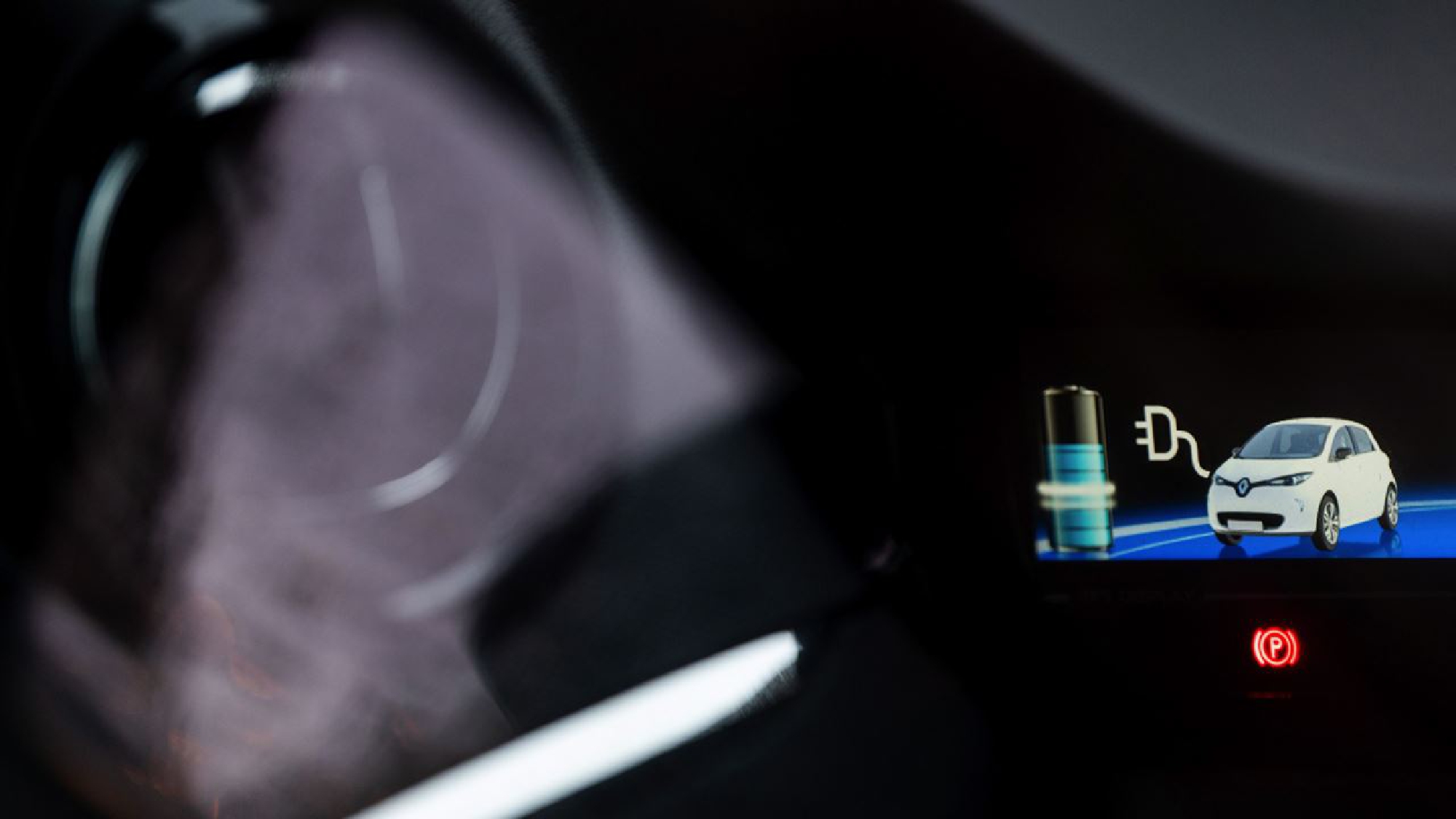
The carmaker currently buys batteries from LG Energy Solution in Poland for its Zoe model, an arrangement that’s expected to carry over to the upcoming Megane EV lineup planned for next year.
Published : June 25, 2021
By : Syndication Washington Post, Bloomberg · Tara Patel









 SootinClaimon.Com