Phang Nga community offers first-hand experience of a simple life
Nov 09. 2020Photos by Charoon Thongnual
By The Nation
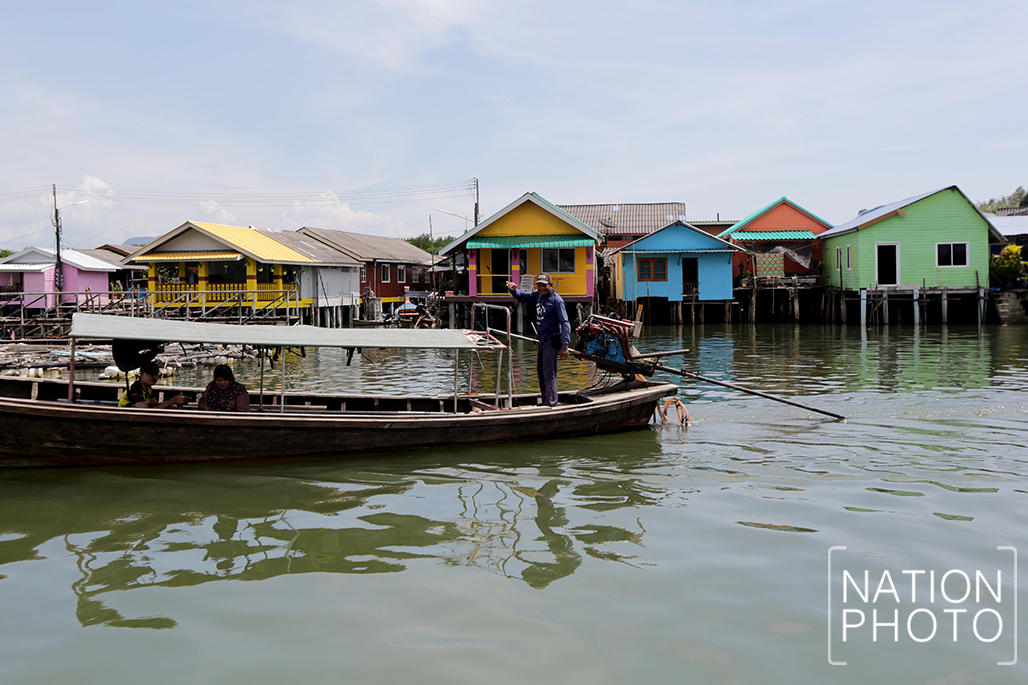
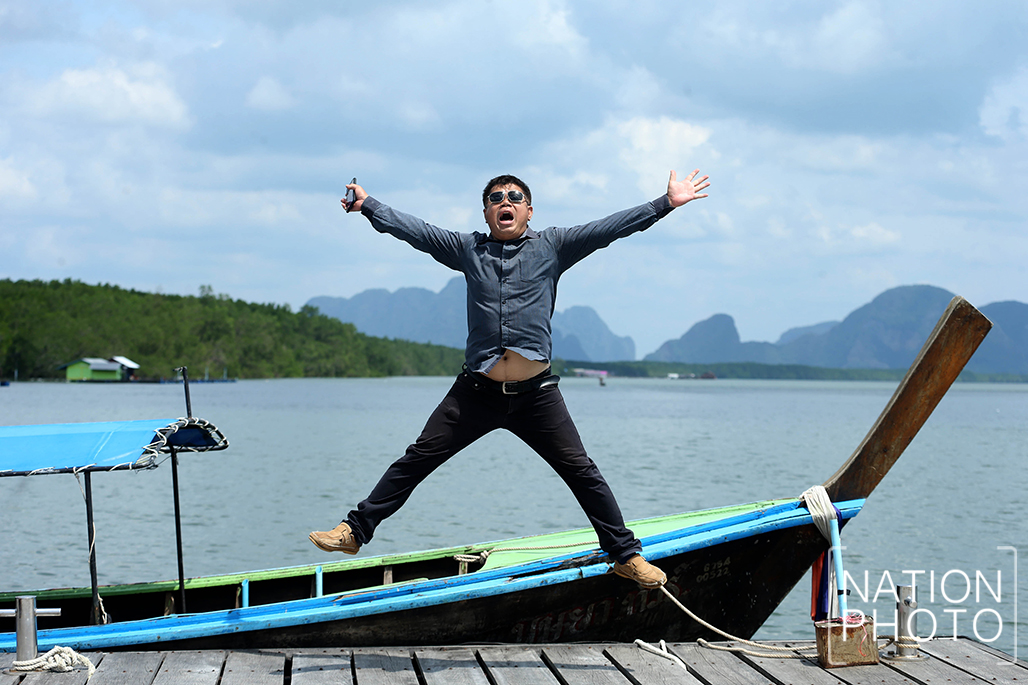
With Thailand’s top destinations left virtually empty due to the Covid-19 pandemic, many places like Ban Sam Chong Nuea in Phang Nga’s Takua Thung district are devising new ways to attract local travellers.
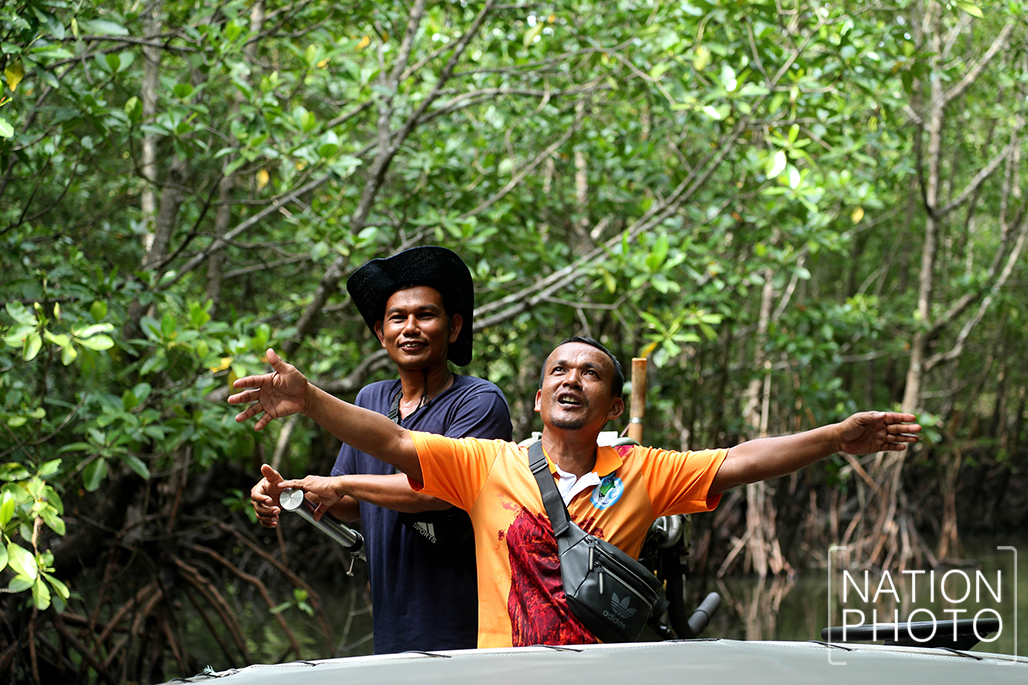
Now tourists can take a longtail boat around Phang Nga Bay and enjoy not just the area’s scenic beauty but also get a close-up view of the simple lives led by the Thai-Muslim population.
“Homestays are available for those who want to stay overnight, and people can feast on seafood sold at affordable prices. There is also a variety of goods people can take back as souvenirs, such as tie-dye cloth and processed seafood,” the community leader said.
It is expected that Thailand’s tourism industry will take at least a year to recover in the fallout of the Covid-19 outbreak.
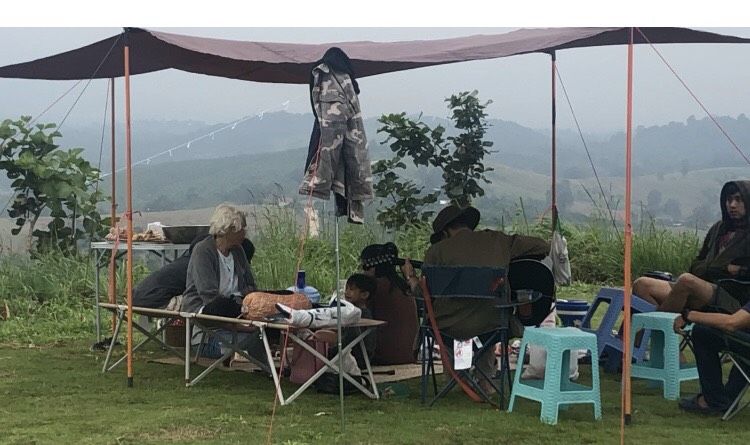
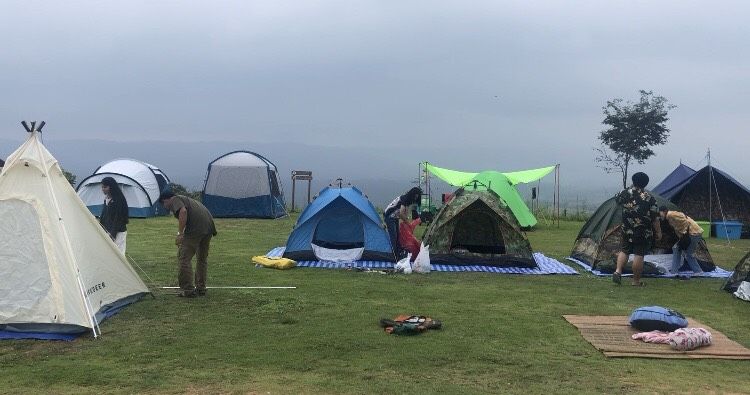
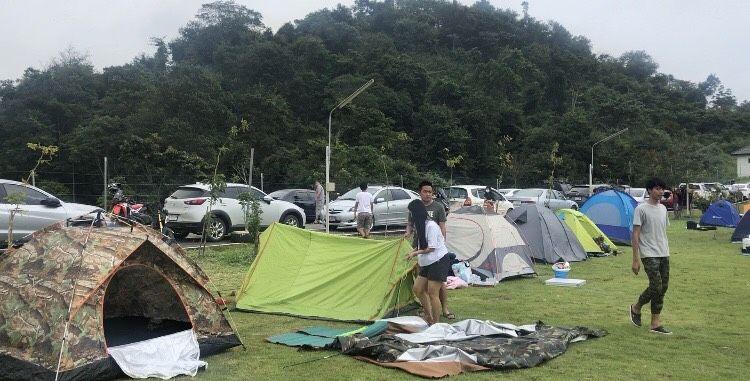
Tourists are flocking to the Wang Nam Kiew district in Nakhon Ratchasima province for camping as the temperature there has dropped below 18 degrees Celsius.
“In the past week, tourists started to pour into Wang Nam Kiew again. Last month several areas in the province had been hit by floods,” said Phongthep Malachasing, president of Wang Nam Kiew Tourism Promotion Association.
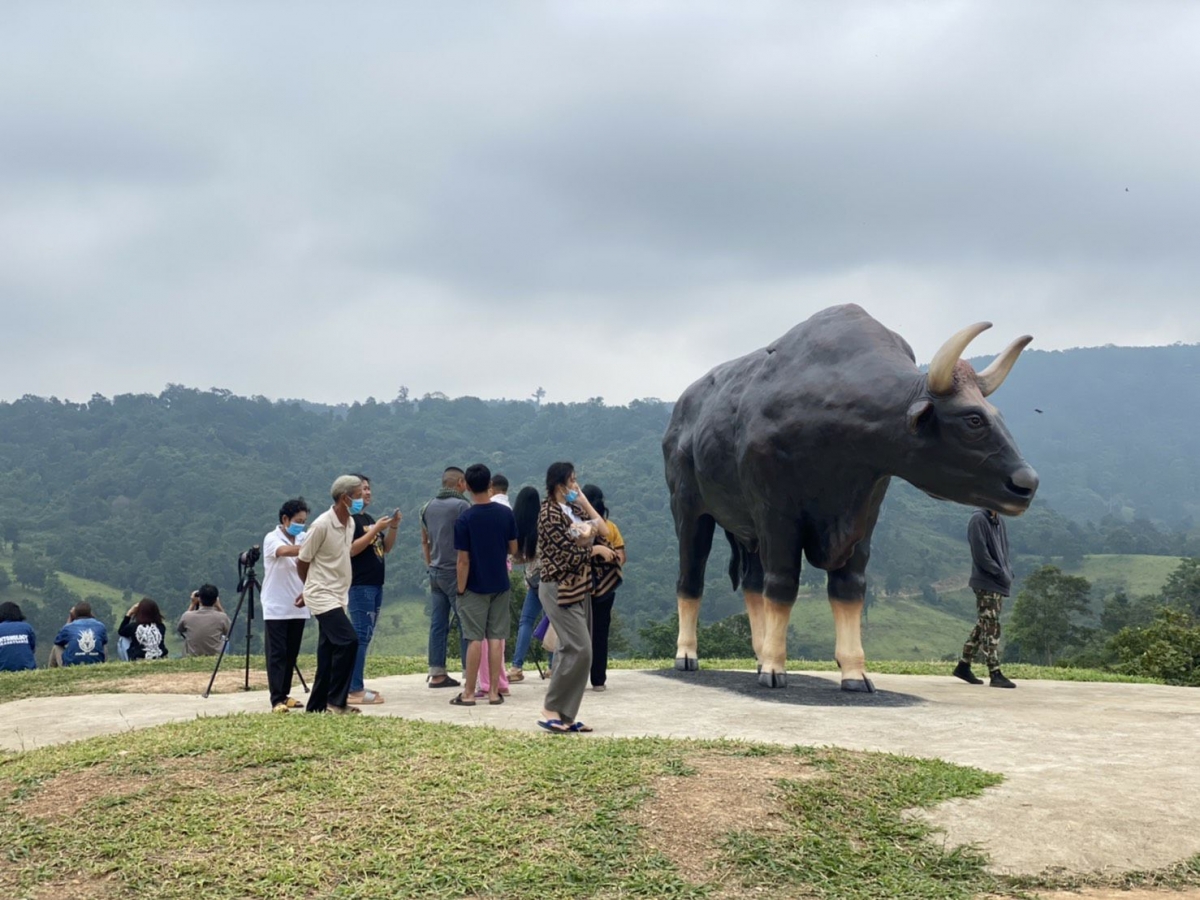
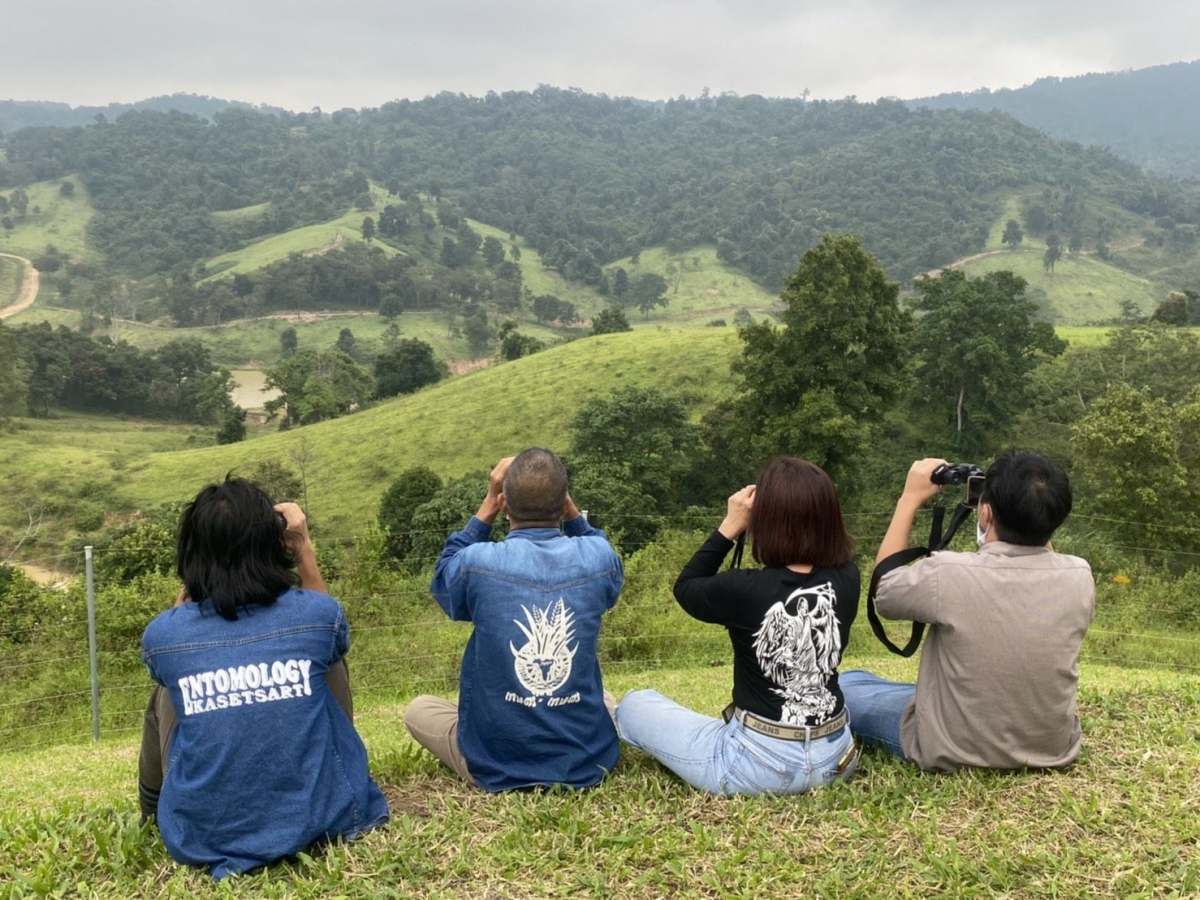
“Tourists are especially interested in the Khao Sung and Khao Phaeng Ma Wildlife Sanctuary, which is where you can pitch a tent and experience the exceptionally mcold weather as well as observe wild oxen living in nearby forests.”
The wildlife sanctuary is located in Ban Khlong Sai Village in Wang Nam Kiew district, a less than four hours drive from Bangkok.
“We expect that during weekends more tourists would visit the sanctuary, which would generate revenue of more than Bt10 million,” said Phongthep. “Several hotels and merchants here are participating in the government’s “Kon La Khreung” (Let’s Go Halves) campaign, so please visit us to witness nature’s beauty and enjoy discounted products and services,” Phongthep said.
By Syndication Washington Post, Bloomberg · Jen Murphy · BUSINESS, FEATURES, TRAVEL
In January, the experiential travel platform Peek celebrated $1 billion in bookings since its founding in 2012. Then the novel coronavirus hit. Ruzwana Bashir, founder of the San Francisco-based start-up, watched business vanish overnight. “By April, we were at zero,” she says. “With America in lockdown, people couldn’t experience anything. Things looked dire.”
Fast-forward through the turbulent spring and early summer months, which saw travel slow to a crawl, and now Bashir is telling a different story. Hers is one of the few nimble travel businesses that have found themselves booming; in July, Peek saw $50 million in bookings and has continued to break monthly sales records since, as travelers eagerly look for exciting ways to explore their own backyards.
The few thriving corners of the travel industry offer hope of a rebound and the possibility of traveling safely, even during an uncertain period. They may stoke your wanderlust or allow you to explore safely and securely-but they’re also good reminders that the travel industry still means big business.
– Local experiences, wherever you’re stuck
Peek is a two-sided marketplace that connects consumers to thousands of small business owners creating such travel experiences as cooking classes or kayak trips. “When our operators don’t get bookings, we don’t get bookings,” says Bashir, whose company takes a cut from each activity purchased on her site. Peek entered the pandemic fresh off a $23 million Series B funding.
Bashir used her newfound financial stability to advise clients on applying for disaster loans, implementing contactless payment, and creating covid-19-safe tours. Bookings skyrocketed to $50 million in July as shelter-in-place orders began to lift-a figure that represents 5% of Peek’s all-time sales.
The bigger picture: Viator, a TripAdvisor company, also used small business relief to keep its vendors-and its own business-going. And Airbnb stayed afloat in the pandemic’s early days by launching 400-some virtual experiences, such as a Peloton-compatible “Cycling With an Olympian” class.
What you might book: Broadway may be closed until 2021, but you can still belt out show tunes with actors who serve as guides on Peek’s $40, two-hour theater district walking tour.
– The vacation home you don’t actually own
Members-only vacation clubs, which provide access to a collection of luxury homes with on-site concierges, are capitalizing on city dwellers who need long-term escapes and idyllic remote offices. Among them, Denver-based Exclusive Resorts says it saw its largest growth in membership sales since 2014 in this year’s third quarter-and has grown head count by almost 10% since March.
“Members are looking for a change of scenery, and now that many offices and schools are remote, they are taking full advantage,” says Chief Executive Officer James Henderson. Bookings for 14-plus-day vacations in 2021 have already doubled 2020 numbers, and new partnerships that offer private jet and medical evacuation transport are easing the anxieties of traveling during a pandemic.
The bigger picture: After shutting down most of its operations in the pandemic’s early days, vacation club Inspirato has also seen growth in memberships for its Inspirato Pass, which offers unlimited rental nights, free of taxes or fees, for a $2,500 monthly fee.
The same dynamics are driving up business for RV companies such as Kibbo, which creates RV parks with work spaces, clubhouses, and amenities.
What you might book: Real del Mar, a gated beach community just outside of Puerto Vallarta, Mexico, was voted Exclusive Resorts 2019 destination of the year, thanks to the club’s 12 cliffside, four- and five-bedroom homes, which share access to an infinity-edge pool and beach club.
– Simple shortcuts for calculating risk
DragonSlayer was born in December as an app that matches your travel personality (e.g., active, cultural) to fit experiences available around the world. By March, this was irrelevant. Founder Peter Wells relaunched the company in September as a subscription-based service that tells travelers about covid-19-related restrictions in any state or country. Its proprietary, numeric SAFE-T scores (it stands for Smart Analytics for Educating Travelers) grade 124 countries and all U.S. states on everything from new case trends to local testing capacities.
Memberships start at $10 per month, with a free two-week free trial, or $70 for a year. The company experienced 55% growth in the first four weeks of the relaunch. Industry professionals drove the new business; Wells says he netted 200 annual subscriptions from agents in the first month. Looking ahead, he hopes the tools will help travel operators assess risks for a variety of global events and share those analytics directly through a white-label option.
The bigger picture: Tools with less comprehensive health insights than DragonSlayer include Kayak, which allows users to see the number of active cases in any global destination through the site’s “Explore” map, and Google, whose new booking features help users navigate the changing rules for hotels and airlines they are considering.
What you might book: On crunching the data, Wells deems Bermuda one of the safest bets for travel right now. “The island has done the absolute best job in protecting the local population, while welcoming back tourism,” he says.
– Travel insurance on steroids
With serious limitations on all but the most expensive of policies-the ones with “cancel for any reason” clauses-travel insurance is often a skipped step in the travel booking process.
Enter Berkshire Hathaway, whose travel protection products have historically included such consumer-friendly options as low-price-tag policies that specifically target flight delays. During the pandemic, it launched two new options for skittish travelers that are cumulatively making up 14% of the company’s total insurance sales.
LuxuryCare, announced in June, grants 100% cancellation coverage on ultra-high-end trips that cost up to $100,000 per person; it also covers emergency medical treatment and evacuations that cost up to $1 million. ExactCare Lite, meanwhile, hits the opposite end of the spectrum, offering $500 in protection per person for road trips.
The latter, in particular, shows a company that is seizing on the moment. “In our industry, no one bought travel insurance for road trips,” says Berkshire Hathaway spokesperson Carol Mueller. “But we saw people worrying about losing money if for some reason they couldn’t go.”
The bigger picture: Success has been a commonality for almost anyone who can guarantee a vacation-escape plan. Take air-medical transport membership company Medjet. It struggled at the pandemic’s onset, but reported year-over-year growth in October on the heels of a new service that transports Covid-19-infected members from many American-friendly destinations to their home hospital of choice.
What you might book: An over-the-top, bush plane adventure across Kenya, Tanzania, and Zambia with bespoke outfitter Tin Trunk Safaris. You’ll stay in the most luxurious lodges, such as Singita Mara River and Giraffe Manor, while traveling like the continent’s early explorers.
– Airfare hawks that minimize your (financial) exposure
Hopper-an app that uses big data to predict how hotel and flight prices will fluctuate ahead of your next booking-once generated nearly all of its revenue from the sale of plane tickets. In 2019, that started to change with the addition of such popular new features as Price Drop Protection and Price Freeze, which offer payment protection at nominal cost. With their help, less than half of the company’s revenue now stems from airfare.
Covid-19 has accelerated that trajectory. Responding to the fact that economy and low-fare tickets are often exempt from flexible refund policies, Hopper created its own such assurance; since Oct. 13, it’s allowed customers to pay a premium of 5% to 20% on any fare to make it fully refundable. Couple that with a Flexible Dates upcharge for easy, last-minute rescheduling, and CEO Frederick Lalond is looking at a projected 100% increase in revenue in 2020.
“It’s stupefying,” says Lalond. “And I continue to be optimistic, as we’re seeing a lot of pent-up travel demand. Now that people realize travel can be taken away, they’re not going to put off trips like they used to.”
The bigger picture: Changing a flight used to mean facing penalties of up to $400, but the pandemic spurred Alaska, American, United, and Delta to waive change fees permanently on domestic flights. International flights, which carry the additional risk of border closures, remain harder to cancel, except those via Alaska.
What you might book: Easy cancellations and rescheduling under any circumstances can make the world feel like your oyster for the first time in months-so book anything, as long as it’s not a flight to nowhere.
Winter is the best time of the year to visit northern Thailand. There are several places where one can enjoy the cool weather. Doi Chang Moob in Chiang Rai province is worth a visit during the upcoming holidays.
This mountain viewpoint is located near the Myanmar border and the Thai Army camp. People can stop over at Doi Tung before driving to Doi Chang Moob, as the two places are not far from each other.
Before taking the specified path to the viewpoint, visitors are required to show their ID cards to soldiers stationed there.
What visitors can see from the viewpoint is panoramic sea fog. When the fog fades, a mountain range located in Myanmar rises into view, decked up in lush green.
Visitors are allowed to take photographs of the border area, highlighted by Army barriers between the two countries.
Cool, rainy weather has brought many local tourists to Loei’s Phu Ruea mountain.
Sombat Suphasorn, chief of the Phu Ruea National Park, said on Wednesday that people have started flocking to the area to enjoy the cool weather and fields of blooming flowers. The temperature on Wednesday morning stood at 14 degrees Celsius.
Sombat said the national park is providing transportation to the top of the mountain, adding that camping areas, toilets and food stalls have been made ready to serve visitors.
Fire performers are adding heat to the Oh Lun Laah Patong Festival 2020 at Phuket’s Patong beach until November 8.
The festival is aimed at warming up the tourism scene on the holiday island, which is set to welcome the return of foreign visitors as Covid-19 travel restrictions begin to ease.
The festival features a variety of shows each night, as well as shops decked in dazzling lights and delicious local dishes offered at special prices.
ThailandNov 03. 2020Photo Credit: Watchara Motor and Marine Sport Solution Centre
By The Nation
Watchara Motor and Marine Sport Solution Centre has posted a video clip of a boat parade held on Sunday off Phuket’s Patong beach to mark the start of the tourist season.
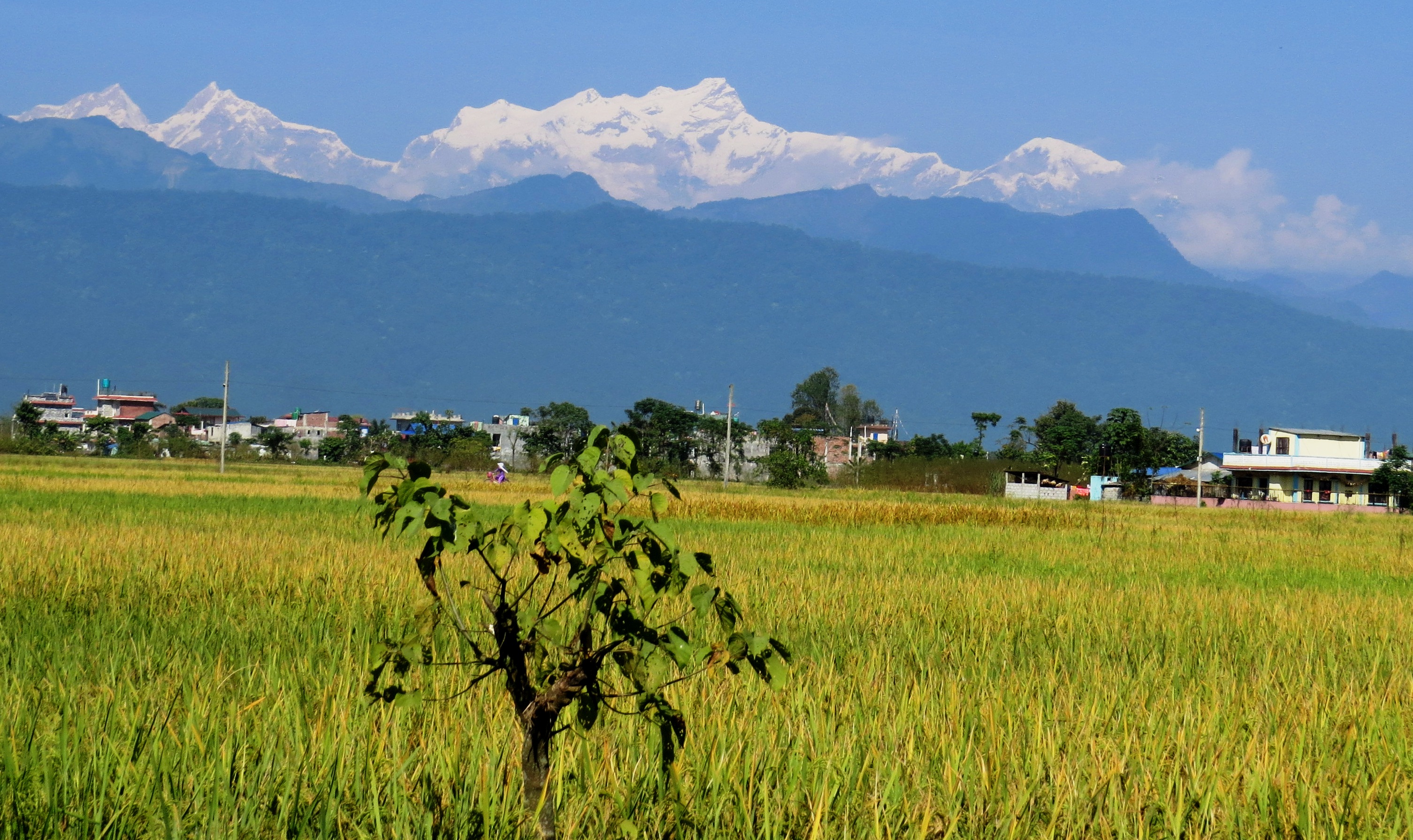
On rare occasions, the mountains in the northern borders of Nepal are visible from the southern plains during autumn and spring seasons when the weather is clear and air pollution is minimum.
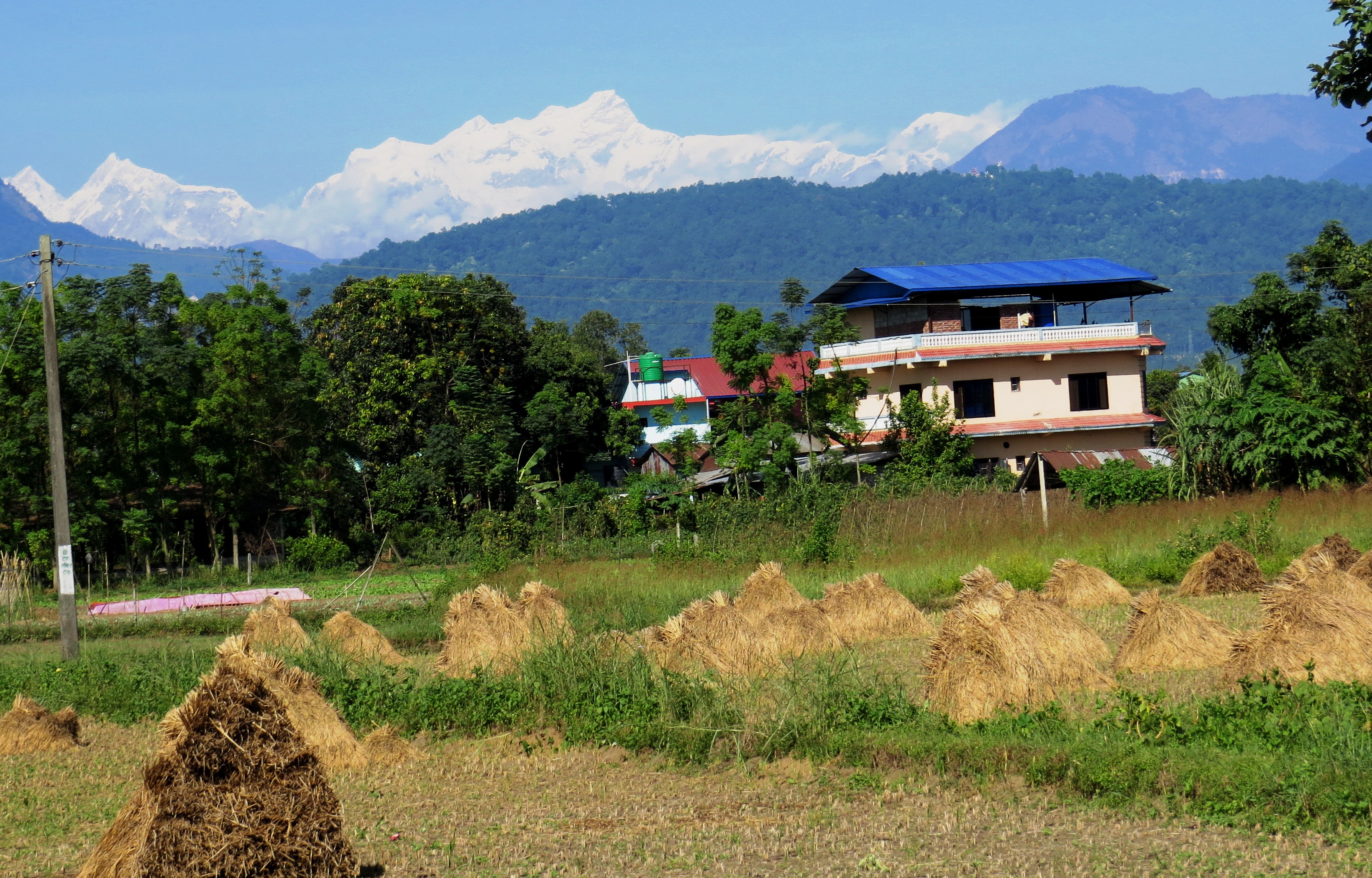
On Friday, a stunning view of snow-capped mountains was clearly visible from Chitwan, a district in the southwestern part of Bagmati Province, that borders India.
On rare occasions, the mountains in the northern borders of Nepal are visible from the southern plains during autumn and spring seasons when the weather is clear and air pollution is minimum.
The picturesque mountains were the backdrop during the ongoing paddy harvest season. Nepal’s main cereal crop was planted on a record 98 percent of the land this year but production may not be high because there was fertiliser scarcity when needed.
The Post’s Chitwan correspondent Ramesh Kumar Paudel took some pictures of the mountains from the paddy fields of Bharatpur Metropolitan City, Chitwan, on Friday afternoon. undefined Ramesh Kumar Paudel/TKPundefined Ramesh Kumar Paudel/TKPundefined Ramesh Kumar Paudel/TKPundefined Ramesh Kumar Paudel/TKPundefined Ramesh Kumar Paudel/TKPundefined Ramesh Kumar Paudel/TKPundefined Ramesh Kumar Paudel/TKPundefined Ramesh Kumar Paudel/TKP
Berlin’s $7 billion airport finally opens in the depths of a crisis
WorldOct 30. 2020Berlin Brandenburg’s main terminal includes a giant red carpet artwork hanging from the ceiling. MUST CREDIT: Bloomberg photo by Krisztian Bocsi
By Syndication Washington Post, Bloomberg · Stefan Nicola · BUSINESS, WORLD, US-GLOBAL-MARKETS Berlin’s new airport will finally welcome passengers after an eight-year delay, opening its doors just as fallout from the coronavirus hammers travel demand.
The limestone floors have been polished smooth, the ticket counters buffed and shops stocked with wares as the Berlin Brandenburg Willy Brandt Airport – known by its airport code BER – prepares for its inaugural flight on Saturday.
But the facility will just be a stunted version of the original plan. A second terminal won’t open for now because it’s not needed in the midst of the crisis.
“No one would build a new airport now,” said Cord Schellenberg, a Hamburg-based aviation analyst. “But maybe that’s the airport’s opportunity – it’s getting somewhat of a soft opening, giving authorities time to ensure all is running smoothly.”
The airport’s history is an embarrassing tale for Germany’s exalted reputation for punctuality and engineering prowess. Construction started in 2006, and the planned launch in June 2012 was scrapped just weeks in advance, with moving trucks ready to roll and tickets issued.
Initially, authorities blamed the postponement on fire-safety issues, and claimed the hiccup would be fixed within a few months. But deeper planning disasters gradually came to light, and the opening was pushed back multiple times in the following years.
Defects included automatic doors that lacked electricity, escalators that were too short, and a smoke-extraction system so complex, yet ineffective, it was dubbed “the Monster.”
The project’s costs have tripled to more than 6 billion euros ($7 billion), and the fiasco contributed to the departure of Klaus Wowereit as mayor of Berlin – the colorful politician who coined the description of the German capital as “poor, but sexy.”
The canceled opening wounded stores, restaurants and hotels nearby, and hit airlines including Deutsche Lufthansa AG and Air Berlin, which went bust five years later. In the meantime, Turkey and China built two much larger airports in Istanbul and Beijing in shorter spans than BER’s delay.
Aside from forcing Berlin travelers to land at aging Cold War facilities, the long delay created other hassles. To keep air flowing and limit mold growth, empty trains had been running through a deserted station in the basement of the facility’s glass-clad terminal.
Even with the pandemic, Berlin desperately needs a modern airport that reflects the city’s status as a bustling center for technology startups and the capital of Europe’s biggest economy. It also surpassed Rome as Europe’s third-most visited city in 2014, increasing calls for a new facility.
The 1970s-era Tegel airport in the West – loved by many Berliners because of its central location and hectagon-shaped main Terminal, which allowed passengers to arrive straight at their gates – will close. Schoenefeld, the dour former communist facility adjacent to BER, will survive as its makeshift Terminal 5.
Despite being Germany’s largest city, Berlin is a secondary aviation market. Most international flights are routed through facilities in Frankfurt, Munich and other European hubs. That’s unlikely to change, even if authorities updated BER’s plans to accommodate super-jumbo jets including the Airbus A380.
During the past months, the airport received all relevant approvals and completed a complex evacuation and fire exercise simulating a burning train. About 10,000 people armed with mock-up boarding passes ran tests for several weeks through Oct. 15, preparing personnel for everything from lost luggage to tarmac accidents and terror attacks.
The airport – located about 25 kilometers (15 miles) southeast of Brandenburg Gate – is designed to handle about 40 million passengers a year, which is close to pre-crisis levels. Its airy main hall features 118 check-in counters and dozens of shops and restaurants. The underground train station connects travelers to the city center in less than 30 minutes.
On Saturday, Lufthansa and Easyjet Plc planes will land to inaugurate the facility, with regular departures starting Nov. 1.
Besides the stylish interior and better shopping, there are real benefits from the long-awaited opening. A project is in place to integrate Tegel’s terminal into a technology center and build homes for 10,000 people on its vast air field – easing the housing squeeze that has plagued the city in recent years.
Engelbert Luetke Daldrup, the site’s project manager since 2017, who has worked diligently to rid the airport of defects, said he remains optimistic even in the face of the pandemic.
“This airport is a signal for a new awakening,” Luetke Daldrup told reporters at the facility this week. “We’re finally able to open a modern, spacious and safe infrastructure that’s befitting a capital in the heart of Europe.”
WorldOct 30. 2020Looking out over Rainbow Lake, with Adirondack chairs in the Adirondacks. MUST CREDIT: Photo for The Washington Post by Debra Bruno
By Special To The Washington Post · Debra Bruno · FEATURES, TRAVEL
We were not the first to have the brilliant idea of heading north as an antidote to a sticky summer in Washington, D.C., where we endured sweaty, buggy cocktail hours with friends on our front porch, and watched far too many insipid Netflix series.
Heart Lake from the Adirondak Loj in the Adirondacks. MUST CREDIT: Photo for The Washington Post by Debra Bruno
And we were not the first to realize that the outdoors was a good place to be during a pandemic. That fact was clear on our recent trip to the Adirondack Mountains, where we saw clusters of cars, many with out-of-state license plates, gathered around roadside trailheads like so many flies around a drop of honey.
A hike at Paul Smith’s Visitor Information Center in the Adirondacks. travel-adirondacks, MUST CREDIT: Photo for The Washington Post by Debra Bruno
The grand Adirondack Parkof Upstate New York is a place I had visited many times as a child and with my own children later on. With my parents and siblings, we stayed in white cabins with deep pine-green trim on Schroon Lake, taking rowboats out every day and squealing as the minnows darted around our feet in the water. When my own children came along, we took them to a former Great Camp (an upscale compound built for the rich during the Gilded Age and now in private hands), called the Wawbeek on Upper Saranac Lake in the High Peaks area. All of those visits took place at the height of summer, when children played outdoors until sunset and then toasted marshmallows by the fire.
This time we would be seeing the North Country in the autumn, at the peak of the fall leaves, when the loons were still calling out at twilight. A friend had invited us to stay in one of her family’s cabins, normally rented for the season. The pandemic had changed their minds about renting, and we were happy to fill the gap.
We were staying on Rainbow Lake, 11 miles north of Saranac Lake and just 64 miles from the closest crossing at the Canadian border. In the early fall, the weather can range from 60 degrees and sunny one day to snowflakes the next.
The Adirondacks encompass a huge park of 6 million acres, as large as the state of Vermont, according to the Adirondack Council, a nonprofit group supporting the park’s ecological health. Partly state-owned and partly private, it stretches from just north of the Albany region to the borders with Canada and Vermont. (For the record, Americans with no good reason to go cannot just pop over to Canada these days, thanks to coronavirus restrictions.)
But it was still a treat to be this far north. The scent of pine needles blanketing the ground, a cool breeze knocking the last of the maple leaves from trees, and the pink-tinged sunsets were enough to make us forget a summer where I’m pretty sure I power-walked through every alley in my neighborhood, listening to podcasts and avoiding other walkers like the world’s biggest misanthrope.
One problem with choosing a hiking destination for our first real getaway since the coronavirus was that our bodies were more in pandemic shape than anyone’s definition of “fit.” That meant that taking on one of the 46 High Peaks was out of the question.
The highest mountains in the Adirondacks hit an elevation of about 4,000 feet minimum. Mount Marcy, the highest point in the state, tops out at 5,344 feet. Most of the High Peaks hikes, according to Adirondack.net, last from five to 18 hours, with many in the 10-to-14-hour range. Elena, the friend we visited, has done 25 of them. She’s even done two in one weekend. She’s also tried something called “tentless” camping. She loves winter, snow and ice. She plans to don her snowshoes and keep hiking through the winter.
Us, not so much. (See: Netflix.) But in the Before Times, I was a regular hiker, often logging eight to 10 miles on a Sunday with Wanderbirds, the local hiking club. I hadn’t been hiking since March.
My task, then, was to find a just-right hike, and I found one that promised gorgeous views and not too much of a challenge. With more than 2,000 miles of well-marked high trails, the Adirondacks offers lots of choices. Baker Mountain is part of the Saranac Lake Six, a cluster that surrounds the lake. Many years ago, we had hiked another member of the Saranac Six – Ampersand – which was a very steep 2.7-mile ascent of1,775 feet. I remember it as surprisingly hard, especially on a hot summer day. We were younger then, yes, but more caught up in raising children and handling busy jobs than in training for a hike.
Baker Mountain is the baby of the bunch, with an ascent of just .9 miles and 884 feet. We parked and hit the trail, armed with masks, a backpack with water and lunch, and the sense of camaraderie one gets from pulling on and pulling off masks each time a hiker passed us going up or down. We were also rewarded with views that delivered a soul-soothing mixture of mountain peaks and golden leaves.
In the end, Baker Lake Mountain was the kind of hike that left time for a latte and a muffin at a coffee shop in downtown Saranac Lake, basking at a sidewalk table in the autumn sun, followed by another hike, this time circling Heart Lake at the Adirondak Loj, with a few of the surrounding peaks closer to ground level.
The Loj site, owned by the Adirondack Mountain Club, also rents campgrounds, as well as rooms in a rustic 1927 lodge, with shared bathrooms and a home-cooked breakfast. It’s open year-round, but keep in mind that visitors from restricted states (currently up to 40 states and territories, including Maryland and Virginia) must quarantine for 14 days before taking a room.
Many hikers also use the Loj as a launching spot to climb Mount Marcy. One warning: The state’s Department of Environmental Conservation recently asked visitors to consider skipping the High Peaks and trying another hike instead. In addition to overuse of the trails, a record number of people who have been hurt or lost on the High Peaks have needed rescues this year.
On a different day, we checked out the Visitor Interpretive Center at Paul Smith’s College, six miles west of Rainbow Lake. Although the building was closed, the trails were open, and we followed a meandering circle hike called the Heron Marsh trail (2.65 miles, mostly flat). The center also keeps its trails open for winter snowshoeing or cross-country skiing. One couple we passed said they thought they saw a black bear, but our wildlife sightings were limited to red squirrels and the occasional hawk swooping overhead.
Then the rain came, and we decided to save further hiking for another day. The area still had plenty to do, including the Lake Placid Olympic Sites (of 1980 Winter Olympics fame), where visitors can check out the museum, take a Cliffside Coaster bobsled down Mount Van Hoevenberg or try a zip line.
But we opted instead for a fascinating historic spot: the John Brown Farm State Historic Site. And yes, his body lies a-mouldering in the grave right here, next to an enormous boulder, just 10 miles from Lake Placid. The museum there is open, and we stared for a long time at photographs of the abolitionist with his wild eyes. Surrounding a statue of John Brown and a young Black man is an exhibition called the Memorial Field for Black Lives, which lists, on black and white posters, the wrongful deaths of about 50 people by law enforcement officers. Creator Karen Davidson Seward, an artist and writer living in Saranac Lake, says the exhibit is “an appeal for police reform to end these heartbreaks.” (The exhibit was set to close at the end of October.)
Another compelling display at the farm is a description of Timbuctoo, a Black settlement created around North Elba by abolitionist Gerrit Smith in 1846. Smith gave away 120,000 acres to 3,000 free Black men after emancipation. In fact, helping set up Timbuctoo was the reason John Brown moved to the region in the first place.
The goal was to give freed Black people property, which would then allow them voting rights. But the experiment failed, doomed by long upstate winters, bad soil, inexperience in farming and racism in surrounding towns. After a few hard winters, most of the settlers fled and left almost no trace.
With a little more time, we would have checked out the Saranac Laboratory Museum. The museum explains Saranac Lake’s “unique role in history as a world-famous center for the fresh air treatment of tuberculosis.”
Maybe another time. In the end, we decided that being immersed in the current pandemic was enough for us.

 Photos by Charoon Thongnual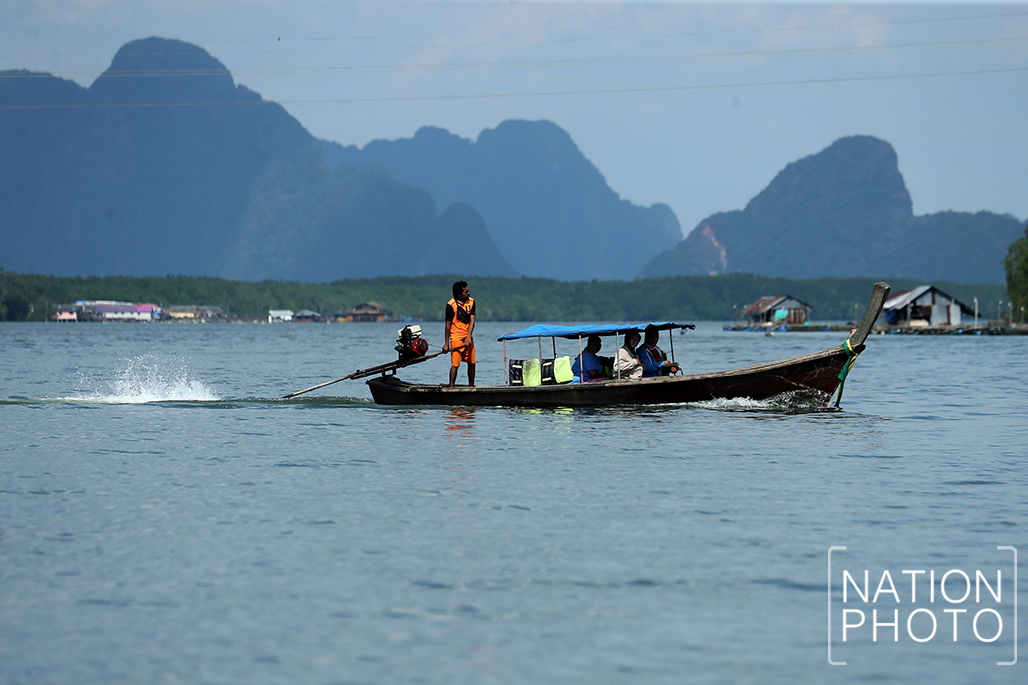





 Photos by Charoon Thongnual


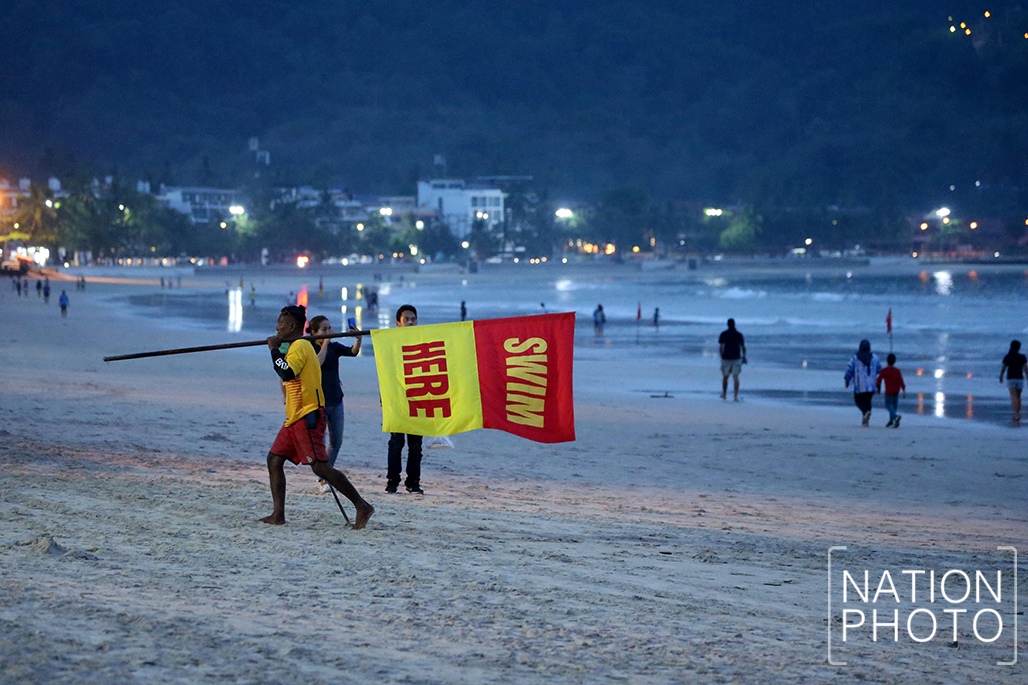

 Photo Credit: Watchara Motor and Marine Sport Solution Centre

 Ramesh Kumar Paudel/TKP
  undefined Ramesh Kumar Paudel/TKP
 undefined Ramesh Kumar Paudel/TKP
 undefined Ramesh Kumar Paudel/TKP
 undefined Ramesh Kumar Paudel/TKP
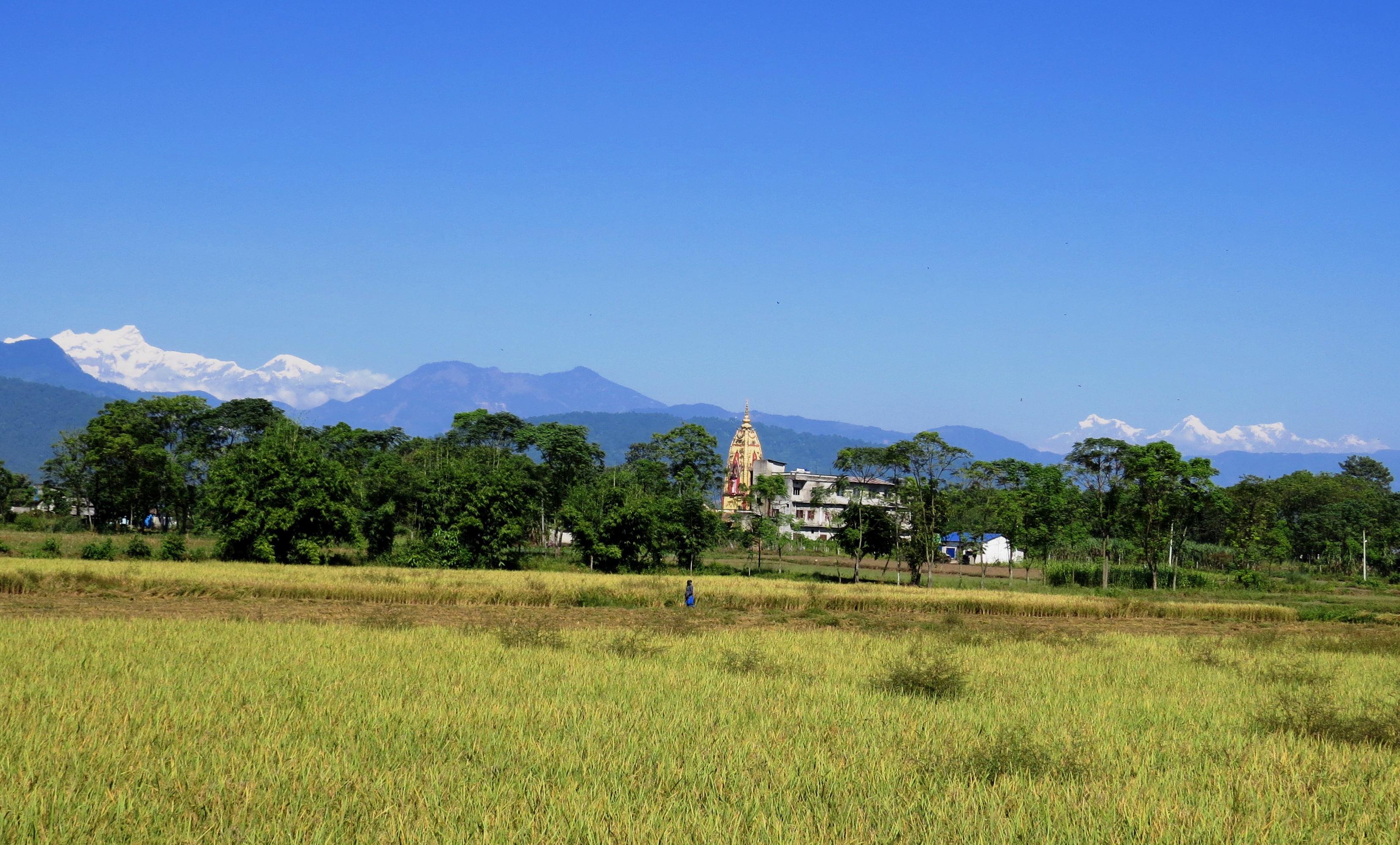 undefined Ramesh Kumar Paudel/TKP
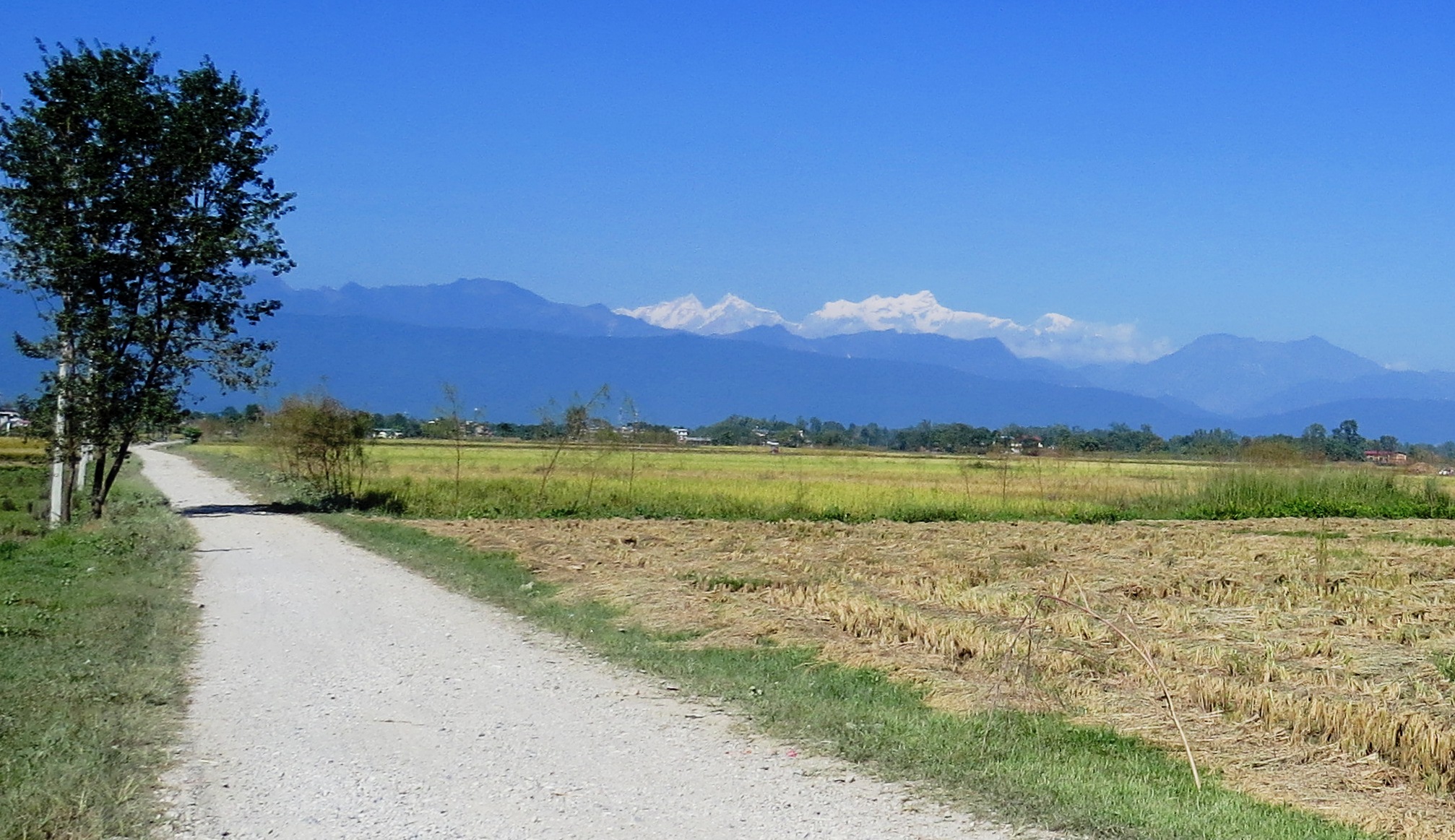 undefined Ramesh Kumar Paudel/TKP
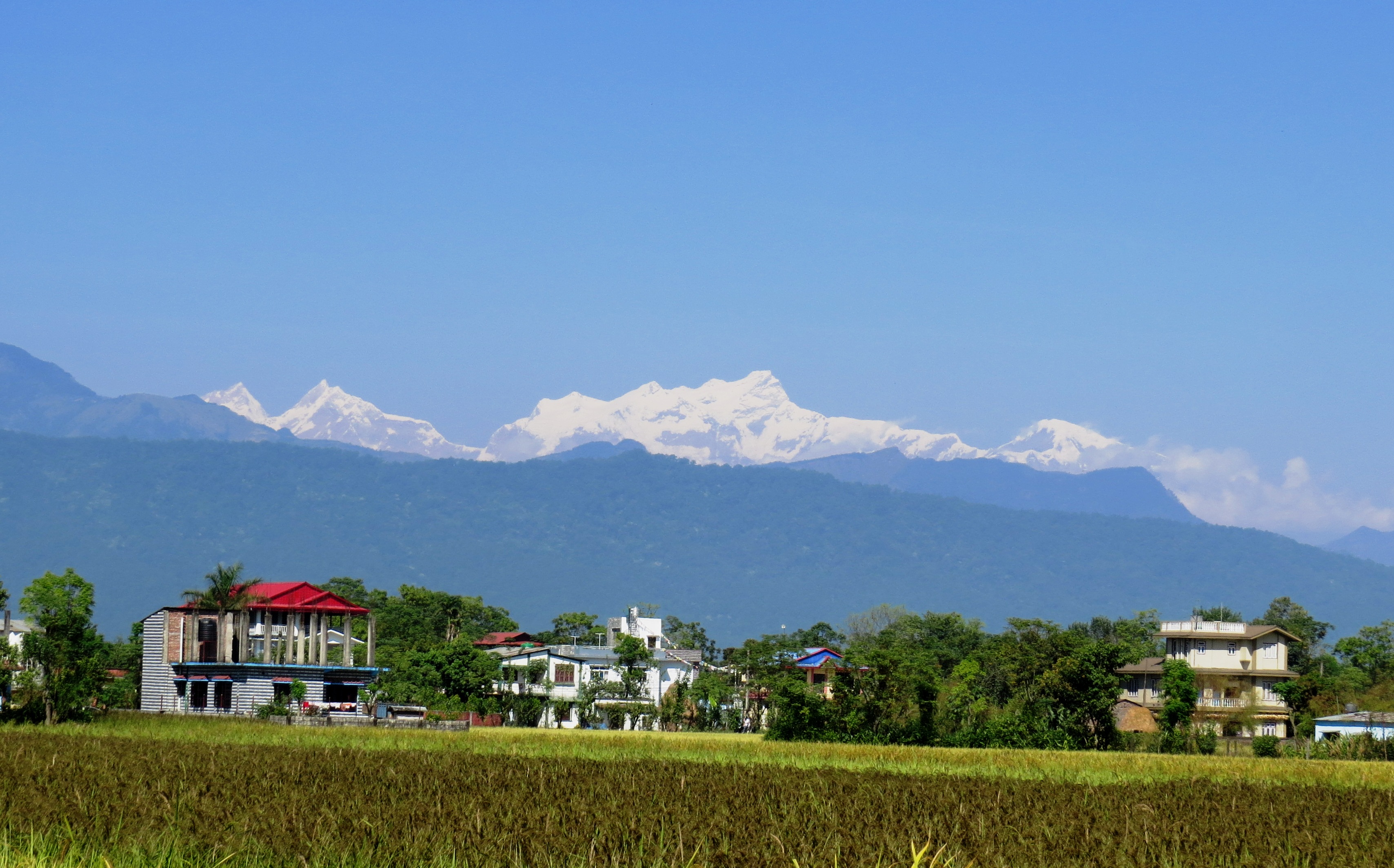 undefined Ramesh Kumar Paudel/TKP
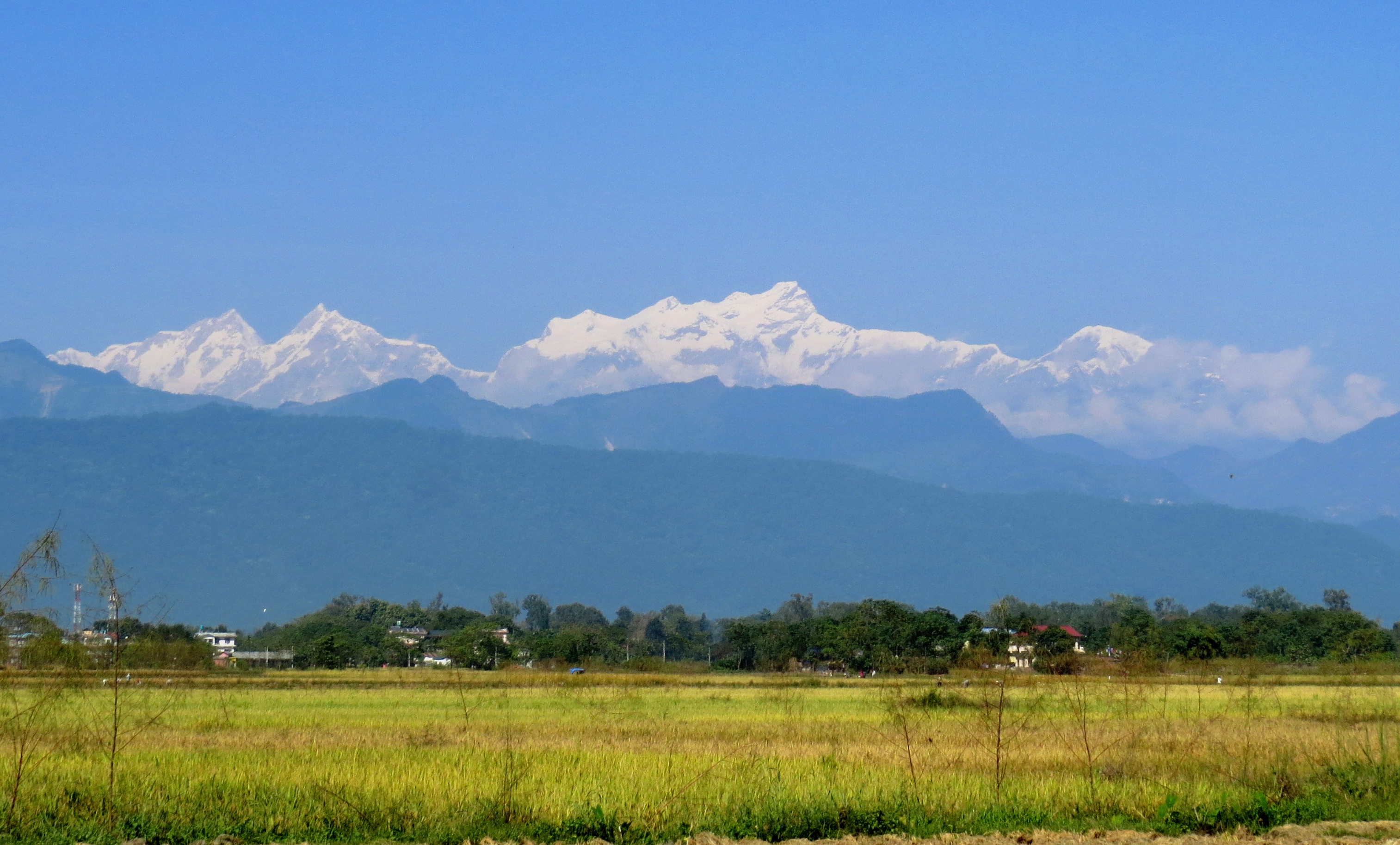 undefined Ramesh Kumar Paudel/TKP
 Berlin Brandenburg’s main terminal includes a giant red carpet artwork hanging from the ceiling. MUST CREDIT: Bloomberg photo by Krisztian Bocsi
  Looking out over Rainbow Lake, with Adirondack chairs in the Adirondacks. MUST CREDIT: Photo for The Washington Post by Debra Bruno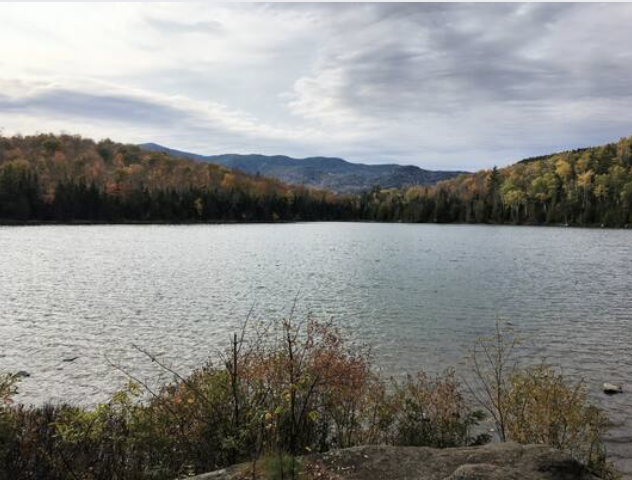
 SootinClaimon.Com