On China’s front line, emerging Cold War haunts battle-worn Taiwanese islands #ศาสตร์เกษตรดินปุ๋ย

#ศาสตร์เกษตรดินปุ๋ย : ขอบคุณแหล่งข้อมูล : หนังสือพิมพ์ The Nation.

On China’s front line, emerging Cold War haunts battle-worn Taiwanese islands

WorldSep 11. 2020Anti-landing barricades protect Kinmen from Chinese invasion. The mainland city of Xiamen rises from across a channel that was previously filled with undersea mines. MUST CREDIT: Washington Post photo by Gerry Shih.
Anti-landing barricades protect Kinmen from Chinese invasion. The mainland city of Xiamen rises from across a channel that was previously filled with undersea mines. MUST CREDIT: Washington Post photo by Gerry Shih. 

By The Washington Post · Gerry Shih · WORLD, ASIA-PACIFIC 
GREAT KINMEN ISLAND, Taiwan – From here, China feels palpably close. So does the memory of war.

Anti-landing barricades and rusting tanks on the beach stare down a Chinese metropolis hovering on the horizon. Soldiers from the Taiwanese garrison thunder down the road, still on guard for another attack. In rural villages dotted with bomb shelters, older residents speak of Chinese artillery regularly piercing the quiet evenings on their sleepy island and reciting a four-character declaration of loyalties: “Kill pigs, root out Maoists!”
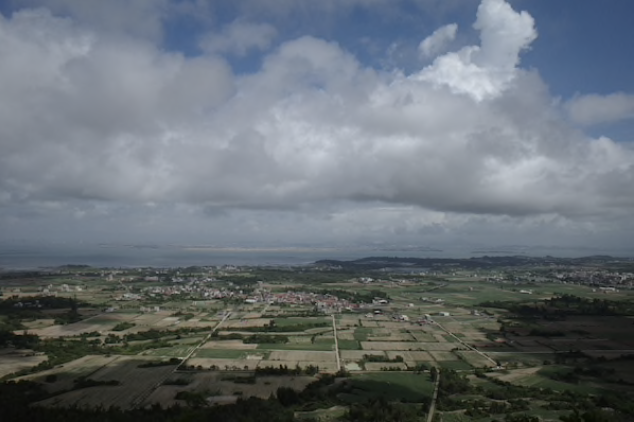
Great Kinmen Island, strategically located off China's coast, was occupied by the Dutch, the Qing Dynasty and the Japanese before it was seized by the Nationalist forces of the Republic of China during the Chinese Civil War. It became a subject of foreign policy debate between John F. Kennedy and Richard Nixon during the 1960 presidential election. MUST CREDIT: Washington Post photo by Gerry Shih.

Great Kinmen Island, strategically located off China’s coast, was occupied by the Dutch, the Qing Dynasty and the Japanese before it was seized by the Nationalist forces of the Republic of China during the Chinese Civil War. It became a subject of foreign policy debate between John F. Kennedy and Richard Nixon during the 1960 presidential election. MUST CREDIT: Washington Post photo by Gerry Shih.

From 1949 – when China’s civil war officially ended – until the 1970s, the strategic cluster of the Kinmen Islands, controlled by Taiwan but nestled just three miles off China’s coastline, was the site of three amphibious assaults and repeated shelling in the Cold War that pitted Communists against Nationalists, Chairman Mao Zedong against Generalissimo Chiang Kai-shek and U.S. President Dwight D. Eisenhower.

Tourists sip coffee and milk tea on Kinmen; seen in the distance is the mainland Chinese city of Xiamen, which has sent millions of tourists to the island. A tank used for the island's defense during the Cold War sits on the beach. MUST CREDIT: Washington Post photo by Gerry Shih.

Tourists sip coffee and milk tea on Kinmen; seen in the distance is the mainland Chinese city of Xiamen, which has sent millions of tourists to the island. A tank used for the island’s defense during the Cold War sits on the beach. MUST CREDIT: Washington Post photo by Gerry Shih.

Today, as tensions soar in the Taiwan Strait and relations plummet between China and Taiwan’s military backer, the United States, talk is again stirring in Taipei, Washington and Beijing of the possibility of China attacking Taiwan, which it claims as its territory, or seizing one of its vulnerable outlying islands while the world is occupied by the coronavirus pandemic.

But a half-century after the Chinese guns fell silent, the prevailing sentiment of Kinmen residents toward their massive neighbor isn’t historical enmity or fear. It’s fraternity, said Xu Jicai, a 45-year-old lion dancer and village chief.

Kinmen's demographics and economy have suffered in recent decades since the withdrawal of Taiwanese troops. Tourism and trade with mainland China have somewhat helped its recovery. MUST CREDIT: Washington Post photo by Gerry Shih.

Kinmen’s demographics and economy have suffered in recent decades since the withdrawal of Taiwanese troops. Tourism and trade with mainland China have somewhat helped its recovery. MUST CREDIT: Washington Post photo by Gerry Shih.

Sitting outside his office, Xu marveled at the twist of history that turned his war-scarred island into the most pro-Beijing constituency in Taiwan. In many ways, Kinmen is a geographic and political outlier in Taiwan, a vibrant democracy that has generally voted to shift away from China’s orbit. In other ways, it’s a microcosm of Taiwan’s existential and generational debates over China – and all the insoluble questions of politics and commerce, of culture and shared blood.

“Could you point a rifle at someone whom you’ve eaten with, whose temple you’ve visited?” said Xu, dismissing talk of the Chinese threat as fearmongering by politicians in Taipei, the Taiwanese capital that’s an hour-long flight away.

“If Taiwanese politicians complain that we’re drawing too close to China,” Xu growled, “perhaps they could tow our island across the strait. Or at least invest more in our economy.”

– – – 

The thaw began in 2001, when Kinmen opened transportation and trade links with the mainland. Since then, roughly 20 million Chinese tourists have streamed in from southern Fujian province, where the language, food and bowed “swallowtail” roofs on traditional homes are all recognizable on Kinmen. Until the 22-minute ferry rides were stopped during the coronavirus outbreak, Kinmenese made countless trips the other way for weekly shopping or visits to ancestral homes and temples. Those trips are welcomed – and assiduously courted – by Communist Party-linked liaison groups.

Beginning in 2018, China has provided Kinmen with fresh drinking water through an undersea pipeline. Talks are underway for Kinmen to import two more crucial resources, electricity and natural gas. The Kinmen proposals have been applauded by Chinese leader Xi Jinping, who has made absorbing Taiwan and reclaiming all of imperial China’s lost territory, including Taiwan, a centerpiece of his national rejuvenation project.

In recent years, Kinmen officials have mulled the once unthinkable: building a bridge to the mainland, or turning Kinmen into a free-trade zone that attracts Chinese investment and accepts Chinese currency. Both proposals stalled, but they raised intense debate – and suspicion – in Taiwan about Kinmen’s loyalties and its political status, which have never been settled.

Arguments over Kinmen’s relationship with China swing between “accusing someone of either jeopardizing the most crucial geopolitical relationship of all or committing treason,” said Michael Szonyi, director of the Fairbank Center for Chinese Studies at Harvard University and the author of “Cold War Island,” a book about Kinmen. 

“Virtually every local issue on Kinmen, no matter how small, gets linked to the larger geopolitical context of how to relate to a rising and changing China,” Szonyi said. “These are exactly the same questions that Taiwan, that Africa and Latin America, that even the United States are increasingly grappling with.”

Part of the uncertainty over Kinmen stems from the ruling Democratic Progressive Party (DPP), which leans toward Taiwanese independence from Beijing but has not clearly specified whether it envisions Kinmen and Matsu, the two island groups closest to China, as part of an independent state. Some DPP leaders have suggested that in the event Taiwan declared independence – which could trigger war with Beijing – it should cede the militarily indefensible and politically wavering islands to China.

Part of the murkiness is historical. The United States, which is legally required today to take “appropriate action” in the event of a Chinese attack on Taiwan, did not include Kinmen under a foundational defense treaty with Taipei in effect from 1955 to 1979. 

Beijing sought to test whether Washington would defend Kinmen. When China bombarded the island in late 1954, killing two American military advisers, the Pentagon raised the possibility of using nuclear weapons against China, but the idea was rejected by Eisenhower.

Mao again probed U.S. commitment in 1958 with shelling and an amphibious assault on Kinmen that Taiwanese troops repelled. Again, the U.S. military did not strike back but supplied Taiwan with artillery and missiles. As the Cold War deepened, whether to defend Kinmen became an issue in the 1960 presidential debates between John F. Kennedy and Richard Nixon.

America’s answer to that question remains ambiguous today, long after Taipei pulled most of the 100,000-strong military garrison from Kinmen following years of campaigning by democracy activists against the repressive military rule enforced by the Nationalist Kuomintang (KMT) party.

– – – 

But ask locals, and they say the troop withdrawal in the 1990s gutted the economy. Restaurants serving roast chicken and fiery sorghum liquor failed. Laundromats closed. There were no real estate projects to speak of. But tourism was a way out. To attract ever-growing numbers of mainland visitors, Kinmen shopkeepers last year hung the Communist Chinese flags along an entire street, sparking outrage across Taiwan. 

Around the corner from village chief Xu’s office, Yung-hsung Chen nodded at the hiring agencies lining the anemic streets. On an island bereft of growth prospects or young people, the place is left with mostly elderly residents – and a gaping demand for agencies providing caretakers.

“There is no dynamism, no circulation of people or investment,” Chen said. “Without the mainland, there is no future.”

Near the beach a few miles north, across the street from a bullet-ridden house that was the site of fierce fighting in 1949, Lin Rongguan, 92, was more pointed. He was 21 years old and hiding under a bed when Communist troops landed, sparking a firefight before their capture. Today, Lin is a dyed-in-the-wool supporter of the KMT, which advocates closer relations with China and maintains a firm hold over hearts and minds in Kinmen. 

Last month, Lin saw on television that the de facto American ambassador to Taiwan, Brent Christensen, traveled to Kinmen to commemorate the 1958 casualties and show solidarity with Taiwanese President Tsai Ing-wen, who leads the DPP. Lin shook his head. 

“The Americans are the worst,” he said. “They get involved because they don’t want a unified China.”

On the opposite end of the political spectrum is Weng Mingzhi, a major democracy activist from the 1990s who pushed to end decades of military rule under the KMT and to start free elections in Kinmen. These days, he’s a senior official in Kinmen for the DPP, a party that finds it “hard to get votes,” as he bluntly acknowledges.

It hasn’t helped, Weng said, that Kinmen has been the site of intense political influence campaigns that urge unification with China and are believed to be connected to the Communist Party. In recent years, small political parties with known ties to mainland-linked mafia or even murkier provenance have pushed ideas like holding a local referendum on combining Kinmen and the Chinese city of Xiamen into a “Peace Experimental Zone.”

The DPP’s job is to show that it, not the KMT or even China’s Communist Party, is best for Kinmen’s future, Weng said.

“When we’ve been in power, infrastructure, education, the county budget – all that’s gone up,” he said. “We can value economic prosperity and feel friendship toward China, but that doesn’t mean we accept their political rule. Why put ourselves back in a cage?”

– – – 

But peel back the jockeying among political parties, the talk of war or subjugation, and what remains is what many Kinmenese say is a basic fact: They simply don’t feel Taiwanese.

Clarissa Chen, a 25-year-old sociology student, grew up in Kinmen hearing stories about Communist attacks and how Kinmen sacrificed for Taiwan. When she moved to Taipei for college, she was constantly reminded of how far off Kinmen was in the Taiwanese imagination when students asked if she rode cows to school or why she spoke Mandarin like mainland Chinese.

“They would get frustrated when I would say I’m Kinmenese – and a citizen of the Republic of China,” she said, referring to Taiwan’s formal name. 

These days, when she sees news about China’s crackdown in Hong Kong or its desire to annex Taiwan by 2049, she worries deeply about Chinese aggression. But she says she and her relatives also feel dubious about the notion of a Taiwanese national identity and worry about antagonizing China. “Is our government peddling fear?” she said.

Chen’s friend Wang Ling, a 35-year-old entrepreneur in Kinmen who runs a cafe and workspace that’s a hub for the few young creative types on the island, said she has more clear-cut sympathies for the independence-leaning camp after she spent years living in Taiwan.

When DPP leaders visit, Wang and her peers who voted for Tsai ask them to pay more attention to Kinmen, to promote investment that could lure young Taiwanese to settle there or young Kinmenese to move back. Maybe one day, she says, young people might start building up a community on Kinmen and shift its politics.

But she’s not overly optimistic.

“It’s hard after we have tasted the sweetness of ties with China,” she said. “We do get scared about what would happen if there were a referendum. It’s overwhelming to think: What if I build up my home, and then it gets transferred to another owner?”
Holiday crowds swarm Bang Saen beach #ศาสตร์เกษตรดินปุ๋ย

#ศาสตร์เกษตรดินปุ๋ย : ขอบคุณแหล่งข้อมูล : หนังสือพิมพ์ The Nation.

Holiday crowds swarm Bang Saen beach

ThailandSep 07. 2020

By The Nation

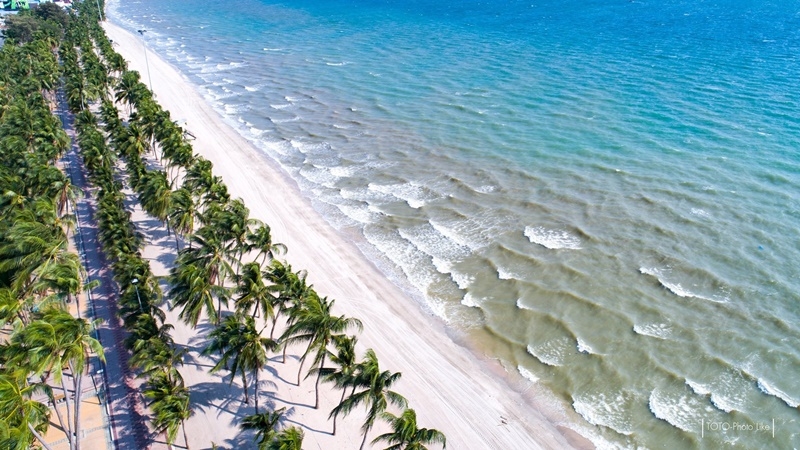
The Bang Saen beach in Chonburi province was crowded with visitors on Sunday (September 6), as people from all over the country came in large numbers during the extended holiday weekend.

On Monday, the number of tourists is expected to remain high while Saen Suk Police Station is ensuring roads around the beach allow smooth flow of traffic.

Pol Lieutenant Krittikorn Chanpleng said the visitors were lucky it did not rain. She expected a good crowd on Monday too, the last day of the long holiday weekend.

Tourists told the media that they experienced some traffic jams because of the huge number of people visiting the beach, and they had to protect themselves from Covid-19 infection by wearing masks and maintaining social distancing.

King Power Mahanakhon offers thrilling views of the capital #ศาสตร์เกษตรดินปุ๋ย

#ศาสตร์เกษตรดินปุ๋ย : ขอบคุณแหล่งข้อมูล : หนังสือพิมพ์ The Nation.

King Power Mahanakhon offers thrilling views of the capital

Sep 01. 2020

By The Nation

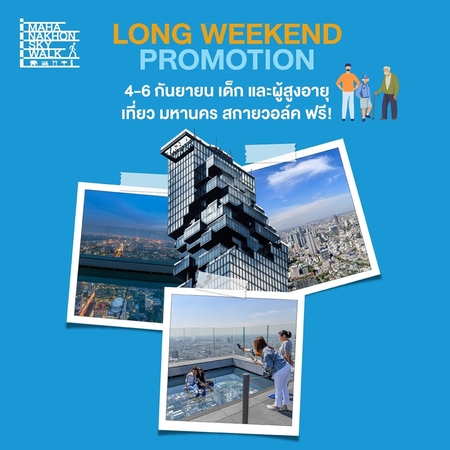
In a move to mark the upcoming long weekend, King Power Mahanakhon is granting free access to its famous Mahanakhon Skywalk to adults above the age of 60 and youngsters below 18 with every purchase of a Bt880 ticket.

The skywalk, located in Bangkok’s iconic pixelated building, features a thrilling all glass observation deck offering a 360-degree view of the capital from 78 floors up. Visitors can also stop off at “The Peak”, which is 314 metres above ground.

This offer runs from September 4 to 7 and the skywalk is open daily from 10am to midnight.

Rare wreathed hornbills spotted flying across Mae Wong National Park #ศาสตร์เกษตรดินปุ๋ย

#ศาสตร์เกษตรดินปุ๋ย : ขอบคุณแหล่งข้อมูล : หนังสือพิมพ์ The Nation.

Rare wreathed hornbills spotted flying across Mae Wong National Park

ThailandAug 30. 2020

By Special to The Nation

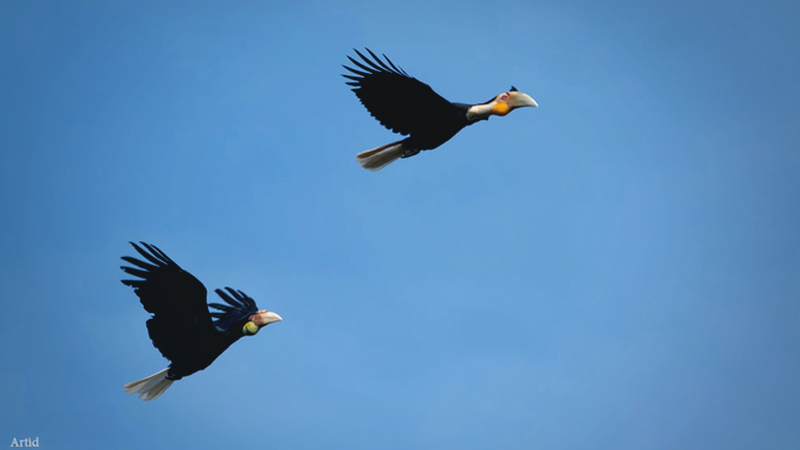
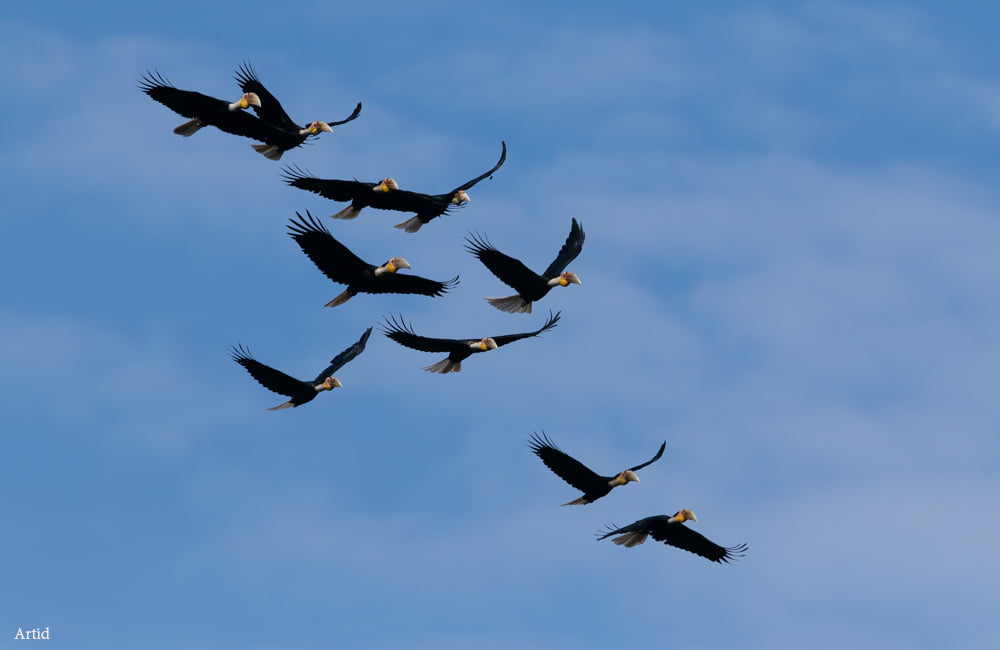
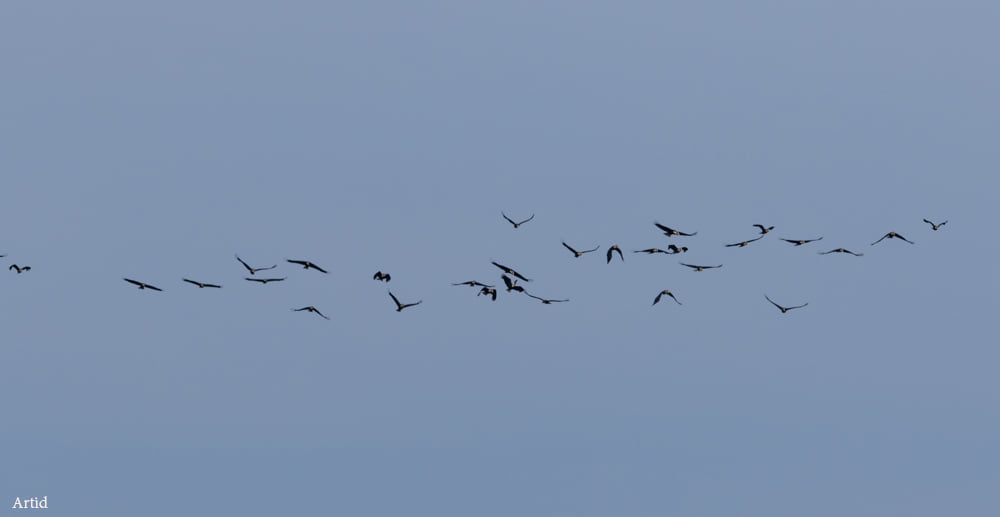
Nearly 30 wreathed hornbills fearlessly spread their wings over Mae Wong National Park, a sight rarely seen in over a decade.

Nearly 900 square kilometres of verdant jungles, rich in flora and fauna, make up the Mae Wong National Park. The park lies adjacent to the Khlong Lan National Park and the Huai Kha Khaeng Wildlife Sanctuary in Uthai Thani province.

It is home to elephants, tigers, and birds like the hornbill and kingfisher have staked their claim to the park’s lands.

The highlight is the Phu Sawan Viewpoint located approximately 300 metres uphill to see the impressive sunrise and sunset. It is one of the important bird-watching spots in Thailand and also a habitat for a wide variety of birds.

During this period, there are many kinds of birds flying by. The bird species that are outstanding and are of great interest to bird watchers are rufous-necked hornbill and wreathed hornbill, plus 300 other species of birds.

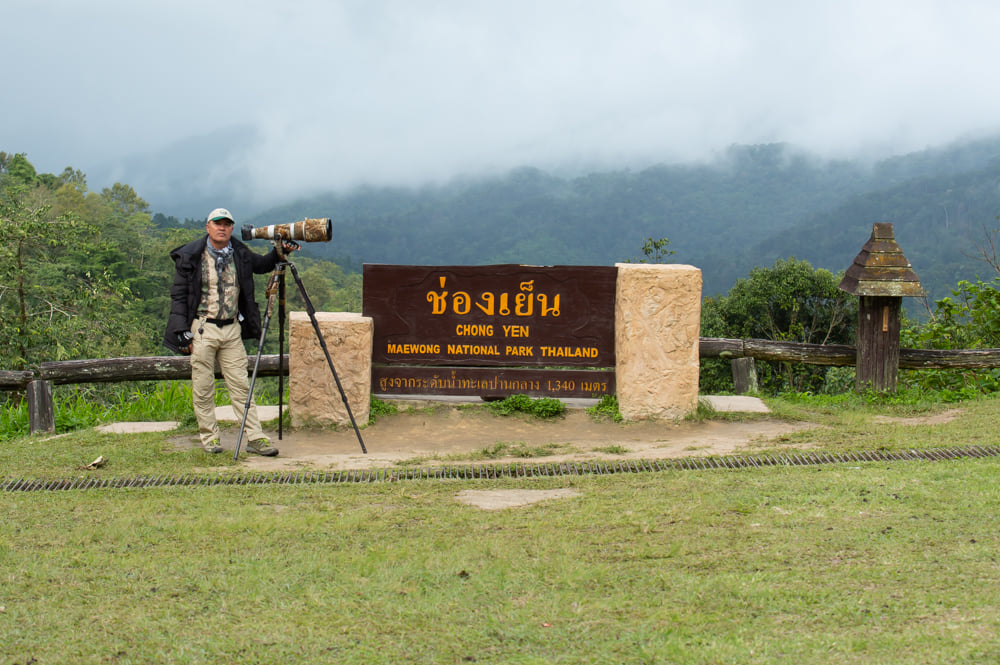
Artid Nima, a Nakhon Sawan-based photographer, who took a picture of a hornbill, at 8.45am at the Chong Yen Campground, said on Sunday that the weather at Khun Nam Yen Forest and Chong Yen Campground in Mae Wong National Park was refreshing. He said he was lucky to be ready to take a close-up picture of a group of 30 wreathed hornbills, seen there for the first time in a decade.

Jungle paradise in Khao Lak takes concrete steps to preserve nature #ศาสตร์เกษตรดินปุ๋ย

#ศาสตร์เกษตรดินปุ๋ย : ขอบคุณแหล่งข้อมูล : หนังสือพิมพ์ The Nation.

Jungle paradise in Khao Lak takes concrete steps to preserve nature

ThailandAug 28. 2020The signature giraffe-shaped Banyan tree in front of the beach at Khaolak Merlin Resort. /Photo by Jintana PanyaarvudhThe signature giraffe-shaped Banyan tree in front of the beach at Khaolak Merlin Resort. /Photo by Jintana Panyaarvudh 

By Jintana Panyaarvudh

Special to The Nation

Takua Pa, Phang Nga

Twenty years ago, when the second-generation of the Chirayus family wanted to build a resort on Phang Nga’s Khao Lak beach, they decided to go with the concept of sustainability to preserve the environment – and the result was well beyond expectation.

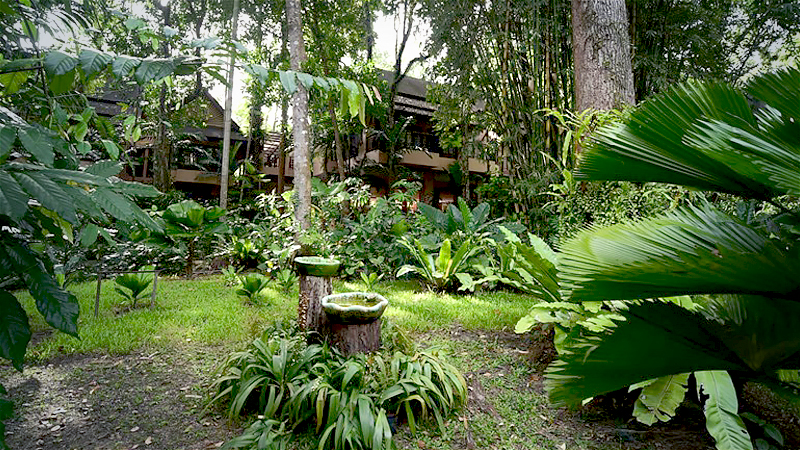
Following the belief that a resort and forest can live together, the Khaolak Merlin Resort was built along environment-friendly practices from the very beginning. Each and every old, original tree on the grounds was carefully preserved, including the more than 50-year-old Takian, resin, golden teak and Siamese Rosewood trees. 

 An endangered slow loris is spotted hiding on an old tree at night at Khaolak Merlin Resort. /Photo by Parinya Chawsamun

An endangered slow loris is spotted hiding on an old tree at night at Khaolak Merlin Resort. /Photo by Parinya Chawsamun

The makers of the resort worked on recreating a tropical ecosystem by digging canals and freshwater springs, as well as planting rare, endangered plants in the garden such as wild jungle orchids. 

They also built a wastewater treatment and cleansing system using purely organic filtration methods. Treated water is used to water the garden and fill the resort’s streams – a practice that helps it save around 3 million litres of water per month and reduces the impact on environment. 

An aerial view of Khaolak Merlin Resort, which is nestled in a jungle. /Photo by Parinya Chawsamun

An aerial view of Khaolak Merlin Resort, which is nestled in a jungle. /Photo by Parinya Chawsamun

Unlike other resorts, where more rooms are built to serve more guests, Khaolak Merlin has followed the 50-50 principle – half of the 30-rai property is given to humans and half is devoted to nature. An aerial view makes it look as if the resort has a jungle growing around it, and every step on its grounds feels as if one is walking through a rainforest. 

Chanon Wongsatayanont, left, and Nancy Lynne Gibson. /Photo by Parinya Chawsamun

Chanon Wongsatayanont, left, and Nancy Lynne Gibson. /Photo by Parinya Chawsamun

“Sustainability is the key goal of our resort. We believe in giving a better world to future generations by being mindful of the impact we have on the environment and local communities,” said Chanon Wongsatayanont, director of Merlin Phuket Group.

Bowls of water are left in the forest for birds to bathe. /Photo by Parinya Chawsamun

Bowls of water are left in the forest for birds to bathe. /Photo by Parinya Chawsamun

“We have built this resort as a jungle paradise, where the rainforest meets the sea. Preserving nature has had a good result. Our regular guests, mostly Europeans, return to stay here every year [thanks to untouched nature]. They are also very excited about the wildlife here,” he added. 

The resort has also joined forces with Love Wildlife, a non-profit conservation foundation, to help promote wildlife conservation and has also kicked-off a number of new eco-inspired projects within the hotel and its surrounding landscape, including signs around the resort to help guests identify the wildlife they spot.

The foundation surveyed the property and found more than 50 animal species, including birds, lizards, frogs, butterflies, flying squirrels to name a few, and over 40 plant species. Just recently, at least two slow lorises were spotted hiding on the resort’s ancient trees. 

Up close and personal

These discoveries have further expanded cooperation between the resort and Love Wildlife. Now they will jointly work on surveying, tracking and observing the behaviour of slow loris in the area, so they can do more to preserve this endangered species. 

Slow lorises are a group of several species of nocturnal strepsirrhine primates that make up the genus Nycticebus, found in Southeast Asia and bordering areas. The species is listed as endangered on the 2020 International Union for Conservation of Nature Red List. The two greatest threats to slow lorises are deforestation and the wildlife trade.

Since there is little new information about the animal, this will be a great opportunity for the foundation to join hands with Khaolak Merlin to study their behaviour so we can know their conservation status, said Nancy Lynne Gibson, president and founder of Love Wildlife Foundation.

She said the aim of the study is to find out what kind of fruit the slow loris eats, what kind of trees they prefer to live on and in what environment, so more attention can be paid to these trees, more trees of the fruit they like can be planted and the area further improved to cover the needs of local wildlife. 

“We don’t know yet what happens to the environment or ecosystem when the animal goes extinct,” said Gibson, who was lucky enough to spot two slow lorises when she was exploring the area recently. 

“I also want to raise awareness that it’s important to preserve endangered animals and not raise them as pets,” said Gibson, who has been interested in slow loris since she was child. 

Under the partnership, the foundation will train hotel staff to monitor the animals and collect information. 

Chanon said the habitat for slow lorises has reduced as more forested areas in Khao Lak are cleared. “But if we know their behaviour, we can adjust the environment in our resort, making it as close to their habitats as possible,” he added. 

In order to learn how to preserve old trees on its grounds, resort is partnering with Big Trees Project, an environment advocacy group that promotes awareness and activities that help preserve public green spaces in the capital and beyond. The group will train the hotel’s staff on now to keep the trees healthy so they can continue providing homes for local wildlife. 

Chanon said he hopes both partnerships will help the hotel gather pertinent information and know-how. 

“We live with nature and biodiversity, but don’t know how and when it will be destroyed,” he added.

TAT launches promotions to boost tourism in Surat Thani and Koh Samui #ศาสตร์เกษตรดินปุ๋ย

#ศาสตร์เกษตรดินปุ๋ย : ขอบคุณแหล่งข้อมูล : หนังสือพิมพ์ The Nation.

TAT launches promotions to boost tourism in Surat Thani and Koh Samui

ThailandAug 22. 2020

By THE NATION

As the Covid-19 situation in Thailand is improving, the Tourism Authority of Thailand (TAT) has launched a promotional campaign in association with local entrepreneurs to boost tourism and economy in Surat Thani province.

“The Once in a life time @ Khao Sok, Surat Thani” promotion will offer Bt600 room discount for the first 300 rooms reserved at participating hotels around Khao Sok National Park and Rajjaprabha Dam, also known as the Cheow Lan Dam, which is dubbed ‘Thailand’s Guilin’ by Thai and foreign tourists,” Nantawan Siripokapat, TAT director of the Surat Thani offices, said.

Meanwhile, Suphakarn Yodchun, director of TAT Koh Samui, Koh Tao and Koh Pha-Ngan office, said that the office will launch a campaign “Unlocked Samui” that would offer up to 70 per cent discounts on hotels and facilities on the island.

“The campaign, which will run until October 31, is joined by hotels, car rental providers and guided tour boats on the island to attract tourists to explore the beauty of Koh Samui, which normally welcomes around 400,000 visitors per year,” she added.

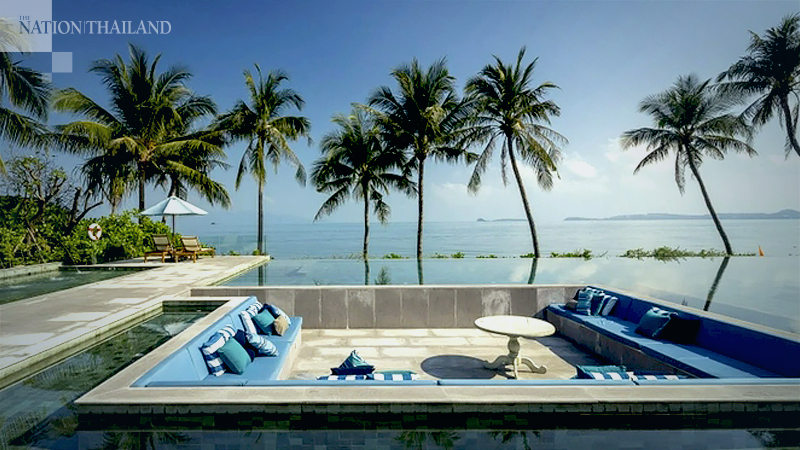
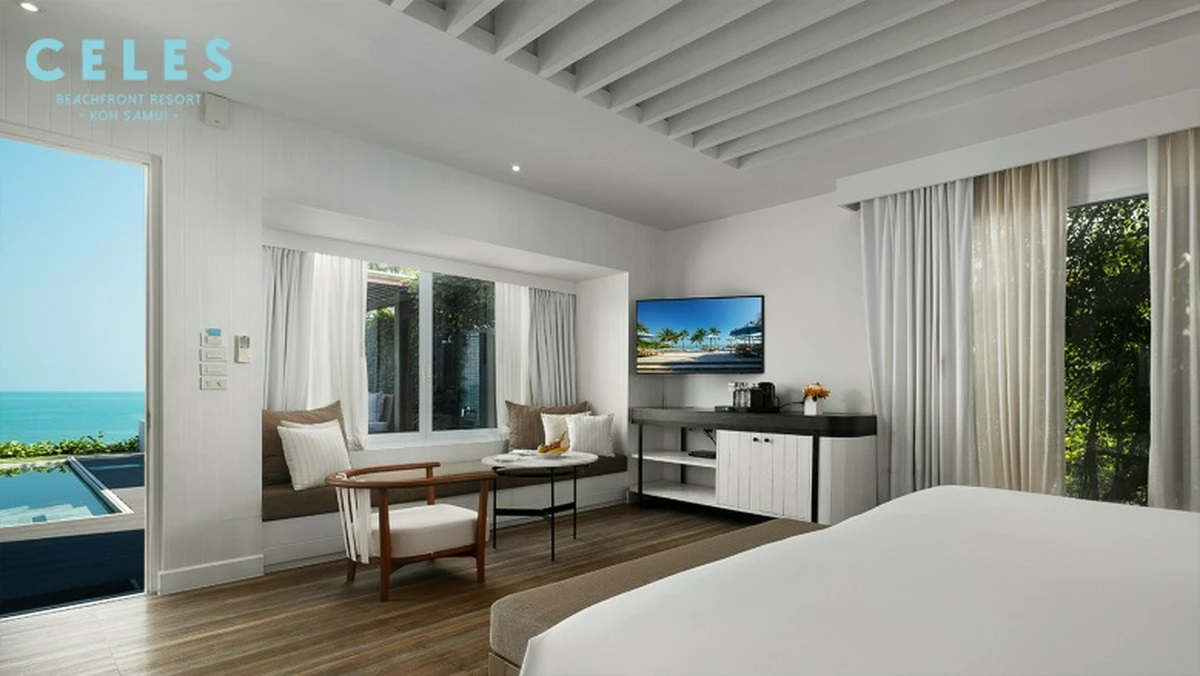
Meanwhile, Omphan Nanthapanich, general manager at Celes Beachfront Resort and Samui Palm Beach, a five-star hotel on Koh Samui featuring 200 metres of private beach front, has said that the hotel is offering discounts under the government’s “Rao Tiew Duay Kan” (We Travel Together) campaign with rooms starting at Bt1,788 per night, while the pool villa package (three days, two nights) starts at only Bt12,000. Reservation must be made before August 31. For more info, visit https://www.celesresorts.com

For further information about promotions in Surat Thani, contact TAT Surat Thani office on tel: 0 7728 8817-8.

Big group of rare Nicobar pigeons spotted at Koh Rok #ศาสตร์เกษตรดินปุ๋ย

#ศาสตร์เกษตรดินปุ๋ย : ขอบคุณแหล่งข้อมูล : หนังสือพิมพ์ The Nation.

Big group of rare Nicobar pigeons spotted at Koh Rok

ThailandAug 14. 2020

By The Nation

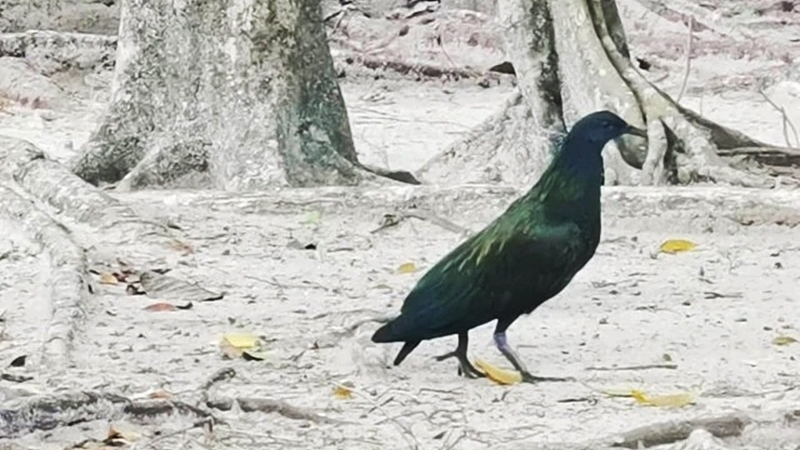
More than 40 rare Nicobar pigeons have been spotted in Koh Rok in Mu Koh Lanta National Park after the park was closed during the Covid-19 pandemic.

On Thursday (August 13), the park’s officials recorded a video of Nicobar pigeons searching for food in the forest near the park office, exciting all officials who had rarely seen the birds in such a big group.

Park chief Weerasak Srisatjang said that it was the first year that Nicobar pigeons had gathered in such a large group. Earlier they came in flocks of around 10.

Their arrival signals the abundance of ecosystems in Koh Rok Island since the closure in the beginning of the year which will continue until October, he said.

Nicobar pigeons are 40-41 centimetres long with a small head, green, yellow and grey body and white tail. The bird has signature feathers on its neck.

This species of bird lives in the region of Andaman Sea and Indo-Pacific such as Nicobar Island and Andaman Island. They normally mate between April and June.

THAI operates special flights to Copenhagen, Taipei in August #ศาสตร์เกษตรดินปุ๋ย

#ศาสตร์เกษตรดินปุ๋ย : ขอบคุณแหล่งข้อมูล : หนังสือพิมพ์ The Nation.

THAI operates special flights to Copenhagen, Taipei in August

ThailandAug 02. 2020

By The Nation

Thai Airways International Pcl (THAI) will operate two roundtrip flights on the Bangkok-Taipei and Bangkok-Copenhagen routes in August.

Passengers who wish travel to these two destinations or to neighbouring countries and Thais stranded in Taiwan, Denmark, Scandinavian countries who wish to be repatriated can avail of the opportunity, Chansin Treenuchagron, acting THAI president, said.

Flight TG632 will depart from Bangkok at 8.25am and arrive in Taipei at 1.05pm (local time) on August 5 and 14.

Flight TG950 will depart from Bangkok at 6.50am and arrive in Copenhagen at 1.05pm (local time) on August 16 and 3p.

THAI is partnering with the Ministry of Foreign Affairs to operate the Taipei-Bangkok and Copenhagen-Bangkok special flights to fly Thais home. Covid-19 preventive measures and physical distancing will be applied in every aspect of service the airline said. In addition, cargo will be delivered on roundtrip flights. Passengers who wish to be repatriated may visit: http://www.tteo.org.tw/main/ th/organize (Thailand Trade and Economic Office, Taipei) and http://thaiembassy.dk (the Royal Thai Embassy, Copenhagen).

Tickets on the Bangkok-Taipei and Bangkok-Copenhagen routes are sold as one-way tickets with limited seats available. Reservations can be made at https://www.thaiairways.com/th_TH/book/offers/special_ offers/bkk-tpe.page (Taipei flights), https://www.thaiairways.com/th_TH/book/offers/special_ offers/special_flights.page (Copenhagen flights) and through the THAI Contact Centre Tel 0-2356-1111, from 8am to 8pm.

Upscale motels are the perfect prescriptions for a pandemic vacation #ศาสตร์เกษตรดินปุ๋ย

#ศาสตร์เกษตรดินปุ๋ย : ขอบคุณแหล่งข้อมูล : หนังสือพิมพ์ The Nation.

Upscale motels are the perfect prescriptions for a pandemic vacation

WorldAug 02. 2020

By Syndication Washington Post, Bloomberg · Jen Murphy · FEATURES, TRAVEL 

Barista-brewed coffee and Traeger grills weren’t the amenities Rosie Reynolds and her husband were expecting from a motel. “There are a lot of dubious qualities associated with motels,” says Joe Reynolds, a Los Angeles-based brand strategist.

But in pandemic times, there are also a lot of appealing qualities, such as limited indoor facilities and never having to share a corridor with other travelers.

But on a recent road trip along the West Coast, the Reynoldses, both in their early 30s, decided to base themselves at motels due to the affordability, proximity to towns, and ease of social distancing. In Bend, Ore., and Mt. Shasta, Calif., they booked stays at Loge Camps, a three-year-old hospitality brand that flips roadside inns into eco-minded retreats for outdoor enthusiasts. At both locations, the couple was pleasantly surprised to find grounds scattered with fire pits, hammocks, and bike-tuning stations-along with in-room comforts such as Rumpl blankets and complimentary trail mix. But it was the level of service that truly won them over.

“To navigate the challenges of coronavirus, Loge sent emails prior to our visit, which provided all details for a safe, contactless stay,” says Joe, noting such smart service innovations as DIY housekeeping kits and a new SMS text system for obtaining advice on local breweries or under-the-radar hikes.

The Reynoldses aren’t the only ones suddenly interested in renovated trucker hangouts. “Motels provide fewer opportunities for encounters with staff or guests. There’s no lobby traffic. You don’t have to use an elevator to reach your room,” explains Thomas Russo, chief of University at Buffalo’s infectious-disease division. You can avoid people altogether when going between car and room.

All this, plus locations that are almost always near major cities, make motels some of the safest, most convenient accommodations for the current circumstances. That might be why many motels are enjoying sold-out summers while more traditional U.S. hotels averaged around 40% occupancy for the month of June, according to STR, a data company specializing in hospitality. What’s more, staying in a motel doesn’t require downgrading your travel style: High-design motels-some with prices that rival boutique hotels-have been on an ascendant trend since well before the pandemic.

Across the country, hoteliers have been updating motels with upscale interiors, hiring boldface names to create interesting food and cocktail menus, and adding resort-like amenities.

At Loge Camps, which has five hotels along the West Coast, that also means outdoor movie nights and a charitable spirit; portions of each stay benefit nonprofits that focus on local stewardship. At Tourists, which opened last summer in North Adams, Mass., in the Berkshire Mountains, it means outdoor showers on wood-paneled decks and s’mores kits as a nightly turndown treat. At two-year-old Hotel Joaquin, in Laguna Beach, Calif., it means an on-site adventure outpost stocked with complimentary surfboards, kayaks, and snorkel gear.

Though single- and two-floor layouts make them relatively safe, many motels are taking such further precautions as requiring reservations for pool time and providing in-room breakfast and beer deliveries.

As a result, travelers are using motels as base camps to explore the outdoors, rather than as overnight pit stops between long stretches of driving. Mike French, founder of the Pioneertown Motel, a former Old West movie set with 19 rooms near Joshua Tree National Park in California, recently introduced weekly and monthly self-guided retreats to satisfy the interest in longer stays. Guests who stay a week get two nights free, along with suggested itineraries and options to have barbecue setups or deliveries of produce from regional farms.

“The big selling points of resorts-valets, concierges, formal social dinning, recreation, spas, health clubs, shopping-lose their appeal right now,” says avid traveler Rick Simonson, 61, a former serial tech chief financial officer who now advises privately held technology companies while splitting his time between Dallas and Telluride, Colo. “Elevators, poorer ventilation, and lobbies at a Hampton Inn or Holiday Inn Express now seem risky, too,” he adds.

After months at home, Simonson and his wife chanced a stay at the Amigo Motor Lodge in the central Colorado mountain town of Salida. “They were able to assure [that] the room we would occupy would have at least one vacant night immediately before our check-in, if not more,” he says. “Each room has windows that open front and back that provide natural ventilation, which early on we learned is very beneficial to avoiding covid-19.” Outdoor seating areas in front of rooms, plus a central courtyard, made it easy to enjoy a beer or coffee without being surrounded by others, he says.

Now, Simonson says that if he travels again, he’ll stay only at upscale motels. “I’ve had very good experiences with Airbnb, but it just can’t match the precautions and the comfort the Amigo gave us.”

The 96-room Marram, a renovated oceanfront motel in Montauk, at the eastern tip of New York’s Long Island, features Le Labo bath products and Retrospec cruiser bikes, with rooms starting at $600 a night. Its owner, Atit Jariwala, has been converting luxury travelers who might have previously stayed at equally pricey stays such as nearby Gurney’s ($995 a night) or the Ocean House in Rhode Island ($765 a night). He’s seen a boom in bookings for the rest of summer, with most weekends already sold out.

“Is this luxury? Yes,” says Erik Warner, owner of the Sound View Greenport, a 55-room oceanfront motel on Long Island’s North Fork and the Anvil, a 50-room converted motel in downtown Jackson Hole, Wyo. Both properties are nearly back at last summer’s numbers. “Guests are looking for hotels that provide them with the highest probability of not contracting the virus and simultaneously, the highest degree of comfort,” he explains. “That’s the new luxury.”

Sold on the concept? Here are eight standouts to consider for your next trip.

– Amigo Motor Lodge, Salida, Colo. Birch bed frames, Oaxacan woven pillows, and white porcelain tile bathrooms-plus four designer Airstreams-make this 1950s motel new again. From $100

– Calistoga Motor Lodge and Spa, Calistoga, Calif. Besides its prime location at the end of Napa’s famed Silverado Trail, this 62-room retro motor lodge has three geothermal mineral pools and such old-school lawn games as corn hole. From $249

– Longleaf Hotel, Raleigh, N.C. A glowing 16-foot neon sign proclaiming “Long Live Longleaf”-not to mention an ambitious wine program-beckons travelers to this restored 1960s TraveLodge. From $105

– Marram, Montauk, N.Y. Rooms feature light sculptures by Isamu Noguchi. Firepits are equipped with roasting sticks and house-made marshmallows. And a visiting reiki master leads singing bowl meditations on weekends. From $600

– Pioneertown Motel, Pioneertown, Calif. Western movie stars, including Roy Rogers, founded the hamlet of Pioneertown in 1946 as a movie set. Today, the buildings include artist studios, a saddle maker, and a 19-room motel that attracts Los Angeles hipsters and musicians. From $175

– Sound View Greenport, Greenport, N.Y. The new beach bar at this restored mid-century motel was designed by the cocktail wizards from Death & Co. From $365

– Tourists, North Adams, Mass. Wilco bassist John Stirratt is a partner in this 48-room hotel located right off the Appalachian Trail. From $360

– The Yachtsman Hotel and Marina Club, Kennebunkport, Maine. The 30 harbor-front bungalows have private teak terraces, access to kayaks and canoes, and daily bakery basket deliveries. From $347.

Vacationers take to the water at a safe distance aboard rented houseboats #ศาสตร์เกษตรดินปุ๋ย

#ศาสตร์เกษตรดินปุ๋ย : ขอบคุณแหล่งข้อมูล : หนังสือพิมพ์ The Nation.

Vacationers take to the water at a safe distance aboard rented houseboats

Jul 31. 2020The upper deck of an Excursion houseboat on Lake Powell in the Glen Canyon National Recreation Area, which spans northern Arizona and southern Utah. MUST CREDIT: Aramark
Photo by: Aramark — The Washington Post
Location: n/an/aThe upper deck of an Excursion houseboat on Lake Powell in the Glen Canyon National Recreation Area, which spans northern Arizona and southern Utah. MUST CREDIT: Aramark Photo by: Aramark — The Washington Post Location: n/an/a

By Special to The Washington Post · Elizabeth Heath 

If you’re a would-be vacationer looking to spend some time on the water and maintain your social distance, you just don’t have a lot of options in this Pandemic Summer – which is why it’s time to take another look at houseboat rentals.

On lakes and waterways across the United States, houseboat rentals – we’re referring to self-piloted boats, rather than moored vacation rentals – are a way to get far from the crowds and enjoy the water in the company of a group of family or friends. And with houseboat rentals available in at least 19 U.S. states, taking a houseboat vacation could mean you don’t have to go too far from home to get away.

In national parks, state and national recreation areas, and along some rivers, a houseboat vacation begins as follows: Check in at the marina and get a quick lesson on piloting a houseboat. Load up all the food, luggage and gear you’ll need for the duration of your trip, then head out into the watery wilderness.

You may see other boaters, but it’ll be from a distance. Unless you need fuel, food or other provisions – unlikely, if you’ve planned ahead – you don’t need to see anyone outside your boat for the duration of your holiday. And that isolation – being with a known group but being far away from everyone else – certainly has a newfound appeal in 2020.

“We’re having one of best years ever,” says Bill Dougherty, co-owner of Rainy Lake Houseboats in International Falls, Minn. His family has run tourism ventures on the lake for 102 years and currently rents 27 houseboats.

Dougherty is particularly pleased that more families with young children are renting, partly as a result of summer sports and camps being canceled. Instead, he says, “families are out there having the time of their life. They leave everything behind, and no one tells them where to go or what to do.”

That freedom, according to other houseboat purveyors, is a big part of the draw. Houseboating, says Robert Knowlton, general manager of Lake Powell Resorts & Marinas in Arizona, allows you to get out in nature and “find your own private piece of paradise.” And the charms of that solitude are not just for families. Chad Taylor of Lake Mead/Mohave Adventures, says many a high-profile CEOs rent houseboats from his Nevada marina “because they like to get out on the lake and hide out for a week.”

So what does a group actually do while hiding out on a houseboat for a week? Activities depend on the whims of the body of water.

On Rainy Lake, a glacially carved lake formed more than 10,000 years ago, houseboaters can motor during the day, though most choose to tie up at any of the first-come, first-served moorings on the U.S. side of the lake – Americans can’t currently cross into Canadian waters – and spend their days exploring trails, playing on sandy beaches, and fishing, floating, swimming and birdwatching.

Most of Dougherty’s boats come with waterslides, and guests can rent or bring their own small motorboats, canoes, kayaks and stand-up paddleboards. He recommends boaters pick a different mooring every day, to see as many of the lake’s bays, islands and rock formations as possible.

On Lakes Powell and Mead, the surreal desert and canyon landscapes of these dam-formed lakes tempts houseboaters to anchor on a sandy beach and use it as a base for exploration. Lake Mead’s 550 miles of shoreline mean you can easily have a beach all to yourself and spend the week swimming or riding Jet Skis, and skiing, tubing and exploring with a smaller, tow-behind motorboat.

On Lake Powell, 2,000 miles of shoreline and the nearly 100 slot canyons of Glen Canyon lure hikers, while the lake allows motorized and nonmotorized watercraft. Kids, Knowlton says, are usually content to be in the water all day, tubing and “going up and down the slides nonstop.” He says families with older kids are wise to bring along footballs, Frisbees or a cornhole game.

Broadcast journalist Kellie Burns-Garvey recalls a trip on Lake Powell with 14 family members ages 2 to 75. The kids loved the waterslide, and adults had time to relax. In a week, she says, “we swam, explored rock formations, and never really saw anyone else.”

A more tropical experience awaits on Florida’s St. Johns River. Houseboaters who rent from Holly Bluff Marina in DeLand, northeast of Orlando, can motor within a 50-mile radius of the marina, and discover abundant wildlife, clear springs suitable for swimming and snorkeling, and even some riverside restaurants. Boaters usually anchor on the water, as the river shoreline typically has dense vegetation – as well as the occasional alligator.

Other than on Florida’s reptile-rich riverbanks, campfires on the beach and stargazing are the prime after-dark activity for houseboaters. Las Vegas food stylist Roni Fields-Moonen, who spent a Thanksgiving houseboat vacation on Lake Mead, said most evenings consisted of “bonfires, marshmallow roasts and singalongs.”

Though amenities vary from vendor to vendor, houseboats generally come equipped with everything you would find in a typical vacation rental, including cooking gear and all or most linens, plus safety equipment and a ship-to-shore radio with 24-hour emergency support. Fuel is charged based on consumption – boats leave the dock with a full tank and you only pay for what you use. Towable skiffs, Jet Skis (not legal on all waterways), kayaks and other toys are extra.

Boaters need to bring their food, clothes and recreation gear. Food, especially, requires planning, since there are no grocery stores in the middle of wilderness areas. Fields-Moonen and her husband, Rick, a professional chef, packed coolers full of carefully labeled groceries, including a whole turkey they roasted in the boat’s ample kitchen. With 10 mouths to feed, meals had to be planned down to the last ingredient, and Fields-Moonen recalls a lot of cooking and cleaning and that “food took up more space than luggage.”

Houseboats can range from basic to luxury. Burns-Garvey says their Lake Powell boat was “like a camper – not luxurious but comfortable enough,” while Fields-Moonen and her group rented a deluxe model with a hot tub, five bedrooms, satellite TV and room on the top deck for morning yoga and Pilates sessions.

Piloting the boats is straightforward and some marinas, like Lake Powell, offer piloted service in and out of the marina. “We rent all the time to first-time boaters,” Knowlton says. Apart from the rare afternoon thunderstorm, weather is seldom a factor. Still, he says, boaters should keep an eye on the forecast – though the marina will radio if there are any serious weather concerns. On both Lakes Powell and Mead, purveyors advise that in a week’s time, it makes sense to move the houseboat no more than two times, largely because anchoring is labor-intensive and time-consuming.

Prices for houseboats naturally depend on the size, the season and the number of bells and whistles. At Rainy Lake, cozy two-person “honeymooner” models rent for $1,380 a week in peak summer while deluxe 54-foot, 12-person boats with hot tubs rent for $5,795 in the same period. A four-person houseboat from Holly Bluff Marina in Florida rents for $1,500 in high season. The marina’s most deluxe boat, a 60-foot model with four bedrooms and two bathrooms, rents for up to $3,400 for a week.

From Lake Mead/Mohave Adventures, a 59-foot, 10-person houseboat rents for $5,269 in high season, while a mammoth 70-foot model with a wet bar, hot tub and multiple satellite TVs is just over $8,000 a week. Lake Powell Resorts & Marinas rents 46-foot, economy houseboats for up to six guests for about $2,500 a week from June through August. Its top-of-the-line, 75-foot Odyssey model sleeps up to 16 people in 2,400 square feet of cabin space across three levels. In high season, it’s $15,000 per week. Everything’s bigger out west, after all, and houseboats are no exception.