ThailandJul 31. 2020Photo Credit to ThailandFootpath Facebook page
By The Nation
Nakhon Sawan residents were delighted to find that the canal down Ban Ko Yuan village had been turned into an area that looks as beautiful as the promenades in Paris or Seoul.
The beauty of the area was captured in photographs posted on the ThailandFootpath Facebook page, with many netizens saying it was a great idea to turn a polluted canal into something that pleases the eye.
Nakhon Sawan Municipality said the Ko Yuan canal area can now be used for leisure, exercise or as a tourist attraction. It will also work on improving the quality of the water and start breeding fish to add to the charm.
Tourists to Trang’s Koh Libong were in for a surprise yesterday (July 29) when seawater receded at one point to reveal a freshwater well.
The well is located near Leekpai bridge, approximately 200 metres from the coast.
However, to villagers on the island, this is not new. They said once the saltwater receded, people could drink the freshwater from the emerging well.
“Fishermen on the island have drunk water from this well for the past 200 years,” the villagers said. “Tourists to the island can also taste the freshwater from the well once the seawater sinks to its lowest. This well can be found only in Trang province,” they claimed.
Villagers explained that in the past, people who lived on Koh Libong had to drink rainwater or freshwater transported from the mainland, before artesian wells and water tanks were dug.
“This particular freshwater well is one of the tourist attractions travellers should not miss,” they said.
“Due to strong wind, the high seawater level and dugongs in the area, we placed rocks around the well and set up a yellow flag to make it easier to find,” they added.
Meanwhile, 45-year tourist Kamonthip Watkhok confirmed that the water in the well is indeed drinkable, adding that travelling to this island was not as difficult as she had thought.
A Bryde’s whale emerged from the water in the Gulf of Thailand on Monday (July 27), wowing tourists who were passing on a boat trip.
The giant female, named “Wan Dee” (Good Day), was accompanied by her baby, which was swiftly given the name “Wan Yud” (Holiday) after the day on which it appeared.
Pictures of the whales were posted on Twitter by Forest for Wild Life and instantly drew attention from Thai nature lovers.
The Department of Marine and Coastal Resources said Wan Dee could often be spotted swimming in the Gulf of Thailand in search of food, and that this was her third offspring.
Between April and August, the Gulf is teeming with anchovies and tiny shrimp that lure hungry whales in search of a meal.
Blacktip reef sharks seen frolicking off Koh Samui beach
ThailandJul 28. 2020Photo Credit to Starving Travelers
By The Nation
As many as 10 blacktip reef sharks were spotted just off the beach in Koh Samui on Tuesday (July 28), and the occurrence was shared on the Starving Travelers Facebook page with the caption “abundance of Koh Samui island”.
The blacktip reef shark is identified by the black tips on its fins, long thin body and a big mouth. They are known to swim into brackish water near the mouth of a river to hunt for food.
These sharks are not aggressive and usually feed on small marine animals. They are also known to swim up to divers and demand food.
The crowds were back in Pattaya City as domestic tourists in large numbers visited the beach in Chonburi province during the long holiday period.
Wichit Manmee, a local lifeguard, said that people had begun flocking to the beach since Sunday (July 26) and the authorities had to tighten security in the area to prevent crime, as it was the first time that such a big crowd had gathered there after the lockdown.
Some tourists said they drove from Bangkok despite the traffic jam but after spending time on the beach, they found it was worth the effort.
Pattaya City is one of the most popular tourist attractions in the country but crowds are well below the pre-Covid-19 outbreak levels as the country is yet to open its doors to international tourists.
Southern secrets: Lifting the veil on Yala’s rich tourism potential
ThailandJul 28. 2020The Ay Yer Weng Skywalk over the sea of mist is expected to be complete by the end of 2020. /Photo by Charoon Thongnual
By Jintana Panyaarvudh
Special to The Nation
Despite its negative image of unrest, Yala province offers a rich bounty of tourist attractions for visitors – from Ay Yer Weng’s famed sea of mist to grand historical monuments, cultural events, and of course, great durian.
And with the new Betong airport about to open, visitors will soon find this province on the Malay border far more easy to access.
A tourist walks past a street-art mural in Betong. /Photo by Jintana Panyaarvudh
Meanwhile, its popular attractions are being joined by new spots discovered and developed by a team of community-based tourism researchers.
The team is focusing on Yala’s beautiful landscapes and unique and rich local cultures to reveal the province’s potential as tourist hub for the Asean region.
“We are trying to develop natural and tourism resources for the whole province, not just Betong district, which is already the most popular destination in Yala,” said Prachyakorn Chaiyakot, a lecturer at Hat Yai University’s Business Administration Faculty who headed the research team.
Their research stems from an agreement signed between Yala province and the Thailand Science Research and Innovation (TRSI) two years ago to use tourism to stimulate the economy of local communities and promote peace in the restive South.
Yala’s durian are among the best in Thailand. /Photo by Charoon Thongnual
Researchers found that Yala was suited to alternative tourism – attractive to visitors who love nature, food, trekking and culture, Prachyakorn said.
He added that tourists could explore the province from two bases: Yala city or the Betong on the southern border.
Among the wealth of new attractions proposed by researchers are walking and trekking tours, and cultural expeditions. The tentative tour routes will be offered as one- to three-day trips packed with various attractions.
For nature lovers, there’s a trek in Muang Yala’s Lam Phaya and Na Tham to the mysterious cave temple of Wat Khuha Phimuk and the Tham Sua and Tham Sin caverns.
Another new attraction unearthed by researchers is the century-old Labu Tin Mine in Yaha district’s Patae subdistrict, where the preserved reception building, museum and mineshaft give visitors a taste of Yala’s industrial heritage. The spot also boasts spectacular scenery, with a beautiful waterfall and fertile forest.
Meanwhile, tourists who prefer to dig for cultural riches can tap the sights and sounds of the old Malay Muslim community at Asong in Raman district.
Those heading to southernmost Betong district should make time for the scenic Bang Lang Dam in Bannang Sata district. Here, they can go rafting or take a boat to view the tranquil Hala Forest and island above the dam.
For Betong, a major tourist town with several famous attractions, the researchers propose adding an app that guides visitors on a walking tour of street art and street food. The old town of Betong is renowned for its many delicious dishes, some of them unique to this locale – such as chopped chicken and stewed pork belly with taro.
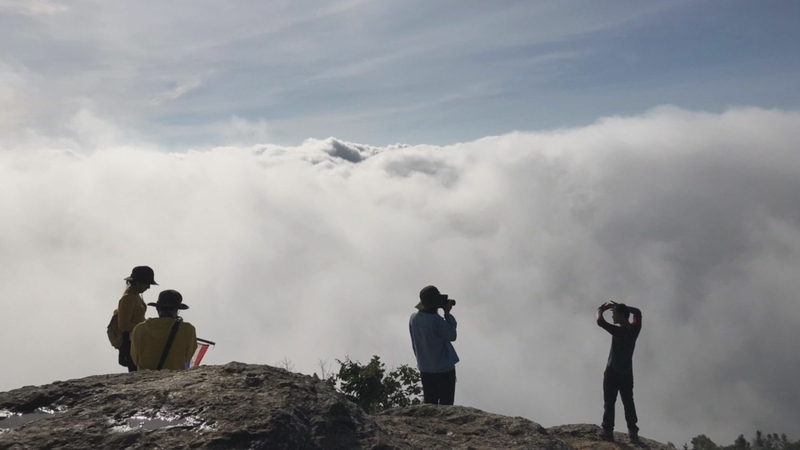
And needing no introduction is Ay Yer Weng’s sea of mist, which is said to be among the country’s most enchanting natural sights. A skywalk set to open at the end of this year will give visitors an even closer view of this meteorological marvel.
New airport ready for take-off
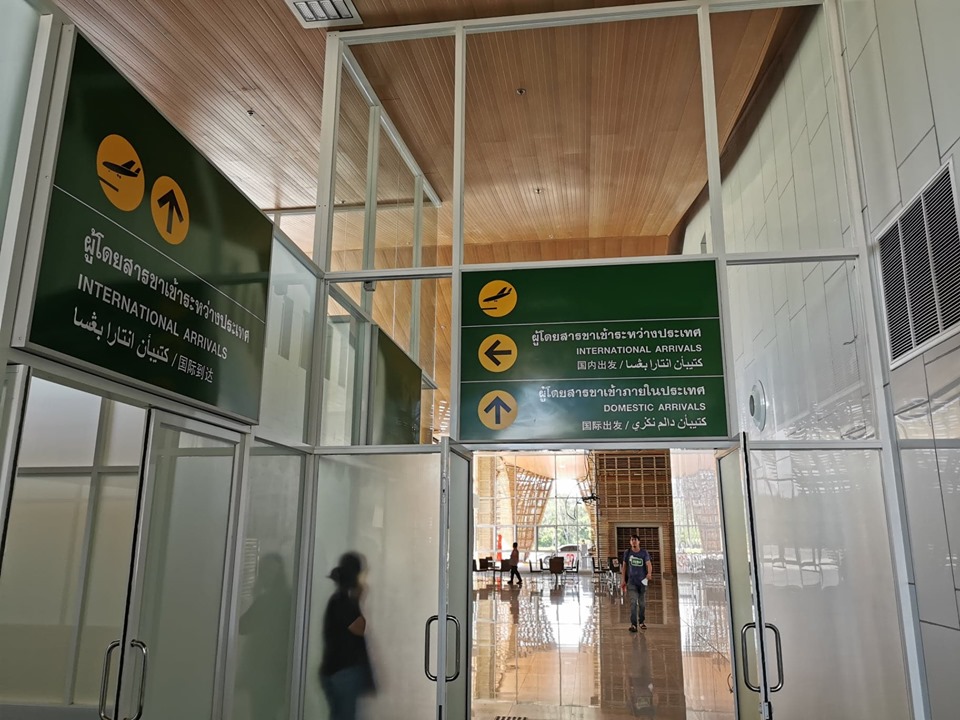
Inside Betong International Airport, which is set to open at the end of 2020. /Photo by Jintana Panyaarvudh
Tourists will have more options for getting to Yala when Betong Airport opens at the end of this year.
Betong is about 140 kilometres from Yala city down Highway 410 and borders Malaysia’s Kedah and Perak.
Duangporn Suwanmanee, director of Betong Airport, says tourist attractions in Betong and nearby districts should benefit from the new air hub.
The Bt2-billion airport occupies an area of 921 rai and is almost 100 per cent complete after nearly 10 years of construction. It was designed to handle smaller aircraft such as the ATR twin turboprops with 60-80 seats, with capacity for about 300 arrivals per hour. The airport was scheduled to open in June this year before the Covid-19 outbreak intervened.
The airport is expected to mainly serve domestic tourists flying from Bangkok, as well as travellers from Malaysia, with Nok Air is interested in opening an 86-seat turboprop service to Betong, according to Duangporn.
The airport is among a series of tourism-related infrastructure projects designed to attract visitors to Yala’s Betong, Narathiwat’s Su-ngai Kolok and Pattani’s Nong Chik towns, under the Thai government’s “triangle economy city model”.
Prachyakorn added that the airport would help boost tourism in Yala as domestic visitors may be concerned about safety when travelling by car while tourists from Malaysia could save travel time journeying to Penang airport.
According to Prachyakorn, around 500,000 Malaysian tourists visit Betong every year.
However, while his research team found the province has potential to attract tourists from the Asean region, they expressed concern at whether local communities could cope with various problems that come with economic growth.
Several challenges lie ahead, including how to combat the area’s image of unrest, pinpointing which types of tourists to attract, and readiness of tourism infrastructure and facilities, as well as participation of local people, Prachyakorn concluded.
Jintana Panyaarvudh is a freelance writer and former managing editor of The Nation.
Thousands of people took advantage of the long weekend and headed to Loei province to check out the all-glass skywalk in Chiang Khan district.
Though this new landmark is not officially open yet, local authorities made visits possible by providing shuttle buses and having police secure the area.
Tourists also visited the Nang Khoi beach and Chiang Khan’s old teak-wood town, while some woke up early to enjoy a misty sunrise over the Mekong River. Also on the itinerary for many was the Pha Ngam Stone Garden 3 kilometres away.
Chiang Khan, an off-the-beaten-track destination, drew more than 10,000 people looking for something special over the four-day weekend.
The beauty of Chiang Mai’s Doi Inthanon National Park will be available to travellers again from August 1 after being closed since Covid-19 hit Thailand early this year.
Kitsiam Khongsatri, who oversees the national park, said on Monday (July 27) that preparations had been made in line with Covid-19 guidelines.
Visitors will first need to register via the QueQ smart phone application, which will help limit the number of arrivals at just 1,250, and everybody will be screened for fever before they enter.
The temperature on Doi Inthanon peak is normally about 11 degrees Celsius and allows visitors to drown in a sea of fog. However, the path up to the peak can be treacherous during the rainy season and visitors are advised to be careful.
The picturesque views of sunrise, sunset, and sea fog drew huge numbers of domestic tourists to Sukhothai’s Ramkhamhaeng National Park during the long weekend beginning July 25.
Scores of tourists challenge their abilities climbing to the hilltop to enjoy the cool 20 degrees Celsius weather and the scenic views.
The park is 1,200 metres above sea level in Khiri Mat district.
A trek from the foothill to the top is around 3.5 kilometres, with a 45 degrees gradient. It takes on average three hours to reach the top and get a view of the sunset, the sunrise, or sea fog.
The national park chief, Sawang Sithichayapornkul, said the park was popular with visitors seeking an outing over the weekend or the long weekend, due to the captivating scenery and cool weather. Some visitors camp there to enjoy the weather on the Khao Luang hilltop for as long as possible.
The park chief said that officials had this time implemented “new normal” measures to prevent Covid-19 risk among tourists.
By Syndication Washington Post, Bloomberg · Siddharth Philip · BUSINESS
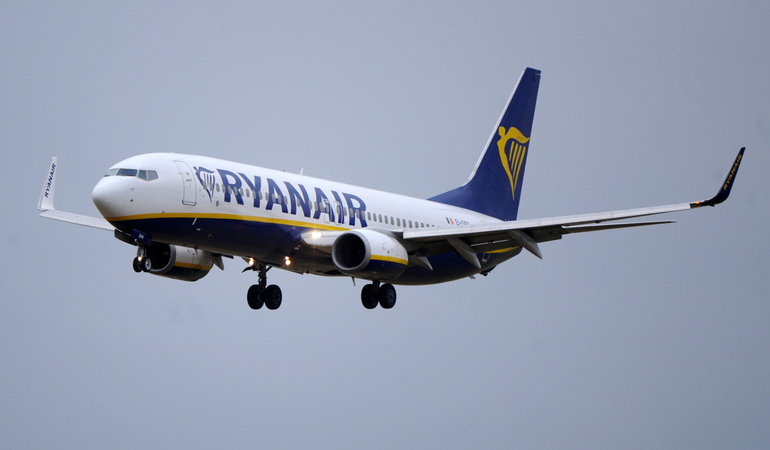
Ryanair Holdings issued a stark assessment of the threat to airlines as they seek to rebound from the coronavirus crisis, saying it’s concerned that a series of local lockdowns followed by a second wave of infection will hold back the recovery from the pandemic.
Ryanair kicked off earnings season for European carriers Monday by posting a loss for the June quarter and saying it will lose money through the rest of the summer. While the restart of flights presents opportunities, the discount giant said it’s worried the virus could continue to roil demand for months to come.
“A second wave of Covid-19 cases across Europe in late autumn, when the annual flu season commences, is our biggest fear right now,” the Irish company said.
Britain’s surprise reintroduction of a quarantine for people arriving from Spain threatens to quell resurgent demand at carriers like Ryanair that are heavily reliant on holiday traffic, and shows how the industry is treading a tightrope as it resumes flying with the virus still raging. The company said the situation could be further compounded by “adverse trading consequences” if the U.K. completes its exit the European Union without a trade deal in January.
Ryanair, which predicted air travel will remain depressed for two or three years at least, had a loss of $217 million (185 million euros) in the fiscal first quarter, when its jets were largely idled and the customer count fell 99%.
While that’s better than the 200 million euro-loss that the company forecast in May, the International Air Transport Association, among other trade groups, sees the crisis persisting for longer than first forecast, with bigger overall losses.
Sanford C. Bernstein analyst Daniel Roeska said in a note that Ryanair’s numbers offer some comfort to investors and that the carrier is “better-positioned than most to withstand negative shocks, but not immune.”
Ryanair, Europe’s biggest low-cost airline, restarted timetabled flights on July 1 and said in the statement it will operate about 40% of the normal schedule this month, rising to 60% in August and — “hopefully” — 70% in September.
Chief Financial Officer Neil Sorahan said the company’s aircraft are currently flying 70% full, compared with 97% in July last year. Bookings are also coming very late amid the uncertainty surrounding the reopening of borders and lingering restrictions on travel, though that should be positive for fares.
“There is a lot of pent-up demand,” Sorahan said in an interview. “We’re seeing people, particularly those visiting friends and relations, very very keen to travel.” Setbacks such as the U.K. quarantine on Spanish arrivals will however “dent confidence for a period of time.”
Ryanair had 3.9 billion euros in cash at the end of June, up from 3.8 billion euros at the end of March, after locking down operations and tapping a U.K. government-backed loan. While there are no immediate plans to raise further funds, it will consider some refinancing to repay the British facility in March, as well as a bond maturing next summer, Sorahan said.
The company, which has 135 Boeing Co. 737 Max jets on order, reiterated that it still wants to take them even after the model was grounded in the wake of two fatal crashes. Discussions on compensation are continuing, and the CFO said the airline is open to a follow-on order if “priced appropriately.”

 Photo Credit to ThailandFootpath Facebook page


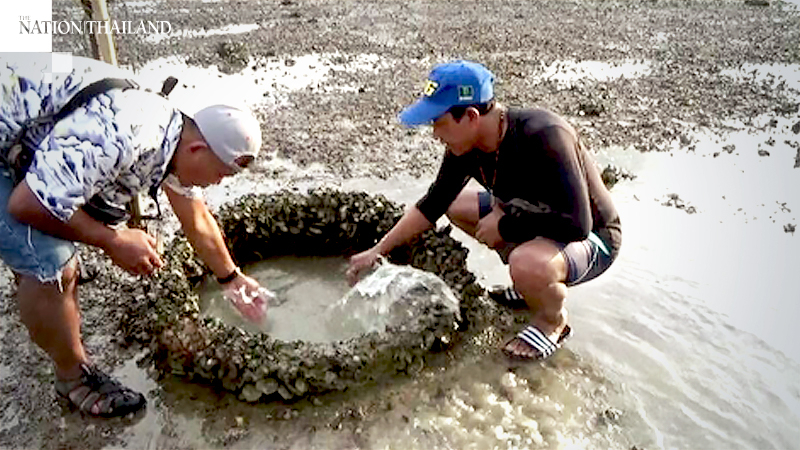
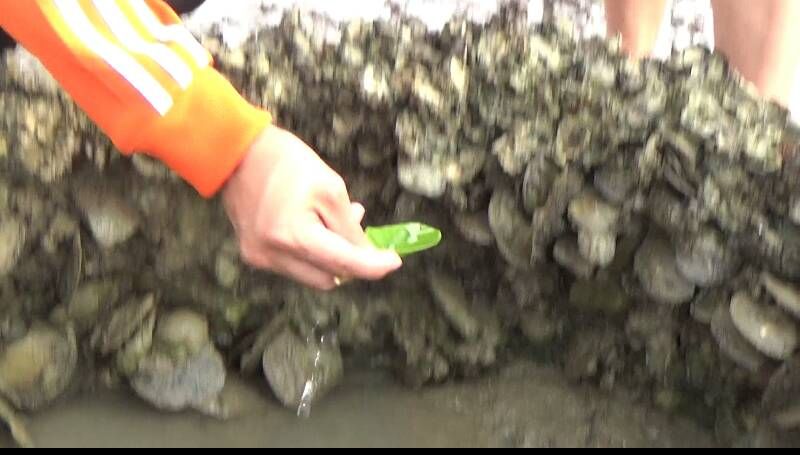
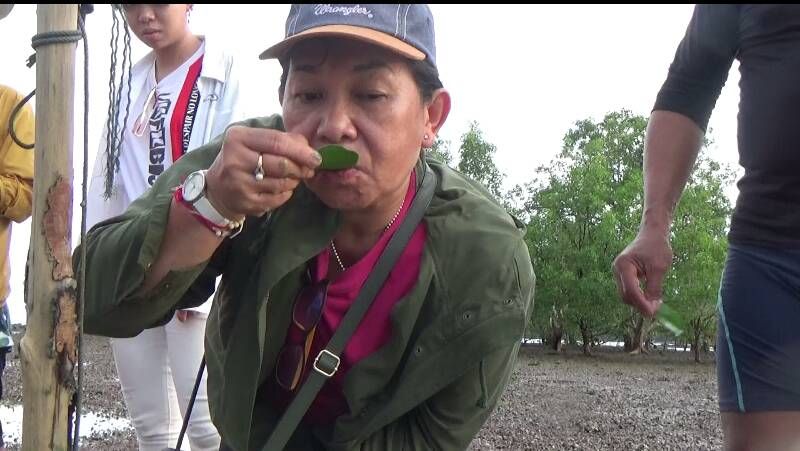
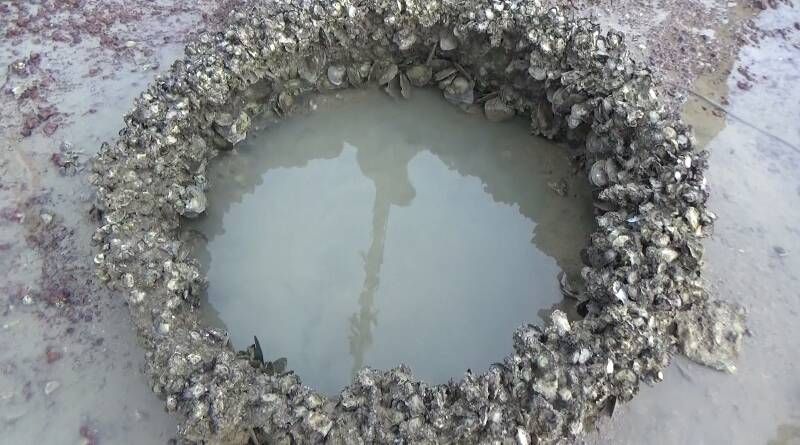
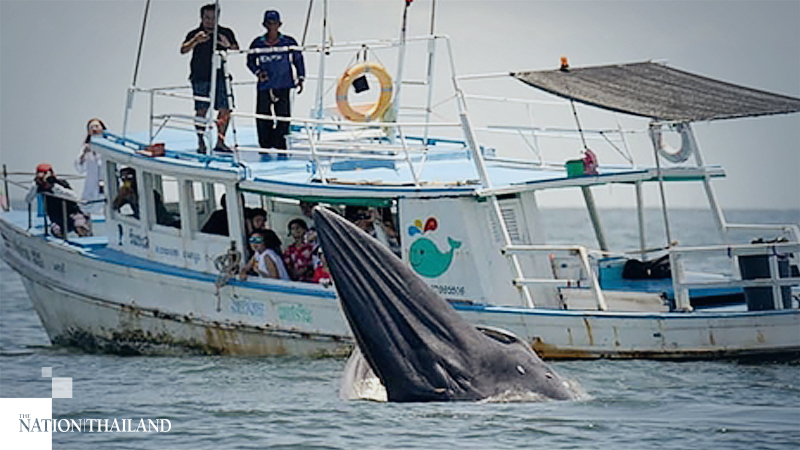
 Photo Credit to Starving Travelers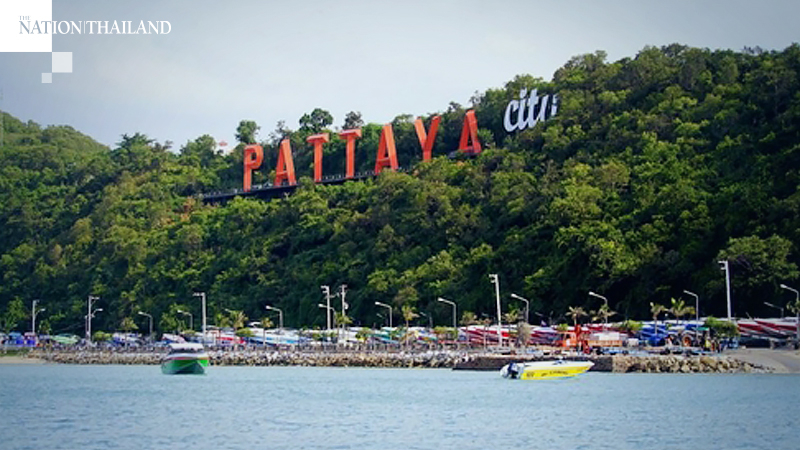
 The Ay Yer Weng Skywalk over the sea of mist is expected to be complete by the end of 2020. /Photo by Charoon Thongnual





 SootinClaimon.Com