
#ศาสตร์เกษตรดินปุ๋ย : ขอบคุณแหล่งข้อมูล : หนังสือพิมพ์ The Nation.
Singapore’s staycations can’t fill $20 billion tourism gap
Jul 08. 2020 A cyclist passes the Merlion Statue in a near-empty Merlion Park during the lockdown in Singapore on May 20, 2020. MUST CREDIT: Bloomberg photo by Lauryn Ishak
By Syndication Washington Post, Bloomberg · Low De Wei, Faris Mokhtar · BUSINESS
In Indonesia, locals can soon fly from Jakarta to the beaches of Bali for a domestic vacation. Tokyo residents can escape the pandemic stress with a hike in the mountains, and New Yorkers can head to the Hamptons on Long Island.
Residents of Singapore, a city-state smaller than New York City, have few such options, presenting a massive problem for its battered tourism industry. With borders closed to foreigners, hotels and tourist attractions need to count on ‘staycationers’ to plug the gap in an industry that brought in almost $20 billion in revenue last year. It’s a tall order.
“Unless we have a return to international business, the hotel industry is going to be decimated as up to 90% of our bookings come from international travelers,” said Michael Issenberg, chief executive officer of Accor SA’s Asia Pacific unit, the largest hotel operator in Singapore.
While tourism everywhere has been hammered by the pandemic, the gradual opening of some domestic travel has given a shot in the arm to airlines and hotels in places like Australia and Vietnam. Rosewood Hotel Group has seen occupancy rates as high as 70% at some of its China properties as leisure travel picks up, said CEO Sonia Cheng.
Singapore’s tourism sector faces a tougher challenge, as the hotels were just given a green light last week to request approval to welcome domestic tourists. Many locals like teacher Najeer Yusof prefer to save their money and wait for travel to resume in nearby hotspots like Thailand and Malaysia rather than spend it on a hotel down the street.
“There’s more to see and experience overseas at a cheaper cost,” said Yusof. There’s also the “awe factor — getting to see or experience something I won’t otherwise be able to in Singapore, like the mountains and national parks in Indonesia and activities like diving and surfing.”
Though the country of 5.7 million people has reopened its economy after a lockdown of more than two months, its borders are still largely closed. It recorded a historic low of just 750 foreign visitors in April, down from 1.6 million in the same month last year. May’s numbers weren’t much better, at 880.
“In the short-term, hotels, eateries and attractions can re-orientate to draw interest to staycations, attractions or food discounts,” said Selena Ling, head of treasury research and strategy at Oversea-Chinese Banking Corp. “However, our inherent small domestic market size implies it may not be a longer-term sustainable solution.”
Tourism has been an increasingly important industry for Singapore, helping to diversify the economy from its traditional strengths of finance, oil refining and shipping. Attractions including the Marina Bay Sands hotel and casino, the Universal Studios theme park and the Singapore Zoo have drawn tourists from around the world.
Last year, Singapore hosted a record 19.1 million visitors, while tourism receipts rose to $19.8 billion (S$27.7 billion), from $19.2 billion (S$26.9 billion) the year before. Singapore’s tourism sector, which employs about 65,000 people, contributes about 4% to gross domestic product. The Singapore Tourism Board doesn’t track the share of local versus international tourism.
The border closure means Singapore needs to persuade locals to spend more money at home. Even with overseas travel off limits, Singapore residents will still want to venture out, said Tourism Board CEO Keith Tan.
“They may therefore be open to take time off in their own city and rediscover all that Singapore has to offer,” he said in an emailed statement.
Singapore has set aside S$90 million for the tourism sector and a task force is developing domestic and international recovery plans to be shared soon, Tan added.
The board also aims to strengthen Singapore’s brand abroad by spending S$2 million to encourage content creators to produce compelling stories about the city-state, Tan said.
Hotels including the Shangri-la are also getting a small boost from the thousands of Singaporeans and expats who had been traveling abroad and are slowly being allowed back in. When they arrive, most are being forced to quarantine for 14 days in a hotel, at a cost of about S$2,000.
With occupancy running at just 15% for August, the iconic Raffles Singapore is offering a two-night special for about S$795, complete with a complimentary Singapore Sling, free breakfast, city tour and spa discounts.
Some tourist spots are also offering price cuts to attract residents who’ve been cooped up in their apartments for weeks. Sentosa Development Corp., which manages a resort island with attractions including Madame Tussauds and Universal Studios, has waived admission fees until the end of September, said Lynette Ang, the chief marketing officer.
Lo & Behold Group, which operates the Tanjong Beach Club just 15 minutes from the financial district, is launching a new concept called “Dine In Nature,” which includes curated gourmet picnic baskets. It hopes this “will fulfill a growing demand from local residents for polished, thoughtful dining experiences,” said Chief Operations Officer Andrew Ing.
For Singapore’s tourism industry, a full recovery isn’t likely before 2022, and largely depends on countries avoiding additional waves of the virus and the development of a vaccine, said Wong King Yin, a lecturer in marketing at Singapore’s Nanyang Technological University.
“Although domestic travel can be a solution at the beginning during the recovery stage, the tourism industry cannot rely on staycations to survive,” she said.
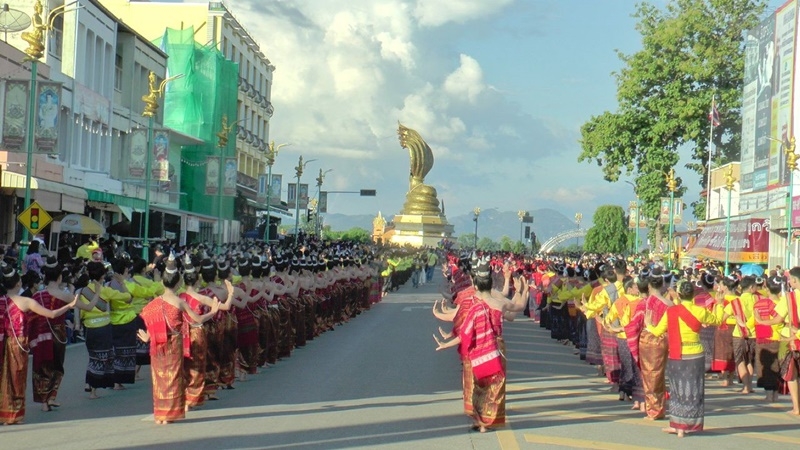
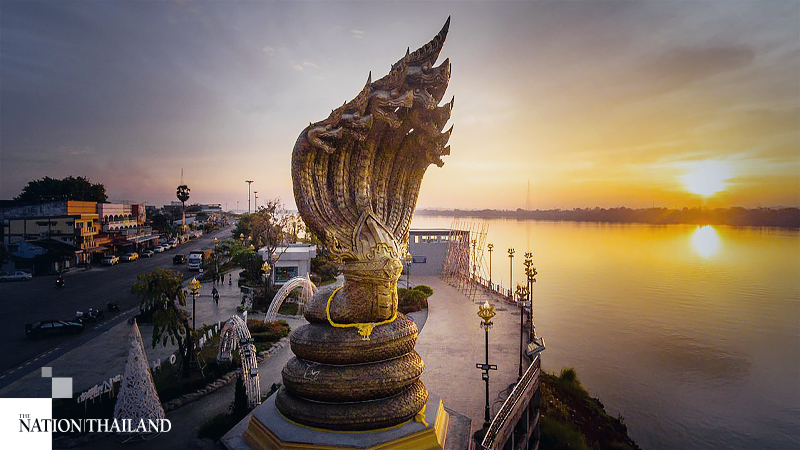
 The festival is marked every year from July 7 to 13 to celebrate mystical divine deities in the form of serpents – a belief that prevails in the culture of many South Asian and Southeast Asian nations.
 The Naga Monument is popular among punters seeking lucky lottery numbers, and its believed that prayers at this site has resulted in up to Bt500 million being won.
 The governor said all guidelines will be followed to prevent the spread of Covid-19.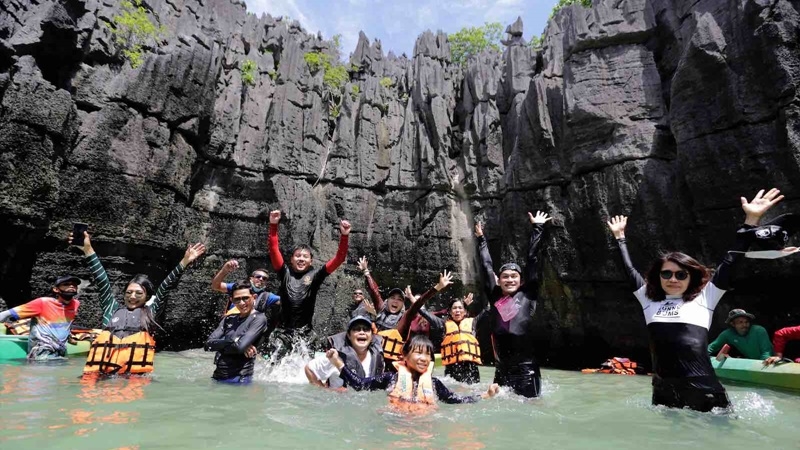
 Several tourists decided to spend their holidays just gone by on beaches in Satun, which has a host of beautiful islands.
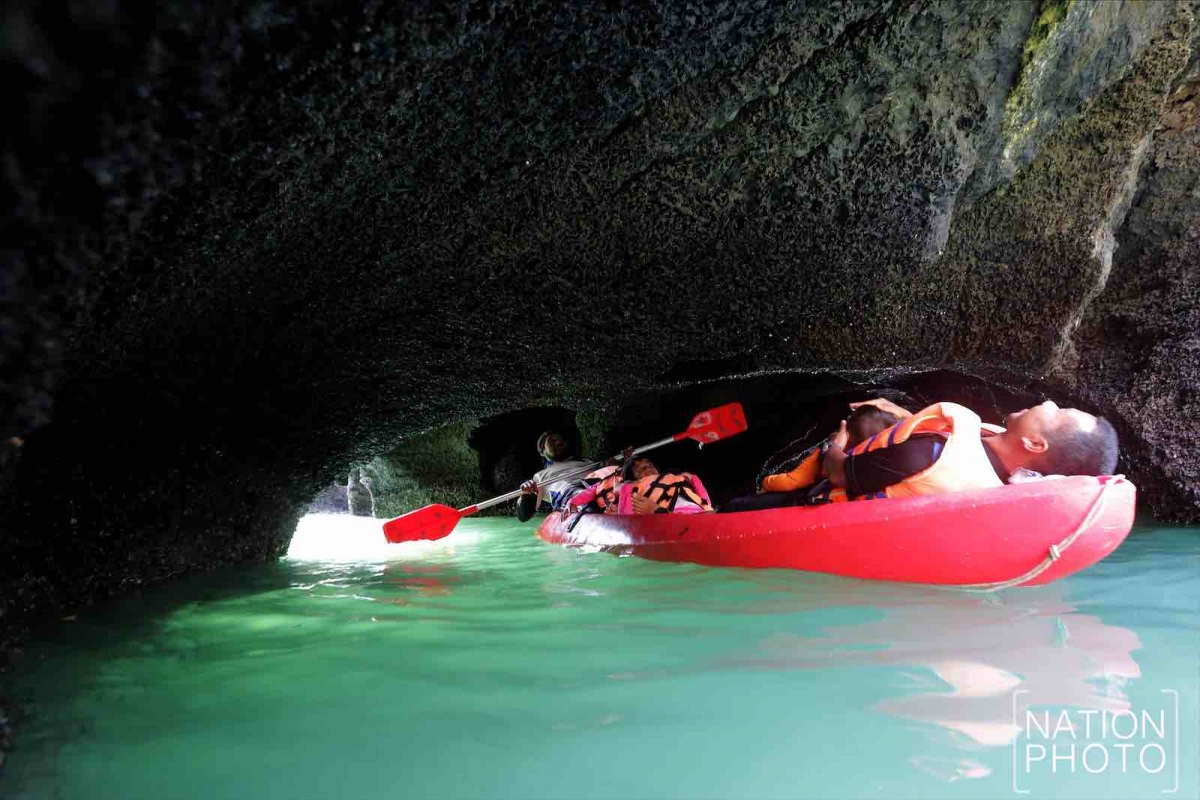 Khao Yai Island’s Prasat Hin Phan Yot, located in Mu Ko Petra National Park, is one of the most popular parks in the province.
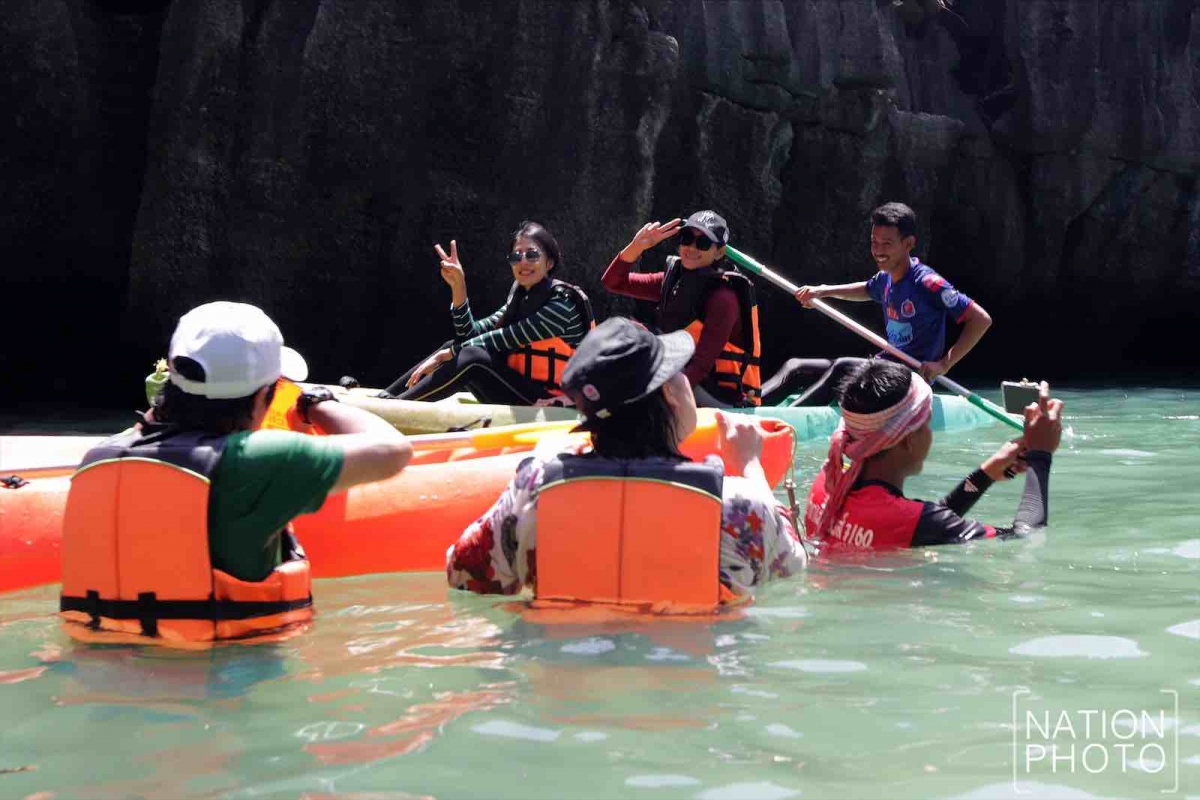 It is marked by outstanding geological features, including picturesque pinnacle karsts, inviting sea caves and a beautiful lagoon.
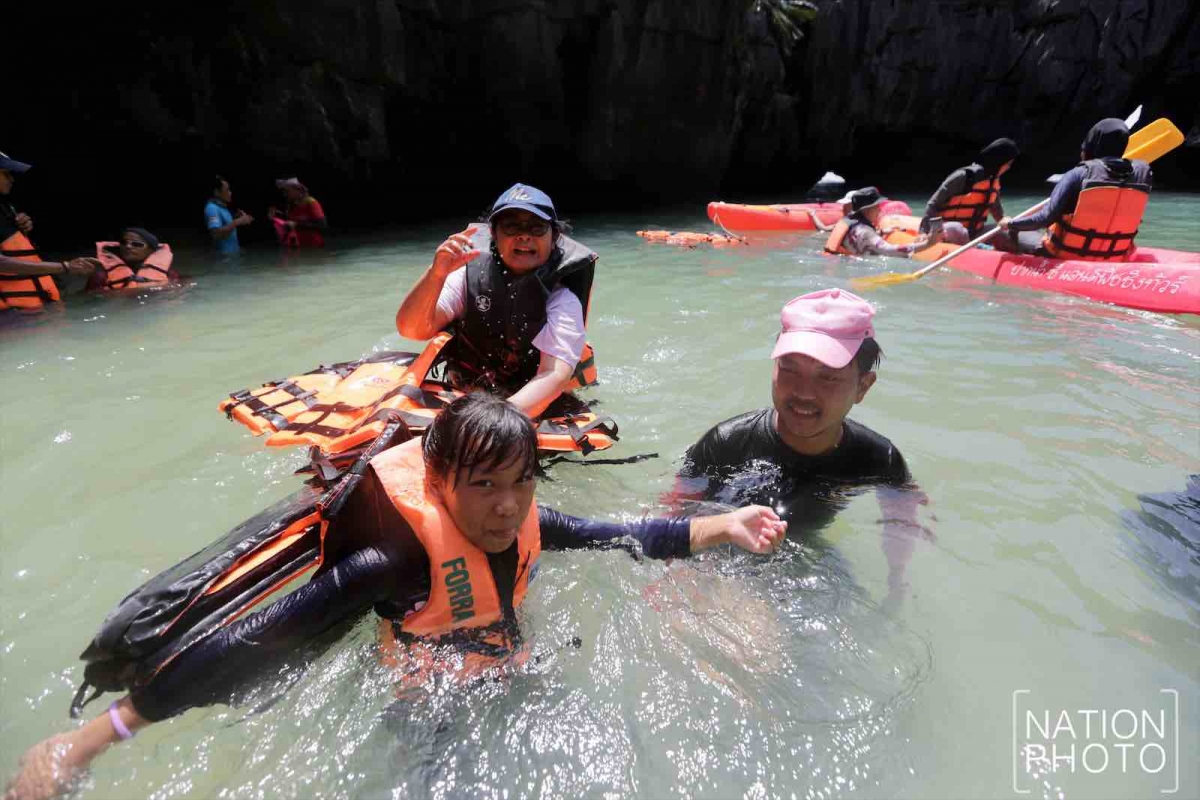 All tourists who visit this attraction are required to comply with anti-Covid-19 measures that include wearing face masks.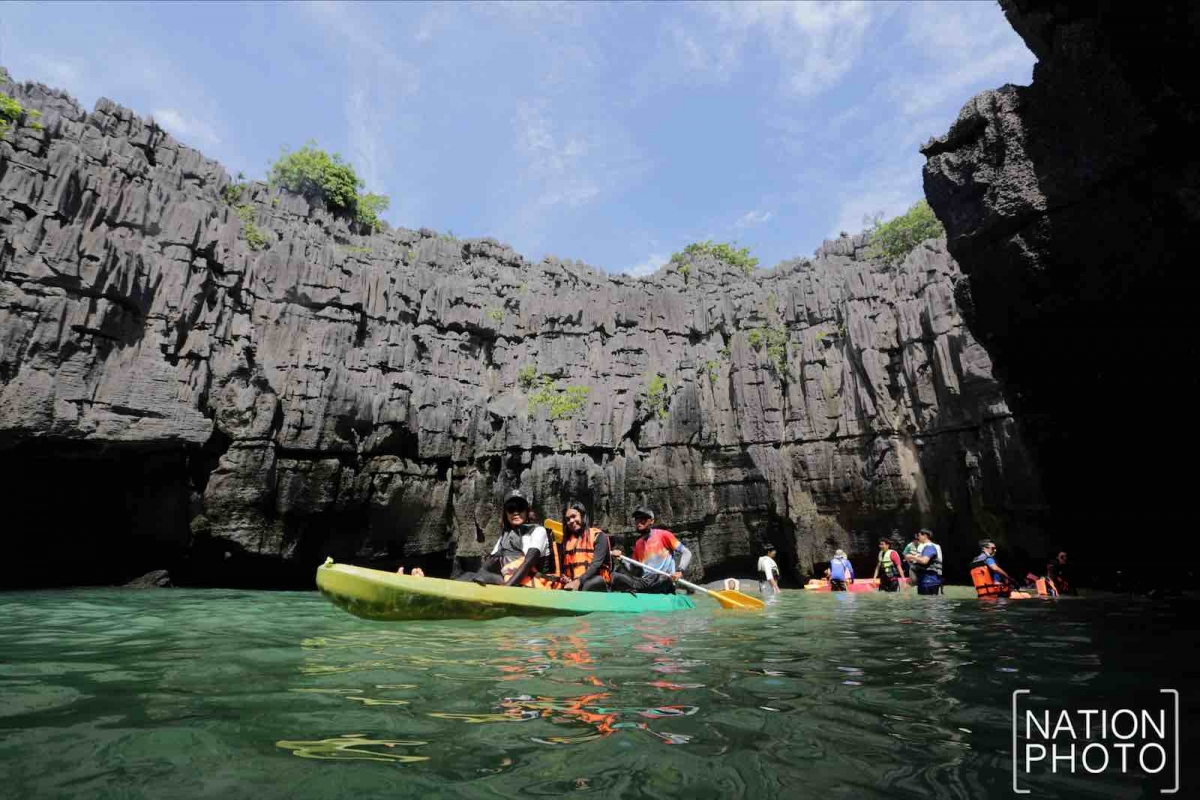
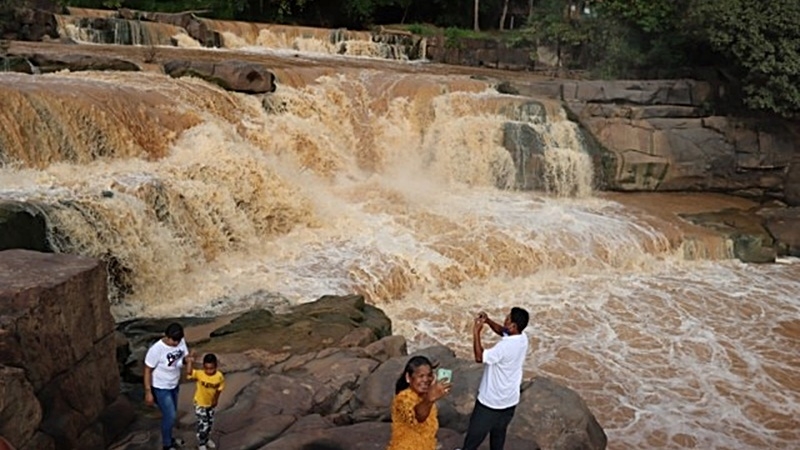
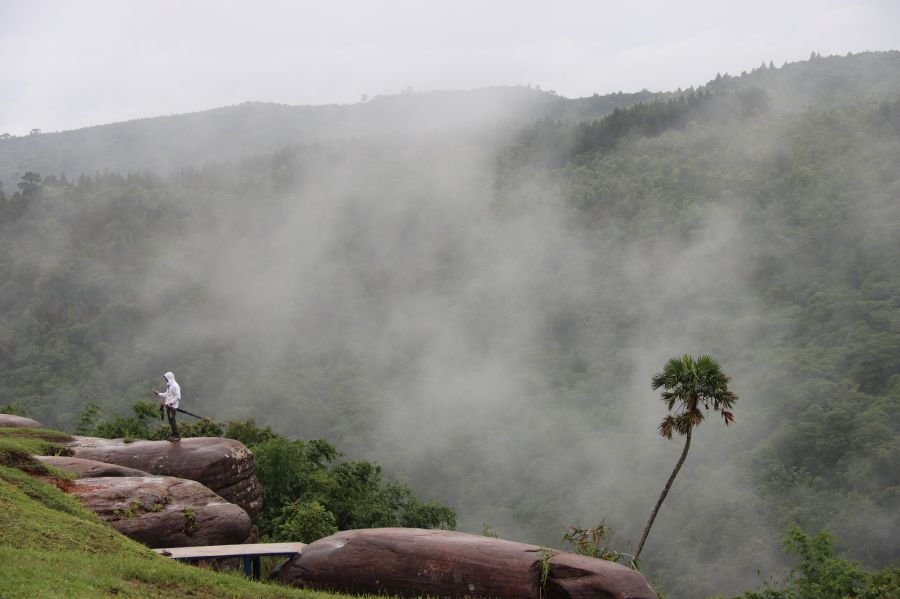
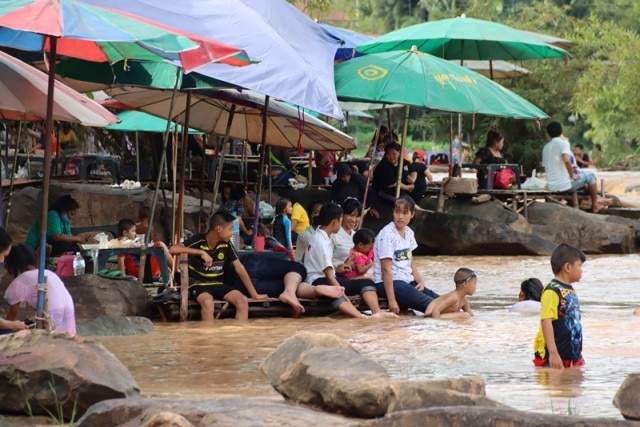 The waterfall is one of the most popular tourist attractions and with continuous rain it has roared back to life.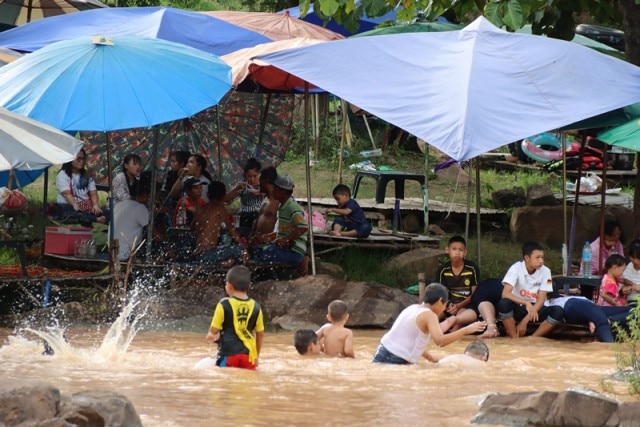
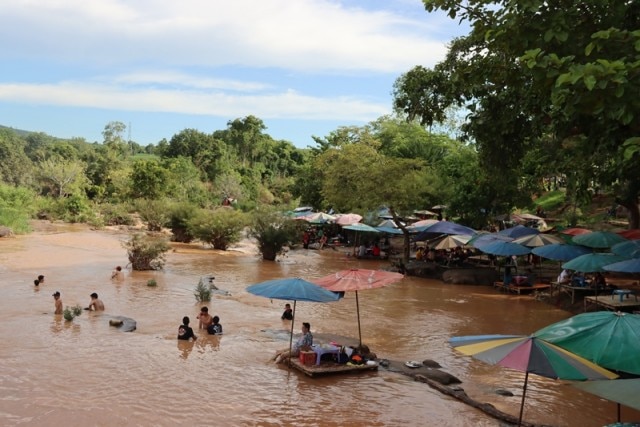
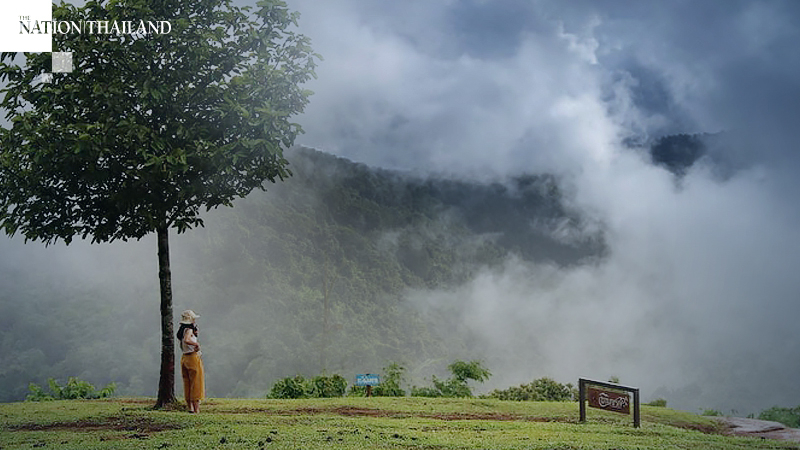
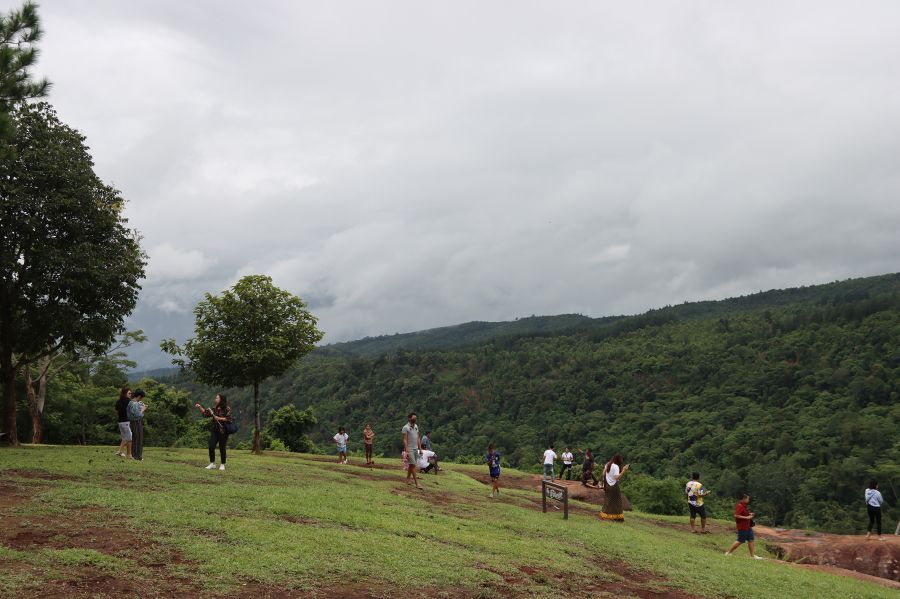 Temperatures in the park have dropped to 17-18 degrees Celsius.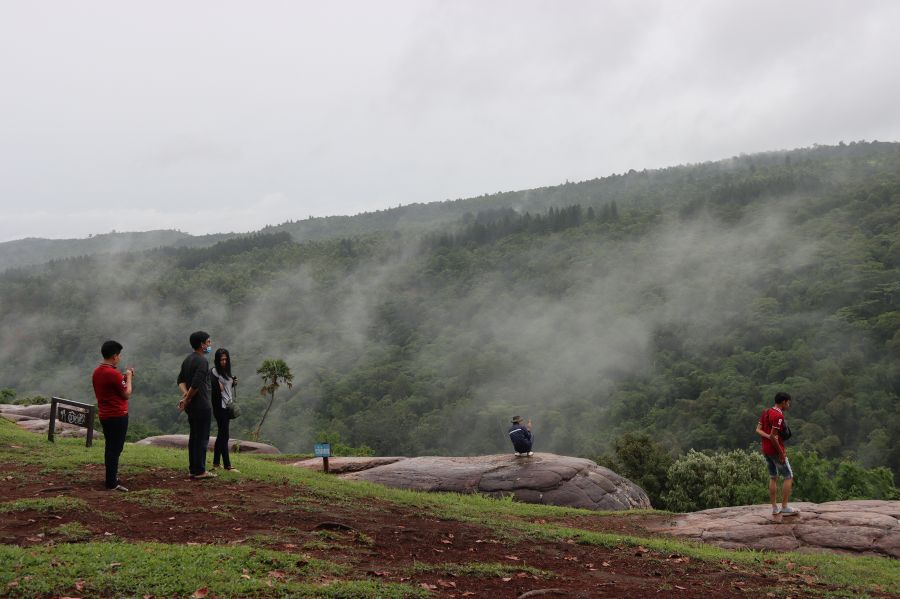
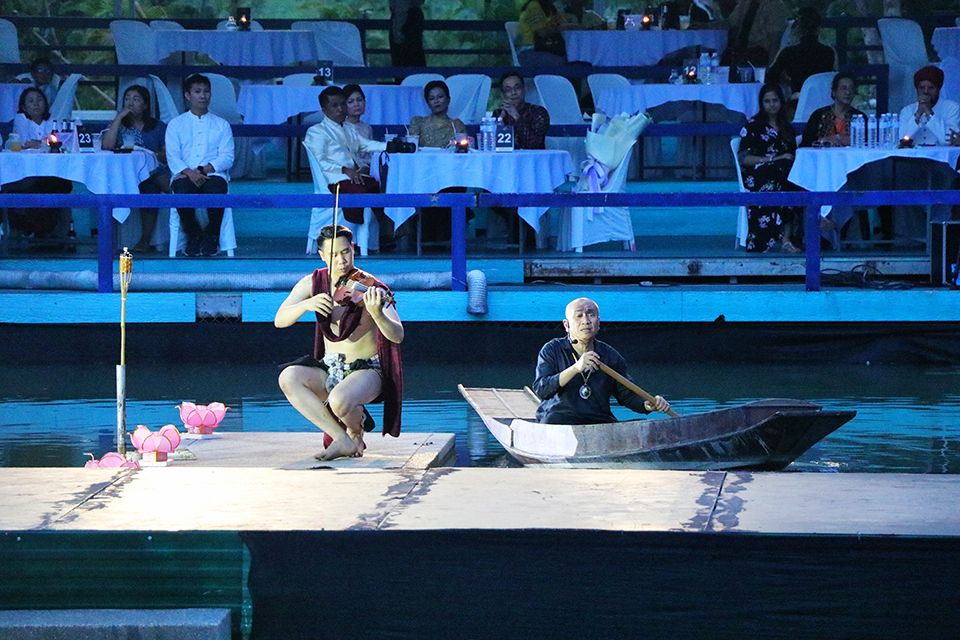
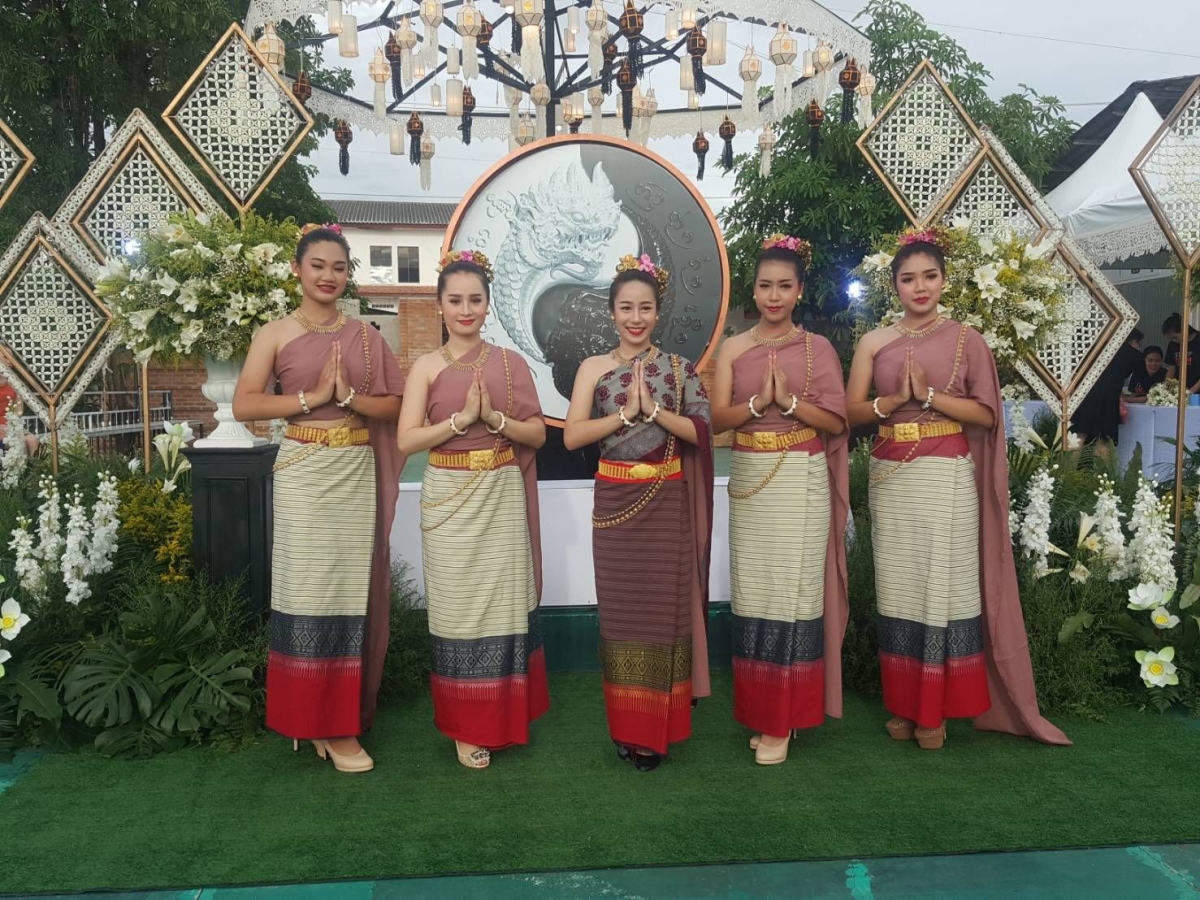
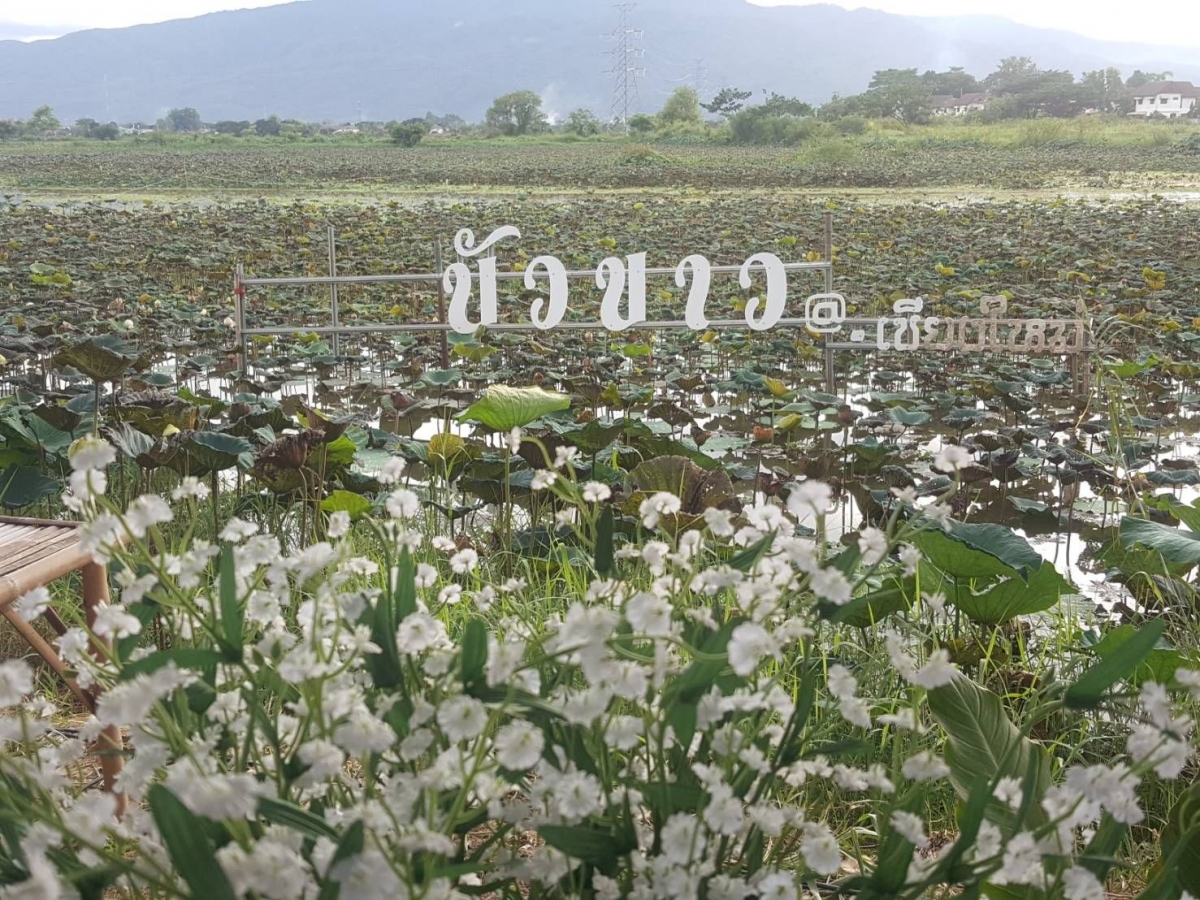
 The display will be accessible three times a day – 10am, 2pm and 6pm – to visitors who have registered online.
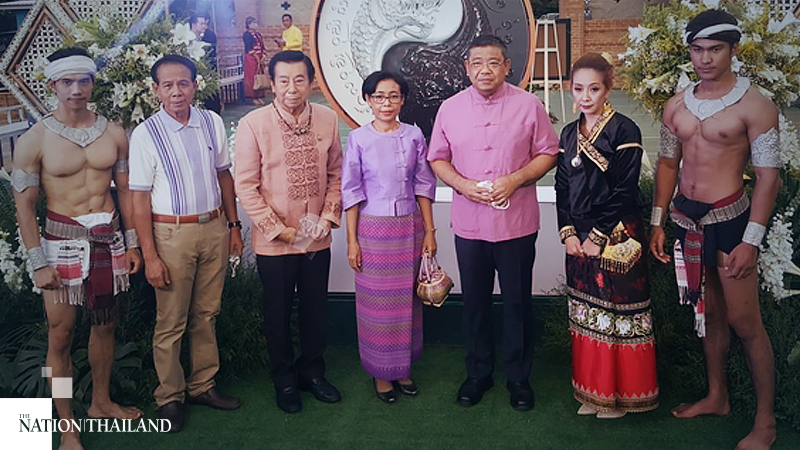
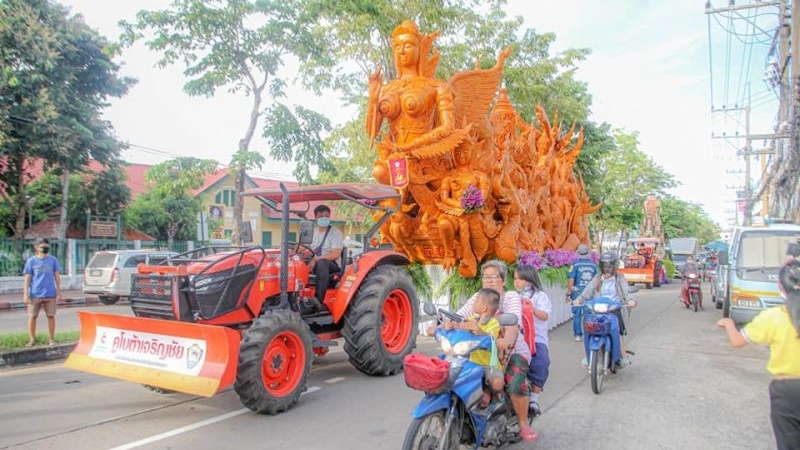
 The not-to-be missed extravagant candle festival is held in Ubon Ratchathani every year to mark Asalha Bucha and the start of Buddhist Lent, where hordes of tourists, both local and foreign, gather to admire the extravagantly creative giant candles as well as enjoy traditional dance and music shows.
 The festival this year is being held from Friday to July 7.


 People watch the sunrise from Cadillac Mountain at Acadia National Park in 2014. MUST CREDIT: Washington Post photo by Matt McClain
 SootinClaimon.Com