The oil that cooked your fries will soon be refueling your aircraft #SootinClaimon.Com

#SootinClaimon.Com : ขอบคุณแหล่งข้อมูล : หนังสือพิมพ์ The Nation.

https://www.nationthailand.com/tech/40001216

The oil that cooked your fries will soon be refueling your aircraft


The worlds biggest maker of renewable diesel says its creating a new market for low-carbon jet fuel as passengers slowly return to the skies.

The oil that cooked your fries will soon be refueling your aircraft

Neste is betting that sustainable aviation fuel, SAF, will appeal to businesses eager to cut carbon emissions. The company also expects the fuel’s higher price won’t be an obstacle, as post-pandemic air travel resumes with a more climate-conscious mindset.

“People will start flying again, but then they want to fly in a more sustainable way,” Chief Executive Officer Peter Vanacker said in an interview. “Just like we did with renewable diesel, we are creating this market.”

The Finnish company is investing about $230 million to equip its Rotterdam renewables refinery to make more sustainable jet fuel. Combined with an expansion at its Singapore facility, Neste will be able to make 1.5 million tons of SAF a year by the end of 2023, up from just 100,000 tons now. That compares with 300 million tons of fossil fuels used in aviation each year pre-pandemic.

Neste has been manufacturing biodiesel for more than a decade at its Porvoo plant, making its first investment in the renewable technology as early as 2005. After initially being unprofitable, the product overtook traditional oil products as Neste’s profit driver in 2018.

Biofuels are just one new technology carriers are exploring to cut emissions. Finland’s national carrier Finnair recently said it could buy as many as 20 electric planes for use on short-haul routes starting around the middle of the decade. It’s also looking into synthetic renewable fuels. The biggest environmental impact will come from reducing fuel use by optimizing routes, plane weight and pilot training, as well as upgrading to a more fuel-efficient fleet.

“We need to proceed with biofuels at a rapid pace,” said Anne Larilahti, who oversees Finnair’s sustainability efforts. But limited availability and high cost make it harder for airlines to switch over.

“It costs three to five times as much as fossil-based fuel,” she said. To inspire more widespread use, “the price would have to come down.”

Sustainable airline fuel is made from waste and residues, such as used cooking oil and animal fat. It cuts carbon emissions by as much as 80% compared with regular fossil-based kerosene on a lifecycle basis. Before it leaves the refinery, SAF is blended with fossil fuel, up to a maximum of 50%. Neste says a normal shipment contains about 35%-40% renewable fuel.

Once at the airport, sustainable aviation fuel goes into the same tank from which all planes refuel, mixed in with regular kerosene. Those paying for it get to claim the environmental benefits.

Finnair is one among a number of airlines and airports buying the fuel directly from Neste. The Finnish carrier last year set a target to raise its annual spending on the biofuel to 10 million euros ($12.2 million) by 2025. That compares with pre-pandemic annual fuel costs of about 690 million euros.

Neste is also experimenting with selling the fuel directly to companies so that they can book the climate benefits for when employees take business trips aboard their contract carrier, and says premiums paid by consumers to fly a “green” flight will create further incentives for airlines to put SAF in the tank.

“There is a clear recognition that the aviation industry will have to decarbonize,” Vanacker at Neste said. “The discussion is really moving toward using the physical product instead of planting trees, because the consumer wants the physical product.”

Published : May 24, 2021

By : Syndication Washington Post, Bloomberg · Kati Pohjanpalo
Richard Bransons Virgin Galactic reports reaching space for the third time #SootinClaimon.Com

#SootinClaimon.Com : ขอบคุณแหล่งข้อมูล : หนังสือพิมพ์ The Nation.

https://www.nationthailand.com/tech/40001183

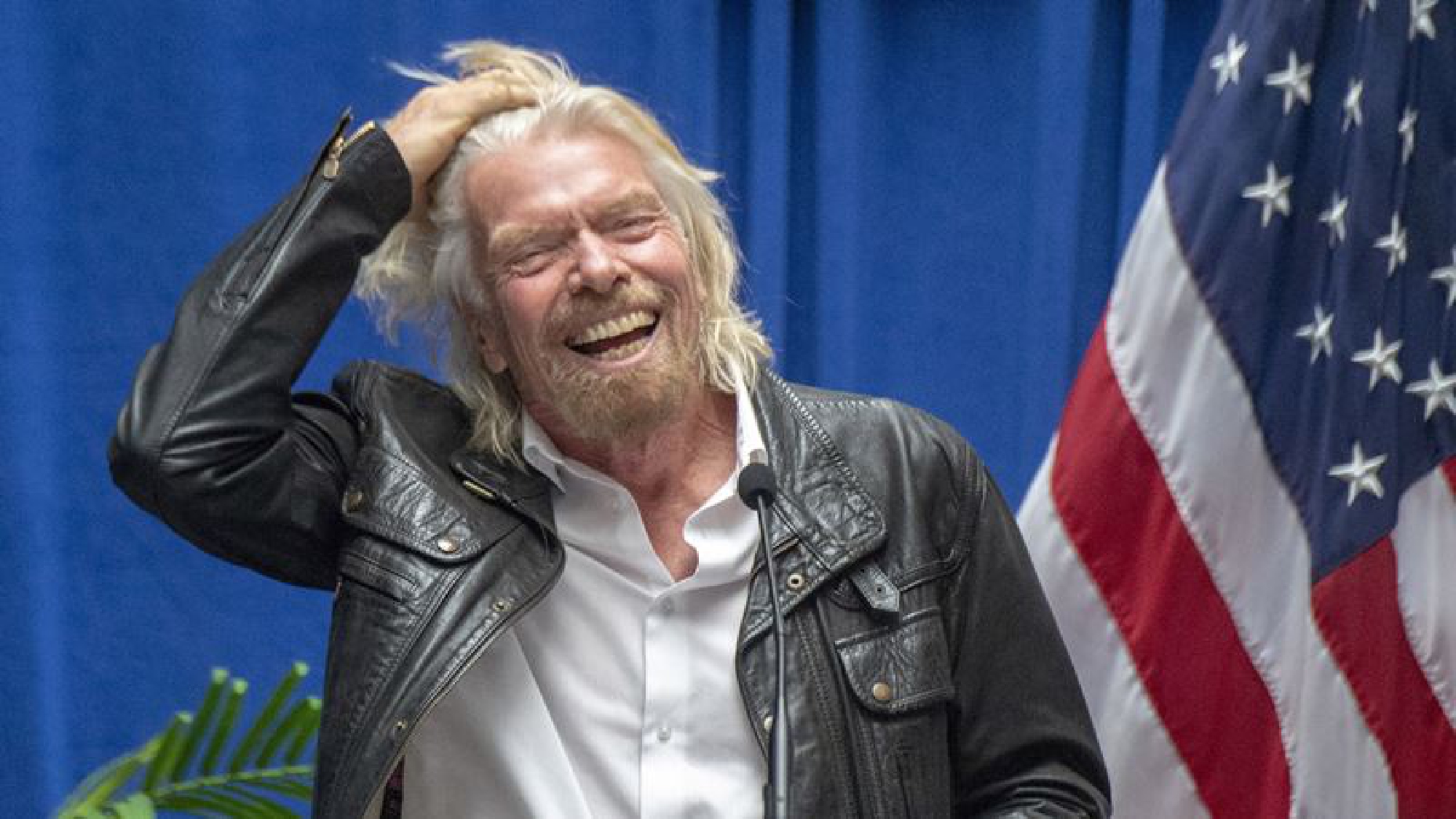
Richard Bransons Virgin Galactic reports reaching space for the third time


Richard Branson is getting closer to his trip to space.

Richard Bransons Virgin Galactic reports reaching space for the third time

For years, the British billionaire has dreamed of developing a spacecraft that could fly paying customers to the edge of space and back. And now, after a third successful mission out of the atmosphere Saturday morning, his company Virgin Galactic has said he could get his chance later this year.

On Saturday, Virgin Galactic said on Twitter that a pair of its pilots, C.J. Sturckow and Dave Mackay, fired the engine of the spaceplane known as SpaceShipTwo Unity, pointed the nose toward the skies over New Mexico and roared to a height of more than 50 miles, the threshold at which NASA recognizes that a person has reached space. The spacecraft then fell back toward Earth, as the pilots guided it back to the tarmac of Spaceport America, which the company says will be home to its space tourism business.

The company did not provide a precise figure for how high the craft flew, but the flight marked a significant milestone for Virgin Galactic and could pave the way for the 600 customers who have put down deposits on tickets to finally get the chance to fly after waiting years for the opportunity.

The successful mission comes at a critical time. Branson’s venture is facing competition from Jeff Bezos’ Blue Origin, which is also working to fly paying passengers on suborbital trips to the edge of space. After flying 15 successful missions on its New Shepard rocket and spacecraft, Blue Origin recently announced it would fly people for the first time on July 20, the anniversary of the Apollo 11 moon landing.

It is auctioning off a seat on that trip and the proceeds would benefit the company’s nonprofit, Club for the Future, which encourages young people to enter the fields of science, technology, engineering and math. The highest bid as of Saturday morning was $2.8 million, but the company expects that to go up during a live auction on June 12.

Blue Origin has not said what it would charge for seats. In the past, Virgin has charged as much as $250,000, but it has said that ticket prices are likely to increase, at least in the short term.

Saturday’s flight was the first time Virgin Galactic has reached space in more than two years. In that time the company moved its operations from Mojave, Calif., to New Mexico. It also went public through a merger with a New York investment firm and appointed a new chief executive, Michael Colglazier, a former executive at Disney who is working to expand the company’s operations worldwide as well as build a fleet of spacecraft.

His vision he said is in line with “the roots of this company – to open space up,” he said in a recent interview with The Post. “It may not happen in the first year, it may not be the fifth year. But 10 years from now, 15 years from now this is going to be a normalized thing, and everyone should be aspiring to go to space.”

The company’s last flight attempt, in December, was aborted just as the engine fired. The company said the abort was triggered by electromagnetic interference from a flight computer system that caused the motor to shut down. The pilots then flew the vehicle back down to the ground safely. That issue had been resolved, the company said, prior to Saturday’s flight.

The company has said that if Saturday’s flight went well, it would follow it with another test flight with two pilots and four company employees on board to test out the cabin. Branson would fly on the flight after that, which the company is planning for later this year.

Branson has dreamed of going to space for years and founded Virgin Galactic, what he calls the “world’s first commercial spaceline,” in 2004. When the company first reached space with a pair of pilots in 2018, Branson was on the flight line with his son watching. When commentators announced that the spacecraft had reached space, he wept openly.

“It’s been 14 long years to get here,” he said at the time. “We’ve had tears, real tears, and moments of joy. So the tears of today were tears of joy. It was maybe tears of relief as well.”

Published : May 23, 2021

By : The Washington Post · Christian Davenport

Minister unveils plan to tighten internet monitoring #SootinClaimon.Com

#SootinClaimon.Com : ขอบคุณแหล่งข้อมูล : หนังสือพิมพ์ The Nation.

https://www.nationthailand.com/tech/40001144

Minister unveils plan to tighten internet monitoring


The Digital Economy and Society (DES) Ministry is considering guidelines on collecting network traffic from internet service providers and supervising users registration on social media.

Minister unveils plan to tighten internet monitoring

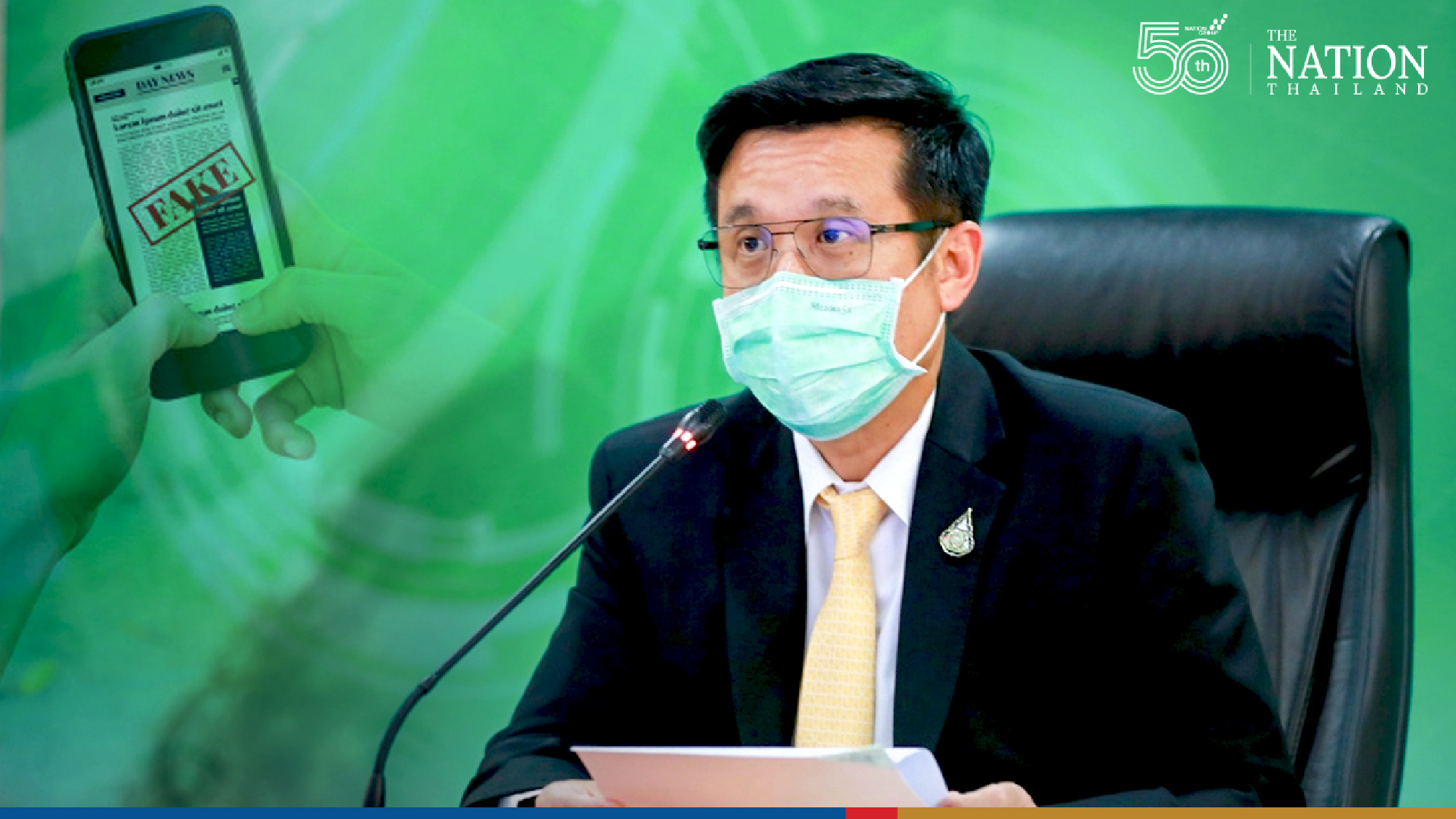
DES Minister Chaiwut Thanakmanusorn said the move was aimed to tackle fake news on social media platforms.

It would also help modernise the Computer Crime Act, with changes scheduled to be put to a public hearing in June this year.

The government has been accused of using the Computer Crime Act to target critics and opposition leaders. Thailand’s internet is rated “Not free” by US-based research institute Freedom House.

Meanwhile, from April to May the anti-fake news centre and related agencies had verified 348 cases of misinformation from 683 cases investigated, Chaiwut said.

“Of the 348 verified cases, we have clarified 160 cases for the public – 121 cases of fake news, 15 of real news, and 24 of misinformation,” he said.

He said the ministry also filed charges over 321 Facebook URLs and 155 Twitter URLs for ignoring court blocking orders issued for Computer Crime Act violations.

“The Police Cyber Taskforce has taken legal action against six users and warned 12 users for publicising fake news,” he said.

“Meanwhile, the Cyber Crime Investigation Bureau is investigating MedPark Hospital for fake news over its offer to register people for Moderna vaccination and misinformation on the Pfizer vaccine.”

The DES Ministry said it has guidelines for all government ministries to set up their own anti-fake news centres to correct information as quickly as possible and enhance law enforcement efficiency.

Published : May 21, 2021

By : The Nation

Relaunching verification and what’s next #SootinClaimon.Com

#SootinClaimon.Com : ขอบคุณแหล่งข้อมูล : หนังสือพิมพ์ The Nation.

https://www.nationthailand.com/tech/40001142

Relaunching verification and what’s next


Bangkok, 21 May 2021 – Starting today, Twitter will begin rolling out its new verification application process and reviewing public applications for verification on Twitter.

Relaunching verification and what’s next

Over the past several months, Twitter has been working to bring clarity to the verification eligibility criteria and launched a new policy shaped by public feedback. Twitter also started enforcing that policy by automatically removing the verified badge from accounts that no longer meet the updated criteria for verification, such as those that are inactive or incomplete. Twitter is grateful for all who participated in the public feedback period and shared ideas for how verification on Twitter can improve.

Today’s application rollout marks the next milestone in plans to give more transparency, credibility and clarity to verification on Twitter. Below, are more about this application process and what’s next in Twitter’s work to help people understand who they’re interacting with on Twitter.

What it means to be verified on Twitter

The blue badge is one of the ways people can distinguish the authenticity of accounts that are of high public interest. It gives people on Twitter more context about who they’re having conversations with so they can determine if it’s trustworthy, which Twitter’s research has shown leads to healthier, more informed conversations.

With today’s application launch, Twitter is also introducing new guidelines for verified accounts on Twitter. These verification guidelines are intended to encourage healthy conversations for the betterment of the Twitter community overall. They follow the philosophy to lead by example, Tweet others how they want to be Tweeted, and serve the public conversation authentically, respectfully and with consideration. As always, all accounts, including verified accounts, must follow the Twitter Rules. And verified accounts that repeatedly violate the Twitter Rules are subject to having the blue badge removed.

Who’s eligible?

To qualify for verification, you must fit the criteria of one of the six categories listed below:

 Government

 Companies, brands and organizations

 News organizations and journalists

 Entertainment

 Sports and gaming

 Activists, organizers, and other influential individuals

In addition to the category-specific eligibility criteria outlined in our verification policy, your account must be complete, meaning you have a profile name, a profile image and either a confirmed email address or phone number. Your account must also be active within the last six months and have a record of adherence to the Twitter Rules. You can read more about ineligible accounts in the verification policy as well.

How can you apply to get verified?

Over the next few weeks, everyone on Twitter will start to see the new verification application directly in the Account Settings tab. If you don’t see this update immediately today, don’t worry! It’s gradually being rolled out to everyone to ensure that applications can be reviewed in a timely manner.

Published : May 21, 2021

By : The Nation

Fords high-stakes electric F-150 will start under $40,000 #SootinClaimon.Com

#SootinClaimon.Com : ขอบคุณแหล่งข้อมูล : หนังสือพิมพ์ The Nation.

https://www.nationthailand.com/tech/40001118

Fords high-stakes electric F-150 will start under $40,000


Linda Zhang, chief engineer of Fords new electric F-150 pickup, steers a 3-ton rig onto a test track at the automakers suburban Detroit proving grounds and mashes the accelerator. In about four seconds, she says, “Were at 60” miles per hour. Then, a heartbeat later as the G-forces bear down, “Were at 100.”

Fords high-stakes electric F-150 will start under $40,000

No wonder Ford calls its newest model the Lightning. Two electric motors give the pickup 563 horsepower capable of propeling its 6,500 pounds at sports-car speed. That’s what President Joe Biden discovered Tuesday as he took it for a spin during a visit to Ford’s Dearborn, Michigan, test track and declared: “This sucker’s quick!”

Yet it can still tow up to 10,000 pounds and jounce through the mud and ruts of an off-road course just like its conventional gas-powered counterpart.

Those speedy and sturdy attributes are the formula Ford is hoping will stand out in a soon-to-be crowded field of electric pickups. By the time the truck goes on sale in the middle of next year, it may already trail the arrival of Tesla’s Cybertruck, General Motor’s GMC Hummer pickup and Rivian Automotive Inc.’s R1T.

Electrifying the F-150, Ford’s golden goose, is critical to the company, which introduced the vehicle during a splashy ceremony at its headquarters on Wednesday, a day after Biden toured the plant that will build it. The gasoline-powered F-Series truck line generates $42 billion in revenue a year — more than McDonald’s, Nike and Starbucks — and hauls in most of Ford’s profit.

“It is incredibly important that this vehicle be a success for us,” Kumar Galhotra, Ford’s president of the Americas and international markets, said in an interview.

Ford Chief Executive Officer Jim Farley said the electric F-150 could serve as a proxy for how mainstream buyers will accept battery power.

“I am looking at this vehicle as a test for adoption for electric vehicles,” Farley told reporters at the flashy introduction. “We should all watch very carefully how this does in the market.”

The F-Series has been the best-selling vehicle line in America for four decades, but Ford isn’t taking that brand loyalty for granted. It remains to be seen if electric pickups from an automotive incumbent will be as attractive to traditional truckers as early EVs have been to tech bros.

“Will they buy from Ford — that’s been a truck-making expert for decades — or will they buy from an upstart because they’re attracted to a new brand?” asks Michelle Krebs, executive analyst for AutoTrader, a unit of researcher Cox Automotive. “We just don’t know.”

Ford is looking to improve the odds of making the Lightning a hit. It has set the starting price at just under $40,000 — about the same as a gas-powered F-150 — and created a cavernous “frunk,” or front truck. At the touch of a button on the key fob, the hood and grille lift to reveal more than 14 cubic feet of space that can handle 400 pounds of cargo. It features a deep well with a drain for iced beverages.

“I was surprised that it’s going to start at $40,000, which is actually $2,500 cheaper than a base XL crew cab with four-wheel drive,” said Sam Abuelsamid, principal analyst with researcher Guidehouse Insights, who was briefed on the truck. “And what they’re calling the mega-power frunk seems to have been very well-executed.”

Ford also will bill the Lightning as having competitive driving range of 230 miles on the base model and 300 miles for buyers who pay extra for an extended-range battery. That’s more than Ford is offering in its electric Transit commercial van but less than the 400 miles of range GM is promising in its electric Silverado pickup, which is expected to debut in early 2024.

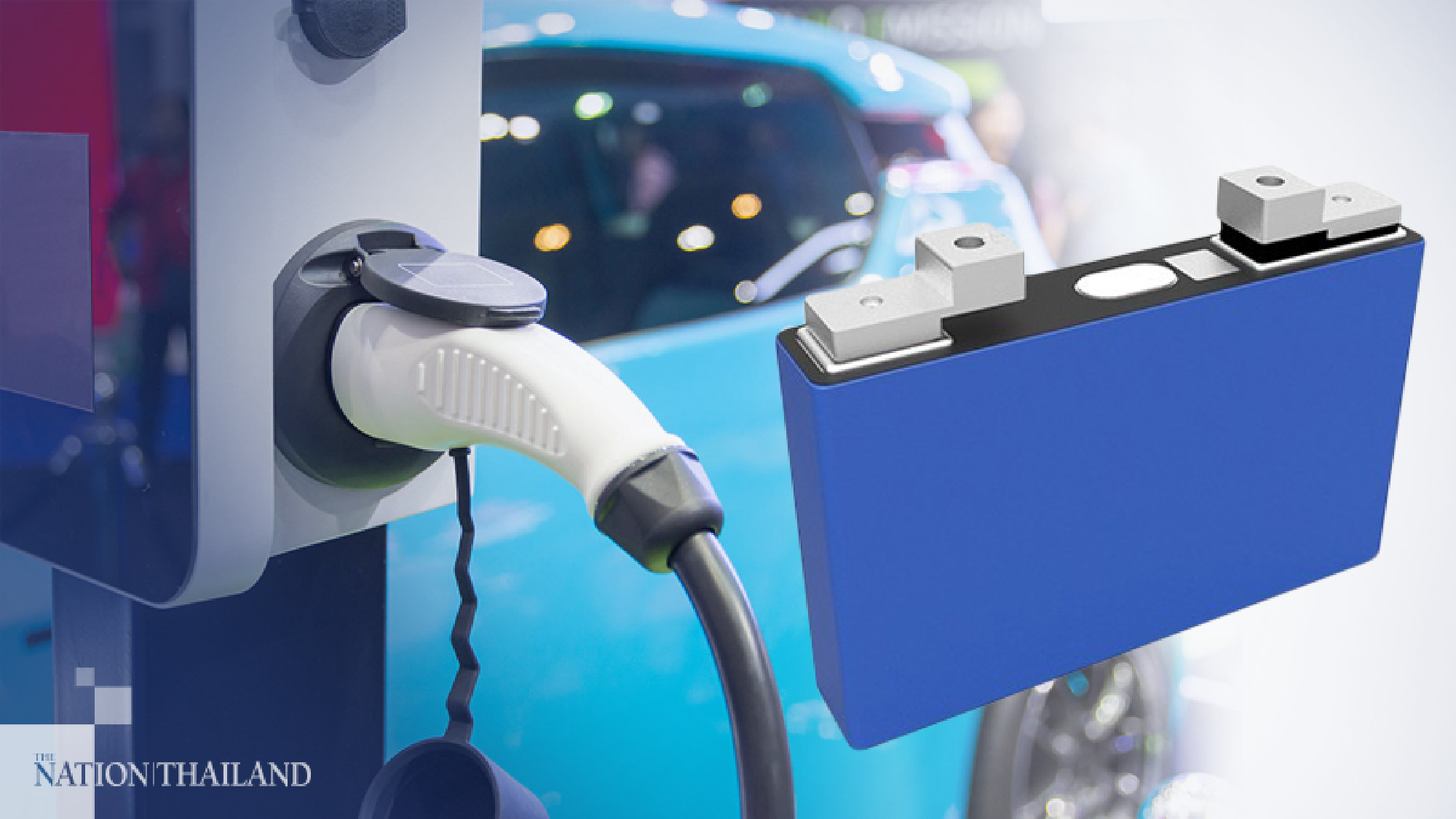
Ford’s truck uses a lithium-ion battery supplied by South Korea’s SK Innovation Co. The two companies have signed a memorandum of understanding to jointly manufacture batteries in the U.S., according to people familiar with the deal who asked not to be identified.

Scoring a win with an electric F-150 would go a long way toward helping Ford overcome its image as an EV laggard playing catchup to Tesla and GM, which has set a goal of going all-electric by 2035. Farley recently doubled the company’s spending on EVs to $22 billion, but he has yet to detail how many models Ford will roll out or when it will ditch internal combustion engines.

He’s expected to provide some of those answers at an investor meeting on May 26.

“At this stage, GM is still ahead because they’ve committed to 20 EVs for the North American market and 30 globally,” Abuelsamid said. “So far, Ford has shown us three vehicles and they’ve said there’s more coming.”

Ford is taking a different path by converting its best-selling model to an electric vehicle, rather than designing something new from the ground up, as Tesla and GM have done. Ford engineers overhauled the F-150’s frame to accommodate a 1,300-pound battery and two electric motors between the front and rear wheels. But they left intact much of the truck’s design, including its aluminum body and the cab, with the exception of the 15.5-inch touchscreen borrowed from the dashboard of the electric Mustang Mach-E.

By re-purposing so much of the F-150, Ford says it will make money on every Lightning it sells. That also is the secret to its low starting price.

The gas and electric versions of the truck are sharing “a lot of expensive, important parts,” Ted Cannis, general manager of Ford’s North American commercial business, said in an interview. “We could reuse the whole cab. Why do I need to invent all-new seats and door handles?”

That has enabled Cannis to make a price pitch to his commercial customers who manage vast business and government fleets. Those cost-conscious customers — who visited Ford’s proving grounds last week for a private preview of the Lightning — are expected to be big buyers of the vehicle, especially if gasoline prices rise and battery power gains an edge.

“Ford’s strategy is very focused on fleets,” Krebs said. “That’s a smart approach because Biden’s plan is to have government fleets more electrified.”

For individual consumers, Ford has added optional features such as a hands-free driving technology and electronic scales to weigh the cargo in the truck bed. There’s even a power-backup option that can divert electricity from the truck to keep juice flowing to a home for as long as three days in a blackout.

Ford didn’t provide prices for those options, but they will drive sticker prices up to $90,000 for the top-end Platinum Lightning.

“That $40,000 price is just the starting point,” Abuelsamid said. “Average transaction prices are going to be a lot higher.”

Published : May 21, 2021

By : Syndication Washington Post, Bloomberg · Keith Naughton

Thailand unveils roadmap to 30% EV production in 10 years #SootinClaimon.Com

#SootinClaimon.Com : ขอบคุณแหล่งข้อมูล : หนังสือพิมพ์ The Nation.

https://www.nationthailand.com/tech/40000851

Thailand unveils roadmap to 30% EV production in 10 years


Thirty per cent of all vehicles made in Thailand will be electric by 2030, according to a three-phase development plan for the electric vehicle (EV) industry unveiled on Thursday.

Thailand unveils roadmap to 30% EV production in 10 years

Energy Minister Supattanapong Punmeechaow revealed details of the plan following a meeting of the National Electric Vehicle Policy Committee on Wednesday.

Under Phase 1 (2021-2022), the government will promote electric motorcycles and support infrastructure nationwide.

Under Phase 2 (2023-2025), the EV industry will be developed to produce 225,000 cars and pick-up trucks, 360,000 motorcycles and 18,000 buses/trucks by 2025, including the production of batteries. This first milestone is designed to deliver cost advantages via economies of scale.

Phase 3 (2026-2030) is driven by the “30/30 policy” to produce 725,000 EV cars and pick-ups plus 675,000 EV motorcycles. This will account for 30 per cent of all auto production in 2030 and includes domestic manufacture of batteries.

The EV policy committee is also setting financial and tax incentives, as well as safety standards, for EV and battery manufacturers.

The moves are part of Thailand’s push to become a hub of EV production in Asean.

Published : May 13, 2021

By : The Nation

Survey shows Southeast Asians aware of online threats, do little to protect themselves #SootinClaimon.Com

#SootinClaimon.Com : ขอบคุณแหล่งข้อมูล : หนังสือพิมพ์ The Nation.

https://www.nationthailand.com/tech/40000635

Survey shows Southeast Asians aware of online threats, do little to protect themselves


Are you afraid of entering your credit card information or banking details on a shopping site or a payment app? You’re not alone.

Survey shows Southeast Asians aware of online threats, do little to protect themselves

Global cybersecurity and digital privacy company Kaspersky’s latest report, “Making Sense of Our Place in the Digital Reputation Economy”, shows that some types of personal information are sacred to social-media users in Southeast Asia.
Financial information such as credit or debit-card details tops the list with 76 per cent of 861 respondents in the region confirming their intent to keep their money-related data away from the internet.

This sentiment is highest among Baby Boomers (85 per cent), followed by Gen X (81 per cent), and Millennials (75 per cent). Gen Z, the youngest generation, logs the lowest percentage with only 68 per cent opting not to store their financial credentials online.

This is not a surprise as several studies cited the region’s young population as a key factor in its emerging drive towards e-payments, in addition to the significant percentage of the region’s still unbanked or underbanked citizens, the high mobile adoption, and the government’s push for greater digital payment adoption.

Southeast Asians on social-networking platforms also prefer not to share their personally identifiable information (69 per cent), information about their immediate family (64 per cent), about their whereabouts (54 per cent), and about their jobs (47 per cent).

When it comes to the people they want to keep these data away from, respondents almost unanimously said it would be worrisome if their data is seen or stolen by cybercriminals (73 per cent) and random strangers online (61 per cent).

“The Covid-19 crisis has accelerated Southeast Asia’s cashless drive at a rapid pace, parallel to the offline-to-online shift of most activities in the region since last year. It is a welcome insight that users here are now thinking thoroughly about the data they share and don’t share online. Most also know now that cybercriminals and the general online public should never get their hands on such information. Awareness, however, does not necessarily equate to action,” said Chris Connell, managing director for Asia Pacific at Kaspersky.

While most (71 per cent) of the Southeast Asian respondents use passwords to protect their laptop or mobile phones, just five in 10 (54 per cent) check and change the privacy settings of devices, apps, or services they use and only four in 10 (47 per cent) avoid illegal or pirated software and applications.

The same survey, conducted just last November, also showed that only half (53 per cent) of the respondents from the region have installed internet security software on their devices.

“As the fastest-growing region in the Asia Pacific in terms of internet adoption, we see that this is just the beginning of SEA’s digital journey. Understandably, some may still feel afraid and unsure when they use services such as digital payments because it is relatively new, and yes, there are risks present. This is why it’s crucial to put awareness into action,” Connell adds.

Kaspersky experts suggest the following steps to keep financial data and personal information safe online:

Be careful about what you share on social media: Posting too much information on social media can make it easier for cybercriminals to piece together information about you. To maximise your online privacy, it is a good idea to:

• Avoid publicising your movements such as upcoming travel plans.

• Avoid disclosing too much information such as your date of birth or workplace info in the About Us or Bio section of your social-media profile. Avoid posting home address or phone number in any public forum.

• Check to see if the social media platform you are using adds location data to your posts and if it does, turn this setting off.

• Avoid fun quizzes that do the rounds on social media. Often these ask questions such as your favourite pet or where you went to school. These questions are often used as security questions, so making these answers public could make it easier for hackers to break into your online accounts.

• Be wary of giveaways and contests. Many are legitimate but some are scams in disguise. By sharing them on social media, you could be spreading malware or tricking people into giving away sensitive data.

Secure your mobile devices

• Make sure you have a passcode not easily guessed to access your phone and make sure all apps and games are downloaded from legitimate app stores

• Don’t jailbreak or root your phone – that can give hackers a way to overwrite your settings and install their own malicious software.

• Consider downloading an app that can allow you to delete all the data on your phone remotely if your phone is stolen or lost.

• Stay up to date with software and be careful about clicking links online.

• Reliable security solutions, such as Kaspersky Security Cloud and Kaspersky Internet Security, coupled with the use of Kaspersky Password Manager, can help solve the problem of keeping your personal information under control.

Published : May 07, 2021

By : The Nation

Bangkok launches Line account for emergency Covid treatment #SootinClaimon.Com

#SootinClaimon.Com : ขอบคุณแหล่งข้อมูล : หนังสือพิมพ์ The Nation.

https://www.nationthailand.com/tech/40000500

Bangkok launches Line account for emergency Covid treatment


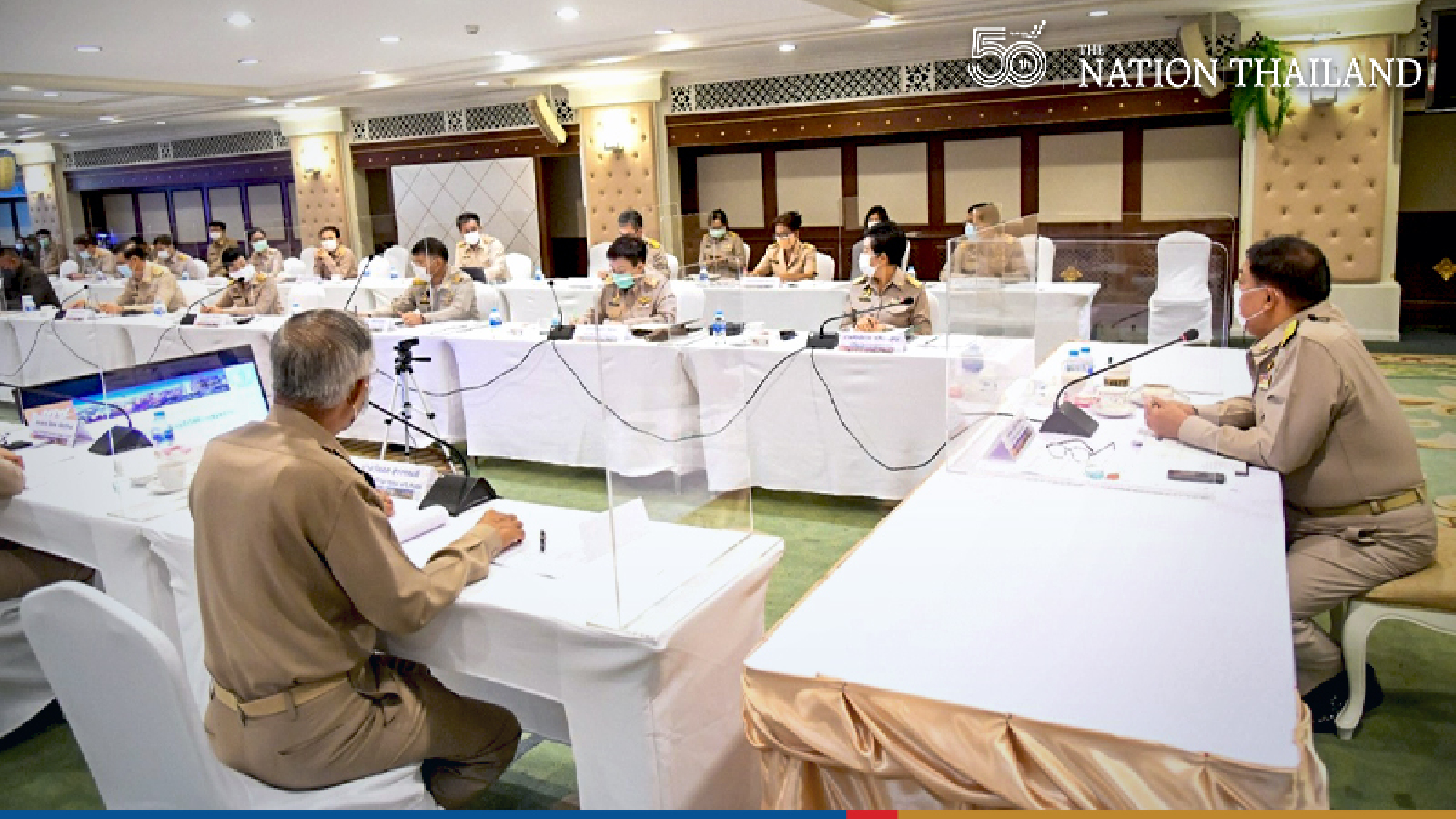
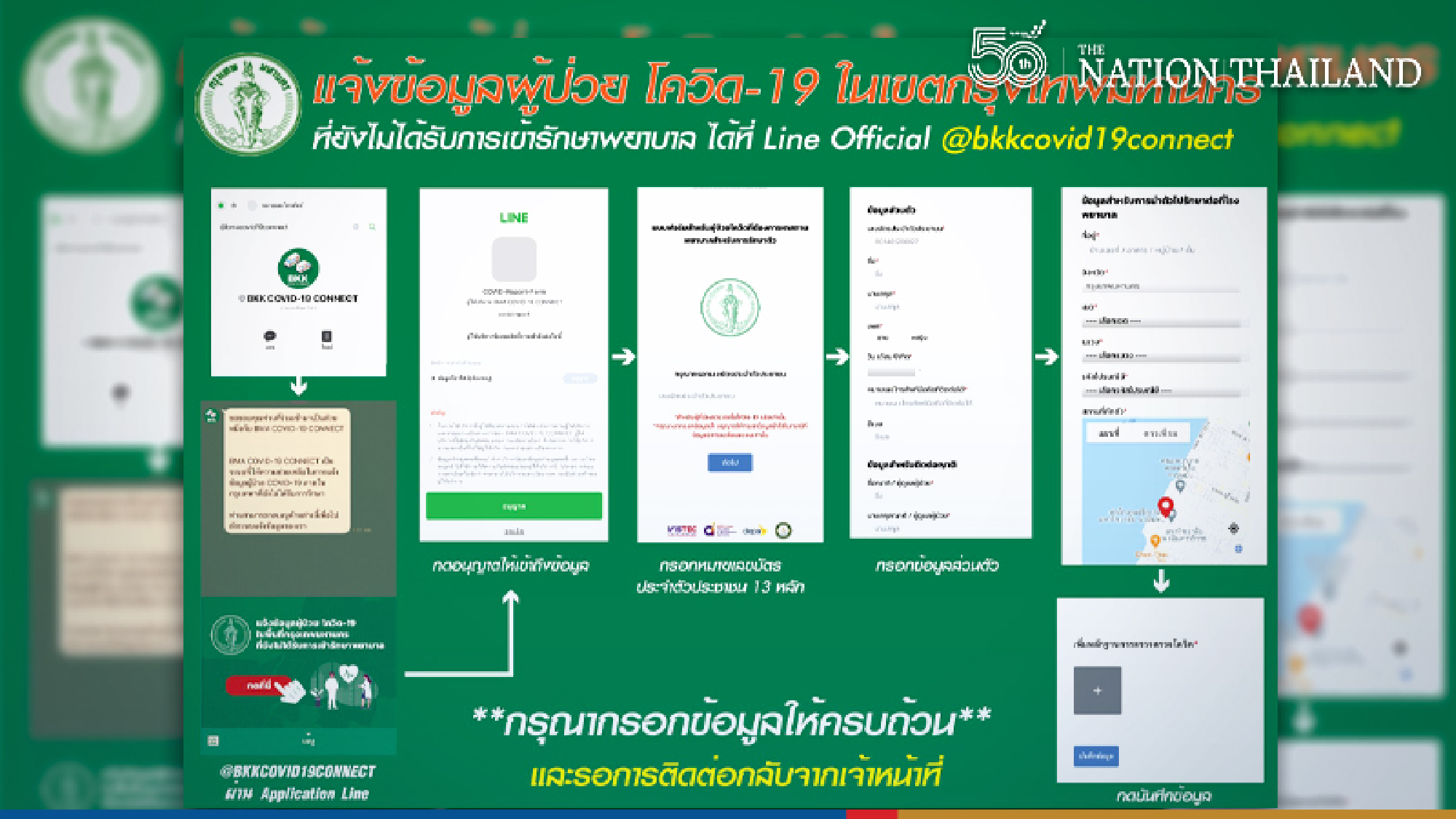
The Bangkok Metropolitan Administration (BMA) on Monday launched an official Line account for residents seeking emergency Covid-19 treatment.

Bangkok launches Line account for emergency Covid treatment

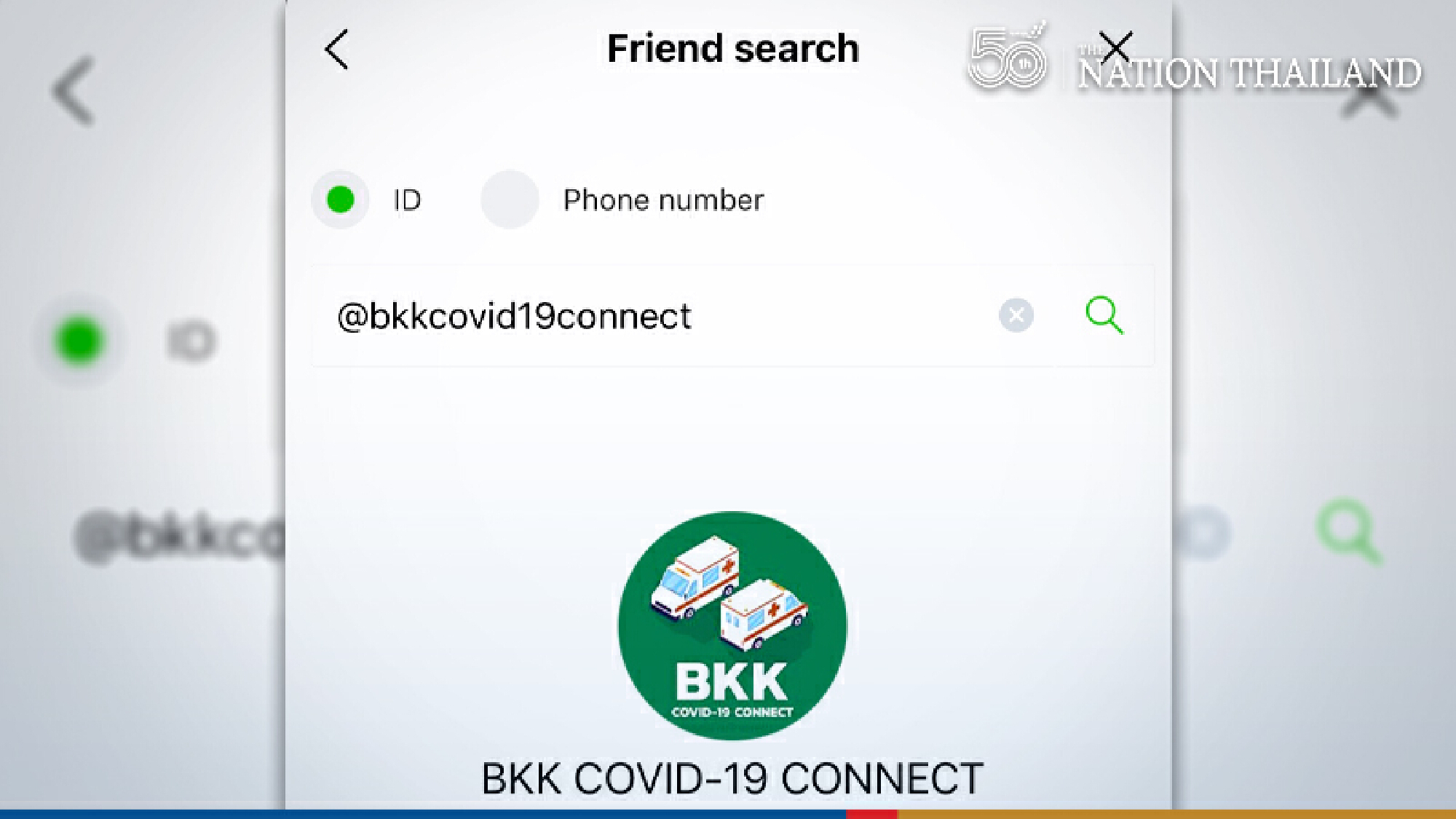
The Line account @bkkcovid19connect opened as Bangkok and its vicinity logged 12 Covid-related deaths and more than 1,000 new cases over the past 24 hours.

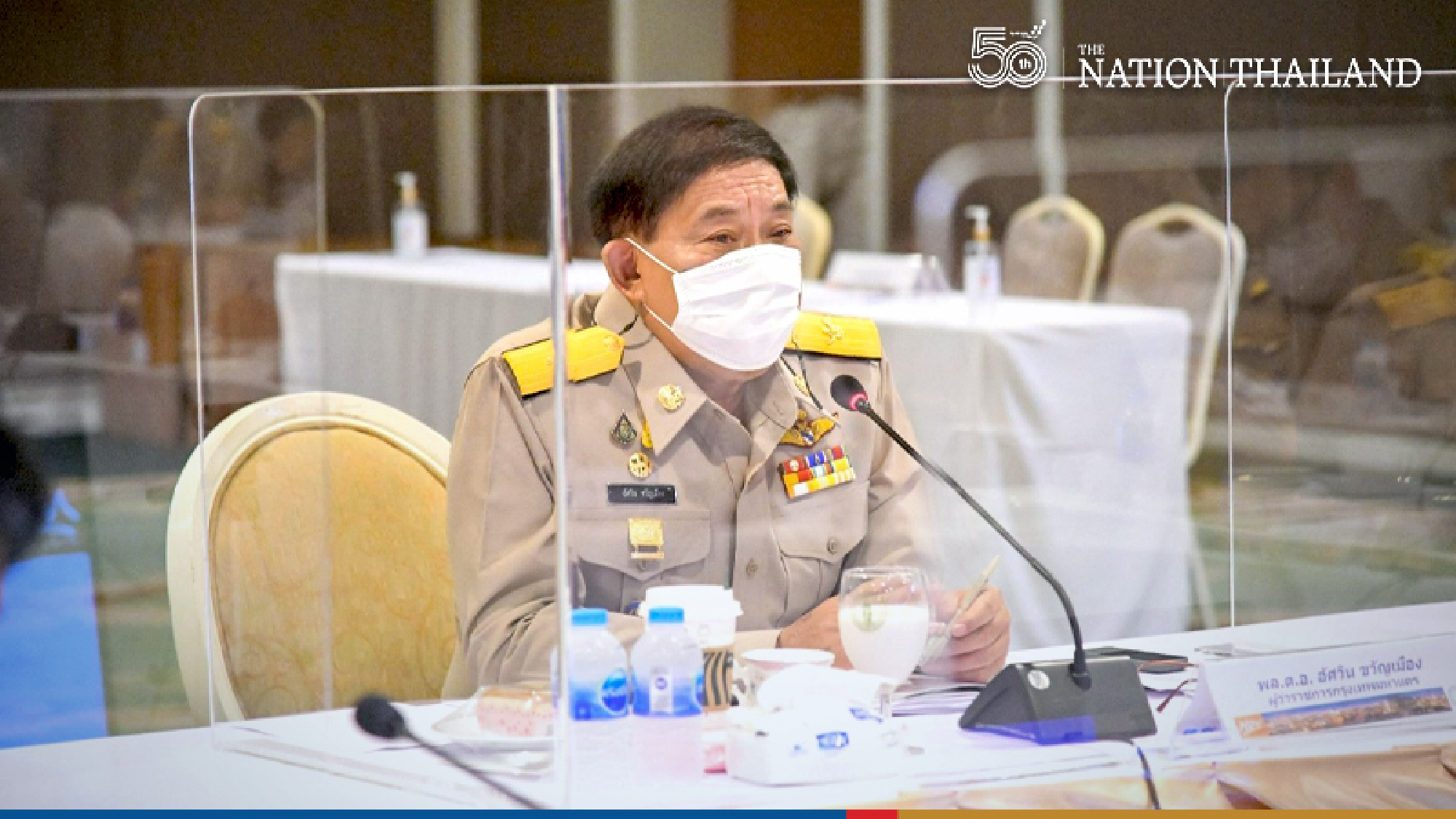
Governor Aswin Kwanmuang said the account would speed up the emergency response for Covid-19 patients, providing an alternative to the Erawan Emergency Medical Service Centre’s 1669 hotline.

“A strength of this account is that it enables the BMA to manage Covid-19 patients effectively,” he said.

“Once officials finish checking a person’s information submitted via the account, they will contact the person within an hour.”

He also asked people who contacted the account to prepare their information and self-isolate at their residence until officials arrive.

Bangkok launches Line account for emergency Covid treatmentBangkok launches Line account for emergency Covid treatment

The Centre for Covid-19 Situation Administration reported 2,041 new cases nationwide and a record high of 31 deaths over a 24-hour period on Monday.

Bangkok again led the list with 675 new cases, followed by 277 in Nonthaburi and 161 in Samut Prakan.

Bangkok launches Line account for emergency Covid treatmentBangkok launches Line account for emergency Covid treatment

Bangkok launches Line account for emergency Covid treatmentBangkok launches Line account for emergency Covid treatment
Published : May 03, 2021

By : The Nation

Putin finds ally in Chinas TikTok in crackdown on critics #SootinClaimon.Com

#SootinClaimon.Com : ขอบคุณแหล่งข้อมูล : หนังสือพิมพ์ The Nation.

https://www.nationthailand.com/tech/40000475

Putin finds ally in Chinas TikTok in crackdown on critics


Mikhail Petrovs TikTok posts started going viral this year when he tapped into growing discontent in Russia with bite-sized explanations of the countrys budding protest movement.

Putin finds ally in Chinas TikTok in crackdown on critics

His popularity exploded to over 250,000 followers and TikTok invited Petrov, a political science student at the Higher School of Economics in St. Petersburg, to join a talent development program. Then the sound started disappearing from some of his videos.

TikTok, owned by China-based ByteDance Ltd., is among the global social media companies coming under increasing pressure to remove anti-government posts in Russia as President Vladimir Putin cracks down on dissent. It has even won praise from Russian officials who say it’s more willing than some other companies to remove content.

The Kremlin approached Chinese authorities about anti-government content on TikTok earlier this year, according to an official familiar with Russia’s social media policy who asked not to be identified because the information is not public. The amount of critical content has declined as TikTok uses bans to weed out undesirable posts, the person said.

“Russian regulators have been public that they’ve increased content removal requests since January, and takedowns have correspondingly increased industry-wide,” a TikTok spokesperson said. “We have made no changes to our policies. We continue to evaluate requests from government agencies.”

The Kremlin and Chinese Foreign Ministry didn’t immediately respond to a request for comment.

Petrov, 22, said in one case where he gave context for when U.S. President Joe Biden agreed with a reporter that Putin is a “killer,” his video was muted for violating community standards. Others simply vanished from his feed, and he was expelled from the talent development program for “expressing his opinion,” according to the transcript of a chat with a TikTok employee.

The spokesperson declined to comment on Petrov’s case.

“I’ve been self-censoring myself,” Petrov said. “I took down some of my videos just because I was afraid something can happen to me.”

The Kremlin sees the targeted bans as effective because popular TikTok users understood they’d lose income if they posted anti-Putin material, according to the Russian official.

Svetlana Sokova, who has over 58,000 followers on TikTok, said her page was deleted after one of her videos was featured on state television following protests in support of Kremlin foe Alexey Navalny on Jan. 23. She has since created a new account, but says numerous posts have been banned or otherwise restricted by the service.

TikTok, along with Google, Telegram and Twitter, was hit with fines earlier this year for material promoting the unsanctioned Navalny demonstrations.

Following the penalties, TikTok’s management agreed to cooperate with requests to monitor content and delete “illegal content ,” according to a statement from Vasily Piskarev, the head of the Russian parliamentary commission on foreign interference.

The social media crackdown is part of a broader push to quell dissent in Russia. On Thursday, Navalny’s allies disbanded his nationwide network of nearly 40 campaign offices, with a court set to meet in May in a closed trial on whether the country’s biggest opposition network is an “extremist” group.

The Kremlin was slow to grasp the reach of online platforms — unlike Navalny who has earned millions of social media followers despite a television blackout — and has had trouble connecting with a generation that’s only ever known Putin as a leader. Young Russians are less likely to rely on state media for information, and polls show they’re the most likely to support protests movements.

Russia is now pioneering a “landmark” approach to censorship that relies on both pressuring platforms to police their own content and an innovative use of technology to ensure they comply, according to Roya Ensafi, the founder of the Censored Planet lab at the University of Michigan.

Access to Twitter was slowed until mid-May for failing to remove content Russia’s internet watchdog says is illegal, while Google is facing an antitrust investigation over YouTube. On Friday, the regulator said Twitter had agreed to speed up its reaction time to Russian requests and that the company was forming a road map to bring its activities in line with local law.

Russia “shows how national censorship policies can be implemented in many other countries,” Ensafi said.

Published : May 03, 2021

By : Syndication Washington Post, Bloomberg · Madis Kabash

Drop in ransomware targeting Thai, other Southeast Asian businesses #SootinClaimon.Com

#SootinClaimon.Com : ขอบคุณแหล่งข้อมูล : หนังสือพิมพ์ The Nation.

https://www.nationthailand.com/tech/40000355

Drop in ransomware targeting Thai, other Southeast Asian businesses


Global cybersecurity company Kaspersky reported a significant decrease in the number of ransomware attempts it has detected and foiled among its small and medium-sized business (SMBs) users in Southeast Asia (SEA).

Drop in ransomware targeting Thai, other Southeast Asian businesses

In its latest Kaspersky Security Network (KSN) report, the company revealed less than one million ransomware attempts (804,513) were monitored in 2020, less than half of 2019’s over 1.9 million detections.

Among the six SEA countries, only Singapore observed an uptick in the number of ransomware detections.

There was a slight increase from 2,275 instances in 2019 that jumped to 3,191 in 2020.

Although Indonesia still ranked fifth globally for the volume of its ransomware detections, its 1,158,837 detections are now down to 439,473.

The trend of decreased ransomware incidents was observed across other countries in the region including Thailand, Vietnam, the Philippines and Malaysia.

China remains at the top spot in terms of ransomware detections globally both for 2019 and 2020. Meanwhile, Brazil and Russia switched places for the second and third spots, with Brazil being second globally in 2020.

“I looked at the statistics for individual families and it follows the overall decrease in the number of detections, mainly due to the drop in the number of WannaCry detections. This family makes up a significant share of all detected ransomware, despite the fact that it has not been supported by the creators for more than three years and exists as a ‘zombie’,” Kaspersky security researcher Fedor Sinitsyn said.

One of the most persistent cyber threats to SMBs in the region remains ransomware, a malware designed to infect computers, encrypt data and block access to them.

Ransomware attackers then demand a fee from the victims in exchange for enabling the system to work again.

Such attacks may be declining but Kaspersky has been issuing a warning to companies big and small against the increasing activities of Ransomware 2.0, or what’s known as targeted ransomware.

This cybersecurity “disease” goes beyond “kidnapping” data. Malicious ransomware groups are now conducting data exfiltration coupled with blackmailing.

Using pressure tactics, these cybercriminals threaten to publish the data they hold, further increasing the need for victims to pay ransom to protect their valued reputation.

Published : April 29, 2021

By : The Nation