Gulf Energy CEO Sarath is richest shareholder on Thai stock exchange for 4th year

#SootinClaimon.Com : ขอบคุณแหล่งข้อมูล : หนังสือพิมพ์ The Nation.

https://www.nationthailand.com/business/trading-investment/40022882

Gulf Energy CEO Sarath is richest shareholder on Thai stock exchange for 4th year

Gulf Energy CEO Sarath is richest shareholder on Thai stock exchange for 4th year

THURSDAY, DECEMBER 08, 2022

Gulf Energy Development CEO Sarath Ratanavadi is the wealthiest Thai stockholder for the fourth consecutive year, according to rankings compiled by Money and Banking magazine and Chulalongkorn University’s Faculty of Commerce and Accountancy.

The rankings listed major shareholders at close of trade on September 30, when the Stock Exchange of Thailand Index fell to 1,589.51 from 1,605.68 points on the same date last year.

Sarath remained the wealthiest Thai stockholder with total shareholdings of 218.98 billion baht in 2022. He had first entered the list with 120.95 billion baht in 2019, 115.28 billion baht in 2020, and 173.09 billion baht in 2021.

He is also the first Thai stockholder with total shareholding exceeding 200 billion baht.

The 10 wealthiest Thai shareholders in 2022 are:

1. Sarath Ratanavadi, Gulf Energy Development CEO; total shareholding of 218.98 billion baht, up by 45.88 billion baht or 26.51% last year.

2. Panicha Dao, major shareholder of PSG Corporation; total shareholding of 81.63 billion baht. Panicha has made it to the list for the first time.

3. Prasert Prasattong-Osoth, founder of Bangkok Dusit Medical Services and Bangkok Airways; total shareholding of 62.73 billion baht, up by 4.51 billion baht or 7.76% last year. Prasert moved down from second place last year.

4. Niti Osathanugrah, heir to the Osotspa beverage empire; total shareholding of 58.12 billion baht, up by 1.87 billion baht or 3.33% last year. Niti moved down from third place last year.

5. Somphote Ahunai, CEO of Energy Absolute; total shareholding of 36.36 billion baht, down by 16.66 billion baht or 31.42%. Somphote moved down from fourth place last year.

6. Poramaporn Prasarttong-Osoth, chief operating officer and CEO Group 1 of Bangkok Dusit Medical Services; total shareholding of 35 billion baht, up by 20.95 billion baht or 149.09% last year.

Poramaporn, who is Prasert’s daughter, moved up from 21st place last year.

7. and 8. Chuchat Petaumpai and Daonapa Petampai, who own shares in Muangthai Capital, moved down from sixth and fifth last year, respectively.

Chuchat’s holdings were worth 26.51 billion baht, down by 15.13 billion baht or 36.30%; Daonapa’s holdings were valued at 26.10 billion baht, down by 15.84 billion baht or 37.77%.

9. Anant Asavabhokhin, chairman of Land and Houses; total shareholding of 25.45 billion baht, up by 2.71 billion baht or 11.95%. Anant moved up from 12th place last year.

10. Keeree Kanjanapas, chairman of BTS Group Holdings; total shareholding of 22.70 billion baht, down by 1.92 billion baht or 7.83%.

Related stories:

Financial transaction tax is poorly timed, industry group warns

#SootinClaimon.Com : ขอบคุณแหล่งข้อมูล : หนังสือพิมพ์ The Nation.

https://www.nationthailand.com/business/trading-investment/40022617

Financial transaction tax is poorly timed, industry group warns

Financial transaction tax is poorly timed, industry group warns

WEDNESDAY, NOVEMBER 30, 2022

Now is not a good time to impose a financial transaction tax on stock trades, according to the Federation of Thai Capital Market Organisations (Fetco).

Fetco chairman Kobsak Pootrakool made the comment on Tuesday after the Cabinet approved a Finance Ministry proposal to levy a financial transaction tax on trades on the Stock Exchange of Thailand (SET).

Calls to tax SET traders have been made for decades, but governments have downplayed them and cited the need to support market development.

The Cabinet’s move, which stipulates that SET investors have to pay a tax equivalent to 0.1% of share sales, will come into effect 90 days after the draft royal decree issued under the revenue code is announced – likely, sometime in the second quarter of next year.

However, during the first year, the tax will be only 0.055% of share sales.

In a Facebook post, Kobsak said Fetco had submitted an open letter to Finance Minister Arkhom Termpittayapaisith on May 5 arguing against the move.

He said that volatility in stock, bond, gold, currency and cryptocurrency markets since last year was discouraging investors and that this volatility would likely remain for some time.

Kobsak also argued that the possibility of a global economic crisis should be considered and that some countries are already experiencing economic distress.

The SET’s liquidity has dropped sharply, he added.

“I would like to confirm that it is not [the right] time to impose a financial transaction tax for stock trades,” he wrote.

Fetco’s open letter argued that a financial transaction tax for stock trades would severely damage the market by discouraging investment.

The letter cited studies from other countries that said such taxes resulted in delaying retirement by two to three years as investors waited to reach their retirement threshold.

Fetco said the new tax would raise costs for market makers, typically large brokers, on issuing or developing new products, which would weaken the competitiveness of the SET.

“Stock markets in developed countries prefer taxation exemptions because they reduce impacts on savings and encourage wider public investment and innovative development,” Fetco said.

Fetco said the tax would significantly dampen investment decisions, especially at a time when volatility was affecting capital markets globally due to the pandemic, the war in Ukraine and rising interest rates.

The cost of raising capital will rise when market liquidity decreases, causing listed companies to slow or reduce their investments in business expansion, resulting in lower profits, reduced productivity and lower gross domestic product.

“Corporate tax will also decrease accordingly because these companies will have less money to pay,” Fetco said, adding: “The downside will be especially severe for smaller companies with very limited funding options.”

Related stories:

Brokers urge action against mastermind behind MORE share trading irregularities

#SootinClaimon.Com : ขอบคุณแหล่งข้อมูล : หนังสือพิมพ์ The Nation.

https://www.nationthailand.com/business/trading-investment/40022137

Brokers urge action against mastermind behind MORE share trading irregularities

Brokers urge action against mastermind behind MORE share trading irregularities

WEDNESDAY, NOVEMBER 16, 2022

The Economic Crime Suppression Division (ECD) has vowed to track down the mastermind behind the manipulation of shares of More Return Pcl (MORE) after 11 affected brokers on Wednesday submitted an appeal to investigate irregularities in the company’s share trading.

The Stock Exchange of Thailand (SET) on Monday suspended trading in MORE stocks until Friday after it noticed irregular trading practices. The company is engaged in selling pyrolusite water filters, among other businesses.

According to the SET, the irregularities were spotted on November 10 when trading in MORE stocks rose to more than 7.14 billion baht – the highest in both the SET and MAI (Market for Alternative Investment), before the share value hit the floor at 1.95 baht from 2.9 baht a share, shocking investors.

MORE stocks continued to drop the following day until they hit 1.34 baht per share.

On Wednesday, representatives of 11 security broker companies met with ECD chief Pol Maj-General Puttidej Bunkrapue, urging the agency to investigate MORE. The brokers also demanded legal action against the company and related parties for possibly violating SET regulations.

Brokers urge action against mastermind behind MORE share trading irregularities

Puttidej said the ECD will interview each plaintiff individually as well as gather information from other witnesses and evidence to track down the party behind the incident.

“The investigation may take some times as there are several documents that officials need to go through in detail,” he added.

Related Stories

All eyes on MORE shares this week after suspension for irregular trading practices

SET suspends More Return stocks over irregularities

Business deals worth 5bn baht expected at Bangkok hemp trade fair

#SootinClaimon.Com : ขอบคุณแหล่งข้อมูล : หนังสือพิมพ์ The Nation.

https://www.nationthailand.com/business/trading-investment/40021914

Business deals worth 5bn baht expected at Bangkok hemp trade fair

Business deals worth 5bn baht expected at Bangkok hemp trade fair

THURSDAY, NOVEMBER 10, 2022

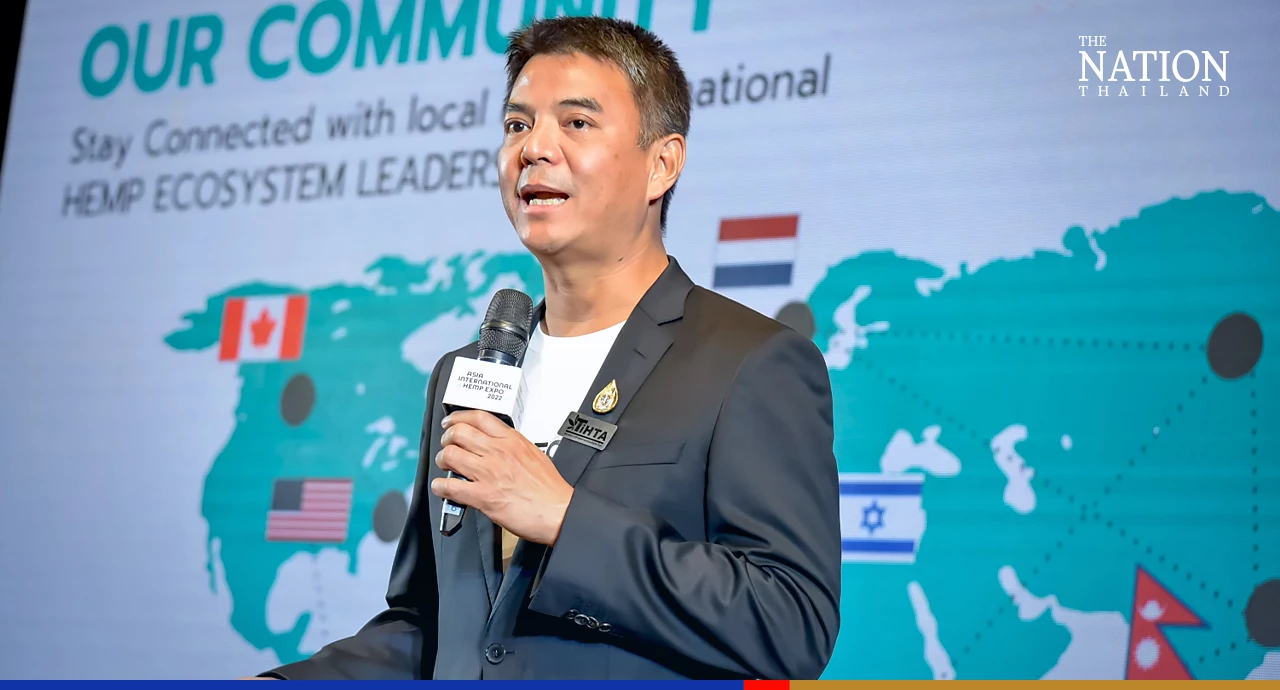
The Thai Industrial Hemp Trade Association (TIHTA) expects some 5 billion baht worth of business deals to be made during a hemp trade fair in Bangkok at the end of this month.

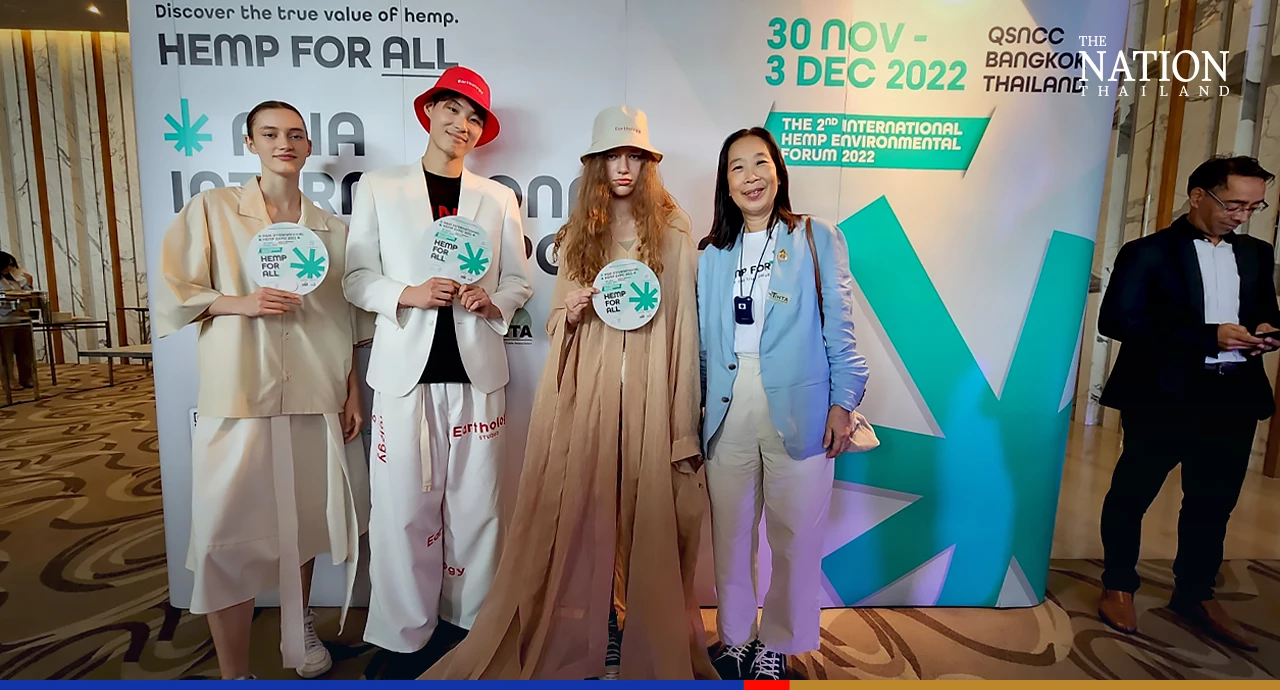
Pornchai Padmindra, president of TIHTA, said the Asia International Hemp Expo 2022 would be organised from November 30 to December 3 at the Queen Sirikit National Convention Centre by the TIHTA and its Thai and foreign partners.

The fair will be held under the theme “Hemp for All”.

The second International Hemp Environmental Forum will be held in parallel with the trade fair, Pornchai added.Business deals worth 5bn baht expected at Bangkok hemp trade fair

He said the event would be a good opportunity for people interested in hemp businesses from the upstream to downstream levels to meet one another to exchange knowledge and try to cut business deals.

Pornchai said representatives of hemp industries from 25 countries would be present during the trade fair, which is expected to be visited by some 15,000 people.

He said the trade fair is expected to generate some 5 billion baht in business deals.Business deals worth 5bn baht expected at Bangkok hemp trade fair

The event will feature two main activities:

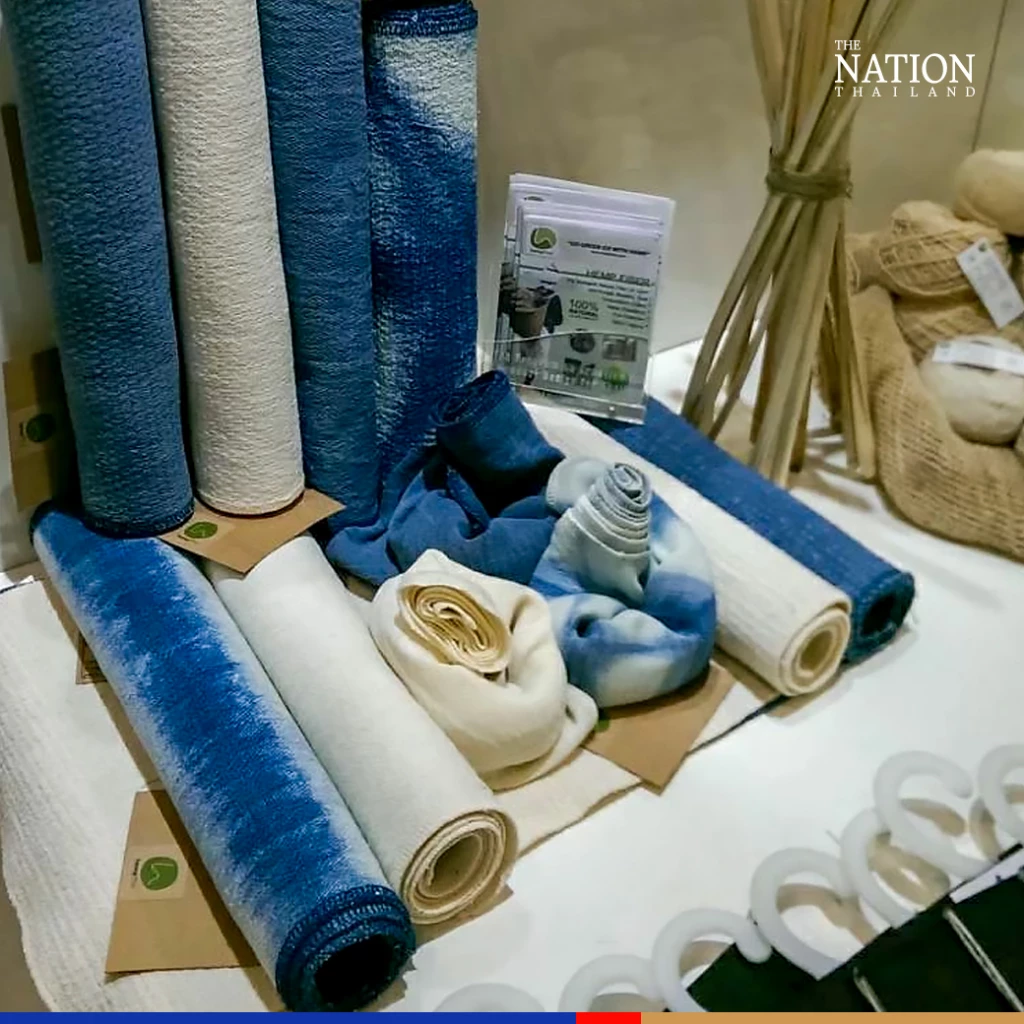
– A trade expo with over 300 leading firms taking part to present technologies and innovations for hemp cultivation and product processing. The expo also will display foods, drinks, fashion accessories, cosmetics, supplementary diets, spa and herbal products made from hemp.

– An academic forum will be held under the theme of new innovation landscape. Pornchai said Thailand will host the forum with 38 speakers from 15 countries in six continents. The speakers will talk about innovations and know-how of hemp industries.

Pornchai said hemp can be used not only in medical and healthcare and food and beverage industries, but the plants can also be used in several other industries to conserve energy and reduce heat and temperature.

For example, BMW, Porsche and Benz have started using supercapacitors made from hemp-based carbon nanosheets, Pornchai said. As a result, Thai growers of hemp and operators of hemp-related businesses can expand their markets.

Business deals worth 5bn baht expected at Bangkok hemp trade fairPornchai said the hemp industry in Thailand started in early 2021 and it has expanded to generate revenue of some 3 billion baht to 5 billion baht from medical and healthcare businesses as well as food, beverage and fashion items.

“Currently, the global market value of hemp-related products is worth almost one trillion baht,” Pornchai said.

He added Thailand was now the leader in hemp trade in Asia and could emerge as a world leader in hemp products soon with new innovations.

He said he expected the hemp market in Thailand would grow to be worth about 40 billion to 50 billion baht in the next few years.

The TIHTA president also called on the government to come up with a clear-cut direction and supportive measures for the private sector to develop hemp innovations and businesses with sustainability.

Tourist dollars drive surge in Thai gold consumption

#SootinClaimon.Com : ขอบคุณแหล่งข้อมูล : หนังสือพิมพ์ The Nation.

https://www.nationthailand.com/business/trading-investment/40021812

Tourist dollars drive surge in Thai gold consumption

Tourist dollars drive surge in Thai gold consumption

MONDAY, NOVEMBER 07, 2022

Nongluck Ajanapanya

The demand for gold in Thailand has risen 40% year-on-year, fuelled by the rebound in tourism, the World Gold Council’s recent report on global trends showed.

The council’s regional CEO Andrew Naylor told the press on Monday that the consumption of gold in Thailand has risen from 8.6 tonnes in the third quarter of last year to 12.1 tonnes in the same period this year.

During the same period, there has been a 35% year-on-year surge in the demand for jewellery, from 1.9 tonnes to 2.5 tonnes, and a 42% year-on-year rise in the sale of bars and coins, from 6.7 tonnes to 9.6 tonnes.

“This is the longest streak of consumer demand growth in Thailand, and the seventh consecutive quarter that we’ve seen an increase in jewellery consumption,” Naylor added.

He believes the surge in demand can be put down to a rebound in tourism and dropping prices, which are encouraging retailers to replenish their inventories.

He said gold retailers and jewellers anticipate a healthy demand in the fourth quarter as they prepare for the wedding season and year-end festive season.

This trend, he said, is consistent with the global demand for gold, which has recorded a 28% increase year-on-year.

Consumption of gold so far this year has risen to pre-Covid levels, with consumers and central banks buying up the precious metal despite a notable drop in investments.

According to the report, gold remains popular with retail investors turning to gold in the face of rampant inflation and geopolitical uncertainty.

The report said most investors prefer to hedge inflation by snapping up gold bars or coins, which has propelled total demand by 36% year on year.

This was supported by significant purchases in Turkey (up by more than a five-fold year on year) and Germany (up 25% year on year at 42 tonnes). Similar movements were seen in other major markets.

Global consumption of gold jewellery has continued to rebound and is now back to pre-pandemic levels at 523 tonnes – 10% more than the third quarter of 2021.

Much of this was driven by India’s urban consumers, where demand rose by 17% year on year to 146 tonnes. Similar growth was seen in the Middle East, with jewellery consumption in Saudi Arabia rising by 20% and by 30% in the United Arab Emirates since the third quarter of 2021.

Meanwhile, a drop in the price of gold in July has boosted consumer confidence and the easing of suppressed demand has helped contribute to the modest 5% rise in China’s jewellery consumption.

Gold’s safe-haven appeal obviously attracted retail investors in China amid slumping currency and equity prices.

The demand for gold has also risen thanks to central banks, whose buy-ups are expected to hit a record 400 tonnes in the third quarter.

This is in line with a recent survey of central banks, in which 25% of the respondents said they planned to increase their gold reserves in the next 12 months.

Louise Street, a senior markets analyst at the World Gold Council, said this demand reflects the metal’s status as a safe haven asset in a shaky macroeconomic environment.

She believes the demand for jewellery will remain strong in regions like India and Southeast Asia, while the technology sector will likely drop in the face of an economic slowdown.

Nongluck Ajanapanya

Australia sees growing market for its products in Thailand

#SootinClaimon.Com : ขอบคุณแหล่งข้อมูล : หนังสือพิมพ์ The Nation.

https://www.nationthailand.com/business/trading-investment/40021668

Australia sees growing market for its products in Thailand

Australia sees growing market for its products in Thailand

THURSDAY, NOVEMBER 03, 2022

Jarupong Krisanaraj

Thailand is an ever-growing market for Australian products, the Australian Trade and Investment Commission (Austrade) said, while lauding the strong bilateral trade relationship over the past decade.

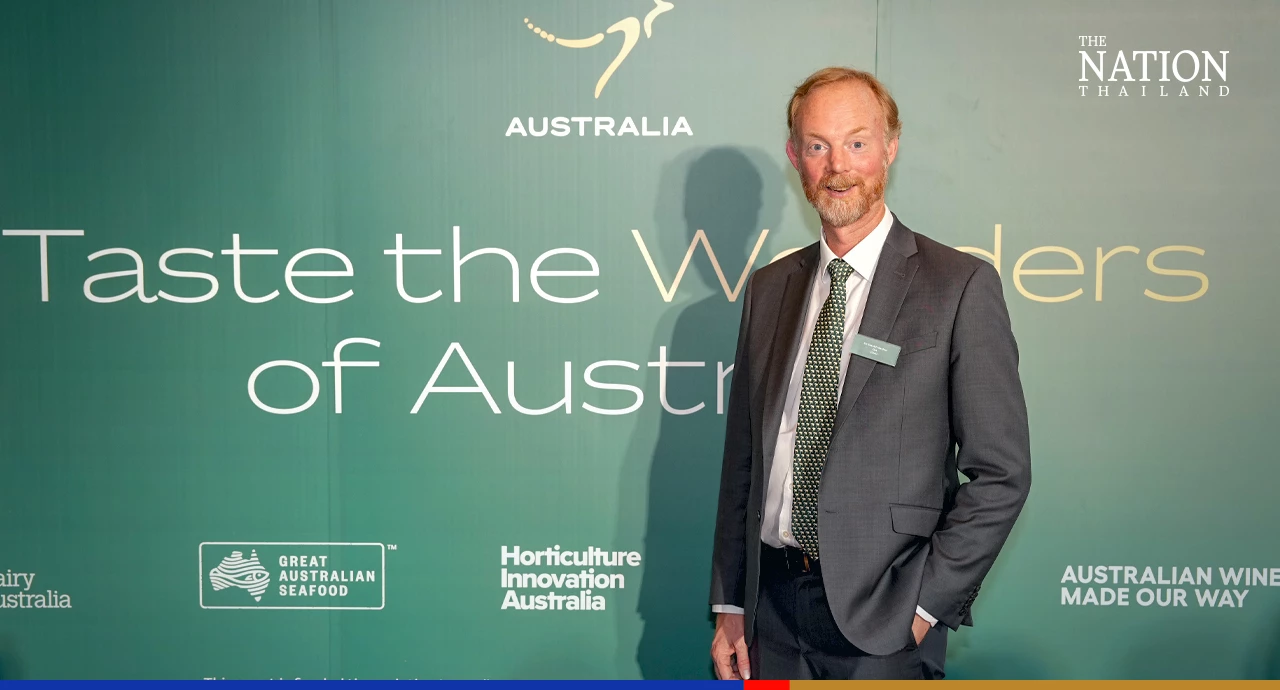
In an interview with The Nation, Austrade Minister-Counsellor (Commercial) and Senior Trade and Investment Commissioner, Thailand, Myanmar and Laos, Michael Helleman, said the trade relationship between the two countries is very strong.

He added that Australian beef is considered a best-seller among Thais.

“A variety of Australian products can be found in the supermarkets, such as wine, cheese, mandarin orange and apples,” he said.

Michael HellemanMichael Helleman

He said Australian products can help Thai hotel and restaurant operators meet customers’ need for high-quality foods.

“As tourists have begun travelling, Australian products would be a key for Thailand to boost tourism next year,” he added.

David NationDavid Nation

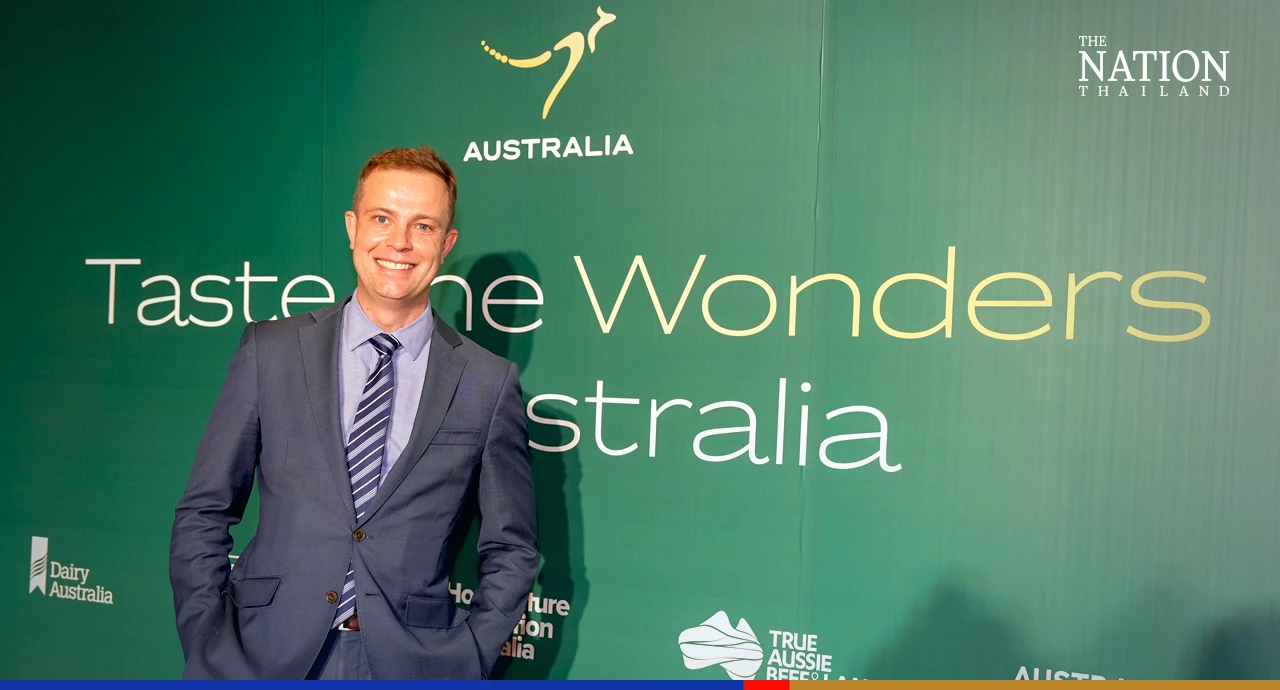
Meanwhile, Australian Dairy managing director David Nation said entrepreneurs in the Australian food industry, such as food, dairy and horticulture, have the opportunity to trade in the Thai market, thanks to both countries’ strong relationship.

He expected deeper trade ties between the two countries.

“I am proud of Thailand and Australia’s trade relationship over the past decade,” he said.

Australia sees growing market for its products in Thailand

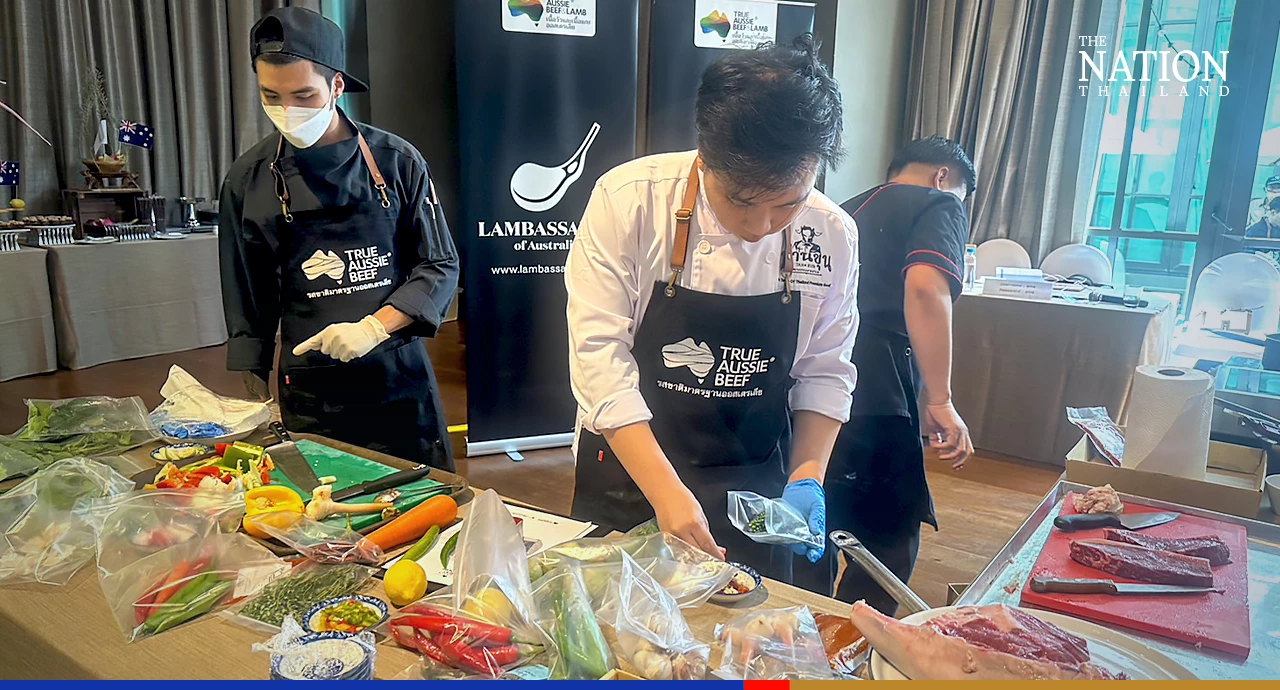
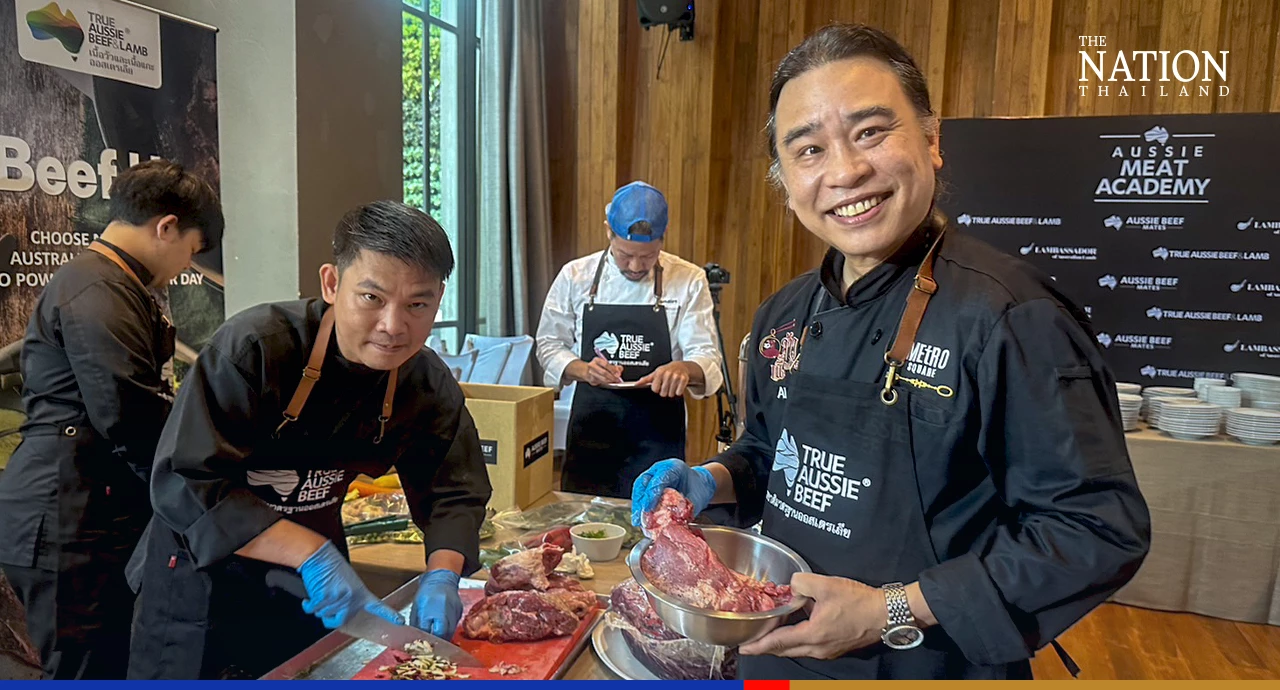
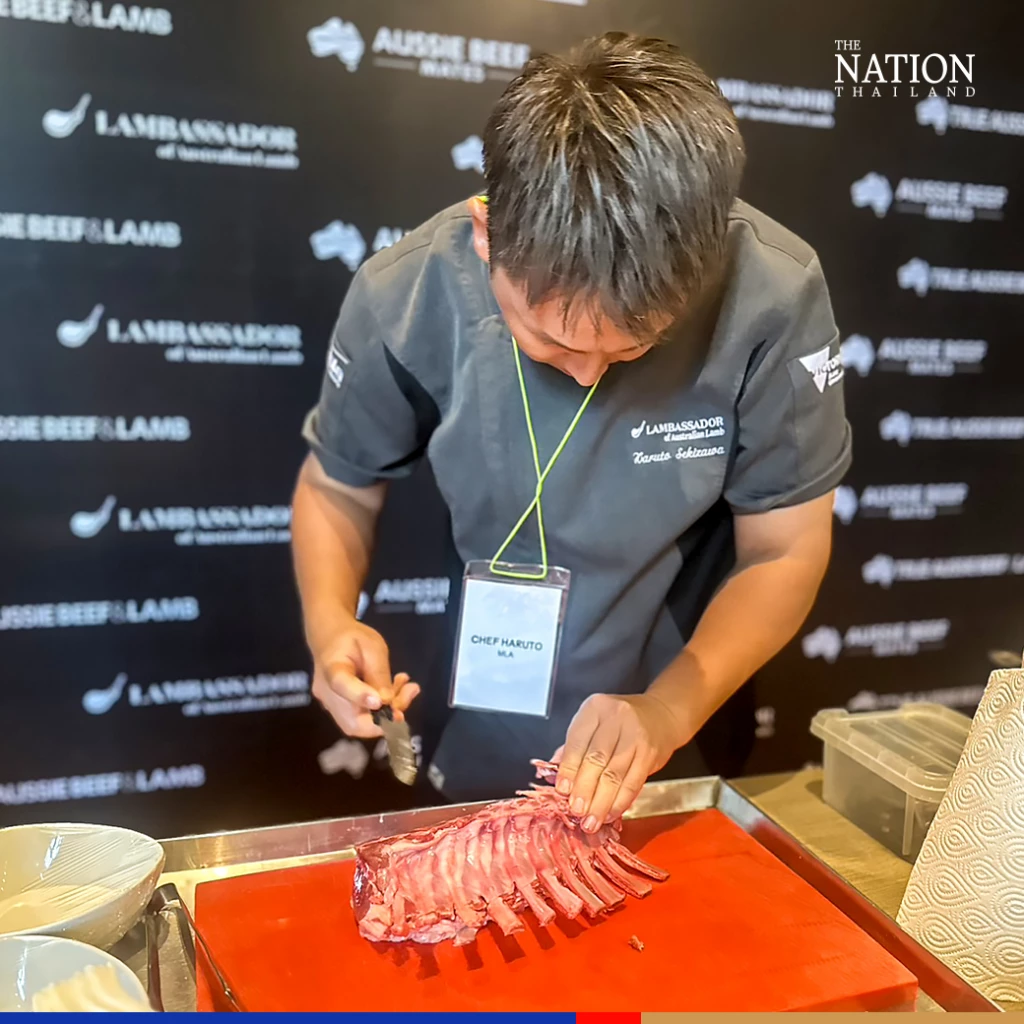
Separately, Meat & Livestock Australia (MLA) recently hosted the very first Aussie Meat Academy in Thailand, offering professional chefs and foodies a hands-on masterclass in all things Australian beef and lamb.

Several eager, meat-loving Thai chefs and foodies signed up to attend this exciting event, which was held at Cape Dara Resort Pattaya, a luxury five-star hotel on the beachfront in Pattaya.

Australia sees growing market for its products in Thailand

“Thailand is an ever-growing market for us and the more opportunities we have to help those who cook the food, those who serve the food, and those who eat the food is something we are focused on and will continue to do more,” said Spencer Whitaker, MLA’s market development manager for Asia-Pacific.

Australia sees growing market for its products in Thailand

Related stories:

Jarupong Krisanaraj

Leo Global Logistics opens ‘Lifestyle Storage’ store in Bangkok’s Chinatown

#SootinClaimon.Com : ขอบคุณแหล่งข้อมูล : หนังสือพิมพ์ The Nation.

https://www.nationthailand.com/business/trading-investment/40021202

Leo Global Logistics opens 'Lifestyle Storage' store in Bangkok’s Chinatown

Leo Global Logistics opens ‘Lifestyle Storage’ store in Bangkok’s Chinatown

WEDNESDAY, OCTOBER 19, 2022

Opal Varunsuda

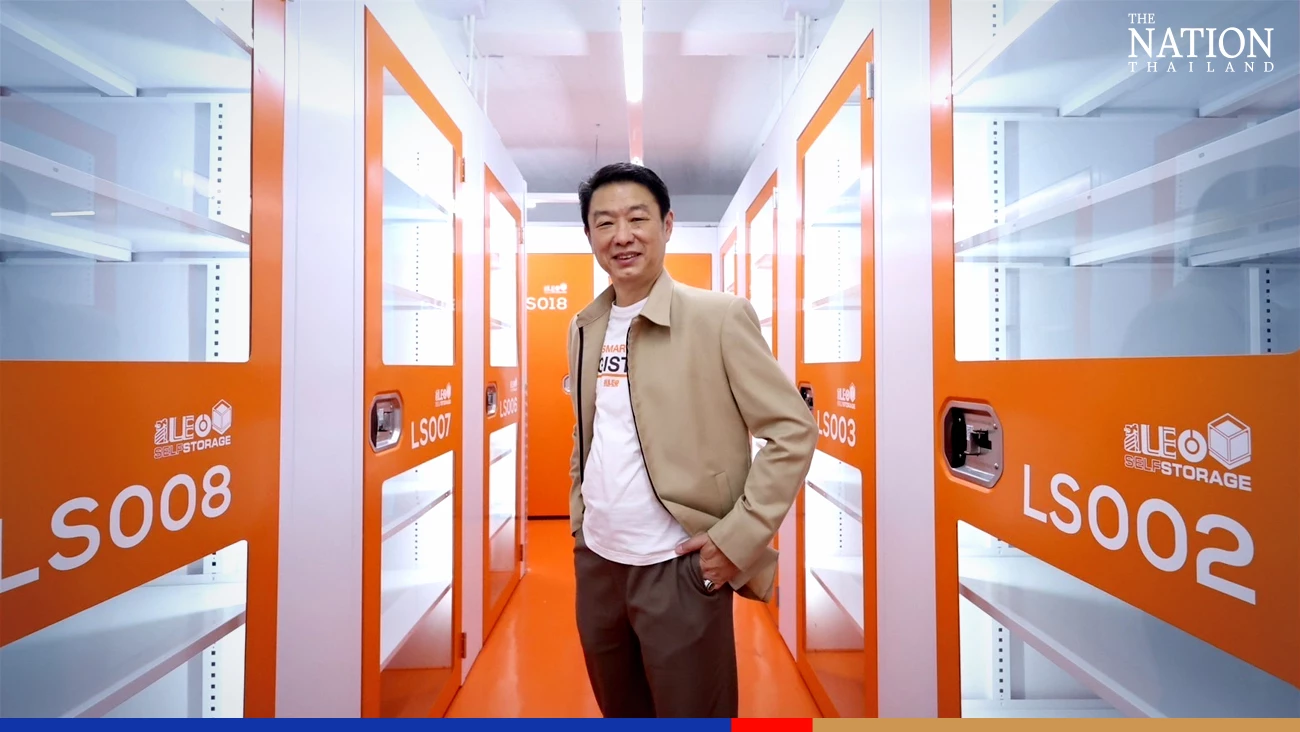
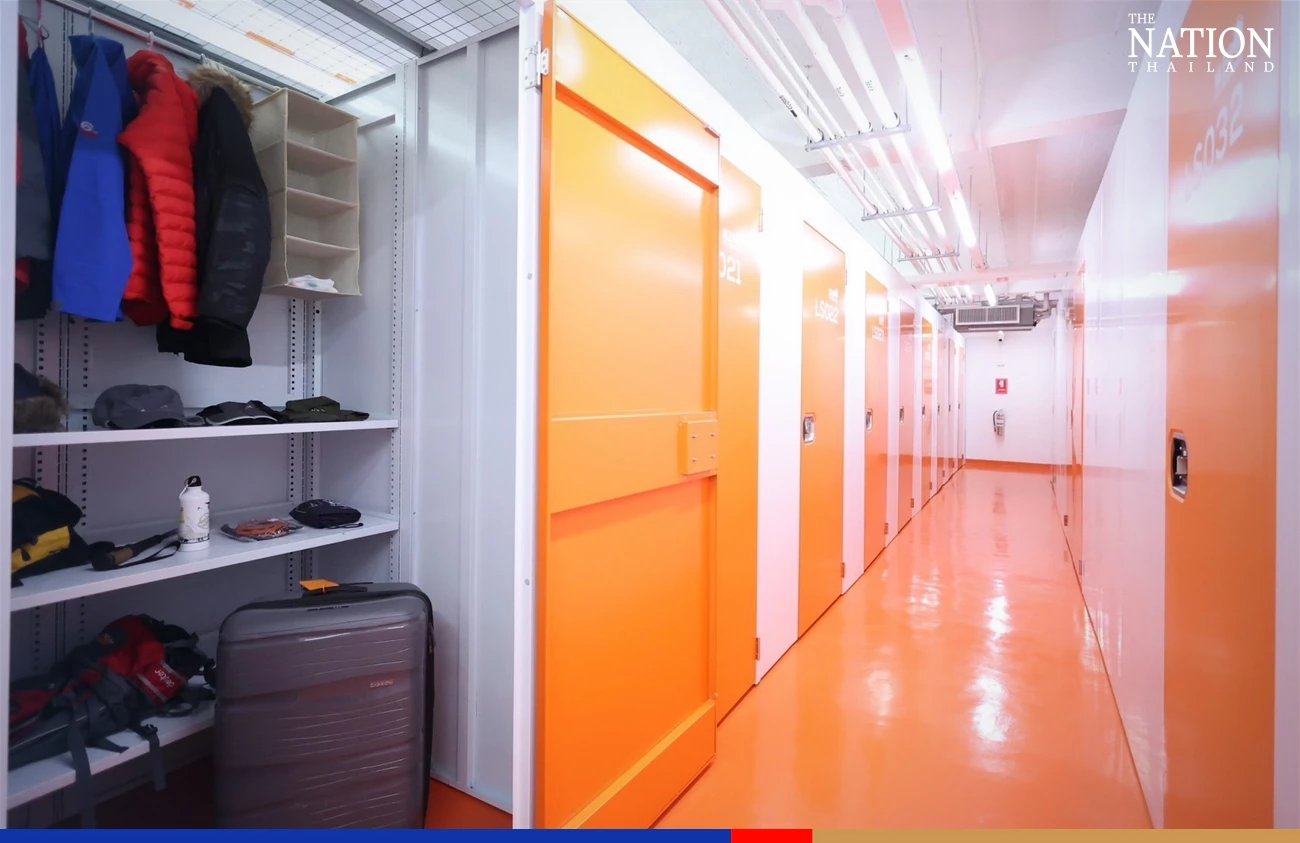
Leo Global Logistics Pcl has opened its second “Leo Self Storage” branch in Bangkok’s Chinatown, which is its first flagship store in Thailand.

The company plans two more branches by 2023, with a total of 10 branches opening in the next five years.The new facility is called “Lifestyle Storage”.The target demographics include city dwellers, collectors, small businesses, and online sellers with limited space. The company’s first branch on Rama 3 Road has a 90 per cent service rate.Kettivit Sittisoontornwong, Chief Executive Officer of Leo Global LogisticsKettivit Sittisoontornwong, Chief Executive Officer of Leo Global Logistics
Leo Global Logistics opens 'Lifestyle Storage' store in Bangkok’s Chinatown

According to Kettivit Sittisoontornwong, chief executive officer of Leo Global Logistics, “The Asian self-storage market is growing rapidly in comparison to other regions around the world. People’s lifestyles have become more diverse. Thailand is reopening its doors. It is increasingly driving the tourism section. These factors reflect the increasing demand for rental storage space.”

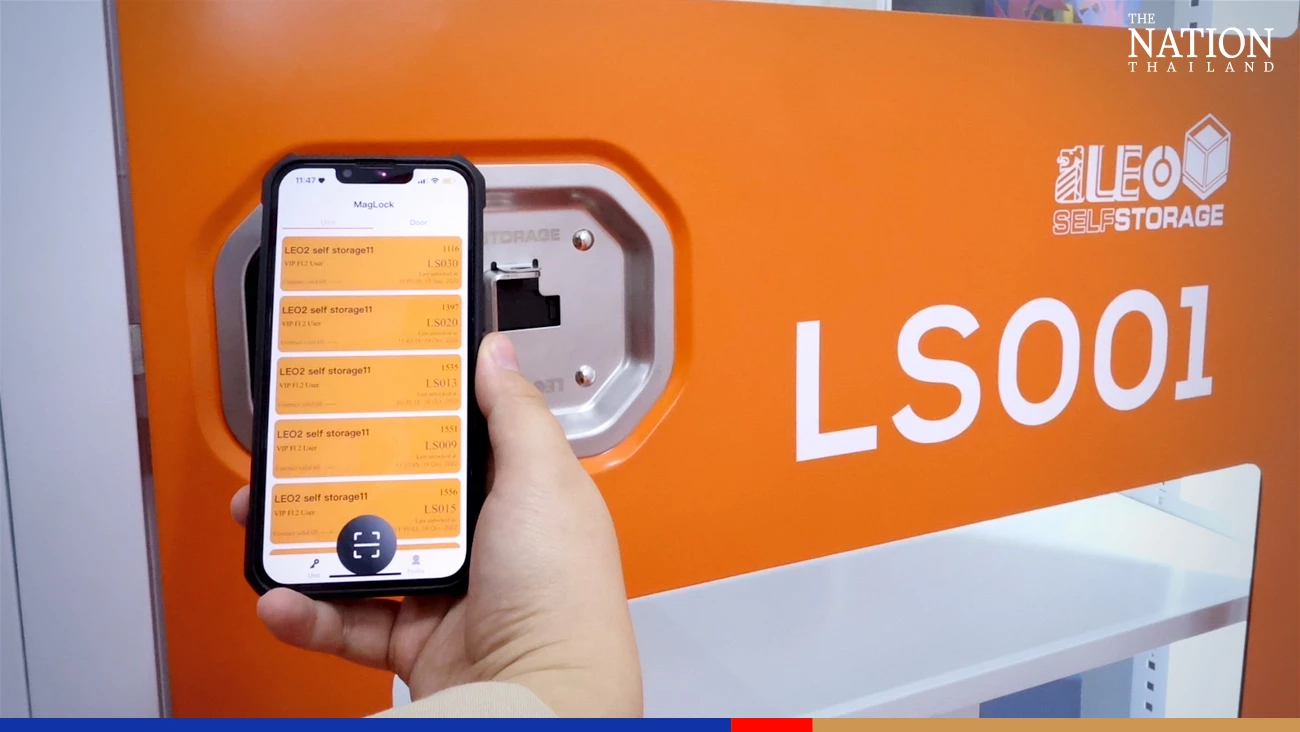
They can open and close the door through the application without carrying a keyThey can open and close the door through the application without carrying a key
In 2021, the global self-storage market would be worth $51.32 billion. By 2027, the market is expected to be worth 71.37 billion, according to a survey by ReserchAndMarkets.com.

Leo Global Logistics opens 'Lifestyle Storage' store in Bangkok’s Chinatown

According to Kettivit, “Currently, there are 6-7 competitors in Thailand located in Bangkok, Pattaya, Phuket, and Chiang Mai. The advantages of the businesses are good location, good price, and easy access for customers.”

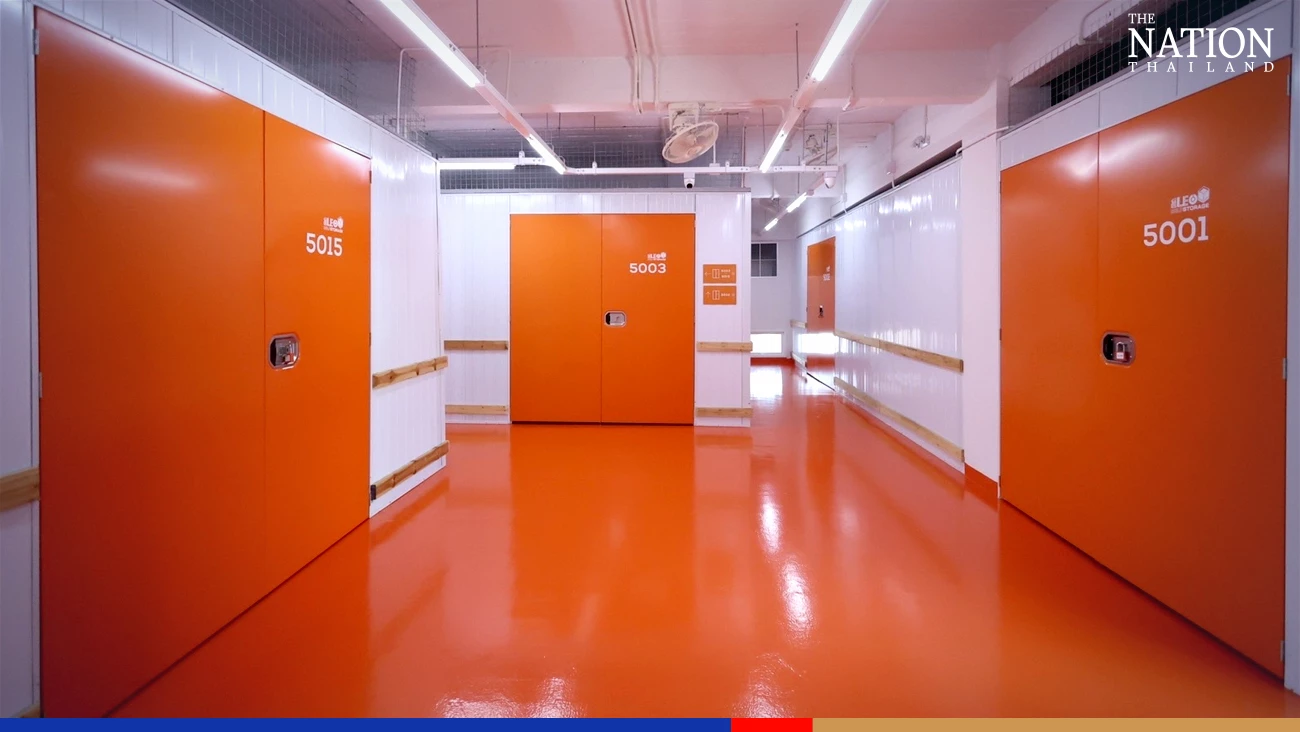
“The Chinatown branch is the most comprehensive flagship for Leo Self-Storage, with an investment of 40 million baht. We have storage rooms for every lifestyle, such as “Lock Block”, which is a square metre in size and can be air or non-air conditioned. They can open and close the door through the application without carrying a key, have security 24 hours with alarm signal and 100 CCTV cameras. Customers can rent the storage with confidence,” Kettivit stated.


He added that the break-even point in this business is 60 per cent or higher. Each new branch opening in the first year must have 30-40% of people using the service, increasing to 80 per cent in the fourth year.

Leo Global Logistics is a leading integrated logistics service in Thailand, which can provide global coverage and pioneer in the self-storage business market.

Opal Varunsuda

Gold maintains its glitter for Thai retail investors as safe-haven asset

#SootinClaimon.Com : ขอบคุณแหล่งข้อมูล : หนังสือพิมพ์ The Nation.

https://www.nationthailand.com/blogs/business/trading-investment/40020493

Gold maintains its glitter for Thai retail investors as safe-haven asset

Gold maintains its glitter for Thai retail investors as safe-haven asset

WEDNESDAY, SEPTEMBER 28, 2022

Nongluck Ajanapanya

Thai investors still prefer to invest in gold as a safe-haven asset, but most first-time buyers are not able to find an affordable way to purchase gold, the World Gold Council said.

Andrew Naylor, regional CEO Asia Pacific (ex-China) and Public Policy at the council, told media in Bangkok that Thailand has a sizeable and active gold market. Gold is the second most popular investment in Thailand and is owned by more than half of retail investors.

“Our ‘Retail Gold Insights: Thailand’ report provides information on Thai investors’ levels of investor maturity, investment appetite, and purchasing habits. Our analysis explains why gold is popular with a variety of investors in Thailand, with one major factor being gold’s function as a hedge against political or economic risk,” said Naylor.

According to the report, the majority of respondents, or 57 per cent, stated that the desire to reduce risk is what drives people to invest in gold.

Gold maintains its glitter for Thai retail investors as safe-haven asset

This demonstrates an apparent understanding of gold’s significance as a safe haven among retail investors in Thailand, which is related to its principal function in a portfolio as a measure of wealth protection, Naylor said. 

More than 80 per cent of each retail investor segment agrees that gold is a good safeguard against periods of political or economic uncertainty.

The report also discovered that more than 40 per cent of investors had purchased gold investment products in the year before to the poll.

 More than 30 per cent of investors own gold in this fashion, making gold bars the most common form of gold investment. Gold coins came in second at 12 per cent, followed by ETFs [exchange traded funds] at 10 per cent, vaulted gold at 9 per cent, and exquisite gold jewellery at 9 per cent.

Naylor noted that Thailand’s strong recovery from the global pandemic and longer-term economic fundamentals have fuelled a desire for gold that has enormous investment potential.

“Our data clearly shows investors’ appetite to hold gold as a safe-haven investment, but there are opportunities to grow awareness on specific areas through education,” Naylor added. 

A World Gold Council analysis found that there are various obstacles for prospective gold investors who are interested in making their first investment. 

Nearly 80 per cent of these potential investors said they lack the knowledge necessary to buy gold, including an understanding of inexpensive possibilities, with the perception that gold is “not affordable” being the biggest obstacle.

Meanwhile, nearly half of the respondents have doubts about the integrity of gold goods.

More than 30 per cent of respondents claim that their hesitation to purchase gold is a result of their concern about doing so. More than 10 per cent of people claim that uncertainty about the purity of the gold deters them from purchasing it.

Besides, more than one-third of investors who are considering investing in gold for the first time don’t think they can keep it secure. These potential investors might simply not be aware of the options and services for gold storage.

In addition, the study reveals that 73 per cent of gold products were bought offline. Yet, when asked which product options would be most important, the ability to sell or liquidate gold easily, the ability to buy anytime and the ability to earn interest on gold, ranked on top.

Whether provided by banks or other providers, digital gold products would enable a more integrated and smooth marketing and purchasing decision process.

Naylor said that Thai investors are knowledgeable and active, investing an average of 35 per cent of their income across 3.5 different investment products.  

They see themselves as experienced investors eager to investigate alternative investment vehicles for rapid growth.

Eighty-seven percent of Thai investors concurred that it was crucial to have a diversified portfolio that safeguards wealth, he continued. Thai investors have concerns about the potential effects of financial market collapses, and invest with a long-term perspective in addition to the requirement to comprehend the items in which they invest, he said.

Nongluck Ajanapanya

ADB plans $14-billion assistance until 2025 to tackle aggravating food crisis in Asia Pacific

#SootinClaimon.Com : ขอบคุณแหล่งข้อมูล : หนังสือพิมพ์ The Nation.

https://www.nationthailand.com/business/trading-investment/40020470

ADB plans $14-billion assistance until 2025 to tackle aggravating food crisis in Asia Pacific

ADB plans $14-billion assistance until 2025 to tackle aggravating food crisis in Asia Pacific

TUESDAY, SEPTEMBER 27, 2022

Nongluck Ajanapanya

The Asian Development Bank (ADB) has announced plans to invest at least $14 billion between 2022 and 2025 in a comprehensive programme to alleviate the worsening food crisis in Asia and the Pacific, and improve long-term food security.

ADB president Masatsugu Asakawa stated during an online press conference on Tuesday that the Asia-Pacific region is now facing numerous challenges, such as monetary tightening, currency depreciation and severe food insecurity.

Food insecurity, according to Asakawa, is the most worrying of these challenges because it affects all countries, rich and poor. Therefore, the ADB has decided to increase its assistance funding for food security in the region, where nearly 1.1 billion people lack healthy diets due to poverty and rising food prices this year.

ADB plans $14-billion assistance until 2025 to tackle aggravating food crisis in Asia PacificExisting and new projects in farm inputs, food production and distribution, social protection, irrigation, and water resource management, as well as projects leveraging nature-based solutions, will receive funding, the ADB president said.

Meanwhile, the ADB will continue to invest in other food security-related activities such as energy transition, transportation, access to rural finance, environmental management, health and education.

Asakawa insisted that this is a timely and urgent response to a crisis that is leaving far too many poor families in Asia hungry and impoverished.

ADB plans $14-billion assistance until 2025 to tackle aggravating food crisis in Asia Pacific

“We need to act now before the effects of climate change exacerbate and erode the region’s hard-won development gains. Our assistance will be targeted, integrated, and impactful in the short term to assist vulnerable people, particularly vulnerable women, while strengthening food systems to mitigate the impact of emerging and future food security risks,” the ADB president said at the 55th annual meeting.

Asakawa noted that Russia’s invasion of Ukraine has disrupted supplies of food staples and fertiliser, putting additional strain on a global food system already weakened by climate change effects, pandemic-related supply shocks, and unsustainable farming practices.

He stated that the ADB will apply the lessons learned from assisting its members during the global food crisis in 2007-08, as well as from implementing its food security operational plan the following year. Since then, ADB has invested $2 billion per year in food security. Food security was identified as a key operational priority by the ADB in 2018.

ADB plans $14-billion assistance until 2025 to tackle aggravating food crisis in Asia Pacific

Asakawa explained that due to the ongoing Russia-Ukraine war, the stronger-than-expected monetary tightening in developed economies, sharp exchange rate depreciation, and financial instability, the ADB has lowered growth forecasts it made in April for the region for 2022 from 5.2 per cent to 4.3 per cent and from 5.3 per cent to 4.9 per cent in 2023.

Asakawa confirmed that the ADB will work with its members and development partners to address these issues. He believes that this work will result in a prosperous, inclusive, resilient and sustainable Asia and the Pacific, as well as the continuation of efforts to eradicate extreme poverty.

Nongluck Ajanapanya

Foreign investment in Thailand sees a sharp increase in 2022

#SootinClaimon.Com : ขอบคุณแหล่งข้อมูล : หนังสือพิมพ์ The Nation.

https://www.nationthailand.com/business/trading-investment/40020350

Foreign investment in Thailand sees a sharp increase in 2022

Foreign investment in Thailand sees a sharp increase in 2022

FRIDAY, SEPTEMBER 23, 2022

THE NATION

Thailand remains attractive to foreign investors as borne out by investments of more than 80 billion baht in the country over the past eight months this year, up 66 per cent year on year, the Commerce Ministry said on Friday.

Deputy Commerce Minister Sinit Lertkrai said 381 foreign entrepreneurs, who were allowed to operate their business in Thailand between January and August this year, had invested 83.28 billion baht and hired more than 3,762 Thais.

He said the top five foreign investors during the period came from Japan (32.89 billion baht), Singapore (10.66 billion baht), the US (3.27 billion baht), Hong Kong (7.78 billion baht) and Germany (1.20 billion baht).

“Most of the businesses are in line with the government’s new S-curve industries promotion policy, such as energy storage installation, integrated power plant construction and petroleum exploration,” he said.

Foreign investment in Thailand sees a sharp increase in 2022

Sinit added that 69 foreign investors had invested 33.23 billion baht in the Eastern Economic Corridor (EEC) over the past eight months, accounting for 40 per cent of total investment in the EEC.

He said the top three foreign investors in the EEC during the period came from Japan (21.98 billion baht), Singapore (1.82 billion baht) and the US (1.07 billion baht).

Most of the investments in the EEC were in fuel pump module manufacturing, engineering and technical services, he added.

He also expected more foreign investors to operate their business in Thailand in the remainder of this year, as the government has eased travel restrictions and launched measures to help investors.

THE NATION