Japan mulls sanctions on export of semiconductors to Russia as G7 eyes joint action

#SootinClaimon.Com : ขอบคุณแหล่งข้อมูล : หนังสือพิมพ์ The Nation.

https://www.nationthailand.com/international/40012644


The Japanese government has begun coordinating economic sanctions against Russia in the event of a military invasion of Ukraine, with a view to joining U.S.-led restrictions on exports of semiconductors and other products.

Japan mulls sanctions on export of semiconductors to Russia as G7 eyes joint action

Japan plans to work together with the United States and other Group of Seven nations to put pressure on Russia if Moscow fails to accept efforts to ease tensions.

On Tuesday, Prime Minister Fumio Kishida “strongly condemned” Russia’s recognition of the independence of areas controlled by pro-Russian militias in eastern Ukraine, saying it was “a violation of Ukraine’s sovereignty and territorial integrity and cannot be accepted.”

In the event of a military invasion by Russia, he said, “We will closely monitor the situation and coordinate a strong response, including sanctions, in cooperation with the G7 and the rest of the international community.”

The export sanctions are expected to apply to high-tech products that use advanced technologies such as semiconductors, artificial intelligence and robotics.

Japan’s exports of semiconductors and semiconductor-related products to Russia are small and “the impact of the export restrictions on the Russian economy will be limited,” according to a Japanese government official.

However, it is believed that it would be difficult for Russia to procure such products from China as an alternative source. To harm Russia both militarily and economically, it would be necessary for countries to impose sanctions simultaneously, including Japan, which has the technology to develop such products.

In 2014, when Russia annexed Crimea in southern Ukraine, Japan imposed sanctions that effectively banned the export of weapons and general-purpose products that could be used for military purposes, referring to sanctions imposed by other major countries. The high-tech products targeted this time are expected to include not only those used for military purposes but also those used in civilian products, and the measures are likely to be stricter than in 2014.

The Japanese government is also considering imposing financial sanctions. In 2014, in addition to freezing the assets of Russian government officials, it effectively banned five major Russian banks from raising funds in Japan. It is highly likely that the government will take stronger measures this time.

However, like other G7 nations, Japan is cautious about issuing sanctions that would impact the energy industry. Japan imports about 10% of its liquefied natural gas (LNG) from Russia: sanctions would threaten the supply.

At the time of the 2014 invasion, Japan did not initially agree with the economic sanctions imposed by the United States and European countries, and instead, it opted to suspend negotiations on easing visa issuance requirements, among other things.

This time, the Japanese government is taking a joint stance with G7 members before an invasion has occurred to show that it will not allow the status quo to be changed by force, eying China’s continued expansion in the East and South China Seas and its increasing military pressure over Taiwan.

Published : February 23, 2022

By : THE NATION
HK sees record 7,533 new cases; mainland experts extend stay

#SootinClaimon.Com : ขอบคุณแหล่งข้อมูล : หนังสือพิมพ์ The Nation.

https://www.nationthailand.com/international/40012602


HONG KONG – Hong Kong saw a new record high of 7,533 new COVID-19 cases on Monday, the highest since the pandemic began, bringing the city’s tally to 60,363.

HK sees record 7,533 new cases; mainland experts extend stay

Albert Au Ka-wing, principal medical and health officer of the Centre for Health Protection’s communicable disease branch, said at a news briefing that there were 7,530 local cases and three imported infections.

“We see that the number of cases will continue to increase in the near future and remain in a very high level. We hope that after a series of control measures, the number of cases will drop,” Au said. 

Lau Ka-hin, Chief Manager (Quality and Standards) of the Hospital Authority, said in the same briefing that 13 COVID-19 patients died in the last 24 hours, including an 11-month-old baby. Including three previous unannounced deaths, a total of 311 patients have passed away in public hospitals so far.

Lau said baby developed a fever and had convulsions on Saturday morning. She was brought to the Tseung Kwan O Hospital, where she tested positive for the virus. 

The baby was later transferred to the Queen Elizabeth Hospital and taken to the intensive care unit because her convulsions continued and she had difficulty in breathing.

At around noon on Saturday, she had a cardiac arrest and her condition deteriorated until she passed away at 6:59 pm on Sunday.

Lau said that they have yet to determine the cause of death and the coroner will look into it. He added that the baby’s parents and younger sister and elder brother also tested positive for the coronavirus. 

Meanwhile, the delegation of Chinese mainland epidemiological experts that is assisting Hong Kong in tackling the fifth wave of the pandemic will extend their stay until Feb 28, the government said in a statement issued on Monday night. 

“The Hong Kong Special Administrative Region government will spare no effort and leverage the central government’s experience and guidance in fighting the epidemic and fully utilize the central government’s support in manpower and resources, with a view to enhancing the capability in epidemiological investigation and analyses,” Secretary for Food and Health Sophia Chan Siu-chee was quoted as saying in the statement.

“I am grateful for the extended stay of the mainland epidemiological expert delegation to offer guidance and assist Hong Kong in conducting epidemiological investigations and analyses,” she added.

The expert delegation and representatives of the Department of Health (DH) visited laboratories of the School of Public Health of the University of Hong Kong on Monday morning.

They discussed with Professor Leo Poon and his team the application of genome sequencing in epidemiological investigation and analyses. This was followed by a meeting that included Deputy Director General of the Health Commission of Guangdong Province Zhang Yurun, Director of Health Ronald Lam, and Controller of the Centre for Health Protection Edwin Tsui.

Lam expressed gratitude to the central government and the government of Guangdong province for their swift and extensive support to the HKSAR. 

He also thanked the expert delegation for looking into the city’s epidemiological investigation and various anti-epidemic measures over the past few days. 

The meeting also discussed the epidemiological characteristics of the fifth wave of the pandemic and the preliminary observations by the expert delegation.

The mainland delegation includes epidemiological experts from Guangdong province, Guangzhou and Zhongshan. They arrived in Hong Kong on Feb 17.

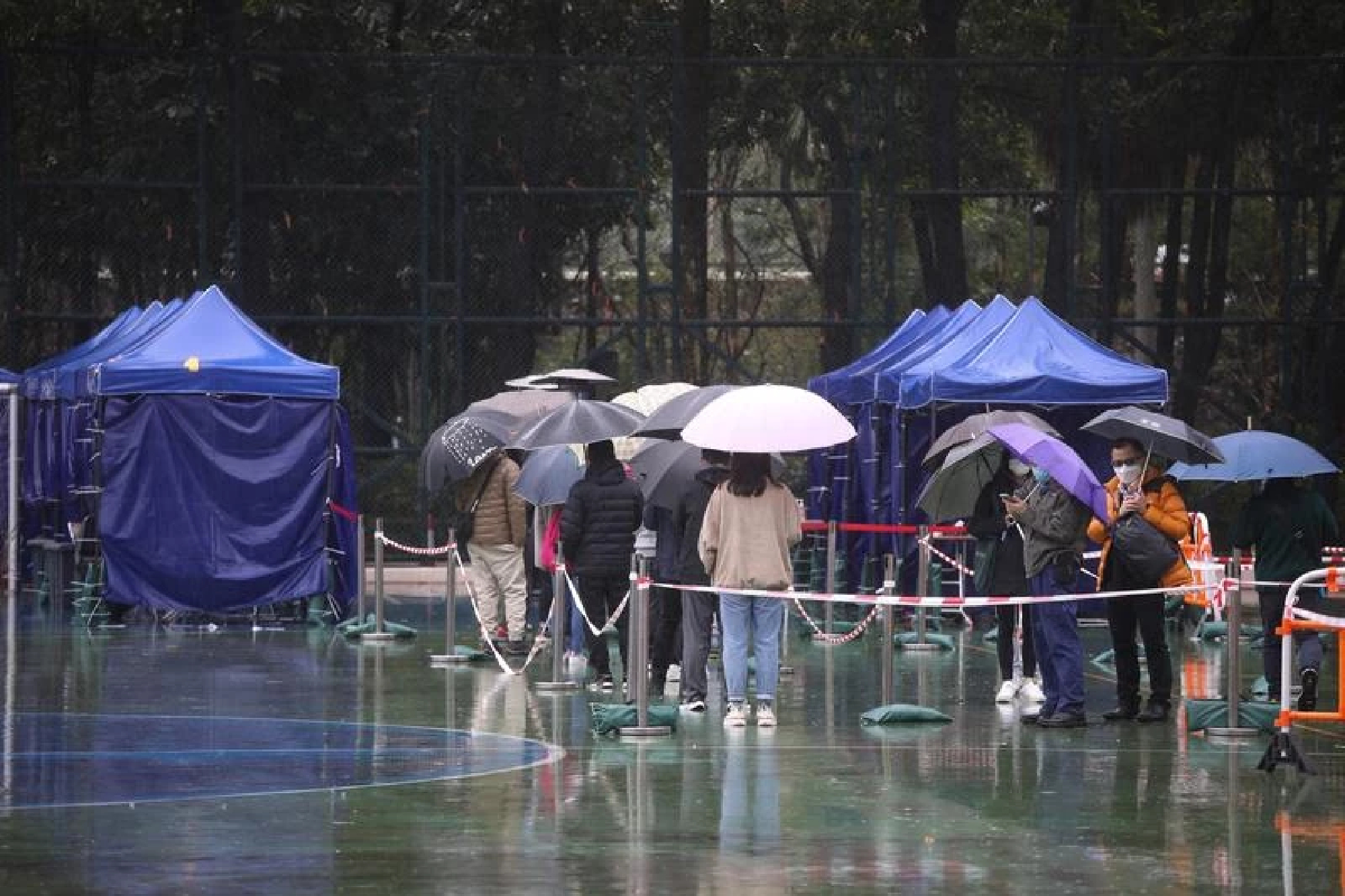
Also on Monday night, the government cordoned off Cheong Yat House and Cheong Him House in Nam Cheong Estate, Sham Shui Po for targeted testing operations after their sewage tested positive for COVID-19.

The government expected to finish both operations by 1 pm on Tuesday.

By Wang Zhan

Published : February 22, 2022

By : China Daily

Tourism in Hà Nội to reflect changing trends in 2022

#SootinClaimon.Com : ขอบคุณแหล่งข้อมูล : หนังสือพิมพ์ The Nation.

https://www.nationthailand.com/international/40012601


HÀ NỘI – To meet tourists’ demands and needs in 2022, many new breakthrough products will be on offer when borders reopen, according to the director of the city’s Department of Tourism Đặng Hương Giang.

Tourism in Hà Nội to reflect changing trends in 2022

Under the plan, the tourism activities will be conducted flexibly and adaptively to the pandemic condition. This highlights the coordination among sectors and localities to build and improve the quality of destinations, and to create high-quality tourism products.

“The Hà Nội Department of Tourism, along with a number of districts with potential and strengths such as Ba Vì, Sơn Tây, Mỹ Đức, Sóc Sơn, will invest building models of agricultural, rural and community tourism towards green tourism, as well as tourist destinations associated with local heritage-relics or craft villages,” said the director.

In particular, the capital’s tourism will be completely reformed and restructured to become a modern, professional, branded and highly competitive economic sector, she noted.

To achieve this goal, Hà Nội’s green economy will focus on three breakthroughs – increasing investment resources; developing mechanisms to encourage and support tourism development; conducting digital transformation to ensure sustainable development and significantly contributing to the city’s economic growth, aiming towards the goal of becoming a spearhead economic sector.

According to Giang, Hà Nội’s Department of Tourism will focus on researching and building breakthrough and attractive products to meet tourists’ new demands and tastes in the new context.

In addition, the capital’s tourism will strengthen links with businesses to promote, cooperate, exploit and develop the tourism market, while promoting cooperation with a number of key provinces and cities such as HCMC or Đà Nẵng to build and develop strong tours of Hà Nội like MICE tourism (meetings, incentives, conferencing and exhibitions), tourism combined with healthcare, among others.

At the same time, coordination with domestic and international media units will also be strengthened to promote the image of tourism in the capital and get prepared to welcome international tourists under the direction of the government.

Roadmap

The plan to restore and develop Hà Nội’s tourism in adaptation to the COVID-19 pandemic in 2022-2023 will be conducted in two stages.

In the first phase, lasting from the first and second quarters of 2022, activities to welcome and serve tourists will be implemented in localities in association with safe pandemic control and prevention procedures. Accordingly, management agencies and tourism businesses are ready to prepare resources and conditions to welcome international tourists under the allowance of the government.

Tourism activities are regulated according to the city’s pandemic level. In the case of a complicated pandemic, they will be reduced in scale and scope appropriately.

In phase 2, starting from the third quarter of 2022, all tourism activities and products in the city will be restored, regardless of their types, scales and scopes in the condition of safely adapting to the pandemic. The city will implement the plan to welcome international tourists according to the Government’s opening schedule, focusing on key tourism markets with high vaccine coverage and good pandemic control.

The fulfilment of the set goals demands that the Department of Tourism and relevant organisations synchronously implement many solutions, including ensuring safety at destinations and tourism service business establishments, building diverse, unique and attractive tourism products as well as a number of models of rural and agricultural tourism development.

In addition, the organisations will strengthen advertising and promotion activities to attract tourists; accelerate digital transformation in tourism activities; support enterprises to develop human resources to meet the requirements of tourism recovery and thoroughly prepare plans to welcome international tourists.

Hà Nội’s authorities have officially allowed the reopening of a series of heritage sites in the city, such as the Temple of Literature and Hỏa Lò Prison Relic, since February 15, which have attracted a large number of tourists.

According to the recovery plan, Hà Nội strives to welcome and serve 9-10 million visitors in 2022, including 1.2-2 million international visitors. Total revenue from tourists is expected to reach VNĐ27-35 trillion.

By 2023, the city is planning to welcome and serve 12-14 million visitors, including 2.5-3.5 million international visitors, earning a total revenue from VNĐ42 to 55 trillion. VNS

Published : February 22, 2022

By : Vietnam News

Japan local govts taking forward-thinking approach to COVID-19-related services

#SootinClaimon.Com : ขอบคุณแหล่งข้อมูล : หนังสือพิมพ์ The Nation.

https://www.nationthailand.com/international/40012600


The number of people recuperating at government-designated accommodation facilities has soared during the sixth wave of the novel coronavirus.

Japan local govts taking forward-thinking approach to COVID-19-related services

In response to this increase, those infected are being offered an array of services, including the provision of luxury lunch boxes made by famous caterers, and rooms where families can stay together.

These kinds of services are aimed at alleviating the stress of convalescents staying in isolated locations, where movement is restricted. One expert has called on local governments to share relevant information to allow such endeavors to spread further.

■ Gourmet cuisine

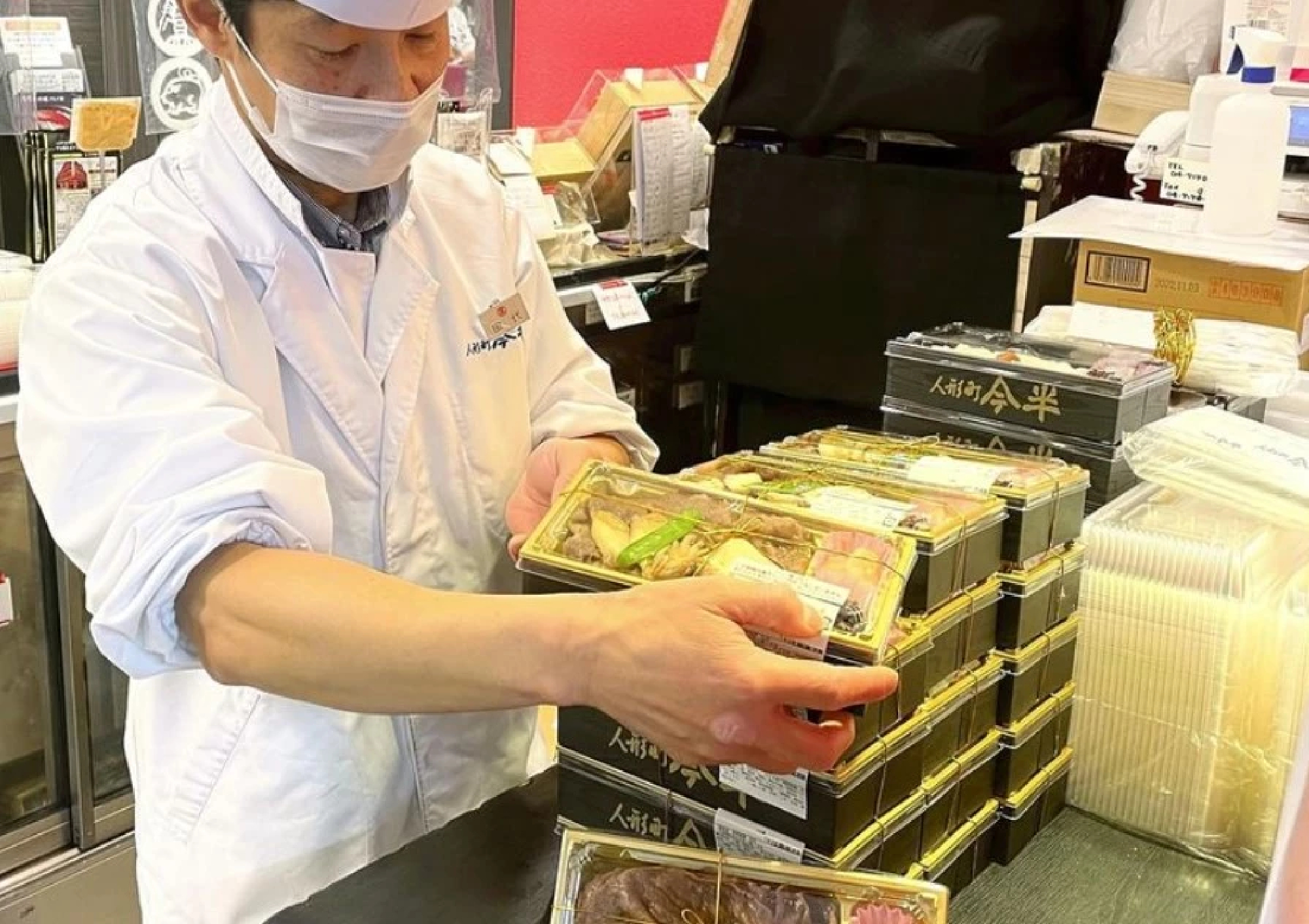
Lunch boxes featuring pieces of sweet-flavored Kuroge Wagyu — Japanese black beef — arranged atop white rice were handed out at a government-designated accommodation facility in Kashiwa, Chiba Prefecture, on Feb. 9. The lunch boxes, named “Tokujo Sukiyaki-ju” (Stacked boxes of fine sukiyaki), were prepared by Ningyocho Imahan Co., a long-established beef hot-pot restaurant operator and caterer of Japanese cuisine.

On the day, Kashiwa’s city government began providing a Wednesday service in which bento boxes crafted by noted restaurants or caterers are distributed as lunches to people recuperating at designated locations.

“We hope the meals will provide recuperating patients with a mental diversion, even if it’s only once a week,” said Kashiwa Mayor Kazumi Ota.

The Tokyo metropolitan government has also been offering a popular lunch box once a week since mid-January. A male company employee in his 40s who recuperated at a hotel in Shinjuku Ward recalled: “I was staying in a small room with the window closed; my sole diversion was the meals. When ekiben [a prepared meal traditionally sold at stations and on trains] featuring beef tongue was available, I’d be first in the line.”

Nagano’s prefectural government also is offering ekiben prepared by local caterers to people recuperating at designated facilities — partly to help support businesses whose sales have declined amid the COVID-19 pandemic.

■ Responding to different tastes

For reasons of hygiene, most recuperative facilities forbid people bringing food from home, or having it delivered. The city government of Chiba, however, permits food deliveries from companies such as Uber Eats, provided that patients settle payments online in advance.

Convalescents are provided with three meals per day, free of charge. A municipal government official said, “We’ve tried to take into consideration people who may need larger meals than we can provide, and well as foreigners who may not find some meals to their taste.”

■ Recuperating together

The spread of infection within families has also posed a challenge in the sixth wave of the virus.

On Jan. 28, Yamanashi’s prefectural government made about 70 special rooms available — ranging in size from 31 to 55 square meters — at resort hotels in Fuefuki in the prefecture. Here, married couples or parents and their children can stay together to recuperate from COVID-19.

This is a somewhat unusual service, as most people are usually only provided with a single, separate room. More than 10 groups have already used the new service. A prefectural government official said, “We hope even parents with small children can recuperate with peace of mind.”

According to the Health, Labor and Welfare Ministry, there were 21,843 people staying in designated accommodation facilities across the country as of Feb. 9. Although new infection cases during the sixth wave may be close to peaking, it is vital to prepare for the next wave.

Tetsuya Yamamoto, an associate professor in clinical psychology at Tokushima University said: “Supportive measures are important to help alleviate stress and feelings of isolation among convalescents. I hope local governments can share information to facilitate the provision of services tailored to the needs of local communities.”

Published : February 22, 2022

By : The Japan News

Myanmar junta argues genocide case cannot proceed

#SootinClaimon.Com : ขอบคุณแหล่งข้อมูล : หนังสือพิมพ์ The Nation.

https://www.nationthailand.com/international/40012599


BANGKOK – Myanmar’s military junta argued on Monday (Feb 21) that a case alleging genocide against the country’s Rohingya minority has no grounds to proceed.

Myanmar junta argues genocide case cannot proceed

Addressing the International Court of Justice in person at The Hague, the junta’s minister of international cooperation, Mr Ko Ko Hlaing, said: “The government of Myanmar remains committed to addressing the problems in northern Rakhine state, which have a long history.”

He added that it was “determined to solve these complex problems through peaceful means of negotiation and reconciliation”.

The junta’s legal team contends that The Gambia, which in 2019 filed a lawsuit alleging that Myanmar breached the 1948 Convention on the Prevention and Punishment of the Crime of Genocide, was acting as a proxy for the Organisation of Islamic Cooperation, which is not a party to the convention.

Monday’s hearing was clouded by controversy over which should be the rightful party representing Myanmar amid the political crisis triggered by the military coup on Feb 1 last year.

The junta is currently battling guerilla forces and ethnic armed groups opposing its power seizure. A parallel National Unity Government (NUG), composed partly of lawmakers ousted by the coup, is vying with the junta for international recognition.

Both the junta and the NUG had sought to represent Myanmar in this case, which centres on the military’s crackdown in Rakhine state five years ago that triggered an exodus of more than 700,000 Muslim Rohingya.

Numerous survivors who fled to neighbouring Bangladesh later recounted tales of systematic rape, massacre and destruction of Rohingya villages.

According to the latest update by the United Nations Refugee Agency (UNHCR), more than 920,000 refugees remain in Bangladesh, with about 767,000 having arrived after the crackdown began in August 2017.

In 2019, Myanmar’s then civilian leader Aung San Suu Kyi – who along with other members of her government were detained and are now facing a host of charges – personally defended her country at the court, arguing that there was no genocidal intent in the treatment of the Rohingya.

Notably, then, she avoided using the term “Rohingya”, infuriating a community that has long been treated as outsiders in Myanmar.

In January 2020, the court granted Gambia’s request for provisional measures requiring Myanmar to protect the Rohingya from genocidal acts and preserve evidence of genocidal acts.

Mr Ko Ko Hlaing told the court on Monday that Myanmar has been “diligently” implementing the court’s orders.

Internally displaced persons (IDP) within Rakhine state were receiving Covid-19 vaccination “on par with other members of the population generally” and “projects for closing IDP camps and arranging the return of IDPs back to their normal lives are under way”, he said.

“These ongoing developments demonstrate the will of our government to find effective and constructive ways forward in Rakhine state,” he added.

Monday’s hearing is not about the merits of the genocide case but about Myanmar’s preliminary objections to the ICJ’s jurisdiction over it, which the civilian government filed last year shortly before the coup.

The NUG announced this month that it had withdrawn Myanmar’s preliminary objection.

Commenting on the ICJ’s decision to go ahead with the hearing on the preliminary objection in the presence of a junta representative, NUG Foreign Minister Zin Mar Aung said on Monday at a press conference: “We understand that the court was following an administrative anomaly… We believe this hearing does not give any legitimacy to the junta.”

But she added that the court risked being seen as “inadvertently undermining democracy in Myanmar”.

She also said her government would continue engaging with the court, to bring justice to “our Rohingya sisters and brothers”.

By Tan Hui Yee

Published : February 22, 2022

By : The Straits Times

Instant noodles rank 1st in food output in 2020 amid pandemic

#SootinClaimon.Com : ขอบคุณแหล่งข้อมูล : หนังสือพิมพ์ The Nation.

https://www.nationthailand.com/international/40012598


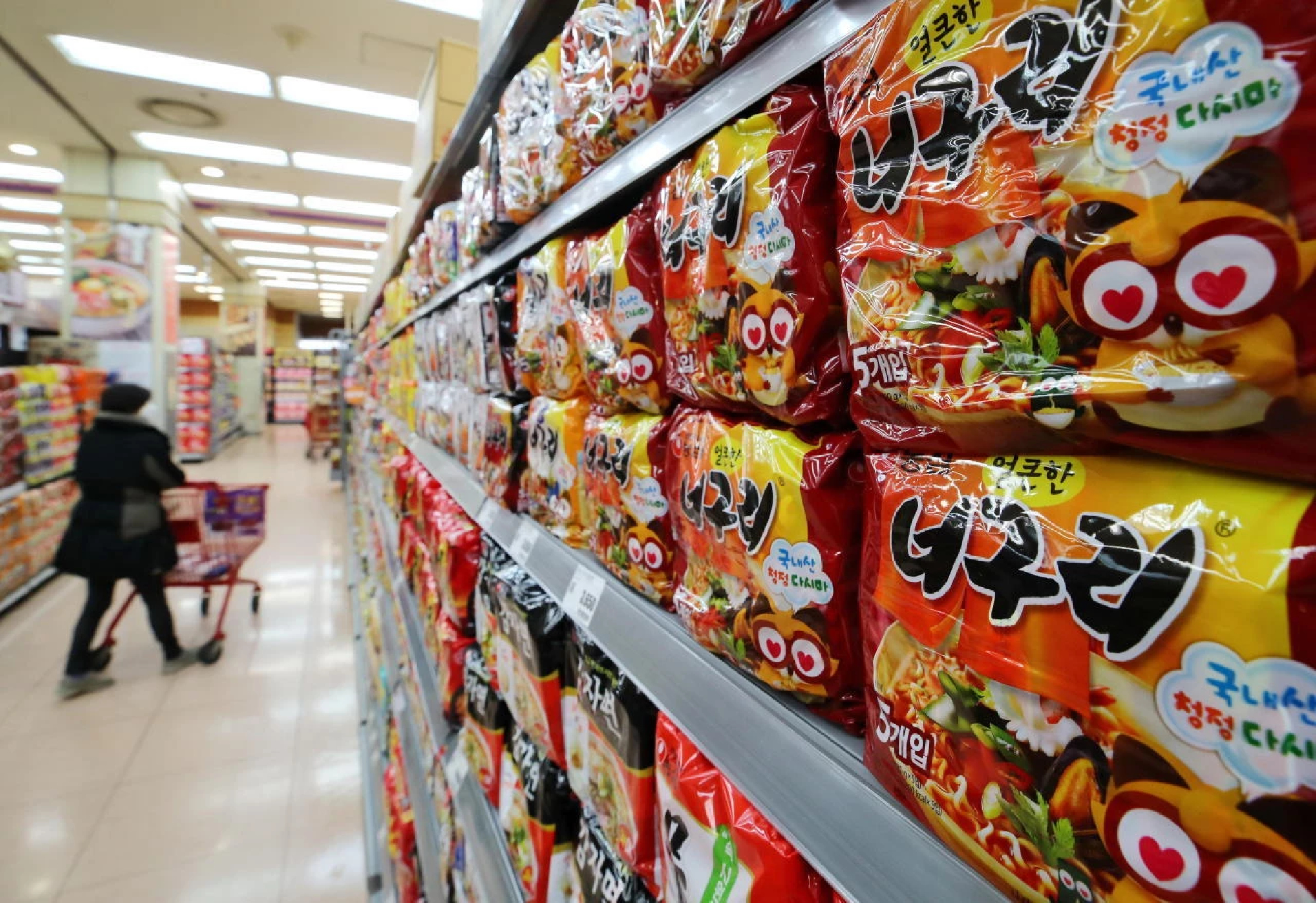
Instant noodles captured the top spot in production among food products in South Korea in 2020 on a surge in exports amid the coronavirus pandemic, data showed Tuesday.

Instant noodles rank 1st in food output in 2020 amid pandemic

The output of instant noodles, or “ramyeon” in Korean, stood at 1.93 million tons in 2020, up a whopping 231 percent from a year earlier, according to the data from the Ministry of Food and Drug Safety.

Ramyeon’s ranking in terms of production was up 12 notches from the previous year.

Strong exports were cited as the main reason for the spike in production of instant noodles.

Overseas shipments of instant noodles shot up nearly 50 percent on-year to $687.1 million in 2020, while domestic sales sank about 20 percent to 1.56 trillion won ($1.31 billion).

Instant noodles thus placed first in terms of the export value among local food products, up from second place a year earlier.

Industry watchers said South Korean instant noodles became more popular abroad as the COVID-19 outbreak forced more people to stay home.

Also responsible were strong overseas shipments of “chapaguri,” a signature noodle dish from the Oscar-winning film “Parasite,” according to the sources.

Carbonated drinks ranked second in terms of output with 1.87 million tons in 2020, according to the data, followed by flour with 1.82 million tons, beer with 1.5 million tons and sugar with 1.43 million tons. (Yonhap)

Published : February 22, 2022

By : The Korea Herald

Malaysian PM’s visit to Thailand a positive sign on reopening of land border

#SootinClaimon.Com : ขอบคุณแหล่งข้อมูล : หนังสือพิมพ์ The Nation.

https://www.nationthailand.com/international/40012582


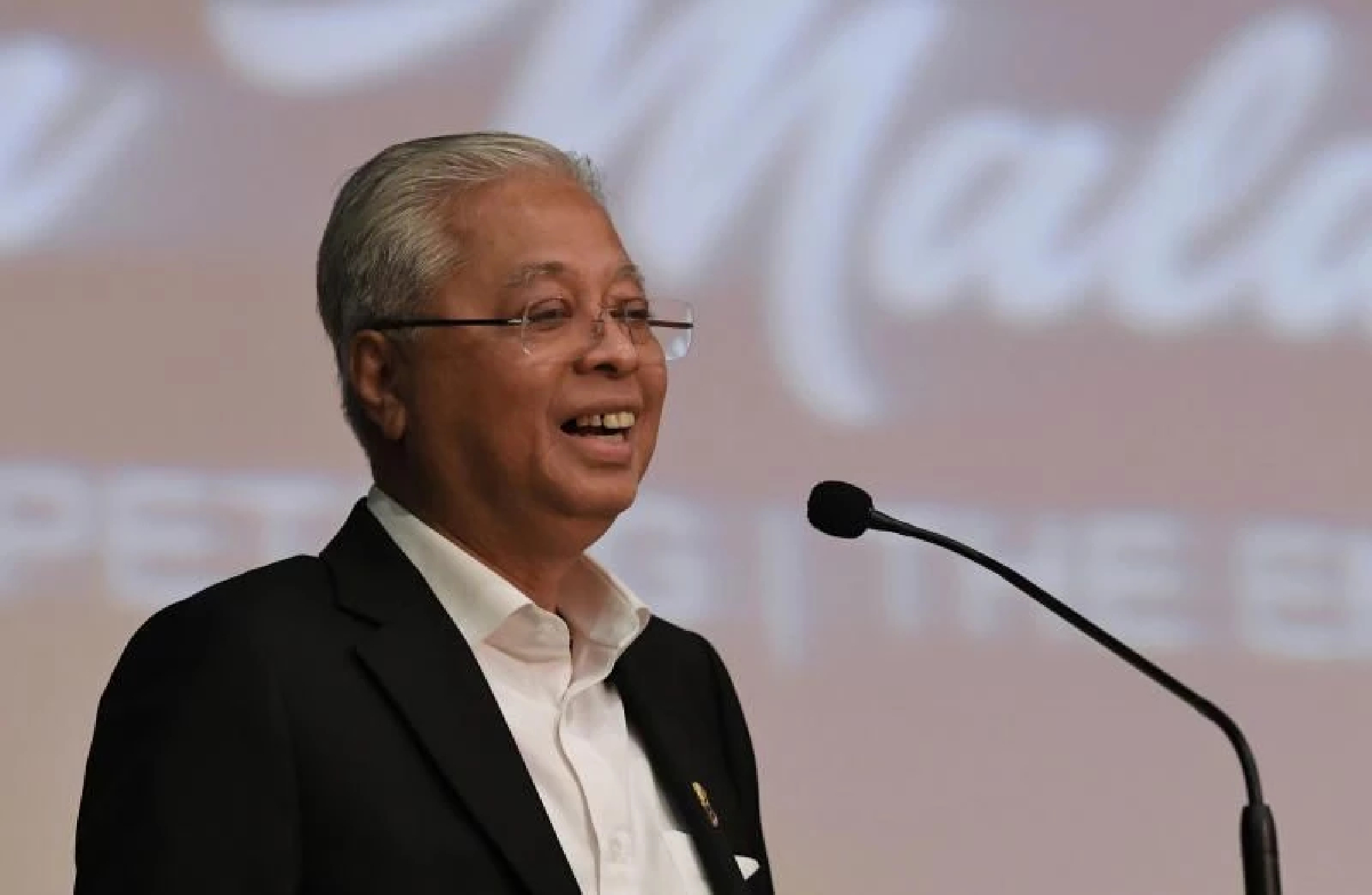
Malaysian Prime Minister Datuk Seri Ismail Sabri Yaakob’s official visit to Thailand this week is expected to bring ‘good news on the reopening of Thai-Malaysian land borders.

Malaysian PM’s visit to Thailand a positive sign on reopening of land border

Malaysian Ambassador to Thailand Datuk Jojie Samuel said Ismail Sabri’s three-day visit, the first since he was appointed prime minister last August, was at the invitation of Thai Prime Minister Prayut Chan-o-cha.

This was also the first visit by a Malaysian prime minister to the Kingdom since the start of the global Covid-19 pandemic two years ago.

Jojie said matters to be discussed during the visit included the reopening of land borders, bilateral cooperation and exploring trade and investment opportunities post Covid-19.

“There will be some good news (on the reopening of land borders). There are a few proposals on the table.

“Senior officials and a technical committee will discuss the details on the reopening,” he told Bernama after attending the Kelab Malaysia of Thailand (KMT)’s Chinese New Year dinner.”

Jojie added that there would be a discussion on recognising vaccination certificates from both countries.

Ismail Sabri was scheduled to go on a working visit to Bangkok from Feb 24 to 26.

Last week, the Thai Foreign Affairs Ministry’s deputy spokesman Natapanu Nopakun said Thailand was planning to reopen the Thai-Malaysia border in March to boost tourist arrivals, as Malaysian tourists have been the largest group of visitors to the kingdom before the Covid-19 pandemic.

He said the Centre for Covid-19 Situation Administration (CCSA) and Tourism Emergency Operation Centre (EOC) has been ordered to prepare and outline the pandemic mitigation measures for the reopening of the southern border provinces in the checkpoints of Songkhla, Narathiwat, Yala and Satun.

Natapanu said tourists from neighbouring Malaysia would enter Thailand via a quarantine-free ‘Test & Go’ programme.

However, travellers need to pass two RT-PCR Covid-19 tests on Day 1 upon arrival and the second on Day 5.

Before the Covid-19 pandemic, Thailand recorded nearly 40 million visitors including 4.1 million Malaysian tourists in 2019.

On KMT’s Chinese New Year’s Dinner, KMT president Datuk Bobby Tai said it was held to give fellow Malaysians a sense of ‘home festivities’, especially for those who could not fly home due to the Covid-19 pandemic.

About 80 fellow Malaysians attended the dinner in compliance with Covid-19 standard operating procedures (SOPs) set by the government.

KMT was established by a group of Malaysians some 31 years ago to preserve the Malaysian identity in Thailand and to foster fellowships for Malaysian families living in Thailand. 

The Star

Published : February 21, 2022

South Korea’s fiscal deficit tops W100tr as spending surged amid COVID-19

#SootinClaimon.Com : ขอบคุณแหล่งข้อมูล : หนังสือพิมพ์ The Nation.

https://www.nationthailand.com/international/40012572


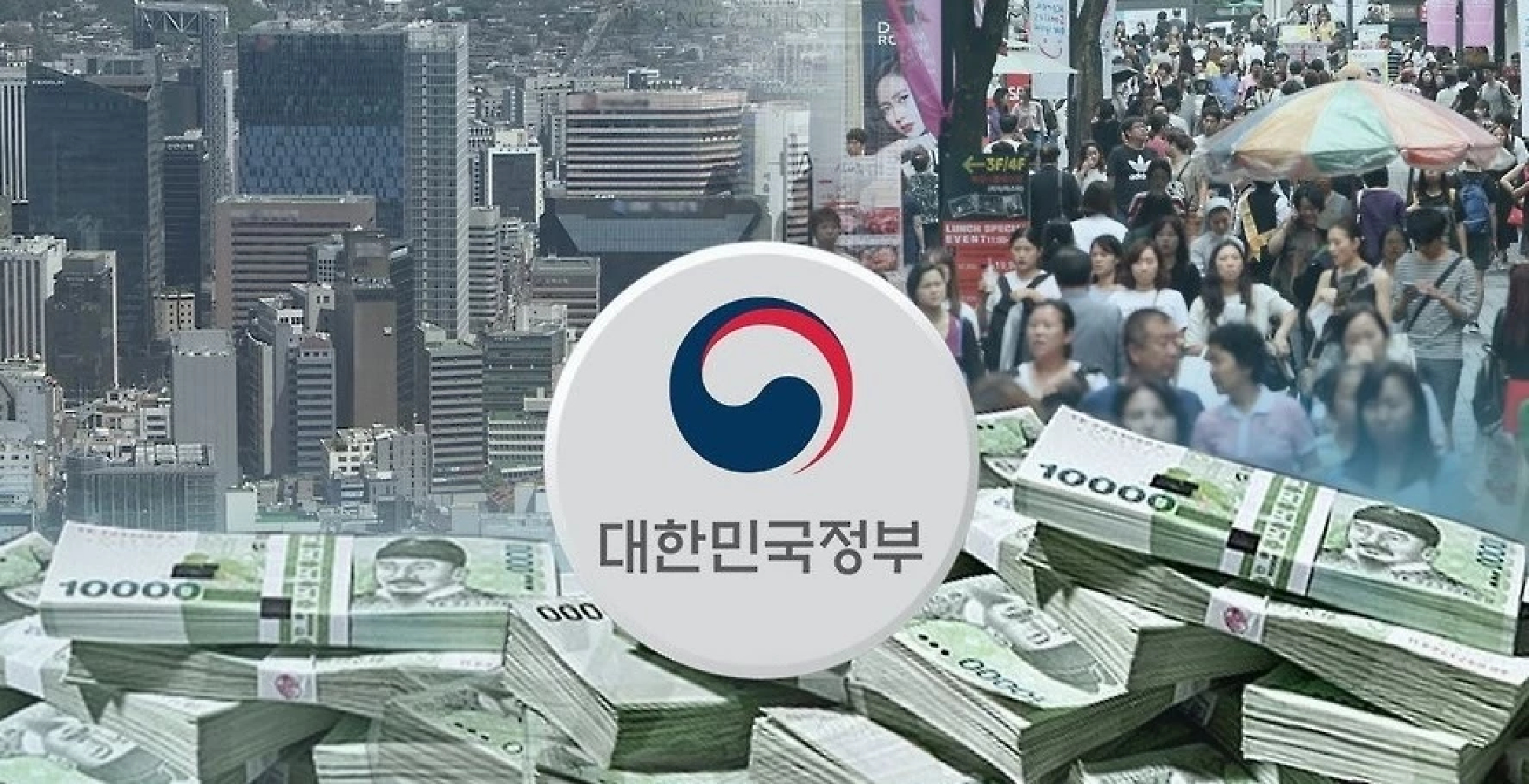
South Korea’s fiscal deficit reached over 100 trillion won ($83 billion), while national debt logged a deficit of 240 trillion won, as the country was bogged down by COVID-19 woes in the past two years, data from the Finance Ministry showed Sunday.

South Korea’s fiscal deficit tops W100tr as spending surged amid COVID-19

With an additional 70 trillion won in fiscal deficit and 100 trillion won of national debt projected to be added this year, based on the size of the supplementary budget currently being discussed by officials and lawmakers, onlookers are expressing concerns over the fiscal soundness.

In 2020, the Moon Jae-in administration logged a deficit of 71.2 trillion won for the consolidated fiscal balance, a key gauge of fiscal soundness, when the nation confirmed its first COVID case in January. Korea saw a deficit of 30 trillion won last year, meaning that the total fiscal deficit in the pandemic era so far amounts to some 101 trillion won.

Sunday’s fiscal deficit data comes as the government has been posting robust total income backed by an increase in tax revenue and fast recovery in exports, which accounts for some half of the nation’s economy.

For fiscal 2021, the country’s total income, including tax revenue, tentatively came to a total 570 trillion won, up from its earlier estimate of 514.6 trillion won. Gross expenditures increased 50 trillion won on-year to 600 trillion won.

Korea’s tax revenue gained 58.5 trillion won on-year in 2021, while the country’s excess tax revenue came to 61.4 trillion won.

The government raked in 344.1 trillion won in taxes last year, up from 285.5 trillion won the previous year, according to the ministry. In December last year, the tax revenue increased 2.9 trillion won on-year to 20.7 trillion won.

On Friday, President Moon Jae-in called for the National Assembly to swiftly approve an extra budget proposal of 14 trillion won that was submitted last month, with political parties already floating ideas of bigger government spending.

The ruling Democratic Party called for a 35 trillion won extra budget, while the main opposition People Power Party demanded a 50 trillion won supplementary budget.

Meanwhile, deputy prime minister and Finance Minister Hong Nam-ki has expressed concerns over the political parties’ push to beef up this year’s extra budget ahead of the March presidential election. He explained that the debt-to-gross domestic product ratio could gain 2 percentage points from the ministry’s estimate if the budget size is jacked up to 35 trillion won, Hong told a parliamentary meeting on Feb. 8.

With the proposed 14 trillion won extra budget, the national debt is already forecast to reach 1,075.7 trillion won this year and the debt-to-GDP ratio is expected to rise to a record high of 50.1 percent, according to a government projection.

Hong added that global credit agencies have expressed concerns of the nation’s growing national debt, which has been gaining pace.

Last month, Fitch Ratings said a sustained rise in the country’s government debt ratio could affect Korea’s sovereign rating for the interim period. Asia’s fourth-largest economy’s shift toward expansionary fiscal spending and tolerance of fiscal deficits appear to be becoming more “entrenched,” it said.

On top of that, presidential candidates have also pledged further financial support for small-business owners, which has prompted experts to advise the government to set up a task force to deal with debts and spending.

“South Korea is expected see an average 2 or 3 percent gain in its debt-to-GDP ratio annually from now on,” said Kim Woo-cheol, a taxation professor at University of Seoul.

“The presidential candidates’ current pledges are projected to fuel the gain, which is why a special task force is needed to come up with a plan for spending,” he added.

By Jung Min-kyung

Published : February 21, 2022

By : The Korea Herald

Laos-China Railway to operate additional train

#SootinClaimon.Com : ขอบคุณแหล่งข้อมูล : หนังสือพิมพ์ The Nation.

https://www.nationthailand.com/international/40012571


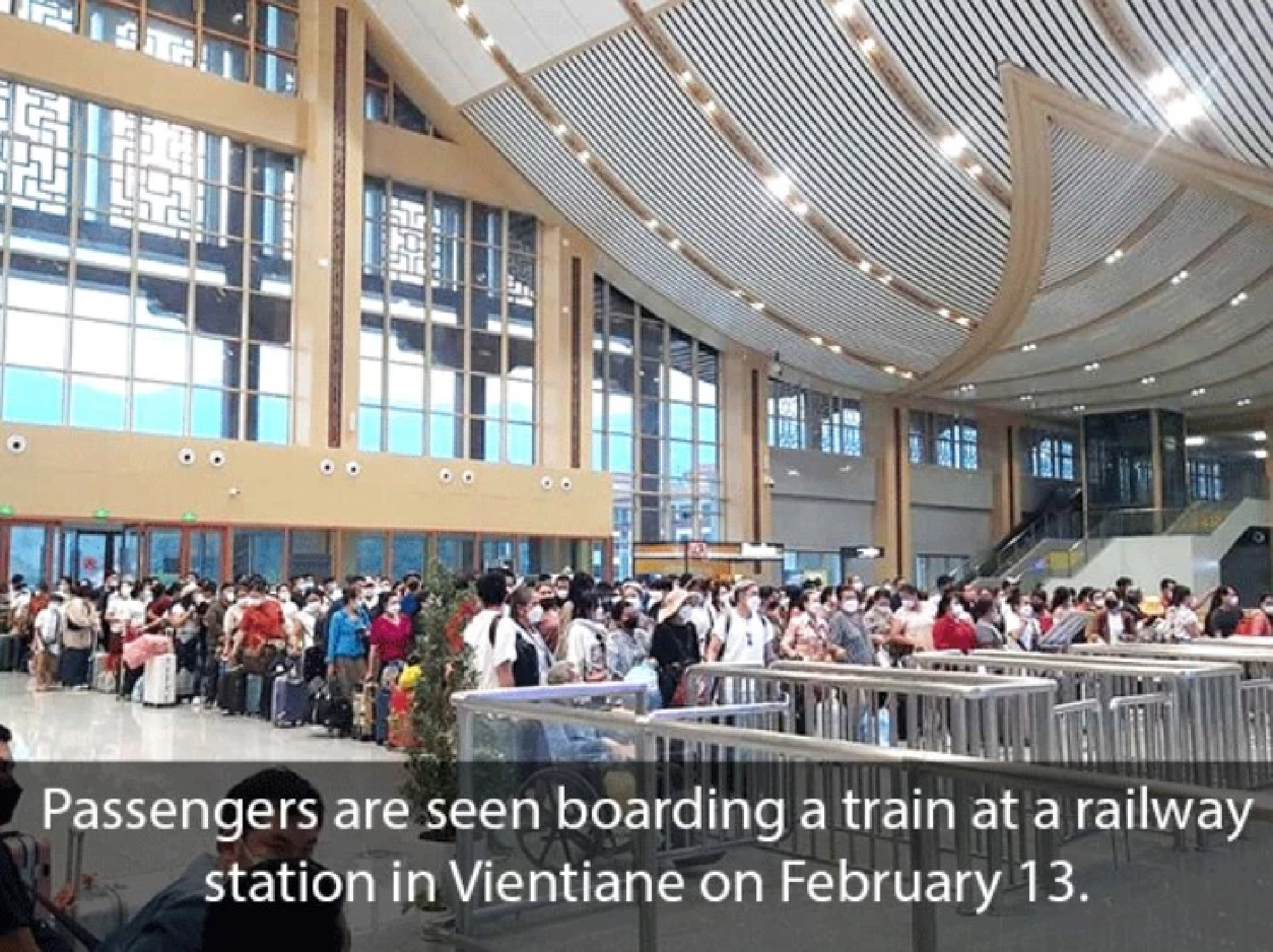
The Laos-China Railway Company has announced it will operate a slower-speed train in addition to the two existing high-speed EMU trains to meet the growing needs of passengers.

Laos-China Railway to operate additional train

The additional train, which will run at a speed of 120 km an hour and have a capacity of more than 1,000 passengers, arrived in Vientiane on Friday.

It is scheduled to start services next month, the Vice Engineer of the Laos-Chin Railway Company, Mr Vongthong Souphanthong, told the media on Friday.

The Laos-China Railway began its services on December 3 last year, and its trains have carried 124,225 passengers as of February 13. On an average, 1,725 passengers take trips on the trains every day, with daily numbers reaching more than 2,800 passengers on peak days.

The rail link has transported 157,568 tonnes of goods as of February 13, equivalent to an average of 2,188 tonnes a day, with a daily peak of 6,748 tonnes.

Since February 14, the company doubled rail trip, from one to two a day, from Monday to Thursday, so that two services are provided on each day of the week.

To meet growing needs, the company plans to increase services on weekends as there are usually more passengers on Saturday and Sunday, Mr Vongthong said.

“If this is still not sufficient, we will connect two existing EMU trains into one, and that can double the carrying capacity to 1,400 passengers per trip,” he said.

These plans would be adequate to meet the demands for passenger services, Mr Vongthong said.

To facilitate customers, the company has announced it will soon start selling tickets at its authorised office at the Vientiane Center – a shopping mall in the city centre – so that ticket sales are not limited to train stations.

The company is setting up an online system for selling tickets, which is expected to become operational in the middle of this year. The move is also expected to address the issue of some people buying tickets and reselling them at an inflated price.

Mr Vongthong said his company is working with the security forces to investigate this issue and those found guilty will be punished in accordance with relevant regulations.

“If our staff is found to be involved, we will enforce discipline on the wrongdoer,” he said.

He called on the public to inform officials if they notice any irregularities in this regard.

By Souksakhone Vaenkeo

Published : February 21, 2022

By : Vientiane Times

Beijing 2022 closes with great fanfare

#SootinClaimon.Com : ขอบคุณแหล่งข้อมูล : หนังสือพิมพ์ The Nation.

https://www.nationthailand.com/international/40012570


China hailed for hosting safe, outstanding Winter Olympics that show ‘unifying power’ of sports

Beijing 2022 closes with great fanfare

With the Olympic flame extinguished following a farewell party, Beijing capped the 2022 Olympic Winter Games to resounding global acclaim on Sunday for bringing the world together through the power of sports at a challenging time.

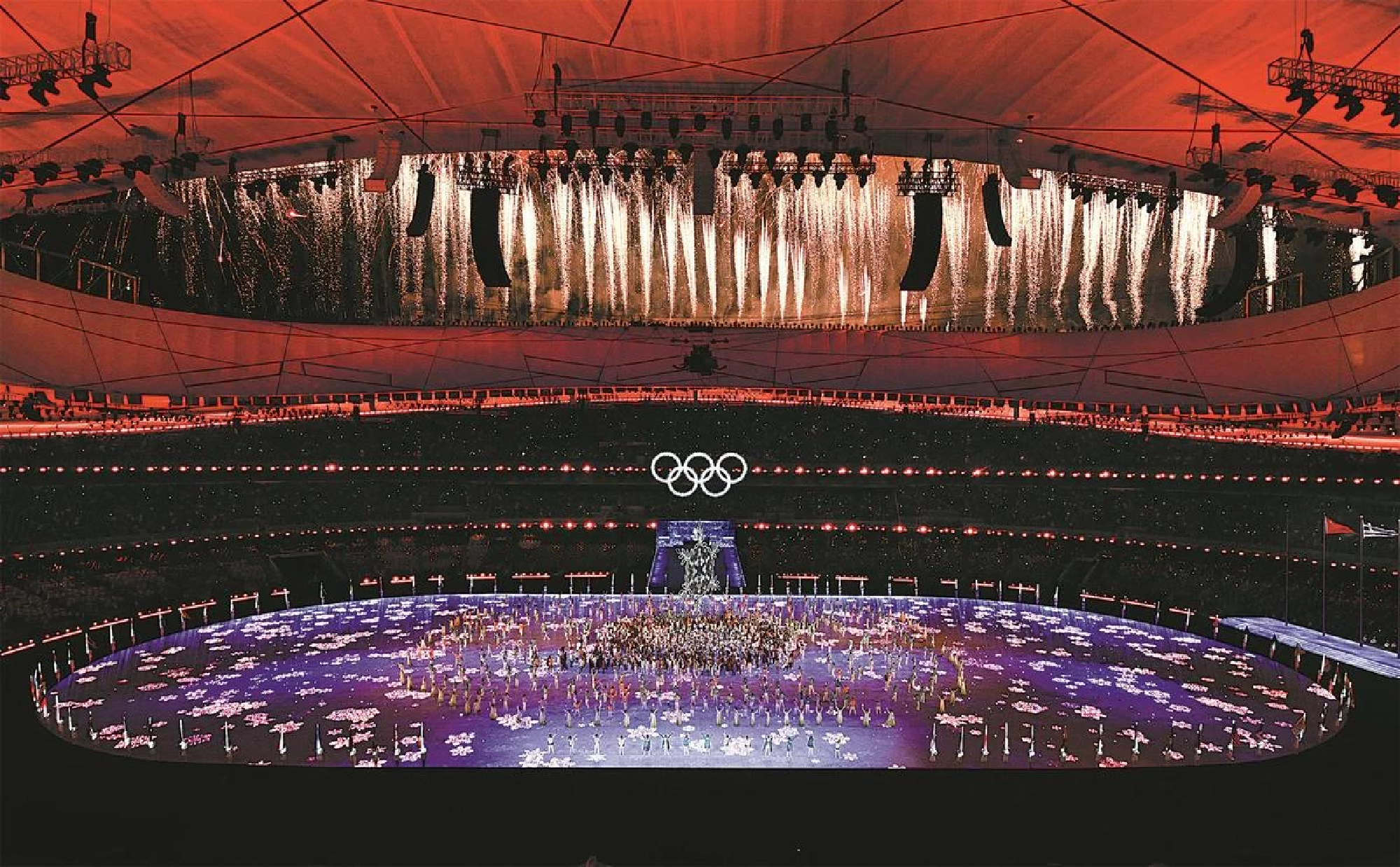
As the first major international sporting event held on schedule amid the COVID-19 pandemic, the Winter Games concluded in a memorable way after International Olympic Committee President Thomas Bach declared its closing, witnessed by President Xi Jinping at the iconic National Stadium in Beijing on Sunday night.

The closing ceremony, which featured artistic performances and athlete parades, brought the curtain down on an extensive display of thrilling sports action, friendship and mutual respect among 2,877 athletes from 91 national and regional Olympic committees at safe and well-organized Games, despite unprecedented challenges amid the pandemic.

During 19 days of outstanding performances on the ice and snow, 17 Olympic records, including two world records, were broken, while gold medals were awarded in a record number of 109 events at the most gender-balanced Winter Games to date, where 45 percent of athletes were female.

Highlighted by breakthroughs in snow sports, the host delegation bagged a national record haul of 15 medals, including nine gold, to finish third in the gold medal standings, its highest ever since China’s Winter Olympics debut at the 1980 Lake Placid Games in the United States.

With the world facing common challenges such as the rampaging Omicron variant of coronavirus and geopolitical tensions, the Chinese organizers’ relentless efforts to set up an equal stage for athletes to compete fiercely, yet live in peace and respect under one roof in a safe environment, earned appreciation from around the world.

“You overcame these divisions, demonstrating that in this Olympic community we are all equal-regardless of what we look like, where we come from, or what we believe in,” Bach said during the closing ceremony. “This unifying power of the Olympic Games is stronger than the forces that want to divide us.

“The Olympic spirit could only shine so brightly because the Chinese people set the stage in such an excellent and safe way,” he added. “Our deepest thanks and gratitude go to the organizing committee, the public authorities and all our Chinese partners and friends. On behalf of the best winter sport athletes of the world, I say: Thank you, our Chinese friends.”

With the successful delivery of the 2022 Games, Beijing has made history as the first city ever to host both summer and winter editions of the Olympics.

Cai Qi, president of the Beijing 2022 organizing committee and secretary of the Communist Party of China Beijing Municipal Committee, said, “The Olympic Winter Games Beijing 2022 opens a new era for winter sports. It is yet another extraordinary example of humanity coming together for a shared future. The Olympic spirit will live on forever.”

The event’s closed-loop management, which required all Games participants to move only between their designated accommodation facilities and competition, training and working venues via official transportation that kept them separated from local communities, proved sound and effective. It kept athletes safe within the loop while preventing any imported cases from spreading to the outside public, paving the way for hosting more major international events safely even with the pandemic remaining.

“It was one of the safest places on the planet, if not the safest place, and this is a great achievement,” Bach said of the Winter Games’ closed loop at a news conference on Friday.

Although entering China with concerns about the strict COVID-19 protocols, many athletes have hailed their stay in Beijing as a reassuring experience that helped them focus on the competition.

“I’ve had an opportunity to speak with some athletes, and their experiences to date have been tremendous,” said Rick Adams, the US delegation’s chef de mission, during the Games. “The care which has been taken around the most important thing, the health and safety of the athletes and the entire delegation, has been very impressive.”

Despite challenging circumstances, the host’s warm hospitality, caring services at the Olympic Villages, exposure to Chinese culture during Spring Festival and traditional Chinese food impressed international athletes, prompting them to post viral videos on social media documenting their stays in Beijing and co-host city Zhangjiakou, Hebei province.

“From what I’ve experienced so far, China has a wonderful culture,” Canadian Olympic champion curler John Morris said after a mixed double curling game. “They’re very friendly, very respectful, and they’ve been great to us.”

The cheerful atmosphere during the athletes’ parade into the closing ceremony, where Olympians, regardless of their different uniforms, all danced and celebrated to the same beat of Beethoven’s Ode to Joy, turned the National Stadium, also known as the Bird’s Nest, into a lively party despite the wintry chill.

According to the traditional protocol of such closing ceremonies, Chen Jining, the mayor of Beijing, handed the Olympic flag to IOC President Bach, who passed it to the mayors of the Italian cities of Milan and Cortina d’Ampezzo, to raise the curtain on the next Winter Olympic Games, which will be hosted by Italy in 2026.

By SUN XIAOCHEN

Published : February 21, 2022

By : China Daily