New, higher taxes eyed to service PH debts

#SootinClaimon.Com : ขอบคุณแหล่งข้อมูล : หนังสือพิมพ์ The Nation.

https://www.nationthailand.com/international/40012520


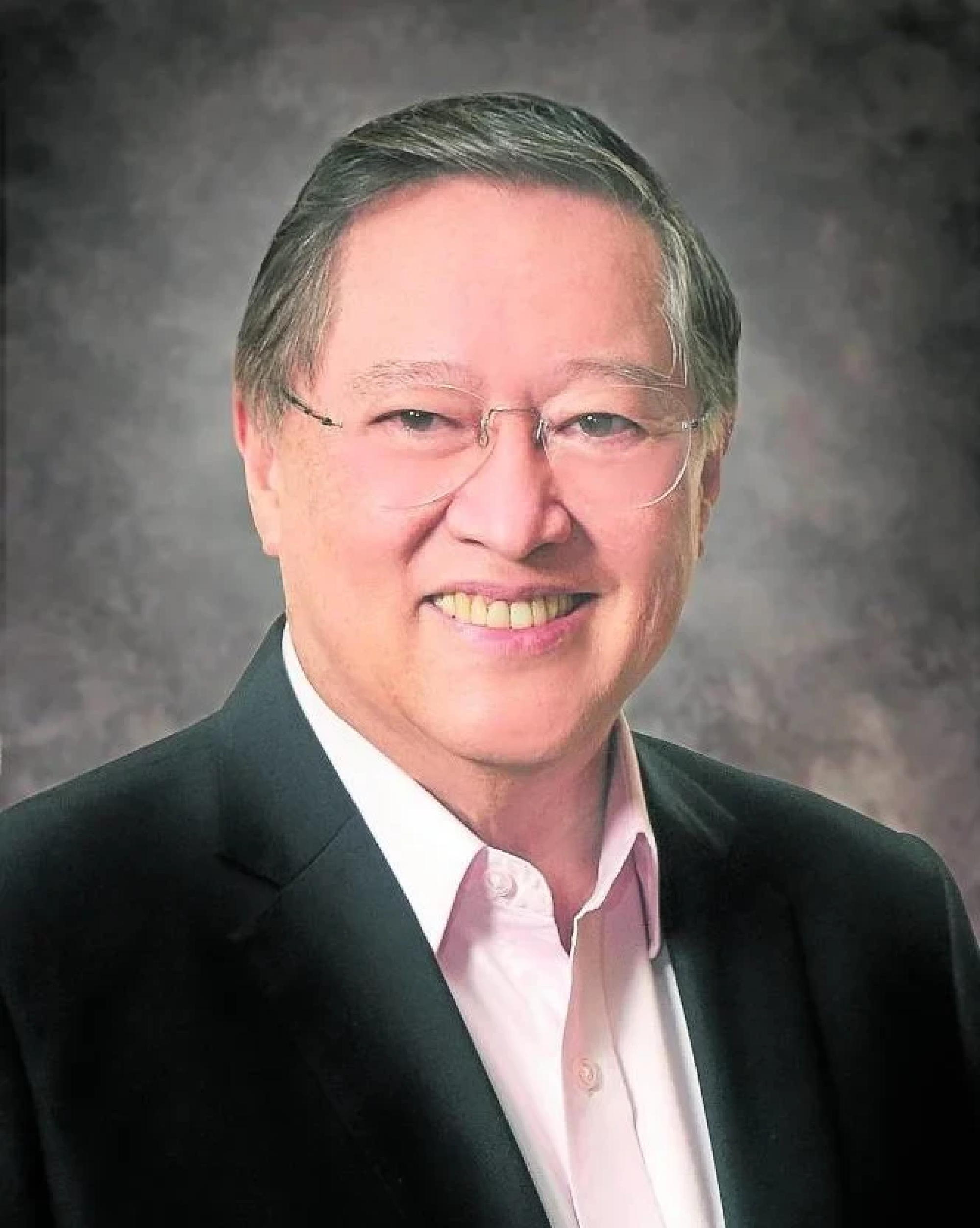
With less than five months remaining in office, Finance Secretary Carlos Dominguez III proposed on Friday new or higher taxes to pay for the foreign debts the Duterte administration incurred to address the COVID-19 pandemic.
New, higher taxes eyed to service PH debts

“We are very confident that 2022 will be the year that we will return to normalcy,” he said in an interview with CNBC.

Dominguez said the government’s mass vaccination would pave the way for the reopening of more productive economic sectors to achieve 7 percent to 9 percent gross domestic product (GDP) growth this year.

But the Duterte administration only has 132 days left in office and the next administration would have to deal with the debts the government incurred for the vaccines and other needs during the pandemic.

In all, the Philippines borrowed $2 billion (over P102 billion)—$1.2 billion for vaccines and $800 million for booster and pediatric shots—from three multilateral banks last year.

High debt-to-GDP ratio

It also borrowed from bilateral partners such as Japan and South Korea to finance the rollout, including logistics and equipment like cold storage needed for the vaccination program.

As of end-2021, the Philippines’ public debt-to-GDP ratio climbed to a 16-year high of 60.5 percent, exceeding the 60-percent threshold deemed manageable for emerging markets.

But Dominguez maintained that “the spike in our debt-to-GDP ratio is well-within affordability, and well-within our rating peers’ experience” or other economies, which have the similar investment-grade credit ratings as the Philippines.

While Dominguez did not say what new or higher taxes may be included, he told CNBC that the fiscal consolidation package will be discussed with all presidential aspirants.

“We are ready to brief all presidential candidates and their economic teams, and we will present to them ideas on how to handle the increasing debt,” Dominguez said.

Officials from the Department of Finance (DOF) had said the next administration could set its sights on “relatively untaxed” sectors.

Carbon tax eyed

For instance, the viability of carbon tax, a levy on cryptocurrencies, removal of all exemptions from 12-percent value-added tax payments, as well as further hikes of excise taxes on cigarettes, e-cigarettes, alcoholic drinks and sugary beverages were currently being studied and considered.

Dominguez expects a smooth transition to the next administration just like previous turnovers from one president to another since 1986.

“We have a history of orderly and peaceful transfers of power. We have already been preparing our transition documents for the next administration,” he said.

In another statement issued by the Bangko Sentral ng Pilipinas, Dominguez was quoted as saying that recent reforms and continuity in the bureaucracy will help the next administration maintain the economy’s solid macro fundamentals.

“The deep bench of technocrats who have helped steer economic policies will be staying beyond June 2022 and would help ensure the continued pursuit of structural reforms,” he said.

By: Ben O. de Vera

Published : February 19, 2022

By : Philippine Daily Inquirer
Over 800,000 people have been displaced in Myanmar since last year, and the conflict is unlikely to decrease: UNHCR

#SootinClaimon.Com : ขอบคุณแหล่งข้อมูล : หนังสือพิมพ์ The Nation.

https://www.nationthailand.com/international/40012519


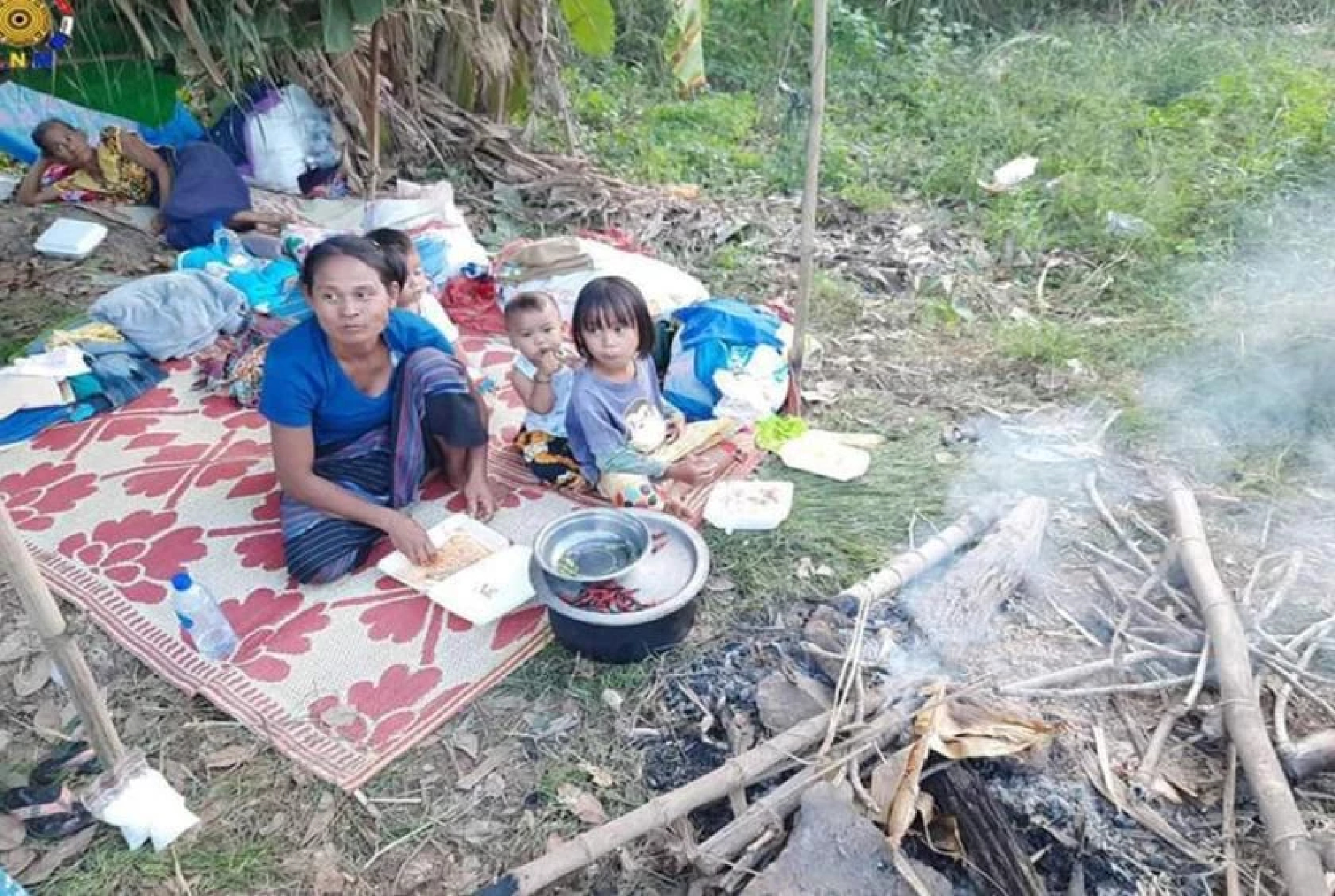
The United Nations High Commissioners for Refugees (UNHCR) says more than 800,000 people have been displaced in Myanmar since about a year ago, and the conflict is unlikely to decrease.

Over 800,000 people have been displaced in Myanmar since last year, and the conflict is unlikely to decrease: UNHCR

The United Nations High Commissioner for Refugees (UNHCR) is stepping up its emergency response efforts to help hundreds of thousands of displaced people since February 2021, with more than 800,000 displaced. Security across the country is rapidly deteriorating as fighting, and armed conflict continue to escalate. The UNHCR predicts that displacement is likely to increase in the coming weeks and months.

Some 440,000 people have been newly displaced since February 2021, according to UNHCR data, adding to an existing 370,000 who had fled their homes previously.

Kayin, Kayah, Mon and Shan (South) states as well as Bago (East) and Tanintharyi regions collectively account for more than half of the 440,000 newly displaced civilians and about 190,000 people remain displaced in Chin State, Magway and Sagaing regions, according to the UNHCR.

Humanitarian access in many parts of Myanmar remains restricted due to insecurity, roadblocks and challenges in obtaining access approvals, it said.

The humanitarian situation in Myanmar remains precarious with increased vulnerabilities linked to rising commodity prices, job and income losses, disruptions to basic services and prolonged insecurity. The majority of IDPs are consequently dependent on humanitarian support for survival, it said.

Despite operational challenges, UNHCR continues to stay and deliver in Myanmar.

The agency remains committed to providing critical humanitarian assistance to those in need and calls for full, safe and unhindered humanitarian access across Myanmar, it said.

A total of US$56.7 million is needed to ensure adequate humanitarian assistance and support vulnerable communities in Myanmar, it said.

Priority would be given for maintaining basic safeguards, advocacy for improved access to fundamental rights, mitigating the risk of negative coping strategies, preventing forced returns and building resilience for over 1.2 million IDPs and stateless people in Myanmar, according to the statement.

Published : February 19, 2022

By : Eleven Media

Japanese PM Kishida announces decision to ease border control measures in March

#SootinClaimon.Com : ขอบคุณแหล่งข้อมูล : หนังสือพิมพ์ The Nation.

https://www.nationthailand.com/international/40012518


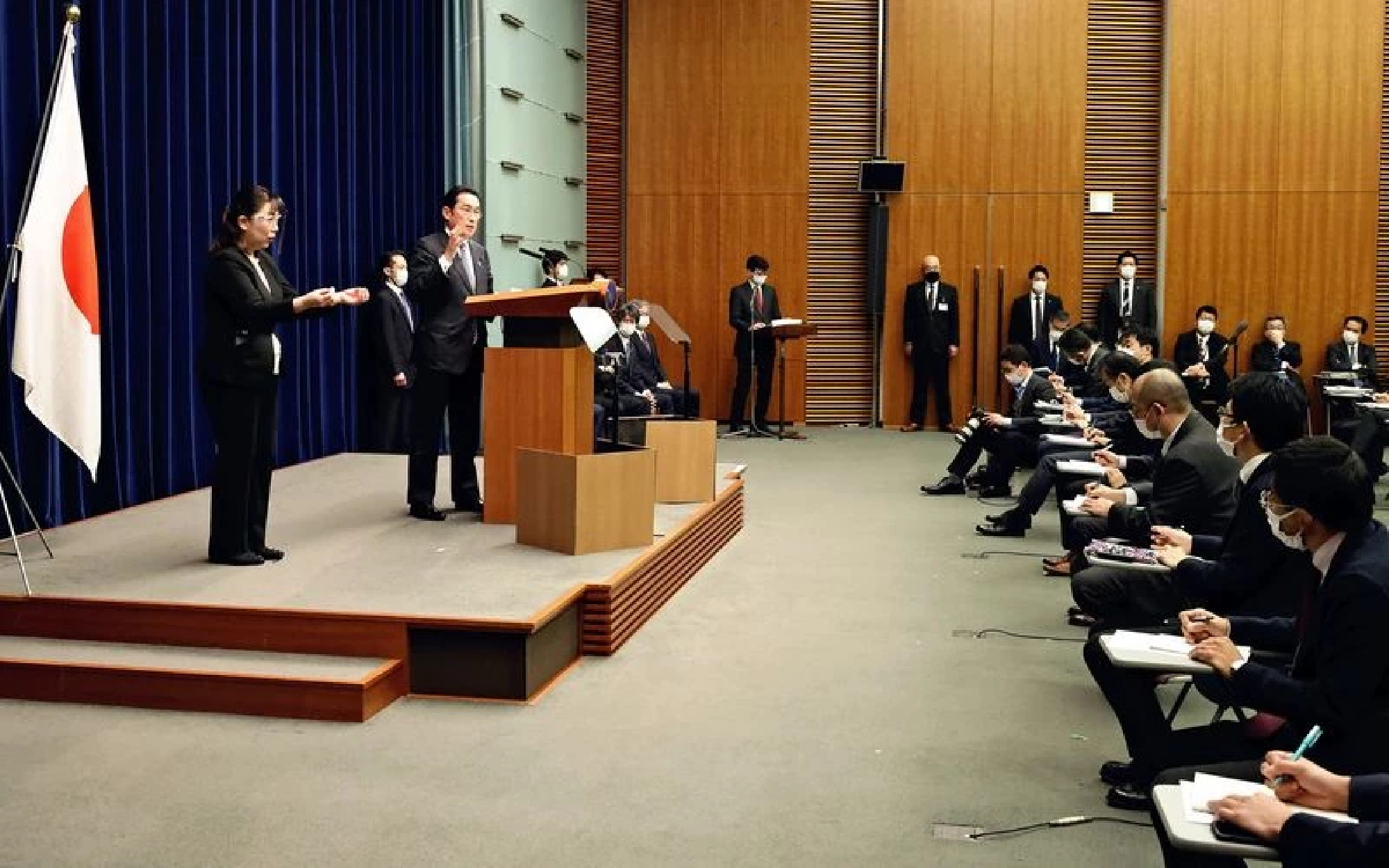
Japanese PM Kishida announces decision to ease border control measures in March

“The spread of omicron variant infections is slowing down. I believe we are taking steps toward the way out of the sixth wave,” he said during a press conference at the Prime Minister’s Office.

The decision was made after the number of new infections, which had surged since January, has started to show a downward trend. There were also calls from the business community and other parties for relaxing the restrictions.

The current measures ban entries of nonresident foreigners in principle, and the total number of people entering or returning to Japan is limited to about 3,500 per day. Starting in March, nonresident foreigners will be allowed to come to Japan, except for those on sightseeing trips, and the upper limit will be raised to about 5,000 per day.

The current border control measures were announced on Nov. 29, just before the first infection case of the omicron variant was confirmed in Japan.

Starting on March 1, foreigners on short-term business stays, foreign students and technical interns, among others, will be allowed to come to Japan.

Regulations involving self-isolation upon entry will also be eased. Currently, people are required to stay at home or at government-designated facilities and other locations for seven days in principle, but the period will be shortened to three days if they meet certain conditions such as providing negative test results.

Those who come from countries and regions where infections are not spreading and also have received a booster shot of a COVID-19 vaccine will be exempt from the self-isolation requirement.

However, the prime minister emphasized that there would not be swift and sweeping change. “It’s not realistic to relax all the measures at once. This is the first step,” he said.

Prior to the coronavirus pandemic, over 100,000 people entered Japan per day, so 5,000 is still a very limited number. The government will consider increasing this figure, taking into account the infection situation and border control and quarantine measures in each country.

■ Quasi-emergency to end in 5 prefs

Among the 21 prefectures where the quasi-emergency priority measures were to be in place through Sunday, Kishida said the measures will end in the five prefectures of Yamagata, Shimane, Yamaguchi, Oita and Okinawa — the first time for such measures to end since the omicron-related surge of infections began.

For the other 16 prefectures — and for Wakayama Prefecture, where the measures were to end on Feb. 27 — they will be extended to March 6.

“We will work closely together with the related local governments. Should we decide [the measures] could end earlier, they might be lifted before March 6,” Kishida said. 

Published : February 19, 2022

By : The Japan News

No plan to evacuate Indians from Ukraine: India’s Ministry of External Affairs

#SootinClaimon.Com : ขอบคุณแหล่งข้อมูล : หนังสือพิมพ์ The Nation.

https://www.nationthailand.com/international/40012500


A spokesperson also said Indian carriers were being encouraged to operate chartered flights between India and Ukraine.

No plan to evacuate Indians from Ukraine: India’s Ministry of External Affairs

NEW DELHI – India today said it has no immediate plan to evacuate Indian nationals from Ukraine in view of the tensions between Russia and Ukraine.

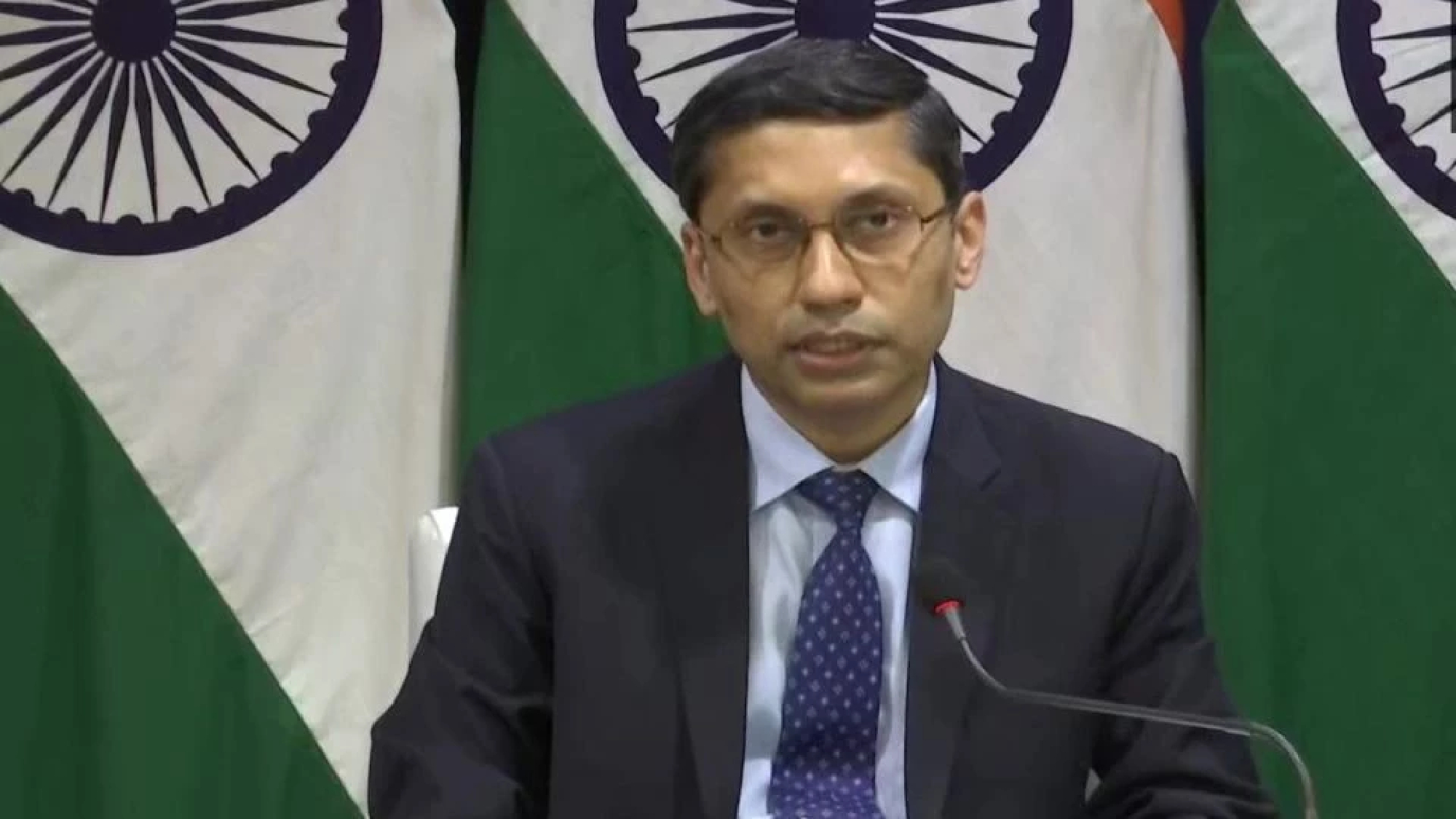
“We have no immediate evacuation plans, so we don’t have any special flights. However, there are a limited number of flights under the air bubble arrangements, restrictions on a number of flights and passengers have been removed,” Ministry of External Affairs (MEA) spokesperson Arindam Bagchi said at a media briefing.

He said Indian carriers were being encouraged to operate chartered flights between India and Ukraine.

According to reports, there are nearly 20000 Indian nationals in Ukraine, of which some 18000 are students studying in different universities.

Asked how India looked at the Russia-Ukraine tensions, the spokesperson said New Delhi’s position has been clear and consistent. New Delhi desired a sustained diplomatic dialogue for a peaceful resolution of the issue, he added.

The Statesman

Published : February 18, 2022

Guinness recognizes wombat in Ikeda as oldest in captivity

#SootinClaimon.Com : ขอบคุณแหล่งข้อมูล : หนังสือพิมพ์ The Nation.

https://www.nationthailand.com/international/40012495


Wain, one of four wombats at the Satsukiyama Zoo, is at least 32 years old, equivalent to being about 100 in human years. The male marsupial was rescued from the wild after his mother died in a motor accident in Tasmania, Australia.

Guinness recognizes wombat in Ikeda as oldest in captivity

TOKYO — A wombat at a zoo in Osaka has been recognized by Guinness World Records as the oldest living wombat in captivity.

Wain, one of four wombats at Satsukiyama Zoo in Ikeda, Osaka Prefecture, is at least 32 years old, equivalent to being about 100 in human years.

The male marsupial was rescued from the wild after his mother died in a motor accident in Tasmania, Australia, in November 1989. He is estimated to have been born in January that year, based on such factors as his height.

Since Guinness World Records calculates the age of the animal from the day his captivity started, Wain was 32 years 86 days old as of Jan. 31.

Wain arrived at the zoo in May 1990. There are currently six living wombats in Japan, with the remaining two being kept at Chausuyama Zoo in the city of Nagano.

According to Satsukiyama zookeeper Taiki Endo, Wain is friendly to people. He walks around as soon as the zoo opens each day and has a good appetite. He also takes good naps. “He leads a healthy life” of regular routines, Endo said.

A third-year elementary school student said: “He’s so cute, but he’s older than my 78-year-old grandpa. That’s surprising.”Speech

Published : February 18, 2022

Market demand fails to energise Cambodia’s bird’s nest market

#SootinClaimon.Com : ขอบคุณแหล่งข้อมูล : หนังสือพิมพ์ The Nation.

https://www.nationthailand.com/international/40012492


Reasons cited include the inability to officially export bird’s nests to China and a lack of investment capital from interested parties.

Market demand fails to energise Cambodia’s bird’s nest market

PHNOM PENH – Despite high market demand for edible bird’s nests, the prices and investments involving the commodity have not shown significant positive trends in recent years, according to Cambodia Bird’s Nest Federation president Nang Sothy.

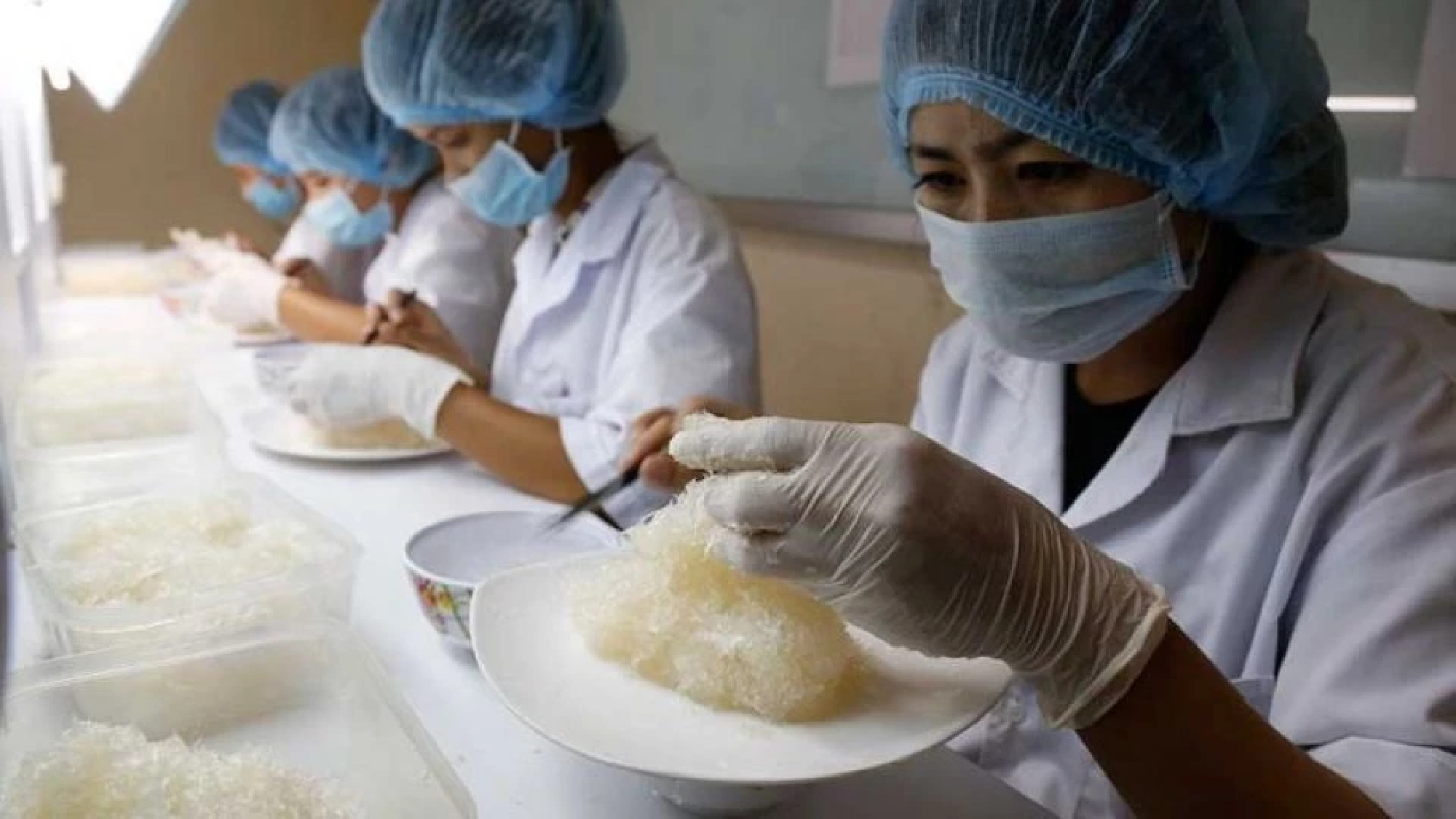
Consumed for its perceived health and wellbeing benefits, edible bird’s nests are made from the dried saliva of the white-nest swiftlet (Aerodramus fuciphagus) found throughout Southeast Asia. Traditionally, the processed swiftlet nests are double-boiled with rock sugar to make a delicacy known as “bird’s nest soup”.

Sothy told The Post on February 15 that investments in man-made swiftlet homes had recorded no material positive signs in the last two or three years, even though orders for the commodity have picked up.

He blamed these circumstances on the inability to officially export bird’s nests to China, a general lack of investment capital among interested parties and a legion of operations that merely emulate others without employing the proper techniques, among other reasons.

He said uncleaned edible bird’s nests currently go for $480-$750 per kilogramme and cleaned ones hover in the $1,500-$3,500 range, depending on quality.

Local production is sufficient to meet domestic demand, with copious amounts sent to China via Vietnam, Malaysia and Thailand, he added.

Sothy said there are about 3,000 white-nest swiftlet homes in Cambodia, a figure he noted is overshadowed by Malaysia, Indonesia and Thailand, each of which he said could have as many as 100,000.

Lim Vathanak, owner of the Khmer Natural Bird’s Nest business that manages two such homes in Sre Ambel, Koh Kong province and Veah Rinh, Preah Sihanouk province, said the market has not been so great in the Covid-19 era, with prices and demand dipping to some extent.

He ascribed the downturn to pandemic-driven export controls and associated difficulties, highlighting that are no major issues related to domestic demand or prices.

“My cleaned edible bird’s nests currently sell for $1,800 per kilogramme and uncleaned ones fetch $700. These prices are similar to last year, but are slightly lower compared to two or three years ago,” he said, sharing that he has around seven or eight years of experience in the business.

Vathanak stressed that local farming of white-nest swiftlets would gain rapid momentum if Cambodia could directly export the bird’s nests to China, which he said is the most populous market – where demand is high.

According to the Ministry of Agriculture, Forestry and Fisheries, Cambodia has submitted a number of proposals to the Chinese government to export agricultural products such as longan, peppercorn, durian, pomelos and edible bird’s nests.

Ngin Chhay, head of the ministry’s General Directorate of Agriculture, previously told The Post that his team was working with the Chinese private sector and authorities to export Cambodian edible bird’s nests to China.

However, he identified two major sources of obstacles to that plan: negotiations with Beijing, and domestic issues.

He elaborated that Chinese authorities only consider a single product per country at a time to import. There is also a domestic shortage in factories and cottage industries to process bird’s nests, he said, adding that, by and large, they fail to meet Chinese standards.

“Cambodia has yet to set up an ISO-certified processing plant,” he said, citing research conducted by authorities.

Hin Pisei

The Phnom Penh Post

Published : February 18, 2022

Samsung to make additional investment in Thai Nguyen

#SootinClaimon.Com : ขอบคุณแหล่งข้อมูล : หนังสือพิมพ์ The Nation.

https://www.nationthailand.com/international/40012480


A subsidiary of electronic giants Samsung has been given the greenlight to further invest US$920 million in an electro-mechanic plant in northern Viet Nam.

Samsung to make additional investment in Thai Nguyen

Thai Nguyen Province granted an adjusted Investment Registration Certificate to Samsung Electro-Mechanics Viet Nam (SEMV) yesterday, allowing the extra investment.

The plant was given the go-ahead in 2013 with an initial registered outlay of $1.2 billion. It came into operation in February 2015, manufacturing HDI printed circuit boards, telecommunication components, high-tech mobile equipment and other electronics.

SEMV made the request for investment adjustment in late December 2021 to expand its plant’s production and was approved, lifting the plant’s total capital to around $2.27 billion.

Choi Joo Ho, general director of Samsung Viet Nam, noted that such a huge investment indicates the corporation’s long-term commitment to the country.

He said that Viet Nam is an attractive investment destination with a stable political and social system, high-quality human resources and good infrastructures.

“Samsung has complete confidence in Viet Nam’s investment environment and would never change its business strategy in the country,” added the general director.

The director also revealed that Samsung was going to allocate $220 million for a Centre of Research and Development in Ha Noi in order to transform Viet Nam into a strategic R&D hub.

The centre is expected to be launched in late 2022 and its research focus will be on global tech trends including Artificial Intelligence, Big Data and Internet of Things.

In late 2021, Samsung’s total accumulated investment in Viet Nam reached $18 billion, equalling to 102 per cent of the accumulated figure of $17.7 billion in 2020.

The additional investment has pushed the figure up to $19.2 billion, allowing Samsung to maintain its position as the largest foreign investor in Viet Nam. — VNS

Published : February 18, 2022

By : Vietnam News

Korea a ‘stable’ investment destination with little COVID-19 impact: Moon

#SootinClaimon.Com : ขอบคุณแหล่งข้อมูล : หนังสือพิมพ์ The Nation.

https://www.nationthailand.com/international/40012479


Korea attracted $29.5b in investments, the largest ever, last year

Korea a ‘stable’ investment destination with little COVID-19 impact: Moon

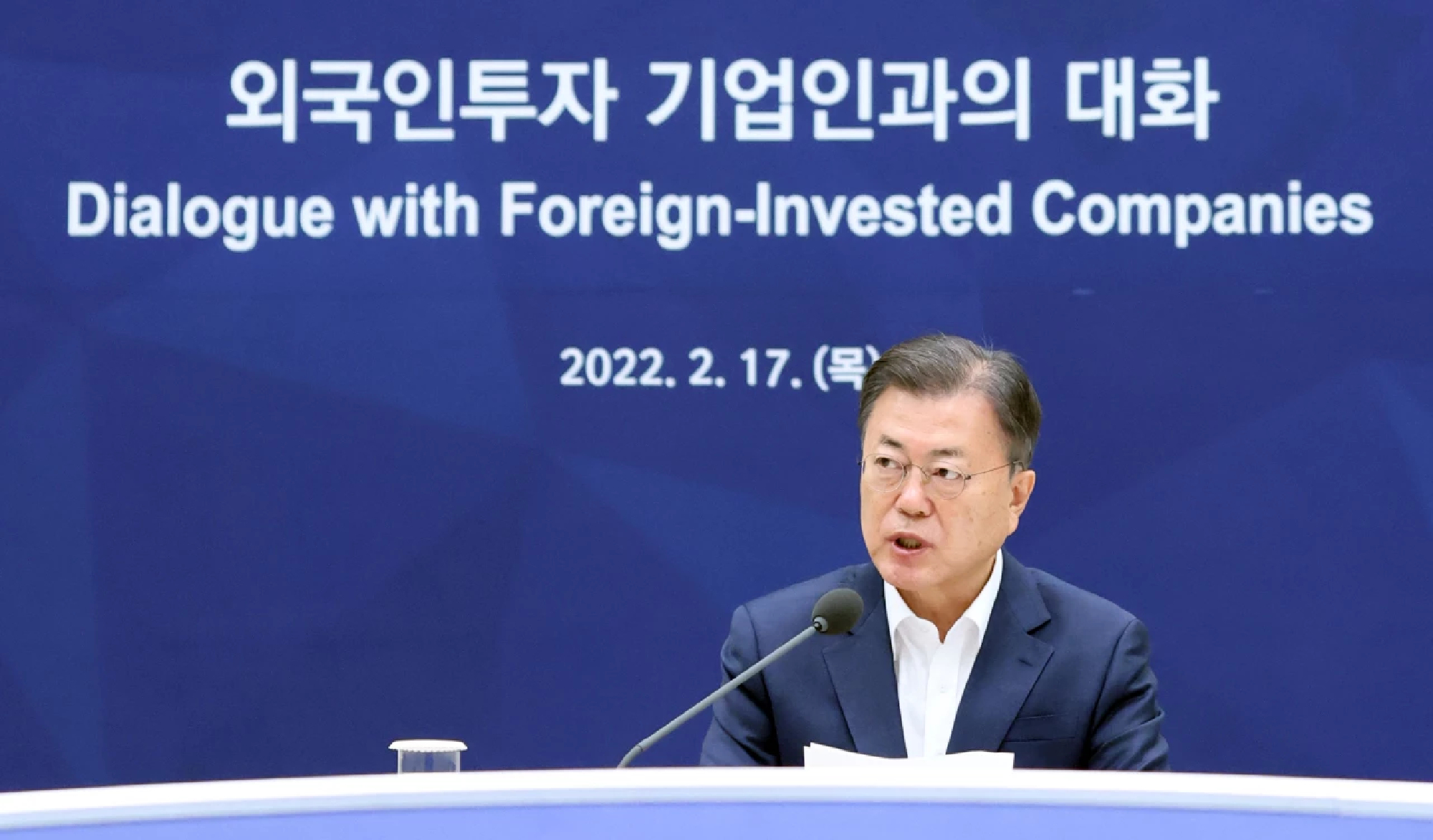
President Moon Jae-in invited a number of foreign investor companies to Cheong Wa Dae on Thursday to express his gratitude for making hefty investments in the Korean market and encouraged them to invest further. Last year, South Korea attracted $29.5 billion in investments, the largest ever.

A foreign investor company — usually a multinational company headquartered overseas — is defined as one with more than 50 million won ($47,700) in foreign investment capital and a 10 percent stake in stocks that can exercise decision-making rights under the Foreign Investment Promotion Act.

“Even in the global pandemic, Korea has maintained an open economy that guarantees the safety of logistics and manpower movement without lockdown measures,” Moon said in his remarks at the meeting with business leaders.

“South Korea suffered the least economic damage among major countries despite the pandemic, and has shown a fast and strong recovery, solidifying its position as a stable investment destination in the high national credit ratings,” he said.

Moon stressed that Korea is a stable, sustainable and attractive investment destination by establishing a free trade agreement platform that is equivalent to 85 percent of the current world gross domestic product.

“Korea provides many incentives for foreign investment,” he said, citing examples of a certain rate of investment in cash payment support, rent reduction, capital goods tariff exemption, as well as local tax, corporate tax and income tax breaks.

Moon said the government worked with chambers of commerce and industry last year to improve 22 regulations for foreign companies with investments here. He vowed to expand FTAs to the 16 “New Northern” countries in Latin America, the Middle East and Africa, and to strengthen communication with foreign investors so any investment difficulties can be resolved in a timely manner.

At the same meeting, Industry Minister Moon Sung-wook unveiled the 2022 foreign investment policy direction. According to the plans, the government will strengthen investment support related to supply chain stabilization and carbon neutrality this year, centering on financial sectors such as cash and location.

The government will provide up to 50 percent of investment related to supply chain stabilization with a cash aid budget of 50 billion won. Subsidies will also be added to investments associated with carbon neutrality.

The number of new technology items subject to the R&D investment tax credit will increase from 45 to 65. More tax credit limits will be applied to national strategic technologies such as semiconductors, batteries and vaccines.

Efforts to create a favorable regulatory environment continue as the government vowed to strengthen communication through meetings with advisory groups for foreign investors and with business chambers. The number of experts in the foreign investment ombudsman office will be increased from 14 to 19, and the number of advisers on labor and environment will be reinforced from 19 to 50 to secure expertise.

Regarding new industries such as system semiconductors, bio health and future cars, and strategic investment areas such as carbon neutrality and hydrogen economy, the government plans to conduct promotional activities through tapping into investor relations and local government-linked investor relations.

President Moon said, “We will continue to make efforts to improve the support system and investment environment this year to expand the attraction of foreign investment and smooth domestic management activities of foreign investor companies who trust and invest in Korea.”


By Shin Ji-hye

Published : February 18, 2022

By : The Korea Herald

ASEAN chair mulls joint declaration on crime prevention

#SootinClaimon.Com : ขอบคุณแหล่งข้อมูล : หนังสือพิมพ์ The Nation.

https://www.nationthailand.com/international/40012478


The Ministry of Justice and its Thai counterpart have held talks on ASEAN cooperation in the fields of criminal justice and the fight against transnational crime.

ASEAN chair mulls joint declaration on crime prevention

The meeting was held in Cambodia on February 16 between Chin Malin, ministry secretary of state and chief of the ASEAN Senior Law Officials, and Vongthep Arthakaivalvatee, former ASEAN deputy secretary-general and now special adviser to the Thailand Institute of Justice.

The talks focused on three agenda items.

The first was ASEAN cooperation in the field of criminal justice and enforcement and planning for the 3rd ASEAN Conference on Regional Crime Prevention – to be held in Phuket, Thailand, in mid-March.

The second dealt with request for Cambodian support for Thailand’s preparation of an ASEAN Joint Declaration on Crime Prevention and Cooperation.

The third concerned Thailand’s proposal for the establishment of an ASEAN regional mechanism for the management of women and other vulnerable persons in prisons.

Malin told The Post that the purpose of the meeting was for Thailand to highlight the importance of international cooperation and ask Cambodia – as this year’s ASEAN chair – for its support.

“The Thai side wants to propose a joint declaration on crime prevention and cooperation in the criminal sector, so they are meeting with all of the countries concerned to ask for support,” he said.

He said initiatives for joint declarations must pass through several stages. A working group must first discuss them, before they are passed to an ASEAN Ministerial Meeting on Law and an ASEAN Ministerial Meeting on Law and Justice.

“We will hold a joint workshop in March to review the documentation prepared by Thailand which shows the importance of setting up these mechanisms, and then we will begin the process,” he added.

Within the ASEAN framework, each member country has the right to propose a project that would benefit the region. The project should be prepared by the nation that suggests it and must be approved unanimously before it can be accepted, he said.

Malin said that in the field of criminal justice, there were many mechanisms which need to be implemented jointly, including crime prevention, education, prisoner exchanges and extradition as well as legal aid. Cooperation in these areas would help reduce crime in the region, he added.

“The problem of crime is not the problem of one country but a regional problem. Perpetrators of crimes in one country often escape to other countries. This encourages other offenders because they believe they can get away easily,” he said.

He added that cooperation between all countries in the region would mean that criminals could not escape, so regional crime would decrease. It would also lead to improved enforcement against cross-border offences like human trafficking.

“Even when it does not happen in our country, it can affect us,” he said, noting that cooperation was still under discussion.

“We are still reviewing the details of the proposal, because this was initiated by Thailand. We have a team that will study the documents and mechanisms related to it, and will discuss any changes that we feel would better serve the interests of the region. It is still too early to say whether we will support it or not,” Malin added.

By: Lay Samean

Published : February 18, 2022

By : The Phnom Penh Post

Microsoft co-founder Bill Gates meets PM Imran on first-ever visit to Pakistan

#SootinClaimon.Com : ขอบคุณแหล่งข้อมูล : หนังสือพิมพ์ The Nation.

https://www.nationthailand.com/international/40012477


Microsoft co-founder and billionaire philanthropist Bill Gates met Prime Minister Imran Khan on Thursday during his first-ever visit to Pakistan.

Microsoft co-founder Bill Gates meets PM Imran on first-ever visit to Pakistan

Sharing pictures of the meeting on Twitter, Senator Faisal Javed Khan said Gates “greatly appreciated steps [regarding polio eradication] in Pakistan, the National Command and Operation Centre’s (NCOC) performance in relation to the Covid-19 pandemic and initiatives such as the Ehsaas programme”.

Later in the day, PM Imran hosted a luncheon in Gates’ honour. The Prime Minister’s Office, which shared pictures from the luncheon, added that the Microsoft co-founder was visiting the country on the premier’s “special invitation”.

The prime minister said that it was a pleasure to welcome Gates to Pakistan.

“Apart from his many achievements, he is admired globally for his philanthropy. On behalf of our nation, I thank him for his immense contribution towards polio eradication and poverty alleviation initiatives,” he said.

NCOC visit

Earlier in the day, Gates met Planning and Development Minister and NCOC head Asad Umar and Special Assistant to the Prime Minister (SAPM) on Health Dr Faisal Sultan.

In a statement, the NCOC said the philanthropist attended the forum’s morning session.

During his visit, Gates was informed about the NCOC’s role and methodology, its achievements since the start of the Covid-19 pandemic, the coronavirus situation in Pakistan as well as the non-pharmaceutical interventions by the forum to control the spread of the disease.

Gates and his delegation were also informed about genome sequencing and coronavirus variants detected in Pakistan, the statement added.

“Gates took keen interest on various initiatives by NCOC, particularly smart lockdown and micro-smart lockdown strategy enforcement measures and Pakistan’s vaccine administration regime which enabled NCOC to formulate and implement a comprehensive Covid response.”

During his visit to the NCOC, the Bill and Melinda Gates Foundation chairman also shared his views on the pandemic, especially the vaccination drive.

“Gates appreciated Pakistan’s success against Covid-19 despite resource constraints and introducing excellent initiatives and measures for public health safety,” according to the statement.

For his part, Planning Minister Umar credited “a true national response, executed through an effective communication campaign mechanism of the NCOC” for the success in dealing with the coronavirus.

The minister thanked Gates for his foundation’s support to Pakistan during the Covid-19 pandemic.

Gates awarded Hilal-i-Pakistan

In addition, President Dr Arif Alvi conferred the Hilal-i-Pakistan award on Gates during a special investiture ceremony in Islamabad in “recognition of his support for poverty alleviation and healthcare”, according to Radio Pakistan.

The report added that the ceremony was attended by federal ministers, senior officials and members of the Diplomatic Corps.

The famous philanthropist has held conversations with Prime Minister Imran in the past on various issues and their possible solutions. In October last year, the premier urged Gates to consider providing humanitarian assistance to poverty-stricken people in Afghanistan.

The two had also discussed the polio situation in Afghanistan and Pakistan with the premier appreciating the assistance provided by Bill and Melinda Gates Foundation in that regard. In turn, the Microsoft co-founder had praised the prime minister for the progress in eliminating the disease and pledged his foundation’s continued support to the country’s polio programme.

Prior to that, in April 2021, the two had discussed matters relating to the Covid-19 response, polio eradication and climate change, and agreed to continue working together on the shared objectives.

By Naveed Siddiqui

Published : February 18, 2022

By : DAWN