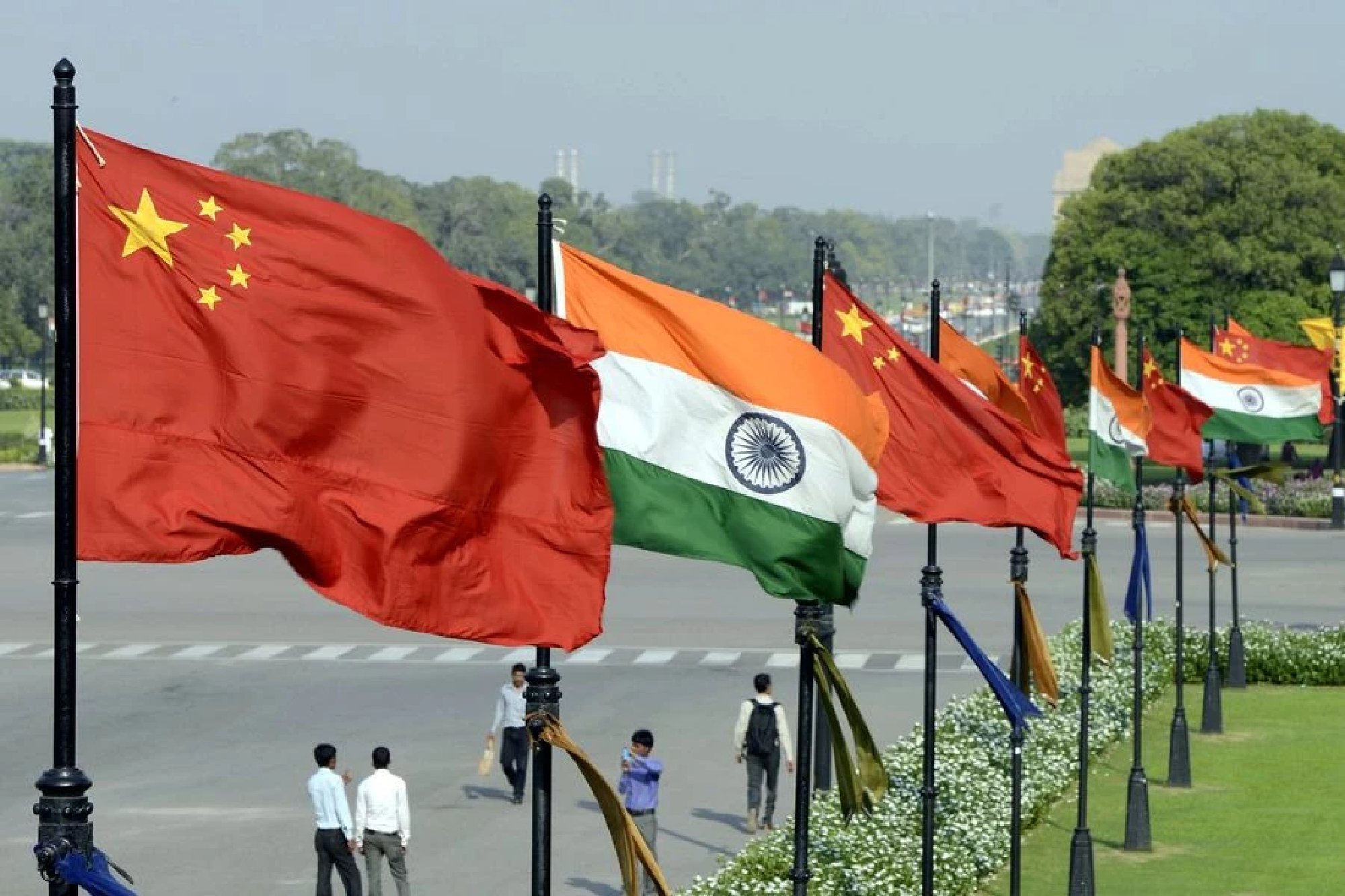
China’s Ministry of Commerce on Thursday urged India to improve its business environment and treat all foreign investors, including Chinese companies, in a fair, transparent and non-discriminatory manner.
The remarks came after media reported India has blocked access to 54 mobile apps, mainly Chinese, and India’s income tax authorities have conducted searches at multiple premises of Chinese companies as part of tax investigations.
Commerce Ministry spokesman Gao Feng said the relevant Indian authorities have taken a series of measures to suppress Chinese companies and their products in India, which have seriously damaged the legitimate rights and interests of Chinese companies.
“China expressed serious concern about this,” Gao said, adding the ministry has noticed that foreign investors, including Chinese companies, are also increasingly concerned about the investment environment in India.
Foreign investors have created a large number of employment opportunities in India and made positive contributions to India’s economic development, Gao said.
He said China and India are inseparable neighbors and important economic and trade partners for each other. In 2021, the bilateral trade volume between China and India reached $125.7 billion, a year-on-year increase of 43 percent.
“The economic and trade cooperation between the two countries has strong resilience and great potential. It is hoped that the Indian side can take concrete measures to maintain the sound development momentum of bilateral economic and trade cooperation and to benefit the two countries,” Gao said.
VTL travellers will also no longer need to undergo a seven-day self-supervised ART testing regime after arrival. These changes come as Singapore pivots its border control measures to ensure that visitors to the Republic are well protected from Covid-19.
SINGAPORE – Vaccinated travellers will be able to fly into Singapore from Qatar, Saudi Arabia and the United Arab Emirates without quarantine from Feb 25, following an expansion in the Vaccinated Travel Lane (VTL) scheme.
Vaccinated travellers will soon also be able to fly into Singapore from all cities in Thailand without quarantine.
From March 4, Singapore will also start VTLs for Israel and the Philippines, to establish two-way quarantine-free travel with these two countries.
These changes come as Singapore pivots its border control measures to ensure that visitors to the Republic are well protected from Covid-19 so that they do not burden the healthcare system should they get infected here, Health Minister Ong Ye Kung said on Wednesday (Feb 16).
Transport Minister S. Iswaran noted that with greater certainty over the nature of the Omicron variant and its associated risks, it is important to resume the reopening of borders and reclaim Singapore’s position as a global business and aviation hub.
“Our ultimate goal is quarantine-free travel for all vaccinated travellers,” he said at a press conference.
More people will be allowed to enter Singapore under the quarantine-free travel scheme as well, with the Government progressively lifting a 50 per cent cap on the number of VTL travellers that had been in place since December.
From next Tuesday (Feb 22), VTL travellers and those from countries and places deemed to be of low Covid-19 risk, will be able to take a supervised antigen rapid test (ART) within 24 hours of their arrival. This replaces the on-arrival polymerase chain reaction (PCR) test at Changi Airport that travellers currently have to take.
VTL travellers will also no longer need to undergo a seven-day self-supervised ART testing regime after arrival.
The moves, announced by the multi-ministry task force handling the Covid-19 pandemic on Wednesday (Feb 16), effectively end a three-month pause in the reopening of Singapore’s borders.
They are also the first steps in Singapore’s move towards opening up to all vaccinated travellers.
The lone tightening of border restriction is with Hong Kong, as Singapore will stop its unilateral opening arrangement with the city following the Health Ministry’s review of the public health situation there.
Applications for quarantine-free entry for Hong Kong travellers into Singapore will cease from Feb 17. Instead, a new VTL will be started for Hong Kong from Feb 25. This means that only vaccinated travellers from Hong Kong can enter Singapore without quarantine, as opposed to all travellers.
The VTLs with Qatar, Saudi Arabia and the United Arab Emirates was supposed to start in early December but were deferred owing to their proximity to countries that experienced the initial waves of the Omicron variant.
Travellers from these three countries can apply for the pass to tap the VTLs to enter Singapore from 10 am on Feb 22.
Mr Ong said imported infections are now at about 1 per cent of the total case count daily, and thus have no significant impact on Singapore’s epidemic situation.
Instead of VTLs with selected countries, Singapore should transition towards opening up for all vaccinated travellers, he added. Instead of an abrupt change, Singapore will take the first step now by simplifying the current border restrictions for non-VTL travellers.
The Government will introduce a new General Travel category, which will replace the existing Category II, III and IV in Singapore’s border risk classification system.
This means that countries will be grouped into three distinct groups in terms of border restrictions.
The first is Category 1 countries and regions deemed to be of lowest risk of Covid-19 infections.
The second is a General Travel category consisting of countries that Singapore has started VTLs for, together with non-VTL countries and regions. VTL travellers from countries in this category can enjoy quarantine-free travel, while those from non-VTL countries have to undergo a seven-day stay-home notice.
The third is a new restricted category, which will include countries that warrant stricter border measures owing to developing Covid-19 situations. There will be no new restricted countries/ regions in this category for a start.
In tandem, the Government will simplify border measures for travellers arriving from 11.59 pm on Feb 21:
a. Travel history requirement will be reduced from 14 to seven days
b. Stay-home notice duration will be standardised to seven days across all country/region categories in view of Omicron’s shorter incubation period;
c. Enhanced testing regime for travellers arriving on VTLs will cease;
d. VTL and Category I travellers will no longer need to perform an on-arrival PCR test. Instead, they will have up to 24 hours from their entry into Singapore to take a supervised self-swab ART at one of the testing centres located across the country;
e. Vaccinated long-term pass holders will no longer have to obtain a Vaccinated Travel Pass or an entry approval to enter Singapore. They will still need to adhere to border health measures on entry.
The Civil Aviation Authority of Singapore (CAAS) said on Wednesday that in tandem with the other adjustments to travel measures, it will be removing the pre-departure test requirements for all passengers transferring or transiting through Singapore.
This will help reduce cost, improve convenience and enhance Singapore’s attractiveness as a transfer/transit hub, it said. The changes will apply to all flights arriving in Singapore from 11.59 pm on Feb 21.
As of 11.59 pm on Tuesday, Singapore has established VTLs with 24 countries, CAAS added.
A total of 389,046 travellers have entered Singapore via the VTLs. They comprise 109,325 short-term visitors, 99,259 long-term pass holders, 146,081 Singapore citizens and permanent residents, and 34,381 children aged 12 years and below.
More than 337,000 Vaccinated Travel Passes have been issued to short-term visitors and long-term pass holders for entry into Singapore between Sept 8 last year and Tuesday (Feb 15).
HÀ NỘI — Việt Nam has been listed in the world’s top 10 destinations for digital nomads by Canadian magazine The Travel.
Việt Nam is numbered eighth in the list and is one of three countries in Southeast Asia along with Indonesia No 9 and Thailand No 10.
There are four Asian countries in total, with Sri Lanka No 5.
“Although Việt Nam is not a developed country, it still provides an excellent environment for digital nomads. The country is peaceful and very welcoming for foreigners, it has a low crime rate, good weather, and easy to balance work life and fun,” the magazine said.
“Việt Nam is also a country that has so many untouched natural features making it very attractive and calm. The country is fast-growing, with good infrastructure coming up. It also has a very affordable lifestyle, making it ideal for a digital nomad.
“Food and adventure are some things a digital nomad will enjoy in this country. It is estimated that one can live in a one-bedroom apartment in the city and take care of food for just US$420 monthly.”
Digital nomads are people who travel to different locations and use technology to perform their job. A lot of people who love travel become digital nomads, as they can make money online to fund their lifestyle.
They work online so they can live in different countries as long as they have access to electricity, the internet, and other amenities. Currently, with COVID-19, the world has become a much more connected place and working and making a living while travelling the world has become a very realistic proposition for many.
“The advantage of being a digital nomad is the discovery of new places all the time. However, some things affect the life of a digital nomad. One of them, and a challenge to many, is choosing a country to go to. When one chooses a good country, it affects things such as peace, cost of living, people, technology, living conditions, entertainment, and other crucial things for the life of a digital nomad,” reported The Travel.
Standing on top of the list is Serbia, followed by Colombia and Germany. The others are Estonia, Iceland and Mexico.
In recent years, the Government has begun to promote digital transformation in the tourism industry, to create more favourable conditions for international tourists to visit Việt Nam.
A reasonable cost of living is also one of the factors that makes the country an ideal destination for digital nomads. — VNS
SINGAPORE – Singapore’s economic growth for the whole of 2021 came in at 7.6 per cent, up from the previous estimate of 7.2 per cent, the Ministry of Trade and Industry (MTI) said on Thursday (Feb 17).
MTI also revised its 2020 growth figure to a contraction of 4.1 per cent from an earlier estimate of minus 5.4 per cent.
This was after more comprehensive data from surveys showed better performance from sectors such as services, wholesale trade, transport and storage, and information and communications.
The gross domestic product growth forecast for 2022 was, however, maintained at 3 per cent to 5 per cent, MTI said in its Economic Survey report.
The upgrade for 2021 came after fourth-quarter GDP growth was revised to 6.1 per cent year on year, from the previous projection of 5.9 per cent.
At a media briefing, Mr Gabriel Lim, Permanent Secretary for Trade and Industry, said: “GDP growth in 2021 was mainly driven by the manufacturing, finance and insurance, and wholesale trade sectors.”
For 2022, MTI said the Singapore economy “is expected to continue to expand this year, although the outlook for the various sectors remains uneven”.
It said that growth prospects for outward-oriented sectors, such as manufacturing and wholesale trade, remain strong given the continued global economic recovery.
“In particular, the manufacturing sector is projected to continue to expand, albeit at a more moderate pace following the strong out-turn last year, supported by sustained global demand for semiconductors and semiconductor equipment,” MTI added.
Additionally, growth in the information and communications, and finance and insurance sectors is expected to remain healthy, driven by strong demand for information technology and digital solutions, and credit and payment processing services.
However, the recovery of the aviation- and tourism-related sectors, such as air transport and accommodation, is expected to be slow as recurring Covid-19 outbreaks and potential virus mutations could delay the lifting of travel restrictions globally, and travel demand is also likely to take time to recover, MTI said.
Moreover, the accommodation sector will be weighed down by a projected fall in domestic demand as government demand for hotel rooms to serve as quarantine facilities decreases and staycation demand drops with the relaxation of travel restrictions.
“Overall, activity in these sectors is expected to remain below pre-Covid-19 levels even by the end of 2022,” said MTI.
Meanwhile, the consumer-facing sectors, such as retail trade and food and beverage services, are projected to see a gradual recovery over the course of the year as domestic restrictions are progressively eased and consumer sentiments improve amid the turnaround in labour market conditions.
However, the real value-added of the F&B services sector and some tourist-reliant segments of the retail trade sector are not expected to return to pre-Covid-19 levels by end-2022, due in part to the slow recovery in visitor arrivals.
Activities in the construction, and marine and offshore engineering sectors are projected to continue to recover on the back of the progressive easing of border restrictions on the entry of migrant workers from South Asia.
Nonetheless, as it will take time to fully address the shortfall in labour required to meet business needs, labour shortages are likely to persist and weigh on the recovery of the sectors.
In particular, the output of the construction sector is expected to remain below pre-pandemic levels throughout 2022.
Still, a further progressive easing of domestic and border restrictions by the Government will support the recovery of Singapore’s consumer-facing sectors and alleviate labour shortages in sectors that are reliant on migrant workers.
Air travel and visitor arrivals are also expected to improve with the gradual loosening of travel restrictions and expansion of vaccinated travel lanes.
The outlook for 2022 is also fraught with risks.
Mr Lim said that in the past few months, Singapore’s external demand outlook has deteriorated slightly as the Omicron wave led to a tightening of restriction measures in many economies.
“Meanwhile, global supply bottlenecks remain and are expected to persist throughout the first half of 2022, thereby constraining industrial production and GDP growth in the near term,” he said.
Those supply bottlenecks, alongside rising energy prices due to geopolitical tensions, have also exacerbated global inflationary pressures, he noted.
On the situation in Ukraine, where Russia and Nato are in a tense face-off, Mr Lim said the worst-case scenario could dampen the global economy and raise crude oil prices above the US$80 per barrel baseline assumption made in Singapore’s 2022 GDP forecast.
“The Ukraine situation can be modulated from a short disruption to a very prolonged dampener for not just the global economy but also for global business stability,” he said in response to a question.
He said a spike in energy prices alone could exacerbate inflationary pressures and weigh on global economic growth.
Also, should monetary policy tightening in the advanced economies be faster than expected, market adjustments could be disorderly and risks to financial stability could intensify, he added.
However, he said, Singapore expects that the situation will be resolved peacefully in time.
The isolation period for people entering Japan from destinations categorized as low risk for infection with the omicron coronavirus variant will be reduced from seven days to three from March, according to sources, who said the government is preparing to relax border controls.
People entering Japan from high-risk countries and regions must isolate for seven days at designated accommodations. As of Tuesday, 82 countries and regions were categorized as areas where the risk of infection with the omicron variant is high.
People traveling from countries not categorized as high risk who have tested negative for coronavirus beforehand will be advised to isolate for three days at home or hotels.
The three-day isolation period will also apply to people entering Japan from destinations categorized as high risk if arrivals have received three doses of a COVID-19 vaccine and have proof of a negative test result.
The number of people allowed to enter Japan per day will also be raised from about 3,500 to about 5,000.
The pre-arrival procedures for nonresident foreigners will also be simplified.
Until the end of November, the government allowed the entry of some short-term business travelers and international students, but their hosts in Japan had to submit activity plans to relevant authorities that were screened before their entry was approved.
From March, the activity plan will be handled solely by the Health, Labor and Welfare Ministry and the screening will be scrapped.
Prime Minister Fumio Kishida plans to hold a press conference as early as Thursday to announce information about the eased border control measures.
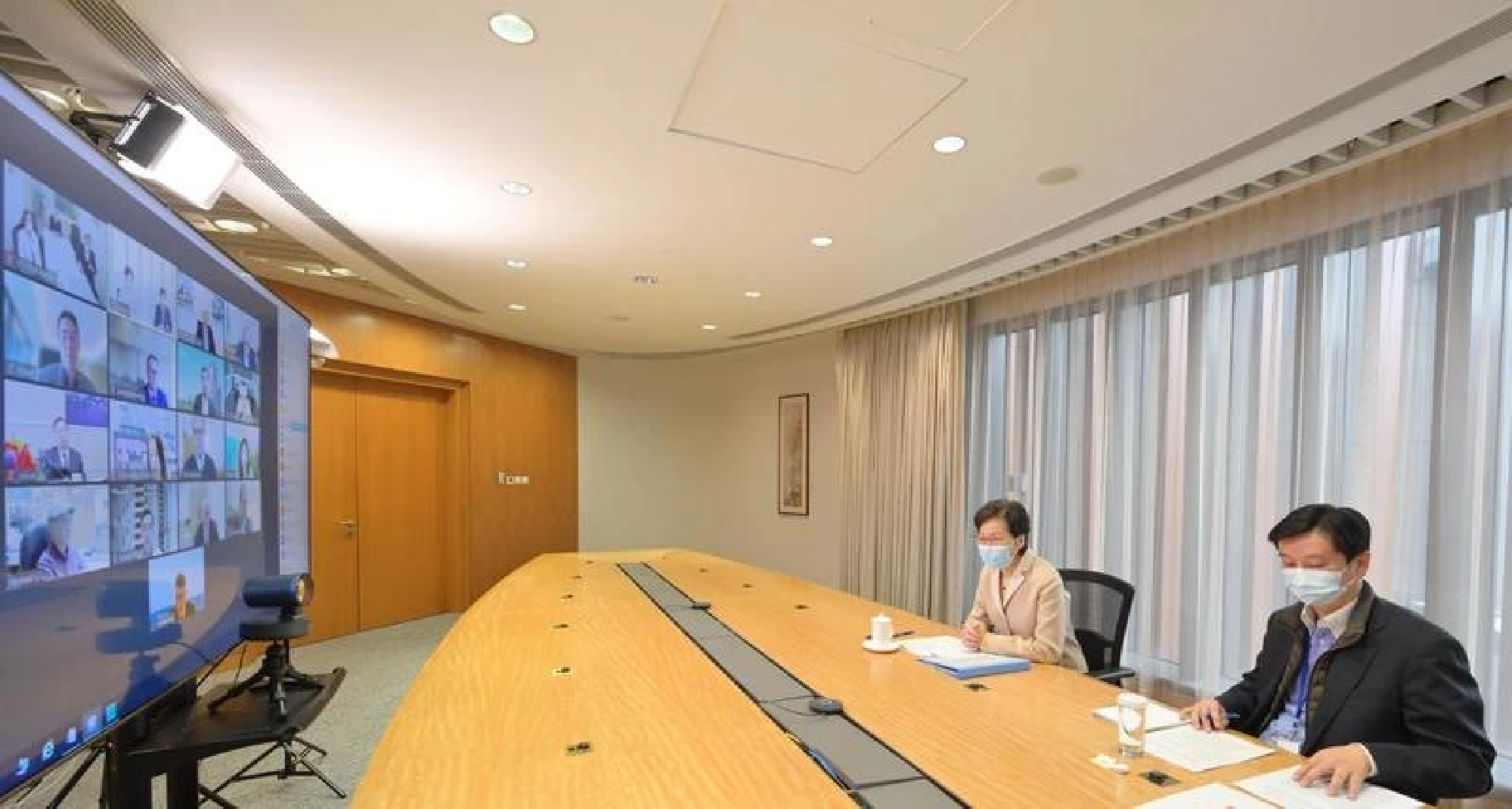
HONG KONG – The Hong Kong government has secured about 4,400 hotel rooms to be used as isolation facilities for COVID-19 patients with mild or no symptoms, with around 1,700 to be made available for use by this week.
The announcement was made as Hong Kong Chief Executive Carrie Lam Cheng Yuet-ngor met with hotel owners via a webinar on Wednesday to seek their support for the government’s Community Isolation Facility Hotel Scheme. The scheme aims to provide accommodation to isolate people who test positive for COVID-19 but have no or mild symptoms.
In a statement, the government said Lam’s meeting with The Federation of Hong Kong Hotel Owners was “highly constructive.” It added that the remaining 2,300 rooms will be available for use before the end of next week.
During the meeting, Lam expressed gratitude to the hotel owners, which had been a close partner of the government’s anti-epidemic work in the past two years. Designated hotels have been used for arrivals from overseas or close contacts of locally confirmed cases who had to undergo quarantine.
In view of the unprecedented surge in confirmed cases that had surpassed the government’s isolation capacity, the CIF Hotel Scheme was critically important to address the current bottleneck, according to the statement. The scheme would also redress the unsatisfactory situation of many people who had tested positive and were waiting at home for transfer to isolation facilities.
Lam is optimistic about reaching the target of identifying 10,000 hotel rooms under the scheme. She said that the government will provide essential infection control training to the staff of the participating hotels.
To encourage the participation of more hotels, the government could also take over the day-to-day activities such as allocation of rooms and cleansing if the hotel prefers so, she added.
Secretary for Security Chris Tang Ping-keung has been assigned to oversee the operation of the scheme with the support of the relevant government departments and some 1,000 retirees of various disciplinary forces recruited to help.
Lam said members of the public should “display Hong Kong spirit in full” and join hands to combat the fifth wave.
“With the utmost concern and staunch support of President Xi Jinping as conveyed to me by Vice-Premier of the State Council Han Zheng, all in society must now join hands in riding out the fifth wave of the epidemic, displaying the Hong Kong spirit in full,” Lam said.
Leaders pledge to advance ratification of China-EU investment deal in talks
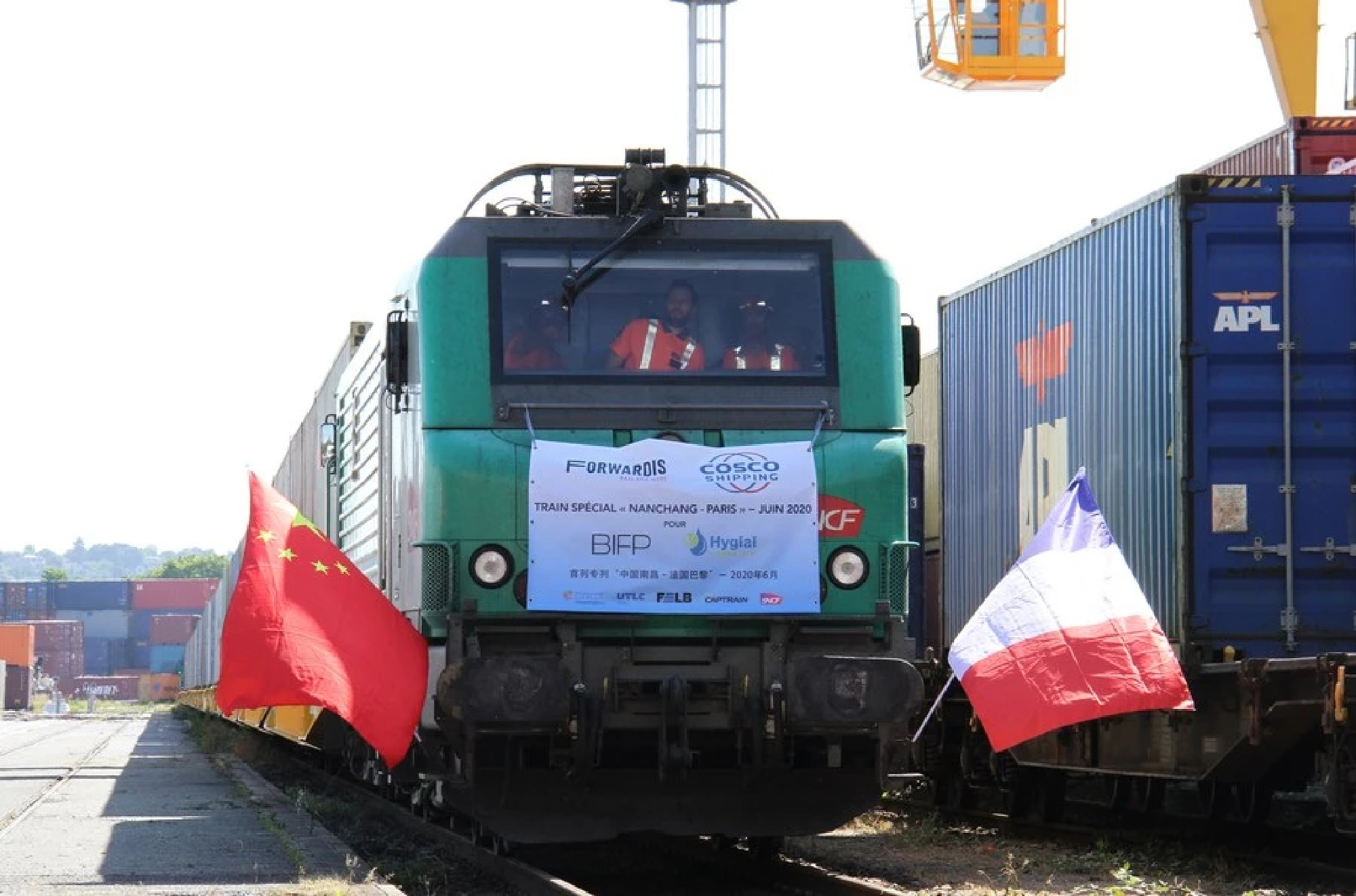
Beijing and Paris vowed on Wednesday to make further progress in the ratification of the China-European Union investment deal, a pact agreed to in principle in December 2020, as part of broader efforts to push for fresh development in ties between China and the 27-member bloc.
President Xi Jinping and French President Emmanuel Macron made the pledge during a phone conversation on Wednesday.
Xi commended the role of France, as the holder of the EU’s rotating presidency in the first half of 2022, for enhancing the solidarity of the bloc and strengthening its strategic independence.
He reiterated the need for China and the EU to uphold mutual understanding and adhere to mutual respect, dialogue and win-win cooperation, saying that the two sides should make concerted efforts to build the greatest consensus and further bilateral ties.
Beijing stands ready to work with Paris to ensure the success of the leaders’ meeting between China and the EU and jointly host a new round of dialogues on strategies, trade and economics, green and digital growth and people-to-people exchanges, he said.
Macron said Paris will make all-out efforts to press ahead with the positive agenda between the EU and China.
In May 2021, the European Parliament halted ratification of the EU-China Comprehensive Agreement on Investment, a deal the two sides started to negotiate in October 2013 with the aim of reaching a higher-level agreement covering investment protection and market access.
The French president congratulated Xi on the success of the opening ceremony of the Beijing 2022 Winter Olympics, saying that France has always supported the success of the event and will continue to do so.
In response, Xi said the fact that the Games were held on schedule and smoothly showed the support from the international community for peace, solidarity and progress.
With the international landscape full of tension and turbulence, France is even more hopeful that the two sides can deepen their bilateral comprehensive strategic partnership, Macron said.
He said the two sides should explore ways to overcome the fallout from the COVID-19 pandemic and enhance personal exchanges, friendship, mutual trust and win-win cooperation.
Xi recounted the two phone calls with Macron and their attendance at two virtual leaders’ summits last year with then German chancellor Angela Merkel, saying that their joint efforts to promote bilateral ties have paid off.
Trade in goods between China and France reached $85 billion last year, up 27.6 percent year-on-year, according to the General Administration of Customs. China’s agricultural imports from France were up 40 percent year-on-year in 2021.
The two nations should build on the positive, healthy and upward momentum of last year and strengthen dialogue, exchanges, understanding and mutual trust under the principle of mutual respect and equal treatment, Xi said.
The two presidents reached several key consensuses over bilateral cooperation going forward.
Both sides will ensure the early implementation of cooperation projects in agricultural science and technology and agricultural industries with local advantages, and Beijing welcomes the registration of more eligible agricultural food businesses in China, according to a statement released after the meeting.
The Sino-French green manufacturing partnership will be deepened, and both sides will provide a fair, just and nondiscriminatory business environment for each other’s enterprises.
The two sides will also hold subgroup meetings on aerospace and the internet under the China-France Strategic Dialogue, conduct exchanges over the polar region and the ocean, and scale up dialogue and exchanges between the two militaries.
The two leaders also exchanged views on the Ukraine situation.
Xi stressed that all relevant parties should adhere to the general direction of a political settlement, make full use of multilateral platforms including the Normandy Format, and seek a full resolution of the Ukraine issue through dialogue and consultation.
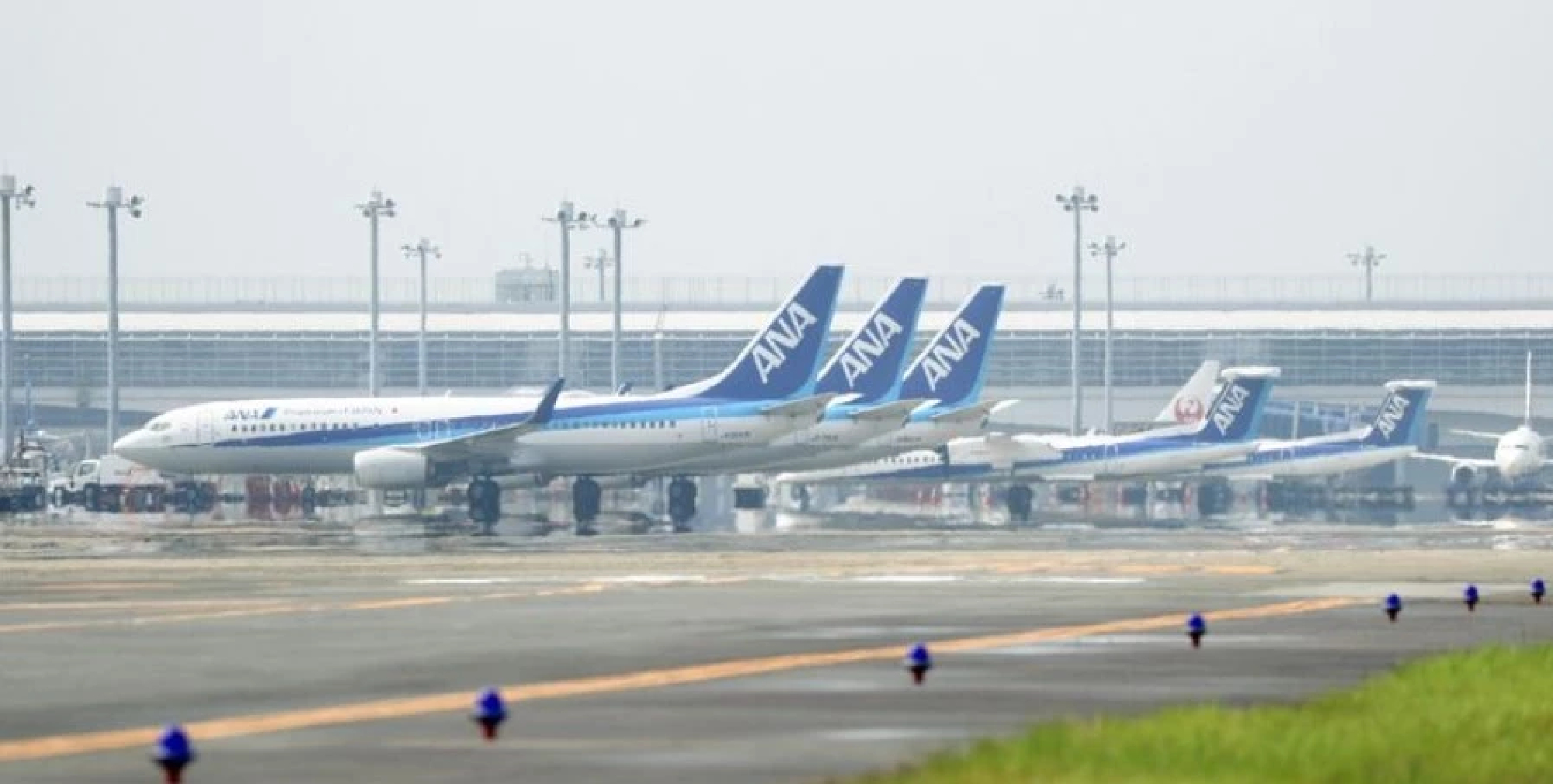
ANA Holdings Co., Toyota Motor Corp. and U.S. mobility firm Joby Aviation will start considering a business tie-up in the field of flying cars, sources said.
With the entry of the Japan’s largest airline, the air transportation network can be fully developed to reach places that are too close or impractical for an airplane but inconveniently far by bus or taxi.
Joby plans to launch a flying car passenger service in the United States in 2024. It was looking for a business partner in Japan with a view to expanding overseas.
Under the partnership, ANA will start a joint flying car venture to carry passengers using the electric vertical takeoff and landing vehicles of the U.S. firm.
Aiming to launch the service in 2025, ANA will provide know-how in the aviation business, such as flight management technology and pilot training. Toyota is expected to handle the ground transportation for users of the new service. A detailed operation plan has yet to be finalized.
ANA is believed to have teamed up with Joby in the hope of expanding its customer base by offering more convenient middle-distance transportation in Japan. Joby has developed a five-seat flying car with a maximum cruising distance of about 270 kilometers — equivalent to the distance between Tokyo and Nagoya — and a maximum speed of 320 kph.
In 2020, Toyota invested $394 million (about ¥45 billion) in Joby and started joint development for such vehicles. Toyota will provide the U.S. firm with electrification technology it has cultivated in hybrid and electric vehicles as well as know-how on productivity improvement.
Flying cars, which are similar to ultracompact helicopters, are expected to become a next-generation transportation method using no runways or fossil fuels.
Morgan Stanley of the United States estimates that the global market for flying cars will grow to a size of about $1.5 trillion (about ¥172 trillion) in 2040 from about $7.4 billion (about ¥850 billion) in 2020.
There is no strict definition of flying cars, but companies around the world are developing electrically powered passenger vehicles that can be operated automatically and can take off and land vertically.
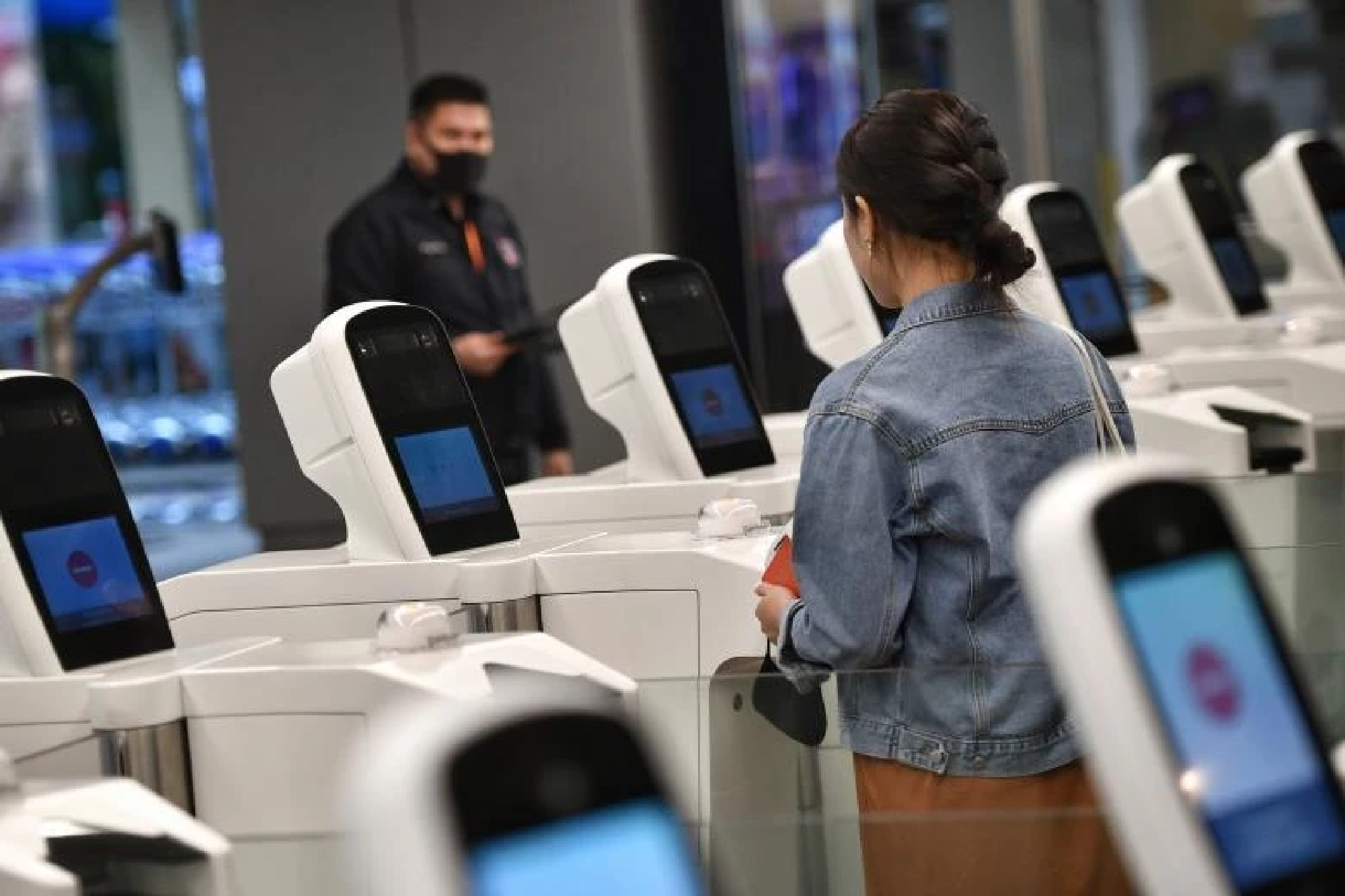
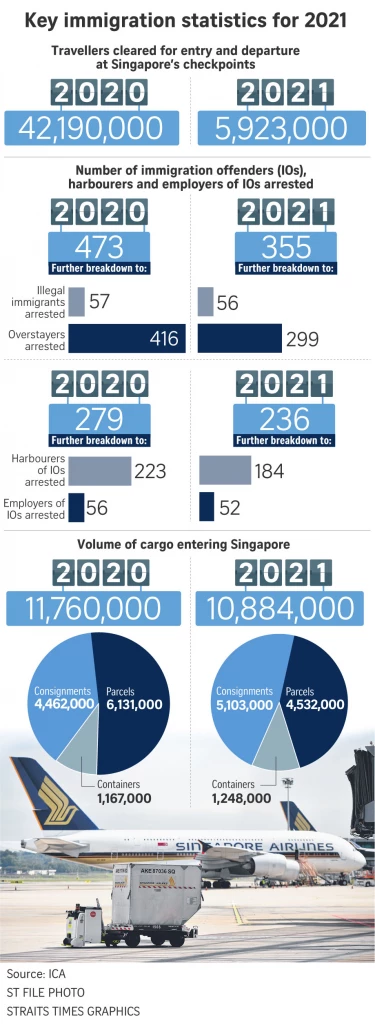
SINGAPORE – From next year, all travellers will be able to use automated lanes upon arrival in Singapore for faster immigration clearance, said the Immigration and Checkpoints Authority (ICA) on Tuesday (Feb 15).
Foreign visitors will no longer have to proceed to manual counters each time they visit Singapore to have their iris and facial biometrics cleared.
Instead, they can do so at the automated lanes that Singapore citizens, permanent residents and long-term pass holders already use to enter the country.
ICA, which was releasing its annual statistics report on Tuesday, said: “The use of iris patterns and facial features as primary identifiers for immigration clearance not only provides more robust and reliable identity authentication of travellers, but (also) more hygienic, convenient and efficient immigration clearance.”
Last October, ICA introduced the electronic visit pass at Changi Airport, which will be implemented at all checkpoints soon.
The pass, which is issued to foreign visitors, replaces the inked endorsement stamps in passports.
ICA said these measures will reduce contact between its officers and travellers.
During the Covid-19 pandemic, ICA implemented several initiatives in support of Singapore’s reopening. These included redesigning the manual counters at checkpoints so travellers can self-scan their passports, making immigration clearance safer for everyone.
ICA also took steps to digitalise and automate its cargo clearance to move goods securely and efficiently and bolster Singapore’s position as a global port.
Last October, it implemented an On-the-Fly clearance concept at Tuas Port with the cargo cleared while the vehicle is still moving.
Cargo permits are cleared automatically after ICA image analysts assess there are no anomalies in the scanned images of the cargo consignment.
To minimise the time needed to clear cargo flagged for secondary checks, ICA has been using mobile tablets to clear permits on the spot at the checking bays since last October.
ASEAN is launching a fact-finding mission to accelerate East Timor’s accession into the bloc, a task expected to be completed in the first quarter of 2022, according to the Ministry of Foreign Affairs and International Cooperation.
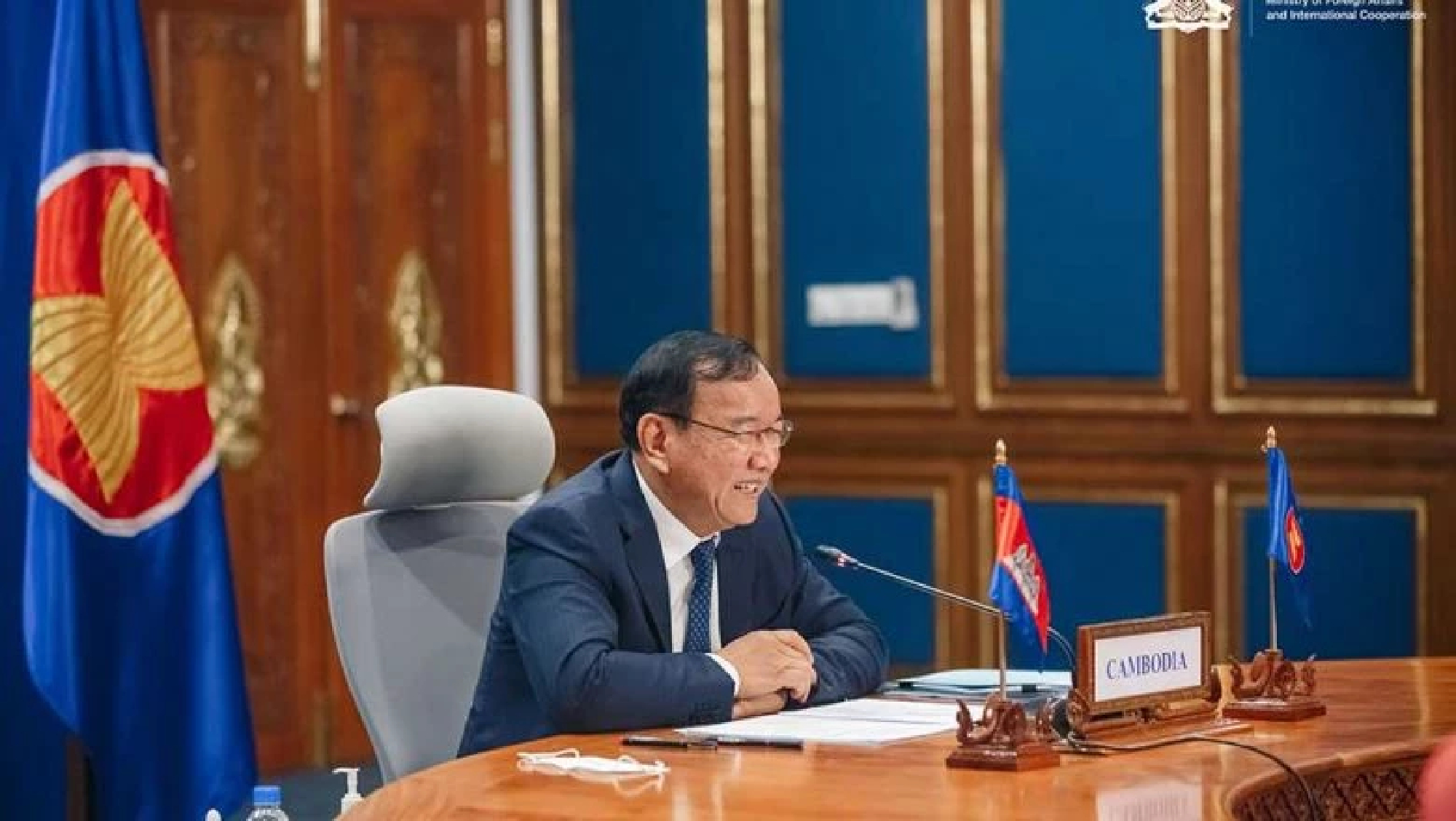
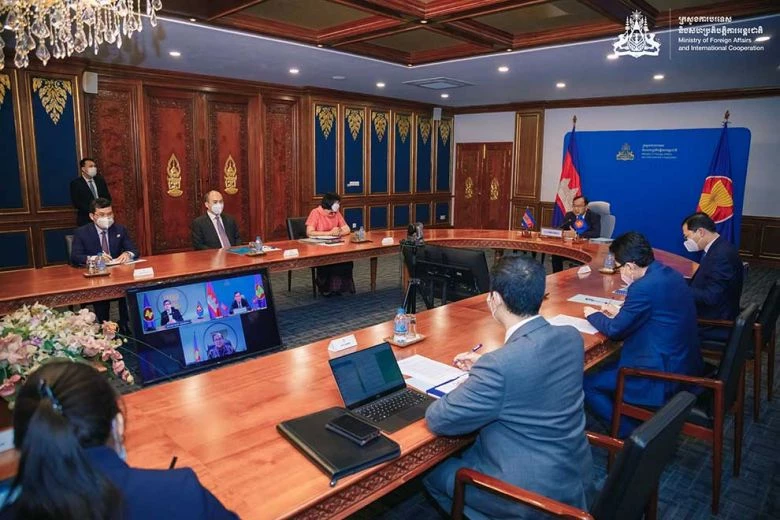
The decision was announced in a virtual meeting on February 14 between foreign minister Prak Sokhonn and ASEAN secretary-general Lim Jock Hoi.
In a statement published after the meeting, the ministers acknowledged the additional difficulty that the Covid-19 pandemic has caused in the indo-pacific nation’s decade-long application process to join ASEAN as its 11th member.
But they said the bloc is “determined” to complete the fact-finding mission of the ASEAN Economic Community and the ASEAN Socio-Cultural Community in the first quarter of this year, “so that ASEAN member states can start to deliberate on the roadmap and timeline for [East Timor] to accede to ASEAN,” the statement said.
Heng Kimkong, a visiting senior research fellow at the Cambodia Development Centre, said the meeting demonstrates Cambodia’s activeness in pushing for East Timor to become an ASEAN member.
He said that, should East Timor membership be confirmed during Cambodia’s chairmanship of ASEAN this year, it would help raise the profile of the Kingdom within the bloc as being a supportive new member.
“Cambodia is the latest member of ASEAN. Therefore, if [East Timor] becomes another member, it shows that Cambodia is working towards and putting in effort to achieve unity and inclusiveness in the region,” he said.
Foreign minister Prak Sokhonn meets with ASEAN secretary-general Lim Jock Hoi via video conference at the ministry on Monday. Foreign Ministry
Sokhonn and Lim also spoke at length about the political situation in Myanmar and its impact on ASEAN, according to the ministry.
The meeting included “heavy emphasis” on the importance of cessation of violence and building of trust and confidence in the beleaguered nation, “so that all the concerned parties can engage in an inclusive dialogue in order to achieve long lasting peace”, it said.
Sokhonn told Lim about plans for his first visit to Myanmar as its ASEAN special envoy, for which no date has been set. Lim offered that the ASEAN Secretariat was ready to support his visit as well as to provide aid in order to alleviate the humanitarian situation in the country.
Both sides also discussed the important role of the Treaty of Amity and Cooperation in Southeast Asia (TAC) in the ASEAN community building process. In recent years, many countries had signed the peace treaty and have subsequently become dialogue, sector and development partners to ASEAN member states, they noted.
“Going forward, ASEAN will continue to strengthen its capacity and capability, so that it is equipped to contribute effectively to the rapid growth of its partners for mutual benefit,” the press statement said.


 Foreign minister Prak Sokhonn meets with ASEAN secretary-general Lim Jock Hoi via video conference at the ministry on Monday. Foreign Ministry
 SootinClaimon.Com