‘World-class’ universities list expanded

#SootinClaimon.Com : ขอบคุณแหล่งข้อมูล : หนังสือพิมพ์ The Nation.

https://www.nationthailand.com/international/40012390


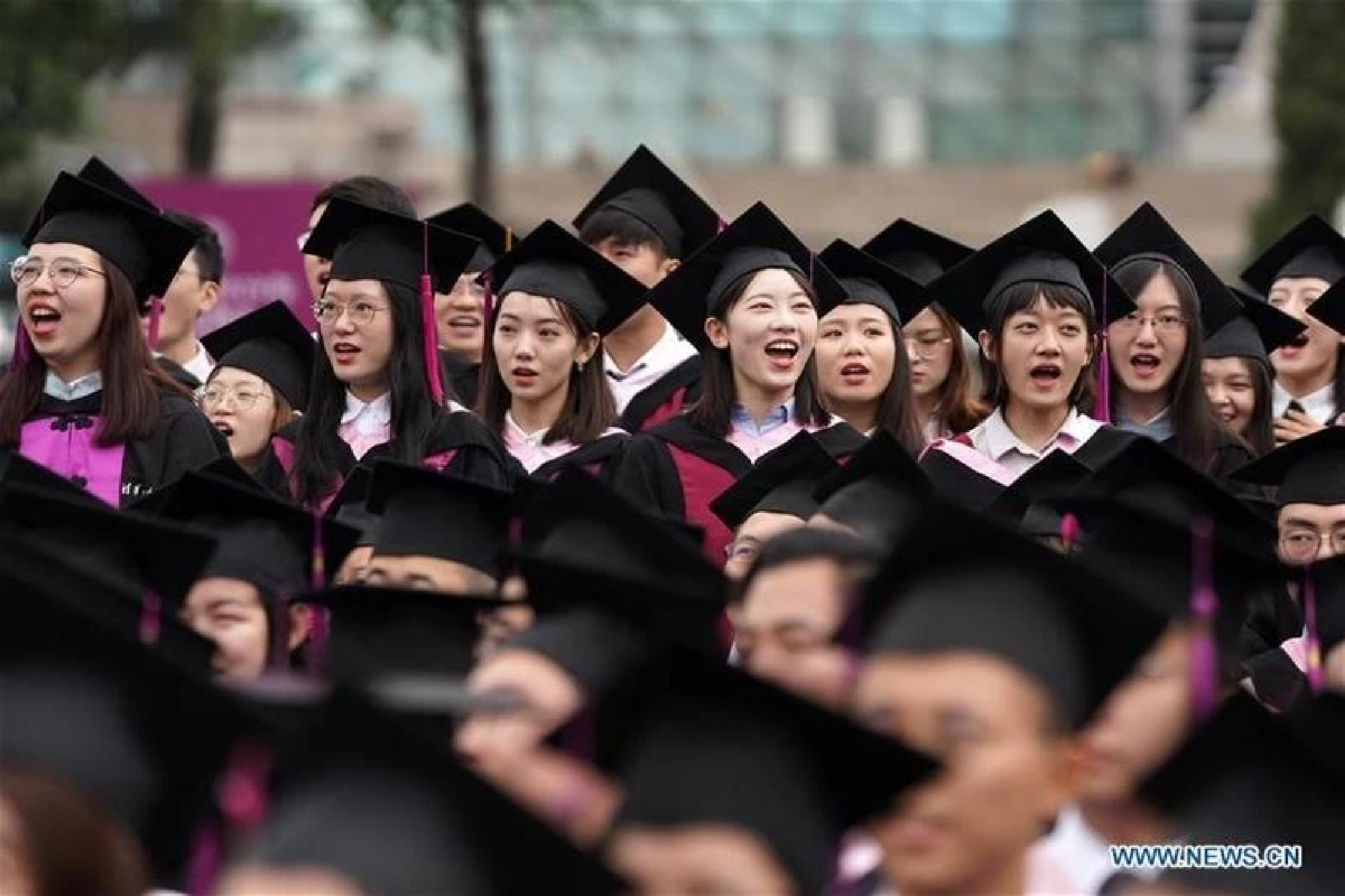
China has added seven universities to a list of those it aims to elevate to world-class status, taking the total to 147.
'World-class' universities list expanded

Based on a review by experts and approved by the State Council, China’s Cabinet, the second list of universities and disciplines included in the “double world-class project “was released by the ministries of education and finance and the National Development and Reform Commission on Monday.

The new additions to the list included Shanxi University, Xiangtan University in Hunan province and Nanjing Medical University in Jiangsu province. All of the 140 universities in the project’s first list, released in 2017, including Peking University, Tsinghua University and Renmin University of China, remained on the latest list.

The universities and disciplines were chosen based on their ability to nurture top talent and innovative teams in major and core scientific and technological fields in accordance with national development strategies, said Hong Dayong, director of the Ministry of Education’s department of degree management and postgraduate education, adding that no consideration was given to the rankings of universities or research papers published.

The first list placed universities in one of three levels, but the new list does not. Hong said the change was made because building world-class universities should be based on building world-class disciplines and the universities should pursue distinctive and differentiated development.

Some universities had treated inclusion in the “double world-class project”, launched in 2016, as a status symbol and, as a result, had pursued blind expansion and competition, he said.

The new list will encourage the universities to pursue world-class development based on their own advantages, he said.

Peking University and Tsinghua University have been given the autonomy to conduct self-evaluation and release their own lists of world-class disciplines.

The two universities can each decide how many disciplines they aim to elevate to world-class status, Hong said.

Sixteen disciplines at 15 universities have been given warnings because they lagged behind in their overall progress and failed to live up to expectations. They have not yet been removed from the project, but will face further evaluation next year.

Initiated in 2016, the first round of the project was completed by the end of 2020, the ministry said.

Hong said, however, that progress in building world-class universities has yet to match the country’s comprehensive strength and international status and also lags behind in meeting the needs of social and economic development and creating a diversified talent pool.

Before the launch of the project, the Chinese government evaluated its universities via the”211″ and”985″ projects launched in the 1990s. The 211 project aimed to raise education standards in about 100 colleges and universities during the 21st century, and the 985 project, named after its launch date in May 1998, endeavored to select the cream of the crop from those institutions.

Qu Zhenyuan, former chairman of the China Association of Higher Education, said the “double world-class project” is a continuation of the “211” and “985” projects in the new era. It is also a key project in the strategy of building a powerful China through education and lays the foundation for achieving the great rejuvenation of the Chinese nation, he said.

Inclusion in the list is recognition of a university’s overall strength, Qu said, but also means it has an important duty to fulfill.

Shi Jinghuan, an education professor at Tsinghua University, said China has the largest higher education system in the world, but there is still a great deficiency in terms of high-quality higher education.

The universities included in the project represent only a small proportion of those in the country and can lead the way for other universities and lead reform of the country’s higher education system, she said.

Published : February 16, 2022

By : China Daily

[South Korea] Financial watchdog to step up crackdown on Big Tech

#SootinClaimon.Com : ขอบคุณแหล่งข้อมูล : หนังสือพิมพ์ The Nation.

https://www.nationthailand.com/international/40012389


South Korea’s financial watchdog pledged Monday to announce its own monitoring measures for Big Tech firms’ financial services.

[South Korea] Financial watchdog to step up crackdown on Big Tech

As part of its annual plan for this year, the Financial Supervisory Service said it would prepare “Korean-style Big Tech monitoring measures to stimulate competition and innovation from Big Tech’s foray into the finance sector and to achieve financial stability and customer protection.”

The purpose of the measures is to establish systematic monitoring to enforce adoption of healthy market rules, and actively supporting financial innovation in the era of the “big blur” — a locally-used term referring to the blurring of boundaries between industries.

The FSS’ announcement comes as tech giants Naver and Kakao’s fast-growing online and mobile financial services have become serious competitors to traditional banks. It also comes amid concerns that regulations on Big Tech companies’ customer protection and data use related to their financial platforms remain unclear.

To bolster transparency in online and mobile finance, the FSS seeks to check on the current state of electronic finance transaction fees and build a related data and information disclosure system. The watchdog, concerned with the lack of standards in assessing environmental, social and governance-related financial products, vowed to come up with a solid yardstick for ESG bonds. It said it would review ESG-related disclosure systems and adopt stricter assessment process for ESG-related funds.

The FSS picked customer protection as another key task for this year, saying it plans to implement stricter regulations to prevent financial institutions’ exaggerated marketing and selling of risky products.

To minimize financial polarization in the country, it plans to roll out plans to help the elderly and consumers suffering from the fast-declining numbers of brick-and-mortar bank branches and automatic teller machines. According to separate data compiled by the FSS, the number of offline branches operated across the country by the four major banks here –- KB Kookmin, Hana, Shinhan and Woori -– decreased by 203 on-year as of end-September 2021 to 3,203.

Pointing to concerns surrounding the nation’s household debt, the FSS said it will enforce stricter loan regulations. The watchdog will prepare an integrated screening system for both household loans and special loan programs for the self-employed. This measure is to prevent abuse of the small business loan program, which tends to have less strict requirements.

Data released by the Bank of Korea earlier this year showed that total household loans extended by banks declined 400 billion won ($333 million) on-month as of end-January, while the total extended to the self-employed added 2.1 trillion won in the same period. This has sparked concerns from onlookers that borrowers were abusing the small business loan programs for other personal uses, such as stock and real estate investments, as the government has been tightening its screening and regulations on household loans.

By Jung Min-kyung

Published : February 16, 2022

By : The Korea Herald

Foreign retailers look to expand VN operations with diverse sales, service offerings

#SootinClaimon.Com : ขอบคุณแหล่งข้อมูล : หนังสือพิมพ์ The Nation.

https://www.nationthailand.com/international/40012341


HCM CITY — Foreign retail businesses are adopting a multi-channel sales strategy as well as improved operations and delivery services to expand Việt Nam operations despite pandemic impacts.

Foreign retailers look to expand VN operations with diverse sales, service offerings

Huỳnh Lê Minh Tú, deputy director of the HCM City Department of Industry and Trade, said that with a population of more than 90 million and increasing living standards, the retail market will remain very attractive for foreign investors in Việt Nam.

“Foreign retailers optimising the shopping experience for customer retention and applying multiple sales process metrics will have a better edge to dominate the market,” he said.

Given the digital transformation trend in the retail sector, many foreign retail businesses are constantly improving their technological applications for collection, storage, management and comprehensive data analysis, based on a solid, secure, flexible and self-operating cloud computing infrastructure, he said.

Other observers have also remarked that the fourth wave of COVID-19 has pushed foreign retailers to diversify their sales channels instead of the usual primary focus on providing goods onsite to consumers. 

Last year, major retailers like MM Mega Market Vietnam, Central, Aeon, LOTTE Mart and Emart implemented cashless payment methods for both online and offline shopping. 

MM Mega Market Vietnam has started a multi-channel sales development strategy alongside completing its online sales solutions: website MM Click & Get; Zalo and Telesales.

It also plans to launch an online shopping website for professionals with product prices and solutions designed for each specific customer.

With the pandemic situation remaining unpredictable this year, foreign retail businesses will need to be well prepared so they can keep pace with the nation’s economic recovery, experts have said. 

MM said it will continue to invest and develop multi-channel sales, with its wholesale supermarket system implementing the Pick & Go software soon.

Multiple outlets

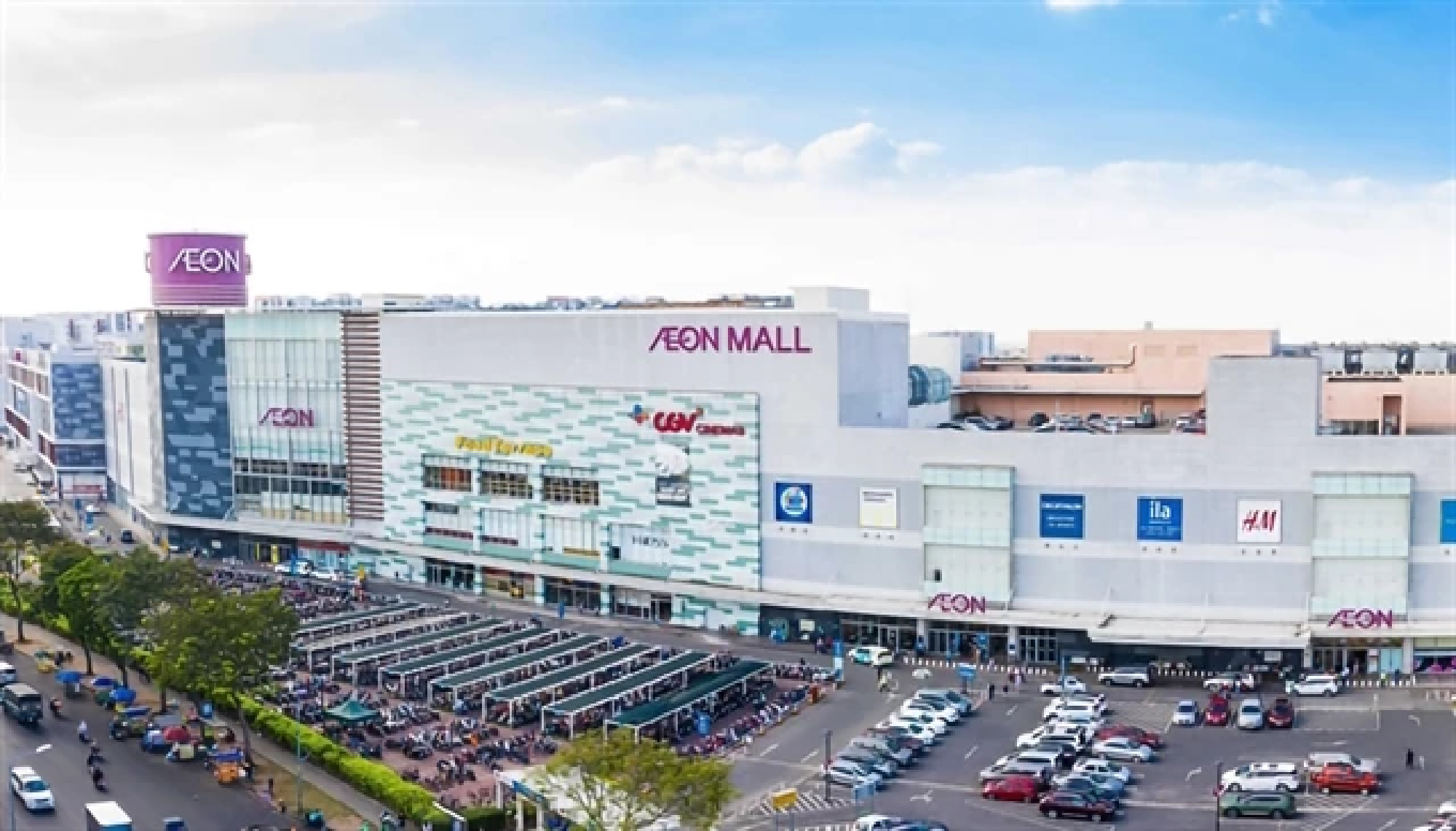
Meanwhile, AEON Việt Nam has said it would open more outlets in different locations with a variety of retail models, including shopping malls, department stores, supermarkets, convenience stores and specialised stores.

As it does this, it will maintain its digital transformation process, especially focusing on promoting O2O (offline-to-online); developing products to meet customer needs and do more to boost sustainable development by promoting environmental protection and social responsibility.

Furusawa Yasuyuki, general director of AEON Việt Nam, said they aim to open 30 shopping centres by 2030 along with other models.

South Korean Emart Vietnam Co., Ltd. (acquired by the Thaco Group) will put into operation two new shopping centres.

Hirai Shinji, chief representative of the Japan External Trade Organisation (JETRO) in Việt Nam, said the Vietnamese retail market remains very attractive for Japanese investors.

Despite the impacts of the pandemic, retailers and non-manufacturing enterprises from Japan are expanding their business in Việt Nam to take advantage of its young population and an increase in per capita income, he added.

A recent JETRO survey found more than 55 per cent of Japanese firms intend to expand their business in Việt Nam. 

According to the survey, conducted from August to September last year, more than 56 per cent of the firms expect higher profits this year, and only 9.6 per cent think their profit will reduce. 

Modern retail distribution has faced huge hurdles over the last two years due to the pandemic impacts (changes in customer trends, human resources, warehouse operations and supply chain disruptions).

Although the Việt Nam retail market experienced a low growth rate due to the pandemic last year, it remains a market with high long-term potential, experts have said.

They have noted that over the next five to 10 years, the country will be a leader in Southeast Asia in terms of an expanding middle class, which is expected to grow by around 9.2 per cent every year. — VNS

Published : February 15, 2022

By : Vietnam News

BMW owns majority stake in Chinese JV

#SootinClaimon.Com : ขอบคุณแหล่งข้อมูล : หนังสือพิมพ์ The Nation.

https://www.nationthailand.com/international/40012340


BMW has become the first international carmaker to take majority control of its Chinese joint venture, after the German company raised its stake in BMW Brilliance to 75 percent on Friday.

BMW owns majority stake in Chinese JV

The German carmaker inked an deal with Brilliance Auto to scale up its stake in their joint venture from 50 percent to 75 percent, when China announced in 2018 it would relax ownership rules in the automotive industry.

The Chinese authorities removed foreign ownership caps for companies making fully electric and plug-in hybrid vehicles in 2018. The same rules took effect for commercial vehicle makers in 2020 and for the passenger car market starting from 2022.

Analysts said a majority stake in joint ventures, which means a larger say and more profit, will stimulate international carmakers’ ambition and commitment in China, the world’s largest vehicle market.

Besides the equity change, BMW and Brilliance’s contract to extend their joint venture took effect on Friday as well. Established in 2003, the partnership now runs to 2040.

“Today marks an important step, as we continue to expand our long and successful commitment to China,” said BMW Chairman Oliver Zipse in a statement on Friday.

“We firmly believe that our continued success in the world’s largest automotive market can only go hand in hand with the growth and further development of our BBA joint venture,” said Zipse.

BMW saw a 9 percent growth in its deliveries in China to 846,237 vehicles in 2021, as the best-selling premium carmaker in the country.

BMW Brilliance, based in Shenyang, Liaoning province, produced 700,000 vehicles in the year.

Chief Financial Officer Nicolas Peter told reporters that BMW’s sales are expected to grow further in 2022 as the demand continues to grow in China.

BMW said it is expanding its production capacity in China, with one plant is currently being expanded and a new one under construction.

Among other vehicle models, BMW will start producing the X5 SUV, previously imported from the United States, in the second quarter of the year at the BMW Brilliance joint venture, according to Reuters.

“Our extended joint venture contract lays the foundation for further mutual growth and progressive development in the future. It therefore paves the way for balanced development in the three main regions of the world, as we have done in the past,” said Peter.

Some other international carmakers are mulling raising the stakes in their joint ventures as well.

Late last month, Stellantis said it would like to increase its equity from 50 to 75 percent in its joint venture GAC-Stellantis, adding this will set a new basis for its business in China.

By Li Fusheng

Published : February 15, 2022

By : China Daily

India enters a new phase of partnership with Philippines

#SootinClaimon.Com : ขอบคุณแหล่งข้อมูล : หนังสือพิมพ์ The Nation.

https://www.nationthailand.com/international/40012339


Days after India signed a mega $375 million contract with the Philippines for the BrahMos shore-based anti-ship missile system, External Affairs Minister S Jaishankar landed in the Southeast Asian nation, which has been involved in a running feud with China over the South China Sea.

India enters a new phase of partnership with Philippines

Jaishankar today held talks with his Filipino counterpart Teddy Locsin Jr. on a range of issues.

”Thank you @teddyboylocsin for a warm welcome and generous hospitality. Held productive discussions with FM @teddyboylocsin of Philippines. Expect to take forward a shared agenda through sustained engagement,” Jaishankar tweeted later.

He said India and the Philippines were entering a new phase of their partnership. ”Its basis is the mutuality of national security and development aspirations. Our conversation covered a range of issues dealing with both,” he added.

Prior to the meeting, the Philippines’ Department of Foreign Affairs said the two ministers would discuss health and security, as well as other regional and global matters of mutual interest, especially as countries continue to engage post-Covid.

Like India, the Philippines too does not enjoy cordial relations with China. Since 2009, their bilateral ties have been experiencing a decline with China trying to assert its claims over the South China Sea. Beijing has prevented the Philippines from carrying out oil and gas development projects and from fishing in the disputed waters.

The BrahMos deal signed by India with the Philippines last month is being seen as a shot in the arm for New Delhi’s efforts to emerge as an exporter of major defence hardware.

Published : February 15, 2022

By : The Statesman

Indonesia to cut quarantine period for travellers as Covid-19 numbers drop

#SootinClaimon.Com : ขอบคุณแหล่งข้อมูล : หนังสือพิมพ์ The Nation.

https://www.nationthailand.com/international/40012338


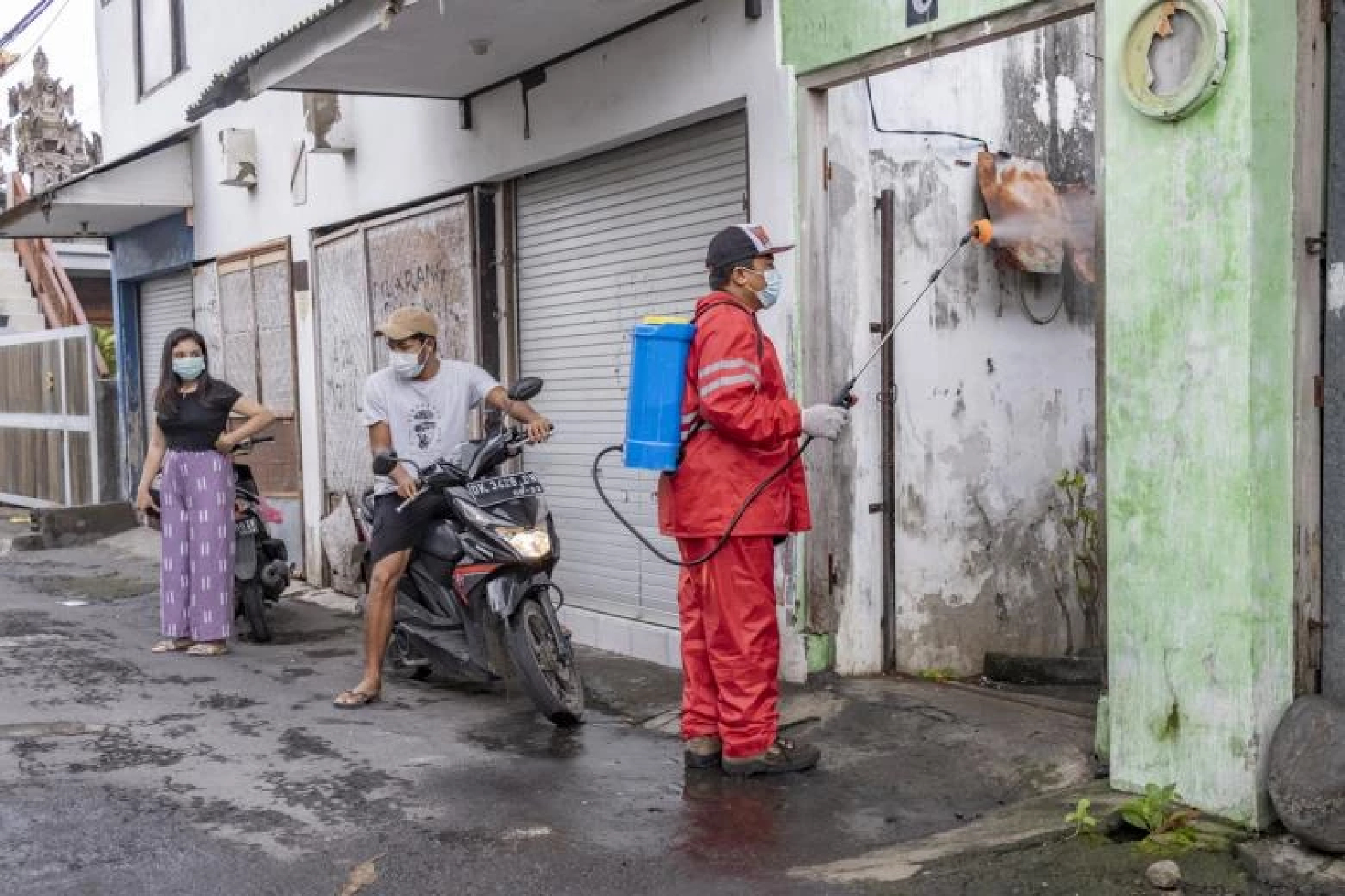
JAKARTA – Indonesia said on Monday (Feb 14) that it plans to cut the quarantine period for travellers – both foreigners and citizens who have had a booster shot – from five to three days with officials pointing to signs of a slowdown in Covid-19 cases.

Indonesia to cut quarantine period for travellers as Covid-19 numbers drop

The new rule will take effect “starting on March 1, or earlier” depending on the situation, and quarantine may be lifted on April 1 if the situation further improves, said Mr Luhut Pandjaitan, the senior minister in charge of coordinating Covid-19 efforts on the country’s most populous island of Java as well as Bali.

“Signs that we have reached the peak are there, judging from the decline in daily new cases, active cases and hospitalisation rate,” Mr Luhut said at an online media briefing after meeting President Joko Widodo on Monday.

“Java and Bali are now seeing a slowing trend (in the number of daily new cases), but some (other) regions outside Java started to see a pick-up.”

At the same briefing, Coordinating Minister for Economy Airlangga Hartarto said the travel bubble for visitors from Singapore to Batam and Bintan will start on Feb 18, and the quarantine-free arrangement will extend to a third island, Karimun. However, he did not give any other details.

Singapore Transport Minister, S Iswaran, in a written response to queries in Parliament, on Monday said: “Singapore and Indonesia are working towards an arrangement to facilitate two-way quarantine-free travel for fully vaccinated travellers between Singapore and Batam and Bintan, as part of our plans to gradually reopen borders while managing public health risks.”

“We will share more details when ready,” he added. 

Mr Iswaran, in his response, also released figures on the number of travellers between Singapore and Batam and Bintan. He said that in 2019, the average number of ferry passenger arrivals and departures was about 146,000 a week in total. Since Indonesia opened up quarantine-free travel bubbles for fully vaccinated tourist travellers from Singapore to Batam and Bintan from Jan 24, the number has remained at around 600 per week.

Indonesia was initially hit by a Covid-19 wave in early 2021. A more devastating wave, dominated by the deadly Delta variant of the coronavirus, in the middle of the year saw daily new cases surge to 56,757 at its peak on July 15. The second wave pushed hospitals and healthcare workers in Indonesia to the limit.

The highly transmissible but less severe Omicron variant led to a third wave recently, with the number of daily new cases hitting 55,209 on Saturday. But this now appears to be on a downward trend with 44,526 cases recorded on Sunday and 36,501 on Monday, according to government data.

Dr Windhu Purnomo, an epidemiologist with Airlangga University in East Java, said that cases in Jakarta, which made up a significant proportion of the national tally, had also passed their peak.

Daily new cases in the capital hit 15,531 on Feb 6 and this number was reduced to 14,023 on Feb 9, 12,126 on Feb 12 and 10,275 on Monday. 

“Currently, we are already seeing a downtrend trend, but we still need to observe if this would be consistent, or if this would still be fluctuating. Hopefully it would be consistent, provided Jakarta residents stick to strict health protocols,” Dr Windhu told The Straits Times.

Health minister Budi Sadikin on Monday also pointed to other favourable trends.

He said the number of those hospitalised remained at between 30 to 40 percent to that during the Delta wave. More than half of those hospitalised were also either asymptomatic or had mild symptoms. 

Far fewer people were also dying from Covid-19, he said. The number of new deaths daily during the Delta wave peaked at 2,069 sometime in July. But that number has been cut to about 110, Mr Budi said.

“We don’t see any possibility of the 110 figure rising to 500, let alone 1,000. That’s impossible,” the health minister said.

By Wahyudi Soeriaatmadja

Published : February 15, 2022

By : The Straits Times

Korean content’s global popularity reaches new heights: survey

#SootinClaimon.Com : ขอบคุณแหล่งข้อมูล : หนังสือพิมพ์ The Nation.

https://www.nationthailand.com/international/40012337


Korean cultural contents, led by the rise of K-pop and K-dramas, continued to gain global popularity in the past year, a survey showed on Monday.

Korean content’s global popularity reaches new heights: survey

An annual report jointly released by the Korean Foundation for International Cultural Exchange and the Ministry of Culture, Sports and Tourism, revealed consumption of Korean cultural contents rose in all categories — beauty, drama, fashion, entertainment show, game, animation, publication — in 2021.

Some 61.1 percent of all respondents who said they enjoyed Korean content said they consumed more Korean dramas, movies, entertainment TV shows and games in the last year compared to the previous year. In the 2020 report, some 58.5 percent said they consumed more Korean content over the previous year.

The respondents said online platforms were the main media through which they consumed K-drama, K-pop and other TV shows. However, Netflix dominated the streaming of movies.

“Online consumption of contents has become more common, which served as a major factor leading to global consumption of Korean contents, but this is a result that cannot be achieved without the competitiveness of the content itself,” Choi Kyung-hee, the head of the research team at the Korean Foundation for International Cultural Exchange, said.

The report also provides an insight into how Korean cultural content has been perceived over the last several years. When asked what comes to mind when thinking about Korea, 14 percent of of the respondents said K-pop topped their list. That was followed by Korean food (11.4%), K-dramas (7.5%), Korean celebrities (7.0%) and IT brands/products (6.85%). In the previous survey in 2020, IT brands/products ranked third while K-drama came in fifth. Before 2017, Korean War or North Korea were almost always included in the top five answers to the same question. The annual report began in 2012.

Among the many K-pop artists, BTS, which has been the most popular music group in the past five years, continued to prove undefeatable. Some 26.7 percent of the respondents said BTS is their favorite, while 10.4 percent picked Blackpink.

The most enjoyed drama was Netflix original “Squid Game,” backed by 21.2 percent of the 4,850 Korean drama fans, followed by “Crash Landing on You” with 2.2 percent.

Along with the rallying of Hallyu, anti-hallyu sentiment also rose by 6.3 percentage points from the previous year to reach 30.7 percent. One of the main reasons for the negative sentiment, the respondents said, is the “excessive commercialization” of Korean cultural content. The respondents also cited the need to protect their country’s cultural products against Korean cultural content as a reason for anti-hallyu sentiment.

This year’s report surveyed 8,500 people in 18 countries — China, Japan, Taiwan, Thailand, Malaysia, Indonesia, India, Vietnam, Australia, the US, Brazil, Argentina, France, the UK, Russia, Turkey, the United Arab Emirates and South Africa between Nov. 5 and Dec. 8 last year. 

By Park Ga-young

Published : February 15, 2022

By : The Korea Herald

Pakistan has one of lowest trade-to-GDP ratios in world

#SootinClaimon.Com : ขอบคุณแหล่งข้อมูล : หนังสือพิมพ์ The Nation.

https://www.nationthailand.com/international/40012318


Pakistan has historically experienced uneven growth and remains among the least open economies in the world. The report notes the country does not have significant trading ties with neighbours in South Asia.

Pakistan has one of lowest trade-to-GDP ratios in world

ISLAMABAD – Pakistan exhibits one of the lowest trade-to-GDP ratios in the world showing at just 30 per cent. However, it is not all doom and gloom and the country has a lot of room for improvement, according to the Asian Development Bank (ADB).

One viable strategy that Pakistan can adopt to boost its growth is to further open its economy to trade. At just 30pc, Pakistan exhibits one of the lowest trade-to-GDP ratios in the world, even when taking its size into account, the ADB says in its report titled ‘Pakistan’s Economy and Trade in the Age of Global Value Chains.

This indicates great potential for improvement. Studies have affirmed numerous benefits to economic openness, including opportunities for specialisation, access to wider markets, the inflow of know-how, and the formalisation of the economy.

Existing patterns indicate that Pakistan’s trade is currently oriented to the United States, Europe, and China. It specialises in textiles, though some of its agricultural products are sold to the Middle East. Interestingly, it does not have a significant trading relationship with its proximate neighbours in South Asia. The only economy for which it is a major market is its northern neighbour Afghanistan, the report points out.

While the vast majority of its export products fall under the textiles grouping, formal measures of export concentration suggest that Pakistan’s exports basket is relatively more diversified, especially compared with other major textile exporters like Bangladesh and Cambodia. However, its exports are less diversified than India.

The report used statistics from 2019 since 2020 was an unusual year [owing to Covid-19] portraying a snapshot of economic openness across various levels of GDP for 166 countries and economies with available data, and for economic openness of Pakistan, it says it is less open than India and Bangladesh. It is only more open than Ethiopia, Brazil and Sudan.

The ADB says Pakistan is a relatively large country, however its trade openness remains remarkably low. Citing an example, it says countries that have GDPs comparable to that of Pakistan but with much higher trade-to-GDP include the Philippines, the Netherlands, and Viet Nam. India’s GDP is almost 10 times larger than Pakistan’s, yet trade plays a greater role in its economy, according to the report.

Pakistan has historically experienced uneven growth and remains among the least open economies in the world, even after taking its relatively large size into account.

What it does export is dominated by textile products and rice, though a formal measure of concentration suggests that its exports basket is on the whole quite diversified.

The dominance of textile products in Pakistan’s exports raises the issue of diversification — or potentially the lack of it. Concentrating too much on only a few sectors or products poses risks to an economy since shocks to the dominant sector can more easily cause an economy-wide recession.

Pakistan can adapt to boost its growth to further open its economy to trade. Benefits to economic openness include opportunities for specialisation, access to wider markets, and the inflow of investments, technology, and know-how. There is also evidence that trade promotes the reallocation of labour from the informal to the formal sector.

Published : February 14, 2022

Indonesia on major defense spending spree

#SootinClaimon.Com : ขอบคุณแหล่งข้อมูล : หนังสือพิมพ์ The Nation.

https://www.nationthailand.com/international/40012317


The procurement plans spotlight a growing arms race in the Indo-Pacific region, following the surprise announcement last year of a security partnership between the US, Australia and the United Kingdom.

Indonesia on major defense spending spree

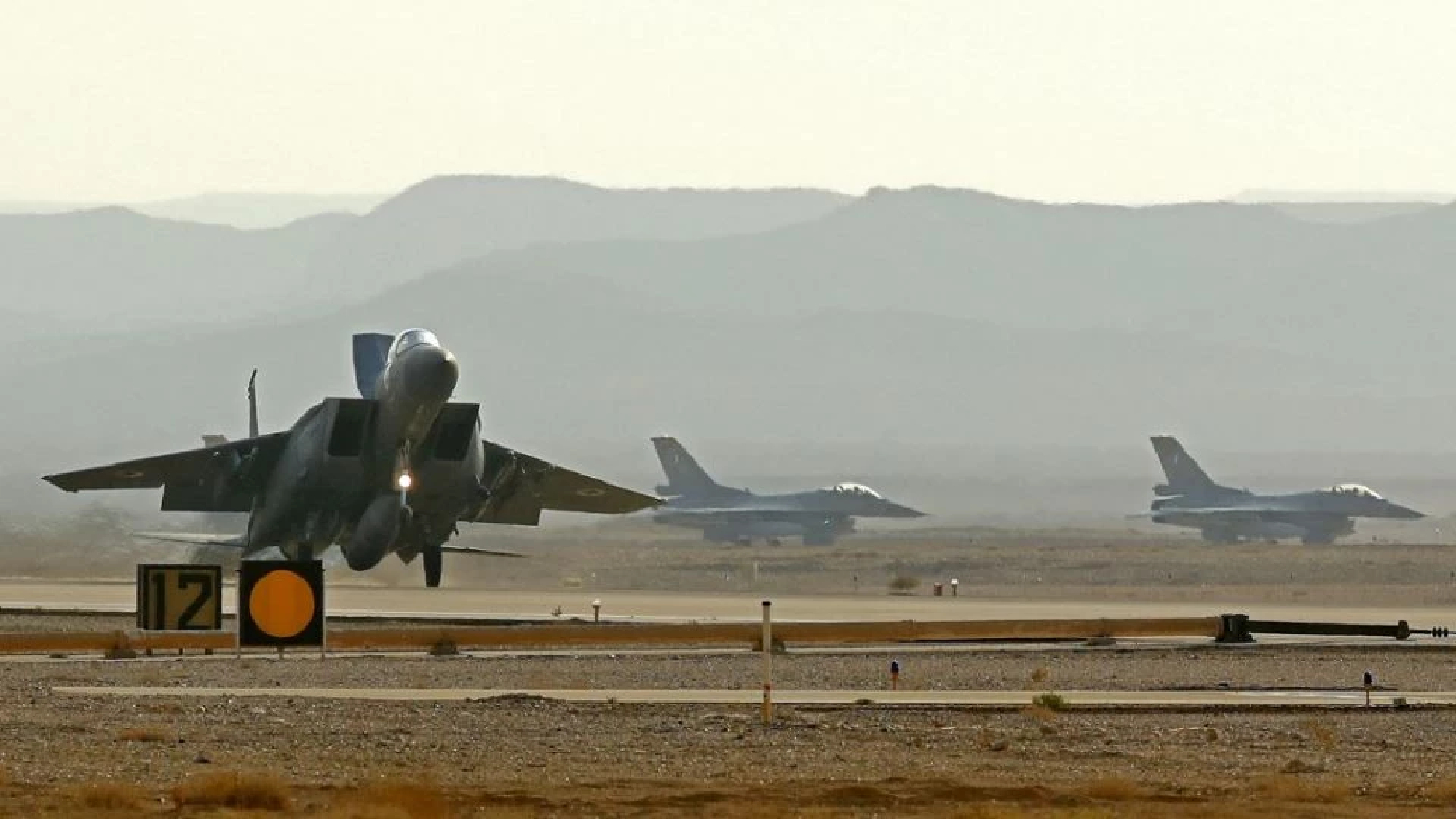
JAKARTA – Indonesia made major purchase announcements of fighter jets from the United States and French manufacturers this week in the biggest military buying spree in recent years, raising concerns over government spending as the nation rations funds to recover from COVID-19.

The Defense Security Cooperation Agency (DSCA), an agency under the US Department of Defense, announced the possible sale of F-15ID aircraft and related equipment to Indonesia in a deal valued at up to US$13.9 billion on Thursday, just hours after Indonesia and France signed a purchase agreement for the first six of 42 Rafale fighter jets as part of a contract worth of $8.1 billion.

“The proposed sale will improve Indonesia’s capability to meet current and future threats by enabling it to provide increased deterrence and air defence coverage across a very complex air and maritime domain, the DSCA said in a statement published on Thursday.

Boeing is the principal contractor for the F-15 jets, the Pentagon’s cooperation agency said in a statement. The package would include 36 jets, spare engines, radar, night vision goggles training and technical support.

The DSCA notified the US Congress of the possible sale on Thursday. Despite approval by the State Department, the notification does not indicate that a binding contract has been signed or that negotiations have concluded.

An Indonesian Defense Ministry spokesperson confirmed the latest update from Washington but added that the purchase was still in the “exploratory” stage.

Defense Minister Prabowo Subianto told lawmakers early last year that his office was interested in procuring both Rafale jets from France and F-15s from the US.

Military analyst Connie Rahakundini Bakrie said that while the purchase of the Rafales from France has been finalized, Prabowo still needs to explain to the public about the high cost of procuring advanced military equipment at this time.

She said the ministry owed it to the people to explain how the government would be paying for up to 78 new fighter jets from France and the US.

“Prabowo must explain why he chose these jet planes, what the interoperability will be like, as well as what maintenance, repair and operational components must be built around them, alongside the logistics system. Shopping is easy, and even though this will be paid for with foreign loans, it is still coming out of taxpayers’ money,” she said.

In the draft 2022 state budget, the Defense Ministry was granted US$9.3 billion, which will be used for its defence equipment modernization program ($3 billion), as well as military personnel expenses and welfare ($840 million).

President Joko “Jokowi” Widodo has also signed Presidential Regulation No. 85/2021 on the 2022 government work plan (RKP), which aims to achieve 85 per cent of the Minimum Essential Force (MEF) plan by 2022, supported by a $2.06 billion budget for defence equipment procurement and industry.

Meanwhile, the Finance Ministry has also granted a determination of the source of funds (PSP) amounting to $5.8 billion for defence procurement for 2021.

While Indonesia’s defence spending has increased significantly in the last few years, the portion of the defence budget to gross domestic product has remained stagnant at 0.7 to 0.8 per cent in the last 15 years, argued Andi Widjajanto, senior analyst in political security at Laboratorium Indonesia 2045.

“When Prabowo last year announced his strategic plans until 2044 to cover 20 years of our defence modernization, the proportion of our defence budget to our GDP was actually still maintained at 0.8 per cent,” he said at a webinar hosted by the Foreign Policy Community of Indonesia on Thursday.

As such, he said Indonesia was aiming to maintain its current force and modernize the obsolete weapons systems, but Indonesia will not have any significant breakthrough in its posture.

“Arms maintenance will still be the main focus of the Indonesian Defense Ministry until 2040,” he said.

He noted that the government’s new strategic plan for defence modernization started in 2006 under then-president Susilo Bambang Yudhoyono. The current administration has to complete the third phase of its 2024 strategic plan, after which officials could reevaluate its strategic plan to ensure continuation until 2040.

“But it is still not decided by our government. We still have to wait to see whether or not in the next six months Jokowi and Prabowo will come up with a new strategic plan for the next 20 years,” he said.

Dian Septiari

The Jakarta Post

Published : February 14, 2022

Marcos Jr. and Duterte still leading in Pulse Asia poll

#SootinClaimon.Com : ขอบคุณแหล่งข้อมูล : หนังสือพิมพ์ The Nation.

https://www.nationthailand.com/international/40012315


Ferdinand Marcos, son of the late dictator Ferdinand Marcos Sr., and his running mate Davao City Mayor Sara Duterte, daughter of President Rodrigo Duterte, would have been named president and vice president if the elections were held last month.

Marcos Jr. and Duterte still leading in Pulse Asia poll

MANILA, Philippines — In the Pulso ng Bayan Survey conducted from Jan. 19 to 24, the standard-bearer of the Partido Federal ng Pilipinas received the majority of votes for President at 60 per cent. Among geographic areas, Marcos Jr. was highest in Mindanao at 66 per cent. He got the most number of votes among the Class D income class.

He was trailed by Vice President Leni Robredo at 16 percent, followed by Sen. Manny Pacquiao and Manila Mayor Francisco “Isko Moreno” Domagoso (both at 8 percent) and Sen. Panfilo Lacson at 4 percent.

3% still undecided

Other presidential candidates included in the poll were Faisal Mangondato (0.3 per cent), former presidential spokesperson Ernie Abella (0.05 per cent) and labour leader Leody de Guzman (0.02 per cent). Aspirants Norberto Gonzales and Jose Montemayor Jr. both got zero votes.

The remaining 3 per cent who were still undecided refused to name their candidate or were not inclined to vote for any presidential candidate.

Pulse Asia asked 2,400 adult respondents the question: “Of the people on this list, whom would you vote for as President of the Philippines if the May 2022 elections were held today and they were the candidates?”

Using face-to-face interviews, the survey had a margin of error of plus-or-minus 2 percentage points.

Twenty-four per cent of voters picked Domagoso as their second choice should their original preferred candidate withdraw from the elections. Next were Lacson and Pacquiao, both at 14 per cent, followed by Robredo at 13 per cent and Marcos at 10 per cent.

Mayor Duterte, meanwhile, led the race for the vice-presidential post at 50 per cent. Across areas, she got a landslide vote of 84 per cent in Mindanao but failed to get a majority vote in the Visayas, Metro Manila, and Luzon outside the capital region.

Duterte was followed by Senate President Tito Sotto at 29 per cent. Sen. Kiko Pangilinan (11 per cent), physician Willie Ong (5 per cent), and House Deputy Speaker Lito Atienza (1 percent) trailed behind.

Sotto was the leading second-choice candidate for vice president at 35 per cent, Pulse Asia said.

A little over half, or 53 per cent, of the respondents, have a complete slate of 12 senatorial candidates, according to the pollster.

Those who made it to the top 12 among senatorial candidates were Raffy Tulfo, Alan Cayetano, Loren Legarda, Chiz Escudero, Mark Villar, Migz Zubiri, Win Gatchalian, Jojo Binay, Jinggoy Estrada, Joel Villanueva, Risa Hontiveros and Robin Padilla, who is virtually tied with JV Ejercito.

Pulse Asia also found that the majority of the likely voters or 62 per cent have “heard, read and/or watched something about the party-list system.”

Meanwhile, 17.5 of respondents did not have a preferred party-list group.


Inquirer
 

Published : February 14, 2022