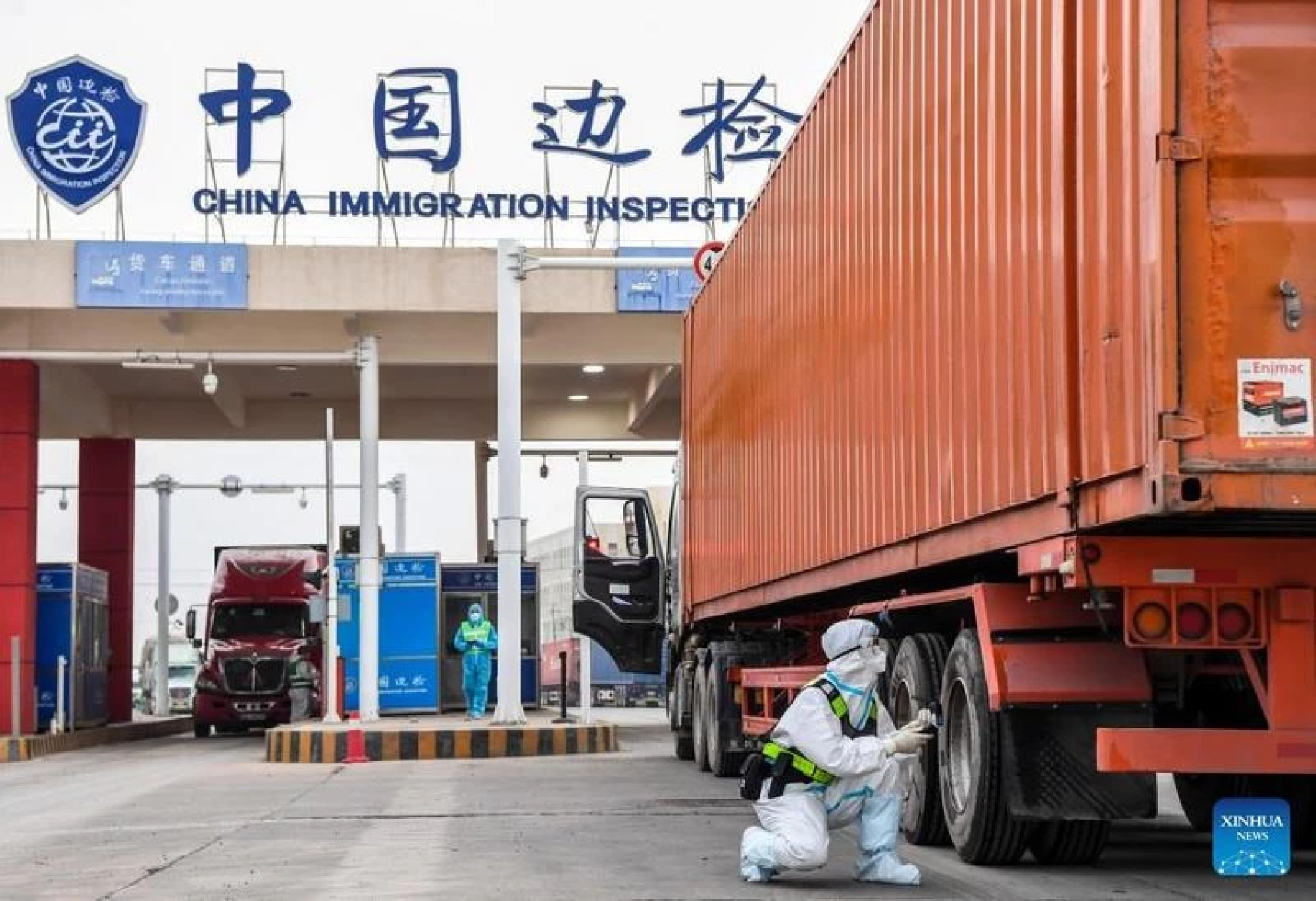
MANILA – Trade among economies in the Asia-Pacific rose to the highest level in three decades, bolstering the region’s economic resilience amid the pandemic even as mobility restrictions and supply-chain disruptions hampered global trade, the Asian Development Bank said in report on Wednesday.
The strong intraregional trade, along with the release of pent-up global demand and early economic recovery in China, underpinned the region’s economic resilience, according to the Asian Economic Integration Report 2022.
Asia and the Pacific’s trade grew by 29.6 percent in the first three quarters of 2021. Trade within the region rebounded by 31.2 percent during the same period, following a 3.1-percent contraction in 2020, the report said.
Also, measures to further promote trade and investment across borders, such as the newly-launched Regional Comprehensive Economic Partnership (RCEP) free trade agreement, can help advance regional trade and economic integration and pave the way for a sustainable recovery from the pandemic, said the report.
Albert Park, ADB’s chief economist, said the strengthening trade and value chain linkages among economies in the Asia-Pacific are an encouraging sign for a resilient recovery from COVID-19.
“The pandemic has caused visible economic damage and reversed many of the region’s hard-won gains in reducing poverty,” he said.
He stressed the need to build on the achievements of regional integration and cooperation to support a return to inclusive and sustainable economic growth.
The report added that integration among economies in the Asia-Pacific has continued to deepen in areas including new technology and digital connectivity, environmental cooperation, trade linkages, investment, and value chain participation.
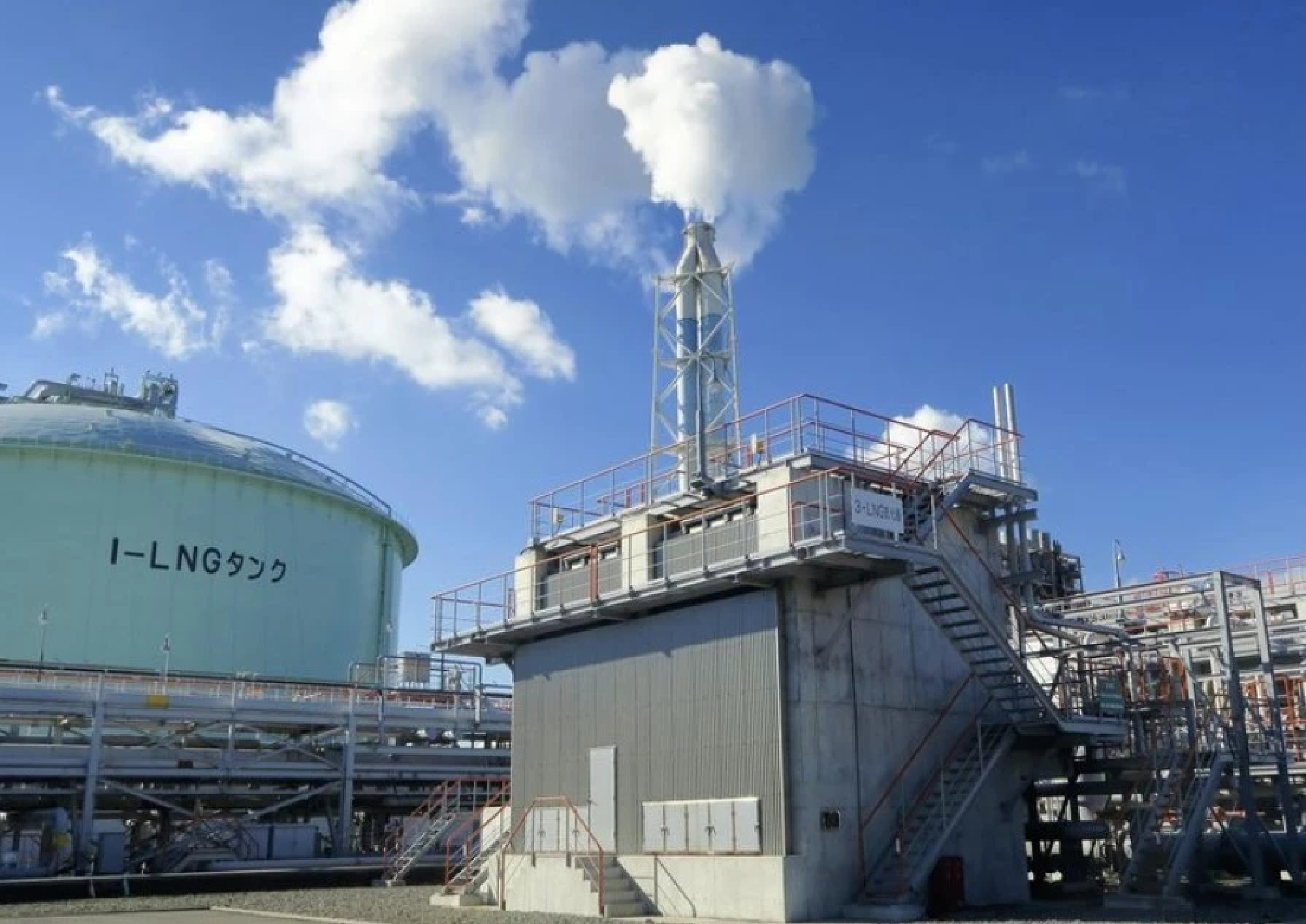
With Europe’s supply of natural gas from Russia at risk amid the increasing tensions over Ukraine, the Japanese government has decided to provide European nations with a portion of the liquefied natural gas that Japan imports.
The government’s unusual move came following a request from the United States to shore up energy supplies for Europe, which depends heavily on Russian gas.
The United States and the European Union have announced policies to impose economic sanctions on Russia if it invades Ukraine. In retaliation, Russia might suspend the gas it provides to Europe.
Japan imports almost all of its LNG, which is used for thermal power generation and to supply gas to utilities. The government plans to ask for cooperation from domestic companies that have natural gas rights overseas after procuring the necessary amount for the nation. Details on the amount provided to Europe and the schedule will be discussed further, although the amount is expected to be small.
Electricity and gas consumption increases in winter due to demand for heating and hot water. In Japan, the electricity situation became tight last winter, especially in western Japan, because of a shortage of LNG. The situation has also been severe this winter, with Tokyo Electric Power Company Holdings, Inc. having to receive electricity from other utility companies in January.
Regarding the Ukraine issue, Japan places importance on acting in concert with the other Group of Seven nations — the United States, Britain, Canada, France, Germany and Italy. As long as enough LNG is secured for domestic use, the government concluded that any excess can be provided to European nations.
A looming energy shortage is on the horizon for European nations. Inventory of natural gas usually sits at about 70%, but it stood at 50% in January. The EU depends on Russia for about 40% of its natural gas supply. The decrease in inventory is believed to have resulted from a reduction in supply from Russia.
Germany, which relies on Russia for more than half of its natural gas supply, is among the EU nations fearing an energy crisis. Russia, by threatening to cut off gas supplies, is seemingly trying to cause discord between European nations and the United States over the Ukraine issue.
U.S. President Joe Biden’s administration has sought to ease concerns about gas shortages in Europe so that the United States and the EU can closely coordinate their response to the Ukraine situation. Washington has thus requested Asian nations that import LNG, including Japan, China and South Korea, to consider providing a portion of their imports to Europe. In response to the U.S. request, Australia plans to expand its exports of LNG to Europe.
Washington also worked to encourage Qatar, a prominent natural gas producer, to export gas to Europe.
Tension continued to prevail at some educational institutions in Udupi, Shivamogga, Bagalkot, and other parts of the Indian state.
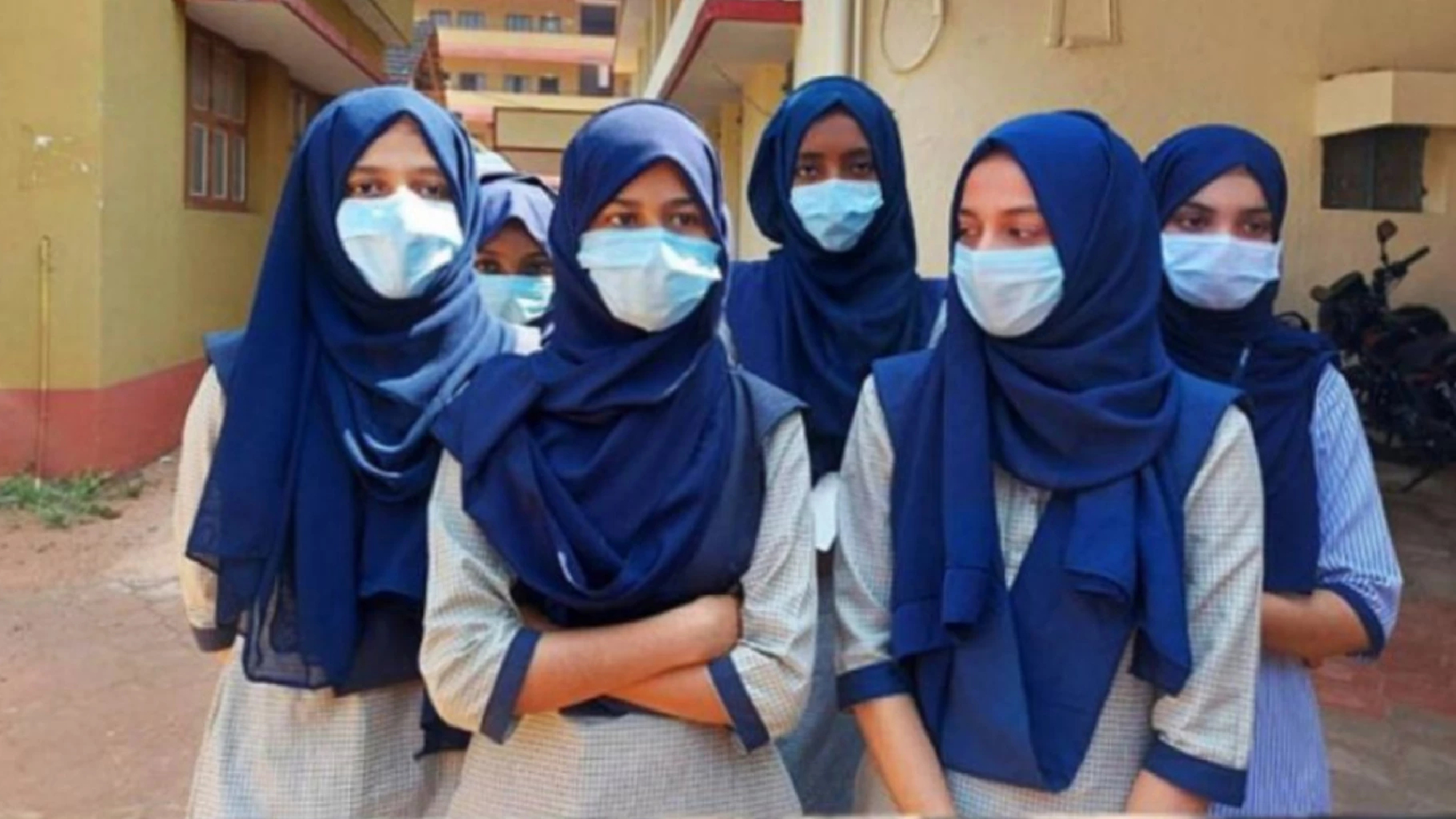
NEW DELHI – The authorities in the southern Indian state of Karnataka today ordered the closure of all high schools and colleges for the next three days in the BJP-ruled state amidst an ongoing row over wearing hijab.
The order to close high schools and colleges were given by Chief Minister Basavraj Bommai, reports our New Delhi correspondent.
Tension continued to prevail at some educational institutions in Udupi, Shivamogga, Bagalkot, and other parts of the state over the hijab issue, forcing the police and authorities to intervene.
The Karnataka High Court is hearing the petitions filed by five girls studying in a government pre-university college in Udupi, questioning hijab restriction in college.
The controversy erupted in January at a government college in Udupi where six students who attended classes wearing headscarves were asked to leave the campus.
The row has spread to different parts of the state, with Hindu youngsters, backed by right-wing outfits, responding by wearing saffron scarves. Students wearing saffron scarves are also being barred from classes.
The move is part of the conclusions of the Standing Committee of the Hanoi People’s Committee released on Tuesday (Feb 8).
HANOI — Cinemas and art performance venues in Hà Nội will reopen on February 10, after nine months of closure due to the pandemic, according to the city authorities.
The move is part of the conclusions of the Standing Committee of the Hà Nội People’s Committee on Monday, which were released on Tuesday.
The Vice-Chairman of Hà Nội People’s Committee Chử Xuân Dũng will be directing the reopening efforts.
The culture ministry on January 29 asked localities to allow the reopening of cinemas nationwide starting from January 31, to allow the film industry to recoup losses after two years of disruption due to the pandemic.
In addition to cinemas reopening, the People’s Committee will need to work out a plan for religious activities at religious sites and scenic areas of the Perfume Pagoda, before the 15th day of the first month of the Lunar New Year (today is the eighth day).
The Perfume Pagoda festival, one of the largest festivals in the north, usually opens on the sixth day of the new year and last for three months until the end of the spring, but due to the recent high daily coronavirus caseload in Hà Nội, it has been put on hold this year.
The authorities of Mỹ Đức District, where the Buddhist complex is located, had asked the city’s authorities to allow the festival to continue.
Vice-Chairman Nguyễn Mạnh Quyền was tasked with directing research and proposing the reopening of transport, tourism and international trade services with appropriate COVID-19 measures, boosting production and business activities, agriculture, services, and craft village operations.
Vice-Chairman Dương Đức Tuấn was assigned with directing the project Ring Road 4 – Hà Nội Capital Region and submitting the plan to the Party Committee of the Hà Nội People’s for review and submission to the National Assembly in May 2022.
Tuấn was also tasked with speeding up the investment project to build the Ngô Quyền temple at Cổ Loa relic site, and the project to restore the Kính Thiên Palace in the Imperial Citadel of Thăng Long.
At the meeting, Cambodia and Singapore drafted a common Asean vision on the role of members and supporting post-Covid recovery.
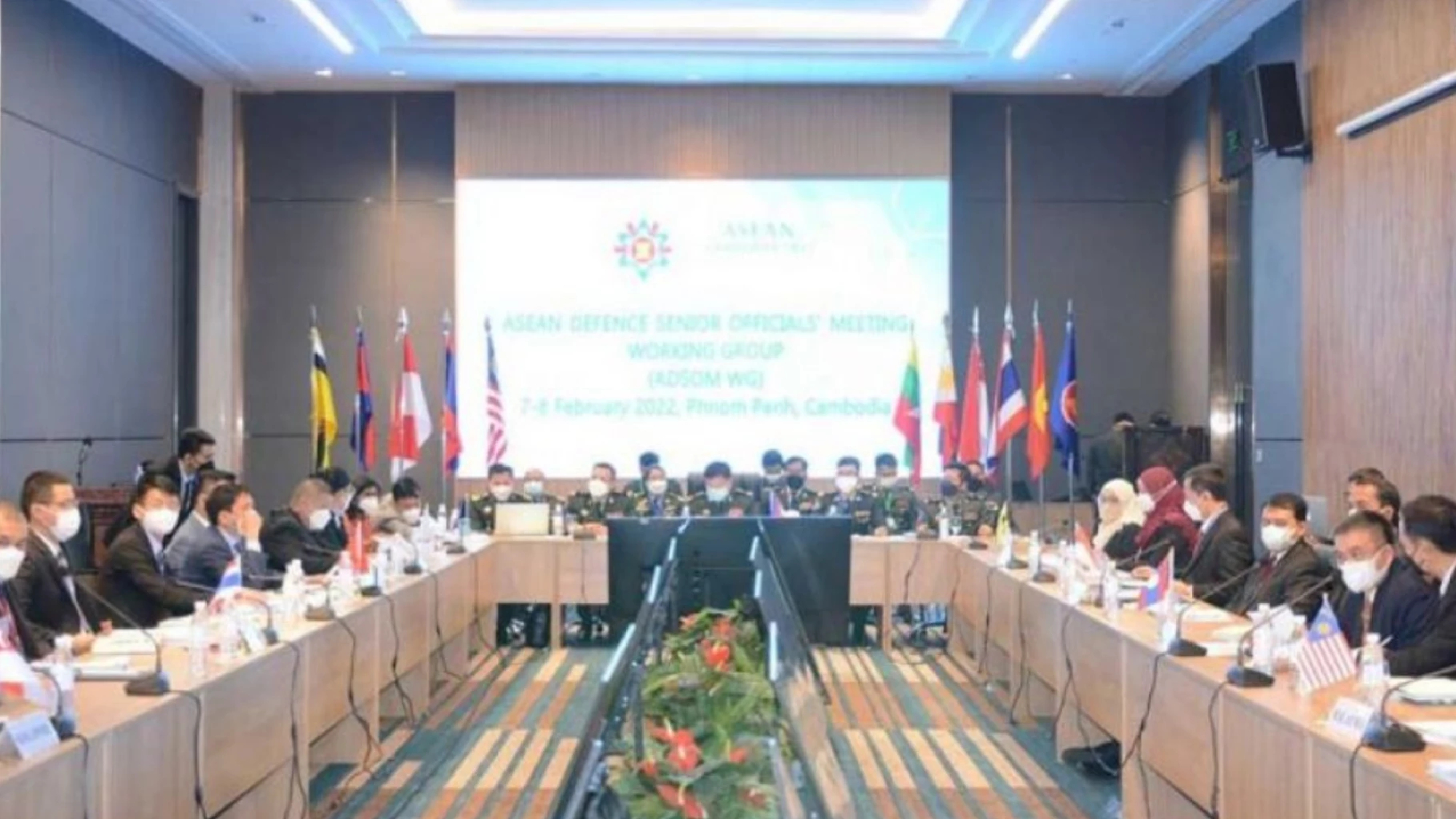
PHNOM PENH – The Kingdom is committed to continuing cooperation with other ASEAN member states and partners to maintain the continued success of the bloc, said a senior Cambodian national defence official as ASEAN counterparts meet in Phnom Penh to discuss regional security challenges.
The statement was made at a meeting of the ASEAN Defence Senior Officials’ Meeting Working Group (ADSOM WG) on February 7 in the presence of working group chairmen from the 10 member states.
Lay Chenda – deputy director-general of Politics and Foreign Affairs at the Ministry of National Defense and chairman of the ADSOM WG of Cambodia – praised Brunei for its success in organising the ASEAN Defense Ministers’ Meeting (ADMM) and associated conferences in 2021, according to the ministry’s press release dated February 7.
“Based on the achievements our ADMM chair has made, Cambodia will continue to cooperate with other member states and all partners to achieve ASEAN aspirations for peace, security and prosperity,” he said.
Hosted at the ministry’s new administrative building, ADSOM WG is being held over two days – from February 7-8 – with the theme of “Solidarity for Harmonious Security.”
Chenda expressed gratitude that Cambodia was able to host the ADSOM WG after the absence of in-person meetings for nearly two years due to the Covid-19 pandemic.
He considered the presence of the ASEAN senior defence officials an expression of strong support for Cambodia as the host of ADMM meetings in 2022, and a testament to the eagerness of member states to strengthen ASEAN defence cooperation for the common good.
The defence officials discussed initiatives for consideration and approval by ASEAN defence ministers at the ADMM in June, but, given the short amount of time for discussion, “deliberate discussions are needed to broaden these initiatives and reflect the actual need for practical cooperation to address current and future challenges,” Chenda said.
At the meeting, Cambodia and Singapore drafted a common ASEAN vision on the role of member states in preventing Covid-19 and supporting post-pandemic recovery.
Titled “Phnom Penh Outlook”, the document will be valuable for ASEAN defence institutions in their efforts to address pandemic challenges and recovery in the region, Chenda said.
Heng Kimkong, a visiting senior research fellow at the Cambodia Development Centre, told The Post on February 7 that Cambodia’s role as ASEAN chair means it plays a pivotal role in promoting collaboration among all member states in multiple areas including peace and security.
“Cambodia has been active in promoting multilateralism and it should continue to work collaboratively with countries in the region to preserve and enhance regional and global peace,” he said.
Local govts build ‘new infrastructure’ while FCC moves hurt US consumers
Local governments in China are doubling down on plans to accelerate 5G rollout this year. This is in sharp contrast to the situation in the United States where the federal government is likely to face a shortfall in funding for its plan to replace Chinese equipment in telecom networks, posing connectivity challenges to people in rural areas in the US, experts said.
More than 20 provincial and municipal governments in China have emphasized efforts to accelerate construction of “new infrastructure” like 5G and data centers in their work plans for this year.
Shanghai, for instance, said it plans to build more than 25,000 5G base stations this year to push forward the in-depth coverage of the superfast wireless network. The city also has ambitions to build super large computing power platforms to meet growing demand.
Zhao Zhiguo, spokesman for the Ministry of Industry and Information Technology, China’s top industry regulator, said earlier:”2022 is a critical year for the large-scale development of 5G applications. We will continue to improve 5G network coverage and accelerate the in-depth integration of 5G and vertical industries.”
One of the priorities is to moderately speed up the coverage of 5G in counties and rural towns, Zhao said.
Ten ministries, including the Cyberspace Administration of China, recently unveiled a digital rural development action plan for the period from 2022 to 2025, which called for an intensified push to promote digital infrastructure upgrades in rural areas.
Telecom operators are also moving fast. China Mobile, the nation’s largest telecom carrier, for instance, said it aims to achieve continuous 5G coverage in rural towns across the country by the end of this year.
Telecom carriers’ 5G plans seek to harness the power of more than 1.4 million 5G base stations that stood in China by the end of last year. 5G signals are already available in urban areas of all prefecture-level cities, more than 98 percent of county-level towns and 80 percent of rural towns, MIIT data showed.
But, in the US, the scene is a contrast. The US Federal Communications Commission found a shortfall in funding for its plan to replace Chinese telecom equipment. Inadequate finance is likely to pose connectivity challenges to people in remote areas in the US, experts said.
According to a report on MobileWorld Live, a telecom industry website, the FCC said local telecom operators’ requests for funding to replace network equipment made by Chinese companies Huawei and ZTE totaled $5.6 billion, almost three times the $1.9 billion allocated by the US federal government.
The FCC banned US telecom carriers from buying Huawei and ZTE’s equipment via federal subsidies, citing what it alleged were national security concerns. The two Chinese companies have repeatedly denied the accusations, which they said are groundless.
Xiang Ligang, director-general of the Information Consumption Alliance, a telecom industry association in China, said Huawei and ZTE’s products are currently used by US telecom carriers to offer network and broadband services in some of the most remote regions in the US.
The US government is wasting big money on replacing Chinese telecom equipment, and consumers in rural areas in the US will suffer from the lack of quality telecom services, Xiang said.
Steve Berry, president and CEO of the Competitive Carriers Association, a trade group for about 100 wireless providers in the US, issued a statement calling on the US government to ensure the FCC program is fully funded so that connectivity is maintained during the operators’ transition to new equipment for their networks.
Indian scientists have developed a new technology platform for fluorometric detection of pathogens including the detection of SARS-CoV-2—that has caused the ongoing Covid-19 pandemic.
The Team of scientists also demonstrated the potential of the new technology for the detection of SARS-CoV-2.
“This technology platform can also be used to detect other DNA/RNA pathogens such as HIV, influenza, HCV, Zika, Ebola, bacteria, and other mutating/evolving pathogens,” said a senior officer of the Ministry of Science and Technology.
The scientists from Jawaharlal Nehru Centre for Advanced Scientific Research (JNCASR), along with scientists from IISc (India Institute of Science), demonstrated a non canonical nucleic acid-based G-quadruplex (GQ) topology targeted reliable conformational polymorphism (GQ-RCP) platform to diagnose Covid-19 clinical samples, the Ministry said.
This work has also been published recently in the prestigious journal ‘ACS Sensors’ and the team has also filed a patent for the novel technology. This molecular detection platform can be integrated into field-deployable isothermal amplification assays with more reliability and sequence specificity, the Ministry said.
“The platform lays greater emphasis on deciphering and systematic characterization of a unique set of interactions in nucleic acids to attain stable and reliable noncanonical DNA/RNA targets. The RCP-based target validation is a general and modular approach for the development of noncanonical nucleic acid-targeted diagnostic platforms for diverse pathogens, including bacteria and DNA/RNA viruses,” said a senior officer of the Ministry of Science and Technology.
The study conducted by the scientists has established a reliable strategy for fluorogenic organic molecule-based GQ-RCP platform to diagnose Covid-19 clinical samples and is the first practical demonstration of it, the Ministry said.
SINGAPORE – Prime Minister Lee Hsien Loong welcomed the deepening ties between Singapore and Saudi Arabia when he spoke to Saudi Crown Prince Mohammed bin Salman over the phone on Tuesday (Feb 8).
In a Facebook post, PM Lee said: “Our countries celebrate 45 years of diplomatic relations this year, and we welcomed the deepening of relations, including economic cooperation through the Saudi-Singapore Joint Committee.”
During the phone conversation, they also discussed developments in Saudi Arabia.
PM Lee had expressed the hope that Singapore’s request for an increased haj quota would be “favourably considered” when the haj resumes for international pilgrims.
“I look forward to meeting Prince Mohammed again in person when the situation allows for it,” he added.
(Photo taken at our last meeting on the sidelines of the G20 Osaka Summit in June 2019. / MCI Photo by Chwee)
Hong Kong will adopt more stringent social distancing measures following an exponential increase in confirmed COVID-19 cases in the city over the past few days.
The tightened measures include reducing the number of diners allowed per table, restricting group gatherings, and closing religious sites and hair salons from Thursday. The measures will remain in force until the rollout on Feb 24 of a “vaccine-pass” program allowing only vaccinated visitors to enter certain premises.
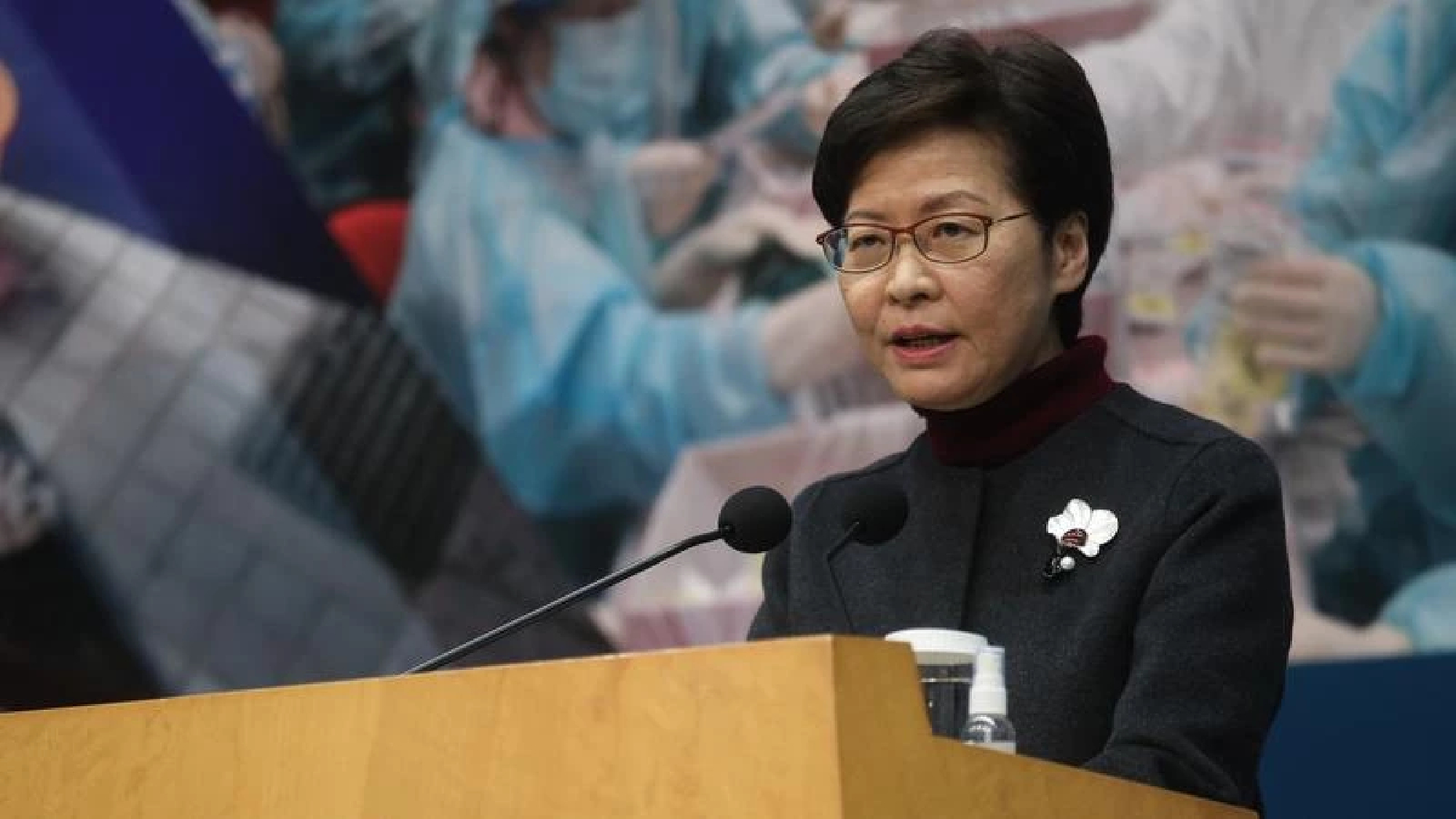
At a news briefing on Tuesday afternoon, Chief Executive Carrie Lam Cheng Yuet-ngor said catering premises under Types B and C operating modes will only allow two dinners per table, and those under Type D can have four diners per table.
Under the government’s pandemic-related regulations, Type B restaurants must not exceed 50 percent of the seating capacity. The cap for Type C restaurants is 75 percent of the seating capacity. Type D restaurants can operate at full capacity.
Staff members at Type B restaurants must undergo COVID-19 testing once every seven days, or must have completed a COVID-19 vaccination course; staff at Type C restaurants must have received their first dose of the vaccine, while those at Type D restaurants must be fully vaccinated.
The government is also extending group gathering restrictions to private premises — the first time such restrictions have come into force — with no more than two families allowed at one time.
Lam said that apart from the 17 kinds of premises that are already regulated under the Prevention and Control of Disease Ordinance, six more kinds of premises — including religious sites, shopping malls, supermarkets, public markets and hair salons — will be added to the list after the “vaccine pass” program is launched on Feb 24.
The “vaccine pass” arrangement will initially allow those who have had at least one vaccination to enter certain public places, including eateries, public libraries and entertainment establishments.
Restaurants will carry out a pilot run of the program a few days earlier than Feb 24, Lam added.
The government is also considering making amendments to the Employment Ordinance, to address the increasing occurrences of employer-employee disputes as more people find themselves caught up in lockdowns in their residential buildings or have to undergo quarantine after community infections have spiraled.
The proposed amendments, if passed, will clarify what constitutes unreasonable dismissal and what does not. Under the proposed amendments, for employees who refuse to take COVID-19 vaccines and are therefore not permitted to return to work, termination of their employment contract by their employer will not be treated as unreasonable dismissal.
On the other hand, if an employee is unable to go to work due to the government’s compulsory testing or lockdown requirements, and their employer terminates their employment contract as a result, such an act will constitute unreasonable dismissal.
And if someone is required to comply with compulsory quarantine measures or receive a mandatory virus test, that person can use the certificates issued by the Department of Health to apply for sick leave, said Lam.
According to the Labour Department, an employee employed for a period of not less than 24 months by an employer may claim compensation for unreasonable dismissal from that employer if they are dismissed for reasons other than those considered valid, such as misconduct or a failure to fulfil statutory requirements.
PETALING JAYA: If the recommendation by the National Recovery Council (NRC) is approved, the nation’s borders will fully reopen on March 1 without the need for mandatory quarantine.
NRC chairman Tan Sri Muhyiddin Yassin, who revealed this after chairing a council meeting yesterday, said the move was raised by Immigration Department director-general Datuk Seri Khairul Dzaimee Daud.
“It was recommended that the country’s borders be fully opened in due time to support the nation’s recovery.
“In connection with this, the council agrees that it should come as early as March 1 without the need for mandatory quarantine,” Muhyiddin said in a statement.
However, Muhyiddin noted that those entering the country will have to undergo Covid-19 tests prior to and right after arriving in the country as recommended by the Health Ministry.
“The opening of the nation’s borders needs to be done accordingly and based on current risk assessment,” he added.
The nation’s borders have remained partially closed following the Covid-19 outbreak since early 2020 to curb the spread of the coronavirus.
On a separate matter, Muhyiddin said the council has also recommended that a more systematic management of grants, loans and financial aid be implemented for micro, small and medium enterprises.
He said this is crucial to ensure the optimum use of resources for the intended target without any overlapping claims.
The former prime minister said the council has also taken note of the difficulties faced by the construction industry due to the rising cost of materials, labour shortages and movement control orders.
“In light of this, the council supports recommendations by the Construction Industry Development Board to seek immediate and long-term structural solutions to these issues,” he added.
Muhyiddin also announced the appointment of Tan Sri Dr Sulaiman Mahbob as chief executive officer of the NRC secretariat effective Feb 1.
Sulaiman will, among other duties, head the team in drafting the direction and strategies of the National Recovery Plan 2.0, he said.
Muhyiddin added that Health Minister Khairy Jamaluddin had briefed the NRC on the current pandemic situation, particularly the spread of the Omicron variant.
“Although there has been an increase in the number of daily infections, steps taken by the health authorities, the country’s high rate of vaccination and implementation of booster shots have succeeded in reducing the number of serious infections under Categories 3 to 5,” he said.
He also said the administration of booster doses among youth and young children will be stepped up in light of the emergence of Omicron.




![[Malaysia] Quarantine-free travel proposed](https://media.nationthailand.com/uploads/images/md/2022/02/5otWjGgVWhvNQkyeVAAF.webp?x-image-process=style/lg)
 SootinClaimon.Com