Duterte praises military but slams police for poor discipline, corruption

#SootinClaimon.Com : ขอบคุณแหล่งข้อมูล : หนังสือพิมพ์ The Nation.

https://www.nationthailand.com/international/40011261


MANILA, Philippines — Rodrigo Duterte praised the military for helping with relief efforts for residents affected by Typhoon Odette, but indicated that the police lack discipline and are “corrupt to the core.”

Duterte praises military but slams police for poor discipline, corruption

During part two of his pre-recorded Talk to the People aired on Tuesday, Duterte described the military as “utility workers” capable of helping the government in both armed conflicts and natural disasters.

“Utility worker itong mga sundalo, bagyo, baha, sunog, landslide, away, kanila ‘yan. Kung wala kang mamobilize, ganitong mga biglaan, there’s a lot of people to be assisted, sundalo lang talaga ‘yan, matawag mo para tumulong, na hindi magsabi ‘hindi.’ ‘Yung ibang, ano, sapaw yan, hindi namin trabaho ‘yan. Sundalo. But pulis, there are certain exempt,” he said.

(Soldiers are utility workers during storms, floods, fires, landslides, and armed conflicts. If you can’t mobilize anyone, you can call the soldiers. Others would say it’s not their job. For the police officers, there are certain exemptions.)

“Itong pulis medyo kailangan ng ano, depende sa CO (commanding officer) nila, ‘yung kanilang superior. Kapag istrikto ‘yung superior or commanding general or station commander, lalo na sa taas, kapag ‘yung nasa taas sa pulis ay malinis, sigurado mo, pababa ‘yan malinis. But if the head happens to be a corrupt officer, down below corruption malakas,” he added.

(These police officers depend on their superior. If their superior or commanding general or station commander is not corrupt, they will not be corrupt. But if the head happens to be a corrupt officer, corruption is also prevalent down the organization.)

“Hindi ko inaano ang pulis, hindi kasi kasing, well, I don’t want to… Baka kasi sabihin nila nagpapabor ako, but kulang talaga ng discipline itong pulis,” he also said.

(I am not belittling the police. They are not just that… Well, I don’t want to compare. They may say I favor others, but the police really lack discipline.)

Duterte believes that corruption can occasionally occur in some police work.

“Mga gambling, basta may illegal, malapit ang pulis dyan pero kapag head ng PNP (Philippine National Police) ay hindi corrupt, down the line, hindi ‘yan, mag-iwas ‘yan,” he noted.

(Police officers are near gambling and anything illegal, but if the head of the PNP is not corrupt, policemen down the line will also avoid illegal activities.)

The President, however, said he is satisfied with the performance of the PNP as he nears the end of his term.

“But overall, actually ang pulis I am satisfied. Magtatapos na ako ng term ko for the so many years that I have been their commander in chief. Okay ang performance except for a few. There will always be bad eggs, basta an organization na ganoon kalawak. Meron talagang scalawags,” he said.

(But overall, I am satisfied with the police. I am nearing the end of my term of being their commander in chief. There will always be bad eggs in an organization that is that big. There will always be scalawags.)

“Sabi ko nga eh itong droga, sabi ko in six months time kasi sa Davao nilinis ko six months time, pagdating ko sa Maynila ang kalaban ko anim na generals. Nasa droga eh, susmaryosep. Ang akala ko ang kalaban ko mga durugista, mga kriminal. Hindi ko alam na ang kalaban ko mismo, gobyerno ko, Customs, lahat,” the President added.

(I said I would finish the drug trade in six months because I did it in Davao. But when I arrived in Manila, my enemies were six generals who were in the drug trade. I thought I was fighting against drug lords. I did not know that my enemies were from the government.)

Duterte then praised retired military generals in his Cabinet, including Defense Secretary Delfin Lorenzana, vaccine czar Carlito Galvez Jr., and Interior Secretary Eduardo Año.

“I am praising the military because they deserve it. I am praising the police with a few exceptions. Sana naman ‘yung exceptions hindi matabla doon sa karaming maiwan (I hope the exceptions will not overpower the good),” he said.

According to Duterte, scalawag police officers want the pandemic to prolong because they can wear face masks and cover their faces in gambling and cockfighting sites.

“Ito namang maskara, sabi ko sa pulis, ayaw kitang makita na magsugal, so hirap sila, ‘yung mga sugarol talaga. Kaya if there is somebody na ayaw nilang matapos itong COVID, gusto nila, patagalan for the longest time, ay ang mga buang maskara. Magcap lang, tapos magmaskara tapos magbili nung binibili sa sidewalk na murang shades,” said Duterte.

(I told the police I don’t want them to gamble. That’s why if there are people who do not want COVID to stop, it’s the scalawag police officers who want to wear masks. They will wear caps and masks and buy cheap shades.)

“Mag-shades lang, mag-cap pati maskara pasok sa sabungan ‘yan, hindi mo makita. Ang pulis happy sa COVID. May cover sila, ‘yung mga scalawags. Pero at least medyo ngayon medyo disiplinado sila,” he noted.

(They will wear shades and masks and enter cockfighting sites, making themselves virtually unidentifiable. The police are happy with COVID. The scalawags have a cover. But at least now, they are more disciplined.)

This was not the first time Duterte has expressed his dismay over the police. In 2017, he also called the PNP “corrupt to the core” following the kidnap-slay of South Korean businessman Jee Ick Joo at the hands of police officers.

By: Cathrine Gonzales

Published : January 19, 2022

By : Philippine Daily Inquirer

[India] National peak of Covid cases may come in 2-3 weeks: SBI Research

#SootinClaimon.Com : ขอบคุณแหล่งข้อมูล : หนังสือพิมพ์ The Nation.

https://www.nationthailand.com/international/40011259


New Covid cases in Mumbai seem to be stabilising, but infections in other places like Bengaluru and Pune are increasing during the ongoing third wave of the pandemic, SBI Research said in a report.

[India] National peak of Covid cases may come in 2-3 weeks: SBI Research

So, while the third wave seems to have achieved its peak in Mumbai, if other districts also implement strict measures to control the virus spread, the national peak may come within 2-3 weeks after the Mumbai peak, the report said.

It added that the share of vacant beds has seen an increase at all major centres, indicating India is much well-prepared to tackle the ongoing wave.

In Mumbai, case share is maximum in the 30-39 age group, while death count is maximum in the 60-69 age bracket.

Active beds to total capacity have also come down from the second wave, the report said.

SBI Business Activity Index Declined to 101.0 as on January 17 from 109.0 as on January 10. This is the lowest level seen since November 15 last year.

The weekly arrival of vegetables, RTO Revenue Collection and Apple Mobility index declined significantly, the report said.

A total of 44 lakh precautionary doses and 3.45 crore doses to 15-18 age group have been administered. Rural vaccination share in total vaccination is now at 83 per cent in January, indicating the rural populace may be largely protected in the current wave, the report said.

Published : January 19, 2022

By : The Statesman

HK to cull over 1,000 hamsters, logs 18 new COVID-19 cases

#SootinClaimon.Com : ขอบคุณแหล่งข้อมูล : หนังสือพิมพ์ The Nation.

https://www.nationthailand.com/international/40011258


HONG KONG – Health officials have decided to cull over 1,000 hamsters as another COVID-19 case linked to a pet shop cluster was among the 18 new infections reported in the city on Tuesday.

HK to cull over 1,000 hamsters, logs 18 new COVID-19 cases

In a media briefing, Leung Siu Fai, Director of Agriculture, Fisheries and Conservation Department, said all pet shops that sell hamsters should immediately suspend operations and urged pet owners who bought hamsters after Dec 22 to turn them over to the AFCD.

The AFCD made the move after 11 samples taken from hamsters at the Little Boss pet shop in Causeway Bay tested preliminary positive for the virus. Some environmental samples taken from a warehouse of the pet shop in Tai Po also had the coronavirus.       

Health officials added that a 67-year-old woman who went to Little Boss and had direct contact with an infected employee also tested positive. They are tracking down the people behind at least 143 purchases made at the pet shop since Jan 7.

“We strongly appeal to the public. If you have bought a hamster at a pet shop in Hong Kong after Dec 22, do hand them over to AFCD…to ensure public health and take care of animal welfare,” Leung said. 

“Under no circumstances should you just dump your pet on the streets,” he added.

The AFCD will also immediately stop the importation of small mammals and review the quarantine requirements for their importation. 

Leung said that two batches of hamsters that arrived in Hong Kong on Dec 22 and Jan 7 were considered as high risk for infection.

He said that, besides Little Boss, there were 34 other pet shops in the city that have around 1,000 hamsters. These hamsters and the 1,000 other small animals at Little Boss and its warehouse will have to be put down.   

“You need to realize and understand that the hamsters already got infected. They’re excreting the virus. The virus can infect other animals and also they can infect other hamsters and human beings,” Thomas Sit Hon-chung, Assistant Director of AFCD, said at the same briefing. 

“We don’t want to cull the animals but we have to protect public health and animal health. We have no choice. We have to make a firm decision,” he added.

Meanwhile, the 18 new COVID-19 cases on Tuesday included seven imported infections and 11 local cases, said Chuang Shuk-kwan, head of the Centre for Health Protection’s communicable disease branch.

She said one the new local cases was the 23-year-old employee of Little Boss who tested positive for the Delta variant. Another involved a female retiree who went to Little Boss on Jan 8 to buy food for a hamster her daughter and another family member bought on Jan 4 at the shop.   

“At that time, the infected employee assisted her and helped her settle the bill. They were both wearing masks and she stayed for 15 minutes,” Chuang said.

The patient’s daughter is asymptomatic while her husband was admitted to a hospital and tested preliminarily positive, Chuang added. 

The remaining positive cases were the nine relatives of a 43-year-old Pakistani housewife who returned to Hong Kong on Dec 20 and tested positive after her three-week quarantine at Silka Seaview Hotel in Yau Ma Tei.

Chuang also said that there were 10 patients who tested preliminarily positive, including a 26-year-old female kindergarten teacher whose infection had an unknown source.

The patient visited the K11 mall in Tsim Sha Tsui on Jan 10  and again on Jan 15, when she also shopped with friends at Harbour City, Chuang added. 

By Wang Zhan

Published : January 19, 2022

By : China Daily

Omicron’s dominance ‘days away’ in Korea

#SootinClaimon.Com : ขอบคุณแหล่งข้อมูล : หนังสือพิมพ์ The Nation.

https://www.nationthailand.com/international/40011256


Omicron will dominate in South Korea in a matter of mere days, top health officials say.

Omicron’s dominance 'days away' in Korea

Minister of Health and Welfare Kwon Deok-cheol said during a government meeting Tuesday that based on internal models omicron was “predicted to assume a dominant role by this weekend.” The upcoming Seollal holiday is feared to expedite its spread, he said.

According to the Korea Disease Control and Prevention Agency’s data, omicron appeared in 26.7 percent of all analyzed samples in the second week of January. That rate was just 1.7 percent three weeks ago on Dec. 18.

Son Young-rae, a spokesperson for the Health Ministry, told a public radio broadcaster on Tuesday that the omicron share in the country will rise to more than 90 percent of new cases in about three weeks’ time and overtake delta as the predominant variant. “By then, a surge will be inevitable,” she added.

The national disease control agency’s Jan. 14 analysis showed cases logged each day could increase to up to 30,000 by late February and ICU hospitalizations up to 1,700 — if restrictions of similar intensity as ones in place now are maintained.

Since mid-December, risky businesses have once again faced 9 to 10 p.m. curfews and people could socialize in groups no larger than four to six. These restrictions were restored in the aftermath of severe bed shortages brought on by the Nov. 1 reopening.

Ahead of the imminent takeover, key metrics are “markedly stable,” Son said.

ICU admissions have fallen to below 50 percent last week from more than 80 percent in mid-December, he said. Average deaths per day have halved to around 290 over the same period. Nearly half as many cases were occurring, with six found for every 100,000 people from 13.

Omicron’s dominance 'days away' in Korea

“As omicron goes on to become dominant, the restrictions that we have now may need to be eased further,” Son said.

The ministry has said that once omicron starts dominating the outbreak, Korea will abandon its rigorous virus control strategy known as 3T — test, trace and treat — and focus on providing “targeted protection” for vulnerable people.

Dr. Jung Jae-hun, a COVID-19 advisor to the prime minister, said in a phone interview the previous ways of dealing with the pandemic “will no longer be sustainable.”

“We can’t approach omicron like we did the other variants. It’s a very different virus — incredibly transmissible and less severe,” he said.

Korea’s disease control authorities estimate that omicron’s ability to hospitalize patients is about 25 percent of the rate for delta. Among the more than 5,000 omicron cases that have been confirmed so far, seven patients were hospitalized with severe or critical disease, and six have died.

Asked how well prepared Korea was against the omicron wave, he said some challenges were presaged with managing “huge numbers of self-isolating patients and their quarantined contacts.”

“Assuming that three people go into quarantine for every newly diagnosed patient, and we start seeing around 50,000 patients daily, that means nearly 200,000 people could be put under quarantine each day,” he said. “That could seriously disrupt essential services outside health care.”

Omicron’s climb to dominance appears to be slower in Korea, and this was likely due to the restrictions that were reimposed last month, he said.

“Compared to other countries, omicron has been almost twice as slow to establish its dominance in Korea. Delta was a bit slower here too. I think that means the steps we are taking to suppress the surge are more effective.”

More than six weeks have passed since the first cases were identified locally on Dec. 1, while in other countries it has taken about four weeks, he said.

Jung added that omicron will “infect almost all” of the country’s unvaccinated populations. “Now you either get vaccinated, or get COVID-19,” he said.

Once omicron takes hold, its impact will be “just as explosive” as it has been elsewhere, said Dr. Paik Soon-young, an emeritus professor of microbiology at Catholic University of Korea.

Paik said the proportion of omicron cases here were “doubling every week.” “Last week omicron showed up in 26 percent of cases. The week before that it was around 12 percent.”

“Korea may have been able to buy some time but not by a lot — perhaps a couple of weeks.” But once dominant, omicron will “rise at an exponential rate with a reach that‘s hard to predict,” he said.

By Kim Arin

Published : January 19, 2022

By : The Korea Herald

Japan likely to apply pre-emergency measures in 13 more prefectures

#SootinClaimon.Com : ขอบคุณแหล่งข้อมูล : หนังสือพิมพ์ The Nation.

https://www.nationthailand.com/international/40011255


The government is set to decide as early as Wednesday to apply quasi-emergency priority measures to 13 prefectures, including Tokyo, Kanagawa and Aichi, where infections with the novel coronavirus are rapidly spreading.

Japan likely to apply pre-emergency measures in 13 more prefectures

Priority measures are similar to a state of emergency, and is expected to be in place in the 13 prefectures Friday. The government is considering applying the measures for about three weeks.

The 10 other prefectures expected to be under the priority measures are Gunma, Saitama, Chiba, Niigata, Gifu, Mie, Kagawa, Nagasaki, Kumamoto and Miyazaki prefectures.

Hiroshima, Yamaguchi and Okinawa prefectures already have priority measures in place.

Tokyo, Saitama, Chiba and Kanagawa’s governors held a teleconference on Monday afternoon, prior to requesting priority measures from the central government, and confirmed that they would work together on the issue. At the meeting, Tokyo Gov. Yuriko Koike said: “Tokyo and the three prefectures constitute a single economic zone and residential area. It is important to take joint measures in keeping with local circumstances.”

The four prefectures will discuss specific steps to be taken under the priority measures, including shortening restaurants’ operating hours and deciding whether they can serve alcoholic beverages.

The Tokyo metropolitan government had indicated that it would consider requesting quasi-emergency priority measures if the occupancy rate of hospital beds for COVID-19 patients reached 20%. Tokyo has seen a rapid rise in infections since the beginning of this year, and the occupancy rate soared from 3.3% as of Jan. 1 to 21.1% as of Monday.

Governors of the three Tokai prefectures of Aichi, Gifu, and Mie also held an online meeting on Monday, and decided to request the measures.

The central government was to confirm its plan to apply priority measures at a meeting of the relevant cabinet ministers on Tuesday. The official decision will be made at a meeting of specialists on basic policy and a government task force on Wednesday.

At a joint meeting of Liberal Democratic Party members from both houses of the Diet on Monday, Prime Minister Fumio Kishida said, “If infections are going to spread further, the government will firmly implement priority measures and other restrictions on people’s activities.”

The government has adopted a five-rank scale from Level 0 to Level 4 depending on the spread of infection. It starts considering priority measures at Level 3, the second most serious rank, or Level 2.

Osaka Gov. Hirofumi Yoshimura told reporters at the Osaka prefectural government office on Monday that “[Priority measures] should be considered for the Kyoto-Osaka-Kobe region as a whole.”

The occupancy rate of hospital beds for COVID-19 patients reached 28.9% in Osaka Prefecture on Monday, approaching the prefectural government’s criteria of 35%.

■ Vaccine package may be halted

The government is considering suspending the “vaccine and testing package” that uses vaccination certificates or negative PCR tests to ease restrictions on the number of people in restaurants or at events. It has decided the package is not effective, as there have been many cases of breakthrough infections with the omicron variant in people who had received two shots of vaccine.

The package was introduced in November 2021 to ease restrictions even under a state of emergency or priority measures. Some experts called for a review after the omicron variant began to spread.

Published : January 19, 2022

By : The Japan News

How Asean can return to inclusive growth and prosperity post-pandemic

#SootinClaimon.Com : ขอบคุณแหล่งข้อมูล : หนังสือพิมพ์ The Nation.

https://www.nationthailand.com/international/40011249


The Covid-19 pandemic has caused global investment activities to plunge – due to economic uncertainties, lockdowns, supply chain disruptions and postponement of investment by multinational enterprises.


How Asean can return to inclusive growth and prosperity post-pandemic

Asean also recorded a decline in foreign direct investment (FDI) in 2020, down to US$137 billion from its highest-ever inflow of US$182 billion in 2019 when it was the largest recipient of FDI in the developing world.

Despite the decline, Asean remained an attractive investment destination. The region’s share of global FDI rose from 11.9 per cent in 2019 to 13.7 per cent in 2020, while the intra-Asean share of FDI in the region increased from 12 per cent to 17 per cent.

Additionally, the longer-term trend shows that the value of international project finance in Asean has doubled from an annual average of $37 billion in 2015–2017 to an annual average of $74 billion in 2018–2020. And the future looks bright.

According to the first-of-its-kind Asean Development Outlook report, the total combined GDP of 10 Asean countries in 2019 was valued at US$3.2 trillion, making Asean the fifth-largest economy in the world, well on track to become the fourth largest by 2030.

With a total population of about 700 million people – 61 per cent under the age of 35 – the majority of young people are embracing digital technologies in their daily activities. The outlook remains promising, with coordinated pandemic response efforts and several key developments underway in the region.

Coordinated pandemic response

Asean members took coordinated actions to respond to pandemic challenges, such as the Hanoi Plan of Action on Strengthening Asean Economic Cooperation and Supply Chain Connectivity in Response to the Covid-19 Pandemic.

Members collaborated on the flow of essential goods and enhanced the resilience of its supply chains and sourcing in the region. This joint response was critical given how the concentration of FDI in Asean is connected to global value chain activities or regional production networks that involve intra- and inter-firm linkages.

To support recovery and resilience building, Asean launched the Covid-19 Asean Response Fund and cooperated with external partners on the Asean Centre for Public Health Emergencies and Emerging Diseases to enhance regional health security and to sustain Asean preparedness and resilience in the face of public health emergencies.

Gaining from RCEP

The Asean-led Regional Comprehensive Economic Partnership (RCEP) Agreement came into force on 1 January 2022 for Australia, Brunei Darussalam, Cambodia, China, Japan, Lao PDR, New Zealand, Singapore, Thailand and Vietnam.

The implementation of the RCEP shows Asean’s resolve to keep markets open while strengthening regional economic integration towards post-pandemic inclusive recovery.

The RCEP is the biggest regional free trade agreement in existence and will cover 30 per cent of global GDP and 30 per cent of the world population in addition to accounting for over one-quarter of global trade in goods and services.

Key provisions address liberalising and promoting intra-RCEP trade, investment and services as well as developing e-commerce, which is highly relevant for regional value chains and market- and efficiency-seeking investment. Furthermore, non-RCEP companies can also take advantage of RCEP benefits by locating and operating in the region.

Considering that 40 per cent of investment in Asean comes from RCEP members – of which 24 per cent comes from non-Asean RCEP member countries – opportunities exist to boost more sustainable FDI in the region, particularly value chain-linked FDI taking into account the benefits of RCEP and the recently concluded Asean Investment Facilitation Framework.

Fourth industrial revolution and digital transformation

The recent adoption of the Consolidated Strategy on the Fourth Industrial Revolution for Asean during the 38th and 39th Asean Summits and the Asean Agreement on Electronic Commerce will advance the region’s push for digital transformation and private investment in digital infrastructure development (5G networks and data centres), cloud computing, cybersecurity, artificial intelligence and smart manufacturing.

The Asean Comprehensive Recovery Framework (ACRF) identified digital connectivity as a priority to facilitate regional connectivity and economic recovery. This correlated to the findings of a survey of 86,000 people from six Asean countries conducted by the World Economic Forum and Sea, which found respondents (including business owners) who were “more digitalised” tended to be more economically resilient during the pandemic. However, the survey also found several barriers to digital adoption including affordable access to quality internet and digital devices.

The Forum is addressing this global issue through initiatives like the EDISON Alliance, which mobilises multi-stakeholder collaboration to expand digital access to more than one billion people by 2025. The Asean Digital Integration Framework will also support the ACRF. The Forum has been complementing Asean efforts through the Digital Asean Initiative on data policy, digital skills, e-payments and cybersecurity.

The way forward

The Forum’s Centre for the Fourth Industrial Revolution Network, which brings stakeholders together to maximise the benefits of technology while reducing potential risks, have shown that public-private cooperation is instrumental for businesses and government to develop cooperative ecosystems to advance digital transformation and innovation.

Governments have an important role in incentivising investments in research and development, while the private sector will drive Industry 4.0 transformation through investing in digitalization of manufacturing, using advanced manufacturing solutions, building smart factories and establishing R&D facilities, technology hubs, and centres of excellence in the region.

Embracing 4IR also requires a parallel commitment to environmental sustainability. This can establish new forms of efficiency wherein sustainability and competitive excellence are not only compatible, but, in fact, intertwined.

A green future does not only benefit the well-being of the next Asean generation but is also good for Asean economically, boosting the region’s competitiveness in attracting green FDIs to address new climate-related investment and trade measures adopted by developed economies.

Asean has shown strong commitment towards climate change and global sustainability efforts.

Several initiatives support Asean’s sustainable ambitions, including the Global Plastic Action Partnership in Indonesia and Vietnam. However, greater commitment to environmental stewardship is also required from the private sector to design corporate purchasing commitments that can drive investment in green technologies and market demand for low-carbon tech to help Asean meet climate-related goals.

The First Movers Coalition launched during COP26 could offer valuable insights for Asean on how the private sector can drive decarbonisation in different industries and societies in the region.

By Joo-Ok Lee, Shaun Adam

World Economic Forum

Asia News Network

(The writer is responsible for the forum’s public sector engagement, regional initiatives and flagship meeting in the Asia-Pacific region – the World Economic Forum on Asean.)

This commentary is being published in partnership with the World Economic Forum as it hosts its annual Davos 2022 meet. The forum gives special attention to the Asean region, for its economic and geopolitical importance. At Davos Agenda 2022, Indonesia President Joko Widodo will share his insights and thoughts on the outlook for the region.

Published : January 18, 2022

Hong Kong budget deficit may be less than predicted: Finance secretary

#SootinClaimon.Com : ขอบคุณแหล่งข้อมูล : หนังสือพิมพ์ The Nation.

https://www.nationthailand.com/international/40011226


The government had initially expected there would be a budget deficit of HK$101.6 billion for financial year 2021-22.

Hong Kong budget deficit may be less than predicted: Finance secretary

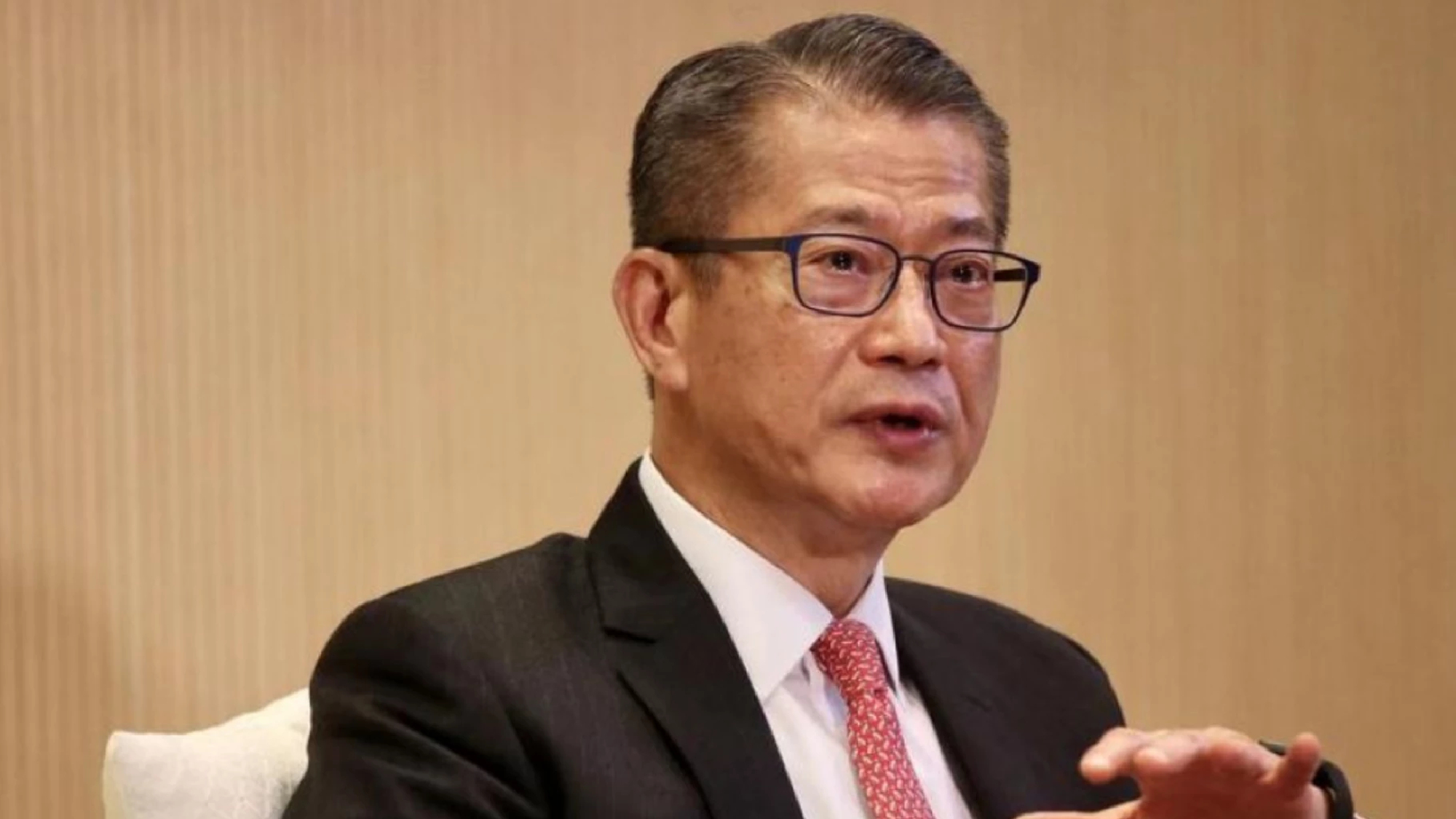
HONG KONG – Buoyed by the steady economic recovery and brisk trading in the city’s property market and equity market, Financial Secretary Paul Chan Mo-po hinted that the budget deficit for financial year 2021-22 may be less than was previously forecast.

“Fuelled by the brisk trading of the home and stock market, the stamp duties revenues from property and equity market transactions are better than expected, this has remarkably moderated the pressure of registering a large-scale government budget for the financial year of 2021-22,” the finance chief said in his Sunday blog.

The government expected there would be a budget deficit of HK$101.6 billion ($13 billion) for financial year 2021-22 when it announced the budget in February last year.

Excluding the write-back of debt issuances, the Housing Reserve and investment returns from the Future Fund, the government budget deficit could have been as high as HK$180 billion.

The city’s export sector has performed remarkably. The unemployment rate has slipped to 4.1 percent. With the local COVID-19 situation in check, domestic consumption gained momentum due to the electronic consumption voucher scheme, and private investments have also expanded remarkably.

In Chan’s opinion, these factors support the view that the city’s economy should register a growth rate of 6.4 percent for 2021.

The government will announce the growth rate of the Hong Kong economy for 2021 when delivering the Budget 2022-23 next month.

While pledging to utilize public resources to render financial assistance to Hong Kong residents and small and medium enterprises, the finance chief also stressed the need for a prudent approach to managing public finances.

“Amid the complex international political and economic situation, we should maintain our financial arsenal to ensure Hong Kong’s financial system will be stable, and to accommodate those known and unknown scenarios and needs,” Chan said.

“As a small and open economy, Hong Kong should guard the potential risks and impacts of the rising inflation in overseas economies, including the risk of an interest rate hike, the reversal of capital flows and asset price volatility,” the finance chief cautioned.

Looking ahead, the greatest variable and potential hindrances to Hong Kong’s economic growth are the changes in the pandemic situation, Chan said.

The government will accommodate the anti-pandemic work so as to create a favorable scenario for resuming quarantine-free travel with the mainland. Only in such a situation can the Hong Kong economy rebound to its furthest extent.

Oswald Chan

China Daily

Published : January 18, 2022

China’s economy expands 8.1% in 2021: National Bureau of Statistics

#SootinClaimon.Com : ขอบคุณแหล่งข้อมูล : หนังสือพิมพ์ The Nation.

https://www.nationthailand.com/international/40011225


Peoples Republic of China, the worlds second-largest economy, is expected to cover over 18 percent of the global economy in 2021.

China’s economy expands 8.1% in 2021: National Bureau of Statistics

SHANGHAI – China’s economy expanded 8.1 percent year-on-year in 2021, bringing the average growth rate from 2020 to 2021 to 5.1 percent, the National Bureau of Statistics said on Monday.

The country’s gross domestic product reached 114.4 trillion yuan ($18 trillion) in 2021, with major indicators reaching the expected targets, NBS said.

China, the world’s second-largest economy, is expected to cover over 18 percent of the global economy in 2021, said Ning Jizhe, head of NBS, at a news conference in Beijing.

China’s GDP grew by 4 percent in the fourth quarter, down from 4.9 percent in the third quarter, the bureau said.

The country’s total added value of industrial enterprises above a designated size grew 9.6 percent on a yearly basis in 2021, bringing the average growth rate from 2020 to 2021 to 6.1 percent, the NBS data showed.

During the first 11 months of 2021, profits at major industrial companies surged 38 percent, with an average growth rate of 18.9 percent between 2020 and 2021.

For the whole year of 2021, total retail sales of consumer goods came in at 44 trillion yuan, up by 12.5 percent over the previous year.

In 2021, investment in fixed assets (excluding rural households) increased 4.9 percent to 54.5 trillion yuan.

A total of 12.69 million jobs were created in China’s urban areas last year, an increase of 830,000 over the previous year.

The surveyed unemployment rate in urban areas was 5.1 percent in December and 5.1 percent on average for the whole year, the bureau said.

Going forward, Ning also warned of a more complicated external environment and uncertainties, saying the domestic economy is facing multiple pressures from shrinking demand, supply shock and weakening expectations.

He added that the country will make efforts to coordinate efforts in epidemic prevention and control as well as ensure “six priorities” and stability in six areas for steady economic momentum, to stabilize the overall economy and keep it within a reasonable range.

Ouyang Shijia

China Daily

Published : January 18, 2022

Cambodia plans to host ASEAN global dialogue especially on post Covid recovery

#SootinClaimon.Com : ขอบคุณแหล่งข้อมูล : หนังสือพิมพ์ The Nation.

https://www.nationthailand.com/international/40011216


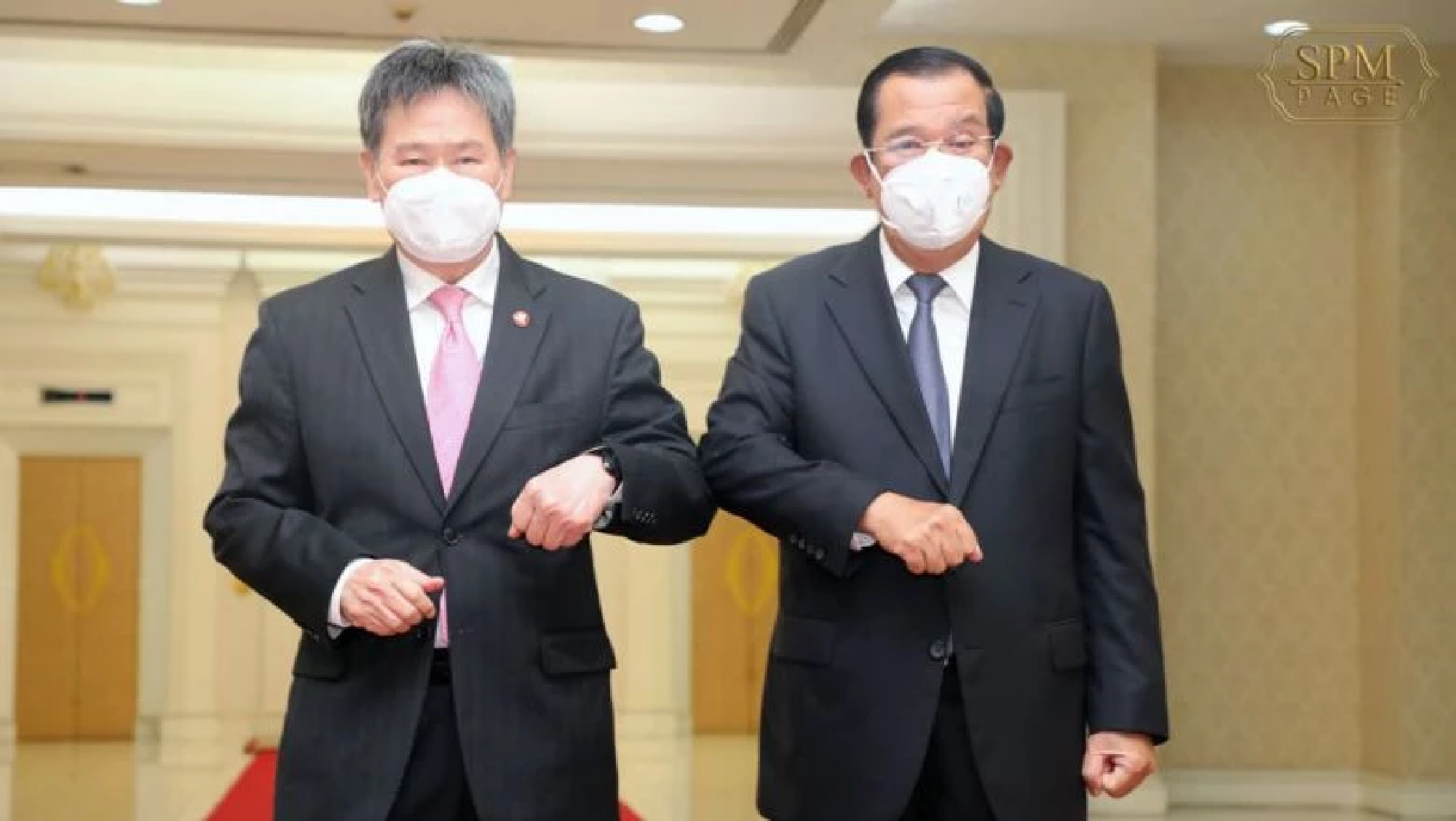
Prime Minister Hun Sen has urged the ASEAN Secretariat to hold a full session to begin humanitarian action to help Myanmar, suggesting that it extend invitations to key figures to participate in the planned ASEAN global dialogue which will focus on post-pandemic recovery efforts.

Cambodia plans to host ASEAN global dialogue especially on post Covid recovery

Hun Sen made the request during his meeting with ASEAN Secretary-General Lim Jock Hoi at the Peace Palace in Phnom Penh on January 17 during the latter’s five-day visit to the Kingdom from January 15-19. Cambodia is the chair of ASEAN for 2022.

“With regard to the situation in Myanmar, [Lim] said that he supported Cambodia’s initiative, especially its intentions that are in line with ASEAN’s five-point consensus,” Hun Sen said in a Facebook post.

Hun Sen also told Lim that Cambodia planned to hold the ASEAN global dialogue this year in a similar fashion to what the Kingdom did in 2012 when it held the ASEAN chair for the second time.

“Therefore, he [Hun Sen] requested that the secretary-general help with the organisation of this dialogue by inviting key figures to participate in this meeting, especially on the topic of post-Covid-19 recovery,” the post said.

“[Lim] said [the ASEAN global dialogue] was a great idea and he promised to work with ASEAN and other relevant sectors to push forward with holding the meeting,” added the post.

Hun Sen and Lim exchanged views on various issues in addition to the Myanmar situation that concern ASEAN, such as Covid-19 response, the Declaration on the Conduct of Parties (DOC) in the South China Sea, the ASEAN Outlook on the Indo-Pacific, the possibility of East Timor becoming the 11th ASEAN member and other topics.

Lim also met with Minister of Foreign Affairs and International Cooperation Prak Sokhonn on January 17 after his meeting with Hun Sen.

“We discussed several issues as we are preparing for the upcoming major ASEAN meetings this year. I briefed him on the key priorities and deliverables of the ASEAN chair and was pleased to receive his full support.

“We share a sense of optimism for the future of ASEAN despite some pressing challenges. We believe that the spirit of solidarity and togetherness within ASEAN will prevail,” Sokhonn said in a Facebook post.

According to the foreign ministry, Lim will also meet with Minister of National Defence Tea Banh; Minister of Economy and Finance Aun Pornmoniroth; Minister of Public Works and Transport Sun Chanthol; Minister of Education, Youth and Sport Hang Chuon Naron; and Minister of Commerce Pan Sorasak.

Lim will also attend the ASEAN Tourism Ministerial Meeting on January 19 in Sihanoukville.

“The visit of [Lim] to Cambodia [will be an occasion to] seek ways to enhance the cooperation and coordination between the ASEAN Secretariat and Cambodia’s national ministries under the three ASEAN community pillars – political-security cooperation, economic cooperation and socio-cultural cooperation – to ensure lasting positive achievements that make a stronger and more cohesive ASEAN family,” the ministry said in its press statement.

Heng Kimkong, a PhD candidate at the University of Queensland and a visiting senior research fellow at the Cambodia Development Centre, told The Post on January 17 that as ASEAN chair, it is crucial for Cambodia to get the support of the ASEAN secretary-general in order to find solutions to complex challenges like the South China Sea dispute.

“If Cambodia can facilitate the adoption of a final text for the Code of Conduct for the South China Sea this year, the Kingdom’s image as an international dealmaker will be greatly enhanced,” he said.

By Ry Sochan

Published : January 18, 2022

By : The Phnom Penh Post

Number of passengers flying SIA, Scoot doubles to almost 600,000 in December

#SootinClaimon.Com : ขอบคุณแหล่งข้อมูล : หนังสือพิมพ์ The Nation.

https://www.nationthailand.com/international/40011215


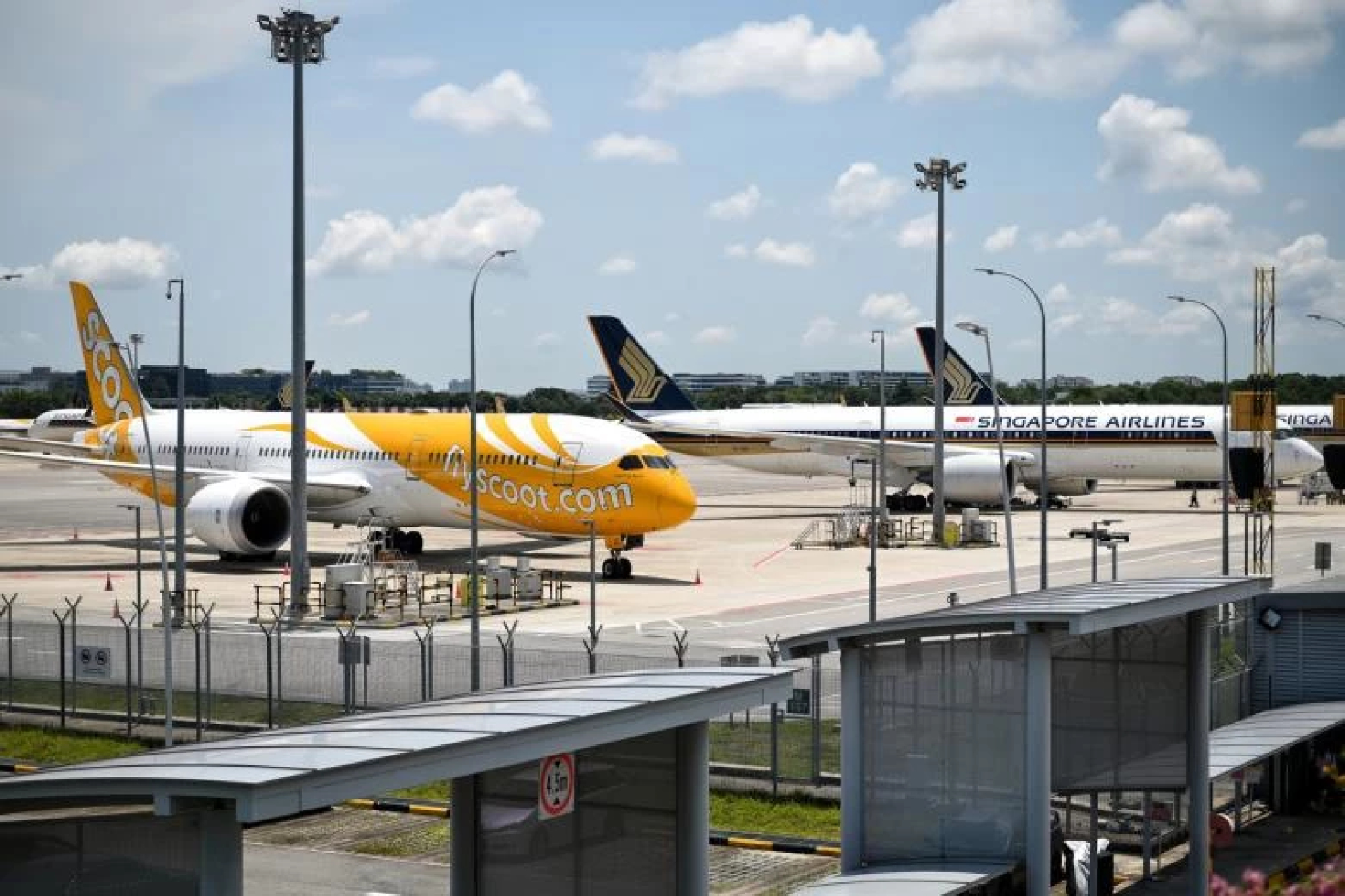
SINGAPORE – Almost 600,000 passengers flew on Singapore Airlines (SIA) and Scoot planes in December, in its strongest set of results since the Covid-19 pandemic rapidly worsened in early 2020.

Number of passengers flying SIA, Scoot doubles to almost 600,000 in December

The number is almost double the figure in November, and seven times the figure in December 2020, according to data released on Monday afternoon (Nov 17).

But experts said the rate of recovery is expected to slow down in the coming months owing to the Omicron variant and the reduced quota for a quarantine-free travel scheme.

The SIA Group, which is made up of the full-service SIA and its budget arm, Scoot, said the significant increase in passenger demand in December came on the back of a continued expansion of its Vaccinated Travel Lane (VTL) flights and the year-end travel season.

It noted that eight cities – including Bangkok – have joined the SIA Group’s VTL network in December.

As at end-December, the SIA Group’s passenger network, including to non-VTL countries, covered 85 destinations.

SIA Group’s passenger capacity is now at 45 per cent of the levels achieved in January 2020, before the pandemic grounded planes worldwide.

Meanwhile, its cargo load factor in December fell 9.9 per cent compared with the year before. This was due to the increase in cargo capacity being bigger than the increase in cargo loads, said SIA Group.

SIA’s and Scoot’s recovery had been boosted since the launch of the VTL scheme in September. The scheme allows travellers who are fully vaccinated against Covid-19 to enter the country without having to serve quarantine.

But following the emergence of the Omicron variant, the carriers were forced to suspend new ticket sales for VTL flights entering Singapore between Dec 23 and Jan 20.

Tickets for VTL arrivals from Jan 21 are still available, but the arrival quota has been cut by half to allow only 5,000 passengers to enter daily.

SIA Group said it expects the passenger capacity for January and February to be around 47 per cent and 45 per cent of the levels in January 2020.

Mr Mayur Patel, head of Asia at flight data and analytics provider OAG Aviation, said SIA’s latest results are encouraging, especially on long-haul sectors.

But he cautioned that the emergence of Omicron has affected demand for travel. The absence of China, Hong Kong and Japan traffic will continue to place limitation on SIA Group’s traffic growth, he said.

“The first half of the year is traditionally a slower period for travel and coupled with arrival quota cut by 50 per cent, the next few months will see softer traffic numbers, for which the airline will need to adjust its network in accordance with the prevailing market conditions,” Mr Patel said.

He also said that SIA still remains in early stages of recovery in comparison with its counterparts in the Middle East hubs such as Dubai and Doha.

Independent aviation analyst Brendan Sobie from consultancy Sobie Aviation said SIA’s strong end to the year was expected due to the rapid expansion of the VTL scheme and pent-up demand for outbound travel.

On SIA Group’s passenger load factor, which shows the percentage of its planes’ seats taken up by passengers, Mr Sobie said the figure of 47 per cent is still very low but much higher than what has been registered for most of the pandemic.

He noted that SIA is still way behind in terms of traffic recovery in comparison with the global international air travel market. It is also lagging behind Asia-Pacific carriers generally, although this is an uneven comparison due to the lack of a domestic market for SIA, said Mr Sobie.

“SIA is doing relatively well when looking at the international market in Asia-Pacific,” he added.

“International traffic in Asia-Pacific remains well below pre-Covid levels with very low load factors. SIA is roughly on a par or even doing better than average.”

Published : January 18, 2022

By : The Straits Times