DOTR enforcing ‘no vax, no ride’ policy in Metro Manila amid jeers

#SootinClaimon.Com : ขอบคุณแหล่งข้อมูล : หนังสือพิมพ์ The Nation.

https://www.nationthailand.com/international/40011023


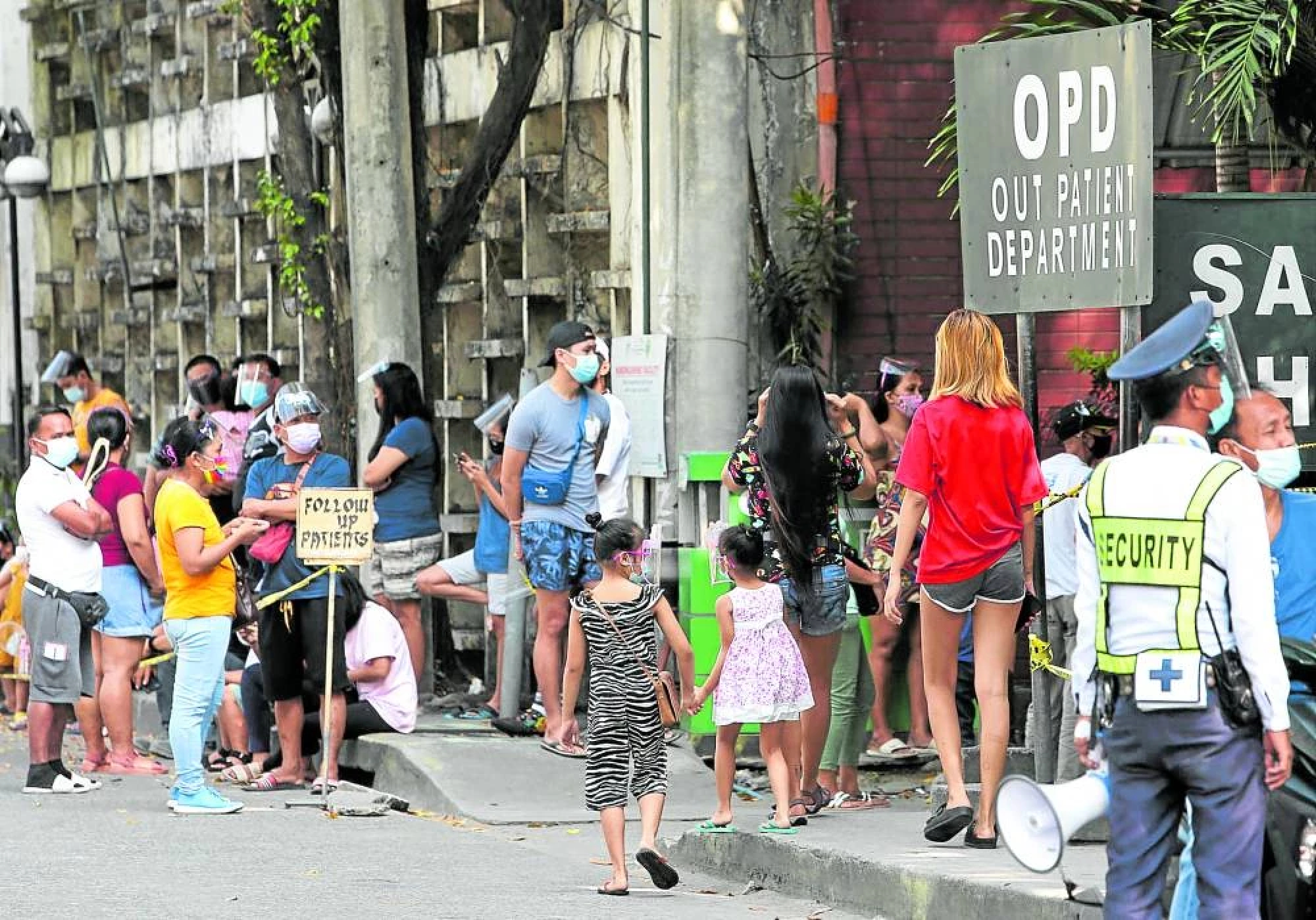
MANILA, Philippines — The Department of Transportation (DOTr) on Wednesday ordered a “no vaccination, no ride” policy for all modes of public transportation in Metro Manila, citing its already high vaccination rate as justification to further restrict the movement of those who have yet to be inoculated.

DOTR enforcing ‘no vax, no ride’ policy in Metro Manila amid jeers

Transportation Secretary Arthur Tugade signed the department order on Tuesday, which was made available to the media on Wednesday, directing all agencies attached to the DOTr to ensure that operators of public utility vehicles (PUVs) would allow access and issue tickets only to fully vaccinated individuals.

The order, which takes effect starting Jan. 17 (Monday), will apply to all domestic travels to, from and within the National Capital Region (NCR) via land, rail, sea and air public transport, Transportation Undersecretary Artemio Tuazon Jr. told reporters at a virtual press briefing hours after the order was released.

Commuters can present their inoculation status through physical or digital copies of their vaccine cards issued by their respective local government units or certification from the national government.

Tugade’s order exempts from the policy individuals with medical conditions that prevent them from receiving the COVID-19 vaccine, but must present a certification from and the contact details of the physician.

Also exempted are persons who will buy essential goods and services, such as food and medicine “as evidenced by a duly issued barangay health pass or other appropriate proof to support and justify such travel.”

This also includes people on their way to the vaccination sites to be inoculated, according to Tuazon.

“The concerned attached agencies and sectoral offices of DOTr are directed to immediately issue resolutions, circulars, advisories and other notices to implement this [department order],” the DOTr order read.

It will be in effect while Metro Manila is at alert level 3 or a higher quarantine restriction as determined by the government’s pandemic task force.

Tuazon said that the DOTr has already sought the help of the Philippine National Police along with enforcers from the Land Transportation Office (LTO), the Land Transportation Franchising and Regulatory Board (LTFRB) and the Inter-Agency Council for Traffic, in implementing this order.

“There will be points of checking, not necessarily checkpoints, but areas where there would be checking to see if the people inside the public vehicle have vaccination cards,” he explained.

He rejected criticism that the order was a form of discrimination toward unvaccinated individuals and a violation of human rights, pointing out that they could still board private vehicles to go around the metropolis.

“In our Bill of Rights, what is protected is the right to travel. We are not limiting the travel of the commuters, what we are limiting is the use of public transport. They can still go out through the use of their own [vehicles], but not public vehicles,” said Tuazon, who is also a lawyer.

Passengers themselves would not be penalized if they are unvaccinated since only PUV operators and drivers would be sanctioned, depending on the regulations of LTO and LTFRB, Tuazon clarified.

Opposition

Still, lawmakers disagreed with the travel policy.

Saying unvaccinated Filipinos were not criminals, presidential aspirant Sen. Manny Pacquiao has objected to the mobility restrictions on unvaccinated individuals.

“Let us not force our countrymen to get vaccinated if this is against their personal beliefs. Let us convince them by explaining vaccines to them, but let us not force them,” the senator said.

In a statement, Pacquiao added: “We should not treat them like criminals. We should not curb their rights to work or purchase essential goods and services.”

Pacquiao maintained that receiving the COVID-19 vaccination was a matter of personal choice and that the government should not restrict those who believed that vaccination was against their personal and religious beliefs.

ACT Teachers Rep. France Castro on Wednesday also slammed the “no vaccination, no ride” policy, pointing out that public transport was a public utility and should not be denied to anyone who needed access to it.

“This policy is simply absurd, unconstitutional, antipoor and discriminatory,” she said in a statement.

“Instead of barring unvaccinated people from using public transport, why won’t the DOTr instead provide free rides to vaccination sites and help the government educate people and curb vaccine hesitancy?” Castro asked.

She pointed out that under Section 12 of Republic Act No. 11525, or the COVID-19 Vaccination Program Act, the vaccine cards should not be considered as an additional mandatory requirement for educational, employment, and government transaction purposes.

She said the DoTR was punishing the people instead of addressing the crisis due to the COVID-19 pandemic.

“How will the Duterte administration convince more than half of the population to get vaccinated if the government will ban the use of public transport? she asked.

By: Dempsey Reyes —WITH REPORTS FROM JULIE M. AURELIO AND NESTOR CORRALES

Published : January 13, 2022

By : Philippine Daily Inquirer

Japan’s Coronavirus infections top 10,000 for first time since September

#SootinClaimon.Com : ขอบคุณแหล่งข้อมูล : หนังสือพิมพ์ The Nation.

https://www.nationthailand.com/international/40011022


New novel coronavirus cases exceeded 10,000 nationwide on Wednesday for the first time since Sept. 9, according to a Yomiuri Shimbun tally.

Japan’s Coronavirus infections top 10,000 for first time since September

Tokyo confirmed 2,198 new infections on the day, topping 2,000 for the first time in four months, according to the metropolitan government. Tokyo last saw the number of new infections exceed 2,000 on Sept. 4, when it reached 2,370. Wednesday’s figure was 5.6 times the level a week earlier.

The Osaka prefectural government reported 1,711 new cases on Wednesday, the first time its number topped 1,000 since Sept. 15 and seven times the figure a week earlier.

The Okinawa prefectural government said 1,644 people were newly confirmed to be infected with the virus on Wednesday, its second-highest level of the pandemic. The record daily high for the prefecture is the 1,759 new cases logged on Saturday.

Published : January 13, 2022

By : The Japan News

S. Korea presidential elections: Should politicians care about your hair loss?

#SootinClaimon.Com : ขอบคุณแหล่งข้อมูล : หนังสือพิมพ์ The Nation.

https://www.nationthailand.com/international/40011017


Why a presidential candidate’s pledge on alopecia treatments sparked strong reactions from young voters in South Korea

S. Korea presidential elections: Should politicians care about your hair loss?

SEOUL – Last week, the talk of the town was Democratic Party of Korea presidential candidate Lee Jae-myung’s pledge to have hair loss treatments covered by public health care insurance, prompting both cheers from supporters and criticism of populism.

What stood out in particular was the enthusiastic response from young voters, despite hair loss known to be more prevalent among the older generation. In fact, the pledge itself was suggested by the Lee election team’s youth committee, off a plea by a Lee supporter in his 30s.

While its feasibility is questioned, the buzz around it indicates that the pledge hit close to home for many young Koreans.

Traditionally, being a young Korean meant you had less reason to worry about going bald. According to a study by University of Bonn professor Stefanie Heilmann-Heimbach, balding for men of European origin usually starts in their 30s, with up to 80 percent being affected to some extent.

Hair loss for Asian men generally occurs a decade later, and affects 50 to 60 percent of the male population.

But data shows that an increasing number of Koreans are being treated for hair loss, with a notable increase in younger age groups.

In 2020, a total of 233,194 people were treated for hair loss at hospitals, with women accounting for 43 percent, according to the National Health Insurance Service. But the age group who received treatments the most were those in their 30s at 22.2 percent. The figure was particularly high among men in their 30s, with 25.5 percent receiving treatment. Even 20-somethings, who are less likely to experience hair loss, were almost as likely to receive hair loss treatment as 40-somethings, with figures of 22.2 percent and 22.3 percent, respectively.

NHIS Ilsan Hospital dermatologist Cho Nam-jun said it is not likely that there was an actual spike in hair loss among young men.

“It is more likely that more young people are seeking clinical help because they are increasingly more concerned about their looks, rather than a drastic increase in hair loss,” he was quoted as saying.

Those in the industry speculate that the hair loss problem may be larger than the official numbers suggest. The public health care system covers only a limited range of disease-related hair loss, and that does not cover the home remedies many youngsters often opt for.

A woman surnamed Park started using shampoos advertised as having anti-hair loss functions when she had her first child in her mid-30s.

“I started losing a whole bunch of hair right after giving birth, which freaked me out. So I thought I should take good care (of my hair) while I’m still young,” said Park, now 40.

It is still unclear exactly how effective the supposed anti-hair loss shampoos are, but they are widely considered by the public as a viable option. TS Trillion, a company specializing in hair-loss products, saw its stocks jump from 791 won to 1,025 won ($0.66 – $0.86) on Wednesday. Their stocks have been hovering around the 1,300-won range since Thursday.

Several companies with hair loss treatment products saw their stocks jump after Lee unveiled his plan to support alopecia treatments, if elected president.

With youth hair loss becoming more of a widespread issue, even young celebrities are choosing to “talming out,” a slang that combines hair loss (talmo in Korean) with the term coming out. Go Eun-ah, a 33-year-old actress, recently revealed on her YouTube channel that she received a hair transplant, as did 37-year-old comic writer and TV personality Kian84.

In 2016, then-23-year-old Peniel of the boyband BtoB grabbed attention by revealing that he was suffering from stress-induced hair loss.

Another comic writer Joo Ho-min openly talks and jokes about how he went bald in his 30s, even earning the somewhat affectionate nickname “Paju monk.”

The new trend marks a departure from the past when talking about hair loss was borderline taboo. Sul Woon-do, one of the most popular singers in the 1980s, kept his baldness an airtight secret to such an extent that he once said –possibly jokingly — that even his wife was not aware that he wore a wig until a few years into their marriage. To this day, not one photo of Sul without his wig on has been made public.

But while more celebrities are openly talking about their hair problems, many of the general public say they are ridiculed, even penalized for the same problem.

The youth committee of the Democratic Party of Korea election campaign team last Wednesday held an open discussion about Lee’s pledge, during which seven citizens in their 20s and 30s were invited to talk about the problems entailing their premature hair loss.

A 30-something man surnamed Kim said he has been losing his hair since he was in middle school. Kim claimed he spent about 20 million won ($16,700) to address this problem, but eventually gave up because of the financial burden on his parents.

“Even when I was looking for job, I found myself thinking, ‘Did I not get it because I’m bald?’” he said. The current the health care system does not cover naturally occurring hair loss.

Democratic Party of Korea’s Rep. Kim Won-i, a member of the parliamentary health and welfare committee, said that hair loss is a type of “social illness.”

“Although it does not accompany physical pain, the stress and alienation can affective one’s social relationships. This can be costly when looking for a job or going on dates,” he said.

Hair loss is a global issue, but studies have indicated that people seem to be more tolerant toward baldness in regions where it is more common. A study by data scientist Albert Mannes of the University of Pennsylvania found that men with shaved heads were rated as more dominant, and men whose hair was digitally removed were perceived as “more dominant, taller, and stronger than their authentic selves.”

But being bald at a young age tends to be costlier in a country where much of the population do not share this view.

A study published in the International Journal of Dermatology showed that balding men in Korea were perceived as being older and less attractive by over 90 percent of the respondents. “A perception that balding men are less attractive was significantly more common among women than among nonbalding men,” according to the study.

It also showed that the perception of balding men appearing less confident was significantly more common among balding men than nonbalding men, indicating that baldness takes a serious toll on one’s confidence.

But the aforementioned Mannes’ study did also show that bald men are perceived as looking on average four years younger than their counterparts with hair.

In addition, the notion that being bald can get you fired has some validity in Korea.

In 2018, the National Human Rights Commission urged not to penalize bald applicants looking for a job. This was in reaction to a petition filed by a man who claimed to have been fired for being bald and refusing to wear a wig.

Rep. Park Joo-min of the Democratic Party of Korea claimed that adding hair loss treatment to the coverage of the national health insurance system is worth considering. He said that since hair loss treatment is a 110 billion-won market, the added financial burden on the government’s part would be around 70 billion won.

It is unclear, however, how many people would receive treatments once the country starts subsidizing. According to a study in the British Journal of Dermatology, the prevalence of androgenetic alopecia (male pattern baldness) among Korean men of all ages was found to be 14.1 percent.

This means a corresponding proportion of the male population of around 3.5 million could potentially seek treatment once it becomes more affordable. This would drive up the total cost of treatment well over tenfold.

Aside from whether the government can shoulder the increase in fiscal burden, there is the question of whether it is right to use state resources on hair problems, which is by no means a life-threatening condition.

The National Health Insurance does not cover nonessential medical procedures, such as corrective eye surgery and cosmetic plastic surgery.

Lee Sang-yi, a Jeju National University professor and specialist in preventive medicine, berated Lee’s pledge as populist and said there are other more serious diseases that should be covered by public health insurance.

“If hair loss treatment is covered by the healthcare system, other procedures for cosmetic reasons would also have to be considered,” Lee wrote in his Facebook post, calling Lee Jae-myung “irresponsible.”

Yoon Min-sik

The Korea Herald

Published : January 12, 2022

Calls for new Covid-19 pet quarantine measures in Hong Kong

#SootinClaimon.Com : ขอบคุณแหล่งข้อมูล : หนังสือพิมพ์ The Nation.

https://www.nationthailand.com/international/40011013


Campaigners have praised regulations that allow animals to be isolated with their owners and are now calling for further regulations.

Calls for new Covid-19 pet quarantine measures in Hong Kong

HONG KONG – The ongoing COVID-19 epidemic has raised questions about the role played by relationships and interactions between humans and animals in the context of widespread social distancing and isolation measures.

Recently, a report about a pet cat in Chengdu, capital of the southwestern province of Sichuan, brought the topic into the spotlight.

While its owner was in quarantine, the animal was provided with food, water and a clean litter box after undergoing a nucleic acid test at its home.

Staff members from the local center for disease control and prevention, disinfection experts and police officers were dispatched to the house along with other medical workers, according to Red Star News, a media outlet in Sichuan.

Realizing that the cat would not be accustomed to nucleic acid testing, the staff asked an experienced examiner to handle it.

While the home was being disinfected, the feline was temporarily placed in a pet cage and taken outside to keep it away from its owner’s rooms during cleaning and ventilation procedures.

According to statements from the World Health Organization, pets can be in close contact with the novel coronavirus, and there is currently no evidence to suggest that cats and dogs can transmit it to humans.

At present, China’s Animal Epidemic Prevention Law and the Infectious Disease Prevention and Control Law stipulate culling aimed at wild animals, livestock and poultry, but not pets.

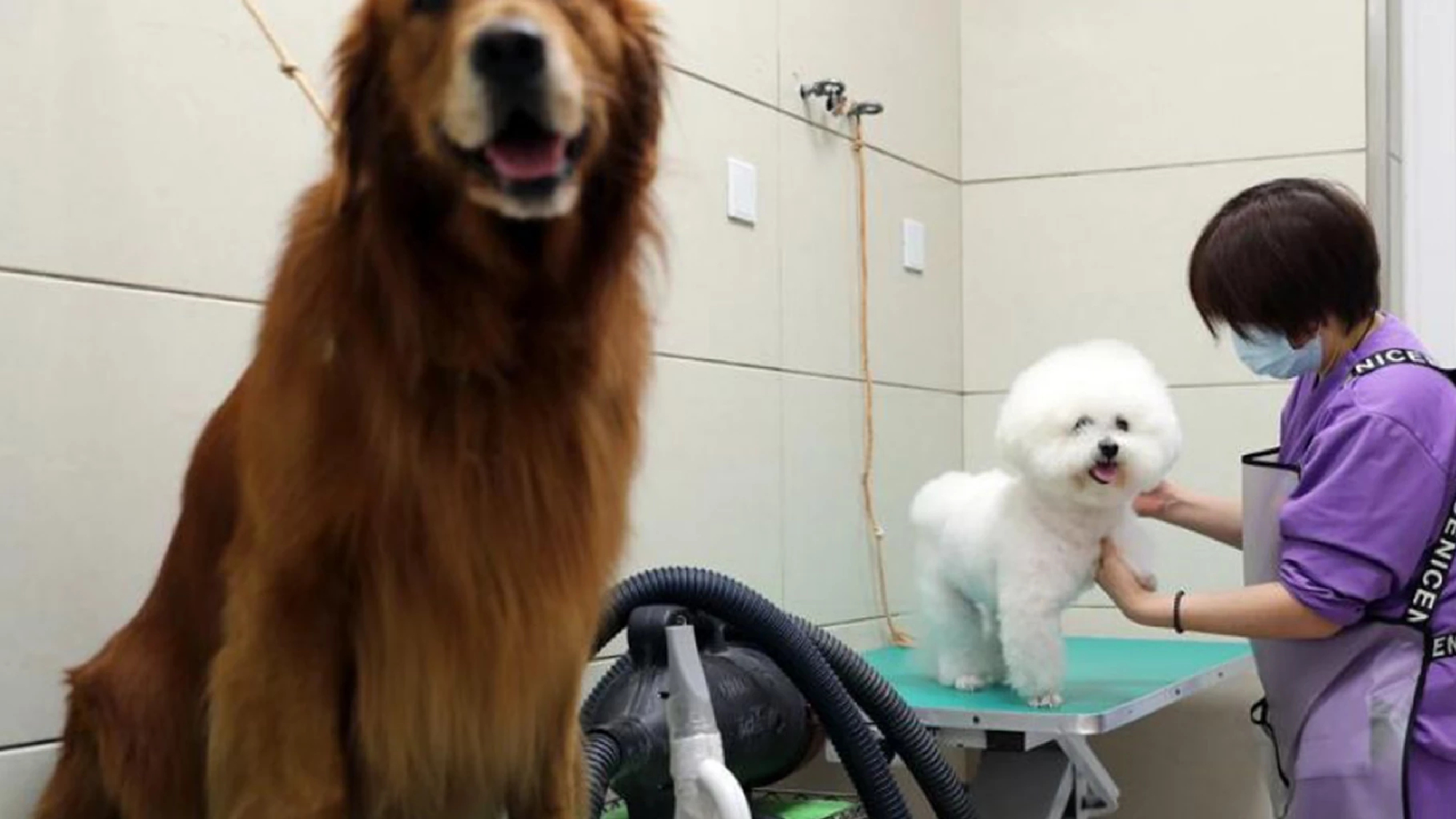
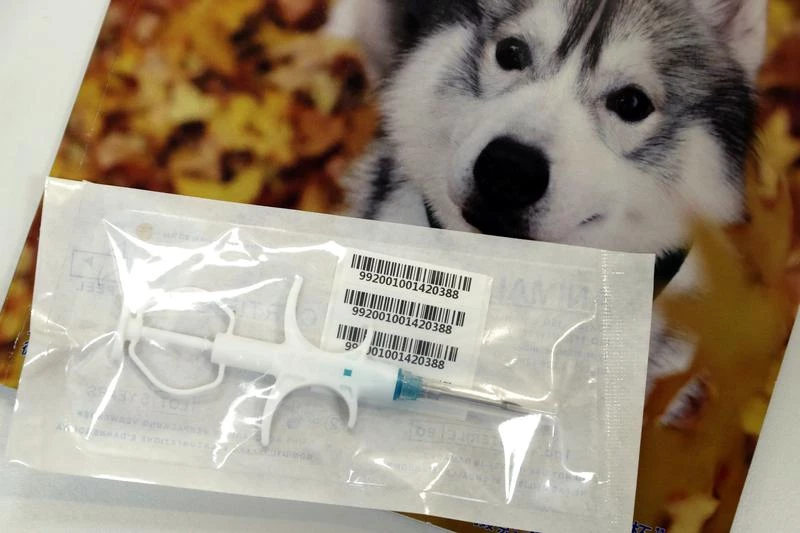
A lack of regulations about how to treat pets during the epidemic has led to public discussion of recent news reports about an epidemic control worker in the eastern province of Jiangxi who culled a pet dog while its owner was in quarantine.A dog is prepared for an injection to embed an ID chip. (WANG JING / CHINA DAILY)A dog is prepared for an injection to embed an ID chip. (WANG JING / CHINA DAILY)
The worker was punished and transferred to another job, and he was also urged to apologize to the dog owner, according to a notice released by local authorities. The owner expressed understanding toward the man and also for the anti-epidemic measures, the notice said.

“We have no national standards for treating pets in the epidemic, and the worker took the action with the aim of preventing the spread of the virus,” said Yang Dengfeng, a professor with the School of Law at Southeast University in Nanjing, Jiangsu province.

“However, putting aside medical research on whether pets can spread the virus, it is improper to cull a pet without informing the owner. The staff member should have sought legal advice and used reasonable behavior despite the pressure of work,” he said.

After the case sparked outrage online, some NGOs called for the formation of a national pet quarantine system.

In November, the China Small Animal Protection Association posted a statement on Weibo, a Twitter-like social media platform, saying that no harm should be done to animals in the name of epidemic prevention and control.

“In terms of life, both humans and animals should be treated equally. Pets are not just animals, but partners and companions to their owners. We hope all life can be cared for gently, with love and care,” the statement said.

Another NGO, the Tajijin Animal Protection Foundation, voiced a similar request and recommended that the national COVID-19 prevention and control guidelines be updated to add a pet quarantine system to the protocols.

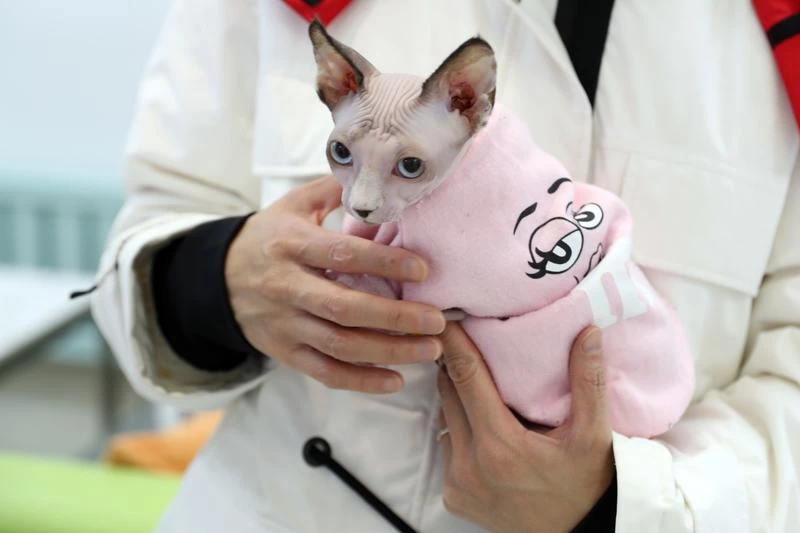
A cat has a health check at the hospital in November. (WANG JING / CHINA DAILY)A cat has a health check at the hospital in November. (WANG JING / CHINA DAILY)
The foundation suggested that pets whose owners are confirmed, suspected or asymptomatic COVID-19 cases should be quarantined for medical observation.

“We strongly recommend that pets should be quarantined together with their owners in isolation and under medical observation,” said a notice posted on its website.

In addition, the NGO called for the establishment of local transportation procedures and quarantine management plans for unattended pets. “Specifically, after obtaining the owner’s consent, quarantine care and nucleic acid tests should be provided for the animal,” the notice said.

Several cities, such as Guangzhou, capital of the southern province of Guangdong, Beijing and Shanghai, have already taken a more scientific and reasonable approach to dealing with pets during quarantine.

Early last year, Beijing’s Daxing district started arranging quarantine for pet owners at designated sites tailored specifically for people with animals.

Moreover, once pets left unattended at home have had a nucleic acid test and the owner’s consent has been obtained, they can be transferred to third-party professional facilities for temporary care.

In January last year, a residential area in Shanghai’s Huangpu district was reported to have recorded new infections. All the residents were quickly quarantined in a hotel, but they were allowed to take their pets with them.

Similar pet-friendly policies have been introduced in Beijing’s Changping district. In November, when new infections were reported in the district, several residential areas were isolated and the district government quickly released a new policy on care for pets.

Tong Lizhi, Changping’s deputy head, announced that anti-epidemic workers would obtain permission from owners and then transfer pets to third-party professional facilities for temporary care.

Lyu Dewen, a researcher with the School of Sociology at Wuhan University in Hubei province, said: “Staff members from local epidemic prevention departments, especially in small cities or towns, have barely gained experience in handling pets during the epidemic, so a standard, safe and practical procedure should be introduced gradually. Related policies should also be formulated as soon as possible.”

In fact, anti-epidemic approaches concerning animals’ interests have not only been introduced for pets, but also for livestock.

Early last year, Shijiazhuang, capital of North China’s Hebei province, was hit by a resurgence of COVID-19, with more than 70 new infections reported within a month.

The outbreaks occurred in three villages, which posed challenges for epidemic control work. In response, all the residents were transferred to a designated place for quarantine, leaving a number of dogs and cats plus more than 30,000 livestock-including sheep, pigs, cattle, chickens and ducks-in the villages.

Although at risk of contracting the virus from infected people, the livestock were well cared for.

According to a report in Beijing Youth Daily, 18 epidemic control professionals were sent to the three villages, not only to take care of the livestock, which had run the risk of contracting the virus from the infected residents, but also to conduct nucleic acid tests on them. It was later reported that all the tests had returned negative results.

Subsequently, a three-strong team was tasked with taking care of cats and dogs in the villages.

“Such an approach to epidemic prevention concerning animal welfare brings people happiness. We can understand anti-epidemic staff workers who may resort to some improper behavior due to their responsibility to protect people, but we hope such an approach can be more animal friendly,” commented cat owner Li Fang on Weibo, after she had read the story about Shijiazhuang.

Yang Wanli

China Daily

Published : January 12, 2022

Cambodias ‘New normal’ academic year kicks off

#SootinClaimon.Com : ขอบคุณแหล่งข้อมูล : หนังสือพิมพ์ The Nation.

https://www.nationthailand.com/international/40010979


Cambodia kicked off the new academic year of 2021-2022 for all grades on January 10, with all students required to implement the “new normal path in education” in the context of Covid-19. This came after two years of remote learning and disruptions to regular classroom instruction due to the pandemic.

Cambodias ‘New normal’ academic year kicks off

In a message to start off the new academic year, Prime Minister Hun Sen said that since the first Covid-19 outbreak in Cambodia in March 2020, the government and the Ministry of Education, Youth and Sport have introduced effective and prudent measures to curb the spread of Covid-19, such as implementing the “new normal path of education”.

Minister of Education, Youth and Sport Hang Chuon Naron said the government took care of the lives of educators and students as its top priority and urged them to practice health preventive measures such as the three dos and three don’ts while implementing effective remote learning and digital classroom management policies and administrative measures.

He said these policies have enabled Cambodia to celebrate the opening of the new school year 2021-2022, which is a big day for all educational institutions across the country and it was made possible by the concept of “the new normal path in education”.

Speaking while presiding over the opening ceremony for the new school year at Hun Sen Prasat Bakong High School in Siem Reap, the minister said sustainable education was very important to ensure its quality and an environment that provides equal opportunities for Cambodian children and youth, both formal and informal, across the country.

“Currently, the government has been making efforts to further socio-economic development and has considered the development of human resources as the first priority,” he said.

Hun Many – chairman of the National Assembly’s Committee on Education, Cults, Religious Affairs, Culture and Tourism – congratulated the ministry on the opening day of the new academic year and welcomed all students of all grades in all villages across the country back to the classroom.

“I would like to express my deep gratitude for the efforts of the government, the education ministry and especially the teachers who have worked hard in the past to overcome all obstacles to ensure the continuation of education for the Kingdom’s students in the difficult phases of the Covid-19 pandemic,” he said.

Many called on school administrators, teachers, parents and students to continue to implement health measures to make Cambodia’s schools safe places to receive an education and not places where transmission of Covid-19 into the community occurs.

By Voun Dara

Published : January 12, 2022

By : The Phnom Penh Post

Omicron wave to hit unvaccinated in Europe: WHO regional director

#SootinClaimon.Com : ขอบคุณแหล่งข้อมูล : หนังสือพิมพ์ The Nation.

https://www.nationthailand.com/international/40010978


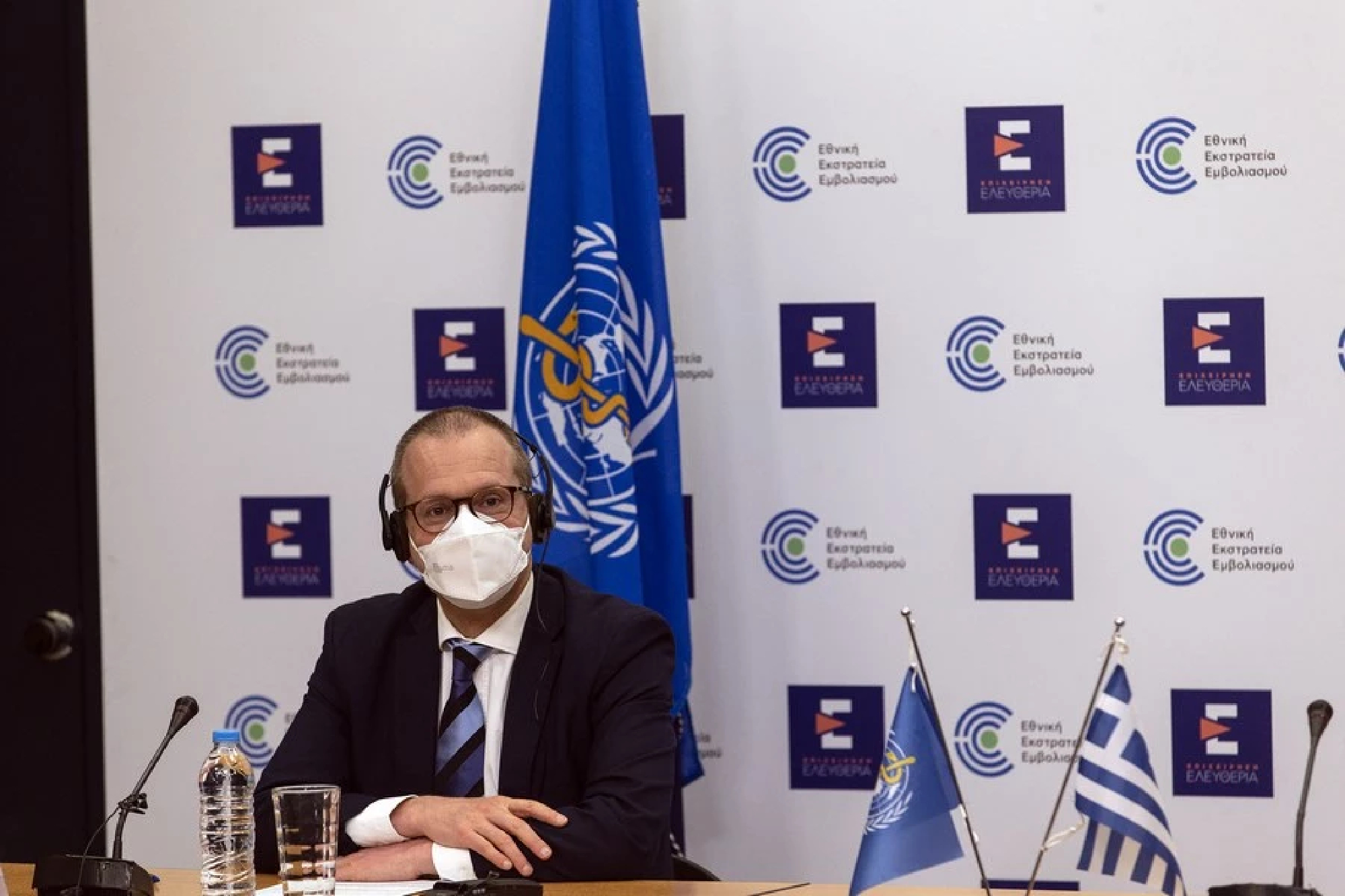
COPENHAGEN — World Health Organization (WHO) European Regional Director Hans Kluge warned on Tuesday that the Omicron variant could become more prevalent in Europe as the “tidal wave” of infections spreads eastward.

Omicron wave to hit unvaccinated in Europe: WHO regional director

“Iam also deeply concerned that as the variant moves east, we have yet to see its full impact in countries where levels of vaccination uptake are lower. We will see more severe disease in the unvaccinated,” said Kluge.

According to him, the Omicron variant, now spreading into the Balkans, is already present in 50 of the 53 countries in the region spanning Europe and Central Asia.

“At this rate, the Institute for Health Metrics and Evaluation (IHME) forecasts that more than 50 percent of the population in the Region will be infected with Omicron in the next 6 to 8 weeks,” said Kluge.

Kluge said the hospitalizations were rising due to the unprecedented scale of transmissions in the region.

To better manage the coronavirus’s destructive impact on health services, economies, and societies, Kluge called for practical actions, including acting immediately and planning for contingencies, and prioritizing response systems during the “closing window of opportunity.”

He also emphasized the importance of protecting the vulnerable and “minimizing disruption to health systems and essential services.”

The WHO official also urged schools to remain open.

“Keeping schools open benefits children’s mental, social, and educational well-being significantly. School buildings should be the last to close and the first to reopen,” Kluge stated.

Additionally, Kluge outlined his five pandemic stabilizing mantras: vaccination, third doses or boosters, increased mask use, ventilation of crowded or enclosed spaces, and the continued use of new clinical protocols to guide the response to Delta or Omicron.

And the WHO Europe also said it’s “way off” from treating the COVID-19 as endemic.

“We’re still a way off. Endemicity assumes, first of all, a stable circulation of the virus at predictable levels and potentially known and predictable waves of epidemic transmission,” said Catherine Smallwood, Senior Emergency Services Officer at WHO Europe, when asked about opinion on Spain’s recent request to the European Union to discuss the possibility of COVID-19 being classified as an endemic illness, similar to the flu or malaria, which is always present in a particular population or region.

“What we’re seeing at the moment coming into 2022 is nowhere near that… We still have a virus that’s evolving quite quickly and posing quite new challenges… and there’s still a lot of unpredictability, ” she said.

Published : January 12, 2022

By : Xinhua

Sapporo pinning hopes on Beijing Games to boost 2030 Olympic bid

#SootinClaimon.Com : ขอบคุณแหล่งข้อมูล : หนังสือพิมพ์ The Nation.

https://www.nationthailand.com/international/40010977


SAPPORO (Jiji Press) — Sapporo, which is aiming to host the 2030 Winter Olympics and Paralympics, is placing expectations on Japanese athletes’ performances at the Beijing Games, believing that their good results can build up momentum to host the Winter Games in Japan.

Sapporo pinning hopes on Beijing Games to boost 2030 Olympic bid

Although the capital city of Hokkaido prefecture was hoping to draw on Beijing’s experience of hosting the Winter Games, which will open in February, it is now expected to face major restrictions in conducting on-site observations due to the pandemic.

Still, the city sticks to its aim to become the host of the Winter Olympics for the second time, after hosting the games in 1972.

At the time of the 2018 Pyeongchang Olympics in South Korea, Sapporo sent some 20 officials to the South Korean city to inspect temporary competition venues and media centers, among other facilities. Sapporo Mayor Katsuhiro Akimoto met with senior International Olympic Committee officials in Pyeongchang to exchange opinions.

This time, the mayor has given up on visiting Beijing as activity will be restricted due to quarantine and other measures to prevent the spread of COVID-19. The number of city officials to be dispatched to the Chinese capital is expected to be less than a half of those sent to Pyeongchang.

Although where the delegation can visit for inspections in Beijing remains uncertain, an official of the Sapporo city government said: “We have been accelerating discussions with IOC officials. We want to learn what we can learn as much as possible.”

When the Tokyo Games were held last summer, people in Japan were cheered by the brilliant performances of Japanese athletes. At the same time, many criticized the ballooning costs to hold the sporting events.

A senior city government official said, “The Olympic Games are now often associated with the image of being costly and people are keeping stern eyes [on the costs needed to stage the games.]”

Despite such circumstances, Sapporo remains eager to host the Winter Games apparently because of the legacies of the 1972 Games that still exist in the city. On the occasion of the Sapporo Olympics, a subway system and an expressway were built and they led to the development of the city.

Published : January 12, 2022

By : The Japan News

Seven countries and territories agree to reopen flights with Vietnam

#SootinClaimon.Com : ขอบคุณแหล่งข้อมูล : หนังสือพิมพ์ The Nation.

https://www.nationthailand.com/international/40010976


HÀ NỘI — Seven countries and territories, including the United States, Japan, Singapore, Cambodia, South Korea and China’s Taiwan, have agreed to resume air routes to Việt Nam, according to the Civil Aviation Authority of Việt Nam (CAAV).

Seven countries and territories agree to reopen flights with Vietnam

Most have basically agreed with Việt Nam’s proposal on the frequency of four regular international passenger flights per week per direction.

The South Korean aviation authority said there were limits on the number of incoming international passenger flights to South Korea due to COVID-19 pandemic prevention regulations. There were only two flights per week for the Việt Nam and South Korea air route. South Korean airlines are currently only allowed to operate 21 flights per week.

CAAV said it was negotiating with the aviation authorities of South Korea to increase flights.

A representative of Vietnam Airlines said that the airline was trying to resume regular international flights.

Currently, the airline has reopened regular commercial routes carrying passengers to Việt Nam in seven markets: the US (four flights per week), Japan (three flights per week), South Korea (two flights per week), Taiwan (one flight per week), Singapore (two flights per week), Thailand (two flights per week) and Cambodia (four flights per week).

Tickets for these flights were available to all passengers who meet the requirements of immigration and medical regulations of the Vietnamese Government.

Regular flights have been safely operated and received a positive response from passengers, especially overseas Vietnamese returning home for Tết.

The airline expects to reopen flights to Australia soon as it would serve travel demand of both international visitors and those who returned home to celebrate Tết.

CEO of Vietjet Air Đinh Việt Phương said that Vietjet Air had resumed regular flights to Japan with a frequency of one flight per week and would increase the number of flights in the near future.

Deputy Minister of Transport Lê Anh Tuấn said the ministry had received much feedback from domestic and foreign airlines, which proposed removing the regulation on rapid testing for COVID-19 before and after boarding.

According to airlines, some foreign airports did not provide rapid testing services before the flight and the costs of rapid testing at some airports was very costly. In Japan, the test cost up to US$270 per passenger.

A shortage of specific instructions on rapid COVID-19 testing such as regulations on time for testing before boarding, authorities to organise testing and approve testing results or forms of payment have led to difficulties for airlines.

The compulsory rapid testing for passengers after landing at airports during the peak time of regular international flights could lead to congestion at airports and increase the infection risk, he said.

The ministry has asked the Government to approve the regulations on pre-flight RT-PCR testing for SARS-CoV-2 for passengers according to international practices instead of rapid testing before boarding or after landing.

In case the regulation on rapid testing is still maintained, the ministry has suggested that rapid testing be implemented only once after landing. It has also said that the Ministry of Health could be assigned to implement the procedures of rapid testing as well as payment for passengers on entry on international flights.

The ministry has requested the Government to assign the Ministry of Public Security to issue the guideline on immigration procedures for foreigners, which considers cases of those whose relatives are Vietnamese to enter the country for Tết.

The ministry needs to work with the Ministry of Health and the Ministry of Foreign Affairs to build websites in English so that international airlines and foreigners can get information about Việt Nam’s regulations on international arrivals, including RT-PRC tests, health declarations and vaccine passports.

Previously, Vietnam Airlines had sent a request to the Ministry of Public Security and the Ministry of Foreign Affairs to consider regulations on visa application procedures and entry approval papers for foreigners, and to consider exemptions on such procedures for overseas Vietnamese. — VNS

Published : January 12, 2022

By : Vietnam News

US, Japan, Europe condemn NK’s missile launch, urge to return to dialogue

#SootinClaimon.Com : ขอบคุณแหล่งข้อมูล : หนังสือพิมพ์ The Nation.

https://www.nationthailand.com/international/40010975


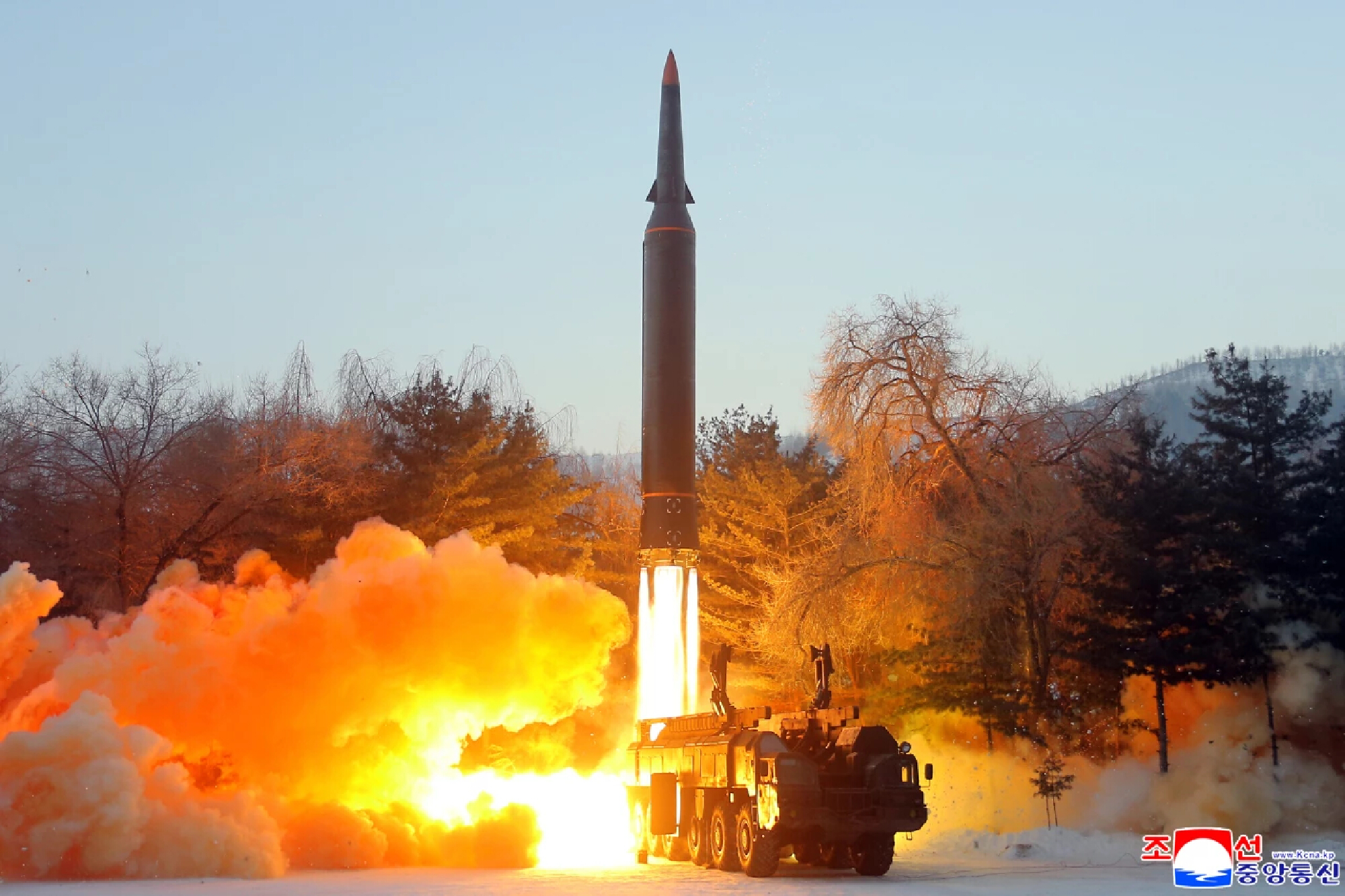
The US and five other countries condemned Pyongyang’s missile launch last week, and urged the reclusive regime to abandon its prohibited nuclear and ballistic missile programs and return to denuclearization talks on Monday.

US, Japan, Europe condemn NK’s missile launch, urge to return to dialogue

The joint statement by the US, Japan, France, the UK, Ireland and Albania came ahead of the UN Security Council closed-door meeting in New York to discuss the country’s last week’s test of what Pyongyang called a hypersonic missile. Shortly after the council’s emergency meeting, the North again upped the tension by firing a suspected ballistic missile toward the East Sea on Tuesday morning.

South Korea did not participate in the statement condemning the launch along with the US and its allies. The Foreign Ministry here said it took “various factors” into account behind the decision.

”The government’s stance is to respond comprehensively (to the missile launch), taking various factors into account, including the stable management of the situation on the Korean Peninsula and the need to maintain momentum for reviving dialogue,” said Choi Young-sam, the ministry’s spokesperson. “The government will continue to keep an eye on the discussions by the international society, including the UN, and closely communicate with the major Security Council member states”

“We stand today unified in our condemnation of the DPRK’s most recent missile launch, which the Security Council will discuss shortly,” the countries said in a joint statement, delivered by US Ambassador to the UN Linda Thomas-Greenfield, stressing that the North’s continued pursuit of weapons of mass destruction and ballistic missile program is a “threat to international peace and security.”

The DPRK is the acronym for North Korea’s official name, the Democratic People’s Republic of Korea.

“These actions increase the risk of miscalculation and escalation and pose a significant threat to regional stability,” the countries said in a joint statement. “The DPRK’s record of weapons proliferation is clear. Each missile launch serves not only to advance the DPRK’s own capabilities, but to expand the suite of weapons available for export to its illicit arms clients and dealers around the world.”

It added that Pyongyang is making these military investments “at the expense of well-being of North Korean people.” “The people of North Korea continue to suffer under a strict authoritarian regime and through an increasingly serious humanitarian crisis.”

The diplomats urged the council to “stand united in opposing the DPRK’s ongoing, destabilizing, and unlawful actions,” and called on all UN member states to fulfill their sanctions obligation under the Security Council resolution.

The countries also stressed that their goal remains the “complete, verifiable, and irreversible denuclearization of the Korean Peninsula, noting they are prepared to engage in “serious and sustained diplomacy” with Pyongyang to that end.

“It is the DPRK that now must choose dialogue and peace over its unlawful and threatening weapons program.”

While the US and its allies issued a joint statement, the UNSC took no further action after their Monday consultation. This was because Russia and China again called for the lifting of some sanctions against North Korea, according to the Associated Press. 

Previously, the UNSC held two emergency meetings in October to follow up on the North’s Sep. 28 launch of what it claimed to be a hypersonic missile, and a submarine-launched ballistic missile on Oct. 19.

No resolution nor a joint statement were issued after the meetings. During an Oct. 1 meeting, France proposed the adoption of a joint statement condemning the launch, but Russia and China refused the measure. The Oct. 20 meeting on the SLBM test also failed to issue a joint text.

By Ahn Sung-mi

Published : January 12, 2022

By : The Korea Herald

Philippines now at ‘critical risk’ as COVID cases reach 3 million

#SootinClaimon.Com : ขอบคุณแหล่งข้อมูล : หนังสือพิมพ์ The Nation.

https://www.nationthailand.com/international/40010974


MANILA, Philippines — The Philippines is now at “critical risk” for COVID-19, Health Secretary Francisco Duque III said on Monday night, hours after the country logged a record-high number of cases for the third straight day.

Philippines now at ‘critical risk’ as COVID cases reach 3 million

On Tuesday, the country breached the 3-million mark in COVID-19 cases after the Department of Health (DOH) reported 28,007 new infections, bringing the country’s total caseload since the pandemic began to 3,026,473.

Duque said the country had a two-week growth rate in cases of 3,663 percent, while the seven-day moving average number of cases was higher by 690 percent.

“Our country is now at critical risk case classification,” he said in a meeting with President Duterte in Malacañang.

Among the regions, Metro Manila, Calabarzon (Cavite, Laguna, Batangas, Rizal and Quezon) and Central Luzon were considered critical, while others were either at high or moderate risk, Duque said.

Metro Manila, in particular, is now considered under a “severe outbreak” of COVID-19 cases, according to Duque, as it contributed the highest number of cases to the national tally.

Duque said the country’s bed utilization rate was at 40 percent, while the usage rate for intensive care unit (ICU) beds was at 38 percent and 17 percent for mechanical ventilators.

Almost all regions registered an increase in their hospital care utilization rates, he noted, reminding hospitals “to give priority to accepting or admitting moderate, severe and critical cases and to coordinate with our One Hospital Command Center to refer mild and asymptomatic patients to temporary treatment and monitoring facilities.”

Around 55 percent, or 15,256 cases, of the new infections reported on Tuesday were from Metro Manila.

Twelve laboratories failed to submit their data to the COVID-19 Document Repository System.

The positivity rate—or the percentage of people found positive out of the total number who underwent testing—was 44.5 percent, slightly lower than the 46 percent reported the previous day. This was based on 58,409 people tested on Sunday, or smaller than the sample size on Saturday.

The World Health Organization standard is a positivity rate of below 5 percent daily for at least two weeks—the maximum incubation period for the coronavirus — to consider COVID-19 transmission under control.

“Overall, NCR (National Capital Region, or Metro Manila) is classified as very high risk,” independent pandemic monitor OCTA Research fellow Guido David also said in a post on Twitter.

“The average daily attack rate (Adar) increased to 89.42 (from Jan. 4 to 10), which is above the Covid Act Now threshold (of 75 per day per 100,000 population) for a severe outbreak,” David said. Adar refers to the average number of new cases in a period out of every 100,000 individuals. Based on OCTA’s data, the Adar from Dec. 28 last year to Jan. 3 was 12.71.

The DOH also observed an increase in incidental COVID-19 cases, or those who were admitted for other reasons but tested positive for COVID-19.

Citing figures from the Philippine General Hospital (PGH), Health Undersecretary Maria Rosario Vergeire said 53.9 percent of patients were admitted for COVID-19 while 46.1 percent were incidental cases from Sept. 15 to 18, 2021.

The number of incidental cases increased to 88.7 percent during the holiday surge from Dec. 25 to Jan. 7. During the period, only 11.3 percent of patients were admitted at PGH for COVID-19.

Vergeire also said that cases recorded in NCR had 60-percent less chance of hospitalization compared to other regions, especially amid the holiday season.

She said a “decoupling” phenomenon was being observed in NCR. “Decoupling means that although cases are increasing, it does not translate to a large number of severe and critical cases,” Vergeire explained.

The country’s health-care utilization rate remained under low risk classification despite the surge in cases, Vergeire added.

Ready for Alert Level 4

“Despite case increases, the national health-care utilization remains to be at low risk. We have 40 percent for our ward beds, while for ICU utilization at 38 percent,” she said.

However, Vergeire said the health-care utilization rate for Metro Manila was already nearing the moderate-risk category.

Despite Duque’s pronouncement, the government’s pandemic task force said there was still no reason to place Metro Manila under the tighter restrictions of Alert Level 4. Metro Manila and several other provinces are under Alert Level 3 until Jan. 15.

Acting presidential spokesperson Karlo Nograles said on Tuesday that the task force decides on the alert level based on the two-week growth rate, Adar and total bed utilization.

While the capital region was considered at critical risk, the use of hospital beds has not reached 71 percent, which was why it remained under Alert Level 3 for now, Nograles said.

He added that the government was ready should there be a need to shift to Alert Level 4.

The government has been preparing the hospitals and has asked them to increase their beds for COVID-19 patients, the official said.

There are also efforts to increase the capacities of isolation and temporary treatment and monitoring facilities, and the government has been augmenting the number of health-care workers, he added.

Health Undersecretary Leopoldo Vega said the DOH has also been expanding its facilities and recently inaugurated 130 beds for moderate and severe cases.

Meanwhile, Duque said that Omicron has replaced Delta as the dominant COVID-19 variant, accounting for 60 percent of the results of the government’s latest genome sequencing.

He said that of the 48 samples tested, 29 had the Omicron variant, while 18 had the Delta strain.

Executive Director Cynthia Saloma of the Philippine Genome Center said Duque was referring to the latest results of the genome sequencing, but added that more data would be needed to determine if Omicron was indeed the dominant variant in the country.

By: Leila B. Salaverria, Tina G. Santos

Published : January 12, 2022

By : Philippine Daily Inquirer