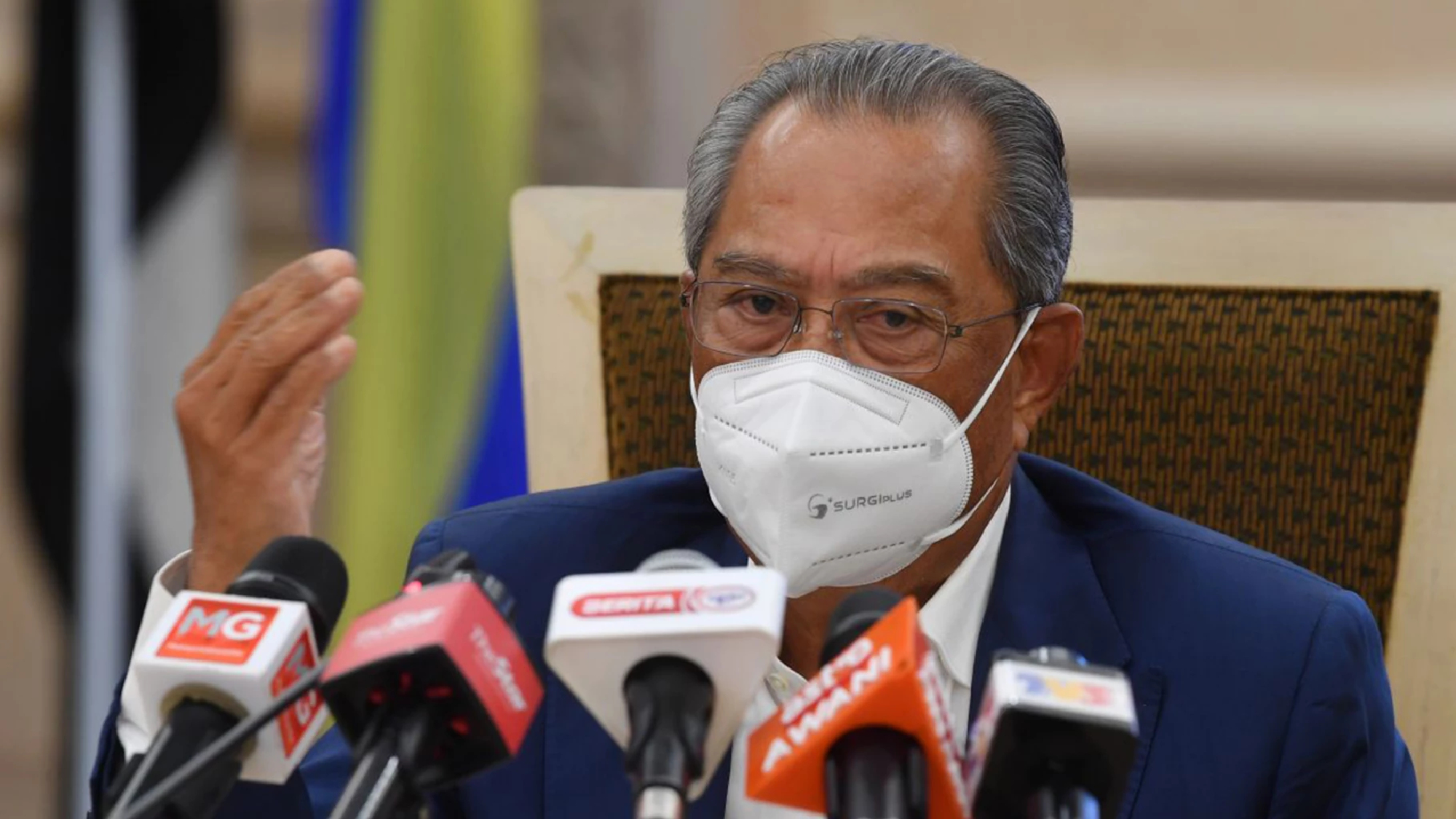
An inclusive National Recovery Plan 2.0 will be drafted to ensure a comprehensive recovery for the nation, says Tan Sri Muhyiddin Yassin.
The National Recovery Council (NRC) chairman said a team would be formed to conduct an in-depth study on sectors that can make a fast recovery and those that would take a longer time.
Muhyiddin said the team would also submit proposals and streamline measures to deal with the Covid-19 situation if there was a surge in cases as the government had promised not to go back to the old ways of handling it, namely by imposing lockdowns.
“This plan is important because if we let these sectors to recover naturally, it will take years.
“It will also clearly outline what the NRC can do to help these sectors to recover,” he told a press conference after chairing the NRC meeting here Monday (Jan 10).
The economies of remote islands in particular have been hit hard by the decline in tourism due to the spread of Covid-19.
TOKYO – The government has decided to strengthen its support for the promotion of tourism in areas designated as specific inhabited remote border islands, with a view to preserving territorial waters as well.
The economies of remote islands in particular have been hit hard by the decline in tourism due to the spread of the novel coronavirus. The initiative also aims to prevent the islands from losing population and becoming uninhabitable, which will help preserve Japan’s territorial waters.
The program will be launched as early as the end of March.
The government plans to subsidize 55% of a project cost to local governments for initiatives utilizing the unique tourism resources of remote islands, such as rich nature, history and fresh marine products.
For example, the government envisions tours that include a meal coupon for local seafood and a transportation ticket, and the development of new specialty foods.
The government also plans to support the training of tour guides and the creation of brochures.
Based on the special measures law for preserving inhabited remote island areas that came into force in 2016, the government has been promoting measures to maintain social and economic activities of remote border islands as part of efforts to prevent them from becoming uninhabited.
The government is concerned that if the islands become uninhabited, it will become difficult to use them as a base of operations for security in the surrounding waters — which could hinder the preservation of territorial waters.
The government has designated 71 specific inhibited remote border islands in 29 municipalities of Tokyo and seven prefectures — including Rebun Island in Hokkaido, Sado Island in Niigata Prefecture and Tsushima island in Nagasaki Prefecture — under the special measures law. The population of each island varies from about 50,000 to a few.
Tourism is a major earner on many islands, and its decline amid the coronavirus crisis has been deeper than the national average.
According to the Japan Tourism Agency, the number of travelers who stayed on remote islands declined about 75% in April-June 2021 from the same period in 2019. The number of travelers nationwide declined about 58% in the same period.
The sharp decline is believed to have been caused by limits on transportation to the islands and the reluctance of residents to accept visitors in fear of infection with the novel coronavirus.
The government is concerned that if tourism continues to be sluggish, more people will leave the islands, which could cause a further decline in the population.
Saudi Arabia, Kuwait, Bahrain and Oman are four major members of the Gulf Cooperation Council, Chinas largest source of oil imports.
BEIJING – Expert: Cooperation on pandemic fight, vaccines sets good example
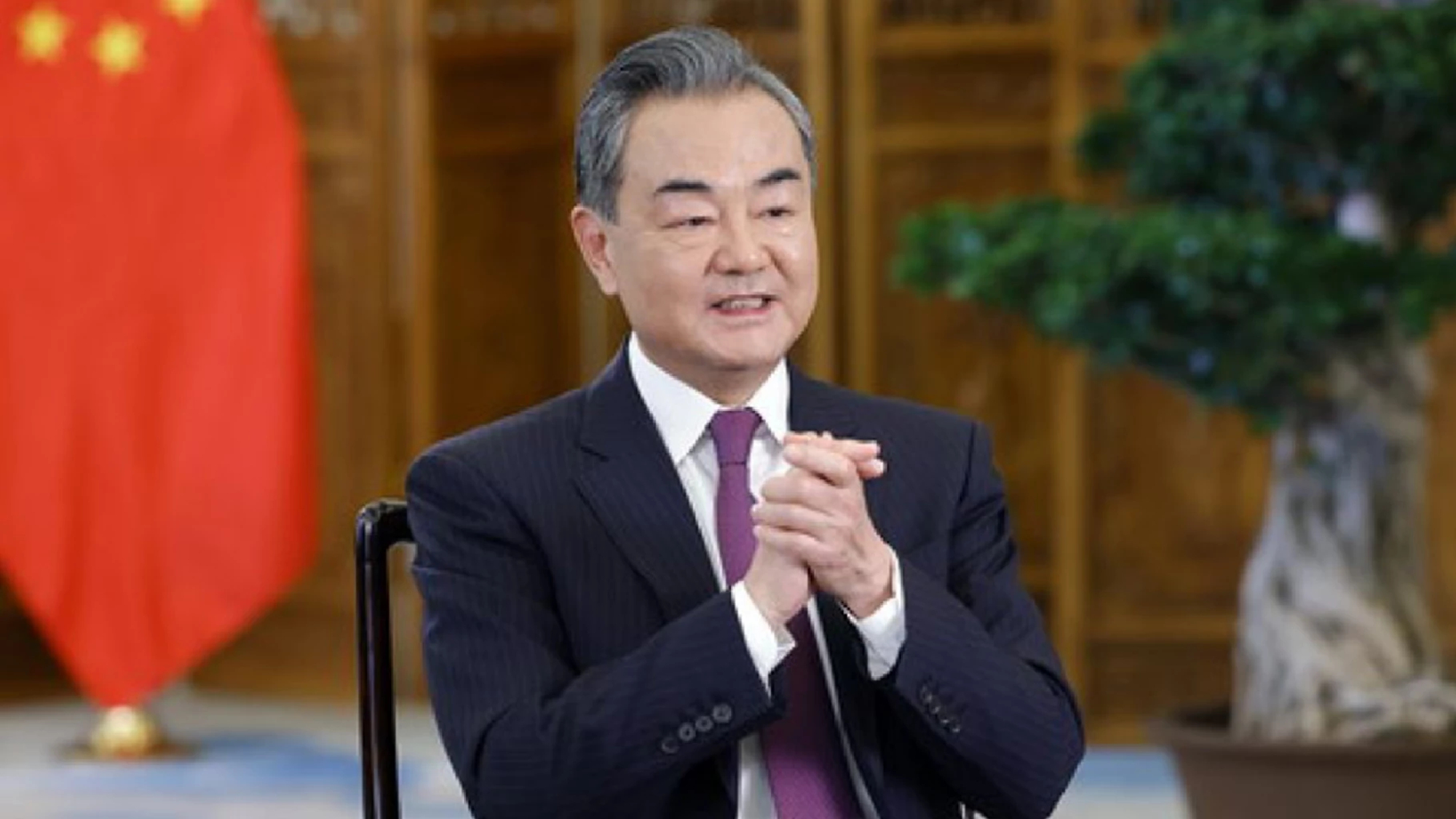
Seeking common development and jointly promoting regional peace will be among the key issues discussed at upcoming meetings between State Councilor and Foreign Minister Wang Yi and officials from the Gulf states, an expert said.
The foreign ministers of Saudi Arabia, Kuwait, Oman and Bahrain as well as the secretary-general of the Gulf Cooperation Council, will visit China from Monday to Friday.
“The visits show that China’s diplomacy is very proactive and China, as a major country, is ready to play a bigger role by cooperating with countries from the region,” said Yu Guoqing, a researcher at the Chinese Academy of Social Sciences’ Institute of West Asia and African Studies.
Wang visited six Middle East countries in seven days early last year, the most visits by a Chinese foreign minister to the region in a short period of time, Yu said. This year’s visits demonstrate the great importance China attaches to Middle East countries, he said.
In the face of the pandemic, mutual assistance between China and Arab states has set a fine example of solidarity and cooperation in difficult times, he added.
China has cooperated with all Arab states on vaccines and fighting the COVID-19 pandemic. Bahrain is one of the first countries to participate in the Phase III international clinical trials of China’s COVID-19 vaccines.
Given that COVID-19 is still spreading around the world, China and Arab states, including the Gulf countries, can further bolster anti-pandemic responses to contribute to the building of a global community of health for all, Yu said.
Greater economic cooperation is also expected. As the four Gulf states are all involved in the Belt and Road Initiative, China could deepen the synergy between the BRI and the national development strategies of these countries, Yu said.
The two sides could promote cooperation in traditional areas such as trade, investment, energy and infrastructure, as well as emerging fields including new energy and the digital economy.
Saudi Arabia, Kuwait, Bahrain and Oman are four major oil-producing members of the Gulf Cooperation Council, which is China’s largest source of oil imports.
In 2020, China became the largest trading partner of the council, and the two sides are in the final stage of free trade zone negotiations. At the upcoming meetings, China and the council could discuss ways to create a China-GCC free trade zone as soon as possible.
As the visits are taking place at a time when talks about reviving the Iran nuclear deal are underway in Vienna, the Iran nuclear issue will be on the agenda.
“The GCC countries are very concerned about Iran developing nuclear energy and the current situation,” Yu said, adding that China, as one of the participants in the Iran nuclear talks, is also ready to hear views from these countries if it wants to play its part in the talks.
Hua Liming, China’s former ambassador to Iran, said that China can play a constructive role in promoting security and stability in the Middle East by encouraging equal dialogue, consultation and mutual understanding.
“China is pleased to see relations among Gulf states improve, which is conducive to peace and stability in the region,” Hua said.
PM Hun Sen also urged Japan to step in by joining a group called “Friends of Myanmar” organised by 2021 ASEAN chair Brunei.
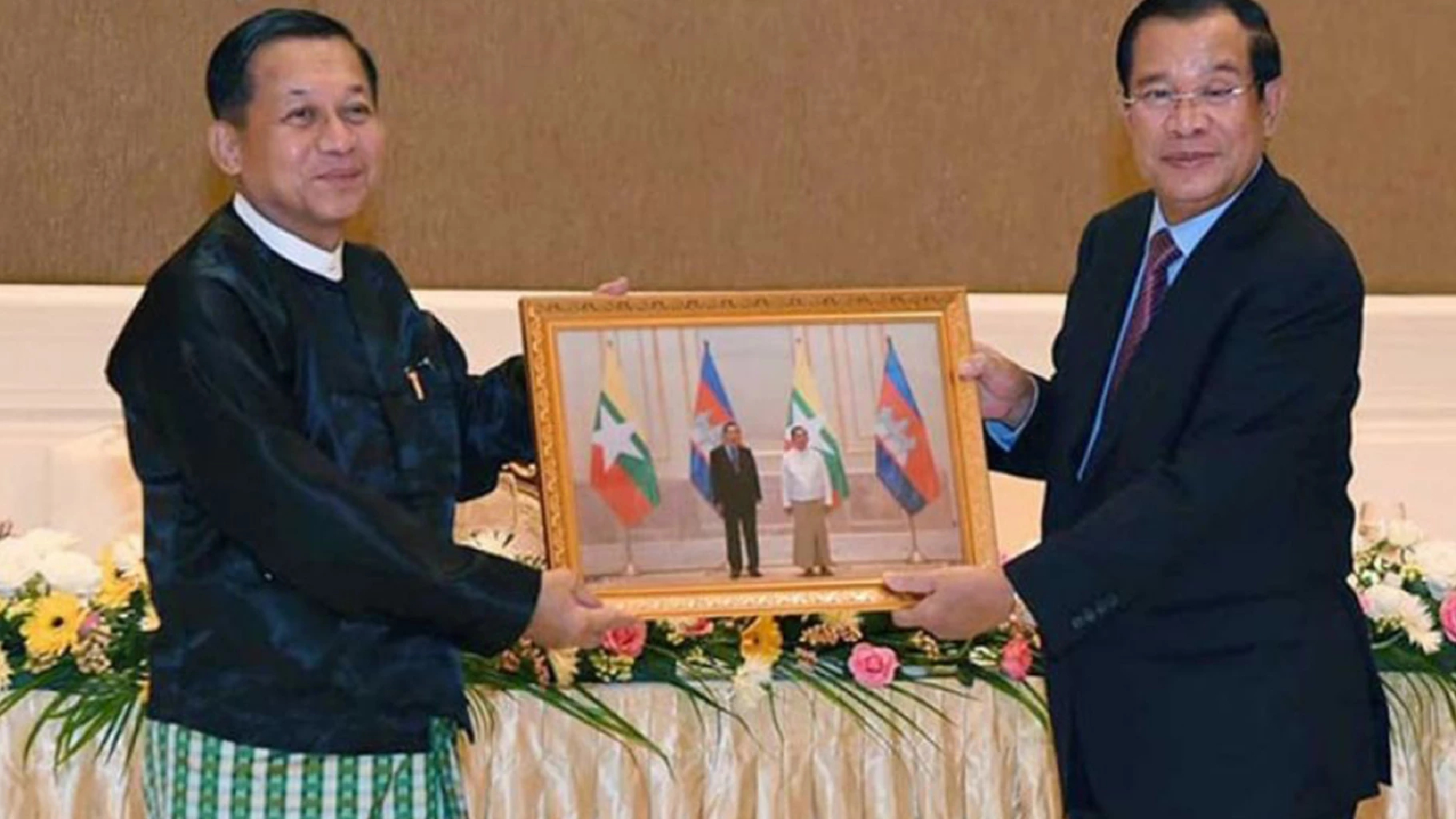
PHNOM PENH – Prime Minister Hun Sen has suggested that ASEAN member states establish a tripartite committee or diplomatic troika consisting of representatives from Cambodia, Brunei and Indonesia that would be tasked with mediating a ceasefire in Myanmar.
The premier also requested that Nippon Foundation chairman Yohei Sasakawa be his adviser while Cambodia chairs ASEAN this year.
Hun Sen made the remarks on January 10 at the inauguration ceremony for a newly upgraded stretch of National Road 5 connecting Battambang province to neighbouring Banteay Meanchey’s Sisophon town after returning from his trip to Myanmar, where he was informed of an “extended ceasefire” through 2022.
“We can form a troika which could include the [2021] ASEAN chair Brunei, current ASEAN chair Cambodia and [2023] ASEAN chair Indonesia, plus the ASEAN Secretariat to facilitate the ceasefire. We’ll need to have a mechanism for implementation [of the ceasefire],” he said.
Hun Sen said the “extended ceasefire” in Myanmar created favourable conditions for talks and dialogue as well as the election that Myanmar previously promised would take place in August 2023 in the aftermath of the dissolution of the civilian-led administration and the military’s declaration of a one year state of emergency.
“I hope that our partners in ASEAN will try to set up a mechanism now while Cambodia is ASEAN chair. The [Myanmar] issue will not be over with by the end of 2022. It will continue into the term of the next ASEAN chair, Indonesia. At that point, the troika should then consist of Cambodia, Indonesia and Laos as the incoming [2024] ASEAN chair. This should be done for continuity purposes,” he said.
Hun Sen also urged Japan to step in by joining a group called “Friends of Myanmar” organised by 2021 ASEAN chair Brunei. He said Japan expressed its support for his trip to Myanmar and that Japanese ambassador Masahiro Mikami had praised his display of initiative in trying to improve the situation there.
“Japan intends to provide strong support to Cambodia to make it successful as the chair of ASEAN,” he said reading Mikami’s message, adding that Japan was also considering the increased provision of humanitarian aid to Myanmar.
Ahead of his meeting with Nippon Foundation chairman Yohei Sasakawa on January 31, Hun Sen said he will request that the foundation chairman serve as adviser to the ASEAN chair for 2022 since he has an in-depth knowledge of Myanmar, having travelled there personally 131 times.
“I want to request that he be an adviser to the ASEAN chair in 2022 to help with facilitation because he knows Myanmar and is familiar with almost all of the parties currently involved [in the conflict]. I will meet him on January 31 and I hope he will agree to this. He is currently the president of Nippon Foundation,” Hun Sen said.
The premier also hit back at criticism by former ASEAN Secretary-General Ong Keng Yong, who took issue in public remarks with his Myanmar trip, saying that Ong had little experience with peacemaking.
“You’re not me so you don’t have the same ideas that I do. You haven’t been the ASEAN chairman, either, just the ASEAN secretary general. I hope that you would understand all this, but it seems like you just don’t get it.
“You haven’t had much experience with the peace process in any country because you were born in a peaceful country. I’m just letting you know what the real problems are and how to solve them,” he said.
Heng Kimkong, a PhD candidate at the University of Queensland and a visiting senior research fellow at the Cambodia Development Centre, said it was great that Cambodia as ASEAN chair is being proactive in finding solutions to address the Myanmar crisis.
“This demonstrates the important role that the Kingdom will play in ASEAN this year and proves that Cambodia is a small country with a big heart,” he said.
Ro Vannak, co-founder of the Cambodian Institute for Democracy, also appreciated Hun Sen’s approach, saying he was showing good initiative by tackling controversies head-on. However, he urged that a multi-party approach be taken to solve Myanmar’s complex issues.
“Cambodia has shown good intentions here, but the ball is in the court of Myanmar’s military that controls most of the country and has all the power. Participation by all parties to the political conflict in Myanmar will be needed for real negotiations to occur – ideally with facilitation from ASEAN with Cambodia as chair – and other members of the international community involved, if possible.
“It should also be noted that [Cambodia’s] good intentions won’t ensure good results if the correct approach isn’t taken,” Vannak said.
To deal with a possible testing crisis driven by an omicron surge, South Korea is mulling giving people at higher risk PCR tests first, while lower priority people take at-home rapid antigen tests.
The Ministry of Health and Welfare said the country’s COVID-19 diagnosis system, which so far has only used the highly accurate PCR tests, may start using the rapid antigen tests for less urgent cases.
At the moment omicron accounts for 8 percent of all sequenced cases in Korea. But given its extraordinary transmissibility, omicron is likely to become dominant “in a matter of weeks,” the ministry said. According to the Korea Disease Control and Prevention Agency estimates, omicron is two to three times more transmissible than its predecessor, delta, though probably less likely to cause severe disease.
High testing priority groups include older adults, patients with medical conditions and anyone who isn’t fully vaccinated, the ministry said.
Workers at nursing homes and other vulnerable settings, who are required to get tested at least once a week, may now be able to get rapid tests instead of PCR tests.
Health Ministry spokesperson Son Young-rae to reporters on Monday that although the rapid antigen tests are not as accurate, they could “complement testing” if resources fall short. According to the ministry, sensitivity — or the ability to correctly identify an infection — of rapid antigen test kits used in the country was 17 to 40 percent.
“Once omicron is dominant, and cases start soaring like they have in other countries where omicron is already dominant, our PCR testing capacity may be stretched beyond its limit,” said
“When that point comes, PCR tests will be given in the order of priority. People at higher risk of severe COVID-19 will be tested first, for example. People who aren’t experiencing symptoms can get a rapid antigen test,” he said.
Asked how large a caseload would push the testing system to rely on rapid antigen tests, Son did not give an immediate response.
Dr. Hong Kiho, a laboratory medicine professor at Severance Hospital, warned rapid antigen tests — already less sensitive — are likely to miss early stages of omicron infections due to the variant’s many mutations. In fact, up to 60 to 80 percent of omicron cases could be missed when screened by the rapid tests, he said.
In a phone interview, he said letting symptom-free people take rapid antigen tests, whose sensitivity depends on a high viral load, would “risk missing a whole lot of cases.”
“Some patients stay without symptoms throughout the course of the disease. But some patients end up developing symptoms later on. In these presymptomatic stages the viral load is not sufficiently high to be picked up by the rapid tests,” he said.
“Because these patients, though negative in rapid tests, can still be infectious, infections can spread undetected.”
Hong said that Korea was not testing as robustly as it could be.
In the past two weeks Korea has been carrying out an average of 192,000 PCR tests per day, which is far less than the government-touted daily capacity of 750,000 to 850,000.
Despite high demand, testing clinics were closing down. In fact, seven public hospitals in Seoul ended their free testing services over the past week after running since June 2020.
Hong said it would be “irresponsible to resort to less reliable tests without beefing up measures to reduce the spread.”
“While testing and tracing are being compromised, no plans are being laid out for adopting stricter social distancing,” he pointed out.
From a record-high streak of 7,000-plus daily cases in mid-December, Korea has seen a downward trend in overall cases and hospital admissions since early January due to a return to social distancing measures and a rise in booster vaccinations. In the past week, an average of 3,599 cases were found each day. This is still high compared to before the “living with COVID-19” scheme began on Nov. 1, when less than 2,000 cases were being recorded daily.
If omicron threatens to topple the country’s testing system, “then surely, we should be reintroducing tougher curbs to stem the case rise,” Hong said.
He said the government had not consulted the laboratory medicine society on these potential changes in the testing regimen.
“The gold standard in COVID-19 diagnosis remains the RT-PCR using nasopharyngeal samples. RATs (rapid antigen tests) are not at all an apt replacement. I mean this is a step in the very wrong direction.”
Dr. Paik Soon-young, an emeritus professor of microbiology at Catholic University of Korea’s College of Medicine, said testing clinics were still experiencing long lines, especially in the Seoul area, with some people having to come back the next day to take a test.
“Our testing sites are already so busy. When omicron starts driving up the demand for testing, clinics are going to be even more swamped,” he said. “Widening the use of rapid tests is probably in anticipation of that possibility.”
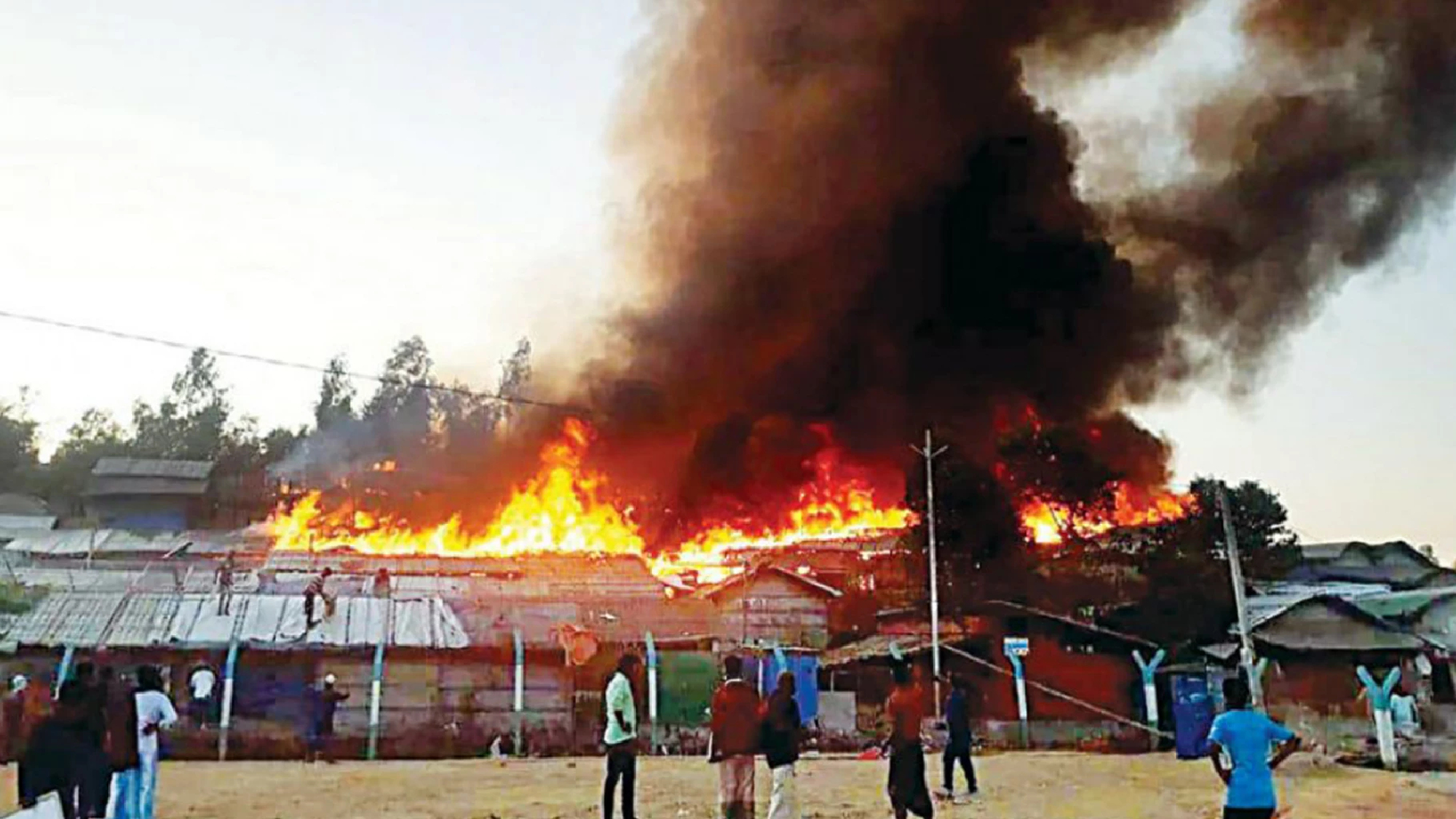
In a video footage shared on social media, the afternoon fire was seen spreading rapidly and engulfing hundreds of shanties.
Amassive fire swept through shanties in Kata area of Camp-16 in Ukhiya yesterday, leaving thousands displaced.
Additional Superintendent of Police Kamran Hossen of Armed Police Battalion-8, said the fire broke out around 4:55pm and rapidly spread, destroying around 1,200 homes of Rohingya refugees.
It was doused around 9:10pm, said Emdadul Haque, station officer of Ukhiya Fire Station in Cox’s Bazar.
Enamul Hossen, a firefighter, said four units of the fire station and dozens more from Cox’s Bazar rushed to the spot on being informed around 4:50pm.
In a video footage of the incident shared on social media, the fire was seen spreading rapidly and engulfing hundreds of shanties while dozens of Rohingya refugees ran for safety.
Saddam Hossain, a local of Shafiullah Kata area, told The Daily Star that they found the thick smoke billowing over Camp-16 around 5:00pm and saw hundreds of homes gutted in the fire.
“Fire service along with other government agencies are trying hard to douse the fire,” he said last night.
Incidents of fire have become a common phenomenon in the Rohingya camps in Cox’s Bazar. In March last year, 10,000 homes were razed to the ground in a huge fire in four camps in Balukhali of Ukhiya.
Officials concerned have often attributed the origin of fires to gas cylinders, but insiders in Rohingya camps have claimed that the fires are acts of arson.
Crimped supplies are struggling to match growing demand amid accelerated digital transformation necessitated by Covid-19.
The global chip shortage is likely to last throughout this year, experts said.
Crimped supplies, they said, are struggling to match growing demand from makers of digital products and service providers amid accelerated digital transformation necessitated by COVID-19.
But the shortage this year will not be as severe as it was in 2020 and 2021, which devastated supply chains. Also, the shortage will not affect all chip varieties.
Ariane Bucaille, leader of Deloitte global technology, media and telecommunications industry, said in a report:”The COVID-19 crisis continues to accelerate our adoption of technology and increase our levels of connectivity via the digital world.
“There is enormous demand for chips as more and more products become digitally connected, powering everything from our multiple devices to smart vehicles. And connectivity is only going to expand with such technologies as 5G, reinforcing the rapid digital transformation all industries and businesses are currently witnessing.”
The Deloitte report said customers in mid-2021 were waiting between 20 and 52 weeks for multiple kinds of semiconductors, causing manufacturing delays or shutdowns, which led to revenue losses in tens or even hundreds of billions of dollars.
By the end of this year, those lead times will be closer to 10-20 weeks and the industry will be in balance by early 2023, the Deloitte report predicted.
Amid the current shortage of chips, many semiconductor companies are beefing up their efforts to build new production capacities. In September, German chipmaker Infineon Technologies AG opened its factory of high-tech, 300-millimeter wafers, which are used in power electronics, at its Villach site in Austria.
At 1.6 billion euros ($1.81 billion), the investment made by the semiconductor group represents one of the largest such projects in the microelectronics sector in Europe.
But a resurgence of COVID-19 cases across the world is adding more uncertainty to the situation. The outbreak in Xi’an, Shaanxi province, is affecting the output of computer memory chips from US chip giant Micron Technology Inc.
Micron, which has a chip packaging and testing plant in Xi’an, said in a statement: “We are working with suppliers operating in this region that face similar challenges. We are also working with local government officials to identify solutions that will enable us to minimize impact of the situation and maintain operations at the site safely.”
South Korean tech behemoth Samsung Electronics Co Ltd said its chip plant in Xi’an is still “running” and it has “temporarily adjusted” operations amid a COVID-19-related lockdown in the city.
“This decision was made in accordance with our commitment to protecting the health and safety of our employees and partners, which remains our top priority,” the company said in a statement.
“We will also take all necessary measures, including leveraging our global manufacturing network, to ensure that our customers are not affected.”
As for the shortage of chips used by the global smartphone industry, Chinese companies are more optimistic. Wang Xiang, president of smartphone-maker Xiaomi, said earlier the chip crunch is likely to be eased significantly in the second half of this year, based on the company’s communication with supply chains.
South Korea’s largest automaker Hyundai Motor, like other major carmakers around the world, suffered big from global semiconductor shortages last year, despite wide growing demand for new vehicles.
Deliveries of preordered vehicles have been delayed for months, not because of Korea‘s notorious labor strikes or price hikes in materials, but because of the tiny missing auto chips, which are essential for their digitized auto control system.
Not just sharing common roots as Korean entities, Samsung, the world’s largest chipmaker and also a major battery supplier, seems to be an attractive business partner for Hyundai.
The auto titan has been apparently seeking new partnerships with semiconductor makers — like Ford did with GlobalFoundries for its strategic auto chip supply. And Hyundai Motor Group’s Global Chief Operating Officer Jose Munoz said in an interview last year that Hyundai will not produce auto chips on its own, hinting at cooperation with global IT firms.
But their prospective alliance, which has been highly anticipated by the market for years — and also by President Moon Jae-in — is not as easy as it looks, according to experts.
Samsung and Hyundai have no history of business collaboration. Some say it could be their veiled rivalry. Market insiders say Samsung might feel that auto chips are unattractive for massive investment and not as profitable as its key cash cow, memory chips.
Unlike mass-produced memory chips, auto chips vary by vehicle and are produced in relatively small batches. One automaker could contract seven different chipmakers for 38 microcontroller units used to produce a single SUV.
According to market data, automotive chipmakers like NXP and STMicroelectronics earn some 3 trillion to 4 trillion won ($2.5 billion-$3.3 billion) in annual sales, with an operating profit rate of around 12 percent on average.
In comparison, Samsung Electronics earned some 51 trillion won for 2021, up 43.3 percent from a year prior.
“The automotive chip market is not a big market for Samsung Electronics to push ahead with a huge investment. Samsung’s foundry business is already making good money, so there is no clear motive for the company to make automotive chips on a consignment basis,” said Chun Hwang-su, a researcher at the Electronics and Telecommunications Research Institute.
A market insider familiar with semiconductor manufacturing said that high-value automotive chips used for vehicles require updated facilities for production, so only large-scale manufacturers like Taiwan Semiconductor Manufacturing Co. can handle the amount when an order is given.
Samsung, in recognition of the growing importance of auto chips, however, has been expanding its reach, targeting global carmakers. In recent months, Samsung has introduced advanced chips for cars, a rapidly growing market fueled by higher levels of car electrification and updated electric vehicles.
Research firm IHS Markit has forecast the global market for automotive semiconductors to grow 7 percent annually to reach $67.6 billion in 2026. Industry data also estimates auto chip demand to grow to $208.3 billion in 2027 from $132.5 billion in 2020.
But in the auto chip market, Samsung is a new — and minor — player.
Samsung and Intel dominate the overall semiconductor market, while TSMC practically stands alone in the foundry business and Qualcomm and Nvidia lead the fabless business.
The market for automotive semiconductors is a whole different story, as it is divided between Netherlands’ NXP with 21 percent market share, Germany’s Infineon Technologies (19 percent), Japan’s Renesas Electronics (15 percent), US’ Texas Instruments (14 percent) and Switzerland’s STMicroelectronics (13 percent).
“The automotive chip market regards brand value as more important than manufacturing skill due to the safety of the product. That’s why existing client-supplier relationships between finished carmakers and chip manufacturers have continued based on deep ties and trust. This becomes a hurdle for new entrants to the market,” said Kim Hyun-tak from the Electronics and Telecommunications Research Institute.
President’s wish for collaboration
The possibility of the two Korean businesses forging ties flared up again last month at a presidential luncheon where both heirs to the electronics and auto empires were invited.
Addressing his concern over the global chip shortage, Moon said, “I‘d like to see Samsung and Hyundai Motor more closely cooperate in the area of auto chips.”
Samsung Electronics Vice Chairman Lee Jae-yong and Hyundai Motor Chairman Chung Euisun left the meeting without saying a word on the president’s impromptu proposal, but they will eventually work together for auto chips, other experts say.
“Automotive will become the hub of everything in people’s lives, replacing the role of a smartphone,” said Noh Geun-chang, head of Hyundai Motor Securities, adding that IT firms will lead the future mobility market.
At the latest CES 2022 trade show, Japanese tech giant Sony announced a plan to launch a company to examine entering the electric vehicle market, making use of its strengths in entertainment and sensors in next-generation mobility.
“Samsung and Hyundai’s partnership will allow the former to reach its goal of connected car product business, while the automaker will secure technologies in the ICT and battery sectors,” said Kim Pil-soo, a professor of automotive engineering from Daelim University.
Kim said that Samsung’s decadeslong desire to penetrate the automotive market can be fulfilled through an alliance with Hyundai Motor, which seeks to solve the electric vehicle battery production issue.
In 2016, Samsung intended to bolster its competitiveness in connected car products through the takeover of US audio electronics company Harman International for $8 billion. But Harman’s performance has yet to justify its hefty price tag.
Harman’s third-quarter revenue last year stood at 2.4 trillion won, down 8.4 percent on-year. Harman secured 24.9 percent in the global digital cockpit market, which fell from 27.5 percent in 2020.
At CES 2022, Samsung unveiled the latest digital cockpit which features augmented reality-embedded monitors for drivers, using cameras and sensors to analyze the surroundings.
“We expect the commercialization of this product will take five years at maximum and Harman will be responsible for launching the product, gradually increasing the functions included in the product,” said Yeo Tae-jung, vice president of automotive electronics R&D at Samsung Electronics.
What boosted the possibility of the collaboration was the Hyundai chief making a rare visit to the Samsung booth at CES last week.
Sitting on a cockpit mockup, Chung was briefed with Samsung CEO Han Jong-hee on its future infotainment system.
“It is not an exaggeration that Samsung has really completed the full package to make an EV with the Harman acquisition, but Harman’s R&D for new products is not showing the expected levels of output,” said professor Kim. “The collaboration with Hyundai could spur the IT firms’ competitiveness in the connected car product in the long-term.”
The life and career of late Vietnamese legendary spy Phạm Xuân Ẩn will come alive on the screen thanks to a film project launched by BHD, a private film agency in HCM City.
BHD and American historian-writer Larry Berman have signed a contract to produce a feature film based on the author’s book Perfect Spy: The Incredible Double Life of Pham Xuan An, Time Magazine Reporter and Vietnamese Communist Agent.
Berman’s book was released in 2007. It was translated into Vietnamese and has been reprinted several times by leading publishers.
BHD invited Vietnamese-American film director, screenwriter and producer Charlie Nguyễn to join the project.
To prepare for filming, Nguyễn met with Berman.
“I’m very interested to work with producer BHD and Larry Berman on the film about spy Ẩn,” said Nguyễn, who has 30 years of experience in the industry.
Berman wrote on his Facebook page: “Charlie [Nguyễn] and I share a vision for the arc of Phạm Xuân Ẩn’s life and the power of his life story. I am confident that Charlie will find the best way to tell that story. I am also excited to serve as a ‘creative consultant’ for the project. Dreams do come true!”
“I have always believed and dreamed that the story of Phạm Xuân Ẩn’s life would be made into a major motion picture.”
Berman is a professor in the Department of Political Science at the University of California, Davis.
He has written several books on the American war in Việt Nam, including Planning a Tragedy: The Americanization of the War in Vietnam and Lyndon Johnson’s War: The Road to Stalemate in Vietnam.
He visited Việt Nam several times to write his book on Ẩn, and later returned to introduce his book and talk about the spy. In 2017, he visited and spoke about his book and Ẩn with 200 students from the HCM City University of Social Sciences and Humanities.
He told tales of the intelligence agent’s life and his dream of peace and friendship between Việt Nam and the US.
General Ẩn (right) and General Võ Nguyên Giáp. File Photo
Legend
General Phạm Xuân Ẩn, also known as X6, Trần Văn Trung and Hai Trung, was born in 1927 in Đồng Nai Province.
He began to take part in revolutionary activities in the early 1950s and was inducted into the Communist party in 1953.
He was sent to study journalism in the US to create cover to penetrate deeper into the Sài Gòn military and administration.
After returning to Việt Nam, Ẩn worked for Reuters, Time magazine and the New York Herald Tribune, while providing intelligence to the Vietnamese army fighting against the US invasion of South Việt Nam and the Sài Gòn administration.
He sent out 498 reports and documents to the revolutionary base, which were so accurate that General Võ Nguyên Giáp, a leader of the Central Military Commission of Hồ Chí Minh Campaign, in 1975, joked, “We are now in the US war room.”
After the war, Ẩn was awarded the title “Hero of the People’s Armed Forces” by the Vietnamese Government.
In 2017, a documentary film featuring the agent’s life was broadcast on HCM City Television.
The 12-episode series, Huyền Thoại Về Tướng Tình Báo Phạm Xuân Ẩn (Legendary Spy Gen Phạm Xuân Ẩn), was directed by female artist Lê Phong Lan.
Lan talked and worked with Berman before shooting.
“In my documentary about the work and life and revolutionary activities of General Ẩn, who worked as an intelligence agent for our country during the American War and a reporter for the US media, my staff and I tried our best to understand the history and depict it realistically,” said Lan.
Lan and her staff spent three years filming. They spent two years writing and editing the script, reading many Vietnamese and foreign books, newspapers, and documents related to events during the 1950s and 1970s.
During filming, they unearthed facts and myths that shed light on the personalities and silent contributions of Ẩn, who died in 2006, and other Communist party members.
“Before making the documentary, we had little knowledge about war or politics. We later gained many lessons,” said Lan, director of Bản Sắc Việt Studio, a private film company in HCM City.
“Through my film, I want young audiences to care more for life and peace. I believe that in war, people see love.” VNS
BEIJING – Insurance agent Yuan Jiahui will once again spend the Chinese New Year apart from her extended family.
Travel restrictions ordered by her husband’s employer and children’s school mean that they could be penalised for having a family member who has travelled out of Beijing.
“I don’t want to affect their work and schooling, so it’s a sacrifice I have to make, even though my parents live just two hours away from Beijing,” she told The Straits Times.
“I haven’t seen them in almost three years.”
As China moves into its third year of the pandemic, it is firmly sticking to its zero-Covid-19 policy, ordering lockdowns and mass testing in a bid to completely eliminate the virus.
With the Chinese New Year travel season fast approaching, the government is actively discouraging people from travelling during a festival celebrating reunions and togetherness.
While some have bristled against the seemingly never-ending restrictions, most are resigned to this being a way of life, while transport operators are bracing themselves for another year of slimmer takings.
This year’s holiday travel season lasts 40 days between Jan 17 and Feb 25, a period known as the world’s largest human migration. Chinese New Year falls on Feb 1 this year.
Ticket sales for buses and trains started on Jan 3 but have been met with a lukewarm reception, particular those leaving Beijing.
As China battles its largest Covid-19 outbreak since the initial flare-up in Wuhan, companies are discouraging unnecessary travel in case staff get caught up in sudden lockdowns or worse, fall sick.
China’s commitment to a zero-Covid-19 policy means that anyone deemed a close contact, or even to have visited a high- or medium-risk area can face quarantine in a centralised facility.
With Beijing set to host the Winter Olympics, which starts on Feb 4, the capital is on high alert, making it mandatory for anyone entering the city to undergo Covid-19 testing and allowing only fully vaccinated individuals in for certain events.
According to a government notice issued on Thursday (Jan 6), travel operators have been reminded to enforce mandatory mask wearing on public transportation, while tourist sites have been told to restrict the number of daily visitors.
Private driver Hu Wei, 46, who manages a fleet of cars and mini vans, said bookings are about 30 per cent less this year.
“Previously, we will be fully booked a month before the Spring Festival, but this year, everyone wants to wait and see if the situation improves,” he said.
But the restrictions are starting to wear on some, such as 51-year-old Madam Yuan, the insurance agent, whose elderly parents live in neighbouring Hebei province.
“They’re village people who don’t like the city, so going to visit them is the only way.
“Yet, if I go, my husband and children might get penalised. But all these measures, what is the purpose and when will it end?” she said.
In other cities such as Wuhan, restrictions are more relaxed.
Madam Wang Jing, who runs a Cantonese restaurant in the central Chinese city, has already bought her ticket home.
“There’s nothing stopping me from leaving or coming back, of course I want to spend time with my family,” the 67-year-old Guangzhou native said.
“I’m already so old, what’s there to be afraid of?”




![[Market Eye] Samsung-Hyundai auto chip alliance? Its more complicated than you think](https://media.nationthailand.com/uploads/images/md/2022/01/at41Jzmr3QgWboR6v6iA.webp?x-image-process=style/lg)

 General Ẩn (right) and General Võ Nguyên Giáp. File Photo
 SootinClaimon.Com