India on Thursday rejected Pakistan’s proposal to host the SAARC Summit, saying there was no material change in the situation that permitted the convening of the eight-nation meet.
“There is still no consensus that would permit holding of the summit,” Ministry of External Affairs (MEA) spokesperson Arindam Bagchi said at a media briefing.
He was reacting to Pakistan Foreign Minister Shah Mahmud Qureshi’s statement that his country looked forward to hosting the summit. If India was not prepared to attend the summit in Islamabad, it could participate in the virtual mode, he had stated.
According to the SAARC Charter, its summit can only be held if all the eight nations agree to participate. The SAARC brings together India, Pakistan, Bangladesh, Nepal, Sri Lanka, Bhutan, Afghanistan and the Maldives.
On Pakistan Prime Minister Imran Khan’s recent statement for intervention by the UN on Jammu and Kashmir, the spokesperson said the Union Territory was an integral part of India. He said he would not like to say much about the Pakistani leader who has encouraged cross-border terrorism and praised Osama bin Laden.
Minister of Foreign Affairs and International Cooperation Prak Sokhonn said that in the coming years, ASEAN will find it increasingly difficult to maintain its unity while also resolving its internal issues.
Sokhonn also noted that ASEAN centrality will be under increasing pressure due to the geopolitical rivalry between the superpowers as they seem to have chosen Southeast Asia as one of their arenas of competition.
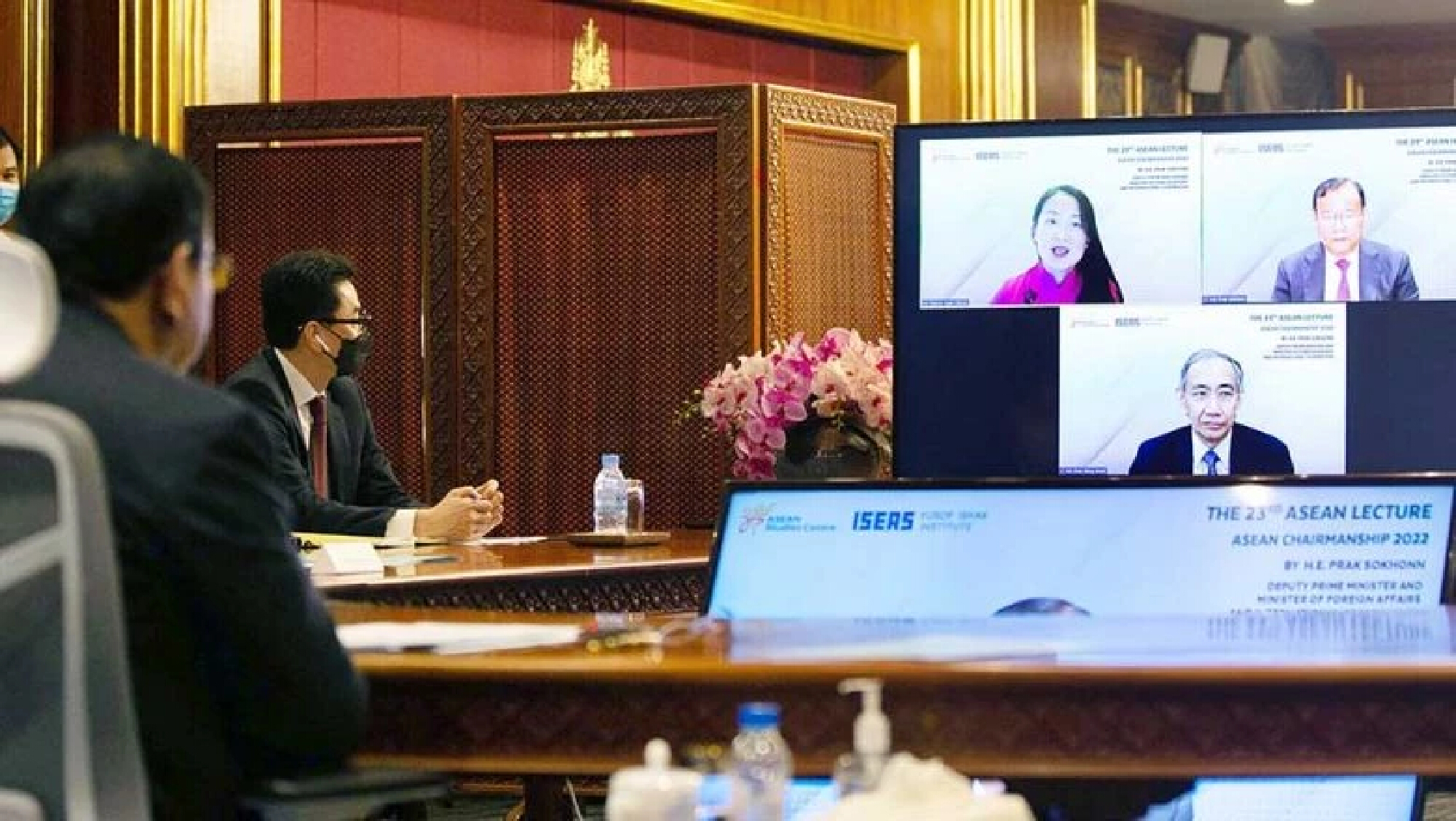
He made the remark at the 23rd ASEAN lecture on Cambodia’s Chairmanship of ASEAN 2022 organized by the ISEAS-Yusof Ishak Institute on January 3 via video conference, a recording of which was obtained by The Post on January 5.
Sokhonn said maintaining ASEAN centrality, unity and resilience amid the growing power competition would require the bloc to strive for a future whereby it has an even stronger capacity to manage the healthy growth of partnerships and constructive discourses despite all of the prevailing tensions.
“The coming years will be even more challenging for ASEAN to maintain our unity and cohesiveness as the ASEAN 10 in order to solve emerging institutional problems and pursue our community building process of ASEAN integration,” he said.
ASEAN has been dealing with internal disputes and controversy after Myanmar’s military declared a state of emergency on February 1 due to perceived irregularities in the 2020 general elections and transferred legislative, judicial and executive powers from the civilian government led by Aung San Suu Kyi to Defence Services commander-in-chief Min Aung Hlaing.
Subsequently, the ASEAN Summit in October 2021 was held with Myanmar absent and only nine member states attending while Brunei was chair.
However, Prime Minister Hun Sen – as the chair of ASEAN in 2022 – is slated to visit Myanmar to meet with Min Aung Hlaing to ease the country’s crisis and to restore ASEAN from 9 to 10 countries.
The prime minister’s mission to Myanmar departs on January 7 and he is scheduled to return to Cambodia on January 8, though his diplomats pursuing a resolution to the crisis may remain for a longer period there as needed.
Sokhonn said that while the immense pressure from the geopolitical rivalry between the superpowers of China and the US – which also involves almost all other major powers picking sides to one degree or another – would prove difficult to resist, no ASEAN member state wanted to choose a side in the rivalry.
“We all hope that the two greatest powers on the planet can build a relationship between them that is stable, predictable and healthy,” he said. “But the emerging trend toward a bifurcation of the world order in every dimension from politics to the economy, trade, technology and cyberspace is a matter of growing concern to all.”
However, while acknowledging the mounting geopolitical rivalry in the region, Cambodia reaffirmed its commitment to seeking to strengthen ASEAN centrality in an ASEAN-led architecture to maintain peace, security and prosperity.
“We will focus on the reinforcement of multilateralism and multilateral processes through ASEAN-led mechanisms and concerted actions that shall remain open, transparent, inclusive and rules-based,” Sokhonn said.
He said Cambodia also aims to encourage external partners to support the ASEAN Outlook on the Indo-Pacific (AOIP) and engage with ASEAN in four cooperation areas under that policy document – namely, maritime cooperation, connectivity, the UN Sustainable Development Goals for 2030 and economic integration.
Ro Vannak, co-founder of the Cambodian Institute for Democracy, told The Post that he found Sokhonn’s statement praiseworthy and that he considered it a positive breakthrough that Cambodia was taking a realistic view of regional politics.
“The international political situation will be further complicated and intertwined with the rivalry of the great powers, which already has a profound effect on regional organisations like ASEAN as well as individual countries in the region and the conflict could force us all to grab onto either superpower like a shield to protect our interests if things go too far,” he said.
A good option for small countries is to strengthen multilateral mechanisms like ASEAN to get some breathing room rather than be sandwiched between the superpowers while they vie for influence, Vannak said.
However, he noted that the superpowers will look to establish alliances with individual ASEAN member states for their own strategic interests – without caring much as to whether the resulting polarisation breaks the bloc apart – and this will pose a danger in the long-term.
HÀ NỘI — An anonymous man called a Vietnam Airlines branch in Japan on Wednesday morning, and said that if a flight heading from Narita (Japan) to Hà Nội did not turn back it would be shot down, according to the Civil Aviation Authority of Vietnam (CAAV).
Flight VN5311/NRT-HAN departed from Narita (Japan) for Hà Nội at 10:30am (local time) on Wednesday (January 5), with 15 crew members and 47 passengers aboard.
At about 11:10am, the Vietnam Airlines branch in Japan received a phone call from a man who spoke Japanese and claimed to be American.
“Flight VN5311 had better come back to Narita or it will be shot down when passing Tokyo Bay,” the unidentified caller said.
Vietnam Airlines office reported the incident to the Vietnam Airlines Corporation, which forwarded the information to Japanese authorities, the CAAV and agencies of the Vietnamese Ministry of Public Security.
The Corporation convened an urgent meeting of its emergency committee and steering sub-committee for counter-terrorism.
The CAAV submitted a report to Minister of Transport Nguyễn Văn Thể and Deputy Prime Minister Phạm Bình Minh, who is also chairman of the National Civil Aviation Security Committee.
With the approval of the Deputy PM and the Minister of Transport, the head of the CAAV instructed Vietnam Airlines to ask for permission from Japan to divert the flight to Japan’s Fukuoka airport.
The flight safely landed at Fukuoka airport at 1:02pm.
After authorities and police checked the plane, interviewed crew members and passengers, and the flight’s safety was evaluated, it was permitted to leave Fukuoka at 3:48pm for Hà Nội, and landed at Nội Bài International Airport at 6:12pm (Việt Nam time).
The CAAV has reported the incident to competent agencies that will coordinate with the Japanese side to clarify what happened.
The agency said the flight was a B787-868 aircraft. — VNS
MANILA, Philippines — The Department of Health (DOH) is considering allowing self-administered or home testing for the coronavirus using antigen kits as COVID-19 cases continued to rise, shooting up to over 10,000 on Wednesday, nearly double the previous day’s count.
“We are waiting for the recommendation of our technical advisory group of experts. At present, antigen test kits are being used in a laboratory setup. It is not for home use yet,” Health Secretary Francisco Duque III said during a town hall event organized by Go Negosyo on Wednesday.
The recommendations will include guidelines to avoid any error in the interpretation of the test results by laymen, he said. “The demand is really great for this, admittedly, but we really have to educate our people how to do it correctly.”
Once approved by the experts, Duque said the Food and Drug Administration would amend the certificate of product registration on antigen test kits now available in the market, referring to the 32 that had been approved for use by the regulatory agency.
Epidemiologist Dr. John Wong told President Rodrigo Duterte during a meeting on Tuesday with Cabinet members and medical experts that, “because of the very fast transmission of Omicron, we need widespread use of antigen tests — even the cheaper ones are about P300 to P400 — so people have to be able to access these.”
Wong is a member of the technical working group on COVID-19 variants and technical working group on data analytics of the Inter-Agency Task Force for the Management of Emerging Infectious Diseases.
Experts to check first
In a press briefing on Wednesday, Cabinet Secretary Karlo Nograles, the acting presidential spokesperson, said test kits would have to be scrutinized by experts before any permit could be given to manufacturers “to make sure that the tests being used don’t give false negatives or even false positives.”
The DOH said almost 99 percent of the 10,775 cases it reported on Wednesday occurred within the last two weeks and majority, or 69 percent, were from Metro Manila. The other large numbers of cases came from Calabarzon and Central Luzon.
Since the COVID-19 pandemic struck in early 2020, Metro Manila has accounted for most of the largest numbers of daily cases in the country.
The last time the country saw more than 10,000 cases was on Oct. 10, 2021 when 12,159 new infections were reported.
According to the DOH, the current national positivity rate was 31.7 percent based on 44,643 people who were tested on Monday.
The positivity rate is the percentage of people found positive for the coronavirus out of the total number tested during a certain period.
The World Health Organization’s standard indicator that coronavirus transmission is under control is a positivity rate of 5 percent or below.
‘New high’ for Metro Manila
For Metro Manila, the positivity rate reached a “new high” of 40 percent on Jan. 3, according to the independent pandemic monitor OCTA Research group.
“It’s the highest that we have seen so far [since the pandemic started in 2020],” OCTA fellow Dr. Guido David said at Wednesday’s town hall meeting.
“I believe this is already straining our testing capacity, our testing laboratories. We have to augment this with antigen testing, which we are in fact doing so already,” he added.
Infectious disease expert Dr. Rontgene Solante supported the use of self-administered antigen test kits to speed up detection of COVID-19 cases “especially those with symptoms.”
“The advantage is, if you are symptomatic and you get the test and you are positive, you can isolate yourself, can do contact tracing early on, and prevent the transmission …. as compared to going out and having the RT-PCR,” he said.
RT-PCR is the reverse transcription polymerase chain reaction test, which the DOH considers as the “gold standard” for detecting SARS-CoV-2, the virus that causes COVID-19.
RT-PCR takes longer to produce results compared to antigen tests, which take only minutes.
‘Stay put’
Another infectious disease specialist, Dr. Edsel Salvana, also supported the use of home-administered test kits for the same reason cited by Solante.
Speaking at Nograles’ press briefing, Salvana also said that if vaccinated persons developed COVID-19 symptoms, there was a “low risk” that their condition would worsen.
“The most important thing really that you can do when you are symptomatic — especially if you only have mild symptoms and you are fully vaccinated, and the risk is low that you’re going to have severe symptoms — is really to stay put and not infect anybody else. Home isolate,” he said.
Some laboratories and local governments do home testing, and people who have mild symptoms could opt to consult doctors through telemedicine services, Salvana said.
Avoid packing hospitals
Wong also said that to avoid packing hospitals with so many patients, home care for mild cases should be encouraged and medicines for COVID-19 should be made affordable and administered on an outpatient basis.
The DOH case bulletin on Wednesday said that with the 10,775 new cases, the country’s total caseload was now 2,871,745.
It said that of the 39,974 active cases, 33,866 were mild, 1,294 asymptomatic, 3,983 moderate, 1,512 severe and 319 critical.
The DOH reported 605 recoveries, bringing the total number of survivors of the severe respiratory disease to 2,780,109.
The 58 COVID-19 fatalities raised the death toll to 51,662. But these deaths occurred between August and December last year and were only reported on Wednesday due to late encoding in the COVIDKAYA case collection system.
The new cases did not include figures from nine laboratories which failed to submit their test results.
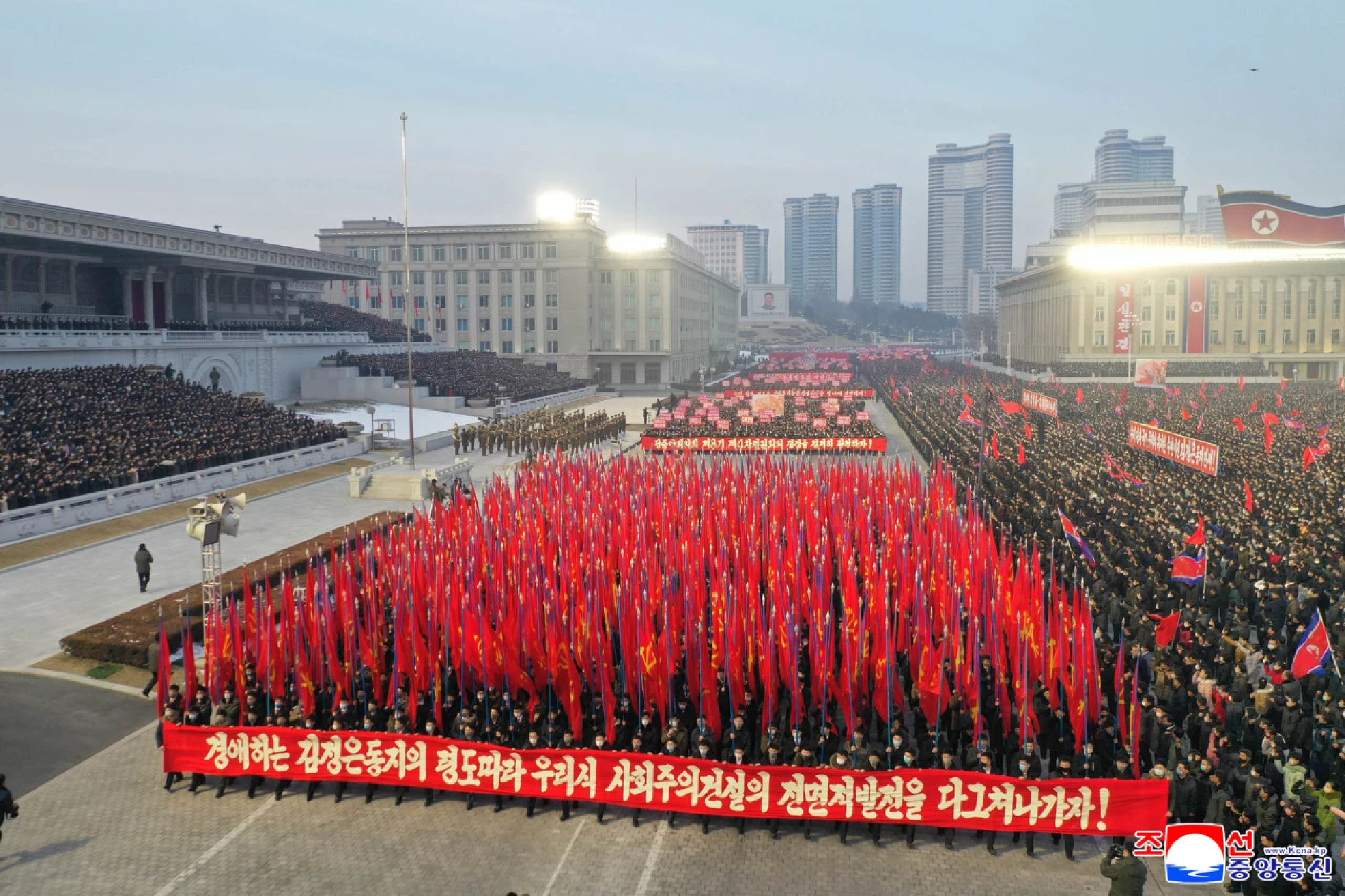
North Korea held a major outdoor rally in Pyongyang earlier this week, with a number of citizens and some top officials in attendance, in support of decisions from a recent key party meeting, according to state media Thursday.
Wrapping up a year-end Workers’ Party plenary session last week, the North outlined its policy priorities for the new year on developing the national economy and bolstering anti-virus efforts.
“In order to thoroughly accomplish the decisions of the 4th Plenary Meeting of the Workers’ Party’s 8th Central Committee, a Pyongyang city rally was held at the Kim Il-sung Square on Wednesday,” the Korean Central News Agency said.
Officials and workers of factories, companies and cooperative farms in Pyongyang as well as students took part in the event, it added
Top officials in charge of the economy, including Premier Kim Tok-hun, were also present, suggesting the gathering was aimed at encouraging progress in economic efforts.
North Korea has placed a focus on developing its economy, especially the agriculture sector, in the midst of strict border controls against COVID-19 and international sanctions. (Yonhap)
SINGAPORE – The bed occupancy for severely ill Covid-19 patients in intensive care units (ICU) is at about 7 per cent, allowing hospitals here to be well able to deal with the Covid-19 cases that have been detected over the last few weeks.
Speaking at a press conference by the multi-ministry task force on Covid-19 on Wednesday (Jan 5), Singapore’s director of medical services, Associate Professor Kenneth Mak, said public hospitals currently have more than 1,200 beds for adult and paediatric Covid-19 cases.
The current bed occupancy is under 28 per cent for adult patients, and public hospital ICU occupancy is less than 44 per cent for all critically ill patients.
Singapore recorded 842 new Covid-19 cases as at noon on Tuesday, with 334 in the community. Of the 842 cases, 438 were of the new Omicron variant, with 91 local and the rest imported.
The weekly infection growth rate on Tuesday was 1.09, up from Monday’s 0.95, the first time since Nov 12 that the weekly infection growth rate is more than one.
Prof Mak added that hospitals have also cautiously started to clear some of the elective caseload of patients with less urgent conditions, whose operations and treatments had been deferred over the last three months.
He said: “We’ve also allowed the hospitals to redesignate some of the beds previously reserved for Covid-19 patients for use by non-Covid-19 patients at present, so that they are better able to cater to the needs of these patients at this time.”
But he also warned that the authorities have been careful not to allow “excessive drawing down” of isolation and ICU beds for Covid-19, as the situation may change very quickly, given the highly transmissible Omicron variant.
While hospital staff have been allowed to stand down from duties in the ICU and start taking leave to rest, hospitals are still able to augment their healthcare staff at very short notice, Prof Mak said.
They are also able to expand the isolation and ICU bed capabilities to meet any potential increase in hospitalised Covid-19 patients.
Community treatment facilities (CTFs) are also prepared to accept more patients.
There were 3,850 active Covid-19 cases on Monday, of which nearly 88 per cent were in the home recovery programme or in community isolation facilities.
Just over 9 per cent of Covid-19 patients currently need to be admitted into hospitals or CTFs, Prof Mak said.
Hospitals and CTFs are reviewing their protocols to better look after Covid-19 cases. This includes the administration of antiviral and monoclonal antibody therapies for high-risk cases to improve their chances of recovery, he added.
They will also be tweaking their criteria to allow more patients to recover in CTFs to avoid burdening hospitals, in light of the anticipated Omicron surge.
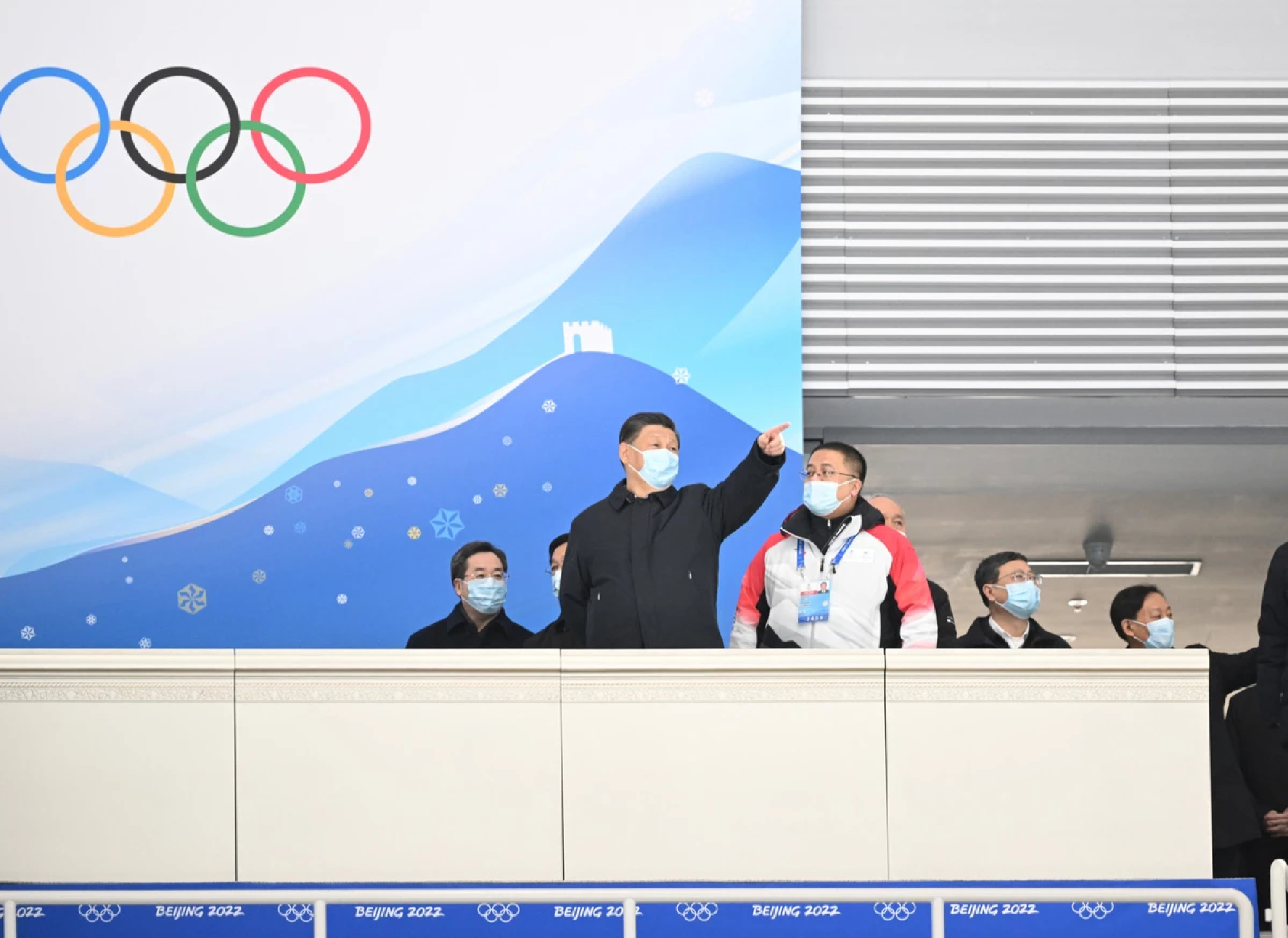
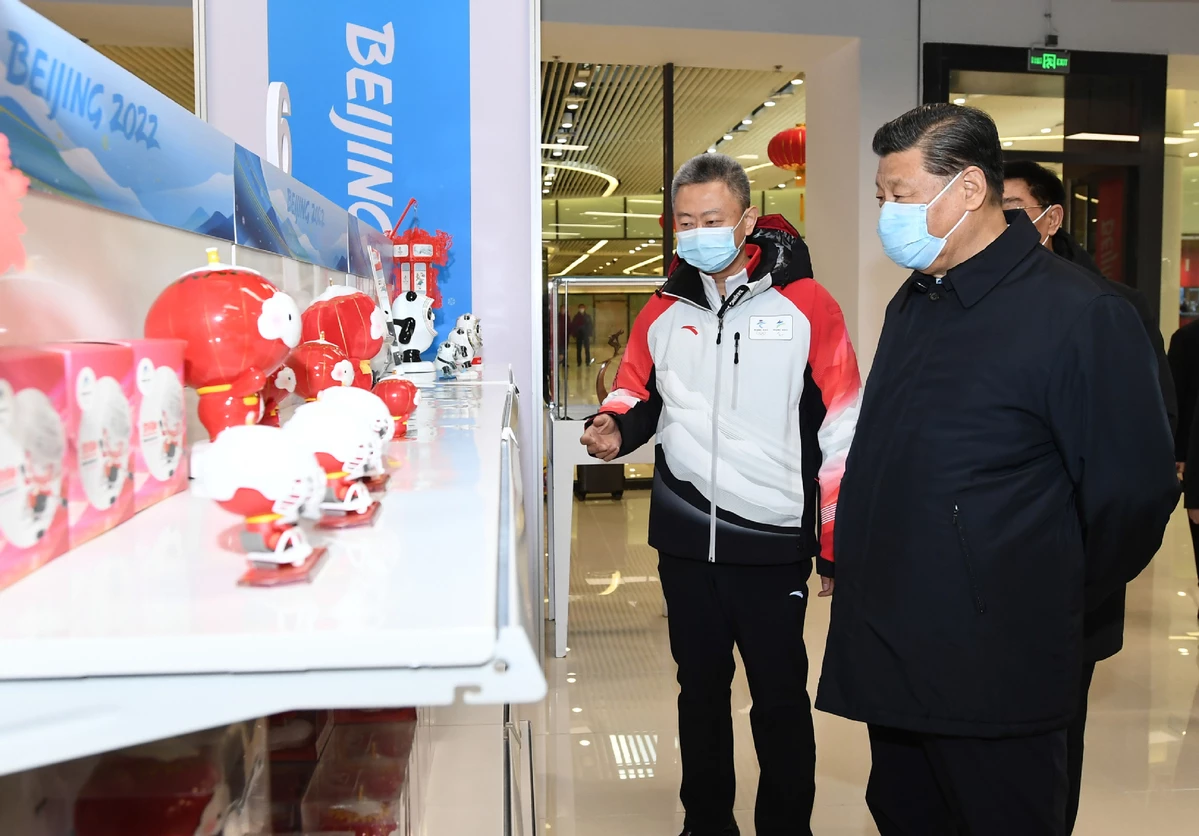
BEIJING – Xi Jinping, general secretary of the Communist Party of China Central Committee, inspected the preparations for the 2022 Olympic and Paralympic Winter Games in Beijing on Tuesday.
Xi visited the National Speed Skating Oval, Main Media Center, Athletes’ Village, Games-time Operations Command Center and a winter sports training base, learning about Games preparatory work as well as Chinese athletes’ preparations for the Games.
Xi also extended New Year greetings to athletes, coaches, volunteers and representatives of operation teams, media and scientific research staff.
The 2022 Winter Olympics will take place from February 4 to 20, followed by the Paralympic Winter Games from March 4 to 13.
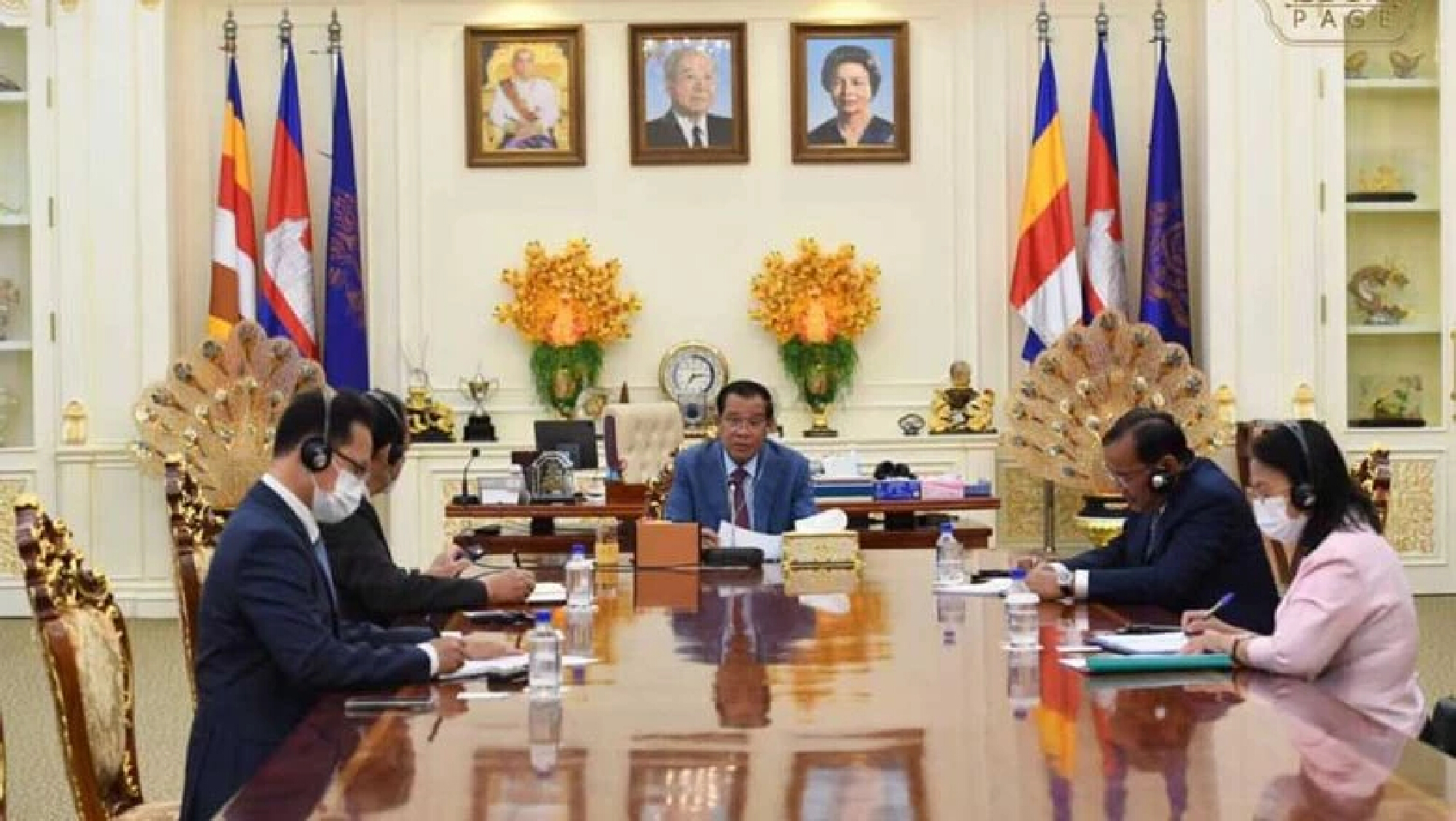
Prime Minister Hun Sen holds out hope of a peaceful solution to the ongoing crisis in Myanmar as he prepares for a much-anticipated visit to the country on January 7 in a bid to bring it back to the ASEAN fold.
The premier expressed his optimism on January 4 during a telephone call with Indonesian President Joko “Jokowi” Widodo, who wished him success and good luck as the ASEAN chair this year.
Hun Sen thanked Jokowi for his support and his recent participation in the Asia Europe Meeting (ASEM13) hosted by Cambodia on November 25-26.
He also praised Indonesia for having taken the initiative on building the ASEAN community in a number of ways, such as the ASEAN outlook on the Indo-Pacific – a document that is important for guiding ASEAN’s external relations, ensuring ASEAN centrality and implementing the bloc’s comprehensive recovery framework.
“[We] thanked [Jokowi] for wishing Cambodia good luck and for supporting the Kingdom as it fulfils its role as the chair of ASEAN in 2022,” Hun Sen said in a Facebook post.
The Ministry of Foreign Affairs and International Cooperation also issued a press statement on the outcome of the telephone conversation between Hun Sen and Jokowi.
“The two leaders also exchanged views on the current developments in Myanmar and underscored the important need to focus ASEAN’s efforts to assist Myanmar in finding suitable solutions to achieving national reconciliation, durable peace, stability and development,” it said.
Ro Vannak, co-founder of the Cambodian Institute for Democracy, said the meeting between Hun Sen and Jokowi – taking place mere days before the Myanmar trip – was a form of public diplomacy that showed there was solidarity within ASEAN to all of the parties to the conflict within Myanmar and beyond.
Vannak said Hun Sen places a high value on Indonesian input for any discussion on regional issues because Indonesia has played an important role as mediator and facilitator in regional conflicts in the past.
Now, he said, Hun Sen may need the full backing of Indonesia in order to make his trip to Myanmar go smoothly and have fruitful results and that his call with Jokowi may have been to shore-up that support.
“Moreover, [Hun Sen] wanted to show the public that his efforts to find a solution to the Myanmar crisis have been discussed with the major countries in ASEAN, which comes amid resentment by some ASEAN members that would prefer something closer to a diplomatic boycott of Myanmar in light of the military’s coup against the civilian government of Aung San Suu Kyi,” Vannak said.
Cambodia officially became the chair of ASEAN for the third time on January 1. The Kingdom chose as this year’s theme “ASEAN ACT” – with the acronym standing for Addressing Challenges Together.
Foreign minister Prak Sokhonn said on January 3 that Cambodia’s logo design for ASEAN in 2022 incorporated the lotus flower, which embodies the glory and harmony of the peace sustained by all 10 ASEAN member states.
He noted that the lotus has three colours on its leaves which are the three colours of the Cambodian flag, adding that the gold highlights on the logo represent the richness of diversity within ASEAN.
“Our core spirit is togetherness, solidarity and harmony. Our key objectives is to maintain ASEAN centrality and unity, collectively address common challenges, ensure continuity of our works and uphold a human-centred approach. We are ready for this responsibility and we will fulfil this role with pride,” Sokhonn said in a Facebook post.
On January 3, Sokhonn also virtually delivered a lecture on Cambodia being the chair of ASEAN in a video conference organised by the Singapore-based ASEAN studies centre at the ISEAS – Yusof Ishak Institute.
“This lecture series has been contributing to the outreach efforts by ASEAN to the academic sphere, targeting a wide range of international audiences, including youth and senior demographics. I took this opportunity to discuss our chosen theme, major challenges, key priorities and what to expect this year in general,” Sokhonn said.
HÀ NỘI — Việt Nams target of bringing its GDP growth to 6-6.5 per cent in 2022 as set in the recent session of the National Assembly is entirely possible if it can effectively control COVID-19, and improve the supply – demand balance, an official of the World Bank (WB) has said.
According to Jacques Morisset, WB Lead Economist and Programme Leader for Việt Nam, the biggest risk to Việt Nam’s economy in 2022 can be the complicated developments of the pandemic with the emergence of new variants.
He also mentioned internal economic risks, saying that Việt Nam was an open economy which would depend on the situation in other countries in the world.
Another risk is related to inflation, according to the economist. Việt Nam’s economy is currently facing import inflation, while domestic commodity prices have not yet increased because demand remains lower than supply.
Regarding Việt Nam’s economic prospects, Morisset pointed out three new motivations for growth.
The emergence of the COVID-19 pandemic has indirectly made Việt Nam one of the reliable destinations for many large foreign enterprises, which have the goal of diversifying their supply chains.
The country can also take advantage of opportunities from green economy. Việt Nam is one of the most affected by climate change, but it can also take advantage of this.
The third growth driver is domestic demand. As Việt Nam becomes a higher income country with a growing number of middle class people, the domestic demand will be stronger.
Morisset affirmed that the WB would continue to support Việt Nam in achieving its ambitious goal of becoming a high-income and prosperous country by 2045.
The bank was working closely with the Vietnamese Government to promote sustainable development and effectively respond to climate change in the Mekong Delta region, and reduce air pollution in big cities, he said.
In addition, the two sides were working in areas of inclusive development and gender-related issues in order to ensure people’s participation in the economy, minimise the impact of the pandemic, and fully tap future opportunities, the economist said.
Meanwhile, HSBC has also been optimistic about Việt Nam’s economy. Việt Nam’s economy should get back to GDP growth of 6.8 per cent next year, which will be driven by a return of strong foreign direct investment into the market, mainly focusing on the manufacturing sector, according to HSBC Vietnam.
HSBC Vietnam said this would benefit Việt Nam’s exports, especially as free trade agreements that have been signed over the past two years start to bear fruit.
The continued expansion of the middle class and in particular the rising affluent sector would lead to changes in consumption as Vietnamese people start spending more and more on leisure and travel.
Infrastructure roll-out would also continue to fuel economic activities especially in the renewable/green arena given the strong ambitions made by the Vietnamese Government following the recent 26th United Nations Climate Change Conference of the Parties in Glasgow, the UK. — VNS
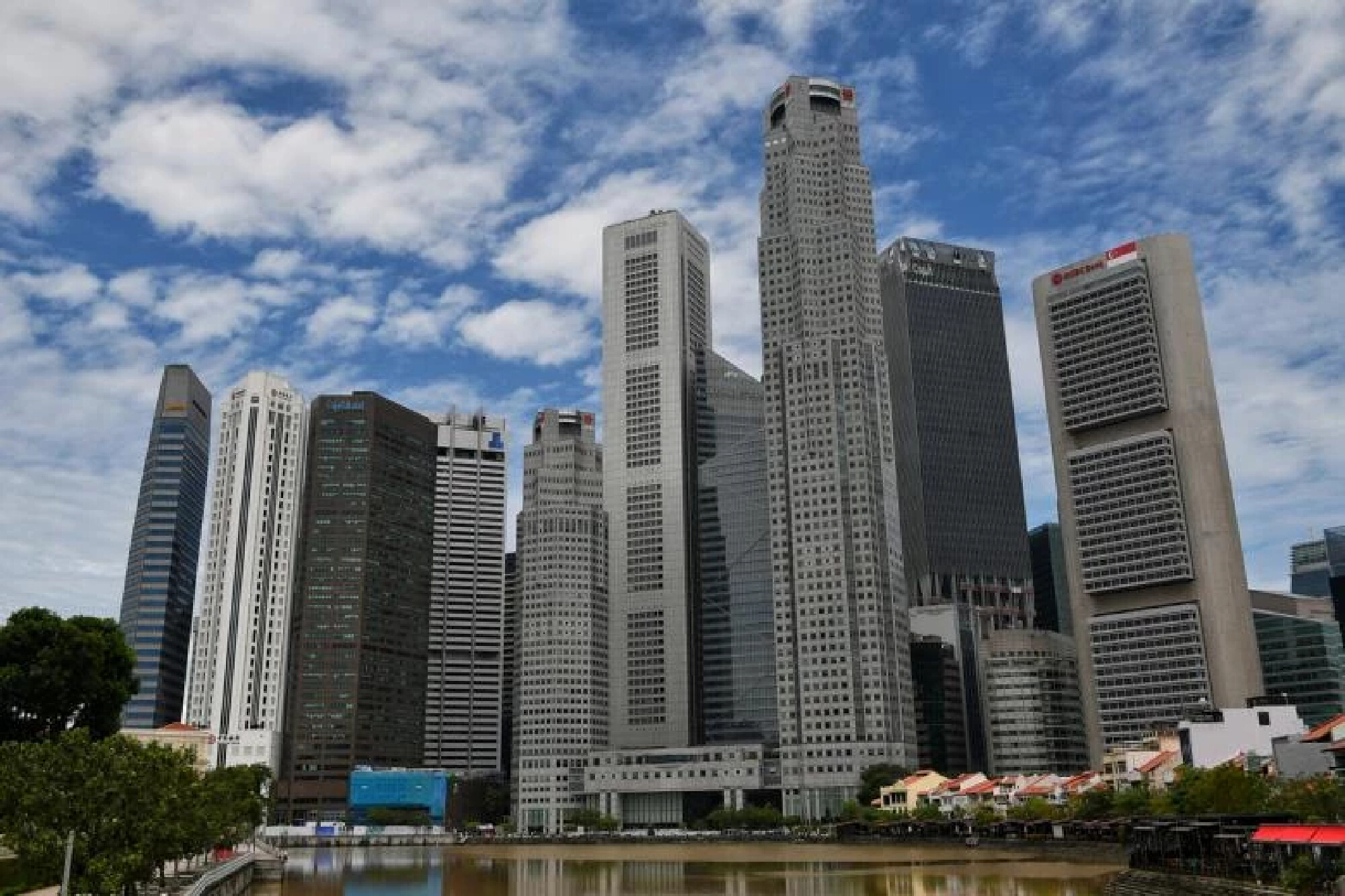
SINGAPORE – Singapores economy will grow by 4 per cent next year, better than the 3.9 per cent expansion predicted earlier, according to a central bank survey of professional forecasters. Growth for the year will likely be driven by improvements in the construction sector as well as manufacturing and finance, the survey said.
Based on estimates by 22 economists and analysts, the quarterly survey conducted by the Monetary Authority of Singapore (MAS) showed the Republic likely registering growth between 3 per cent and 4.9 per cent next year.
The Ministry of Trade and Industry in its maiden forecast for next year last month said Singapore’s gross domestic product (GDP) will grow by 3 per cent to 5 per cent next year, after an estimated expansion this year of around 7 per cent – the most since 2010, when GDP grew by a record 14.5 per cent.
Respondents to the MAS survey, released on Wednesday (Dec 8), projected current year growth at 6.9 per cent, up from 6.6 per cent in the previous survey.
For next year, construction was seen as the sector that will expand the most.
The median forecasts for construction came at 15.8 per cent, followed by accommodation and food services at 9.6 per cent.
However, the estimate for construction was down from the 2021 forecast of 21 per cent.
More than half the respondents (57.1 per cent) saw the private residential property price index inching higher next year, while 83.3 per cent expected corporate profitability to rise next year.
Forecast for manufacturing growth came at 3.3 per cent for next year, slower than 11.4 per cent this year.
Growth in the finance and insurance sector will also slow down to 4.1 per cent next year, from 7.5 per cent this year.
The prospect of reopening borders to international travel emerged as the most frequently cited upside surprise to Singapore’s growth outlook and was identified by 77.8 per cent of the survey respondents.
They also flagged upside from a stronger-than-expected expansion in manufacturing output supported by robust global electronics demand, as well as from faster-than-expected global growth, driven for instance by trade and expansion in production capacity.
On downside risks to the growth outlook, a further deterioration in the Covid-19 situation, and an associated retightening in public health measures, was cited by 83.3 per cent of respondents.
In addition, respondents were concerned about downside risks from slowing growth in China.
Finally, half of the respondents also pointed to risks from faster-than-expected tightening in monetary policy by major central banks, arising, for instance, from a larger-than-expected pick-up in inflation.
The median of forecasts in the survey for Singapore’s all items consumer price index came at 2.1 per cent for next year, unchanged from the projection for this year.
The MAS core inflation was, however seen rising to 1.8 per cent next year, from 0.9 per cent this year.

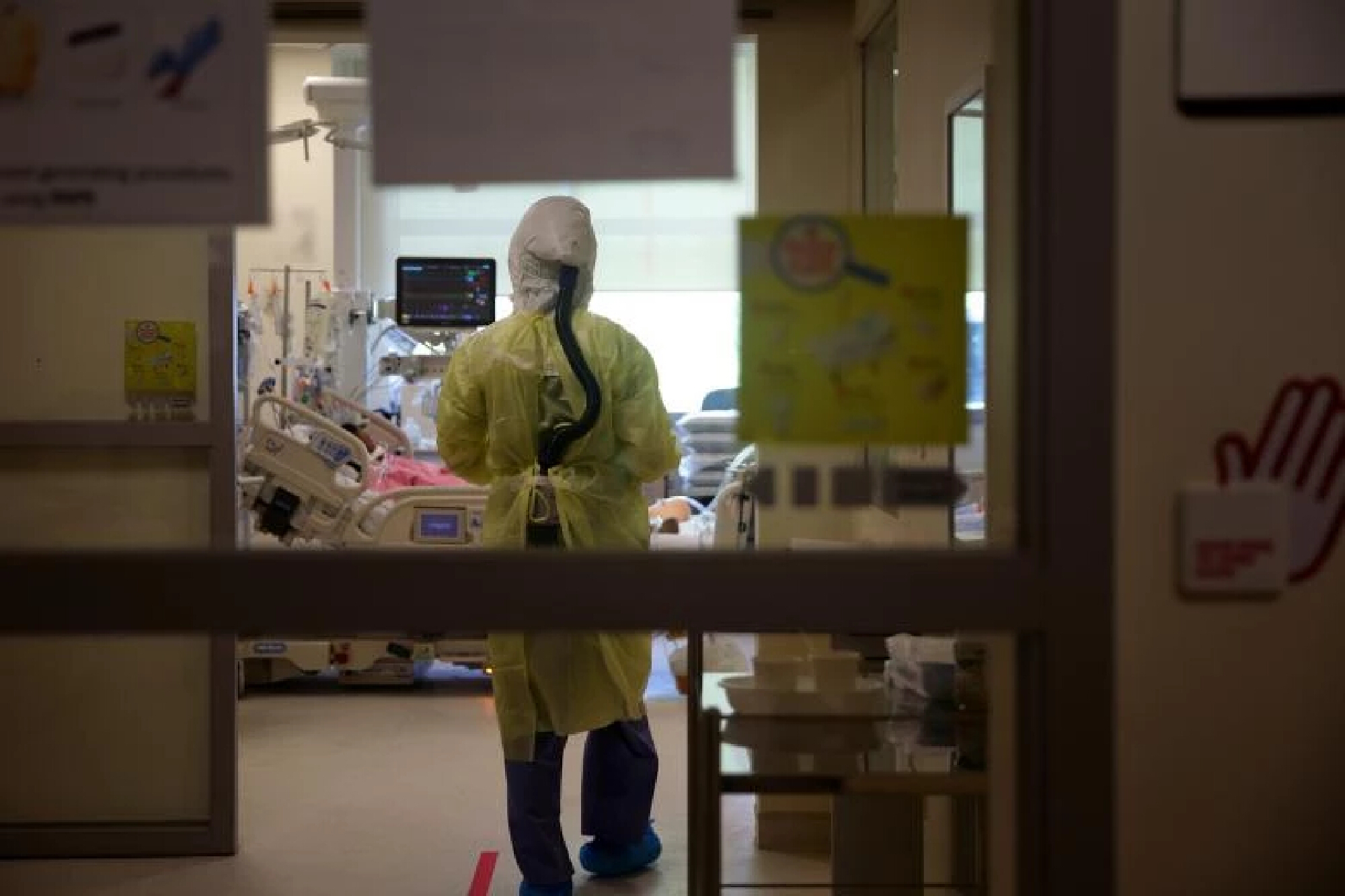
![[Philippines] Omicron spread prompts push for home testing](https://media.nationthailand.com/uploads/images/md/2022/01/UvZxW1N6qQ6TMDOkGdSO.webp?x-image-process=style/lg)


 SootinClaimon.Com