S. Korea ups 2022 economic growth outlook to 3.1%

#SootinClaimon.Com : ขอบคุณแหล่งข้อมูล : หนังสือพิมพ์ The Nation.

https://www.nationthailand.com/international/40010745


South Koreas finance ministry on Monday revised up its 2022 growth outlook for the countrys economy to 3.1 percent, saying that exports and private spending will likely gain ground despite heightened economic uncertainty.
S. Korea ups 2022 economic growth outlook to 3.1%

The government’s latest projection is higher than the 3 percent growth forecast made in June, according to the Ministry of Economy and Finance.

The ministry’s outlook is more upbeat than the 3 percent growth estimates by the Bank of Korea (BOK) and the Organization for Economic Cooperation and Development (OECD). The International Monetary Fund expects the South Korea economy to grow 3.3 percent next year.

The government lowered this year’s economic growth forecast to 4 percent from 4.2 percent.

“The South Korean economy is expected to extend its robust recovery momentum into next year. Domestic demand and exports will likely post balanced growth, helping the economy get back on normal track at a faster pace,” First Vice Finance Minister Lee Eog-weon said at a press briefing on Friday.

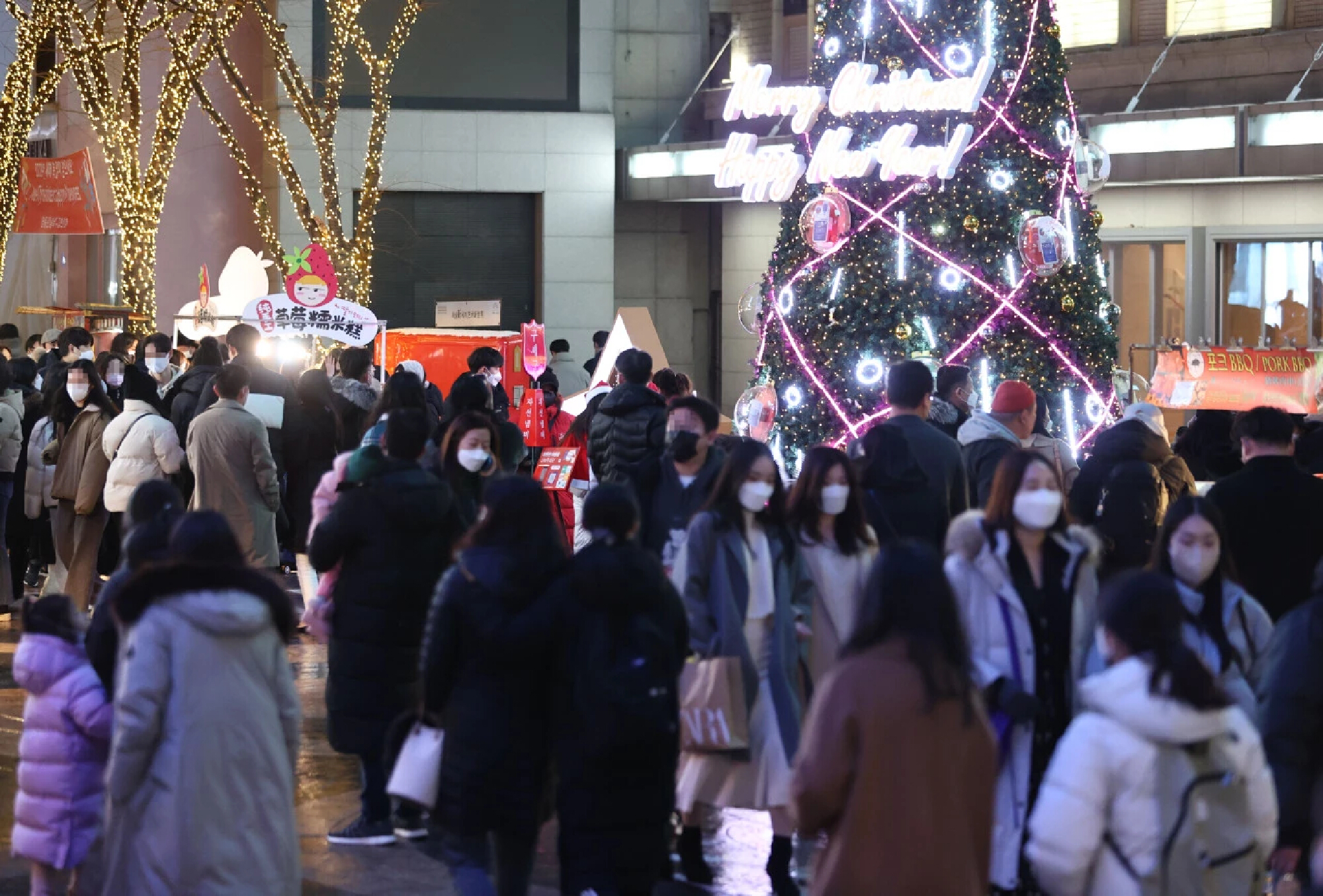
Asia’s fourth-largest economy is on a recovery path on the back of robust exports of chips and autos. But it faces growing downside risks as the latest upsurge in COVID-19 cases and the spread of the omicron variant are casting a cloud over the recovery of private spending.

The country is grappling with the spike in virus infections since it relaxed virus curbs in November under the “living with COVID-19” scheme. Health authorities reimposed tougher antivirus measures on Saturday to contain the pandemic.

South Korea added 5,318 more COVID-19 cases Monday, raising the total to 570,414. The number of omicron infections stayed at 178.

Despite the raging pandemic, the ministry expects private spending to grow 3.8 percent next year after its estimated growth of 3.5 percent this year.

The recovery of private spending will be evident next year on improving consumer sentiment and efforts to gradually return to normal life, but virus situations will still be a major risk factor, it said.

To support domestic demand, the government plans to expand tax incentives on credit card use and extend discount coupon schemes aimed at bolstering consumer spending.

The government will also run a special travel week in the first half and provide discount programs on transportation, accommodations and amusement parks.

The country plans to abolish the $5,000 duty-free item purchase limit for outbound travelers with Korean nationality. The removal comes three years after the government raised the threshold from $3,000 in 2019.

In regard to exports, the government expects overseas shipments to remain robust next year though the growth pace will slow due to the base effect.

Overseas shipments, which account for half of the country’s economy, are forecast to grow 2 percent next year, slowing from the estimated growth of 25.2 percent this year.

On inflation, the ministry sharply revised up its 2022 outlook to 2.2 percent from its earlier estimate of 1.4 percent The government’s 2021 inflation forecast was also raised to 2.4 percent from 1.8 percent.

The government’s 2021 and 2022 inflation forecasts are higher than the BOK’s 2.3 percent and 2 percent projections, respectively.

South Korea faces a build-up in inflationary pressure due largely to high prices of oil and farm products and the economic recovery.

The country’s consumer prices rose 3.7 percent in November from a year ago, the fastest on-year gain in a decade and accelerating from a 3.2 percent increase in October. The BOK aims to keep annual inflation at 2 percent over the medium term.

On the supply side, upward pressure from energy costs and prices of farm products may ease, but uncertainty about global supply chain bottlenecks lingers, the ministry said.

“In line with the recovery of domestic demand, demand-pull pressure is expected to increase. As demand for in-person services is forecast to make a fast rebound, the price growth of personal services will likely pick up,” it added.

The ministry said the country plans to freeze electricity and gas bills in the first quarter in a bid to help ease inflationary pressure.

The government said it will pump up efforts to support small merchants hit hard by the pandemic and strengthen the social safety net to address the deepening social polarization.

The country plans to swiftly provide compensation to merchants who have suffered business losses due to the state antivirus measures. The government will set aside 3.2 trillion won ($2.7 billion) in budget for the loss compensation scheme for next year. (Yonhap)

Published : January 05, 2022

By : The Korea Herald

[Japan] Govt projects 3.2% economic growth

#SootinClaimon.Com : ขอบคุณแหล่งข้อมูล : หนังสือพิมพ์ The Nation.

https://www.nationthailand.com/international/40010744


TOKYO (Jiji Press) — The government Thursday adopted an official projection of 3.2% growth in gross domestic product in price-adjusted real terms for fiscal 2022 from next April.

[Japan] Govt projects 3.2% economic growth

The government revised up its GDP growth estimate from the 2.2% forecast in July this year, factoring in a boost from large-scale stimulus measures to cushion the impact of the novel coronavirus pandemic.

The new economic outlook, adopted at an extraordinary Cabinet meeting, will be used to calculate the government’s tax revenue estimate in its fiscal 2022 budget proposal.

If the 3.2% GDP growth is realized, it will be the steepest rise since the 3.3% increase in fiscal 2010.

In fiscal 2022, Japan’s real GDP is forecast to hit a record high of ¥556 trillion, against the previous high of ¥554 trillion marked in fiscal 2018.

In nominal terms, the government expects GDP growth of 3.6%.

For fiscal 2021, the government revised down its real GDP growth projection to 2.6% from 3.7%, reflecting steep cuts in automobile production due to a surge in new coronavirus cases in summer this year and supply chain disruptions.

The government delayed its target of bringing the country’s GDP back to the level of October-December 2019, before the novel coronavirus crisis, to January-March 2022 from the end of this month.

The government believes that its new economic stimulus measures with record fiscal spending of ¥55.7 trillion will push up the real GDP by a total of 5.6%, including 3.6% expected for fiscal 2022.

In fiscal 2022, the government expects personal consumption to grow 4% following a 2.5% rise in fiscal 2021 and corporate capital expenditures to rise 5.1% after a 2.5% increase.

The average real GDP growth forecast among private-sector economists surveyed by the Japan Center for Economic Research stood at 2.7% for fiscal 2021 and 3% for fiscal 2022.

Published : January 05, 2022

By : The Japan News

Stay home, MMDA orders unvaxxed Metro Manila residents

#SootinClaimon.Com : ขอบคุณแหล่งข้อมูล : หนังสือพิมพ์ The Nation.

https://www.nationthailand.com/international/40010720


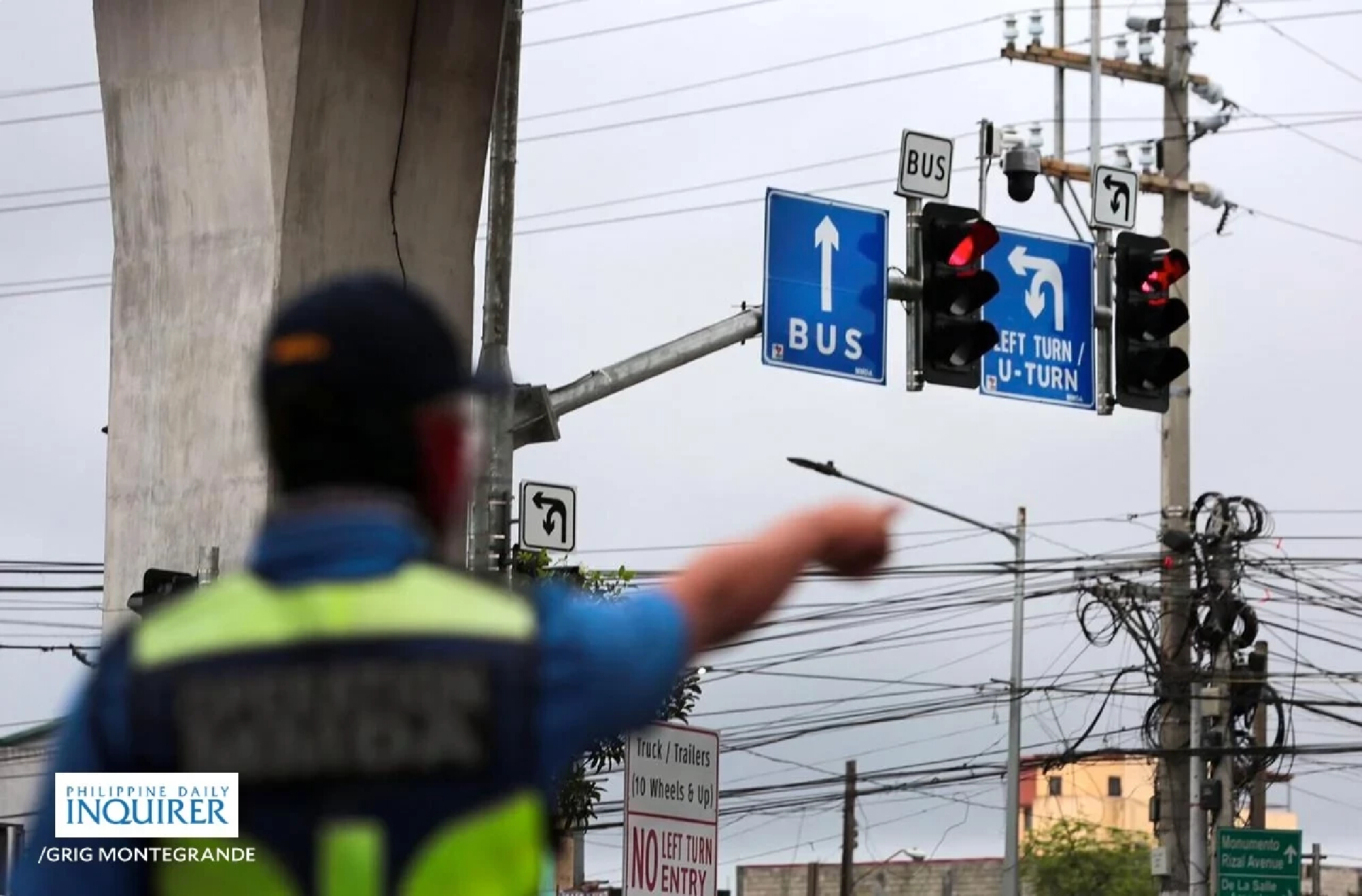
MANILA, Philippines — Unvaccinated individuals have been ordered to stay home as Metro Manila’s 17 mayors agreed to tighten mobility restrictions to head off an expected surge in COVID-19 cases after the Christmas holidays.

Stay home, MMDA orders unvaxxed Metro Manila residents

The Metro Manila Council (MMC), made up of the capital region’s 17 mayors and the head of the Metropolitan Manila Development Authority (MMDA), on Monday passed Resolution No. 22-01 urging the passage of local ordinances prohibiting unvaccinated individuals from going outside their residences, except for essential trips.

In a press conference, MMDA Chair Benhur Abalos described the new restrictions as similar to being under the enhanced community quarantine, “but only for the unvaccinated,” referring to the strictest lockdown classification under the old system the government adopted from 2020 up to early 2021.

The new protocol is in force while Metro Manila is under alert level 3 or higher against COVID-19. The government pandemic task force placed the National Capital Region under alert level 3 from Jan. 3 to 15.

Among others, the resolution asked cities and municipalities to bar the unvaccinated from indoor and outdoor dining at restaurants and other food establishments, and from leisure or social trips to malls, hotels, sports and other similar facilities.

Penalties

They are also prohibited from domestic travel via public land, sea and air transportation, except to buy essential goods and services such as food and water, for work or medical and health reasons. However, they must present proof to support and justify each trip.

Unvaccinated individuals going to work will also be required to undergo an RT-PCR (reverse transcription-polymerase chain reaction) or swab antigen test every two weeks, at their own expense.

Those found violating these new protocols, the resolution warned, would be prosecuted under both the city ordinance as well as Republic Act No. 11332 (the law prescribing procedures on the surveillance and response to notifiable diseases, epidemics and other public health concerns), and be subject to fines ranging from P20,000 to P50,000 or imprisonment of one to six months.

The same rules also cover individuals who reside outside Metro Manila but work or travel to the region.

Appealing for understanding, Abalos assured the public that once Metro Manila reverts to a lower alert level, the restrictions for the unvaccinated would be lifted.

Support

Top government officials on Monday backed MMC’s decision to restrict the mobility of those who are not fully vaccinated around Metro Manila.

“We know that those unvaccinated individuals pose a threat to the community, therefore, the decision is good,” Jonathan Malaya, spokesperson for the Department of the Interior and Local Government (DILG), said at the Laging Handa public briefing aired on state television.

Secretary Vivencio Dizon, presidential adviser for COVID-19 response, also backed the measure, saying it was better to restrict the unvaccinated rather than everyone.

The secretary said the Metro Manila mayors’ decision was very important considering that based on hospital data, most of those suffering severely due to COVID-19 were unvaccinated.

Trade Secretary Ramon Lopez also supported the MMDA’s decision to impose mobility limitations on the unvaccinated and grant privileges to the inoculated.

Lopez said the mobility restrictions for the unvaccinated could not be done in the past because there was a short supply of vaccines in Metro Manila.

“Now, we have an abundant supply [of vaccines] and therefore we can support this move,” he said.

The government’s pandemic task force will also review its alert level 3 guidelines, including those for minors, in light of the increase in the vaccination rate and the expansion of the government’s COVID-19 immunization program since the rules were first crafted, Malacañang said on Monday.

Acting presidential spokesperson Karlo Nograles said the Inter-Agency Task Force for the Management of Emerging Infectious Diseases would meet today to reassess the measures.

Nograles said in an interview over the ABS-CBN News Channel that when these rules were set in place, the vaccination rate was still low and children were not included in the vaccination program.

Meanwhile, authorities are investigating another traveler from the United States for possible quarantine breach as the Department of Tourism received more reports on individuals allegedly skipping the mandatory isolation requirement, Tourism Secretary Bernadette Puyat said on Monday.

Puyat said the reports of quarantine breaches followed the first incident of a returning Filipino woman from the United States who went to a party in Makati City when she was supposed to be in isolation, in the process infecting seven out of her 15 close contacts.

The traveler in the latest incident also skipped the mandatory quarantine upon arrival in the country and even managed to have a home massage service, according to Puyat.

“She never checked in at a hotel, she just said that she did but she didn’t. She went straight to her condominium and she was even posting it (on her social media account) that she was having a massage. Proud na proud. We caught her, too,” Puyat said in an interview on CNN Philippines.

Reports of such protocol violations have prompted the DILG to order the Philippine National Police to conduct random checks on quarantine hotels to make sure that the individuals who are supposed to be isolating are not breaching protocol.

The police will ask the Bureau of Quarantine for the list of people who are supposed to be staying in quarantine hotels, Malaya said on Monday.

By: Krixia Subingsubing —WITH REPORTS FROM JEROME ANING, LEILA B. SALAVERRIA AND JEANNETTE I. ANDRADE

Published : January 04, 2022

By : Philippine Daily Inquirer

All eyes on Singapore’s reopening progress and VTL expansion for 2022 economic outlook

#SootinClaimon.Com : ขอบคุณแหล่งข้อมูล : หนังสือพิมพ์ The Nation.

https://www.nationthailand.com/international/40010719


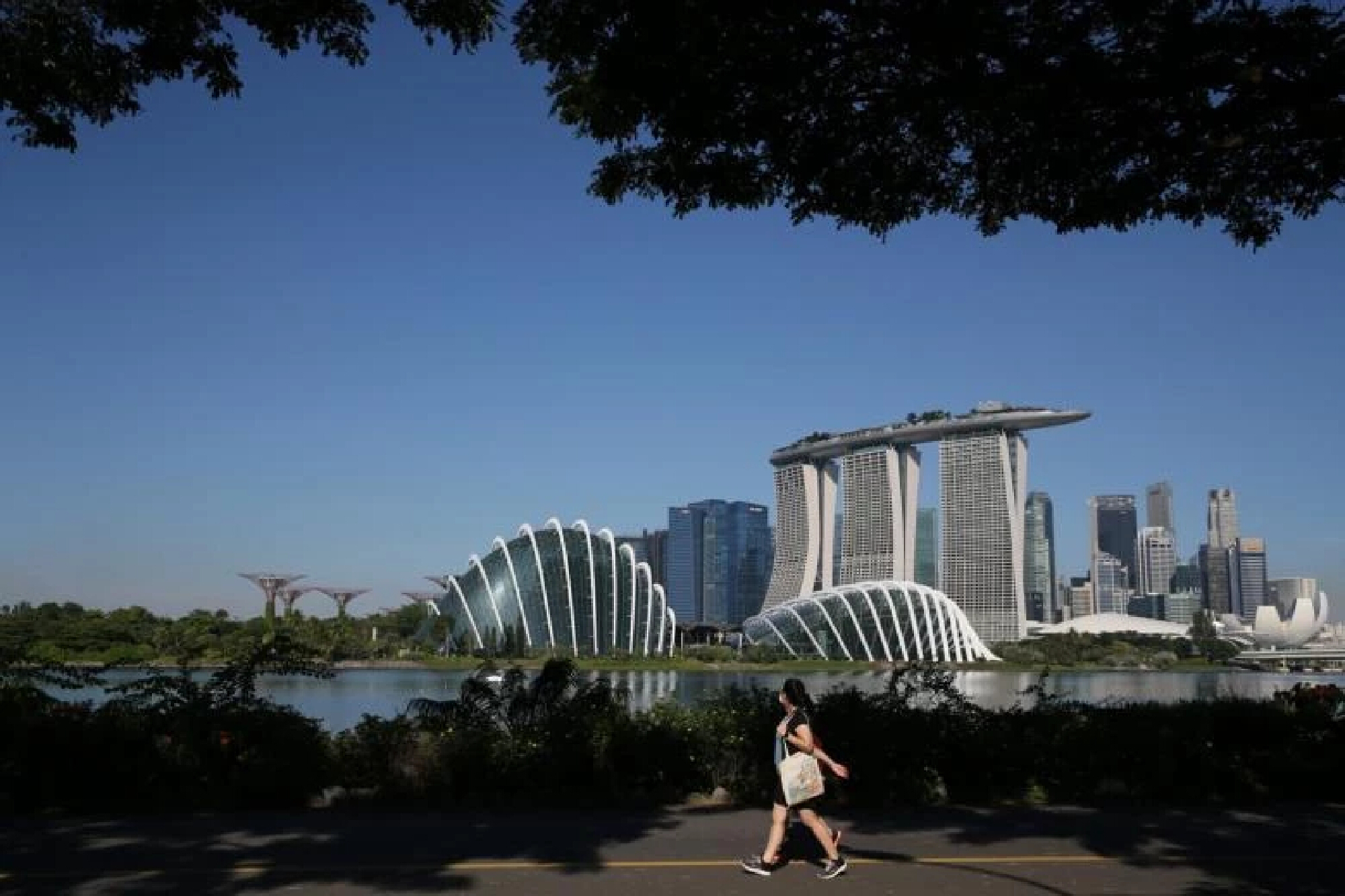
SINGAPORE – While the pace of relaxation of mobility curbs may have slowed in recent months, Singapore is still on track in its strategy to treat Covid-19 as endemic, analysts said.

All eyes on Singapore’s reopening progress and VTL expansion for 2022 economic outlook

Easing of domestic safety measures and broadening of vaccinated travel lanes (VTLs) without overwhelming the healthcare system will be key to achieve the 3 per cent to 5 per cent growth for 2022 forecast in November by the Ministry of Trade and Industry (MTI) and reiterated by Prime Minister Lee Hsien Loong last Friday (Dec 31).

Progress on the reopening strategy is needed to reinvigorate the services sector and construction in a year when manufacturing growth could moderate.

Mr Irvin Seah, senior economist at DBS Bank, said that besides capacity constraints and the high base set in 2021, the growth slowdown in China – Singapore’s largest trading partner – could potentially weigh on the performance of the manufacturing sector going forward.

Other risks that could derail hopes for a smoother growth trajectory include more-than-warranted hikes in interest rates worldwide in response to rising inflation, and new waves of infection brought about by Covid-19 mutations.

On the flip side, higher vaccination rates and an easing in severity of new Covid variants could imply a faster reopening of borders and aid economies across Asia.

In his New Year message, PM Lee said the country can be “quietly confident” that it can cope with the impact of the Omicron variant even though it is not completely out of the woods yet.

Singapore’s position now is “greatly strengthened” compared with two years ago amid a ramped-up vaccination drive that now includes young children, he said.

Singapore has one of the world’s highest vaccination rates, with 87 per cent of its total population fully inoculated and booster shots administered to about 40 per cent.

After suffering daily cases in the thousands a few months back amid the Delta variant wave, daily infections have dropped to the hundreds in the past week. Hospitalisation rate and intensive care admissions have also dipped.

Dr Chua Hak Bin, regional co-head of macro research at Maybank Kim Eng in Singapore, said: “We expect the economic reopening to continue in the first quarter of 2022 as hospitalisations decline and more people receive booster shots.”

UOB Group economist Barnabas Gan said the recovery of Singapore’s aviation and tourism-related sectors is expected to continue, although MTI had said previously that activity is expected to remain below pre-Covid levels throughout 2022.

“Last but not least, the gradual relaxation of Singapore’s domestic restrictions should translate into a sustainable supply of manpower and support labour-intensive industries such as the construction sector,” he noted.

By Ovais Subhani

Published : January 04, 2022

By : The Straits Times

Japan greets 2nd pandemic New Year amid Hope and concern

#SootinClaimon.Com : ขอบคุณแหล่งข้อมูล : หนังสือพิมพ์ The Nation.

https://www.nationthailand.com/international/40010718


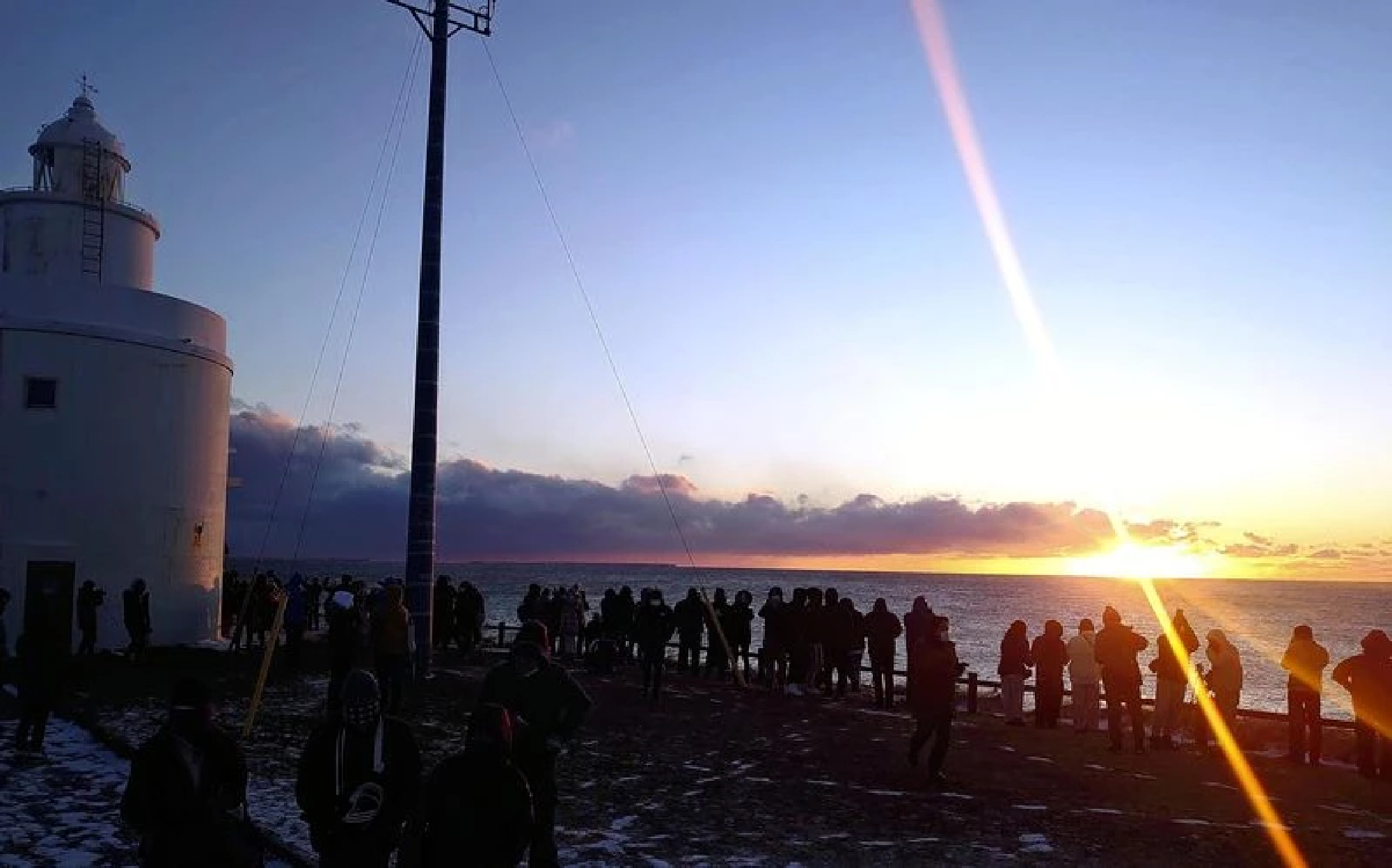
People across the nation cautiously welcomed the arrival of 2022 on Saturday, wishing for a better year amid growing fear over the spread of the omicron variant of the novel coronavirus.

Japan greets 2nd pandemic New Year amid Hope and concern

This is the second New Year under the pandemic. By the end of 2021, more than 280 million cases of infection had been confirmed worldwide, and over 5 million deaths. In Japan, the number of infections remained relatively low after the fifth wave in the fall, prompting some people to resume their New Year’s rituals this year.

Train stations were crowded with people traveling back to their hometowns at the year-end, after refraining from doing so the year before. Many shrines also stayed open throughout the night from New Year’s Eve for people to offer their prayers early on New Year’s Day, with some seeing as many visitors as the pre-pandemic New Year’s Day in 2020.

At Meiji Jingu shrine in Shibuya Ward, Tokyo, visitors lined up from New Year’s Eve. A 19-year-old university student from Kawaguchi, Saitama Prefecture, said, “I hope normal daily life comes back in which I don’t have to wear a mask.”

A New Year’s Eve countdown event at Tokyo’s famed Shibuya scramble crossing was canceled for the second year in a row, but many people gathered there around midnight on Saturday anyway.

On New Year’s Day last year, 3,247 new cases of infection were confirmed nationwide, with 49 deaths. This year, the number stood at 535, one-sixth of last year’s figure, with no related deaths announced. There are concerns, however, about rising community transmissions of the highly infectious omicron variant.

Published : January 04, 2022

By : The Japan News

Metaverse rises to cultural mainstream

#SootinClaimon.Com : ขอบคุณแหล่งข้อมูล : หนังสือพิมพ์ The Nation.

https://www.nationthailand.com/international/40010717


The metaverse, regarded as a technology whose emergence was seen as timely in the pandemic era, has cemented its position as a key avenue to pushing cultural experiences to another level.

Metaverse rises to cultural mainstream

While prepandemic cultural contents were based on face-to-face experience, the virtual world-centered metaverse emerged as a notable alternative, offering a similar experience as face-to-face encounters as the coronavirus and a multitude of its variants have changed the way people interact.

With the advances in graphics technology, network services and smartphones, the digital universe has won the hearts of millennials and Gen Z — people born between the 1980s and the 2010s — to emerge as mainstream culture.

Attractions moved to metaverse

For the Korea Tourism Organization, metaverse marketing is no longer an option, but an imperative in promoting Korean tourism.

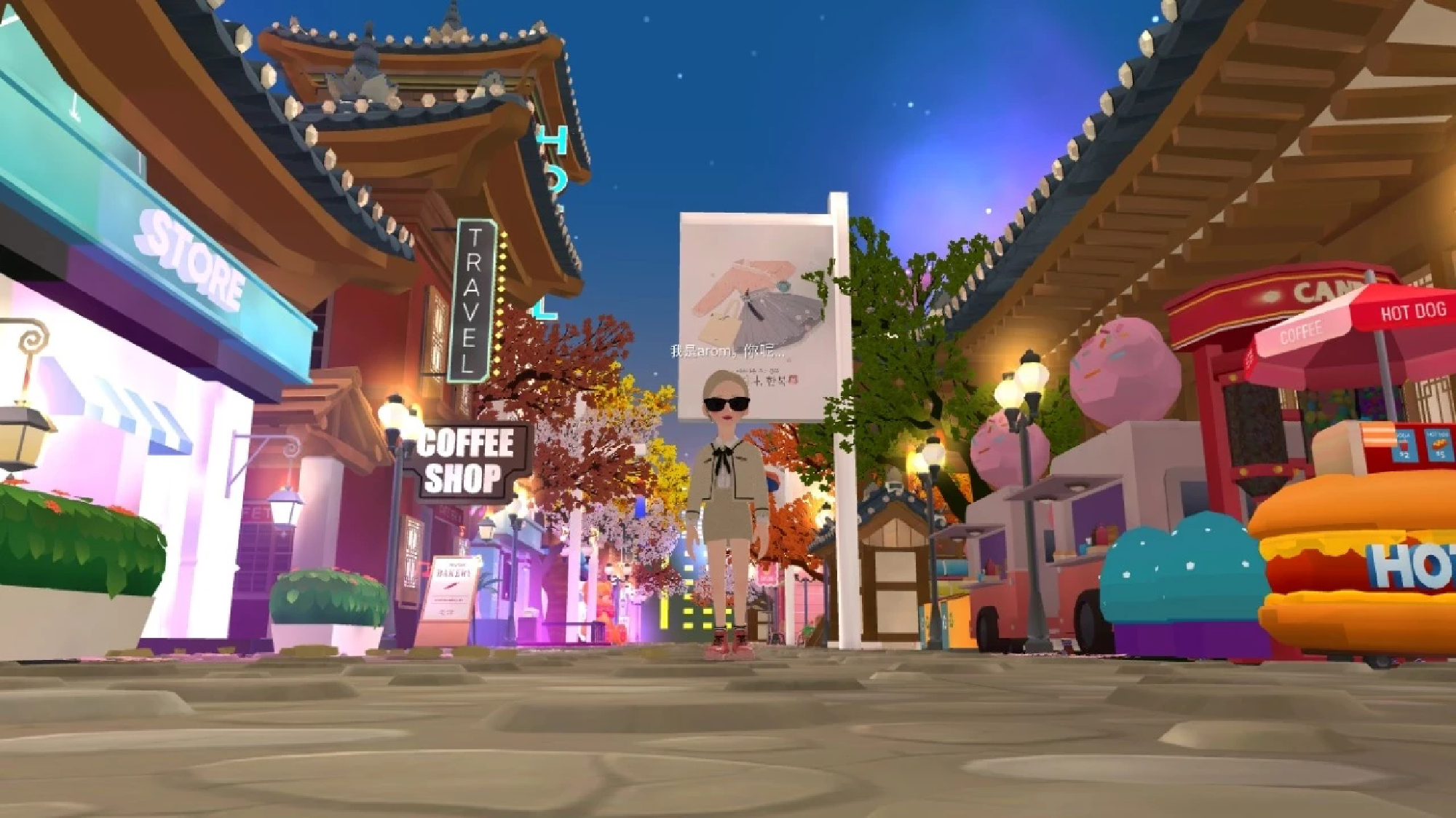
Zepeto, Korea’s top metaverse platform created by IT behemoth Naver, surpassed a total of 200 million accumulated users, of which 80 percent are in their teens and 20s. Notably, 90 percent of the users were from overseas, according to Naver.

US-based metaverse giant Roblox reached over 47.3 million daily users in the third quarter of 2021, according to analytics firm Statista. The data tracker says almost 50 percent of its users are under the age of 13.

Recognizing the fast-rising popularity of the digital technology among the younger generation, the KTO introduced a new map presenting the unique charms of five Korean cities — Busan, Mokpo in South Jeolla Province, Andong in North Gyeongsang Province, Gangneung in Gangwon Province and Jeonju in North Jeolla Province.

Under the theme of “K-treasure city,” famous landmarks and tourist attractions, such as Gwangan Grand Bridge and Gamcheon Culture Village in Busan, UNESCO World Heritage Dosan Seowon — a Korean Neo-Confucian academy — in Andong, the famous coffee street at Anmok Beach in Gangneung and more, were made available for Zepeto users to explore digitally.

Meanwhile, the organization offered its own “Squid Game in Gangneung, Korea” using the metaverse platform Roblox. There the users’ avatars can play popular Korean games, take pictures at the city’s tourist attractions and taste Gangneung’s specialties, including rice cake and soft tofu ice cream.

More than 70,000 users have played the game to date.

“The millennials and Gen Z lead the global trend in tourism. Metaverse marketing strategy will not only build a positive image about South Korean tourism, but also provide an important foundation for South Korean tourism to achieve growth in both quantity and quality,” KTO’s Executive Director Zhu Sang-yong said.

Virtual tourism is not a concept that is only welcomed by overseas tourists.

When the operator of South Korea’s top convenience store chain opened the first metaverse convenience store, CU Zepeto Han River branch, in August, local Zepeto users were excited to experience a new way of spending time with friends without wearing masks.

“I saw many celebrities eating instant ramen and kimbap on a bench at Han River parks. It was so cool to do that with my friends in Zepeto,” a middle school student surnamed Park from Changwon, South Gyeongsang Province, told The Korea Herald on Dec. 18.

“I have never been to Seoul yet, but eating ramen in Zepeto was a cool experience,” Park added.

Elevating K-pop experience

The metaverse has been credited for elevating K-pop’s global popularity to yet another level as entertainment companies began offering real metaverse experiences to fans.

Started by American hip-hop musician Travis Scott’s Fortnite concert, the metaverse concert is no longer a new concept to music fans.

In Korea, the Ministry of Culture, Sports and Tourism held a metaverse concert, K-Vibe Festa, starring diva BoA, girl group aespa, rapper Wonstein and more, in early December.

Korean hip-hop icons Tiger JK, Yoon Mi-rae, rapper Bizzy and singer BiBi also successfully launched their own metaverse concert via Cryptovoxels on Dec. 27.

Aiming to enhance the K-pop fans’ cultural experience, entertainment companies are collaborating with the game industry to showcase artists’ newly released albums, hosting dance challenges and fan meetings there too.

Singer Sunmi showcased her comeback stage via the Zepeto platform in July.

The event involved a surprise release of the title song “You Can’t Sit with Us” as background music in the digital world and her signature dance moves.

Participants also got a chance to win a signed album and digital coins to buy the outfits worn by the artist in her new music video if they found nine unreleased photos of Sunmi for the upcoming album in the metaverse.

“A lot of fans enjoyed the metaverse event, because they were able to take an active part, which differs from video streaming. At a time when the artists and fans have few opportunities to communicate and meet each other, metaverse helped to quench the fans’ thirst to form a bond with their beloved artist,” an official from Sunmi’s label Abyss Co. told The Korea Herald on Friday.

The ever-growing concept of metaverse is not limited to the tourism and music sectors. Various services based on the metaverse provide a window of opportunity for the creation of a new cultural genre.

Zepeto dramas, a series created using stop motion images and clips of Zepeto avatars, could be the next fad after webtoons, a type of digital comic that originated in South Korea.

The projects, ranging from horror to school romance, are uploaded on YouTube, attracting millions of subscribers and views, just like any other videos online.

“I think you should debut as a television director or a screenwriter for a local broadcaster,” a netizen commented on a Zepeto drama on YouTube.

“Our metaverse platform Zepeto can be promoted in two different ways. With the ‘out to in’ strategy, collaborations with global companies, including Christian Dior and Samsung, can be perfect example. But, ‘in and out’ strategy requires actual Zepeto users to promote the metaverse concept outside of the virtual world. This effort is slowly taking shape as more Gen Z users become engaged with the metaverse. And Zepeto drama is definitely one of them,” a Naver official told The Korea Herald on Thursday.

“Zepeto drama producers, writers, avatars and Zepeto designers are becoming the talk of the town. Though people of the older generation might have a hard time comprehending this change, this is definitely happening,” the official added.

“A metaverse industrial age might have arrived even before we recognize it. Similar to Cyworld, Korea’s pioneering social website with a 2D avatar from the early 2000s, the metaverse is the new generation’s playground,” he said.

By Lee Si-jin

Published : January 04, 2022

By : The Korea Herald

Nations say nuclear war can’t be won

#SootinClaimon.Com : ขอบคุณแหล่งข้อมูล : หนังสือพิมพ์ The Nation.

https://www.nationthailand.com/international/40010716


In joint statement, 5 states call avoiding confrontation foremost responsibility

Nations say nuclear war can’t be won

Leaders of the five nuclear weapon states reaffirmed on Monday that none of their nuclear weapons are targeted at each other or at any other state, emphasizing that a nuclear war cannot be won and must never be fought.

In a joint statement issued by China, France, Russia, Britain and the United States-the first of its kind-the leaders said that they consider the avoidance of war between nuclear weapon states and the reduction of strategic risks as their foremost responsibility.

“As nuclear use would have far-reaching consequences, we also affirm that nuclear weapons-for as long as they continue to exist-should serve defensive purposes, deter aggression, and prevent war,” they said in the statement, adding that the further spread of such weapons must be prevented.

They also reaffirmed the importance of addressing nuclear threats and emphasized the importance of preserving and complying with their bilateral and multilateral nonproliferation, disarmament and arms control agreements and commitments.

They added that they remain committed to their obligations under the Treaty on the Non-Proliferation of Nuclear Weapons.

“We each intend to maintain and further strengthen our national measures to prevent unauthorized or unintended use of nuclear weapons. We reiterate the validity of our previous statements on de-targeting, reaffirming that none of our nuclear weapons are targeted at each other or at any other state,” they said.

The leaders underlined their desire to work with all states to create a security environment more conducive to progress on disarmament, with the ultimate goal of a world without nuclear weapons and with undiminished security for all.

They added that they intend to continue seeking bilateral and multilateral diplomatic approaches to avoid military confrontations, strengthen stability and predictability, increase mutual understanding and confidence, and prevent an arms race that would benefit none and endanger all.

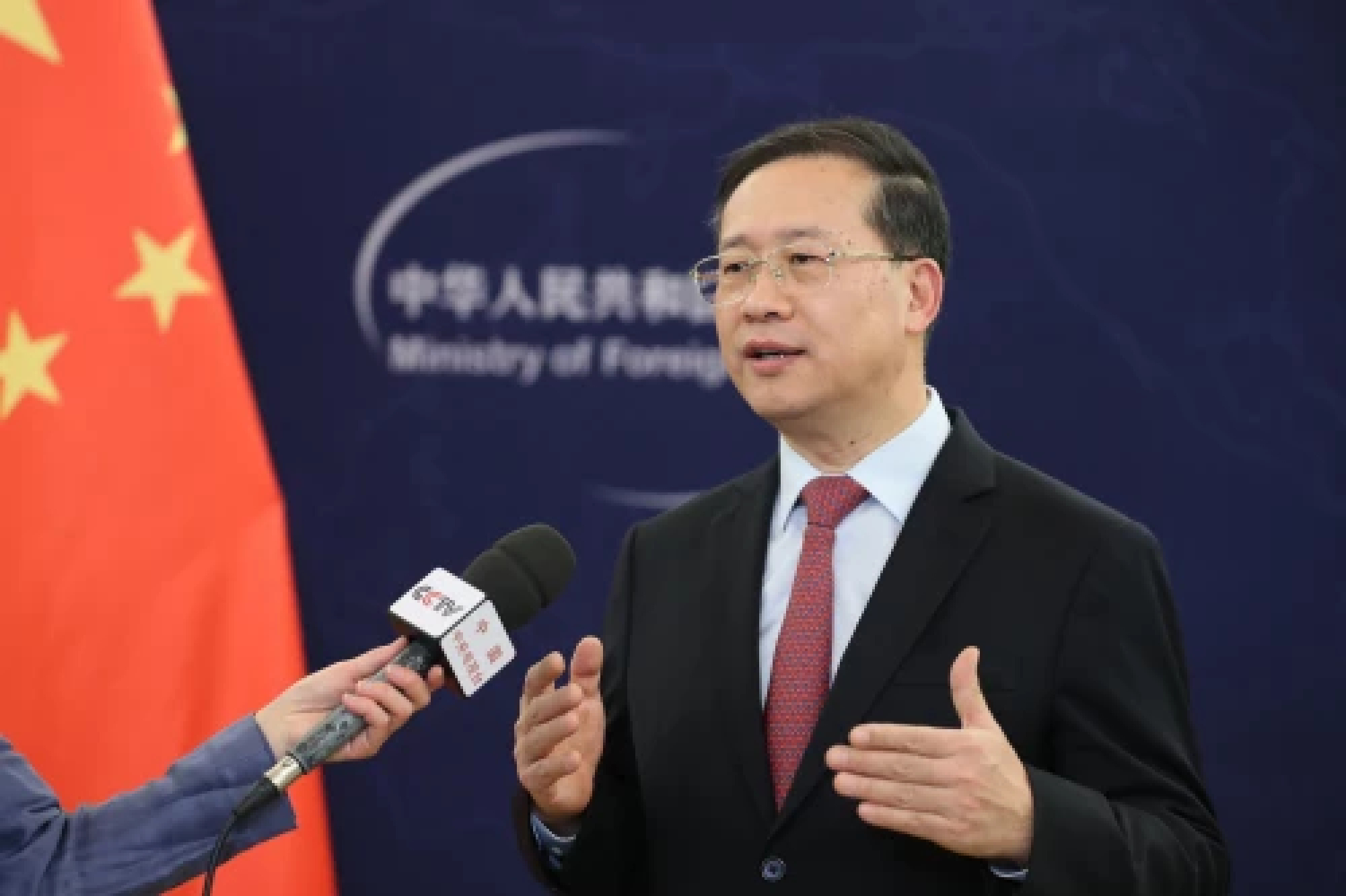
Vice-Foreign Minister Ma Zhaoxu said on Monday that the joint statement reflected the five countries’ political will to prevent nuclear war as well as their joint call for maintaining global strategic stability and reducing the risk of nuclear confrontation.

At a time when global strategic security faces multiple major challenges, the joint statement will help strengthen mutual trust and replace major power competition with coordination and cooperation, Ma said.

It also bears positive significance for building a generally stable relationship between major countries that develops in a balanced manner, he added.

Ma also said that China has been an active initiator of the idea that “a nuclear war cannot be won and must never be fought” and has played a strong leading role for the five countries to take joint action and reach the statement.

China will continue to contribute Chinese wisdom and proposals for promoting global governance in the nuclear arena and stands ready to cooperate with all peace-loving countries, he added.

By MO JINGXI

Published : January 04, 2022

By : China Daily

Thailand recorded 2,927 Covid-19 cases and 18 deaths on Monday.

#SootinClaimon.Com : ขอบคุณแหล่งข้อมูล : หนังสือพิมพ์ The Nation.

https://www.nationthailand.com/international/40010694


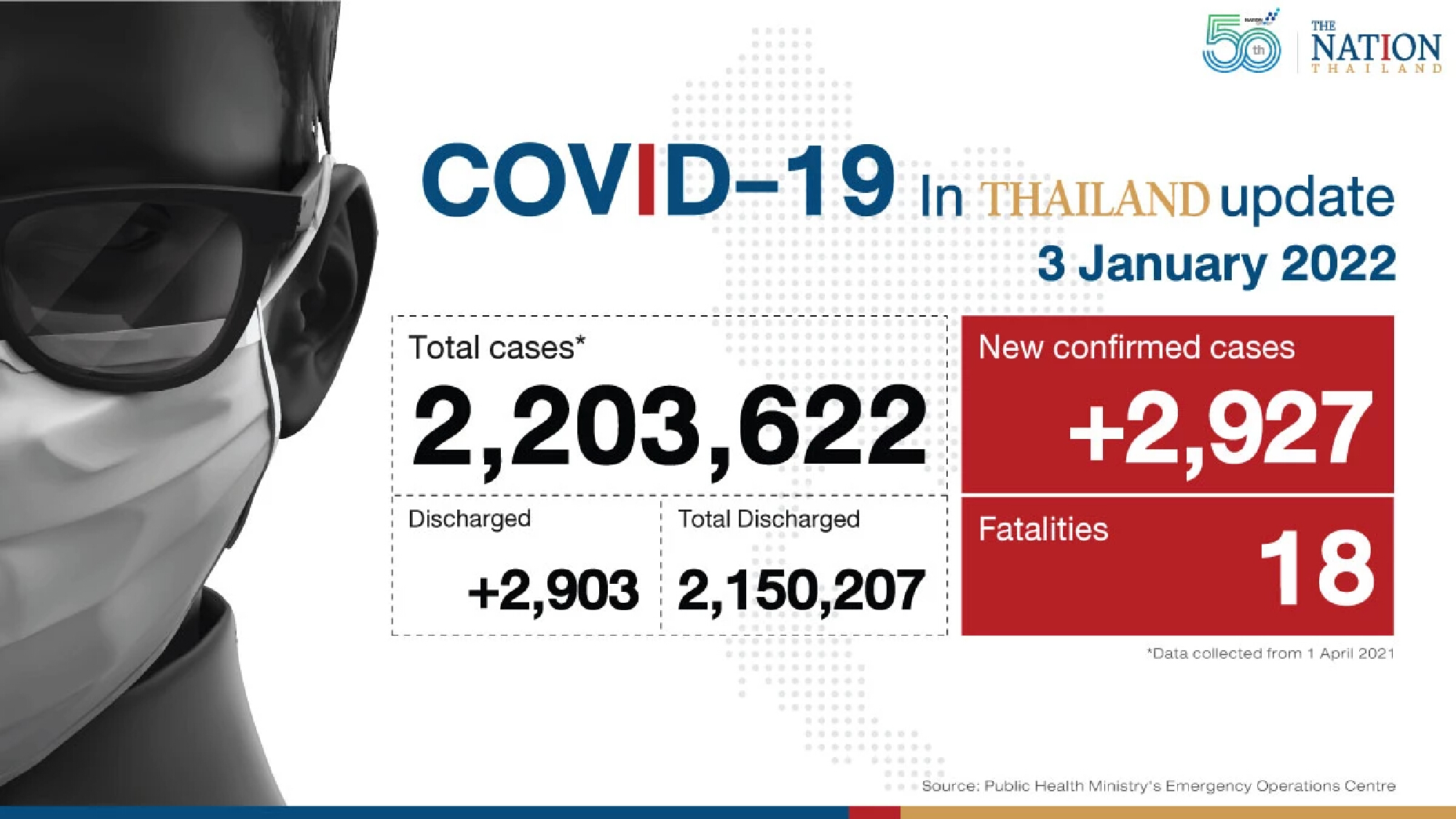
Ministry of Public Health reported on Monday (January 3) morning that in the past 24 hours there are 2,927 new patients who tested positive for Covid-19, 21 of whom have been found in prisons.

Thailand recorded 2,927 Covid-19 cases and 18 deaths on Monday.

Death toll increased by 18, while 2,903 patients were cured and allowed to leave hospitals.
 

The country’s total caseload from Covid-19 stands at 2,232,485 – 2,177,633 of whom have recovered, 33,114 are still in hospitals and 21,738 have died.

Separately, another 3,480 people were given their first Covid-19 shot in the last 24 hours, 5,977 their second shot and 10,235 a booster, bringing the total number of Covid-19 vaccine doses administered nationwide to 104,491,859.

According to Worldometer, confirmed cases globally had risen to 290.63 million on Monday, 254.53 million of whom have recovered, 30.64 million are active cases (89,981 in severe condition) and 5.46 million have died (up by 2,952).

Thailand ranks 25th in the global list of most cases, which is topped by the US with 56.14 million, followed by India with 34.91 million, Brazil with 22.29 million, the UK with 13.23 million and Russia with 10.53 million.

Published : January 03, 2022

By : THE NATION

Talks in KL to end deadly Thai conflict

#SootinClaimon.Com : ขอบคุณแหล่งข้อมูล : หนังสือพิมพ์ The Nation.

https://www.nationthailand.com/international/40010693


KUALA LUMPUR: Rebels from southern Thailand and the Thai government will meet here this month as part of the continuing peace talks, which have been disrupted by the Covid-19 pandemic.

Talks in KL to end deadly Thai conflict

After two years of virtual negotiations between both sides, the face-to-face meeting will finally take place.

The separatists are from the powerful Barisan Revolusi Nasional (BRN), a heavily armed group operating in four provinces, namely Pattani, Yala, Narathiwat and Songkhla, which make up Thailand’s Deep South.

The population in these provinces near the Malaysian border is predominantly Muslim Malays.

The facilitator for the talks is former Inspector-General of Police Tan Sri Rahim Noor (pic), who represents the Malaysian government.

He confirmed that the latest meeting would be held soon but said no date has been fixed yet.

“It is scheduled to be held in the middle of January, but the date has not been finalised,” he told The Star.

Rahim said the meetings had progressed “very well’’ but declined to provide details.

The negotiations involved representatives of the Thai government with chief negotiator Gen Wanlop Rugsanaoh and the BRN.

The relentless cycle of violence in southern Thailand began in 2004 and has claimed at least 7,000 lives to date.In May 2021, Thai security forces were reportedly in a three-hour standoff with two separatist insurgents in a small remote village in Yala, southern Thailand.

The United States Institute of Peace (Usip) reported that “as they stood their ground, the two combatants made video calls to family and friends to bid farewell”.

The previous peace talks between the BRN and Thailand were held in Kuala Lumpur in January and early March 2020, which provided hope for ending the violence in southern Thailand.

The BRN delegation was led by the bespectacled Anas Abdulrahman @ Hipni Mareh, a high-ranking official said to be foreign educated and a former schoolteacher.

The BRN is also known as the Barisan Revolusi Nasional Melayu Patani.

It was founded by Haji Abdul Karim in 1963.

Previously, Wanlop had reportedly said he had personally been in the field to listen to suggestions and feedback from the grassroots, including stakeholders, non-governmental organisations and civil society organisations.

He said Thailand was committed to finding a peaceful and lasting solution to end the decades of conflict in the troubled southern province.

Nikkei Asia quoted seasoned observers saying the interactions have so far been confidence-building measures “but are an encouraging sign that there will be progress to a more decisive stage addressing concrete measures”.

It quoted Rungrawee Chalermsripinyorat, a lecturer at the Songkla University in Pattani province, saying the BRN submitted a document to the Thai government in mid-2021.

It included three demands: a political solution that meets the aspirations of Muslim Malays in the south, a reduction in military operations and “the idea of inclusivity; and to involve civil society representatives, religious and political figures, and community leaders in the peace dialogue”.

Published : January 03, 2022

By : The Star

HCM City issues quarantine procedure for arrivals in face of Omicron

#SootinClaimon.Com : ขอบคุณแหล่งข้อมูล : หนังสือพิมพ์ The Nation.

https://www.nationthailand.com/international/40010692


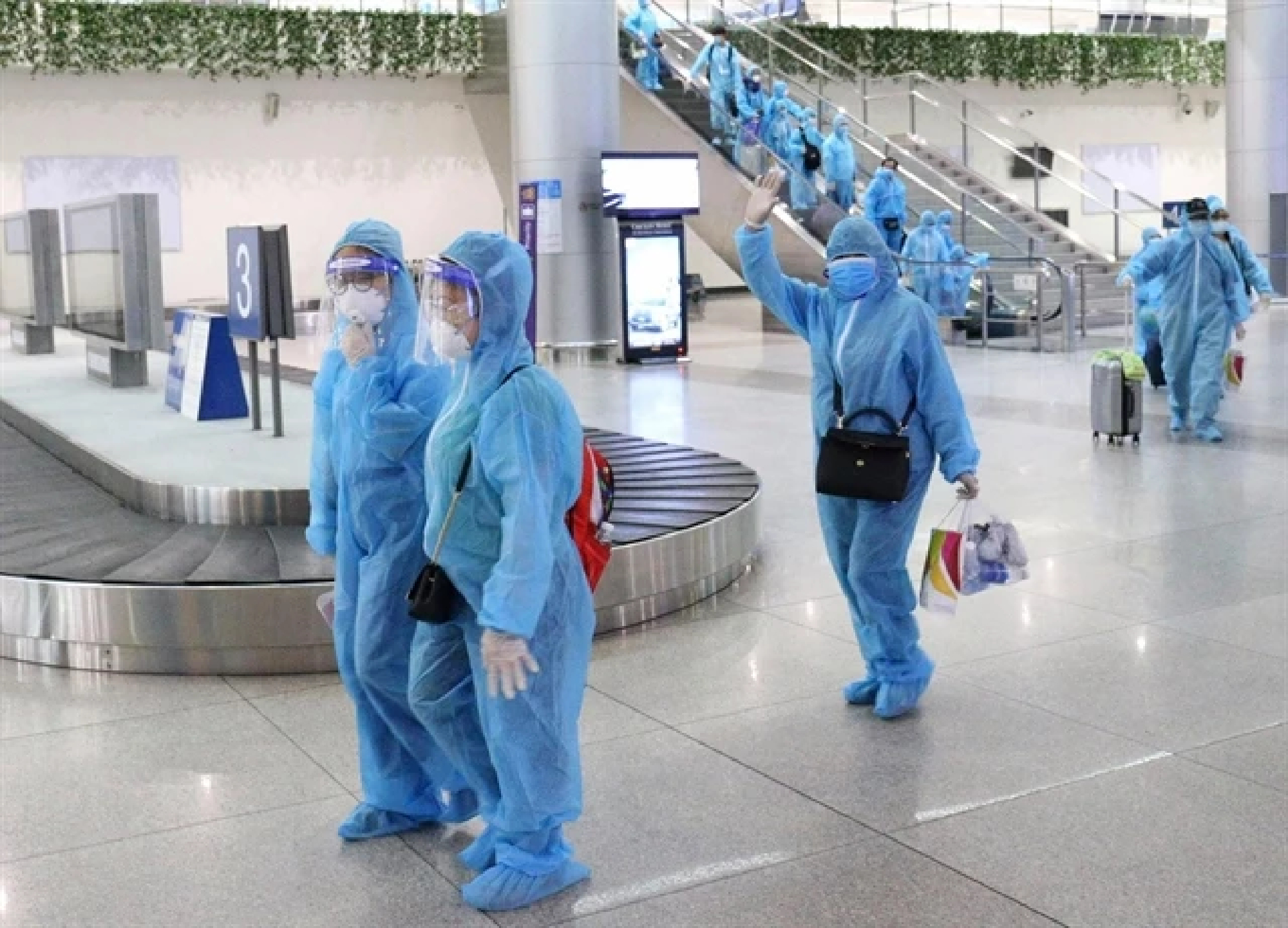
HCM City — HCM City People’s Committee has just issued urgent guidelines for a five-step quarantine procedure for arriving passengers amid the emergence of the Omicron variant in Việt Nam.

HCM City issues quarantine procedure for arrivals in face of Omicron

According to the document, the self-quarantine area (including homes, hotels, offices, dormitories, guest houses) must meet the standards required by the Ministry of Health.

If the accommodation fails to meet these criteria, incoming passengers will have to go into centralised quarantine facilities.

The document also states that passengers arriving in Việt Nam at Tân Sơn Nhất International Airport must comply with a five-step procedure as follows:

Step 1: Register a ‘Personal QR code’, which can be created using the PC-COVID app or the HCM City COVID-19 Safety Portal at https://antoan-covid.tphcm.gov.vn.

It is advised that passengers should register for the code before boarding their plane to Việt Nam.

Step 2: Test for SARS-CoV-2 immediately upon arrival

Tân Sơn Nhất International Airport will set up a rapid-testing area for SARS-CoV-2, and coordinate with international airlines to instruct people to test for the coronavirus at the airport. The ‘Personal QR code’ will be used to provide information to the testing unit. 

If the result is positive, the passenger will be taken for RT-PCR testing. HCM City Centre for Disease Control (CDC) will work with the 115 Emergency Centre to transport the patients to field hospitals for quarantine and treatment.

If the test result is negative, the airport and the airlines will guide the person to continue with the procedure to leave the airport for their residence.

Step 3: After arriving at the accommodation, passengers must strictly comply with the 5K regulations

The transporting vehicle must only include the driver and the passenger. In the case when there are people who come to pick up the passengers, they must not sit in the same vehicle (except for when the arrival is a foreigner who needs an interpreter).

The transporting vehicles for passengers must refrain from stopping and parking along the route. In case of emergency when the vehicle needs to pull up, safety measures for COVID-19 prevention and control must be taken. 

Step 4: Monitor and declare health conditions on a daily basis

The place of accommodation must register the new arrivals’ ‘Personal QR Codes’ immediately upon arrival. Health declarations and confirmation of accommodation must be reported on a daily basis during the quarantine period.

New arrivals must also practise the 5K measures. If they experience symptoms of COVID-19 (cough, fever, difficulty in breathing, sore throat), they must immediately report to the local medical centre for treatment.

Regarding the period of quarantine:

For arriving passengers who are fully inoculated or recovered from COVID-19, they must monitor their own health status, refrain from coming into contact with other people, and must not leave their accommodation for three days after the arrival date.

For those who are not vaccinated or fully inoculated, they must stay in their accommodation for seven days after the arrival date.

For arriving passengers who are under 18 or over 65, pregnant women, or have underlying health conditions (but don’t have to be monitored and receive treatment from medical facilities), they can go into quarantine with their guardians/caretakers. 

The guardians/caretakers must be fully vaccinated or recovered from COVID-19. They are also required to sign a statement on their voluntary quarantine after receiving an explanation on the risk of transmission.

They must also comply with the regulations on testing and pandemic prevention and control, the same as the new arrivals. 

Step 5: Conduct RT-PCR testing during the quarantine period at the accommodation

If the test result returns negative for SARS-CoV-2, the person will have to continue monitoring their health status for 14 days after their arrival.

If the result returns positive, the testing unit must report to the HCM City CDC to transfer the sample to HCM City Pasteur Institute for genomic sequencing.

Local medical centres where the patients are in quarantine will also be notified to transfer the infected to Field Hospital No. 12 (for those with no to mild symptoms) or HCM City Hospital for Tropical Diseases (for those with signs of respiratory failure). 

Việt Nam so far has reported 20 Omicron infections, which were all immediately quarantined upon arrival. Six of them have been given the all-clear after testing negative for coronavirus. — VNS

Published : January 03, 2022

By : Vietnam News