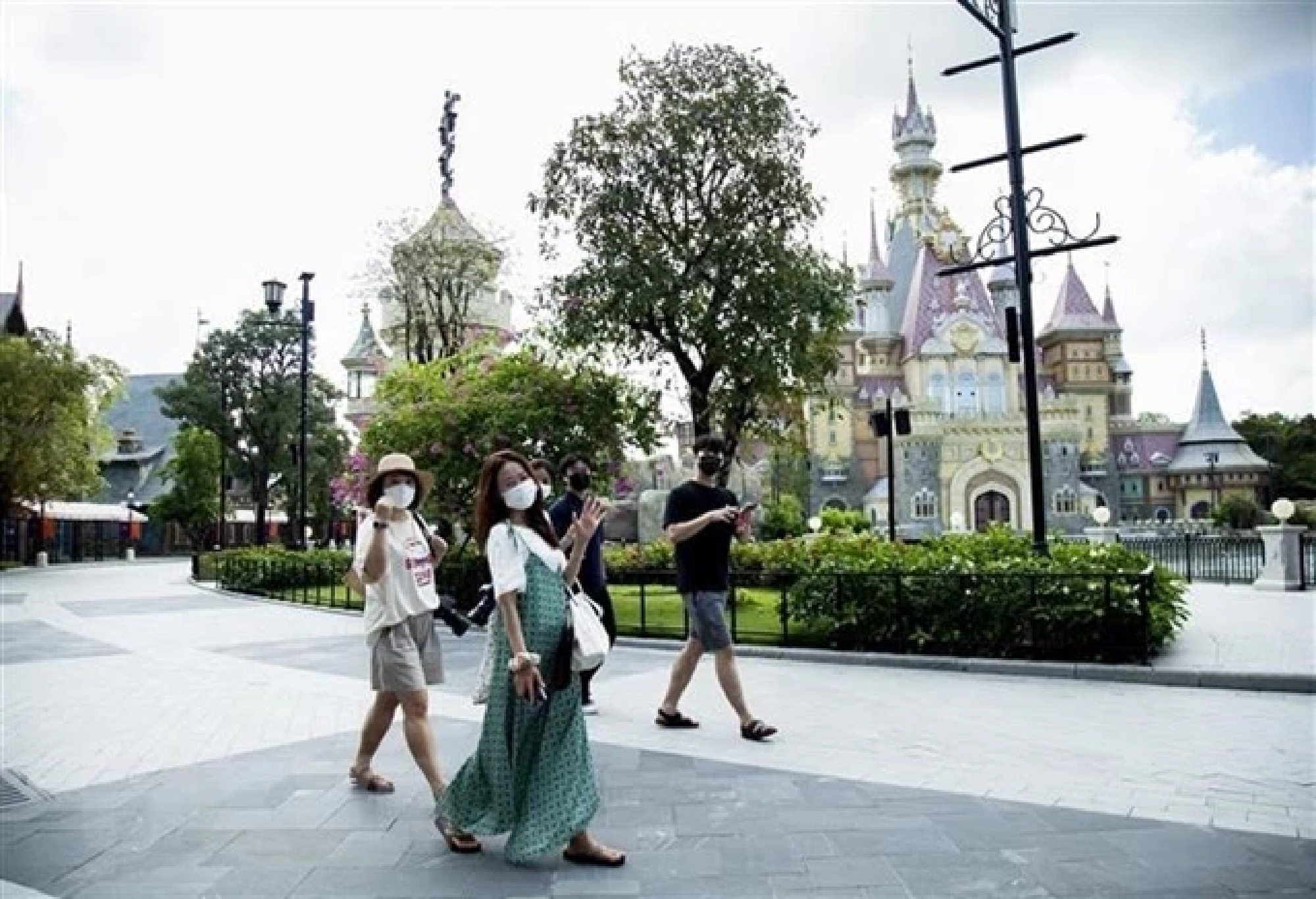
HÀ NỘI — The Ministry of Culture, Sports and Tourism is planning to welcome back international tourists via sea route and roads, after piloting the “vaccine passport” programme on the air route, according to a proposal document sent to the Government.
According to the ministry, three out of the five localities included in the first phase of the pilot programme, namely Kiên Giang, Quảng Nam and Khánh Hoà, have reopened to foreign visitors, receiving 204, 159, and 816 visitors respectively.
Towards the end of the year, another 11,000 tourists will come to Khánh Hoà and 3,500 will arrive at Kiên Giang.
Meanwhile, Đà Nẵng City and Quảng Ninh Province are scheduled to receive international tourists next month, the same time regular flights from and to certain destinations are resumed.
The ministry reported that the first phase of the programme was rolled out in line with COVID-19 prevention and control measures, with the quality of services ensured.
Foreign holidaymakers have shown a positive response to Việt Nam tours, as well as their confidence in pandemic prevention and control measures taken by the country.
HCM City and the south-central province of Bình Định are expected to join the second phase that will kick off next month. Other localities should propose the resumption once they satisfy necessary requirements, the ministry said.
The ministry has also proposed the Prime Minister consider restoring visa exemption for tourists from a number of countries prior to when Việt Nam closed off its border for foreign tourists in March 2020, for example, traditional markets like South Korea, Japan or Russia, or people who stay in Việt Nam for less than 15 days.
Vietnamese studying and living abroad with Vietnamese passports, and Vietnamese holding US green cards or permanent residence cards in certain countries should be allowed to join the pilot programme, it said.
Việt Nam’s tourism market will fully open to international tourists in the last phase, the starting time of which will be based on the pandemic evaluation of the two previous phases. — VNS
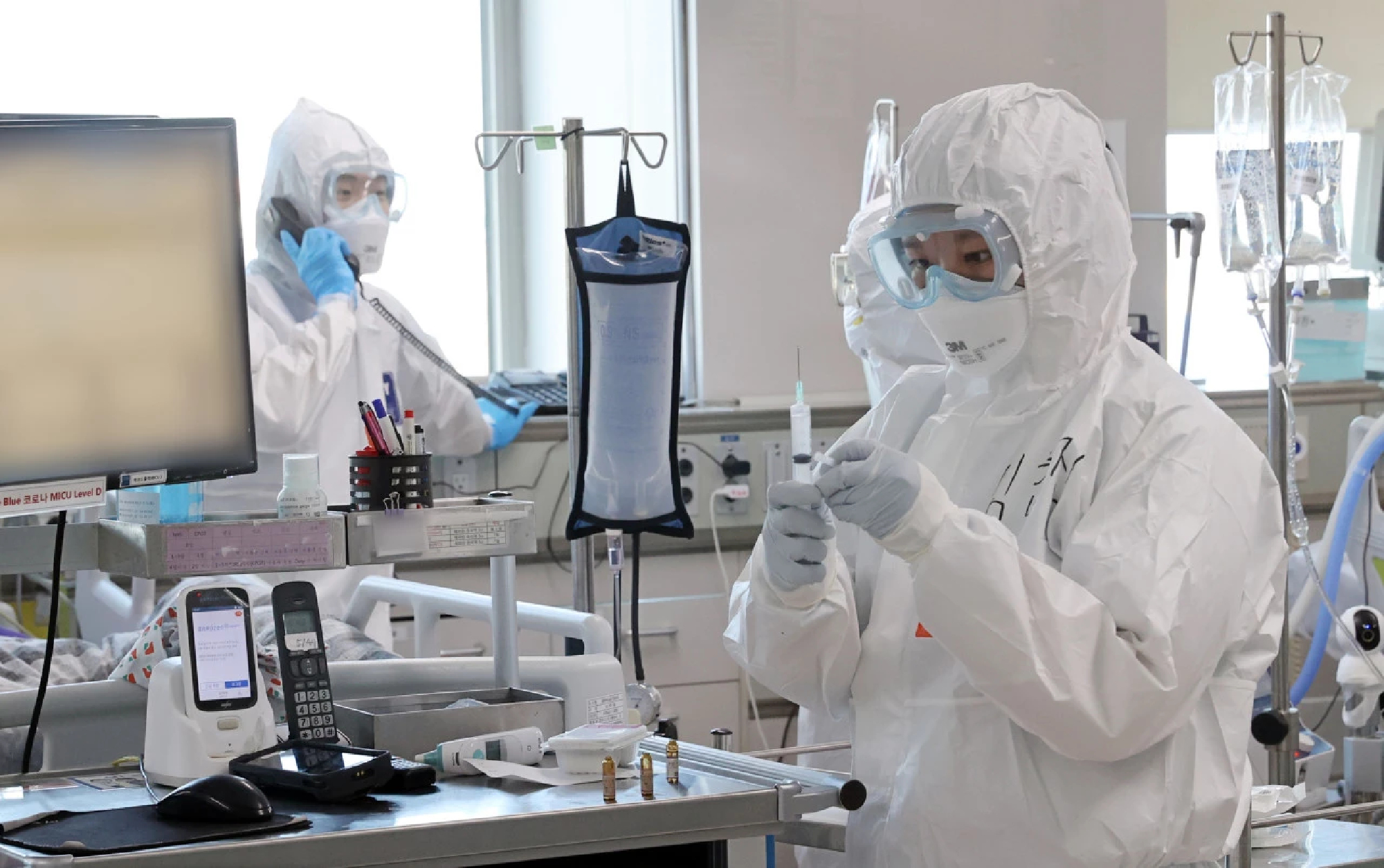
South Korea will secure 10,000 additional hospital beds for COVID-19 patients in January to counter the increasing number of critically ill coronavirus patients, Prime Minister Kim Boo-kyum said Wednesday.
If the government successfully adds hospital beds, the total number could increase to 25,000.
“(The government) will take preemptive measures in case the country’s daily COVID-19 cases reach 15,000,” Kim said during a COVID-19 response meeting of the Central Disaster and Safety Countermeasures Headquarters.
According to Kim, the government will designate additional public health care institutions — including the National Medical Center and Seoul Medical Center — to exclusively treat COVID-19 patients. The government will also ask national university hospitals to provide at least 300 extra hospital beds to treat critically ill COVID-19 patients, Kim added.
Kim’s announcement comes amid an ongoing shortage of hospital beds for COVID-19 patients, caused by recent surges in the number of critically ill coronavirus patients.
As of midnight Tuesday, the number of critically ill patients came to a fresh high of 1,063, according to the Korea Disease Control and Prevention Agency.
The bed occupancy rate in intensive care units for COVID-19 patients slightly came down to 79.2 percent, from 80.7 percent of the previous day.
However, the bed occupancy rate for Greater Seoul continued to remain high, at 85.7 percent.
According to health authorities, there are only 120 hospital beds left in the wider Seoul area as of midnight Tuesday, and 493 COVID-19 patients in the area were waiting to be admitted to hospitals.
In the meantime, South Korea’s new COVID-19 cases climbed back into the 7,000s. The country reported 7,456 new COVID-19 cases for the 24 hours of Tuesday, bringing the cumulative total to 583,065.
Of the 7,456 confirmed cases, 5,446 cases were from Greater Seoul, which accounted for 73.9 percent. Seoul reported 2,779 infections and the surrounding Gyeonggi Province reported 2,192 cases.
The government also noted that the number of infections among children aged 7-12 has been increasing rapidly.
The combined number of COVID-19 infections in the 7-12 age group in the last week reached 4,325, up from 1,835 in the fourth week of November.
The prime minister said the government will speed up vaccinating children and providing third shots to the older population to better respond to the prolonging COVID-19 resurgence.
As of midnight Tuesday, 82.1 percent of the country’s 52 million population had received their second shots of COVID-19 vaccines. Those who had received their third shots came to 25.5 percent, the KDCA said.
Financial and humanitarian assistance continued to pour in from several countries to help hundreds of thousands of people in the Visayas and Mindanao recently affected by Typhoon “Odette” (international name: Rai).
Canada is committing up to CA$3 million (approximately P120 million) for relief efforts in the Philippines, of which CA$500,000 (P20 million) will be provided to the Red Cross, International Development Minister Harjit Sajjan said.
Canada will also release an additional CA$50,000 (P1.9 million) to support local relief efforts in the Caraga region, according to the Canadian Embassy.
“Canada stands in solidarity with the Philippines, and will work with our partners to extend assistance to those in need,” Canadian Ambassador Peter MacArthur said in a statement.
The European Union is also allocating 1.7 million euros (P96.4 million) in humanitarian funding to provide emergency assistance to the typhoon-hit provinces in the Philippines.
“The EU stands by the Filipino people in these difficult times and has started to provide emergency relief actions to those affected,” said EU Commissioner for Crisis Management Janez Lenarčič.
South Korea has also pledged humanitarian aid worth US$2 million (approximately P100 million) to assist the Philippines’ relief effort in affected areas.
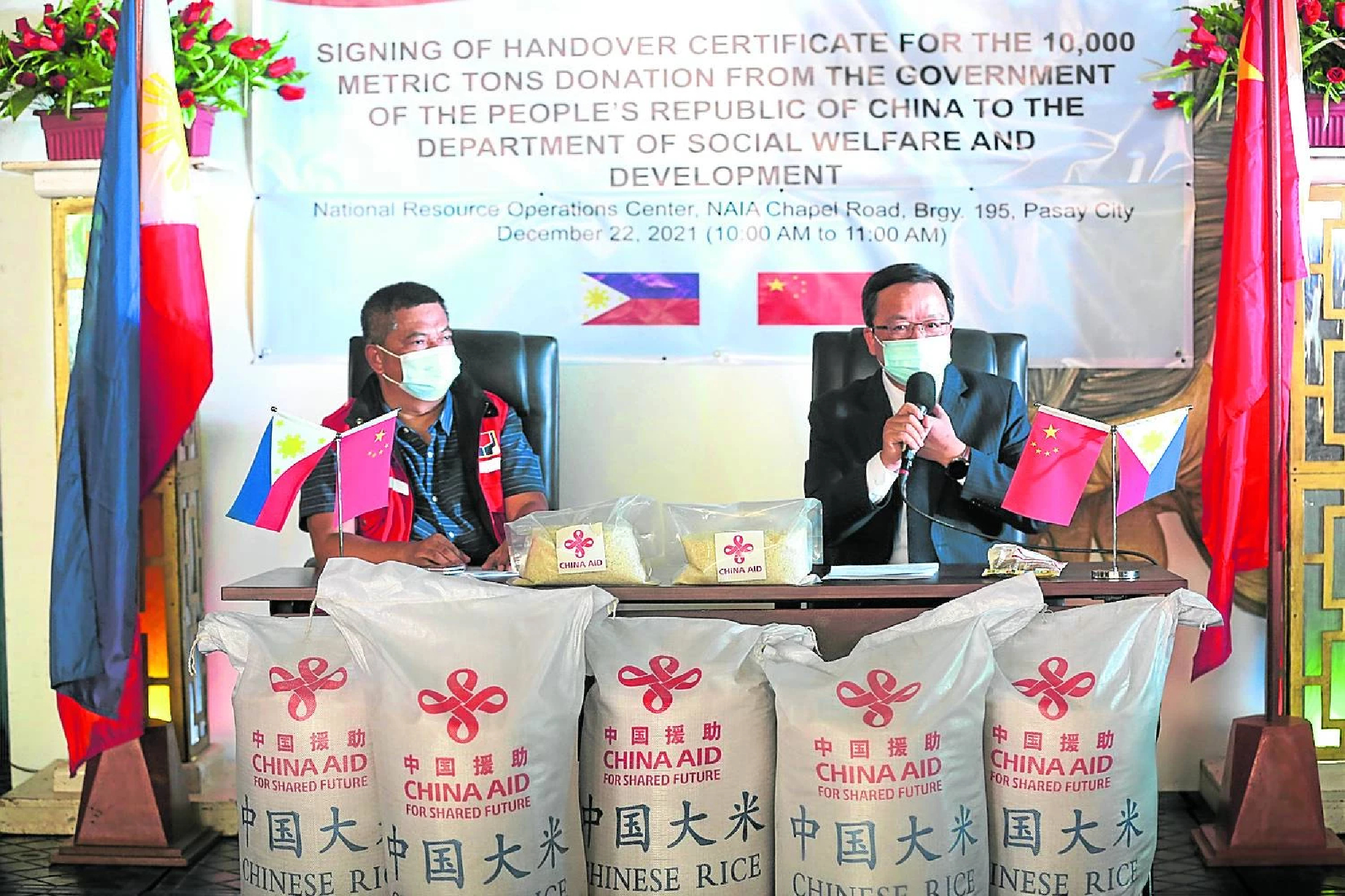
China, on the other hand, committed on Wednesday an emergency cash assistance of US$1 million (P50 million) to support the government’s relief and recovery efforts.
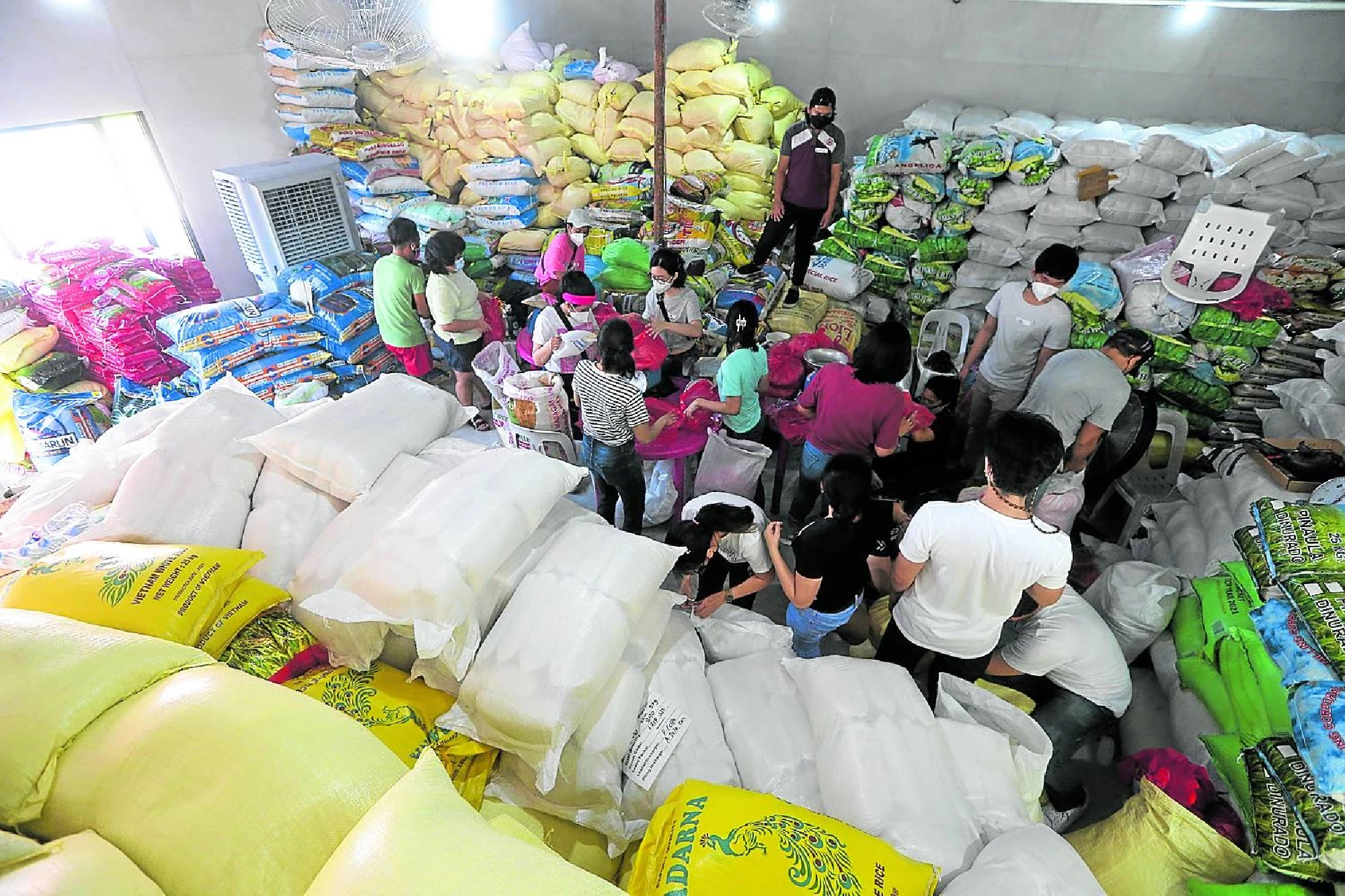
Chinese Ambassador Huang Xilian also turned over some 10,000 metric tons of rice donation to the government.
Earlier, the Chinese Embassy announced sending about P8 million worth of relief goods to the most affected population in Visayas and Mindanao.
Ireland’s Minister for Overseas Development Aid and Diaspora, Colm Brophy, also announced 250,000 euros (P14.2 million) in Irish Aid humanitarian assistance to the Philippines.
Immediate support
The United States, meanwhile, will provide US$200,000 (P10 million), through the US Agency for International Development, to provide food, water, hygiene supplies and other relief items to victims, particularly in Surigao del Norte and Dinagat Islands.
“The United States is providing P10 million in immediate support, including food and shelter for communities affected by Typhoon Odette. We are committed to working alongside our friends and partners to provide emergency supplies and recovery assistance,” said US chargé d’affaires Heather Variava.
The Japanese government, through the Japan International Cooperation Agency, earlier said it would send generators, camping tents, sleeping pads, portable water containers and tarpaulins for use as roof covers to the Department of Social Welfare and Development (DSWD).
The World Food Programme is also providing critical emergency logistics support to the DSWD by transporting some 70,400 family food packs to highly devastated areas.
The New Zealand government, for its part, made a contribution of NZ$500,000 to the International Federation of Red Cross and Red Crescent Societies to support their ongoing relief efforts for the typhoon victims.
The United Nations Children’s Fund (Unicef) said its personnel were already on the ground performing assessments in collaboration with the Philippine government and partners.
The supplies were sent from Unicef’s Mindanao field office in Cotabato City to the Dinagat Islands, Siargao, Surigao City and Surigao del Norte.
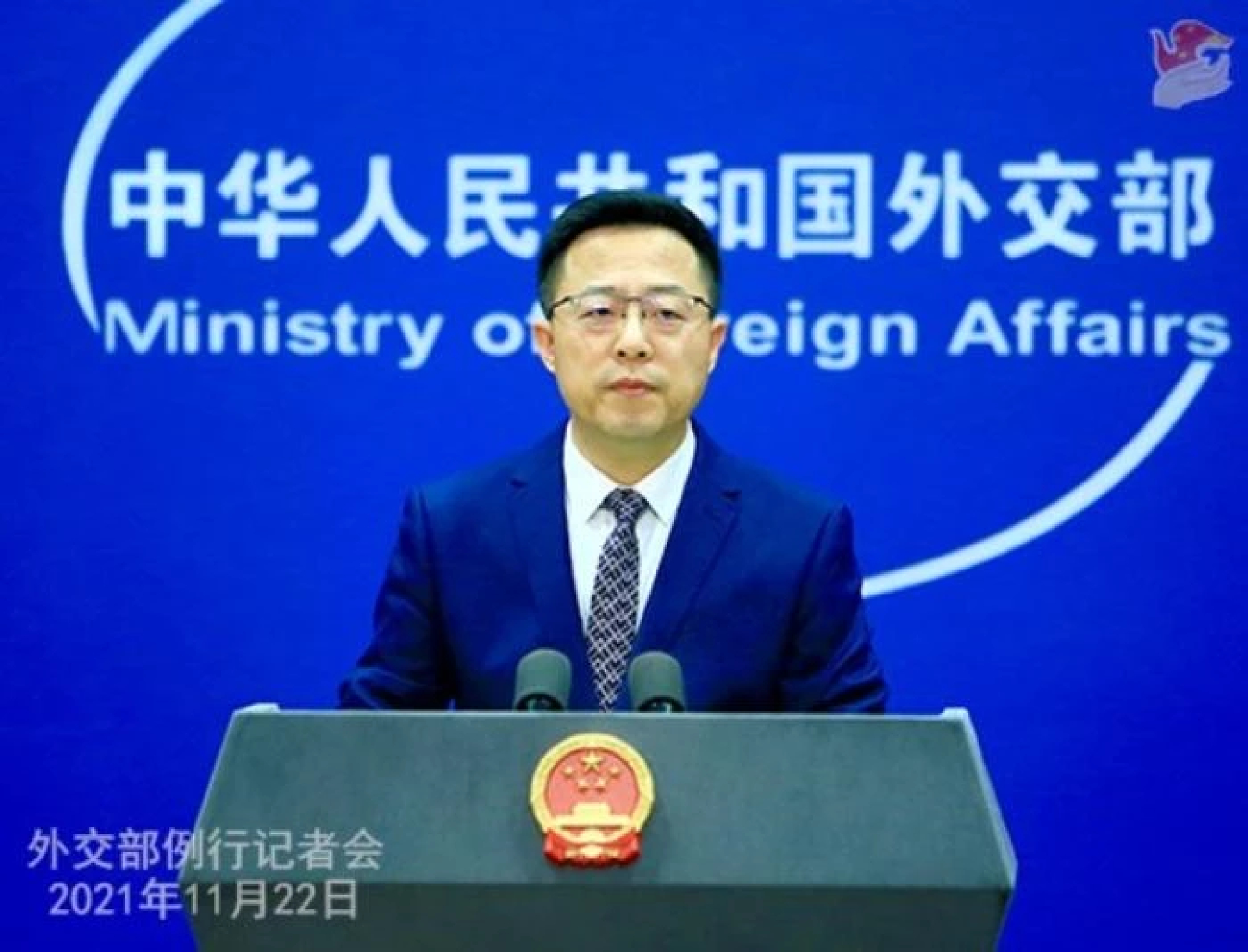
BEIJING – China is seriously concerned about and firmly opposes Japans unilateral decision to discharge the nuclear-contaminated water into the sea and its proceeding with the preparatory work, a Chinese Foreign Ministry spokesperson said Wednesday.
Zhao Lijian made the remarks when asked to comment on a media report that Tokyo Electric Power Company has submitted an application to Japan’s Nuclear Regulation Authority with a detailed plan of discharging nuclear-contaminated water from the Fukushima Daiichi nuclear power plant into the sea.
Since April this year, the international community has raised concerns to the Japanese side over the legitimacy of the discharge into the sea, the rationality of the discharge plan, the credibility of the data about the nuclear contaminated water and the reliability of the equipment to purify the nuclear-contaminated water, Zhao said.
The work of the IAEA technical working group on the handling of the nuclear-contaminated water from Fukushima is still undergoing, he added.
“In total disregard of the legitimate and reasonable concerns of the international community, the Japanese side only continues to proceed with the preparations for the discharge both policy-wise and technology-wise,” Zhao said.
“Obviously, it wants to impose its wrong decision on the entire international community, and it is all the littoral countries of the Pacific Ocean that will have to take the risk for such move. The Japanese side is extremely irresponsible in doing so.”
He said that over the past eight months, Japan has constantly tried to defend the decision to discharge the nuclear-contaminated water into the sea, claiming the discharge is safe.
“However, many countries and international environment groups have questioned that if the water is truly harmless, why doesn’t the Japanese side discharge it into lakes or use it for civil purposes instead of releasing it into the ocean? To say the least, why doesn’t it try to build more storage tanks for the water at home? How can the international community trust Japan’s own words regarding whether the water to be discharged is safe or not? The Japanese side should give responsible answers to all these fundamental questions,” Zhao said.
He stressed that the handling of the nuclear-contaminated water from Fukushima is never Japan’s private matter. Instead, it bears on the marine environment and public health of the whole world.
Japan should heed and respond to the appeals of neighboring countries and the international community, and rescind the wrong decision of dumping the water into the sea.
“It mustn’t wantonly start the ocean discharge before reaching consensus with stakeholders and relevant international institutions through full consultations,” Zhao said.
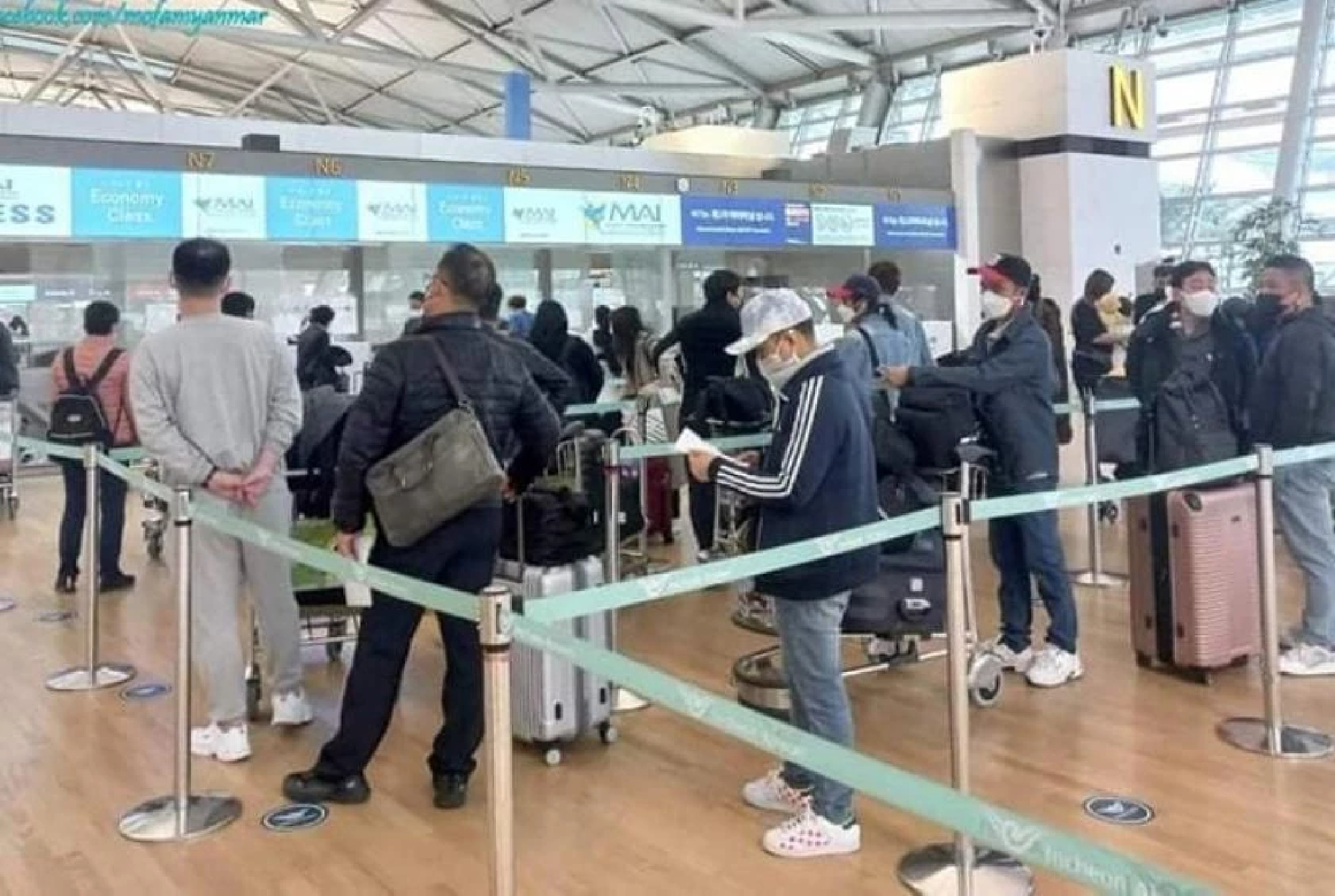
Myanmar is taking measures for prevention of the new Omicron variant of Covid-19 by extending quarantine period for those returning from overseas and carrying out tests with the use of RT-PCR, while preparations are being made to provide treatment if infections occur, according to the Ministry of Health.
Plans are under way to carry out three times of RT-PCR tests, instead of two times, on Myanmar returnees and foreign travellers if they have not been fully vaccinated or received testing 72 hours before.
Under the plan (that started on November 3) of restricting travels and movements of travellers entering the country via international and border exits, except for emergency matters, authorities have set new measures such as placing those fully vaccinated in quarantine for seven days and having them tested two times, and placing those not fully vaccinated in quarantine for 10 days and having them tested two times.
Although the Omicron variant is highly infectious, it is less severe, and there had been few deaths till December 4, the ministry reported.
Some of the domestic flight schedules for travellers from the regions bordering the neighbouring countries have been suspended. For running schedules, all travellers will have Covid testing with RDT technology and they will be allowed flying only if they test negative.
The Ministry of Health is urging the people to receive full doses of Covid-19 vaccines, those who have received the first doses to visit the nearest immunization point in due course and all public members to actively cooperate in the nationwide inoculation programme.
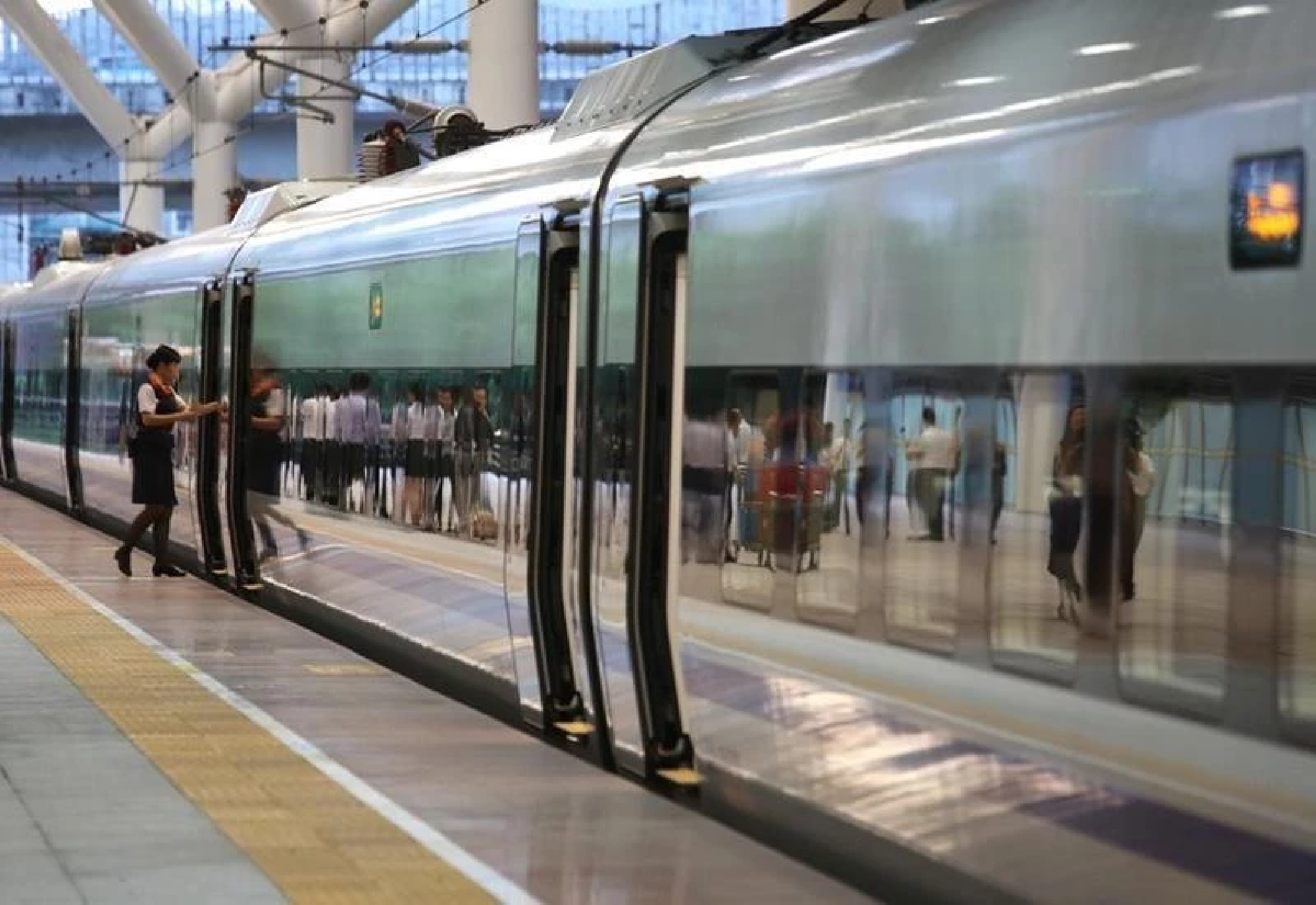
Five new railways connecting Hong Kong and Shenzhen are being proposed to facilitate the connectivity between the two cities and Hong Kong’s integration into the overall development of the Guangdong-Hong Kong-Macao Greater Bay Area.
Stephen Cheung Yan-leung, chairman of Hong Kong’s Transport Advisory Committee, outlined the proposal on Tuesday.
The five railway projects, proposed by the Northern Metropolis Development Strategy, were welcomed by the committee members, Cheung said.
The proposed railways include: the Hong Kong-Shenzhen Western Rail Link, which would link Hung Shui Kiu/Ha Tsuen and Qianhai in Shenzhen; the Northern Link (NOL) Spur Line, which would connect to the new Huanggang Port in Shenzhen; an extension of the East Rail Line to Luohu district in Shenzhen, and the possibility of a new railway station between the existing Lo Wu Station and the Sheung Shui Station; an extension of the NOL eastward from the Kwu Tung Station to connect with the areas in Lo Wu and Man Kam To on the Hong Kong side and various development nodes in the New Territories North New Town; and an automated people-mover system from Tsim Bei Tsui to Pak Nai.
These cross-boundary railway projects will be pursued through the Task Force for Hong Kong-Shenzhen Co-operation on Cross-Boundary Railway Infrastructure, jointly established by the governments of Hong Kong and Shenzhen.
A series of practical factors have to be examined before the projects are set in motion, such as projected volume of passenger flow, the feasibility of construction, and the financial cost that would be incurred, Cheung said.
For those local projects, the task force will factor in land-use planning of the affected areas, the expected population growth, and employment opportunities, “so as to meet the transport needs of the residential and working populations of the area in the most effective manner,” he said.
While there currently is no development timetable, preparatory work will be carried out in an orderly, meticulous and holistic fashion, he said.
KUALA LUMPUR: The government should continue its existing income relief measures to target groups for at least another six months to maintain financial support for the poor and vulnerable group in the near term, said the World Bank Group.
Senior economist on Poverty and Equity Dr Ririn Salwa Purnamasari said there is an ongoing need to provide support to a broad range of households, particularly low-income and vulnerable households, through cash assistance transfers at least until economic growth, job creation, and wage growth resume.
“Thereafter, this cash assistance can be focused more narrowly on the chronically poor,” she said during the launch of Malaysia Economic Monitor December 2021 Edition ‘Staying Afloat’ today.
She also said that targetted wages subsidies must be introduced, including for youth and women, who traditionally suffer from difficulties in entering the labour market.
“As the economy and employment recover, resources could be directed to those who may continue to need support to obtain a job and who may not benefit from the existing wage subsidy programme,” she suggested.
Ririn Salwa also said a pilot and social insurance evaluation measures also needed to be carried out, whereby Malaysia could learn from the experience of other countries on pilot initiatives to increase the coverage and adequacy of social insurance programmes among informally employed workers.
On the education system, she said within Malaysia’s education space, measures were required to improve learning processes, especially for socioeconomically disadvantaged children.
“With prolonged school closures, it is likely that disparities between the socioeconomically advantaged and disadvantaged households have widened the existing learning gaps,” she said.
As a crucial first step, she said the government could conduct an assessment of the pandemic-related learning loss to determine the specific needs of students as they re-engage in face-to-face learning.
For a long-term focus, Ririn Salwa said the government must improve the targeting and adequacy of Malaysia’s cash transfer systems to provide better coverage and protection.
“This can involve outreach programmes and leveraging existing registries for cash transfer programmes that focus on the most vulnerable, such as those implemented by the Department of Social Welfare,” she said.
Over time, she said the Malaysian government might need to increase its expenditure on social assistance to ensure a robust social protection system and to promote equitable outcomes.
“Active labour market policies should be strengthened to increase their responsiveness to economic shocks,” she added. – Bernama
South Koreas new coronavirus cases spiked to above 7,000 on Wednesday, and the number of critically ill patients surged to a record high.
The country added 7,456 more COVID-19 cases, including 7,365 local infections, bringing the cumulative total to 583,065, the Korea Disease Control and Prevention Agency (KDCA) said.
Wednesday’s tally is sharply up from 5,318 on Monday and 5,202 on Tuesday. The number of new daily cases usually shrinks at the beginning of the week due to less testing over the weekend.
The number of critically ill patients came to a fresh high of 1,063, the authorities said. The previous high was the 1,025 reported Sunday.
The country added 78 more deaths from COVID-19, bringing the total to 4,906. The fatality rate stood at 0.84 percent, unchanged from a day earlier.
The country reported seven new omicron variant cases, bringing the total to 234, the authorities said.
On Saturday, the government reimposed a set of revised virus restrictions across the country, which will remain in effect until Jan. 2 to stem the spread of the virus.
It marks a reversal of the government’s “living with COVID-19” scheme that began last month, with an aim to regain normalcy by relaxing virus restrictions in phased steps.
Under the new measures, the maximum size of private gatherings is limited to four people nationwide, from the previous limit of six in the capital area and eight elsewhere.
A 9 p.m. or 10 p.m. curfew is applied to businesses as well, depending on their type of service.
Of the locally transmitted cases, Seoul reported 2,779 infections and Gyeonggi Province that surrounds the capital logged 2,192 cases.
The KDCA said 91 cases came from overseas, raising the caseload to 16,537.
As of Wednesday, 85.1 percent of the country’s 52 million people had received their first shots of COVID-19 vaccines, and 82.1 percent had been fully vaccinated, while 25.5 percent had gotten booster shots, the KDCA said. (Yonhap)
As hundreds of thousands of people displaced by Typhoon Odette (international name: Rai) cry out desperately for food, water and shelter, government and private groups are being mobilized to ship relief supplies to the devastated regions, officials said on Tuesday.
President Duterte has also promised to raise up to P10 billion in fresh calamity funds for the “rehabilitation and recovery efforts” in areas devastated by the strongest typhoon to hit the country this year, according to acting presidential spokesperson Karlo Nograles.
In addition to military planes and vessels, private shipping and airline companies have also been tapped by the Department of Social Welfare and Development (DSWD) to speed up delivery of relief supplies. (See related stories on Pages A5 and A8.)
The Philippine Navy’s landing dock ship BRP Tarlac was to sail for Cebu on Tuesday night with a cargo of relief supplies. The ship is expected to reach Cebu on Wednesday afternoon, the military said.
A ship from the domestic Montenegro Shipping Lines had already delivered food packs to Siargao while AirAsia had flown supplies to Palawan, according to DSWD spokesperson Irene Dumlao.
“Our distribution of family food packs has been continuous as part of our response operations,” Dumlao said.
P29-M aid out so far
Based on DSWD’s data, P28.9 million worth of assistance have been distributed to typhoon-stricken areas as of Tuesday. The aid came from the DSWD itself (P17.3 million), local governments (P10.5 million) and nongovernmental organizations (more than P1 million), she said.
The assistance included family food packs and nonfood items such as hygiene kits, laminated sacks, modular tenets, blankets, mosquito nets, bed sheets and towels.
Each food pack contains six kilograms of rice, two cans of sardines, four cans of corned beef, four cans of tuna flakes, five packs of 3-in-1 instant coffee mix, and five packs of powdered cereal drink, according to the agency.
Dumlao said the food relief supplies were “prepositioned in strategic areas” before the typhoon hit but could not immediately say how many families or individuals had received them.
She said reporting by DSWD’s field personnel was being hampered by downed communication lines and power outages in areas heavily-affected by the typhoon.
Danilo Atienza, Southern Leyte province’s disaster chief told Reuters news agency that the prepositioned food and nonfood aid were not enough “because many are in need.”
Foreign help
Foreign aid has also started to arrive, including from Japan and China, while the United Nations said it was working with partners to help in the areas of shelter, health, food, protection and other life-saving responses.
Local authorities and the police reported nearly 400 fatalities since the typhoon first hammered Siargao Island on Thursday last week with 195-kilometer-per-hour winds and 270-kph gusts.
At least 56 were reported missing.
The DSWD on Tuesday said 588,778 families, or 2,348,754 individuals, have been affected by the typhoon. It said 112,966 families or 459,673 individuals remained in evacuation centers five days after Odette struck.
The National Disaster Risk Reduction and Management Council (NDRRMC) on Tuesday reported that 3,238 barangays were affected by the typhoon in Mimaropa (Mindoro, Marinduque, Romblon and Palawan), the Bicol region, Western Visayas, Central Visayas, Eastern Visayas, Northern Mindanao, Davao region, Soccsksargen, Caraga, and the Bangsamoro Autonomous Region in Muslim Mindanao.
The Visayas regions, however, suffered the most devastation.
The President’s commitment to raise funds came after he said that the public coffers had been “immensely” depleted due to spending for the COVID-19 pandemic, a claim that some lawmakers and opposition groups had questioned, citing his administration’s P1.15-trillion loans for the health crisis and the money already preprogrammed in the budget for it.
Albay Rep. Joey Salceda said there were funds that the government could immediately mobilize for the typhoon-ravaged areas, specifically the quick response funds created under the National Disaster Risk Reduction and Management (NDRRM) Fund, plus the President’s Contingent Fund and his Social Fund.
Both the 2020 and the 2021 budgets for these funds were still valid, said the chair of the House ways and means committee.
“You have around P6.5 billion in available fund balances from the NDRRM Fund and the President’s contingent funds, based on latest budget reports,” Salceda said.
‘There’s money to spare’
The President’s Social Fund received P2 billion from the Philippine Amusement and Gaming Corp. this year, according to Salceda.
“So, there is definitely money to spare for these areas,” he said.
He said the government could also work with Congress to reprogram some funds from agencies with large outstanding balances.
He could not immediately say how much additional funds such reprogramming could raise for the Odette disaster relief effort.
Salceda also urged the NDRRMC to recommend the declaration of a state of calamity in several regions in the country to activate measures such as price controls, reprogramming of funds for infrastructure repair, and the granting of no-interest loans by the government financial institutions.
Cebu province declared a state of calamity as early as Friday last week. Others that followed were Bohol province, Puerto Princesa City, Agusan del Norte province and Butuan City.
Surigao del Sur Gov. Alexander Pimentel said he had called a special session of the provincial board so that a state of calamity could be declared in the province.
Pimentel said his province was not extensively damaged unlike Surigao del Norte. Still, 45,043 families, or 104,257 individuals, were affected by Odette and some parts of the province were still without power and communication, he said.
Nograles thanked Filipinos for “showcasing the Filipino bayanihan spirit in helping our kababayans in this time of great need.”
“We likewise express our sincere gratitude to our friends in the international community and partners for their show of support, solidarity and readiness to extend assistance to the Philippines,” he said. —WITH REPORTS FROM LEILA B. SALAVERRIA, JEANNETTE I. ANDRADE, NESTOR CORRALES, DEMPSEY REYES AND REUTERS
HÀ NỘI — Prime Minister Phạm Minh Chính has requested all ministries, sectors, and localities to ramp up efforts against COVID-19 in the face of the new variant Omicron.
According to the PM’s official dispatch issued on Sunday, the COVID-19 pandemic remains highly unpredictable around the world amid the emergence of Omicron, which has been found to spread much faster than the Delta variant.
Though Việt Nam hasn’t yet seen any Omicron cases, the numbers of infections, patients in critical condition, and related deaths have still been on the rise, and the healthcare systems in some localities have become overloaded, it said.
Facing that fact and the high possibility of recording Omicron in the country, the PM asked the Ministry of Health to keep a close watch on the global pandemic situation to make timely guidelines, propose necessary and appropriate measures to the PM, and increase monitoring so as to detect any new variant early.
All ministries, sectors, and provincial-level People’s Committees have to step up the application of COVID-19 prevention and control measures, boost examination, and strictly deal with those who violate anti-pandemic rules.
The Government leader told the Health Ministry and provincial-level administrations to organise as safe and fast as possible vaccination and ensure that no persons subject to vaccination are left without full inoculation, especially those in high-risk groups.
They were also requested to increase training in home treatment to avoid overloading higher-lever hospitals and enhance the capacity of the healthcare system at all levels.
Meanwhile, the Ministry of Information and Communications was demanded to promptly complete IT tools and work with relevant sides to conduct uniform and effective application. This ministry also needs to coordinate with the Party Central Committee’s Information and Education Commission to step up communication to raise public awareness of the pandemic, Omicron, and prevention measures, according to the dispatch.
In a move to prevent Omicron, the Ministry of Health has also asked local administrations, Pasteur institutes, and the National Institute for Hygiene and Epidemiology to enhance surveillance for the Omicron variant.
All arrivals into the country from November 28, 2021, who have tested positive for coronavirus through the RT-PCR method or NAAT (Nucleic Acid Amplification Test) within 14 days of entry, will have their samples taken for genomic sequencing.
If the Omicron variant is detected, all close contacts of the infected will also be tested and all positive samples will be further analysed as well.
Health authorities must strengthen the surveillance system for cases with unusual developments and characteristics and collect samples for screening and identification, to identify any Omicron transmissions.
According to the Ministry of Health, the Omicron variant has appeared on four continents. At least 77 countries and territories have confirmed cases of Omicron.
According to the World Health Organisation, Omicron is worrisome because it increases the chance of reinfection, it can evade immune systems, and it spreads 3.2 times faster than the Delta strain. However, there is no evidence that the Omicron variant reduces the effectiveness of the COVID-19 vaccine, nor is there evidence of increased morbidity and mortality. — VNS

![[South Korea] New COVID-19 cases spike to over 7,000, critical cases at fresh high](https://media.nationthailand.com/uploads/images/md/2021/12/eJBwd1aapS8z7TanRls4.webp?x-image-process=style/lg)
![[Vietnam] PM demands stronger anti-pandemic actions in face of Omicron](https://media.nationthailand.com/uploads/images/md/2021/12/ckXHrIFIgRCV28cvOk1r.webp?x-image-process=style/lg)

