Vietnam strives to return to new normal by September 30, shifts away from Zero COVID strategy: PM #SootinClaimon.Com

#SootinClaimon.Com : ขอบคุณแหล่งข้อมูล : หนังสือพิมพ์ The Nation.

https://www.nationthailand.com/international/40006681


HÀ NỘI — Prime Minister Phạm Minh Chính said the National Steering Committee for COVID-19 Prevention and Control has agreed to change the strategy policy from “Zero COVID” to “Safe and flexible adaptation and effective control of the COVID-19 pandemic”, striving to bring the country back to a new normal by the end of September.
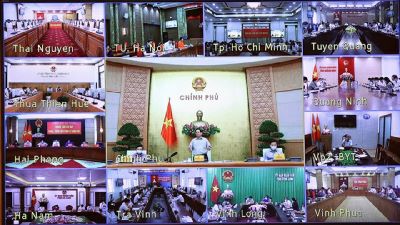
He made the statement at the committee’s meeting on Saturday, held to review the leadership, direction, implementation of measures to prevent and control the pandemic in the past; analysing results, limitations, causes in pandemic prevention and control.

Speaking at the online meeting between the Steering Committee and officials from 10,400 communes, wards and townships, 705 districts, and 63 cities and provinces nationwide, the PM noted that so far, COVID-19 has been gradually controlled in the majority of localities, but complicated developments continue.

A report from the Steering Committee at the meeting said that, from the beginning of the fourth wave of the pandemic to September 24, the whole country recorded 734,000 cases, while 503,000 people have recovered (69 per cent), and more than 18,000 deaths were reported.

Last week there were 72,236 new cases, down 9.7 per cent compared to the previous week and the number of deaths in the week decreased by 12.1 per cent compared to the previous week. Currently, there are 16 out of 63 provinces and cities that have gone 14 days without any new infections.  

In 23 localities implementing social distancing measures, the pandemic situation is gradually being controlled; the number of cases in the last seven days decreased by 9.8 per cent compared to the same previous period.

Regarding vaccinations, as of September 24, 2021, the whole country had administered 37.6 million doses, with more than 30 million people receiving first shots and 7.5 million people getting two shots, while about 14 million more vaccine doses will continue to be administered. 

ADVERTISEMENT

At the meeting, leaders of ministries, sectors and localities shared their experiences in pandemic prevention and control, especially in directing, organising, coordinating and implementing social distancing, screening, rapid testing, F0 classification, care and treatment.

They also discussed the temporary plan for “Safely and flexibly adaptation and effective control of the COVID-19 pandemic” in the spirit of striving to implement pandemic control and socio-economic development at the same time.

While lauding localities’ efforts in the pandemic fight, PM Chính also pointed to shortcomings in the field, including the ineffective implementation of directions in some localities, particularly at grassroots level, slow testing progress and inefficiency in conducting support policies for pandemic-hit groups.

He noted that localities should not stay relaxed and be negligent when the pandemic is just controlled at a very basic level, and they must be consistent and persistent in leadership and direction, but apply anti-pandemic measures flexibly based on specific condition of each locality.

He asked localities to strengthen decentralisation in pandemic prevention and control activities, with communes, wards and townships as “fortresses” and people as “warriors” in the fight. They should speed up vaccinations, especially targeting those in high-risk areas, he said.

PM Chính also urged ministries, sectors and localities to quickly design measures to restore production while continuing to ensure safety.

He assigned the Ministry of Health to gather ideas and build criteria on safely, flexibly adapting to and effectively controlling COVID-19, along with detailed guidelines on its implementation.

Ministries, sectors and localities should immediately set up their task forces for socio-economic recovery and development headed by their top leaders, and build plans for economic recovery in accordance with their own situation, the Government leader requested.

He also asked for the revision of regulations on entry-exit control, giving optimal conditions for foreign experts to enter the country to work.

It is necessary to study regulations on the recognition of “vaccine passports”, he stressed.

The PM assigned the Ministry of Education and Training and the Ministry of Information and Communications (MIC) to coordinate with localities to ensure telecoms services and computers for students studying online. The MIC was requested to quickly develop an app used for all COVID-19 prevention and control activities.

PM Chính also underlined the need for ministries, sectors and localities to give timely and effective support to pandemic-hit groups in a transparent manner, honouring individuals and organisations with outstanding contributions in pandemic prevention and control, and strictly handling violations.

Earlier in a meeting on Thursday, Chính stressed that instructions for fighting the pandemic in the future should go in tandem with inspection and supervision, and reiterated the principles that health care plays the central role; economy serves as the foundation; data, science and technology are the key; political and social stability is essential; and vaccines, treatment drugs and public awareness are the prerequisites. — VNS

Published : September 27, 2021

[Nepal] Tourists are returning to historic Chitlang as Covid-19 fears wane #SootinClaimon.Com

#SootinClaimon.Com : ขอบคุณแหล่งข้อมูล : หนังสือพิมพ์ The Nation.

https://www.nationthailand.com/international/40006657


Most tourists visit Chitlang Valley and surrounding areas to hike; many also love to cycle along green paddy terraces.

Resorts and homestays in Chitlang, Makwanpur, that were severely battered by the Covid-19 pandemic, are slowly making a comeback after 17 months, as domestic and international visitors are showing up at the historic tourism destination.

Located approximately 27 km southwest of Kathmandu, Chitlang straddles an ancient trade route which was the main link between the capital and the rest of the country before Tribhuvan Highway, popularly known as Byroad, was built.

Before Tribhuvan Highway was carved out of the hills surrounding Kathmandu Valley, providing it with the first motorable road to the outside world in 1956, travellers walked over the trade route through Chitlang to reach the capital.

The foot trail starts at Thankot and climbs over the valley rim at Chandragiri Pass, before descending to Chitlang and proceeding to Kulekhani and on to the Indian border in the south.

Chitlang saw the last of its heyday when trucks and buses began rolling over Tribhuvan Highway which bypassed it, and the ancient route lost its shine.

The historic village reinvented itself as a weekend getaway, and before Covid-19, was gaining traction as one of the key tourism destinations.

As the government has lifted the lockdown and Covid-19 infections are decreasing, domestic and international tourists have started returning to Chitlang.

“The number of domestic and foreign tourists has been increasing for the past few weeks,” said Devendra Nepal, director of Chitlang Resort. “Resorts and homestays are again filled with tourists,” he said.

ADVERTISEMENT

“Tourists are coming from Hetauda, ??Birgunj and Chitwan, including Kathmandu,” said Buddha Ratna Manandhar, director of Gurjudhara Homestay. “With the temperature rising, we are expecting more visitors to come to relax in Chitlang on the lap of Chandragiri, which has pleasant weather and fresh air.”

Tourists from Kathmandu normally hike from Thankot over Chandragiri to reach Chitlang.

Hoteliers said they had started recalling their staff who were furloughed due to the Covid-19 pandemic.

As the Thankot, Chandragiri and Chitlang roads are under construction now, vehicles are coming through Markhu and Kulekhani. Locals have been working for a long time to upgrade the route.

“The number of tourists has been expected to increase immensely, after the construction of the Thankot, Chandragiri to Chitlang roads,” said Nepal.

There are 25 homestays and five tourist standard resorts in Chitlang. Most tourists visit Chitlang Valley and surrounding areas to hike; many also love to cycle along green paddy terraces.

Boating is the main attraction of the village located along the shores of the Kulekhani reservoir. Most Nepalis reach Markhu to enjoy motorboat rides. Markhu is also gaining popularity for its fish. Another attraction of Chitlang is goat cheese.

There is an Ashoka Stupa built by Indian emperor Ashoka in Chitlang, which is a confluence of different castes, languages ??and cultures. Buddhists from Tibet, China and other countries come to visit the chaitya.

Homestay and resort owners say they are usually packed with guests on Fridays and Saturdays. Most homestays and resorts here offer only organic food to their guests.

Besides the historic Ashoka Stupa, Chitlang offers temples, stone stupas, Malla-era inscriptions and the first police post outside Kathmandu Valley. Chitlang, which gained popularity for radish farming in the past, is now famous for olive farming.

Chitlang is a satellite settlement of Kirtipur that is inhabited by the Newar community.

As the main gateway to the capital, Chitlang contains heritage rest houses which once provided accommodation to travellers. The artistic structures are now in a dilapidated condition and some are in ruins.

Since 2020, the tourist spot of Chitlang wore a deserted look after the pandemic struck. “But resorts and homestays are happy to get visitors back now,” said Nepal.

On Thursday, Nepal removed the mandatory quarantine for fully vaccinated tourists and resumed on-arrival visas which tourism entrepreneurs said would boost arrivals. 

Published : September 26, 2021

[Weekender] Metaverse: the new gold rush #SootinClaimon.Com

#SootinClaimon.Com : ขอบคุณแหล่งข้อมูล : หนังสือพิมพ์ The Nation.

https://www.nationthailand.com/international/40006656


From virtual shops, promos to staff training, companies rush to have something virtual

Agrowing number of South Korean companies are turning to the metaverse to offer new services, promote their products and train their staff, ushering in what has been described as the “future of the internet.”

BGF Retail, the firm behind convenience store chain CU, opened the second store on Zepeto recently — a 3D avatar metaverse platform run by South Korea’s largest web portal operator Naver.

Following the opening of the “world’s first” virtual store in August, the number of visitors to the area on the platform where the store is located has more than doubled, according to the company, with related posts racking up 2.7 million views.

Though it might sound gimmicky, its virtual presence is having a real impact on the convenience store business, resulting in customer surveys and collaborations.

“It is not just South Korea but users from other countries are also visiting, which is an opportunity to promote CU in the global market through an online channel,” Yeon Jeong-wook, the marketing team leader at BGF Retail said.

The metaverse convenience store is one of the many examples in recent months that highlight the race among companies to enter the virtual world. In the metaverse, individuals can interact with each other as avatars using the latest virtual technology such as augmented reality and virtual reality.

The trend has backing from the government as it recently announced plans to invest 2.6 trillion won ($2.2 billion) by 2025 in hyperconnectivity and related technologies used in newly emerging services including metaverse.

“The metaverse sector and other newly emerging industries that promote hyperconnectivity will bridge the real and virtual worlds and expand the country’s economic territory,” said Science Minister Lim Hye-sook.

ADVERTISEMENT

Earlier this month, Coca-Cola Korea also opened “Coca-Cola Wonderful Island” on metaverse platform Gather Town — a virtual space where users can experience the company’s latest plastic recycling campaign.

When users visit a place known as “Coca-Cola Factory,” they can see the process of how plastic bottles are turned into cooler bags.

“We came up with the Wonderful Campaign to raise awareness of the value of transparent plastic bottles which are high quality resources and allow consumers to experience the process of resource circulation and its positive impact,” one official at the company said.

Cyworld, the country’s first-generation social networking service which recently came back to life, also joined the list of companies entering the metaverse by signing a strategic partnership with Hancom, a South Korean office suite software developer last week.

The partnership will see the two companies create a virtual meeting service for corporations.

Netmarble also recently launched Metaverse Entertainment to develop a virtual reality platform and offer game-related metaverse content including one involving the management of virtual idols.

Others are using it to recruit or train staff.

CJ OliveNetworks, an ICT solutions provider of CJ Group, held a two-day recruitment event on Gather Town, overcoming the challenges posed by the COVID-19 pandemic.

Designed based on the company’s headquarters, the virtual space had a main hall and counseling rooms. Job seekers created their own avatars to join the event and were able to speak with other participants.

Samsung Electronics has also joined the trend, offering online consultation sessions to potential job seekers in the metaverse in an effort to reach out to the Millennial and Generation Z demographic.

The list of companies that has incorporated the metaverse in their recruitment process is growing across the sectors, ranging from SK Telecom, LG Innotek to CJ ENM to name a few.

The metaverse boom has also swept the construction industry. In August, Lotte E&C became the first company in the field to hold a recruiting fair in the metaverse using Gather Town, with some 400 job seekers taking part.

Keeping in line with its identity, the online event recreated some of the company’s most famous building projects including its apartment brand Lotte Castle Lotte World Tower and Lotte World.

One participant said taking part in the event as an avatar in a virtual world felt like “being in a video game” and that more free and honest two-way communication was possible.

Lotte E&C said it plans to continue using a metaverse platform for future events.

“Participants are free from space and time constraints as they do not have to be at a certain place at a certain time. For organizers, it means less burden regarding COVID-19 guidelines,” one official at the company said.

Lotte Home Shopping, Retail giant Lotte Group’s home shopping operator, is going one step further by investing 3 billion won in visual-Tech Company 4by4 as it seeks to produce video content featuring its virtual model Lucy.

Lucy who is a digitally created 29-year-old model and a design researcher was made as part of Lotte Home Shopping’s metaverse business. Boasting over 23,000 followers on social media, the company plans to make her debut as a show host.

Within this year, the company also plans to roll out a metaverse shopping platform through which customers can communicate in real time with show hosts as avatars.

“We will continue our innovation efforts as a media commerce firm going forward by pushing for a next-generation shopping service that uses digital technology such as metaverse and virtual reality.

Published : September 26, 2021

Free books for everyone—A hawker’s selfless dream #SootinClaimon.Com

#SootinClaimon.Com : ขอบคุณแหล่งข้อมูล : หนังสือพิมพ์ The Nation.

https://www.nationthailand.com/international/40006655


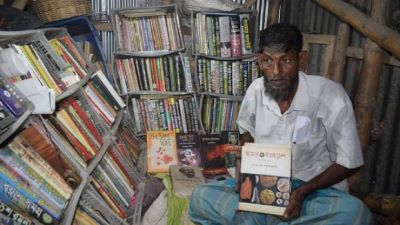
A hawker in Jhenidah, with his own hard-earned money, has established a self-made library at his house in College Para area under Kaliganj municipality. 

Mirazul Haque, 58, sells hand fans, handkerchiefs, biscuits, khaja, fruits and other sweetmeats on public buses. Having lost his father when he was 49, Mirazul is the only one among his four siblings to have passed class three in 1978. He could not afford to continue his education and began living in the slum, in a tin shade house on a three decimal land. 

A pathagar can help propagate education in the society, Mirazul told this reporter. Mirazul himself is very fond of reading books, and dreams that those who have dropped out of studies can gather knowledge by reading the books in his library free of cost. 

He has purchased 450 books using his earnings, which includes a collection of novels, political books, and so on, worth BDT 2.50 lakh. Being a staunch supporter of Bangabandhu, most of the books he purchased are on the life of Sheikh Mujibur Rahman and the liberation war. Mirazul’s intention, now, is to build a library where students, the unemployed, and the elderly are able to read books in their leisure time. 

“I cannot afford to purchase land upon which I can build the library,” says Mirazul. He plans on naming it Bangabandhu Smriti Pathagar. “My books are stuck at my tin shade house. They are at risk of being damaged because of the lack of a proper storage facility.” He earnestly requests the local administration to allot a room for his pathagar.

Montu Gopal Das, a freedom fighter of College Para, and Emran Hossain, a timber trader of Bakulia village under the upazila, echoed that Mirazul is “rich in books”—it is his hobby to collect them with the money he earns from hawking. Both of them often borrow books from Mirazul. 

ADVERTISEMENT

“Though we are needy, he does not let that get in the way of his dreams”, Julekha Begum, wife of Mirazul Haque, told The Daily Star. “He has taken a noble initiative”. A sweeper at Agrani Bank, Julekha contributes to the family finances with her monthly salary of BDT 3,500. 

Of their four children, elder son Jahangir Alam has passed his MA in social welfare and research from Dhaka University in 2020, appeared in the 41st BCS preliminary, and is now looking for a job in Dhaka. The younger son, Alamgir Hossain, is studying global religion and Sanskrit at Dhaka University. He is also a regular football player at Muktijoddha Sangsad Kira Chakra premier league. 

UNO Sadia Jerin of Kaliganj upazila has provided assurance that she will try to arrange a room for Mirazul’s initiative. 

Mirazul wishes to donate his eyes after his death; he has made a rotary in this regard, and plans to provide his dead body to a medical college and hospital for medical research. 

For more book-related news and views, follow Daily Star Books on Facebook, Instagram, Twitter, and LinkedIn. Write to us at thedailystarbooks@gmail.com. 

Published : September 26, 2021

Over 80% of Cambodia population get Covid jabs #SootinClaimon.Com

#SootinClaimon.Com : ขอบคุณแหล่งข้อมูล : หนังสือพิมพ์ The Nation.

https://www.nationthailand.com/international/40006654


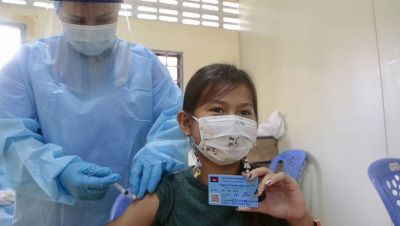
More than 80 per cent of the Kingdom’s total population of 16 million have been vaccinated against Covid-19, at least with their first doses, according to the Ministry of Health.

As of September 24, Cambodia had vaccinated over 98 per cent of the adult population of 10 million and more than 88 per cent of the 12-17 age group of nearly two million.

Vaccinations for the 6-11 age group of over 1.8 million have reached 70 per cent.

Published : September 26, 2021

[Malaysia] PM calls on leaders to unite for betterment of humanity #SootinClaimon.Com

#SootinClaimon.Com : ขอบคุณแหล่งข้อมูล : หนังสือพิมพ์ The Nation.

https://www.nationthailand.com/international/40006653


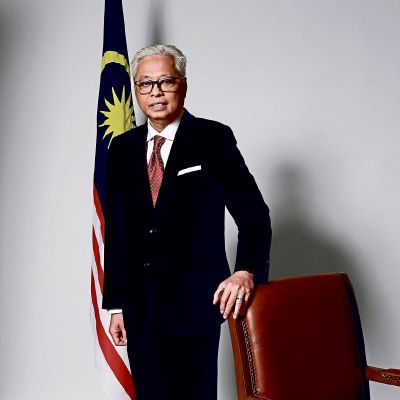
PETALING JAYA: With his “Malaysian Family” concept in mind, Prime Minister Datuk Seri Ismail Sabri Yaakob appeared on the world stage to call upon nations to work together in the spirit of a “world family” to address inequality, political instability and global governance amid the Covid-19 pandemic.

While delivering Malaysia’s national statement at the General Debate of the 76th Session of the United Nations General Assembly (UNGA) in New York, Ismail Sabri voiced the country’s stance on health diplomacy, vaccine inequality, humanitarian issues and nuclear disarmament, among others.

“The pandemic has shown that we need to improve our resolve to strengthen international cooperation and multilateralism, and consider ourselves as a family of nations.

“At the same time, the world family must be made a more peaceful, prosperous, sustainable and equitable one,” he said via a pre-recorded video yesterday.

In his maiden speech at the UNGA, Ismail Sabri took the chance to highlight the discriminatory rollout of Covid-19 vaccines, pointing out that vaccine-producing countries and wealthy nations were further ahead while the majority of the world’s population, mostly from middle-income and least developed countries, remained unvaccinated.

“With the growing frequency of global health threats, this world family must come together and engage in more effective health diplomacy and ensure greater collaboration not just to end this pandemic but on an array of other health-related issues.

“These include expanding the public health capacity of nations, particularly by enhancing their access to relevant technology and knowledge,” he said.

He said Malaysia would now play a more prominent role and participate more actively in health diplomacy, as there was a need to regard public health as a global public good rather than the exclusive domain of individual nations.

ADVERTISEMENT

He acknowledged that Covid-19 had reversed many hard-won gains on the path towards achieving the UN 2030 Agenda for Sustainable Development, as seen in Malaysia’s gross domestic product (GDP) which contracted by 5.6% last year.

To protect the people’s livelihood, he said the government had introduced economic stimulus packages worth about US$130bil or 36% of Malaysia’s GDP, added Ismail Sabri.

The government had also rolled out the National Recovery Plan as the nation’s exit strategy from the pandemic which included speeding up vaccination rates, which stood at over 500,000 doses daily in recent weeks, as well as reopening key economic sectors, he said.

On climate change, he said Malaysia had ambitious plans to facilitate the transition to a more sustainable, low-carbon and climate-resilient future, including introducing policies like the concept of a circular economy.

“We are confident that they will greatly contribute towards making Malaysia a low-carbon nation by 2050.

“At the same time, developed countries have the responsibility to provide financial resources and technology transfer to the developing world to undertake sustainable initiatives,” he added.

In stating Malaysia’s firm stance on nuclear disarmament, Ismail Sabri asserted that Malaysia supported the total elimination of nuclear weapons.

Malaysia also reaffirmed its commitment to the Treaty on the Non-Proliferation of Nuclear Weapons.

As an Asean member, he said Malaysia was also committed to preserving the Asean region as a zone of peace, freedom and neutrality.

“We strongly believe that the UN membership must speak with one voice on the need for an immediate cessation of hostilities in all corners of the world,” he said.

Political and humanitarian issues including those of Palestine and Myanmar, as well as developments in Afghanistan, were also highlighted by the Prime Minister.

He said Malaysia was particularly worried about the humanitarian situation in Myanmar, but equally troubling was the refugee crisis since the mass exodus of the Rohingya in 2017.

“Malaysia currently hosts over 154,000 refugees from Myanmar, comprising 86% of the refugee population in the country, with more than 66% of those from the Rohingya ethnic minority,” he said.

On Palestine, he said, Malaysia continued to call for the deployment of a temporary international presence in the city of Al-Quds and to monitor the cessation of hostilities in the Occupied Palestinian Territory.

“The systematic oppression of Palestinians over many years through discriminatory policies, denial of basic civil rights, imposition of harsh conditions, large-scale land confiscation and inhumane acts committed against them is tantamount to the crime of apartheid.

“Malaysia stresses again that Israel must be held responsible and accountable for all its wrongdoings including its flagrant violations of international law,” he added.

In condemning terrorism in all its forms and manifestations, Ismail Sabri also called upon the world family to come together to support Afghanistan, including extending humanitarian assistance to the people.

“On this, Malaysia stands ready to extend its assistance and do what it can,” he noted.

He ended his speech by calling for member states to come together to reform the UN organisation to strengthen its effectiveness, bring more transparency and enhance its credibility.

“We must close ranks and enhance our unity and cohesion. We must live in peaceful co-existence. Only then will we have a chance to succeed,” he said.

Published : September 26, 2021

In meeting with UN chief, Qureshi calls for urgent action on humanitarian crisis in Afghanistan #SootinClaimon.Com

#SootinClaimon.Com : ขอบคุณแหล่งข้อมูล : หนังสือพิมพ์ The Nation.

https://www.nationthailand.com/international/40006651


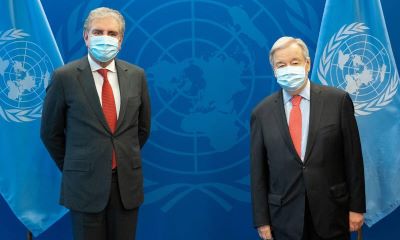
Foreign Minister Shah Mahmood Qureshi met UN Secretary General Antonio Guterres on the sidelines of the 76th session of the UN General Assembly in New York on Friday and stressed “urgent action” to address the humanitarian crisis in war-torn Afghanistan, according to a statement issued by the Foreign Office (FO).

“Qureshi underscored the need for urgent action to address the prevailing dire humanitarian situation in [the] country, calling for the continued political and economic engagement of the international community to end [the] decades-long conflict,” the statement said.

It added that the foreign minister also highlighted Pakistan’s ongoing efforts to address the humanitarian situation and those aimed at achieving lasting peace and stability in the neighbouring country.

Moreover, the statement said, Qureshi briefed Guterres on the “deteriorating human rights” situation in Indian-occupied Kashmir and shared with him a “comprehensive dossier containing evidence of gross, systematic, and widespread human rights violations, war crimes, crime against humanity and genocide being perpetrated by Indian occupation forces” in the valley.

Qureshi also expressed hope that the UN would play its role in ensuring that the people of occupied Kashmir were able to “exercise their inalienable right to self-determination as enshrined in the relevant UN resolutions”.

ADVERTISEMENT

According to the statement, the minister called for making the UN Security Council (UNSC) “more representative, democratic, transparent, effective and accountable to address the multiple challenges” faced by the world.

He emphasised that reforms must be decided by consensus and member states must be allowed the necessary time and space to evolve a solution acceptable to the entire UN membership, the statement said.

Qureshi also called for the need for stemming the rising tide of Islamophobia, ending vaccine inequity, and ensuring adequate financing for developing countries to respond to the pandemic and the resulting economic crisis.

After the meeting, Qureshi briefly shared the the details of his talk with Guterres in a tweet.

“Great to meet Antonio Guterres at UNGA and share Pakistan’s key priorities: equitable socio-economic development, stabilisation of Afghanistan and just resolution of Jammu and Kashmir dispute,” he tweeted.

“We look to the UN to play central role in addressing and overcoming these challenges.”

ccording to the FO, the foreign minister also met the president of the 76th Session of the general assembly, Abdulla Shahid, on the day and congratulated him on his election to the position.

Qureshi expressed the hope that Shahid’s presence in this important office would help with making progress on important issues on the UN agenda.

PM’s UNGA address

The foreign minister’s meetings coincided with Prime Minister Imran Khan’s address at the UNGA, which outlined the same issues raised by Qureshi in his meeting with Guterres.

In his address, the prime minister made a strong pitch for the world to rally behind Afghanistan’s nascent Taliban government for preserving the progress made by the war-ravaged country over the past two decades and preventing it from turning into a safe haven for terrorists.

“There is only one way to go. We must strengthen and stabilise the current government, for the sake of the people of Afghanistan,” he said, warning that taking a course contrary to this would further destabilise the war-torn country and turn it into a terrorists’ haven.

Since the Taliban takeover of Kabul, Pakistan has consistently called for recognition of the new Taliban government, assistance for averting the looming humanitarian crisis in Afghanistan, and resumption of development aid for the new administration for preventing an imminent economic collapse there. This has dominated Pakistan’s foreign policy agenda for the past few weeks.

Most of the Western countries have expressed interest in engaging the Taliban and promised humanitarian aid. But, they have been reluctant to formally recognise the group as the government in office in Afghanistan and provide development assistance that has historically funded the functioning of the state institutions there.

This reluctance has been fuelled by fears about human rights under the Taliban regime, especially those of women; lack of representation of other ethnicities, religious minorities, and women in the government; and concerns about the resurgence of terrorist groups in Afghanistan that could threaten other countries.

‘Environment of talks with Blinken was good’

Speaking at a press conference with Pakistani media representatives, Qureshi recapped the speech by PM Imran at the UNGA and his various meetings with officials over the past few days.

Commenting on his meeting with US State Secretary Antony Blinken, he said: “The environment of the talks was very good.

“He listened to all the things I said with great attention, noted them down and gave me the full opportunity to present my stance,” he said, adding that the talks had stretched beyond the time allocated.

“So I am satisfied, as for any breakthroughs, there are several things [such as] what are their overall wishes, goals and [what are] Pakistan’s needs. So we should look at all of that and move forward in a realistic manner.

“I don’t think we should associate ourselves with unrealistic wishes but they also realised, and are cognizant, of Pakistan’s importance and need. They will realise that Pakistan can better serve as an ally in the current situation,” he said.

Responding to a question from a reporter, the foreign minister said: “I didn’t go to take anything”.

He said that the purpose of the meeting was to remove misunderstandings and make Pakistan’s role clear, adding that more interactions could be expected in the future.

He said that Pakistan supported an inclusive Afghan government but some patience was required. He highlighted how the Taliban had included other ethnicities in the expansion of their government.

Summing up his meeting with Blinken, Qureshi said he had advised three things: engagement, persuasion and patience with the Taliban.

Regarding PM Imran’s UNGA address, Qureshi said he had addressed every topic that was important in the nation’s eyes particularly human rights violations in occupied Kashmir.

“He presented a review of Afghanistan, and I don’t think any Pakistani leader has [presented] such a strong and clear stance on Afghanistan,” he said.

Published : September 26, 2021

Terrorism equally big threat for those using it as political tool: PM Modi at UNGA #SootinClaimon.Com

#SootinClaimon.Com : ขอบคุณแหล่งข้อมูล : หนังสือพิมพ์ The Nation.

https://www.nationthailand.com/international/40006649


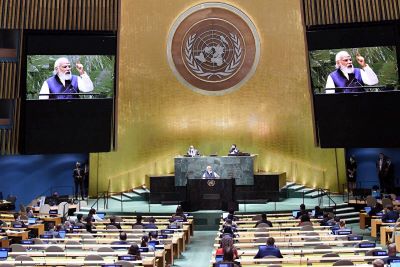
“The countries who are making use of regressive thinking as a political tool must understand, that terrorism poses an equally big threat for them,” the PM said in his remarks at the 76th session of UNGA, PM Modi said.

Without naming Pakistan, Prime Minister Narendra Modi at his UN General Assembly (UNGA) address said that countries that are using terrorism as a “political tool” must understand that terrorism is an equally big threat for them.

“The countries who are making use of regressive thinking as a political tool must understand, that terrorism poses an equally big threat for them,” the PM said in his remarks at the 76th session of UNGA, PM Modi said.

The Prime Minister said that the world must ensure sure that the land of Afghanistan must not be used to spread terrorism and terrorist attacks. “We must be stay alert that no one should make use of the delicate situation in Afghanistan as a tool for their own use,” he said.

He said the people of Afghanistan, including children and minorities, need help. “We must fulfil our responsibility in this regard.”

ADVERTISEMENT

He said the world is facing the increasing threat of recursive thinking and extremism. “Under this circumstance, the whole world should make science-based rational and progressive thinking, the basis for progress.”

Prime Minister explained that India’s diversity is the identity of its strong democracy. “It is a country that has dozens of languages and hundreds of dialects, different lifestyles and cuisine. This is the best example of a vibrant democracy.”

Prime Minister, during his address, also invited the global manufacturers of COVID-19 vaccines to come and make vaccines in India, stressing that the country’s “faith is to serve people”.

“Understanding its responsibility towards humanity, India started giving vaccines to the needy in the world. I, invite the global manufacturers of vaccines to come and make the vaccine in India,” PM Modi said.

He also paid tribute to all those who have lost their lives in the deadly COVID-19 pandemic.

The theme for this year’s General Debate is ‘Building Resilience through hope to recover from COVID-19, rebuild sustainably, respond to the needs of the planet, respect the rights of people, and revitalise the United Nations.’

The high-level segment of the 76th UNGA began in New York on Tuesday. The UNGA meeting this year is in a hybrid format but a large number of leaders have arrived in New York.

PM Modi arrived in Washington on Wednesday for a three-day visit to the country.

Published : September 26, 2021

Quad leaders agree to cooperate in infrastructure, space #SootinClaimon.Com

#SootinClaimon.Com : ขอบคุณแหล่งข้อมูล : หนังสือพิมพ์ The Nation.

https://www.nationthailand.com/international/40006648


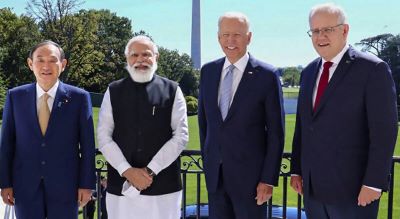
WASHINGTON — The leaders of Japan, Australia, India and the United States held the first in-person Quadrilateral Security Dialogue (Quad) summit in Washington on Friday, during which they agreed to work together in areas such as infrastructure development and space to realize a “free and open Indo-Pacific.”

According to a joint statement released after the summit, Prime Minister Yoshihide Suga, Australian Prime Minister Scott Morrison, Indian Prime Minister Narendra Modi and U.S. President Joe Biden agreed to hold summit talks every year under the Quad framework.

At Friday’s meeting, which lasted about two hours and 20 minutes, Suga stressed the importance of the framework. “The Quad is an extremely significant initiative to realize a free and open international order in the Indo-Pacific region based on the rule of law,” Suga said.

Biden also stressed the significance of the “group meeting of democratic partners who share a world view and have a common vision for the future, coming together to take on key challenges of our age.”

Morrison said, “I’m in no doubt that together our four nations multiply many times over the forces of hope for a free, open and inclusive Indo-Pacific,” while Modi said the Quad “will play the role of a force for global good.”

In the joint statement, the Quad leaders reaffirmed support for the rule of law, freedom of navigation and overflight, and territorial integrity of states, and while avoiding naming names, they warned against China’s maritime expansion.

The statement also included plans for the four countries to cooperate in infrastructure development, cybersecurity and space with a focus on sharing satellite data. The statement referred to joint efforts in the deployment of secure fifth-generation (5G) communications standards and the monitoring of biotechnology.

ADVERTISEMENT

Regarding Afghanistan, the four leaders called on the Taliban to secure the safety of people wishing to leave the country.

According to a senior Japanese government official, Suga expressed serious concern about attempts to change the status quo by coercion in the South and East China seas.

Regarding North Korean missile launches, he strongly condemned the act as a “clear violation of U.N. Security Council resolutions.” The four leaders confirmed their commitment to realizing the complete denuclearization of North Korea.

The four-way alliance, which was initially proposed by former Prime Minister Shinzo Abe, held its first foreign ministers’ meeting in September 2019. The Biden administration, which was inaugurated in January this year, has placed the Quad as the core of its Indo-Pacific strategy. The group held its first online summit in March.

“The Japan-initiated alliance with the United States, Australia and India has been launched fully,” Suga told reporters after the summit on Friday. “The meeting was very meaningful for the further development of the partnership.”

Published : September 26, 2021

President Phúc visits Pfizer headquarters in New York, urges speeding up vaccine delivery in deal #SootinClaimon.Com

#SootinClaimon.Com : ขอบคุณแหล่งข้อมูล : หนังสือพิมพ์ The Nation.

https://www.nationthailand.com/international/40006624


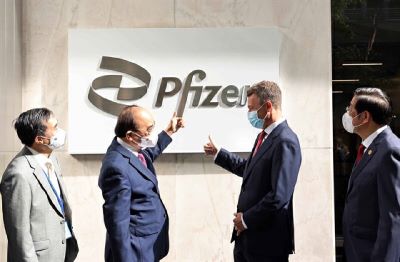
NEW YORK — Vietnamese President Nguyễn Xuân Phúc on Thursday (US time) visited the headquarters of Pfizer in New York, during his trip to the US to attend the 76th session of the UN General Assembly.

During the meeting, President Phúc praised Pfizer’s positive role in COVID-19 prevention and control, especially with the successful development of its mRNA vaccine, acknowledged by the entire world as a highly effective ‘weapon’ to fight the pandemic.

He appreciated the total shipments of 2.8 million doses of Pfizer/BioNTech vaccines to Việt Nam so far which has contributed to the country’s COVID-19 response, as well as its commitment to deliver the entirety of the deal of 31 million doses in the remaining months of the year.

He asked Pfizer to accelerate supplies to Việt Nam as soon as possible and work to ensure that the remainder of the deal will arrive in Việt Nam this year, and soon finalise a roadmap for the delivery of 20 million doses of Pfizer vaccines for children between 12-18 years old.

The Vietnamese leader also asked Pfizer to soon complete procedures so that Việt Nam could soon receive the unneeded doses from other countries’ orders with Pfizer, when bilateral agreements between Việt Nam and these countries have been reached such as in the case of Poland, which had agreed to transfer 3 million doses to Việt Nam.

Jonathan Selib, Senior Vice President of Global Policy at Pfizer, said Pfizer always had a good partnership with Việt Nam, and pledged to deliver 31 million vaccine doses for use on adults to Việt Nam in 2021, as well as the 20 million doses of vaccines that the health ministry intended to reserve for children once the company has full data on safety and effectiveness on these groups.

ADVERTISEMENT

He also took note of Việt Nam’s request for cooperation in vaccine production, and would facilitate procedures to help Việt Nam with the Poland vaccine transfer agreement.

Pfizer welcomed the launch of the US Centers for Disease Control and Prevention Southeast Asia Regional Office in Hà Nội during US Vice President Kamala Harris’ trip to Việt Nam last month, he said, adding that this showcased the US’ confidence in Việt Nam’s prevention and control efforts.

Pfizer in coordination with the CDC regional office would keep in close cooperation to help Việt Nam fight infectious diseases, the company’s representative told President Phúc. — VNS

Published : September 25, 2021