[Singapore] Extended govt support for F&B, hawkers and other sectors hit by Covid-19 measures
SINGAPORE – Government support will be extended for hard-hit sectors such as the food and beverage industry (F&B) and hawkers, the multi-ministry task force on Covid-19 said in an update on Friday (June 18).
This is in view of the continued tightened safe management measures affecting various activities until mid-July, the Ministry of Health (MOH) said.
The Jobs Support Scheme’s (JSS) current enhancements will be extended for affected sectors by three weeks, before being tapered down to 10 per cent for another two weeks.
This means that closed sectors or sectors with enhanced safe management measures such as F&B, gyms and fitness studios, as well as those in performing arts and arts education, will receive 50 per cent of JSS support from June 21.
This will taper to 10 per cent for two weeks from July 12.
Meanwhile, significantly affected sectors like retail, cinemas, museums and art galleries, historical sites and those in family entertainment will receive 30 per cent of JSS support from June 21, and 10 per cent from July 12.
To provide targeted support to hawkers who are self-employed, the Government will extend the subsidies for fees for table-cleaning and centralised dishwashing services, MOH added.
It will also provide rental waivers till mid-July for stallholders in centres managed by the National Environment Agency (NEA) or NEA-appointed operators.
The Covid-19 recovery grant (temporary) will also be extended till July 31 for other workers who remain affected by the extended tightened safe management measures, MOH said.
Existing recipients of the grant who still need help can apply for a second round of support from July 1.
Those eligible can apply online here until July 31. Those who need help completing the online form can call the ComCare Call hotline on1800-222-0000 or e-mail Ask_SSO@msf.gov.sg.
S. Korea to speed up efforts to bag Czech nuclear plant project
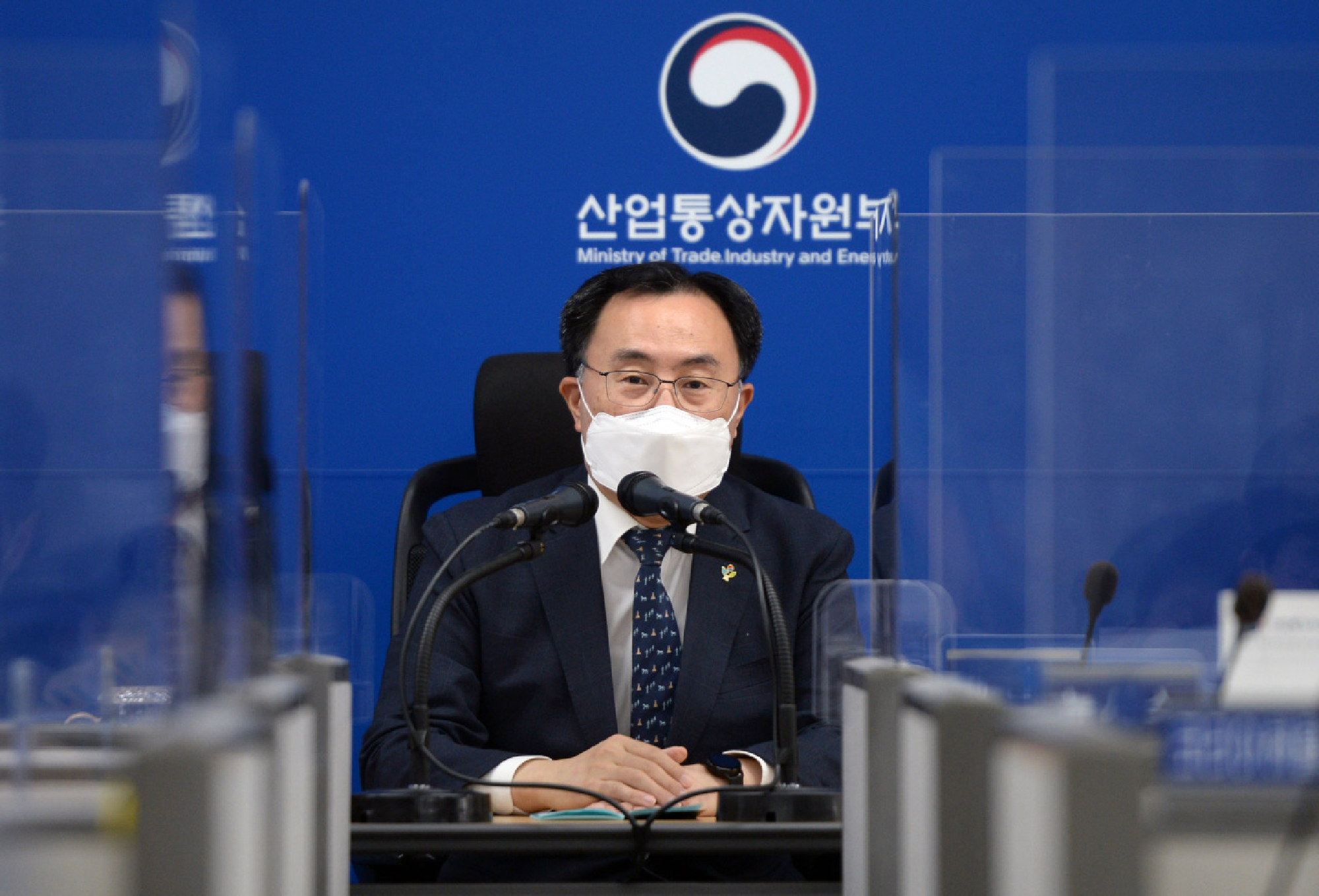
South Koreas industry ministry said Saturday it will spare no efforts to win a nuclear plant project from the Czech Republic as the European country is open to have Asias No. 4 economy as a potential partner.
The remark came after Industry Minister Moon Sung-wook visited the European nation, where he met Czech Prime Minister Andrej Babis on Friday (Czech time) to discuss the two countries’ possible cooperation in the nuclear energy segment.
During the meeting, Babis pointed out that South Korean firms should have no hurdles in participating in the bid, compared with those from China or Russia that face concerns over security risks from the opposition parties in the Czech Republic, according to the Ministry of Trade, Industry and Energy.
The Czech Republic plans to build an additional reactor in the southern region of Dukovany. The official bidding process is expected to begin in 2022, with the construction set to start in 2029.
The ministry said the size of the project is estimated at around 8 trillion won ($7 billion). Currently, the United States and France are also eyeing the project.
Moon also invited Babis to visit South Korea to take a tour of nuclear reactors in the country.
Asia’s No. 4 economy has built 27 nuclear reactors so far, including one in the United Arab Emirates. Seven more are under construction.
In 2009, a South Korean consortium won a contract to build four nuclear reactors in Barakah, 270 kilometers west of Abu Dhabi. The first reactor kicked off its commercial operation in April.
South Korea has been making efforts to penetrate deeper into the overseas nuclear energy market in line with efforts to find new demand, as it has been slowly reducing its local dependence on nuclear plants.
Under the so-called nuclear phase-out plan, South Korea is set to decrease the number of nuclear plants in operation to 17 by 2034, from this year’s 24. (Yonhap)
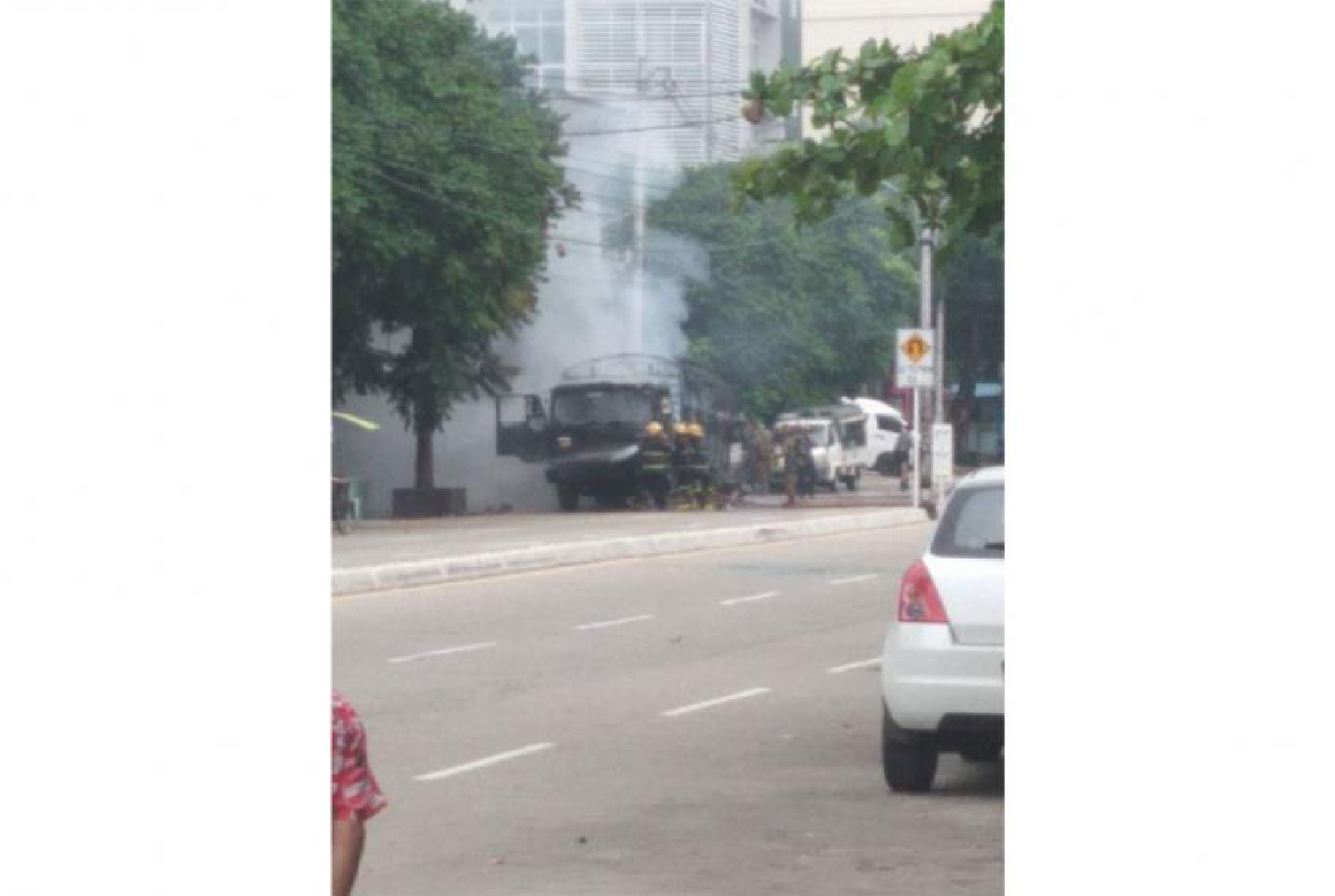
Two explosions have occurred on Banyadala Road in Tamway Township, Yangon Region, causing some casualties, according to initial reports.
One explosion occurred near Tamway Mosque bus stop at 3.17 pm and another on a truck carrying security forces parked near the office of the Union Solidarity and Development Party on the same road at 3.22 pm on June 18 (today), said local residents in Tamway Township.
The first blast occurred near a taxi injuring the driver and some passengers.
The second explosion left some security officers dead or wounded, residents said but the information could not be verified.
“The ground was shaken. I heard the sound of explosion two times. Now, Banyadala Road is being blocked. A lot of security troops have arrived,” said a resident in Tamway Township at about 4 pm.
[Myanmar] SAC announces new income tax rates as 3% for Ks100m and below, 30% for over Ks3bn
The State Administration Council has enacted the law amending the 2020 Union Tax Law saying that those earning Ks100 million and below shall pay three percent income tax and those earning more than Ks3 billion 30 percent income tax.
The announcement made on June 17 said that the SAC passed the law in accord with Section 419 of the Constitution of the Republic of the Union of Myanmar with the aim of resurging delayed businesses and investments based on the Coronavirus Disease 2019 (COVID-19).
According of the amended version of the law, income tax rates are 3 percent for Ks100 million and below, 5 percent for Ks100 million-Ks300 million, 10 percent for Ks300 million-Ks1 billion, 15 percent for Ks1 billion-Ks3 billion and 30 percent for Ks3 billion and above.
The law shall come into effect from 1 July 2021 to 30 September. The table mentioned in Sub-Section (a) of Section 25 of the 2020 Union Tax Law shall be substituted, the announcement said.
The old version of the law stated income tax rates as 6 percent for Ks100 million and below, 10 percent for Ks100 million-Ks300 million, 20 percent for Ks300 million-Ks3 billion and 30 percent for Ks3 billion and above.
South Koreas housing market unperturbed by rate hike: experts
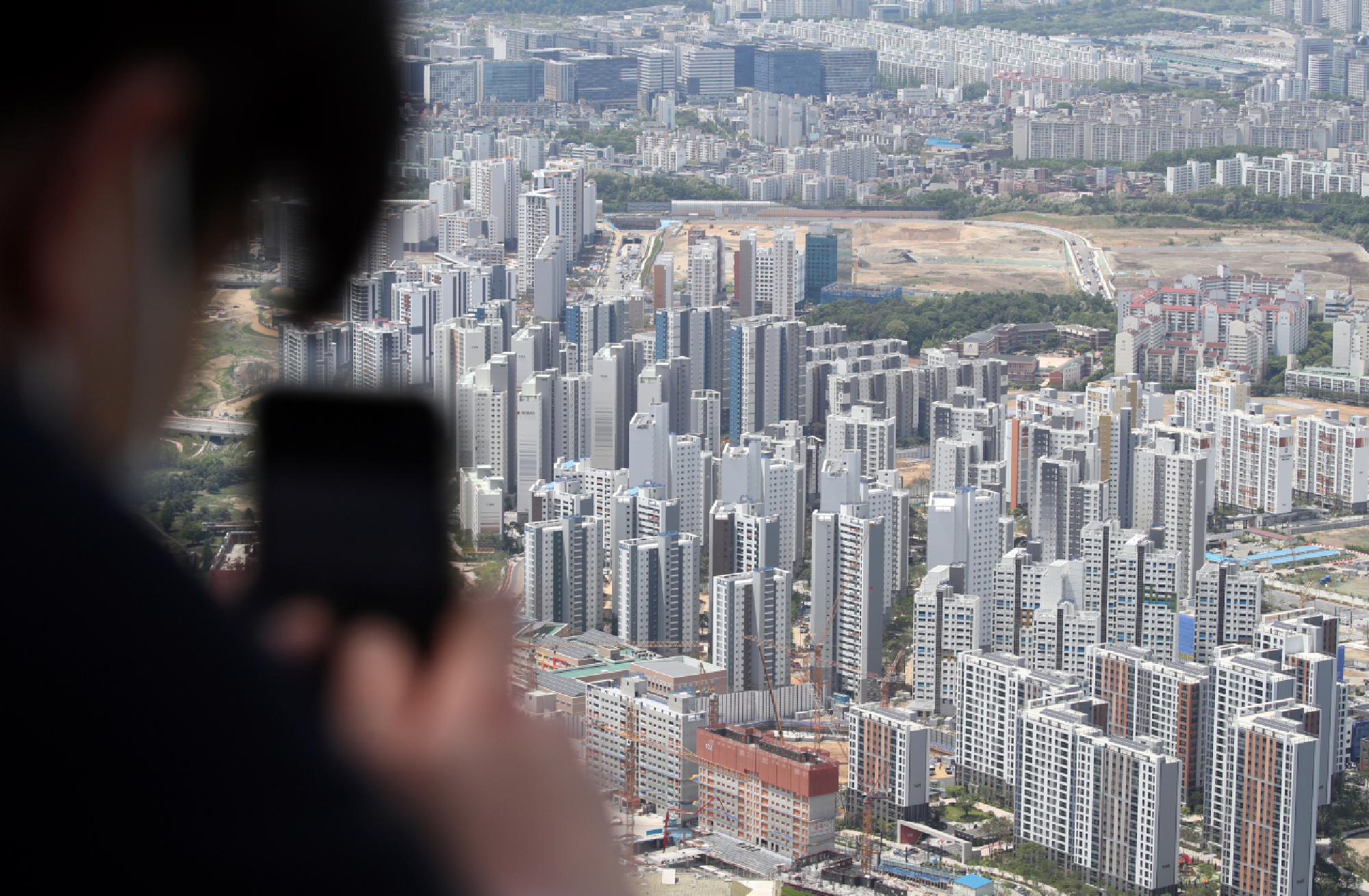
The likely scenario of South Korea’s central bank carrying out out a rate hike by the end of the year is unlikely to cool the heated housing market here, industry insiders said on Thursday, dismissing the impact of monetary policies on real estate prices that surged in recent months.
The envisioned rate hike would lead to an increase in the interest rates for household loans and mortgages extended by local commercial banks. But the housing market is likely to stay hot for a while mainly due to supply shortage of new residential units, they added,
“Even if the BOK increases its benchmark rate once by the end of the year, it won’t have much impact on the housing market. The housing market is driven by not only the interest rate, but the government’s real estate policies, the overall economy and the supply and demand within the market,” Kim Yeol-mae, an analyst at Eugene Investment & Securities said. “The situation of the nation’s housing market suffering from a supply shortage is likely to be extended and it might take longer-than-expected for the prices to normalize,” she added.
Nationwide housing prices have been gaining for 21 consecutive months as of end-May, data released last week by the Korea Real Estate Board showed.
On top of it, apartment prices in Seoul and its surrounding areas gained more than 1 percent for the fifth consecutive month in May, separate data from the local properties information provider showed. This marked the first time that the prices have gained more than 1 percent for such length of time, since the agency began compiling related data in 2003.
The “chaotic” situation of the real estate market, has been feeding concerns of experts, who believe the forecast is too “cloudy” to make rash judgements.
“The heated market trend is likely to stay with us for a while,” Kiwoon Securities analyst Seo Young-soo said.
“So many variables exist due to price risks stemming from the heated market and the government’s real estate policies which is only expected to get stricter,” he added.
The Moon Jae-in administration has so far announced more than 20 sets of real estate policies — focused on levying heavier tax on those who own multiple homes to increase market supply — but have only managed to temporarily cool down the market.
The central bank‘s decision to slash its benchmark interest rate to a record-low of 0.5 percent in May last year also became a key catalyst behind the nation’s snowballing household debt.
“It is undeniable that financial imbalance worsened due to snowballing household debts and the widened gap between the actual and asking prices for homes,” a BOK monetary policy board member said in a latest rate-setting meeting held May 27. The remarks were released in anonymous minutes released Tuesday.
“Potential buyers should keep in mind that the current dovish policy will not stick forever and the ‘overshooting’ housing prices should be resolved in stages due to a shift in buyer sentiment,” the official added.
Thirteen members of the US Federal Open Market Committee, which releases its dot plot of projections, said early Thursday that the Fed will hike rates in 2023 and the majority of them believe the central bank will hike rates at least twice that year.
The economy currently improving from the COVID-19 pandemic may extend the price growth, Kim suggested.
“If the US sees enough economic rebound to continue hiking rates and South Korea’s exports improve enough to increase rate in a rosier environment, then the housing prices here could continue their gain,” she said.
Suga announces state of emergency to end nationwide except for Okinawa
The government decided Thursday to end the state of emergency in Tokyo and eight other prefectures after Sunday, while it will be extended for Okinawa Prefecture.
At a meeting of the government’s novel coronavirus task force, the government decided to switch Tokyo, Osaka, Aichi, Fukuoka, Hokkaido, Hyogo and Kyoto to emergency-level priority measures to prevent the spread of the disease.
No measures will be in place in Okayama and Hiroshima prefectures after Sunday.
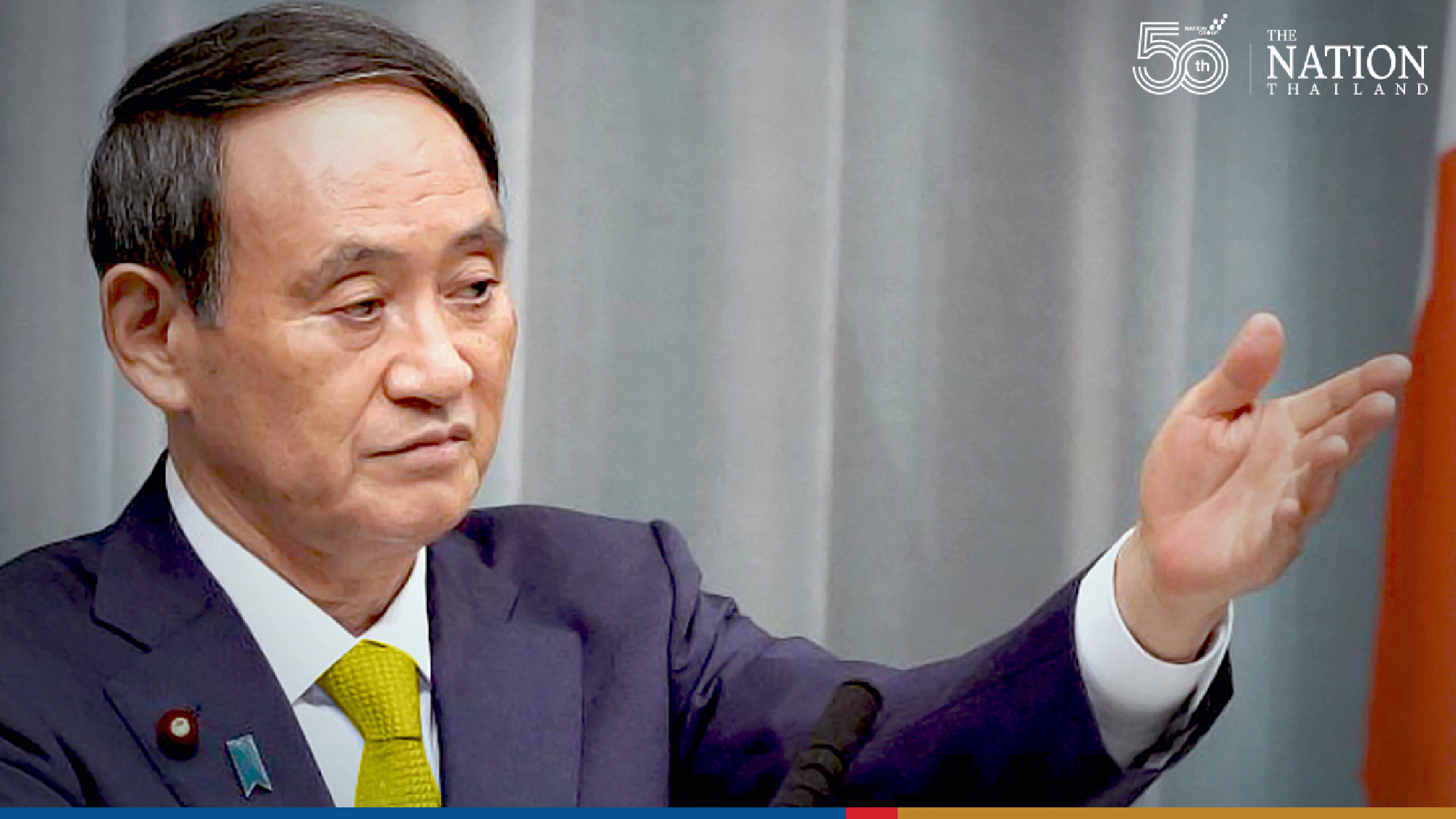
“We will continue to take measures focusing on eating and drinking,” Prime Minister Yoshihide Suga said at the meeting.
Illegal gold mining increases in ASEAN-recognized Htamanthi Wildlife Sanctuary
Illegal gold mining is increasing these days in Htamanthi Wildlife Sanctuary recognized as an ASEAN heritage park in Sagaing Region, according to local sources.
Gold mining has illegally been taking place upstream of Nampheelin Creek in the sanctuary, local people said.
“We have been seeing illegal gold mining at the edge of Nampheelin Creek in the Htamanthi jungle but gradually, they are entering the sanctuary. In the past there were a few cases. Since 2014, gold mining had disappeared due to patrolling and effective action in the sanctuary. But as of March this year, gold mining has increased. Now there are about 70 illegal mining sites. As waste soil and water after gold mining are being released into the creek, we are concerned about damage,” said a local villager.
Htamanthi Wildlife Sanctuary in upper Sagaing Region was recognized as an ASEAN Heritage Park-AHP after the 15th ASEAN environmental conservation ministers’ meeting held in Cambodia from October 7 to 10 in 2019.
The sanctuary is a 2,151 km2 large protected area with richest biodiversity in northern Myanmar. It is located in Khamti and Homalin townships.
Myanmar has eight ASEAN heritage parks: Indawgyi Wildlife Sanctuary, Khakaborazi National Park, Inlay Lake, Alaungdaw Kathapa National Garden, Meinmahla Kyun Wildlife Sanctuary, Natmataung National Park, Lanpi Marine National Park and Htamanthi Wildlife Sanctuary.
Hong Kong placed 7th in IMD world competitiveness rankings
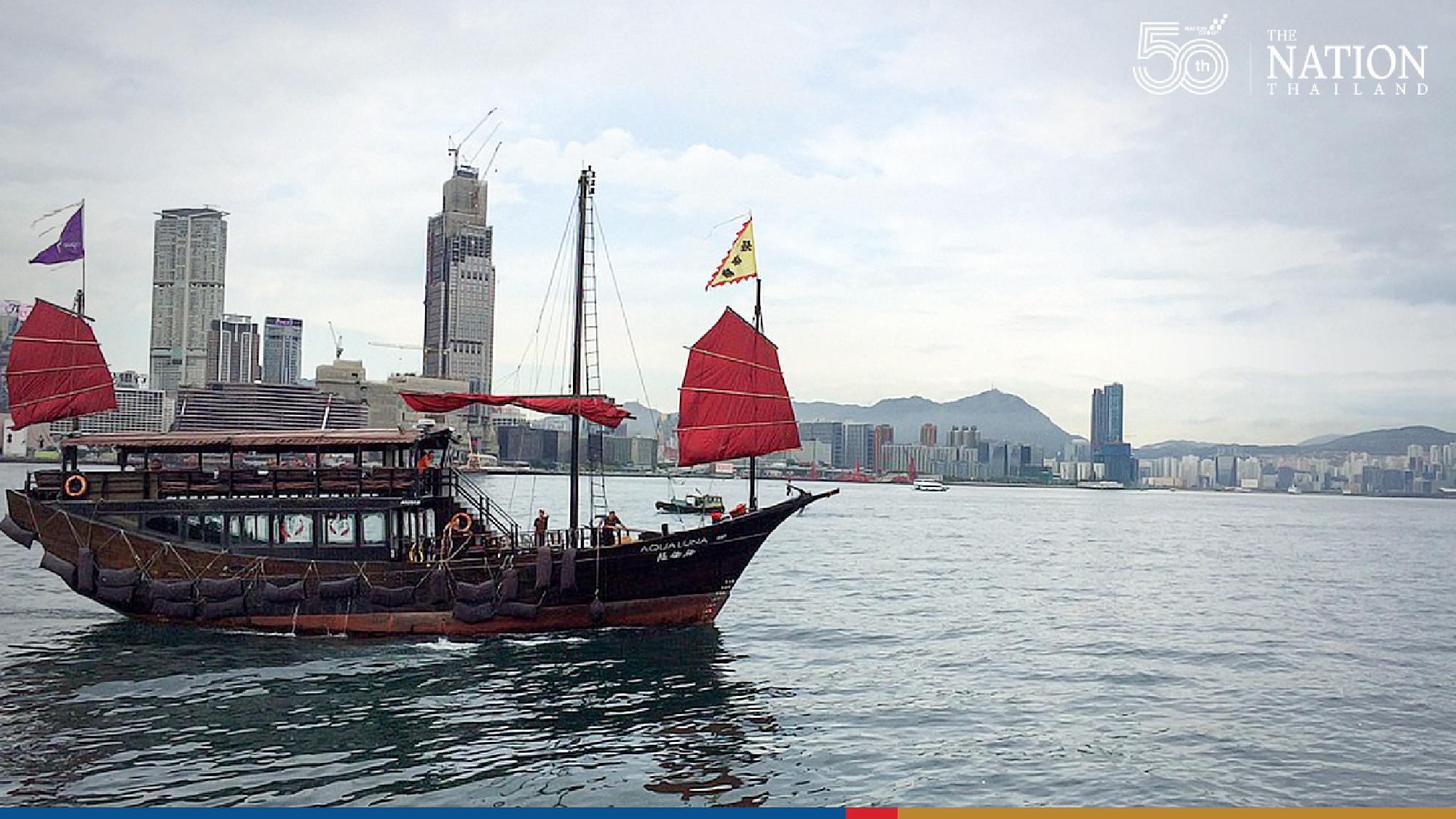
HONG KONG – The Hong Kong Special Administrative Region (HKSAR) government on Thursday welcomed a renowned world report that ranked Hong Kong seventh in terms of annual competitiveness of world economies, saying the report has continued to recognize Hong Kongs strengths in various aspects.
The World Competitiveness Yearbook 2021, published by the International Institute for Management Development (IMD), continued to put Hong Kong in the first place in terms of “government efficiency,” one of the four competitiveness factors, although its rankings in “economic performance,” “business efficiency” and “infrastructure” were slightly lower.
As to the sub-factors, Hong Kong continued to top the list in “business legislation,” while its rankings in “international trade,” “tax policy,” “finance” and “management practices” remained in the top three positions.
The global financial hub was ranked as the fifth most competitive economy in the IMD report last year.
A spokesperson for the HKSAR government welcomes the latest report and said Hong Kong’s institutional strengths, including the rule of law, free trade and investment and a favorable business environment, have remained unscathed after unprecedented challenges over the past years.
The HKSAR government is committed to enhancing Hong Kong’s status as an international financial, transportation and trade center and developing Hong Kong into an international innovation and technology hub, an international aviation hub and a green city, the spokesperson said.
Looking forward, the spokesperson said Hong Kong will continue to play its unique roles as a gateway, a springboard and an intermediary under “one country, two systems” and seize the opportunities arising from national development.
Singapore loses its top spot in global competitiveness study, now ranks 5th
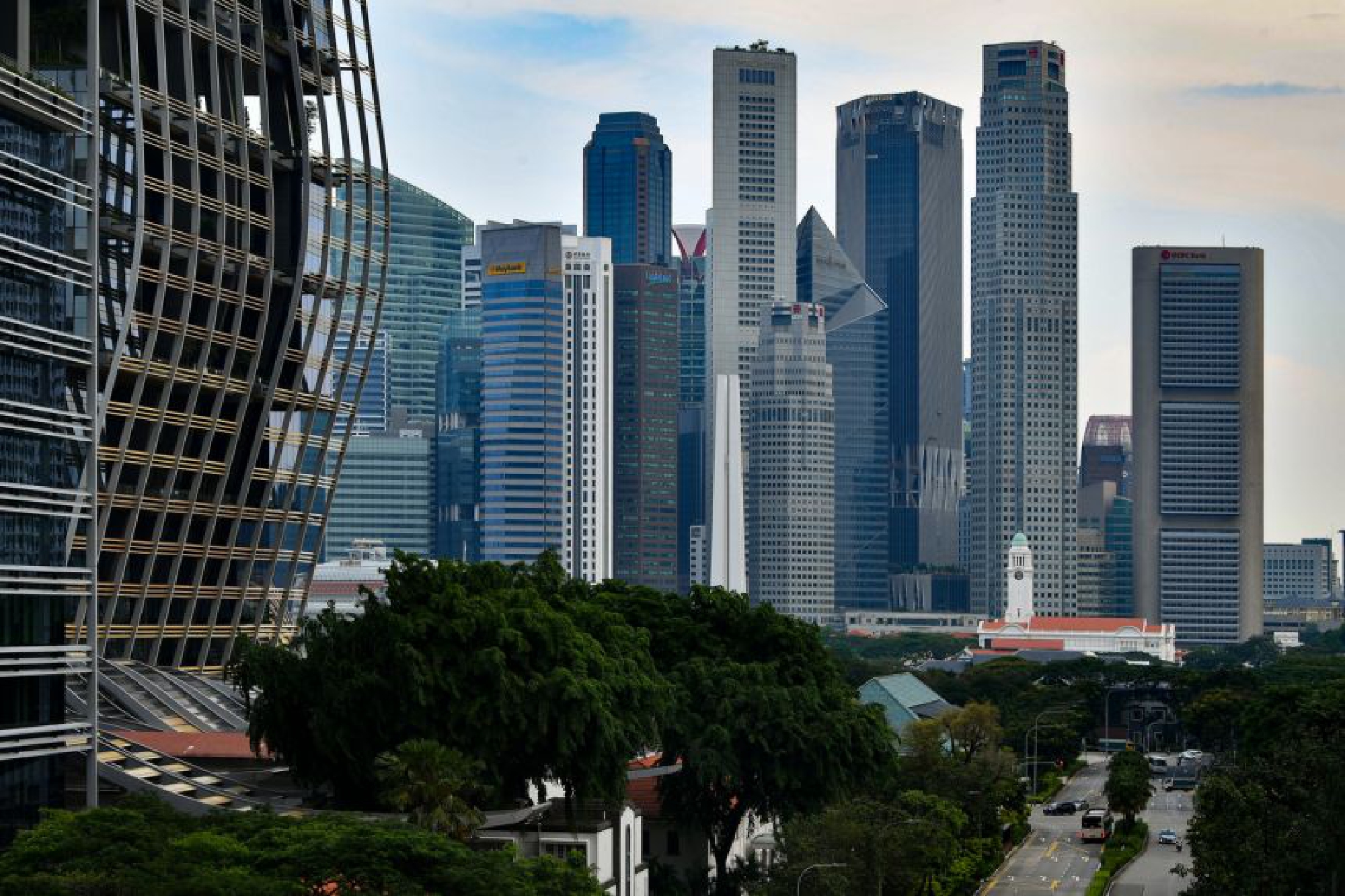
SINGAPORE – Singapore has tumbled from its top spot as the worlds most competitive economy to fifth place, but remains Asias top performing economy.
The Republic ranked first in the past two years of the Institute for Management Development (IMD) World Competitiveness Ranking, whose latest list was released on Thursday (June 17).
IMD is based in Switzerland and Singapore.
Switzerland topped the league table, followed by Sweden, Denmark and the Netherlands.
IMD said: “Singapore managed to top the economic performance factor, one of four factors in the ranking, but fell to ninth in global business efficiency and 11th in global infrastructure.
“It ran into problems with job losses, lack of productivity and the economic impact of the pandemic. Similar to other countries that declined, Singapore experienced a shrinkage in its economic activity, in particular, a sharp decline in employment growth, and a sizeable worsening in public finances due to an increase in both government deficit and public debt.”
But Singapore did well with international trade and technological infrastructure, ranking first in both, IMD said.
It also ranked highly in international investment and business legislation.
IMD said Singapore’s physical geography worked against it in the 2021 rankings.
“Geography has played a pivotal role for some economies and while Singapore has done everything correctly, its physical geography has caused it to work harder than other economies and therefore it fell in the rankings.”
Minister for Trade and Industry Gan Kim Yong said: “IMD’s ranking shows that we are facing increased global competition and Singapore cannot afford to stand still or take our economic competitiveness for granted. We must continually strive to provide an environment where businesses can thrive and create good jobs for our people. We must also remain an open and connected hub for global businesses and talent.
“Singapore businesses must be able to seek out new opportunities and transform. Workers have to constantly upskill to remain relevant. The Government will review IMD’s report and enhance our competitiveness.”
The IMD World Competitiveness Ranking ranks 64 economies, by measuring economic well-being through statistical data and survey responses from executives.
IMD said: “The report finds that top-performing economies are characterised by varying degrees of investment in innovation, diversified economic activities and supportive public policy.
“Strength in these areas prior to the pandemic allowed these economies to address the economic implications of the crisis more effectively.”
Among Asian economies, China made the biggest leap up the ranks to 16th place, IMD said.
Mr Arturo Bris, director of the World Competitiveness Centre, which produces the ranking, said: “China, by continuing reducing poverty and boosting infrastructure and education, strengthens the possibility of advancing in the rankings.”
Malaysia, ranked 25th, was also one of the economies that rose in competitiveness, thanks to improvements in the business efficiency of its private sector and relatively healthy public finances despite the disruption brought by Covid-19, IMD said.
Singapore loses its top spot in global competitiveness study, now ranks 5th
Meanwhile, Hong Kong ranked seventh because of slight declines in economic performance, business efficiency and infrastructure, but remained in the top spot in government efficiency.
The Philippines also fell in the ranking to 52nd, driven by a deterioration in several indicators related to the domestic economy, the job market, public finances and the productivity of firms in the private sector.
Overall, the report found that innovation is the bedrock of long-term performance, with education and other factors driving both a productive workforce and research.
Singapore, Switzerland and the Nordic economies do well in this aspect, it said.
ADVERTISEMENT
Digitally advanced economies that have seamlessly transitioned to work-from-home arrangements have also thrived compared with their peers, it added, with Singapore leading in this area.
IMD said: “The global trends seen in the rankings show the importance of innovation, digitalisation of the economy, welfare benefits and social cohesion.
“Competitive economies succeeded in transitioning to a remote work routine while also allowing remote learning. Addressing unemployment has been fundamental.”
Chinas will to protect its interests unshakable, defense minister says
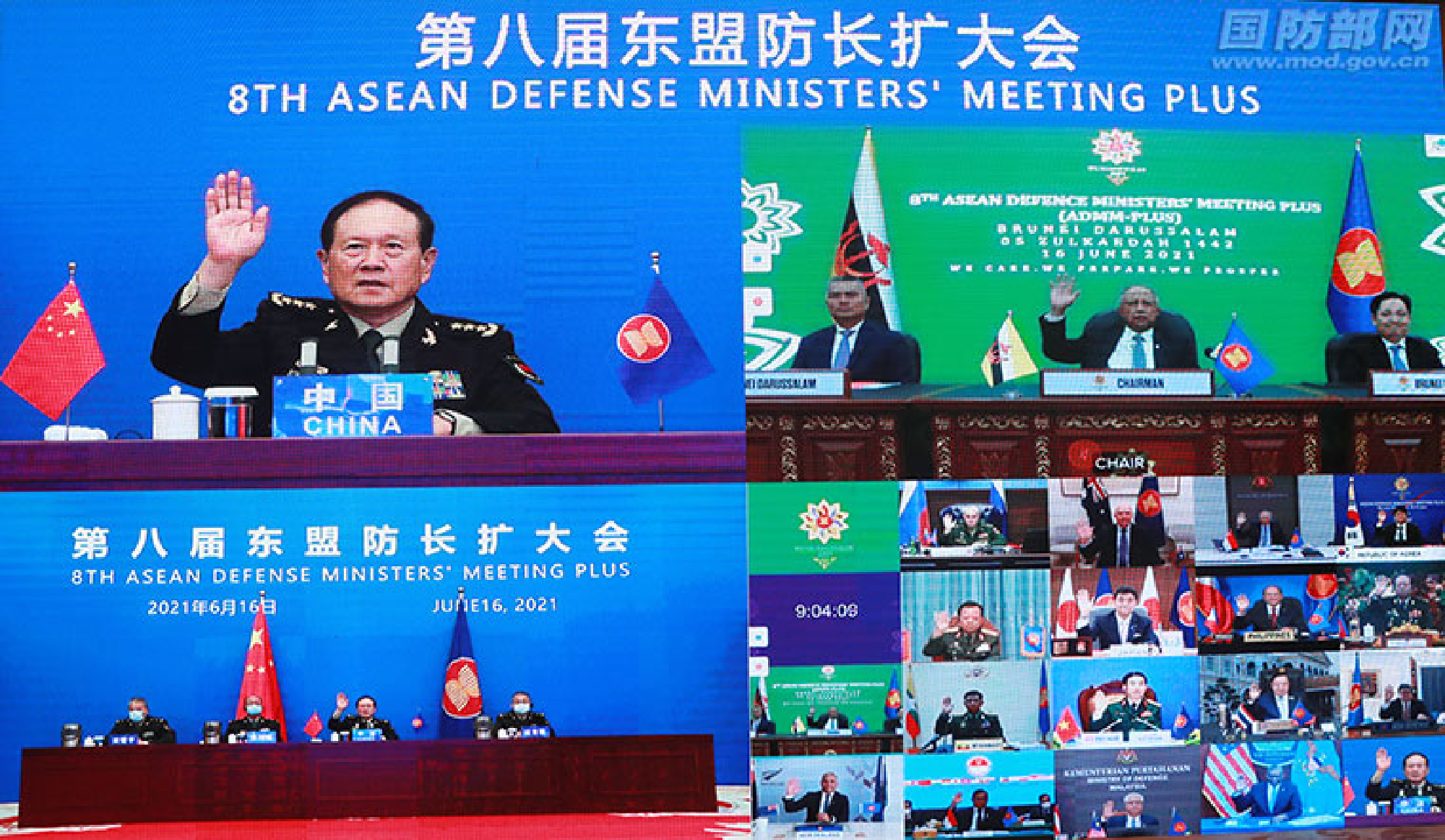
The Chinese militarys will to safeguard the nations core interests — including issues related to Taiwan, Hong Kong, the Xinjiang Uygur autonomous region and the South China Sea — is unshakable, Chinas defense minister said on Wednesday.
According to the Ministry of National Defense, State Councilor and Defense Minister General Wei Fenghe said during the 8th ASEAN Defense Ministers’ Meeting Plus video conference on Wednesday that the world is experiencing multiple crises, with factors of instability and uncertainty on the rise.
Therefore, various countries should enhance solidarity and collaboration, uphold fairness and justice, safeguard international order and maintain an open and inclusive attitude in order to facilitate exchanges and mutual learning while jointly building a community with a shared future for mankind, Wei said.
Wei stressed that China will be an adamant contributor to world peace, global development and the international order. The nation’s military development can strengthen global efforts to meet those goals, he said.
China attaches great importance to security cooperation with other countries, as well as to understanding and respecting other nations’ reasonable concerns, Wei said, adding that its national interests must also be sufficiently respected and protected.
The Chinese military’s resolve and determination to safeguard the nation’s core interests is steadfast, he said.
The Asian-Pacific region will see both opportunities and challenges in its future. Various parties should uphold a global security view that is common, comprehensive, collaborative and sustainable in nature, Wei said.
Countries should utilize the mechanisms offered by the ASEAN Defense Ministers’ Meeting Plus to jointly build a safe environment. China will proactively take part in cooperation under the framework and contribute more to regional peace and stability, Wei said.
![[Singapore] Extended govt support for F&B, hawkers and other sectors hit by Covid-19 measures](https://media.nationthailand.com/uploads/images/md/2021/06/w7n4isABWyglBnTCQ1wg.jpg?x-image-process=style/lg)
![[Myanmar] SAC announces new income tax rates as 3% for Ks100m and below, 30% for over Ks3bn](https://media.nationthailand.com/uploads/images/md/2021/06/9C6LjxSB8CYP8T9yxEUs.jpg?x-image-process=style/lg)

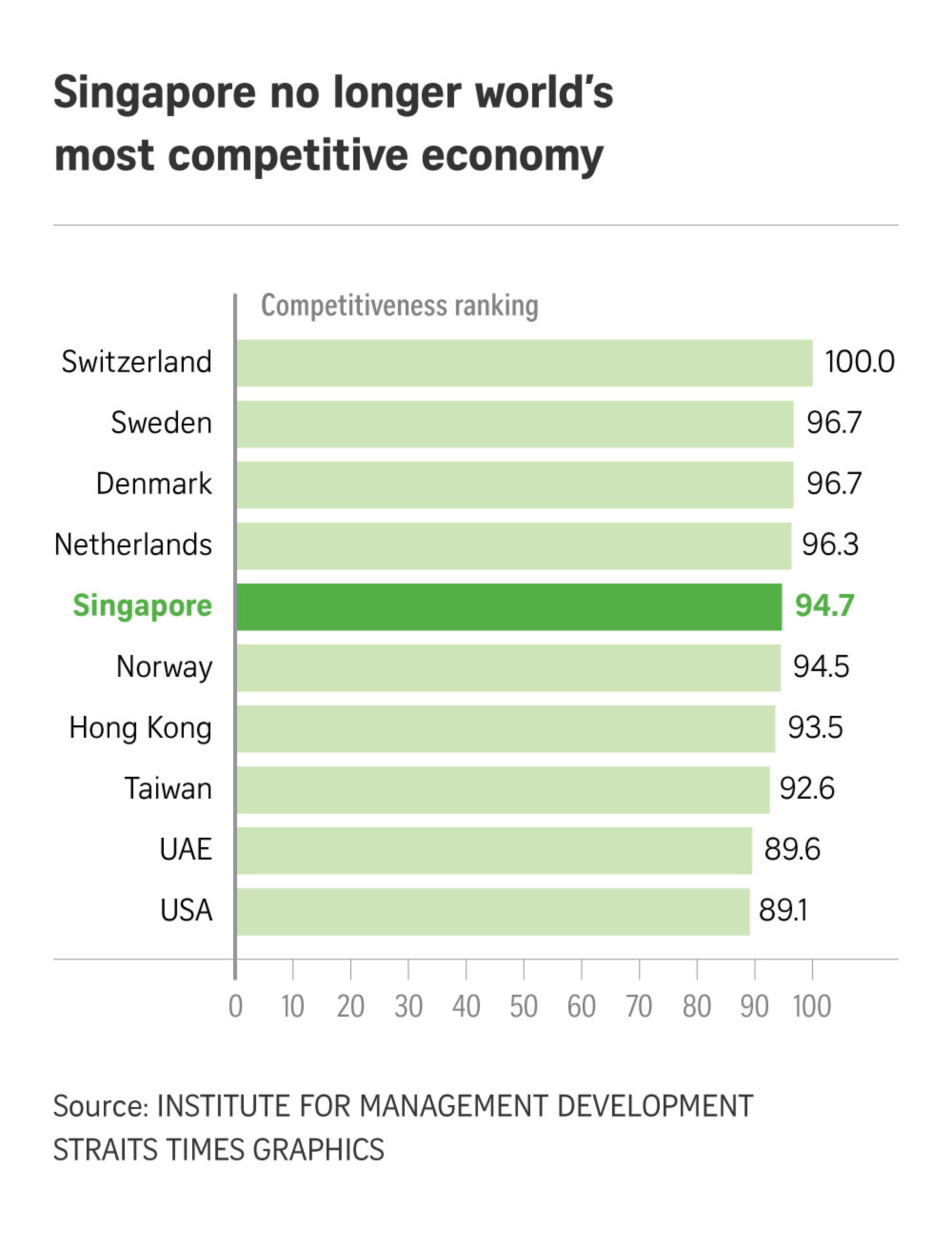 Singapore loses its top spot in global competitiveness study, now ranks 5th