Vietnam to conduct largest-ever vaccination campaign with all data to go online #SootinClaimon.Com

#SootinClaimon.Com : ขอบคุณแหล่งข้อมูล : หนังสือพิมพ์ The Nation.

https://www.nationthailand.com/international/40002129

Vietnam to conduct largest-ever vaccination campaign with all data to go online


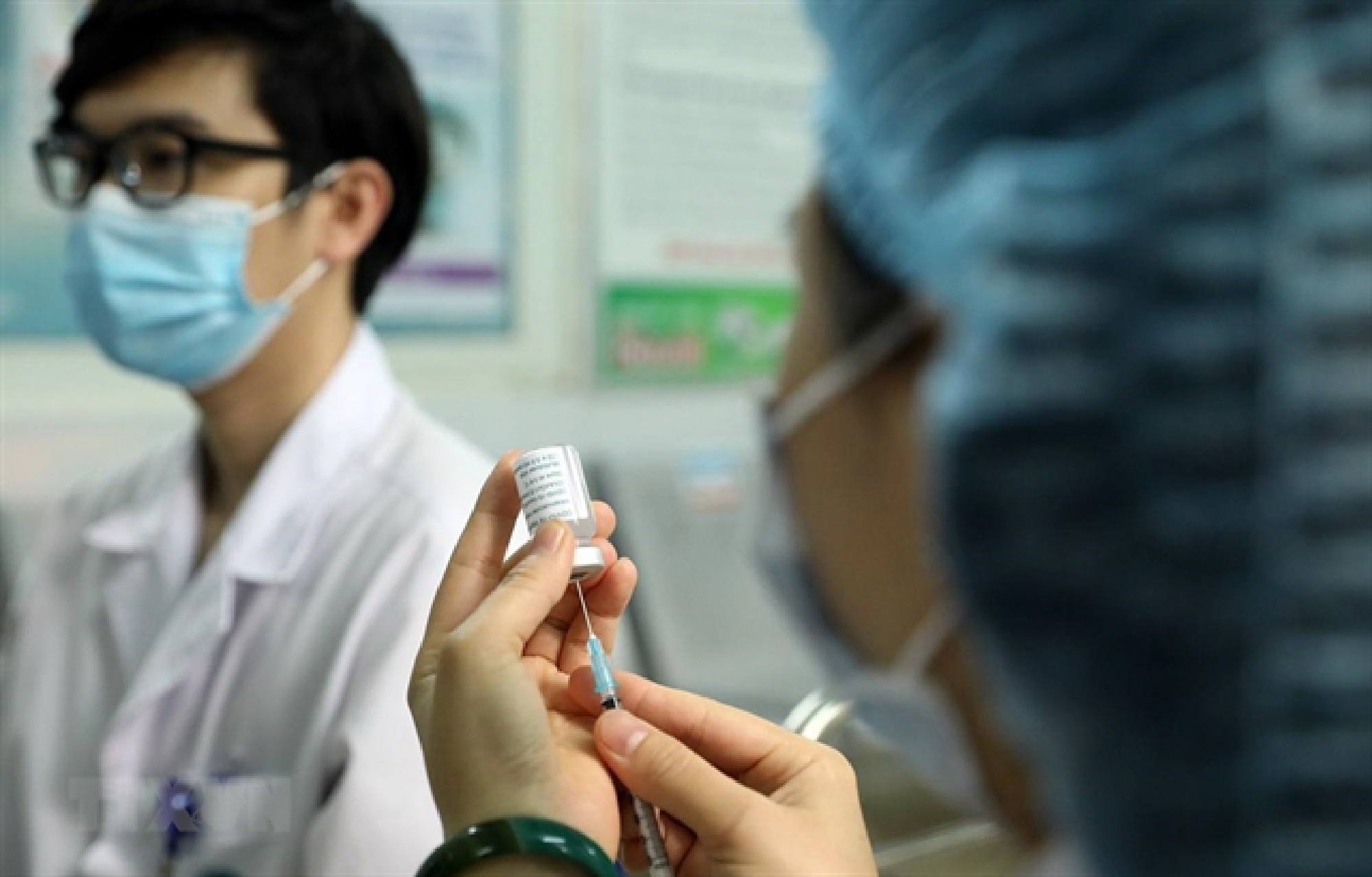
HÀ NỘI — Việt Nam is about to launch the largest-ever vaccination campaign with around 150 million COVID-19 vaccine doses to be injected, Health Minister Nguyễn Thành Long has said.
Vietnam to conduct largest-ever vaccination campaign with all data to go online

Addressing a conference on the implementation of the national COVID-19 vaccination campaign on Tuesday, Long said that eight storage facilities will be installed, with one in the High Command of Hà Nội, and seven in military regions across the nation.

All vaccine storage facilities must meet Good Storage Practices (GSP) standards to ensure vaccine quality, he said.

About 15,000 vaccination stations have assigned sufficient human resources and accounts to update and publicise the vaccination process, the number of used doses and the number of people vaccinated, he added.

During the campaign, all vaccination stations will be strictly supervised by an online control system, with information on the numbers of people getting injections as well as vaccine doses inoculated to be publicised.

“Each person will receive a message informing them about the vaccination and inviting them to get vaccinated. After they register for the vaccination, they will receive another message about vaccination time and place,” Long said.

“When people arrive at the vaccination place, they will show their QR codes of health declaration and undergo a medical check. Those who meet medical requirements will be injected and confirmed “vaccinated” on the smartphone app that they installed,” Long said, the online vaccination management would facilitate the management of “vaccine passports” in the future.

For those without smartphones, they will receive a text message with detailed information about the vaccination, Long said.

Long said that to realise such plan, it was necessary to speed up the implementation of e-health records and vaccination registration via smartphone app and text message.

When people received the messages, they should reply so that as soon as vaccines are available, they could be invited to get them.

After receiving a vaccine dose, people will receive a message every two hours to monitor their post-vaccination health.

The national steering committee on vaccination would work around the clock to oversee and direct the vaccination drive.

Deputy Minister of Information and Communication Nguyễn Huy Dũng said that the ministry and companies were making efforts to complete an IT vaccination system.

“As soon as the detailed scheme of the vaccination drive is finalised, we will have a trial version three days later which the Health Minister will examine. We will need another three days after that to complete the final version,” Dũng said.

By Tuesday afternoon, nearly 1.65 million COVID-19 vaccine doses have been administered in Việt Nam and 63,636 people across the country received two doses of a COVID-19 vaccine, according to health authority’s announcement on Wednesday morning. —VNS

Published : June 17, 2021

By : Viet Nam News/ANN
Bhutan misses 8-12 weeks mark for the second dose #SootinClaimon.Com

#SootinClaimon.Com : ขอบคุณแหล่งข้อมูล : หนังสือพิมพ์ The Nation.

https://www.nationthailand.com/international/40002128

Bhutan misses 8-12 weeks mark for the second dose


However, according to foreign minister, new evidence finds the vaccines are effective even after 16-20 weeks from the first dose

Bhutan misses 8-12 weeks mark for the second dose

Bhutan will complete week-12 after administering the first dose of AstraZeneca vaccine on Saturday. Those who have received the first dose of the vaccine will miss the initial deadline — eight to 12 weeks — for the second shot.

With an increasing number of positive cases in the country, the sense of urgency among the public for the second dose is growing. Queries on the status of the second dose and the government’s efforts to procure vaccines have been raised for at least three times at the ongoing National Assembly session.

Responding to Lamgong-Wangchang MP Ugyen Tshering’s question on the same, Chidrel Lyonpo (foreign minister) Dr Tandi Dorji said that given the level of efforts put in to procure the second dose, Bhutan is expected to receive the vaccines soon.

Lyonpo said that the international assistance desk of the foreign ministry was actively working with multilateral and bilateral partners to secure AstraZeneca vaccines for the second dose. “Discussions are ongoing with at least 17 countries and we are very hopeful to receive assistance from them, especially Japan, Denmark, and the United States.”

The minister added that although the initial recommendation for the second dose for AstraZeneca vaccine was between eight to 12 weeks, there was increasing evidence that the gap between could be stretched as far as 16 to 20 weeks after the first dose.

He said that globally the vaccines were short in supply. However, efforts were underway to secure the second dose. “As the vaccines are found still effective beyond 12 weeks, we will make sure all eligible people in the country receive the vaccines within these 16 to 20 weeks.”

This means the second dose would be made available only toward the end of July or midway August.

Officials from the national immunization technical advisory group (NI-TAG) said that delay in the second dose of vaccine by a few weeks would not have any implication. In fact, immunologically, officials said that the longer the duration between the two doses, the better the immune response.

However, officials did not comment as to how long the gap could be extended to.

Officials said that for the AstraZeneca vaccine, the efficacy of the first dose was around 76 percent. With the booster dose, the efficacy increased to around 81 percent. This meant that even without the booster dose, people would have already developed adequate levels of antibodies from the first dose.

A booster dose, officials said, was important for certain individuals who would not have developed adequate levels of antibodies from the first, including those with pre-existing medical conditions.

Indian experts, in the light of the overwhelming positive cases and deaths because of the second wave of the pandemic, extended the gap from eight to 12 weeks to 16 weeks. However, the World Health Organisation’s protocol for AstraZeneca vaccine, as of last night, still reflected eight to 12 weeks.

In the meantime, Public Health England, an executive agency of the Department of Health and Social Care in the UK published that two doses of the Pfizer-BioNTech or the AstraZeneca vaccines were highly effective against hospitalisation from the Delta variant of the coronavirus.

Their recent analysis found that two doses of the Pfizer vaccine were 96 percent effective against hospitalisation from the Delta variant; two doses of the AstraZeneca vaccine were 92 percent effective.

Published : June 17, 2021

By : Younten Tshedup/Kuensel/ANN

There is no need to extend Emergency, say Malaysian Rulers #SootinClaimon.Com

#SootinClaimon.Com : ขอบคุณแหล่งข้อมูล : หนังสือพิมพ์ The Nation.

https://www.nationthailand.com/international/40002127

There is no need to extend Emergency, say Malaysian Rulers


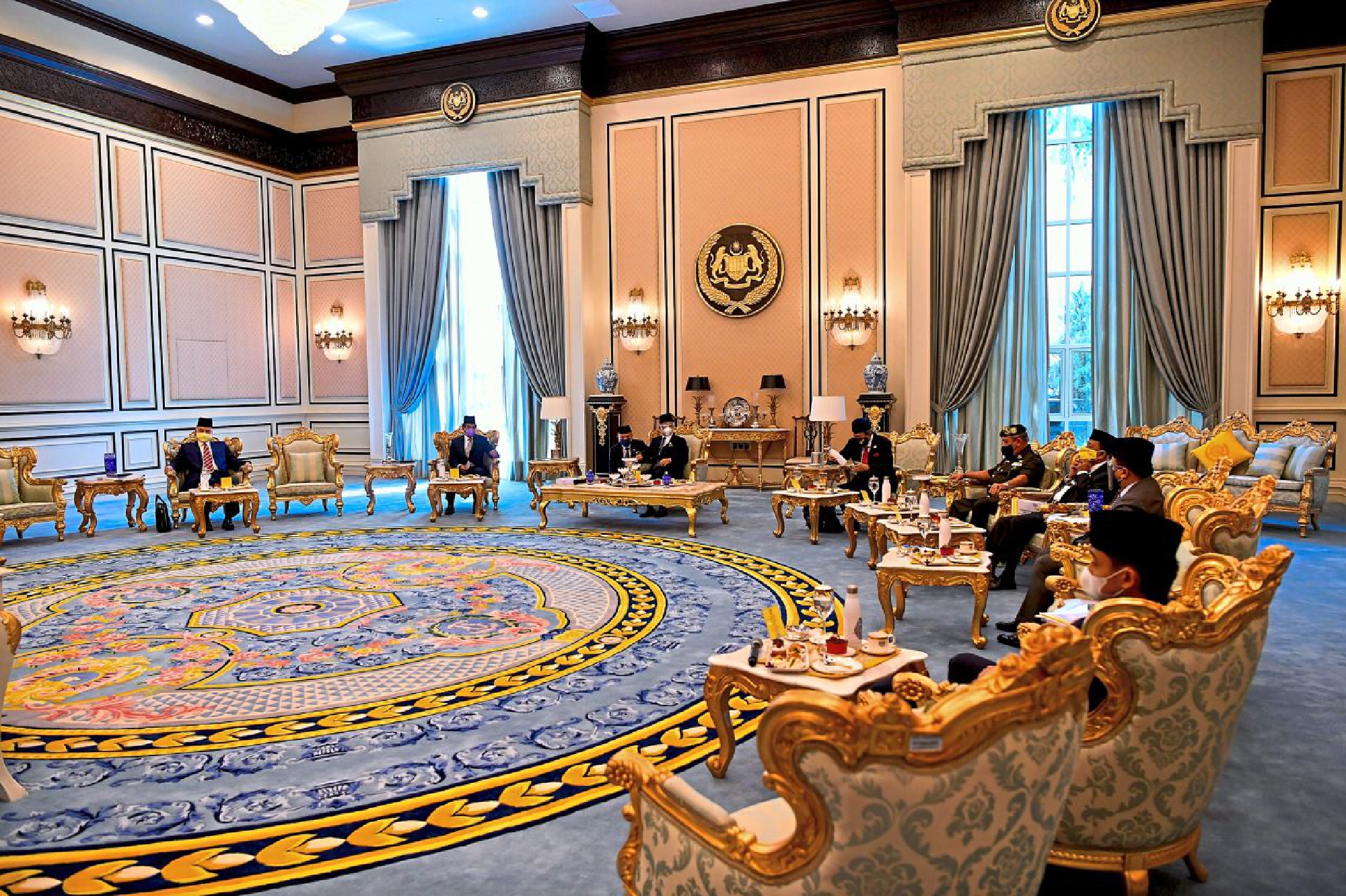
PUTRAJAYA: There is no need to place the country under Emergency beyond Aug 1, declare the Malay Rulers.

There is no need to extend Emergency, say Malaysian Rulers

In a statement issued by the Keeper of the Rulers’ Seal, Tan Sri Syed Danial Syed Ahmad, the Rulers concurred with the view of the Yang di-Pertuan Agong that Parliament should be reconvened as soon as possible.

“At state level, the Rulers are also of the view that state legislative assemblies can reconvene soon,” said the statement issued after the Rulers gathered in a special meeting at Istana Negara yesterday.

The meeting of the Rulers was intended to discuss efforts to combat the Covid-19 pandemic.

The meeting was attended by the Yang di-Pertuan Agong as well as Sultans of Terengganu, Selangor, Johor, Perak, Kedah, Yang di-Pertuan Besar of Negri Sembilan, the Regent of Pahang and the Raja Muda of Perlis on behalf of Raja Perlis.

On Jan 12, the King, Al-Sultan Abdullah Ri’ayatuddin Al-Mustafa Billah Shah, decreed that the Emergency be in force up to Aug 1 or earlier if the number of Covid-19 cases can be effectively controlled and effectively brought down.

Syed Danial said the Rulers agreed that political temperature in the country needed to be brought down and that it was important to have a stable government that has the support and confidence of the majority of the people.

“The Rulers concur that lives and livelihoods must be given priority above other matters and for the vaccination drive to be ramped up by minimising bureaucracy so that 80% of the population can be inoculated to achieve the targeted herd immunity quickly,” he said, adding that the Rulers also want measures to tackle Covid-19 to be inclusive and involve various stakeholders.

“In the fight against Covid-19, the Rulers want to see inclusivity and the spirit of willingness to listen, learn, make changes, make improvements, and openness to consider new possibilities, until full support from the people is garnered,” said the statement.

Syed Danial said the Rulers pointed out the importance of respecting the mechanisms for checks and balances between the Executive, Legislative and Judiciary to ensure transparency, integrity and accountability in governance, especially on financial matters and expenditure.

Published : June 17, 2021

By : MAZWIN NIK ANIS/The Star/ANN

Japanese government plans to end emergency on Sunday in Tokyo, Osaka and 7 other prefectures #SootinClaimon.Com

#SootinClaimon.Com : ขอบคุณแหล่งข้อมูล : หนังสือพิมพ์ The Nation.

https://www.nationthailand.com/international/40002126

Japanese government plans to end emergency on Sunday in Tokyo, Osaka and 7 other prefectures


The government plans to end the novel coronavirus state of emergency as scheduled on Sunday in nine out of the 10 prefectures, including Tokyo and Osaka, where the measures are currently in effect.

Japanese government plans to end emergency on Sunday in Tokyo, Osaka and 7 other prefectures

Okinawa will be the only prefecture under a state of emergency.

Seven prefectures, including Tokyo, plan to shift to emergency-level priority measures, to remain in effect until July 11.

Regarding the five other prefectures currently under the emergency-level priority measures, the government is considering lifting the measures for Gifu and Mie prefectures.

 Prime Minister Yoshihide Suga told reporters Wednesday night at the Prime Minister’s Office that he would make a decision on Thursday after consulting with experts.

Published : June 17, 2021

By : The Japan News/ANN

MYANMAR IS HUNGRY – PEOPLE NEED YOUR HELP #SootinClaimon.Com
#SootinClaimon.Com : ขอบคุณแหล่งข้อมูล : หนังสือพิมพ์ The Nation.

https://www.nationthailand.com/international/40002125

MYANMAR IS HUNGRY – PEOPLE NEED YOUR HELP


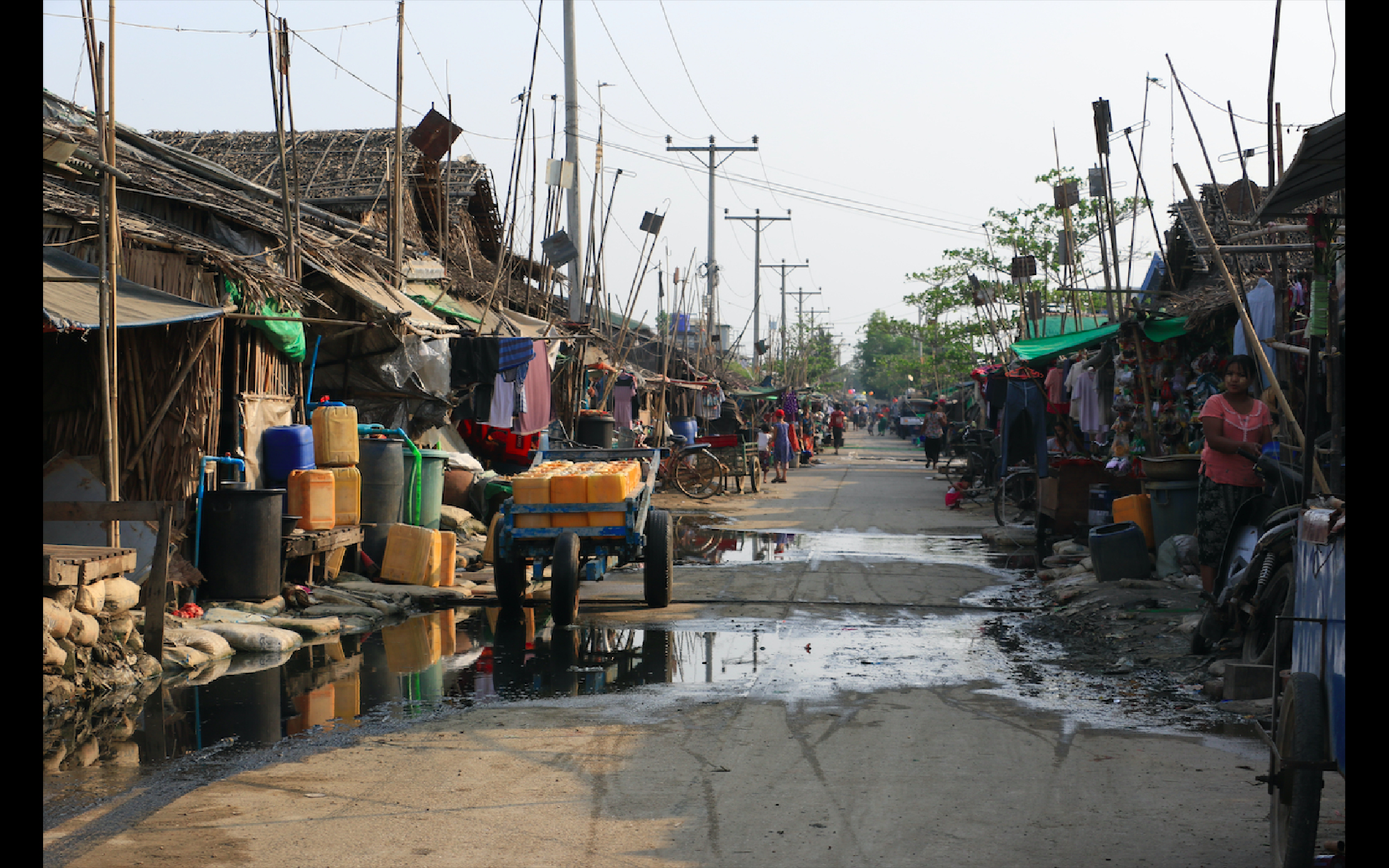
Myanmar’s perfect “storm” of political, economic and health crises are plunging millions of people into poverty and hunger. By the end of 2021, up to 3.4 million more people will go hungry, according to World Food Programme.

MYANMAR IS HUNGRY - PEOPLE NEED YOUR HELP

Stand for Hope campaign will deliver a set of rice (49kg at US$19) and cooking oil (5litre at US$9) will feed a dire family of four-five for a month. Eleven Media’s newspaper trucks and staff will make delivery to poor urban areas and temples where poor people go for food.

Your every contribution means a life – family saved. Donate at   https://social.sinwattana.com/viewCampaign/69X0OF6IWSA1077  

Sponsored by Sinwattana Donation Crowdfunding/Eleven Media Group/Asia News Network.

MYANMAR IS HUNGRY - PEOPLE NEED YOUR HELPMYANMAR IS HUNGRY – PEOPLE NEED YOUR HELP

Asia News Network, an alliance of 23 national media in 20 Asian countries will do what we can to support the hungry going Myanmar people during this time of difficulties.

Published : June 17, 2021

By : THE NATION

Japan donates 1 million COVID-19 vaccine doses to Vietnam #SootinClaimon.Com

#SootinClaimon.Com : ขอบคุณแหล่งข้อมูล : หนังสือพิมพ์ The Nation.

https://www.nationthailand.com/international/40002087

Japan donates 1 million COVID-19 vaccine doses to Vietnam


HÀ NỘI — Japan has donated a batch of one million AstraZeneca vaccine doses to Việt Nam. The shipment of the vaccines made in Japan is expected to leave on Wednesday and arrive in Việt Nam the same day.

Japan donates 1 million COVID-19 vaccine doses to Vietnam

On Tuesday, Japanese Ambassador to Việt Nam Yamada Takio and Việt Nam’s Health Minister Nguyễn Thanh Long exchanged notes relating to the supply of the COVID-19 vaccines to the country.

According to the announcement from the Japanese Embassy in Việt Nam, the number of new COVID-19 infections has been increasing rapidly in Việt Nam since late April this year due to new coronavirus variants, while some localities in the country are under social distancing order. Meanwhile, only over one per cent of the country’s population has been vaccinated against COVID-19 and three million doses have arrived in Việt Nam.

Purchasing COVID-19 vaccines is an urgent issue for the Government of Việt Nam.

With the supply of the COVID-19 vaccine from Japan to Việt Nam, the Japanese Government expects to help curb the spread of COVID-19 in Việt Nam.

The Japanese Government sees that it’s important to ensure equal access to safe and effective vaccines in all countries and regions to achieve universal health coverage. Japan would continue to co-operate with countries and international organisations to deliver support aiming to end the COVID-19 pandemic as soon as possible.

According to NHK, the Japanese government has a policy to send any surplus stocks overseas. The country donated about 1.2 million doses of the AstraZeneca vaccine to Taiwan earlier this month. — VNS

Published : June 16, 2021

By : Viet Nam News/ANN

India witnesses 85% decline in new Covid cases after 75 days, informs Health Ministry #SootinClaimon.Com

#SootinClaimon.Com : ขอบคุณแหล่งข้อมูล : หนังสือพิมพ์ The Nation.

https://www.nationthailand.com/international/40002086

India witnesses 85% decline in new Covid cases after 75 days, informs Health Ministry


The Union Health Ministry said on Tuesday that India has witnessed a decline in daily Covid cases by up to 85 per cent since the highest daily tally was registered on May 7.

India witnesses 85% decline in new Covid cases after 75 days, informs Health Ministry

Joint Secretary, Health, Lav Agarwal, said. “We are witnessing a continued reduction in daily cases after 75 days which indicates an overall decline in infection rate.”

“Observing the decline of Covid cases per day, we have analysed that India has witnessed around 85 per cent reduction in daily cases, which is a big development for all of us but we have to continue work on strict Covid behaviour,” Agarwal added.

In the last 24 hours, India reported 86,490 new cases, while on May 7, daily cases were at 4.14 lakh, but had come down to 2.67 lakh on May 19 and dropped below the 2 lakh mark subsequently.

The daily Covid positivity rate has declined by 33 per cent according to the Health Ministry.

Agarwal also said that the country is seeing a sharp decline in active cases in the last few days, amounting to around 65 per cent. On May 10, active cases were at an average of 37.45 lakh, but now have reduced to less than 10 lakh, which account for 2.9 per cent of total cases.

The cumulative recovery rate has now reached 95.6 per cent, with recoveries outnumbering infections in all states, he said.

As many as 366 districts across the country have reported a marked decline in cases over the past weeks, while there are 20 states and UTs where active Covid cases are less than 5,000.

(With IANS inputs)

Published : June 16, 2021

By : The Statesman/ANN

[Malaysia] Four phases to freedom #SootinClaimon.Com

#SootinClaimon.Com : ขอบคุณแหล่งข้อมูล : หนังสือพิมพ์ The Nation.

https://www.nationthailand.com/international/40002085

[Malaysia] Four phases to freedom


PETALING JAYA: Malaysia’s timeline to open up the economy and social sectors will be divided into four progressive phases of the National Recovery Plan as the people strive to reclaim their freedom from the Covid-19 pandemic.

[Malaysia] Four phases to freedom

Prime Minister Tan Sri Muhyiddin Yassin said the country could return to normalcy by the year end if everything went to plan.

“By the fourth phase of the plan, we will return to our normal daily lives. By then, all economic sectors will be allowed to operate, more social activities will be allowed and interstate travel and domestic tourism can also take place under strict SOP, ” he said in a televised address yesterday.

The transition between one phase of the National Recovery Plan to the next will depend on threshold indicators centred on a drop in daily cases and a rise in vaccination rates.

Muhyiddin said the plan was now in its first phase with the current lockdown in place, with daily new cases still high and vaccination rates low.

If cases drop below 4, 000 and about 10% of the population is fully vaccinated, the recovery plan will move on to Phase Two provided that the country’s healthcare system is not at a critical level and intensive care unit (ICU) occupancy rates fall to medium level.The second phase of the plan will see the domestic economy gradually reopening and 80% of workers allowed to work on premises compared to the current 60%.

The positive list of companies allowed to operate during Phase One of the plan will be extended to Phase Two, but with a few more sectors added such as cement manufacturing for the construction sector and the sale of computers and electronics to support the needs of those working from home.

But some sectors under manufacturing, construction, retail and services will remain closed such as textile and furniture production.

Muhyiddin said more sectors would be allowed to operate under Phase Three, but the transition could only take place after the number of infections had dropped below 2, 000 and the healthcare system was at a comfortable level with enough beds available in ICUs.

About 40% of the population should have received two doses of the vaccine before the recovery plan moves into the new phase.

“In Phase Three, all manufacturing activities will be allowed but they will be subject to capacity limits and SOP compliance.

“However, some activities that are deemed high risk because they involve large gatherings, such as conventions, and places where physical distancing will be difficult such as pubs, spas and beauty salons will remain closed,” Muhyiddin said.

Schools and sports activities will also gradually be allowed in Phase Three.

Muhyiddin said Parliament sessions were also expected to reconvene in Phase Three of the plan with strict SOP compliance.

He said the transition to the final phase of the plan could happen when the number of new cases had dropped to below 500 and the healthcare system was at a safe level with enough beds in ICUs.

Additionally, 60% of the population should be fully vaccinated, which Muhyiddin said could happen by the end of October as forecast by the National Immunisation Programme.

He added that the National Recovery Plan was a dynamic one and transitions could happen if the three main threshold indicators were achieved.

“We owe it to Malaysia to fight the threats that this pandemic poses to our collective future together. We must remain steadfast and resolute in our commitment to fight and win this war against Covid-19.

“We must never waver, and defeat is just simply not an option.

“I am cautiously optimistic that with proper planning, execution and support from all Malaysians, we can emerge victorious and stronger from this crisis, ” he said.

Published : June 16, 2021

By : The Star/ANN

70 US civic groups condemn Fukushima water release #SootinClaimon.Com

#SootinClaimon.Com : ขอบคุณแหล่งข้อมูล : หนังสือพิมพ์ The Nation.

https://www.nationthailand.com/international/40002084

70 US civic groups condemn Fukushima water release


‘Contaminated water at Fukushima contains an extremely high level of radioactivity,’ opponents say in letter to Japan

70 US civic groups condemn Fukushima water release

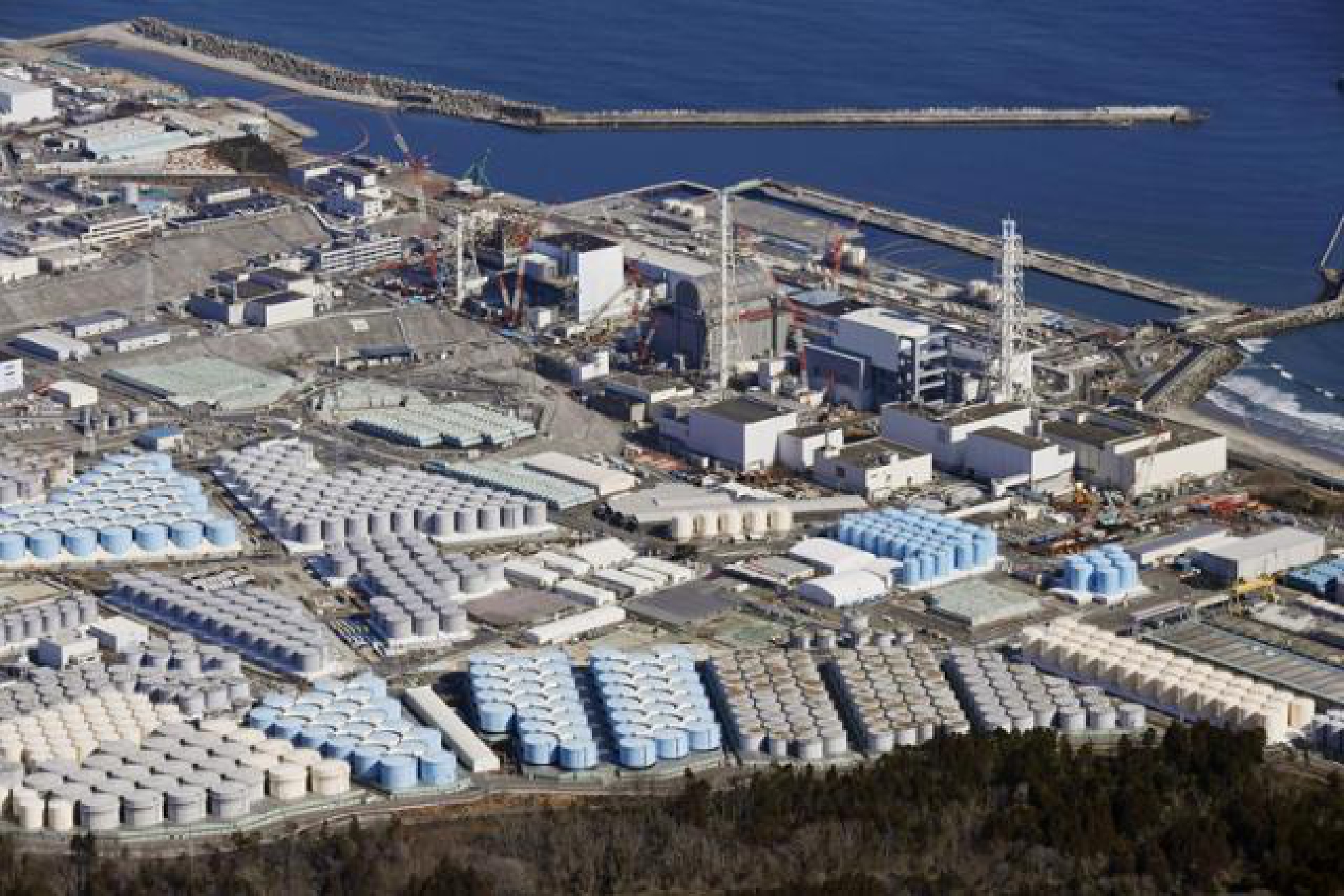
Seventy US civic groups sent a joint letter to Japan opposing the release of contaminated water from the Fukushima Dai-ichi nuclear plant, arguing that Japan’s filtration system is insufficient to make the water safe.

According to the Korean Federation for Environmental Movement on Tuesday, US nongovernmental organizations including the Manhattan Project for a Nuclear-Free World wrote to Japan’s Ministry of Foreign Affairs and its Ministry of Economy, Trade and Industry on June 5 on the occasion of World Environment Day and World Maritime Day.

In the letter, they strongly condemned the recent decision by the Japanese government to release approximately 1.25 million metric tons of radioactive water from the crippled Fukushima Dai-ichi nuclear power plant into the Pacific Ocean.

“We are very concerned that Hitachi’s Advanced Liquid Processing System (Japan’s multi-nuclide removal system) cannot remove all radioactive materials before the dumping as the Japanese government has repeatedly admitted,” the statement said.

“The contaminated water stored at the Fukushima Daiichi is fundamentally different from the water coming from a nuclear power plant during a regular operation.”

They said the contaminated water at the Fukushima Dai-ichi nuclear plant was highly radioactive because it was used to cool the highly radioactive melted cores of at least four nuclear reactors at the plant, where the loss of their cooling capabilities caused meltdowns in March 2011.

Due to the ongoing high levels of radiation at the facility, the water that has accumulated there has extremely high levels of radioactivity, the statement said.

“We are also concerned about the long-term impacts on the wide Pacific region from the dumping of such a large amount of radioactive water. The Pacific Ocean accounts for a large percentage of the world’s fisheries and many of the communities in the region are dependent on these resources.

“Many of the states in the Pacific have long suffered from the effects of nuclear testing and illicit dumping of radioactive waste by wealthy nations. We must not forget that these communities have still been living with the threats of remaining contamination exposure, decimated environments and generational trauma from nuclear testing.”

They argued that dumping radioactive water into the Pacific would violate international law.

The Convention on the Prevention of Marine Pollution by Dumping of Wastes and Other Matter of 1972 and the London Protocol prohibit the dumping of radioactive materials into the sea, at any concentration, the statement said.

The Manhattan Project for a Nuclear-Free World, which led the efforts to send the joint letter, is a nonprofit organization founded in New York City in March 2012 by experts, lawyers and others concerned about nuclear power and the dangers and humanitarian effects of nuclear weapons.

In April, Japan announced that it would discharge more than 1.25 million metric tons of contaminated water from the nuclear power plant into the Pacific Ocean, arguing that it posed no threat to human health.

Upon hearing the news, South Korean experts warned that high-risk radioactive materials not properly filtered before being discharged into the sea could be hazardous to people in Korea and neighboring China.

According to last year’s data released by the Tokyo Electric Power Company, only 30 percent of the 1.25 million tons of contaminated water treated with its advanced liquid processing system — which is supposed to clean up radioactive contamination — passed safety standards.

Radioactive materials such as cesium-137 and strontium-90 were found in the remaining 70 percent. Strontium-90 increases the risk of leukemia and bone cancer, according to a report from the Korea Energy Information Culture Agency, a government-funded think tank. Tritium, another radioactive material, cannot be removed by the process.

The Korean government proposed this month that the two countries form a bilateral consultative body in Japan to discuss the issue of contaminated water at the Fukushima nuclear power plant. If Japan agrees, the body could begin operating as early as next month.

Published : June 16, 2021

By : Shin Ji-hye/The Korea Herald/ANN

Chinese central bank to expand trials of digital RMB #SootinClaimon.Com

#SootinClaimon.Com : ขอบคุณแหล่งข้อมูล : หนังสือพิมพ์ The Nation.

https://www.nationthailand.com/international/40002083

Chinese central bank to expand trials of digital RMB


Analysts predict that Chinas e-currency could be in circulation as early as 2022

Chinese central bank to expand trials of digital RMB

China’s monetary authorities will designate more payment service institutions to develop digital RMB electronic wallets with complicated functions, in order to satisfy various types of payment needs, said a senior official from the central bank.

For example, the digital RMB e-wallet with smart contracts, also known as a “smart wallet”, has a powerful feature that allows users to implement payment autonomously under certain conditions and rules, which can prevent the illegal withdrawal of funds deposited in prepaid accounts, according to Mu Changchun, director general of the Digital Currency Research Institute of the People’s Bank of China.

It was the first time that the nation’s leading designer of digital RMB, or e-CNY, disclosed various functions of the e-wallet, and he called it the currency’s “carrier”. The digital RMB is expected to be one of the world’s first major sovereign digital currencies, and the central bank is gradually expanding its trials.

The digital RMB e-wallet is managed under a centralized system led by the central bank, which can verify the currency’s authenticity. It is designed with multilevel permissions for transferring funds.

At the lowest level, users can deposit as much as 10,000 yuan ($1,562) of digital RMB in the wallet, and the maximum aggregate daily payment is 5,000 yuan, with a limit of 2,000 yuan for each transaction. Users can open an account after providing their cellphone number, Mu told the Lujiazui Forum in Shanghai on Friday.

For a higher level e-wallet, the maximum deposit will increase to 500,000 yuan, with limits of 50,000 yuan for each payment and 100,000 yuan for the daily aggregate payment, according to Mu.

On the same day, 350,000 residents of Shanghai each received a lucky draw bonus of 200 yuan in digital RMB, which was sent by designated commercial banks and payment service providers through various electronic wallet apps on smartphones. About 2 million users had applied for the bonus in Shanghai’s trial.

Some experts predicted that the digital RMB could become the first central bank digital currency in circulation as early as 2022, ahead of other major economies, and cross-border usage may continue to grow.

Stephen Chiu, Asia FX and rates strategist of Bloomberg Intelligence, predicted that the digital RMB’s envisaged applications will be in tourism, payments, clearing and even central-bank swap lines.

Chinese financial regulators see the digital RMB as one way to fend off potential threats from privately designed virtual currencies, such as Bitcoin, experts said.

Earlier, two online private commercial banks-WeBank, backed by Tencent Holdings Ltd, and Zhejiang E-Commerce Bank Co Ltd (MY-bank), supported by Alibaba’s Ant Group Co, were identified by the central bank as operational institutions of the digital RMB, providing currency exchange and circulation services.

Ant Group’s Alipay and Tencent’s WeChat Pay, the two dominant electronic payment platforms in China, can also offer the functions of an e-wallet, Mu said.

China’s six largest State-owned commercial banks have all opened digital wallets, which have also added applications to pay digital RMB to e-commerce platforms such as food delivery service Ele.me.

The expansion of the digital RMB’s payment system will help connect different internet platforms, and the central-bank-backed e-CNY system is not in a competitive relationship with major third-party payment service providers, said analysts.

Mu reiterated that the digital RMB will coexist with Alipay and WeChat Pay. And the e-wallets are designed to satisfy different demands. Individuals and companies will be able to open customized e-wallets, he said.

There will be many formats for e-wallets, according to Mu, including IC cards, wearable devices and internet of things devices. The central bank has launched a so-called hard wallet product loaded with a health code function for elderly people, which not only provides convenient payment functions, but also facilitates their safe travel while the pandemic continues, Mu said.

Published : June 16, 2021

By : CHEN JIA/China Daily/ANN