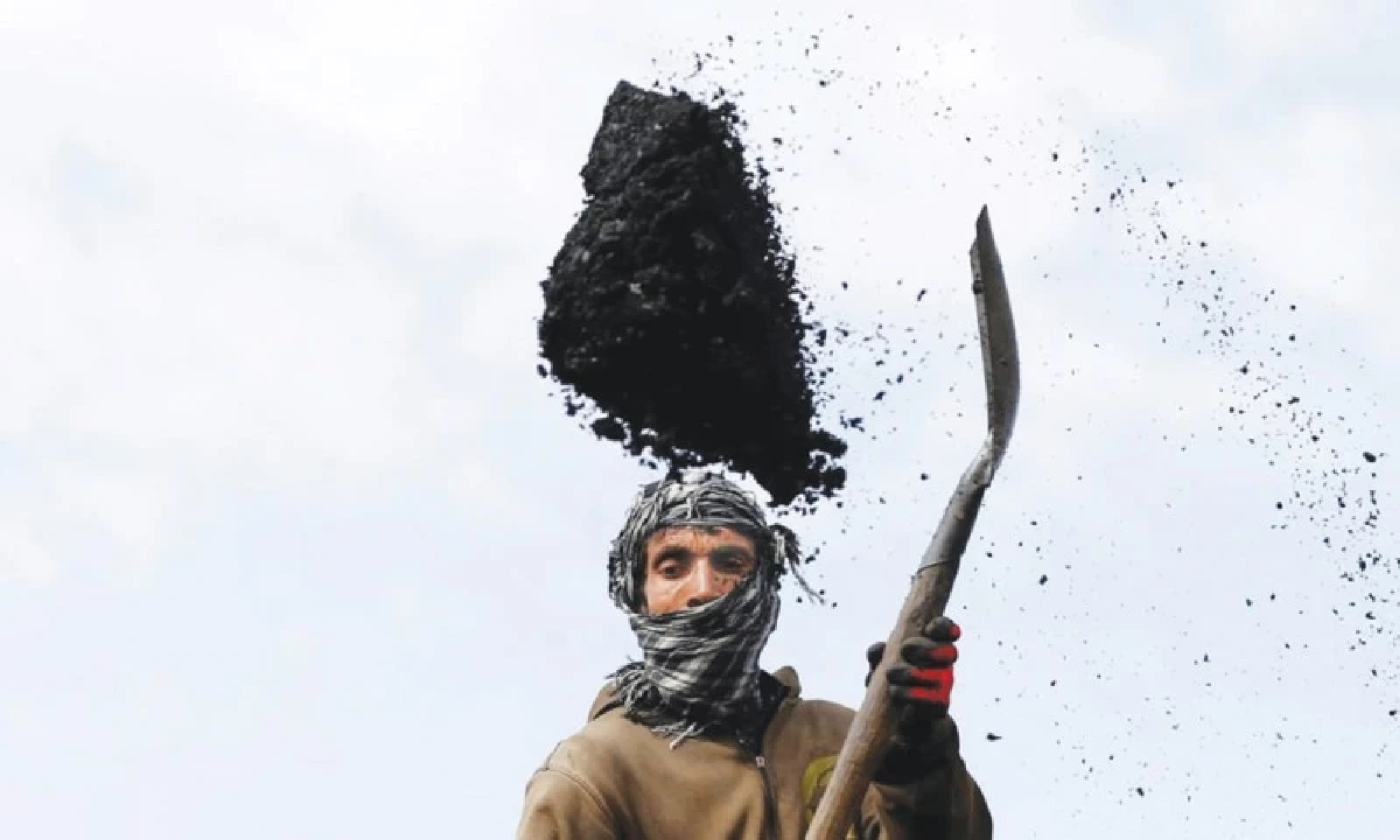
Pakistan has started importing coal from Afghanistan and using it for coal-fired power plants in different cities, an official told Dawn on Saturday.
Coal from Afghanistan started being shipped in by rail a couple of days ago at the government’s order, the official said. The current supply of 3,000 tonnes per day is expected to rise to 20,000 tonnes daily, the official added.
The move comes after Pakistan shortened its work week last month to combat widening blackouts in the worsening energy crisis.
Reports indicate that the Afghan coal price more than doubled from US$90 per tonne to around $200 after Pakistan decided to buy the commodity from its neighbour.
However, the official said that since Islamabad was paying for the coal in rupees, the increase in prices might not make a significant impact.
Meanwhile, the government had decided to transport the coal to Pakistan’s giant power plants in Sahiwal and Hub directly by rail instead of road.
Coal transportation stations are being set up in Sibi, Kundian and Khushhaal Kot.
The government decided on June 27 to import Afghan coal for the coal-fired power plants due to high prices of petroleum products. It also approved the import of high-quality coal from Afghanistan in rupees instead of dollars to save the country’s foreign exchange.
The government estimates that shipping Afghan coal for the Sahiwal and Hub plants will cut Pakistan’s annual import bill by $2.2 billion.
DAWN
Asia News Network
Asia News Network: The Nation (Thailand), The Korea Herald, The Straits Times (Singapore), China Daily, Jakarta Post, The Star and Sin Chew Daily (Malaysia), The Statesman (India), Philippine Daily Inquirer, Yomiuri Shimbun and The Japan News, Gogo Mongolia, Dawn (Pakistan), The Island (Sri Lanka), Kuensel (Bhutan), Kathmandu Post (Nepal), Daily Star (Bangladesh), Eleven Media (Myanmar), The Phnom Penh Post and Rasmei Kampuchea (Cambodia), The Borneo Bulletin (Brunei), Vietnam News, and Vientiane Times (Laos)
The China Coast Guard (CCG) has warned Filipino troops stationed on a rusting warship at Ayungin (Second Thomas) Shoal in the West Philippine Sea to “seriously consider the stand of the Chinese government” or else, there will be “consequences” if they insist on “making trouble.”
The Inquirer joined a rotation and resupply (RORE) mission to the area on June 21 and saw how the CCG behaved as if they owned the place, tailing Philippine supply boats and warning them against bringing in construction materials.
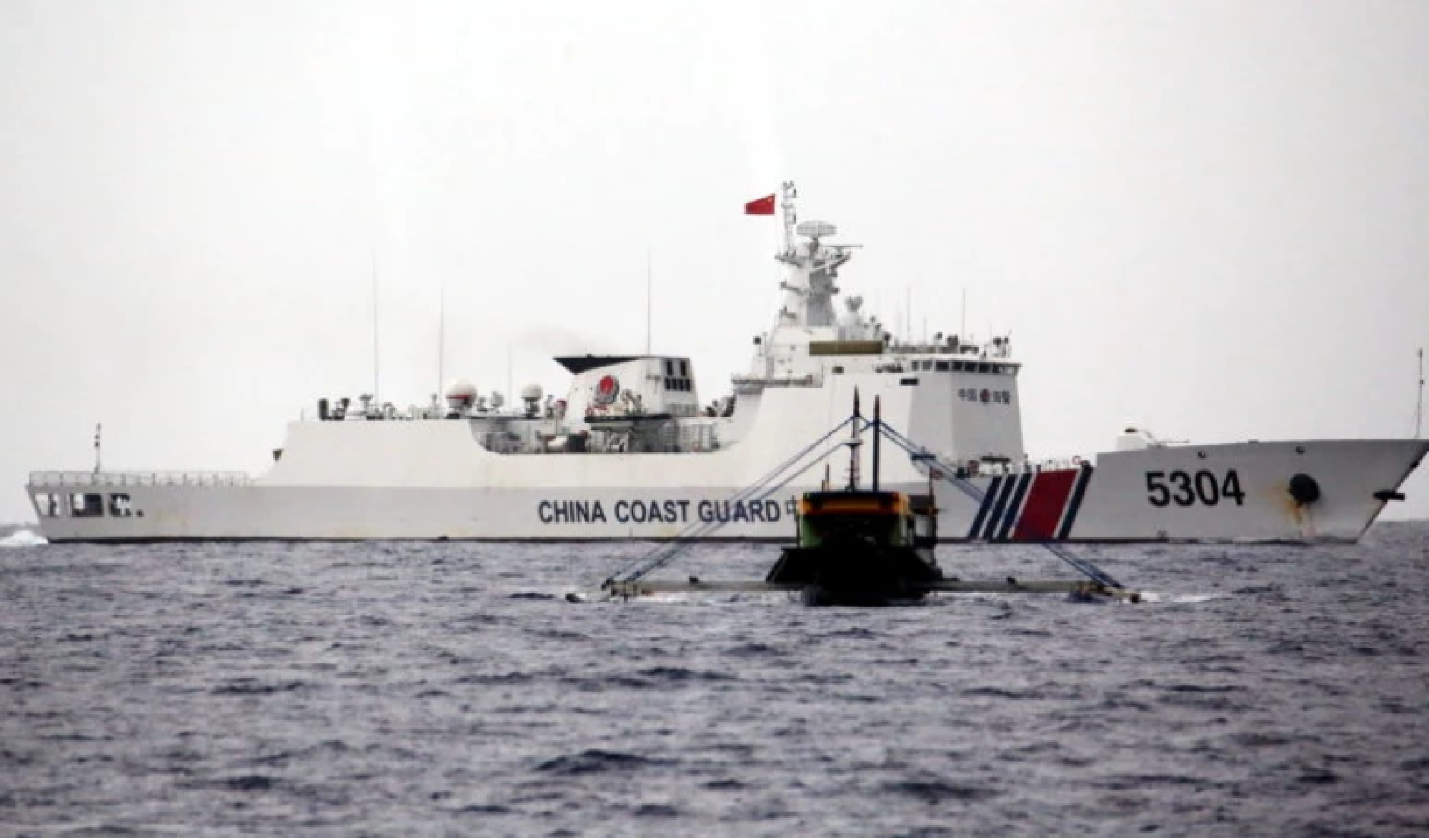
“To warship No. 57, we hope that you should seriously consider the solemn stand of the Chinese government. If you insist on making trouble [in] your own way, you will take responsibility for all these consequences arising therefore,” a Chinese ship with bow No. 5304 said over the radio.
One of two CCG vessels that shadowed the two supply boats on their way to the shoal’s entrance, it stationed itself a nautical mile away as supplies were being unloaded from wooden boats Unaizah May 2 and 3 and transferred to BRP Sierra Madre (LS-57) through ropes and pulleys.
One of the Filipino soldiers aboard the World War II-vintage landing ship tank that serves as the country’s military detachment in Ayungin dismissed the threat, saying: “They’re just bullying [us].”
The incident appeared to be the first time the CCG made a veiled threat in a radio warning to the Sierra Madre.
A government official familiar with the situation later told the Inquirer that the CCG could have made the warning after seeing from afar that “various hull maintenance materials” were among the supplies being offloaded.
Before reaching the shoal’s entrance, the two Filipino supply boats had been told by another CCG ship, with bow No. 4302, over the radio that they were being allowed “to proceed on your mission to bring food supplies” on the condition that “there are no construction materials.”
Delfin Lorenzana, the defense secretary at the time, said that they would not be stopped from doing RORE missions and repairs on the ship, which continues to be in active service.
“We have been resupplying that detachment for the past 20 years. Our people need to repair their living quarters,” he said in his final press conference on June 28.
“They have a lot of conditions and I’ve been telling the [Department of Foreign Affairs]. So they’re submitting, filing a protest. But we will continue to resupply the Sierra Madre. We will not stop,” Lorenzana said.
His successor, officer in charge Undersecretary Jose Faustino Jr., did not respond to requests for comment.
Symbol of sovereignty
The 78-year-old BRP Sierra Madre, the country’s symbol of sovereignty at Ayungin, served the United States as USS Harnett County and Vietnam as RVNS My Tho before it was commissioned by the Philippine Navy in 1976. The warship was deliberately beached in Ayungin in 1999 to serve as the Filipino presence in the shoal.
On one section of the ship ravaged by rust through the years, a message had been painted: “We do so much with so little.”
True enough, the small number of troops deployed here are making the most of what they have. To keep them entertained, the helipad has been transformed into a basketball court.
But on the outside, the ship is dotted with holes and looks as if it could fall apart at any time. Inside, there are signs of efforts to keep it together. Some parts of the ship are covered with steel plates to prevent soldiers from stepping into gaping holes. But it’s still a race against time to keep the decrepit Sierra Madre from falling into the sea.
The military plans to do more improvements on the warship as it does to its eight other detachments on the Kalayaan Island Group. But it’s no easy task with the watchful CCG around. In November, one of its vessels used a water cannon on Filipino supply boats after suspecting them of carrying construction materials, prompting them to abort the mission.
In April, the Chinese blocked the usual entrance to the shoal with fishing nets and buoys. In May, they deployed two rubber boats and shadowed Philippine supply vessels inside the shoal, stopping some 500 meters away from the Sierra Madre.
New tactics
Beijing has been trying for years to prevent the Navy’s resupply missions but over the past months, it has displayed new tactics. It has accused Manila of “trespassing” into its waters, which it calls Ren’ai Jiao, and even demanded the removal of the warship.
“Manila needs to proceed as planned to ensure BRP Sierra Madre… remains safe for the Filipinos guarding Ayungin Shoal. No agreement is being violated,” said Jeffrey Ordaniel, director for Maritime Security at the Honolulu-based think tank Pacific Forum and an associate professor at Tokyo International University.
He said the Philippines should coordinate with its allies and partners to keep the planned repairs as a non-event. “Vietnam and Malaysia have been conducting repairs and even land reclamation of features they occupy. Nothing particularly unusual in repairing a ship,” Ordaniel told the Inquirer.
Equally important was the coordination of resupply missions with the United States. “BRP Sierra Madre remains a commissioned vessel of the Philippine Navy, which means an attack on it would trigger alliance commitments per Article V of the US-Philippines Mutual Defense Treaty,” he said.
Chinese vessels are always around the shoal, but they are “most active” when there is a Rore mission, Lt. j.g. Jefferson Vega, the outgoing officer in charge of BRP Sierra Madre, told the Inquirer.
The military uses Navy vessels for RORE missions to its eight outposts in the West Philippine Sea. But at Ayungin, a pair of 24-meter wooden boats carry out that job to avoid raising tensions with the presence of gray ships.
Supplies are brought in once a month, while the rotation of troops happens every two to three months. But these can take longer, especially during typhoon season.
Vega said that being deployed to the Sierra Madre was like being on any other Navy ship, except that it was stationary.
“This ship literally does not move. We do patrols through rubber boats. But we have the same routine like other ships,” he said.
“We have basic tasks. If there is no more pending work, we do spearfishing, work out at the gym, or play basketball,” he added.
It also helps that there is internet access for the troops, making communication with their families easier.
Ayungin is a submerged reef located 194 kilometers (105 nautical miles) off Palawan that is within the Philippines’ exclusive economic zone (EEZ). Still, China is asserting its claim over the reef despite it being 1,285 kilometers (694 nautical miles) from Hainan, its southernmost province.
Under the 1982 United Nations Convention on the Law of the Sea, coastal states are allotted 370 kilometers (200 nautical miles) EEZ from their shores. The 2016 arbitral ruling, which dismissed China’s nine-dash line claims in the South China Sea, explicitly stated that Ayungin Shoal is within the Philippines’ EEZ.
China claims the entire South China Sea, including the West Philippine Sea. The Philippines, China, Brunei, Vietnam, Taiwan, and Malaysia have overlapping maritime claims.
“They believe this is theirs. But if we refer to international law, we’re the ones entitled to these waters. That’s why we’re here,” Vega said.
There is a different sense of pride in being deployed at Ayungin, he said. “At first, there is a sense of pity when you see the ship from the outside. But it’s different when you’re inside.”
“Our troops won’t leave this place. If we do, the Chinese will take over. No matter who you ask from our troops here, they will say they will not leave,” Vega said.
Philippine Daily Inquirer
Asia News Network
Asia News Network: The Nation (Thailand), The Korea Herald, The Straits Times (Singapore), China Daily, Jakarta Post, The Star and Sin Chew Daily (Malaysia), The Statesman (India), Philippine Daily Inquirer, Yomiuri Shimbun and The Japan News, Gogo Mongolia, Dawn (Pakistan), The Island (Sri Lanka), Kuensel (Bhutan), Kathmandu Post (Nepal), Daily Star (Bangladesh), Eleven Media (Myanmar), The Phnom Penh Post and Rasmei Kampuchea (Cambodia), The Borneo Bulletin (Brunei), Vietnam News, and Vientiane Times (Laos).
Countries across Asia are taking measures to tackle soaring inflation as the Russian invasion of Ukraine continues to have a domino effect on supply chains already disrupted amid the pandemic.
Malaysia
In Malaysia, where food inflation is at an 11-year high at 5.2 per cent, Prime Minister Ismail Sabri Yaakob said on Sunday (July 3) that the government is taking steps to address the rising cost of living.
The government will spend RM70 billion (S$22 billion) on subsidies this year – the country’s highest support package in history – to temper the spike in petrol, diesel, liquefied petroleum gas, cooking oil, flour and electricity costs.
Over RM700 million has been allocated to maintain the RM9.40 per kg price cap on chicken, while the cooking oil subsidy of RM4 billion is nearly double last year’s RM2.2 billion.
Following two cash handouts to low-income households, PM Ismail on Sunday indicated there might be a third.
Bangladesh
In Bangladesh, the price of fine rice rose by 9 per cent last month as flood and unfavourable weather in parts of the country affected harvest yields.
The government has granted 95 food companies permission to import 409,000 tonnes of rice by mid-August to bring prices down.
Import duties on rice between June 22 and Oct 31 will be cut from 62.5 per cent to 25.75 per cent.
South Korea
In South Korea, the government lifted the 22.5 per cent to 25 per cent tariff on 50,000 tonnes of imported pork from last Thursday.
The move is set to lower the production cost of pork by as much as 20 per cent.
The average price of pork rose almost 15 per cent last month to 2,911 won (S$3.10) per 100g, according to data from the Korea Institute for Animal Products Quality Evaluation.
Industry watchers say the surge in pork prices was spurred by Russia’s invasion of Ukraine, as well as inflation.
“Corn takes up half of the feed used for swine. But the war between the two countries, two of the biggest suppliers of wheat and corn, has led to a shortage of grains, resulting in higher prices of forage crops,” said an official from The Korea Pork Association.
Tariffs were also lifted on six other commodities, including sunflower oil and wheat, until the end of the year, and a list of simple processed foods like kimchi is exempted from value-added tax.
South Korea’s central bank raised its policy rate to 1.75 per cent in May to ease inflation from its 14-year high.
Consumer inflation in May rose to 5.4 per cent, with last month’s rate expected to surpass 6 per cent.
Japan
In Japan, core consumer prices leaped 2.1 per cent year on year in May, after showing the same gain the month before. The spikes are the highest in seven years.
Prime Minister Fumio Kishida said the government plans to ease the impact of rising electricity prices by awarding power-saving households points that can help to lower utility bills.
A government task force met for the first time last month to tackle inflation.
Emergency measures worth 13 trillion yen (S$134.2 billion), part of which are funded by the private sector, will be implemented to deal with the rising prices of wheat, fertilizer, livestock feed, and energy.
With a recent opinion poll indicating the majority of the public is unhappy with the government’s response to rising prices, controlling the cost of living is expected to become a major issue in the Upper House elections on July 10.
Mr Kishida said the government also aims to raise the average minimum wage to at least 1,000 yen per hour during the current fiscal year until March.
Pakistan
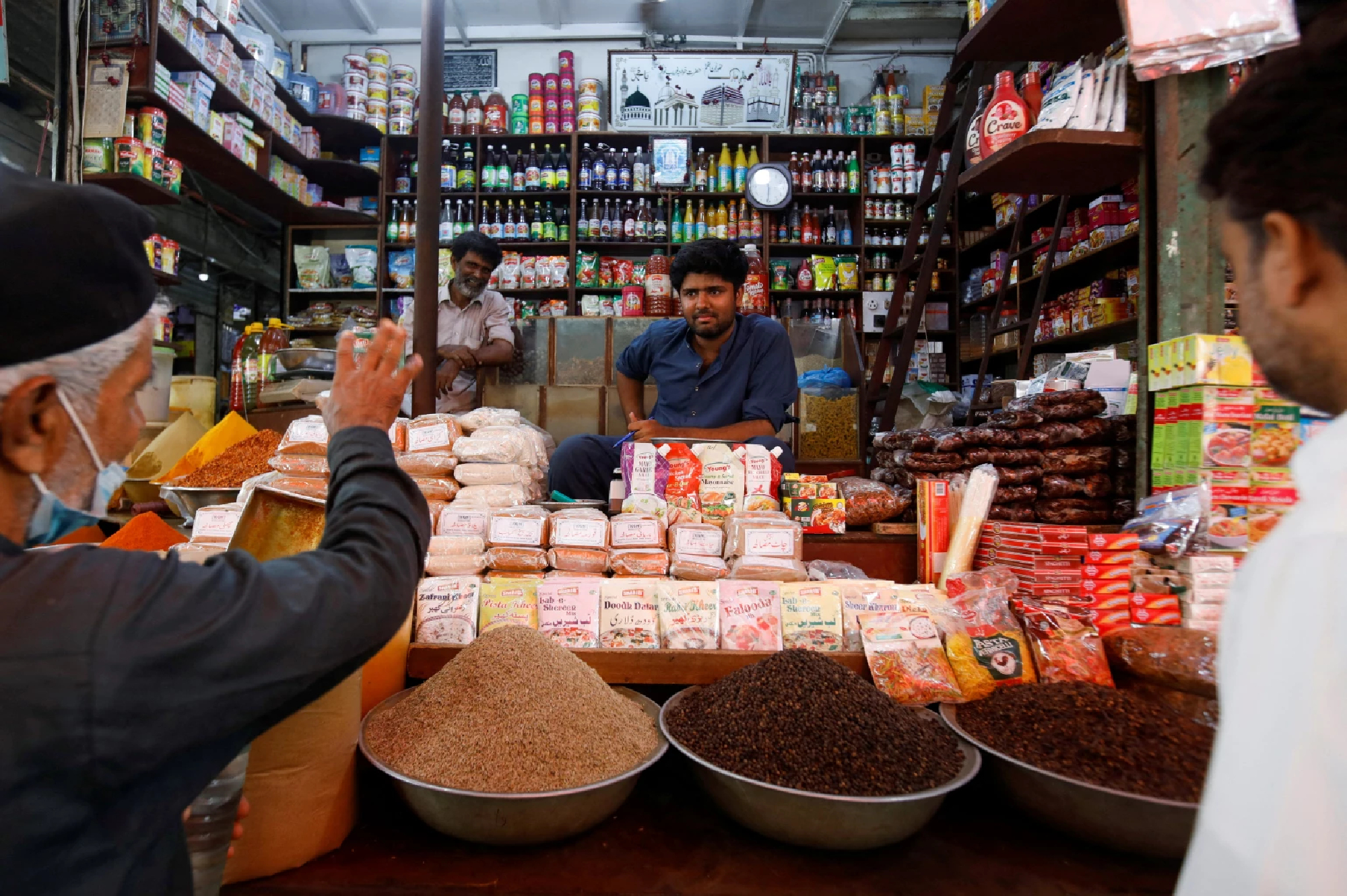
In Pakistan, inflation as measured by the consumer price index rose to 21.3 per cent last month, the highest in over 13 years.
Motor fuel, liquefied hydrocarbons and electricity charges saw huge increases year on year, with motor fuel prices rising by at least 95 per cent.
Prices of fuel rose further last Thursday, with the government imposing a petroleum levy to reduce its fiscal deficit.
A policy rate hike by the central bank is also expected when it meets this week, Reuters reported, citing a research report by Pakistan brokerage house Topline Securities.
The State Bank of Pakistan has already raised the policy rates by 400 basis points this year.
The Straits Times
Asia News Network
Asia News Network: The Nation (Thailand), The Korea Herald, The Straits Times (Singapore), China Daily, Jakarta Post, The Star and Sin Chew Daily (Malaysia), The Statesman (India), Philippine Daily Inquirer, Yomiuri Shimbun and The Japan News, Gogo Mongolia, Dawn (Pakistan), The Island (Sri Lanka), Kuensel (Bhutan), Kathmandu Post (Nepal), Daily Star (Bangladesh), Eleven Media (Myanmar), The Phnom Penh Post and Rasmei Kampuchea (Cambodia), The Borneo Bulletin (Brunei), Vietnam News, and Vientiane Times (Laos).
Bangladesh’s Information and Broadcasting Minister Hasan Mahmud said no television channel in the country will be allowed to broadcast more than one foreign serial at a time.
“To protect the country’s history, heritage and culture, the ministry has already informed the concerned authorities about this decision,” he said.
The minister said this while virtually addressing the 3rd Broadcast Conference of the Broadcast Journalists Centre (BJC) on Saturday.
Dr Hasan said media is one of the country’s guides and should not be used in any way to protect the owners’ interests.
Noting that the government agreed with journalists’ call to amend the media employees law, he said it was waiting for a written proposal from the top organisation of journalists.
“So, there is no room for controversy in this regard,” he added.
Hasan also emphasised the strengthening of BJC’s role to enrich Bangladesh’s media.
The Daily Star
Asia News Network
Asia News Network: The Nation (Thailand), The Korea Herald, The Straits Times (Singapore), China Daily, Jakarta Post, The Star and Sin Chew Daily (Malaysia), The Statesman (India), Philippine Daily Inquirer, Yomiuri Shimbun and The Japan News, Gogo Mongolia, Dawn (Pakistan), The Island (Sri Lanka), Kuensel (Bhutan), Kathmandu Post (Nepal), Daily Star (Bangladesh), Eleven Media (Myanmar), The Phnom Penh Post and Rasmei Kampuchea (Cambodia), The Borneo Bulletin (Brunei), Vietnam News, and Vientiane Times (Laos).
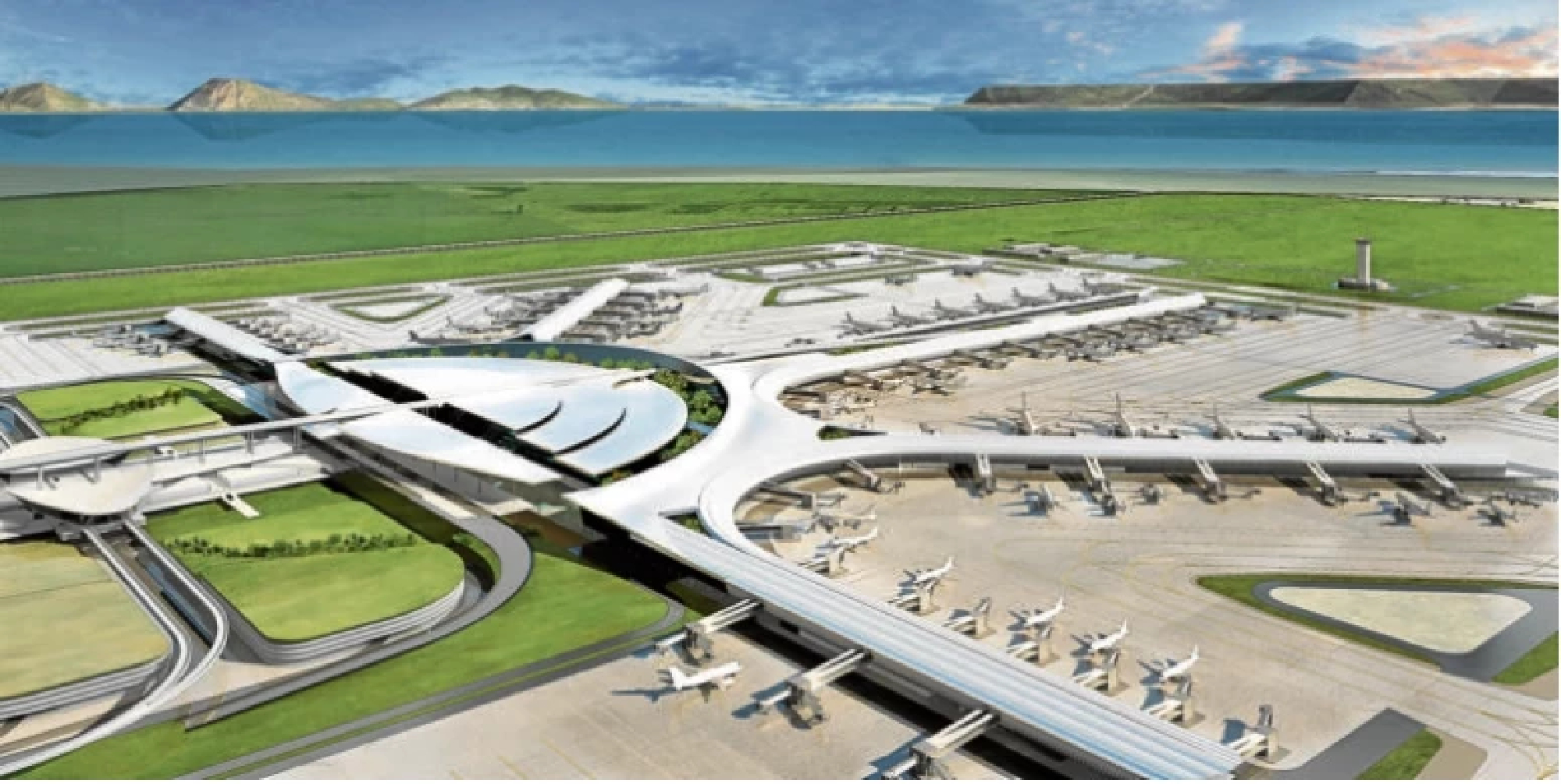
President Ferdinand Marcos Jr has vetoed a bill proposing the creation of a special economic zone and freeport in the airport city of Bulacan due to “substantial fiscal risks to the country”.
The letter addressed to the Congress was dated July 1, meaning it was one of the first official acts of President Marcos, who was sworn into office on June 30.
“Contrary to the government’s objective of developing a tax system with low rates and a broad tax base, the enrolled bill will significantly narrow our tax base with its mandated incentives applicable to registered entities,” he said.
“In view of these considerations, I am constrained to veto the above-mentioned enrolled bill,” he added.
Apart from fiscal risks, Marcos said the bill was in conflict with existing mandates of other government agencies and lacked “coherence with existing laws, rules and regulations by failing to provide audit provisions for the Commission on Audit, procedures for the expropriation of lands awarded to agrarian beneficiaries, and a master plan for the specific metes and bounds of the economic zone”.
He also said the National Economic and Development Authority and the Regional Development Council III called for further study on the cost of establishing the special economic zone.
The US$15 billion airport city had been created by the San Miguel Corp conglomerate.
San Miguel is one of the country’s largest companies with businesses spanning food, beverage, power, energy, and infrastructure.
The Bulacan airport city, created during the Duterte administration, won the support of lawmakers and was granted a 50-year franchise to build and operate the facility in exchange for tax breaks and a revenue-sharing scheme.
It covers a 2,500-hectare property in Bulakan, Bulacan, and was designed to serve up to 100 million passengers annually – three times the size of Manila’s Ninoy Aquino International Airport, the country’s primary gateway.
Fisherfolk in the area, however, had opposed the project, saying their livelihoods would be affected, while conservation organisation Oceana said the airport violated environmental laws.
The Supreme Court last January dismissed the petition filed by Oceana for lacking sufficient form and substance.
Philippine Daily Inquirer
Asia News Network
Asia News Network: The Nation (Thailand), The Korea Herald, The Straits Times (Singapore), China Daily, Jakarta Post, The Star and Sin Chew Daily (Malaysia), The Statesman (India), Philippine Daily Inquirer, Yomiuri Shimbun and The Japan News, Gogo Mongolia, Dawn (Pakistan), The Island (Sri Lanka), Kuensel (Bhutan), Kathmandu Post (Nepal), Daily Star (Bangladesh), Eleven Media (Myanmar), The Phnom Penh Post and Rasmei Kampuchea (Cambodia), The Borneo Bulletin (Brunei), Vietnam News, and Vientiane Times (Laos).
The recent heatwave in Japan has seen a shift in which products are selling well. Consumers are also opting for more energy-efficient air conditioner models even though they are slightly more expensive.
Products for hot weather, such as parasols and sunscreens, have been selling well unusually early. Manufacturers are continuing production at full capacity to take advantage of the blazing summer heat.
The parasol section was already crowded with customers at the Matsuya Ginza department store in Tokyo’s Ginza district on Thursday.
“I came here to buy food but it’s so hot that I wanted to look at parasols,” said a 74-year-old woman. She bought a folding parasol.
Usually, at this time of year, customers just check out sun umbrellas and only a few buy them. However, since this year’s rainy season ended very early, June’s sales of parasols were nearly three times higher than the same period last year. In response to their popularity, the department store moved the sale schedule forward to Friday.
Strong sunshine has also led to robust sales of sunscreens. The sales of three key sunscreen products from Shiseido’s Anessa brand from June 20 to 26 grew 50% year on year. Gel-type products with a smooth texture are popular, according to the cosmetics maker.
In the homewares market, bedclothes using fabric with a cool touch have sold well for the past week, according to furniture retailer Nitori Co.
Energy efficiency
The air conditioner models that sell well have changed as people are asked to save power due to recent electricity shortages.
Major electronics retailer Bic Camera Inc. said that people are seeking models with better energy-saving performance, even though the models are more expensive, because they help reduce their monthly electricity bills.
Sales of air conditioners from June 20 to 26 doubled from the same period a year ago thanks to solid sales of high-priced products. Air conditioners for an about 11-square-meter room priced at more than ¥200,000 have so far sold well, according to the company.
“Since the weather has turned hot very quickly, many customers want us to install air conditioners right away. A surge in electricity charges apparently makes more consumers replace their air conditioners with more power-efficient models,” a Bic Camera official said.
Items to help increase energy efficiency are also grabbing consumers’ attention.
At the DCM Homac Oi Keibajomae store in Shinagawa Ward, Tokyo, the sales of sunshade sheets for outdoor air conditioner units from June 24 to 29 were four times higher than the same period a year earlier. The sunshade is said to prevent outdoor units from getting too hot and helps contain a decline in air-conditioning efficiency. “A growing awareness of energy saving lurks in the background,” a store official said.
Short supply
Due to the scorching weather, people’s interest has turned to materials and goods that do not usually attract much attention.
Attention is focused on heat-reflecting glass for windows. Major glass manufacturer AGC Inc. saw a surge in the number of visits to a website promoting the company’s heat-reflecting glass. The number increased by 50% in late June compared to mid-June.
The glass was originally developed by AGC. Since the surface of the glass is coated with a film containing silver, it reduces the transmission of outdoor heat into indoor spaces. Since the glass is thought to help increase air conditioning efficiency, it seems that not only building material makers but also general consumers are visiting the website.
Kobayashi Pharmaceutical Co. has seen its sales of cooling gel sheets rise about two weeks earlier than usual. Its shipment volume in the first half of 2022 increased 50% year on year. The company will continue to produce the sheets and other heatstroke-prevention goods at full capacity to meet demand.
The Japan News
Asia News Network
Asia News Network: The Nation (Thailand), The Korea Herald, The Straits Times (Singapore), China Daily, Jakarta Post, The Star and Sin Chew Daily (Malaysia), The Statesman (India), Philippine Daily Inquirer, Yomiuri Shimbun and The Japan News, Gogo Mongolia, Dawn (Pakistan), The Island (Sri Lanka), Kuensel (Bhutan), Kathmandu Post (Nepal), Daily Star (Bangladesh), Eleven Media (Myanmar), The Phnom Penh Post and Rasmei Kampuchea (Cambodia), The Borneo Bulletin (Brunei), Vietnam News, and Vientiane Times (Laos).
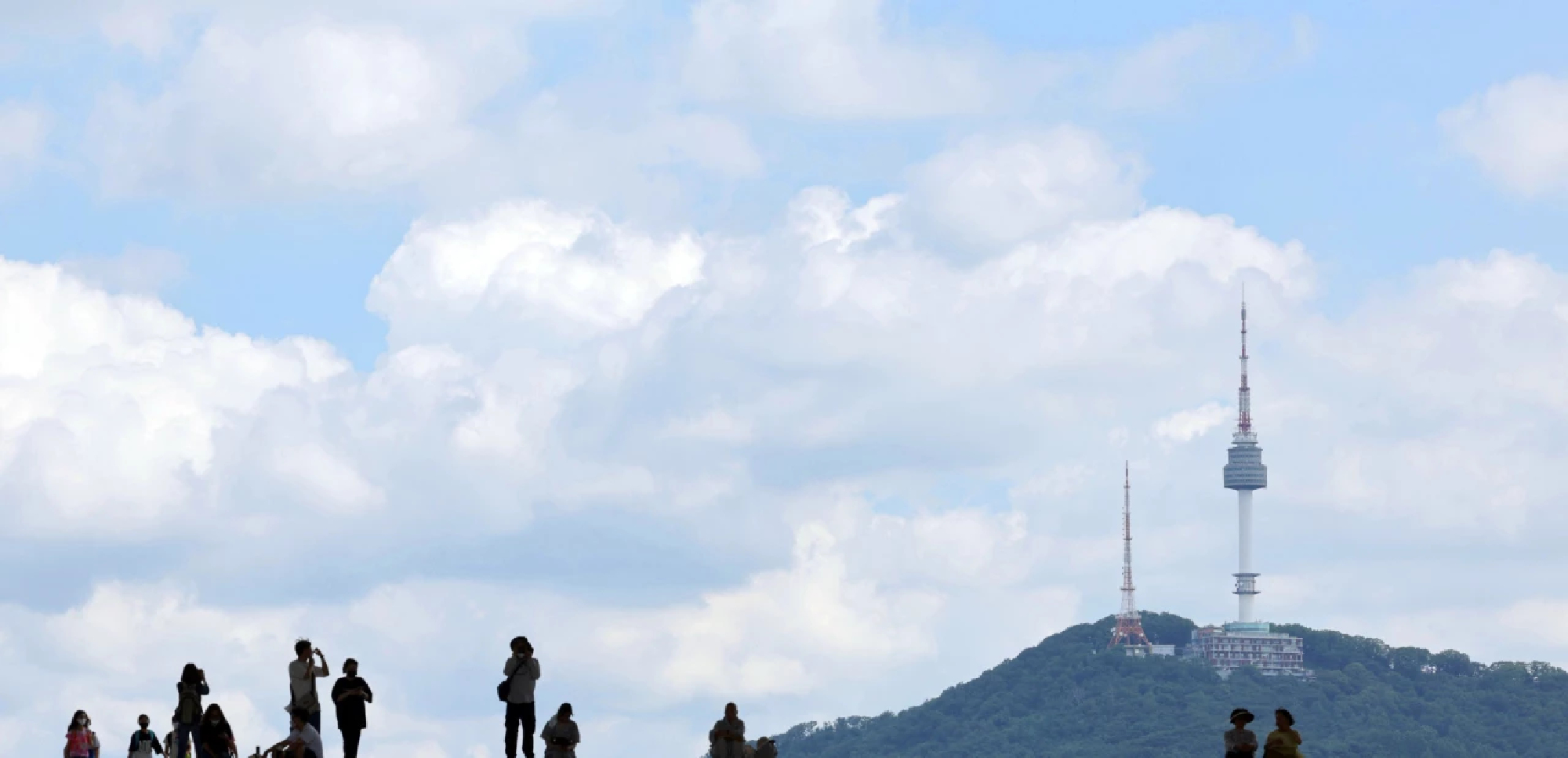
The third-highest alert against a scorching heat wave was issued nationwide on Saturday, 18 days earlier compared to last year.
The Ministry of the Interior and Safety issues the alert when the daily temperature ceiling in over 40 percent of the country reaches 33 C or higher for at least three straight days.
Under the heat alert, the safety ministry is looking at measures to support workers who are vulnerable to inclement weather, including construction workers, elderly farmers and senior single-person households.
The Korea Herald
Asia News Network
Asia News Network: The Nation (Thailand), The Korea Herald, The Straits Times (Singapore), China Daily, Jakarta Post, The Star and Sin Chew Daily (Malaysia), The Statesman (India), Philippine Daily Inquirer, Yomiuri Shimbun and The Japan News, Gogo Mongolia, Dawn (Pakistan), The Island (Sri Lanka), Kuensel (Bhutan), Kathmandu Post (Nepal), Daily Star (Bangladesh), Eleven Media (Myanmar), The Phnom Penh Post and Rasmei Kampuchea (Cambodia), The Borneo Bulletin (Brunei), Vietnam News, and Vientiane Times (Laos).
The Kathmandu Metropolitan City has yet again come up with a plan to make Kathmandu a beggar-free city. Similar ideas have been ineffective earlier.
Publishing notice on Friday, the City has announced that it will be banning begging on the roadsides and in public spaces, alleys, bus parks, inside public vehicles, and near government offices. But the notice has exempted sadhus and bhikshus (monks and nuns) and those with a tradition of begging for alms by visiting people’s doors.
The notice states that the rule will be implemented in 10 days. The City came up with the plan as endorsed by the 11th municipal assembly held on June 19.
Although the City had earlier, in December 2019 when Bidya Sundar Shakya was mayor, announced a similar plan, it could not be implemented for it was brought without any long-term, sustainable program to rehabilitate the homeless.
Then came the Covid-19 pandemic and subsequent lockdown, starting on March 24, 2020, and the City ignored the issue.
Even in 2019, then prime minister KP Sharma Oli announced to make the streets of the Capital beggar-free within a year. A few homeless people were picked from the streets and sent to various old-age homes, but that did not solve the problem.
There is no exact data on the number of beggars in Kathmandu city. However, they are seen along the roadsides and in parks, and in public vehicles. Nor has the City conducted any study on who they are and where they come from?
“I came to know about the City’s new plan through the news. These days I have seen more beggars on roadsides and the temple premises. There are many. There are also child beggars who I have found don’t understand Nepali,” said Sunita Thapa, 42, from Old Baneshwar.
The City’s new notice is slightly different than the previous one.
“There will be no restrictions for sadhu, santa, jogi or bhikshu (monks and nuns) and those with a tradition of begging for alms by visiting people’s doors,” reads the notice.
The notice further says that those violating the new rule will be booked as per Section 126 of the criminal code and local level governance act 2074 BS (2017), which allows fining and jailing anyone who employs children for begging on the streets. The fines range from Rs1000 to 30,000.
Anthropologists, however, call it a populist stunt. Dambar Chemjong, head of the anthropology department at the Tribhuvan University said the mayor should work to find out who these beggars are and where they come from, before announcing the plan to make the city free of beggars and how they can be rehabilitated.
“There are beggars even in developed countries. During my recent visit to Paris, I saw many beggars. So our mayor sounds like a populist when he announces such a plan,” said Chemjong.
Basanta Acharya, information officer at the City, said they plan to deploy staff on the streets to remove beggars. “We decided to impose the ban after receiving complaints from people.”
While the idea may look good, it comes with some issues attached, as beggars also enjoy basic human and fundamental rights. The way the City plans to treat beggars makes them criminals.
Unless begging is decriminalized, it will mean empowering the City police which has been notorious when it comes to treating street vendors.
Only on Thursday, a video clip showing the City Police seizing the pushcart of a street vendor selling roasted corn at Baluwatar went viral on social media drawing widespread criticism. “Government has seen on the streets. Has the Metropolitan City declared a beggar-free Capital or a Capital free of working-class people,” tweeted @chghimire.
Experts say authorities need to find out why people come to the streets to beg and how many beggars are there in the City. Then accordingly a long-term and sustainable program can be worked out to make a city free of beggars.
Acharya, the information officer at the City, said they will provide shelter to the homeless at the Samakhusi-Based Manav Sewa Ashram and another shelter at Banasthali run by the Ashram, in coordination with the Kathmandu Metropolitan City. The two shelters can accommodate 200 and 1,000 people respectively.
In June 2019, the Post ran a story on the homeless people who were given shelter at the Ashram but fled to Pashupati to beg saying that they were tortured at the Ashram. A few of those who spoke to the Post had said that in the initial days, they were given food but later the quality of food and the management of the place became progressively worse.
“We are equally concerned about the issue because those who are going to be rescued are homeless people and they need love, care, and psychological counseling,” said Acharya.
In the second week of June, the new Mayor Balendra Shah and Deputy Mayor Sunita Dangol visited the Manav Sewa Ashram for an inspection.
Acharya said the City is holding a meeting with Manav Sewa Ashram officials and other stakeholders on Monday.
“It’s not an easy job… we are learning by doing, and past mistakes will not be repeated,” said Acharya.
The Kathmandu Metropolitan City is working to make a separate care home for homeless people in Nagarjun Municipality.
Mohan Bahadur Basnet, mayor of Nagarjun Municipality, said it has allotted 16 ropani of land to construct a facility to house the homeless.
“Two years ago, our City had signed an agreement with the Kathmandu Metropolitan City. We can make arrangements to house 1,000 homeless people and they will be provided with food and accommodation for free,” said Basnet.
He said an Rs110-million contract has already been awarded to a construction company and the shelter will be ready in two years.
The Kathmandu Post
Asia News Network
Asia News Network: The Nation (Thailand), The Korea Herald, The Straits Times (Singapore), China Daily, Jakarta Post, The Star and Sin Chew Daily (Malaysia), The Statesman (India), Philippine Daily Inquirer, Yomiuri Shimbun and The Japan News, Gogo Mongolia, Dawn (Pakistan), The Island (Sri Lanka), Kuensel (Bhutan), Kathmandu Post (Nepal), Daily Star (Bangladesh), Eleven Media (Myanmar), The Phnom Penh Post and Rasmei Kampuchea (Cambodia), The Borneo Bulletin (Brunei), Vietnam News, and Vientiane Times (Laos).
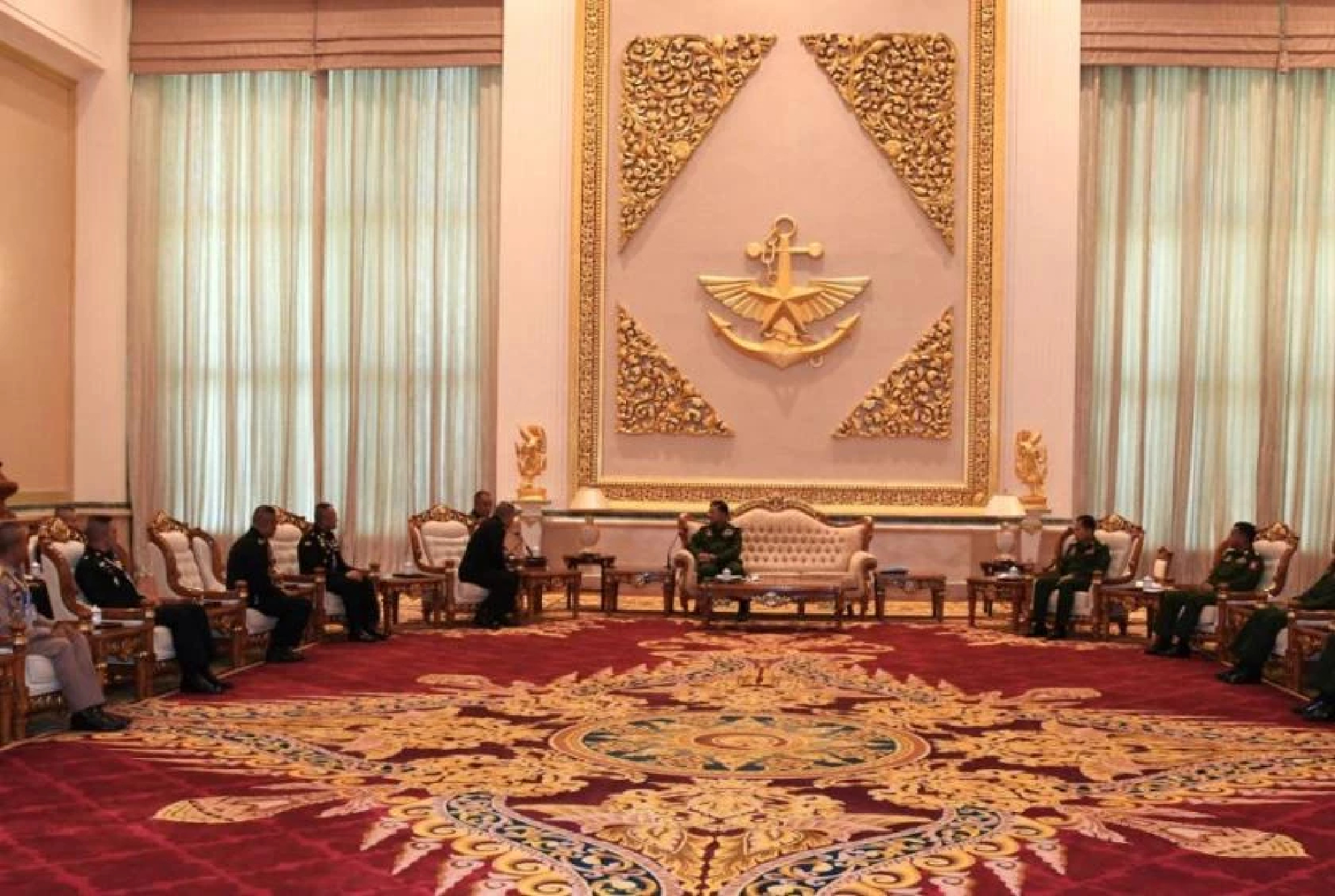
Chairman of the State Administration Council and Commander-in-Chief of the Defence Services, Senior General Min Aung Hlaing, met with Thai military delegation led by Lt. Gen. Apichet Suesat, who attended the 34th Myanmar-Thailand Regional Boundary Committee Meeting hosted by Myanmar, at the Zeyar Thiri Beikman in Nay Pyi Taw on the afternoon of June 29.
During the meeting, the two sides exchanged views on ways to further strengthen the existing friendship and cooperation between the two armies, border stability, conditions for enhancing cooperation in law enforcement and drug control and other areas, political situation in Myanmar and the security forces’ efforts to end the violence, cooperation between the two armies to bring stability, peace and development to the border area and to successfully carry out counter-terrorism issues.
Similarly, they also discussed on cultural exchanges between the two countries and the two armies, holding friendly sports competitions, friendship visits for the exchange of agricultural knowledge, the conditions in which Tatmadaw has invited peace talks with ethnic armed groups to bring peace to the whole country and the help of Thai military for some students, youths and CDM staff in overseas to re-enter Myanmar from the border areas in line with the invitation issued by the State Administration Council.
Chairman of the State Administration Council, the Vice-Chairman of the State Administration Council, Deputy Commander-in-Chief of Defence Services Vice-Senior General Soe Win and senior army officers, Myanmar Ambassador to Thailand U Chit Swe, Lt. Gen. Apichet Suesat, Col. Sarany-anis Sutthiwajachinadej and senior officials from the Royal Thai Army attended the meeting.
MANILA, Philippines — Permanent Representative to the United Nations Enrique Manalo on Friday was appointed Secretary of Foreign Affairs by President Ferdinand “Bongbong” Marcos Jr.
Acareer diplomat, Manalo took his oath before Marcos in Malacañang on Friday, replacing former Foreign Affairs Secretary Teodoro Locsin Jr.
“Yes it is confirmed. But he asked for a few days to wind up affairs in his previous post,” Atty. Trixie Cruz-Angeles told INQUIRER.net in a text message when asked about the appointment.
Being top diplomat is nothing new to Manalo, having served briefly as acting secretary of the Department of Foreign Affairs when the ad-interim appointment of the late Perfecto Yasay Jr. was rejected by the Commission on Appointments in 2017.
In 2020, he was appointed by former president Rodrigo Duterte as Permanent Representative of the Philippines to the United Nations.
Manalo also previously served as undersecretary for policy of the Department of Foreign Affairs under Duterte and briefly under late president Benigno Aquino III.
By: Neil Arwin Mercado
Asia News Network: The Nation (Thailand), The Korea Herald, The Straits Times (Singapore), China Daily, Jakarta Post, The Star and Sin Chew Daily (Malaysia), The Statesman (India), Philippine Daily Inquirer, Yomiuri Shimbun and The Japan News, Gogo Mongolia, Dawn (Pakistan), The Island (Sri Lanka), Kuensel (Bhutan), Kathmandu Post (Nepal), Daily Star (Bangladesh), Eleven Media (Myanmar), the Phnom Penh Post and Rasmei Kampuchea (Cambodia), The Borneo Bulletin (Brunei), Vietnam News, and Vientiane Times (Laos).





 SootinClaimon.Com