Xi sets out new vision for HK

#SootinClaimon.Com : ขอบคุณแหล่งข้อมูล : หนังสือพิมพ์ The Nation.

https://www.nationthailand.com/international/40017281


‘One country, two systems’ is so good a system that there is no reason to change it, he says at anniversary event
Xi sets out new vision for HK

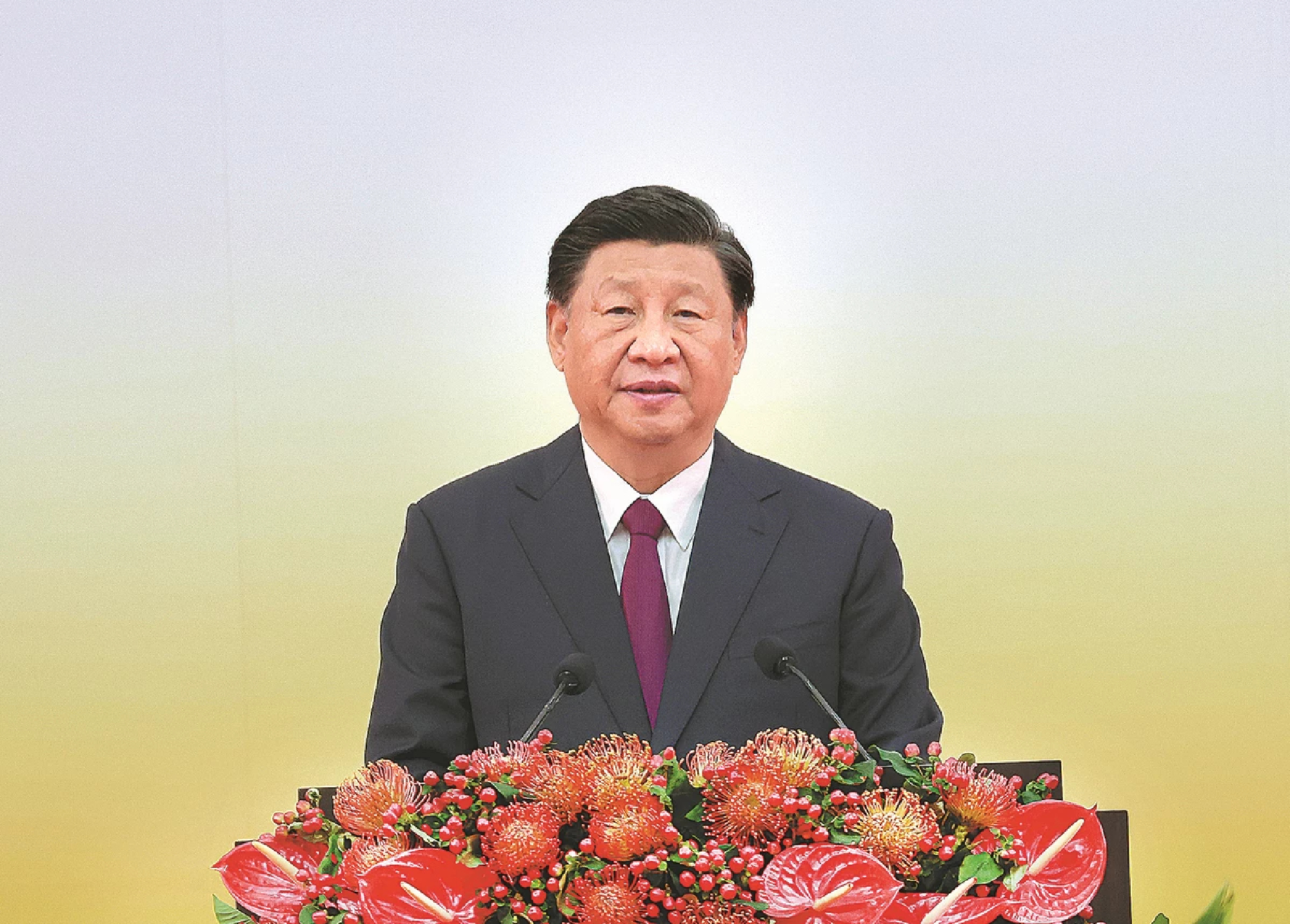
President Xi Jinping set out on Friday a new vision for the implementation of “one country, two systems” in the Hong Kong Special Administrative Region, reiterating Beijing’s support for the SAR in maintaining its unique position and strengths.

In a landmark speech delivered at a celebration of the 25th anniversary of Hong Kong’s return to the motherland, Xi said “one country, two systems” has been tested and proved right time and again, there is no reason to change such a good system and it must be adhered to over the long run.

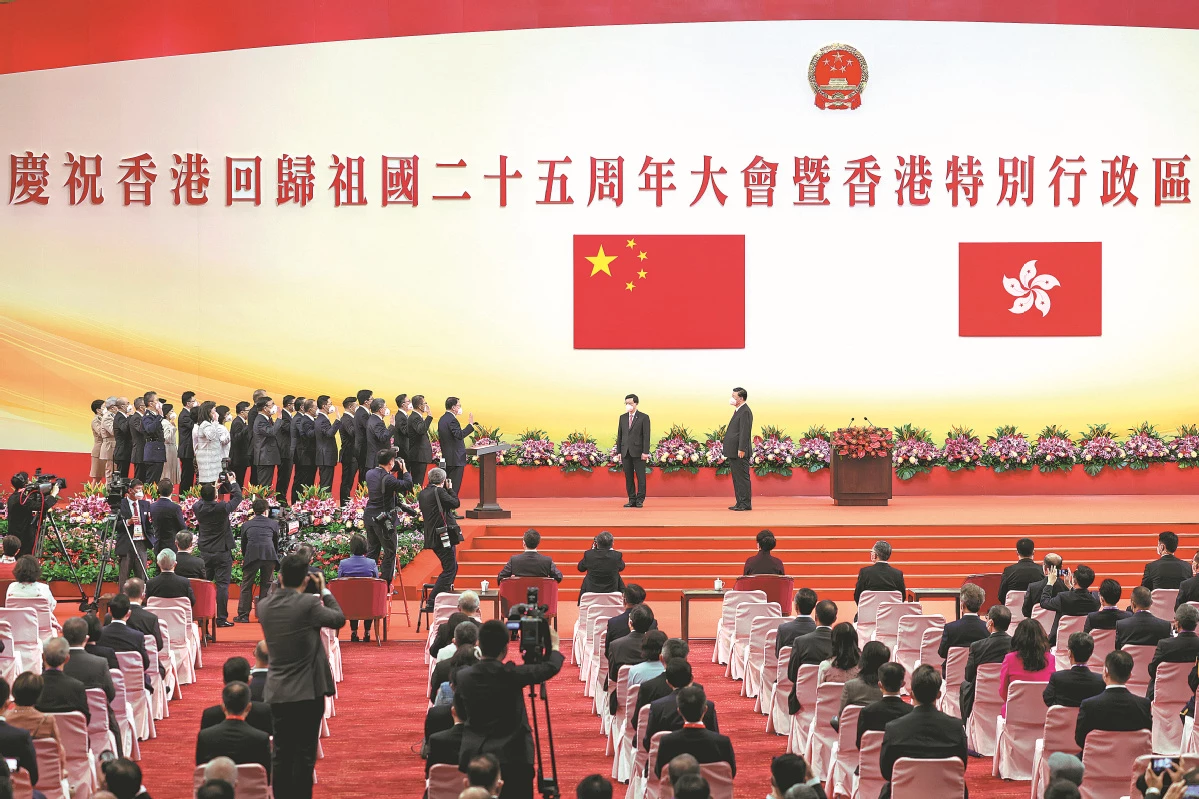
The president presided over the swearing in of the city’s new Chief Executive John Lee Ka-chiu and other members of the sixth-term government of the SAR at the celebration.

He told an audience of about 1,300 people at the Hong Kong Convention and Exhibition Center that the practice of “one country, two systems” has attained universally acknowledged success over the past 25 years, during which time the city has got through various storms and challenges and made steady strides forward.

He reaffirmed the significance of the National Security Law for Hong Kong, and the SAR’s new electoral system in implementing the principle of “patriots administering Hong Kong”, saying that the democratic system of the SAR now helps to safeguard the democratic rights of its residents, as well as the prosperity and stability of the region, and it has broad prospects.

The president noted that socialism with Chinese characteristics is the country’s basic system and the Communist Party of China’s leadership is the essential attribute of socialism with Chinese characteristics. He urged all residents of Hong Kong and Macao to conscientiously respect and uphold the nation’s basic system.

“The fundamental purpose of ‘one country, two systems’ is to uphold national sovereignty and security and development interests and maintain the long-term prosperity and stability of Hong Kong and Macao,” Xi said.

He reiterated the need to ensure both overall jurisdiction by the central authorities and a high degree of autonomy in the SAR.
Xi sets out new vision for HK

On the necessity to ensure the principle of “patriots administering Hong Kong”, Xi said that no people in any country or region in the world would ever allow political power to fall into the hands of forces or individuals who do not love, or even sell out or betray, their own country.

He added that protecting the power to administer serves to safeguard Hong Kong’s prosperity and stability, as well as the interests of the SAR’s more than 7 million residents.

The president also stressed the significance of maintaining Hong Kong’s unique position and strengths, pledging full support for the SAR in consolidating its position as a hub for international finance, shipping and trade, and upholding its free, open and standardized business climate, maintaining its common law system and expanding unimpeded and convenient global links.

The SAR has now entered a new period, moving from its turnaround from chaos to stability to transitioning from stability to prosperity, and the next five years will be a critical period for Hong Kong in breaking new ground and making a new leap forward, Xi said.

The president also put forward expectations for the new administration, including further improving its level of governance, continuing to enhance the momentum of growth, taking concrete measures to address the public’s concerns and jointly safeguarding harmony and stability.

Xi also called for unity and stability: “Having gone through ups and downs, people have learned the hard way that Hong Kong cannot be destabilized and cannot afford chaos. They also feel keenly that no time should be lost in Hong Kong’s development.”

He expressed particular concern for the youth, saying that Hong Kong will thrive when its young people thrive, and that there is a future for the SAR when its young people have a future.

Margaret Chan Fung Fu-chun, former director-general of the World Health Organization, who was at the celebration, said Xi’s speech was not only a message for Hong Kong people, but a message for the international community and foreign investors that Hong Kong will continue to implement “one country, two systems” and be a global financial center no matter the circumstances.

In Chan’s opinion, Xi is familiar with the issues concerning Hong Kong, including housing, education and youth mobility, as well as care for the elderly.

Xi’s call for the SAR government to address residents’ needs is pragmatic and would certainly make the public feel heard and understood, she said.

Joe Ngai, managing partner of McKinsey Greater China, also backed the notion of an “effective government and efficient market”. This will enable Hong Kong’s financial and business sector to perpetually retain its attractive position in the international realm by further enhancing its “global connectivity”, he said.

By XU WEI, Shadow Li and Wang Yuke.

Asia News Network: The Nation (Thailand), The Korea Herald, The Straits Times (Singapore), China Daily,  Jakarta Post, The Star and Sin Chew Daily (Malaysia), The Statesman (India), Philippine Daily Inquirer, Yomiuri Shimbun and The Japan News, Gogo Mongolia,  Dawn (Pakistan),  The Island (Sri Lanka), Kuensel (Bhutan), Kathmandu Post (Nepal), Daily Star (Bangladesh), Eleven Media (Myanmar), the Phnom Penh Post and Rasmei Kampuchea (Cambodia), The Borneo Bulletin (Brunei), Vietnam News, and Vientiane Times (Laos).

Published : July 02, 2022

By : China Daily
South Korea imposes zero tariffs on imported pork amid inflation woes

#SootinClaimon.Com : ขอบคุณแหล่งข้อมูล : หนังสือพิมพ์ The Nation.

https://www.nationthailand.com/international/40017280


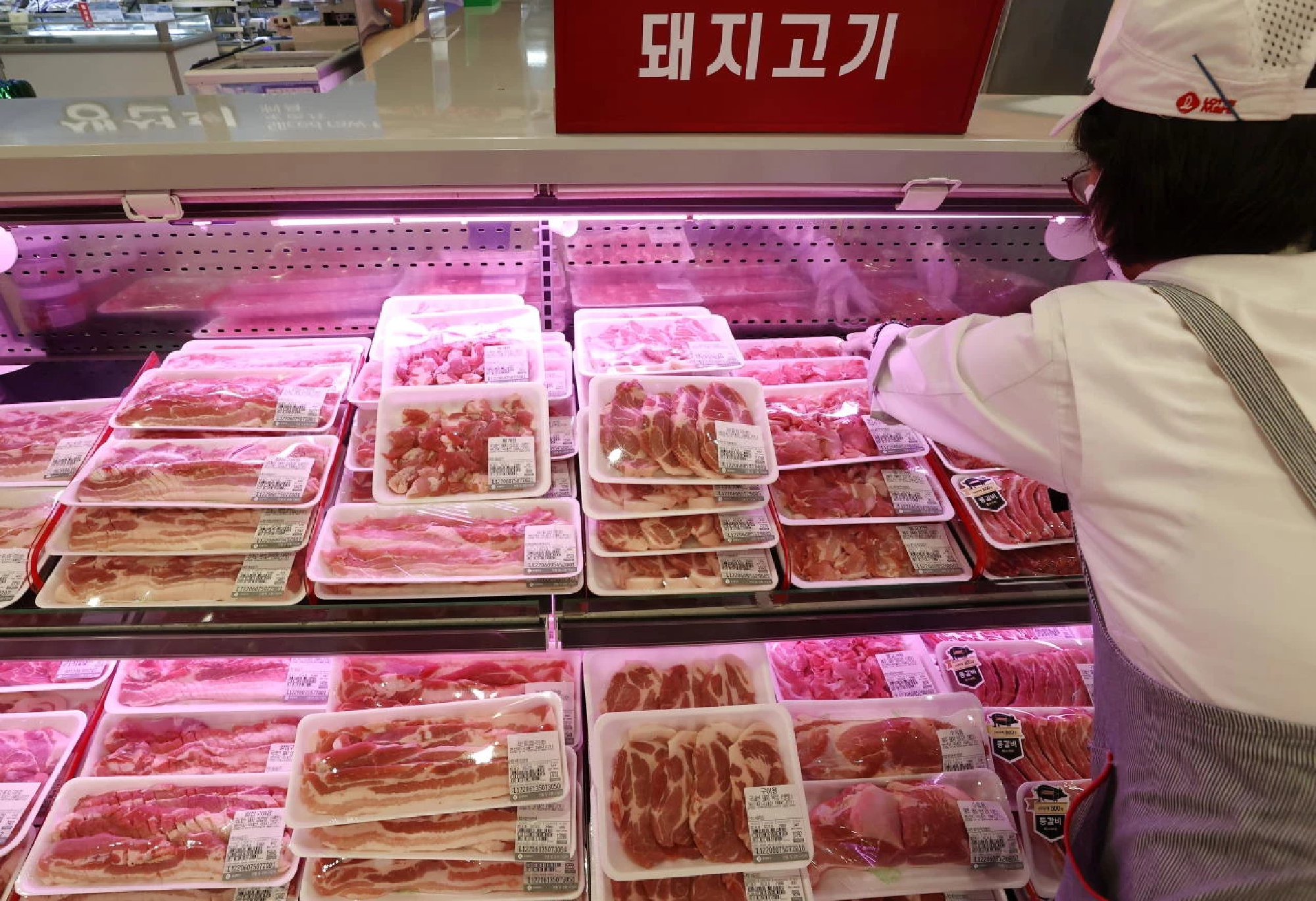
The South Korean government has begun imposing zero tariffs on 50,000 tons of imported pork from Thursday, in a move to stabilize the skyrocketing price of pork here.

South Korea imposes zero tariffs on imported pork amid inflation woes

It is the first time in 11 years for the Ministry of Agriculture, Food and Rural Affairs to introduce a tariff quota on pork. The ministry allows the import of a certain quantity of a commodity duty-free or at a lower-duty rate.

With zero tariffs, the ministry forecasts that the production cost of pork will go down as much as 18.4-20 percent. The tariff rate on imported pork was around 22.5-25 percent.

In response to the government’s new policy, local supermarket chains have lowered prices on Canadian pork, which will be the most affected by the new tariff.

Except for Canadian pork, which was levied with an 8.6 percent tariff, imported pork from other countries such as the US, Spain, Netherlands and the EU are already duty-free under the Free Trade Agreement, sources said.

Homeplus will lower the price of 100 grams of Canadian pork by 18.2 percent to 2,120 won ($1.6). The supermarket chain plans to take off an additional 4.5 percent on 1,550 won-priced discounted products, taking the price to 1,480 won until July 6. In particular, Canadian jowl meat will be priced at 14,990 won, down by 40 percent. A Homeplus official said the company has increased its amount of Canadian pork by 75 percent.

Lotte Mart will offer a 20.2 percent discount on 100 grams of Canadian pork belly, dropping the price from 1,980 won to 1,580 won, in the cited period. The price of pork butt will also go down by 16.9 percent to 1,480 won.

E-mart plans to cut the price of Canadian pork belly and jowl meat by 30 percent to 1,366 won until Saturday.

Industry watchers say the surge in pork price is driven by Russia’s invasion of Ukraine, coupled with inflation.

“Corn takes up half of the feed used for swine. But the war between the two countries, two of the biggest suppliers of wheat and corn, has led to a shortage of grains, resulting in higher prices of forage crops,” said an official from The Korea Pork Association.

According to data from the Korea Institute for Animal Products Quality Evaluation, the average price of 100 grams of pork surged by 14.5 percent to 2,911 won in June, compared to a month earlier.

Aside from pork, the government will impose zero tariffs on six other commodities, including sunflower oil and wheat.

By Byun Hye-jin

Asia News Network: The Nation (Thailand), The Korea Herald, The Straits Times (Singapore), China Daily,  Jakarta Post, The Star and Sin Chew Daily (Malaysia), The Statesman (India), Philippine Daily Inquirer, Yomiuri Shimbun and The Japan News, Gogo Mongolia,  Dawn (Pakistan),  The Island (Sri Lanka), Kuensel (Bhutan), Kathmandu Post (Nepal), Daily Star (Bangladesh), Eleven Media (Myanmar), the Phnom Penh Post and Rasmei Kampuchea (Cambodia), The Borneo Bulletin (Brunei), Vietnam News, and Vientiane Times (Laos).

Published : July 02, 2022

By : The Korea Herald

Price stability a long-unsolved conundrum for Japan

#SootinClaimon.Com : ขอบคุณแหล่งข้อมูล : หนังสือพิมพ์ The Nation.

https://www.nationthailand.com/international/40017279


“Irrational exuberance” is a phrase widely used to warn about the risks of a bubble-like stock market.

Price stability a long-unsolved conundrum for Japan

Former U.S. Federal Reserve Chairman Alan Greenspan first used the term at a dinner and lecture in Washington on Dec. 5, 1996. He wanted to sound the alarm over an overheated stock market that could undermine financial markets and economic stability.

However, it was something of a taboo for the Fed chairman to mention a reasonable stock price level. If the Fed chairman, who has tremendous influence over the economy, were to say that the economy was “in a bubble,” he would be perceived as making a definitive judgment, which would roil the market.

Therefore, he cautiously embedded the coined term “irrational exuberance” late in the drafting of his speech. It was inserted so discreetly that when Greenspan returned to the table after his speech and asked those around him what part of the speech they thought would be newsworthy, no one could answer. But the media noticed and reported the implications of these words, and a stock market adjustment followed. Later it became a standard warning phrase.

That’s how Greenspan recalled it in his memoir, “The Age of Turbulence.”

He is praised as a great central banker and a “maestro” for the long-term prosperity of the U.S. economy, although Greenspan’s reputation was somewhat tarnished by the 2008 financial crisis, for which critics have held him partly responsible. He was also a master communicator with the markets. As a central banker, he was always required to choose his words carefully. Greenspan did just that and did it very well.

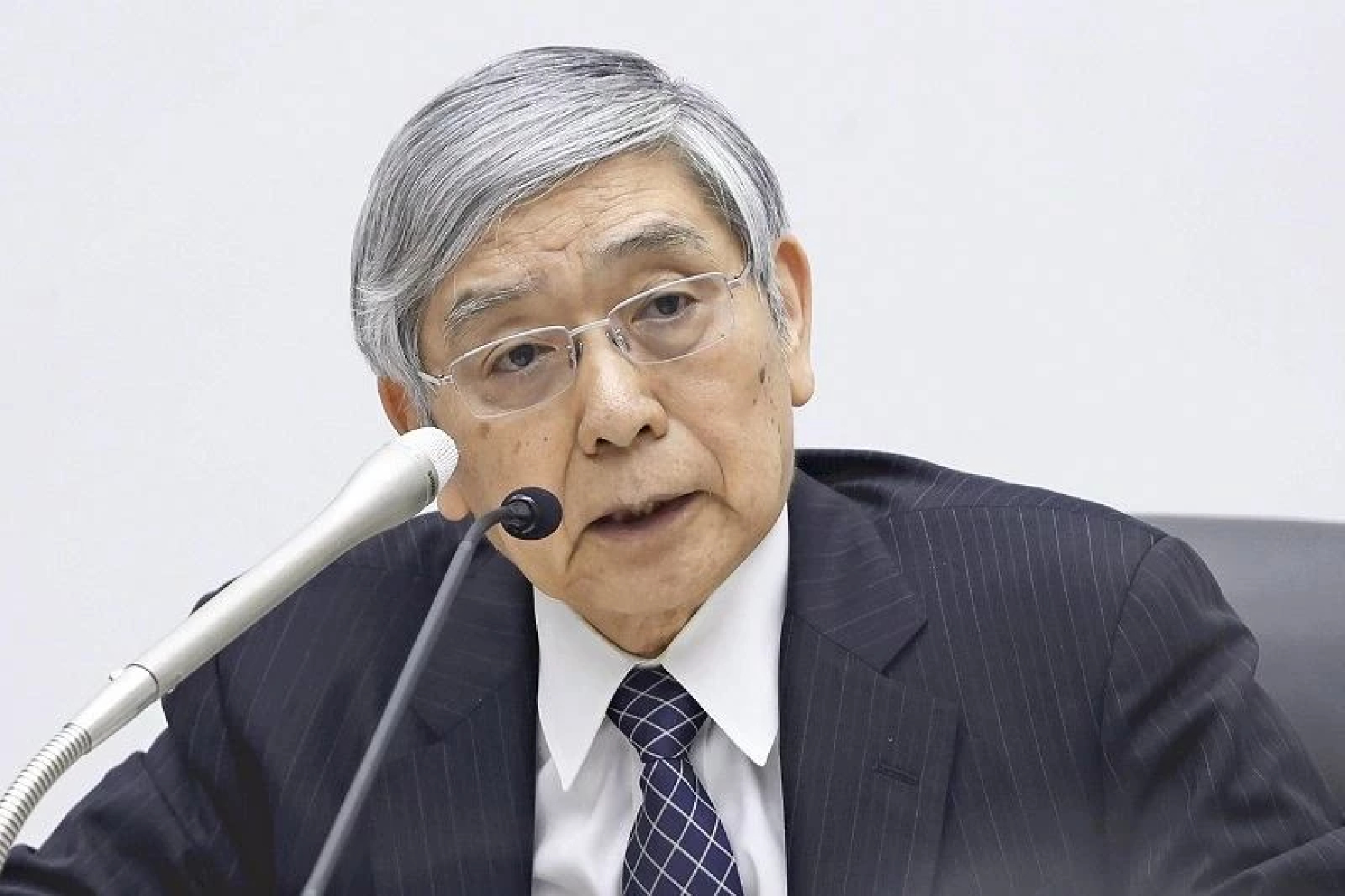
In comparison, a recent comment by Bank of Japan Gov. Haruhiko Kuroda was less cautious.

In a June 6 speech in Tokyo, Kuroda said, “Japanese households are becoming more tolerant of price hikes, which can be viewed as an important change from the perspective of achieving sustainable price increases.” Kuroda’s remarks provoked a strong backlash. Households are not taking price hikes in stride, and many have complained that they have no choice but to accept higher costs for products essential to their daily lives. Later, Kuroda retracted his controversial statement in the face of criticism from lawmakers and consumers.

Kuroda’s statement was not just a gaffe. This is because the drafts of the governor’s speeches are carefully checked by the secretariat in advance, aiming to always make sure that there are no problems.

Why did he make such a statement? Let’s take a look back at the history of the BOJ’s monetary policy.

In the spring of 2013, immediately after he took office, Kuroda deployed a “bazooka” asset-buying program to shock the public out of a deflationary mindset. However, nine years have passed since then, and the 2% inflation target — seen as a desired virtuous economic cycle that also includes continued favorable wage growth — has not been achieved.

In Japan, where deflation has persisted for a long time, expectations of zero inflation are deeply rooted, and both firms and households operate on this basis. This has created a strong “norm” that continues to plague the BOJ.

The desirable mechanism for price increases is as follows: Higher wages lead to increased consumption, which leads to firms being able to raise prices, which leads to increased profits, which leads to firms being able to raise wages again.

The question is where the starting point for this virtuous cycle should be. It seems natural that the starting point should be a wage increase. However, because of the low mobility in the Japanese labor market and the emphasis on long-term stable employment, workers do not necessarily have strong bargaining power to raise wages.

Therefore, the BOJ was watching carefully to see if the cost-push inflation that occurred this time would be the starting point for a breakdown of the strong norm. Once the norm was broken, there was a possibility that the virtuous cycle mechanism would begin to turn. It may have seemed like a ray of sunshine. The BOJ was too focused on this mechanism while lacking awareness of the public’s sensitivity to prices, and thus overlooked the troubling statement.

The growing criticism of Kuroda’s statement reminds us of another matter. That is, whether the public perceives a 2% inflation rate as price stability.

The BOJ has a legal mandate to achieve price stability. When the BOJ ended its quantitative easing policy in March 2006, it announced its view that a 0% to 2% year-on-year change in the consumer price index was its understanding of price stability, with most board members’ median figures falling on either side of 1%. In February 2012 it clarified its outlook, setting its inflation goal at 1%.

However, this monetary policy was criticized for causing the yen to appreciate and for being the reason why deflation could not be completely overcome. Therefore, Kuroda was appointed and introduced new monetary policy with a 2% inflation target.

Even though the consumer price index in Japan is rising now, it has only reached a growth rate of about 2%. This represents a huge gap with the West, where inflation is over 8%. Nevertheless, as in Europe and the United States, complaints about high prices have erupted in Japan, highlighting the Japanese people’s strong wariness toward inflation. In particular, the rising prices of food and energy, partly caused by the weaker yen, have put the country in a difficult situation.

That said, I think it would be difficult to change the 2% inflation target. If the inflation target is changed to 1%, the risk of a reversal to a stronger yen and weaker dollar would increase, and the risk of deflation could also increase again.

This price controversy provides a new opportunity to consider how to achieve price stability and economic growth in a way acceptable to the public. It is important to have a concrete image of how the 2% inflation target will be achieved, what form of price hikes would be acceptable to consumers, and what path will be taken to achieve this goal. I would like to emphasize again the importance of delving into the Japanese people’s view of price stability.

Before the COVID-19 pandemic, the term “Japanification” was often heard among policymakers in advanced Western countries, who used it as shorthand for the economic problems that undermined Japan.

This was based on the fear that the United States and European countries could also be heading into a state of Japanification where they cannot escape a period of stagnation, defined by weak growth, ultra-loose monetary policy, and deflationary pressures, which had been thought to be unique to Japan. However, with the supply shock from the COVID-19 pandemic, the policy theme in Western countries returned from fear of Japanification to fear of traditional inflation.

Meanwhile, in Japan, prices are high, but the CPI increase has been limited to about 2%, much lower than in the West. For this reason, while Western central banks are moving to tighten monetary policy, the BOJ has been left behind and continues its ultra-loose monetary policy. Once again, the uniqueness of the Japanese economy stands out.

In fact, Greenspan’s exhortation against irrational exuberance, mentioned at the beginning of this column, actually invoked Japan: “But how do we know when irrational exuberance has unduly escalated asset values, which then become subject to unexpected and prolonged contractions as they have in Japan over the past decade?”

Greenspan was trying to draw lessons from the mysteries of the Japanese bubble economy. A quarter of a century later, the challenge of Japan’s secular stagnation remains unsolved. From the perspective of other countries, it will continue to be a conundrum. Japan was, and still is, a unique country.

By Akihiro Okada / Editorial writer for The Yomiuri Shimbun

Asia News Network: The Nation (Thailand), The Korea Herald, The Straits Times (Singapore), China Daily,  Jakarta Post, The Star and Sin Chew Daily (Malaysia), The Statesman (India), Philippine Daily Inquirer, Yomiuri Shimbun and The Japan News, Gogo Mongolia,  Dawn (Pakistan),  The Island (Sri Lanka), Kuensel (Bhutan), Kathmandu Post (Nepal), Daily Star (Bangladesh), Eleven Media (Myanmar), the Phnom Penh Post and Rasmei Kampuchea (Cambodia), The Borneo Bulletin (Brunei), Vietnam News, and Vientiane Times (Laos).

Published : July 02, 2022

By : The Japan News

Indians fear end of low-cost flights amid record high airfares

#SootinClaimon.Com : ขอบคุณแหล่งข้อมูล : หนังสือพิมพ์ The Nation.

https://www.nationthailand.com/international/40017267


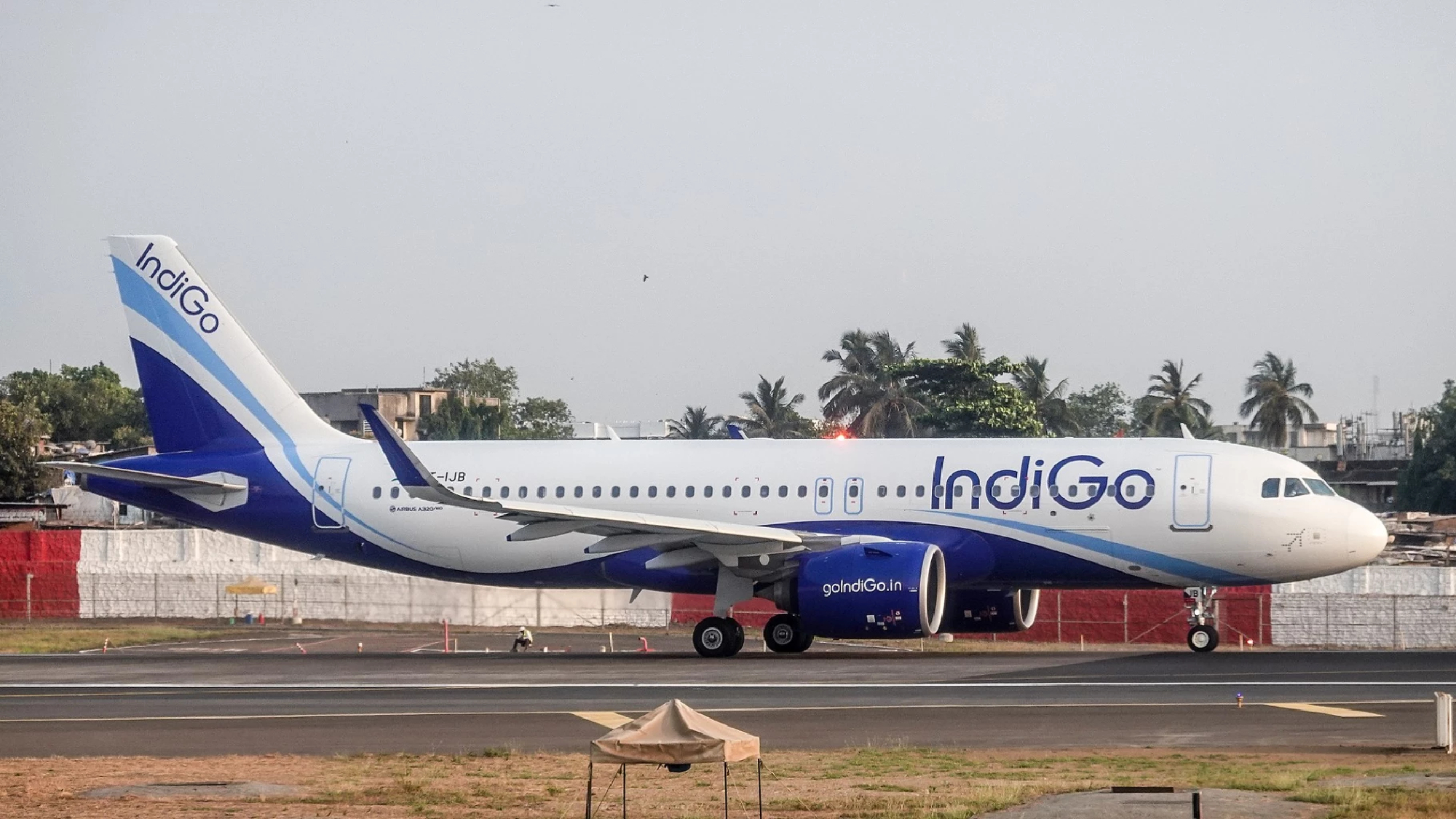
Price-sensitive Indian passengers are now hard-pressed to find low-cost flights they had become used to in the past decade, as fares have surged by 30 to 50 per cent to their highest since the pandemic.

Indians fear end of low-cost flights amid record high airfares

Accountant Venkatesh Deshmukh, 39, in Delhi, said he paid “a painful amount” to take his family to his hometown Mumbai during the summer holidays in May on a budget airline.

“It used to cost 6,000 rupees [2,700 baht] per ticket but now it costs almost 9,000 rupees [4,000 baht],” he said. A one-way ticket on a non-budget carrier between Mumbai and Delhi can cost around 10,000 rupees.

India is dominated by low-cost carriers, flying over 80 per cent of the domestic market.

Booking website ixigo noted that domestic airfares across the board are now 30-35 per cent higher than they were in January and February.

“Fares right now are the highest we have seen on the domestic side post-Covid,” said Aloke Bajpai, CEO and co-founder of ixigo.

International airfares have meanwhile risen by 45-50 per cent on some popular routes this year, according to ixigo. Other booking portals MakeMyTrip, Cleartrip, Skyscanner and Kayak showed a similar trend for outbound flights.

One-way fares for popular routes like Mumbai-New York in May this year were between 65,000 and 70,000 rupees. In May 2019, travellers paid half of that. June fares are touching 80,000 rupees.

The price hike is driven by record high prices of jet fuel, which has risen by over 55 per cent globally since January.

“Given the constant increases in crude oil prices [last by 16.3 per cent] and depreciation in the rupee, we believe that the situation is impacting the aviation sector unfavourably as it constitutes almost half of any airline’s operational costs,” said Ronojoy Dutta, chief executive of India’s most popular airline IndiGo.

Deepak Rajawat, chief commercial officer of full-service airline Vistara, said that other than fuel prices, airfares were rising also because leisure travel had significantly surged while airline capacity is still below pre-Covid-19 levels.

Despite more expensive air tickets, bookings are going strong. Some observers like Ameya Joshi, founder of aviation analysis website Network Thoughts, attribute it to pent-up demand or “revenge tourism”.

Ixigo found that domestic travel for the April-June period had recovered to 83 per cent and international flights to 70 per cent capacity of pre-pandemic levels.

As most countries now accept double vaccination certificates and do not require Covid-19 tests, travellers are packing their bags.

A spokesman from Singapore Airlines said it is back to almost 75 per cent of its pre-pandemic seat capacity for flights to and out of India.

While consumers like Deshmukh fear that high airfares are here to stay, aviation industry observers said that when jet fuel prices dip, so will fares.

Upcoming launches of airlines budget Akasa and largely full-service Jet Airways will also create “capacity pressure, leading to lower fares”, said Joshi.

Vinamra Longani, head of operations at Sarin & Co, a law firm specialising in aircraft finance, said that low-cost airlines in India operate from the same airports, pay similar aircraft lease rentals, and have similar human resources costs as full-service airlines.

“Where they differ is they unbundle services – offering meals, extra legroom seats, priority boarding, etc for an additional cost. Hence, despite the high fuel prices, low-cost airlines will almost always be very competitively priced.”

The Straits Times

Asia News Network

Asia News Network: The Nation (Thailand), The Korea Herald, The Straits Times (Singapore), China Daily,  Jakarta Post, The Star and Sin Chew Daily (Malaysia), The Statesman (India), Philippine Daily Inquirer, Yomiuri Shimbun and The Japan News, Gogo Mongolia,  Dawn (Pakistan),  The Island (Sri Lanka), Kuensel (Bhutan), Kathmandu Post (Nepal), Daily Star (Bangladesh), Eleven Media (Myanmar), The Phnom Penh Post and Rasmei Kampuchea (Cambodia), The Borneo Bulletin (Brunei), Vietnam News, and Vientiane Times (Laos).

Published : July 01, 2022

By : The Straits Times

Japan’s energy situation fragile after Putin seizes Sakhalin-2 gas field

#SootinClaimon.Com : ขอบคุณแหล่งข้อมูล : หนังสือพิมพ์ The Nation.

https://www.nationthailand.com/international/40017265


Thursday’s sudden announcement by Russia that President Vladimir Putin had signed a decree handing the rights to the Sakhalin-2 oil and gas project to a new Russian company has caused alarm in the Japanese government.

Japan’s energy situation fragile after Putin seizes Sakhalin-2 gas field

About 60 per cent of the liquefied natural gas (LNG) produced by Sakhalin-2 in Russia’s far east goes to Japan. Tokyo has stated that Japan will not withdraw from the project, with Prime Minister Fumio Kishida saying that it is “an extremely important project from the standpoint of energy security”.

Putin’s move triggered fears that Japanese and other foreign companies may have to abandon their stake in the project.

Deputy Chief Cabinet Secretary Seiji Kihara said on Friday, “Japan’s interests in resources must not be lost. We are currently scrutinising the treatment of interests held by Japanese companies and the impact on LNG imports.”

Mitsubishi Corp, a shareholder of the Sakhalin-2 operating company, commented, “We are aware of the presidential decree and are discussing how to respond to it in cooperation with the government and our business partners, but production is continuing at present.”

Fellow Japanese shareholder Mitsui & Co commented, “We are aware of the news reports, and are in the process of confirming the contents of and facts about the presidential decree.”

LNG from Sakhalin-2 accounts for 3 per cent of the electricity supply in Japan, according to the Economy, Trade and Industry Ministry. If supply were to be disrupted, Japan’s tight situation in power supply-demand would be inevitably worsened.

The Japan News

Asia News Network

Asia News Network: The Nation (Thailand), The Korea Herald, The Straits Times (Singapore), China Daily,  Jakarta Post, The Star and Sin Chew Daily (Malaysia), The Statesman (India), Philippine Daily Inquirer, Yomiuri Shimbun and The Japan News, Gogo Mongolia,  Dawn (Pakistan),  The Island (Sri Lanka), Kuensel (Bhutan), Kathmandu Post (Nepal), Daily Star (Bangladesh), Eleven Media (Myanmar), The Phnom Penh Post and Rasmei Kampuchea (Cambodia), The Borneo Bulletin (Brunei), Vietnam News, and Vientiane Times (Laos).

Published : July 01, 2022

By : The Japan News

IMF end-of-mission report highlights ‘corruption vulnerabilities’ in Sri Lanka

#SootinClaimon.Com : ขอบคุณแหล่งข้อมูล : หนังสือพิมพ์ The Nation.

https://www.nationthailand.com/international/40017250


The International Monetary Fund (IMF) personnel that remained in Sri Lanka from 20-30 June to study the exact reasons for the current economic crisis in the country and design a comprehensive economic programme have stressed the need to reduce ‘corruption vulnerabilities’ in Sri Lanka.

IMF end-of-mission report highlights ‘corruption vulnerabilities’ in Sri Lanka

The need for tackling corruption has been listed right below the IMF’s concerns about containing rising levels of inflation and addressing severe balance of payments (BOP) pressures in the country.

Anne-Marie Gulde-Wolf, Deputy Director of the IMF’s Asia and Pacific Department, participated in policy discussions. At the end of the mission, Messrs. Breuer and Nozaki issued the following statement:

“Sri Lanka is going through a severe economic crisis.

The economy is expected to contract significantly in 2022, while inflation is high and rising. The critically low level of foreign reserves has hampered the import of essential goods. During the in-person visit, the team witnessed some of the hardships currently faced by the Sri Lankan people, especially the poor and vulnerable who are affected disproportionately by the crisis. We reaffirm our commitment to support Sri Lanka at this difficult time in line with the IMF’s policies.

“The authorities’ monetary, fiscal policy and other actions since early April were important first steps to address the crisis. The team had constructive and productive discussions with the Sri Lankan authorities on economic policies and reforms to be supported by an IMF Extended Fund Facility (EFF) arrangement. The staff team and the authorities made significant progress in defining a macroeconomic and structural policy package. The discussions will continue virtually with a view to reaching a staff-level agreement on the EFF arrangement in the near term. Because public debt is assessed as unsustainable, Executive Board approval would require adequate financing assurances from Sri Lanka’s creditors that debt sustainability will be restored.

“The authorities have made considerable progress in formulating their economic reform programme and we are looking forward to continuing the dialogue with them.”

The IMF team held meetings with President Gotabaya Rajapaksa, Prime Minister and Finance Minister Ranil Wickremesinghe, Central Bank of Sri Lanka Governor P. Nandalal Weerasinghe, Secretary to the Treasury K M Mahinda Siriwardana, and other senior government and CBSL officials. It also met with MPs, representatives from the private sector, civil society organisations and development partners.

Published : July 01, 2022

By : The Island

Bhutan’s borders to reopen in September, fee rises

#SootinClaimon.Com : ขอบคุณแหล่งข้อมูล : หนังสือพิมพ์ The Nation.

https://www.nationthailand.com/international/40017249


Bhutan will reopen its borders to tourists on September 23, 2022, the Tourism Council of Bhutan announced on Thursday.

Bhutan’s borders to reopen in September, fee rises

Apress release from the council stated that the reopening would be with a renewed focus on the sustainability of the sector. “At the centre of the sector’s revamp are three areas – upgrading infrastructure and services, the elevation of tourists’ experiences, and maintaining carbon-neutral tourism.”

Chairperson of the Tourism Council of Bhutan and Foreign Minister, Tandi Dorji said, “Covid-19 has allowed us to reset – to rethink how the sector can be best structured and operated so that it not only benefits Bhutan economically but socially as well while keeping carbon footprints low. In the long run, our goal is to create high-value experiences for visitors, and well-paying and professional jobs for our citizens.”

Among the changes are revised standards for service providers, including hotels, guides, tour operators, and drivers, which will soon be subjected to a more robust certification process before they can engage tourists. TCB stated that employees will be required to participate in skilling and reskilling programmes, where necessary, to boost service quality.

Amid the intensifying threat of climate change, according to TCB, Bhutan will also be stepping up its efforts to keep the country carbon-negative and a green destination for tourists. The nation is keenly vulnerable to the effects of climate change, such as frequent rain and floods.

“As such, it will be raising the Sustainable Development Fee (SDF) of USD 65 per person per night for tourists to USD 200, which will go towards activities that promote carbon-neutral tourism and build a more sustainable tourism sector,” the TCB stated. This includes offsetting the carbon footprint of tourists and upskilling workers in the sector. “Indian tourists will pay a previously stipulated fee, which will be revised at a later date.”

At the same time, the Minimum Daily Package Rate (MDPR) will be removed. The rate refers to the minimum sum paid by all tourists for an all-inclusive package tour to Bhutan. The MDPR has in the past often limited the tourist experience, as travellers could only choose packaged tours provided by tour operators. “Going forward, tourists will have the flexibility to engage service providers directly and pay for their services accordingly,” the TCB stated.

The fee changes came into effect on June 20.

The revamp of the tourism sector comes amid a widespread transformation across the country, from the civil service to the financial sector. The changes are geared towards developing Bhutan’s human capital by equipping the population with more proficient skills, knowledge, and experiences.

“Our strategy for the revamp of the tourism sector brings us back to our roots, of ‘High Value, Low Volume’ tourism, where we meet the needs of tourists while protecting our people, culture, values, and environment,” TCB’s director-general Dorji Dhradhul said.

“Tourism is a strategic and valuable national asset, one that does not only impact those working in the sector but all Bhutanese. Ensuring its sustainability is vital to safeguarding future generations,” he said.

All tours confirmed before June 20, 2022 can avail of rates applicable under the Tourism Levy Act of Bhutan 2020, the minimum daily package rate (MDPR), which includes the royalty of USD 65.

June 20 is the day Tourism Levy Bill 2022 was tabled in National Assembly or the day it comes into effect.

This was a major recommendation from the National Council to let all confirmed tours benefit from the old pricing.

National Assembly members including Tandi Dorji spoke in support of the recommendation. They said they had missed it while they deliberated and passed the Bill last week.

The NA had initially passed the Bill saying that old pricing under the Tourism Levy Act 2020 will apply only to those tourists who had paid and confirmed their tours before June 20, 2022.

Members said that the precedent was the tours were confirmed months ahead, while the actual payment took place closer to the time of the visit.

Tandi Dorji said that tour operators have to show evidence of tour confirmation by tourists to avail of this facility.

The final Section 6, Transitional and Saving, has been adopted as thus: “Notwithstanding Section 4 of this Act, a tourist who had confirmed the tour under the Tourism Levy Act of Bhutan 2020 on or before 20th June 2022 shall continue to benefit subject to conditions imposed under Tourism Levy Act of Bhutan 2020 and Rules thereof.” NA members through a majority show of hands endorsed the recommendation of the National Council.

The Tourism Levy Bill 2022 was passed by both the Houses after the National Assembly endorsed all 11 recommendations from National Council on the Bill and adopted it with a large majority in favour on Thursday. The Bill will now be submitted to His Majesty The King for Royal assent.

Chairperson of the Economic and Finance Committee, Kinga Penjor presented the 11 recommendations made by the National Council on the Bill along with the committee’s decision to accept the recommendations.

National Council also recommended changes to Section 7. The section reads, “A tourist shall be liable to pay a tourism levy known as the Sustainable Development Fee of USD 200 per night which may be revised by the Competent Authority from time to time”.

The NC recommended deleting “which may be revised by the Competent Authority from time to time” from the section justifying that the taxes, fees and other forms of levies shall not be imposed or altered except by law as per the Article 14.1 of the Constitution of the Kingdom of Bhutan.

Of the 40 sitting members yesterday, 38 voted Yes, 1 voted No, and 1 abstained.

Published : July 01, 2022

By : Kuensel

N Korean hackers suspected of stealing $100 million in crypto from US firm

#SootinClaimon.Com : ขอบคุณแหล่งข้อมูล : หนังสือพิมพ์ The Nation.

https://www.nationthailand.com/international/40017225


North Korea’s state-sponsored Lazarus Group is believed to be behind the recent $100 million (3.51 billion baht) cryptocurrency theft from a US blockchain company, London-based blockchain analytics firm Elliptic said on Wednesday.

N Korean hackers suspected of stealing $100 million in crypto from US firm

This is the latest in a spate of high-profile cyber heists from the Kim Jong-un regime, it added.

The analysis came out a week after California-based crypto firm Harmony on June 24 publicly confirmed that unidentified hackers had stolen cryptocurrency amounting to around $100 million from the key service called Horizon Bridge, which is a blockchain bridge developed by the company.

The service, also known as a cross-chain bridge, connects two blockchains and allows users to transfer cryptocurrencies between different blockchains, such as binance chain, bitcoin and ethereum.

The stolen cryptocurrencies included binance coin, ethereum, tether and wrapped bitcoin.

The hacker group immediately swapped much of the crypto assets into a total of 85,837 ethers by utilising Uniswap, which is a decentralised exchange protocol operating on the ethereum blockchain, according to Elliptic.

Decentralised exchanges are widely used by hackers to launder cryptocurrency to avoid confiscation of stolen assets, given that the platform enables users to privately exchange cryptocurrencies with one another without a centralised intermediary or involving order books.

On June 27, the thieves responsible for the heist began to send the etherum deposits to Tornado Cash, which is a mixer that has been widely used to launder illicit crypto funds.

A cryptocurrency mixer is a software tool that pools and scrambles cryptocurrencies from thousands of addresses to obfuscate and conceal the flow of transactions.

Elliptic analysed that just over 35,000 ethers, amounting to $39 million, of the stolen cryptocurrency assets had been moved to Tornado Cash, and the process is ongoing. The attempt makes it easier for cyber thieves to cash out the illicit cryptocurrencies at a crypto exchange.

Lazarus Group behind cybertheft

Elliptic said North Korea’s state-sponsored Lazarus Group is believed to be responsible for the latest high-profile heist targeting the blockchain bridge in light of the hacking and laundering techniques employed.

The US-sanctioned Lazarus Group is controlled by North Korea’s primary intelligence bureau, the Reconnaissance General Bureau. The hacking group has been credited with major cyberattacks, including the 2017 WannaCry ransomware attacks and 2014’s Sony Pictures hack.

“Our analysis of the hack and the subsequent laundering of the stolen crypto assets also indicate that it is consistent with activities of the Lazarus Group – a cybercrime group with strong links to North Korea,” Elliptic said.

“Although no single factor proves the involvement of Lazarus, in combination they suggest the group’s involvement.”

Specifically, the hackers compromised the cryptographic keys of a multisignature wallet – which is meant to maintain the confidentiality of digital assets – likely through social engineering attacks on team members at Harmony. The Lazarus Group has frequently utilised such techniques.

The group also tends to concentrate on targets based in the Asia-Pacific region, Elliptic reported, adding that language could be one main reason. A majority of the core team at Harmony have links to the region.

Elliptic also pointed to the regularity of moving ethereum deposits into the Tornado Cash mixer likely through an automated process as further grounds. The pattern is “very similar” to the programmatic laundering of funds that was observed from the recent heist on the Ronin Bridge and several other attacks associated with the group.

The Lazarus Group’s recent shift to focus on attacking decentralised finance platforms such as blockchain bridges was cited as the main reason for the assessment.

Some $625 million worth of cryptocurrency theft from Axie Infinity’s proprietary Ronin blockchain bridge in March was attributed to the shadowy group by the US Treasury Department.

Harmony said on Wednesday it had initiated a global manhunt for the criminals. US law enforcement and the company’s partners at Chainalysis and AnChain.AI are investigating to identify the individuals responsible for the cybercrime and to recover the stolen assets.

But the US crypto firm announced it would cease the investigation if the thieves returned all but $10 million of the cryptoassets, giving a Monday deadline to initiate dialogue.

North Korean state-sponsored cryptocurrency thefts have been cited as a fundamental part of the country’s illicit financing activities to fund its nuclear and missile programmes.

North Korea-affiliated hackers also stole nearly $400 million worth of digital assets last year, the New York-headquartered Blockchain data platform Chainalysis said in February in its annual report.

Coincub, an Ireland-based crypto exchange aggregator, said on June 27 that North Korea is estimated to have earned almost $1.6 billion from at least 15 distinct cases of crypto crimes between 2017 and 2022.

The illicit proceeds accounted for 10 per cent of North Korea’s gross domestic product for 2021, the largest portion in the world, the company said in its report on the annual crypto crime ranking.

The Korean Herald

Asia News Network

Asia News Network: The Nation (Thailand), The Korea Herald, The Straits Times (Singapore), China Daily,  Jakarta Post, The Star and Sin Chew Daily (Malaysia), The Statesman (India), Philippine Daily Inquirer, Yomiuri Shimbun and The Japan News, Gogo Mongolia,  Dawn (Pakistan),  The Island (Sri Lanka), Kuensel (Bhutan), Kathmandu Post (Nepal), Daily Star (Bangladesh), Eleven Media (Myanmar), The Phnom Penh Post and Rasmei Kampuchea (Cambodia), The Borneo Bulletin (Brunei), Vietnam News, and Vientiane Times (Laos).
 

Published : June 30, 2022

By : The Korea Herald

Inflation in Malaysia ‘among lowest in the world’

#SootinClaimon.Com : ขอบคุณแหล่งข้อมูล : หนังสือพิมพ์ The Nation.

https://www.nationthailand.com/international/40017223


Malaysia’s inflation rate remains among the lowest in the world due to the government’s commitment to controlling the prices of goods and necessities, a cabinet minister said on Thursday.

Inflation in Malaysia ‘among lowest in the world’


Communications and Multimedia Minister Annuar Musa said that while many advanced nations were facing double-digit inflation, Malaysia was able to keep its rate at 2.8 per cent due to government intervention.

“We are grateful that our country has one of the lowest inflation rates in the world. The inflation rate of 2.8 per cent is among the lowest in Asean and a lot lower than many advanced nations.

“Perhaps many people are not aware that this is due to the government’s commitment to control the rising price of goods and necessities by providing subsidies.

“The Finance Ministry has projected that the country will be spending more than 70 billion ringgit (557 billion baht) on subsidies in 2022.

“This is more than what the parliament had approved last year for subsidies, which was 33 billion ringgit (262 billion baht).

The government will continue to pay for subsidies to ensure that the people are not badly affected by rising prices of goods and also to ensure the country’s inflation rate remains low, Annuar told a press conference in Putrajaya on Thursday.

He was speaking after chairing the first meeting of the special task force against inflation.

The Star

Asia News Network

Asia News Network: The Nation (Thailand), The Korea Herald, The Straits Times (Singapore), China Daily,  Jakarta Post, The Star and Sin Chew Daily (Malaysia), The Statesman (India), Philippine Daily Inquirer, Yomiuri Shimbun and The Japan News, Gogo Mongolia,  Dawn (Pakistan),  The Island (Sri Lanka), Kuensel (Bhutan), Kathmandu Post (Nepal), Daily Star (Bangladesh), Eleven Media (Myanmar), The Phnom Penh Post and Rasmei Kampuchea (Cambodia), The Borneo Bulletin (Brunei), Vietnam News, and Vientiane Times (Laos).

Published : June 30, 2022

By : The Star

Nepal, Bangladesh get $1 billion to boost regional trade and connectivity

#SootinClaimon.Com : ขอบคุณแหล่งข้อมูล : หนังสือพิมพ์ The Nation.

https://www.nationthailand.com/international/40017220


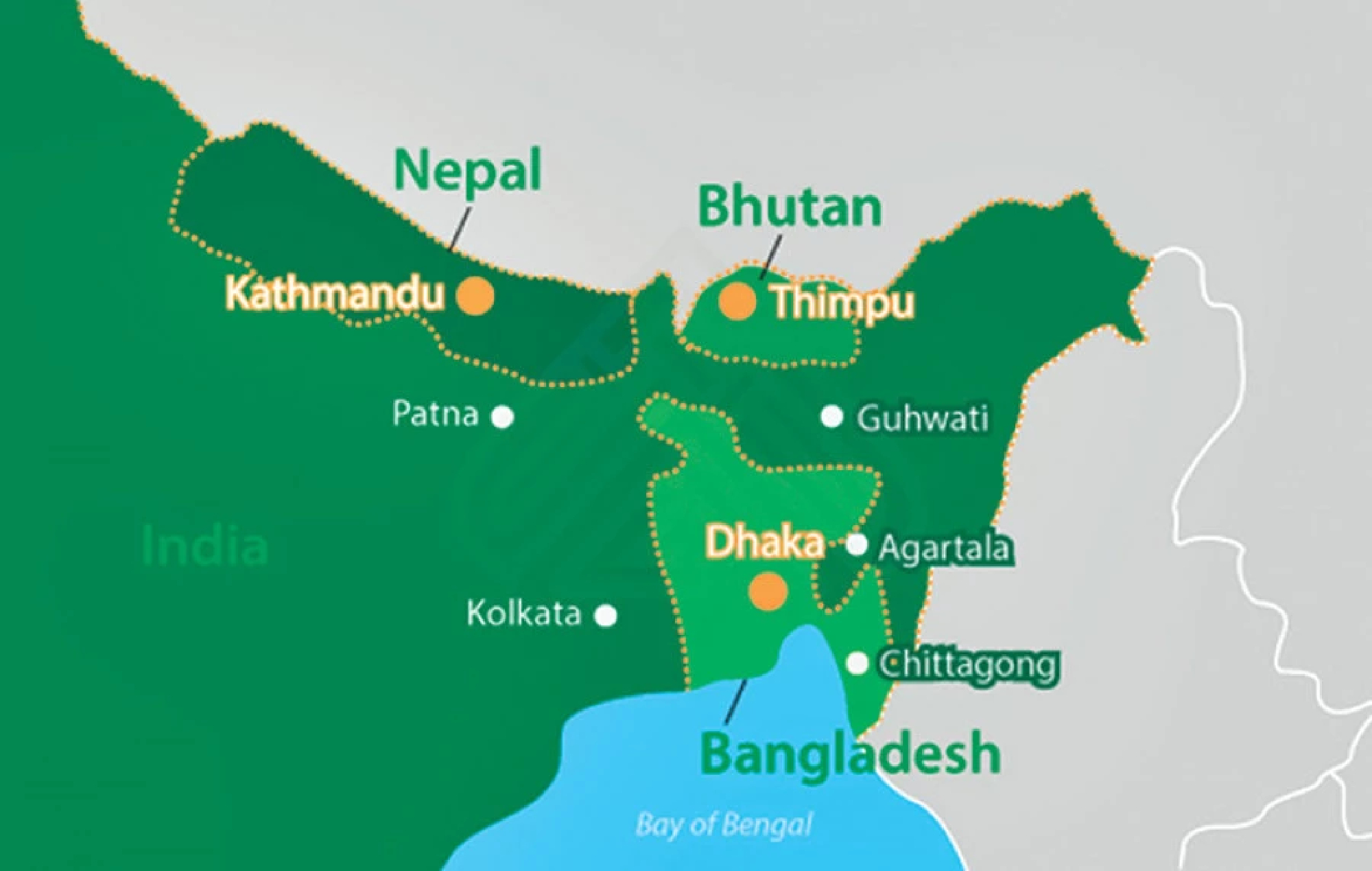
The World Bank on Wednesday approved $1.03 billion of financing to help improve regional trade in Nepal and Bangladesh by reducing trade and transport costs and transit time along the regional corridors.

Nepal, Bangladesh get $1 billion to boost regional trade and connectivity

The Accelerating Transport and Trade Connectivity in Eastern South Asia (ACCESS) Programme Phase 1 will help the respective governments address the key barriers to regional trade—manual and paper-based trade processes, inadequate transport and trade infrastructure, and restrictive trade and transport regulations and processes, the world bank said in a statement.

The Phase 1 programme will help replace lengthy manual and paper-based trade processes with digitised automated solutions in Bangladesh and Nepal. The automation will enable faster border crossing times and install electronic tracking of truck entry and exit, electronic queuing, smart parking, and CCTV cameras.

The programme will also help improve selected road corridors and upgrade key land ports and custom infrastructure while ensuring a green and climate-resilient construction. This will help the integration of landlocked Nepal and Bhutan with the gateway countries of Bangladesh and India.

“Regional trade offers enormous untapped potential for the countries of South Asia. Today, regional trade accounts for only five per cent of South Asia’s total trade, while in East Asia it accounts for 50 per cent,” said Hartwig Schafer, World Bank Vice President for South Asia. “South Asia can boost economic growth significantly and create opportunities for millions of people by increasing regional trade and connectivity.”

The $753.45 million financing for the ACCESS Project in Bangladesh will upgrade the 43km section of the two-lane Sylhet-Charkai-Sheola to a climate-resilient four-lane road, connecting the Sheola Land Port with the Dhaka-Sylhet Highway. This will cut down travel time by 30 per cent.

The project will support digital systems, infrastructure, and more streamlined processes at Benapole, Bhomra, and Burimari land ports, the three largest land ports in Bangladesh handling approximately 80 per cent of land-based trade. It will also support the modernisation of the Chattogram customs house which handles 90 per cent of all import/export declarations in Bangladesh.

“While the trade between Bangladesh, Bhutan, India, and Nepal grew six times from 2015 to 2019, the unexploited potential for regional trade is estimated at 93 per cent for Bangladesh,” said Mercy Tembon, World Bank Country Director for Bangladesh and Bhutan. “The project will help Bangladesh improve regional trade and transport and automation of processes will build resilience to crises like the Covid-19 pandemic.”

The $275 million ACCESS Project in Nepal will upgrade the 69km two-lane section of Butwal-Gorusinghe-Chanauta road along the East-West Highway to a climate-resilient four-lane highway, with a focus on ensuring better road safety. This is expected to reduce travel time by 30 per cent, thus providing better access to India’s western seaports.

The project will construct at least three market areas along the highway with dedicated areas for women entrepreneurs and traders to ensure that women can benefit from the enhanced economic opportunities, the World Bank said.

The market areas will be equipped with separate toilets for women, free Wi-Fi, and digital bulletin boards with timely trade and market information. It will also support capacity building to enhance trade and customs processes at Birgunj and Bhairahawa border points. The project will also help advance Nepal’s preparedness and subsequent implementation of the Motor Vehicle Agreement (MVA).

“Nepal has large untapped potential for regional trade and exports. Low regional trade is often a result of the high cost of connectivity,” said Faris Hadad-Zervos, World Bank Country Director for Maldives, Nepal, and Sri Lanka. “The project will help unlock Nepal’s economic potential through better connectivity and trade, both between the provinces as well as regionally among Nepal and other countries to support a green, resilient, and inclusive development.”

It is highly critical to ensure trade growth, long-term sustainability and resilience of investments, while minimising actual degradations on the environment, wildlife and ecosystems along with Nepal’s road network, which carries 90 per cent of passengers and goods movement,” said Oceane Keou, World Bank Task Team Leader of the Nepal Project and co-Task Team Leader of the Programme. “The project will adopt and implement an innovative green and resilient highway corridor concept in Nepal, based on a landscape-level development approach.”

In the second phase, the programme will include Bhutan.

“A key focus of the ACCESS programme is to support solutions that can most effectively reduce dwell times at trade gateways, which is vital to lowering trade costs. This entails greater border cooperation and coordination within and between countries, cutting down the physical inspection of goods, and simplifying regulations and processes,” said Erik Nora, World Bank Task Team Leader of the programme. 

Kathmandu Post

Asia News Network

Asia News Network: The Nation (Thailand), The Korea Herald, The Straits Times (Singapore), China Daily,  Jakarta Post, The Star and Sin Chew Daily (Malaysia), The Statesman (India), Philippine Daily Inquirer, Yomiuri Shimbun and The Japan News, Gogo Mongolia,  Dawn (Pakistan),  The Island (Sri Lanka), Kuensel (Bhutan), Kathmandu Post (Nepal), Daily Star (Bangladesh), Eleven Media (Myanmar), The Phnom Penh Post and Rasmei Kampuchea (Cambodia), The Borneo Bulletin (Brunei), Vietnam News, and Vientiane Times (Laos).
 

Published : June 30, 2022

By : The Kathmandu Post