In a huge relief to the residents of the national capital, the Delhi government on Wednesday decided to continue providing free food grains to underprivileged residents of Delhi.
The Delhi government has extended its free food grains ration scheme till September 30, Chief Minister Arvind Kejriwal said.
The proposal was approved unanimously during a meeting of the Delhi cabinet.
The Delhi government has been supplying food grains for free to almost 7.3 million citizens since April 2020.
Kejriwal vouched for the extension of the scheme, citing backbreaking inflation and loss of livelihood in the pandemic.
At the Delhi cabinet meeting, the Food and Civil Supplies department proposed the extension of the supply of free food grains for National Food Security Act beneficiaries for another four months, from June to September 2022.
Kejriwal said, “The Delhi government has been providing free ration to the people for the last couple of years. The government offers food grains at a nominal rate from ration shops. However, for the last few years, we’ve been giving that for free too. We have extended this scheme till 30th September and will continue supplying … for the coming months too.”
NFSA beneficiaries include migrant workers, unorganised workers, construction workers, domestic helpers and those who do not have ration cards. Under the government’s scheme, 5kg of food grains are provided free of cost to the needy as per the eligibility prescribed under the NFS Act 2013. This includes 4kg of wheat and 1kg of rice per person per month.
Delhi has 72,77,995 beneficiaries under National Food Security Act, 2013.
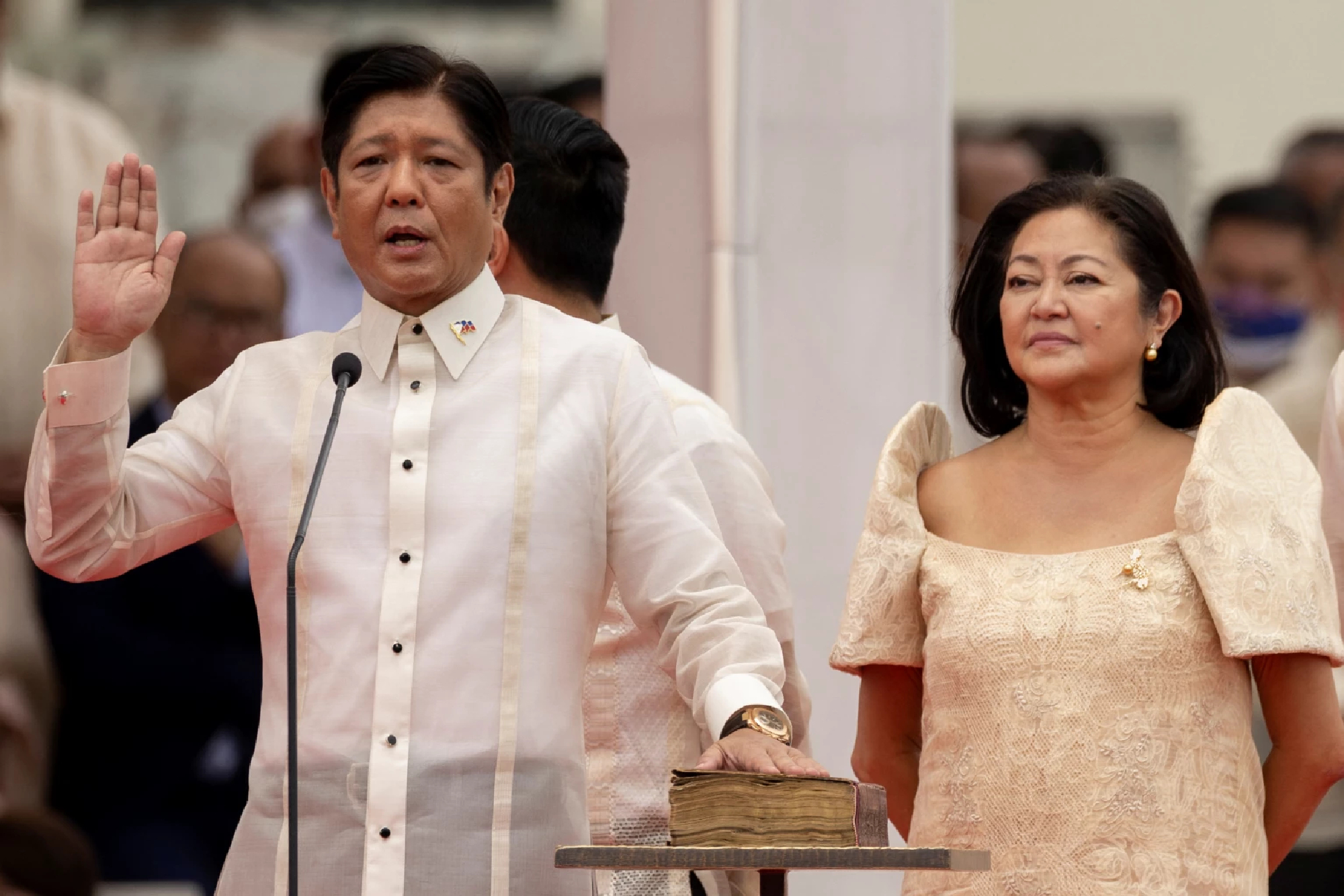
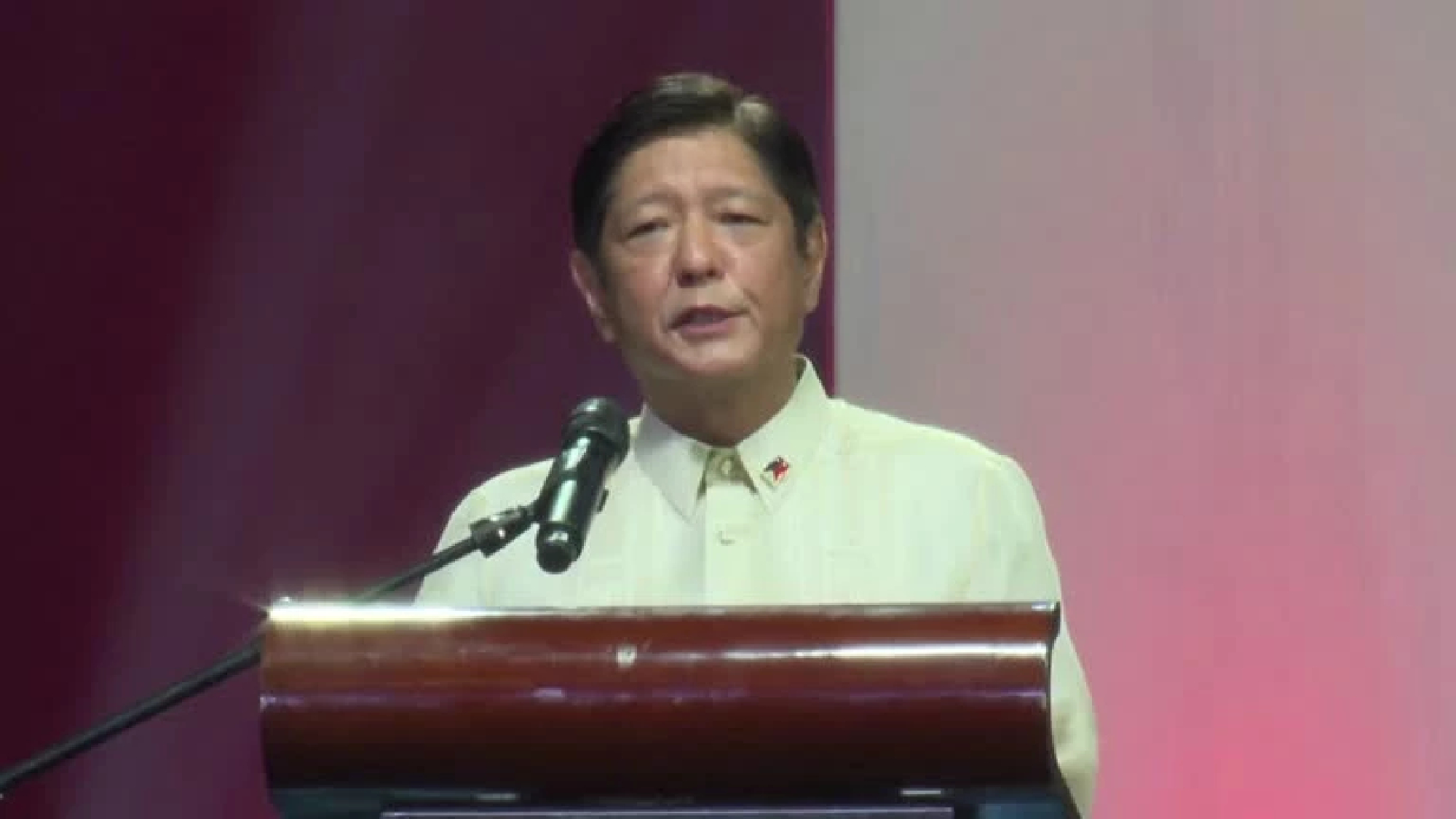
Ferdinand “Bongbong” Marcos is now officially the Philippines’ 17th president after he took his oath of office at noon on Thursday at the National Museum grounds in the nation’s capital.
Marcos took the oath before Supreme Court Chief Justice Alexander Gesmundo, marking the return of the Marcos family to power – 36 years since the administration of his late father and namesake, former president Ferdinand Marcos.
Marcos wore a barong tagalog (a light, loose, long-sleeved shirt, the national dress of the Philippines) designed by Pepito Albert. The design is said to be inspired by the military uniform worn during the Spanish colonial period.
Among the personalities present at the inauguration were members of the Marcos family including First Lady Liza Araneta, their children including representative-elect Sandro Marcos, and the president’s sisters Senator Imee Marcos and Irene Araneta.
The president’s mother – former first lady Imelda Marcos – was also present.
Marcos’ running mate Vice President Sara Duterte also attended the event.
Prior to his inauguration, Marcos went to Malacañang Palace to meet former leader Rodrigo Duterte, who was given departure honours.
During the inaugural, the Philippine national anthem was sung by Marcos election campaign supporter and actress Toni Gonzaga.
After an interfaith prayer, a civil-military parade displaying the assets and capabilities of the country’s law enforcement and defence agencies was held.
Marcos will return to Malacañang Palace for arrival honours. After which he is expected to lead a mass oath-taking of his Cabinet members.
An inaugural dinner will be held inside Malacañang, while a “people’s concert” will take place at around 9pm at Mendiola in Manila.
Marcos won the 2022 presidential race by a big margin, earning more than 31 million votes, while his closest rival, former vice president Leni Robredo, received 15 million.
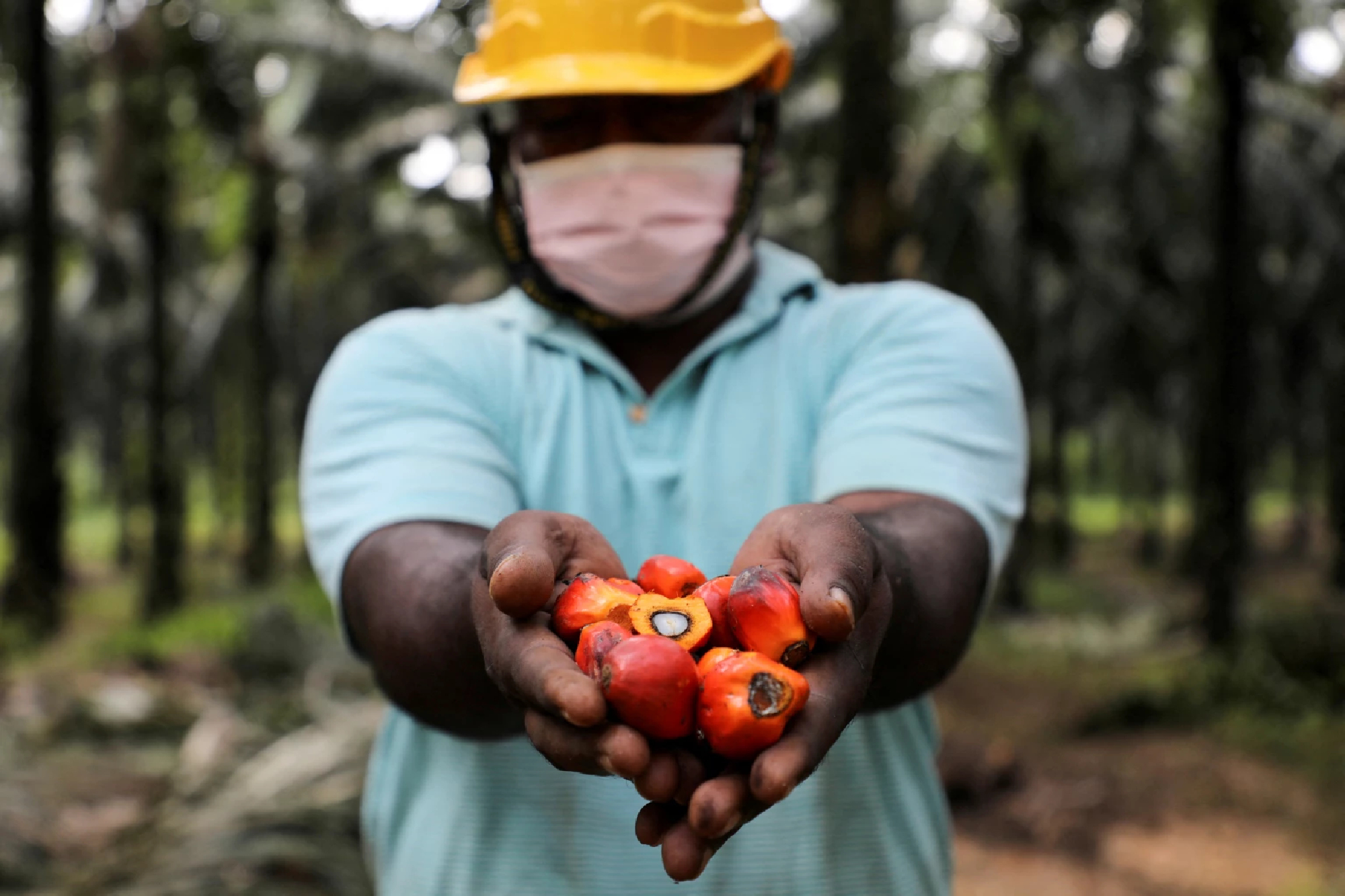
Malaysian palm oil millers that have stopped buying fresh fruit bunches (FFB) risk having their operating licence suspended, the government has warned.
The warning came after reports that some millers had suspended production following a plunge in the price of edible oil.
The Malaysian Palm Oil Board (MPOB) issued a warning letter to all millers on Thursday, said the Plantation Industries and Commodities Ministry.
“MPOB will take action against millers that affect the nation’s palm oil production,” ministry Deputy Minister Wee Jeck Seng said.
“Drastic action, including suspending their operating licences, will be taken if it is proven that this has happened, for the survival and sustainability of our palm oil industry,” he added in a statement.
Wee said he was disappointed by the millers’ decision to halt production and stop buying FFB, adding that their action has made meaningless the whole purpose of issuing operating licences.
“I take this matter seriously and request palm oil millers to not halt production, which is required under their licence, to avoid any legal action.
“Hopefully, this directive can be fully implemented by the millers in support of the government’s efforts to continue improving palm oil output in the market, which is now facing the challenge of declining prices,” he added.
The price of Malaysian crude palm oil (CPO) saw its biggest one-month drop in more than 13 years in June, tumbling 22 per cent to 4,922 ringgits (about 39,700 baht) on Monday from a high of 6,632 ringgits.
The Star
Asia News Network
Asia News Network: The Nation (Thailand), The Korea Herald, The Straits Times (Singapore), China Daily, Jakarta Post, The Star and Sin Chew Daily (Malaysia), The Statesman (India), Philippine Daily Inquirer, Yomiuri Shimbun and The Japan News, Gogo Mongolia, Dawn (Pakistan), The Island (Sri Lanka), Kuensel (Bhutan), Kathmandu Post (Nepal), Daily Star (Bangladesh), Eleven Media (Myanmar), The Phnom Penh Post and Rasmei Kampuchea (Cambodia), The Borneo Bulletin (Brunei), Vietnam News, and Vientiane Times (Laos).
Japan is experiencing electricity supply problems due to an imbalance in demand and supply, which is unlikely to be resolved anytime soon.
The reason for the current situation can be blamed on the suspension or scrapping of unprofitable thermal power plants and the delayed restart of nuclear power plants.
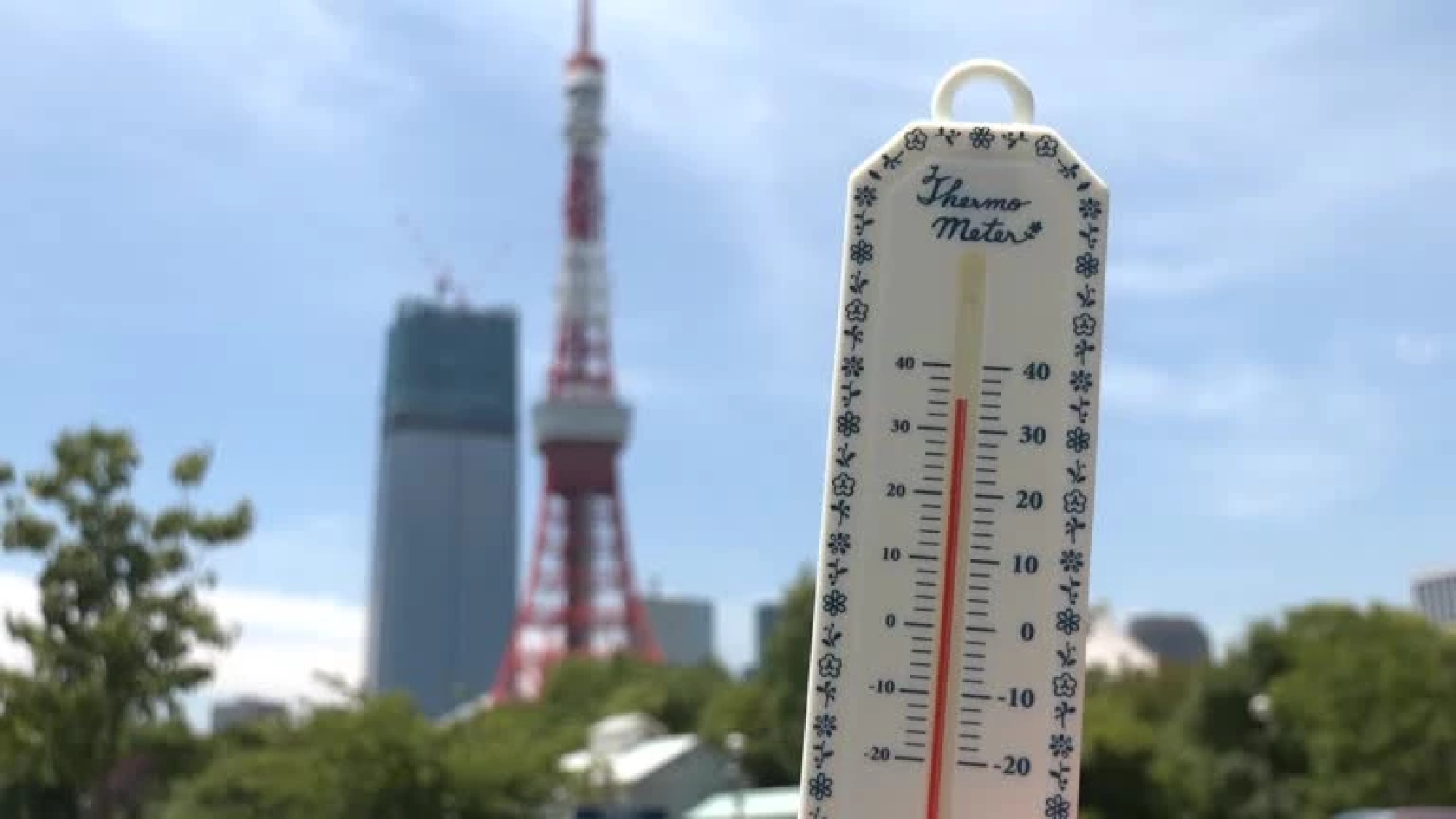
The biggest reason, however, is the unusually hot weather in June.
On Monday, maximum peak electricity demand reached about 52,700 megawatts, the highest since the 2011 Great East Japan Earthquake, and the 47,300MW demand in 2018. The increase in demand of nearly 5,400MW is on par with the electricity generated by five nuclear reactors.
Usually, electricity demand shoots up in July, so some thermal and other power plants are currently undergoing regular inspections, which is another reason for the declining supply capacity.
The earthquake off Fukushima this March is among the reasons that operations have been suspended at the No. 1 and No. 2 thermal power units of the Shinchi Power Station in Shinchi, Fukushima Prefecture. The No. 1 unit has an output of 1,000MW and is set to resume operations at the end of December, while unit 2 also has an output of 1,000MW and is scheduled to be back online at the end of March 2023.
Changing energy mix
A combination of unfavourable conditions has forced the central government to issue the first power crunch advisory, but the electricity shortage also has its root in structural issues.
As more renewable energy sources have been introduced and the power industry has become deregulated, electric power companies have suspended investment in increasingly loss-making thermal power generation. The supply capacity of thermal power generation has been declining year after year. In fiscal 2020, operations were suspended at facilities totalling 16,000MW of output.
While electricity generated from solar power has surged, it is greatly influenced by weather conditions. As for batteries to store electricity from renewable sources, technological development and establishment of necessary facilities have been slow, so this has not helped alleviate the supply-demand imbalance sufficiently.
Nuclear power plants are seen as stable power sources, but these are slow to restart. Since the 2011 disaster, reactors at just six nuclear power plants have resumed operations and all are located in western Japan, further exacerbating the tight supply-demand situation in eastern Japan.
The Economy, Trade and Industry Ministry and electric power companies are speeding up efforts to address the supply-demand imbalance.
JERA Co, a 50-50 joint venture of Tokyo Electric Power Company Holdings, Inc (Tepco) and Chubu Electric Power Co, is to restart operations of the No. 5 power unit with an output of 600MW at the ageing Anegasaki Thermal Power Station in Ichihara, Chiba Prefecture, on Wednesday. From July, the company is expected to restart other thermal power stations that are currently under regular inspections one by one.
The economy ministry says that it will be possible to secure a power supply capacity with a reserve margin of 3 per cent, which is said to be the minimum ratio required for stable supply of electricity.
Even so, it is still unclear whether it is possible to stably supply electricity. In the summer of 2021, the maximum peak electricity demand in areas covered by Tepco and three other power companies exceeded the ministry’s forecast. If demand exceeds forecast, it could become difficult to stably supply electricity. There is also concern over any troubles in restarting ageing thermal power units.
There are many issues regarding medium- and long-term measures to address the supply-demand imbalance.
The total capacity of facilities to transmit electricity between eastern and western Japan is now 2,100MW, 900MW larger than the level before the 2011 disaster. The capacity is planned to be increased to 3,000MW in total by the end of fiscal 2027. While there are calls for further increasing the capacity, there is an issue over who will shoulder the huge cost burden of enhancing the power grid system.
If nuclear reactors No. 6 and No. 7 of Tepco’s Kashiwazaki-Kariwa nuclear power plant in Niigata Prefecture are restarted, about 2,700MW of electricity can be secured. These reactors are not expected to be operating in the foreseeable future, however, as people in the vicinity of the plant have not approved their restart due to a series of scandals.
The Japan News
Asia News Network
Asia News Network: The Nation (Thailand), The Korea Herald, The Straits Times (Singapore), China Daily, Jakarta Post, The Star and Sin Chew Daily (Malaysia), The Statesman (India), Philippine Daily Inquirer, Yomiuri Shimbun and The Japan News, Gogo Mongolia, Dawn (Pakistan), The Island (Sri Lanka), Kuensel (Bhutan), Kathmandu Post (Nepal), Daily Star (Bangladesh), Eleven Media (Myanmar), the Phnom Penh Post and Rasmei Kampuchea (Cambodia), The Borneo Bulletin (Brunei), Vietnam News, and Vientiane Times (Laos).
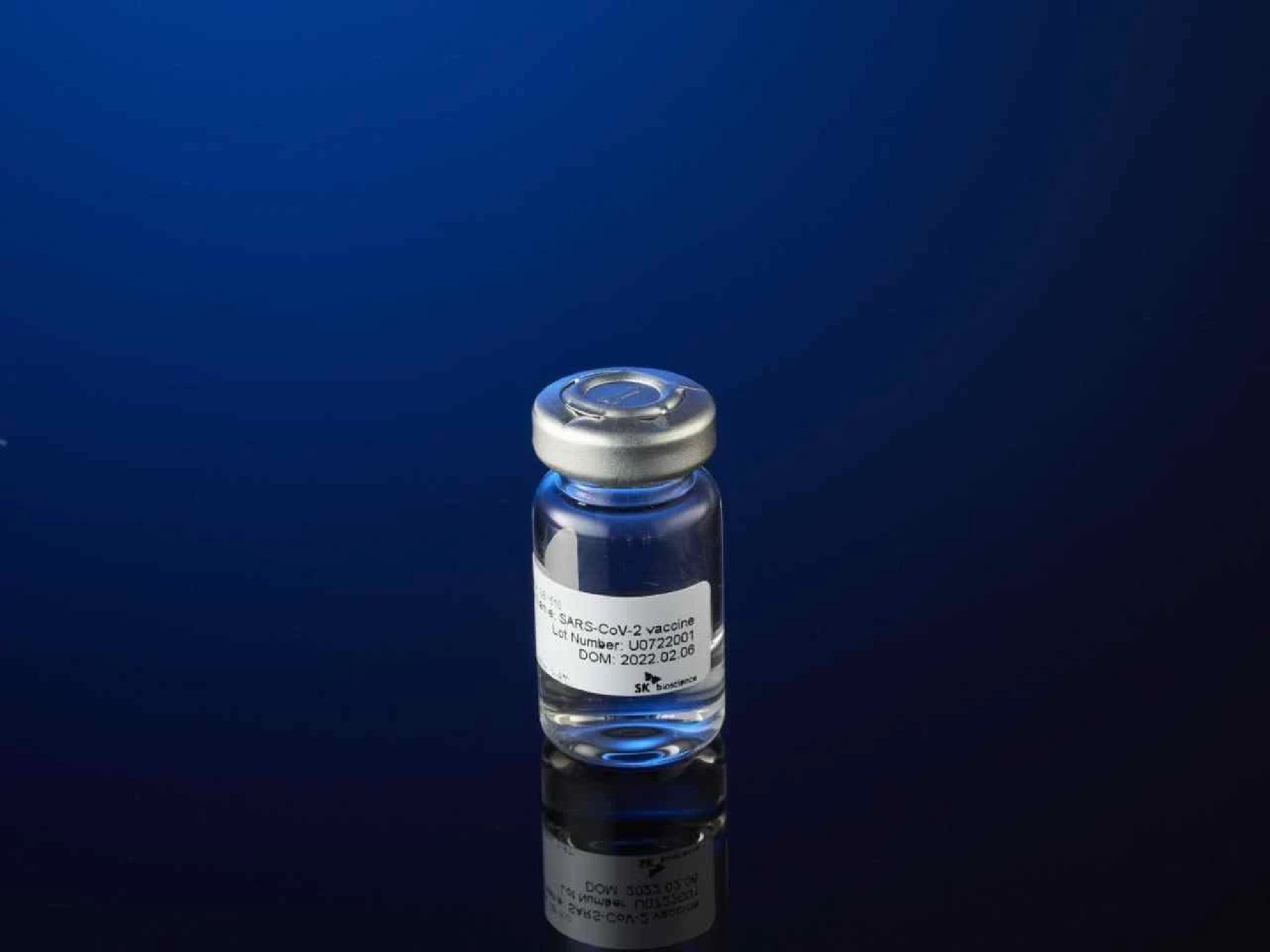
South Korea has authorised its first homegrown Covid-19 vaccine, finally securing vaccine sovereignty almost 30 months after the pandemic began.
The government on Wednesday announced the official approval of SkyCovione, a recombinant protein-based vaccine developed by SK Bioscience after a final examination committee held a meeting to review the previous assessments earlier in the day.
“The Food and Drug Safety Ministry thoroughly verified the vaccine’s safety and efficacy through a three-step consultative process and approved SK Bioscience’s SkyCovione,” said Food and Drug Safety Minister Oh Yu-kyoung.
The ministry said it had decided to grant approval under the condition that SK Bioscience submits the final report of its clinical trials. SkyCovione has been authorised for two administrations with a four-week interval in people aged 18 or older.
Oh said the country now has set up a health security system that can preemptively respond to future pandemics.
The official approval came two days after the Central Pharmaceutical Affairs Council recommended the approval of the country’s first homemade Covid-19 vaccine. The CPAC on Monday confirmed that SkyCovione showed immunogenic superiority when compared to the control vaccine of Vaxzevria with an acceptable safety level based on data from clinical trials.
The Korea Disease Control and Prevention Agency signed a pre-purchase contract with SK Bioscience to buy 10 million doses of the vaccine in March.
SK Bioscience is expected to begin rolling out the vaccine in the second half of the year as the local drug maker looks to target overseas markets with lower vaccination rates.
“SkyCovione has its proven safety verified as it was developed as a synthetic antigen vaccine. It also has the advantage of being able to be stored and distributed at room temperatures,” an SK Bioscience official told The Korea Herald.
“Based on this, we will supply the vaccine to developing countries with lagging vaccination rates through the World Health Organisation’s Covax facility. We will also utilise SkyCovieone’s platform to develop vaccines against other variants,” the official added.
According to the government, there are six other companies still in the process of developing their own Covid-19 vaccines while 18 companies are trying to develop Covid-19 treatments.
The government said it will continue to support them so that there can be second and third homemade vaccines and treatments.
The Korea Herald
Asia News Network
Asia News Network: The Nation (Thailand), The Korea Herald, The Straits Times (Singapore), China Daily, Jakarta Post, The Star and Sin Chew Daily (Malaysia), The Statesman (India), Philippine Daily Inquirer, Yomiuri Shimbun and The Japan News, Gogo Mongolia, Dawn (Pakistan), The Island (Sri Lanka), Kuensel (Bhutan), Kathmandu Post (Nepal), Daily Star (Bangladesh), Eleven Media (Myanmar), The Phnom Penh Post and Rasmei Kampuchea (Cambodia), The Borneo Bulletin (Brunei), Vietnam News, and Vientiane Times (Laos).
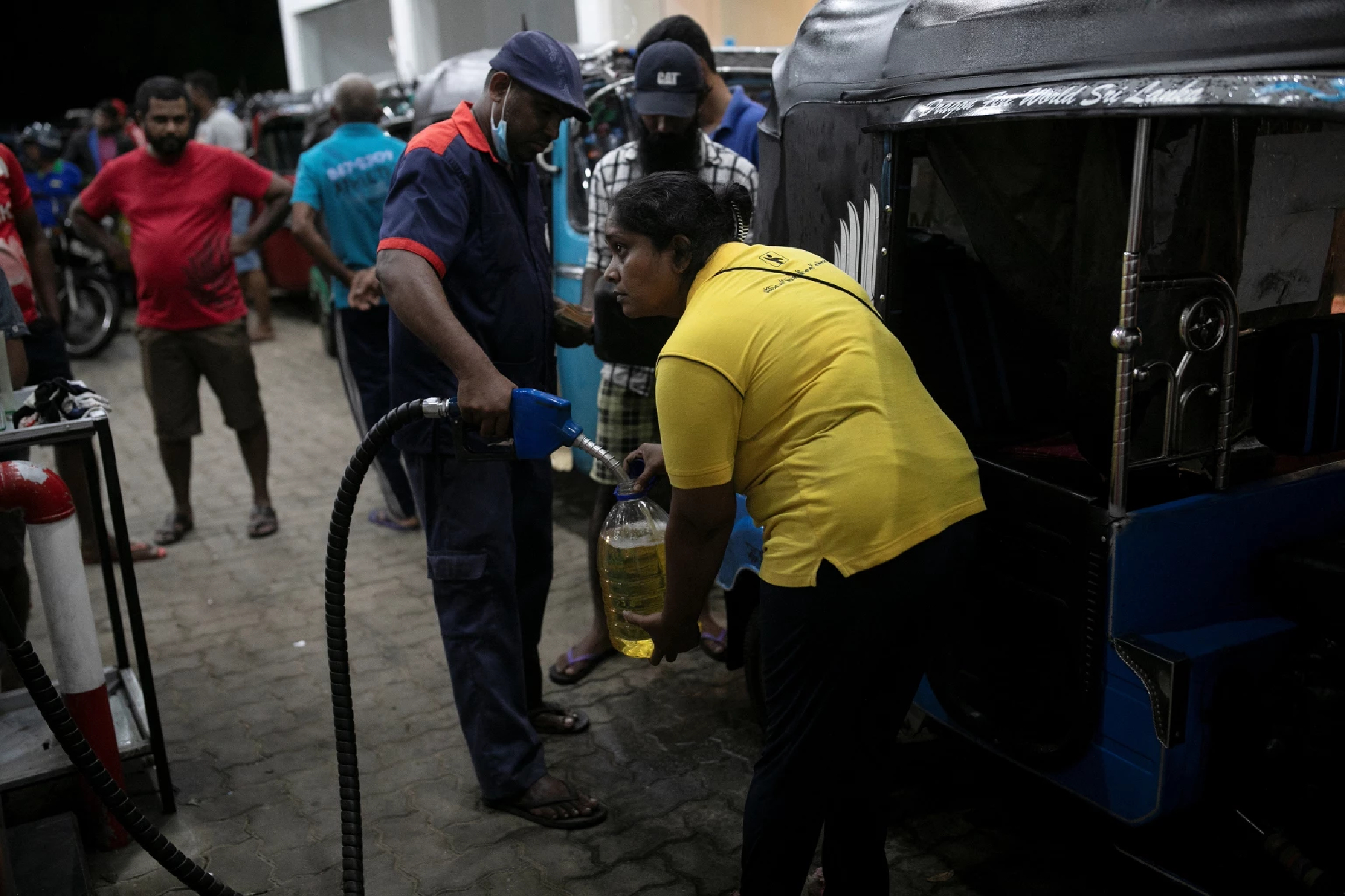
Sri Lanka’s cabinet has approved a proposal to allow companies from oil-producing nations to import oil and start retail operations in the country.
The Department of Government Information announced the decision on Tuesday.
The proposal was made by Power and Energy Minister Kanchana Wijesekara.
The Cabinet also approved a proposal to allow companies registered for bunkering operations, under the Sri Lanka Ports Authority, to import jet fuel.
Sri Lanka needs 1.2 million litres of jet fuel a day for planes. However, the Ceylon Petroleum Corporation (CPC) is not able to procure adequate quantities of aviation fuel.
Wijesekara therefore made a proposal to allow foreign companies to import jet fuel to ensure air travel continues without any hindrance.
He tweeted that companies would be selected on the ability to import fuel and operate without forex requirements from the Central Bank of Sri Lanka and other banks for the first few months of operations.
He stressed the CPC would be the service provider for logistics, stocking and distribution with a service fee charged from the companies.
At a special media briefing, Media Minister Bandula Gunawardena said that fuel issuance would be restricted to vehicles attached to essential services until July 10.
The CPC would supply diesel and petrol only to essential services such as ports, the health sector, distributors of essential food items and for transportation of agricultural products.
The cabinet has also decided to continue essential services and suspend other operations until July 10, the minister said.
He gave an assurance that a mechanism to provide continuous supply of LPG and fuel would be in place after July 10.
Inter-provincial transport services would be temporarily halted due to limited stocks of fuel, he added.
The Island
Asia News Network
Asia News Network: The Nation (Thailand), The Korea Herald, The Straits Times (Singapore), China Daily, Jakarta Post, The Star and Sin Chew Daily (Malaysia), The Statesman (India), Philippine Daily Inquirer, Yomiuri Shimbun and The Japan News, Gogo Mongolia, Dawn (Pakistan), The Island (Sri Lanka), Kuensel (Bhutan), Kathmandu Post (Nepal), Daily Star (Bangladesh), Eleven Media (Myanmar), The Phnom Penh Post and Rasmei Kampuchea (Cambodia), The Borneo Bulletin (Brunei), Vietnam News, and Vientiane Times (Laos).
Areas along the Mekong River are set to become hotspots in the Kingdom for conducting scientific studies on the unexpected survival of endangered species and other biodiversity-related subjects, according to officials.
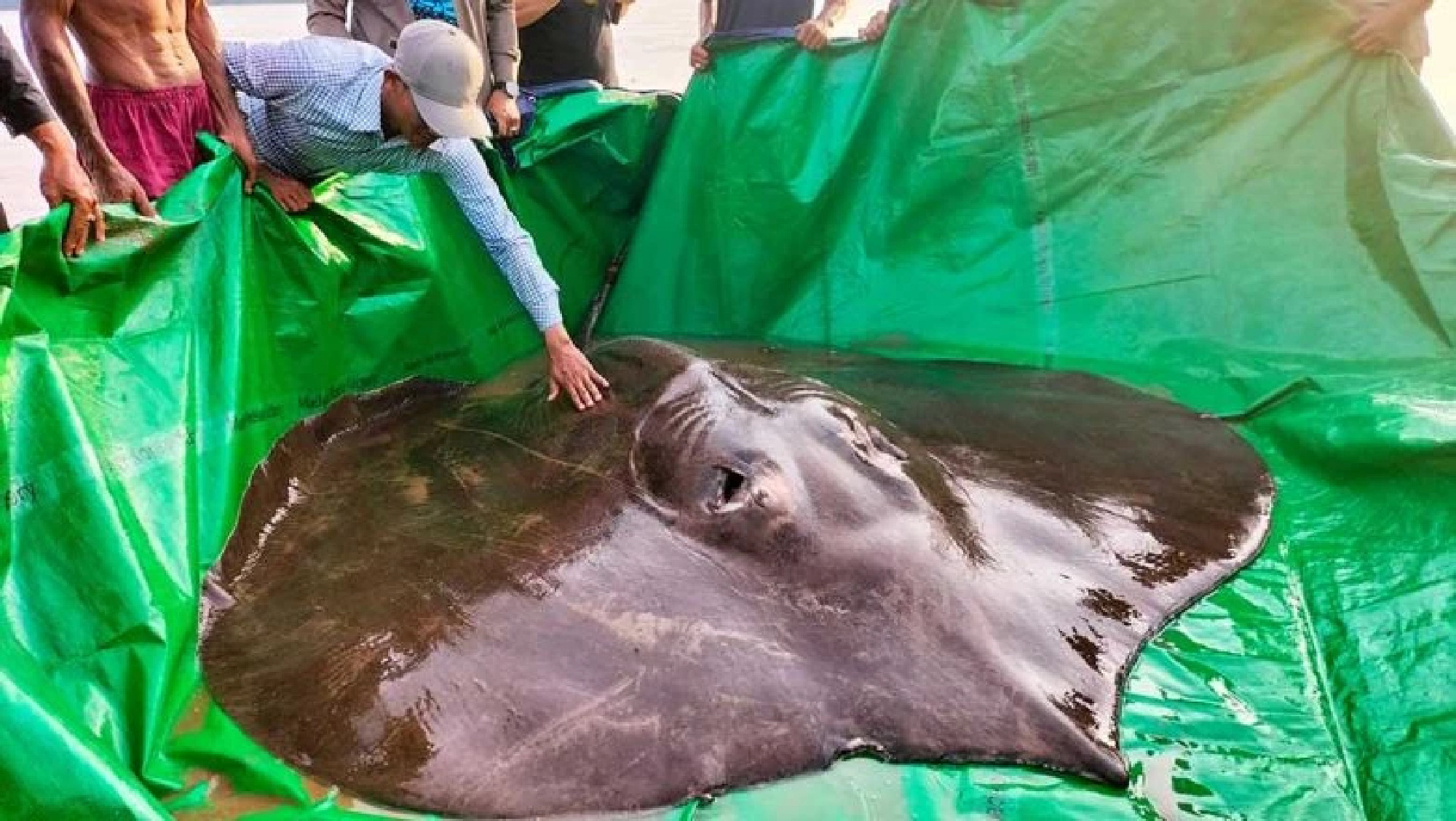
The remarks came after scientists from the Wonders of the Mekong project and the Cambodian Fisheries Administration (FiA) announced that a 300kg giant freshwater stingray (Urogymnus polylepis) caught by a fisherman in the Mekong on June 13 was the world’s largest freshwater fish ever officially weighed and measured – a claim that excluded beluga sturgeons, which technically also inhabit saltwater environments.
The endangered stingray, caught in Koh Preah village of Stung Treng province’s Siem Bok district and named “Boramy” which translates as “full moon” in Khmer, dethroned the previous record-holder, a 293kg Mekong giant catfish caught in Thailand in 2005.
In Posoeun, director of the Stung Treng provincial Department of Tourism, said Boramy’s discovery would be a major draw for inquisitive marine biologists and other researchers to unravel the secrets to the survival of endangered species in the Cambodian stretch of the Mekong River.
“The Mekong River in Cambodia is a safe haven for all kinds of living species, especially some of the world’s rarest and most endangered, such as the Irrawaddy dolphin and the world’s largest stingray, and so on,” he told The Post.
“Thus, in the future, the Mekong River in Cambodia will be an important destination in Southeast Asia for researchers who are studying the survival of these rare and endangered species,” he said, claiming that the other Mekong countries – China, Myanmar, Thailand, Laos and Vietnam – do not have populations of these creatures as large as Cambodia’s.
Posoeun said his team is currently documenting the areas where giant stingrays live, with plans to publicise the information in hopes of advancing understanding of the flat-bodied fish.
At the same time, he called on the ecotourism community in areas of Stung Treng province near the Mekong’s deep dolphin pools to advertise the locations where the stingrays live to local and foreign visitors who may be there to see the aquatic mammals. He suggested that the uptick in interest would lead to tour groups making the journey in hopes of catching an exceedingly rare glimpse of the rays.
Pheng Boeun is the chief of the Koh Preah Fisheries Cooperative, which is based in the area where Boramy was caught and provides tour boat services to dolphin pools Anlong Kaingkonsat, Anlong Koh Santuk and Anlong Tbong Khla in Siem Bok.
He told The Post that members of his cooperative have been calling attention to the mysteries of the giant freshwater stingray since a fisherman caught a 180kg specimen last month.
“In general, however, apart from when they are caught by fishermen, we rarely see a giant stingray appear on the surface of the water like we do with dolphins.
“But there are actually a lot more of them left alive in the river than the findings of Wonders of the Mekong’s scientists would suggest,” he claimed.
Boeun shared that fishermen from his cooperative once encountered a fever, or group, of more than 10 stingrays at the Anlong Kainkonsat with each weighing from 30-40kg, although he admitted never having seen one that weighed anywhere near 300kg like Boramy.
He said there are two types of giant stingrays, distinguished by black and red tinges, which the community has dubbed “buffalo stingrays” and “cattle stingrays”, respectively.
Nonetheless, scientists have yet to determine how many subspecies of giant freshwater stingray there actually are, although most are familiar with the “buffalo” type, which prefers to live in deep pools with clean environments, according to Som Vichet, director of Stung Treng FiA Cantonment.
“Due to the biology of freshwater stingrays, they do not appear on the surface of the water and allow tourists to see them like dolphins do.
“So the areas where they live are not going to be much in the way of tourist destinations for the general public in that sense, but it will be a very attractive destination for scientific researchers who focus on freshwater species,” he said.
Vichet said that the giant freshwater stingray is not only found in the Koh Preah area of Siem Bok, but also in a Ramsar site in Siem Pang district. To date, however, researchers have not provided formal population estimates or summaries of upstream and downstream movement patterns.
All that may be changing though, because two weeks ago scientists at the Wonders of the Mekong deployed 36 underwater acoustic receivers along the upper reaches of the Mekong River in Cambodia to track the movement and behaviours of Boramy, who was released back into the Mekong on the evening of June 14, after she was fitted with an acoustic tag at the base of her tail.
The scientists have yet to collect data from the devices to analyse and learn more about her mysterious underwater life.
The Phnom Penh Post
Asia News Network
Asia News Network: The Nation (Thailand), The Korea Herald, The Straits Times (Singapore), China Daily, Jakarta Post, The Star and Sin Chew Daily (Malaysia), The Statesman (India), Philippine Daily Inquirer, Yomiuri Shimbun and The Japan News, Gogo Mongolia, Dawn (Pakistan), The Island (Sri Lanka), Kuensel (Bhutan), Kathmandu Post (Nepal), Daily Star (Bangladesh), Eleven Media (Myanmar), The Phnom Penh Post and Rasmei Kampuchea (Cambodia), The Borneo Bulletin (Brunei), Vietnam News, and Vientiane Times (Laos).
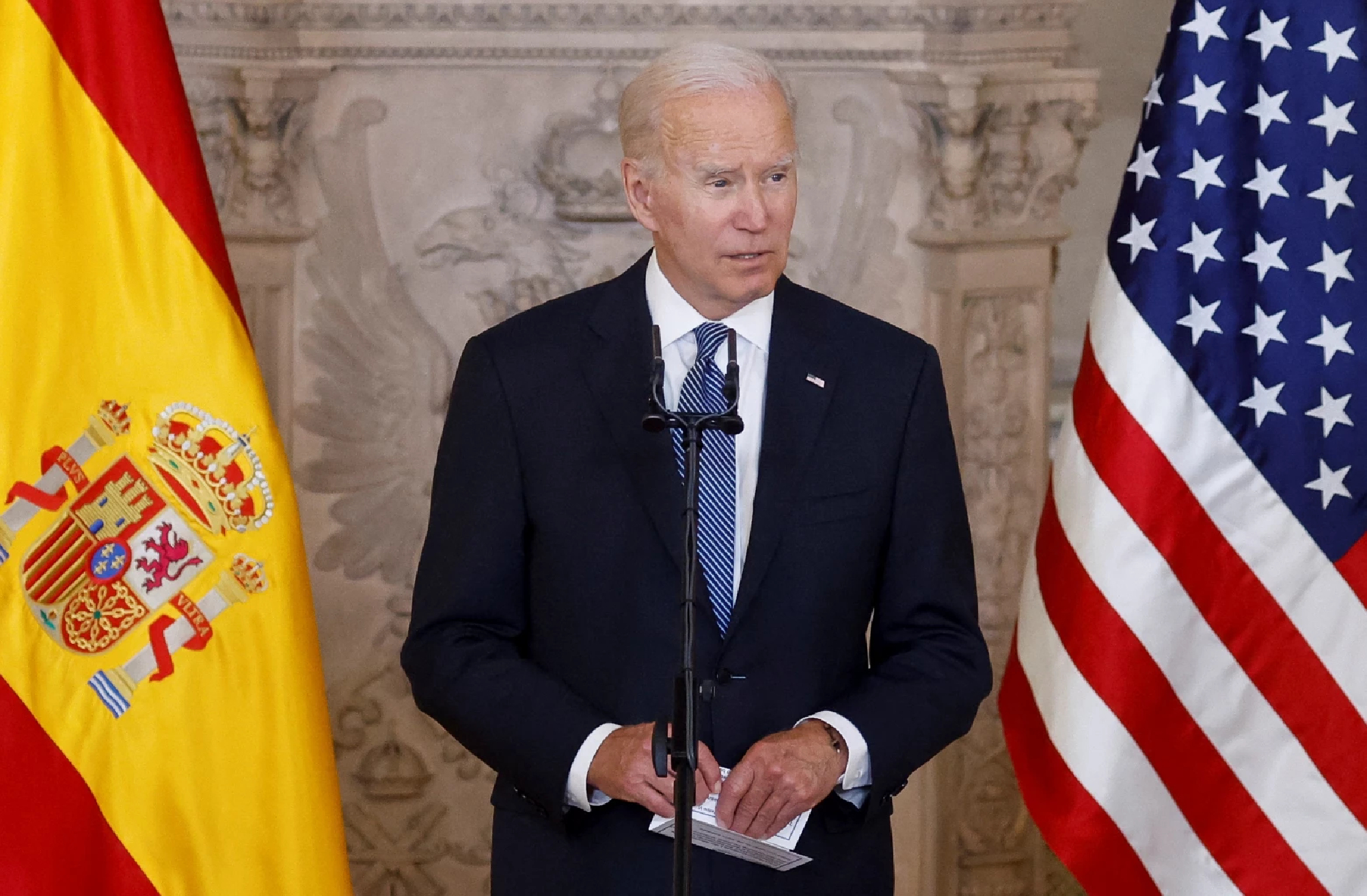
While global confidence in United States President Joe Biden has dipped from a year ago, most countries surveyed still have more confidence in him than in China’s leader Xi Jinping, an international study published in June showed.
Aseparate study also showed that most people in Southeast Asia would prefer Asean to align itself with the United States.
Of the respondents from 18 countries in the West and Asia surveyed by the Washington-based Pew Research Centre, just two – Singapore and Malaysia – expressed more trust in Xi than in Biden.
Asked if they had confidence in the leaders to do the right thing regarding world affairs, a median of 60 per cent said they had some or a lot of confidence in Biden as opposed to just 18 per cent for his Chinese counterpart.
Trust in the US President was highest in Poland (82 per cent) and Sweden (74 per cent), in contrast to a respective 11 per cent and 13 per cent for China’s Xi.
Asian countries surveyed included South Korea and Japan – both traditional US allies that regularly hold combined defence drills with the superpower. Both countries showed overwhelmingly more trust in Biden over Xi.
Around 70 per cent of South Koreans expressed confidence in Biden, as opposed to 12 per cent for Xi, while 62 per cent of Japanese respondents trusted the American Democrat, compared with a paltry 9 per cent for the Communist Party leader.
Ratings for Biden slipped from a year ago, with declines of 20 percentage points or more in Italy, Singapore and France.
The Pew researchers said one issue that affected international views of Biden could have been the US withdrawal from Afghanistan in 2021. A median of 57 per cent across 17 countries polled, excluding the US, said the pullout was not handled well.
The researchers said that confidence in China’s President stayed roughly the same from a year ago. However, not all countries’ respondents trusted Biden more than Xi to do the right thing on the international stage.
Singapore and Malaysia stood out among the 18 nations surveyed for respondents having higher confidence in China’s President than in the US leader.
Around 69 per cent in Singapore and 62 per cent in Malaysia said they had some or a lot of confidence in Xi, as opposed to 48 per cent (Singapore) and 53 per cent (Malaysia) for Biden.
The survey, which was part of a study to analyse global attitudes towards the US, Nato and Russia, also asked people to rate three other major world leaders: Russian President Vladimir Putin, French President Emmanuel Macron and German Chancellor Olaf Scholz.
Globally, a median of 90 per cent of respondents said they had no trust at all in Putin to do the right thing in world affairs.
The nationally representative survey of almost 20,000 adults was conducted from Feb 14 to May 11, coinciding with Russia’s Feb 24 invasion of Ukraine and likely leading to Putin being perceived as the least trusted of the key world leaders included in the survey.
However, Malaysia (59 per cent) and Singapore (36 per cent) stood out for having some or a lot of confidence in the Russian leader, although this was lower than their ratings of Xi.
A median of just 9 per cent across the 18 countries expressed trust in the Russian President.
Similar to ratings of Biden, a median of 62 per cent have confidence in Macron and 59 per cent have confidence in Scholz to do the right thing in world affairs.
The sentiment of favouring the US over China was also captured in a separate ISEAS-Yusof Ishak Institute survey in 10 Asean nations published in February.
As Beijing and Washington compete for influence and leadership in the region, the US continues to enjoy popular support in Asean.
Asked to choose which of the two strategic rivals Asean should align itself with, 57 per cent of respondents across the countries polled chose the US, compared with 43 per cent who chose China.
But significantly, choosing a side remained the least popular option (11 per cent) among those surveyed, with 46 per cent preferring the proactive notion that Asean should “enhance its resilience and unity” amid pressure from the two superpowers.
The Straits Times
Asia News Network
Asia News Network: The Nation (Thailand), The Korea Herald, The Straits Times (Singapore), China Daily, Jakarta Post, The Star and Sin Chew Daily (Malaysia), The Statesman (India), Philippine Daily Inquirer, Yomiuri Shimbun and The Japan News, Gogo Mongolia, Dawn (Pakistan), The Island (Sri Lanka), Kuensel (Bhutan), Kathmandu Post (Nepal), Daily Star (Bangladesh), Eleven Media (Myanmar), the Phnom Penh Post and Rasmei Kampuchea (Cambodia), The Borneo Bulletin (Brunei), Vietnam News, and Vientiane Times (Laos).
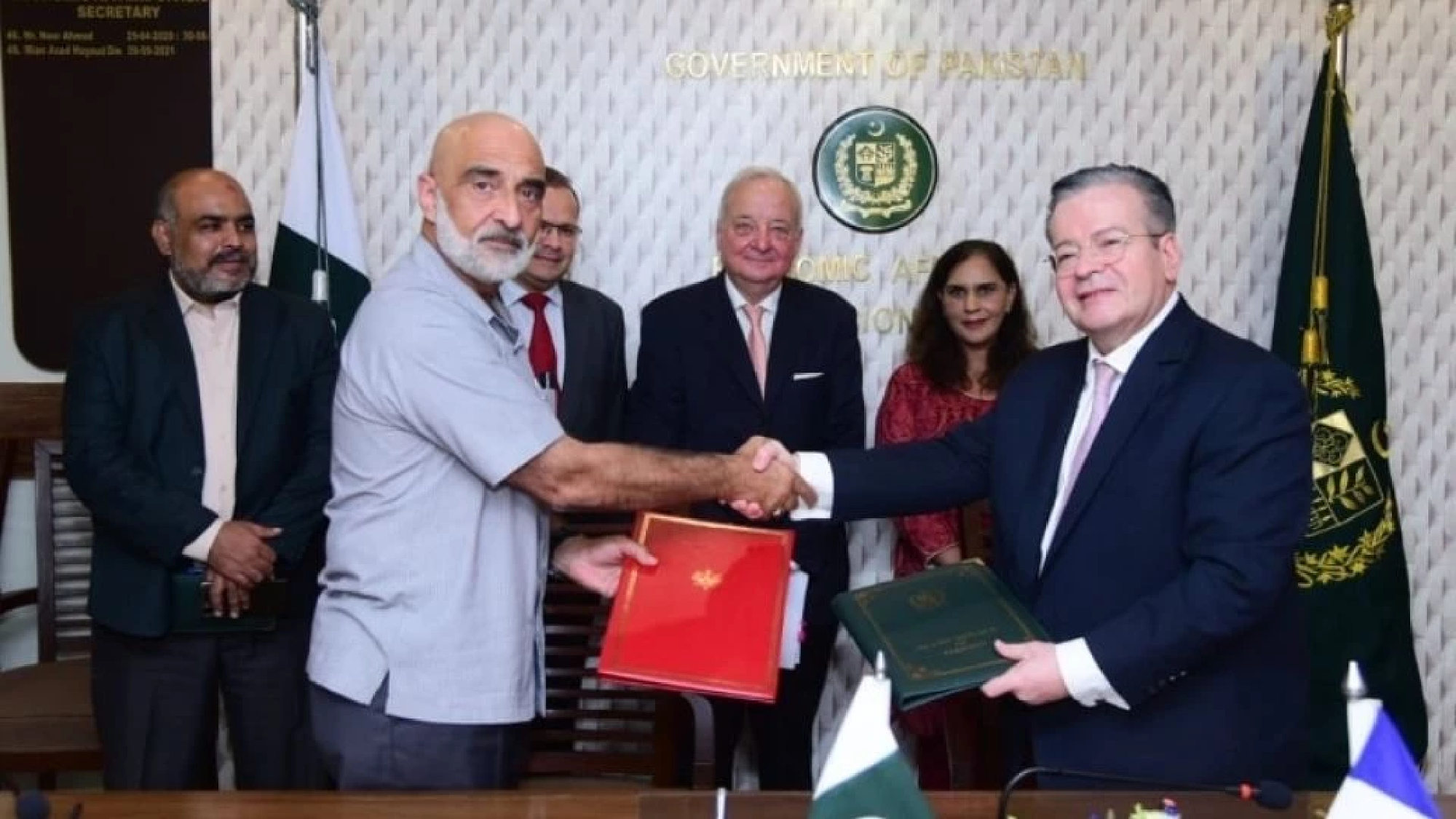
Pakistan and France have signed an agreement for the suspension of loan repayments amounting to $107 million under the G20 Debt Service Suspension Initiative (DSSI), Pakistan’s Economic Affairs Division said on Monday.
In a press release, the division said the amount, initially repayable between July and December 2021, would now be repaid over a period of six years — including a one-year grace period — in semi-annual instalments.
The agreement was signed by Ministry of Economic Affairs secretary Mian Asad Hayaud Din and French Ambassador Nicolas Galey, the statement said.
“The government of Pakistan has already signed agreements with the French Republic for suspension of $261 million. Due to the support extended by the development partners of Pakistan, the G20 DSSI has provided the fiscal space which was necessary to deal with the urgent health and economic needs of the Islamic Republic of Pakistan,” the statement added.
The total amount of debt that has been suspended and rescheduled under the DSSI framework, covering the period from May 2020 to December 2021, stands at $3.688 billion.
“Pakistan has already concluded and signed 93 agreements with 21 bilateral creditors for the rescheduling of its debts under the G20 DSSI framework, amounting to rescheduling of almost $3,150 million. The signing of [the] above-mentioned agreements brings this total to $3,257 million,” the press release said.
It added that negotiations were ongoing for the remaining agreements to be signed under the DSSI framework.
Earlier this month, Pakistan had signed two debt suspension agreements with Japan and Switzerland for $197.5 million.
Of this total amount, $191.60 million was owed to Japanese International Cooperation Agency during the period from January to June 2021 and $5.89 million to Switzerland from July to December 2021.
In March, a similar agreement was signed with the Saudi Fund for Development for suspension of debt servicing amounting to $846 million.
The inauguration of President-elect Ferdinand “Bongbong” Marcos Jr on Thursday, is now all set, with his camp saying the event will be “very solemn and simple”.
Franz Imperial, who oversees the preparation committee, said on Tuesday that apart from some minor details still being finalised, the programme is all set.
“The programme we have prepared is very solemn and simple. It will be very traditional because ‘BBM’ himself said in his vlog that he will not stray from tradition,” Imperial said.
Marcos is set to take his oath of office at noon on Thursday at the National Museum, instead of the traditional Quirino Grandstand, because the latter was not readily available due to the Covid-19 isolation facilities erected on its grounds.
Imperial said the ceremony will start with actress Toni Gonzaga singing the national anthem. Details for the ecumenical invocation that will follow are still being finalised as of press time, he added.
There will also be a 30-minute military-civil parade. After the parade, the inauguration song will follow, Imperial said.
“The inauguration song will be ‘Pilipinas Kong Mahal’ and it will be performed by Cris Villonco and the Young Voices of the Philippines choir,” he said.
Chief Justice Alexander Gesmundo will administer the oath of office.
Imperial also said that while they have yet to receive details of Marcos’s inaugural speech, the president-elect would not need a teleprompter.
Since 1992, tradition has dictated that the inaugural ceremony be held at the Quirino Grandstand, where the outgoing president will conduct a final troop review and is presented to the public before departing the Grandstand aboard his private vehicle.
After the outgoing president’s final troop inspection, the inauguration proper then begins with the singing of the national anthem.
The president-elect then takes his oath of office exactly at noon then a 21-gun salute is immediately fired after which the new president delivers his inaugural address.
Philippine Daily Inquirer
Asia News Network
Asia News Network: The Nation (Thailand), The Korea Herald, The Straits Times (Singapore), China Daily, Jakarta Post, The Star and Sin Chew Daily (Malaysia), The Statesman (India), Philippine Daily Inquirer, Yomiuri Shimbun and The Japan News, Gogo Mongolia, Dawn (Pakistan), The Island (Sri Lanka), Kuensel (Bhutan), Kathmandu Post (Nepal), Daily Star (Bangladesh), Eleven Media (Myanmar), the Phnom Penh Post and Rasmei Kampuchea (Cambodia), The Borneo Bulletin (Brunei), Vietnam News, and Vientiane Times (Laos).


 SootinClaimon.Com