Vietnam jumped 39 steps to become the 62nd best country worldwide for quality of life in 2021, a report released by top business and trade magazine CEOWORLD shows.
The Southeast Asian country scored 78.49 points, ranking 62nd out of the 165 countries, a great leap from its ranking of 101 out of 171 countries in the previous year.
Finland topped the list as the best country in the world in 2021 for quality of life with 99.06 points, while Denmark and Norway came second and third with 98.13 points and 96.75 points, respectively.
Japan was first in Asia, while Singapore topped the Southeast Asian rankings.
The 165 nations were chosen because they contribute most to the world’s GDP. More than 258,000 people around the world were asked to evaluate the countries based on 10 metrics ranging from stability to transparency and equality.
Viêt Nam News
Asia News Network
Asia News Network: The Nation (Thailand), The Korea Herald, The Straits Times (Singapore), China Daily, Jakarta Post, The Star and Sin Chew Daily (Malaysia), The Statesman (India), Philippine Daily Inquirer, Yomiuri Shimbun and The Japan News, Gogo Mongolia, Dawn (Pakistan), The Island (Sri Lanka), Kuensel (Bhutan), Kathmandu Post (Nepal), Daily Star (Bangladesh), Eleven Media (Myanmar), the Phnom Penh Post and Rasmei Kampuchea (Cambodia), The Borneo Bulletin (Brunei), Vietnam News, and Vientiane Times (Laos).
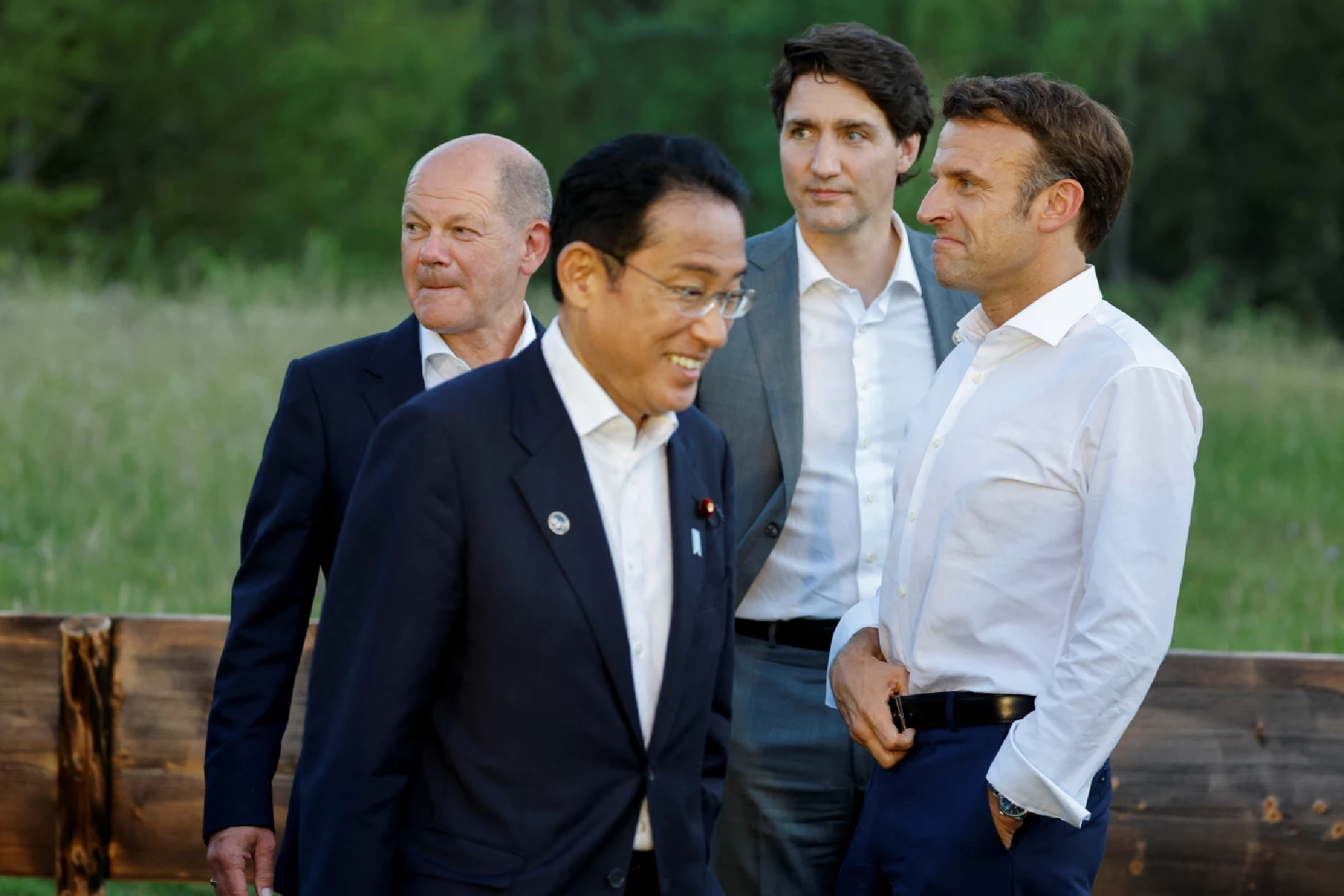
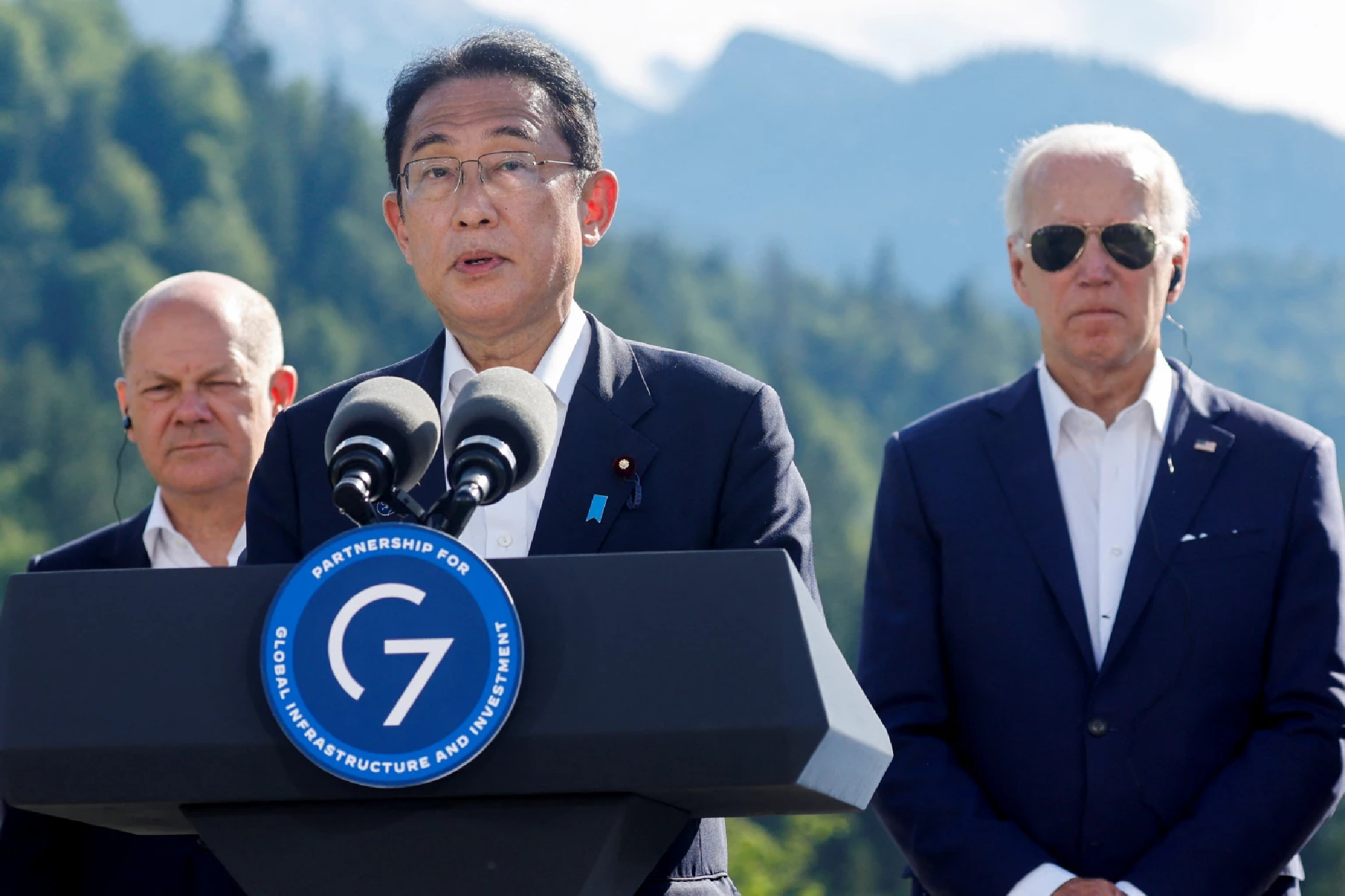
Prime Minister Fumio Kishida criticized China by name for its “unfair and opaque” assistance to developing countries during a Group of Seven summit in Elmau, Germany, on Sunday.
During discussions on infrastructure investment, Kishida cited the case of Hambantota International Port, in which Sri Lanka effectively transferred its interests to China after failing to repay debts to the country.
“The G7 countries need to present measures to deal with China’s unfair and opaque financing for development projects,” he said.
Kishida also stressed a determination to spread the importance of fair and transparent development finance for developing countries. For that purpose, the prime minister said he intends to communicate directly with African leaders at the eighth Tokyo International Conference on African Development (TICAD8) to be held in Tunisia in August, which he is scheduled to attend.
Regarding the Partnership for Global Infrastructure and Investment (PGII), a new framework to promote infrastructure, Kishida said Japan will aim to contribute a total of more than $65 billion (about ¥8.8 trillion) to the PGII in government and private investments over the next five years.
“The development of quality infrastructure is important to realize a free and open Indo-Pacific,” Kishida said.
The Japan News
Asia News Network
Asia News Network: The Nation (Thailand), The Korea Herald, The Straits Times (Singapore), China Daily, Jakarta Post, The Star and Sin Chew Daily (Malaysia), The Statesman (India), Philippine Daily Inquirer, Yomiuri Shimbun and The Japan News, Gogo Mongolia, Dawn (Pakistan), The Island (Sri Lanka), Kuensel (Bhutan), Kathmandu Post (Nepal), Daily Star (Bangladesh), Eleven Media (Myanmar), the Phnom Penh Post and Rasmei Kampuchea (Cambodia), The Borneo Bulletin (Brunei), Vietnam News, and Vientiane Times (Laos).
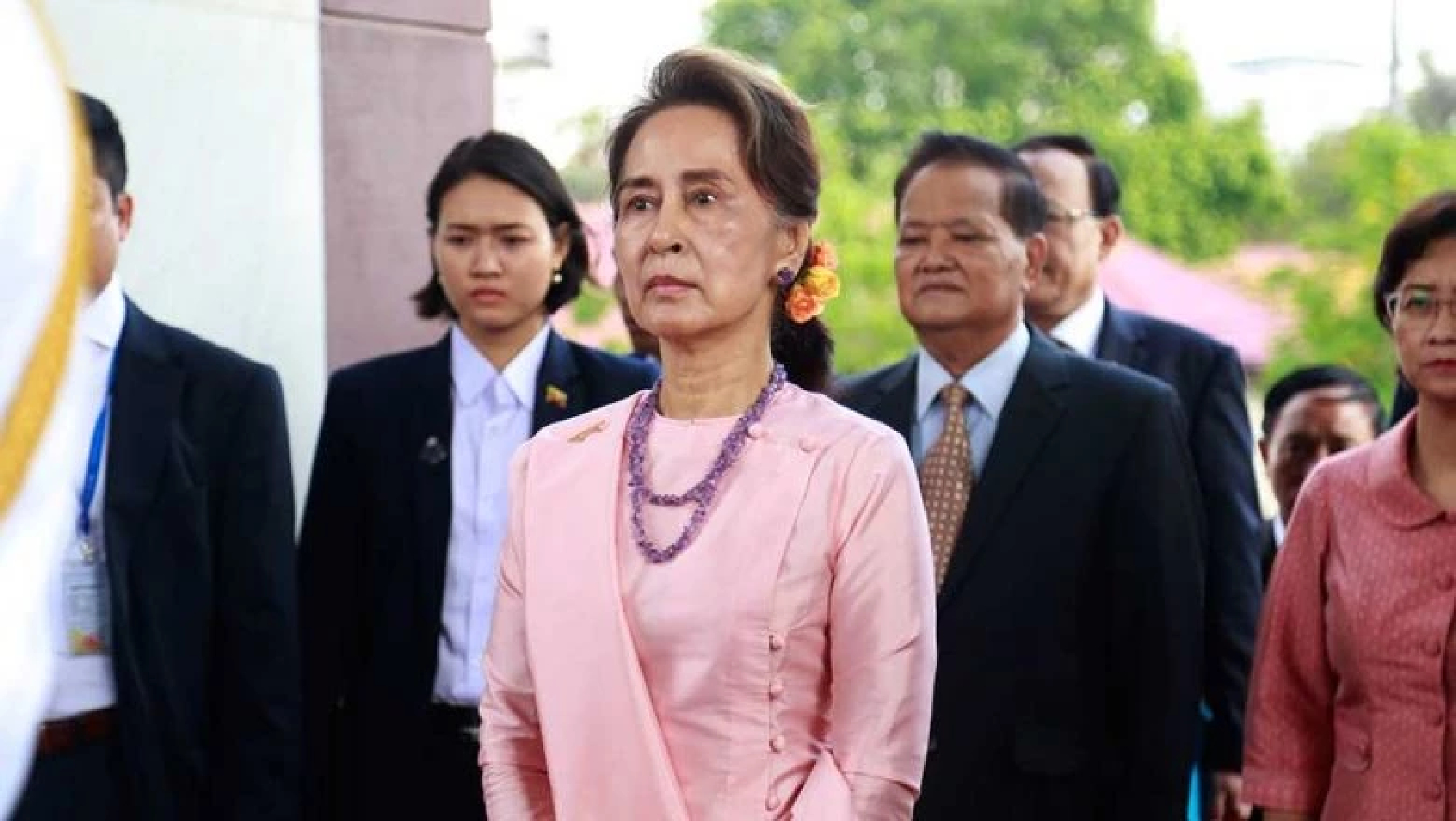
Cambodia called on Myanmar’s ruling State Administration Council (SAC) to release former civilian leader Aung San Suu Kyi from imprisonment in solitary confinement.
Prak Sokhonn – Minister of Foreign Affairs and International Cooperation who is also presently serving as the Asean chair’s special envoy on Myanmar – made the call after Suu Kyi was reportedly transferred last week from house arrest in Naypyidaw to what observers described as much harsher conditions in the solitary confinement wing of the capital’s prison.
Sokhonn urged all parties to the conflict in the crisis-hit country and especially the SAC to begin negotiating towards a peaceful resolution and a national reconciliation without any further delay.
He emphasised that the talks must be inclusive and involve all factions currently involved in the conflict, according to the ministry’s June 27 press release.
Sokhonn and his Asean colleagues have expressed “deep concerns” over this latest move and urged the SAC to facilitate her return to the home where she was originally detained.
“I have no doubt that these same concerns resonate far beyond Asean, considering that Aung San Suu Kyi is highly regarded internationally and considered by many in Myanmar as having played a critical role in your country’s return to normalcy after its long period of isolation.
“It is imperative that she be involved in talks that lead to national reconciliation through peaceful political solutions,” Sokhonn wrote in a recent letter to SAC-appointed foreign minister Wunna Maung Lwin.
Sokhonn further encouraged the SAC to exercise “compassion” and enable the return of the 1991 Nobel Peace Prize laureate to her home on humanitarian grounds in light of her fragile health and overall well-being, as well as out of respect for the fair and judicious practice of the rule of law.
“We all share the view that a peaceful national reconciliation cannot be effectuated when one party to the conflict is taken out of the resolution equation,” he wrote.
“Therefore, all our Asean colleagues strongly encourage the [SAC] to begin an inclusive process of national reconciliation without further delay. A peaceful political resolution to a conflict, no matter how complex it is, must involve the sharing of political space by all those involved.”
Sokhonn said recently that he would visit Myanmar in July, making it his second trip there as the bloc’s special envoy.
Prime Minister Hun Sen, in his capacity as Asean chair, recently called on SAC leader Senior General Min Aung Hlaing to reconsider plans to execute members of opposition groups they had captured or arrested.
Hun Sen said the capital punishments are a cause of great concern among all Asean member states as well as the bloc’s outside partners. And if the executions were to actually be carried out, it would cause a widespread negative reaction and backlash from the international community.
He said that if the SAC begins executing political opponents, it will have a serious impact on the progress of efforts made by Asean and Cambodia as chair in supporting Myanmar’s return to full participation in the bloc and that it would sabotage efforts to find a peaceful solution through dialogue as outlined in the Asean Five-Point Consensus (5PC) on the crisis there.
Malaysia-based The Star, citing SAC spokesman Zaw Min Tun, reported that Suu Kyi was moved on Wednesday to the main prison in Naypyidaw. The newspaper quoted Zaw Min Tun as saying that Suu Kyi was being “well-kept” there.
Yong Pov, a professor of political science at the Royal Academy of Cambodia, said that even though Suu Kyi has endured many years of house arrest in the past, this is the first time she has been placed in an actual prison rather than her home.
It is a cause for great concern among the international community, so it is therefore reasonable and just that Sokhonn advocates for her release, he said.
“To ease tensions, SAC leader Min Aung Hlaing should return Suu Kyi to house arrest,” he said.
In April 2021, Asean agreed on the 5PC for addressing the Myanmar crisis, but Pov noted that the consensus has never been implemented accordingly by the SAC, although Cambodia as Asean chair has tried its utmost to get them to do this.
He said that Hun Sen’s visit to Myanmar back in January was to prepare the grounds for a scenario where the enforcement of the 5PC would be possible and peace talks between all sides could begin.
“In my observation, Min Aung Hlaing seems to have a bad attitude about negotiations and he isn’t accepting any aspect of the five-point consensus as legitimate. He instead seems to be intent on staging provocations and making his nation’s problems even more severe,” he said.
Phnom Penh Post
Asia News Network
Asia News Network: The Nation (Thailand), The Korea Herald, The Straits Times (Singapore), China Daily, Jakarta Post, The Star and Sin Chew Daily (Malaysia), The Statesman (India), Philippine Daily Inquirer, Yomiuri Shimbun and The Japan News, Gogo Mongolia, Dawn (Pakistan), The Island (Sri Lanka), Kuensel (Bhutan), Kathmandu Post (Nepal), Daily Star (Bangladesh), Eleven Media (Myanmar), the Phnom Penh Post and Rasmei Kampuchea (Cambodia), The Borneo Bulletin (Brunei), Vietnam News, and Vientiane Times (Laos).
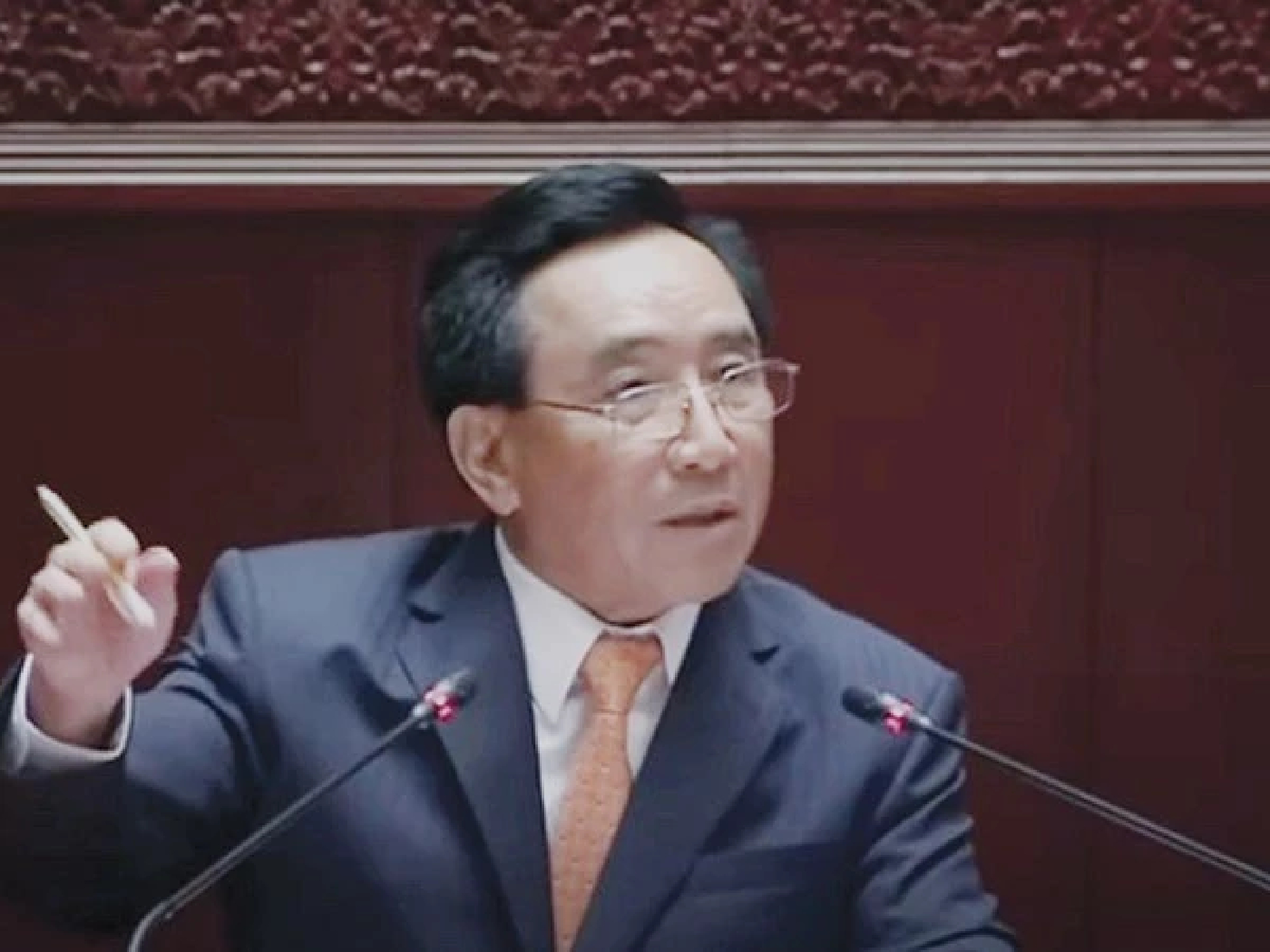
Lao state enterprises are undergoing serious reform after years of chronic losses from embezzlement and poor management, the prime minister has announced.
Premier Phankham Viphavanh said the reforms include selling off stakes in some enterprises to end the state’s burdensome subsidy of their operations.
The Lao state owns 178 enterprises, nearly all of which have recorded losses for years.
“There are very few state enterprises that make a profit,” the PM told lawmakers last week in response to questions in the National Assembly.
State enterprises should be driving the nation’s economy but have instead become a heavy burden, he added. Enterprises that are fully state-owned hardly ever make profit and have had to be heavily subsidised.
The administration of these enterprises typically did not follow a sound business plan, the PM said. He blamed their management failures on recruitment policies that were largely based on nepotism.
Companies that were thought likely to generate remarkable revenue through the participation of their children or other relatives provided the main source of recruitment, the prime minister told the televised session, referring to the children and relatives of influential individuals.
In some cases, managers of state enterprises invented projects and allocated budgets for them, but put the money in their own pockets, he said.
He also admitted these issues had arisen because of government negligence.
Phankham said the government has now embarked on a deep reform of state enterprises, pledging to no longer tolerate damaging practices.
Under the reform programme, the government will retain full ownership of enterprises of extreme strategic importance. It will sell stakes of various sizes in other enterprises to private investors, depending on their importance.
Under the reform agenda, two banks that were previously state-owned and suffered chronic losses have begun to turn a profit after the government sold a 70 per cent stake in the banks to local investors.
Since being restructured last October, the Lao Development Bank had generated profit of 87.91 billion kip by the end of December. The bank has also paid 58.85 billion kip to the government in fees and taxes.
In addition, the Agriculture Promotion Bank had turned a profit of 7.56 billion kip as of the end of May this year, after restructuring began in December.
The top executive posts of these joint-venture businesses are held by individuals who have a large stake in the banks, with the management system based on accepted business models.
PM Phankham said civil-servant-like officials who previously headed up state enterprises could no longer do whatever they wanted as was the case before the joint ventures were formed.
Under the reform programme, the government has also sold a 51 per cent stake in the Lao State Postal Enterprise, according to the Finance Ministry.
Meanwhile, sale of a 49 per cent stake in the Lao Logistics State Enterprise and MSIG Insurance (Lao) Co Ltd is currently being processed.
Given its significant importance, the government will retain full ownership of Electricite du Laos, but comprehensive reform will be undertaken.
The government will retain at least a 51 per cent stake in Lao Airlines, the Agro-industrial Development Company, Lao Export-Import Trading Company, and the Lao State Fuel Enterprise. EDL-Generation Public Company will remain a public company, but comprehensive reform will be carried out, according to the Finance Ministry.
The state-owned Inter Lao Tourism has been dissolved and two others – DAFI and the Lao Cotton State Enterprise – will also be disbanded after being considered incapable of reform for efficient operation.
Vientiane Times
Asia News Network
Asia News Network: The Nation (Thailand), The Korea Herald, The Straits Times (Singapore), China Daily, Jakarta Post, The Star and Sin Chew Daily (Malaysia), The Statesman (India), Philippine Daily Inquirer, Yomiuri Shimbun and The Japan News, Gogo Mongolia, Dawn (Pakistan), The Island (Sri Lanka), Kuensel (Bhutan), Kathmandu Post (Nepal), Daily Star (Bangladesh), Eleven Media (Myanmar), the Phnom Penh Post and Rasmei Kampuchea (Cambodia), The Borneo Bulletin (Brunei), Vietnam News, and Vientiane Times (Laos).
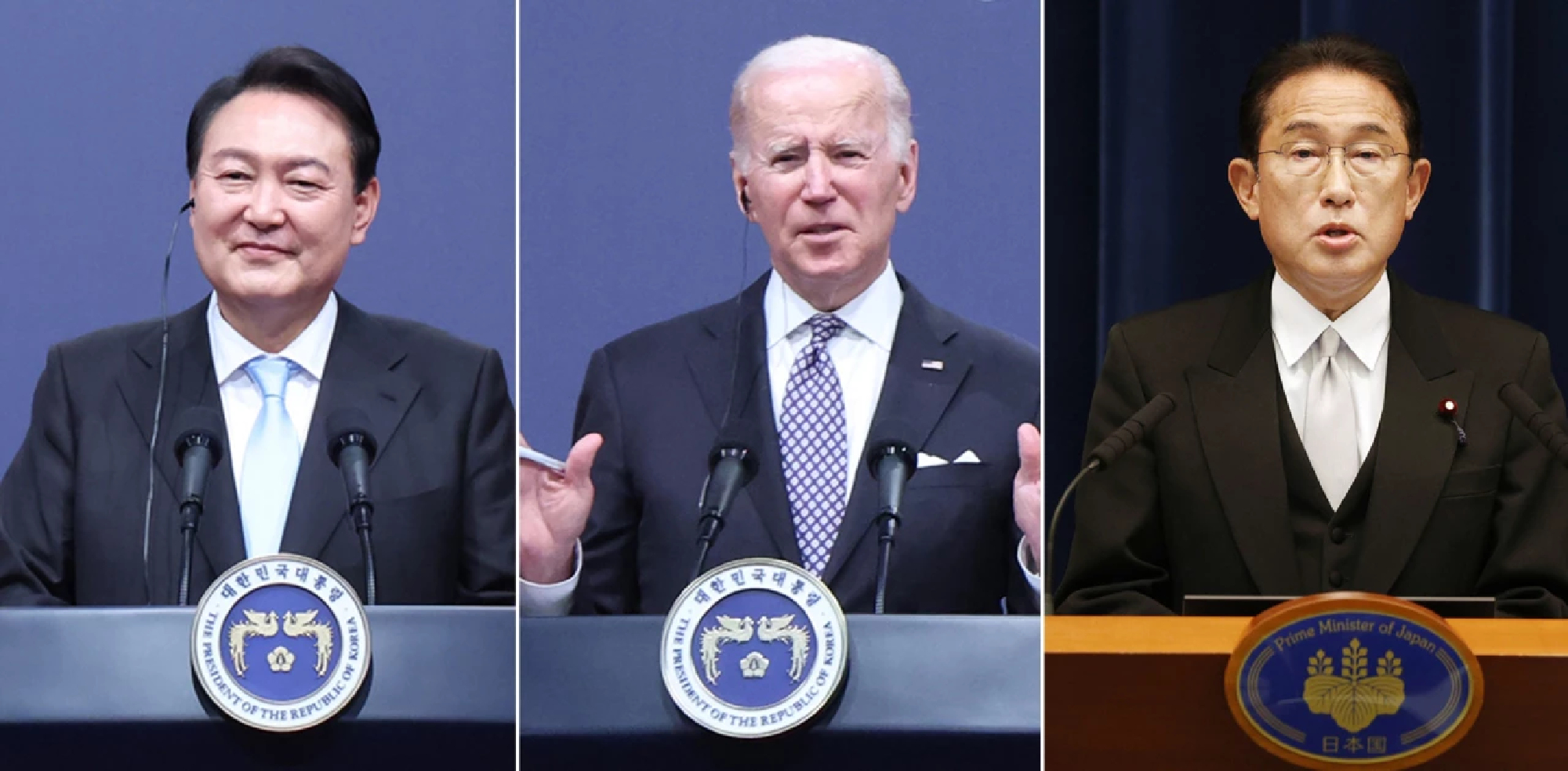
The leaders of South Korea, the United States and Japan will meet together for the first time in around five years on the sidelines of the upcoming Nato summit to discuss coordinated ways to address North Korea’s mounting threats, the South Korean presidential office announced on Sunday.
But South Korean President Yoon Suk-yeol will not have bilateral face-to-face talks with his Japanese counterpart, although he plans to participate in a total of 14 meetings during the multilateral summit.
Yoon is scheduled to depart Seoul on Monday afternoon to make his in-person debut on the multilateral diplomatic stage at the Nato leaders’ summit from Wednesday to Thursday in Madrid, Spain.
The leaders of four Asia-Pacific countries — South Korea, Australia, Japan and New Zealand — have been invited to take part in the Nato summit for the first time as partners.
Yoon particularly aims to parlay the Nato summit into securing wide international support for his government’s approach to resolving the North Korean nuclear issue, the South Korean presidential office said on Sunday.
Yoon plans to underscore South Korea’s commitment to achieving North Korea’s denuclearisation in his three-minute speech delivered during a joint session with Nato members and partner nations on Wednesday.
First trilateral meeting in 5 years
The Nato summit will also serve as a venue for a trilateral summit between Yoon, US President Joe Biden and Japanese Prime Minister Fumio Kishida, where issues pertaining to North Korea will be discussed as the main topic.
The three-way summit is currently scheduled to be held on Wednesday afternoon. The occasion will be the first meeting of leaders of the three countries since September 2017, when the trilateral summit was held on the sidelines of the 72nd session of the United Nations General Assembly.
“Given that the meeting will take place four years and nine months after the last one, we expect to have an in-depth discussion on the regional security situation,” South Korea’s senior presidential official said on Sunday during a closed-door briefing, adding that the trilateral summit will continue up to 30 minutes due to a tight schedule.
The trilateral talks would focus on discussing ways to enhance security cooperation to handle the North Korean nuclear issue, the South Korean presidential office explained during a briefing last week.
The summit will be held at a critical juncture when South Korea and the United States have said North Korea could conduct a nuclear test at any time at the Punggye-ri nuclear testing site. North Korea has launched 31 ballistic missiles in just less than six months this year, surpassing the record of 25 in 2019.
The rare trilateral summit will also come weeks after the South Korean, US, and Japanese defence chiefs in mid-June agreed to regularise trilateral exercises and come up with further trilateral actions to deter North Korea’s missile threats during the Shangri-La Dialogue Asian security summit in Singapore.
No S Korea-Japan bilateral summit
But Yoon and Kishida will not have separate face-to-face talks, including casual pull-aside meetings, during the Nato summit despite unresolved pending issues, the presidential official confirmed on Sunday.
The presidential official explained that the meeting between the South Korean and Japanese foreign ministers should precede to set agenda topics for the bilateral summit. The foreign ministerial meeting has been postponed mainly due to Japan’s triennial election, when half of the seats in the 248-member upper house will be selected on July 10.
At this juncture, there are no topics for the South Korean and Japanese leaders to discuss even during a casual pull-aside meeting as the two countries have not yet held working-level talks on historical and territorial disputes, the official added.
Japan’s upcoming upper house election appears to be the key barrier for South Korea and Japan to break the longstanding stalemate.
South Korea and Japan have concerns about whether the two countries can “focus on directly and explicitly discussing critical issues at a meeting held in a third country on the sidelines of the summit and at a sensitive time”, the presidential office also explained last week.
But Yoon and Kishida are expected to interact several times on the occasion of the trilateral summit between South Korea, the US and Japan, the Nato summit meeting, and the Royal Gala Dinner hosted by Spanish King Felipe VI.
There is also a slight chance that a quadrilateral summit among the leaders of South Korea, Australia, Japan and New Zealand will take place on the margins of the Nato summit, the South Korean presidential office said on Sunday.
In addition, Yoon is set to hold bilateral talks with leaders from nine countries at the Nato summit to discuss a broad range of economic and security issues such as exporting nuclear reactors and weapons and building a secure chip supply chain, the South Korean presidential office said last week.
Yoon is expected to make an effort to win bids to construct nuclear plants during his meeting with his counterparts from the Czech Republic, Poland and the Netherlands.
Yoon will also seek to expand chip cooperation to strengthen the semiconductor supply chain in his bilateral talks with Dutch Prime Minister Mark Rutte. Samsung Electronics, the world’s largest memory chip maker, is working to secure additional extreme ultraviolet or EUV lithography equipment produced by Dutch manufacturer ASML Holding NV. The equipment is essential in producing the advanced processor chips that are used today.
Yoon and Danish Prime Minister Mette Frederiksen will also combine efforts to figure out ways to expand coordination in a green economy, green hydrogen and renewable energy.
In addition, Yoon plans to discuss arms exports to Poland in his meeting with Polish Prime Minister Mateusz Morawiecki. Poland, Ukraine’s closest neighbour, has called on South Korea to lend support to replenish its weapons stocks sent to the war-torn country by accelerating and expanding the export of South Korea-produced weapons such as K2 Black Panther tanks and K9 Thunder self-propelled howitzers.
But an unnamed senior official last week said the Yoon government‘s basic stance is not to provide lethal weapons to Ukraine. Instead, the Yoon government will announce additional humanitarian aid worth US$50 million (1.76 billion baht) to Ukraine at the Nato summit, where 30 members plan to discuss ways to provide sustaining, longer-term support for Ukraine as Russia’s invasion has continued for more than four months.
Other non-members such as Sweden, Finland, Ukraine and Georgia will also attend the crucial Nato summit, which will discuss a wide range of security issues, including Russia’s armed invasion of Ukraine and a new roadmap for the transatlantic alliance.
The Korea Herald
Asia News Network
Asia News Network: The Nation (Thailand), The Korea Herald, The Straits Times (Singapore), China Daily, Jakarta Post, The Star and Sin Chew Daily (Malaysia), The Statesman (India), Philippine Daily Inquirer, Yomiuri Shimbun and The Japan News, Gogo Mongolia, Dawn (Pakistan), The Island (Sri Lanka), Kuensel (Bhutan), Kathmandu Post (Nepal), Daily Star (Bangladesh), Eleven Media (Myanmar), the Phnom Penh Post and Rasmei Kampuchea (Cambodia), The Borneo Bulletin (Brunei), Vietnam News, and Vientiane Times (Laos).
India would soon become a $30-trillion economy from the current $3-trillion, the country’s Commerce and Industry Minister Piyush Goyal has said.
For this, the Indian government has been “aggressively addressing all the structural issues including tariff barriers, issues in taxation and global competitiveness”, he said, while inaugurating a textile fair in Coimbatore, in the southern state of Tamil Nadu, on June 25.
Goyal said India was working actively with different countries to finalise free-trade agreements, which will give zero-duty access for the Indian textile sector in the world market, our New Delhi correspondent reports.
Goyal advised all stakeholders in the value chain to strive hard, stand united and thereby become the largest manufacturing country in the world.
He said that from farm to fabric, fabric to finished products, finished products to fashion products and then finally to foreign products, India has a major share in the entire value chain.
The commerce minister said India has already finalised two FTAs with Australia and the UAE and was negotiating with the UK, Canada and EU. These FTAs will benefit textile business hubs like Coimbatore and Tirupur in Tamil Nadu, he added.
He said the Indian government is promoting both cotton and man-made textile sector so that it gets a larger share of the world market, thereby increasing job opportunities as well as investment.
“In all sectors, we want to become a global industry. We want to capture the world market,” Goyal said.
The Daily Star
Asia News Network
Asia News Network: The Nation (Thailand), The Korea Herald, The Straits Times (Singapore), China Daily, Jakarta Post, The Star and Sin Chew Daily (Malaysia), The Statesman (India), Philippine Daily Inquirer, Yomiuri Shimbun and The Japan News, Gogo Mongolia, Dawn (Pakistan), The Island (Sri Lanka), Kuensel (Bhutan), Kathmandu Post (Nepal), Daily Star (Bangladesh), Eleven Media (Myanmar), the Phnom Penh Post and Rasmei Kampuchea (Cambodia), The Borneo Bulletin (Brunei), Vietnam News, and Vientiane Times (Laos).
China has seen a continuous decline in drug-related criminal cases since 2015, indicating that such offences have been effectively controlled under the country’s intensified fight against drugs and harsh punishment for those found with, China’s top court said.
Last year, Chinese courts concluded 56,000 drug-related criminal cases, down almost 60 per cent compared with that in 2015. In that year, the number of such cases was 139,000, reaching a record high, according to a statistic released by the Supreme People’s Court on Saturday.
Crimes of trafficking drugs, illegally possessing drugs and accommodating others to use drugs have dropped over the past five years, but those who manufacture new types of drugs have increased, it said.
Drug making on large scales has been controlled under the nation’s continuous crackdown, but people producing drugs in small groups or in different areas have been emerging, it said.
It noted that the Golden triangle is still a major source of drugs in China, and those narcotics were found to be mainly brought into the country through international logistics or smuggled by sea.
Heroin, methamphetamine and ketamine were the top three drugs involved in relevant crimes, it said but added that offences related to new types of narcotics, such as synthetic cannabinoids and methcathinone, are rising across the country in recent years.
Additionally, many drug offenders have been found to use the internet and information technologies to commit drug-related crimes, bringing a big challenge to the country’s drug control, it added.
In the face of serious and complicated drug-related offences, Chinese courts have always given harsher punishments to relevant criminals over the past decade, with a felony rate of 23.09 per cent, which means a prison term of five or more years, it said.
For example, drug criminals who harmed youngsters and those who were armed to cover their drug offences or participated in organized or international drug activities were severely punished, it said, adding that convicts should be sentenced to death if their behaviours could be deemed “extremely serious” under Criminal Law.
While threatening criminals with a harsher punishment, courts nationwide have also increased fines to the convicts over the past few years in a bid to prevent them from using their financial gains to re-offend, it said.
It added that crimes caused by drug-related offences, including intentional injury, intentional homicide, robbery and rap were also resolutely combated and harshly penalized, it added.
China daily
Asia News Network
Asia News Network: The Nation (Thailand), The Korea Herald, The Straits Times (Singapore), China Daily, Jakarta Post, The Star and Sin Chew Daily (Malaysia), The Statesman (India), Philippine Daily Inquirer, Yomiuri Shimbun and The Japan News, Gogo Mongolia, Dawn (Pakistan), The Island (Sri Lanka), Kuensel (Bhutan), Kathmandu Post (Nepal), Daily Star (Bangladesh), Eleven Media (Myanmar), the Phnom Penh Post and Rasmei Kampuchea (Cambodia), The Borneo Bulletin (Brunei), Vietnam News, and Vientiane Times (Laos).
Prime Minister Fumio Kishida plans to declare, at the Group of Seven summit to be held in Germany from Sunday to Tuesday, that Japan will provide food assistance to developing countries facing a food crisis due to the impact of Russia’s armed aggression in Ukraine.
Coordination is underway to extend the assistance, worth tens of billions of yen.
As Russia has blockaded ports on Ukraine’s Black Sea coast, the supplies of farm products from Ukraine have dropped sharply, which has sent global grain prices soaring. This has caused a food crisis in areas including the Middle East and North Africa.
The government intends to increase its contribution to such organizations as the World Food Program, which supplies food to developing countries.
Meanwhile, Japan will also contribute assistance for the expenses of building additional storehouses in Ukraine as the stored quantity of grain produced in the country has been rising due to declines in export volume. Japan also intends to extend assistance to Ukraine to secure an alternative route for exporting grain from Ukraine via Romania.
According to the U.N. Food and Agriculture Organization (FAO) and other organizations, Ukraine is an agricultural powerhouse, as the world’s fifth-biggest exporter of wheat and one of the top three for corn. Russia’s blockade of Ukraine’s Black Sea ports is said to have halted grain exports from Ukraine on the scale of 20 million tons.
At the G7 summit, international food security caused by Russia’s aggression in Ukraine will be the main theme.
Away during campaign It is unusual for the prime minister, also president of the ruling Liberal Democratic Party, to go on a large-scale overseas tour during the campaign period for a national election.
Considering the harsh security environment Japan faces, Kishida has concluded it is necessary for him to attend the G7 summit in Germany, and also the summit of the North Atlantic Treaty Organization (NATO) to be held in Spain. By doing so, he also aims to impress upon the public that “Kishida is active in diplomacy.”
“We cannot protect our country single-handedly. I will push ahead with cooperation with many other countries through summit diplomacy. Japan’s diplomatic power will be tested,” Kishida said during a roadside speech on Friday in Funabashi, Chiba Prefecture, emphasizing the importance of Japan pursuing multilateral diplomacy.
After making campaign speeches in Yamanashi and Saitama prefectures and Tokyo on Saturday, he will attend the G7 summit in Elmau, Germany, from Sunday, and the NATO summit in Madrid on Wednesday, to discuss issues such as Russia’s armed aggression in Ukraine with G7 and NATO leaders. Kishida will be the first Japanese prime minister to attend a NATO summit. He will return to Japan on Thursday afternoon.
As Japan is a G7 member, his attendance at the G7 summit had long been a fixed plan. But regarding the summit of NATO, of which Japan is not a member, Kishida took some time to make his decision. Attending that summit as well will mean his being away from Japan for five of the 18 days of a national election campaign, thus reducing his opportunities to make campaign speeches to support candidates fielded by his party.
If candidates for whom Kishida campaigns with speeches win seats in the Diet, his unifying power as prime minister will be increased. In the case of first-time lawmakers who win with his help, it will become easier for him to persuade them to join his own faction. From the viewpoint of solidifying the foundation of his administration, some officials around Kishida suggested that he should “attend only the G7 summit, and prioritize election campaigning.”
Yet, in the light of the harsh environment, Japan faces, including threats posed by Russia, China and North Korea, his attendance at the NATO summit will be a golden opportunity for Japan to beef up its cooperation with countries in the West. Kishida hopes to share the urgent sense that “Ukraine today may be East Asia tomorrow,” with leaders of these countries through his upcoming overseas tour.
Within the LDP, there is a view that even if Kishida is out of Japan for five days, he will still be able to offer on-the-spot support to candidates in what are considered “priority constituencies,” where Kishida’s support is called for. Kishida himself and others have concluded that the five-day absence is within a permissible range.
Some also hope that, as one veteran party member put it, “If he can display to voters his presence playing an active role on the international stage, the current atmosphere, with attention solely on rising prices, will change.”
If the result of his overseas tour — meaning whether he can enhance his presence in the international community — also leads to a rise in his approval rating, it is likely to have an impact on the outcome of the House of Councillors election, too.
The Japan News
Asia News Network
Asia News Network: The Nation (Thailand), The Korea Herald, The Straits Times (Singapore), China Daily, Jakarta Post, The Star and Sin Chew Daily (Malaysia), The Statesman (India), Philippine Daily Inquirer, Yomiuri Shimbun and The Japan News, Gogo Mongolia, Dawn (Pakistan), The Island (Sri Lanka), Kuensel (Bhutan), Kathmandu Post (Nepal), Daily Star (Bangladesh), Eleven Media (Myanmar), the Phnom Penh Post and Rasmei Kampuchea (Cambodia), The Borneo Bulletin (Brunei), Vietnam News, and Vientiane Times (Laos).
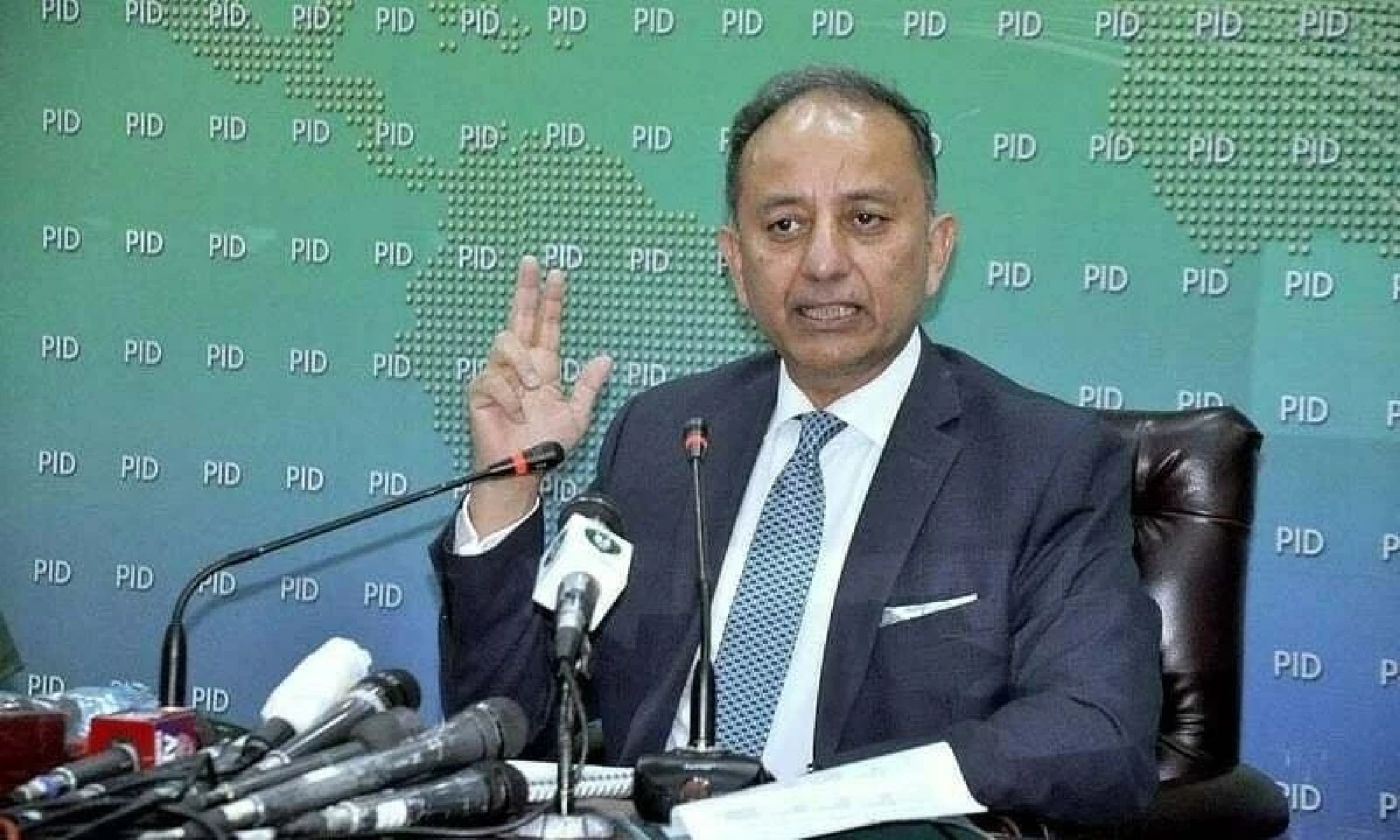
Amid a spiralling energy crisis brought on by the Russian invasion of Ukraine putting pressure on global fuel reserves, Pakistan’s energy minister has admitted that the country simply cannot compete with the buying power of European countries.
According to State Minister for Petroleum Musadik Malik, Pakistan’s failure to find a bidder for liquefied natural gas (LNG) slots had forced Islamabad to shift to alternative sources of energy for power generation, which would take a month or so to yield results.
“The situation is that we have carried out two rounds of tenders of three to four tenders each, but no one responded to them,” he said in reply to a journalist’s question on Saturday.
“Since supply from Russia is suspended due to the war with Ukraine, European countries are also buying gas from everywhere it’s available. As a result, LNG, which was priced at $4 two-and-a-half years ago, is no longer available for even $40. So, Russia’s war [with Ukraine] created a real crisis,” he said.
Malik was speaking a day after the country failed to find a bidder for three LNG slots and received the highest-ever rate for another slot for the last week of July, as European customers lapped up spot market quantities.
The state-run Pakistan LNG Ltd (PLL) had floated a tender on June 16 for four shipments — one each in the first and second weeks, and two in the last week, of July. However, no bidders came forward for the July 2-3, 8-9, and 25-26 delivery windows.
This was the third futile attempt by PLL to secure an LNG shipment in the first week of July. The earlier two tenders, issued on May 31 and June 7, attracted only two and one bidders, respectively, but none was technically responsive. Hence, the bids were returned unopened.
The minister told reporters point-blank: “We don’t have enough energy right now. The gas is not available and we can’t afford such expensive gas. So what we are doing is arranging alternatives. The recent increase in production and imports of coal and furnace oil is part of the same strategy,” said Malik, referring to the import of five ships worth of furnace oil within a month and a larger amount of coal to keep power plants running.
Malik expressed confidence that the upcoming monsoon would help turn the tide of the power crisis by stemming electricity usage and boosting hydropower capacity.
However, he cautioned that power shortages and load-shedding could go on for weeks, adding that the situation was only likely to improve after July 15.
Malik said the Shehbaz Sharif’s government would have to pay a “political price” for measures to combat the energy crisis, but termed them critical for saving the teetering economy that was brought to the brink of collapse by the Pakistan Tehreek-i-Insaf (PTI) government’s failure to foresee the growing energy demand. The PTI government led by cricketer-turned-politician Imran Khan fell in April to a no-confidence vote triggered by Sharif and Malik’s Pakistan Muslim League Party.
“We know what the political price of all these tough decisions is,” Malik said, adding: “Don’t you think we know that these decisions will hit our vote bank? We know it well. But what other options do we have?”
“Should we sit idle and keep watching as the country turns into Sri Lanka? The PTI government did the same. They planted the landmines for the country’s economy for their political gains. We are here to save the country, not our politics,” the state minister said.
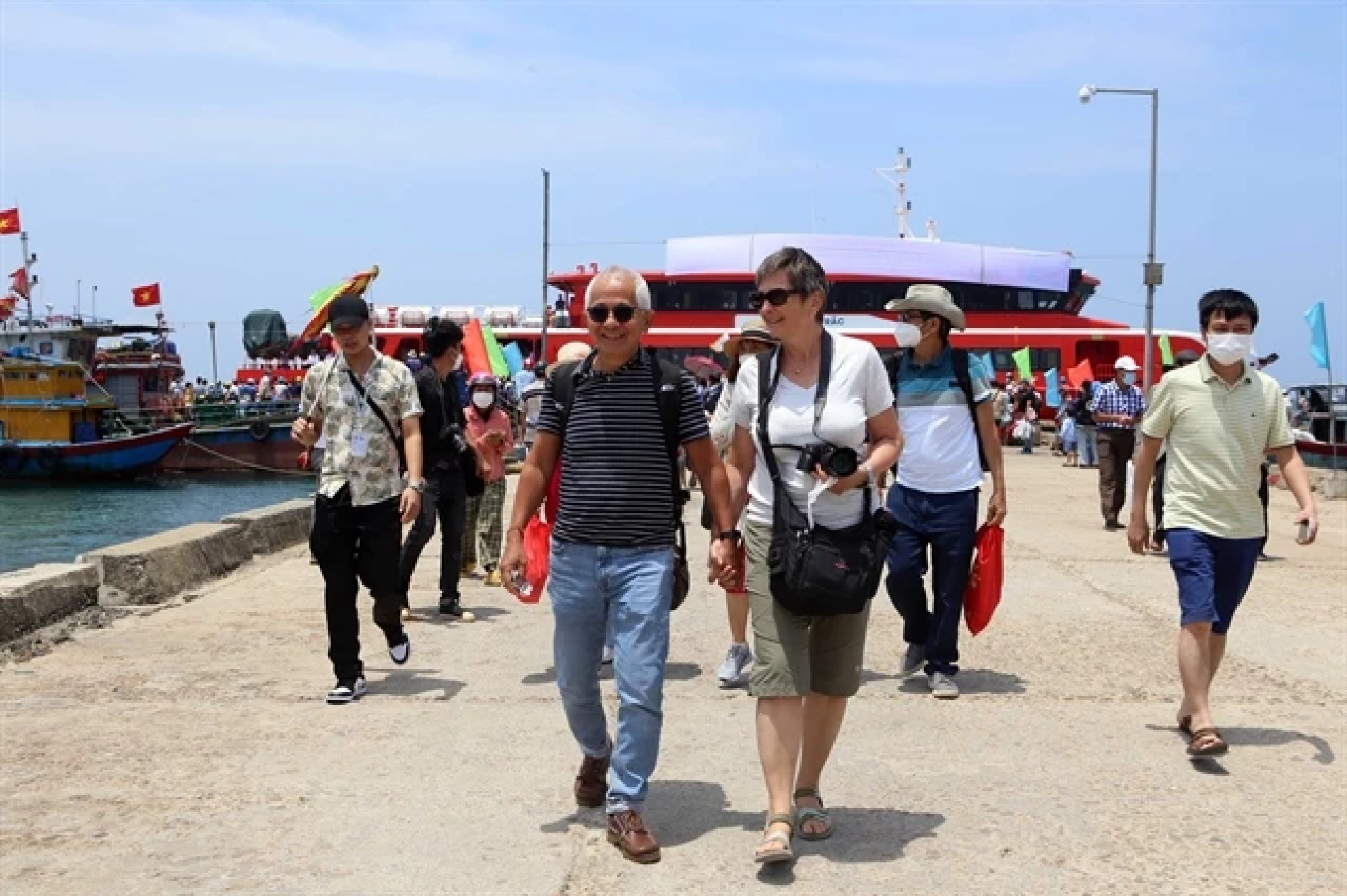
Thailand is discussing the option of connecting Laos and Vietnam via bus routes, laotiantimes.com reported recently.
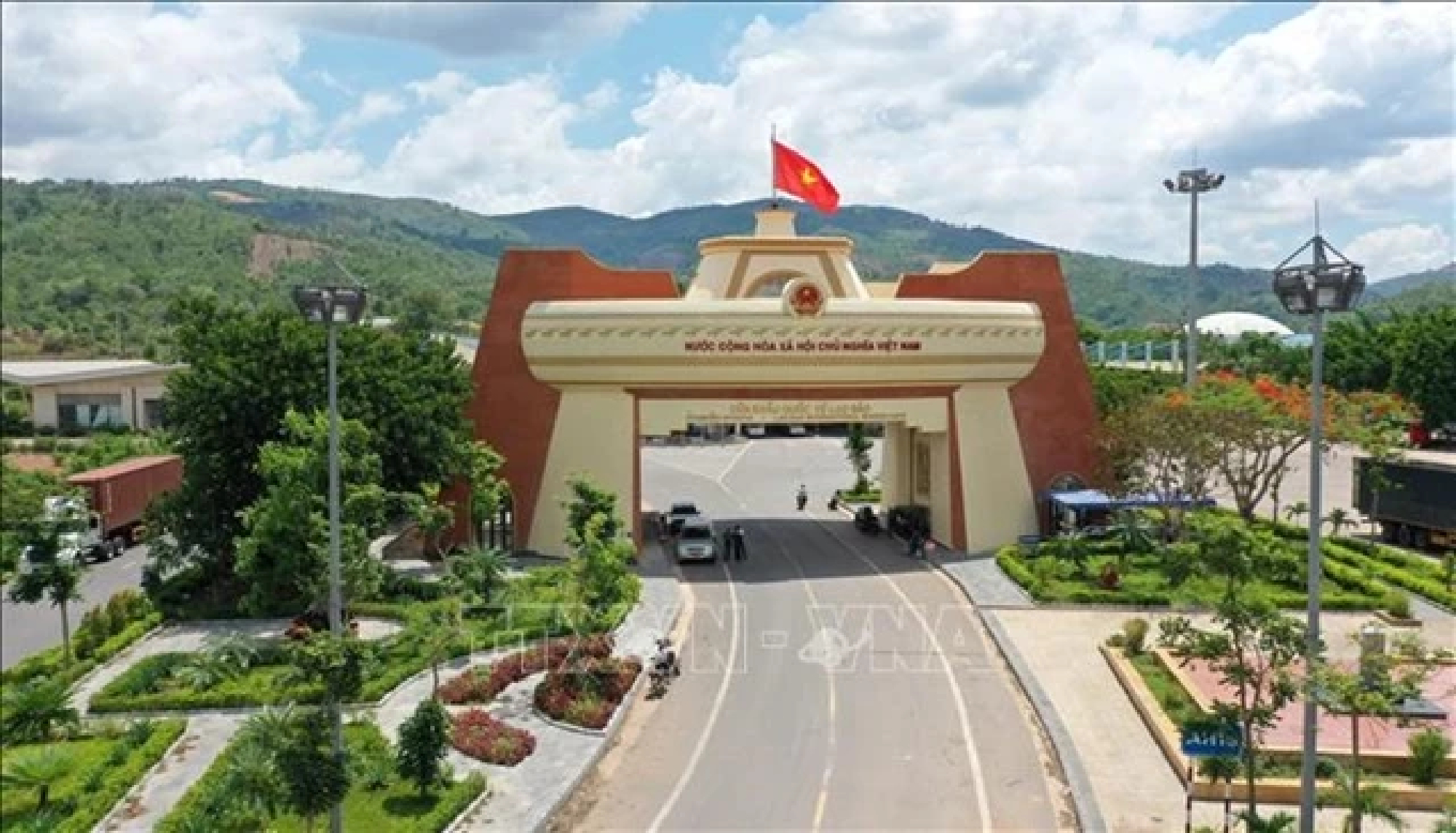
The website said the Thai government is expediting negotiations to open a bus route connecting the three countries via the R12 motorway from Nakhon Phanom to Thakhek in Laos and then to Vietnam’s central province of Ha Tinh.
Thailand’s Transport Ministry said it is accelerating the route-opening process, including asking Laos to host the second Trilateral Working Group Meeting as soon as possible to discuss the service model and make formal agreements.
The three cities are especially attractive to tourists thanks to local art and cultural attractions such as temples and sacred sites, as well as natural wonders like waterfalls, mountains and beaches.
The news was met with enthusiasm by many Vietnamese people, who believe a bus tour would offer a completely new experience, though some voiced concern about the comfort of travelling in a bus for such long distances.


 SootinClaimon.Com