US forces have increased their activities in and around Okinawa prefecture, with military drills being conducted frequently at bases in Kadena and neighbouring municipalities in the prefecture, which has the largest presence of US forces in the Far East.
The US appears to be trying to improve the deployment capabilities of its forces in East Asia as part of efforts possibly aimed at deterring China and North Korea, amid a worsening security environment since Russia’s invasion of Ukraine.
In the first half of June, fighters based outside the US’ Kadena Air Base were involved in drills at the facility, taking off and landing repeatedly.
According to the Japan’s Defence Ministry, 32 planes, including state-of-the-art F-22s, were confirmed to be at the base on June 1-2, and about 20 warplanes were parked at the facility until June 15.
According to the Kadena municipal government, it is the first time since 2007 that more than 30 warplanes based outside the facility have been spotted at the site.
Some of the US fighters were from “USS Ronald Reagan”, an aircraft carrier based at the Yokosuka Naval Base in Kanagawa prefecture.
The aircraft carrier had been involved in activities in areas around Okinawa prefecture.
Information-gathering aircraft, including an RC-135 Cobra Ball which is capable of detecting ballistic missiles, have frequently been spotted at the air base. Such aircraft are thought to be involved in the surveillance of areas around the Korean Peninsula and nearby seas.
On June 18, a US CH53E transport helicopter conducted an emergency landing on a farm near Cape Hedo in Kunigami, Okinawa prefecture.
According to the Japanese Defence Ministry, US aircraft have conducted four emergency landings in the past six months — the same number as the US military had in all of last year.
“It reflects the fact that [US forces] have been conducting drills more frequently,” a Defence Ministry official said.
The US military had cut back on regular exercises at its Naha Port Facility in Okinawa’s capital because the port is close to residential areas. But in February, US Marines conducted a drill at the facility and in June, three Ospreys flew to the port.
The US military is thought to be trying to better utilise the port because it would be an important logistics site for the transportation of military supplies in the event of an emergency situation erupting in Taiwan.
The Japanese government has expressed understanding about the US military’s activities. Defence Minister Nobuo Kishi said the US forces “are conducting important activities for maintaining and improving their operational readiness and skill levels”.
However, local residents have voiced objections about noise pollution among other issues.
On Thursday, a group comprising representatives of three municipalities around the Kadena Air Base submitted a letter of protest to the Okinawa Defence Bureau and other related authorities in which they demanded a halt to the arrival of military aircraft from outside the facility.
On Monday, the Kunigami municipal government lodged a protest about emergency landings, warning of the possibility of a disastrous accident.
The Japan News
Asia News Network
Asia News Network: The Nation (Thailand), The Korea Herald, The Straits Times (Singapore), China Daily, Jakarta Post, The Star and Sin Chew Daily (Malaysia), The Statesman (India), Philippine Daily Inquirer, Yomiuri Shimbun and The Japan News, Gogo Mongolia, Dawn (Pakistan), The Island (Sri Lanka), Kuensel (Bhutan), Kathmandu Post (Nepal), Daily Star (Bangladesh), Eleven Media (Myanmar), the Phnom Penh Post and Rasmei Kampuchea (Cambodia), The Borneo Bulletin (Brunei), Vietnam News, and Vientiane Times (Laos).
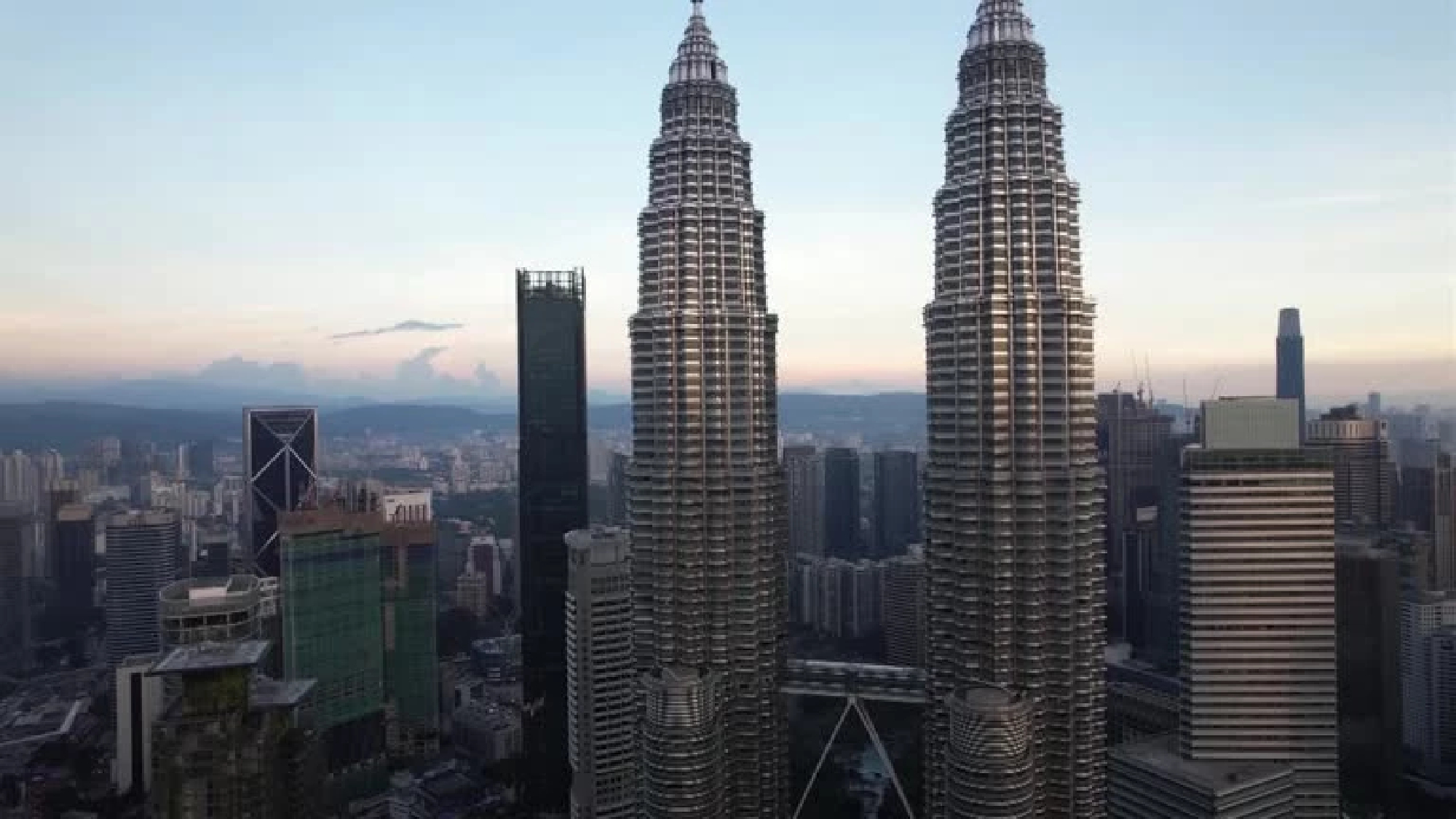
It would not be possible for Malaysia as a developing country, to implement the four-day work week as the country is currently facing low productivity and labour problems, say industry players.
SME Association of Malaysia president, Ding Hong Sing said fewer work hours in Malaysia will result in less output and subsequently higher prices in the market as companies still need to cover their fixed costs.
“For example, if you make 100,000 products in one week when you shorten the working days, it will become 80,000.
“But we still need to pay salaries and rent so we will need to raise prices to cover the cost and this will affect the overall economy,” he said.
Ding further clarified that Malaysia is currently facing a labour shortage as more than one million foreign workers have gone back to their home countries following the movement control order.
He added that as a developing country, the level of automation has not yet reached that of countries which have implemented the four-day work week system.
“Countries that have implemented this system are advanced and their production is automated. As a developed country, they will source out to Asean countries to purchase products that are not automated.
“The proposal is good but Malaysia cannot survive if we were to implement this,” he said.
On Monday, Johor assemblyman Nor Rashidah Ismail proposed that the state government adopt a four-day work week from Monday to Thursday with rest days from Fridays to Sundays for the state.
She suggested working full time from Monday to Thursday with an additional hour of working time.
Malaysian Trades Union Congress (MTUC) deputy president Effendy Abdul Ghani said the implementation of a four-day work week depended on the type of industry and its relevance.
Come Sept 1, he also said the amendment to the Employment Act 1955 will see working hours reduced from 48 to 45 hours per week.
“There has to be a discussion carried out among the employers, employees and government on the four-day work week implementation.
“At present, working hours are dependent on the types of industry. For example, the manufacturing side that runs factories will have shifts, so the working hours and even off days will be different,” he said when contacted.
He added that the four-day work week can be implemented but Malaysia first needs to do a feasibility study with other Asean countries instead of comparing itself with European countries that have different working hours.
Meanwhile, Government Contract Workers’ Network (JPKK) secretary Sivaranjani Manickam said the issue was not the five-day work week. Rather, it was the long working hours affecting employees in the country.
She said the organisation supported the five-day work week or 35 hours of work per week, no more.
“In Johor, the issue is a bit different because the state government is on leave on Friday and Saturday, while the private sectors are on leave during the weekend.
“So that leaves them with only one common day of leave (Saturday) if their family members are in both the government and private sectors,” she said.
Associated Chinese Chambers of Commerce and Industry of Malaysia (ACCCIM) president Tan Sri Low Kian Chuan is not in favour of the four-day work week as the country first needs to improve productivity and competitiveness.
“We will be reducing our working hours from 48 to 45 hours per week in September. We are short of two working days so we cannot reduce more now.
“Also, Malaysia is ranked second with the most public holidays in the world at about 20 days and there are always additional holidays such as winning a football game,” he said.
In 2022, he said that Malaysia’s competitiveness ranking dropped from 25 to 32.
The Star
Asia News Network
Asia News Network: The Nation (Thailand), The Korea Herald, The Straits Times (Singapore), China Daily, Jakarta Post, The Star and Sin Chew Daily (Malaysia), The Statesman (India), Philippine Daily Inquirer, Yomiuri Shimbun and The Japan News, Gogo Mongolia, Dawn (Pakistan), The Island (Sri Lanka), Kuensel (Bhutan), Kathmandu Post (Nepal), Daily Star (Bangladesh), Eleven Media (Myanmar), the Phnom Penh Post and Rasmei Kampuchea (Cambodia), The Borneo Bulletin (Brunei), Vietnam News, and Vientiane Times (Laos).
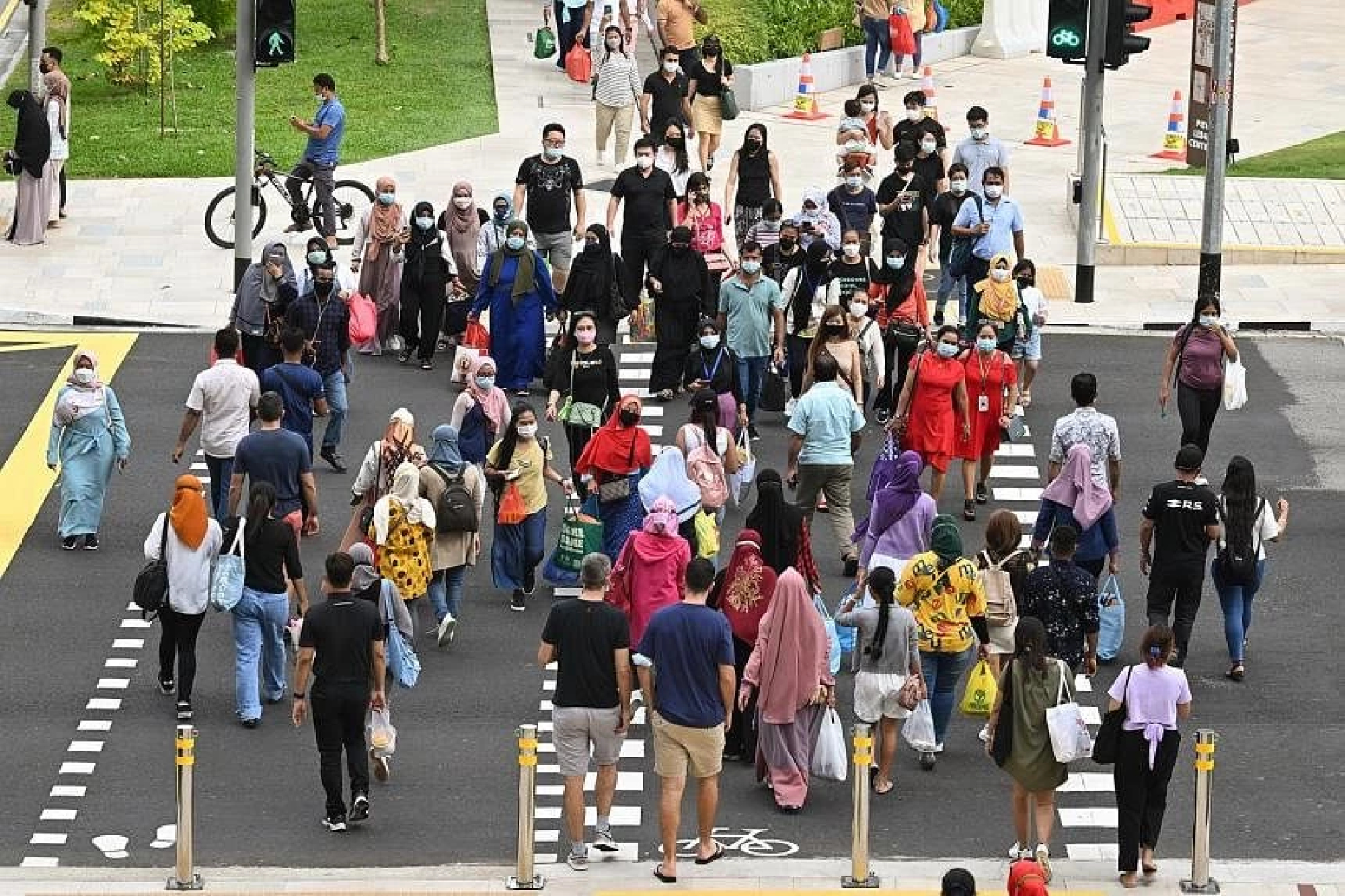
A $1.5 billion support package to help lower-income families and vulnerable groups amid rising global inflation was announced by Deputy Prime Minister Lawrence Wong on Tuesday.
They will receive an additional goods and services tax (GST) Voucher – Cash Special Payment of up to $300 to be given out in August, which is on top of the regular GST Voucher – Cash of up to $400 that had earlier been announced.
This will benefit about 1.5 million lower-income to middle-income workers, as well as retirees without income.
The package will also provide a $100 utilities credit to every Singaporean household and extend more help to local companies, among other measures.
For instance, eligible taxi main hirers and private-hire car drivers will get a one-off relief of $150 in August to offset higher fuel costs, while the Government will also provide one month of foreign worker levy waiver for Singapore’s 11 chicken slaughterhouses, which have been directly impacted by Malaysia’s chicken export ban.
There will also be a new energy efficiency grant to provide local small- to medium-sized enterprises in the food services, food manufacturing and retail sectors with up to 70 per cent support to adopt energy-efficient equipment and alleviate rising business costs due to higher energy prices.
There will be no further draw on past reserves to fund this support package, in part because the Government collected higher revenues in the fiscal year 2021 from a stronger than expected economic recovery, Mr Wong said at a press conference.
“And we used less of the budget set aside for Covid-19 spending because the Omicron variant turned out to be less severe than anticipated,” he added.
“So we will not pass a supplementary budget at this point.”
As it is also still early in the financial year and Parliament had approved this year’s Budget just three months ago, ministries will also reprioritise within their existing budgets to fund this support package, Mr Wong added.
The Government had anticipated rising prices at the start of the year, and had responded with a comprehensive package of measures in Budget 2022 to cushion the impact of higher prices.
Some measures were brought forward as well in April while other schemes were extended, Mr Wong noted.
But the ongoing war in Ukraine and protectionist measures by countries have disrupted supply chains, resulting in higher energy and food prices.
Singaporeans have to prepare for global inflation to remain high for some time and possibly to increase further before stabilising and getting better, said Mr Wong, who is also Finance Minister.
The effects of inflation disproportionately impact the lower-income and vulnerable groups, he added.
To counter this, the ComCare Short- to Medium-Term Assistance and Long-Term Assistance (LTA) schemes will be enhanced permanently.
This means a one-person household on LTA will receive $640 a month, up from $600 currently.
The allowance and monthly pension ceiling for pensioners who draw lower pensions will also be increased by $30 each, to $350 and $1,280 respectively.
The additional GST Voucher cash and that previously announced in Budget 2022, means that, all together, GST Voucher – Cash recipients will receive up to $700 in August.
All Singaporean households will receive a $100 Household Utilities Credit to help offset utility bills.
For lower-wage workers, the Government will be enhancing the Progressive Wage Credit Scheme that was announced in the Budget this year.
The Government will also co-fund 75 per cent of eligible wage increases this year, up from 50 per cent previously, for resident employees with gross monthly wages up to $2,500.
It will also fund 45 per cent, up from 30 per cent, for employees with gross monthly wages of above $2,500 and up to $3,000.
The Jobs Growth Incentive, which provides support for employers to hire mature job seekers who have not been working for at least six months, as well as people with disabilities and former offenders, will be extended for another six months, till March next year, added Mr Wong.
He said: “We will provide more help for businesses as well as specific segments, and the specific segments include self-employed persons who rely on vehicles for their livelihood, as well as those who are impacted by the export ban on live chickens.”
“For businesses in this higher energy cost environment, they will need to continue to restructure and become more energy-efficient in order to remain competitive,” he noted.
The Enterprise Financing Scheme – Trade Loan will also be enhanced to support local enterprises with cashflow concerns. The maximum loan quantum will be increased from $5 million to $10 million from July 1 to March 31 next year and the Government will continue to provide 70 per cent risk-share for the scheme during this period.
Firms can also tap the Temporary Bridging Loan Programme, which provides access to working capital for business needs, from now till end-September. After it expires, the Enterprise Financing Scheme – SME Working Capital Loan will also be enhanced, with the maximum loan quantum increased from $300,000 to $500,000 from Oct 1 to next March.
Mr Wong said he knows that many Singaporeans are concerned about the immediate issues of rising prices and the cost of living.
He said: “But please understand that the challenges before us are not just about inflation. They are also about adapting to major structural changes in our operating environment – rising temperatures and climate change, increased geopolitical contestation and tensions and potentially moving into a more bifurcated and decoupled world.
“So we have to fundamentally restructure and transform ourselves for this new world, a world which is likely to be more uncertain, volatile and even more dangerous than before.”
The Straits Times
Asia News Network
Asia News Network: The Nation (Thailand), The Korea Herald, The Straits Times (Singapore), China Daily, Jakarta Post, The Star and Sin Chew Daily (Malaysia), The Statesman (India), Philippine Daily Inquirer, Yomiuri Shimbun and The Japan News, Gogo Mongolia, Dawn (Pakistan), The Island (Sri Lanka), Kuensel (Bhutan), Kathmandu Post (Nepal), Daily Star (Bangladesh), Eleven Media (Myanmar), the Phnom Penh Post and Rasmei Kampuchea (Cambodia), The Borneo Bulletin (Brunei), Vietnam News, and Vientiane Times (Laos).
The National Assembly (NA) on Monday approved the appointment of two new deputy prime ministers and a cabinet reshuffle, in the hope that the new appointees will be able to make a stronger contribution to resolving the nation’s economic woes.
The appointment of the Minister of Public Security General Vilay Lakhamfong and Minister of Foreign Affairs Saleumxay Kommasith as new deputy prime ministers was approved by the 3rd Ordinary Session of the NA’s 9th legislature, in response to a proposal by Prime Minister Phankham Viphavanh.
This brings the number of deputy prime ministers to five.
Assembly members also approved a cabinet reshuffle in which the Governor of the Bank of the Lao PDR, Sonexay Sitphaxay was replaced by Deputy Minister of Finance Bounleua Sinxayvoravong, while Minister of Industry and Commerce Khampheng Saysompheng was replaced by the President of the State Audit Organisation, Malaythong Kommasith.
Sonexay and Khampheng will take up posts as Ministers to the Prime Minister’s Office.
The NA also elected the Deputy Governor of Savannakhet province, Viengthavisone Thepphachanh, as President of the State Audit Organisation, replacing Malaythong.
The reshuffle comes just over a year after the current administration headed by Prime Minister Phankham Viphavanh took office.
The changes were made to meet the changing needs of these government bodies as Laos strives to fulfil the national agendas on addressing the drug trade and financial and economic difficulties, which have been driven by a chronic budget deficit that accumulated massive public debt.
Public and publicly guaranteed debt increased to 88 per cent of GDP in 2021, according to the World Bank.
The sharp depreciation of the kip, shrinking foreign currency reserves and the skyrocketing price of global commodities triggered by the Ukraine crisis have exacerbated Laos’ economic vulnerability.
The inflation rate in Laos climbed to its highest level in 18 years in May, with prices rising by 12.8 per cent from a year ago, according to the Lao Statistics Bureau. The weak kip and the foreign currency shortfall have meant that insufficient foreign currency is available for the purchase of fuel, which has caused months of shortages.
The new appointees now inherit the challenges faced by their predecessors, as the agencies they head up are among the key state bodies mandated to address the urgent issues burdening the government.
Vientiane Times
Asia News Network
Asia News Network: The Nation (Thailand), The Korea Herald, The Straits Times (Singapore), China Daily, Jakarta Post, The Star and Sin Chew Daily (Malaysia), The Statesman (India), Philippine Daily Inquirer, Yomiuri Shimbun and The Japan News, Gogo Mongolia, Dawn (Pakistan), The Island (Sri Lanka), Kuensel (Bhutan), Kathmandu Post (Nepal), Daily Star (Bangladesh), Eleven Media (Myanmar), The Phnom Penh Post and Rasmei Kampuchea (Cambodia), The Borneo Bulletin (Brunei), Vietnam News, and Vientiane Times (Laos).
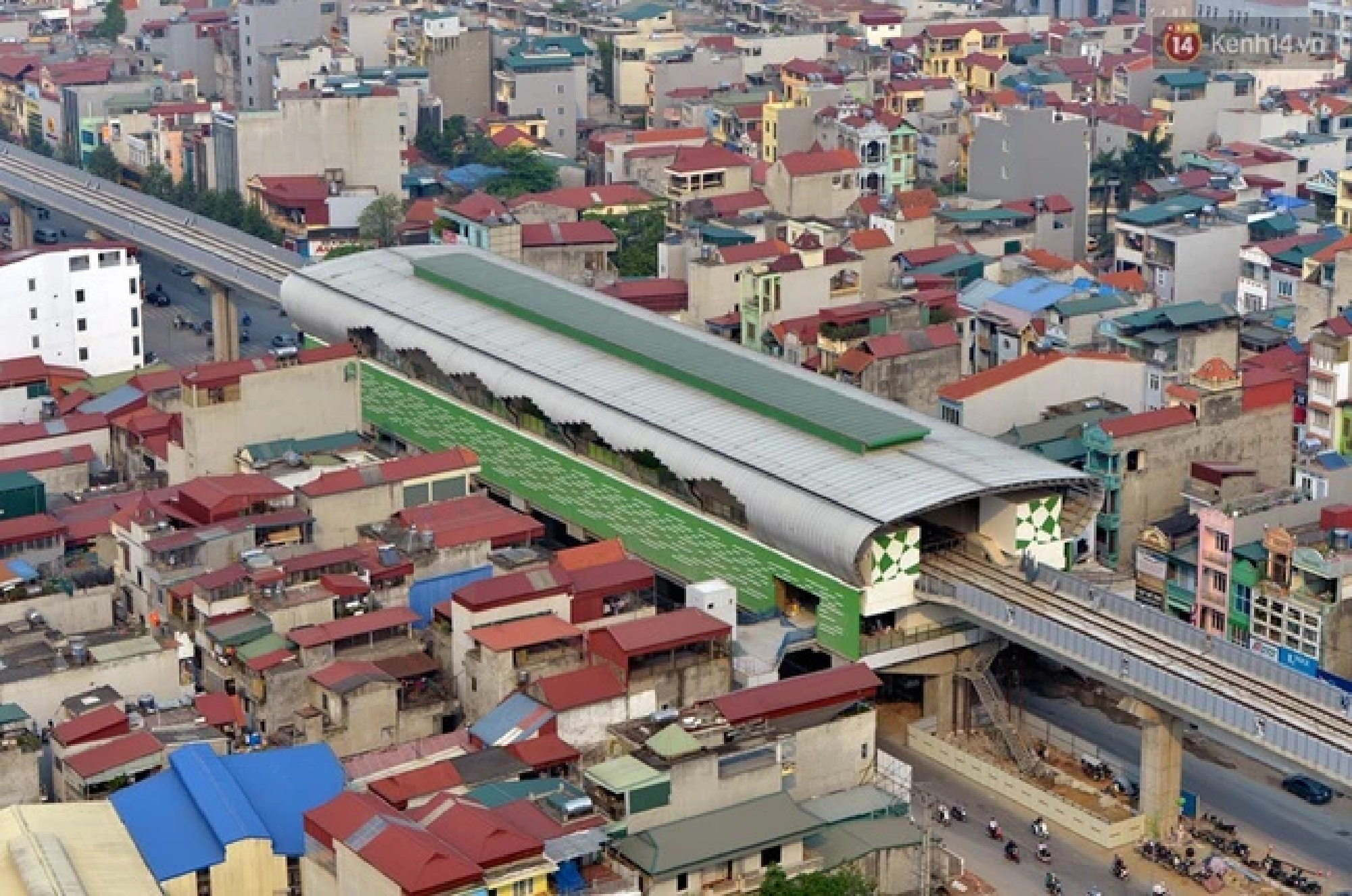
The Hanoi Metro Company reported a loss of US$2.75 million in 2021 after its Cat Linh- Ha Dong Urban Railway began operating from November 6 last year.
The Hanoi Metro Company reported a loss of US$2.75 million in 2021 after its Cat Linh- Ha Dong Urban Railway began operating from November 6 last year.
According to an audited financial report, the company only earned $229,000 in revenue from selling tickets, while the cost of labour and services came in at $2.54 million.
One of the reasons for this loss is that the project has yet to receive subsidies for its operation.
Vu Hong Truong, general director of the company, told Zing online that the nature of “revenue does not guarantee operating costs”, and an urban railway should be subsidised by the authorities like public buses.
He added that the revenue of urban railways failing to cover operating costs was common worldwide.
He said that even on record-busy days like April 30 and May 1, with the number of passengers up to 53,000 visitors daily, revenue from selling the tickets was still not enough to cover operating costs.
The company is completing procedures to receive subsidies from the authorities as per regulations, he said.
After receiving subsidies, the company’s financial situation will be different because the subsidies will not just make up for the shortfall, but also ensure the company makes a profit, he said.
Nguyen Anh Tuan, a lecturer from the University of Transport, said the metro was a form of “symbiotic” transport, so a single-line metro would struggle to attract passengers.
The delay in constructing and operating other metro lines in the city may also be contributing to losses, he added.
The company has set its revenue target for this year at $20.5 million, nearly 90 times higher than last year, and a pre-tax profit target of more than $734,000.
The company also plans to operate an elevated section of the Nhon – Hanoi Railway Station line, serving more than 7.9 million passengers this year.
After 202 days of operation, from November 6, 2021, to May 26, the Cat Linh – Ha Dong urban railway carried more than 3.1 million passengers or an average of 15,633 passengers per day.
A court in western Japan on Monday rejected claims for damages from the state by three same-sex couples, ruling that not recognising same-sex marriage in the country does not violate the constitution, in a blow to gay rights activists.
The ruling by Osaka District Court came after Sapporo District Court ruled in March last year that the current situation violates Article 14 of the Constitution, which ensures legal equality, although it, too, rejected the claim for damages.
Similar lawsuits are also being heard in district courts in Tokyo and the cities of Nagoya and Fukuoka.
In the Osaka lawsuit, the couples, who live in Aichi, Kyoto and Kagawa prefectures, demanded ¥1 million (262,000 baht) in damages per person, claiming that the Constitution’s Article 24, which guarantees freedom of marriage, should apply to same-sex couples, as well.
The plaintiffs also argued that the situation in which same-sex couples cannot marry or receive benefits such as spousal tax deductions, as well as inheritance and other rights, violates Article 14.
In addition, they alleged that the Diet, the country’s parliament, neglected to take legislative measures to improve the situation and that negligence is illegal.
The government insisted that as the current legal system does not accept same-sex marriage.
Japan’s constitution defines marriage as one of “mutual consent between both sexes”.
Under the current rules, same-sex couples cannot marry legally, cannot inherit their partner’s assets, and have no parental rights over their partner’s children.
The Japan News
Asia News Network
Asia News Network: The Nation (Thailand), The Korea Herald, The Straits Times (Singapore), China Daily, Jakarta Post, The Star and Sin Chew Daily (Malaysia), The Statesman (India), Philippine Daily Inquirer, Yomiuri Shimbun and The Japan News, Gogo Mongolia, Dawn (Pakistan), The Island (Sri Lanka), Kuensel (Bhutan), Kathmandu Post (Nepal), Daily Star (Bangladesh), Eleven Media (Myanmar), The Phnom Penh Post and Rasmei Kampuchea (Cambodia), The Borneo Bulletin (Brunei), Vietnam News, and Vientiane Times (Laos).
Prime Minister Narendra Modi marked the eighth International Day of Yoga by saying that yoga brings peace to society. He was in Mysuru in Karnataka on Tuesday for the celebrations.
“Today, yoga is being practised in all parts of the world. Yoga brings peace to us. The peace from yoga is not only for individuals, but it also brings peace to our nations and the world,” Modi said.
“Yoga is not only for any individual but for the entire humanity. This is the reason that the theme of International Yoga Day is ‘Yoga for Humanity’.
“This whole universe starts from our own body and soul. The universe starts from us … and yoga makes us conscious of everything within us and builds a sense of awareness,” he said.
This year’s theme, “Yoga for Humanity”, was chosen to reflect the fact that yoga helped alleviate suffering at the height of the pandemic and will bring people together through compassion, kindness, foster a sense of unity and build resilience among people world over.
The yoga program in Mysuru was held as part of the “Guardian Yoga Ring”, which is a collaboration between 79 countries, the UN and Indian missions overseas to illustrate yoga’s unifying power.
The event includes a digital exhibition showcasing the latest in technology to project the history and wisdom of yoga. The static exhibition comprises 146 stalls taken up by yoga institutions under the ambit of the Karnataka state government and the government of India.
Keeping the overarching theme of the 75 years of India’s independence the Ministry for Ayush also identified 75 locations for Union Ministers to participate in the Yoga Day celebration.
This year’s International Day of Yoga will see many firsts, including the “Guardian ring”, a yoga demonstration by cabinet ministers at 75 iconic locations in India and a special digital yoga and static exhibition in Mysuru Dussera Grounds.
The Ministry of Ayush said at least 250 million people are expected to participate in the International Yoga Day celebrations across the world.
Earlier, Yogi Guru Ramdev performed yoga at the Patanjali Yogpeeth in Haridwar.
At a UN General Assembly speech on September 27, 2014, Modi first floated the idea of an International Yoga Day.
The first draft resolution passed by India was supported by 177 nations. With universal recognition and growing popularity of yoga, the United Nations declared June 21 as the International Day of Yoga on December 11, 2014.
The Statesman
Asia News Network
Asia News Network: The Nation (Thailand), The Korea Herald, The Straits Times (Singapore), China Daily, Jakarta Post, The Star and Sin Chew Daily (Malaysia), The Statesman (India), Philippine Daily Inquirer, Yomiuri Shimbun and The Japan News, Gogo Mongolia, Dawn (Pakistan), The Island (Sri Lanka), Kuensel (Bhutan), Kathmandu Post (Nepal), Daily Star (Bangladesh), Eleven Media (Myanmar), The Phnom Penh Post and Rasmei Kampuchea (Cambodia), The Borneo Bulletin (Brunei), Vietnam News, and Vientiane Times (Laos).
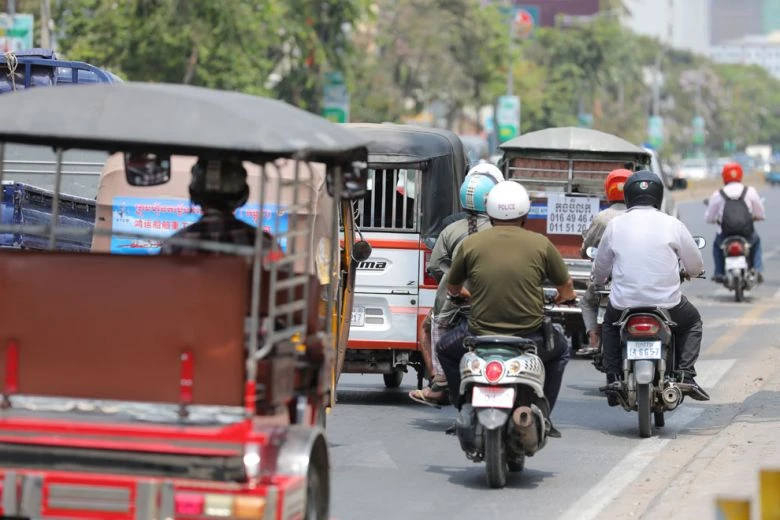
Drivers said the Khmer-style vehicle is better for tourists, because it can carry up to four people, and offers much better views for tourists.
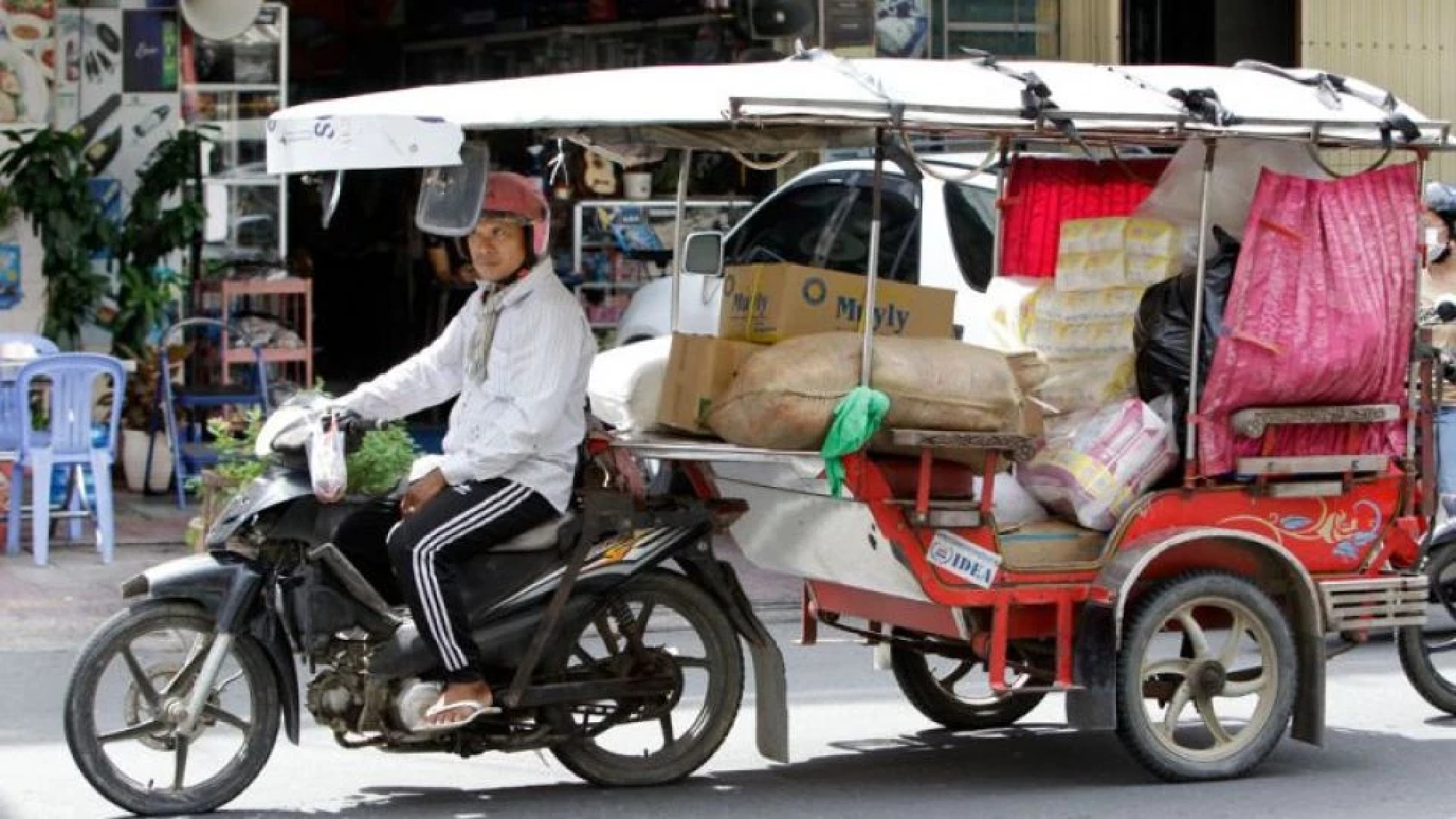
‘Indian tuk-tuks”, which are smaller, easier to drive on narrow roads and cheaper to operate due to running on liquefied petroleum gas (LPG), have rapidly gained popularity and look likely to overtake the traditional four-wheeled tuk-tuk, or Remorque, once known as the “Emperors of the Road”. There remain, however, drivers who are dedicated to the spaciousness, and tourism appeal, of the traditional vehicle.
From the mid-2000s until the mid-2010s, when Chhean Vanna produced Khmer tuk-tuks, supply was often not sufficient to meet demand.
However, the introduction of the “Indian tuk-tuk” models, coupled with the convenience of ride-hailing apps and low service prices, meant his orders steadily declined to almost nothing.
He once manufactured 20-30 tuk-tuk carriages per day, each worth around $3,000, but from 2015, orders began to fall.
Vanna, 45, told The Post: “I stopped producing Khmer tuk-tuks during the Covid-19 pandemic because there was no more demand. I am now a labourer on a sewer project. It doesn’t mean I no longer want to build them, but demand is almost non-existent. The Indian tuk-tuks came in and the Khmer models are no longer needed.”
Vorn Pov, head of the Independent Democratic Association of Informal Economy (IDEA), said about 80,000 of the three-wheeled LPG tuk-tuks were connected to ride-hailing apps in Phnom Penh. He estimated that there were approximately 100,000 in use across the country currently.
He acknowledged that traditional tuk-tuks were almost gone, although a few remained on the outskirts of the capital, where they were used for goods transport and the occasional tourist.
“The disappearance of the traditional tuk-tuk is because of Indian tuk-tuks. Indian tuk-tuks connect to Apps and use LPG, so they are cheaper and more popular with passengers,” he said.
“However, tourists don’t like to ride in the smaller three-wheelers but prefer traditional tuk-tuks. In some provinces, traditional tuk-tuks are still available,” he added.
Likewise, a 72-year-old Cheang Chin, a carriage and trailer manufacturer in Kampot’s Angkor Chey district, said that there were not many customers, as they are no longer widely used. People were more likely to use the Indian models, known as ‘pass-apps’.
The old man – who passed on his carriage-making skills to his son – added “maybe it’s because they find them cheap”.
The “red sofa” of the traditional Phnom Penh tuk-tuk used to welcome the young and old, men and women who would sit comfortably, but the leather sofas are no longer as familiar and comforting. This is often due to the residual smell of the goods that drivers are forced to carry while they await passengers who want to experience the cool breeze and great visibility of a traditional tuk-tuk.
Seng Thun, a tuk-tuk driver of eight years, said he still uses his traditional tuk-tuk and doesn’t want to follow his friends into the newer style vehicles. He has changed his focus by shifting from carrying regular passengers to transporting goods, and foreign tourists.
“Even though it was difficult during Covid-19, I now have Vietnamese passengers almost every day. They like to ride in my tuk-tuk because it is spacious, you get to see a lot more of the city, and they can easily carry any goods they buy as they explore Phnom Penh,” the 52-year-old told The Post.
He said he gets regular calls from travel and tourism companies to transport passengers. He is paid 80,000 riel per day, but some generous passengers tip him well, meaning he sometimes earns 100,000.
On Charles De Gaulle Street in Siem Reap, Men Nak was sitting in his tuk-tuk, patiently waiting his turn to take passengers from a hotel to the temples, markets and attractions of Siem Reap.
The 38-year-old man, who has been in the business of transporting passengers for almost a decade, admitted that Cambodian passengers prefer the Indian-style ‘pass-apps’, but foreign tourists still favour the traditional tuk-tuk.
“I am starting to see the return of foreign tourists, but there are still not many,” Nak told The Post.
Nak – who depends on tourism for his income – said that despite his regular spot in the queue of tuk-tuks at the hotel, it was sometimes a few days before it was his turn to take passengers.
“Before Covid-19, I had too many passengers and could not take them all. Now there is almost no income. There is no other job I can do, as I have no other skills, so I will continue to drive my tuk-tuk,” he said.
“When it’s my turn to pick up tourists, I mostly only transport them in the morning. The prices are not regular. If I take them to the nearby market, I might earn five or six dollars, but if I take them to visit the temples of the Angkor park, I could make up to $18,” he added.
Nak, a Takeo native, said the Khmer-style vehicle is better for tourists, because it can carry up to four people, and offers much better views, whether visiting natural and historical sites or just enjoying the often – to tourists – entertaining and colourful scenes along the streets.
“Chalky”, who has been driving a Khmer tuk-tuk for more than 20 years, agrees that Khmer tuk-tuks remain the popular choice for tourists, despite the invasion by their smaller Indian brethren.
With a big black and white motorcycle dragging his tuk-tuk carriage, he said: “based on my experience of taking passengers for many years, in terms of comfort, they prefer the traditional model more. Most Indian tuk-tuks are used for short journeys.”
“Passengers, especially international tourists, prefer Khmer tuk-tuks because they are more spacious. The three-wheeled models have smaller seats and permanent rain covers, which make them look narrow and cramped. In a Khmer tuk-tuk, we only drop the rain covers when we have to. Khmer tuk-tuks are very comfortable and roomier, with a very comfortable breeze. Indian models are built like a small cage, low and narrow,” he added.
The late-50s driver – who prefers to be called ‘Chalky’ to make it easy for foreigners to pronounce his name – promotes his services on his Facebook page and is also registered on the popular travel website Tripadvisor.
“My services this month are fully pre-booked, by both national and international passengers. I will take them to the temples, resorts and other tourist attractions,” he said.
On his Facebook page, Chalky offers many tour options – including a short circuit of Angkor Archaeological Park which ends with sunset over Angkor Wat – which starts at just $18.
He explained that he can pick passengers up from their hotel in the morning and take them to purchase their passes to the Angkor Archeological Park. From there, they can choose to visit any of the famous temples, from the crown jewel of the park, Angkor Wat, to Ta Prohm – a location used in the Hollywood hit Tomb Raider – or the former capital of the Angkor Empire, Angkor Thom. Other popular attractions include the Bayon temple and the Terrace of the Elephants.
Although Cambodia reopened its doors and began welcoming tourists in November last year, the number of foreign visitors remains minuscule when compared to the halcyon pre-Covid-19 days.
Meas Sopha, a tour guide who turned to work in the Siem Reap real estate sector, said that based on his observations, Siem Reap was still only receiving a small flow of tourists compared to the pre-2020 years.
“I haven’t seen a lot of foreign tourists yet. Some guides have begun gradually picking up business, and some hotels and restaurants have reopened, but the town is a long way from being as busy as it once was,” he said.
The Phnom Penh Post
Asia News Network
Asia News Network: The Nation (Thailand), The Korea Herald, The Straits Times (Singapore), China Daily, Jakarta Post, The Star and Sin Chew Daily (Malaysia), The Statesman (India), Philippine Daily Inquirer, Yomiuri Shimbun and The Japan News, Gogo Mongolia, Dawn (Pakistan), The Island (Sri Lanka), Kuensel (Bhutan), Kathmandu Post (Nepal), Daily Star (Bangladesh), Eleven Media (Myanmar), The Phnom Penh Post and Rasmei Kampuchea (Cambodia), The Borneo Bulletin (Brunei), Vietnam News, and Vientiane Times (Laos).
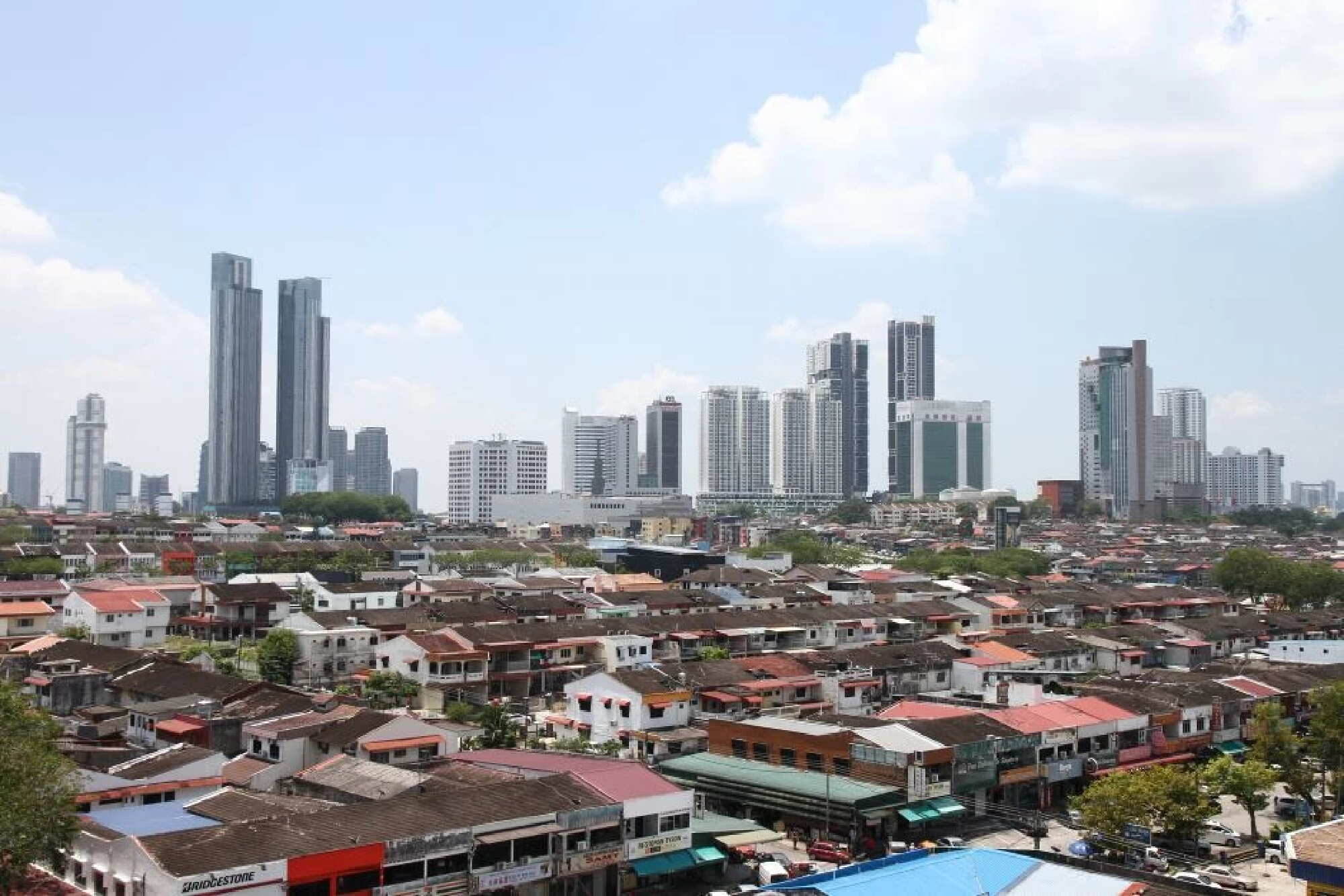
A Johor assemblyman has proposed that the government of the Malaysian state adopt a three-day weekend and a four-day work week.
Nor Rashidah Ismail of the Barisan National Party said countries such as Belgium, Iceland, Scotland, Spain, Japan, and the United Arab Emirates practised a four-day work week, from Monday to Thursday, with rest days from Friday to Sunday.
“If productivity is the subject of debate, then I suggest this option where we work full-time from Monday to Thursday with an additional one hour working time.
“If the working hours were 8am to 5pm before, then the implementation of this proposal will see working hours increase from 8am to 6pm from Monday to Thursday.
“Then there will be half-day working hours on Friday, which is from 8am to noon where Muslim workers are still able to comfortably fulfil their Friday prayers obligation,” she added.
Nor Rashidah was speaking during the state assembly meeting held at Bangunan Sultan Ismail in Kota Iskandar on Monday.
She said it was better to standardise the rest days between the government and private sector to ensure the well-being of the family.
Meanwhile, Liow Cai Tung of the Pakatan Harapan party urged the state government to speed up its review on the issue of rest days so that it can be presented to the Johor Ruler for consent.
“The state is among the main contributors to the nation’s economy. Standardising rest days with private bodies will increase productivity, efficiency, and Johor’s tourism sector,” she said.
On June 14, the chief minister of Johor, Onn Hafiz Ghazi, said the state was looking at the possibility of reviewing its rest days after listening to feedback from the people about the difference in rest days between the government and private bodies.
He said a solution to the matter could be announced soon.
In 2013, Johor’s Sultan Ibrahim Ibni Almarhum Sultan Iskandar declared a change in the state’s rest days to Friday and Saturday instead of Saturday and Sunday.
The Star
Asia News Network
Asia News Network: The Nation (Thailand), The Korea Herald, The Straits Times (Singapore), China Daily, Jakarta Post, The Star and Sin Chew Daily (Malaysia), The Statesman (India), Philippine Daily Inquirer, Yomiuri Shimbun and The Japan News, Gogo Mongolia, Dawn (Pakistan), The Island (Sri Lanka), Kuensel (Bhutan), Kathmandu Post (Nepal), Daily Star (Bangladesh), Eleven Media (Myanmar), the Phnom Penh Post and Rasmei Kampuchea (Cambodia), The Borneo Bulletin (Brunei), Vietnam News, and Vientiane Times (Laos).
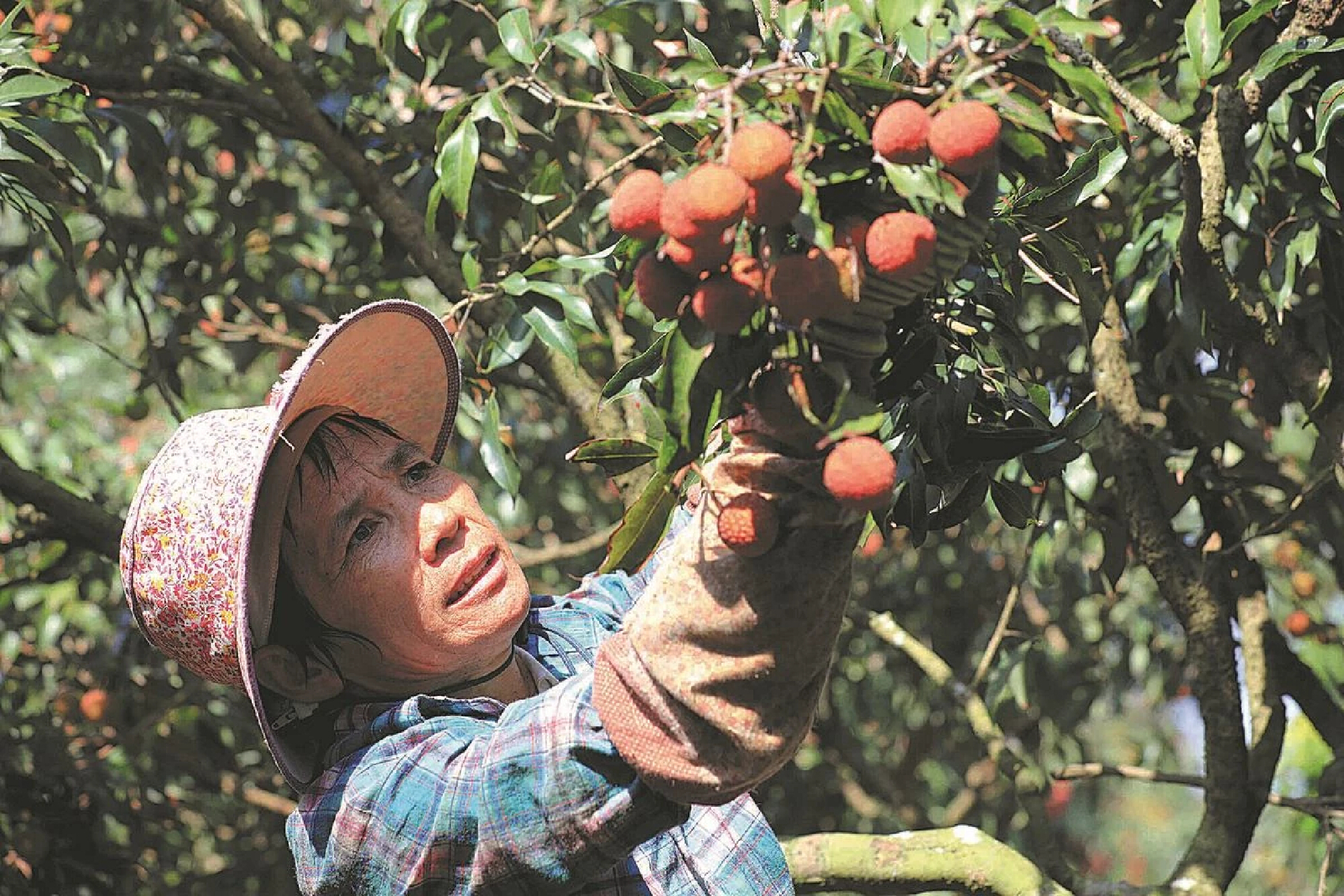
Chinese scientists have made breakthroughs in the cultivation of seedless lychees that should boost production efficiency and reduce costs, the Chinese Academy of Tropical Agricultural Sciences said.
The world’s only seedless lychee variety, first bred in South China’s Hainan province in 1997, has a reddish-pink colour, crystal-clear flesh and a unique flavour compared with the traditional “feizixiao” lychee variety, according to Gao Zhaoyin, a member of the academy’s lychee and longan research team.
Due to a poor harvest this year, a single box of 48 seedless lychees is selling for as much as 550 yuan (2,900 baht, or 60 baht per fruit) – more than double the price in a normal year.
“We sell 500 to 1,000 boxes a day at the peak of the 15-day harvest season starting in early June,” Gao said.
Although seedless lychees are more expensive than the traditional variety, they normally sell out fast because of limited production.
Seedless lychee cultivation has encountered obstacles such as bloom failure in warm winters or fruit cracking or falling prematurely from the branch. Between 40 and 90 per cent of the fruit is lost before harvest each year, hitting farmers in the pocket.
Many in Hainan gave up growing the seedless variety, and orchards have shrunk to an area of no more than 467 hectares.
Gao said his team has successfully developed techniques to force flowering and prevent fruit from cracking and dropping from the tree too early, breaking the technical bottleneck of cultivating seedless lychees.
“We have been tackling the problems since 2013 and, despite the conditions, obtained stable yields this year on our demonstration base in Chengmai county,” he said.
The techniques have been applied on 13.3 hectares at a demonstration farm. This year, the average yield reached 17 tonnes per hectare, with the rate of premature drop decreasing to 4.5 per cent and 96.1 per cent of the fruit crack-free.
About 86.1 per cent of the fruit can go to market, double the amount in 2013.
“The plantation area of seedless lychee will be increased to as much as 3,333 hectares in five years,” Gao said.
He added that Hainan’s seedless lychee industry is expected to generate annual economic benefits of between 800 million and 2 billion yuan.
“Hopefully, seedless lychees will be sold at 40 yuan per kilo in the future when more people will buy the unique fruit at reasonable prices,” Gao said.
China Daily
Asia News Network
Asia News Network: The Nation (Thailand), The Korea Herald, The Straits Times (Singapore), China Daily, Jakarta Post, The Star and Sin Chew Daily (Malaysia), The Statesman (India), Philippine Daily Inquirer, Yomiuri Shimbun and The Japan News, Gogo Mongolia, Dawn (Pakistan), The Island (Sri Lanka), Kuensel (Bhutan), Kathmandu Post (Nepal), Daily Star (Bangladesh), Eleven Media (Myanmar), the Phnom Penh Post and Rasmei Kampuchea (Cambodia), The Borneo Bulletin (Brunei), Vietnam News, and Vientiane Times (Laos).






 SootinClaimon.Com