US conveys concerns over N.Korean nuclear test to China during high-level talks

#SootinClaimon.Com : ขอบคุณแหล่งข้อมูล : หนังสือพิมพ์ The Nation.

https://www.nationthailand.com/international/40016768


US endorses Japan’s move toward rearmament and active role in maintaining peace and stability in Indo-Pacific region

US conveys concerns over N.Korean nuclear test to China during high-level talks

The United States conveyed its concern to China over a possible North Korean nuclear test during the recent high-level bilateral talks, top White House officials said on Thursday.

US national security advisor Jake Sullivan and top Chinese diplomat Yang Jiechi met on Monday in Luxembourg and discussed regional and global security issues and key pending issues in US-China relations.

Speaking at an online event hosted by the Washington-based Center for a New American Security, Sullivan said a much-speculated nuclear test by North Korea, Russia’s war in Ukraine and the maintenance of stability across the Taiwan Strait took center stage during the meeting that lasted nearly five hours.

“On North Korea, we have expressed our concern that North Korea is preparing to conduct another nuclear test. We have said that publicly. We have communicated that to China,” Sullivan said when asked if the US and China have reached any consensus on the war in Ukraine and North Korea’s possible nuclear test.

Sullivan suggested that the US side called for China to exert its leverage to convince North Korea not to conduct a seventh nuclear test.

“The proof will be in the pudding. Let‘s see how things play out, but both of these subjects featured prominently in our discussions on Monday in Europe, the discussion I had with my counterpart, Yang,” Sullivan said, referring to Russia’s invasion of Ukraine and a potential nuclear test by North Korea.

But Washington and Beijing have failed to take concerted action against North Korea’s record-breaking flurry of short and long-range missile launches.

In May, United Nations Security Council permanent members China and Russia vetoed a fresh sanctions resolution proposed by the US to the UNSC. Meanwhile, the UNSC’s other 13 members voted in favor.

North Korea has launched 31 ballistic missiles including intercontinental ballistic missiles in less than six months this year, breaking the previous record of 25 in 2019. But the UNSC’s 15 members have failed to take any countermeasures.

Speaking at the same event, the White House Indo-Pacific Coordinator Kurt Campbell said the US and China had a “detailed and very frank set of discussions” about Ukraine, North Korea and the Indo-Pacific strategy during the latest high-level talks.

Campbell underscored that the Biden administration essentially sought to make sure to keep communication lines with China open in the case of “inadvertence or miscalculation” and remove the areas of potential miscalculation between the two countries.

“That is the primary pursuit, as we try to build what is undeniably a competitive relationship, but hopefully a peaceful relationship in which the best aspects of competition on both sides can be brought out,” he said. 

US supports Japan’s rearmament
The US policy coordinator for the Indo-Pacific also conspicuously expressed endorsement of Japan’s move toward rearming, pointing out that Japan has become “responsibly engaged in the Indo-Pacific.”

“Japan has been deeply committed to peace and stability in Asia, and in the Indo-Pacific,” Campbell said when asked how he sees the rearmament of both Japan and Germany and its ramifications on world order.

“The United States has complete confidence in Japan making the right decisions about playing a more active role across the board.”

Campbell repeatedly complimented Japan’s contribution to maintaining peace and stability in the Indo-Pacific region and responding to traditional and non-traditional threats.

“When we indicated we wanted to work more with like-minded nations in the Pacific, Japan was there to stand up,” he said. “So what we’re seeing is a more active, responsible leading set of attributes in the current Japanese leadership, in Prime Minister Kishida and his team that we are both deeply grateful for and admiring up.”

The White House Indo-Pacific coordinator notably juxtaposed Germany and Japan, which were defeated in World War II, to justify their move to remilitarize themselves, particularly in light of the Russian invasion of Ukraine.

“I think Germany is a deeply responsible nation, and memories of a distant period do not animate modern concerns of Europe. And I would say the same of Japan,” he said.

“I’ve been extremely impressed at the responsible way the new German government has engaged on the tragedy of Ukraine.”

Campbell said he highly appreciated Germany’s deep dialogue and fundamental engagement with transatlantic partners and close partnership with the US in responding to the Russian invasion of Ukraine as well as a “transparent responsible set of ambitions around increasing defense spending.”

“The truth is the reality on the ground. In Europe, the demands … of strong democratic states like Germany to do more are clear. And so I think that is entirely appropriate,”  he said, referring to the rearmament of Germany.

Campbell’s comments came hours after Japan’s ruling Liberal Democratic Party on Thursday pledged to stretch its military budget to fundamentally reinforce the county’s defense capabilities.

The Liberal Democratic Party did not specify the budget increase amount in its campaign manifesto, issued in the run-up to an upper house election scheduled for July 10.

But the ruling party referred to the NATO members’ goal of raising their defense spending to 2 percent of their respective gross domestic product, hinting that Japan will double its military budget. Japan spends over one percent of its GDP on the defense budget.

The party also set a goal of acquiring counterstrike capabilities that enable Japan to preemptively attack enemy missile bases and disable enemy weapons in case of contingencies such as an imminent attack.

By Ji Da-gyum

Asia News Network: The Nation (Thailand), The Korea Herald, The Straits Times (Singapore), China Daily,  Jakarta Post, The Star and Sin Chew Daily (Malaysia), The Statesman (India), Philippine Daily Inquirer, Yomiuri Shimbun and The Japan News, Gogo Mongolia,  Dawn (Pakistan),  The Island (Sri Lanka), Kuensel (Bhutan), Kathmandu Post (Nepal), Daily Star (Bangladesh), Eleven Media (Myanmar), the Phnom Penh Post and Rasmei Kampuchea (Cambodia), The Borneo Bulletin (Brunei), Vietnam News, and Vientiane Times (Laos).

Published : June 18, 2022

By : The Korea Herald

Japan’s government not liable for damages to refugees over Fukushima nuclear disaster, top court rules

#SootinClaimon.Com : ขอบคุณแหล่งข้อมูล : หนังสือพิมพ์ The Nation.

https://www.nationthailand.com/international/40016767


The Supreme Court ruled Friday that the central government is not responsible for paying damages to residents who were displaced following the nuclear accident at the Fukushima No. 1 nuclear power plant in 2011.

Japan’s government not liable for damages to refugees over Fukushima nuclear disaster, top court rules

This was the first top court ruling in a series of similar lawsuits filed nationwide.

The court’s Second Petty Bench, presided by Justice Hiroyuki Kanno, handed down the ruling on four class-action lawsuits in which about 3,660 residents were seeking damages from the government. The residents were forced to leave their homes under the government’s evacuation orders following the accident at Tokyo Electric Power Company Holdings, Inc.’s nuclear plant in the wake of the Great East Japan Earthquake.

“The earthquake and tsunami were larger than expected,” the top court said. “Therefore, even if the government had made TEPCO take preventive measures, the accident could not have been avoided.” About 30 similar lawsuits have been filed, with more than 10,000 plaintiffs seeking to hold the government accountable for the accident. Friday’s ruling will likely impact these cases.

In the four class-action lawsuits, the residents also demanded compensation from TEPCO. In March, the top court rejected the company’s appeal and upheld the decision ordering TEPCO to pay compensation in excess of the national standard. The total amount of compensation is about ¥1.45 billion, which will now be borne solely by TEPCO.

Asia News Network: The Nation (Thailand), The Korea Herald, The Straits Times (Singapore), China Daily,  Jakarta Post, The Star and Sin Chew Daily (Malaysia), The Statesman (India), Philippine Daily Inquirer, Yomiuri Shimbun and The Japan News, Gogo Mongolia,  Dawn (Pakistan),  The Island (Sri Lanka), Kuensel (Bhutan), Kathmandu Post (Nepal), Daily Star (Bangladesh), Eleven Media (Myanmar), the Phnom Penh Post and Rasmei Kampuchea (Cambodia), The Borneo Bulletin (Brunei), Vietnam News, and Vientiane Times (Laos).

Published : June 18, 2022

By : The Japan News

China unveils giant aircraft carrier CNS Fujian

#SootinClaimon.Com : ขอบคุณแหล่งข้อมูล : หนังสือพิมพ์ The Nation.

https://www.nationthailand.com/international/40016766


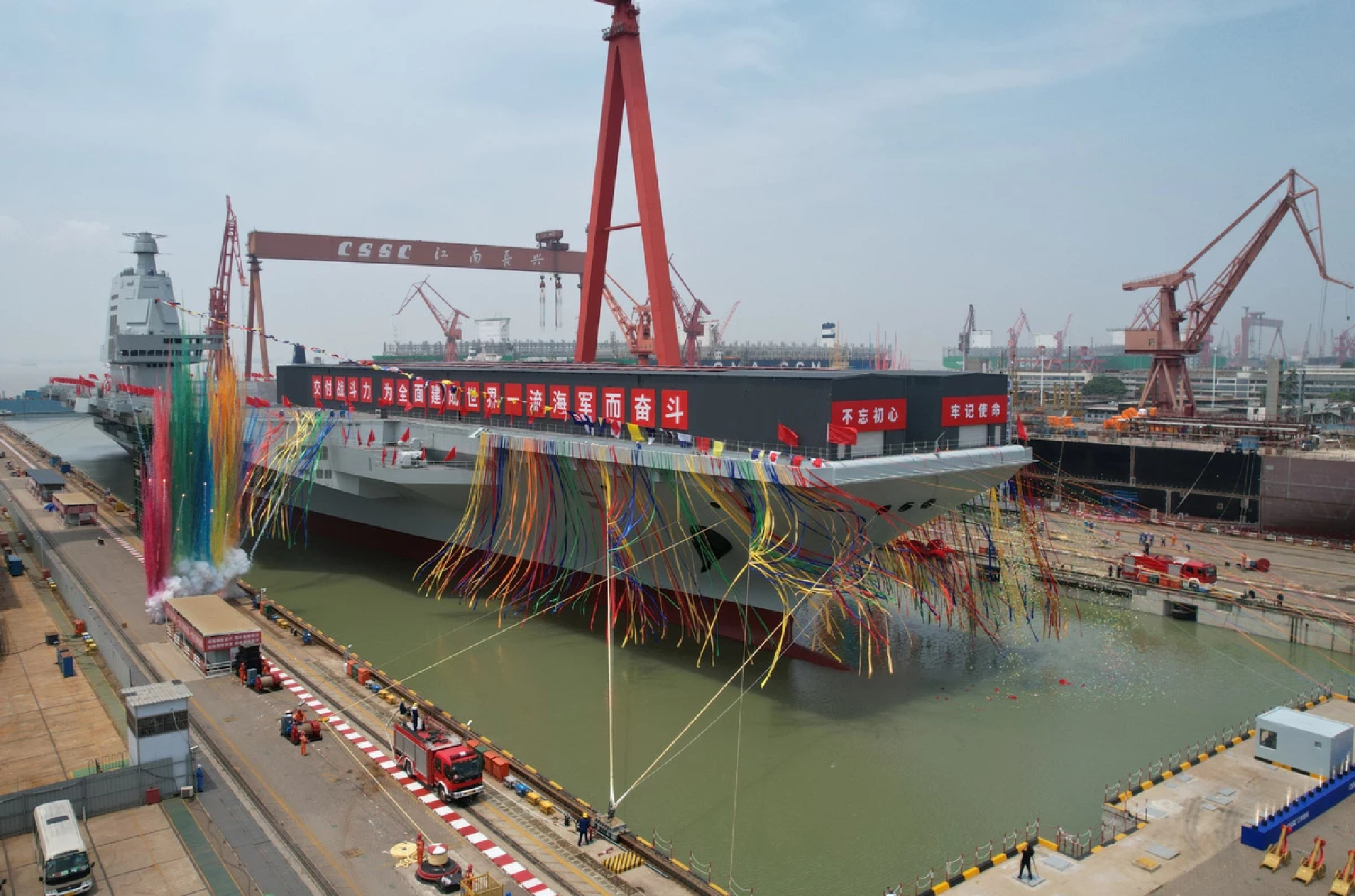
China unveiled its third aircraft carrier on Friday in Shanghai, naming it after the eastern coastal province of Fujian.

China unveils giant aircraft carrier CNS Fujian

Upon its completion, the gigantic ship will displace more than 80,000 metric tons of water, making it the largest and mightiest warship any Asian nation has ever built, and also one of the world’s biggest naval vessels of all time.

According to the People’s Liberation Army Navy, the ship will use an electromagnetic launch system, or electromagnetic catapult, to launch fixed-wing aircraft, which will give it a much greater combat capability than its two predecessors, which use ramps to launch jets.

At its launch ceremony at China State Shipbuilding Corp’s Jiangnan Shipyard Group in Shanghai on Friday, the CNS Fujian was towed out of its dry dock as color stripes were fired along the dock to celebrate the occasion.

General Xu Qiliang, vice-chairman of the Central Military Commission, and Admiral Dong Jun, commander of the PLA Navy, took part in the ceremony.

In the next phase, the carrier will undergo mooring and sea trials to comprehensively test its overall capabilities and specific equipment, the PLA Navy said.

Senior Captain Liu Wensheng, a spokesman for the PLA Navy, said on Friday evening that the home port of the Fujian will be decided based on a host of factors including the nation’s security needs, the ship’s tasks and candidate ports’ support capacity.

The PLA Navy currently operates two carriers-CNS Liaoning and CNS Shandong. Both of these have a standard displacement of around 50,000 tons and a conventional propulsion system, and use a ski jump mode for launching fixedwing aircraft.

The Liaoning was refitted from the unfinished Soviet-era carrier Varyag. It was commissioned in September 2012, becoming the PLA Navy’s first aircraft carrier.

The Shandong, the nation’s first domestically developed aircraft carrier, has a basic design similar to that of the Liaoning but has many improvements such as a greater capacity to carry aircraft and optimized design of its superstructure. It was unveiled in April 2017 and delivered to the PLA Navy in December 2019.

Compared with its two predecessors, the Fujian is much bigger and heavier, and has a larger flight deck and a smaller superstructure.

Those differences mean that it will be able to carry more aircraft and fuel and will be capable of deploying and recovering more fighter jets in combat operations. Its greater carrying capacity also means that the ship can sail further, operate longer and has stronger fighting power, according to experts.

In addition to the J-15 fighter jet, which is now the spearhead of Chinese carrier battle groups, the new carrier is expected to have new advanced combat planes or drones.

By ZHAO LEI

Asia News Network: The Nation (Thailand), The Korea Herald, The Straits Times (Singapore), China Daily,  Jakarta Post, The Star and Sin Chew Daily (Malaysia), The Statesman (India), Philippine Daily Inquirer, Yomiuri Shimbun and The Japan News, Gogo Mongolia,  Dawn (Pakistan),  The Island (Sri Lanka), Kuensel (Bhutan), Kathmandu Post (Nepal), Daily Star (Bangladesh), Eleven Media (Myanmar), the Phnom Penh Post and Rasmei Kampuchea (Cambodia), The Borneo Bulletin (Brunei), Vietnam News, and Vientiane Times (Laos).

Published : June 18, 2022

By : China Daily

Singapore proposes laws to regulate EV charging

#SootinClaimon.Com : ขอบคุณแหล่งข้อมูล : หนังสือพิมพ์ The Nation.

https://www.nationthailand.com/international/40016756


All new buildings with carparks in Singapore will have to install electric vehicle (EV) charging points in at least 1 per cent of their total car and motorcycle parking lots in future, under proposed laws to regulate EV charging.

Singapore proposes laws to regulate EV charging

In addition, the developments have to provide sufficient electrical load to support EV charging with 7.4 kilowatt chargers for 15 per cent of the total parking spaces.

Besides new buildings, the requirements would also cover developments that increase their gross floor area by 50 per cent or more, and those that increase their approved electrical load to 280 kilovolt-ampere (kVa) or more.

This proposal is in draft legislation to govern EV charging that the Ministry of Transport and Land Transport Authority (LTA) set out on June 15 for public consultation.

The proposed Electric Vehicle Charging Bill would vest the LTA with powers to regulate EV chargers used in Singapore, impose a licensing regime on EV charging operators, and require EV chargers to be provided in buildings.

“We see a strong impetus to introduce legislation to regulate EV charging across the key stakeholders in the EV charging industry, while the industry and EV adoption in Singapore are still nascent,” said the authorities.

To make it easier for EV charging to be installed in existing strata-titled developments like condominiums, the government is also looking at amending laws to lower the threshold for such resolutions to be passed.

Under the Building Maintenance and Strata Management Act, a proposal to install EV chargers currently requires support from up to 90 per cent of residents, depending on factors such as the proposed ownership of the chargers and length of lease.

The reduced threshold would apply to contracts that last for up to 10 years and to proposals that do not draw down on condo management funds, said LTA, noting that residents in some condos have not managed to pass resolutions to install EV charging points, even when a majority of residents support the move.

Also included in the proposed legislation are laws to appoint the LTA as the EV charging regulator, to ensure charging services in Singapore meet safety standards.

The LTA will regulate the supply, advertisement, installation, registration, use and maintenance of EV chargers.

The rules will cover EV chargers that are plugged into the electricity grid, mobile chargers as well as battery charge and swap stations, which charge batteries belonging to an EV.

All EV chargers will need to be registered with the LTA within a “reasonable time frame” after they have been installed, said the LTA, without elaborating. Depending on the type of chargers, this may have to be done before they can be used.

Owners of existing EV chargers will be required to register them with the LTA within 12 months.

The LTA said registration will enable it to “properly assign accountability and liability” on EV charger owners, as well as give it a better overview of the overall EV charging infrastructure. This would allow it to identify areas with insufficient charging points, it added.

EV chargers will also have to be inspected periodically by an equipment specialist – every six months for public locations, with a yearly check by a licensed electrical worker. Locations with restricted access like landed homes have to be inspected by an equipment specialist every two years.

Meanwhile, charging of detachable EV batteries will not be allowed in homes due to safety risks like battery fires, said the LTA. Companies that wish to operate their own chargers for detachable batteries will be able to work with the LTA to get their premises approved for charging.

In addition, the proposed laws would allow the LTA to enter premises in “very serious cases of dangerous activities relating to chargers”, such as the use of tampered or illegally modified chargers, those with severe manufacturing defects or those that are not installed properly.

The LTA said it would issue a “safety directive” to an owner to promptly address the risk by uninstalling or rectifying the charger. But if this is not done, the authority would be able to enter the premises to do so.

All EV-charging operators will be licensed under the proposed rules, and have to meet reliability and quality standards.

The authorities also plan to put in place safeguards against prolonged, large-scale disruption of charging services. In such an event, the LTA will have the powers to take over the affected charging operator’s assets and operations or appoint another operator to step in.

EVOne Charging’s managing director, Elson Toh, believes condo dwellers are keener than those in any other housing types to switch to EVs.

His company has been receiving more requests for proposals by condominium residents in the past year, but they rarely get the needed votes at resident committee meetings. He sees the potential for EV adoption to really take off with the proposed change.

QuickCharge.sg has installed over 100 EV chargers in commercial sites and landed homes since the middle of last year. Its spokesman said the company welcomed the proposed requirement to register EV chargers as it will give consumers confidence that the chargers comply with safety standards.

The public consultation will continue till July 14.

Lee Nian Tjoe

The Straits Times

Asia News Network

Asia News Network: The Nation (Thailand), The Korea Herald, The Straits Times (Singapore), China Daily, Jakarta Post, The Star and Sin Chew Daily (Malaysia), The Statesman (India), Philippine Daily Inquirer, Yomiuri Shimbun and The Japan News, Gogo Mongolia, Dawn (Pakistan), The Island (Sri Lanka), Kuensel (Bhutan), Kathmandu Post (Nepal), Daily Star (Bangladesh), Eleven Media (Myanmar), the Phnom Penh Post and Rasmei Kampuchea (Cambodia), The Borneo Bulletin (Brunei), Vietnam News, and Vientiane Times (Laos).

Published : June 17, 2022

By : The Straits Times

Crowdfunding campaign saves classic pre-war tiles in Japan

#SootinClaimon.Com : ขอบคุณแหล่งข้อมูล : หนังสือพิมพ์ The Nation.

https://www.nationthailand.com/international/40016754


Thanks to a crowdfunding project, the almost century-old tiles have been saved from destruction in Aichi Prefecture.

Crowdfunding campaign saves classic pre-war tiles in Japan

Located in a decrepit building scheduled for demolition in Tokoname, a town known for its pottery, the tiles date from the Taisho era (1912-1926) to the early years of the Showa era (1926-1989). They were used on the floor and walls in the building, which included a showroom for a now-defunct pottery factory.

Volunteers and others launched the crowdfunding project in a bid to save the tiles.

The building was once the administrative wing of Sugie Seitojo, now Toyo Kogyo, a ceramic manufacturer that began producing tiles during the Taisho era. The facility was used as a showroom for the tiles until World War II began and tiles came to be considered a luxury item, forcing the company to shift to producing grindstones.

The approximately 70-square-metre floor was paved with mosaic, clinker and other kinds of tiles in 73 different designs arranged to look like a series of panels. The lower half of the walls were also adorned with tiles in 24 different designs.

“Some of the tiles are made with sophisticated traditional techniques. They are cultural assets that represent the history of Japanese tiles,” said Tomoki Honma, 35, an architectural historian living in Kyoto.

When demolition of the building became inevitable, Honma and others launched efforts to preserve the tiles. They opened the facility to visitors in April and May, and about 500 people came to have a look. The crowdfunding was launched at the end of May and raised more than ¥3 million as of Thursday.

Work to remove the tiles began on June 10 and has been completed. Honma and his collaborators intend to consider exhibiting the tiles soon.

“Thanks to everyone, tiles that were destined to be destroyed are being taken into the light. I’ll be happy if they’re preserved,” said Toyo Kogyo President Akiko Sugie, 52.

The Japan News

Asia News Network

Asia News Network: The Nation (Thailand), The Korea Herald, The Straits Times (Singapore), China Daily, Jakarta Post, The Star and Sin Chew Daily (Malaysia), The Statesman (India), Philippine Daily Inquirer, Yomiuri Shimbun and The Japan News, Gogo Mongolia, Dawn (Pakistan), The Island (Sri Lanka), Kuensel (Bhutan), Kathmandu Post (Nepal), Daily Star (Bangladesh), Eleven Media (Myanmar), the Phnom Penh Post and Rasmei Kampuchea (Cambodia), The Borneo Bulletin (Brunei), Vietnam News, and Vientiane Times (Laos).

Published : June 17, 2022

By : The Japan News

Yoon to carry out deregulations, tax reform to pursue market-oriented economy

#SootinClaimon.Com : ขอบคุณแหล่งข้อมูล : หนังสือพิมพ์ The Nation.

https://www.nationthailand.com/international/40016746


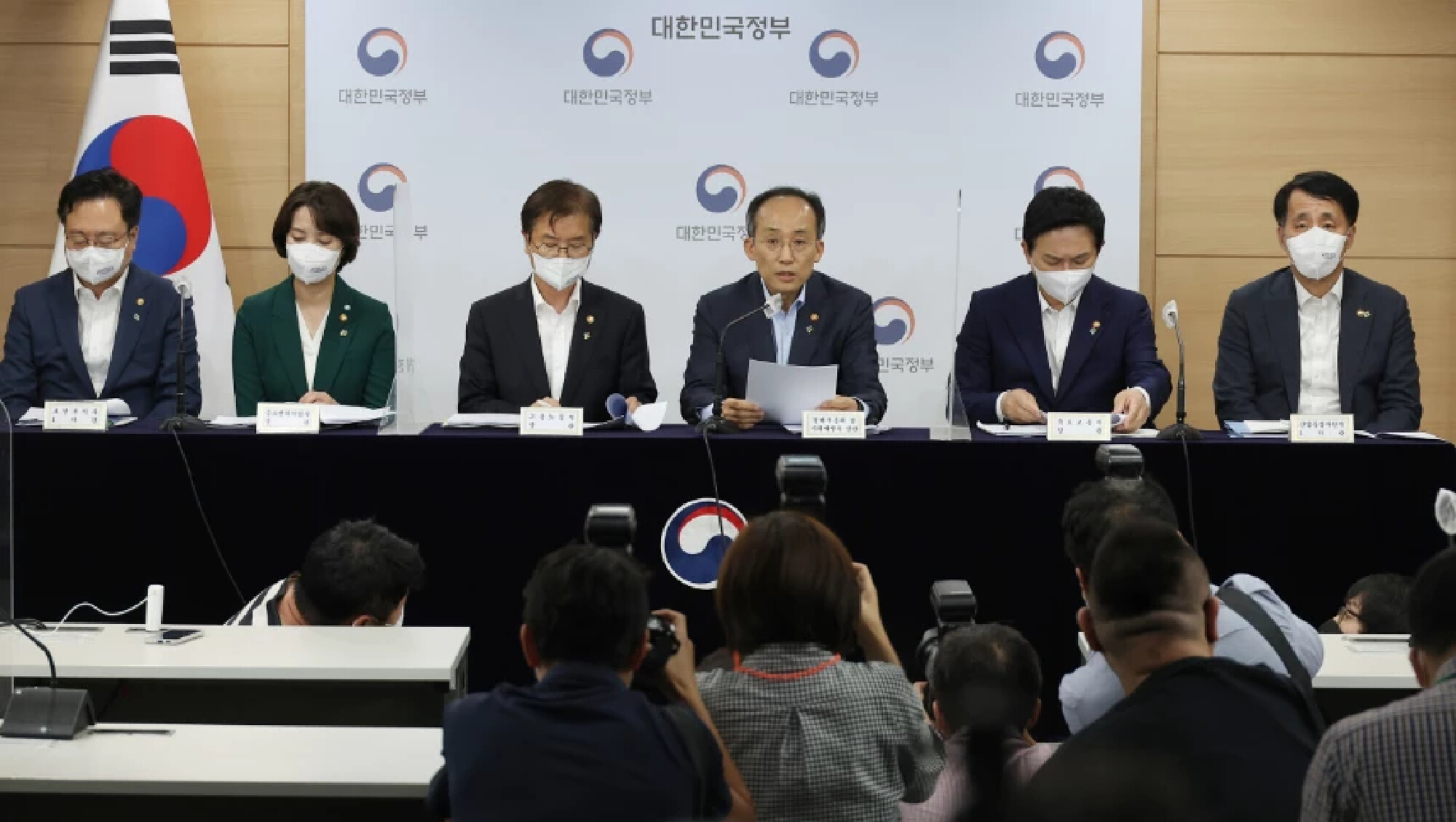
The Yoon Suk-yeol administration on Thursday unveiled a five-year plan to pursue a business-friendly and market-oriented economy by carrying out intensive deregulatory measures and alleviating the corporate tax burden.

Yoon to carry out deregulations, tax reform to pursue market-oriented economy

In a major shift from the previous administration‘s liberal agenda of an income-driven economy, the new government also vowed to minimize state intervention in the market. In addition, the plan includes a series of reforms, such as restructuring the national pension system.

Announcing the five-year plan, Deputy Prime Minister and Finance Minister Choo Kyung-ho and other ministers, said in a joint statement that the core of the Yoon administration’s economic policy is deregulation.

“(The administration) will ease a variety of regulations, which have restricted the freedom and creativity of the private sector,” read the statement.

The government will abstain from excessively intervening in the market, under which the economy would shift to one that emphasizes “the private sector, businesses and market-based activity,” said the statement.

To promote business investment and job creation, the administration plans to slash the corporate tax ceiling to 22 per cent of their earnings, from the current 25 per cent. It will also revise the taxation system to resolve double taxation on businesses at home and abroad.

In addition, the government will revise the inheritance tax law to help family-controlled corporations transition managerial power smoothly.

For the next five years, structural reform will take place in five sectors — fiscal affairs and pensions, labour, education, finance and services, according to the plan.

The Ministry of Health and Welfare will move to reform the national pension system by holding a series of public hearings. The ministry plans to unveil the national pension reform plan during the second half of the year.

As for educational reform, the Ministry of Education plans to provide universities and colleges with more autonomy in order to foster human resources in high-end industries.

On market reform, the Finance Ministry, in consultation with the Financial Services Commission, will abolish the tax on capital gains from stock transactions which were to be applied to all investors who earn more than 20 million won ($15,500) through share trading, starting next year.

Marking a U-turn from the previous government‘s tax scheme, the new plan will impose a capital gains tax on an individual who holds stock worth 10 billion won or more.

In a separate announcement, the finance ministry revised its growth target for the 2022 economy down to 2.6 per cent, from its earlier suggestion of 3.1 per cent.

It also drastically raised its prediction of inflation this year from 2.2 per cent to 4.7 per cent.

The ministry said this gloomy outlook is based on a variety of economic issues at home and abroad. It also warned of the possibility that the nation would face another variant of COVID-19. Nevertheless, the growth of private consumption is projected to reach 3.7 per cent this year, it said.

Kim Yon-se 

The Korea Herald

Asia News Network

Asia News Network: The Nation (Thailand), The Korea Herald, The Straits Times (Singapore), China Daily, Jakarta Post, The Star and Sin Chew Daily (Malaysia), The Statesman (India), Philippine Daily Inquirer, Yomiuri Shimbun and The Japan News, Gogo Mongolia, Dawn (Pakistan), The Island (Sri Lanka), Kuensel (Bhutan), Kathmandu Post (Nepal), Daily Star (Bangladesh), Eleven Media (Myanmar), the Phnom Penh Post and Rasmei Kampuchea (Cambodia), The Borneo Bulletin (Brunei), Vietnam News, and Vientiane Times (Laos).

Published : June 17, 2022

By : The Korea Herald

‘Silent epidemic:’ Risk of fatty liver disease rising among Filipinos

#SootinClaimon.Com : ขอบคุณแหล่งข้อมูล : หนังสือพิมพ์ The Nation.

https://www.nationthailand.com/international/40016742


Gastroenterology and hepatology experts have raised a “growing concern” over the increased risk of fatty liver disease among Filipinos who gained weight and developed unhealthy habits due to quarantine restrictions in the early part of the Covid-19 pandemic.

‘Silent epidemic:’ Risk of fatty liver disease rising among Filipinos

About 10 – 20 per cent of Filipinos have nonalcoholic fatty liver disease (NAFLD), dubbed the “silent epidemic” afflicting millions globally, Philippine College of Physicians president Dr Diana Alcantara Payawal said on Thursday.

This is within the range of the global rate of 15 per cent to 30 per cent, but what is concerning is that “some of them may already have fatty liver disease but are unaware of it,” Payawal said in a webinar organized by the Hepatology Society of the Philippines.

Growing concern

“This is a growing concern,” she said. “There were a lot of things that we needed to address [even] before the pandemic. The WHO (World Health Organization) had already earmarked projects for noncommunicable diseases. In fact, most of the strategies were aimed at non-communicable diseases. But during the pandemic, these were sidelined.” The limitations during the pandemic “definitely” affected clinical diagnosis and detection, Payawal said, citing the current crop of patients with uncontrolled metabolic disorders, such as liver diseases and cancer as well as diabetes and colon diseases.

About 18 million Filipinos are considered obese and overweight, and they are the ones highly susceptible to NAFLD, she said. But those with preexisting illnesses, such as diabetes, obesity and hypertension, are also at risk because the fatty liver is a “multisystemic disease.”

2 types

There are two types of NAFLD, a condition caused by fat buildup in the liver: the nonalcoholic fatty liver, and the “more advanced” nonalcoholic steatohepatitis, or NASH.

Both types indicate that an individual has “too much fat” stored in the liver cells, but NASH means that the liver is already damaged.

“Having small amounts of fat in the liver is normal, but it becomes a problem if more than 5-10 per cent of the liver’s weight is fat,” Dr Edhel Tripon, past president of the Hepatology Society of the Philippines, said in the same webinar.

According to Tripon, lifestyle plays a key role in developing fatty liver, which often has no symptoms in its early stage. Lifestyle changes and unhealthy habits developed during the quarantine in the last two years that resulted in weight gain may also contribute to this disease, aside from genetic factors.

“I’ve seen this in a lot of patients … who are still within the normal weight categories, but gained like 5-10 per cent of weight from pre-pandemic [times] because of working from home and no longer [working out]. These patients are at risk for fatty liver,” she said.

Comprehensive approach

Per recommendations by medical studies, “a comprehensive lifestyle approach” to preventing and managing fatty liver is cutting down on calories, sugar and alcohol, as well as increasing physical activity and consumption of black coffee, which has been found beneficial to liver health, Tripon said.

“If you’re overweight,” she said, “you have to be burning more calories than you’re taking in.” For people with diabetes, NAFLD increases the chance of developing heart ailments.

Serious problems

NASH can lead to serious problems, such as fibrosis (the persistent inflammation that causes scar tissue around the liver and nearby blood vessels), and cirrhosis (the most severe stage, occurring after years of inflammation). In cirrhosis, the liver shrinks and becomes scarred and lumpy. The damage is permanent and can lead to liver failure and liver cancer.

Fibrosis or cirrhosis can take years to develop, which is why physicians recommend lifestyle changes to prevent the condition from getting worse.

Usually, there are no symptoms in the early stages of NAFLD. But people with NASH or fibrosis may experience a dull ache in the top right of the stomach (over the lower right side of the ribs), extreme tiredness, and unexplained weight loss. If cirrhosis develops, the more severe symptoms include yellowing of the skin and the whites of the eyes (jaundice), itchy skin, and swelling in the legs, ankles, feet or stomach. 

 Kathleen de Villa 

Philippine Daily Inquirer

Asia News Network

Asia News Network: The Nation (Thailand), The Korea Herald, The Straits Times (Singapore), China Daily, Jakarta Post, The Star and Sin Chew Daily (Malaysia), The Statesman (India), Philippine Daily Inquirer, Yomiuri Shimbun and The Japan News, Gogo Mongolia, Dawn (Pakistan), The Island (Sri Lanka), Kuensel (Bhutan), Kathmandu Post (Nepal), Daily Star (Bangladesh), Eleven Media (Myanmar), the Phnom Penh Post and Rasmei Kampuchea (Cambodia), The Borneo Bulletin (Brunei), Vietnam News, and Vientiane Times (Laos).

Published : June 17, 2022

By : Philippine Daily Inquirer

Mekong Delta eyes rapid development of renewable energy

#SootinClaimon.Com : ขอบคุณแหล่งข้อมูล : หนังสือพิมพ์ The Nation.

https://www.nationthailand.com/international/40016738


Experts said that the region has much potential for renewables and opportunities to counter the effects of climate change effects.

Mekong Delta eyes rapid development of renewable energy

The Cửu Long (Mekong) Delta will need to optimise its natural conditions to develop renewable energy and attract investment in the sector to mitigate the impacts of climate change, experts have said.

The region has much potential for renewables like wind, solar and biomass, they said.

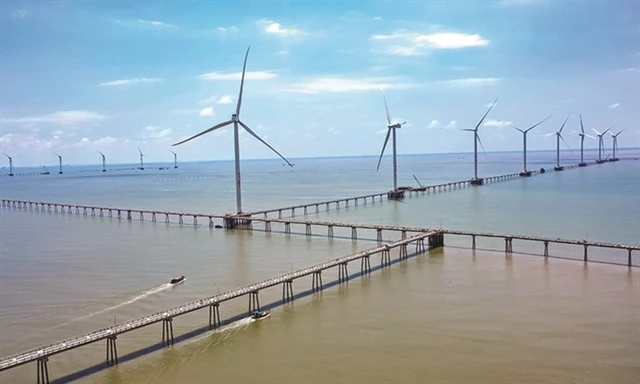
It has a long coastline of around 700km, which has great potential to develop wind power since it gets winds of 6.5-7m per second. The potential for wind power is estimated at 1,200-1,500MW.

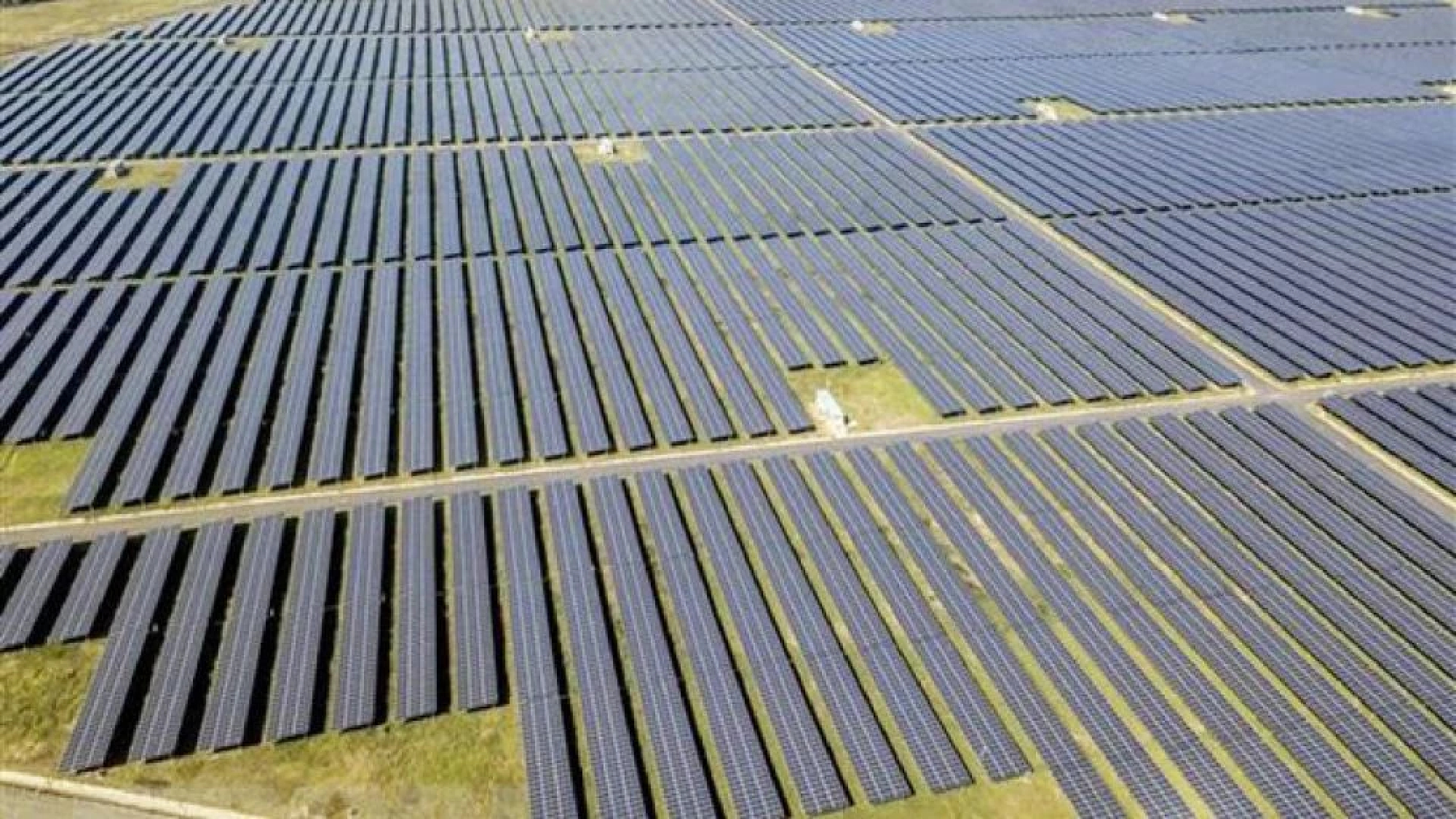
Eleven of 13 cities and provinces in the region also have enormous potential for solar energy.

A recent study by the German Agency for International Cooperation (GIZ) showed that the region gets an average of 2,200-2,500 hours of sunshine a year, and strong enough on more than 90 per cent of the days to operate solar panels. The average radiation per year is 1,387-1,534 kWh/kWp.

The potential of ocean waves, tidal energy and the abundant biomass from more than 23 million tonnes of agricultural by-products a year has not been fully exploited.

Investment needed 

Not until recently have delta provinces stepped up efforts to seek investment in clean and renewable energies.

Cà Mau Province is seeking investors in clean energy projects.

Dương Vũ Nam, deputy director of its Department of Industry and Trade, said the southernmost province has a coastline of 254km, which is excellent for wind power development.

Cà Mau’s long coastline and islands are also ideal for building warehouses and ports and installing gas pipelines and storage and regasification systems to develop gas-fired power.

Dozens of domestic and foreign investors have also expressed keen interest in wind, solar and biomass power generation in the province.

Mekong Delta eyes rapid development of renewable energy

It has 11 wind power plants with a total capacity of 675MW, while a 24MW biomass project is under construction. It has approved a 200MW wind power project that is expected to go on stream next year.

It wants the Ministry of Industry and Trade to add 26 wind power projects with a total capacity of 14,614MW proposed to be built in the province to the National Electricity Development Plan for until 2030.

Local businesses have been using solar power to make use of the local abundance of sunlight.

Tân Phát Lợi Co-operative Group, which produces prawn crackers and dried shrimp and fish, has invested in food drying technology that uses solar energy.

It reduces harmful carbon emissions compared to the traditional food drying method using charcoal.

Tài Thịnh Phát Farm Co-operative Group invested VNĐ300 million (US$13,000) in a solar-powered drying facility for its dried shrimp processing.

While the province does not have any solar farms, more and more households and businesses are installing rooftop solar.

With over 300,000 hectares under aquaculture in the province, many domestic and foreign investors are interested in setting up solar power projects to supply to farmers and businesses.

It has a tropical monsoon climate, relatively high temperatures and over 2,000 hours of sunlight a year.

The province also has high solar radiation and large forest areas that provide 225,000-300,000 tonnes of waste wood annually from wood production and processing.

It plans to build nine solar power plants with a total capacity of over 2,800MW.

Bạc Liêu Province is also soliciting investment in renewable energy from domestic and foreign sources.

Last month, the first phase of the Hòa Bình No 5 onshore wind power plant with a capacity of 80MW was inaugurated in Vĩnh Thịnh Commune, Hòa Bình District, the largest of its kind in the delta.

The investor is Hacom Bạc Liêu Energy Joint Stock Company, a member of Hacom Holdings.

Its chairman, Trần Phú Chiến, said his firm also plans to build 300MW of offshore and other wind power projects in the province.

Bạc Liêu’s wind power plants also play a role in promoting tourism by attracting around 1,000 visitors every day since the wind turbines make for popular tourist attractions and photo-taking opportunities.

It was one of the first provinces to open its wind power projects to tourists in 2018, allowing it to fully utilise its coastal potential.

According to the provincial Department of Industry and Trade, wind power output in the first five months topped 447 million kWh, four times the output in the same period last year.

Solar power output reached 5.8 million kWh, a 17 per cent increase.

It currently has eight wind power projects in operation with a total capacity of 469.2MW, the third-highest in the country.

Challenges 

Despite the region’s great potential in renewable energy, challenges do exist, resulting in the slow implementation of projects.

Dương Vũ Nam, deputy director of the Cà Mau Department of Industry and Trade, said the slow implementation is caused by problems related to changes in land use, land clearance and administrative procedures for construction.

Cà Mau has 300,000 hectares of aquaculture. Solar panels could be installed over the breeding ponds, but there are still no guidelines for this.

The provincial Department of Industry and Trade has called for such guidelines besides creating favourable conditions to attract investors.

The province is speeding up work on installing 220kV and 110kV transmission lines to connect its renewable energy projects with the national grid.

The Sóc Trăng Province Department of Industry and Trade has helped investors resolve difficulties to speed up the work on 20 wind power plants. It has called for building two 110kV transmission lines and a 220kV transformer station to link up with them.

It is working with other agencies to develop models that combine solar power with agriculture and aquaculture.

Speaking at a recent meeting with the media, the Dutch ambassador to Vietnam, Elsbeth Akkerman, said the country has everything to become a renewable energy superpower, with the Mekong Delta playing a major role.

The delta is a major agriculture-aquaculture-mangrove hub, that provides a lot of biomass.

With its long coastline and availability of strong winds, Viet Nam is well-positioned to fully meet its energy demand with renewables and even become an energy exporter, Akkerman said.

“The solar energy revolution has largely taken off in the past two years and growth in the wind energy sector is expected in the next five to 10 years.”

Xuan Hiep and Viet Dung

Vietnam News

Published : June 17, 2022

By : Vietnam News

Southeast Asian countries compete to reattract tourists

#SootinClaimon.Com : ขอบคุณแหล่งข้อมูล : หนังสือพิมพ์ The Nation.

https://www.nationthailand.com/international/40016719


Southeast Asian countries are jostling for attention as tourism slowly gathers pace again. With more and more nations easing coronavirus-related entry restrictions, hopes are running high that sluggish tourism-dependent economies can be revived by reattracting visitors.

Southeast Asian countries compete to reattract tourists

Crowded streets

The Jodd Fairs night market in central Bangkok was so crowded May 31 that people found it difficult to come and go. There were many foreign tourists among the throng. “I’m glad I was able to immediately start sightseeing without having to quarantine,” said a smiling 26-year-old Pakistani national.

The market is one of Thailand’s most popular tourist draws. Prior to the COVID-19 pandemic, tourism made up about 20 percent of the country’s gross domestic product. However, foreign visitors practically disappeared after the Thai government introduced in April 2020 a 14-day quarantine period for new arrivals. As a result, many tourism facilities closed temporarily or, in some cases, permanently. The Jodd Fairs market opened in November and had proved popular with Thai tourists at first. But some store owners said foreign visitor numbers jumped after a pre-entry PCR test requirement was lifted in April.

Most entry regulations have now been lifted and Thailand’s tourism authority estimates between 7 million and 10 million tourists will visit the country this year — about 25% of the 2019 pre-pandemic level. “Looking ahead, we’re going to have more and more customers,” said a cheerful-sounding 25-year-old baked-snacks seller.

‘Wait-and-see’ attitude

When the novel coronavirus began spreading in the spring of 2020, a number of Southeast Asian countries introduced entry restrictions. Strict measures, such as suspending commercial flights, meant infection numbers in such countries stayed relatively low.

Since mid-2021, the United States, European and other countries have dramatically eased entry curbs, and some Southeast Asian countries, including Singapore, have been quick to welcome foreigners. However, many others have maintained a wait-and-see attitude, monitoring the international situation before taking action.

Since the start of this year, many countries have relaxed their rules due to successful vaccine rollouts. Some observers say these countries are increasingly concerned about missing out on foreign tourists who might be attracted to places with less-strict entry restrictions.

Social unrest

In Myanmar, tourism-derived revenue is an important source of foreign currency for the national military, which seized power in a February 2021 coup.

In April, the country reopened its airports to international commercial flights. “Tourism creates millions of jobs in the country,” an advisor to Myanmar’s tourism federation told The Yomiuri Shimbun. “We hope the industry will recover as soon as possible.” In May, Myanmar started accepting online visa applications from potential visitors. However, social unrest prevails following the coup. At the end of May, a bomb exploded in central Yangon, Myanmar’s largest city, killing and injuring 10 people. The Myanmar public remains suppressed and tourist numbers are unlikely to return to pre-coup levels under such circumstances.

Tomoko Tsuda

The Yomiuri Shimbun

Asia News Network

Asia News Network: The Nation (Thailand), The Korea Herald, The Straits Times (Singapore), China Daily, Jakarta Post, The Star and Sin Chew Daily (Malaysia), The Statesman (India), Philippine Daily Inquirer, Yomiuri Shimbun and The Japan News, Gogo Mongolia, Dawn (Pakistan), The Island (Sri Lanka), Kuensel (Bhutan), Kathmandu Post (Nepal), Daily Star (Bangladesh), Eleven Media (Myanmar), the Phnom Penh Post and Rasmei Kampuchea (Cambodia), The Borneo Bulletin (Brunei), Vietnam News, and Vientiane Times (Laos).

Published : June 16, 2022

By : The Japan News

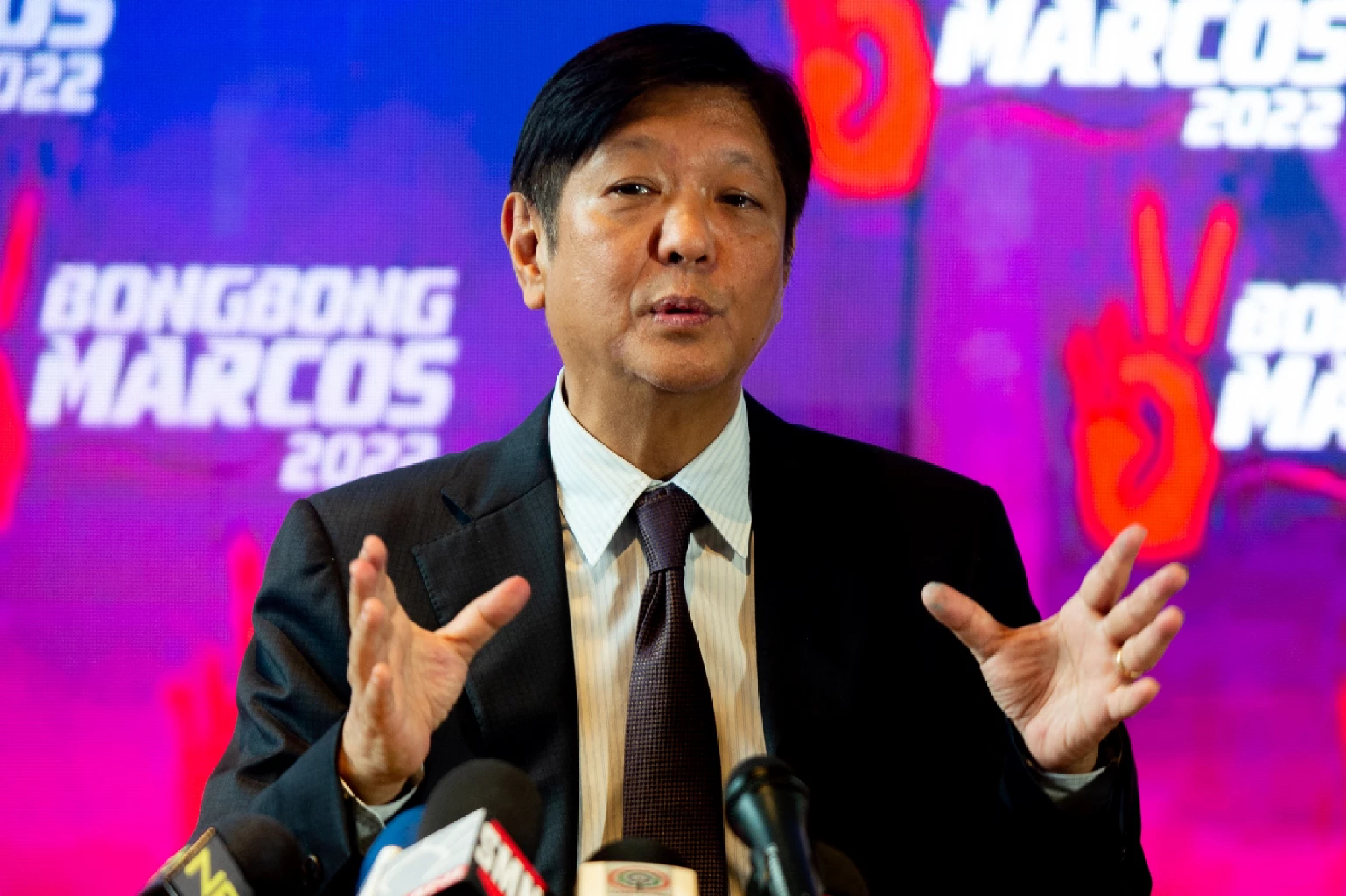
Ferdinand Marcos Jr.’s foreign policy: A new era?

#SootinClaimon.Com : ขอบคุณแหล่งข้อมูล : หนังสือพิมพ์ The Nation.

https://www.nationthailand.com/international/40016717


Just weeks following his election victory, Ferdinand Marcos Jr. is signaling that his foreign policy will be neither one of strategic subservience to the West nor driven by fruitless flirtation with China.

Ferdinand Marcos Jr.’s foreign policy: A new era?

“American occupation of the Philippines was the highest blessing that ever befell the Filipinos similar in a way to the advent of Spain,” declared Elpidio Quirino, during his Rizal Day speech in 1947. Years earlier, our first postwar president Manuel Roxas was equally effusive about our former colonizers. Amid growing social awareness of colonial injustices, he described America as “our mother, our protector, our liberator and now our benefactor” and reassured Washington that “[o]ur feeling toward America is not represented by the loud complaints of an articulate few in our midst.”

The words of our former presidents are particularly shocking since the Philippines is the home to Asia’s first anti-colonial revolt. It also came on the heels of Manuel Quezon’s years-long quest to end American colonization; in fact, the Commonwealth-era president was so committed to our independence that, perhaps in a moment of exalted frustration, he declared, “I would rather have a government run like a hell by Filipinos than a government run like heaven by Americans.”

Former senator Claro M. Recto had a term for our long tradition of strategic subservience to former colonizers: a “mendicant” foreign policy. In a particularly eloquent speech before the Nacionalista Party, Recto lamented how, “the weaklings, the sycophants, and the mendicants, who, to extricate the nation from the misery they have brought about, have surrendered [the] political sovereignty and economic independence [of the Philippines to] exploiters and oppressors.”

Benigno Aquino Jr. another fiery senator of his era, was equally distraught. In a heartfelt essay for the Foreign Affairs magazine, he lamented how “Filipinos are bewildered about their identity.” Aquino fretted at how Filipinos ended up as “Asian people not Asian in the eyes of their fellow Asians and not Western in the eyes of the West.”

In short, we were not only overly dependent on a former colonizer, effectively outsourcing our national security to Washington, but also struggled with fundamental identity issues decades into our formal independence. Half a century later, as America’s imperial power peaked, longtime provincial mayor Rodrigo Duterte tried to transform the Philippines’ strategic culture by consciously embracing an “independent” foreign policy.

Yet, his brazenly pro-Beijing predilections, combined with personal resentments toward the West, ended up weakening our traditional alliances without necessarily strengthening our position in the West Philippine Sea. A geopolitical novice, Mr. Duterte easily fell for China’s “pledge trap,” namely all those unfulfilled pledges of big ticket infrastructure investments. For some, the populist president was simply changing one strategic patron for the other.

If there is one Filipino president who came closest to achieving a semblance of strategic “independence” for the Philippines, it was no less than former dictator Ferdinand Marcos Sr. To be clear, his regime was deeply corrupt and brutal, overseeing a destructive war in Mindanao. And his economic policies ended up catastrophically for the whole nation.

Yet, Marcos’ foreign policy closely resembled what political scientists describe as “subaltern realism,” whereby weaker postcolonial nations can maximize their strategic room for maneuver by adopting robust and interlocking ties with rival powers for the purpose of national development. While maintaining a strong military alliance with Washington, Marcos also pursued economic relations with the Soviet Union and was also among the first US allies to normalize diplomatic ties with Maoist China. Not to mention, Marcos also oversaw the Philippines’ proactive occupation of disputed land features in the West Philippine Sea, including the establishment of an airstrip on Pag-asa Island.

Just weeks following his election victory, Ferdinand “Bongbong” Marcos Jr. is signaling that his foreign policy will be neither one of strategic subservience to the West nor driven by fruitless flirtation with China. If anything, he seems to be taking a page from his father’s strategic playbook by, inter alia, simultaneously pursuing warm ties with all major regional powers, including the US, India, China, South Korea, and Japan.

In fact, his appointment of Dr. Clarita Carlos, who is deeply familiar with the strategic culture and foreign policy bureaucracy of the Marcos era, as his national security adviser is quite telling. If we want to be respected as a truly independent nation, we need to dispense with both a “mendicant” strategic mindset as well as “amateur hour” antics in our foreign policy. Let’s see what the Marcos Jr. administration has to offer once in office.

Richard Heydarian

Philippine Daily Inquirer

Asia News Network

Asia News Network: The Nation (Thailand), The Korea Herald, The Straits Times (Singapore), China Daily, Jakarta Post, The Star and Sin Chew Daily (Malaysia), The Statesman (India), Philippine Daily Inquirer, Yomiuri Shimbun and The Japan News, Gogo Mongolia, Dawn (Pakistan), The Island (Sri Lanka), Kuensel (Bhutan), Kathmandu Post (Nepal), Daily Star (Bangladesh), Eleven Media (Myanmar), the Phnom Penh Post and Rasmei Kampuchea (Cambodia), The Borneo Bulletin (Brunei), Vietnam News, and Vientiane Times (Laos).

Published : June 16, 2022

By : Philippine Daily Inquirer