Construction of the first observatory in the Tibet autonomous region kicked off this week, following a foundation stone-laying ceremony on Sunday for what is said to be the highest observatory in the world.
Planning of the project began last March and the observatory is scheduled for completion by June 2024. It will occupy more than 11,000 square meters in Lhasa near the region’s Science and Technology Department, at an altitude of 3,650 meters.
A major advantage of the location of the new observatory is that the air in Lhasa is clean-among the best in China-which allows clear views of orbiting objects and distant celestial bodies.
A 1-meter aperture refracting telescope, the world’s largest such instrument, will be installed to undertake tasks such as scientific research, provide early warnings for space junk that would endanger satellite and spacecraft launches, monitor near-Earth asteroids and help popularize astronomy.
It “will help prevent devastating accidents, such as satellites and spacecraft striking orbiting debris”, said Wang Junjie, deputy director of the regional Department of Science and Technology.
The development of the telescope has involved cooperation of several institutes across China, including the National Astronomical Observatories, the Changchun Institute of Optics, Fine Mechanics and Physics; the Purple Mountain Observatory of the Chinese Academy of Sciences; and the Tibet Museum of Natural Science.
Wang said many kinds of activities, including exhibitions, training sessions, experiments, lectures and movie shows will take place at the observatory, and programs will be designed to encourage youth participation.
“The observatory will become a new regional landmark, attracting tourists as well as local people,” he said.
Astronomy enthusiast Tsering Lhundrub, a student at Nagchu No 3 High School in Lhasa, loved the idea.
“Tibet is known as the roof of the world. It is near to the sky. I think it’s good,” Tsering Lhundrub said.
“In other parts of China, people have the resources to observe space and asteroids, but in Tibet there is a gap in this field. So I am very pleased to hear that our region will soon have one,” he said.
“It’s important that people-especially the younger generation-have a chance to observe and explore the amazing universe.”
Palden Nyima and Daqiong
China Daily
Asia News Network
Asia News Network: The Nation (Thailand), The Korea Herald, The Straits Times (Singapore), China Daily, Jakarta Post, The Star and Sin Chew Daily (Malaysia), The Statesman (India), Philippine Daily Inquirer, Yomiuri Shimbun and The Japan News, Gogo Mongolia, Dawn (Pakistan), The Island (Sri Lanka), Kuensel (Bhutan), Kathmandu Post (Nepal), Daily Star (Bangladesh), Eleven Media (Myanmar), the Phnom Penh Post and Rasmei Kampuchea (Cambodia), The Borneo Bulletin (Brunei), Vietnam News, and Vientiane Times (Laos).
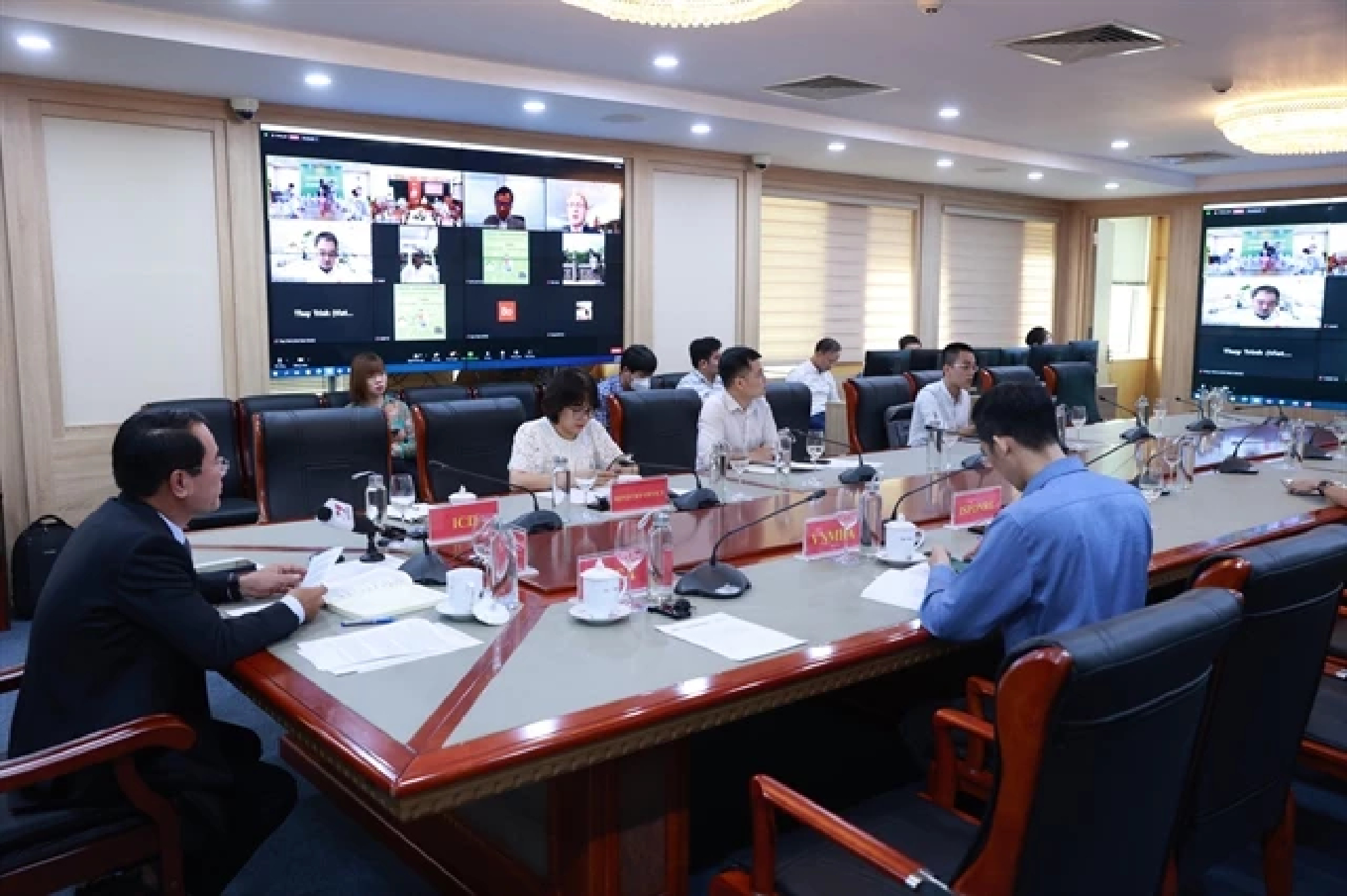
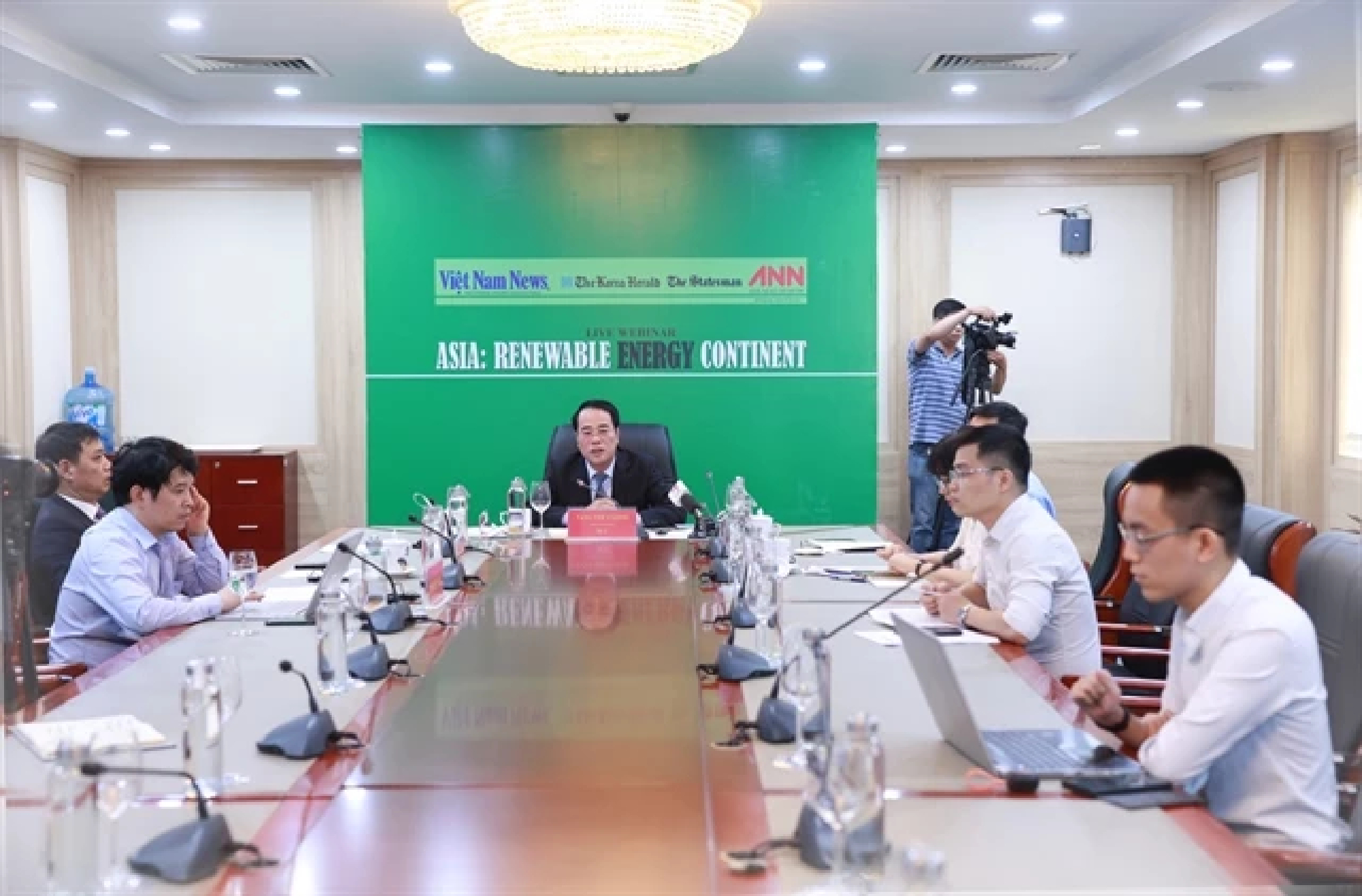
International industry experts and businesses in the energy sector stressed the importance of cross-border cooperation and technology transfer for the region’s efforts to shift away from coal power at an online webinar hosted by Vietnam News and the Asia News Network on Wednesday.
Speaking at the webinar, Pana Janviroj, Executive Director of the ANN, who moderated the event, said: “[Renewable energy] is the topic that we will keep going back to in Asia in the near future.
“It’s a growth area that has a big impact on climate change, but many issues remain including consumers being confident in adapting to solar energy.”
Harald Link, Chairman of B. Grimm Power Pel based in Thailand, said the wide development of clean energy spurs innovation and this offers many insights and models for Asian countries to consider.
“Renewable energy is really the new norm now. Wherever you go, everybody’s interested in renewable energy and in the different forms, whether it’s wind, water, sun, biofuels, and even waves.”
“There are a lot of innovations happening nowadays so we can look at the peer-to-peer renewable energy in various countries in Europe.”
“The development of renewable energy needs good regulations. It is important to organise an ecosystem of renewable energy sales,” he said, noting mechanisms such as FiT and Power Purchase Agreements (PPAs).
Link is hopeful about the prospect of renewable energy development.
There is a huge ecosystem for renewable energy already in the world and there will be more.
“There are huge opportunities for renewable energy and it will continue for the next few decades,” Link said.
“Energy trading is prevalent in Thailand, which allows us to join wider networks and transmit power from one country to another and get connected,” he added.
“The sky is the limit. Every country may have their own way of doing and it is good that we can learn from many others,” he said.
Frank Phuan, CEO of SUNSEAP Group Pte company based in Singapore, also shared insights about renewable energy development in Singapore.
Noting that more than 95 per cent of Singapore’s electricity is powered by natural gas, Phuan said the country’s zero-emission target is an ambitious one given that it is a small country.
“It has to depend on technology and policy as well as work with neighbouring countries to allow zero emissions to happen,” he said.
Due to land constraints, solar PV systems have been installed on rooftops all over the country as well as on water, Phuan said, noting that 50 per cent of government buildings are covered by solar panels.
The government also allows clean energy piped into Singapore, allowing the import of up to 4GW of low-carbon electricity by 2035.
Phuan said he has witnessed both good and bad trends in clean energy development in the region, adding that “good is more than bad”.
“There is a trend of large-scale hybrid solar and battery combination,” he said.
The gigawatt-scale projects spur the development of all forms of battery, and more development will come in the form of long-duration of power storage, he said.
He noted that there are many opportunities looking at these large-scale hybrid solar projects.
He emphasised the development of floating solar in hydro dams as well as the implementation of solar-integrated agriculture, notably in China and Taiwan.
Phuan highlighted the need to strengthen the private and government partnership as well as measures to tackle distribution capacity issues.
Meanwhile, Anil Sood, President of India’s Chetna, expressed his concerns about the economic impacts of overloaded transmission networks and environmental consequences if a large number of batteries are not treated properly.
“While we go for green energy, it is important not to lose sight of how to solve shelf-life problems,” he said.
Vietnam’s efforts acclaimed
Hideki Minamikawa, President of the Japan Environmental Sanitation Center, and former Vice Minister of the Environment highlighted Vietnam’s commitments to achieve zero emissions by 2050, shared experience from Japan and stressed the cooperation between the two countries in renewable energy.
“The Vietnamese Government’s efforts to address climate change have received international acclaim,” he said.
To achieve virtually zero emissions by 2050, Minamikawa said, Vietnam will take strong measures to reduce emissions by taking advantage of its strengths in the renewable energy sector.
Sharing the Japanese approach to clean energy, Minamikawa said Japan’s commitment to renewable energy began in 1974, triggered by the first oil crisis that occurred the previous year.
The country has had a number of policies to increase energy from clean sources including those from solar, wind, hydrogen and biomass.
However, Japan’s current renewable energy development is not sufficient and there are challenges with regard to the power grid.
He said the biggest bottleneck is the inadequate deployment of transmission lines from areas with large amounts of renewable energy generation potential to large consumption areas, and the costs are borne by the power producers, not the power companies.
Still, renewable energy is the backbone of power generation in Japan, he said, noting that it is expected to provide up to 38 per cent of Japan’s total power generation in 2030.
He noted that the Japanese government is supporting the development of renewable energy overseas as a measure to combat global warming.
Japan has been promoting environmental cooperation in Việt Nam, including cooperation in the development of renewable energy, through a memorandum of understanding signed in 2013.
He recalled that in 2020 the two countries agreed to further cooperate in promoting a decarbonisation transition and in combating plastic marine pollution.
“In this context, the development of renewable energy is the most important subject, and I look forward to its further enhancement,” he said.
Vietnam News
Asia News Network
Asia News Network: The Nation (Thailand), The Korea Herald, The Straits Times (Singapore), China Daily, Jakarta Post, The Star and Sin Chew Daily (Malaysia), The Statesman (India), Philippine Daily Inquirer, Yomiuri Shimbun and The Japan News, Gogo Mongolia, Dawn (Pakistan), The Island (Sri Lanka), Kuensel (Bhutan), Kathmandu Post (Nepal), Daily Star (Bangladesh), Eleven Media (Myanmar), the Phnom Penh Post and Rasmei Kampuchea (Cambodia), The Borneo Bulletin (Brunei), Vietnam News, and Vientiane Times (Laos).
The Minister of Natural Resources and Environment of Vietnam on Wednesday sent a message, highlighting seven focus points to fully unleash Asia’s potential for renewable energy development.
Minister Trấn Hồng Hà, in his message to the webinar “Asia: Renewable Energy Continent” held on Wednesday, said: “Climate change, environmental pollution and ecosystem degradation are the crises to humanity today.
“The Sixth Assessment Report, Climate Change 2022 of the Intergovernmental Panel on Climate Change (IPCC-AR6) once again sounds the alarm bell, that if the global warming is not controlled within 1.5 degree Celsius compared to pre-industrial times, it will result in irreversible harm to human and natural systems.
“IPCC estimates that since 2008, devastating floods and storms have forced more than 20 million people from their homes each year; while half the world’s population face water scarcity for at least one month every year.”
According to the International Energy Agency, global carbon emissions from energy combustion and industrial processes have increased to 36.3 billion tonnes of CO2 equivalent in 2021, the highest annual figure and an increase of 6 per cent compared to 2020. At the same time, the World Meteorological Organisation announced in May 2022 that the four key climate change indicators – greenhouse gas concentrations, sea-level rise, ocean heat and ocean acidification, have set new records in 2021.
This is yet another clear sign that human activities are causing planetary-scale changes on land, in the ocean, and in the atmosphere, posing harmful and long-lasting ramifications for sustainable development and ecosystems, Tăng Thế Cường, director-general of the ministry’s Department of Climate Change, said while delivering the message on the minister’s behalf.
This is the consequence of an unsustainable development model based mainly on fossil fuels over the past 150 years, he added. And this is not yet to mention the loss of millions of people around the world due to air pollution caused by the use of fossil fuels.
“Therefore, if there is any delay in reducing carbon emissions and providing support to climate change response, we will miss the golden opportunity to ensure a habitable Earth and a sustainable planet for all in the future.”
At the same time, recent conflicts in the world have been causing a continuous surge in oil prices (oil prices have reached US$120 per barrel and are forecast to continue rising when major economies recover after the COVID-19 pandemic), affecting every aspect of socio-economic activities around the world. People in developing countries, in particular, are the ones most impacted. That has once again shown the unsustainability of the fossil fuel-based development model.
Climate and fossil fuel crises present us with a new growth opportunity by transforming the development model, shifting from fossil fuels to renewable energy obtained from solar and wind energy. Developing countries are being presented with the opportunity to leapfrog others towards clean energy, which will help with both socio-economic development and pollution reduction, especially air pollution.
The minister’s message reiterated a speech made by UN Secretary-General Antonio Guterres: “Renewables are the only path to real energy security, stable power prices and sustainable employment opportunities. If we act together, the renewable energy transformation can be the peace project of the 21st century.”
The Group of Seven (G7) has recently pledged to phase out coal power, reaffirming that shifting from fossil fuel to clean, renewable energy is the inevitable global trend.
Asia is the continent with the fastest economic growth in the world, and also of the highest level of energy consumption. The demand for energy in the region is continually rising due to urbanisation and industrialisation happening at a breakneck pace.
Asia is also a region with tremendous potential in renewable energy, alongside significant knowledge and expertise in renewables. However, the rate of renewable energy remains modest in comparison to ‘traditional’ ones.
Therefore, along with economic model transformation, energy transition plays a key role in implementing the UN’s Sustainable Development Goals, contributing to the net-zero emissions target by 2050, Hà said.
He suggested seven focus points to fully unleash the potential of renewable energy, as well as accelerate the transition from fossil fuel to renewable energy.
First, renewable energy needs to become a public good that serves all people, so that everyone can have access to and benefit from renewable energy development and energy transition. In particular, communities or groups that are adversely affected by energy transition need to be provided support in terms of livelihoods and education for vocational transition.
Second, it is necessary to promote cooperation between countries in removing barriers, including those in intellectual property rights, to spur the sharing of knowledge and drive collaboration in scientific research, development, and technology transfer in the field of renewable energy from developed countries to developing ones.
Third, policies play a critical role in propelling energy transition. Therefore, policies and frameworks appropriate to each country are needed to encourage the business community to increase investments in renewable energy, as well as to promote energy transition, from the planning stage, to licensing, management, and operation of renewable energy development projects.
Fourth, targets related to developing renewable energy, achieving net-zero emissions, and reducing air pollution should be established, which would serve as criteria for making investment decisions and developing energy projects. In particular, it is necessary to secure the commitment from and responsible participation of the financial system, including multilateral development banks, financial and credit institutions, through aligning their lending portfolios towards accelerating the renewable energy transition
Fifth, there should be increased investment in power transmission systems to maximise the benefits of wind and solar energy production, and more investment into infrastructure projects that accelerate the application of clean technologies such as electric vehicles (EVs), for example, electric cars and motorbikes.
Sixth, in addition to efforts to bolster energy transition and unleash the potential of renewable energy, it is necessary to synchronously implement other solutions, such as the restoration of natural ecosystems that are resilient to climate change to enhance adaptation capacity and carbon sequestration; promoting circular economy in order to make the most efficient use of resources while conserving resources for future generations; and deploying technology solutions for carbon capture and storage to contribute to the realisation of net-zero target; etc.
Finally, in order to promote renewable energy development in Asia commensurate with its potential, there should be active participation of media and press agencies in the region. The news and media agencies will contribute to spreading the message on the urgency of the energy transition, as well as helping the business community and people better understand the economic, environmental, and social benefits brought about by renewable energy.
The official stressed that Việt Nam is one of the countries heavily affected by climate change. With the motto of action and responsibility, at COP26, the country has made strong commitments toward net-zero emissions by 2050, shifting from coal fuel to renewable energy.
As one of the fastest-growing economies in Southeast Asia with a great need for renewable energy transition, the Government of Việt Nam has developed a number of mechanisms and policies to stimulate a robust development of renewable energy, Hà said.
Việt Nam’s solar PV capacity increased from merely 86MW in 2018 to about 16,500MW in 2020, making it the country with the largest installed solar energy capacity in ASEAN, Hà said. Furthermore, the country was also among the top global 10 countries with the most installed solar capacity in 2020.
In terms of wind power potential, Việt Nam has very favourable climate and terrain conditions for wind power development, and investment prospects are bright. Việt Nam has the largest wind resource in the region with an estimated potential of 311GWs, thanks to the country’s long and narrow geography (the country boasts 3,000 kilometres of coastline, including hills and mountains). According to a World Bank study, more than 39 per cent of areas in Việt Nam have an annual wind speed of more than 6m/s (at 65m height), equivalent to wind energy of 512GW. As much as 8.6 per cent of land and water areas in the country are deemed suitable for large wind farms.
According to Hà, in order to promote the development of renewable energy and contribute to the country’s international commitments, the Vietnamese Government will continue to reform administrative procedures related to licensing and management of renewable energy projects, gradually developing incentive mechanisms in accordance with the country’s condition for renewable energy development projects, especially offshore wind power plants, hydrogen and ammonia production, geothermal power, and wave power.
“Any transition may encounter difficulties and challenges at the beginning. Therefore, the synergy between governments, businesses, and communities is very crucial, including the mechanisms and policies development from the governments, investments from businesses, and the support from the community.
“This is the premise to attract more potential capital sources for renewable energy in the future, as well as a demonstration of the national commitment and responsibility in joining hands with the international community to address the global challenges related to climate and environment.”
The online conference was organised by the national English language daily newspaper Việt Nam News, in collaboration with The Statesman from India, and The Korea Herald from South Korea, who are members of the Asia News Network (ANN).
Vietnam News
Asia News Network
Asia News Network: The Nation (Thailand), The Korea Herald, The Straits Times (Singapore), China Daily, Jakarta Post, The Star and Sin Chew Daily (Malaysia), The Statesman (India), Philippine Daily Inquirer, Yomiuri Shimbun and The Japan News, Gogo Mongolia, Dawn (Pakistan), The Island (Sri Lanka), Kuensel (Bhutan), Kathmandu Post (Nepal), Daily Star (Bangladesh), Eleven Media (Myanmar), the Phnom Penh Post and Rasmei Kampuchea (Cambodia), The Borneo Bulletin (Brunei), Vietnam News, and Vientiane Times (Laos).
Asia News Network: The Nation (Thailand), The Korea Herald, The Straits Times (Singapore), China Daily, Jakarta Post, The Star and Sin Chew Daily (Malaysia), The Statesman (India), Philippine Daily Inquirer, Yomiuri Shimbun and The Japan News, Gogo Mongolia, Dawn (Pakistan), The Island (Sri Lanka), Kuensel (Bhutan), Kathmandu Post (Nepal), Daily Star (Bangladesh), Eleven Media (Myanmar), the Phnom Penh Post and Rasmei Kampuchea (Cambodia), The Borneo Bulletin (Brunei), Vietnam News, and Vientiane Times (Laos).
Vietnamese automaker VinFast announced plans to open more than 50 stores in Europe at the 35th International Electric Vehicle Symposium and Exhibition in Norway on Tuesday.
VinFast plans to open at least 25 stores in Germany, 20 in France and five in the Netherlands.
The first will be built in Frankfurt, Berlin, Cologne, Oberhausen and Hamburg in Germany; Paris, Marseille, Nantes, Rennes, Nice, Montpellier, Aix en Provence and Metz in France; and Amsterdam in the Netherlands.
“VinFast is not just here to sell cars,” group vice chairwoman and VinFast Global CEO Lê Thị Thu Thủy said. “We are here to inspire change and accelerate the transition to electric vehicles for the benefit of the environment.”
At the exhibition, which wraps up on June 15, VinFast introduced its smart electric vehicles, the VF 8 and VF 9, which debuted at the 2021 Los Angeles Auto Show and CES 2022.
The two models are expected to impress and captivate the public. The brand utilised modern design language to optimise aerodynamics and create a comfortable driving experience while upholding aesthetics that reflect each segment’s unique features.
Earlier, Vietnamese Deputy Prime Minister Lê Văn Thành asked the Industry and Trade Ministry to study policies to promote the development of the domestic automobile industry, in line with the growing global trend of electric cars.
The request came in response to a proposal by the Vietnam Automobile Manufacturers’ Association that the Asean country needs an automobile industry strategy that will contribute to Vietnam’s commitment to net-zero carbon emissions under the United Nations’ COP26 commitments.
It proposed an electric car development programme together with a road map to convert from fossil-fuel cars to electric cars and an action plan to implement COP26 commitments.
Vietnam News
Asia News Network
Asia News Network: The Nation (Thailand), The Korea Herald, The Straits Times (Singapore), China Daily, Jakarta Post, The Star and Sin Chew Daily (Malaysia), The Statesman (India), Philippine Daily Inquirer, Yomiuri Shimbun and The Japan News, Gogo Mongolia, Dawn (Pakistan), The Island (Sri Lanka), Kuensel (Bhutan), Kathmandu Post (Nepal), Daily Star (Bangladesh), Eleven Media (Myanmar), the Phnom Penh Post and Rasmei Kampuchea (Cambodia), The Borneo Bulletin (Brunei), Vietnam News, and Vientiane Times (Laos).
The shipment of Thai farm products to China by rail through Laos will be faster in the near future because procedures are being streamlined, the developer of the Thanaleng Dry Port (TDP) told Thai authorities on Monday.
The Lao developer is cooperating with China to clear sanitary and phytosanitary (SPS) certification plus the China Certification and Inspection Group (CICC) processes to speed up authorisation for transport of Thai farm products.
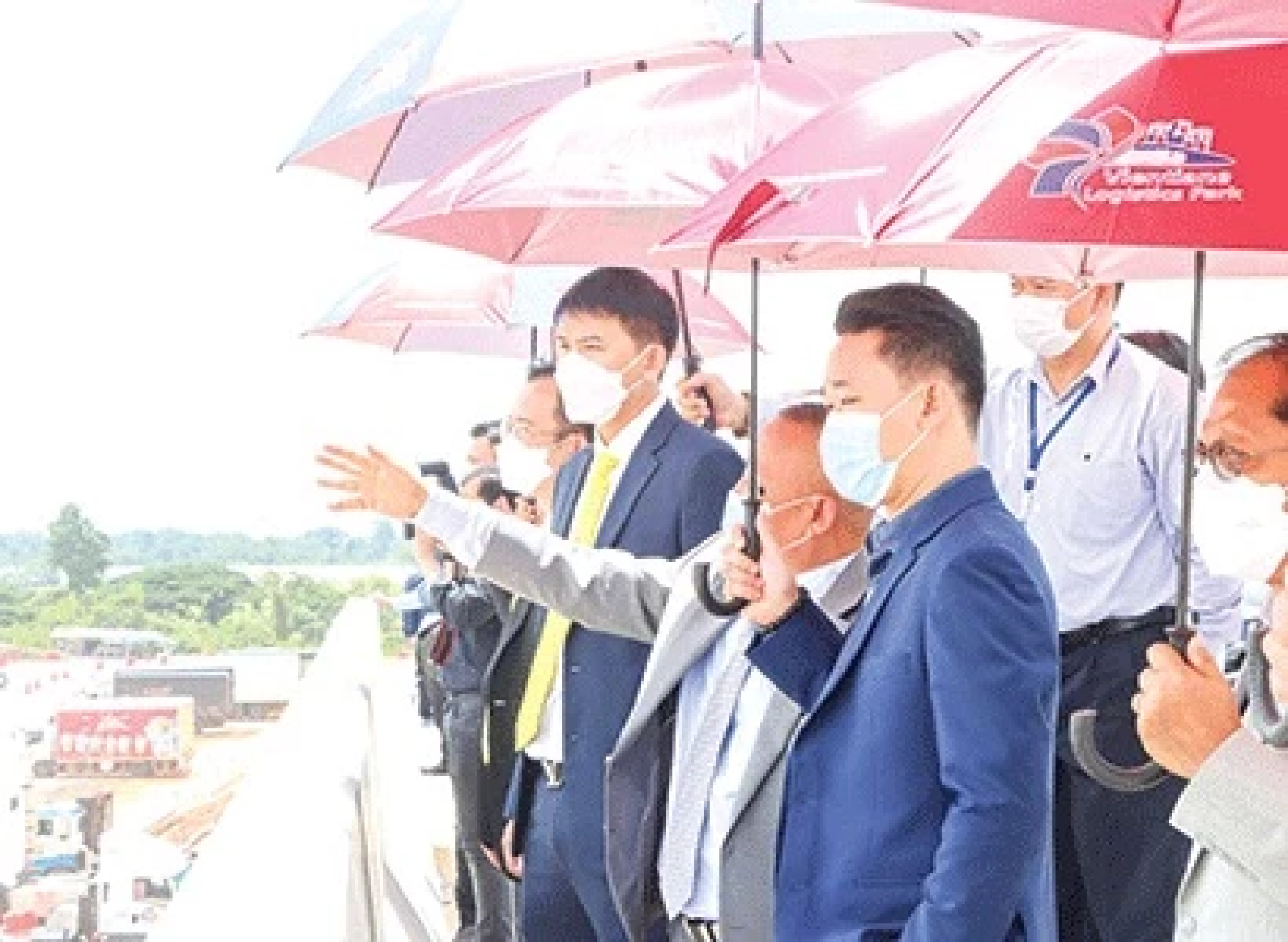
A few weeks ago, the Lao investor signed a memorandum of understanding with China on SPS cooperation, TDP managing director Sakhone Philangam told his Thai guests, including Thailand’s Deputy Transport Minister Atirat Ratanasate, who made a working trip to the dry port, which is part of Laos’s first-ever integrated Vientiane Logistics Park (VLP).
Under the MoU, China’s SPS centre will be set up at the TDP.
“Once we have SPS and CCIC facilities at the dry port, all Thai products with SPS and CCIC seals can be shipped directly to any county [in China via the railway],” Sakhone said.
He explained that shipment of Thai durian to China by rail through Laos had been slow so far because the fruit had to be transferred to trucks at the Chinese border crossing in Boten.
The consignment had to be inspected at the truck border crossing to obtain SPS certification before entering China by road.
The process normally takes days to complete, including the time taken to comply with Covid-19 prevention procedures imposed by Beijing.
However, non-agricultural products can be transported directly by rail, the director said.
Open for service since December last year, the dry port and logistics park will set new standards for logistics infrastructure in landlocked Laos. This critical infrastructure will pave the way for a surge in trade between China and Laos, as well as transit trade between China and Thailand, Malaysia and Singapore. This in turn will spur a major shift from sea trade to road and rail passage through Laos with the completion of new cross-border railways in the next few years.
On June 26, the Laos-China Railway will debut its first transport service from Thanaleng (the dry port) to China, Sakhone said, citing information from the Laos-China Railway Company Limited.
So far, goods transferred through the dry port have been transited to the Laos-China Railway’s Vientiane Tai Station.
To expedite transport and logistics processes, Sakhone asked Thai authorities to instruct truck drivers to forward the necessary information before entering the dry port, so that as much documentation as possible could be processed prior to the arrival of the trucks.
Thailand’s Atirat said his ministry was pleased to extend support and cooperation for the mutual benefit of both sides.
The logistics park, which is being built on a 382-hectare site, features investment opportunities through five zones.
Vientiane Logistics Park vice-chairman Viengkhone Sitthixay told the Thai officials that the logistics park is part of the Lao Logistics Link project, and the Lao National Logistics Strategy for 2016-2030, which will boost the government’s efforts to transform Laos from a landlocked to a land-linked country.
Vientiane Times
Asia News Network
Asia News Network: The Nation (Thailand), The Korea Herald, The Straits Times (Singapore), China Daily, Jakarta Post, The Star and Sin Chew Daily (Malaysia), The Statesman (India), Philippine Daily Inquirer, Yomiuri Shimbun and The Japan News, Gogo Mongolia, Dawn (Pakistan), The Island (Sri Lanka), Kuensel (Bhutan), Kathmandu Post (Nepal), Daily Star (Bangladesh), Eleven Media (Myanmar), the Phnom Penh Post and Rasmei Kampuchea (Cambodia), The Borneo Bulletin (Brunei), Vietnam News, and Vientiane Times (Laos).
In a far-reaching move, India on Tuesday unveiled an attractive recruitment scheme for its youth to serve in the armed forces.
The scheme, cleared by the Cabinet, is called “Agnipath”, or path of fire, and the youth selected under it will be known as ”Agniveers” (path of the brave). The scheme allows patriotic and motivated youth to serve in the armed forces for a period of four years.
Announcing the scheme in the presence of the three services chiefs, Defence Minister Rajnath Singh hailed “Agnipath” as a “transformative initiative” that will bring about a huge change and open up opportunities for the nation’s youth. He said the scheme will strengthen India’s security while providing a youthful profile to the armed forces.
The Agnipath scheme has been designed to provide a youthful profile of the armed forces. It will provide an opportunity to the youth who may be keen to don the uniform by attracting young talent from the society who are more in tune with contemporary technological trends and plough back skilled, disciplined and motivated manpower into the society.
It is envisaged that the average age profile of Indian armed forces will come down by about 4-5 years from the implementation of this scheme. An official note said the dividends of short military service to the nation, society and the youth of the nation are immense. This includes the inculcation of patriotism, teamwork, enhancement of physical fitness, ingrained loyalty to the country and availability of trained personnel to boost national security in times of external threats, internal threats and natural disasters.
This is a major defence policy reform introduced by the government in the human resource policy of the three services.
”Agniveers” will be given an attractive customised monthly package along with “risk and hardship” allowances as applicable in the three services. On completion of the engagement period of four years, they will be paid a one-time package, which shall comprise their contribution including accrued interest thereon and matching contribution from the government equal to the accumulated amount of their contribution including interest.
During this period of service to the nation, the interns will be imparted with various military skills and experience, discipline, physical fitness, leadership qualities, courage and patriotism.
The enrolment will be undertaken through an online centralised system for all three services with specialised rallies and campus interviews from recognised technical institutes. The eligible age will be in the range of 17 and half years to 21 years.
The Statesman
Asia News Network
Asia News Network: The Nation (Thailand), The Korea Herald, The Straits Times (Singapore), China Daily, Jakarta Post, The Star and Sin Chew Daily (Malaysia), The Statesman (India), Philippine Daily Inquirer, Yomiuri Shimbun and The Japan News, Gogo Mongolia, Dawn (Pakistan), The Island (Sri Lanka), Kuensel (Bhutan), Kathmandu Post (Nepal), Daily Star (Bangladesh), Eleven Media (Myanmar), the Phnom Penh Post and Rasmei Kampuchea (Cambodia), The Borneo Bulletin (Brunei), Vietnam News, and Vientiane Times (Laos).
When Dong Yuhui, a former English tutor at education and technology group New Oriental, first started to host live streams selling products on the company’s Douyin channel, he noticed that often there were only five viewers, which included his parents and the parents of another host.
“For a period of time, I felt quite down because I couldn’t see the point of making the effort. Those were the darkest hours and now the dawn has come. I am glad that I didn’t give up selling vegetables online,” said Dong, 29, who’s now a social media sensation.
Over the weekend, clips of Dong introducing steaks in both Chinese and English went viral on social media as people began to notice that the channel was very different from others that typically feature hosts screaming about how low the prices of the products are. While talking about the quality of the steak, Dong also taught the viewers how to order steak in English at a restaurant.
“What I said when introducing the steaks wasn’t prepared in advance. It just came out spontaneously,” he said.
On Dec 28, New Oriental launched the live stream channel Dongfang Zhenxuan, or Oriental Select, on Douyin, the Chinese version of TikTok, to sell products after it ended its tutoring business targeting primary and high school students at the end of last year. The move came after the government introduced the “double reduction” policy aiming to reduce the twin burdens on students of homework and extracurricular classes.
According to Economic View, a financial media outlet of China News Service, Dongfang Zhenxuan’s Douyin account gained 1.57 million new followers in the three days from Friday. The account has over 3.37 million followers in total. Its sales volume was 17.7 million yuan ($2.64 million) over the same three days.
Furthermore, shares of Koolearn Technology Holding doubled on Monday as investors cheered signs the Chinese education firm might also be successfully pivoting toward live stream sales.
Meanwhile, New Oriental Education& Technology Group, Koolearn’s parent, also saw its stock rise as much as 25.5 per cent on the Hong Kong Stock Exchange before closing up 13.1 per cent on Monday.
Specializing in teaching English to senior high school students, Dong has tutored about 500,000 students over the eight years since he joined New Oriental. In 2019, he moved to Beijing from Xi’an, capital of Shaanxi province, and became head of the English teaching department at Koolearn.
After the new policy was introduced, he was moved to his new job at Dongfang Zhenxuan as a host. “I was pretty sad knowing that I can no longer teach. It took a while for me to adjust to the new role,” he said. “Former teacher, current salesman “is how he describes himself on his personal Douyin account.
But people have realized that Dong is no ordinary salesman. On Monday, while pitching dried Antarctic krill, Dong told viewers that “krill” is just one of several English nouns used to refer to shrimp and related sea creatures.
“OK, let me teach you a few words,” said Dong in Mandarin while writing “lobster”, “prawn”, “shrimp” and “krill” in English on a small whiteboard. Comments started to flood in from viewers saying that they never expected to actually learn something from a channel that sells things. Some even said they didn’t know whether they should buy things or take notes.
The viewers were also impressed with his views on different literary works including those of William Shakespeare. “I am in my comfort zone when talking about books. I can air my views about them non-stop for three days,” Dong said.
After China Daily posted the story of Dong’s successful transitioning on its official WeChat account on Tuesday, Dong left a comment saying that “as someone who started reading the paper at university, it’s really unexpected to appear in a story”.
China Daily
Asia News Network
Asia News Network: The Nation (Thailand), The Korea Herald, The Straits Times (Singapore), China Daily, Jakarta Post, The Star and Sin Chew Daily (Malaysia), The Statesman (India), Philippine Daily Inquirer, Yomiuri Shimbun and The Japan News, Gogo Mongolia, Dawn (Pakistan), The Island (Sri Lanka), Kuensel (Bhutan), Kathmandu Post (Nepal), Daily Star (Bangladesh), Eleven Media (Myanmar), the Phnom Penh Post and Rasmei Kampuchea (Cambodia), The Borneo Bulletin (Brunei), Vietnam News, and Vientiane Times (Laos).
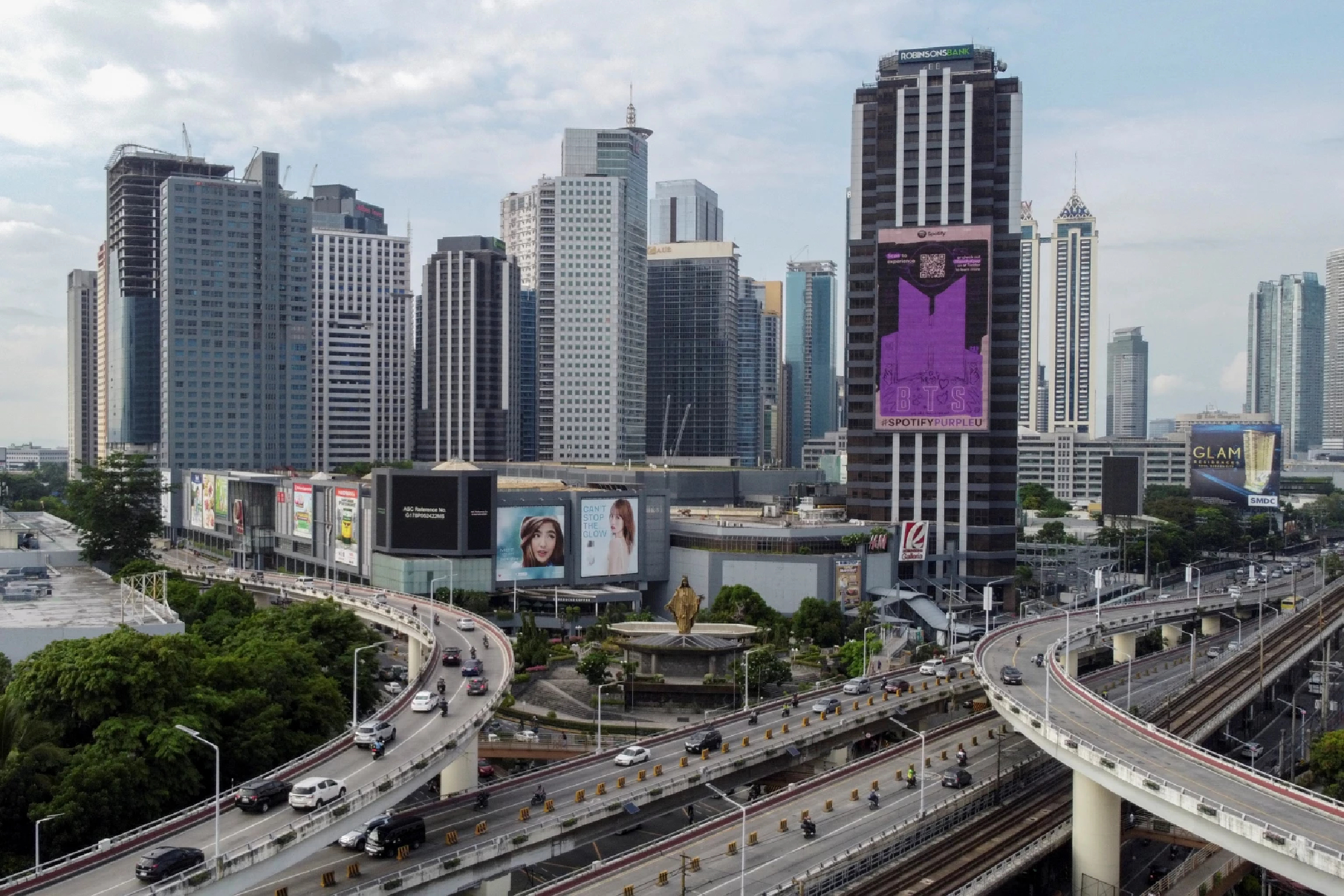
Logistics constraints disrupting supply chains in the Philippines are expected to be a burden until next year, driving up the price of food and basic commodities even further.
Supply Chain Management Association of the Philippines (SCMAP) president Pierre Carlo Curay explained that Russia’s war on Ukraine coupled with pandemic restrictions have resulted in logistics bottlenecks that have raised costs for goods transport and for raw materials to be processed into finished goods.
Among restaurant brands complaining of supply-chain trouble are McDonald’s Philippines, Mang Inasal and Mary Grace Cafe.
“Outside of the immediate disruption in transport lanes on sea and air, the continuing rise in fuel prices caused by the war has added to the strain logistics providers are already experiencing due to lockdowns,” Curay said. Oil prices have breached $120 per barrel.
Rising energy costs would also drive up operations costs in warehouses and other logistics facilities, he said.
“The impact of these rising costs will be seen when major shippers begin renegotiating their rates with their logistics partners,” he added.
The SCMAP chief also flagged up supply-chain disruption from backlogs in shipments during the pandemic.
The Philippines began suffering shipping delays at the end of 2020 when production regained momentum as demand slowly recovered after Covid-19 lockdowns.
However, a container imbalance amid the uneven pace of reopening borders meant finished goods and raw materials could not be shipped in sufficient quantity.
“The disruptions will continue up until next year at the earliest,” Curay said.
“Apart from the disruptions caused by pandemic-related lockdowns, ongoing geopolitical disruption … continues to have an effect on our prices, which means higher prices in the foreseeable future,” he added.
The Philippine Statistics Authority reports that May inflation accelerated to 5.4 per cent from 4.1 per cent the previous month due to higher food and transport costs.
Curay lamented that logistics firms can only do “little” in the short term to address the supply chain constraints, such as talking to clients about the current dire situation.
“We have to set expectations, and continue collaboration to ensure we can continue to provide satisfactory service to our customers,” he said.
The SCMAP chief suggested further investments in technologies to mitigate disruptions and improve cost and operational efficiency in the long run.
According to Allianz Risk Barometer 2022, supply chain disruption is among the top global risks businesses are watching out for this year.
“Companies have had to close or scale-back production where they have been unable to secure critical components, or forgo sales as the result of capacity issues, such as constraints on container shipping or labour shortages,” it explained.
Philippine Daily Inquirer
Asia News Network
Asia News Network: The Nation (Thailand), The Korea Herald, The Straits Times (Singapore), China Daily, Jakarta Post, The Star and Sin Chew Daily (Malaysia), The Statesman (India), Philippine Daily Inquirer, Yomiuri Shimbun and The Japan News, Gogo Mongolia, Dawn (Pakistan), The Island (Sri Lanka), Kuensel (Bhutan), Kathmandu Post (Nepal), Daily Star (Bangladesh), Eleven Media (Myanmar), the Phnom Penh Post and Rasmei Kampuchea (Cambodia), The Borneo Bulletin (Brunei), Vietnam News, and Vientiane Times (Laos).
South Korean lithium-ion battery cell maker LG Energy Solution on Monday unveiled a 730 billion won (US$567 million) plan to expand the production of batteries for electric vehicles, including the next-generation 4680-type cylindrical batteries, which are bigger than the conventional ones.
In an apparent bid to supply to carmakers like US giant Tesla, the company will pour in 581.8 billion won from June until October 2023 by adding a 9 gigawatt-hour production line to its plant in Ochang, some 100 kilometres south of Seoul.
The new line will manufacture cylindrical batteries that are 46 millimetres in diameter and 80 millimetres in length from the second half of 2023, according to the company. The remaining 150 billion won will be spent to manufacture the conventional 2170-type cylindrical batteries in Ochang. The plant will have an additional 4 gigawatt-hour capacity.
This is the first time LG Energy Solution, South Korea’s largest battery maker by production capacity, confirmed its mass production plan for the battery cells believed to be larger and more energy-efficient than the existing cylindrical batteries. Tesla is looking to power its upcoming Model Y electric cars using the 4680 battery.
The news comes months after LG’s Japanese rival Panasonic earlier this year announced plans to mass-produce 4680 batteries from April 2023.
The Ochang plant should have a combined 35 gigawatt-hour battery production capacity by 2025.
LG Energy Solution aims to secure a 200 gigawatt-hour production capacity in North America, Europe and Asia combined by the end of 2022 and 520 gigawatt-hour capacity by 2025, its first-quarter earnings call showed.
The Korea Herald
Asia News Network
Asia News Network: The Nation (Thailand), The Korea Herald, The Straits Times (Singapore), China Daily, Jakarta Post, The Star and Sin Chew Daily (Malaysia), The Statesman (India), Philippine Daily Inquirer, Yomiuri Shimbun and The Japan News, Gogo Mongolia, Dawn (Pakistan), The Island (Sri Lanka), Kuensel (Bhutan), Kathmandu Post (Nepal), Daily Star (Bangladesh), Eleven Media (Myanmar), the Phnom Penh Post and Rasmei Kampuchea (Cambodia), The Borneo Bulletin (Brunei), Vietnam News, and Vientiane Times (Laos).









 SootinClaimon.Com