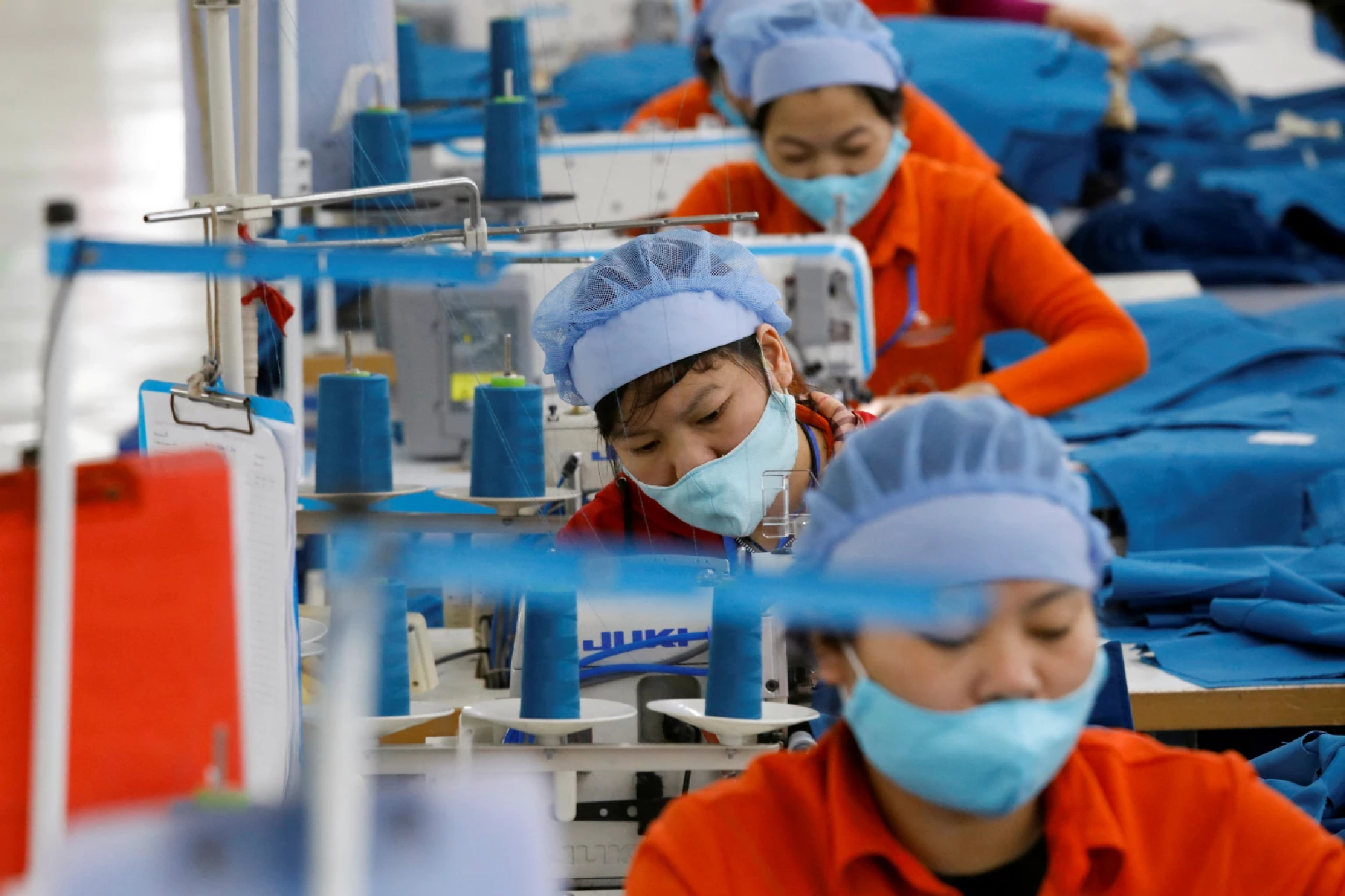
Vietnam has approved a new decree raising the regional minimum wage for labourers. The decree was approved on Sunday by Deputy Prime Minister Phạm Bình Minh and comes into effect on July 1.
The 6 per cent increase is equivalent to a rise of 260,000 dong (391 baht) in Region 1, and 240,000, 210,000, and 180,000 dong in Regions 2, 3, and 4, respectively.
The decree specifies that the minimum hourly wage will range from 15,600 to 22,500 dong (24-25 baht), which also depends on the region.
The geographical classification is determined based on the employer’s place of operation.
Region 1 covers Hanoi and Ho Chi Minh (HCM) City’s urban areas; Region 2 encompasses Hanoi and HCM City’s rural areas, along with major urban areas in the country like Can Tho, Da Nang and Haiphong; Region 3 covers provincial cities and the districts of Bac Ninh, Bac Giang and Hai Dưong provinces; and Region 4 comprises the rest of the country.
The change is applicable to workers and employers under labour contracts in accordance with the Labour Code.
The resolution also defines minimum wage as the lowest amount that can be paid to an employee, which is the basis for negotiation and compensation, in the form of a monthly salary. This amount corresponds to the workload and job title in designated work hours, given that the employee fulfils their tasks as assigned.
For workers who are paid on a daily or weekly basis, or based on a piece rate, their salary, when converted to the monthly or hourly rate, must not be lower than the minimum wage.
Viet Nam News
Asia News Network
Asia News Network: The Nation (Thailand), The Korea Herald, The Straits Times (Singapore), China Daily, Jakarta Post, The Star and Sin Chew Daily (Malaysia), The Statesman (India), Philippine Daily Inquirer, Yomiuri Shimbun and The Japan News, Gogo Mongolia, Dawn (Pakistan), The Island (Sri Lanka), Kuensel (Bhutan), Kathmandu Post (Nepal), Daily Star (Bangladesh), Eleven Media (Myanmar), the Phnom Penh Post and Rasmei Kampuchea (Cambodia), The Borneo Bulletin (Brunei), Vietnam News, and Vientiane Times (Laos).
If inflation rises above 50 per cent, it will have to face a hyperinflationary situation. Sri Lanka is currently facing preliminary stages of hyperinflation, similarly to those obtained in Zimbabwe and Indonesia, Professor of Economics, University of Colombo, Sirimal Abeyratne said.
“This type of situation is created not only by money printing but also by the global economic situation, exchange rate pressure and supply chain disruptions, Abeyratne told The Island Financial Review recently.
Abeyratne added: ‘The country is facing an essential commodity shortage and high prices, so it is opportune to control the money printing without allowing it to increase inflationary pressure.’
Meanwhile, other economic experts warned that Sri Lanka’s continuation of extreme money printing from 2020 up to now has been exerting pressure on the exchange rate and inflation to a great extent and it is high time the Central Bank applied the brakes on this process.
The CB has printed Rs.2 trillion during the period, January 2020 to March 2022 and this was 23 times more than the money printed during the 62-year period, 1952 to 2020, CB data showed.
It had resorted to recording money- printing of Rs. 188.61 billion within 18 days during the period February 28, 2022, to March 18, 2022.
These figures clearly indicated the massive amount of money printed under the present regime, a senior economist said adding that if money is printed and released over and above the required amount, the result will be the increased demand for goods and services creating inflationary pressures in the economy.
Experts noted that reckless money printing may lead to a hyperinflationary situation where the people will have to face an unbearable price increase in goods and services.
“Under such a situation, a large amount of money is required to purchase goods and services and to meet other payment obligations, they said adding that “the Central Bank should print money only to match the value of overall transactions in the economy.”
Asia News Network: The Nation (Thailand), The Korea Herald, The Straits Times (Singapore), China Daily, Jakarta Post, The Star and Sin Chew Daily (Malaysia), The Statesman (India), Philippine Daily Inquirer, Yomiuri Shimbun and The Japan News, Gogo Mongolia, Dawn (Pakistan), The Island (Sri Lanka), Kuensel (Bhutan), Kathmandu Post (Nepal), Daily Star (Bangladesh), Eleven Media (Myanmar), the Phnom Penh Post and Rasmei Kampuchea (Cambodia), The Borneo Bulletin (Brunei), Vietnam News, and Vientiane Times (Laos).
Anishma Tuladhar of Bangemuda, Kathmandu is fond of momos, the most popular food in Nepal. Of late, she has noticed that the momos being served at her favourite momo joint have become smaller. Firms are making product packets smaller instead of raising prices as high production costs bite.
“Iregularly eat buff momos at the Banglamukhi Mahabharat Momo Centre at Patan Dhoka. The owner has reduced the size from the last few weeks, but not raised the price,” said the bachelor-level student. “But it’s going to be costlier soon. The momo centre has informed us that the price will rise from next month to Rs140 per plate from the current Rs120.”
Banglamukhi momo is just one example.
Consumers are getting less of various fast food products for the same price.
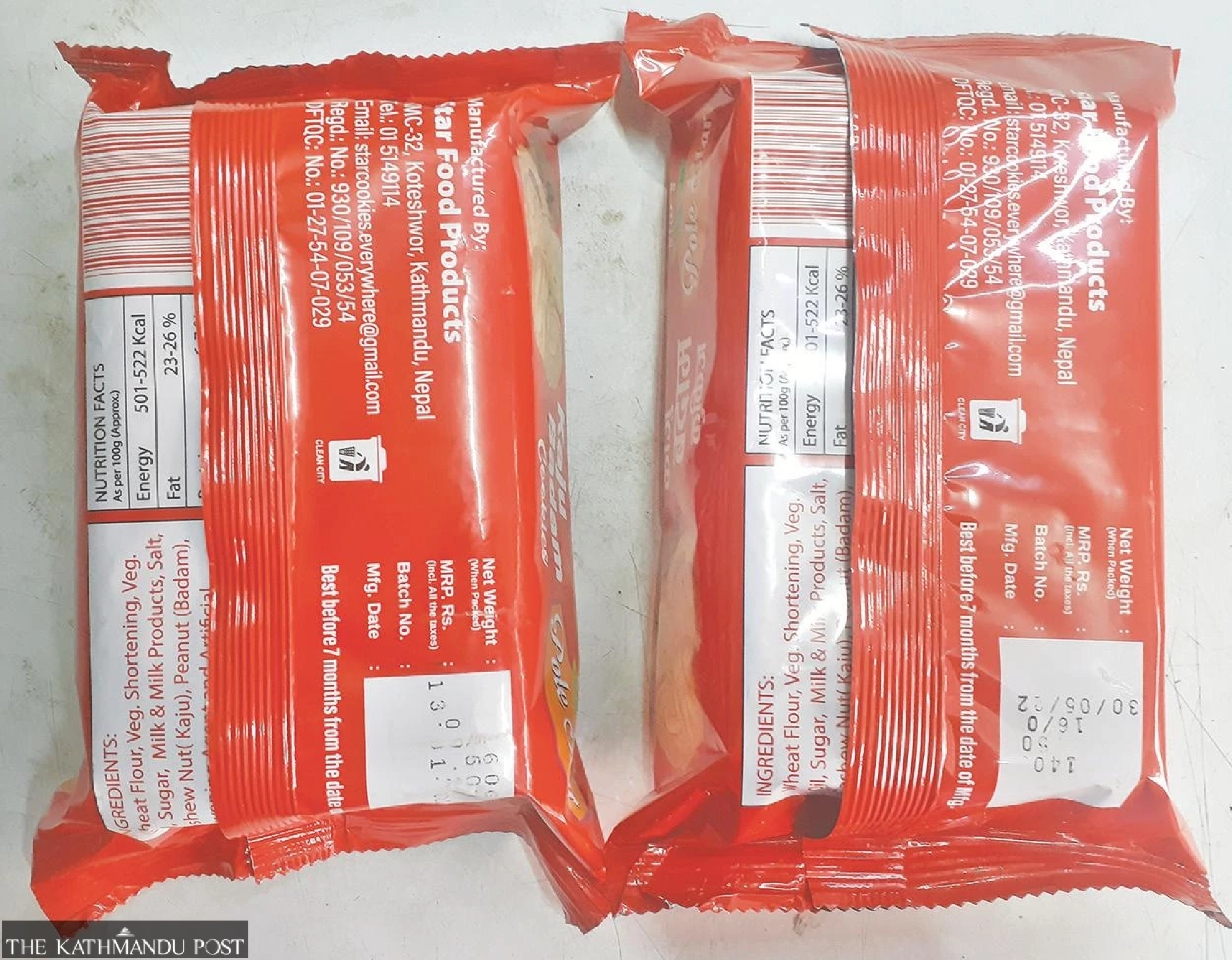
A packet of Kaju Badam Cookies manufactured by Star Food Products of Koteshwor has become thinner. Until a month ago, a packet of cookies weighed 160 gm and cost Rs50. It still costs Rs50, but the weight has now decreased to 140 grams.
A 75 gm packet of Preeti noodles has become lighter by 15 gm but its price remains the same at Rs20.
A bar of Vim dish soap, imported from India, has shrunk from 155 gm to 135 gm.
A Wai Wai jumbo pack weighing 90 gm costs Rs25 as before, but the quantity has gone down by 5 gm.
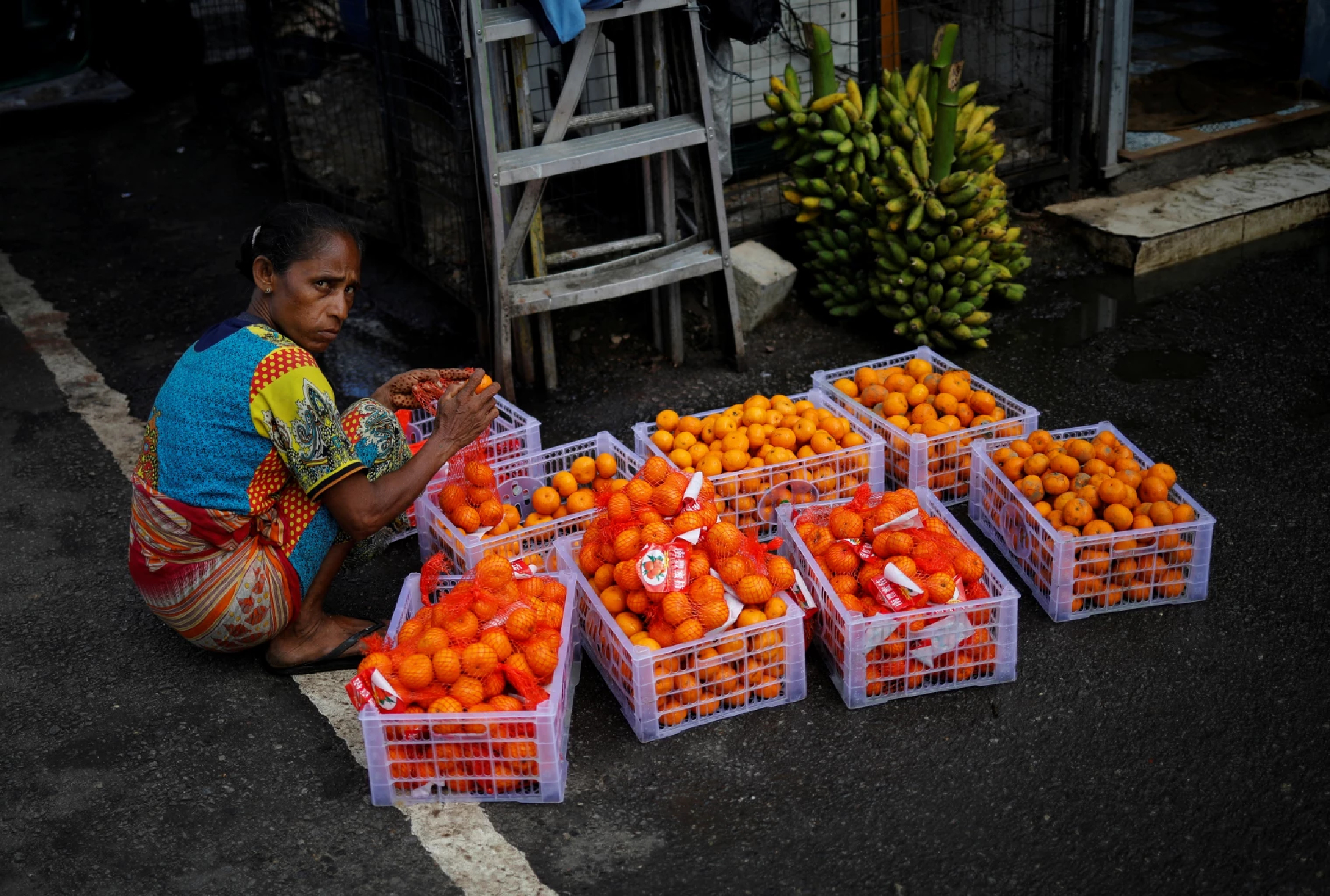
Prices of leafy vegetables have shot up, and retailers are selling them by weight instead of by the bunch as before.
From makers of toilet paper to chips, and from toffee to juice, manufacturers are quietly making the packets lighter instead of jacking up prices.
The trend is accelerating worldwide, and it has been named “shrinkflation”.
In economics, shrinkflation is known as downsizing the package to reduce the quantity, which people hardly notice, without changing the price of the product.
Economists say this is a business strategy. If the price is hiked, customers will notice and complain, but they normally won’t complain about the weight. This will keep the business running and customers flowing.
But consumer rights activists say it is cheating.
“As people are price conscious, reducing the quantity without increasing the price helps manufacturers to meet rising production costs,” said Ram Prasad Pudasaini, proprietor of Star Food Products. “The prices of raw materials have jumped several times.”
All goods, from food to cosmetics and from construction materials to beverages, have become costlier.
Compounding the damage left behind by the Covid-19 pandemic, the Russian invasion of Ukraine has magnified the slowdown in the global economy, which is entering what could become a protracted period of feeble growth and galloping inflation, according to the World Bank’s Global Economic Prospects report released on June 7.
This raises the risk of stagflation, with potentially harmful consequences for middle- and low-income economies alike.
The report says that higher energy prices will lower real incomes, raise production costs, tighten financial conditions, and constrain macroeconomic policy, especially in energy-importing countries.
Policymakers, moreover, should refrain from distortionary policies such as price controls, subsidies and export bans, which could worsen the recent increase in commodity prices.
Nepal has imposed import restrictions to control the depletion of its foreign exchange reserve.
The federal government has adopted a policy of reducing imports by 20 per cent in the next fiscal year in contradiction to its aim to boost revenue by nearly 22 per cent from the projected collection in the current fiscal year.
This has raised questions about how the government will meet its revenue target by slashing imports which generate more than 50 per cent of the country’s total revenue.
“Many products have seen their quantity being downsized,” said Deepak Adhikari, a shopkeeper in Koteshwor. “Customers hardly notice the drop in quantity, but it’s against consumer rights.”
Inflation is haunting everyone.
According to Nepal Rastra Bank, the year-on-year consumer price inflation jumped to a staggering 7.87 per cent in May, hitting a 69-month high. It was 3.65 per cent in May last year.
Prices of oil, both edible and non-edible, are already at record levels. In Nepal, apart from imported goods that come with inflationary prices, domestic products have also seen a hefty rise fuelled by spiralling petroleum prices, says Nepal’s central bank.
According to Nepal Oil Corporation, the price of petrol has reached Rs178 per litre, a 42 per cent jump within the past year. The price of diesel has reached Rs165 per litre, increasing by 53 per cent over a year.
Shrinkflation is now a global phenomenon.
In the United Kingdom, Nestle slimmed down its Nescafe Azera Americano coffee tins from 100 gm to 90 gm, say media reports.
In Japan, snack maker Calbee Inc announced 10 per cent weight reductions—and 10 per cent price increases—for many of its products in May, including veggie chips and crispy edamame. The company blamed a sharp rise in the cost of raw materials.
Domino’s Pizza announced in January it was shrinking the size of its 10-piece chicken wings to eight pieces for the same $7.99 carryout price. Domino’s cited the rising cost of chicken.
Nepali traders seem to have taken a cue from this global tendency.
“This is a result of the cost of production, which has increased by more than 30 per cent in the manufacturing sector in recent months,” said Dinesh Shrestha, vice-president of the Federation of Nepalese Chambers of Commerce and Industry.
Manufacturers say that the Russia-Ukraine war has disrupted the supply chain and made it difficult to get raw materials. “The price will obviously rise,” said Shrestha.
The Russia-Ukraine war has been projected to increase commodity prices by more than 20 per cent, and this factor may impact Nepal’s growth and inflation, said the World Bank.
Chaudhary Group, the manufacturer of Wai Wai, did not respond immediately to the Post.
Tikendra Siwakoti, country sales manager of Asian Biscuit and Confectionery, one of the largest fast-moving consumer goods companies in Nepal, said they had to reduce the weight of biscuits and noodles to remain afloat in the market due to the increased cost of production.
“We have reduced the weight of biscuits and noodles by 20 per cent in recent months,” said Siwakoti. The company produces Digestive and Goodlife biscuits; 2pm, Rum Pum and Preeti noodles; Imli Bomb and Choco Luv and Goodlife and fruit juice.
Siwakoti said the company was maintaining the same quality and price despite reducing the quantity.
“We have reduced the weight of a packet of Preeti noodles by 15 gm. Even then, we are still incurring losses,” Siwakoti said.
While some manufacturers have increased prices and some have downsized the package, there are those who have done both.
“We have not reduced the quantity, but increased the price by Rs2 to Rs5 per unit from last month,” said Shiva Shrestha, head of marketing at Mayur Herbal which produces soaps.
“Besides the cost of raw materials, transportation charges have increased steeply in recent months.”
Kashi Kumar Das, national sales manager of Jasmine Hygiene Products which produces diapers, sanitary napkins and face masks, among other products, said they were planning to either reduce the quantity or increase the price from the next fiscal year beginning mid-July.
Economist Bishwambhar Pyakurel said that shrinkflation had become a global phenomenon due to supply chain constraints following the Russia-Ukraine war.
“It’s obvious that manufacturers globally are decreasing the size of the packets without increasing the price. Nepali manufacturing companies too are doing this,” he said.
“The quantity in a packet of most imported packaged food and non-food items like dried fruits, toilet paper, yoghurt, coffee and corn chips has become smaller,” Pyakurel said.
But shrinkflation is nothing new, he said. “Manufacturers often adjust the packaging. This is an illegal approach but it will keep them alive in the market.”
Consumer rights activists say it is cheating in broad daylight.
“This is fraud. Downsizing the packets in the name of inflation is cheating,” said Bishnu Prasad Timilsina, general secretary of the Forum for Protection of Consumer Rights-Nepal.
“We are getting a flood of complaints from consumers about downsizing these days,” he said.
Krishana Prasain & Pawan Pandey
Kathmandu Post
Asia News Network
Asia News Network: The Nation (Thailand), The Korea Herald, The Straits Times (Singapore), China Daily, Jakarta Post, The Star and Sin Chew Daily (Malaysia), The Statesman (India), Philippine Daily Inquirer, Yomiuri Shimbun and The Japan News, Gogo Mongolia, Dawn (Pakistan), The Island (Sri Lanka), Kuensel (Bhutan), Kathmandu Post (Nepal), Daily Star (Bangladesh), Eleven Media (Myanmar), the Phnom Penh Post and Rasmei Kampuchea (Cambodia), The Borneo Bulletin (Brunei), Vietnam News, and Vientiane Times (Laos).
Asia News Network: The Nation (Thailand), The Korea Herald, The Straits Times (Singapore), China Daily, Jakarta Post, The Star and Sin Chew Daily (Malaysia), The Statesman (India), Philippine Daily Inquirer, Yomiuri Shimbun and The Japan News, Gogo Mongolia, Dawn (Pakistan), The Island (Sri Lanka), Kuensel (Bhutan), Kathmandu Post (Nepal), Daily Star (Bangladesh), Eleven Media (Myanmar), the Phnom Penh Post and Rasmei Kampuchea (Cambodia), The Borneo Bulletin (Brunei), Vietnam News, and Vientiane Times (Laos).
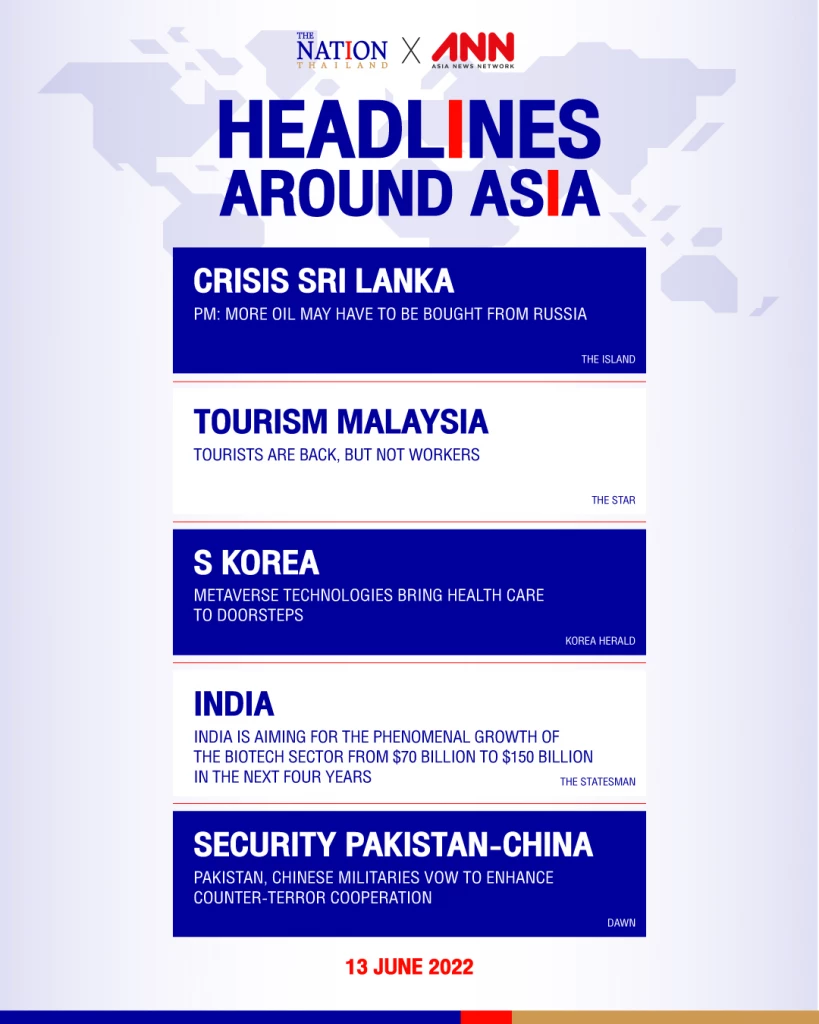
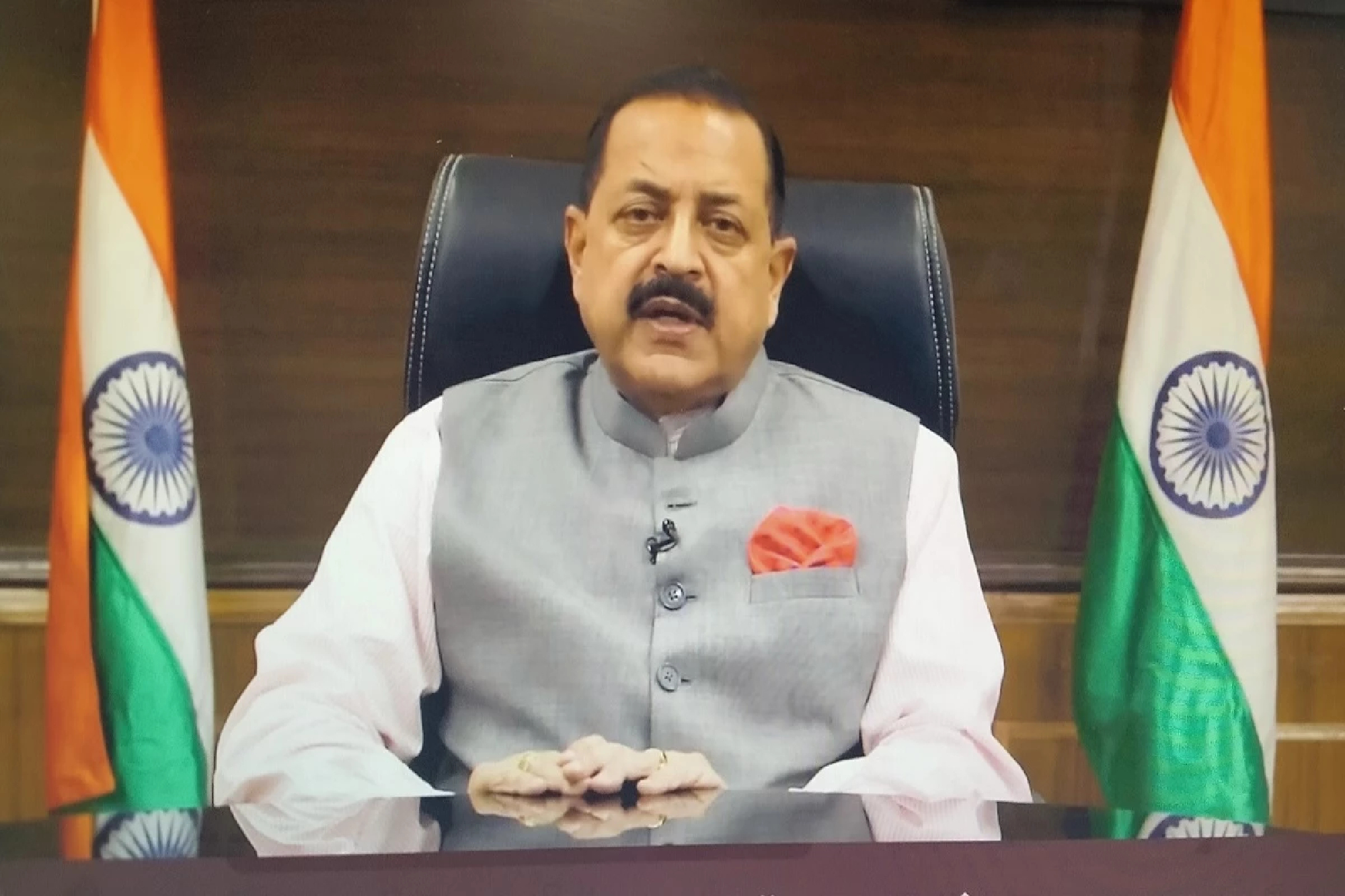
India is aiming for the phenomenal growth of its biotech sector from US$70 billion to $150 billion in the next four years and this cannot be accomplished without the active participation of women, Minister of State in the PM’s Office Jitendra Singh said on Sunday.
India is moving from women-specific to women-led projects in the biotech start-ups sector, he noted after releasing a book based on “Compendium of 75 Women Biotech Entrepreneurs” at the Biotech Start-up Expo in New Delhi.
Singh said over the past eight years, the number of women-owned biotech companies has seen an exponential rise and this could be aptly described as women-led empowerment, rather than just women empowerment.
The minister said that women scientists have carved a niche for themselves in space, nuclear science, drone and nanotechnology and added that many of the big scientific projects, including the most ambitious manned mission Gaganyaan to be launched in 2023, were being led by women scientists.
He said that one of the key pillars of the prime minister’s “New India” initiative was the success story of women innovators in the country.
Singh revealed that the number of biotech start-ups in the country has increased from 50 to over 5,000 in the last eight years, because of the support provided by Prime Minister Narendra Modi since he took over in 2014.
“It is expected to cross the figure of 10,000 by 2025,” he added.
The minister further added that biotechnology was the key enabling technology driving the bio-economy that was recognised as a sunrise sector. He said India was ranked 12th globally and third in Asia-Pacific in biotech and the global leader in vaccine manufacturing.
The Statesman
Asia News Network
Asia News Network: The Nation (Thailand), The Korea Herald, The Straits Times (Singapore), China Daily, Jakarta Post, The Star and Sin Chew Daily (Malaysia), The Statesman (India), Philippine Daily Inquirer, Yomiuri Shimbun and The Japan News, Gogo Mongolia, Dawn (Pakistan), The Island (Sri Lanka), Kuensel (Bhutan), Kathmandu Post (Nepal), Daily Star (Bangladesh), Eleven Media (Myanmar), the Phnom Penh Post and Rasmei Kampuchea (Cambodia), The Borneo Bulletin (Brunei), Vietnam News, and Vientiane Times (Laos).
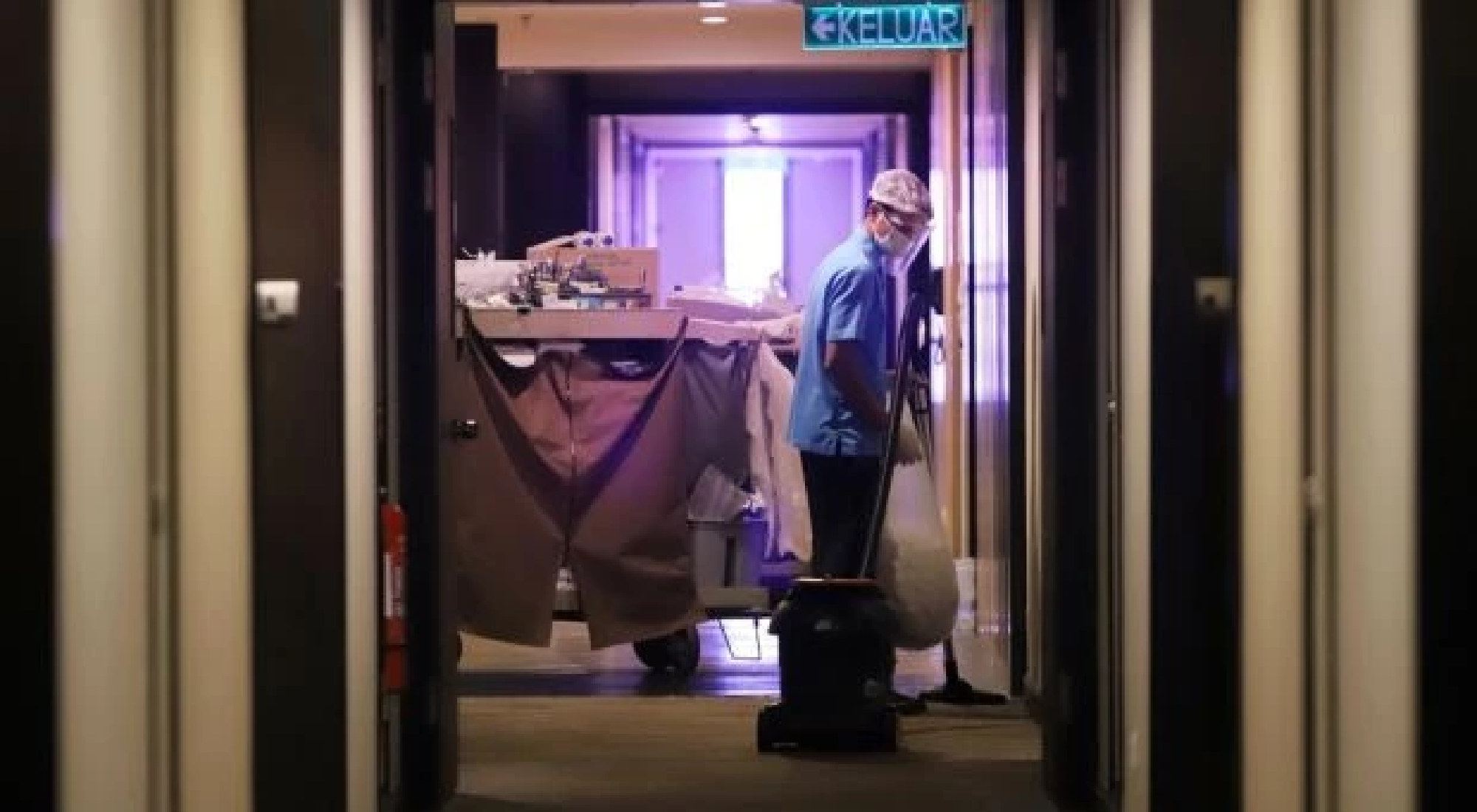
A shortage of skilled workers in the hospitality industry is hitting the tourism sector at a time when it is seeing an upswing in business and is threatening to get worse by the end of the year.
As local and foreign visitors rush back to hotspots like Langkawi, Penang, Port Dickson, Ipoh and Melaka, tourism players find themselves frustratingly short-handed.
Tourism is a major revenue earner for Malaysia, contributing 86.14 billion ringgit (678.63 billion baht) to the country’s economy with 26.1 million tourists in 2019 before the Covid-19 pandemic struck, according to Tourism Malaysia.
In Penang, nearly all hotels are publishing their job vacancies on social media and employment portals every week, with more than 10 positions available – from guest services managers to engineers and technicians.
“Our previous colleagues left between 2020 and last year – either because of retrenchment or they couldn’t stand the months of pay cuts or compulsory unpaid leave during the various movement control orders,” said the director of a five-star resort, who declined to be named.
“They’ve found other things to do. We contacted them after we were allowed to fully reopen last October, but they don’t want to come back.”
He said nearly all hotels nationwide were facing a shortage of manpower. The deadline to resolve the workforce vacuum, he added, was before November.
“Our long-stay guests from Europe and the Middle East would start booking from November onwards. We must be ready with a full workforce to give five-star service,” he said.
The sector is also grappling with the pull of foreign workers from sectors like construction and plantation, which do not require skilled employees.
Penang Conventions and Exhibitions Bureau chief executive officer Ashwin Gunasekaran said up to 45 international MICE events (meetings, incentives, conventions and exhibitions), which were postponed when the pandemic hit in 2020, were now fixing new dates.
In addition, over 30 MICE events that the state agency is in the final stages of bidding will also happen in Penang. In total, more than 75 events are getting slots to take place here until 2026.
These MICE events, added Gunasekaran, involved congregations of between 200 and 5,000 people from around the world.
On top of filling tourist buses and hotels, such events also bring revenue to a large segment of the service economy in Penang.
“Tourism-related businesses may have been among the first to be forced to fully shut down during a calamity like a pandemic, but when we come back, it is tourism-related demand that will bring the biggest benefit to local economies,” he said.
Gunasekaran gave the example of an audio-visual equipment exhibition which took place last weekend at a hotel in Gurney Drive and which saw the top product – a 1 million ringgit audio-visual set of equipment – being sold.
“When you have high-value, high-impact events like this in Penang, you bring many high-net-worth people to the state,” he said.
The Star
Asia News Network
Asia News Network: The Nation (Thailand), The Korea Herald, The Straits Times (Singapore), China Daily, Jakarta Post, The Star and Sin Chew Daily (Malaysia), The Statesman (India), Philippine Daily Inquirer, Yomiuri Shimbun and The Japan News, Gogo Mongolia, Dawn (Pakistan), The Island (Sri Lanka), Kuensel (Bhutan), Kathmandu Post (Nepal), Daily Star (Bangladesh), Eleven Media (Myanmar), the Phnom Penh Post and Rasmei Kampuchea (Cambodia), The Borneo Bulletin (Brunei), Vietnam News, and Vientiane Times (Laos).
Prime Minister Ranil Wickremesinghe has said Sri Lanka may be compelled to buy more oil from Russia to deal with the present fuel crisis.
In an interview with foreign press on Saturday, Wickremesinghe said he would first look for other sources but would be open to buying more crude oil from Russia. He pointed out that Sri Lanka desperately needs fuel and is trying to get oil and coal from the country’s traditional suppliers in the Middle East.
The PM also said that he does not know whether more orders were in the pipeline.“If we can get from other sources, we will get from there. Otherwise [we] may have to go to Russia again,” he said.
Officials are negotiating with private suppliers, but Wickremesinghe said one issue they faced was that “there is a lot of oil going around which can be sourced back informally to Iran or to Russia.
“Sometimes, we may not know what oil we are buying,” he said. “Certainly, we are looking at the Gulf as our main supplier.”
Acknowledging that Sri Lanka’s current predicament was of “its own making,” the premier said the Russia-Ukraine war was making it even worse — and that the dire food shortage could continue until 2024.
He said Russia had also offered wheat to Sri Lanka. Wickremesinghe indicated that he would be willing to accept more financial help from China despite the country’s mounting debt.
The premier added that his government was in talks with China about restructuring its debts. Beijing had earlier offered to lend the country more money but baulked at cutting the debt, possibly out of concern that other borrowers would demand the same relief.
“China has agreed to come in with the other countries to give relief to Sri Lanka, which is the first step,” Wickremesinghe said. “This means they all have to agree [on] how the cuts are to take place and in what manner they should take place.”
Sri Lanka is also seeking financial assistance from the World Food Programme, which may send a team to the country soon, and Wickremesinghe is banking on a bailout package from the International Monetary Fund. But even if approved, he doesn’t expect to see money from the package until October onwards. Wickremesinghe acknowledged that the crisis in Sri Lanka had been of its “own making”. Many have blamed government mismanagement, deep tax cuts in 2019, policy blunders that devastated crops and a sharp plunge in tourism due to the coronavirus pandemic. But he also stressed that the war in Ukraine, which had thrown global supply chains into a tailspin and pushed fuel and food prices to unaffordable levels, has made things much worse.
“The Ukraine crisis has impacted our … economic contraction,” he said, adding that he thinks the economy will shrink even further before the country can begin to recoup and rebuild next year.
“I think by the end of the year, you could see the impact in other countries as well,” he said. “There is a global shortage of food. Countries are not exporting food.”
Wickremesinghe said he felt terrible watching his nation suffer, “both as a citizen and a prime minister”. He said he hasn’t seen anything like this in Sri Lanka before and hoped he never would.
“I have generally been in governments where I ensured people had three meals and their income increased,” he said. “We’ve had difficult times … But not like this. I have not seen … people without fuel, without food.”
The Island
Asia News Network
Asia News Network: The Nation (Thailand), The Korea Herald, The Straits Times (Singapore), China Daily, Jakarta Post, The Star and Sin Chew Daily (Malaysia), The Statesman (India), Philippine Daily Inquirer, Yomiuri Shimbun and The Japan News, Gogo Mongolia, Dawn (Pakistan), The Island (Sri Lanka), Kuensel (Bhutan), Kathmandu Post (Nepal), Daily Star (Bangladesh), Eleven Media (Myanmar), the Phnom Penh Post and Rasmei Kampuchea (Cambodia), The Borneo Bulletin (Brunei), Vietnam News, and Vientiane Times (Laos).
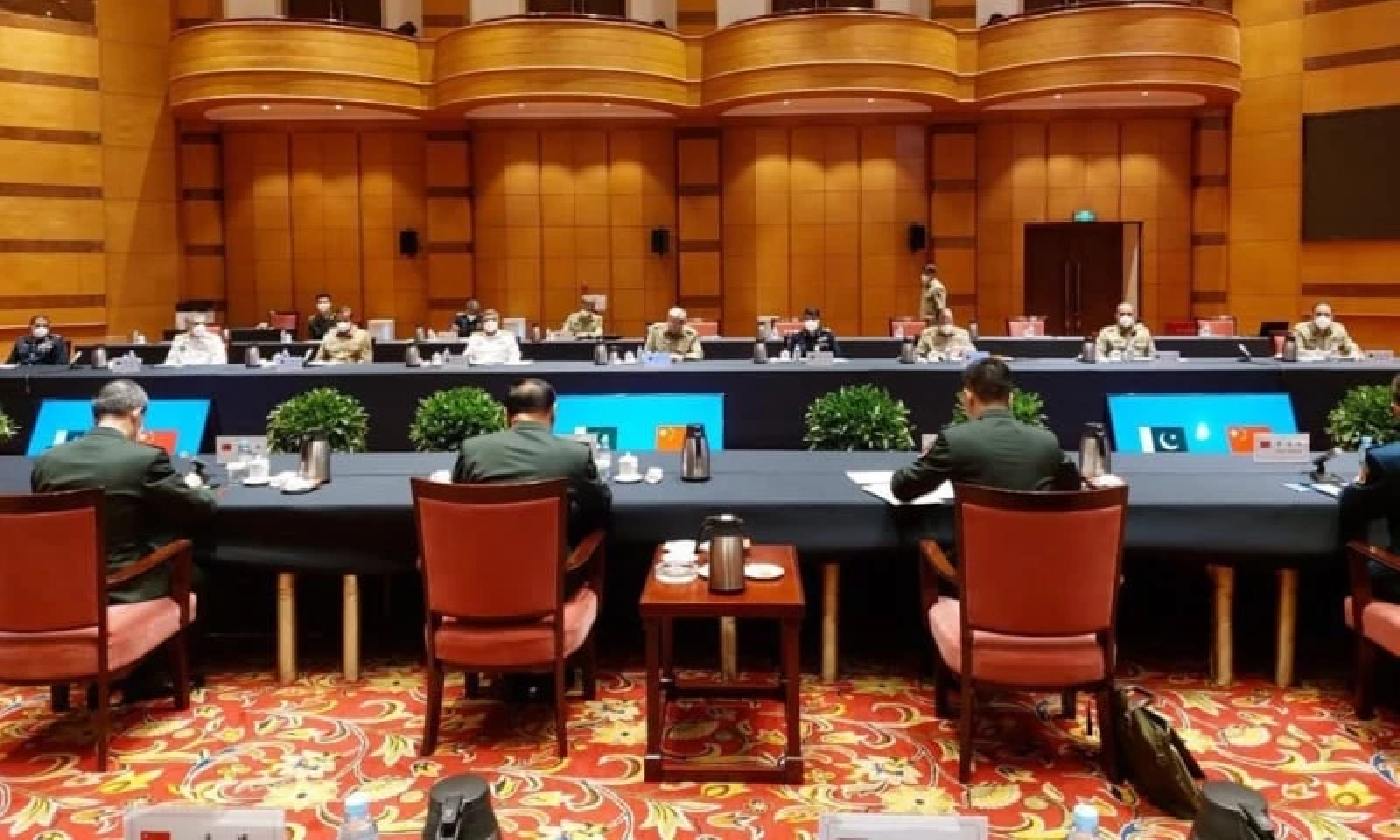
A senior tri-service military delegation of Pakistan, headed by Chief of Army Staff (COAS) General Qamar Javed Bajwa, visited China, where the two sides pledged to enhance their “training, technology and counter-terrorism cooperation”.
In a press release issued on Sunday, the Inter-Services Public Relations (ISPR) said that the delegation of Pakistan’s armed forces visited China from June 9 to June 12.
The delegation held wide-ranging discussions with senior officials of the Chinese military and other government departments.
“[The] apex Meeting was held on 12 June wherein the Pakistani side was headed by Chief of Army Staff (COAS), General Qamar Javed Bajwa while the Chinese side was led by General Zhang Youxia Vice Chairman Central Military Commission of China.”
Both sides, the statement said, discussed their perspectives on the international and regional security situation, and expressed satisfaction with the defence cooperation between the two countries.
“Pakistan and China reaffirmed their strategic partnership in challenging times and agreed to continue the regular exchange of perspectives on issues of mutual interest,” the ISPR said, adding that both sides further vowed to enhance their training, technology and counterterrorism cooperation at the tri-service level.
Earlier this week, Chinese chargé d’affaires Pang Chunxue and Pakistani leaders met at the 7th CPEC Media Forum in Islamabad and warned of growing threats to China-Pakistan Economic Corridor (CPEC) from fake news and disinformation about the mega-development project and emphasised the need for cooperation in countering it.
“False propaganda and disinformation on CPEC are on the rise. Hostile forces are trying to undermine the development of CPEC, as well as the unity and mutual trust between the two countries,” Chinese chargé d’affaires Pang Chunxue said.
CPEC has been widely projected in Pakistan as a game-changer that would influence the region’s geostrategic, geo-economic and geopolitical dynamics; and as an answer to its infrastructure shortcomings.
But, at the same time, media reports spread scepticism about it by pointing to the possibility of Pakistan falling into China’s debt trap, the alleged absence of transparency in the projects, and the environmental impact of the projects, especially coal-based power plants.
In that gathering, National Assembly Speaker Raja Pervaiz Ashraf, in his keynote speech, underscored the importance of CPEC, saying it was the country’s best bet for becoming the region’s geo-economic hub, but regretted that it had been “a victim of the malicious disinformation campaign” carried out by the “detractors” of CPEC and China.
Pang also spoke of the seriousness of this challenge. “False propaganda and disinformation on CPEC are on the rise. Hostile forces are trying to undermine the development of CPEC, as well as the unity and mutual trust between the two countries,” she maintained.
Dawn
Asia News Network
Asia News Network: The Nation (Thailand), The Korea Herald, The Straits Times (Singapore), China Daily, Jakarta Post, The Star and Sin Chew Daily (Malaysia), The Statesman (India), Philippine Daily Inquirer, Yomiuri Shimbun and The Japan News, Gogo Mongolia, Dawn (Pakistan), The Island (Sri Lanka), Kuensel (Bhutan), Kathmandu Post (Nepal), Daily Star (Bangladesh), Eleven Media (Myanmar), the Phnom Penh Post and Rasmei Kampuchea (Cambodia), The Borneo Bulletin (Brunei), Vietnam News, and Vientiane Times (Laos).
South Korea’s health care sector is breaking physical barriers with the rise of the metaverse and its core technologies — virtual reality and artificial intelligence.
As the COVID-19 pandemic has limited most offline interactions for the past two years, metaverse technologies that ultimately envision a shared virtual space where people can interact with each other and carry out lifelike activities and tasks have been brought to the fore.
Unlike the traditional health care sector that requires physical contact or human-to-human exchanges, health care startups inspired by cutting-edge technologies are expanding areas of diagnosis.
Local startup Looxid Labs has developed Lucy, a medical assessment and training system that uses AI and VR technologies to detect early signs of cognitive impairment, such as dementia and Alzheimer’s disease.
The company, since October, has been operating a mobile diagnostic centre called Lucy Bus that can visit the elderly to test their cognitive abilities. Using a VR sensory headset to play immersive cognitive games, the headset can measure their working memory, attention level and spatial perception by reviewing their behavioural and neurophysiological responses such as brain waves.
The VR sensory headset also offers a training mode that can help prevent cognitive impairment for the elderly.
“Lucy is mainly used for people aged 50 or older. Lucy Bus offers visiting services for the elderly who reside in the countryside and have little access to public transportation,” a Looxid Labs official said.
According to the official, the Lucy headsets are used in 46 places in Seoul and Busan — most of them local dementia centres and senior welfare centres. In January, Lucy was honoured with the Innovation Award in Health and Wellness at the Consumer Electronics Show in Las Vegas.
Metaverse technologies are also being used for training medical workers.
Newbase, a company specializing in the development of medical metaverse simulation platforms, has come up with programs to offer training opportunities that feel more real for those who want to work in the medical field.
Using a VR sensory headset and mobile application, the company offers simulations such as checking patients’ Glasgow Coma Scale — a clinical scale used to measure a person’s level of consciousness — and learning how to triage cases, the process of determining which patients should receive treatment and care services based on their clinical status.
Newbase’s other programs give aspiring medical staff a chance to practice administering injections, and hygiene management as well as learns how to properly put on and remove protective gear.
According to the company, the simulation gives more real training opportunities as it provides instant feedback depending on the decisions that players make. Users do not have to worry about actual patient safety or privacy issues during the trials and the simulations also cut down on the amount of single-use medical resources, it added.
The medical simulation platforms have been used at 405 institutions across the country including Seoul Women’s College of Nursing and Sunchon National University, the company said. Newbase announced last week that it has secured 4 billion won ($3.18 million) in a series A investment.
Medical training aside, the metaverse technologies can also be used to teach the general public about ordinary, yet crucial medical procedures such as cardiopulmonary resuscitation, or CPR.
Tetra Signum offers CPR education using AI and VR technologies with its device called Meta CPR 1.0, a digital kiosk that is connected to a CPR dummy and a head-mounted display the user wears. According to the company, the program can increase the effectiveness of CPR lessons as it yields accurate assessment and data analysis of how one conducts CPR.
A Tetra Signum official told The Korea Herald that the company is looking to enter overseas markets as it has carried out clinical trials with medical institutes in the UK and US. The company is also in the process of developing a CPR platform for young children as well as a mass CPR training solution, according to the official.
“The current Meta CPR 1.0 is for conducting CPR on adults. But other countries have shown interest in teaching young couples how to properly conduct CPR for children. South Korea’s police and firefighter authorities have asked for ways to educate more trainees with our solution as the current head-mounted display only allows for one-on-one training,” he said.
The official added that the company aims to come up with a CPR solution that does not require the kiosk or head-mounted display so it can offer the training wherever and whenever.
Metaverse technologies being utilized to expand the possibilities of the health care sector, however, are not limited to diagnosis and medical education, according to Choi Jae-yong, president of the Korea Institute of Metaverse.
“Home training can be done through the metaverse. You could be running on a treadmill at home and working out with friends in a shared virtual space by using VR devices. It would produce better exercise effects. The metaverse and health care industries can only benefit from each other,” said Choi.
The government announced in January that it will invest a total of 45 billion won into supporting 300 startups in the remote industry including the metaverse sector. In particular, the Ministry of Health and Welfare said it will focus on companies with metaverse medical education and clinical platforms while the Ministry of Food and Drug Safety said it will back developers of non-face-to-face medical devices and in-vitro diagnostic medical devices.
Kan Hyeong-woo
The Korea Herald
Asia News Network
Asia News Network: The Nation (Thailand), The Korea Herald, The Straits Times (Singapore), China Daily, Jakarta Post, The Star and Sin Chew Daily (Malaysia), The Statesman (India), Philippine Daily Inquirer, Yomiuri Shimbun and The Japan News, Gogo Mongolia, Dawn (Pakistan), The Island (Sri Lanka), Kuensel (Bhutan), Kathmandu Post (Nepal), Daily Star (Bangladesh), Eleven Media (Myanmar), the Phnom Penh Post and Rasmei Kampuchea (Cambodia), The Borneo Bulletin (Brunei), Vietnam News, and Vientiane Times (Laos).
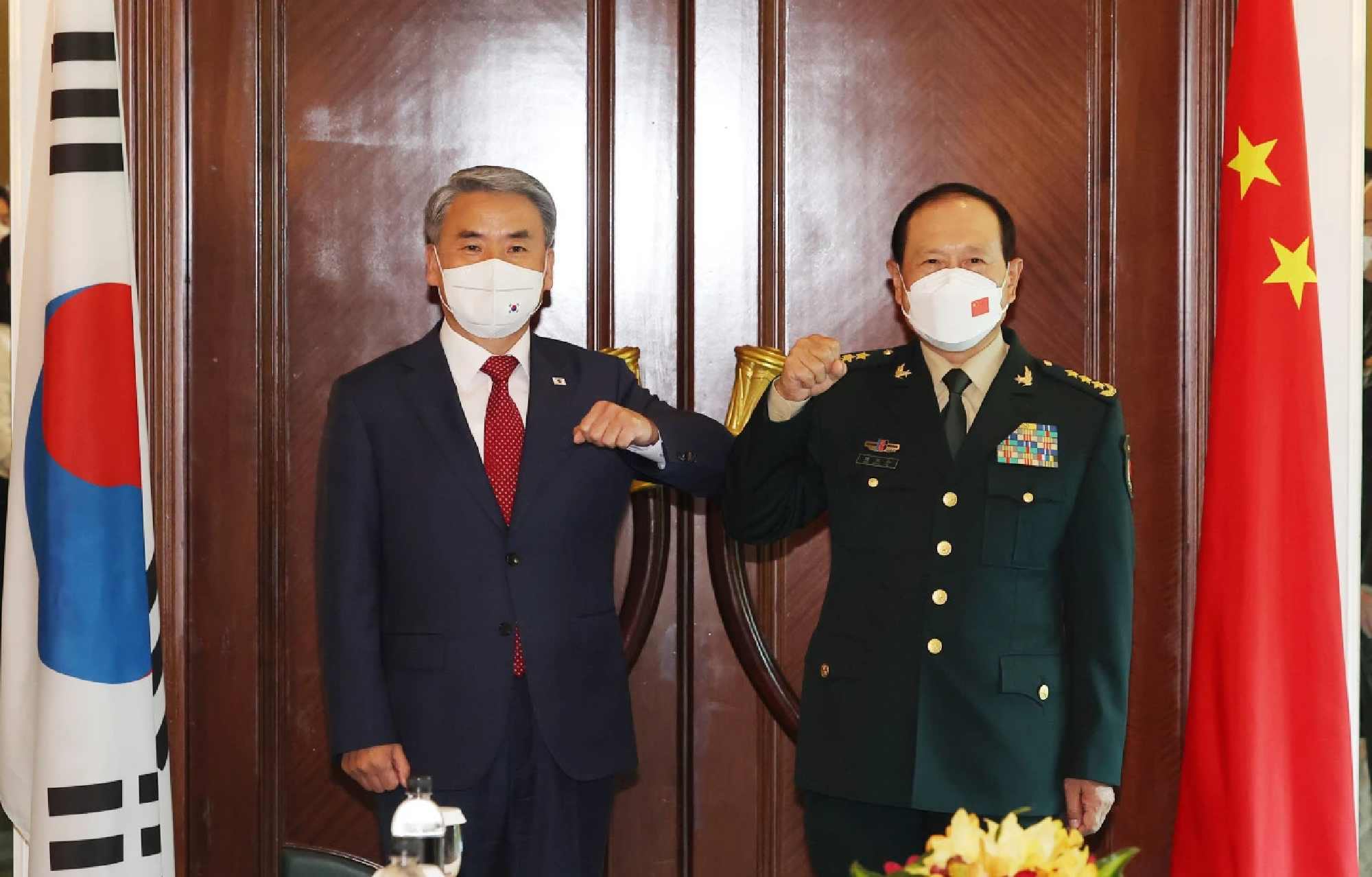
South Korea and China have agreed to cooperate to resolve North Korean issues amid rising tensions after Pyongyang test-launched a record eight ballistic missiles last Sunday.
South Korean Defence Minister Lee Jong-sup met his Chinese counterpart Wei Fenghe for the first time on Friday on the sidelines of the three-day Shangri-La Dialogue Asian security summit in Singapore.
The two defence ministers discussed Korean peninsula security and the North Korean nuclear issue.
“Minister Lee underscored the necessity for both South Korea and China to work together to ensure North Korea recognises that the benefits of abandoning nuclear weapons outweigh the costs of possessing nuclear weapons,” South Korea‘s Defence Ministry said. “[Lee] emphasised that China can play a constructive role in this process.”
In return, Wei said China has consistently maintained goals of maintaining peace and achieving denuclearisation of the Korean peninsula.
“[Wei] hoped that South Korea and China would cooperate to resolve the issues of the Korean Peninsula as both sides share the understanding on the matter.”
Both “share the goal of achieving denuclearisation of the Korean peninsula,” a senior Korean defence official said.
The in-person meeting came at a critical time, with North Korea launching 31 ballistic missiles including intercontinental missiles in less than six months this year, breaking the previous record of 25 in 2019.
Seoul has called for Beijing to play a constructive role in resolving the North Korean nuclear issue and using its leverage to stop Pyongyang from conducting a seventh nuclear test.
However, China also “expressed concerns” over South Korea’s deployment of the US-made Terminal High Altitude Area Defence (THAAD) system during the meeting.
Seoul has vowed to ensure the upgrade of a military base to permanently host the THAAD interceptor system at an early date, which has irked China.
“We emphasised that it was a defensive and essential measure that we had to take against North Korea’s sophisticated nuclear threats,” the official said. Beijing opposes the defence system, fearing it could be used to defeat Chinese missiles or spy on China.
The two leaders also committed to revitalising exchanges across their armies, navies and air forces, as well as interactions between their defence ministries, including the resumption of vice-ministerial defence strategic dialogue, South Korea’s Defence Ministry said.
“Minister Lee underscored the necessity of strengthening substantive and reciprocal cooperation based on the principle of mutual respect and common interest between the two countries on the occasion of the 30th anniversary of diplomatic ties between Korea and China,” said the Defence Ministry statement.
In return, Wei consented to developing bilateral relations by expanding military exchanges.
The two sides also committed to pushing forward reciprocal visits by their defence ministers but no specific dates were agreed upon.
New military hotlines
The South Korean and Chinese defence chiefs also agreed to open two more military hotlines between their air forces and navies in the eastern theatre of the Chinese People’s Liberation Army (PLA) as of Friday.
Seoul and Beijing have three existing hotlines — one between their defence ministries and two between their air forces and navies in the PLA’s northern theatre.
Lee and Wei said the additional hotlines will “greatly contribute to preventing accidental clashes between armed forces of the two countries”, according to South Korea’s defence ministry.
The new hotlines are significant in light of continuing intrusions by Chinese warplanes into South Korea’s air defence identification zone, said a senior South Korean defence official in Singapore.
China’s containment in Indo-Pacific
The bilateral talks – the first such meeting in over two and a half years – was held at the request of the Chinese defence minister, according to South Korea.
It was also the first meeting between Chinese and South Korean defence chiefs since the Yoon government came to power in May.
Lee commented afterwards that the meeting “served as a good opportunity to have a very profitable discussion and to get to understand each other”.
China had shown a lot of interest in the Yoon government’s policy toward China and the Indo-Pacific strategy, the senior official said. The source added that Lee also expounded on the linkage between the Indo-Pacific strategies of the Yoon government and the Biden administration.
“About the Indo-Pacific strategy, Lee said [South Korea] is pursuing the goal of establishing a rules-based [international] order, citing freedom of navigation and overflight as examples. But he added that this goal does not undermine China’s national interest,” the senior official said.
The bilateral talks came just before US Defence Secretary Lloyd Austin held his first in-person talk with his Chinese counterpart on Friday afternoon in Singapore.
The Korea Herald
Asia News Network
Asia News Network: The Nation (Thailand), The Korea Herald, The Straits Times (Singapore), China Daily, Jakarta Post, The Star and Sin Chew Daily (Malaysia), The Statesman (India), Philippine Daily Inquirer, Yomiuri Shimbun and The Japan News, Gogo Mongolia, Dawn (Pakistan), The Island (Sri Lanka), Kuensel (Bhutan), Kathmandu Post (Nepal), Daily Star (Bangladesh), Eleven Media (Myanmar), the Phnom Penh Post and Rasmei Kampuchea (Cambodia), The Borneo Bulletin (Brunei), Vietnam News, and Vientiane Times (Laos).





 SootinClaimon.Com