Feng shui, anime, net, all invite Satan, warns Manila’s top exorcist

#SootinClaimon.Com : ขอบคุณแหล่งข้อมูล : หนังสือพิมพ์ The Nation.

https://www.nationthailand.com/international/40016566


The way Father Jose Francisco Syquia describes his work as the chief exorcist of the Archdiocese of Manila, one would imagine him as a Latin-speaking leader of an elite anti-terror squad taking down the world’s top terrorist, Satan, who could strike anyone, anytime, anywhere.

Feng shui, anime, net, all invite Satan, warns Manila’s top exorcist

He said Satan, like a terrorist, would rather have people dismiss him and not believe he exists. That way, Syquia explains, people will be less mindful about committing evil deeds.

“Think of him as a terrorist who does not want a country to know when he will attack. He wants to remain hidden so people cannot prepare when he does his worst,” warns the exorcist who is fondly called Father Jocis.

The devil’s diabolical attack could come in the form of demonic possession, which averages about 10 suspected cases referred daily to the 55-year-old priest.

All the cases that come in are observed by a team comprising priests trained to detect demonic phenomena, counsellors, psychiatrists, psychologists, case officers and volunteers.

After a meticulous study of each case, he and his team can determine who are possessed by “something diabolical”, separating them from those who are grappling with psychological or physiological issues.

The “real” possessions comprise about 85 per cent of the suspected cases.

Many doorways

But what is worrisome is that the pandemic is causing a rise in the number of cases, Syquia said.

“Because of the lockdown, so many people are creating openings to which the diabolical can enter their lives. People engaging in the virtual world, social media, pornography — so many doorways,” he said.

Certain esoteric practices like feng shui, crystal healing, and using “tawas” (scrying) with magical incantation also allow the devil to enter people’s lives, he said.

According to Syquia, possession usually takes hold when a person faces a crisis, whether it is spiritual, emotional, or relational within the family. Children spending so much time on the internet by themselves are also vulnerable to attacks, he said.

Syquia said that one case close to home was a sickly seminarian who was fond of anime characters. After making pacts with the devil, the young man got healed and was able to draw anime characters with two hands simultaneously, he said.

“The seminarian said he had difficulty sensing the presence of God. He told himself that the devil is better because he can sense the devil more than God,” the priest said.

But there was payback. The seminarian would wake up in the morning and find himself in the refectory or dining hall with no recollection of how he got there. Later, he could no longer control himself and tried to stab a priest.

Eventually, the young man drew his blood and used it to illustrate a pentagram, the supposed devil’s symbol, before he could sit inside the seminary chapel.

A more recent case was a psychiatrist who used “psychic powers” to treat her patients. The woman would wake up with bruises and wounds and would hear voices.

“She had a difficult relationship with God and a bad attitude. She was always angry,” Syquia said.

Possession, oppression

With “pray overs”, the seminarian and the psychiatrist were rid of the devil, he said.

“If deep in his heart, a person desires God and develops a strong faith, that helps a lot in expelling the spirits,” Syquia said. That was how the seminarian and psychiatrist were healed, he said.

Syquia and his team perform diagnostic exorcisms in Latin and emergency exorcisms for “walk-in cases” of victims with visible signs of possession.

Syquia said Satan’s attacks vary in severity.

Possession is the worst and most serious where the devil or several evil spirits take over a person’s body and cause it to do humanly impossible things, like levitating, he said.

Demonic oppression is another form of attack, albeit milder.

In this case, a person’s five senses are assaulted to cause feelings of terror. The person can hear voices, smell foul odours, suffer pains and bruises, and even sexual abuse.

In one presentation at the Vatican of records from the Archdiocese of Manila Office of Exorcism, Syquia said demonic oppression comprised 55 per cent of the cases. That was followed by hauntings of homes and other places (21 per cent), possession (15 per cent), and those involving demonic or seriously harmful thoughts like blasphemy, murder and suicide (9 per cent).

St Michael Centre

In response to the growing number of cases, the Archdiocese of Manila decided to establish the St Michael Centre for Spiritual Liberation and Exorcism, with encouragement from former Manila Archbishop Cardinal Luis Tagle, who is now the Vatican’s Prefect of the Congregation for the Evangelisation of Peoples.

Syquia and the Archbishop of Manila Cardinal Jose F Advincula led the ground-breaking ceremony on May 17.

The planned three-story centre where all exorcism rites of the archdiocese will take place will rise on the grounds of Our Lady of Guadalupe Minor Seminary in Makati City.

A statue of St. Michael the Archangel, who Catholics believe will battle Satan on the last day, will stand on top of the building.

The centre will also host local and foreign priests who will be trained by Syquia and other members of the 200-strong Philippine Association of Catholic Exorcists.

Unbelievers, until …

The centre will provide privacy and a “sacred atmosphere” and serve as a permanent repository of the records of the exorcism office, Syquia said.

He added that possessed persons usually do not believe stories by witnesses until they see video recordings of themselves spewing vomit, throwing violent fits, and speaking in strange voices.

“The Catholic Church will not create the ministry of exorcism if there is no need. During the time of Christ, he exorcised thousands of possessed people,” he said. “There was a vacuum created when the ministry was forgotten, with some saying these things are already passé.”

Philippine Daily Inquirer

Asia News Network

Asia News Network: The Nation (Thailand), The Korea Herald, The Straits Times (Singapore), China Daily, Jakarta Post, The Star and Sin Chew Daily (Malaysia), The Statesman (India), Philippine Daily Inquirer, Yomiuri Shimbun and The Japan News, Gogo Mongolia, Dawn (Pakistan), The Island (Sri Lanka), Kuensel (Bhutan), Kathmandu Post (Nepal), Daily Star (Bangladesh), Eleven Media (Myanmar), the Phnom Penh Post and Rasmei Kampuchea (Cambodia), The Borneo Bulletin (Brunei), Vietnam News, and Vientiane Times (Laos).

Published : June 12, 2022

By : Philippine Daily Inquirer

Zelensky invokes Lee Kuan Yew in virtual address at Singapore dialogue

#SootinClaimon.Com : ขอบคุณแหล่งข้อมูล : หนังสือพิมพ์ The Nation.

https://www.nationthailand.com/international/40016563


Ukraine president Volodymyr Zelensky on Saturday reiterated his calls to tighten sanctions on Russia and President Vladimir Putin as he addressed world leaders and senior defence officials at the Shangri-La Dialogue in Singapore.

Zelensky invokes Lee Kuan Yew in virtual address at Singapore dialogue

Speaking in his native Ukrainian language from a “secret location” in the capital city Kyiv, he said the Russian army had “killed dozens of thousands of our people and deported thousands more to his territory”.

Russia invaded Ukraine on February 24 in what is called a “special military operation” to demilitarise its neighbour.

Speaking to 575 delegates from 40 countries at Asia’s top security summit, Zelensky also invoked Singapore’s founding prime minister in his virtual address, which lasted a little over 10 minutes.

“If there had been no international law and the big fish ate a small fish and a small fish ate shrimps … we would not have existed.

“These are wise words of Lee Kuan Yew, the leader who was perspicacious enough to see the clear reasons of many things and resources, and who knew exactly what is of value,” he said, referring to a 1966 speech by Lee.

Singapore’s then-prime minister had quoted a Chinese proverb, “Big fish eat small fish; small fish eat shrimps”, but highlighted that some shrimp also have poisonous stings.

Lee said that for a young nation to survive alongside neighbouring countries (small fish) and major world powers (big fish), it had to build up its defences or, like some other creatures that attach themselves to larger ones, form alliances with more powerful nations.

Zelensky – who has previously addressed the parliaments of more than 20 countries as well as prominent gatherings at the UN Security Council and the Grammy music awards – has become known for adeptly tapping seminal historical events tailored to the country of his audience, from the 9/11 terrorist attacks in the US to the Fukushima nuclear disaster in Japan.

He also stressed the larger consequences of Russia’s blocking of ports in the Black Sea and Azov Sea.

“If due to Russian blockades we are unable to export our foodstuffs, the world will face an acute and severe food crisis and famine in many countries in Asia and Africa.

“The shortage of foodstuff will inexorably lead to political chaos, which can result in the falling of many governments and the ousting of many politicians,” he warned.

Before the war, Ukraine was the fourth-largest wheat and corn exporter in the world.

In place of his now-trademark khaki top, the president sported a black T-shirt with the image of a girl spray painting a Ukrainian flag of blue and yellow – which he revealed to be a made-in-Singapore print.

He said: “I was told about one girl. She wrote me a letter asking me to support her initiative called Spray Paint Ukraine – an initiative aiming to help Ukraine. She created this NFT [non-fungible token] and presented me with the shirts to wear, to help everyone discover her initiative.”

The illustrator, Ava Soh, 16, a Singaporean, described her print as a “young Ukrainian girl defiantly painting a new future” through “self-belief”.

Zelensky added that he wore the T-shirt to illustrate how Ukraine has received worldwide support and “why we are definitely going to prevail in this war which Russia has started”.

Expressing his thanks for foreign support for his country, he added: “This support is not only for Ukraine but for you as well. It is on the battlefields of Ukraine that the future rules of this world are being decided along with the boundaries of the possible.”

He had started his virtual speech by saying: “Hopefully many offline meetings are yet to come during my future visits to your region after we win this war [with Russia].”

He ended his speech with his customary: “Slava Ukraini” – Glory to Ukraine.

Philippine Daily Inquirer

Asia News Network

Asia News Network: The Nation (Thailand), The Korea Herald, The Straits Times (Singapore), China Daily, Jakarta Post, The Star and Sin Chew Daily (Malaysia), The Statesman (India), Philippine Daily Inquirer, Yomiuri Shimbun and The Japan News, Gogo Mongolia, Dawn (Pakistan), The Island (Sri Lanka), Kuensel (Bhutan), Kathmandu Post (Nepal), Daily Star (Bangladesh), Eleven Media (Myanmar), the Phnom Penh Post and Rasmei Kampuchea (Cambodia), The Borneo Bulletin (Brunei), Vietnam News, and Vientiane Times (Laos).
 

Published : June 12, 2022

By : Philippine Daily Inquirer

Nepal’s officials perplexed about what to do with seized hunting dog

#SootinClaimon.Com : ขอบคุณแหล่งข้อมูล : หนังสือพิมพ์ The Nation.

https://www.nationthailand.com/international/40016558


Forest office in Nepal detained a dog along with alleged poachers. Court freed the accused but didn’t say a word on the canine. Officials now wonder what to do with the dog.

Nepal’s officials perplexed about what to do with seized hunting dog

Officials at the Division Forest Office in Mugu have been dogged by an uncanny problem—caused by a dog.

On March 28, the Division Forest Office arrested four persons for their alleged involvement in poaching. They were accompanied by a hunting dog, which was also detained along with them.

The Division Forest Office prosecuted the four persons—Chyampa Tamang, Dawa Choden Tamang, Tashi Tamang, and Chimek Tamang of Mugum Karmarong—on charges of poaching.

On May 26, Mugu District Court decided to release Chyampa and his son Dawa on a bail amount of Rs 70,000 each while Tashi and Chimek were released on general date.

There was no order issued for the dog as it was not named as a defendant.

Forest officials are now up a gum tree and perplexed about what to do with the furry animal which has been in their custody for the last two and a half months.

Since the forest office had only filed a case against four alleged poachers, the court did not decide on the dog, according to court officials.

Bidhya Raj Budha, an information officer at Mugu District Court, said the word ‘dog’ was not mentioned in the registered poaching case.

“So, how can the court decide?” said Budha.

Dawa Chorden in his statement before the court had said that he saw a ghoral (Himalayan goral, goat-antelope) grazing while on his way to the nearby water mill. He turned around and went home to fetch his hunting dog to kill the squirrel.

The incident was reported to the police after some villagers saw him with the dead ghoral.

Police immediately arrested the four people along with the dog and confiscated the ghoral and handed it to the Division Forest Office.

According to Division Forest Officer Gagan Mahatara, it was not decided whether to release the dog or kill it as there was no order from the court.

Mahatara said the forest office is facing a difficulty in taking care of the dog.

“The office has already spent Rs25,000 on feeding the dog,” said Mahatara. “The office allocates a budget for cattle but not for dogs. We have been using the same fund to feed the dog.”

According to the Division Forest Office, the National Parks and Wildlife Conservation Act provisions the killing of hunting dogs after taking orders from appropriate authorities. But the office has not been able to make a decision on the dog that they detained about two and a half months ago.

Forest officials are not in favour of leaving the dog unattended, as they fear it could harm wildlife.

“This is a hunting dog,” said Mahatara. “If we release it, it can kill wild animals.” 

Kathmandu Post

Asia News Network

Asia News Network: The Nation (Thailand), The Korea Herald, The Straits Times (Singapore), China Daily, Jakarta Post, The Star and Sin Chew Daily (Malaysia), The Statesman (India), Philippine Daily Inquirer, Yomiuri Shimbun and The Japan News, Gogo Mongolia, Dawn (Pakistan), The Island (Sri Lanka), Kuensel (Bhutan), Kathmandu Post (Nepal), Daily Star (Bangladesh), Eleven Media (Myanmar), the Phnom Penh Post and Rasmei Kampuchea (Cambodia), The Borneo Bulletin (Brunei), Vietnam News, and Vientiane Times (Laos).

Published : June 12, 2022

By : The Kathmandu Post

Drones easing shopping-woes in rural parts of Japan

#SootinClaimon.Com : ขอบคุณแหล่งข้อมูล : หนังสือพิมพ์ The Nation.

https://www.nationthailand.com/international/40016556


Drones are increasingly winging their way to rural households to deliver groceries and medication to elderly people.

Drones easing shopping-woes in rural parts of Japan

In May, five municipalities in four prefectures, including Yamanashi Prefecture and Hokkaido, established a special council to promote such services.

Council members believe there is a high demand for drone-delivered goods in areas where many people find it difficult to shop. The council is keen to amass and share up-to-date knowledge on drone technology as it looks to expand its fledgling scheme.

The participating municipalities are calling on other local authorities to join the venture, which aims to utilize drones for such purposes as disaster-response support and assisting people who have limited access to healthcare.

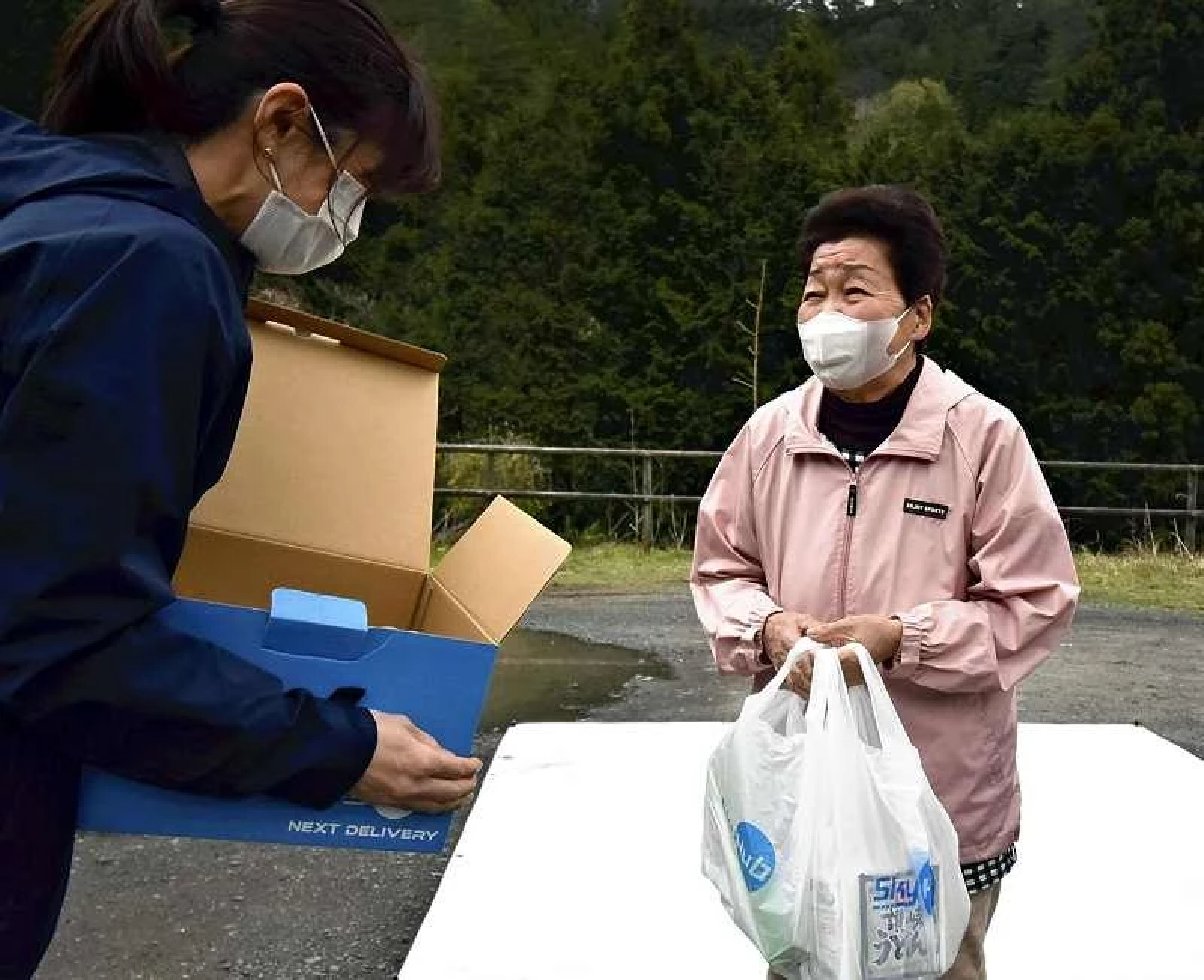
In April, a white drone flew slowly over a forested area in Kosuge, Yamanashi Prefecture. The drone landed in open space, dropped off a box, then flew back to its base, about three kilometers away.

“I’ve gotten used to seeing drones flying overhead,” said an 82-year-old local resident. “It’s convenient, because they fly goods right to the front of my house.” The woman has already used the service to order gyudon beef-on-rice bowls, ice cream and other products.

About half of the village’s 700 residents are elderly, and there are only two stores. The Kosuge municipal government started drone-delivery tests in April last year with support from Aeronext — a Tokyo-based drone research and development company — with the aim of making it easier for residents to buy and receive goods.

The company uses a vacant store in the center of the village as a temporary storage depot for bread, adult diapers and other goods. The firm has also built five landing points in the village; each point is between two to seven minutes from the storage depot. Using autopilot technology, the drones make round trips between the depot and the landing points.

When a user places an order via telephone or smartphone app, a staffer loads the ordered products onto a drone at the depot. Users are notified of the estimated time of arrival and receive their products at the landing point nearest to their respective homes. Remotely based employees continually monitor camera footage from the drones to prevent accidents.

In November, the company started charging users ¥300 per delivery. As of the end of May, about 250 drone deliveries had been successfully completed, including those made when the service was free.

Drone-delivery experiments also have been conducted in Tsuruga, Fukui Prefecture, and Kamishihoro and Higashikawa, both in Hokkaido.

In April last year, the Kamishihoro municipal government launched a drone-based project to help support rescue operations for alpine accidents. Last winter, the town held a nighttime event that involved 300 drones.

These four municipalities — and Sakai, Ibaraki Prefecture, which is also considering introducing a drone-related service — took the initiative to establish a national council on promoting new smart delivery in mid-May.

Meanwhile, Aga in Niigata Prefecture has been independently testing a service that combines drone-delivered medicines with online medication instructions.

“Drones hold the key to revitalizing regional communities,” said a senior official of the Kamishihoro municipal government’s digital promotion department.

The Japan News

Asia News Network

Asia News Network: The Nation (Thailand), The Korea Herald, The Straits Times (Singapore), China Daily, Jakarta Post, The Star and Sin Chew Daily (Malaysia), The Statesman (India), Philippine Daily Inquirer, Yomiuri Shimbun and The Japan News, Gogo Mongolia, Dawn (Pakistan), The Island (Sri Lanka), Kuensel (Bhutan), Kathmandu Post (Nepal), Daily Star (Bangladesh), Eleven Media (Myanmar), the Phnom Penh Post and Rasmei Kampuchea (Cambodia), The Borneo Bulletin (Brunei), Vietnam News, and Vientiane Times (Laos).

Published : June 12, 2022

By : The Japan News

S’pore tops Asia-Pacific in ranking for start-ups, 7th in the world

#SootinClaimon.Com : ขอบคุณแหล่งข้อมูล : หนังสือพิมพ์ The Nation.

https://www.nationthailand.com/international/40016537


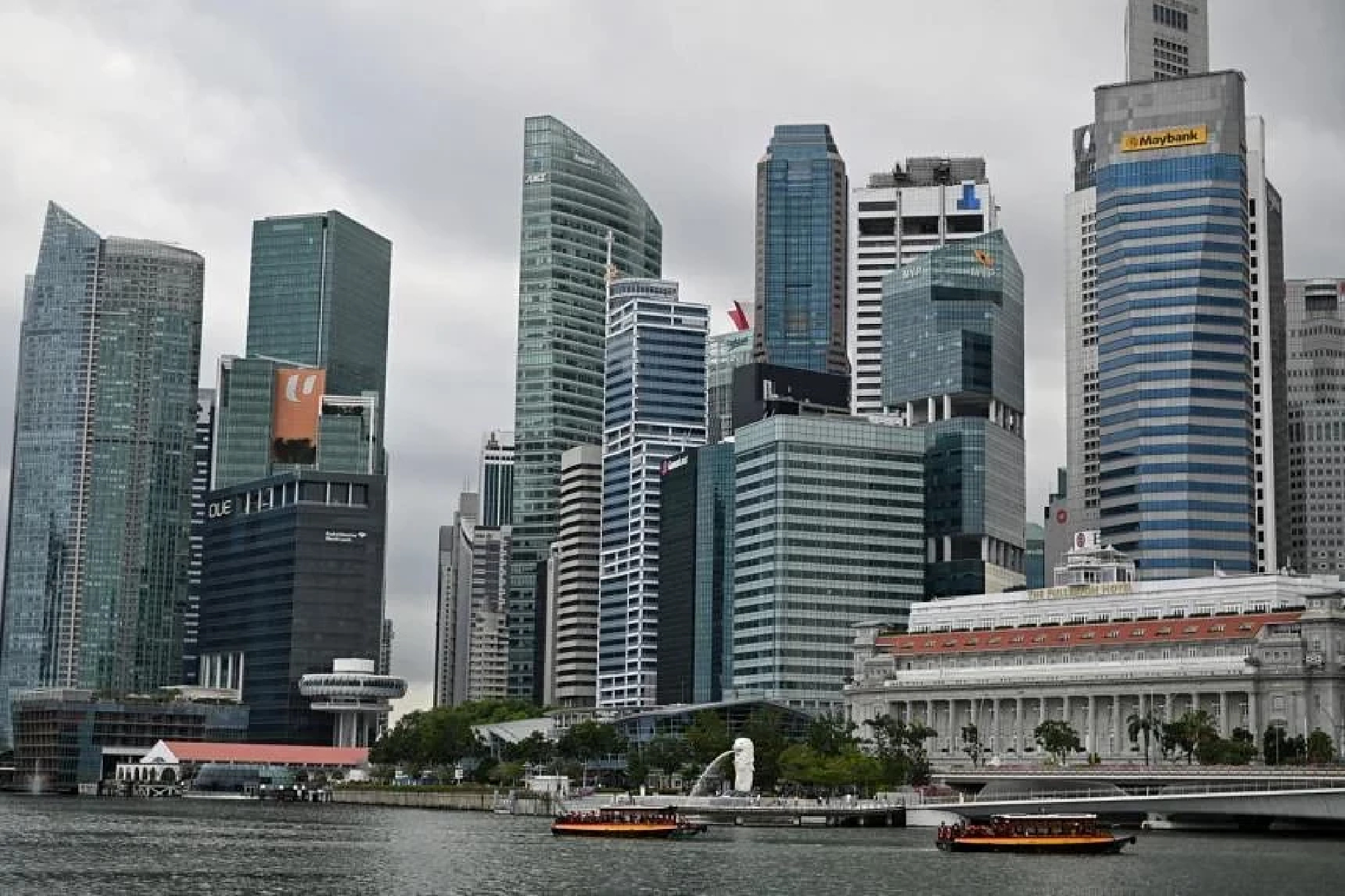
SINGAPORE – Singapore has overtaken China as the top-ranked ecosystem for start-ups in the Asia-Pacific region, according to StartupBlink’s Startup Ecosystem Index 2022.

S'pore tops Asia-Pacific in ranking for start-ups, 7th in the world

The Republic ranked seventh out of 100 in the world overall, behind the United States, Britain, Israel, Canada, Sweden and Germany. Singapore was 10th in last year’s ranking.

In the index’s ranking of cities, Singapore emerged 22nd out of 1,000 cities.

The report singled out the financial technology (fintech) sector as Singapore’s “over-performing” industry and also noted the Republic is now within the top 30 cities for other sectors like education tech, e-commerce and retail, software and data, and marketing and sales.

“Singapore is a model for innovation and continues the pattern of a relatively small country massively over-performing and creating regional impact as an open and powerful Asian hub,” the report said, adding that Singapore’s favourable tax legislation and ease of doing business attract “massive ecosystem investment”.

The report cited ride-hailing and food delivery firm Grab as an example of how the Republic plays host to the Asian headquarters of leading start-ups.

It also noted the presence of a growing number of start-up accelerators that offer access to financial aid and business loans, including programmes under Enterprise Singapore (ESG) and its Startup SG initiative.

ESG is listed in the report as one of StartupBlink’s Asia-Pacific ecosystem partners.

Singapore’s universities are also involved in the start-up scene by training the research and development workforce as well as connecting programmes to start-ups and encouraging entrepreneurship on campus, the report added.

While the Republic has a small market and population, it also has the advantage of having a global perspective which helps it position itself as a regional hub, the report said.

Other factors in its favour included its strong rule of law and intellectual property protection, as well as its start-up related visa programme EntrePass, which allows eligible foreign entrepreneurs to start and operate a business in Singapore that is venture-backed or possesses innovative technologies.

“Singapore’s public sector is highly supportive of the start-up ecosystem, but the country should be careful not to turn this support into a dependency,” the report said.

“Moreover, attracting talent and maintaining competitiveness on a global scale should also be focal points for Singapore.”

StartupBlink is based in Tel Aviv, Israel, and bills itself as “the world’s most comprehensive start-up ecosystem map and research centre”.

It has published the index and an accompanying report every year since 2017, with the goal of helping start-up founders decide where to build their businesses.

The index is generated using an algorithm that calculates scores for quantity, quality and business environment based on quantitative data.

The quantity score takes into account how many start-ups, co-working spaces, accelerators and start-up-related meet-ups there are in a given country or city, among other things.

The quality score taps databases from partners like search engine firm Semrush and business information platform Crunchbase. It examines various factors like private sector investment, presence of research and development centres of tech firms, and the number and size of relevant events and conferences.

The business environment score focuses on country-level factors like national infrastructure, policies and legislation.

It also examines the country or city’s Internet speed and freedom, availability of various services like payment portals, and the number of patents filed per capita.

Top 10 Startup Ecosystem Index 2022

  • United States
  • Britain
  • Israel
  • Canada
  • Sweden
  • Germany
  • Singapore
  • Australia
  • France
  • China

By Rei Kurohi

Asia News Network: The Nation (Thailand), The Korea Herald, The Straits Times (Singapore), China Daily,  Jakarta Post, The Star and Sin Chew Daily (Malaysia), The Statesman (India), Philippine Daily Inquirer, Yomiuri Shimbun and The Japan News, Gogo Mongolia,  Dawn (Pakistan),  The Island (Sri Lanka), Kuensel (Bhutan), Kathmandu Post (Nepal), Daily Star (Bangladesh), Eleven Media (Myanmar), the Phnom Penh Post and Rasmei Kampuchea (Cambodia), The Borneo Bulletin (Brunei), Vietnam News, and Vientiane Times (Laos).

Published : June 11, 2022

By : The Straits Times

Bongbong Marcos commits to human rights accountability, says UN envoy

#SootinClaimon.Com : ขอบคุณแหล่งข้อมูล : หนังสือพิมพ์ The Nation.

https://www.nationthailand.com/international/40016536


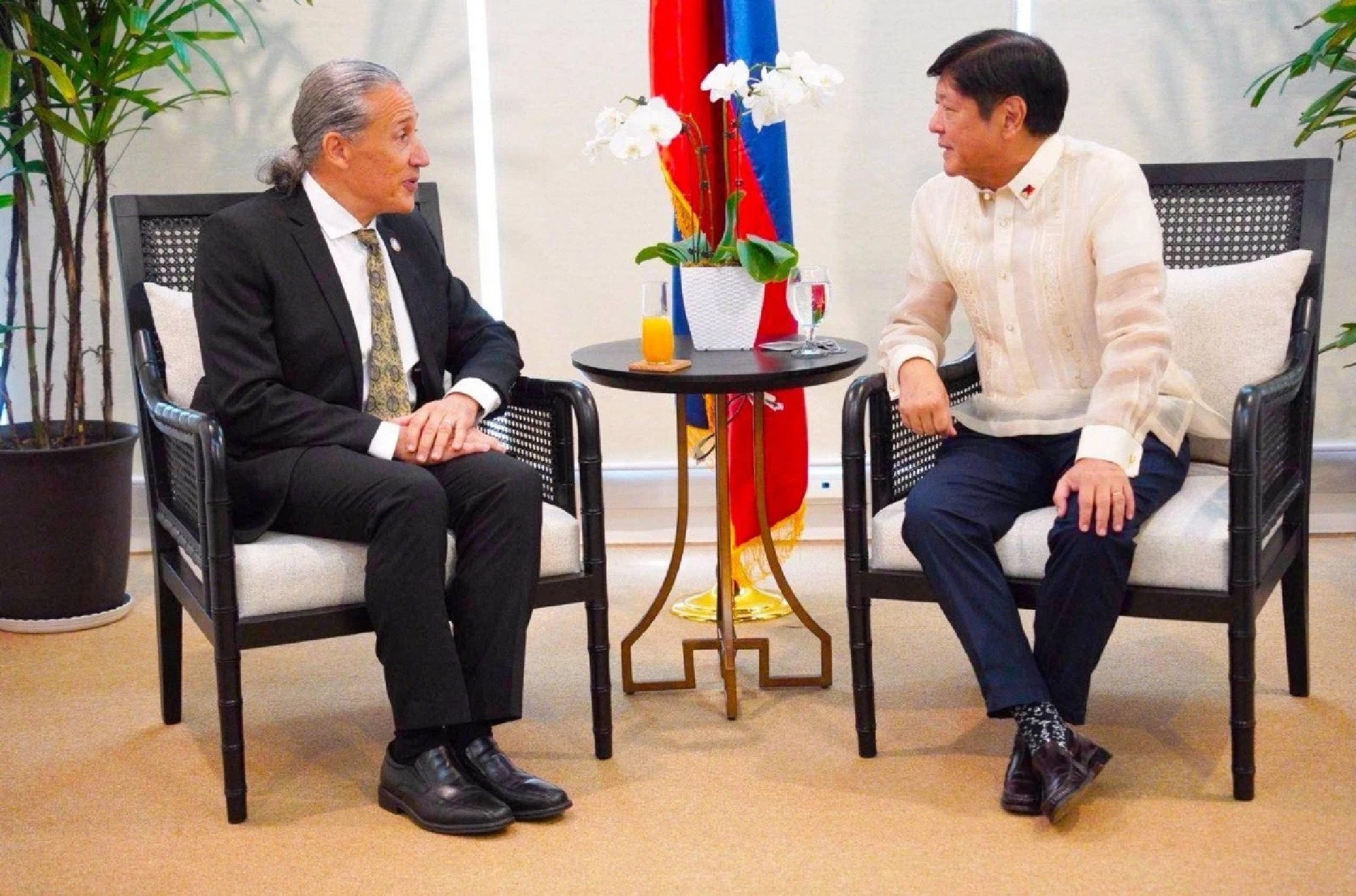
MANILA, Philippines — President-elect Ferdinand “Bongbong” Marcos Jr. has expressed commitment to ensuring accountability in issues concerning human rights, United Nations Resident Coordinator in the Philippines Gustavo Gonzalez said Friday.

Bongbong Marcos commits to human rights accountability, says UN envoy

Following his courtesy call on Marcos at the latter’s headquarters in Mandaluyong City, Gonzalez underscored the need to enhance accountability in governance.

“We need to continue in enhancing accountability in terms of human rights and making sure that what we adopted as part of the Human Rights Council Resolution 4553… they are addressed,” Gonzalez said in a press briefing.

“President Ferdinand Marcos Jr. confirmed [his] commitment. He even shared that he is conducting a number of consultations to ensure the best way of supporting the human rights agenda,” he added.

Gonzalez is referring to the United Nations Human Rights Council (UNHRC)’s resolution that calls for “technical assistance” to aid the Philippines in its human rights efforts.

Some human rights groups have dubbed the resolution as a “missed opportunity” to launch an investigation in the human rights situation in the Philippines.

Gonzalez said Marcos’ commitment to the human rights agenda is “quite encouraging.”

“We reiterate the support of the United Nations,” Gonzalez said.

Asked if the human rights issues during the administration of President Rodrigo Duterte were tackled during the meeting, Gonzalez answered in the negative.

He said that the human rights discussion revolved on the UNHRC resolution.

“It means the UN and the government needs to work together in addressing some concerns on human rights and he’s very much interested for example in ensuring a consultation for the nomination of the new Commission of Human Rights,” Gonzalez said.

“This is the topic that he immediately raised and he also mentioned the importance of ensuring high-level accountability in terms of human rights,” he added.

Aside from human rights, issues of peace and climate change were also discussed during the meeting.

“So a quite positive, very positive meeting and we are quite encouraged that we continue supporting the Philippines and the new administration in terms of addressing national priorities,” Gonzalez said.

By: Neil Arwin Mercado

Asia News Network: The Nation (Thailand), The Korea Herald, The Straits Times (Singapore), China Daily,  Jakarta Post, The Star and Sin Chew Daily (Malaysia), The Statesman (India), Philippine Daily Inquirer, Yomiuri Shimbun and The Japan News, Gogo Mongolia,  Dawn (Pakistan),  The Island (Sri Lanka), Kuensel (Bhutan), Kathmandu Post (Nepal), Daily Star (Bangladesh), Eleven Media (Myanmar), the Phnom Penh Post and Rasmei Kampuchea (Cambodia), The Borneo Bulletin (Brunei), Vietnam News, and Vientiane Times (Laos).

Published : June 11, 2022

By : Philippine Daily Inquirer
China warns it will smash any ‘Taiwan independence’ acts

#SootinClaimon.Com : ขอบคุณแหล่งข้อมูล : หนังสือพิมพ์ The Nation.

https://www.nationthailand.com/international/40016535


If anyone dares to split Taiwan from China, the Chinese military will resolutely smash any “Taiwan independence” acts even at the cost of war, the Chinese defense minister told his US counterpart on Friday.

China warns it will smash any 'Taiwan independence' acts

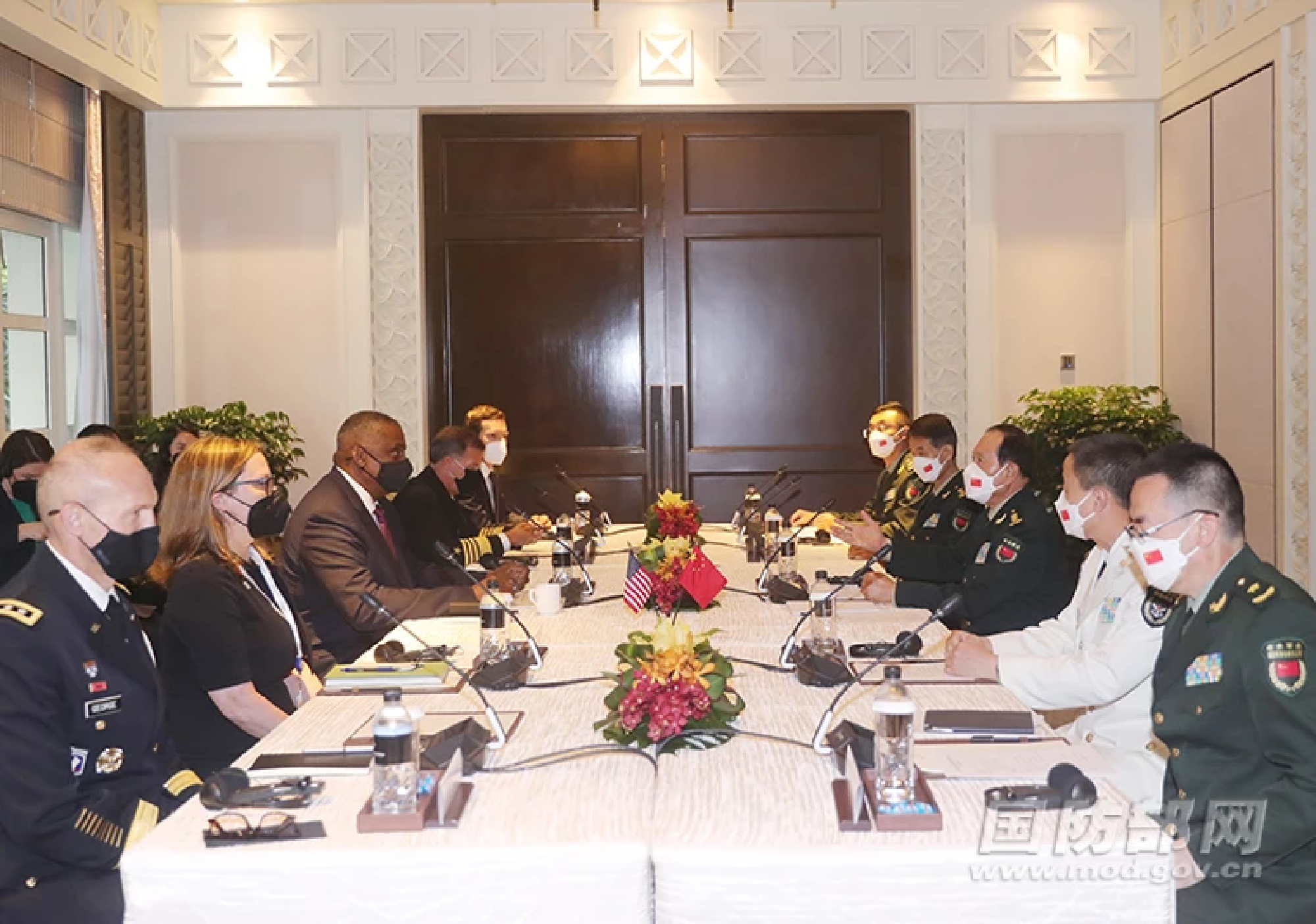
General Wei Fenghe, a State councilor and minister of national defense, reiterated China’s firm stance on Taiwan while meeting with United States Defense Secretary Lloyd Austin on the sidelines of the Shangri-La Dialogue in Singapore, according to Wu Qian, a spokesman for China’s Ministry of National Defense.

Wei stressed that the People’s Liberation Army will relentlessly safeguard China’s sovereignty and territorial integrity, and if anyone dares to separate Taiwan from the motherland, the Chinese military will definitely smash the act at any costs, even by going to a war.

He said the US’s recent announcement on arms sales to Taiwan has severely violated the one-China principle and the three China-US joint communiqués, seriously damaged China’s sovereignty and security, and gravely jeopardized the China-US relationship as well as the peace and stability across the Taiwan Straits. Therefore, China expresses strong indignation and opposition, he said.

The Chinese general stressed that there is only one China and Taiwan is an inalienable part of China. The one-China principle is the political foundation of the China-US relationship while the attempts of playing the “Taiwan card” to contain China will be in vain. The meeting between Wei and Austin was the first time the two defense heads talked in person.

During their meeting, Wei also told Austin that the US must not interfere in China’s internal affairs and jeopardize China’s interests for the sake of the bilateral ties.

China is willing to establish a “sound, stable great-power relationship” with the US and that should be a shared goal for both sides.

He said the US must treat China’s development with a rational perspective. The US must not demonize and contain China, and also must not interfere in China’s domestic affairs nor damage China’s interests so as to achieve a good China-US relationship, the minister said.

Wei noted that a stable military-to-military relation is crucial to bilateral relations and the two militaries should avoid confrontation and conflict.

Wei has been in Singapore since Wednesday to attend the 19th Shangri-La Dialogue and visit the Southeast Asian nation.

By ZHAO LEI

Asia News Network: The Nation (Thailand), The Korea Herald, The Straits Times (Singapore), China Daily,  Jakarta Post, The Star and Sin Chew Daily (Malaysia), The Statesman (India), Philippine Daily Inquirer, Yomiuri Shimbun and The Japan News, Gogo Mongolia,  Dawn (Pakistan),  The Island (Sri Lanka), Kuensel (Bhutan), Kathmandu Post (Nepal), Daily Star (Bangladesh), Eleven Media (Myanmar), the Phnom Penh Post and Rasmei Kampuchea (Cambodia), The Borneo Bulletin (Brunei), Vietnam News, and Vientiane Times (Laos).

Published : June 11, 2022

By : China Daily

S.Korea, China commit to revitalizing military exchanges, cooperating on N.Korean issues

#SootinClaimon.Com : ขอบคุณแหล่งข้อมูล : หนังสือพิมพ์ The Nation.

https://www.nationthailand.com/international/40016534


S.Korean, Chinese defense chiefs agree to operate additional military hotlines

S.Korea, China commit to revitalizing military exchanges, cooperating on N.Korean issues

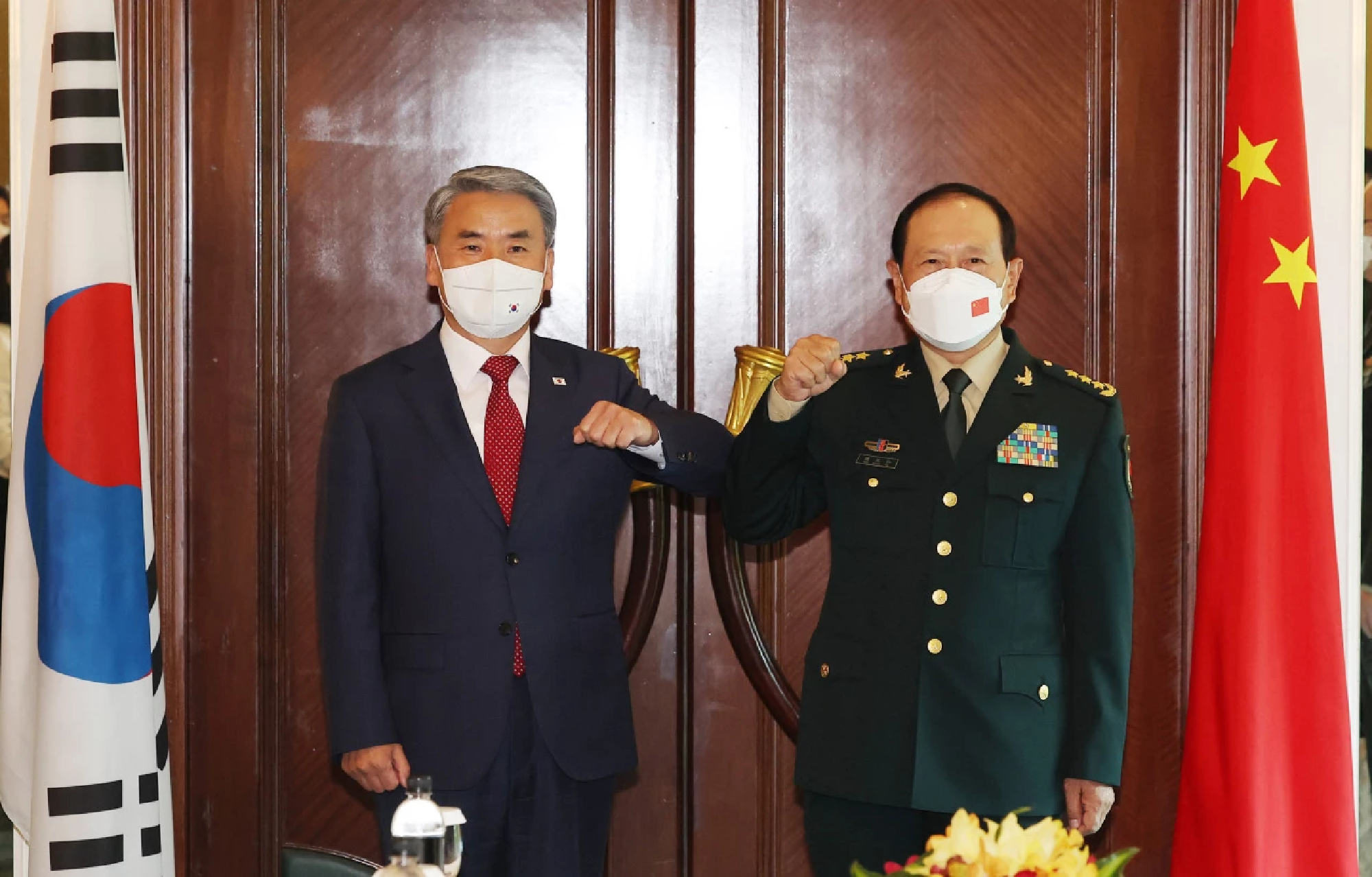
SINGAPORE — South Korean and Chinese defense chiefs on Friday committed to rejuvenating military exchanges and cooperating in resolving North Korean issues during a bilateral meeting held in around three years.

South Korean Defense Minister Lee Jong-sup had his first encounter with his Chinese counterpart Wei Fenghe in the afternoon on the sidelines of the three-day Shangri-La Dialogue Asian security summit that runs until Sunday in Singapore.

Reinvigorating military exchanges

Lee and Wei discussed ways to boost and expand defense cooperation during a 75-minute meeting that began at 14:00 local time and was 35 minutes longer than scheduled.

The two leaders committed to revitalizing military exchanges across the Army, Navy, and Air force as well as interactions between South Korean and Chinese defense ministries such as the resumption of vice-ministerial defense strategic dialogue, South Korea’s Defense Ministry said in a Korean-language statement.

“Minister Lee underscored the necessity of strengthening substantive and reciprocal cooperation based on the principle of mutual respect and common interest between the two countries on the occasion of the 30th anniversary of establishing diplomatic ties between Korea and China,” according to South Korea’s Defense Ministry.

In return, Wei expressed his consent and expectations to develop bilateral relations by expanding military exchanges across the broad.

The two sides also committed to pushing forward mutual visits by the defense ministers of the Republic of Korea and China, but they did not agree on a specific date.

Operating military hotlines

The South Korean and Chinese defense chiefs also agreed to open and operate two more military hotlines between their air forces and navies in the eastern theater of the Chinese People’s Liberation Army as of Friday.

Seoul and Beijing have three existing hotlines — one between their defense ministries and two between their air forces and navies in the northern theater of the PLA.

The two countries previously agreed to establish two more direct communication lines in accordance with their memorandum of understanding on hotlines between the South Korean and Chinese navy and air forces signed in 2021.

Lee and Wei agreed that the operation of additional hotlines will “greatly contribute to preventing accidental clashes between armed forces of the two countries” and attached the great significance to the decision, according to South Korea’s defense ministry.

The opening of new hotlines is significant particularly in light of Chinese military aircraft’s continuing intrusion of South Korea’s air defense identification zone, a senior official at South Korea’s Defense Ministry, who wished to remain anonymous, said during a closed-door briefing in Singapore.

N.Korea’s missile and nuclear threats

The South Korean and Chinese defense ministers also discussed the security situation on the Korean Peninsula and in the region and the North Korean nuclear issue.

“Minister Lee underscored the necessity for both South Korea and China to work together to ensure that North Korea recognizes the benefits of abandoning nuclear weapons outweigh the costs of possessing nuclear weapons,” South Korea‘s Defense Ministry said. “(Lee) emphasized that China can play a constructive role in this process.”

In return, Wei elucidated China has consistently maintained the goals of maintaining peace on the Korean Peninsula and achieving denuclearization of the Korean Peninsula,

“(Wei) hoped that South Korea and China would cooperate to resolve the issues of the Korean Peninsula as both sides share the understanding on the matter.”

The salience of the meeting was to confirm that both “share the goal of achieving denuclearization of the Korean peninsula,” the senior said, adding Wei gave an affirmative response to Lee’s request.

The in-person meeting came at a critical time when North Korea has launched 31 ballistic missiles including intercontinental ballistic missiles in less than six months this year, breaking the previous record of 25 in 2019.

Seoul has called for Beijing to play a constructive role in resolving the North Korean nuclear issue and using its leverage to stop North Korea from conducting a seventh nuclear test.

In addition, China also “expressed concerns” over the deployment of the US-made Terminal High Altitude Area Defense (THAAD) battery during the meeting.

The Yoon government also aims to ensure the full-capacity operation of a military base that hosts the THAAD interceptor system at an early date, which will irk China. But the senior official said both sides did not have a detailed discussion on the issue.

“We emphasized that it was a defensive and essential measure that we had to take against North Korea’s sophisticated nuclear threats,” the official said.

China’s containment against Indo-Pacific strategy

The bilateral meeting was held at the request of the Chinese defense minister, according to South Korea’s Defense Ministry.

Such a meeting was held for the first time in two years and seven months. The South Korean and Chinese defense chiefs last met in November 2019 on the occasion of the Sixth ASEAN Defense Ministers’ Meeting Plus held in Bangkok, Thailand.

The senior official said the meeting has significance in light of the first in-person interaction between Chinese and South Korean defense chiefs since the inauguration of the Yoon government in May.

Lee also assesed that the meeting “served as a good opportunity to have a very profitable discussion and to get to understand each other” during an impromptu briefing.

In particular, China showed a lot of interest in the Yoon government’s policy toward China and Indo-Pacific strategy, the senior official said. The source added that Lee also expounded on the linkage between the Indo-Pacific strategies of the Yoon government and the Biden administration.

“With regard to the Indo-Pacific strategy, Lee said (South Korea) is pursuing the goal of establishing a rule-based (international) order, citing freedom of navigation and overflight as examples. But he went on to say that the goal does not undermine China’s national interest,” the senior official said.

The bilateral talks between South Korea and China also came just before US Defense Secretary Lloyd Austin had their first in-person interaction with his Chinese counterpart on Friday afternoon in Singapore.

By Ji Da-gyum

Asia News Network: The Nation (Thailand), The Korea Herald, The Straits Times (Singapore), China Daily,  Jakarta Post, The Star and Sin Chew Daily (Malaysia), The Statesman (India), Philippine Daily Inquirer, Yomiuri Shimbun and The Japan News, Gogo Mongolia,  Dawn (Pakistan),  The Island (Sri Lanka), Kuensel (Bhutan), Kathmandu Post (Nepal), Daily Star (Bangladesh), Eleven Media (Myanmar), the Phnom Penh Post and Rasmei Kampuchea (Cambodia), The Borneo Bulletin (Brunei), Vietnam News, and Vientiane Times (Laos).

Published : June 11, 2022

By : The Korea Herald

Japanese PM vows to expand security role in Asia

#SootinClaimon.Com : ขอบคุณแหล่งข้อมูล : หนังสือพิมพ์ The Nation.

https://www.nationthailand.com/international/40016533


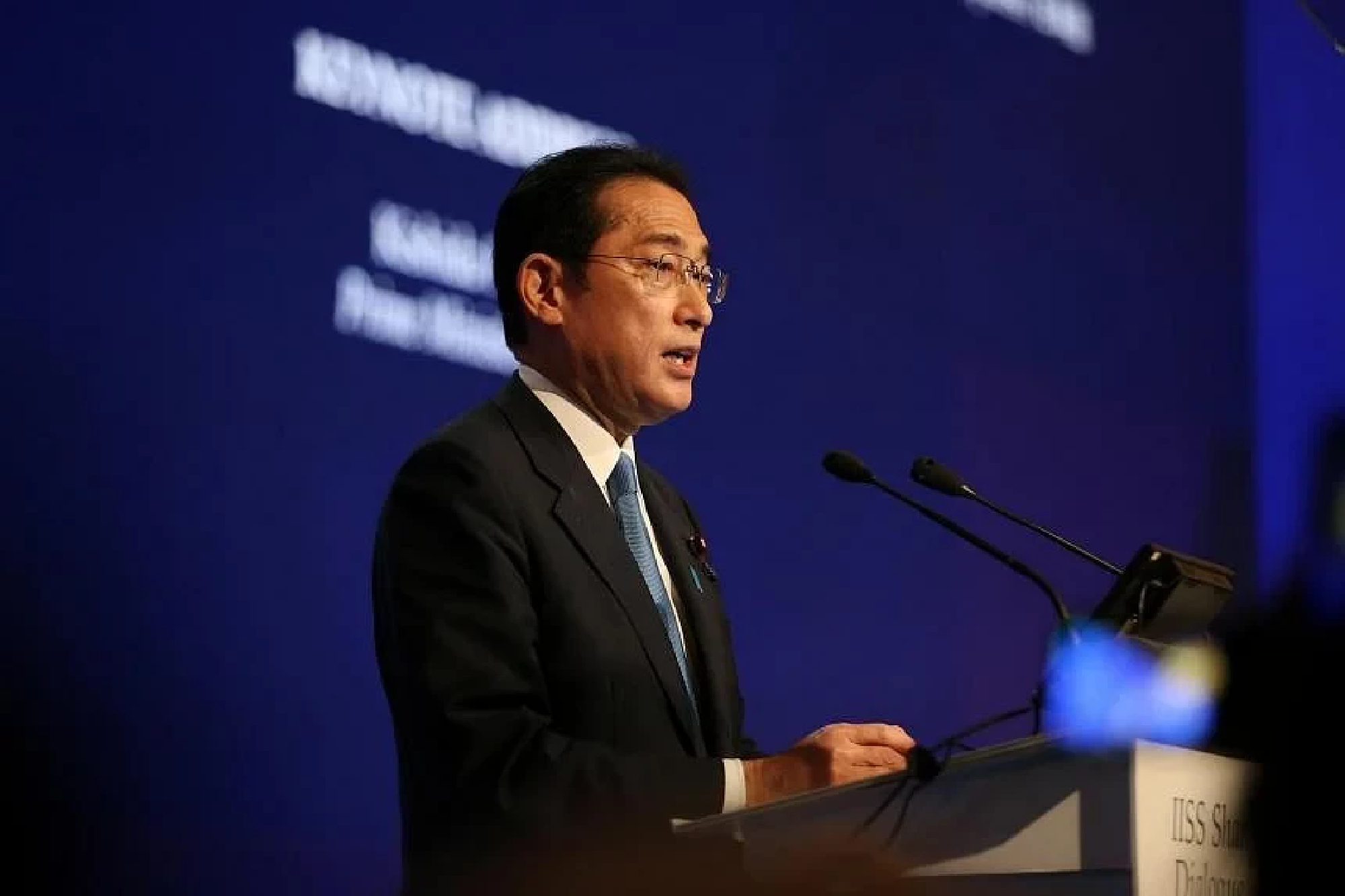
SINGAPORE – Japan’s Prime Minister Fumio Kishida on Friday (June 10) vowed to expand his country’s diplomatic and security role in Asia as he outlined his vision for an open, free and peaceful Indo-Pacific region at the Shangri-La Dialogue.

Japanese PM vows to expand security role in Asia

Japan is committed to “realism diplomacy for a new era”, in which Tokyo “will be more proactive than ever in tackling the challenges and crises that face Japan, Asia and the world”, Mr Kishida told some 500 defence ministers, senior officials and prominent scholars from 42 countries gathered to attend Asia’s top security summit at the Shangri-La hotel in downtown Orchard Road on Friday evening. 

The world is facing a situation in which “confidence in the universal rules that govern international relations is being shaken”, the Japanese leader said. 

“While focusing on universal values that everyone should respect and defend, we must firmly hold aloft the banner of our ideals for the future, such as a world without nuclear weapons, while also responding astutely and decisively as the situation demands.” 

Mr Kishida was giving the keynote speech on the first day of the three-day forum organised by the London-based International Institute for Strategic Studies (IISS). 

His address comes against the backdrop of a rapidly deteriorating international security environment and as Japan finds itself in an increasingly precarious position amid Russia’s invasion of Ukraine, China’s growing maritime assertiveness, and North Korea’s repeated missile and nuclear tests. 

Tokyo has in recent months emerged as a leading Asian voice against challenges to the international security order. 

On Friday, Mr Kishida pledged to strengthen the rules-based international order. 

“Ukraine today may be East Asia tomorrow,” he said. “I will seek to build a stable international order through dialogue, not confrontation. At the same time, however, we must be prepared for the emergence of an entity that tramples on the peace and security of other countries by force or threat without honouring the rules.” 

The premier promised to lay out a “Free and Open Indo-Pacific Plan for Peace” by next spring, allocating a budget of at least US$2 billion (S$2.8 billion) in assistance to countries in the region over the next three years. 

The plan includes providing equipment such as patrol vessels, and building up the maritime transport infrastructure and law enforcement capabilities of at least 20 countries. 

Tokyo’s principal security interest in the Indo-Pacific is the safety and security of the regional sea lanes, and it has in recent years expressed a growing concern over rising tensions in those waters.

Mr Kishida also sought to foster an understanding of his recent decisions to significantly build up Japan’s defence capabilities within the next five years and to secure a substantial increase in its defence budget. 

“We need to enhance our deterrence and response capabilities,” he said. “This will be absolutely essential if Japan is to learn to survive in the new era and keep speaking out as a standard-bearer of peace.” 

Japan will set out a new national security strategy by the end of the year, he added.

Tokyo is also considering changes to its pacifist Constitution, as well as first-strike capabilities as a deterrence to its adversaries. 

Amid nuclear threats posed by Russia, China and North Korea, Mr Kishida said Japan would pursue realistic efforts towards denuclearisation based on its relationship of trust with the United States. 

He called for greater transparency of countries’ nuclear arsenals. 

“The threat of nuclear weapons, let alone the use of them, should never be tolerated,” he said.

“As the Prime Minister of the only country that has suffered the devastation of atomic bombings, I strongly appeal for this.”

Japan’s expanded security role in Asia is likely to provide a greater counterbalance to China’s influence in the region.

But, as a delegate at the summit noted, the most notable point of Mr Kishida’s vision for a more secure Asia Pacific “is continuity, not change”.

Japan has already been reshaping the security framework in the region since former premier Shinzo Abe’s administration, said former top Singaporean diplomat Bilahari Kausikan, who now chairs the Middle East Institute at the National University of Singapore.

“A more proactive Japan will be of great significance in maintaining stability in the regional and global order.” 

Malaysia’s former deputy defence minister Liew Chin Tong, also there as a delegate, welcomed Mr Kishida’s efforts to project stronger leadership in Asia. 

“The region, and indeed the world, is at a turning point. More activist leadership is better than sleepwalking,” he said. “The region needs leaders to lead and to manage the tense relationships in order to avoid war.”

Mr Kishida’s appearance at the Shangri-La Dialogue is the first by a Japanese premier since 2014, when Mr Abe attended. 

The Shangri-La Dialogue resumed this year after a two-year pandemic hiatus. 

By Magdalene Fung

Asia News Network: The Nation (Thailand), The Korea Herald, The Straits Times (Singapore), China Daily,  Jakarta Post, The Star and Sin Chew Daily (Malaysia), The Statesman (India), Philippine Daily Inquirer, Yomiuri Shimbun and The Japan News, Gogo Mongolia,  Dawn (Pakistan),  The Island (Sri Lanka), Kuensel (Bhutan), Kathmandu Post (Nepal), Daily Star (Bangladesh), Eleven Media (Myanmar), the Phnom Penh Post and Rasmei Kampuchea (Cambodia), The Borneo Bulletin (Brunei), Vietnam News, and Vientiane Times (Laos).

Published : June 11, 2022

By : The Straits Times

The latest news on what’s happening in the region

#SootinClaimon.Com : ขอบคุณแหล่งข้อมูล : หนังสือพิมพ์ The Nation.

https://www.nationthailand.com/international/40016515


Check out what’s hot in the region on June 10 as The Nation puts together headlines from members of Asia News Network (ANN). Click to read more:

The latest news on what's happening in the region

Rail Laos-China
Over 400,000 people use Laos-China railway in past six months


Vientiane Times
https://www.nationthailand.com/international/40016510


NATO S Korea
Yoon faces diplomatic test at NATO summit

Korea Herald
https://www.nationthailand.com/international/40016513


Wealth Malaysia
Forbes: Combined riches of tycoons down 10% 

The Star ( Malaysia )
https://www.nationthailand.com/international/40016500


Diplomacy US-Philippines
Marcos can enter US due to diplomatic immunity — envoy 

Inquirer ( Philippines )
https://www.nationthailand.com/international/40016509


Climate China
China’s coastal areas face increasing risks from rising sea levels: Report 

China Daily
https://www.nationthailand.com/international/40016501

Asia News Network: The Nation (Thailand), The Korea Herald, The Straits Times (Singapore), China Daily, Jakarta Post, The Star and Sin Chew Daily (Malaysia), The Statesman (India), Philippine Daily Inquirer, Yomiuri Shimbun and The Japan News, Gogo Mongolia, Dawn (Pakistan), The Island (Sri Lanka), Kuensel (Bhutan), Kathmandu Post (Nepal), Daily Star (Bangladesh), Eleven Media (Myanmar), the Phnom Penh Post and Rasmei Kampuchea (Cambodia), The Borneo Bulletin (Brunei), Vietnam News, and Vientiane Times (Laos).

Published : June 10, 2022

By : THE NATION