Vietnam’s Health Minister Nguyen Thanh Long has been expelled from Communist Party. The Party Central Committee also expelled chairman of the Hanoi People’s Committee, Chu Ngoc Anh, at an extraordinary meeting on Monday afternoon.
Anh is also former secretary of the Party Committee of the Ministry of Science and Technology and former Minister of Science and Technology, while Long is secretary of the Party Committee at the health ministry. They are both members of the Party Central Committee and under this body’s direct management.
The decision was reached after considering the proposal from the politburo as well as the content, consequences and causes of the two officials’ violations.
Earlier, the politburo issued disciplinary warnings to the party committees of the 2016-21 tenure at the Ministry of Science and Technology and the Ministry of Health over wrongdoings.
The politburo and the secretariat concluded that violations of regulations and mistakes committed by the party committees at the science-technology and the health ministry had caused serious consequences.
The reasons for the disciplinary actions were not clearly stated, but the mid-Central Inspection Commission of the Communist Party of Vietnam had concluded at their mid-May meeting that the party committees of the health and science-technology ministries had committed wrongdoings related to price hiking and bribery involving Covid-19 tests. Several health officials of local Centres for Disease Control were detained and prosecuted.
Vietnam News
Asia News Network
Asia News Network: The Nation (Thailand), The Korea Herald, The Straits Times (Singapore), China Daily, Jakarta Post, The Star and Sin Chew Daily (Malaysia), The Statesman (India), Philippine Daily Inquirer, Yomiuri Shimbun and The Japan News, Gogo Mongolia, Dawn (Pakistan), The Island (Sri Lanka), Kuensel (Bhutan), Kathmandu Post (Nepal), Daily Star (Bangladesh), Eleven Media (Myanmar), the Phnom Penh Post and Rasmei Kampuchea (Cambodia), The Borneo Bulletin (Brunei), Vietnam News, and Vientiane Times (Laos).
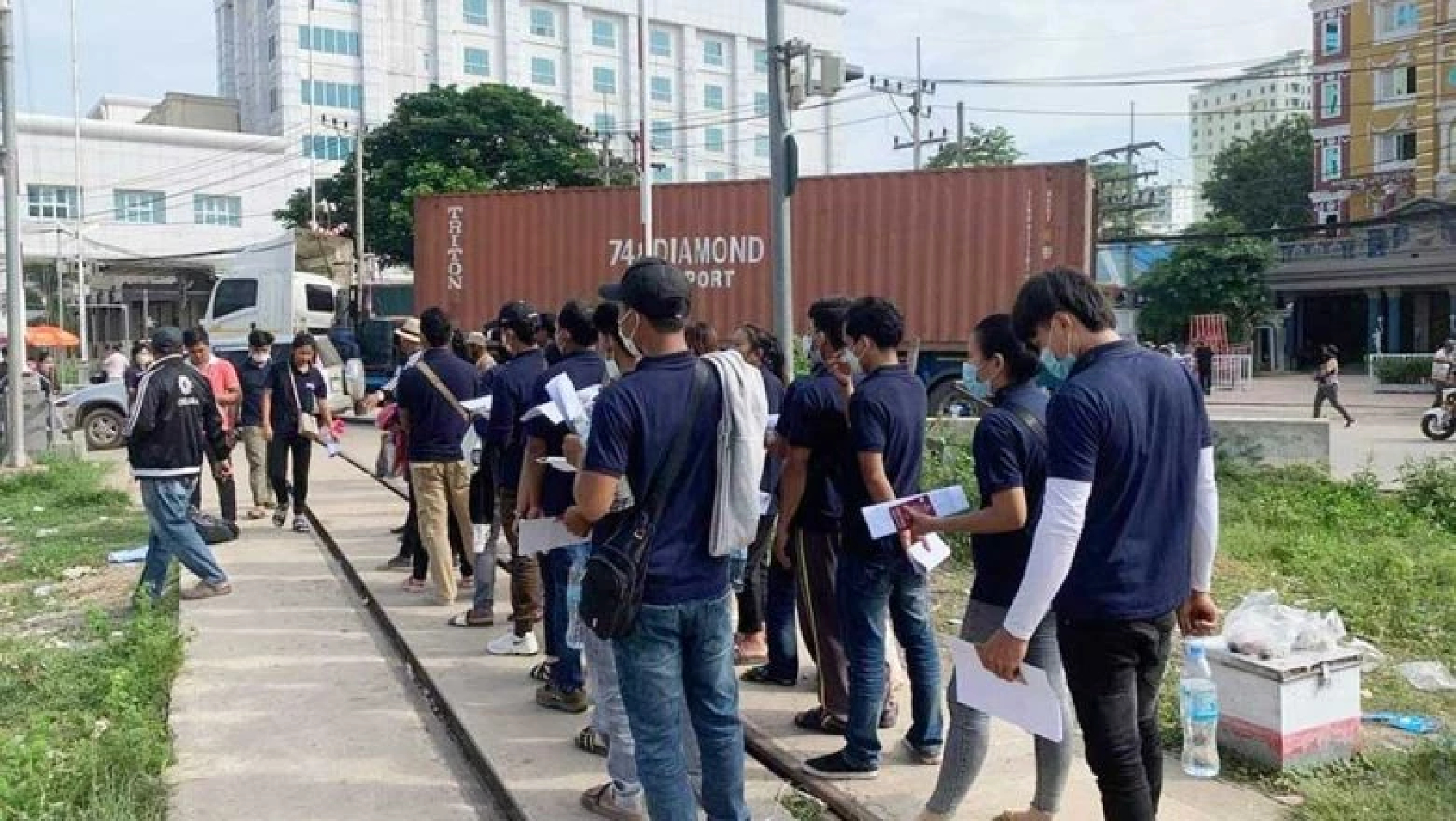
The numbers would keep increasing with the border having reopened after Thailand relaxed procedures for Cambodian workers
An Bun Hak, president of the Manpower Association of Cambodia (MAC), told The Post on June 6 that the workers have been sent via recruitment agencies licensed by the Ministry of Labour and Vocational Training.
Most of them worked in agriculture, food factories, machine industries and services, and could earn between $500 to $600 depending on the nature of the work and overtime, he noted.
Bun Hak said the numbers would keep increasing with the border having reopened and Thailand easing the procedure for Cambodian workers.
“The procedure for sending migrant workers seems to have returned to normal, as prior to Covid-19. To work in Thailand now, Cambodian workers only need to apply for a Thailand Pass – with employers registered as payers of their workers’ insurance premiums – and hold a vaccination card.
“The vaccination card is not a problem for Cambodian workers anymore as around 93 per cent of our people have been vaccinated, and so the Thai side seem to have almost 100 per cent confidence in our workers as they can see the situation in our country,” he said.
He added that migrant workers going to Thailand who were not skilled workers would have to wait around one month to be processed, and would need a day’s training ahead of travelling on issues such as working conditions and contracts.
The training from labour ministry officials covered topics such as contracts in Thailand, responsibilities, work accidents and dispute procedures, as well as instructing them to fully follow all the laws, he said.
Bun Hak said unskilled Cambodians worker are also encouraged to learn all they could from their experience in Thailand and save some money to improve their situation on their return home.
“We do not want them to be migrant workers for the rest of their life, so if they save some money while working in Thailand, once they return they can start their own business or utilise whatever they have learned in Thailand in modern agriculture,” he said.
Bun Hak said Cambodian migrant workers who went to work in Thailand via the mechanisms between both governments and international organisations, particularly regarding insurance, had better experiences so they are urged to travel legally.
Moeun Tola, executive director of the Centre for Alliance of Labour and Human Rights (CENTRAL), said the reason workers still decided to go to work in Thailand was because they got higher wages, with a wider labour market than in Cambodia.
According to the labour ministry, Cambodia currently has 1,220,197 migrants working in Thailand in construction, agriculture, fisheries and food factories.
The Phnom Penh Post
Asia News Network
Asia News Network: The Nation (Thailand), The Korea Herald, The Straits Times (Singapore), China Daily, Jakarta Post, The Star and Sin Chew Daily (Malaysia), The Statesman (India), Philippine Daily Inquirer, Yomiuri Shimbun and The Japan News, Gogo Mongolia, Dawn (Pakistan), The Island (Sri Lanka), Kuensel (Bhutan), Kathmandu Post (Nepal), Daily Star (Bangladesh), Eleven Media (Myanmar), the Phnom Penh Post and Rasmei Kampuchea (Cambodia), The Borneo Bulletin (Brunei), Vietnam News, and Vientiane Times (Laos).
He also added that the global supply chain was affected by the Ukraine-Russia conflict as well as Covid-19, resulting in world food prices rising by more than 30%.
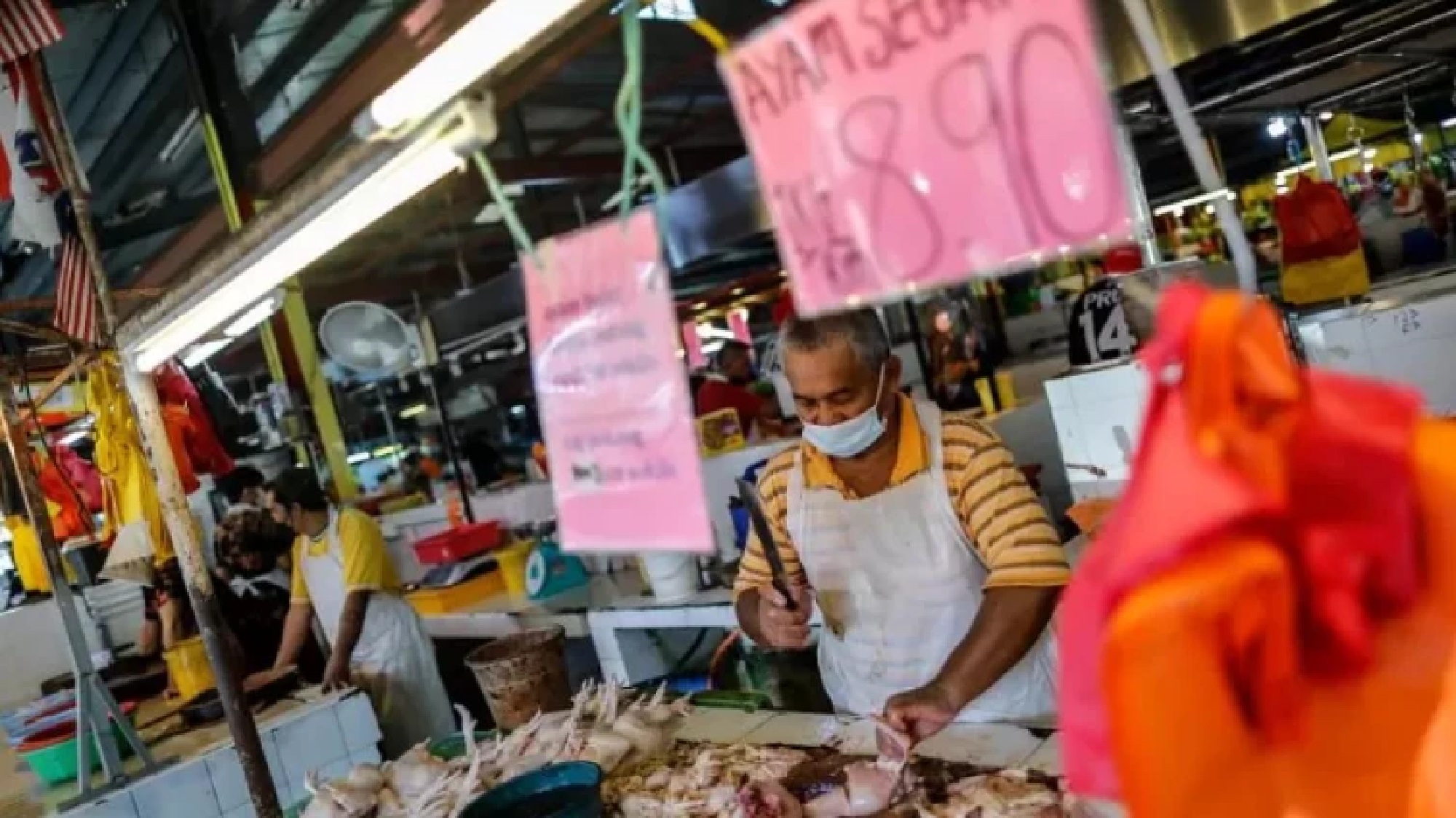
Acautious approach is being taken to address the latest global developments, especially the food supply and rising food prices which have affected the well-being of Keluarga Malaysia (Malaysian Family), says Prime Minister Ismail Sabri Yaakob.
To manage the economic crisis due to the pandemic and the Russia-Ukraine conflict, he said the government has formulated short-, medium- and long-term measures to stabilise food supplies and prices.
Ismail Sabri said Malaysia, the Asian region and other regions in the world were not spared from the impact of the crisis, adding that the global supply chain was also affected, resulting in world food prices rising by more than 30%.
Short-term measures include the abolition of the approved permit (AP) requirement to import foodstuffs and a ban imposed on the export of chicken, he added.
“There is also the channelling of financial assistance directly to the people, especially the B40 group, starting July 1, establishing the Agrofood Fund with an allocation of RM500mil through soft loans to industry players and creating buffer stocks for chicken, meat and fish to ensure adequate food supply,” he said.
The Prime Minister said this in his congratulatory speech at the investiture ceremony of federal awards and honours in conjunction with the official birthday of Yang di-Pertuan Agong Al-Sultan Abdullah Ri’ayatuddin Al-Mustafa Billah Shah at Istana Negara here yesterday.
Ismail Sabri said the five short-term measures were among the government’s approaches to protecting the entire Malaysian Family from the burden of rising prices of goods, apart from various subsidies which are expected to reach RM71bil this year.
He said these were followed by several medium- and long-term measures to stabilise the supply and prices of food.
In the meantime, he said Malaysia would continue to voice its stand in safeguarding the interest and sovereignty of the country as well as bringing the voice for global peace into the international arena.
Elaborating, he said his recent visits abroad clearly proved the good cooperation and strong diplomatic relations between Malaysia and other countries.
Apart from that, the government will continue to work in the spirit of inclusivity, togetherness and contentment as a Malaysian Family across political beliefs and ideologies for the people’s welfare.
He said all challenges would be faced together collectively by finding common ground and putting aside any differences.
Meanwhile, to ensure that no Malaysian Family is left behind in the country’s development, the Prime Minister said the government was constantly improving programmes under the social protection agenda throughout the country.
In this regard, he said the government implemented the first phase of the Keluarga Malaysia Hardcore Poverty Eradication Programme last month involving 80 urban and rural localities, including Orang Asli settlements.
“We will continue to protect the lives of the poor and the low-income group so that they can enjoy a comfortable life,” he said.
On the country’s transition to the endemic phase of Covid-19, Ismail Sabri said various standard operating procedures were relaxed from May 1 to allow the people to enjoy a normal life and boost their morale.
At the same time, the Health Ministry would continue to monitor the Covid-19 situation and work with the World Health Organisation to ensure public health stability was at a satisfactory level and functioning well, he said.
On behalf of the government, public service and the people, the Prime Minister congratulated Sultan Abdullah on His Majesty’s official birthday celebration.
“May His Majesty the King, Raja Permaisuri Agong and the whole royal family always be blessed by Allah with health, long life and bestowed with the highest glory.
“His Majesty is the umbrella to the people. May Their Majesties continue ascending the throne with sovereignty, honour and greatness and always be under the protection of Allah,” he said.
The Star
Asia News Network
Asia News Network: The Nation (Thailand), The Korea Herald, The Straits Times (Singapore), China Daily, Jakarta Post, The Star and Sin Chew Daily (Malaysia), The Statesman (India), Philippine Daily Inquirer, Yomiuri Shimbun and The Japan News, Gogo Mongolia, Dawn (Pakistan), The Island (Sri Lanka), Kuensel (Bhutan), Kathmandu Post (Nepal), Daily Star (Bangladesh), Eleven Media (Myanmar), the Phnom Penh Post and Rasmei Kampuchea (Cambodia), The Borneo Bulletin (Brunei), Vietnam News, and Vientiane Times (Laos).
Asia News Network: The Nation (Thailand), The Korea Herald, The Straits Times (Singapore), China Daily, Jakarta Post, The Star and Sin Chew Daily (Malaysia), The Statesman (India), Philippine Daily Inquirer, Yomiuri Shimbun and The Japan News, Gogo Mongolia, Dawn (Pakistan), The Island (Sri Lanka), Kuensel (Bhutan), Kathmandu Post (Nepal), Daily Star (Bangladesh), Eleven Media (Myanmar), the Phnom Penh Post and Rasmei Kampuchea (Cambodia), The Borneo Bulletin (Brunei), Vietnam News, and Vientiane Times (Laos).
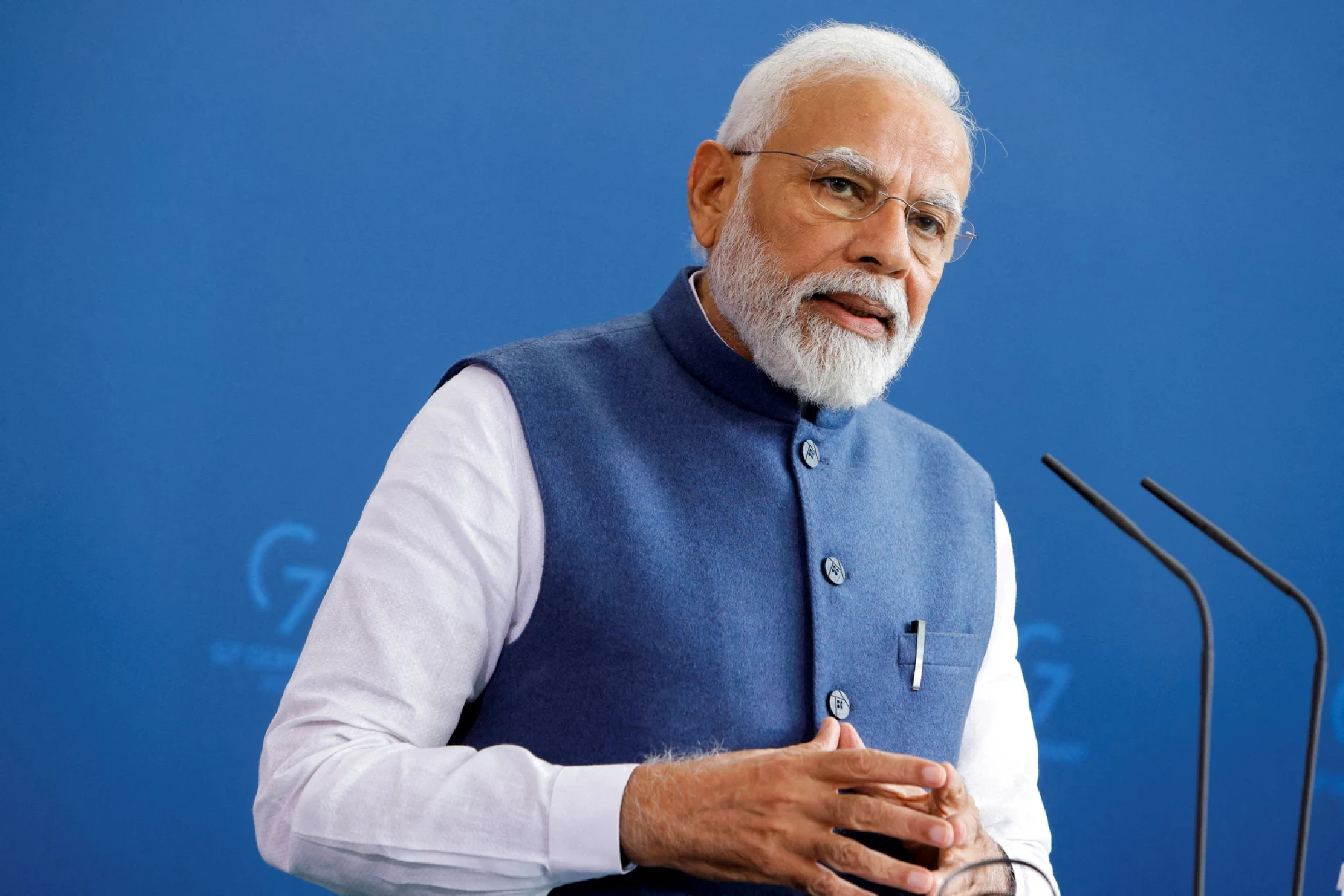
Indian Prime Minister Narendra Modi blamed large developed nations for not only overexploiting the earth’s resources, but emitting maximum carbon.
Modi said India was making multi-pronged efforts to protect the environment even though its role in climate change was negligible.
Modi noted that the average carbon footprint of the world was about four tonnes per person per annum compared to just about 0.5 tonnes per person per annum in India.
He said India was working on a long-term vision on protecting the environment in collaboration with the International community and established organisations like the Coalition for Disaster Resilient Infrastructure and the International Solar Alliance, he said, reiterating India’s goal of ”Net-Zero by 2070”.
The PM was addressing a “Save Soil” programme organised by the Isha Foundation on World Environment Day. Appreciating the “Save Soil Movement”, he said that at a time when the nation was taking new pledges, such movements acquired a new importance. He expressed satisfaction that key programmes of his government in the last eight years had been designed keeping environmental protection in mind.
Modi said that to save the soil, his government was focused on: how to make the soil chemical-free; how to save organisms that live in the soil; how to maintain soil moisture and increase the availability of water; how to remove the damage happening to the soil due to less groundwater; and how to stop the continuous erosion of soil due to the reduction of forests.
He said efforts were being made in the agricultural sector to alleviate problems related to the soil. The PM said that earlier, the farmers lacked information about the type of soil, deficiency in soil and how much water was there. To overcome these problems, a huge campaign was launched to give soil health cards to the farmers in the country.
Modi said the government was connecting the people of the country with water conservation through campaigns like ”Catch the Rain”.
In March this year, a campaign to conserve 13 big rivers was also started in the country. Along with reducing pollution in water, work was also being done to plant forests on the banks of rivers. Estimates were that this would add a forest cover of 7,400 square kilometres to the 20,000sq km forest cover in India that has been added in the last eight years, he said.
The PM noted that the policies related to biodiversity and wildlife that India was following today have also led to a record increase in the number of wildlife. Today, whether it was tigers, lions, leopards or elephant, their numbers were increasing.
He said that natural farming was a solution to some of India’s biggest problems. He noted that in this year’s budget, the government has decided to encourage natural farming in the villages situated on the banks of Ganga, which would make a huge corridor for natural farming.
He said India was working on the goal of restoring 26 million hectares of land by 2030.
Modi added that India had achieved the target of sourcing 40 per cent of its installed power generation capacity from non-fossil-fuel nine years ahead of schedule. Solar energy capacity has increased by 18 times and “Hydrogen Mission”, circular economy-related, and scrap policies were examples of the government’s commitment to environmental protection, he said.
The PM said India had achieved the target of 10 per cent ethanol blending five months ahead of schedule. Elaborating on the enormity of the achievement, he said that in 2014, ethanol blending was at 1.5 per cent. There were three clear benefits of achieving this goal: It has led to a reduction of 27 lakh tonnes of carbon emissions; it has saved foreign exchange worth 410 billion rupees (THB181.3 billion); and farmers of the country have earned 460 billion rupees in the last eight years due to an increase in ethanol blending.
The Statesman
Asia News Network
Asia News Network: The Nation (Thailand), The Korea Herald, The Straits Times (Singapore), China Daily, Jakarta Post, The Star and Sin Chew Daily (Malaysia), The Statesman (India), Philippine Daily Inquirer, Yomiuri Shimbun and The Japan News, Gogo Mongolia, Dawn (Pakistan), The Island (Sri Lanka), Kuensel (Bhutan), Kathmandu Post (Nepal), Daily Star (Bangladesh), Eleven Media (Myanmar), the Phnom Penh Post and Rasmei Kampuchea (Cambodia), The Borneo Bulletin (Brunei), Vietnam News, and Vientiane Times (Laos).
The Philippines and South Korea have agreed to hold their first-ever joint military exercise, in a move seen as countering China’s rising assertiveness in the region.
The new joint exercise was announced following talks between South Korean Defence Minister Lee Jong-sup and his Philippine counterpart Delfin Lorenzana in Seoul on Friday.
The Defence Ministry in Seoul said the exercise will be held in October and involve South Korean marines. No other details were provided.
Lorenzana and Lee also exchanged views on the situations in the South China Sea and Korean peninsula, Philippines’ Department of National Defence (DND) said.
Manila and Beijing are locked in a territorial dispute over islands in the South China Sea, despite an international tribunal ruling in favour of the Philippines in 2016. China is aggressively asserting its claim to almost all of the South China Sea which is disputed by five Asean countries.
Both ministers reaffirmed that freedom of navigation and overflight as well as respect for international law must be upheld at all times.
Lorenzana also reiterated the Philippines’ call for “complete, verifiable and irreversible denuclearisation” of North Korea, the same week that Manila condemned North Korea’s latest ballistic missile tests.
Lorenzana also thanked Lee for South Korea’s support for the Philippines’ military modernisation programme.
As part of his official visit, Lorenzana also signed a memorandum of understanding with Park Min-shik of the Patriot and Veterans Affairs Ministry, which will further deepen cooperation between military veterans in both countries. June is marked as “patriots and veterans” month in South Korea.
Manila and Seoul’s security ties have flourished in the decades since the Philippines deployed troops during the Korean War in the 1950s.
Philippine Daily Inquirer
Asia News Network
Asia News Network: The Nation (Thailand), The Korea Herald, The Straits Times (Singapore), China Daily, Jakarta Post, The Star and Sin Chew Daily (Malaysia), The Statesman (India), Philippine Daily Inquirer, Yomiuri Shimbun and The Japan News, Gogo Mongolia, Dawn (Pakistan), The Island (Sri Lanka), Kuensel (Bhutan), Kathmandu Post (Nepal), Daily Star (Bangladesh), Eleven Media (Myanmar), the Phnom Penh Post and Rasmei Kampuchea (Cambodia), The Borneo Bulletin (Brunei), Vietnam News, and Vientiane Times (Laos).
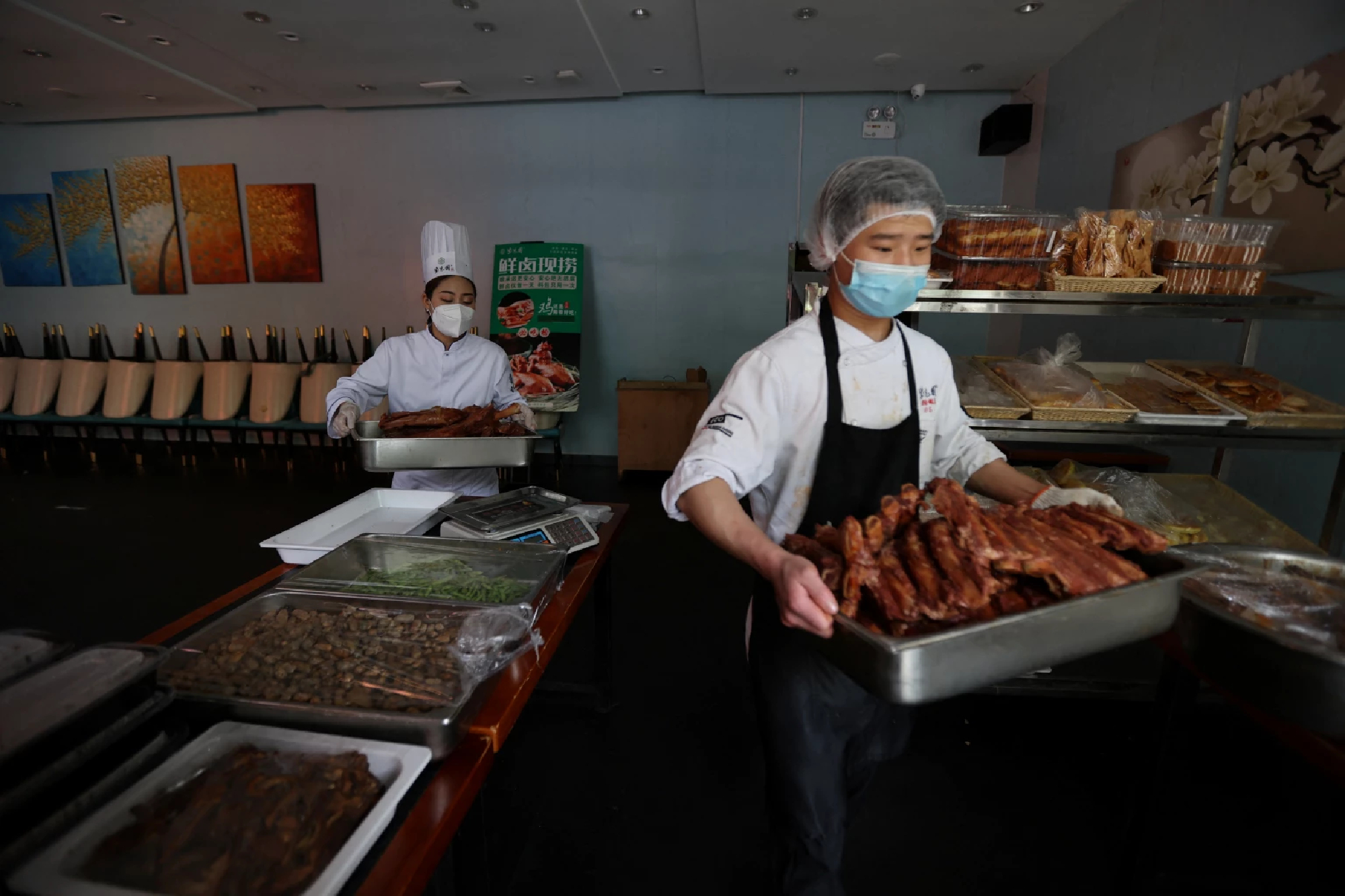
China continues restricting imports of Japanese foods, including a total ban on fruit and vegetables. Beijing introduced the curbs following the 2011 nuclear accident in Fukushima Prefecture and has continued the bans citing theories that are considered to have little scientific ground.
While Beijing seems to use the easing of the measures as a diplomatic bargaining chip, the manoeuvre may impact talks on China becoming a member of the Trans-Pacific Partnership.
Fine quality recognised
“I understand that Japan has strict quality controls,” said a 50-year-old clerk at a Japanese foods store in central Beijing. “I’m no longer concerned about [the impact of] the nuclear accident.”
While the store offers marine products, rice and sake from Japan, it does not sell Japan-grown fruit or vegetables, despite their popularity among Chinese consumers who value their high quality.
A 46-year-old food importer in Dalian, Liaoning Province, said: “Chinese people who have visited Japan recognise that Japanese fruit is sweet and fine in quality.”
Beijing initially slapped restrictions on foods produced in Tokyo, Fukushima, and eight other prefectures. But measures were later introduced for other prefectures, too, including constraints on the import of fruit, vegetables, dairy products and tea leaves, among other items.
When screening food imports for radioactive materials, China looks at strontium levels rather than caesium, whereas most other countries screen for caesium. Beijing refuses to budge on this stance. It takes about two weeks to determine radioactive strontium levels in food items, during which time perishable foods will begin to deteriorate, leading to a higher number of items being subject to import restrictions.
Two-decade ban
China’s ban on Japanese beef imports has been in place for over 20 years. The ban was introduced following an outbreak of Bovine Spongiform Encephalopathy (BSE) in Japan in 2001. However, there have been no cases of BSE in Japan-born cows since January 2002. Beijing has retained the ban, despite the widespread popularity of wagyu (Japanese cattle) meat in China.
The interdict has even led to instances of wagyu smuggling: At the end of March, a ship carrying about 80 tonnes of special-brand wagyu and other Japanese meats — worth about 1.2 billion yen — was seized by authorities off the coast of Shandong Province. According to a diplomatic source in Beijing, it was highly likely the foods came via Cambodia, the biggest importer of Japanese beef in 2020 and 2021.
“Taking such a detour means costs go up and the safety of the meat declines, which is bad for Chinese consumers,” said a restaurant-related official in Beijing.
Gauging the mood
In the wake of the Fukushima nuclear accident, as many as 55 countries and regions placed import restrictions on certain foods from parts of Japan, either by halting imports entirely, or demanding that foods be accompanied by documentation proving they had undergone radiation inspections.
Today, 14 countries and regions have continued the restrictions, and four of them — including China and South Korea — ban imports of Japanese foods.
In late February, Taiwan lifted its ban on food products from Fukushima and four other prefectures. Britain also is expected to lift related restrictions by the end of June. According to government sources, Japan contacted the two governments to ask them to lift their embargoes, asserting that Japan-made foods are safe as they have been subject to stringent inspections on radioactive materials.
China is a different story, however. According to a source with knowledge of Japan-China relations, Chinese customs officials “won’t even pick up the phone” when the Japanese side calls in hope of negotiating the matter.
But following a 2018 visit by then-prime minister Shinzo Abe, China removed restrictions only on rice from Niigata Prefecture. Some observers say China is easing its import restrictions little by little so it can tout the move as an achievement during summit talks and other exchanges with Japan.
Later this year, Beijing and Tokyo will mark 50 years since normalising diplomatic ties. Yet, under the current circumstances, working-level officials in China “are somewhat reluctant to agree to talks with Japan, after gauging sentiment among the upper ranks”, the source said.
China, Taiwan and Britain are all keen to join the TPP. But the free-trade bloc stipulates that sanitary and plant-quarantine measures aimed at ensuring food safety must be based on scientific grounds. According to a source with knowledge of TPP negotiations, however, China “is nowhere near the starting point in terms of negotiating its entry into the bloc”, due to its tendency to ease restrictions based on political motives, rather than on scientific grounds.
The Japan News
Asia News Network
Asia News Network: The Nation (Thailand), The Korea Herald, The Straits Times (Singapore), China Daily, Jakarta Post, The Star and Sin Chew Daily (Malaysia), The Statesman (India), Philippine Daily Inquirer, Yomiuri Shimbun and The Japan News, Gogo Mongolia, Dawn (Pakistan), The Island (Sri Lanka), Kuensel (Bhutan), Kathmandu Post (Nepal), Daily Star (Bangladesh), Eleven Media (Myanmar), the Phnom Penh Post and Rasmei Kampuchea (Cambodia), The Borneo Bulletin (Brunei), Vietnam News, and Vientiane Times (Laos).
The reorganisation of Cambodia Angkor Air’s shareholders will enable it to play a role as a national carrier in expanding flights to new cities and destinations around the region and globally, said Pacific Asia Travel Association (PATA) Cambodia chapter chairman Thourn Sinan.
Sinan said in the past, national flag carrier Cambodia Angkor Air had not operated as a national airline because it had not made connections to other major cities and destinations, allowing the private airlines to expand their networks there.
“I am not concerned about who buys a stake, but it is important if the airline decides to become a national carrier. They should connect to large and new markets to open up destinations for private airlines to connect to later,” he said.
Sinan was commenting on Vietnam Airlines’ divestment of a 35 per cent stake in Cambodia Angkor Air to a Chinese firm for $34 million via a share transfer agreement on May 31.
According to Fresh News, which quoted VnExpress, the divestment has left Vietnam Airlines with only a 14 per cent stake in Cambodia Angkor Air, removing it as a subsidiary of the former.
Meanwhile, Tek Reth Samrech, chairman of Cambodia Angkor Air, told Fresh News on June 3 that Vietnam Airlines had been in talks to sell its stake before Covid-19, but the sale was delayed until recently.
Reth Samrech said the divestment to a Chinese company would help Cambodia Angkor Air’s business become “stronger and more vibrant”.
This was because the Chinese company that acquired the 35 per cent stake in Cambodia Angkor specialises in civil aviation and is the third-largest state-owned Chinese company operating in the tourism sector.
“The Chinese company’s entry will help Angkor Air’s business operations, particularly by getting it ready to receive Chinese passengers as China is at the end of the tight Covid-19 measures and might open access, as it was before Covid-19,” he said.
Cambodia Angkor Air is currently owned by three different shareholders – 51 per cent owned by the Cambodian government, 35 per cent owned by the new Chinese firm and 14 per cent owned by Vietnam Airlines.
Cambodia Angkor Air currently operates daily flights to domestic destinations, and from Phnom Penh to Ho Chi Minh City once a week and to China.
According to the Ministry of Tourism, 131,864 international visitors arrived in Cambodia from January to April 2022. It was an increase of 243.9 per cent from 38,346 in the corresponding period in 2021.
The Fresh News report noted that Vietnam Airlines received $30 million on January 3, this year and another $4 million on March 29 from investors to acquire a stake in Cambodia Angkor Air.
In 2019, Vietnam Airlines received a $1 million deposit, bringing the total acquisition value to $35 million, representing a 35 per cent stake in Cambodia Angkor Air, which was established in 2009 by the Cambodian government with Vietnam Airlines.
Based on the joint venture agreement, the government would hold a 51 per cent stake while Vietnam Airlines possessed a 49 per cent stake.
According to VnExpress, Vietnam Airlines will dispose of the remaining 14 per cent by the end of this year.
Last year, Cambodia Angkor Air’s business activities, which were severely affected by the pandemic, resulted in a loss of $17.7 million, which expanded by 37.2 per cent from 2020, Viet Nam News reported.
Asia News Network
The Phnom Penh Post
Asia News Network: The Nation (Thailand), The Korea Herald, The Straits Times (Singapore), China Daily, Jakarta Post, The Star and Sin Chew Daily (Malaysia), The Statesman (India), Philippine Daily Inquirer, Yomiuri Shimbun and The Japan News, Gogo Mongolia, Dawn (Pakistan), The Island (Sri Lanka), Kuensel (Bhutan), Kathmandu Post (Nepal), Daily Star (Bangladesh), Eleven Media (Myanmar), the Phnom Penh Post and Rasmei Kampuchea (Cambodia), The Borneo Bulletin (Brunei), Vietnam News, and Vientiane Times (Laos).
The 75th Cannes Film Festival was one of the most productive outings for South Korean movies to date, marking the first time the nation claimed two major trophies at one of the world’s most prestigious film events.
It was another reminder of how the country’s cinema went from relative obscurity to claim a bigger spotlight on the international stage.
Song Kang-ho, star of “Broker,” became the first Korean in history to receive the best actor award, while Park Chan-wook added to his already-impressive collection with the best director trophy for “Decision to Leave.” The two films were among the five produced by South Koreans and screened at the festival, in or out of competition.
With the big wins on Saturday, South Koreans have won at least one trophy in all of the competing categories at Cannes.
The surge in international attention
Before the 21st century, South Korean movies were a near non-factor on the international stage.
Among the few countrymen who had a reputation outside the country was Im Kwon-taek. His “ChunHyang” in 2000 became the first South Korean film to be selected to compete for Palme d’Or, and the star of his 1986 movie “The Surrogate Woman” Kang Soo-yeon won the best actress award at the 44th Venice International Film Festival the following year, making her the first Korean thespian to win at a major international film festival.
This feat made Kang, who passed away earlier this month, the first home-grown celebrity to be dubbed a “world star” by local media.
Im and Kang may have put South Korea on the cinematic map, but it was the next generation of filmmakers and actors that expanded the country’s reputation. Lee Chang-dong’s “Oasis” won in 2002 for best director and emerging actress — Moon So-ri — followed by critically-acclaimed films like Park’s “Oldboy” (2003) and Lee’s “Secret Sunshine” (2007) that received prizes in the aforementioned festivals.
Kim Ki-duk — a controversial filmmaker in terms of directing style and personal misconduct following “MeToo” accusations — won international acclaims such as the Golden Lion for Venice Film Festival’s Golden Lion for “Pieta (2012)” and Silver Bear for Best Director at Berlin International Film Festival for “Samaritan Girl.”
Director Hong Sang-soo, recipient of the Silver Bear for “The Woman Who Ran” (2020) is another talented individual who was a beacon of controversy, as was his mistress and actress Kim Min-hee — the star of the aforementioned film and the first Korean to win the Silver Bear for Best Actress at the Berlin International Film Festival for her performance in “On the Beach at Night Alone” (2017).
But as in the case of many award-winning films, very few of these films were box office hits. For example, “Oldboy” was one of the most financially successful of all the South Korean films that won at Venice, Berlin and Cannes, but garnered only $14.98 million worldwide in terms of box office sales.
Numbers suggest that South Korean films have had limited appeal to global audiences, with their profits reliant mostly on the domestic box office success.
According to the US website Box Office Mojo, the biggest domestic hit of all time “The Admiral: Roaring Currents” (2014) made $131.6 million in South Korea but only $138.3 million worldwide. “Extreme Job” (2019) had worldwide box office sales of $120 million, of which $112 million was made locally.
Even films like “Train to Busan” (2016), which was so successful that they landed one of its stars Don Lee (Ma Dong-seok) a Marvel Cinematic Universe gig, owed over half of their box office success to the South Korean audience.
Bong’s ‘Parasite’ is a game-changer
Director Bong Joon-ho’s “Parasite” — which also starred Song Kang-ho — in 2019 was virtually the first homegrown film that was both critically well-received and a worldwide hit. The film was bombarded with honours that included winning the best picture, best director, best original screenplay and best international feature film at the 92nd Academy Awards, marking the first time a non-English language film won the best picture and the first time a Korean film ever won at the Oscars.
But what makes the film stand out from other critically-acclaimed Korean films — apart from the fact that it was also the first Korean film to win Palme d’Or or to win at Golden Globes — was that it was an international box office success.
It was the world’s 31st most successful film in 2019 and made $269 million overall, making it the most lucrative South Korean film of all time. More importantly, it only made $71.4 million in local ticket sales, unlike the other Korean films of the past that relied heavily on local box office.
This has led to the view that the global appeal of South Korean cultural content has been on the rise, as also seen by the success of K-pop and Korean TV series, like BTS and “Squid Game.” Incidentally, the 75th Cannes Film Festival also featured an out-of-competition screening of “Hunt,” the directorial debut of “Squid Game” star Lee Jung-jae.
Since 2019, South Korean films have claimed at least one award from the major categories at the Venice, Berlin and Cannes festivals, events that had been dubbed the “big 3” by local media. While awards alone will not be enough to validate South Korea’s place in mainstream cinema, the country’s track record strongly indicates that its status on the international stage is growing.
Yoon Min-sik
The Korea Herald
Asia News Network
Asia News Network: The Nation (Thailand), The Korea Herald, The Straits Times (Singapore), China Daily, Jakarta Post, The Star and Sin Chew Daily (Malaysia), The Statesman (India), Philippine Daily Inquirer, Yomiuri Shimbun and The Japan News, Gogo Mongolia, Dawn (Pakistan), The Island (Sri Lanka), Kuensel (Bhutan), Kathmandu Post (Nepal), Daily Star (Bangladesh), Eleven Media (Myanmar), the Phnom Penh Post and Rasmei Kampuchea (Cambodia), The Borneo Bulletin (Brunei), Vietnam News, and Vientiane Times (Laos).
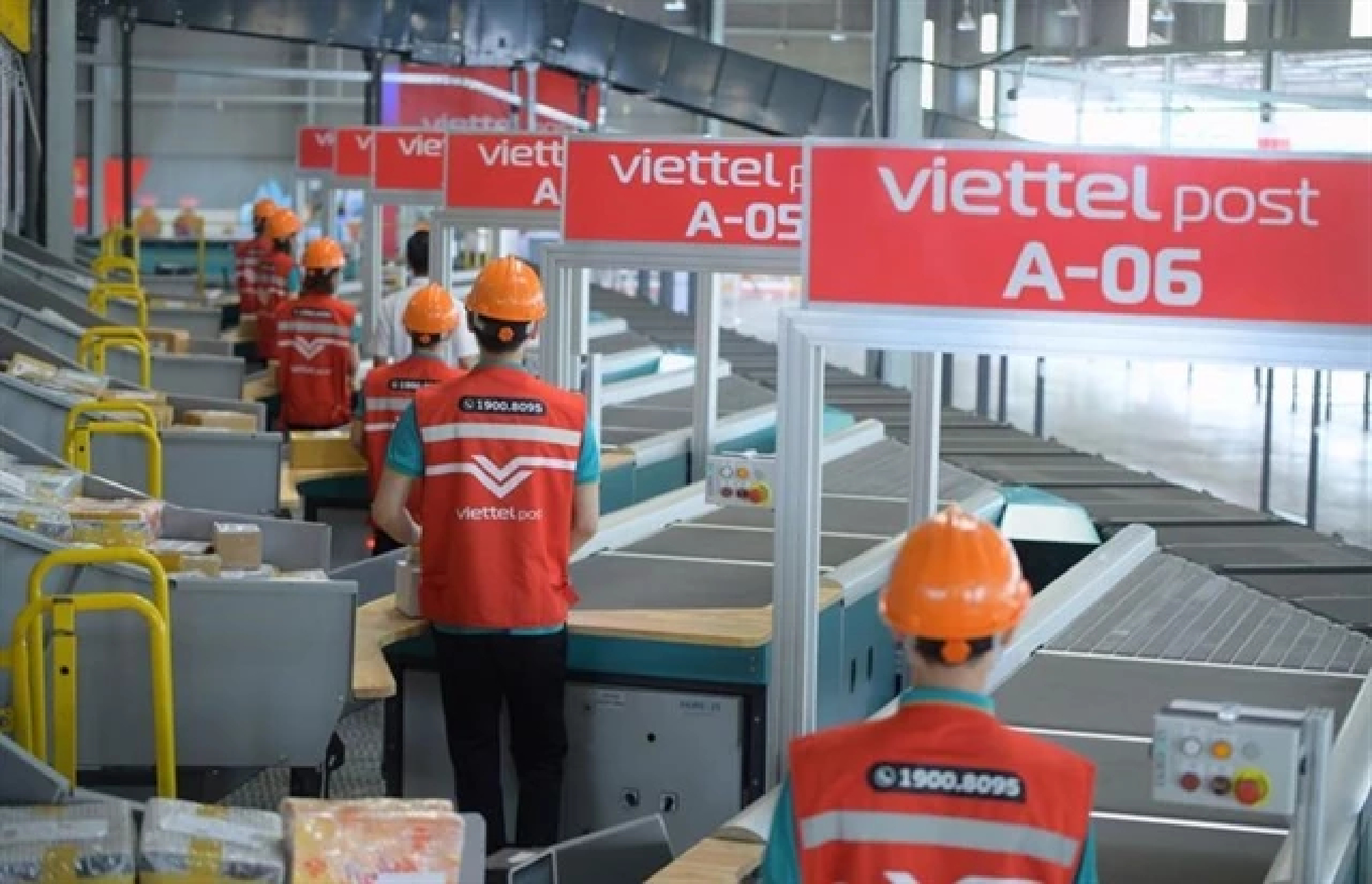
The goal of getting every household in Vietnam a digital address was highlighted in the National Postal Development Strategy to 2025 on May 30.
The strategy aims to develop the postal industry into an essential element of the country’s infrastructure.
The postal and delivery industry was forecast to reach annual revenue of US$10 billion by 2030, given the current growth rate of around 20-30 per cent per year.
The strategy stressed that completing the digital address platform in line with the national digital map was important for the development of ecommerce and the digital economy.
According to Duong Ton Bao from the Department of Posts under the Ministry of Information and Communications, the drastic change in the postal and ecommerce market, along with the development of digital technology in the Industry 4.0 era, has been changing the ways of doing business and opening up new opportunities for the development of the postal industry.
The industry needed new strategies to create breakthrough development, he said.
He cited a report from the Vietnam ecommerce Association saying that the ecommerce market would expand by about 29 per cent per year to reach $52 billion by 2025.
The huge volume of goods traded via online channels has led to an explosive demand for delivery services – a huge potential for the postal industry to tap and transform from delivering newsletters to an important foundation for ecommerce development, an essential infrastructure of the digital economy.
“The postal industry plays a role in ensuring the flow of materials besides the flow of data in the digital economy and digital society,” Bao wrote on vietnamnet.vn.
He said the postal market in Vietnam was witnessing the intertwining between the old and the new, stressing that the market would see increasingly harsh competition.
Traditional postal companies which were slow to renovate were losing market share to start-ups and technology enterprises which were young in experience but faster in applying technology.
He said this forced the postal industry to become a digital supply network, and there was no other way.
Accordingly, the postal development strategy emphasised that modern technology was the core, and a Made-in-Vietnam ecosystem of digital platforms would be the breakthrough solution.
“Postal enterprises develop in the direction of becoming enterprises which apply digital technologies to create new products and services and ensure people across the country have the right to access and use quality postal services at reasonable fees,” the strategy said.
The focus would be on building a Made-in-Vietnam ecosystem of digital platforms, including digital addresses and ecommerce platforms.
The strategy targeted that, by 2025, all households across the country would have digital addresses, and all farmer households would participate in ecommerce platforms developed by postal companies.
According to Bao, the postal industry owns huge resources with a network of over 21,600 points covering 63 provinces and cities together with nearly 800 enterprises operating in the industry.
The postal infrastructure coupled with the telecommunications infrastructure, electronic payment and digital address would promote the development of ecommerce and help expand the market for postal services, he said.
The postal industry would promote ecommerce in rural areas to accelerate the digital agricultural economy and enable residents to access public services.
“The digital revolution and the Covid-19 pandemic have changed the global economic growth model. Vietnam’s postal industry sees this as an opportunity to become an essential infrastructure of the country and the digital economy and contribute to promoting the development of digital government and digital society,” he said.
Viet Nam News
Asia News Network
Asia News Network: The Nation (Thailand), The Korea Herald, The Straits Times (Singapore), China Daily, Jakarta Post, The Star and Sin Chew Daily (Malaysia), The Statesman (India), Philippine Daily Inquirer, Yomiuri Shimbun and The Japan News, Gogo Mongolia, Dawn (Pakistan), The Island (Sri Lanka), Kuensel (Bhutan), Kathmandu Post (Nepal), Daily Star (Bangladesh), Eleven Media (Myanmar), the Phnom Penh Post and Rasmei Kampuchea (Cambodia), The Borneo Bulletin (Brunei), Vietnam News, and Vientiane Times (Laos).







 SootinClaimon.Com