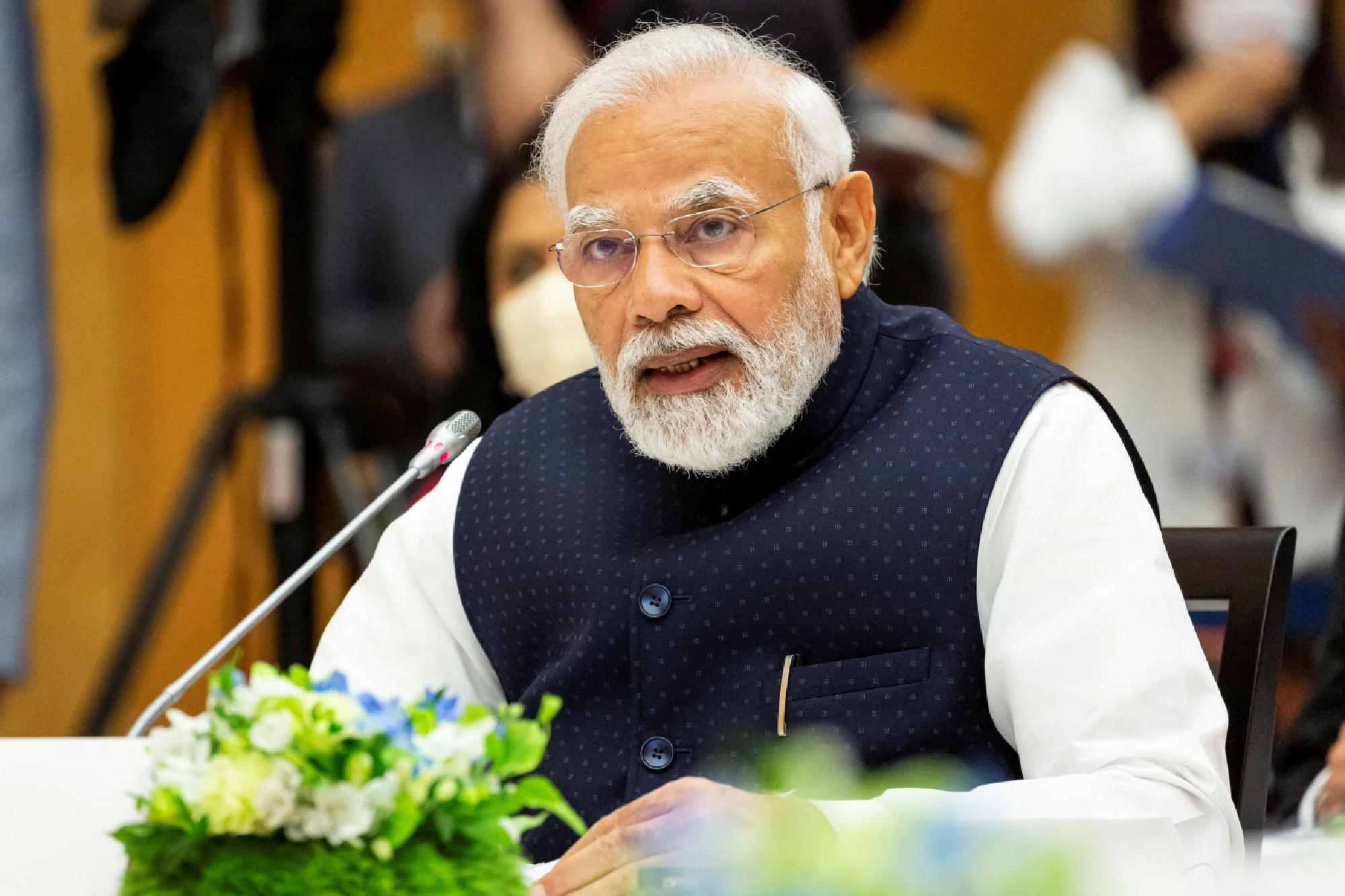
The Indian PM is set to launch the “Lifestyle for the Environment (LiFE) Movement” initiative on Sunday evening via video conferencing.
The initiative’s main purpose is to influence people across the world to adopt an eco-conscious lifestyle.
The idea of LiFE was introduced by PM Narendra Modi at the 26th United Nations Climate Change Conference (COP26) in Glasgow last year.
According to the PM’s office, the launch will initiate the “LiFE Global Call for Papers” inviting ideas and suggestions from academics, universities, research institutions, etc, to influence and persuade individuals, communities and organisations across the world to adopt an eco-friendly lifestyle.
Also present will be Bill Gates, co-chair of the Bill and Melinda Gates Foundation; climate economist Lord Nicholas Stern; author of “Nudge Theory” Prof Cass Sunstein; CEO and president of the World Resources Institute Aniruddha Dasgupta; UNEP global chief Inger Andersen; UNDP global head Achim Steiner; and World Bank president David Malpass, among others.
The idea promotes an environmentally conscious lifestyle that focuses on “mindful and deliberate utilisation” instead of “mindless and destructive consumption”.
Recently at the World Economic Forum’s (WEF) Davos Agenda 2022, Modi introduced the “P3 (Pro-Planet People) movement” that underlines India’s climate-change commitments.
“[Today’s] ‘throw away’ culture and consumerism have deepened the climate challenge. It is imperative to rapidly move from today’s ‘take-make-use-dispose’ economy to a circular economy,” he said.
At COP26, Modi also announced that India has set a target of net-zero carbon emissions by 2070.
India also updated its Intended Nationally Determined Contributions (INDCs) that have to be met by 2030.
Its new pledge includes increasing the country’s installed renewable capacity to 500GW, meeting 50 per cent of its energy requirements from non-fossil fuel sources.
At COP21 in Paris, India made similar ambitious announcements and aimed to reduce the economy-wide emissions intensity by 33-35 per cent by 2030.
In August, the Ministry of New and Renewable Energy announced that the country has installed 100GW of renewable energy capacity.
While this is a milestone, India is on track to accomplishing only about two-thirds of its planned renewable target of 175GW installation by 2022.
The Statesman
Asia News Network
Asia News Network: The Nation (Thailand), The Korea Herald, The Straits Times (Singapore), China Daily, Jakarta Post, The Star and Sin Chew Daily (Malaysia), The Statesman (India), Philippine Daily Inquirer, Yomiuri Shimbun and The Japan News, Gogo Mongolia, Dawn (Pakistan), The Island (Sri Lanka), Kuensel (Bhutan), Kathmandu Post (Nepal), Daily Star (Bangladesh), Eleven Media (Myanmar), the Phnom Penh Post and Rasmei Kampuchea (Cambodia), The Borneo Bulletin (Brunei), Vietnam News, and Vientiane Times (Laos).
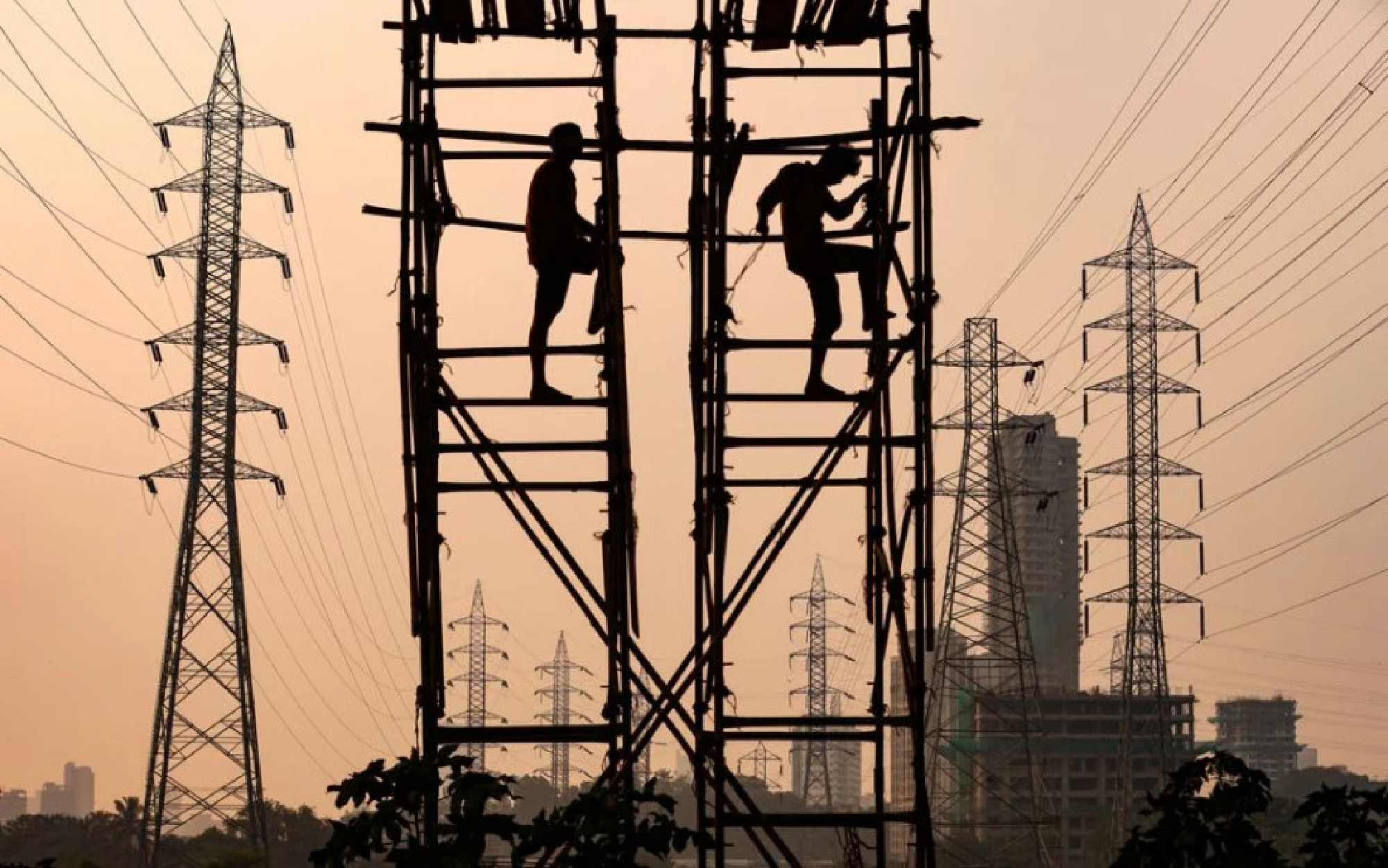
The Nepal Electricity Authority began started selling an additional 144MW of electricity generated by Kaligandaki A Hydropower Project to India through its power-exchange deal from midnight on Saturday.
The state-owned power project started off by selling 37.7MW of electricity generated by 24MW Trishuli and 15MW Devighat power plants from Wednesday after the country’s power plants started generating surplus energy.
“After the addition of electricity generated from 144MW Kaligandaki Hydropower Project, we will be selling a total of 177.7MW electricity to our southern neighbour through India Energy Exchange Limited [IEX],” Suresh Bhattarai, spokesperson for the NEA, told the Post.
It is the first time that the country is exporting such a large quantity of power through the power exchange market of India.
“Average clearing price of our electricity has been maintained at INR7.04 per unit,” said Bhattarai. In a statement, NEA added that the highest price for Nepal’s electricity has been maintained at INR12 per unit and the lowest at INR1.49 per unit. In IEX, the electricity is traded in 96 blocks each lasting 15 minutes and prices differ on every block.
Nepal has been selling electricity to India through its exchange market for the second year in a row.
The state-owned power utility body had sold electricity from the Trishuli and Devighat power plants since early November last year.
But Nepal had to import electricity from India with the onset of the dry season in December when water levels in the rivers where hydropower plants are based are reduced, decreasing the output of the hydropower plants.
In recent days, frequent rains and melting snow from the Himalayas increased the water levels on rivers, allowing the power plants to produce more electricity. The Indian authorities have so far allowed the NEA to sell a total of 364 megawatts in the open markets of India from the electricity generated by Marsyangdi (67MW), Madhya Marsyangdi (68MW), Trishuli (22MW), Devighat (14MW), Kaligandaki A (140MW) and Likhu (51MW).
Bhattarai said the NEA expects to increase exports gradually in the days to come.
In early May, NEA had invited bids from Indian companies to sell its 200MW surplus energy in the rainy season under a long-term power purchase agreement.
The power monopoly said in a statement that it would sell the surplus energy from July 1 to November 29.
All open access consumers, regulated utilities, power distribution companies and traders having valid trading licences issued by the Central Electricity Regulatory Commission of India can participate in the bidding process, according to the notice.
Nepal has been able to export energy to India at a time when its southern neighbour is facing an energy crisis due to the shortage of coal and its skyrocketing prices internationally amid the Russia-Ukraine war.
On the other hand, electricity has also emerged as a credible source of foreign exchange earnings at a time when Nepal’s foreign exchange reserves have been decreasing due to surging imports from the beginning of the current fiscal year.
The gross foreign exchange reserves decreased by 18.2 per cent to US$9.61 billion in mid-April 2022 from $11.75 billion in mid-July 2021, according to Nepal Rastra Bank.
Imports constitute nearly 90 per cent of the country’s total international trade, and with Nepal lacking export materials, the balance of payment gap has been huge.
Nepal and India have also agreed to take energy cooperation to newer heights. During Prime Minister Sher Bahadur Deuba’s visit to India in early April, he and his Indian counterpart Narendra Modi agreed on the Joint Vision Statement on Power Sector Cooperation which talks about strengthening cooperation on the joint development of power generation projects in Nepal, and development of cross-border transmission infrastructure and bi-directional power trade with appropriate access to electricity markets in both countries based on mutual benefits.
Kathmandu Post
Asia News Network
Asia News Network: The Nation (Thailand), The Korea Herald, The Straits Times (Singapore), China Daily, Jakarta Post, The Star and Sin Chew Daily (Malaysia), The Statesman (India), Philippine Daily Inquirer, Yomiuri Shimbun and The Japan News, Gogo Mongolia, Dawn (Pakistan), The Island (Sri Lanka), Kuensel (Bhutan), Kathmandu Post (Nepal), Daily Star (Bangladesh), Eleven Media (Myanmar), the Phnom Penh Post and Rasmei Kampuchea (Cambodia), The Borneo Bulletin (Brunei), Vietnam News, and Vientiane Times (Laos).
President Joko “Jokowi” Widodo should maximize his role as the chair of ASEAN next year to accelerate the acceptance of Timor Leste as the 11th member of the regional grouping.
Despite its small economic size and poverty issues, the state has geostrategic importance amid the global rivalry between China and the United States – with Australia as its deputy sheriff.
ASEAN should embrace Timor Leste as soon as possible before it’s too late. The young nation needs the ASEAN market for its non-oil and gas products. Timor Leste today is probably just peanuts compared to prosperous ASEAN members such as Singapore, but political and security considerations should be the priority of ASEAN, at least for a while.
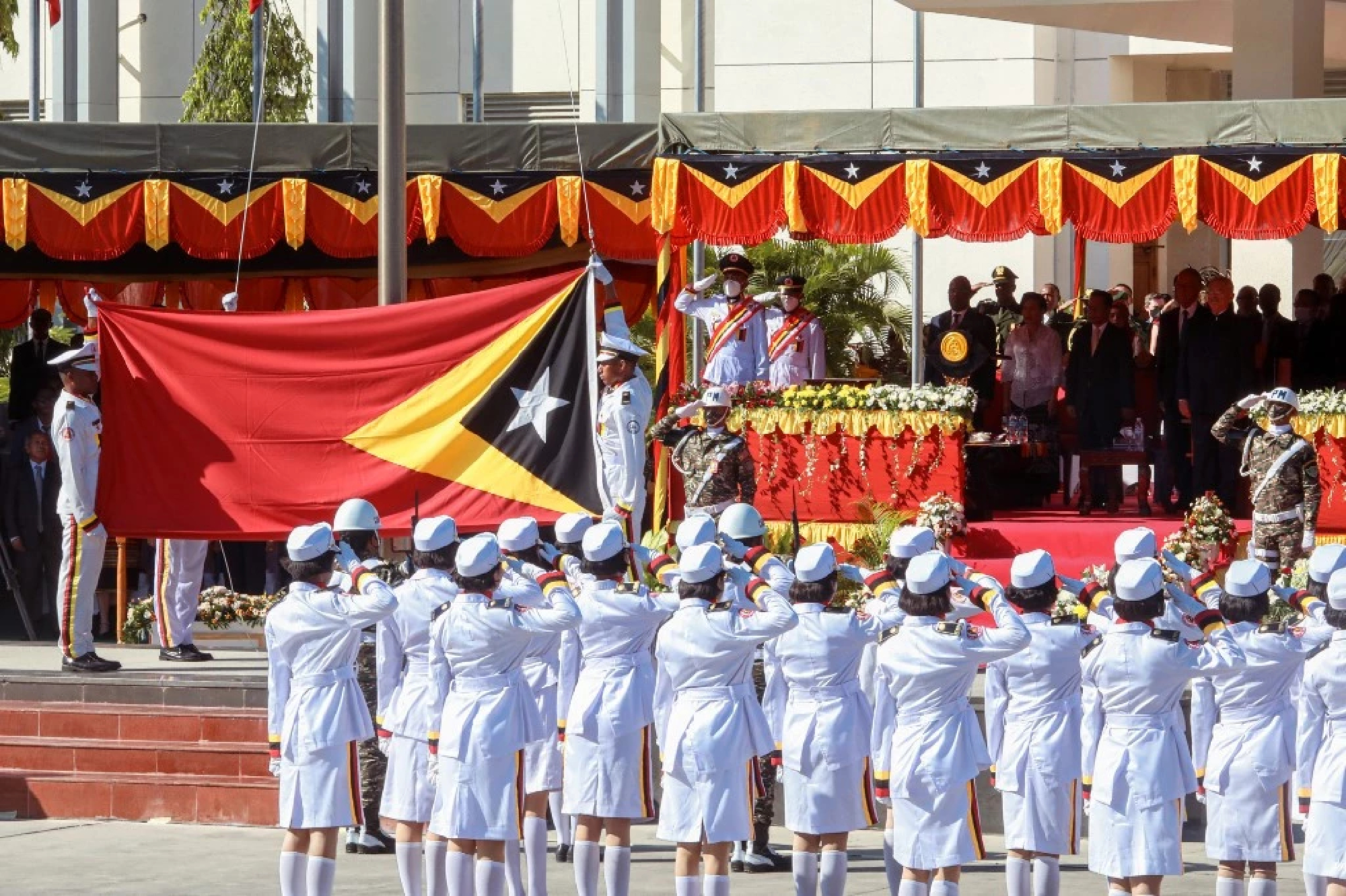
During his inauguration speech on May 20, newly elected President Jose Ramos Horta expressed his hope that the country would become the newest ASEAN member next year, during Indonesia’s chairmanship.
The media, including China Daly, quoted the 1996 Nobel Peace Prize laureate as saying that in his foreign policy, bilateral ties with giant neighbors Indonesia and Australia would top his priorities. He also pledged to strengthen and expand trade cooperation with China, including in new technologies, renewable energy, and digitalization.
Timor Leste officially applied for full membership of ASEAN in 2011 and it launched a big campaign in 2019, with its foreign minister lobbying all 10 member countries. ASEAN has yet to respond to the request.
Soon after its independence in 2002, Timor Leste obtained observer status in the group, and in 2005, it became a member of the ASEAN Regional Forum (ARF).
Indonesia should not repeat the mistakes it committed in 1975 when it invaded and occupied East Timor with the full blessing of the US and Australia after Portugal had abandoned its tiny colony after communists assumed power in Lisbon. At that time, the Cold War, which divided the world into the East and the West blocs, remained in effect. Now, after 47 years, the bipolar rivalry looks set to repeat itself, this time around the US and China.
The Cold War quickly faded in the early 1990s, but the winds of change did not blow into Indonesia, as it maintained its occupation of East Timor by the use of force. Only after the fall of Soeharto, did his successor president BJ Habibie approve East Timor’s demand for a referendum. The majority of the East Timorese voted for independence in the 1999 plebiscite.
After three years under UN auspices, East Timor became an independent nation on May 20, 2002, under the name Timor Leste.
A wave of violence followed the referendum, which the ad hoc human rights court later found was perpetrated by the Indonesian Military (TNI) and its militia groups. The horrifying atrocities have remained mostly unaddressed, as leaders of Indonesia and Timor Leste have opted for reconciliation for the sake of neighborly relations.
The tensions between the US and China are steadily increasing. Australia is expanding its “patrol zone” to the Indo-Pacific. China, too, is rapidly increasing its presence and influence in the Pacific Islands, as evident in its security pact with the Solomon Islands.
China’s presence in Timor Leste is also quite prominent. China was among the first countries to recognize Timor Leste’s independence and established its embassy in Dili in 2002. China built the Presidential Palace, the Ministry of Foreign Affairs, and the Ministry of Defense buildings.
Australia is also known to have a special interest in Timor Leste, considering the major role it played in ushering East Timor into independence.
The rising influence of China can be irritating for Canberra, which tends to act as a big brother to its smaller Pacific nations. Timor Leste is too strategic to be ignored by Australia or the US.
Timor Leste is still struggling to eradicate poverty. The World Bank categorized it as a low-income economy, with a GDP per capita of US$1,442 in 2020. Some 53 percent of the population of 1.34 million lives on less than US$1.25 a day.
The country’s revenue is heavily dependent on oil and gas. Although most citizens are farmers, their contribution to the economy is insignificant.
Timor Leste is one of the smallest nations in Asia. The tiny country shares the Nusa Tenggara Islands with Indonesia’s East Nusa Tenggara province.
The small economic size is one of the reasons for Singapore’s refusal to accept Timor Leste as part of ASEAN. Singapore feared Timor Leste would inflict a heavy burden on the region and slow its bid to realize the ASEAN Economic Community, which seeks to follow the path of European economic integration.
ASEAN’s reluctance to accept Timor Leste contradicts its swift decision to welcome Laos and Myanmar on board in 1997 and Cambodia in 1999. ASEAN took affirmative action by allowing the three countries enough time to catch up to the development of the other members.
ASEAN should not keep Timor Leste waiting for too long. The country needs regional grouping to integrate itself into the lucrative market. There are mutual benefits ASEAN and Timor Leste can claim, although they may initially look unconvincing.
So far China is Timor Leste’s most important trading partner and the largest source of development aid. The US and Australia will counter China’s domination and the competition could become a defense and security matter for Indonesia and the region, as it did in 1975.
Indonesia still counts on the current political elites of Timor Leste, including Ramos Horta and former president Xanana Gusmao, because the two have known Indonesia well since they led the country’s resistance movement against Jakarta.
Indonesia should not miss the opportunity to integrate Timor Leste into ASEAN, although it has to take into account the reservations of other members, including Singapore. But in the end, it is in the strategic interests of ASEAN to bring Timor Leste into the fold.
Kornelius Purba
Senior editor at The Jakarta Post. The Jakarta Post.
Asia News Network
Asia News Network: The Nation (Thailand), The Korea Herald, The Straits Times (Singapore), China Daily, Jakarta Post, The Star andSin Chew Daily (Malaysia), The Statesman (India), Philippine Daily Inquirer, Yomiuri Shimbun, and The Japan News, Gogo Mongolia, Dawn (Pakistan), The Island (Sri Lanka), Kuensel (Bhutan), Kathmandu Post (Nepal), Daily Star (Bangladesh), Eleven Media (Myanmar), the Phnom Penh Post and Rasmei Kampuchea (Cambodia), The Borneo Bulletin (Brunei), Vietnam News, and Vientiane Times (Laos).
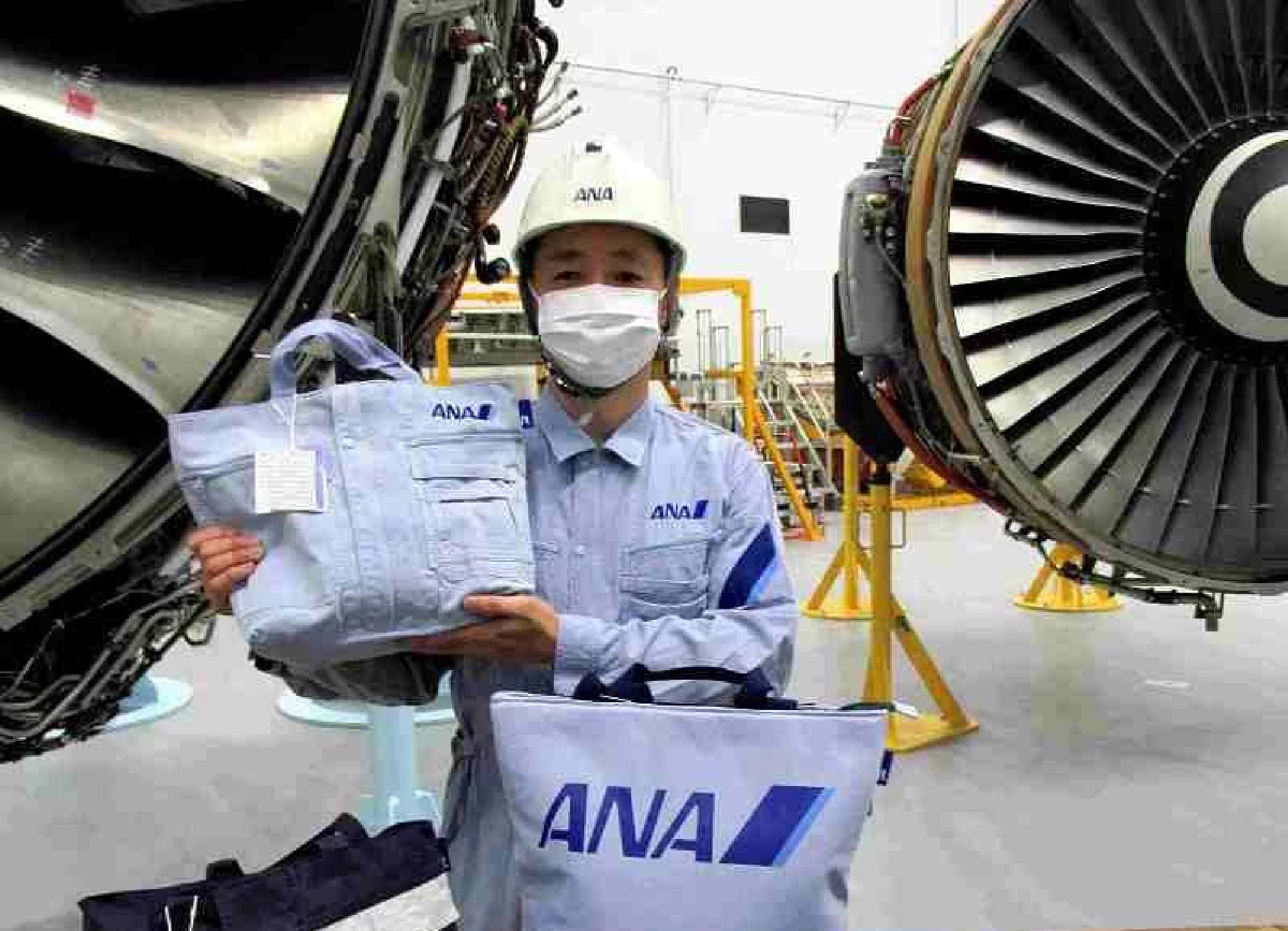
ANA Holdings Inc. launched the sale of bags recycled from mechanics’ work uniforms on May 30. The unusual items turned out to be popular, with the first release of about 350 bags selling out on the same day.
The company hopes that the product will help it secure a new source of income as well as make effective use of resources.
The bags are offered in seven types, such as backpacks and shoulder bags, at prices ranging from ¥13,500 to ¥19,800. Every year, 200 to 300 work uniforms of mechanics are discarded. The garments are now turned into bags with the ANA logo from the back and chest and pockets remaining intact. ANA said the fabric is durable, as it was originally selected for mechanical work.
The company is scheduled to start the next sale of about 500 bags on June 6. It plans to sell a total of about 1,000 bags three times a year, changing the designs each time.
This initiative is the brainchild of a mechanic who proposed in 2019 that mechanics’ work uniforms, imbued with their dedication, be revived in a new form.
The Japan News
Asia News Network
Asia News Network: The Nation (Thailand), The Korea Herald, The Straits Times (Singapore), China Daily, Jakarta Post, The Star and Sin Chew Daily (Malaysia), The Statesman (India), Philippine Daily Inquirer, Yomiuri Shimbun and The Japan News, Gogo Mongolia, Dawn (Pakistan), The Island (Sri Lanka), Kuensel (Bhutan), Kathmandu Post (Nepal), Daily Star (Bangladesh), Eleven Media (Myanmar), the Phnom Penh Post and Rasmei Kampuchea (Cambodia), The Borneo Bulletin (Brunei), Vietnam News, and Vientiane Times (Laos).
Three nations prepared to make short-, long-term adjustments to deal with NK provocations
South Korea, the United States and Japan are closely coordinating to prepare for all contingencies, as North Korea is seen to be preparing for a seventh nuclear test, a US special envoy for North Korea said Friday.
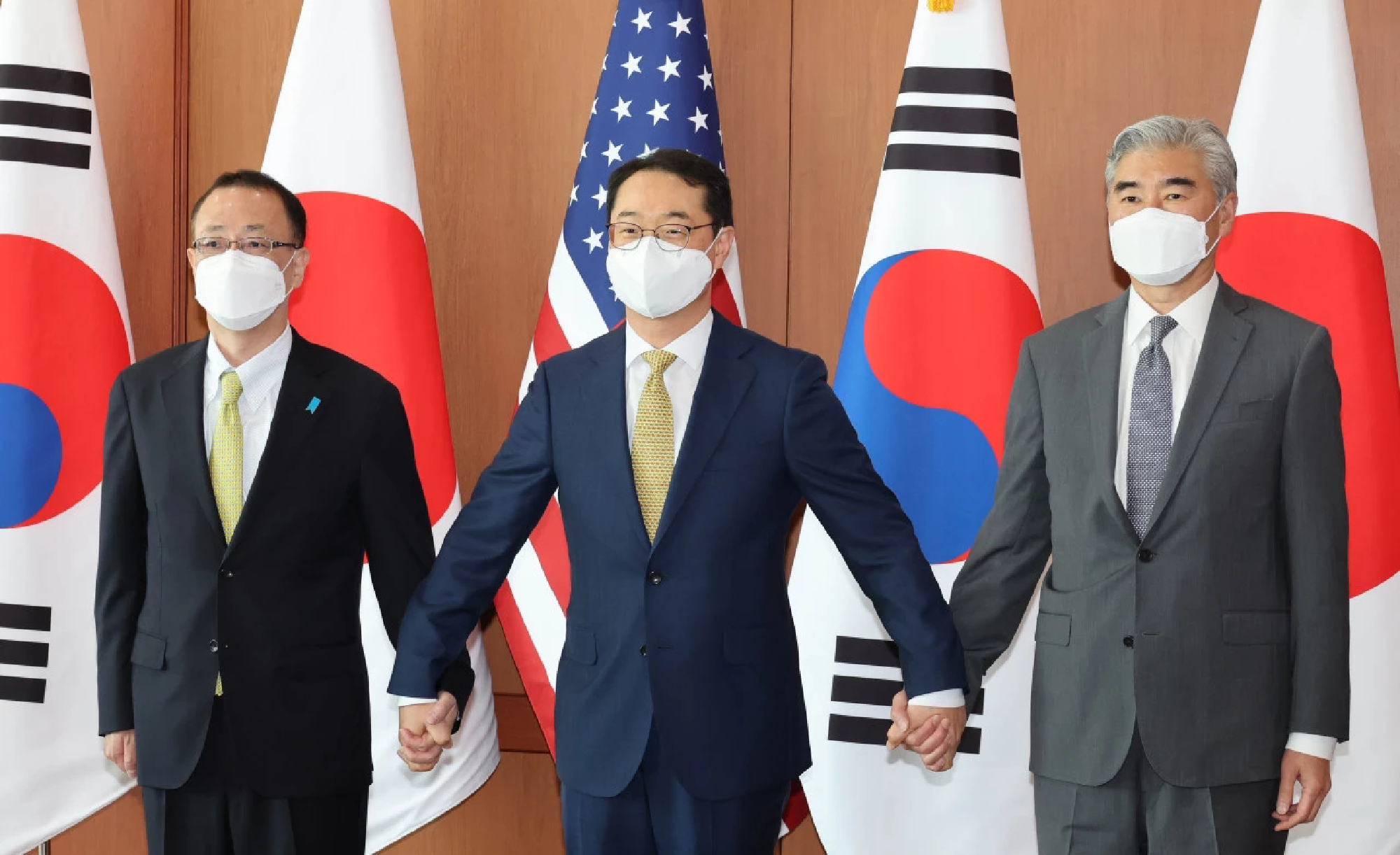
In a trilateral meeting in Seoul, US Special Representative for North Korea Sung Kim, South Korea’s special representative for Korean Peninsula peace and security affairs, Kim Gunn, and Takehiro Funakoshi, director general of the Japanese Foreign Ministry’s Asian and Oceanian Affairs Bureau, discussed measures to deter increasing nuclear threats from Pyongyang, and vowed to bolster trilateral cooperation.
“The US assesses that the DPRK is preparing its Punggye-ri test site for what would be its seventh nuclear test. This assessment is consistent with the DPRK’s own recent public statements,” Sung Kim said in his opening remarks before the trilateral consultation meeting began. DPRK refers to Democratic People’s Republic of Korea, the official name of North Korea.
“We are preparing for all contingencies in close coordination with our Japanese and ROK allies,” the US envoy said, adding that the three countries are also prepared to make both short- and long-term adjustments to their military posture to deal with North Korea’s provocations. ROK refers to Republic of Korea, South Korea’s official name.
The representatives of the three countries condemned the series of missile launches by Pyongyang this year as in violation of the United Nations sanctions, and urged the reclusive regime to enter dialogue.
Kim reiterated that their goal is consistent for complete denuclearization of the Korean Peninsula and added, “The only viable path forward for the DPRK is through diplomatic negotiations.”
“We do remain committed to seeking dialogue with the DPRK and continue to hope that the DPRK will respond positively to our offers to meet without preconditions,” Kim said.
Seoul’s representative Kim Gunn also highlighted the importance of trilateral cooperation in handling the provocations from the recalcitrant regime, and warned that Pyongyang’s nuclear ambitions only runs “counter” to its own interest.
“North Korea’s relentless pursuit of nuclear weapons will only end up strengthening our deterrence. This will ultimately run counter to Pyongyang’s own interest,” Kim said.
“Simply put, the course that Pyongyang is currently embarking on has only one inevitable destination — reduced security for North Korea itself,” Kim said, adding that prolonged isolation will only worsen the already dire economic situation for the regime.
At the same time, Kim expressed concerns over the spread of COVID-19 in the North, and stressed that South Korea is willing to provide related humanitarian assistance. The US and Japanese representatives expressed similar concerns.
“I would like to express concern at the grave hardship faced by the North Korean people due to the ongoing COVID-19 outbreak. … I hope North Korea will respond positively to international offers of assistance,” Kim Gunn said.
Takehiro Funakoshi stressed the trilateral cooperation of Seoul, Tokyo and Washington and the need to discuss response measures in depth.
“Trilateral cooperation amongst Japan, US and the ROK is all the more important and I am sure that our trilateral cooperation will be further advanced,” Funakoshi said.
The Japanese director general also expressed regret that the UN Security Council failed to pass a US-drafted resolution aimed at imposing fresh UN sanctions on Pyongyang for its recent missile tests.
“We also need to discuss our coordination at the UN front. We deeply regret that draft resolution proposed by the US was vetoed,” Funakoshi said.
The resolution failed to pass the UN’s top decision-making body due to vetoes from China and Russia, two permanent members of the UNSC. The 13 other members voted in favor.
Friday’s gathering was the first face-to-face meeting between the three countries since South Korean President Yoon Suk-yeol was inaugurated on May 10, and four months since the last meeting was held in Honolulu in mid-February.
By Jo He-rim
Asia News Network: The Nation (Thailand), The Korea Herald, The Straits Times (Singapore), China Daily, Jakarta Post, The Star and Sin Chew Daily (Malaysia), The Statesman (India), Philippine Daily Inquirer, Yomiuri Shimbun and The Japan News, Gogo Mongolia, Dawn (Pakistan), The Island (Sri Lanka), Kuensel (Bhutan), Kathmandu Post (Nepal), Daily Star (Bangladesh), Eleven Media (Myanmar), the Phnom Penh Post and Rasmei Kampuchea (Cambodia), The Borneo Bulletin (Brunei), Vietnam News, and Vientiane Times (Laos).
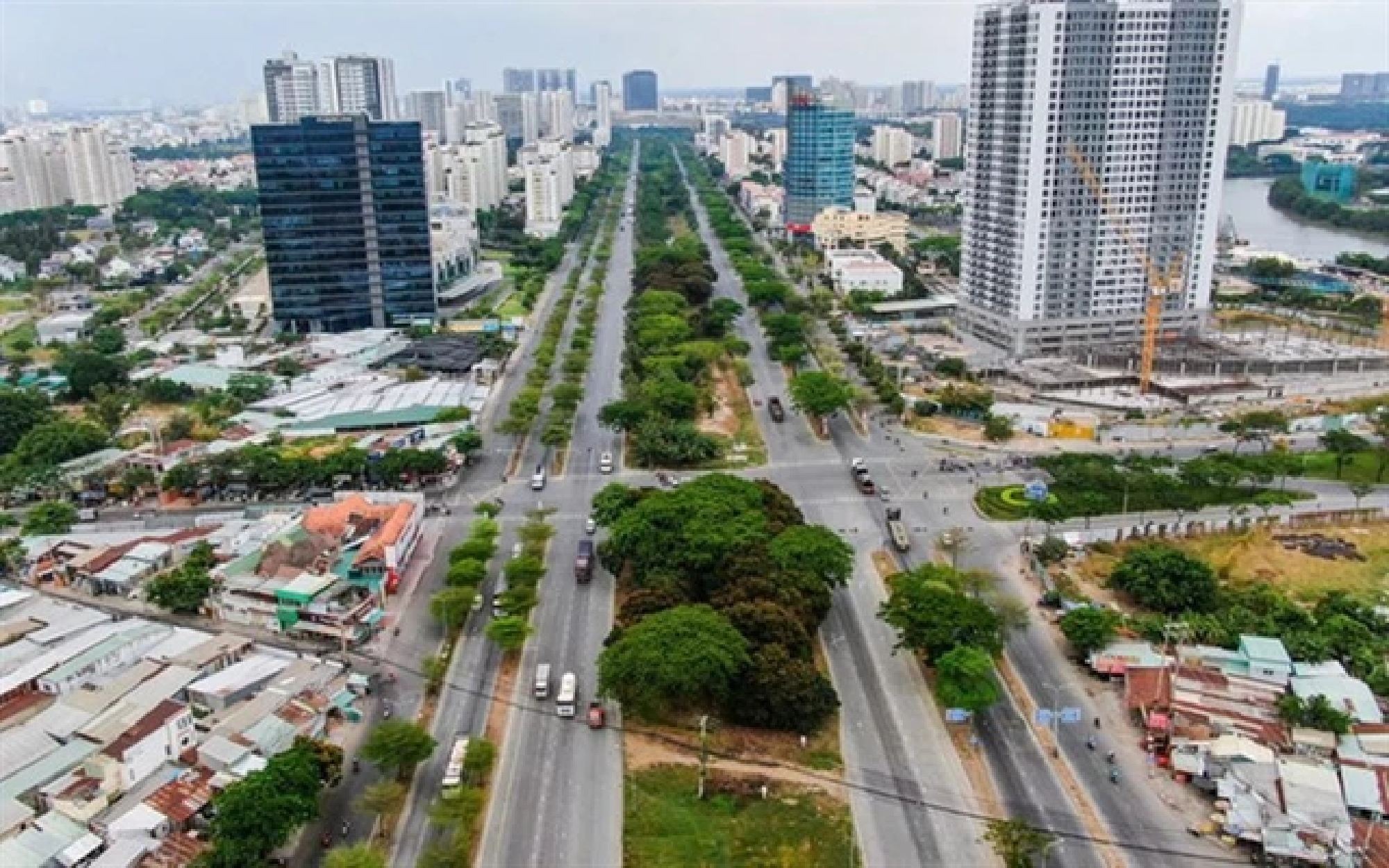
HCM CITY — HCM City plans to speed up urbanisation of the four outlying districts of Cần Giờ, Củ Chi, Hóc Môn and Bình Chánh, making them cities by 2030 like it did to the erstwhile Thủ Đức District.
They will need to solicit investment to develop new urban areas, industrial parks, tourist areas, and commercial zones.
Cần Giờ with its mangrove eco-system and world biosphere reserve status will develop urban eco-tourism.
Củ Chi will develop smart eco-urban areas, riverside eco-tourism and high-tech centres while also continuing to sustain agriculture.
Hóc Môn will develop trade, services, hi-tech agriculture, eco-tourism, and logistics.
Dương Hồng Thắng, chairman of Hóc Môn People’s Committee, said the road infrastructure remains poor in the outlying district but it is soliciting investment in it.
Bình Chánh will focus on innovation and start-ups development.
On the other hand, the suburban district of Nhà Bè will become a full-fledged urban district with a focus on traffic infrastructure, digital government and digital economy.
Nhà Bè aims to increase its average income, improve healthcare and infrastructure, build new urban areas, and develop green tourism.
Prof Dr Vũ Tấn Hưng, deputy director of the Institute of Social Sciences in the Southern Region, said the urbanisation of the suburban districts would help attract investment, enhance start-up and innovation activities, and attract high-quality human resources.
Dr Nguyễn Ngọc Hiếu of Việt Đức University said to develop into cities the suburban districts must focus on developing “green and sustainable” urban areas, and on careful management of lands along rivers, canals and other water bodies.
“Priority must be given to the development of waterways and roads.”
They also need to develop advanced public transport systems while preserving green buffer zones for high-tech agriculture, and address pressing issues such as flooding, pollution, land degradation, and saltwater intrusion.
The five districts have seen rapid urbanisation in recent years, with the creation of new urban areas, construction of expressways and improved lifestyles.
Experts have said urbanisation of suburban districts must meet environmental and ecological criteria.
Whether they live in suburban or urban areas, people are most concerned about what benefits them in terms of living standards.
They have also warned that the information about upgrading the five outlying districts would send land prices, which are already too high, through the roof.
Hóc Môn spreads over more than 109 square kilometres and has a population of nearly 463,000. The corresponding figures are 252sq.km and 711,000 for Bình Chánh, 100sq.km and 208,000 for Nhà Bè, 435sq.km and 468,000 for Củ Chi, and 704sq.km and 73,000 for Cần Giờ.
Early last year, Thủ Đức City was established by merging districts 2, 9 and Thủ Đức. — VNS
Asia News Network: The Nation (Thailand), The Korea Herald, The Straits Times (Singapore), China Daily, Jakarta Post, The Star and Sin Chew Daily (Malaysia), The Statesman (India), Philippine Daily Inquirer, Yomiuri Shimbun and The Japan News, Gogo Mongolia, Dawn (Pakistan), The Island (Sri Lanka), Kuensel (Bhutan), Kathmandu Post (Nepal), Daily Star (Bangladesh), Eleven Media (Myanmar), the Phnom Penh Post and Rasmei Kampuchea (Cambodia), The Borneo Bulletin (Brunei), Vietnam News, and Vientiane Times (Laos).
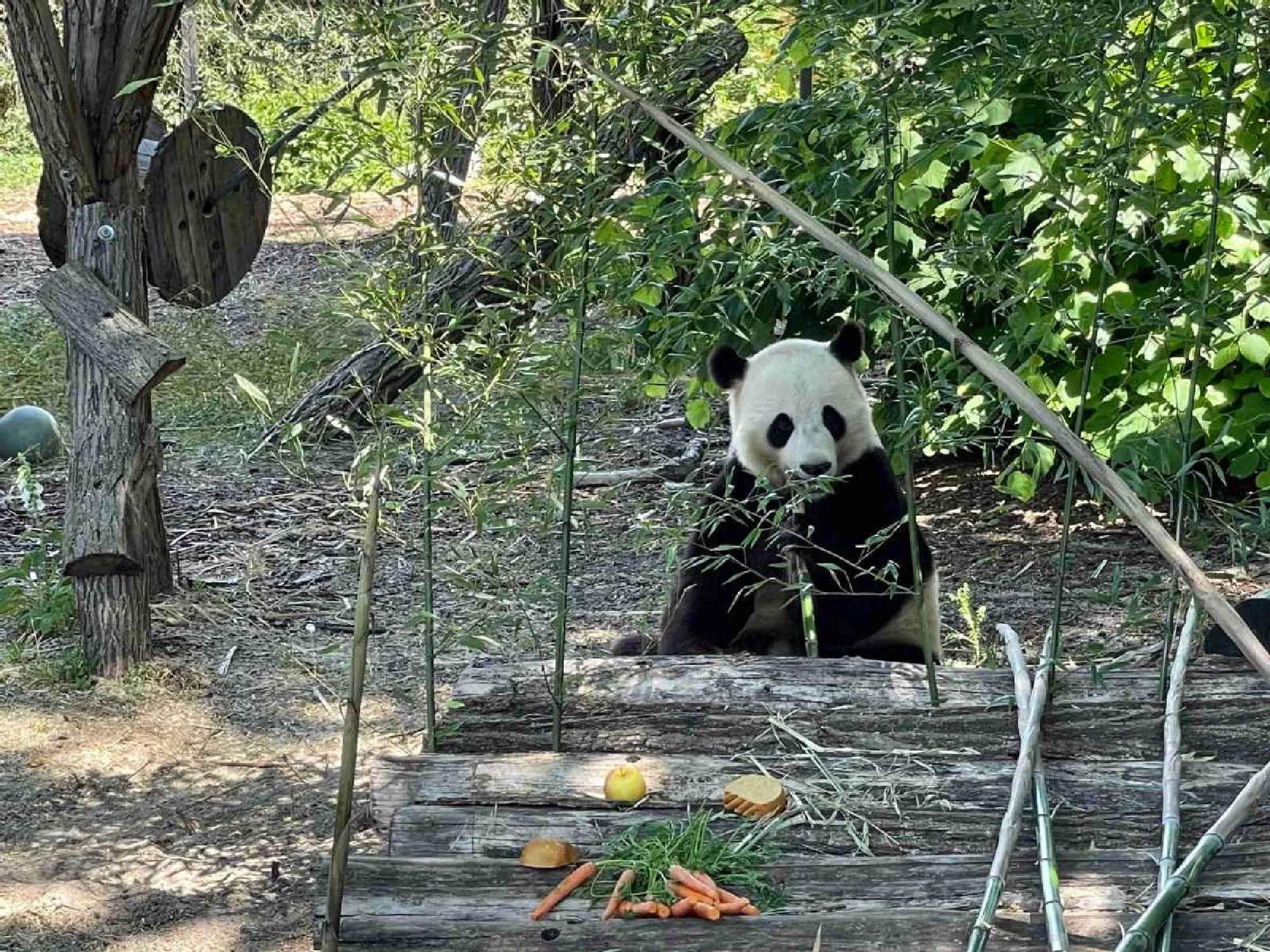
As giant panda Tian Bao walked toward the feast placed in his enclosure on Thursday at Pairi Daiza zoo in Brugelette, in Belgium’s Hainaut province, fans waiting outside began to sing Happy Birthday in Dutch and French.
One of the fans, Nora Verhoeyen, said she traveled there for the birthday party from the city of Oudenaarde, transferring between three trains in the process.
Verhoeyen has visited Tian Bao and four other giant pandas at the zoo many times. She also came after Tian Bao was born on June 2, 2016-the first giant panda cub born in Belgium.
“I like pandas. I like Tian Bao very much,” she said.
She said she cried a year ago, knowing that Tian Bao would go to China later last year. Under the loan agreement with the Chinese government, giant panda cubs born outside China to parents loaned from China belong to China and should go there by the age of four to join the breeding program as part of the conservation of the species.
Tian Bao’s departure for China has been delayed by the COVID-19 pandemic. He is now expected to go to China at the beginning of next year, according to the zoo’s founder and president, Eric Domb.
Verhoeyen said, “I’m so grateful that he will stay here until the end of this year, so I can come to see him whenever I want.”
Giant panda keeper Robin Bouttefeux said that he prepared bamboo shoots, carrots and a cake made of soybeans, rice and corn for Tian Bao’s birthday.
He said that every visitor loves Tian Bao. “He is my best friend,” he added.
Bouttefeux, who has held the post for eight years, said that taking care of five giant pandas is a big job. “But it’s a nice job working with pandas every day,” he said.
Domb described Tian Bao as “probably the most popular living being in Belgium”.
“I am serious. He is very popular,” Domb said.
Tian Bao weighed only 171 grams when he was born. He weighed 100 kilograms on Thursday.
Domb said that everyone will be sad when Tian Bao departs next year. But he and his colleagues also know that Tian Bao’s siblings, the twins Bao Di and Bao Mei, who will be 3 years old on Aug 8, should be separated soon from their mother, Hao Hao. So Tian Bao’s space will be available once he leaves for China.
Giant pandas are solitary animals. Mothers and cubs do not stay together for long in the wild. If they were kept together beyond the point when a cub is self-sufficient, it would eventually cause aggression, according to giant panda researchers.
Hao Hao and the cubs’ father, Xing Hui, arrived in Belgium on Feb 23, 2014, under a 15-year loan agreement with the Chinese government.
By CHEN WEIHUA
Asia News Network: The Nation (Thailand), The Korea Herald, The Straits Times (Singapore), China Daily, Jakarta Post, The Star and Sin Chew Daily (Malaysia), The Statesman (India), Philippine Daily Inquirer, Yomiuri Shimbun and The Japan News, Gogo Mongolia, Dawn (Pakistan), The Island (Sri Lanka), Kuensel (Bhutan), Kathmandu Post (Nepal), Daily Star (Bangladesh), Eleven Media (Myanmar), the Phnom Penh Post and Rasmei Kampuchea (Cambodia), The Borneo Bulletin (Brunei), Vietnam News, and Vientiane Times (Laos).
A growing number of people are suffering aftereffects after becoming infected with the coronavirus that causes COVID-19. Fatigue, coughing and memory impairment are among the cited symptoms, and there have been calls to establish a consultation service and offer pertinent medical treatment.
Even people who had relatively mild symptoms after becoming infected with the currently prevalent omicron variant have reported long-term sequelae.
Three months after contracting the coronavirus in February, a high school student in Saitama Prefecture still complained of a strong weariness. “I want to return to how I felt prior to catching the virus,” said the 18-year-old, who continues to receive treatment.
Shortly after falling ill, the student developed a fever of 40 C, but the case was relatively mild and his fever dropped in a few days. However, after returning to school he felt unable to concentrate in class and had difficulty sitting and maintaining his posture.
As his symptoms worsened, he visited in mid-April Kodaira Hospital in Toda in the prefecture, which has an outpatient clinic that deals with COVID-19 aftereffects. He began receiving treatment based on Chinese herbal medicines and other drugs but still finds it difficult to attend school. “The university entrance exams are coming up and I don’t know if my health is going to improve,” he said.
More than 180 people have visited the clinic since January, when the omicron variant became prevalent. “Previously, we had a lot of elderly patients, but now we’re seeing more and more young people,” the hospital’s director, Makoto Kodaira, said.
Coughing, fatigue
After analyzing cases reported to COVID aftereffects consultation service offices at hospitals run by the Tokyo metropolitan government and Tokyo Metropolitan Health and Hospitals Corporations, the metropolitan government found that 97% of 2,039 people who were infected with the virus between January and April had mild or weak symptoms at the time of infection. Also, 74% had no underlying disease, and more than 70% were aged 20-59.
Cases of fatigue and prolonged coughing were particularly notable, while the number of patients who suffered from olfactory and taste disorders — common during the outbreak of the delta variant and before — decreased.
According to a report from the National Center for Global Health and Medicine and other entities, the rate of patients who develop aftereffects is much lower with the currently dominant omicron variant than with the delta or previous variants.
“An extremely high number of people have contracted the omicron variant, so a lot of people could potentially suffer from aftereffects,” said Kochi University Prof. Akihito Yokoyama, a specialist in respiratory medicine.
It has also been reported that about 10% of people hospitalized during and before the delta variant outbreak still suffered from aftereffects a year after contracting the virus. According to sources, aftereffects may be more prolonged in cases involving the omicron variant.
Consultation system
Effective treatments for coronavirus sequelae have yet to be established.
Some overseas reports indicate that two doses of COVID-19 vaccine halve the incidence of aftereffects when compared to unvaccinated patients. Yet, research on prevention and treatment continues.
Consultation services vary from municipality to municipality and most treatments focus on alleviating symptoms.
According to a survey on prefectural governments and major cities conducted by the Health, Labor and Welfare Ministry in October, 90% of the 134 local governments that responded to the survey had no consultation service for coronavirus aftereffects, and less than 10% had an outpatient clinic specializing in the treatment of sequelae.
Nearly half of the municipalities had no plans to establish a consultation system.
In response to the situation, the ministry in April published a medical treatment handbook outlining standard procedures for treating COVID-related aftereffects.
Thanks to the handbook, it is expected that physicians from a wider range of fields will be able to provide treatment, even in cases where a medical facility lacks a specialist outpatient clinic.
The handbook classifies aftereffects in several categories — coughing and breathlessness as “respiratory symptoms” and memory impairment as a “neurological symptom” — and explains methods for examination and medical treatments. The handbook also provides guidelines for specialist referrals.
Saitama Prefecture and the Saitama Medical Association have independently produced casebooks detailing specific courses of treatment. Yuichi Maruki, executive director of the medical association, said: “Most aftereffects can be dealt with using daily medication. We need to create a system involving many doctors to help put patients’ minds at rest.”
By Masaharu Nomura and Chisato Yomon
Asia News Network: The Nation (Thailand), The Korea Herald, The Straits Times (Singapore), China Daily, Jakarta Post, The Star and Sin Chew Daily (Malaysia), The Statesman (India), Philippine Daily Inquirer, Yomiuri Shimbun and The Japan News, Gogo Mongolia, Dawn (Pakistan), The Island (Sri Lanka), Kuensel (Bhutan), Kathmandu Post (Nepal), Daily Star (Bangladesh), Eleven Media (Myanmar), the Phnom Penh Post and Rasmei Kampuchea (Cambodia), The Borneo Bulletin (Brunei), Vietnam News, and Vientiane Times (Laos).
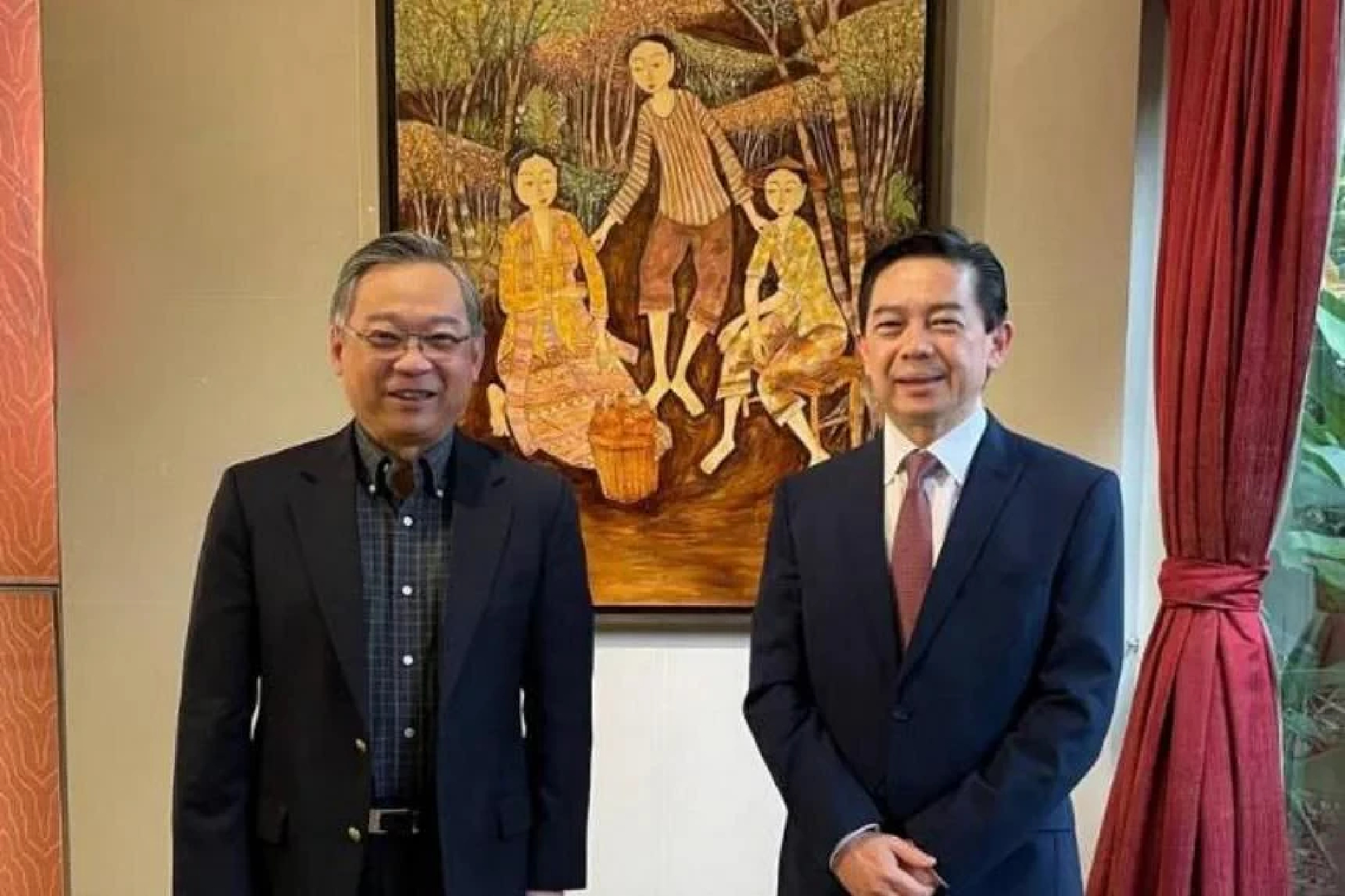
SINGAPORE – Minister for Trade and Industry Gan Kim Yong welcomed Brunei Minister of Finance and Economy II Mohd Amin Liew Abdullah in Singapore on Friday (June 3), as both countries renewed their commitment to further partnerships in the agri-food sector.
Mr Gan and Dato Dr Amin reaffirmed the close and longstanding ties between Singapore and Brunei, and committed to deepen collaboration in areas of mutual interest, said the Ministry of Trade and Industry (MTI) in a statement on Friday.
They discussed the progress of the joint working group for agri-food collaboration that was established in 2019 to serve as a key platform for bilateral agri-food cooperation with Brunei.
In spite of the challenges posed by Covid-19, both countries renewed their commitment to further partnerships in the agri-food sector via the joint working group, said MTI.
Mr Gan and Dr Amin also discussed further bilateral cooperation on the digital economy as well as climate change and sustainability, including carbon capture and storage and hydrogen.
Both countries also engage each other through regional economic integration initiatives such as the Regional Comprehensive Economic Partnership and the Comprehensive and Progressive Agreement for Trans-Pacific Partnership.
Dr Amin arrived in Singapore on May 31 and will leave on June 5.
By Rosalind Ang
Asia News Network: The Nation (Thailand), The Korea Herald, The Straits Times (Singapore), China Daily, Jakarta Post, The Star and Sin Chew Daily (Malaysia), The Statesman (India), Philippine Daily Inquirer, Yomiuri Shimbun and The Japan News, Gogo Mongolia, Dawn (Pakistan), The Island (Sri Lanka), Kuensel (Bhutan), Kathmandu Post (Nepal), Daily Star (Bangladesh), Eleven Media (Myanmar), the Phnom Penh Post and Rasmei Kampuchea (Cambodia), The Borneo Bulletin (Brunei), Vietnam News, and Vientiane Times (Laos).
Asia News Network: The Nation (Thailand), The Korea Herald, The Straits Times (Singapore), China Daily, Jakarta Post, The Star and Sin Chew Daily (Malaysia), The Statesman (India), Philippine Daily Inquirer, Yomiuri Shimbun and The Japan News, Gogo Mongolia, Dawn (Pakistan), The Island (Sri Lanka), Kuensel (Bhutan), Kathmandu Post (Nepal), Daily Star (Bangladesh), Eleven Media (Myanmar), the Phnom Penh Post and Rasmei Kampuchea (Cambodia), The Borneo Bulletin (Brunei), Vietnam News, and Vientiane Times (Laos).


 SootinClaimon.Com